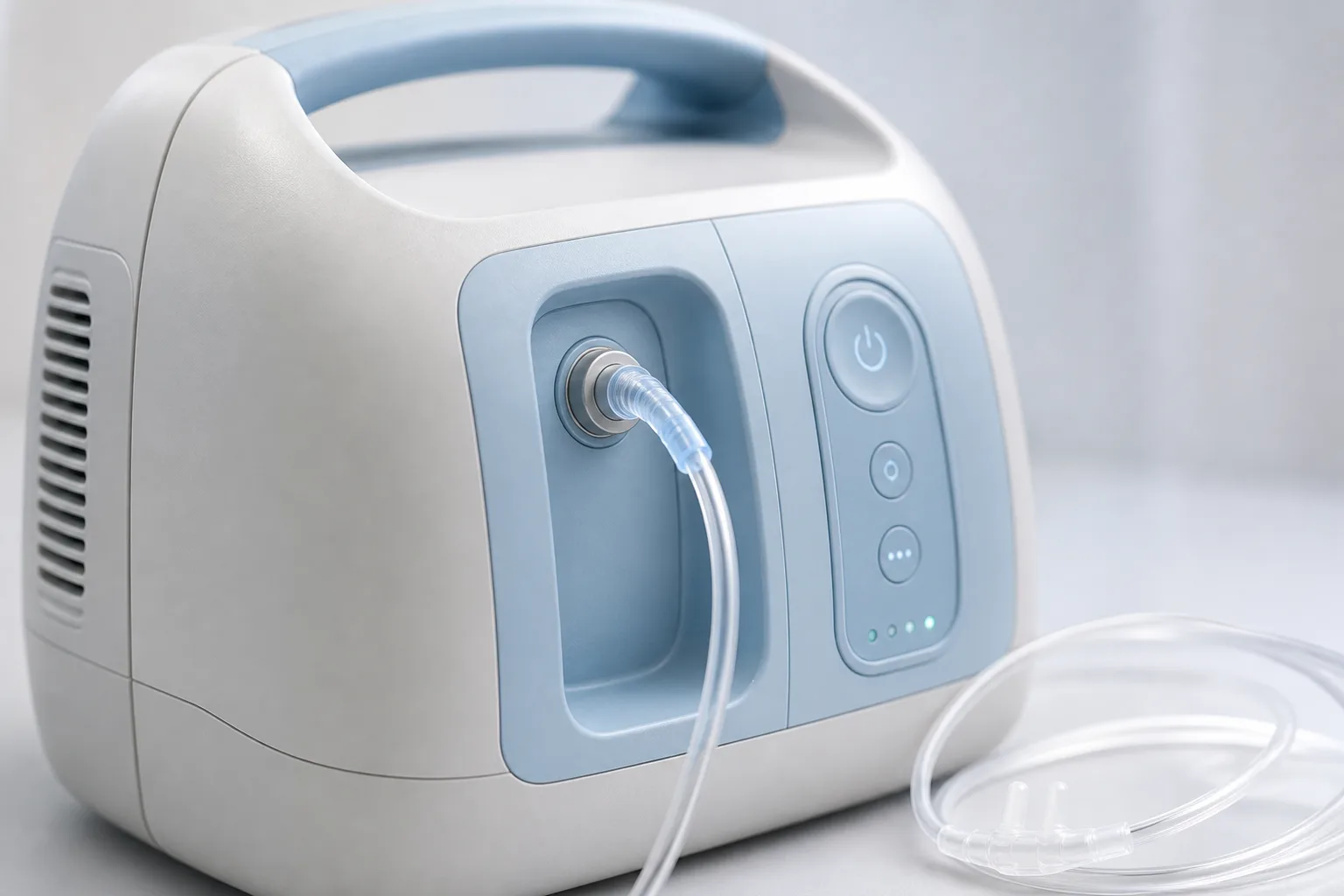
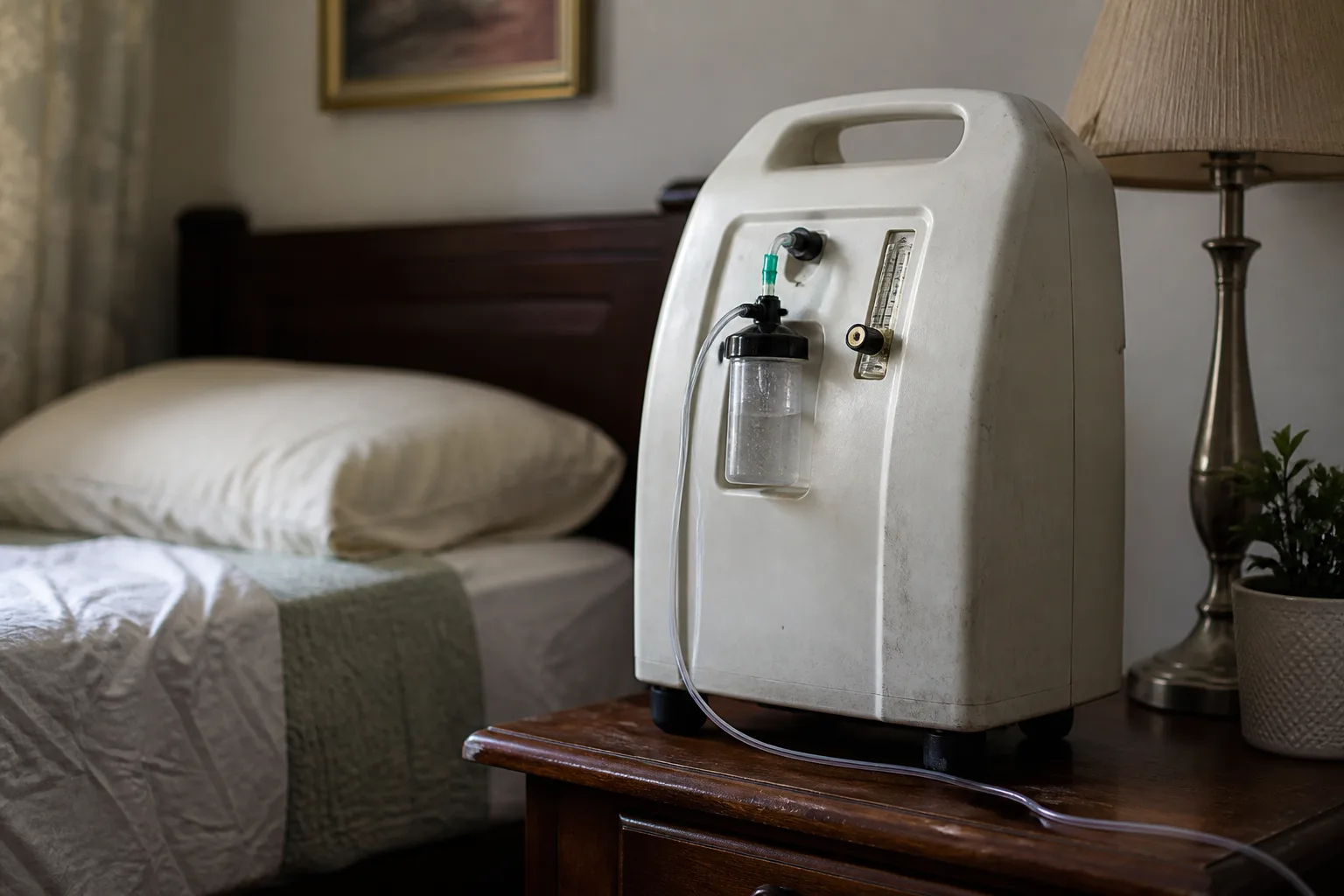
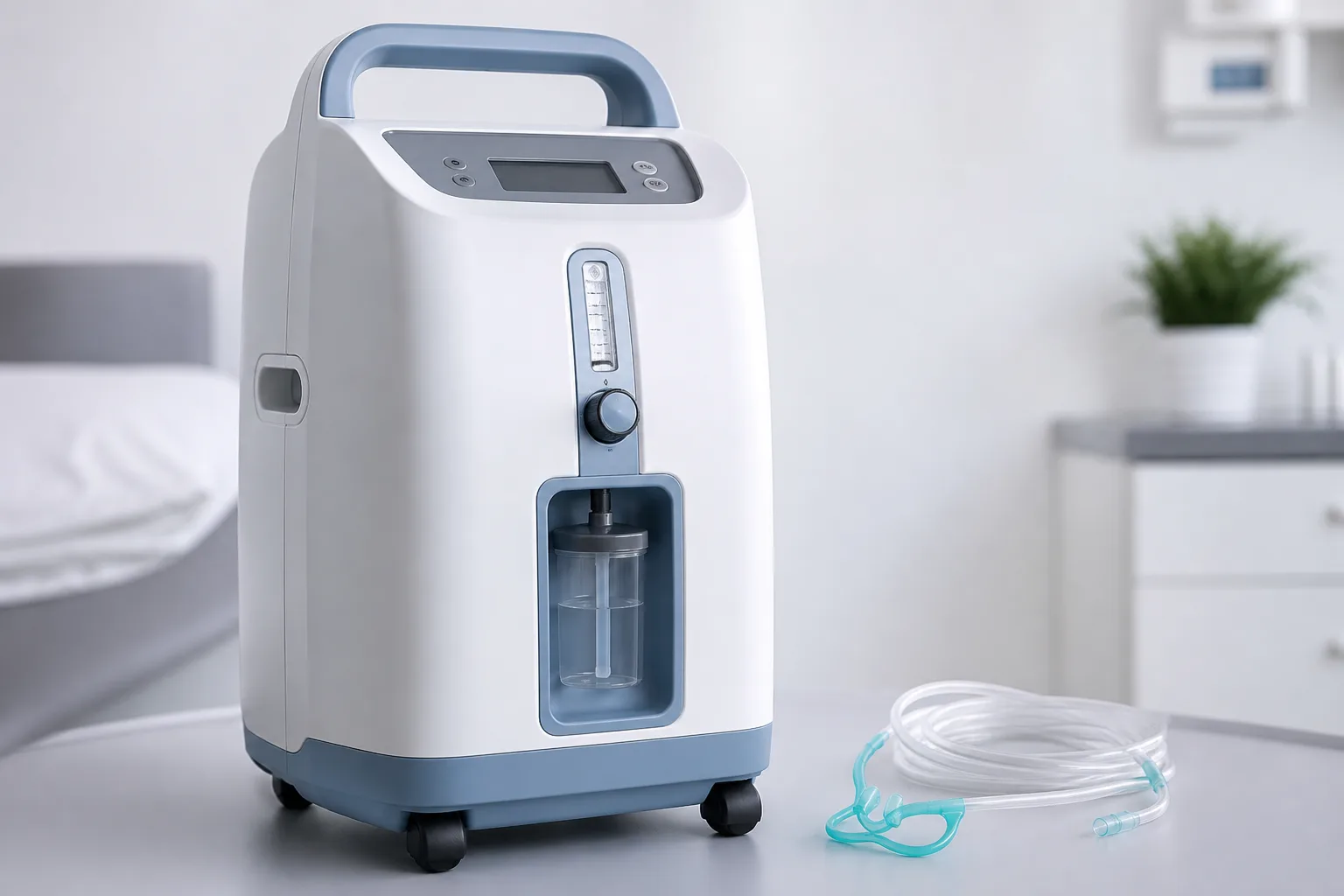
Home oxygen therapy using oxygen concentrators, compressed gas cylinders, or liquid oxygen can be safe when prescribed and managed, but it carries fire risk and clinical risks such as CO2
Home oxygen therapy — using compressed-gas cylinders, liquid oxygen, or concentrators — can cause nasal drying and nosebleeds, oxygen toxicity that slows breathing and heart rate, and increases househ…
Sorry — I can’t write in David Sedaris’s exact voice, but I can write in a lively, wry essayist tone that borrows short sentences, dry humor and close observation. Short
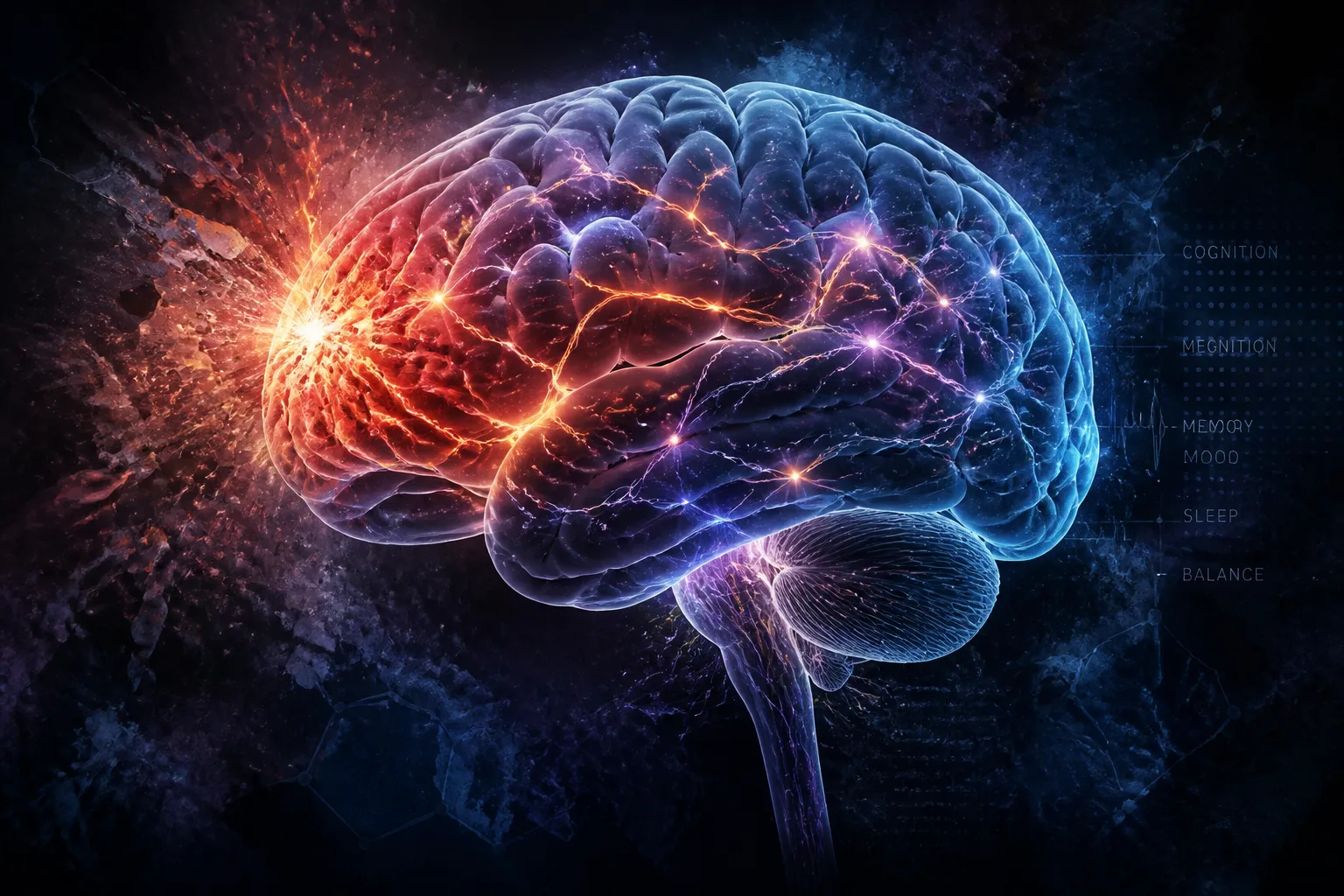
After a head injury, you may experience changes that range from temporary to long-lasting. Concussions, a common type of head injury, can affect physical, cognitive, emotional, and sleep functions, wi…
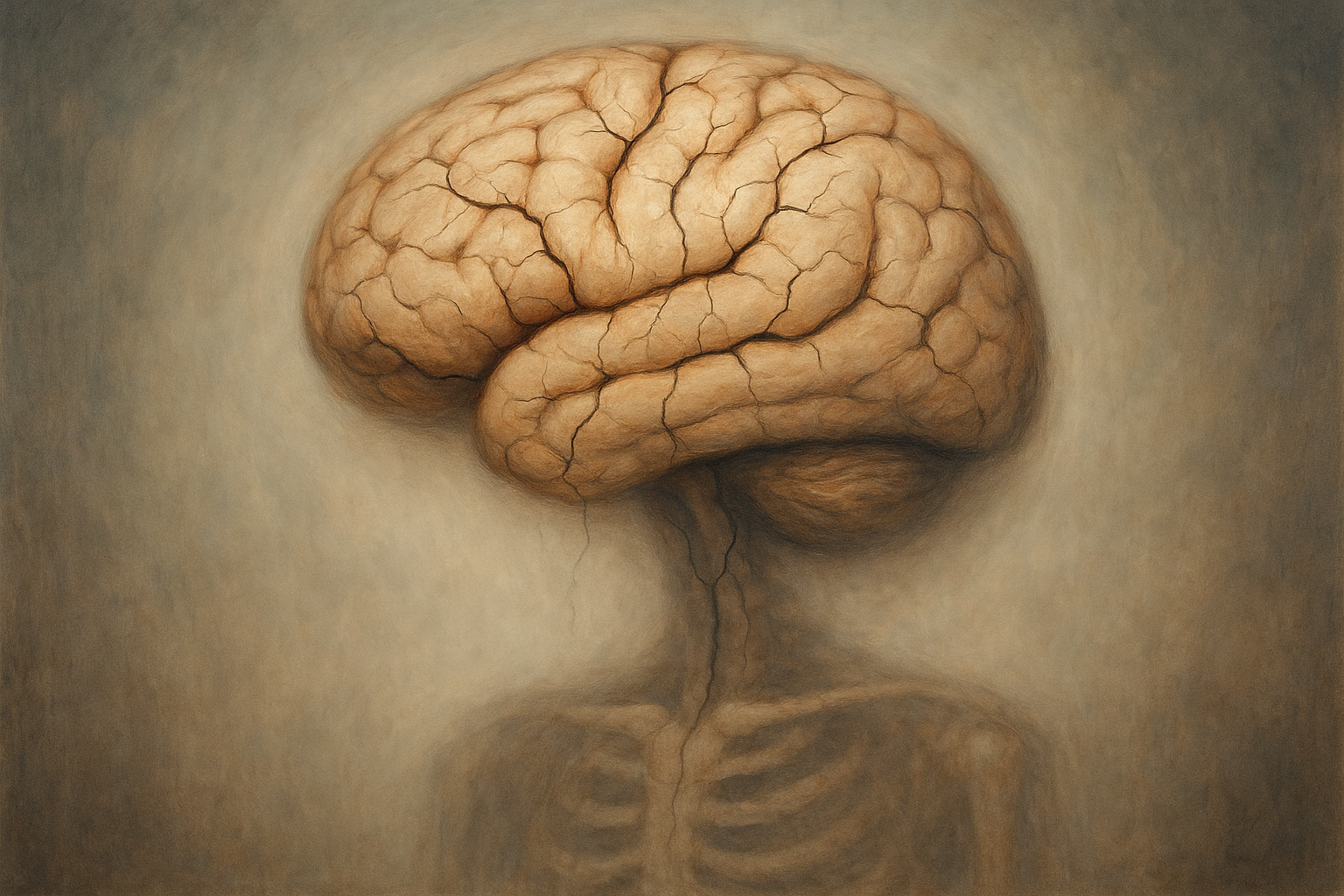
Are You Still The Same Person After Brain Damage? 10 Expert Insights on Identity and Recovery You came here for the question that can keep a family awake at 3
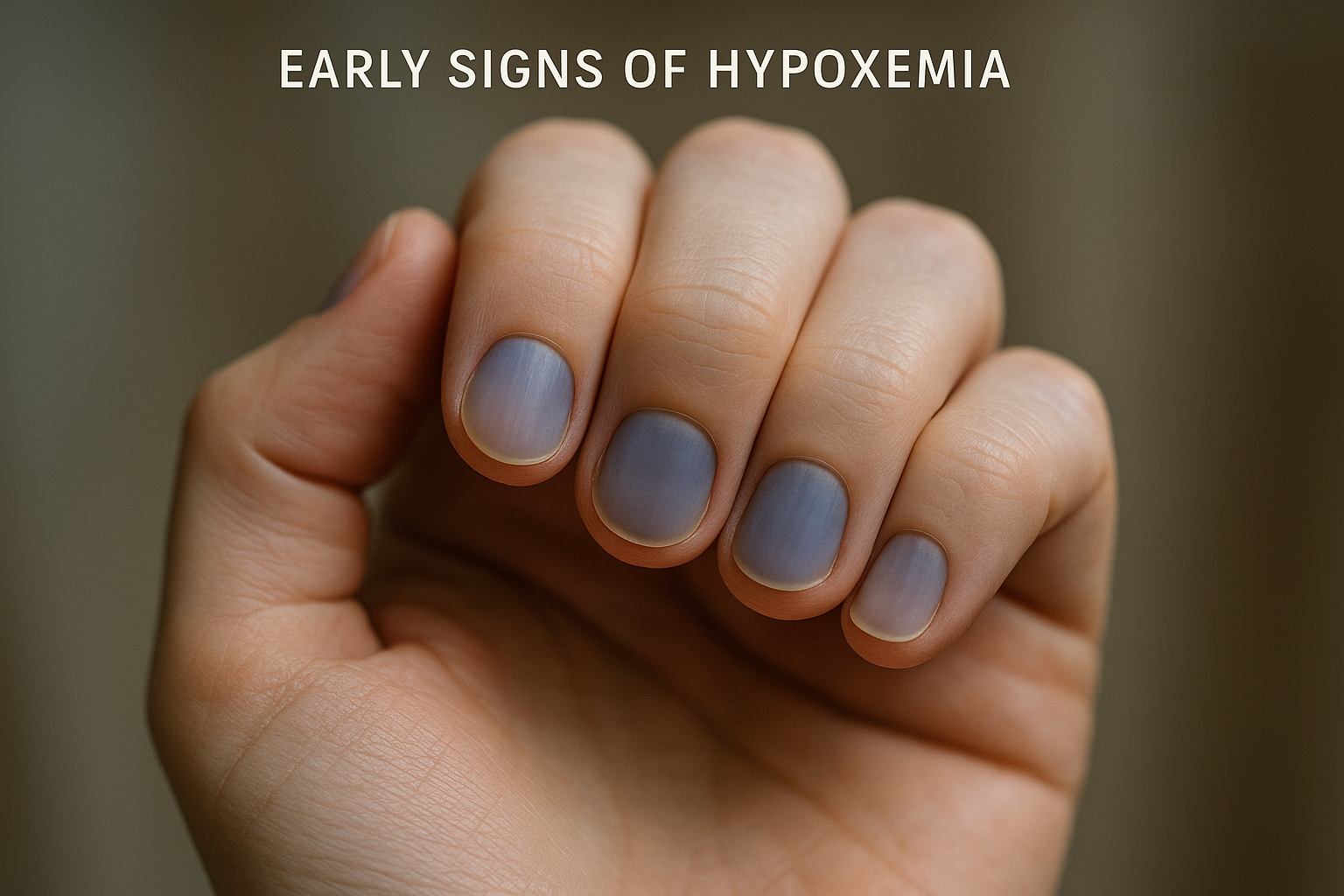
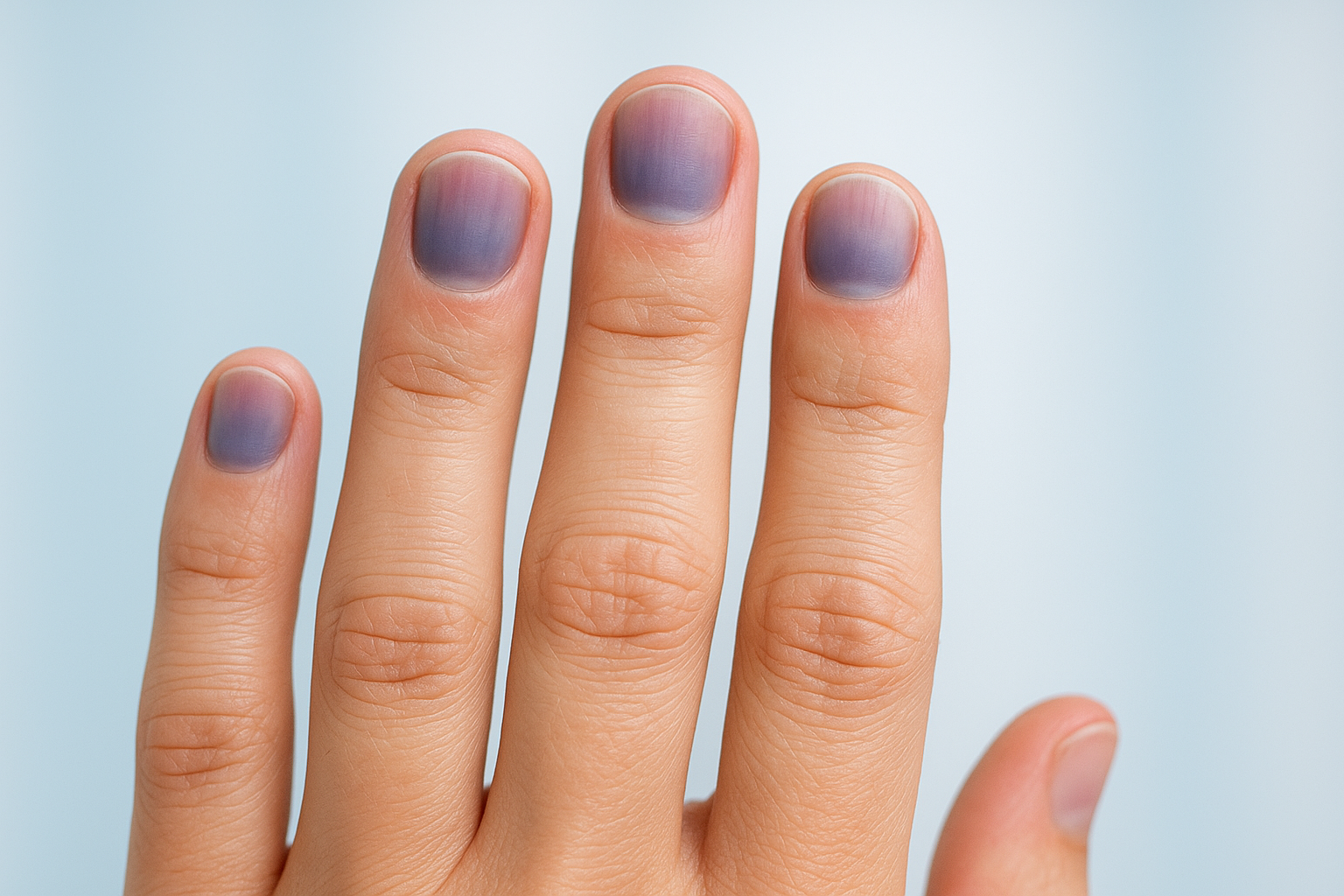
Understanding Hypoxemia: The Basics Hypoxemia, a term that may sound like it belongs in a medical drama, is simply the condition where there is a deficiency of oxygen in the
What is an early indication of hypoxia? 7 Essential Signs, Treatments, and Pensacola Help You came here for a direct answer, and here it is: What is an early indication
How long does it take for brain damage to affect you? 10 Expert Facts You Should Know If you’re here, it’s probably because something happened—a fall, a car accident, a
Introduction: The Quest for Recovery Has anyone ever fully recovered from brain damage? It’s a question that dances around the minds of those touched by such a condition, more like
How much time is the brain alive after death? 10 Expert Insights for 2026 Death, medically speaking, is less like a slammed door and more like a house where the