

Have you ever wondered how long a person can live with low oxygen levels? This question is not just an interesting tidbit, but a vital matter involving our health and well-being. The air we breathe is integral to many of our body’s essential processes, and without adequate oxygen, these processes can struggle to function effectively. But what does having “low oxygen levels” mean, and how does it impact our longevity and quality of life? Let’s take a closer look.


Table of Contents
Understanding Oxygen Levels
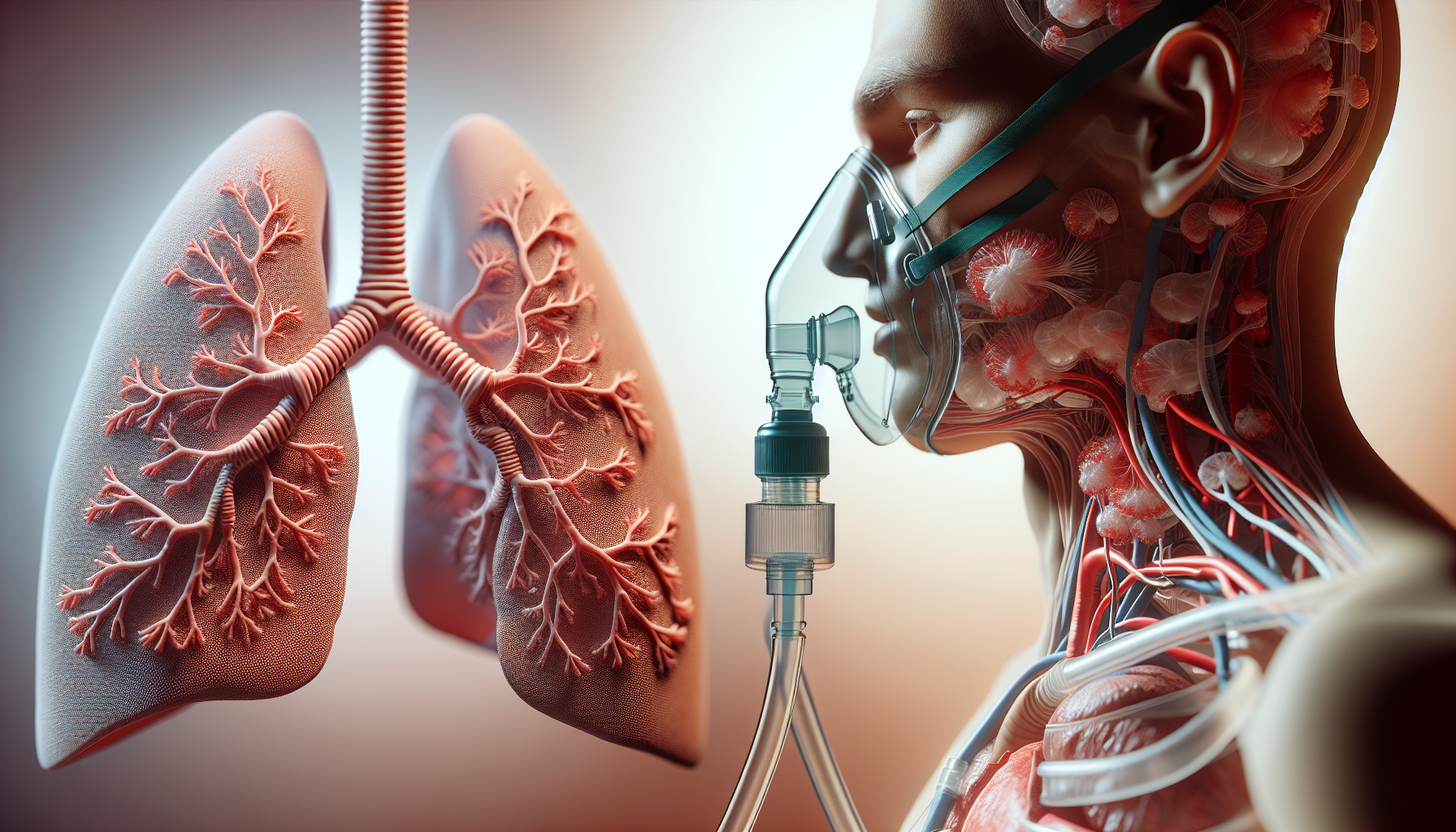
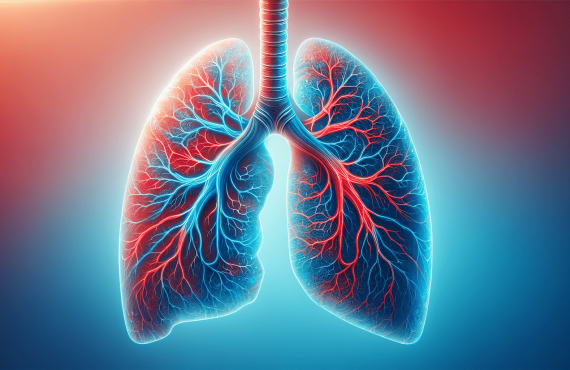
Oxygen is vital for our survival. Our cells use it to produce energy, which is necessary for every function in the body. Low oxygen levels, medically known as hypoxia, occur when there’s insufficient oxygen reaching the tissues. This can lead to serious health consequences if not addressed promptly.
What Causes Low Oxygen Levels?
Several factors can lead to low oxygen levels. Chronic respiratory conditions such as chronic obstructive pulmonary disease (COPD) or asthma can limit the amount of oxygen that reaches the lungs. High altitudes, where there is less oxygen in the air, can also be a cause. Additionally, heart problems can affect oxygen delivery to tissues.
Measuring Your Oxygen Levels
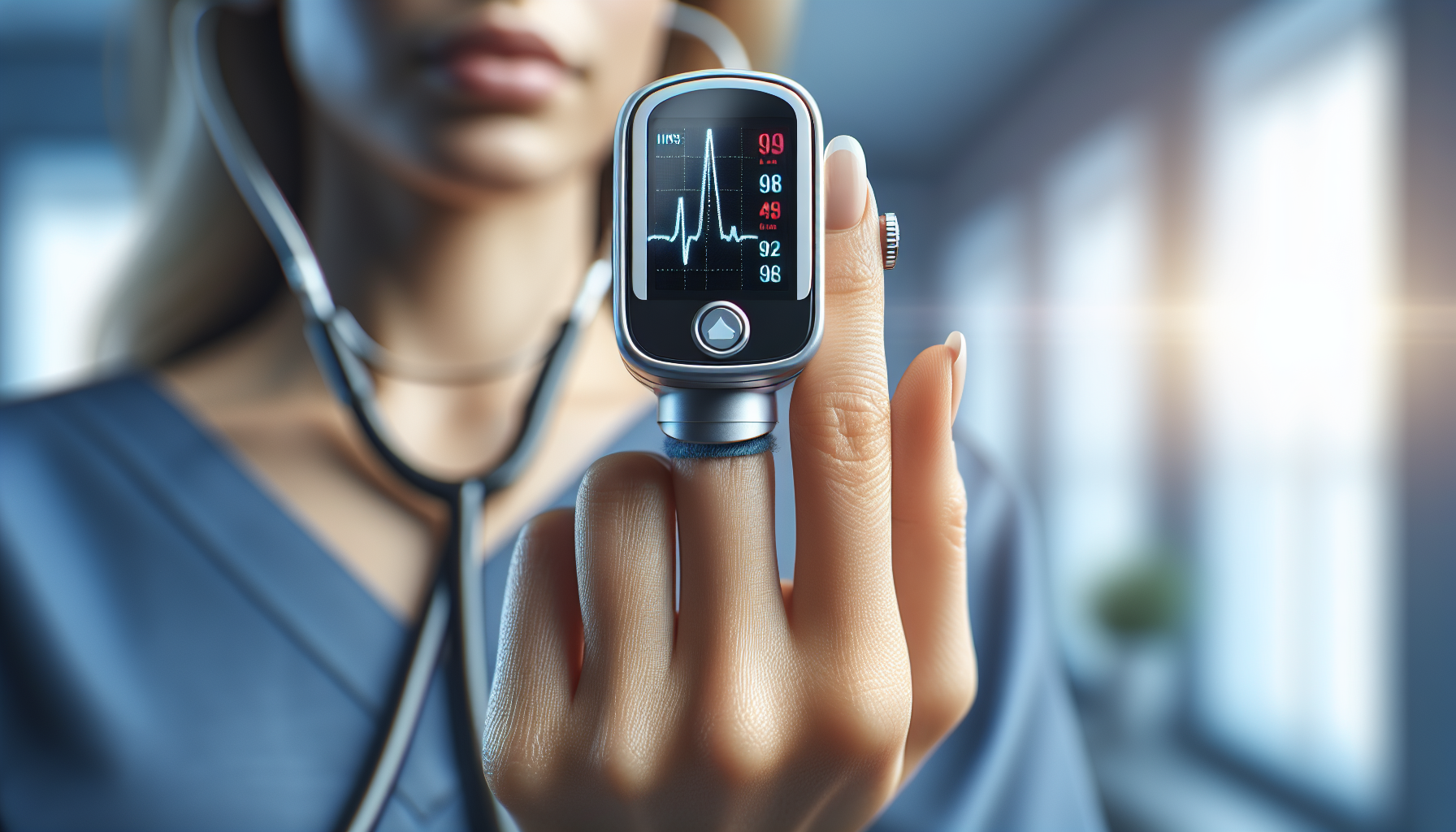
Oxygen saturation is usually measured using a device called a pulse oximeter. This small device clips onto your finger and uses light to estimate the percentage of oxygen in your blood. A healthy range for oxygen saturation is typically between 95% and 100%. Values below this range may indicate hypoxia and warrant further investigation.
Effects of Low Oxygen Levels
Living with low oxygen levels is like trying to run a marathon on half a tank of gas. Your body struggles to maintain its energy levels, and myriad complications can arise.
Immediate Symptoms of Low Oxygen Levels
The most immediate effects of low oxygen levels include confusion, shortness of breath, rapid breathing, and a fast heart rate. These symptoms are your body’s way of signaling distress, attempting to get more oxygen to where it’s needed.
Long-term Effects on the Body
If the condition persists, a person may experience long-term effects such as damage to vital organs. The brain and heart are particularly susceptible, as they require a constant supply of oxygen to function properly. Over time, a lack of oxygen can lead to serious conditions like heart failure, neurological complications, and even death.
Potential for Recovery
Recovery depends on the underlying cause and the severity of the condition. While some cases of low oxygen levels can be corrected quickly with medical intervention, others might require ongoing treatment or lifestyle adjustments. Notably, therapies like Hyperbaric Oxygen Therapy can improve oxygen supply to tissues, offering a potential pathway for recovery.

How Long Can You Live with Low Oxygen Levels?
The duration a person can live with low oxygen levels varies. It depends largely on the severity, underlying cause, and individual health conditions. However, it’s generally understood that a person can only survive for minutes without any oxygen. In contrast, living with reduced levels might be possible for a time, albeit with significant impacts on health and quality of life.
Immediate Dangers of Severe Hypoxia
In cases of severe hypoxia, where oxygen saturation levels drop critically low, immediate medical intervention is necessary. Without appropriate treatment, irreversible brain damage can occur within minutes.
Adapting to Chronic Low Oxygen Levels
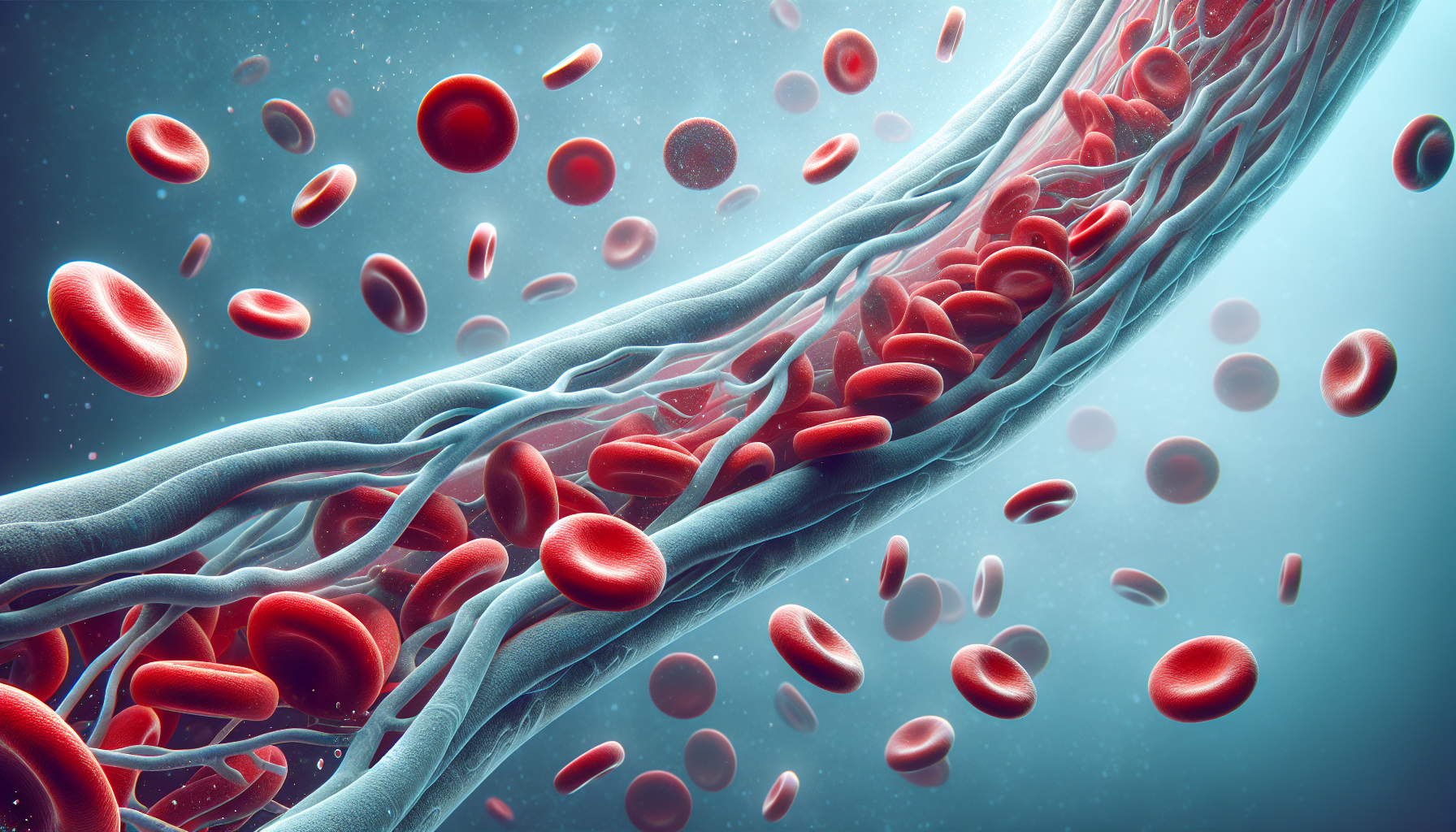
Some individuals might adapt to chronic low oxygen levels, particularly in cases like those living at high altitudes. Their bodies develop adaptations to compensate, such as producing more red blood cells to enhance oxygen transport. However, even these adaptations have limits, and chronic hypoxia can still pose serious health risks.
Potential Treatments and Interventions
Fortunately, several treatments and interventions can help manage low oxygen levels, depending on the underlying cause and severity.
Supplemental Oxygen
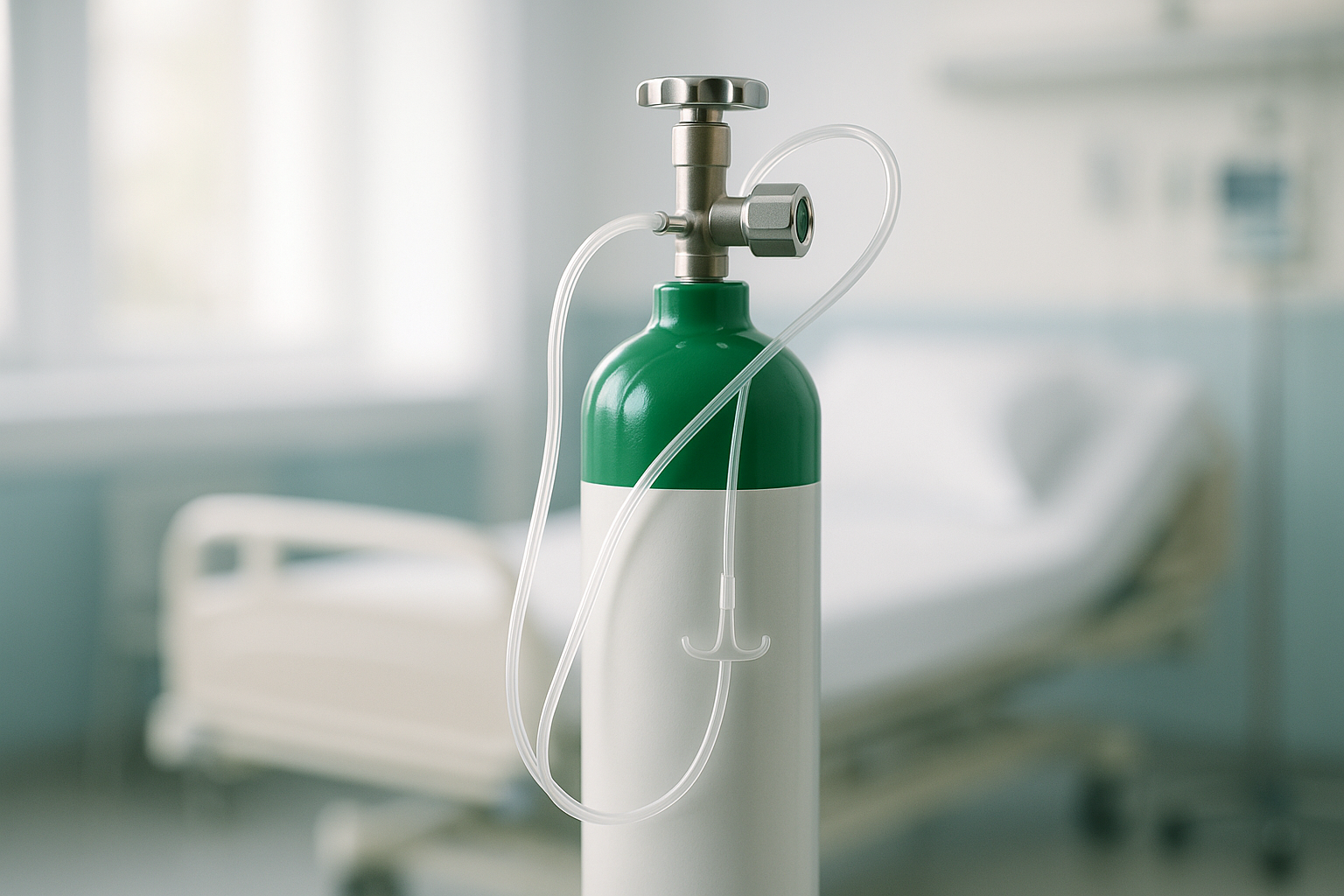
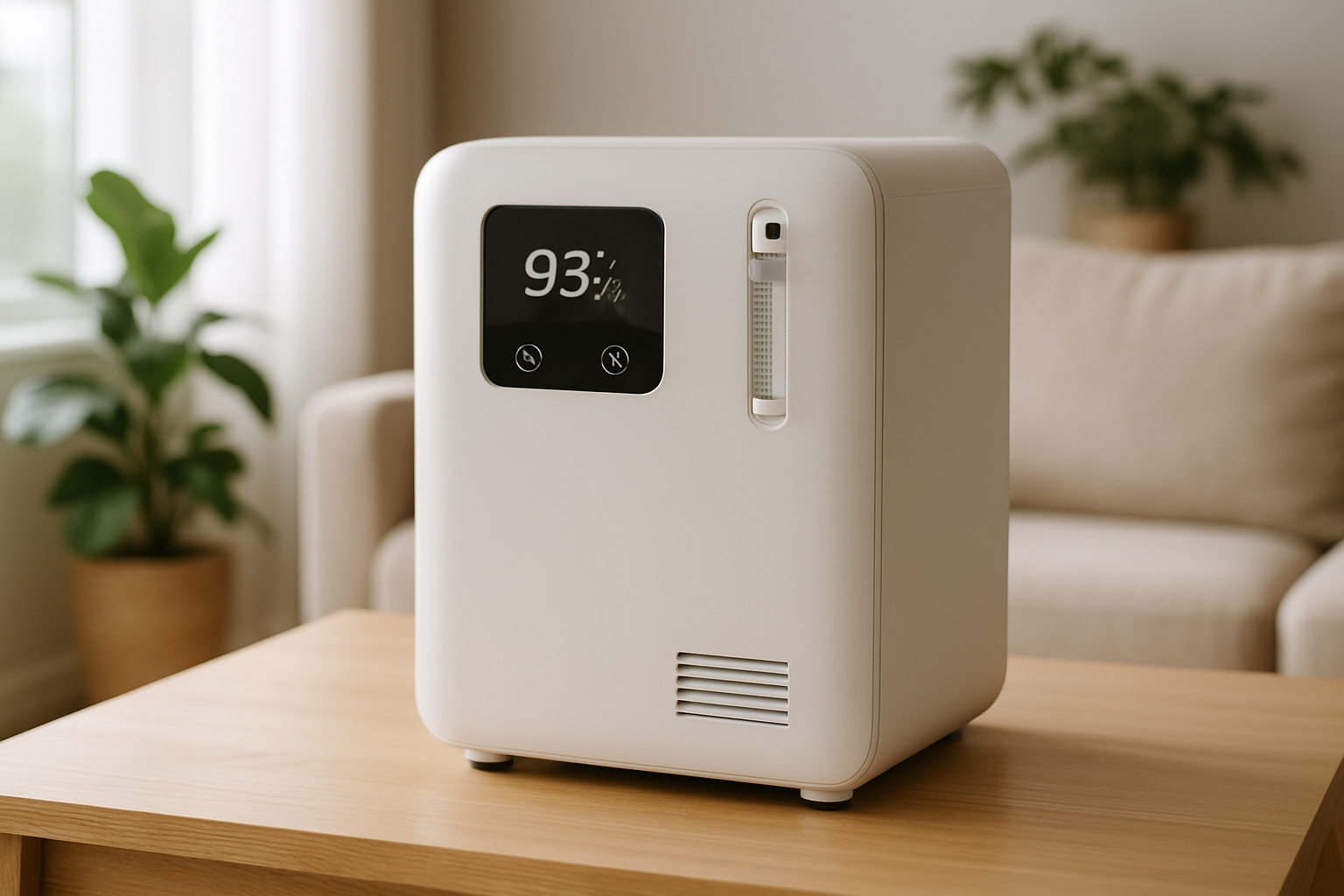
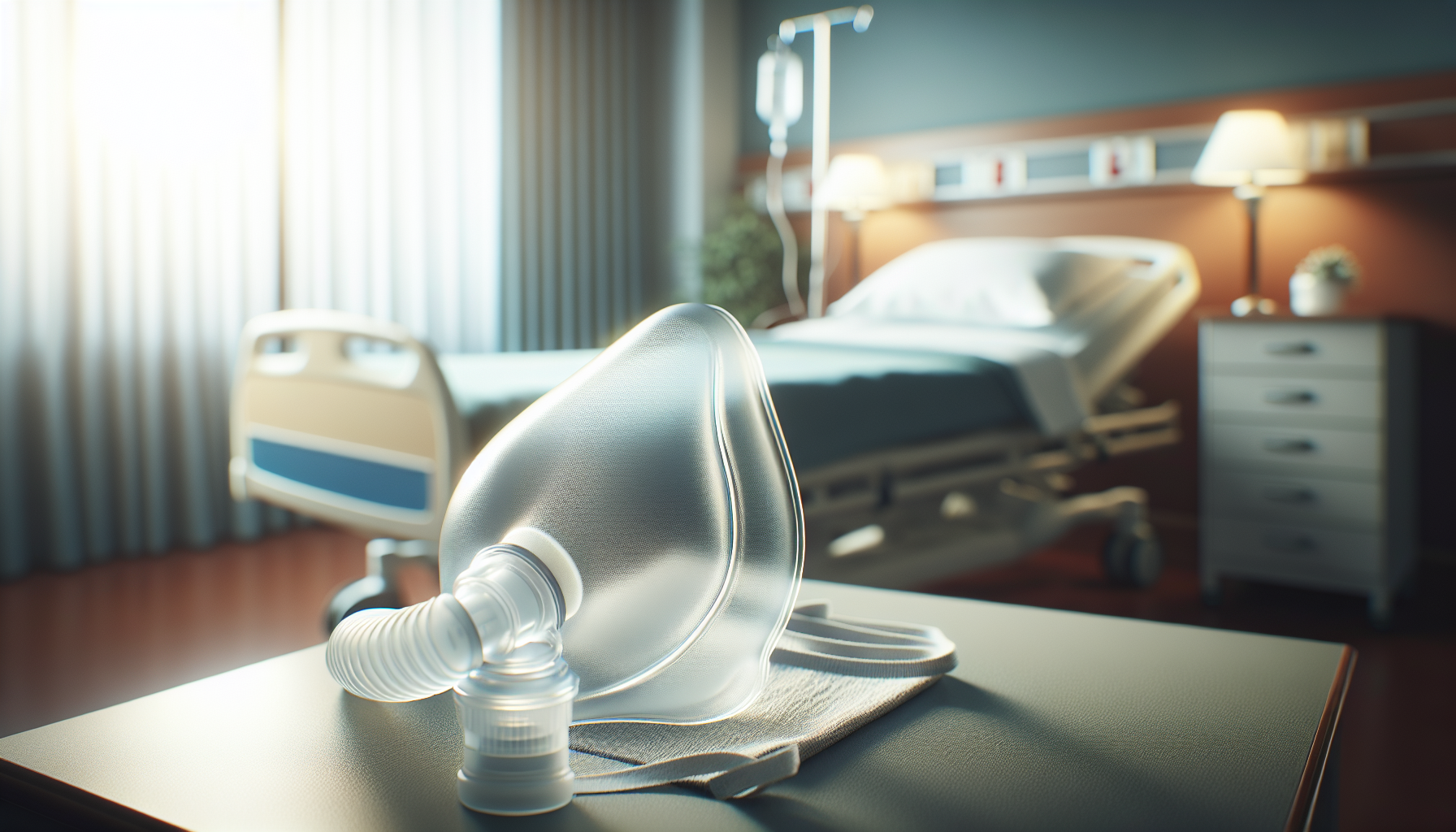
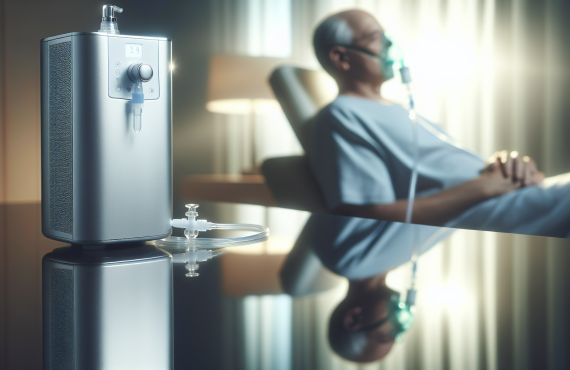
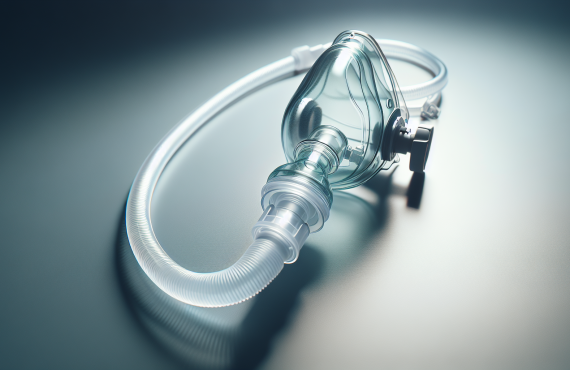
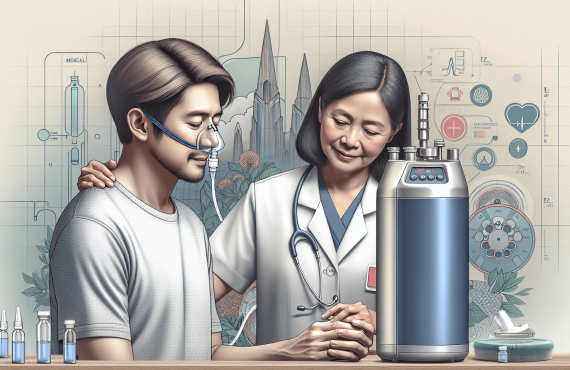
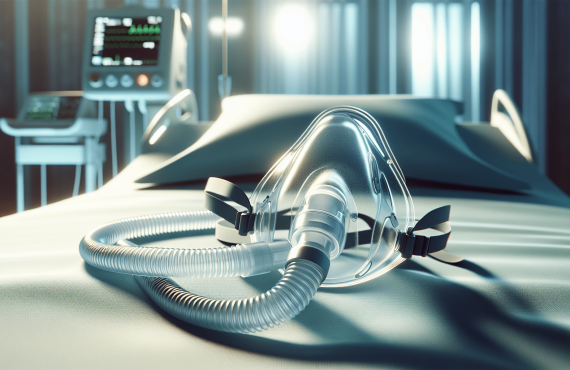
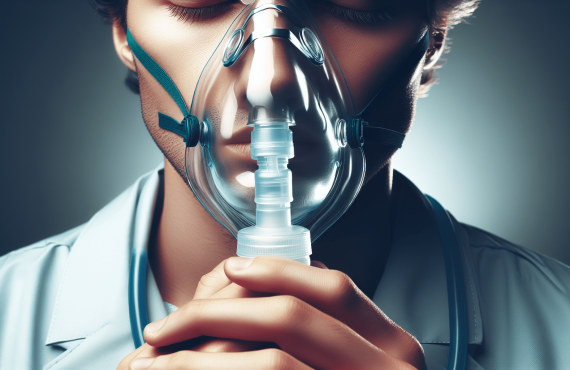
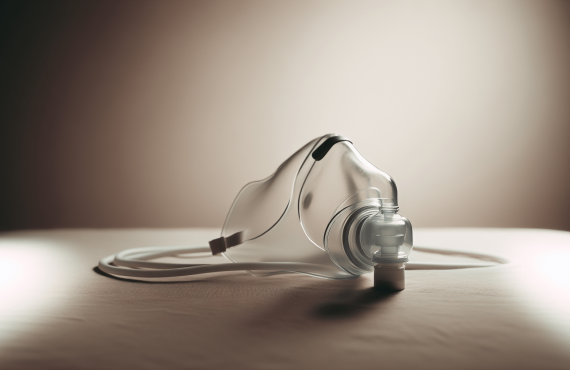
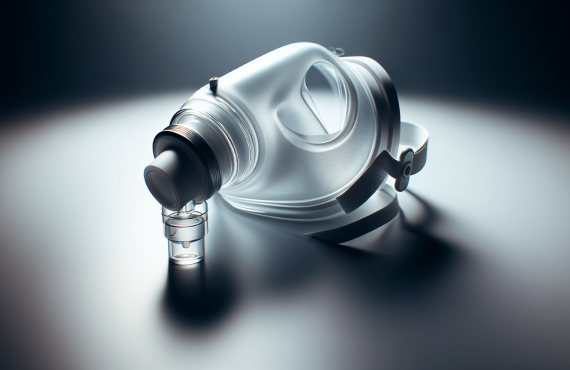
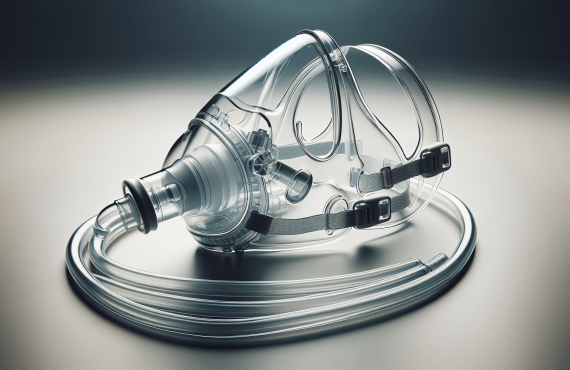
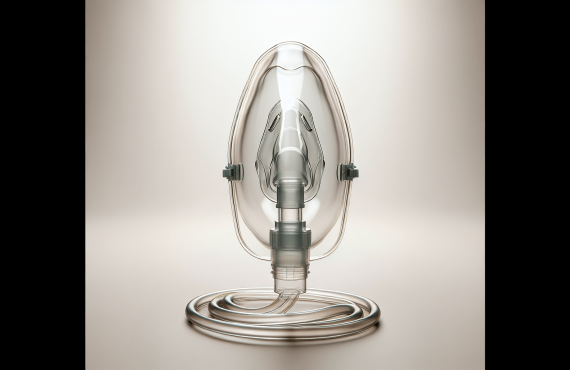
Supplemental oxygen is one of the most straightforward treatments for low oxygen levels. This involves inhaling oxygen-rich air through a mask or nasal cannula, which helps increase the amount of oxygen available in the bloodstream.
Medication and Therapy
Depending on the underlying condition, medications such as bronchodilators or anti-inflammatory drugs can provide relief by opening airways or reducing inflammation. Additionally, therapies like Hyperbaric Oxygen Therapy boost oxygen levels in the body, offering healing benefits across various conditions.
Lifestyle Changes
Incorporating lifestyle changes can also be beneficial. These might include quitting smoking, engaging in regular physical activity to increase lung capacity, and adopting a balanced diet to support overall health.
Hyperbaric Oxygen Therapy
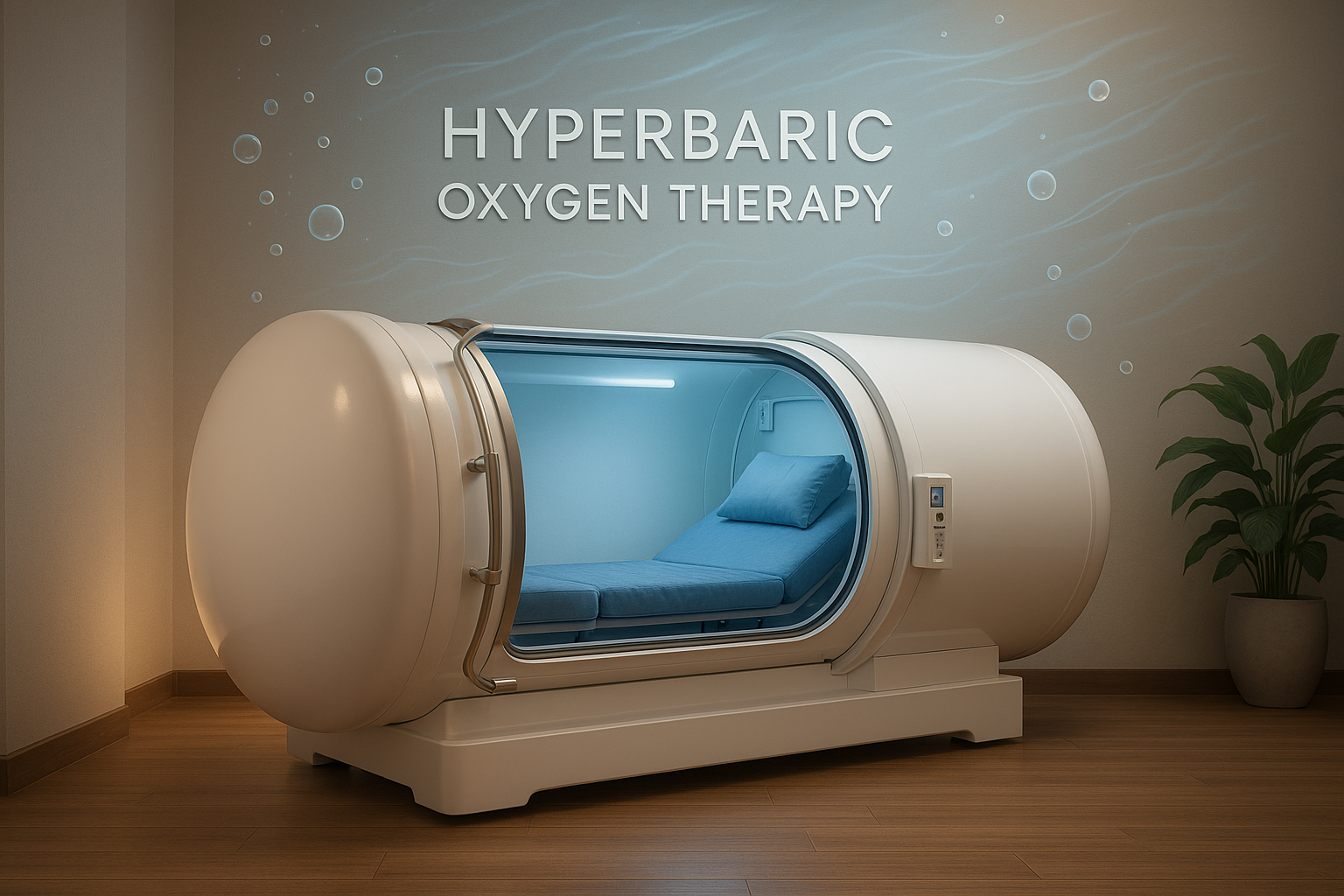
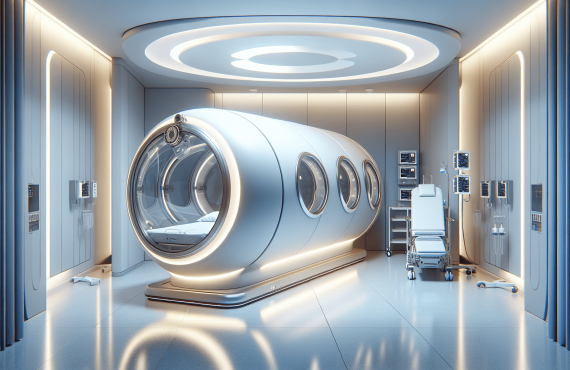
Hyperbaric Oxygen Therapy (HBOT) is an advanced treatment option for low oxygen levels. By having patients breathe pure oxygen in a pressurized chamber, HBOT significantly increases oxygen in the bloodstream and tissues. The therapy supports various health benefits, including enhanced healing, reduced inflammation, and strengthened immune function.

When to Seek Medical Help
Recognizing the signs of low oxygen levels is crucial for timely intervention. If you or someone around you experiences symptoms such as unusual shortness of breath, persistent confusion, or a fast heart rate, seeking medical help is essential.
Monitoring and Follow-up
For individuals with conditions that may affect oxygen levels, regular monitoring is key. This could involve routine check-ups with healthcare providers, the use of home oxygen monitoring devices, and consistent follow-up care to manage the condition effectively.
The Importance of Expert Guidance
Navigating issues related to low oxygen levels can be challenging, and expert guidance is indispensable. Professionals like Dr. Craig Henry and Dr. Aaron Hixon at Henry Chiropractic provide comprehensive care aimed at enhancing overall health and well-being. They focus on proactive measures, helping individuals not only manage their conditions but also thrive.
Meet Dr. Craig Henry
Dr. Craig Henry is a licensed chiropractor dedicated to improving health and wellness in life’s many facets. Whether dealing with pain or striving for better health, his comprehensive approach is client-focused and impactful.
Meet Dr. Aaron Hixon
Dr. Aaron Hixon, a Florida native, passionately supports the local community’s health needs. Trained in various chiropractic techniques, Dr. Hixon offers tailored solutions to help alleviate pain and promote well-being.
For personalized care and guidance on managing your oxygen levels, consider reaching out to Henry Chiropractic:
Henry Chiropractic
1823 N 9th Ave
Pensacola, FL 32503
(850) 435-7777
www.drcraighenry.com
Frequently Asked Questions
Q1: What happens if oxygen levels are too low?
When oxygen levels drop too low, it can lead to symptoms like confusion, rapid breathing, and heart palpitations. Over time, it can cause damage to the brain, heart, and other vital organs.
Q2: Can lifestyle changes improve oxygen levels?
Yes, lifestyle changes such as quitting smoking, staying active, and maintaining a balanced diet can improve overall lung health and potentially increase oxygen levels.
Q3: Is it safe to use a pulse oximeter at home?
Yes, using a pulse oximeter at home is generally safe and can help monitor oxygen levels, especially for individuals with respiratory conditions.
Q4: What is a normal oxygen saturation level?
A normal oxygen saturation level typically ranges between 95% and 100%. Levels below 90% are usually considered low and may require medical attention.
Q5: When should I seek medical advice for low oxygen levels?
If you experience symptoms such as shortness of breath, confusion, or an unusually rapid heartbeat, it’s important to seek medical attention promptly. Regular monitoring and consultations can help prevent complications.
Understanding the importance of oxygen to our health can empower us to take proactive steps to maintain it. With the right knowledge and support, managing low oxygen levels effectively is achievable. Remember to prioritize your health and reach out to professionals when needed to ensure you can breathe easily and live well.