

Have you ever wondered about the long-term effects of low oxygen saturation? Oxygen saturation refers to how much oxygen your blood is carrying compared to its full capacity. Generally, a normal range is about 95 to 100 percent. Levels below this range can lead to serious health issues affecting various systems in the body. But what happens when your body doesn’t get the oxygen it needs over an extended period? Understanding these long-term effects is crucial for maintaining good health.

Table of Contents
Understanding Oxygen Saturation
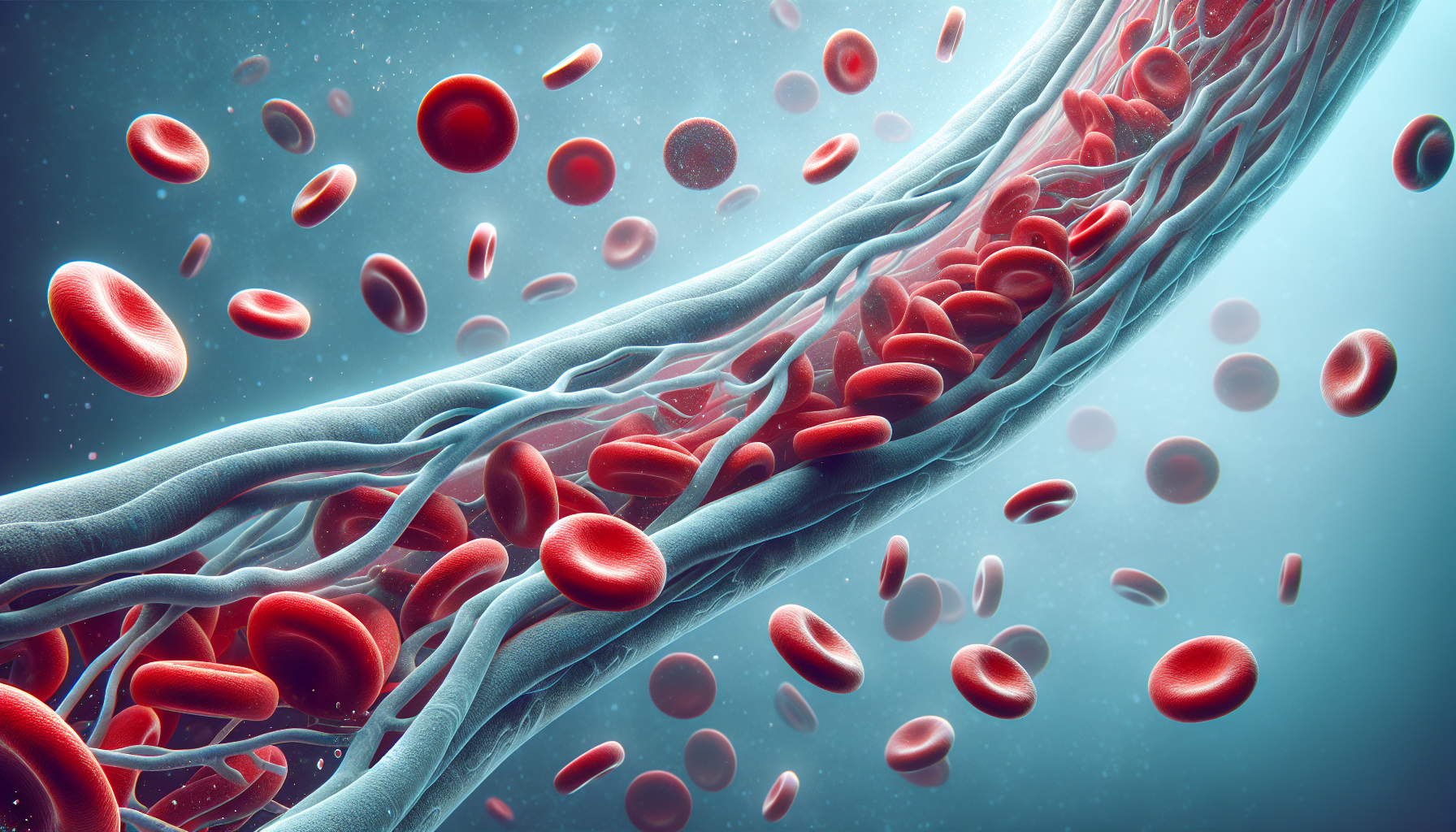
Oxygen saturation is an essential measure of respiratory efficiency. In simple terms, it tells you how well your body is distributing oxygen. A red blood cell is like a tiny delivery truck, picking up oxygen from your lungs and dropping it off to the body’s tissues.
What Causes Low Oxygen Saturation?
Several factors can contribute to low oxygen saturation. Chronic lung diseases, such as COPD or asthma, often lead to reduced levels. Even problems such as sleep apnea or anemia could be culprits. Identifying the root cause is crucial for proper management and treatment.
The Body’s Initial Response
Initially, low oxygen levels might cause you to feel more tired than usual. You might experience shortness of breath or find it hard to engage in physical activities. The body tries to compensate for these reduced oxygen levels initially by increasing heart rate and breathing rate, like a car engine revving up to tackle a steep hill.
Short-Term Symptoms
Before diving into long-term effects, let’s look at short-term symptoms. Fatigue, confusion, and even dizziness are common. Your fingers might turn a shade of blue, and you might feel like you’re always gasping for air. But what really happens if your oxygen levels remain low over time?


Long-Term Effects on Different Systems
Chronic low oxygen saturation affects various bodily systems. It’s like a domino effect; once one system is compromised, others soon follow.
Cardiovascular System
Low levels of oxygen can lead to increased strain on the heart. Your heart works harder to supply oxygen to vital organs, which can eventually lead to heart failure. Imagine your heart is at the gym, lifting weights all day long. It gets tired, and with time, weakens.
Respiratory System
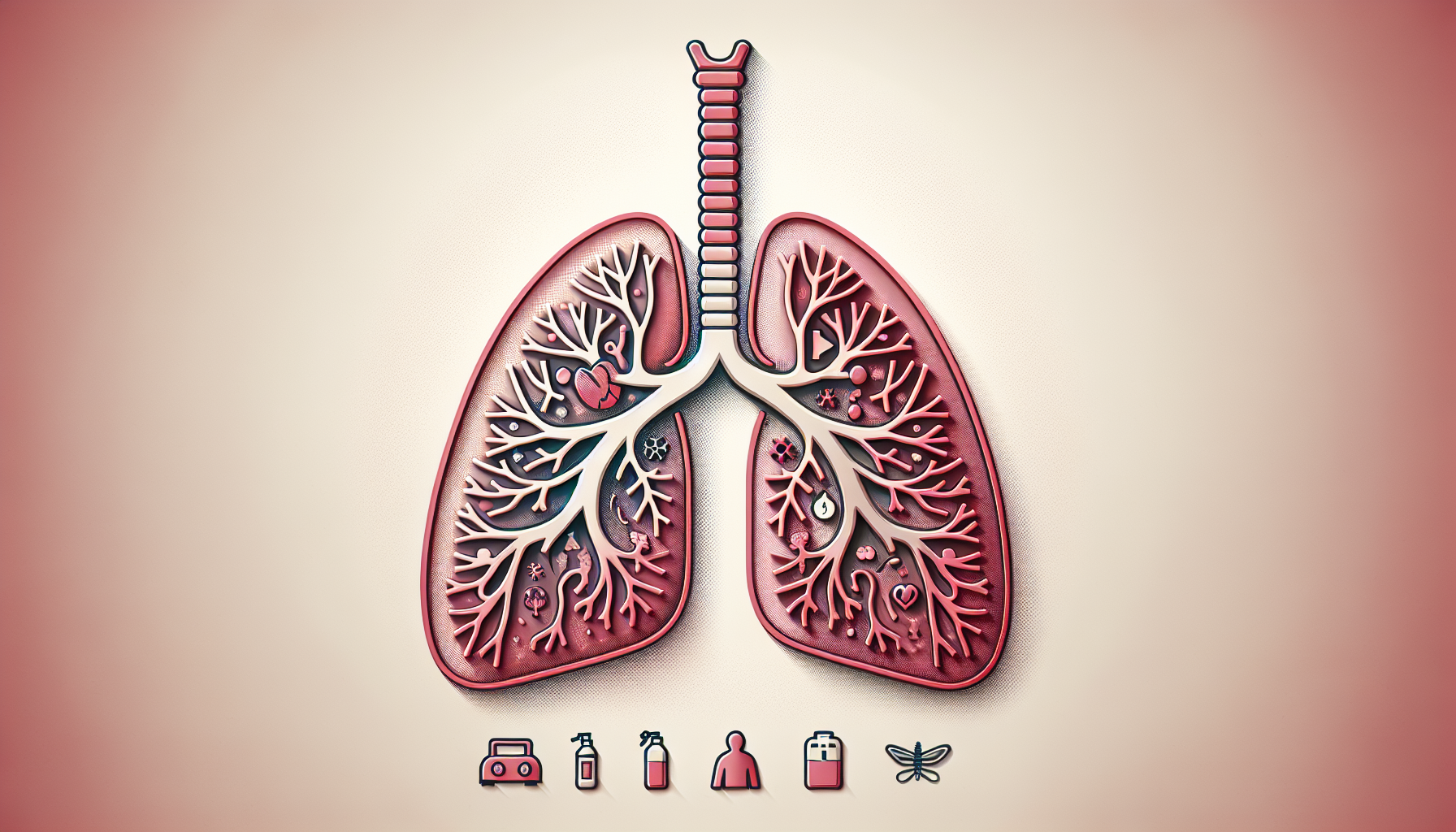
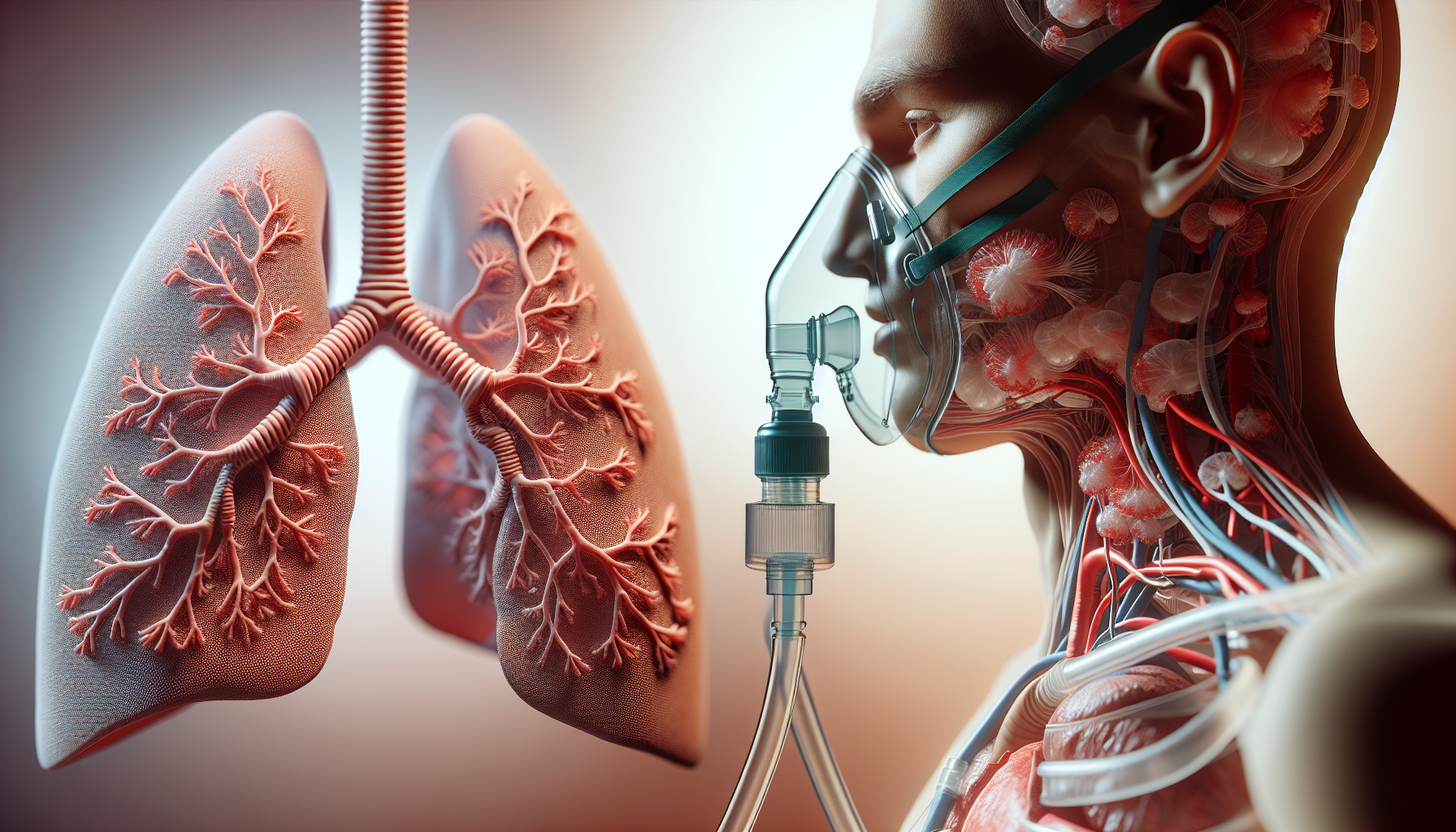
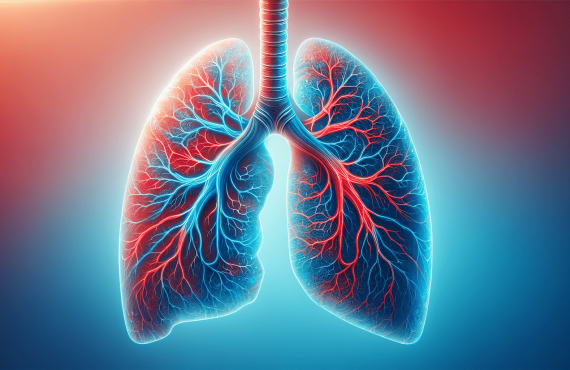
Over time, low oxygen saturation causes your lungs to work inefficiently, leading to chronic respiratory issues. This is particularly crucial for individuals suffering from conditions like COPD or pulmonary fibrosis. Long-term stress on the lungs decreases their capacity to function properly.
Neurological Impact
Your brain is highly sensitive to changes in oxygen levels. Prolonged low oxygen can result in cognitive decline, memory problems, and even permanent brain damage. Imagine playing your favorite song on a damaged vinyl record; it just wouldn’t sound right, would it?
Muscular System
Even your muscles aren’t spared. Tissue and muscle deterioration can occur as your body struggles to provide enough oxygen. This could mean a significant reduction in strength and endurance, making everyday tasks feel like climbing Everest.
Long Term Effects on Quality of Life
The combined impact on various systems leads to a decreased quality of life. From difficulty exercising to cognitive decline, the repercussions are extensive. Daily life activities become cumbersome, affecting not only physical health but mental well-being too.
Psychological Impacts
Low oxygen levels have been linked to mood swings, depression, and anxiety. As your body fights to function, your mind also struggles to stay clear and stable. The psychological impact can be as debilitating as the physical symptoms.

Prevention and Management
Preventing prolonged low oxygen levels is crucial for maintaining good health. Lifestyle changes, medical treatments, and supportive therapies play an essential role in management.
Hyperbaric Therapy as a Treatment Option
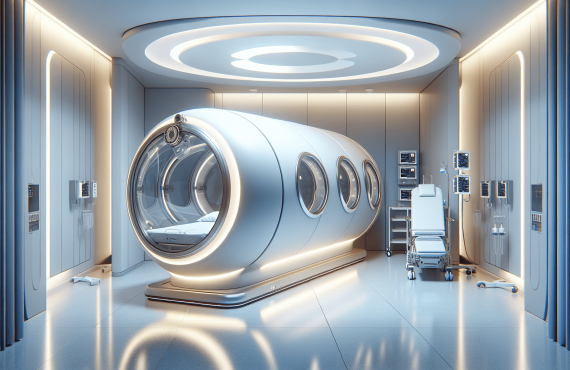
One effective treatment for increasing oxygen levels is Hyperbaric Therapy. This involves breathing pure oxygen in a pressurized chamber. Research shows that this method significantly increases the oxygen content in blood and tissues, promoting healing and reducing inflammation.
Hyperbaric Therapy helps improve symptoms, increase energy levels, and enhance overall wellness. It provides a controlled environment to deliver high oxygen levels to your body, stimulating the healing process.
For those considering this therapy, Henry Chiropractic offers a trusted service for hyperbaric therapy located at:
- Address: 1823 N 9th Ave, Pensacola, FL 32503
- Phone: (850) 435-7777
- Website: drcraighenry.com
Role of Chiropractic Care
Chiropractic care can also aid in improving oxygen saturation. By ensuring proper alignment and nerve health, chiropractic adjustments can support respiratory function. Chiropractors like Dr. Craig Henry and Dr. Aaron Hixon offer treatments to help relieve symptoms associated with low oxygen levels.
Lifestyle Adjustments
Simple lifestyle modifications can also contribute significantly to improvement. Incorporating regular exercise, adopting a balanced diet, and practicing breathing exercises can support overall health. Smoking cessation, in particular, is vital for those with respiratory conditions.
Final Thoughts
Understanding and addressing the long-term effects of low oxygen saturation is vital for maintaining health and well-being. It’s essential to acknowledge the body’s signals and take proactive measures to manage oxygen levels efficiently.
For more personalized care, consider consulting experts at Henry Chiropractic. With a team of knowledgeable practitioners like Dr. Craig Henry and Dr. Aaron Hixon, you’re in capable hands. They offer expertise in chiropractic care and can guide you in improving your health.
FAQ Section
Q1: What is considered a normal oxygen saturation level?
A1: A normal level is typically between 95% and 100%. Levels below this can result in health problems.
Q2: What are the symptoms of low oxygen saturation?
A2: Common symptoms include fatigue, dizziness, shortness of breath, and confusion.
Q3: Can low oxygen levels cause permanent damage?
A3: Yes, prolonged low levels can lead to organ damage, cognitive decline, and weakened bodily functions.
Q4: How is low oxygen saturation diagnosed?
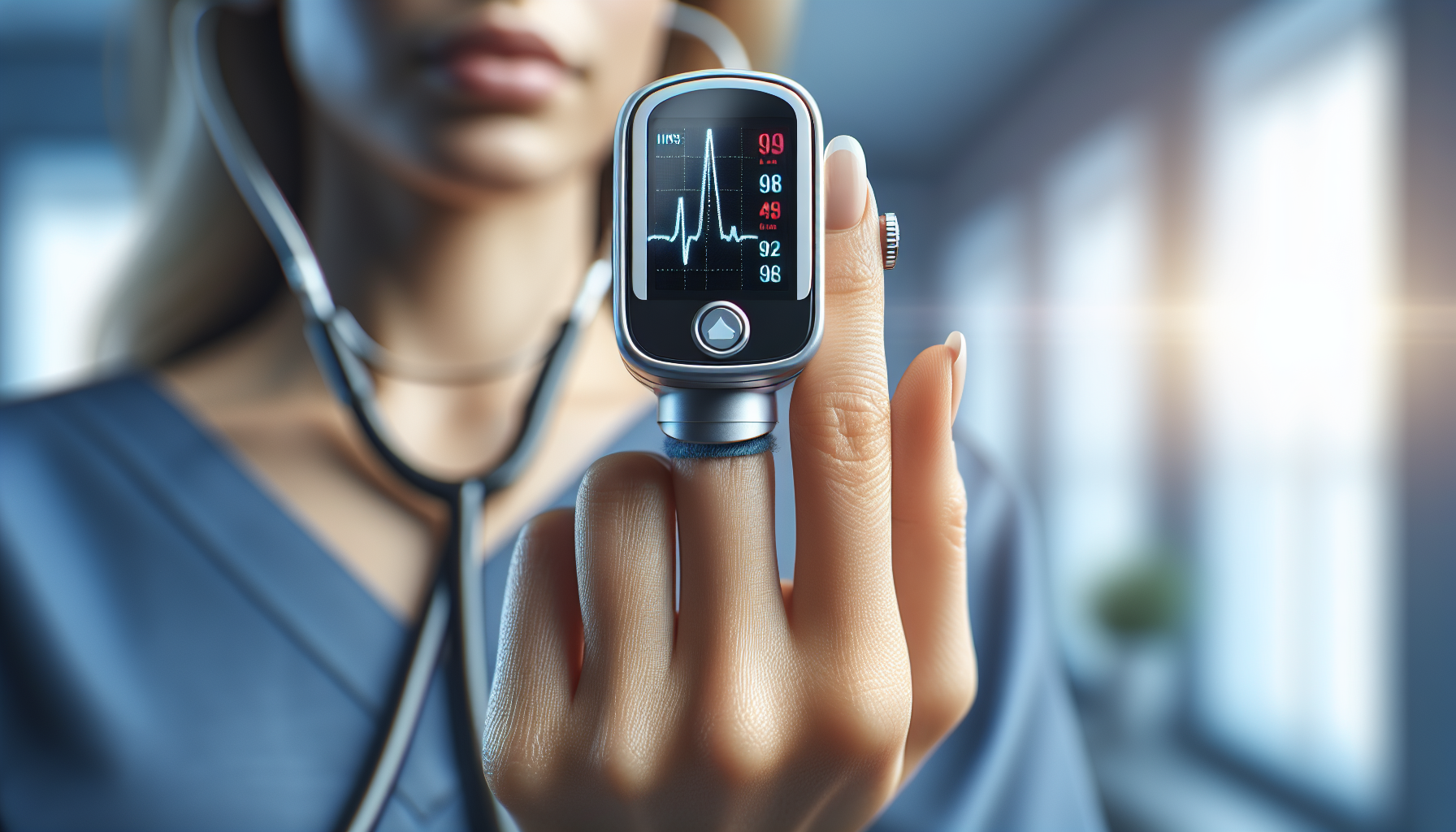
A4: It’s diagnosed using a pulse oximeter or arterial blood gas test, which measures your blood’s oxygen content.
Q5: Is hyperbaric therapy safe for everyone?
A5: While generally safe, it must be administered under professional guidance to ensure effectiveness and safety.
Low oxygen saturation is more than just numbers on a monitor. It’s a signal from your body to take action and make necessary changes. Recognizing the long-term effects and understanding preventive measures are essential for sustaining quality of life. If you have concerns about your oxygen levels, consider reaching out to healthcare professionals who can guide you on the best path forward.