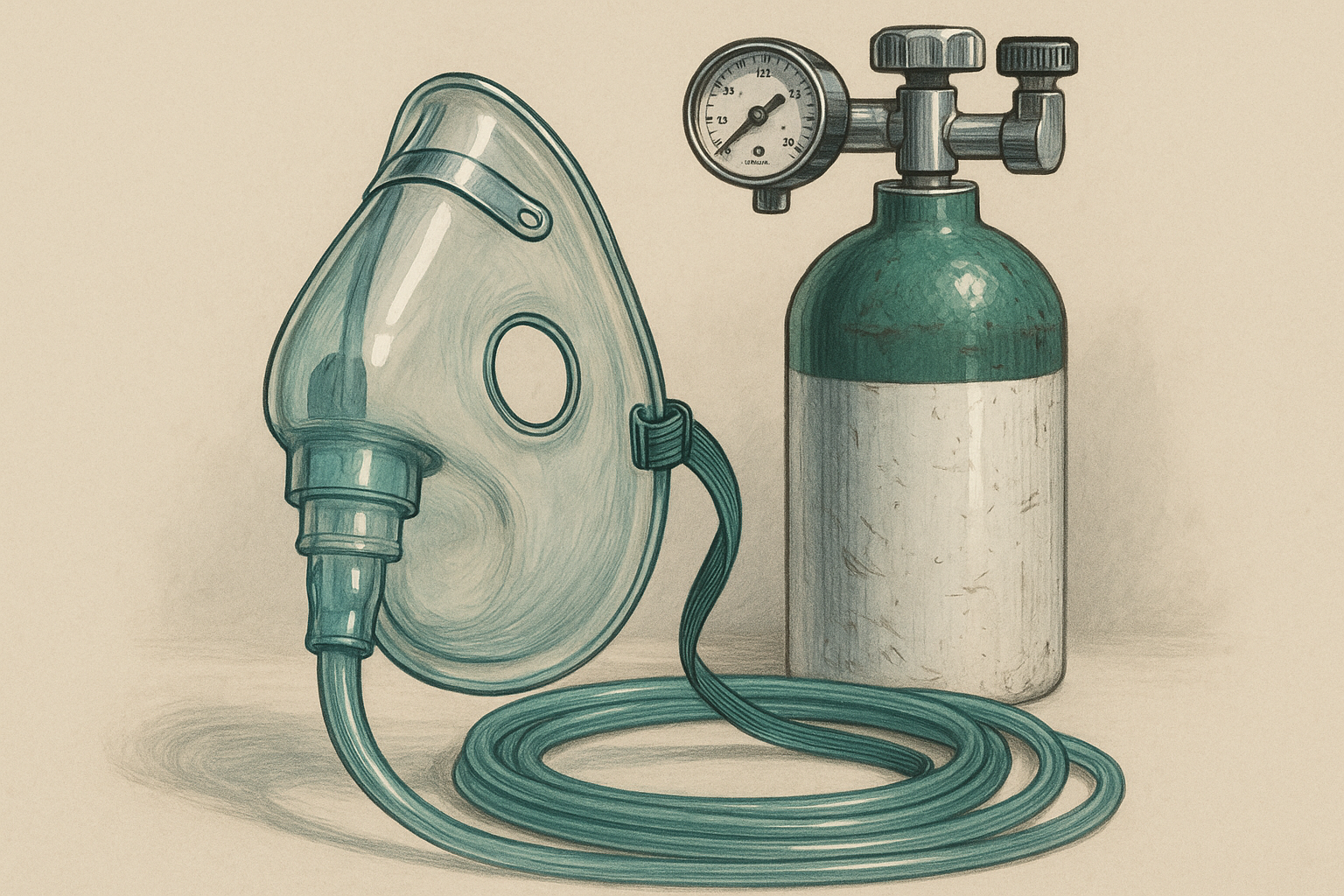

Have you ever wondered what constitutes a healthy oxygen level? Understanding the criteria for oxygen levels is crucial for ensuring your body’s optimal functioning and preventing potential health problems. This topic can seem complex at first glance, but with a little guidance, it becomes much clearer. Let’s explore the essential concepts and criteria for oxygen levels in the human body, and how these can impact your health.

Table of Contents
Understanding Oxygen Levels
Oxygen is vital to our survival, as every cell in your body needs it to function. Typically, oxygen levels are measured in two main ways: blood oxygen levels, which denote the amount of oxygen circulating in your bloodstream, and oxygen saturation levels, indicating how much of the hemoglobin in your blood is carrying oxygen.
Blood Oxygen Levels
Blood oxygen level is typically measured through a test known as arterial blood gas (ABG). This test can offer insights into your lung function and the efficiency of oxygen exchange in your bloodstream. In a healthy person, the normal blood oxygen level is about 75 to 100 millimeters of mercury (mm Hg).
Oxygen Saturation Levels
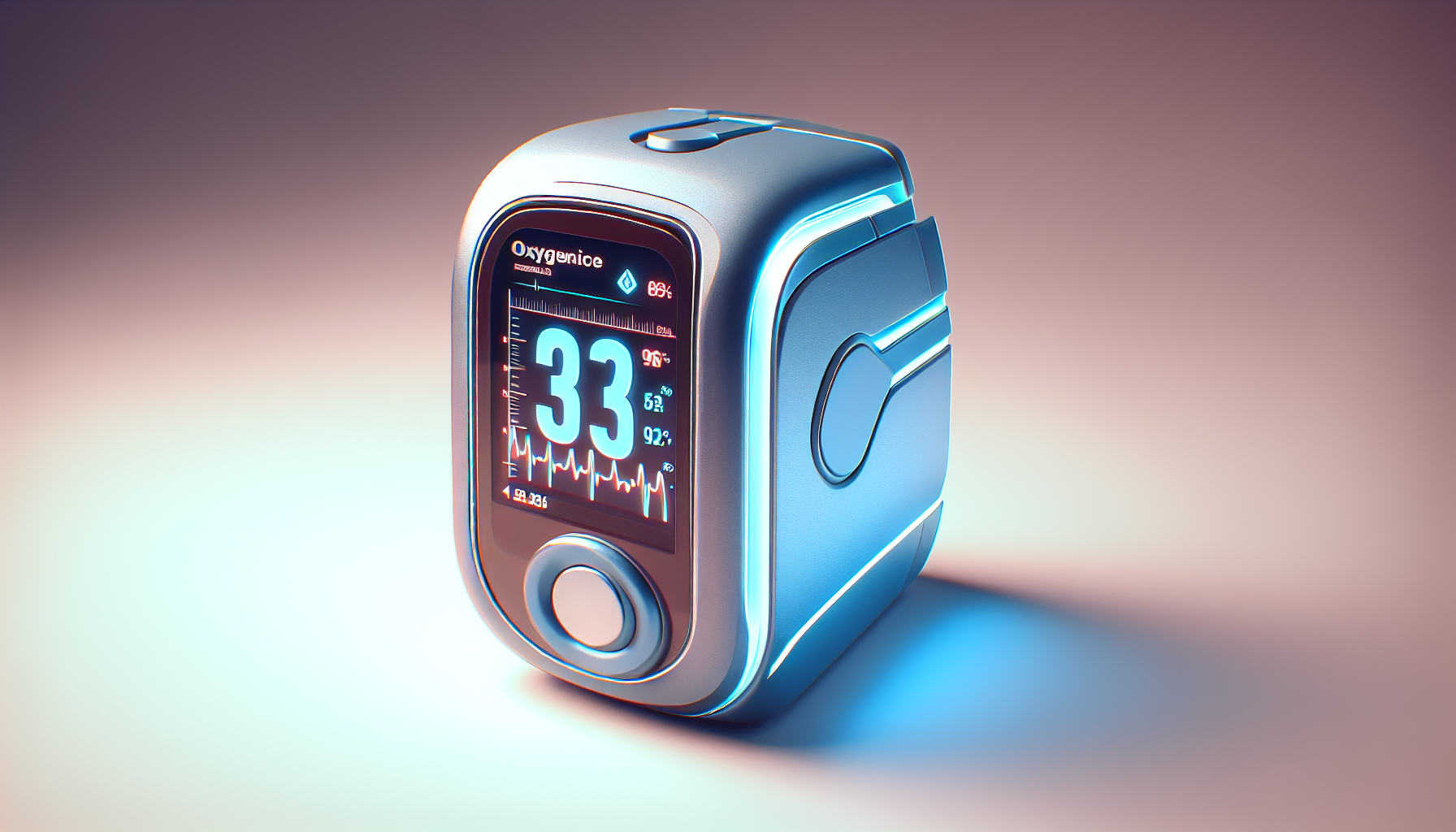
Oxygen saturation is often measured using a device known as a pulse oximeter, which provides a reading of your blood oxygen saturation levels, also known as SpO2. A normal SpO2 reading ranges from 95% to 100%. Readings below this range might be indicative of an underlying health issue, although slight variances may depend on specific individual circumstances.
Criteria for Healthy Oxygen Levels
To maintain a healthy body, it’s essential to adhere to certain criteria for maintaining optimal oxygen levels. This includes monitoring both blood oxygen and oxygen saturation levels as mentioned.
Hypoxemia
Hypoxemia is a condition where blood oxygen levels fall below the standard range. Common symptoms include shortness of breath, headaches, and confusion. If your blood oxygen level is below 60 mm Hg, it typically requires medical intervention.
Hyperoxia
Conversely, hyperoxia refers to an excess of oxygen in your body tissues. It’s less common, but can occur, especially in medical settings involving excess oxygen administration. Symptoms might include disorientation and seizures in extreme cases.

Factors Influencing Oxygen Levels
Altitude
The amount of oxygen decreases with altitude. In high-altitude areas, there is less oxygen available for inhalation, which can lead to altitude sickness if your body fails to acclimate properly.
Health Conditions
Certain health conditions such as chronic obstructive pulmonary disease (COPD), asthma, pneumonia, and sleep apnea can diminish your blood oxygen levels, necessitating medical oversight and treatment.
Lifestyle Choices
Maintaining a healthy lifestyle directly impacts oxygen levels. Regular physical activity, a balanced diet, and avoiding smoking can help maintain optimal oxygen saturation levels.
Hyperbaric Therapy: A Boost to Your Oxygen Levels
What can be done if you’re struggling to maintain adequate oxygen levels? Hyperbaric Therapy (HBOT) might be the answer.
What is Hyperbaric Therapy?
Hyperbaric Therapy involves breathing pure oxygen in a pressurized chamber. This treatment helps your body absorb more oxygen than it would under normal atmospheric conditions.
How It Works
The therapy increases the oxygen dissolved in your blood, allowing it to reach areas deprived of oxygen. This stimulates natural healing processes, reduces inflammation, enhances immune system function, and promotes blood vessel growth, known as angiogenesis.
Benefits of Hyperbaric Therapy
HBOT is beneficial for treating various medical conditions, including non-healing wounds, infections, and carbon monoxide poisoning. Individuals undergoing HBOT often experience accelerated healing and recovery times.
Seeking Professional Care
For accurate measurement of oxygen levels and advice on maintaining them within the healthy range, professional advice can be invaluable. If you’re in Pensacola or nearby areas, consider reaching out to Henry Chiropractic for guidance. Dr. Craig Henry and his team, including Dr. Aaron Hixon, provide expert care to assist with health and wellness, enhancing your quality of life.
Frequently Asked Questions
What Are the Symptoms of Low Oxygen Levels?
Low oxygen levels can manifest as shortness of breath, rapid heartbeat, wheezing, headaches, and confusion. In severe cases, it can cause cyanosis (bluish tint to skin) and loss of consciousness.
Can I Check My Oxygen Levels at Home?
Yes, you can use a pulse oximeter to monitor your oxygen saturation levels at home. It’s a non-invasive and accessible way to keep an eye on your health.
How Often Should I Measure My Oxygen Levels?
If you have underlying health conditions that affect oxygen levels, regular monitoring is advisable. Otherwise, occasional checks are generally sufficient unless symptoms arise.
What Is the Importance of Maintaining Healthy Oxygen Levels?
Maintaining healthy oxygen levels is vital for ensuring that your organs and tissues function properly, supporting overall health and preventing conditions linked to oxygen deprivation.
Can Chiropractic Care Help with Oxygen Levels?
Yes, chiropractic care can enhance your overall health, which indirectly benefits oxygen levels. Regular chiropractic adjustments may improve your respiratory function and efficiently support oxygen exchange.
For more information about improving your health through chiropractic care, reach out to Henry Chiropractic at 1823 N 9th Ave, Pensacola, FL 32503, or give them a call at (850) 435-7777. Their professional insights can be especially beneficial if you’re looking to maintain optimal health and wellness.
In conclusion, understanding the criteria for healthy oxygen levels and how they impact your body is crucial for your well-being. By being aware of the factors that influence these levels and exploring treatments like hyperbaric therapy, you can take proactive steps towards supporting your health. Through professional care and personal commitment to lifestyle choices, maintaining optimal oxygen levels is certainly achievable.