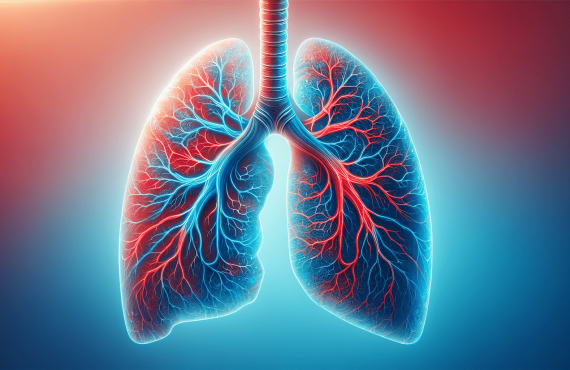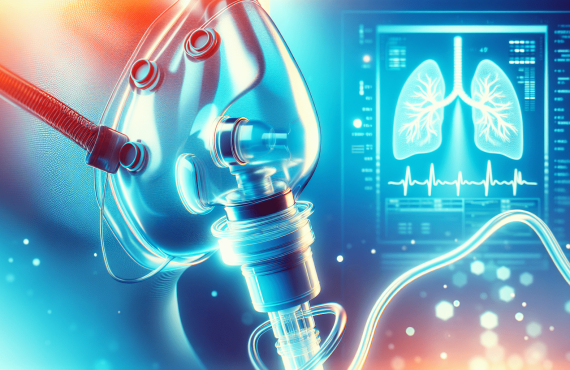


Have you ever wondered what it feels like when your body doesn’t get enough oxygen? It’s an experience that’s as unsettling as it is surprising, and understanding it can be essential for your health and well-being. So, let’s clarify the mystery and provide some friendly conversation on how a lack of oxygen affects the body and what you can do about it.


Table of Contents
What Happens When Oxygen Levels Drop?
Your body depends on oxygen to function properly. It’s the fuel that powers cells and is necessary for energy production. When oxygen levels drop, your body’s ability to operate efficiently also declines.
Initial Symptoms of Low Oxygen Levels
The first signs can be fairly subtle. You might notice:
- Shortness of Breath: Even if you’re just sitting still, it feels like you’re trying to climb a mountain.
- Rapid Breathing: Your body tries to compensate by pulling in more air.
- Fatigue: You might feel more tired than usual or find your physical endurance waning.
- Dizziness or Lightheadedness: This might make you feel like you’re on a boat even though you’re on solid ground.
The Science Behind Oxygen Deprivation
When the amount of oxygen in your blood drops, your body enters a state called hypoxia. This occurs when the tissues in your body don’t get enough oxygen to perform regular functions. Hypoxia can happen due to various reasons such as high altitudes, respiratory illnesses, or circulatory issues.
Understanding Hypoxia’s Impact on the Body
Long-term or severe oxygen deprivation can affect different body systems, leading to more serious symptoms.
Effects on the Brain
Your brain is like a sponge for oxygen. Even a slight drop can lead to:
- Confusion: You might struggle to focus or form clear thoughts.
- Poor Coordination: Tasks like walking in a straight line or writing can become challenging.
- Memory Loss: Surprisingly, you might forget things even in the short term.
Impact on the Cardiovascular System
Oxygen depletion forces the heart to work harder, which can result in:
- Increased Heart Rate: Your heart pounds, as if you’re running an invisible race.
- Chest Pain: This might feel like there’s a weight sitting on your chest.
- In severe cases, heart failure as the heart cannot cope with the increased demand for oxygen-enriched blood.
Respiratory System Reactions
Your lungs diligently strive to increase air intake, resulting in:
- Rapid Breathing: Suddenly, you’re hyper-aware of every breath.
- Wheezing or Restlessness: It might feel like your chest is tighter than normal.

Causes of Oxygen Deprivation
The reasons behind low oxygen levels can vary significantly. Some common causes include:
Altitude
High altitudes have less atmospheric pressure, meaning less oxygen is available for breathing. If you’ve ever climbed a mountain and felt like taking just one step was like running a mile, you’ve experienced this effect.
Respiratory Disorders
Conditions like chronic obstructive pulmonary disease (COPD), asthma, or severe pneumonia can limit your lungs’ ability to absorb oxygen effectively.
Anemia
Your red blood cells carry oxygen. If you have fewer red blood cells, as seen in anemia, oxygen transportation in your body is reduced.
How to Address the Problem
It’s essential to know what actions to take if you or someone around you is experiencing low oxygen. Here are some steps to consider:
Immediate Steps
- Get Fresh Air: Move to an open area or a place with fresh airflow.
- Rest: Reducing the demand on your body can sometimes stabilize oxygen levels.
- Seek Medical Attention: If symptoms are severe, it’s important to get professional help immediately.
Long-term Management
For ongoing issues, consider:
- Respiratory Aids: Devices like inhalers or supplemental oxygen can provide relief and long-term management.
- Hyperbaric Therapy: Breathing pure oxygen in a pressurized environment can significantly boost blood oxygen levels, as we’ll discuss further in this article.
What is Hyperbaric Therapy?
If you’ve never heard of hyperbaric therapy before, you’re not alone. But this treatment offers a fascinating window into how we can combat low oxygen levels.
Definition
Hyperbaric Therapy, or Hyperbaric Oxygen Therapy (HBOT), involves breathing pure oxygen in a chamber where the pressure is higher than the usual atmospheric pressure. It’s a bit like wearing a superhero suit of oxygen.
How It Works
Under increased pressure, your lungs can absorb much more oxygen than usual. This increased oxygen dissolves into your blood plasma, spreading throughout your body, even to areas where circulation might be compromised. As a result, it helps:
- Promote Healing: More oxygen means tissues can repair themselves faster.
- Reduce Inflammation: Extra oxygen helps calm inflamed tissues.
- Boost Immunity: Your immune system gets an oxygen-fueled kick.
Benefits of Hyperbaric Therapy
The benefits extend to various conditions, including:
- Chronic wounds: Faster healing due to improved oxygen supply.
- Infections: Enhanced ability for your body to fight bacteria.
- Diabetes-related issues: Chronic swelling or ulcers can improve.
If you are curious about trying hyperbaric therapy, it might be good to reach out to professionals like those at Henry Chiropractic for more information and a personalized approach.
FAQs about Oxygen Deprivation and Hyperbaric Therapy
1. Can low oxygen levels be dangerous?
Yes, prolonged low oxygen levels can lead to serious health complications such as organ damage.
2. Is hyperbaric therapy safe for everyone?
Most people tolerate HBOT well; however, certain conditions may require a detailed consultation with a healthcare provider.
3. How long does a hyperbaric therapy session last?
A typical session lasts around 1 to 2 hours, but specific treatment durations can vary.
4. Are there any side effects of hyperbaric therapy?
Some might experience mild discomfort, like ear popping or sinus pressure, similar to what you feel during a plane landing.
5. How can I check my oxygen levels at home?
Pulse oximeters are useful tools. They clip onto your fingertip and provide a fast, non-invasive reading of your blood oxygen levels.
Henry Chiropractic: Improving Your Health
In Pensacola, FL, Henry Chiropractic can be your trusted partner. Dr. Craig Henry, a licensed chiropractor, focuses on enhancing health and wellness. If you’re struggling with back or neck pain or simply want to feel better, they can guide you on your health journey.
The Team
Alongside Dr. Henry, Dr. Aaron Hixon brings his passion for helping others and expertise in chiropractic care. His holistic approach incorporates various techniques to ensure you get the personalized care you need.
Should you wish to explore how chiropractic care could enhance your well-being, you might consider contacting:
Henry Chiropractic
1823 N 9th Ave
Pensacola, FL 32503
(850) 435-7777
Dr. Craig Henry’s Website
In conclusion, understanding what lack of oxygen feels like can help you better manage your health. Whether addressing oxygen shortages through lifestyle adjustments or considering therapies like HBOT, taking timely action can significantly impact your well-being. Remember, when in doubt, professional guidance, like that offered by Dr. Henry and Dr. Hixon, can provide you with the support and direction needed for a healthier life.