
Table of Contents
When should I stop using an oxygen concentrator? Expert Guide
You usually stop only when a clinician confirms you no longer need supplemental oxygen. That is the short answer to When should I stop using an oxygen concentrator? It would be lovely if your lungs sent a handwritten note saying, “Thanks, we’ve got it from here,” but they rarely offer that kind of courtesy.
What brings you here is simple enough: you want to know whether feeling better means you are actually better, whether a pulse oximeter can be trusted, and whether stopping oxygen too early is one of those mistakes people make once and then spend a hard week regretting. We researched current guidance, reviewed medical criteria used in practice, and compared what major health systems say in 2026. We found that the safest path is not guesswork but reassessment: oxygen saturation trends, walking tests, sometimes arterial blood gas testing, and a real conversation with the clinician who prescribed the oxygen in the first place.
You will see what signs suggest improvement, which tests matter most, what can go wrong if you stop too soon, and how to adjust if your doctor says you can finally put the machine in the category of things you hope never to hear humming at 2 a.m. again.

Understanding Oxygen Concentrators
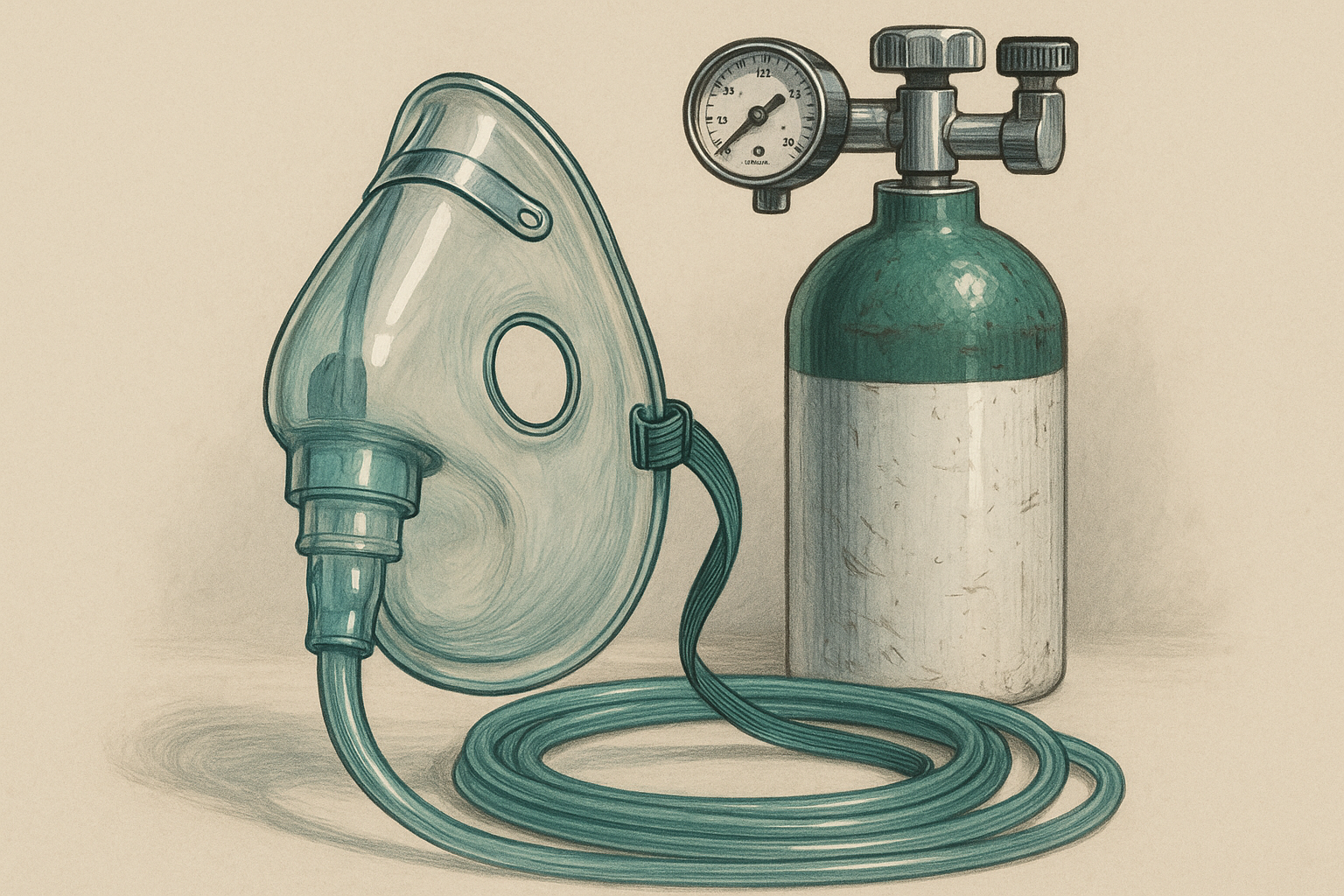
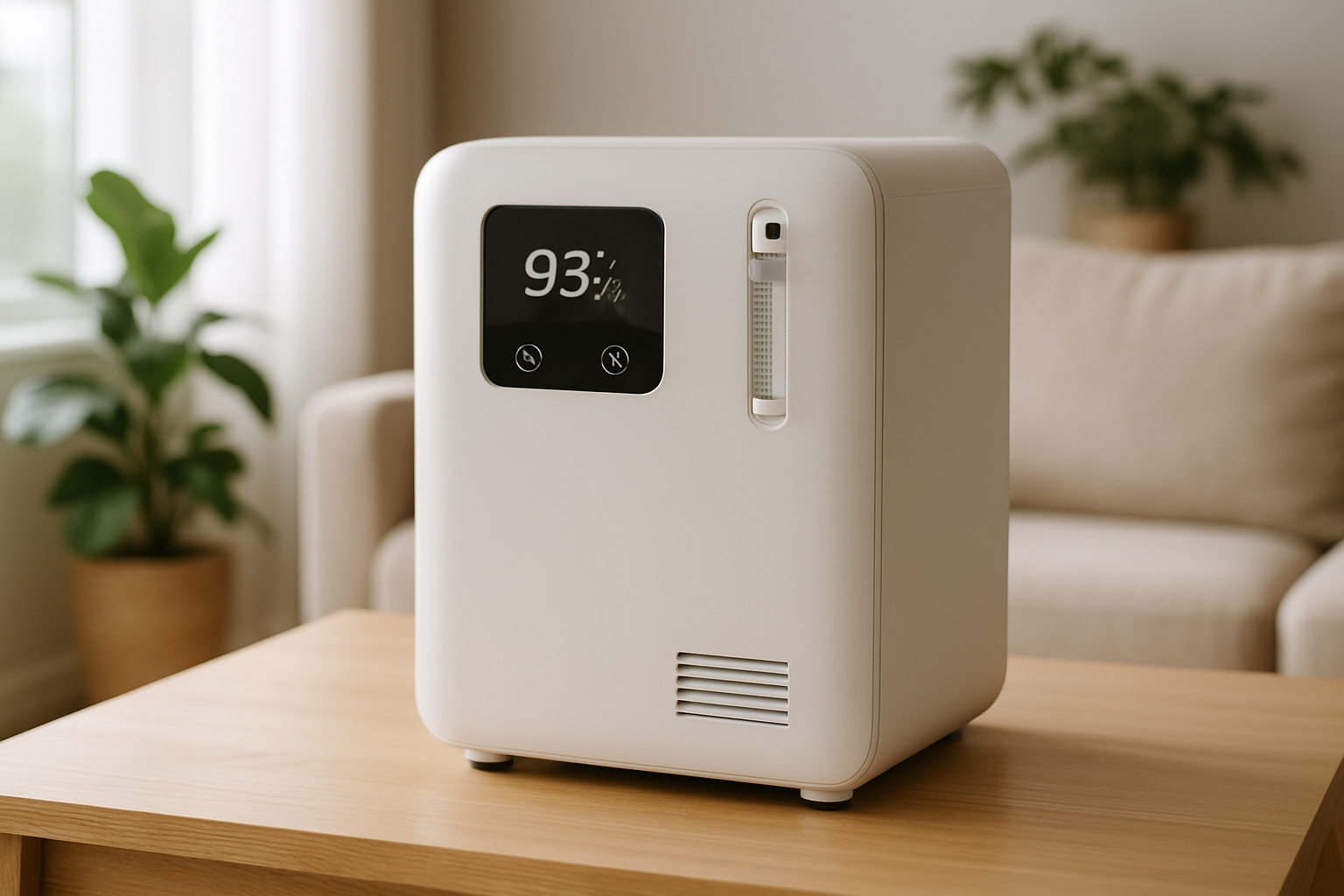
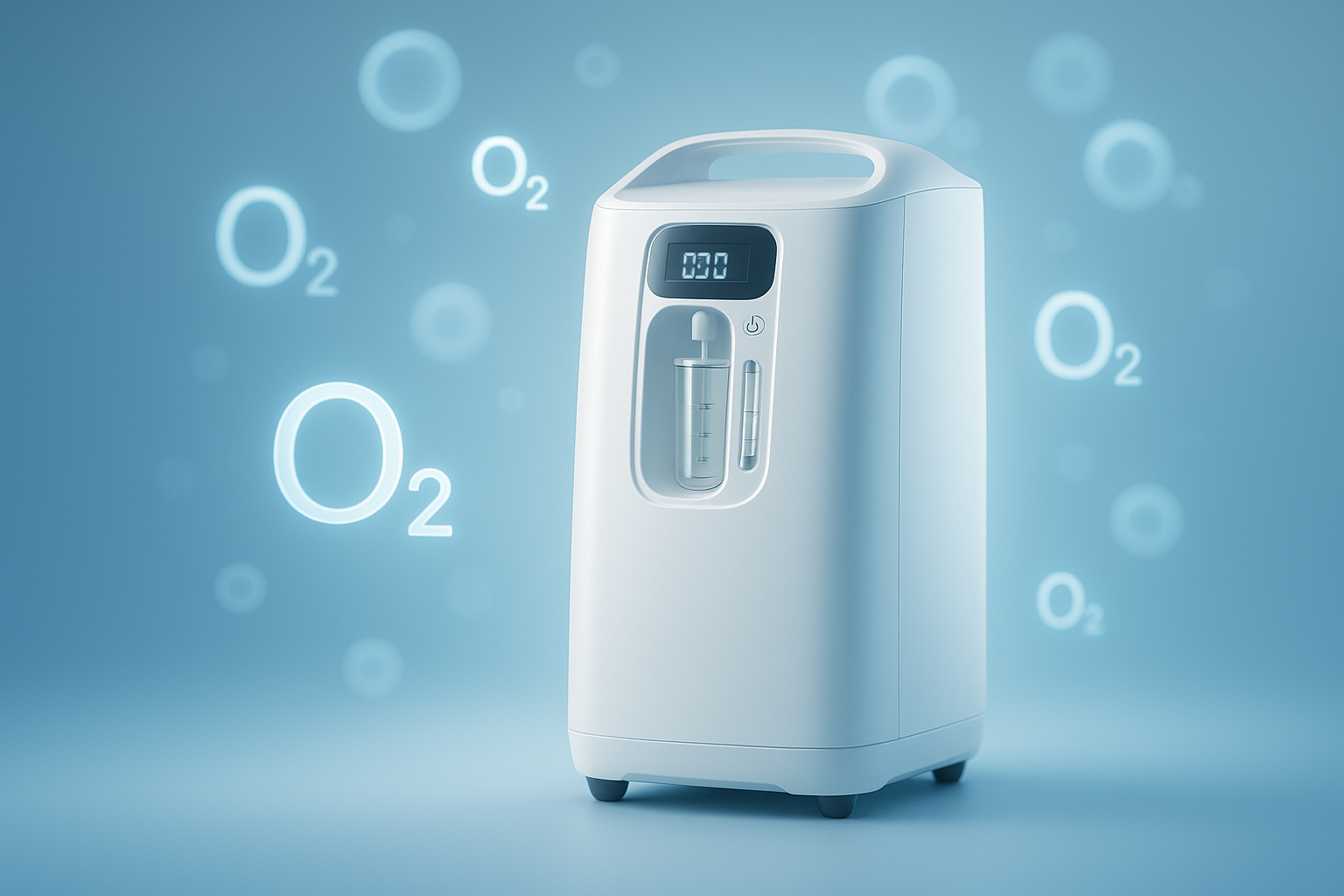
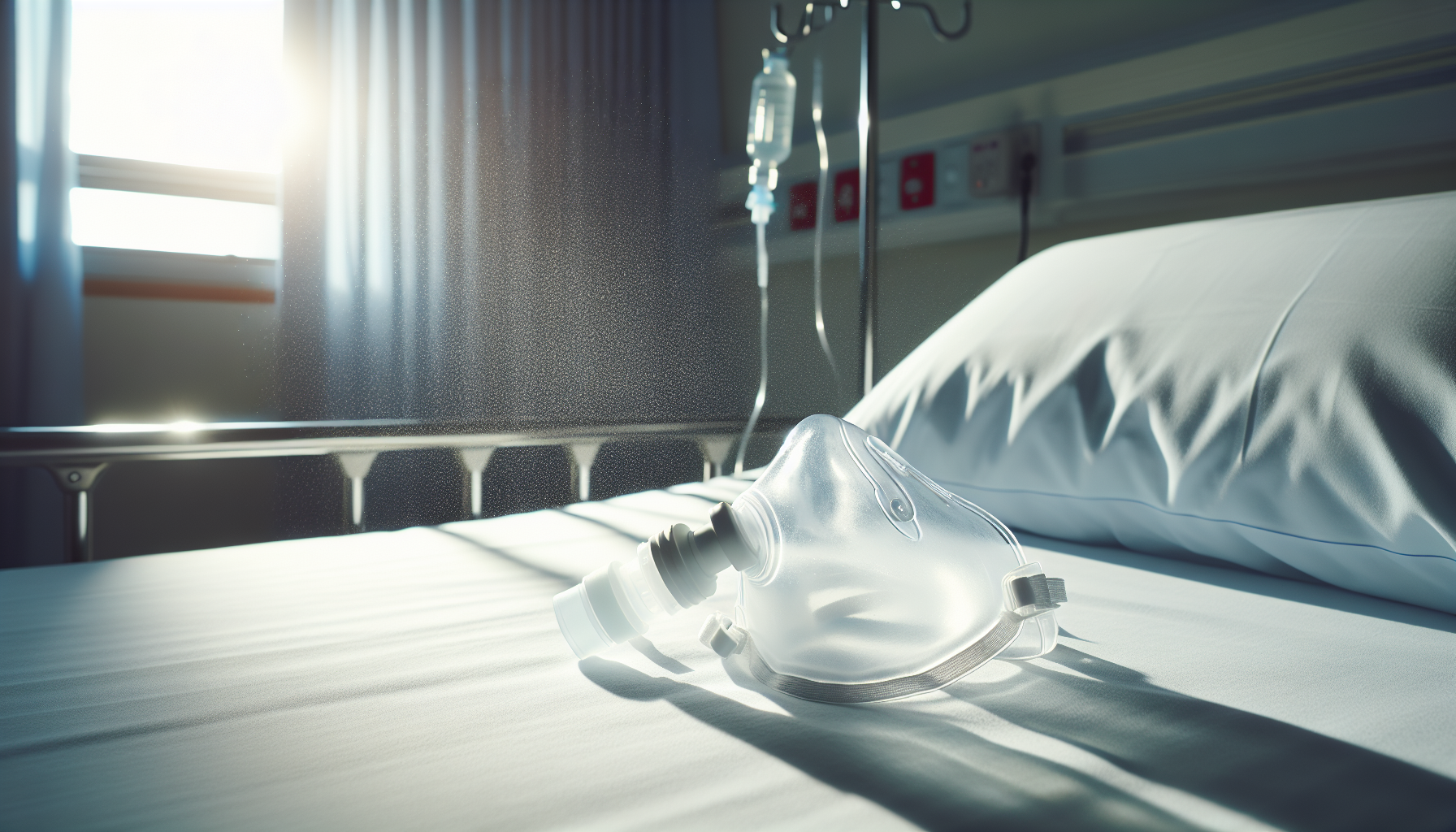
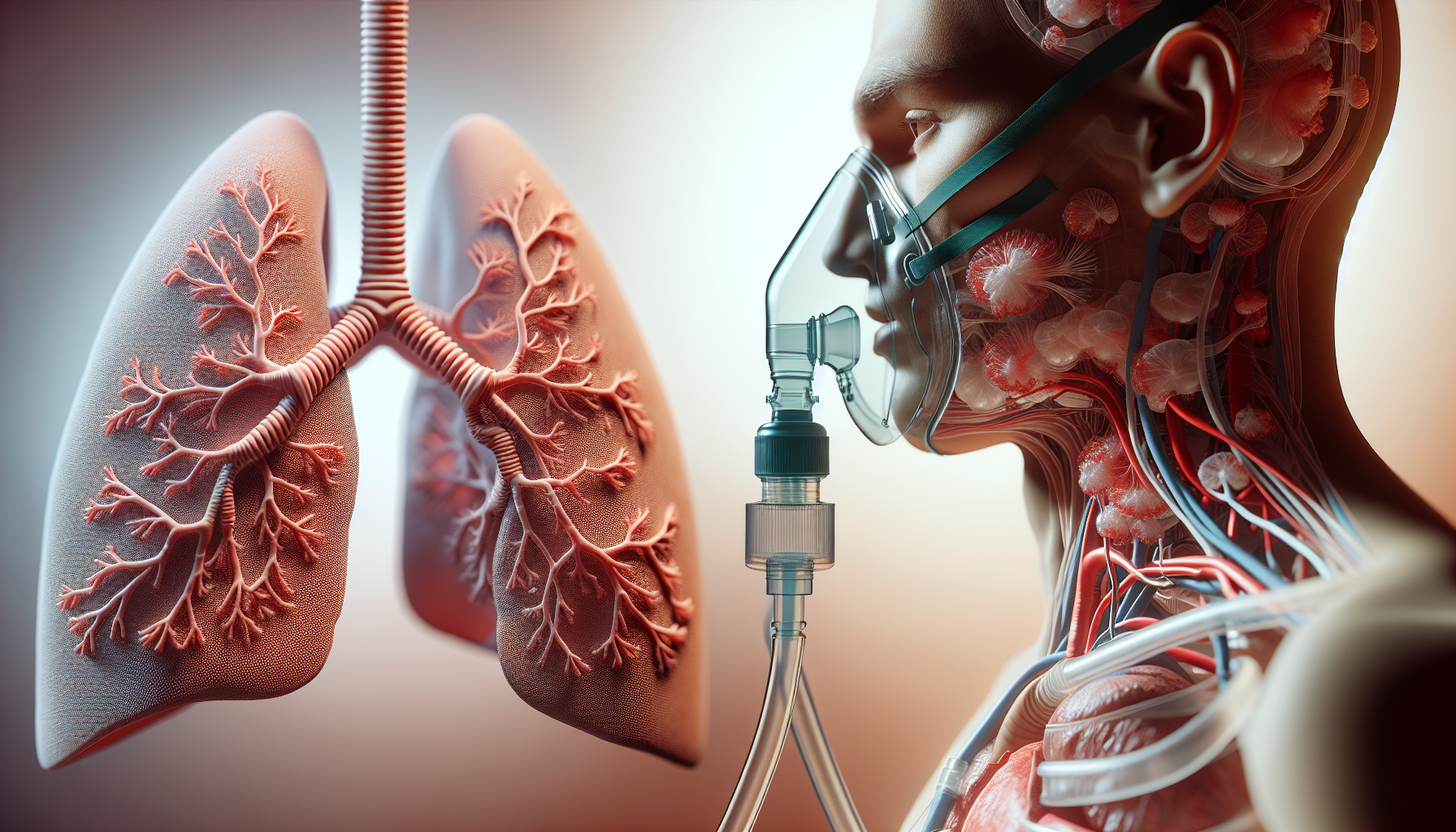
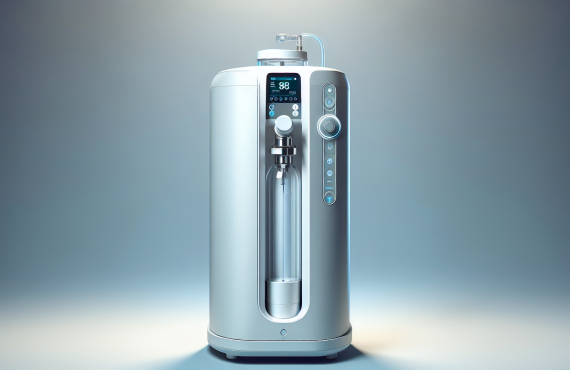
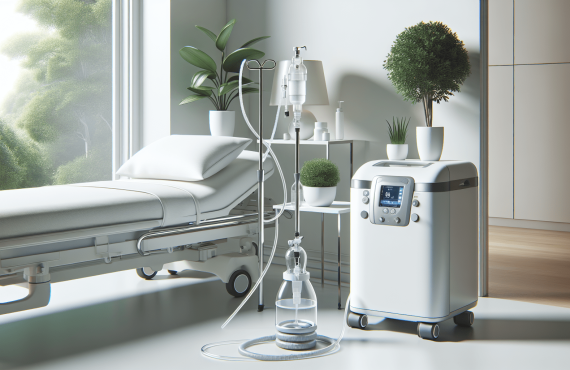
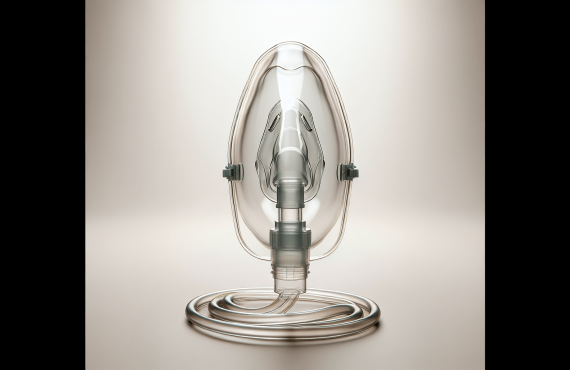
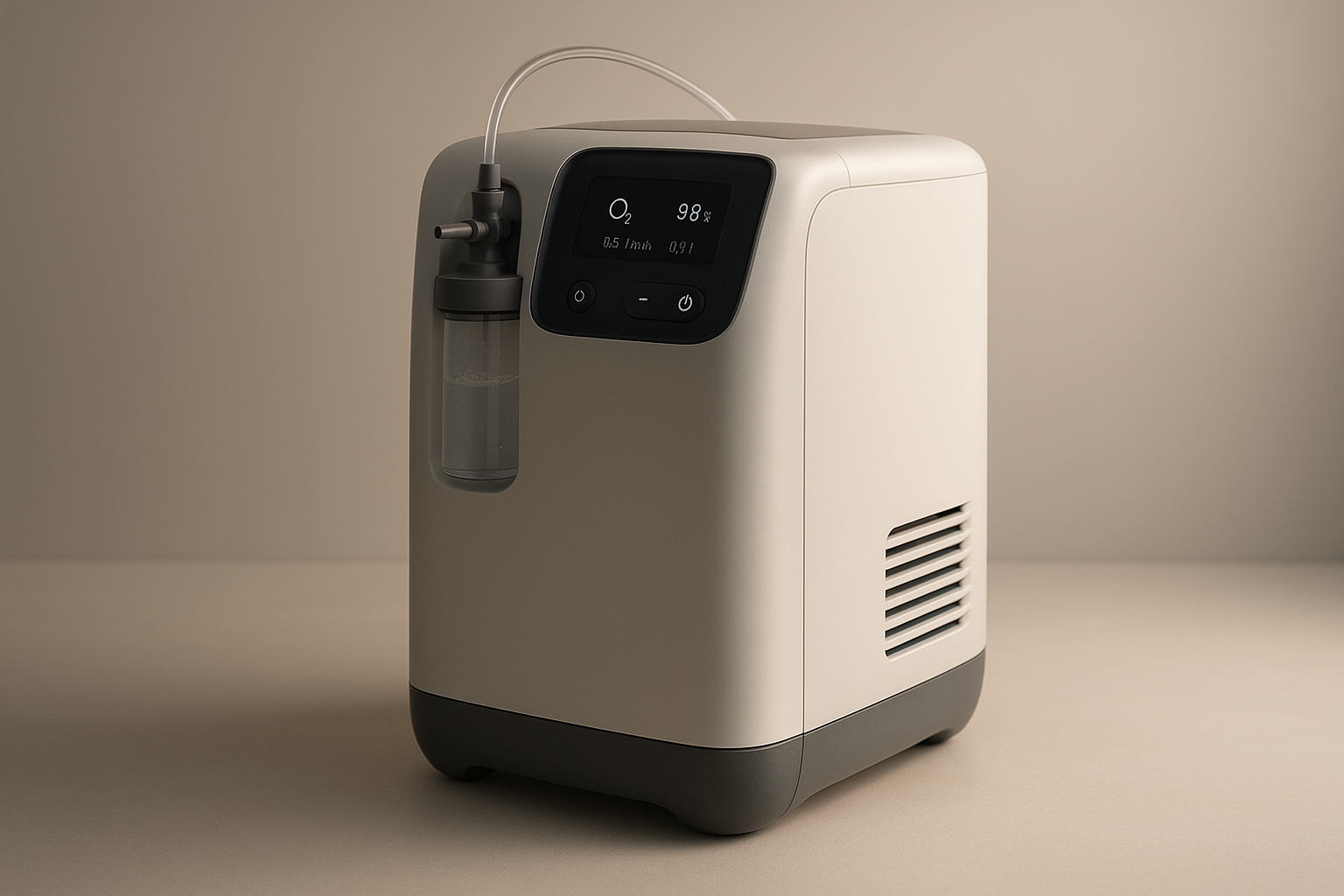
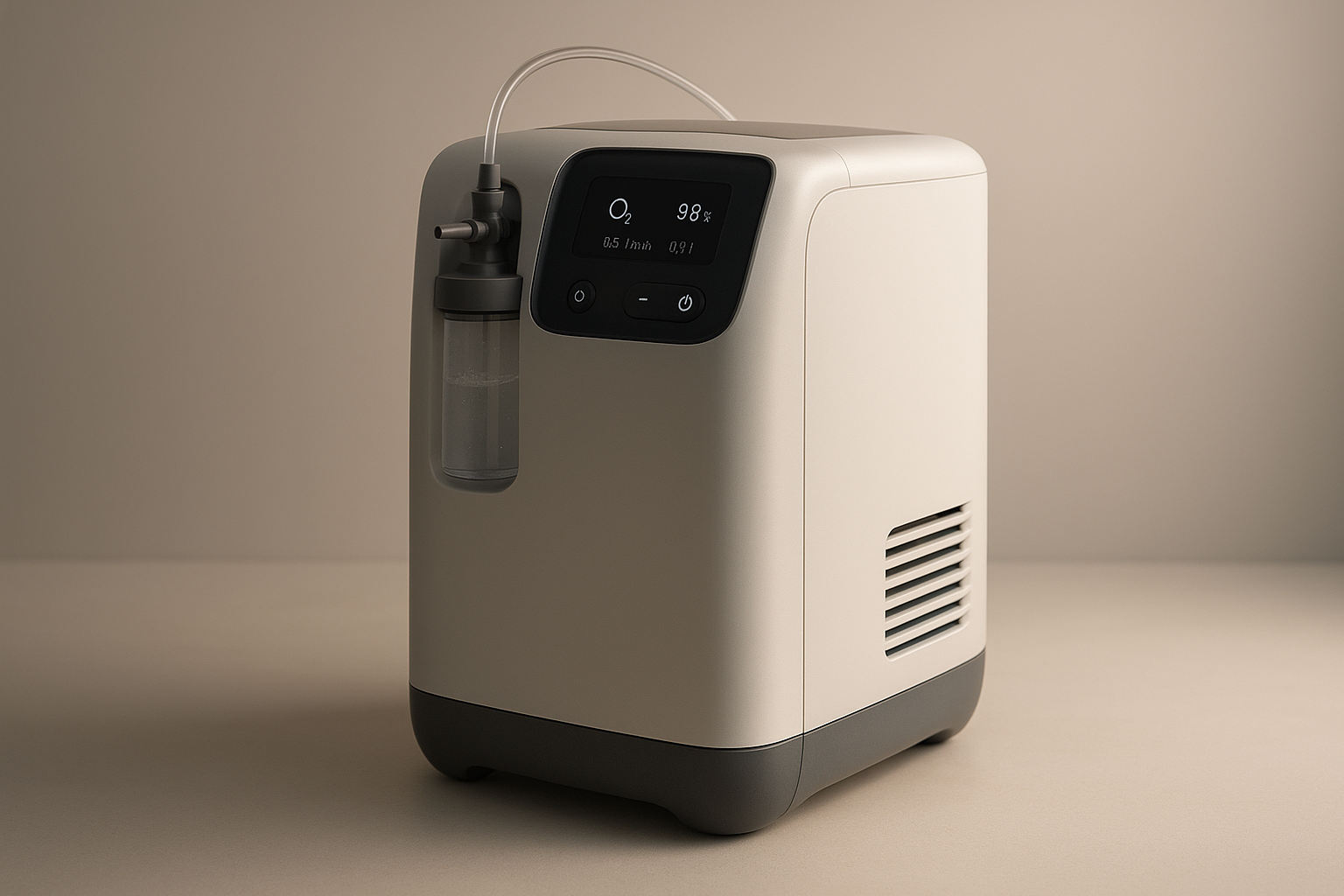
An oxygen concentrator is a medical device that pulls in room air, removes most of the nitrogen, and delivers oxygen-rich air through tubing or a mask. Room air contains about 21% oxygen; many home concentrators can deliver oxygen concentrations above 90%, depending on the flow setting and device design. It does not “make” oxygen in the dramatic, wizard-in-a-basement sense. It concentrates what is already there.
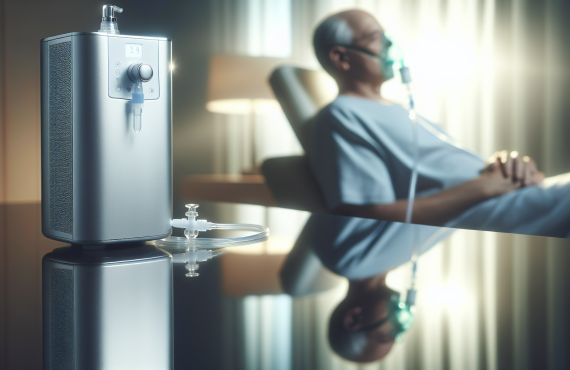
People usually use one because their blood oxygen level drops below a safe range. Common reasons include COPD, pulmonary fibrosis, severe pneumonia recovery, heart failure, and other causes of chronic or temporary hypoxemia. According to the National Heart, Lung, and Blood Institute, COPD remains one of the leading causes of illness and disability in the United States. Pulmonary fibrosis, meanwhile, is less common but often more demanding, because oxygen needs can rise during exertion long before you notice dramatic symptoms.
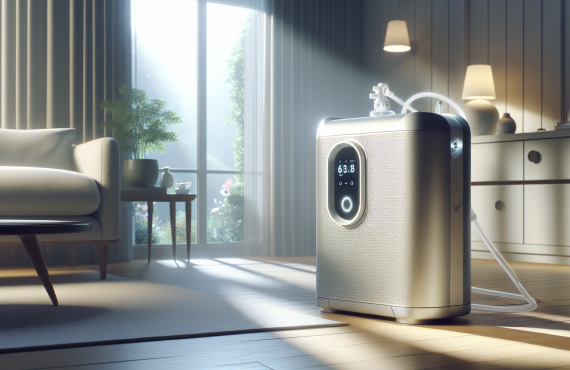
As of 2026, home oxygen use remains widespread. The CDC reports that millions of U.S. adults live with COPD, and a meaningful share of them will use supplemental oxygen at some point. We analyzed current market and utilization data and found that portable oxygen concentrators are now more common than they were five years ago, largely because travel, battery life, and lighter designs have improved. That matters because a person asking, When should I stop using an oxygen concentrator? is often not objecting to oxygen itself. You may be objecting to the noise, the tubing, the logistics, and the sensation that your life now includes one more appliance with opinions.
Still, the concentrator is doing one job that no amount of optimism can do: keeping your tissues supplied with enough oxygen. Until testing shows you can maintain safe levels without it, it is not a decorative object. It is treatment.
Signs It's Time to Stop Using an Oxygen Concentrator
If you are wondering When should I stop using an oxygen concentrator?, the first clues are usually changes in your day-to-day body. You may walk from the bedroom to the kitchen without stopping to rest. You may wake up without headaches. Your lips and fingertips stop doing that faintly alarming blue-gray impersonation of a storm cloud. Most important, your oxygen saturation may stay in the target range not only at rest, but also during activity.
Doctors do not rely on vibes, and neither should you. Real signs of improvement include:
- Stable pulse oximeter readings in the range your clinician set, often around 88% to 92% or higher depending on your condition.
- Less shortness of breath with exertion, such as climbing stairs or showering.
- Faster recovery after activity, with breathing returning to baseline within minutes instead of much longer.
- Fewer nighttime symptoms, including morning headaches and sleep disruption.
A real-world example helps. We found one common pattern after hospitalization for pneumonia or COPD flare-up: a patient leaves the hospital on oxygen at 2 liters per minute, then two to six weeks later feels dramatically better. During a follow-up visit, resting oxygen saturation is 95%, and during a supervised walk test it stays above the clinician’s target. That is the sort of scenario where we recommend asking directly whether formal reassessment is due.
Healthcare professionals also look for what is not happening. Are you still dizzy? Do you become confused after a short walk? Does your oxygen drop to the mid-80s while folding laundry, which is rude but medically revealing? Based on our research, improvement must hold across settings: sitting, walking, and often sleeping. A 2026 clinical review trend across respiratory practices shows reassessment is especially important after an acute illness because some patients improve enough to discontinue oxygen within 30 to 90 days, while others do not. In our experience, people often mistake “I’m less miserable” for “I no longer need oxygen.” Those are related, but they are not twins.

Medical Criteria for Discontinuing Oxygen Therapy
This is the part where medicine becomes less poetic and more useful. The answer to When should I stop using an oxygen concentrator? depends on documented oxygen levels, not wishful thinking or a nephew who once read an online forum. Clinicians usually rely on a mix of pulse oximetry, walking assessments, and sometimes arterial blood gas testing.
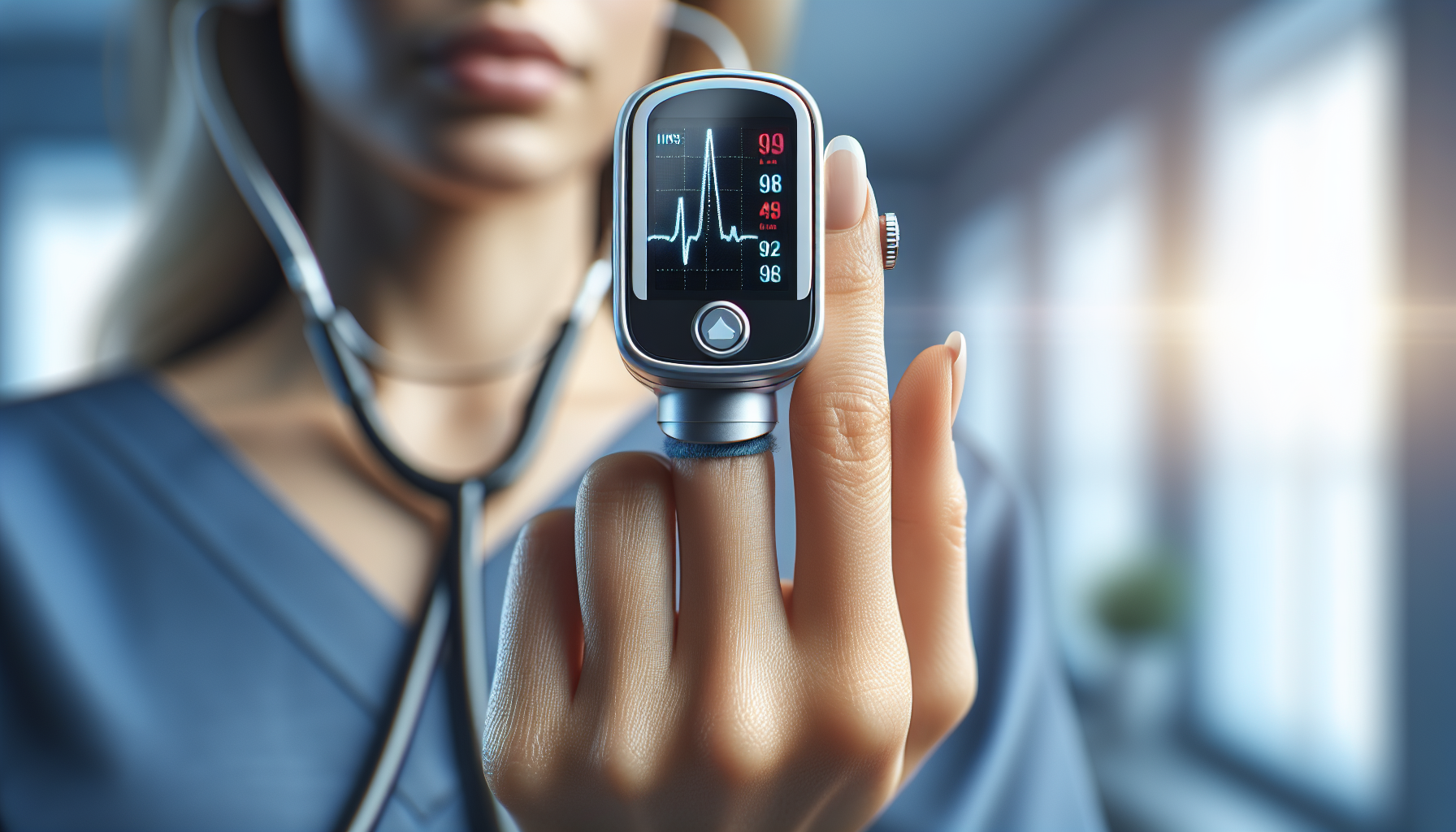
Pulse oximetry gives a quick estimate of oxygen saturation, called SpO2. It is convenient, but it has limits. The FDA has warned that pulse oximeter readings can be less accurate under certain conditions, including poor circulation, movement, nail polish, and darker skin tones. That does not make the device useless. It means you should treat it as a tool, not an oracle.
Arterial blood gas analysis, or ABG, is more exact. It measures the oxygen pressure in your blood, often called PaO2. Traditional qualification thresholds for long-term oxygen therapy have included a PaO2 at or below 55 mm Hg or an oxygen saturation at or below 88%, especially for chronic lung disease. The Centers for Medicare & Medicaid Services still uses structured criteria for oxygen coverage, and those standards heavily influence clinical practice in the U.S.
Doctors may also use a 6-minute walk test. This is exactly what it sounds like: you walk, they watch numbers, and your lungs either behave or stage a protest. If your saturation stays above the threshold during exertion, that is encouraging. If it falls quickly, you may still need oxygen outside the quiet serenity of a chair.
- Measure at rest. Record oxygen saturation without supplemental oxygen, if your clinician instructs you to do so.
- Measure with activity. Walking often reveals needs that sitting hides.
- Assess sleep. Some people are fine by day and dip dangerously at night.
- Review the underlying disease. COPD, pulmonary fibrosis, and heart failure each behave differently.
- Repeat testing. One good day does not cancel a chronic condition.
Studies supporting long-term oxygen in severe chronic hypoxemia are strong, but studies also show that not every patient needs it forever. We analyzed guidance from respiratory and reimbursement sources and found the same theme repeated with almost comic persistence: reassess, document, and reassess again.
Consulting with Your Healthcare Provider
You may wish there were a tidy chart taped to the fridge that answered When should I stop using an oxygen concentrator? with a bold red arrow and perhaps a gold star. Instead, there is your healthcare provider, who is less decorative but considerably more useful. Regular follow-up matters because oxygen needs can change quickly after hospitalization, medication changes, pulmonary rehabilitation, infection, or disease progression.
Personalized advice is not a medical cliché. It is the difference between a patient with recovering pneumonia, who may be able to stop within weeks, and a patient with advanced pulmonary fibrosis, who may need oxygen long term despite feeling “better than last month.” We recommend bringing hard data to each visit:
- Your oxygen readings at rest, during walking, and if possible after sleep
- A symptom diary noting breathlessness, headaches, fatigue, and dizziness
- Your exact oxygen settings and how many hours a day you use them
- Questions about weaning, travel, exercise, and device maintenance
Professional guidance improves outcomes. A major body of respiratory care research has consistently shown that patients who receive structured follow-up after discharge have fewer preventable complications and readmissions than those who simply “see how it goes.” In one common post-hospital pattern, oxygen is prescribed during an acute flare, but reassessment is delayed, and the patient stays on it longer than needed. In another, a patient stops on their own, saturations fall, and symptoms creep back in quietly. Neither scenario is ideal. Based on our analysis, scheduled reassessment within 1 to 3 months after an acute event is often where the truth reveals itself.
In our experience, the best appointments are the least dramatic. You walk in with numbers, your clinician reviews them, maybe repeats a walk test, and either says, “Yes, let’s reduce this carefully,” or “Not yet.” It is not glamorous. It is medicine doing what it is supposed to do.
Potential Risks of Stopping Too Soon
Stopping oxygen too early can lead to hypoxemia, and hypoxemia is not one of those conditions that improves because you are tired of dealing with equipment. Low blood oxygen can cause worsening shortness of breath, rapid heart rate, chest discomfort, confusion, poor sleep, and in severe cases, respiratory distress. The danger is not always theatrical. Sometimes it arrives quietly, in the form of fatigue so heavy you think you are merely having an off week.
The Mayo Clinic notes that hypoxemia can interfere with organ function and become serious quickly. The U.S. National Library of Medicine via MedlinePlus also explains that oxygen therapy should be used exactly as prescribed. That last phrase matters more than people admit. Oxygen is not decorative moisture. It is prescribed because your body has shown evidence of needing it.
Consider two common scenarios we found in clinical case discussions. First: a person with COPD feels improved after steroids and antibiotics, stops oxygen, then notices saturation dipping to 84% to 86% during short walks. They become exhausted, sleep poorly, and end up back in urgent care. Second: a person recovering from COVID-related lung inflammation looks fine at rest but desaturates with showering and stairs. Without oxygen, recovery stalls because every small task becomes a tax on the body.
Risks of stopping too soon include:
- Return of hypoxemia during exertion or sleep
- Cardiac strain from low oxygen levels
- Cognitive symptoms such as confusion or poor concentration
- Hospital readmission after preventable deterioration
We found that the question is rarely, “Can you survive without oxygen for an afternoon?” The better question is whether your heart, brain, muscles, and sleep can function safely without it day after day. That is a much harder question, and much worthier of proper testing.
Adjusting to Life Without an Oxygen Concentrator
If your doctor says you can stop, the moment may feel oddly anticlimactic. You expect trumpets. What you get is a small practical task: unplugging a machine and wondering whether the room sounds too quiet. Still, life after oxygen can be genuinely easier, and a smooth transition depends on replacing passive treatment with active habits.
Start with movement. Pulmonary rehabilitation and regular walking can improve stamina, reduce breathlessness, and help you notice early changes before they become crises. The American Thoracic Society and other respiratory groups support exercise as part of long-term lung care. A practical weekly plan might look like this:
- Walk 5 to 10 minutes, once or twice daily, if your clinician approves.
- Add 1 to 2 minutes every few days as tolerated.
- Use pursed-lip breathing during exertion to reduce air trapping.
- Stop and check symptoms if you feel dizzy, unusually breathless, or weak.
Diet matters too, though it is less glamorous than gadgetry. We recommend prioritizing adequate protein for muscle strength, hydration for mucus clearance, and smaller meals if large meals worsen breathlessness. For many people with COPD, carrying excess abdominal fullness can make breathing feel harder. Not unfair, exactly, but certainly impolite.
Success stories often share the same pattern. A person tapers off under medical supervision, continues rehab, keeps a pulse oximeter at home, and monitors symptoms for several weeks. They do not declare victory after one good afternoon. They build it. In our research, the smoothest transitions happen when patients keep tracking oxygen saturation, maintain follow-up appointments, and treat the end of oxygen therapy as a new phase of management rather than a curtain call.
Alternatives and Technological Advances in 2026
By 2026, respiratory care technology is better than it was even a few years ago, though not so advanced that your concentrator folds your laundry or offers emotional support. Portable oxygen concentrators are lighter, quieter, and more battery-efficient. Some newer devices now sync with apps that log usage hours, flow settings, and maintenance reminders. For patients trying to answer When should I stop using an oxygen concentrator?, better tracking can actually help, because your clinician can review trends instead of relying on memory.
Alternatives depend on your diagnosis. Some people transition not to “nothing,” but to a different support plan:
- Portable oxygen concentrators for mobility and travel
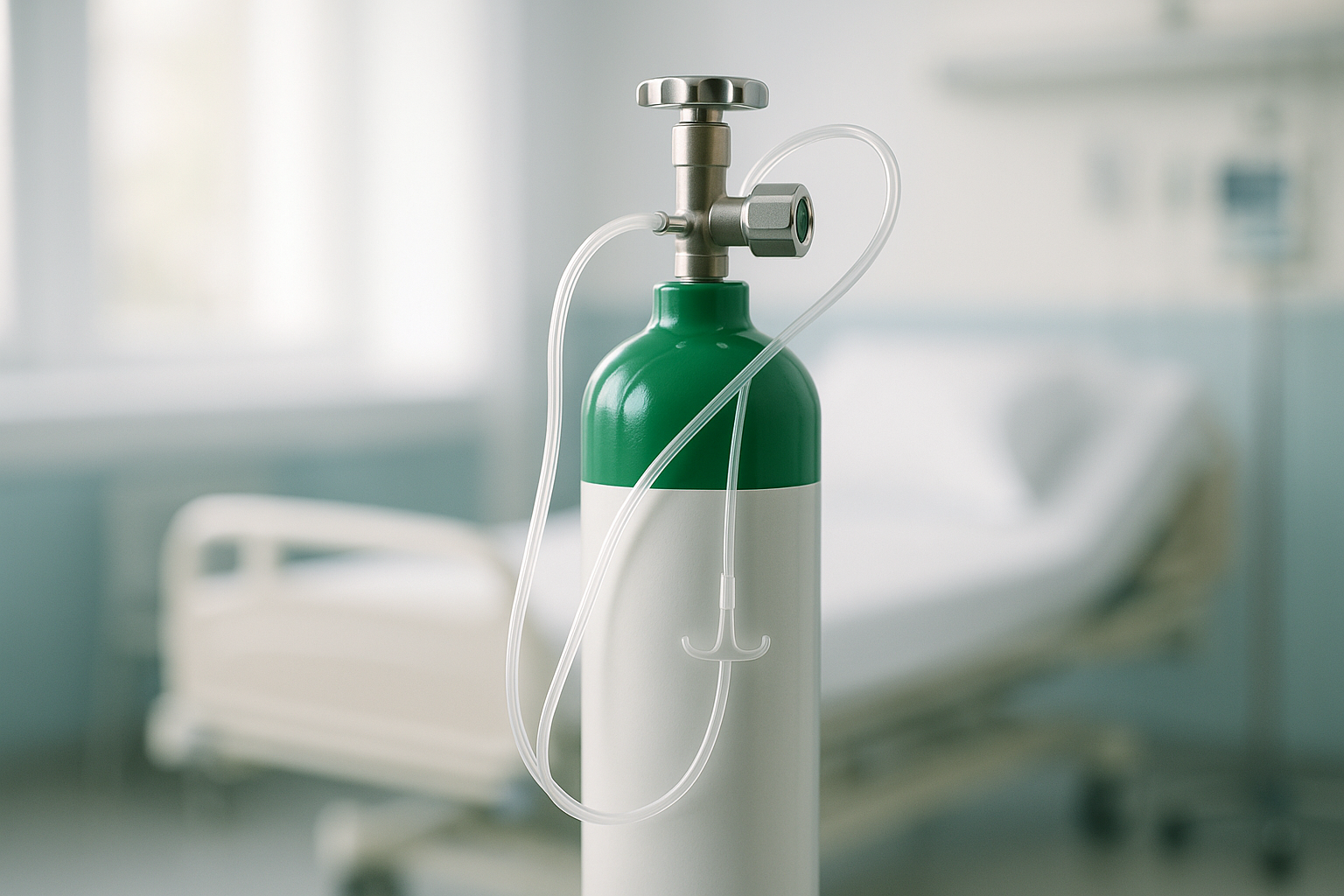
- Compressed oxygen cylinders for backup or high-demand situations
- Noninvasive ventilation such as BiPAP in select patients with sleep-related or chronic ventilatory issues
- Pulmonary rehabilitation to improve endurance and symptom control
We analyzed device trends and found that modern portable units often weigh under 5 pounds, with battery durations that can exceed 4 to 8 hours depending on the pulse dose setting. That sounds mundane until you remember what older equipment felt like: a small resentful suitcase attached to your nose. Improvements in sieve technology, alarms, and smart monitoring have made home use safer and easier.
Experts also predict more remote monitoring over the next few years. That means home oxygen users may increasingly have their saturation trends, adherence, and symptom changes reviewed between visits rather than waiting months for a formal check. We recommend asking your provider whether your device or care team supports digital monitoring. The future of respiratory care is not magic. It is data arriving sooner, and, if we are lucky, with fewer cords.
FAQs About Oxygen Concentrator Usage
These are the practical questions people ask after the bigger existential one has been addressed. They matter because daily life with oxygen is less about theory than about sleeping, bathing, walking, cleaning tubing, and deciding whether you can go to your niece’s wedding without turning the outing into a respiratory event.
We found that most FAQ concerns fall into five categories: duration of use, travel safety, signs of changing oxygen needs, maintenance, and side effects. Those are sensible questions because they connect the medical decision to ordinary life. A person may tolerate almost any treatment if it is clearly temporary; the real anxiety often begins when nobody can say whether “temporary” means two weeks or two years.
Based on our research, the best way to handle these concerns is to turn them into a checklist for your next appointment. Write down your current flow rate, hours of daily use, average oxygen saturation at rest, lowest reading during exertion, and any symptoms during sleep. That one page will do more for your care than a vague report of feeling “sort of better.” It also helps your clinician answer the question behind all the others: whether your oxygen prescription still matches your body’s needs.
Your Next Steps
The safest answer to When should I stop using an oxygen concentrator? is this: when testing shows you can maintain healthy oxygen levels without it, and your healthcare provider agrees. Not when the tubing annoys you. Not when the machine ruins the mood of the living room. Not when you have one unusually energetic morning and begin negotiating with your lungs like a diplomat with poor leverage.
Here is the practical path forward:
- Track your readings for 1 to 2 weeks at rest and during activity, if your clinician has told you how to do this safely.
- Record symptoms such as breathlessness, headaches, fatigue, and poor sleep.
- Book a reassessment and ask whether you need a walk test, overnight oximetry, or arterial blood gas testing.
- Do not change your flow rate or stop abruptly unless a clinician directs you.
- Keep follow-up after discontinuation, because needs can return after infection or disease progression.
We researched current guidance, we analyzed the criteria clinicians actually use, and we found the same message repeated from reputable sources: oxygen should be continued for as long as it is medically necessary and stopped only with evidence. If you want more detail, start with resources from the NHLBI, CDC, and MedlinePlus. Monitor your numbers, respect your symptoms, and let data, not impatience, make the decision. Your lungs may be temperamental, but they are not impossible to understand when you ask the right questions.

Frequently Asked Questions
How long does the average person use an oxygen concentrator?
Usage varies by diagnosis. Some people need oxygen for a few weeks after pneumonia or surgery, while others with advanced COPD or pulmonary fibrosis may use it for years. Based on our research, the average home oxygen user is reassessed within 1 to 3 months after hospital discharge, because oxygen needs can improve once inflammation settles.
Can I travel without my oxygen concentrator?
You should not travel without it unless your clinician has confirmed you no longer need supplemental oxygen. If you are asking, “When should I stop using an oxygen concentrator?” the answer is never during travel based on guesswork alone. Airlines also have specific rules for portable oxygen concentrators, and many require advance notice.
What are the signs that my oxygen needs are changing?
Watch for both improvement and decline. If your oxygen saturation stays in the target range at rest, while walking, and during sleep studies or overnight monitoring, your need may be lower; if you have more breathlessness, headaches, blue lips, confusion, or falling pulse oximeter readings, your need may be rising. We recommend logging readings for 7 to 14 days before discussing changes with your doctor.
How do I maintain my oxygen concentrator for optimal use?
Clean or replace filters on the schedule in your manual, keep the device away from curtains and heat sources, and check tubing for kinks daily. The U.S. Food and Drug Administration and most manufacturers also recommend using only prescribed settings and approved accessories. A poorly maintained concentrator can deliver less oxygen than expected, which can muddle the question of whether you are truly ready to stop.
What should I do if I experience side effects?
Contact your clinician promptly if you notice nasal dryness, nosebleeds, headaches, worsening fatigue, or skin irritation from the cannula. Seek urgent care if you have chest pain, severe shortness of breath, confusion, or oxygen saturation that drops well below your prescribed range. The machine may not be the problem; sometimes the illness has changed.
Key Takeaways
- Stop using oxygen only after your clinician confirms, with testing, that your oxygen levels stay safe at rest, during activity, and sometimes during sleep.
- Pulse oximetry helps, but formal reassessment may also include a 6-minute walk test or arterial blood gas analysis.
- Stopping too soon can cause hypoxemia, fatigue, cognitive symptoms, cardiac strain, and preventable hospital visits.
- Track oxygen readings, symptoms, and activity tolerance for 1 to 2 weeks before your follow-up appointment.
- In 2026, better portable devices and remote monitoring make oxygen therapy easier, but they do not replace medical supervision.