

Have you ever wondered what happens to your body when it doesn’t get enough oxygen? This silent warning can lead to a chain reaction of symptoms that you might not even realize are connected to low oxygen levels. Let’s explore these telltale signs together, making it clear and enjoyable to understand.


Table of Contents
What is Oxygen’s Role in the Body?
Oxygen is necessary for every breath you take. It’s a powerhouse that fuels cells in your body, enabling them to produce energy. Without adequate oxygen, your cells struggle to function correctly, leading to various health issues.
How Oxygen Reaches Your Body
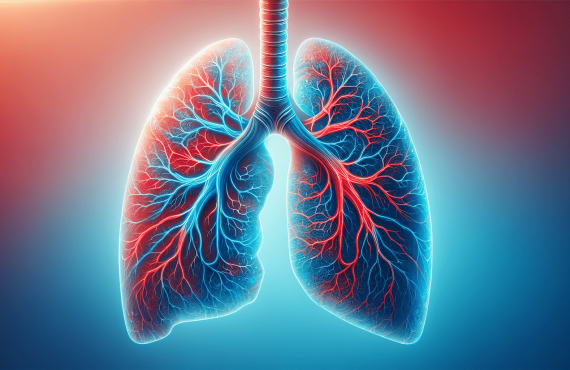
The oxygen you breathe in passes from your lungs into your bloodstream, hitching a ride with hemoglobin in your red blood cells. It then travels throughout your body, reaching every cell and organ that needs it.
Why Proper Oxygenation is Crucial
Sufficient oxygen levels are vital for maintaining your body’s systems, including your brain, heart, and muscles. It’s the cornerstone of cellular activity, hence why a disruption can lead to noticeable and sometimes severe signs.
Recognizing the Signs of Low Oxygen
When your body doesn’t receive enough oxygen, it sends signals that can manifest in various forms. Here are some common signs and symptoms to watch out for:
Shortness of Breath
Shortness of breath, also known as dyspnea, can be alarming. It feels like you can’t get enough air into your lungs, often leaving you gasping or feeling breathless after activities.
Fatigue and Weakness
A common symptom that’s easy to overlook is lingering fatigue. With insufficient oxygen, your body struggles to generate energy, leaving you feeling tired, weak, and less able to perform daily tasks.
Rapid Heart Rate
An elevated heart rate, or tachycardia, occurs when your heart beats faster than normal to pump more oxygen throughout your body. This is your heart’s attempt to compensate for low oxygen levels.
Confusion and Cognitive Impairment
Your brain requires a constant supply of oxygen to function well. Low oxygen levels can lead to confusion, difficulty concentrating, or even general cognitive issues, signaling that something isn’t quite right.
Headaches
Frequent headaches can indicate a lack of oxygen reaching the brain. While headaches can have many causes, coupling them with other signs might reveal an oxygen shortage.
Cyanosis
Cyanosis is a visible symptom where your skin or lips take on a bluish tint. This happens when your blood oxygen levels drop significantly, reducing the oxygen available to tissues, making them take on a blue hue.

Factors Leading to Low Oxygen Levels
Understanding some potential causes can help you pinpoint why you might be experiencing these symptoms:
Respiratory Conditions
Conditions like asthma, chronic obstructive pulmonary disease (COPD), and pneumonia can limit the air reaching your lungs, reducing oxygen intake.
Anemia
Anemia occurs when you have fewer red blood cells, or your red blood cells don’t work well, leading to inadequate oxygen transportation throughout your body.
Sleep Apnea
Sleep apnea is a condition where breathing temporarily stops during sleep, which reduces blood oxygen levels and can disturb restful sleep.
High Altitudes
At high altitudes, your body receives less oxygen due to lower air pressure. This change can result in shortness of breath and fatigue, among other symptoms.
How to Measure Oxygen Levels
Monitoring your oxygen levels ensures your body gets what it needs. There are simple tools available:
Pulse Oximeter
A pulse oximeter is a handy tool that clips onto your finger. It uses light to measure the oxygen saturation or the percentage of oxygen in your blood.
| Oxygen Level | Indication |
|---|---|
| 95-100% | Normal |
| 90-94% | Possible low oxygen levels |
| Below 90% | Seek medical attention |
Arterial Blood Gas (ABG) Test
An ABG test is more invasive than a pulse oximeter and is conducted by taking blood from an artery. It measures oxygen and carbon dioxide levels, providing a detailed overview of your overall oxygen status.

Treatment Options for Low Oxygen
Addressing low oxygen levels often requires a multidisciplinary approach, dependent on the underlying cause:
Supplemental Oxygen
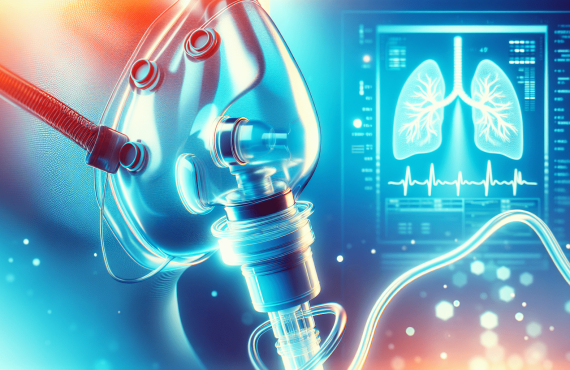
Supplemental oxygen is a common treatment, providing your body with the additional oxygen it needs via a mask or breathing tube.
Treat Underlying Conditions
Identifying and treating conditions like asthma or anemia can improve your oxygen levels. Medications, lifestyle changes, or surgical interventions might be necessary.
Lifestyle Modifications
Adopting a healthier lifestyle can support better lung function and oxygen levels. This includes not smoking, maintaining a balanced diet, and engaging in regular exercise.
Exploring Hyperbaric Therapy
Hyperbaric therapy emerges as a treatment to boost oxygen levels. Let’s answer what it is and its benefits.
What is Hyperbaric Therapy?
Hyperbaric Therapy, also known as hyperbaric oxygen therapy (HBOT), involves breathing pure oxygen in a pressurized chamber. This process enhances the oxygen level available to the body.
How Hyperbaric Therapy Works
In a hyperbaric chamber, atmospheric pressure increases, leading to higher oxygen absorption in your bloodstream. This extra oxygen reaches tissues needing it most, promoting healing, reducing inflammation, and aiding new blood vessel growth.
Potential Benefits
- Faster recovery from injuries
- Enhanced healing of chronic wounds
- Reduced infection rates
- Improved neurological function after strokes
For more personalized and local advice, refer to Henry Chiropractic:
- Henry Chiropractic
- 1823 N 9th Ave, Pensacola, FL 32503
- (850) 435-7777
- drcraighenry.com
Meet the Team at Henry Chiropractic
When seeking chiropractic and wellness support, it’s reassuring to know you’re in capable hands:
Dr. Craig Henry
Dr. Craig Henry, a licensed chiropractor, serves Pensacola and surrounding areas, helping improve health and wellness with chiropractic care. Whether you have back or neck pain or simply aim to feel better daily, Dr. Henry is there to assist.
Dr. Aaron Hixon
Dr. Aaron Hixon is a passionate chiropractor committed to community wellness. With a degree in Exercise Science and certification in various chiropractic methods, he brings a holistic approach to your health. His involvement in the community and love for staying active echoes his dedication to improving the lives of others.
FAQs About Low Oxygen Levels
What is the normal oxygen level for a healthy person?
Normal blood oxygen levels typically range from 95% to 100% when measured with a pulse oximeter. Levels below 90% are considered concerning and may require medical attention.
Can low oxygen be treated at home?
Mild cases might improve with lifestyle changes like enhanced ventilation or quitting smoking. Severe cases or persistent symptoms should necessitate medical intervention.
How does hyperbaric therapy aid oxygen levels?
Hyperbaric therapy increases atmospheric pressure, allowing more oxygen to dissolve in the bloodstream, reaching areas previously deficient.
Is low oxygen only linked to respiratory issues?
Though often associated with respiratory problems, other conditions like anemia or circulatory issues can also lead to low oxygen levels.
Can regular exercise improve oxygen levels?
Yes, regular exercise strengthens your cardiovascular system, improving lung capacity and overall oxygenation efficiency.
In conclusion, understanding the signs of low oxygen in your body is vital. If your body has enough oxygen, it feels well and functions effectively. Should you notice symptoms like fatigue, confusion, or shortness of breath, consider taking action or consulting with professionals like Dr. Craig Henry or Dr. Aaron Hixon for the guidance you need.