

Have you ever found yourself pondering what specific diagnoses might qualify someone for home oxygen therapy? This question holds importance for those managing chronic health conditions that affect their ability to breathe normally. Home oxygen therapy is often prescribed to help individuals maintain adequate blood oxygen levels, improving their quality of life and overall health.

Table of Contents
Understanding Home Oxygen Therapy
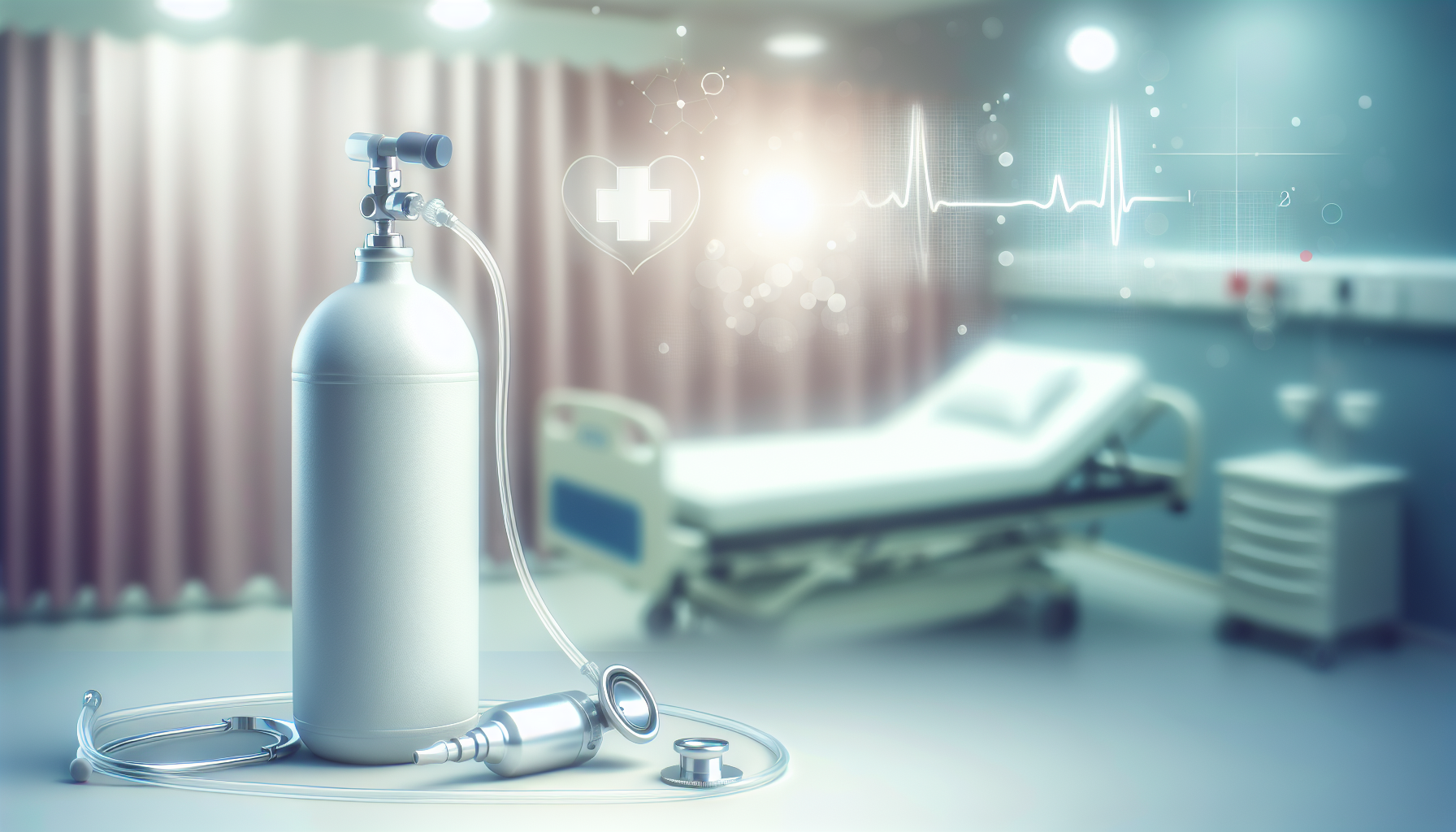
Home oxygen therapy involves the use of a device to deliver oxygen directly to the patient. It’s crucial for people with specific medical conditions where oxygen levels in the blood are lower than usual. This therapy aids in easing breathing difficulties, reducing symptoms of various lung diseases, and enhancing daily life activities.
What Conditions Qualify for Home Oxygen?
Several medical conditions might warrant the need for home oxygen therapy. Healthcare providers base their decision on clinical evaluations and tests measuring blood oxygen levels. Common diagnoses that usually require this therapy include:
- Chronic Obstructive Pulmonary Disease (COPD)
- Pulmonary Fibrosis
- Congestive Heart Failure
- Severe Asthma
- Cluster Headaches
Let’s take a closer look at each of these conditions.
Chronic Obstructive Pulmonary Disease (COPD)
COPD is a common respiratory disease characterized by airflow obstruction. It includes chronic bronchitis and emphysema, where the airways and air sacs lose their elasticity. This hinders airflow and causes breathing difficulties. For severe cases, oxygen therapy can help maintain blood oxygen levels and manage symptoms effectively.
Pulmonary Fibrosis
This occurs when lung tissue becomes thickened, stiff, and scarred over time. The scarring makes it difficult for lungs to work properly. With pulmonary fibrosis, oxygen therapy can assist in making breathing more manageable and maintaining the necessary oxygen levels in the bloodstream.
Congestive Heart Failure
In congestive heart failure, the heart doesn’t pump blood as effectively as it should, possibly leading to insufficient oxygen distribution throughout the body. Home oxygen can support individuals in maintaining adequate oxygenation and easing exertional dyspnea (difficulty breathing during physical activity).
Severe Asthma
Patients with severe asthma may experience significantly reduced lung function leading to hypoxemia (low blood oxygen). During exacerbations, oxygen therapy might be necessary to ensure oxygen is adequately available to the body.
Cluster Headaches
Cluster headaches can induce various symptoms, including severe pain around one eye, congestion, and a stuffy head. In such conditions, administering 100% oxygen through a non-rebreather mask can provide significant relief for many patients.
The Benefits of Home Oxygen
Oxygen therapy has a multitude of benefits that go beyond merely improving your ability to breathe. Here are some of its primary advantages:
Enhancing Quality of Life
Receiving adequate oxygen improves overall well-being, energy levels, and ability to be active. Patients often report a sense of better health and wellness after starting oxygen therapy.
Prolonging Life Expectancy
By ensuring optimal oxygen supply, therapy can help protect vital organs from damage due to oxygen deprivation. This has been shown to prolong life in patients with respiratory diseases.
Enhancing Sleep Quality
Many patients with respiratory issues experience sleep disturbances. Oxygen therapy can help alleviate such issues, resulting in improved sleep quality.


Implementation and Daily Use
When it comes to using oxygen therapy at home, there are a few key elements to consider for safe and effective use.
Oxygen Delivery Systems
There are different types of systems available for delivering oxygen at home. Your healthcare provider will recommend the most suitable one based on your needs:
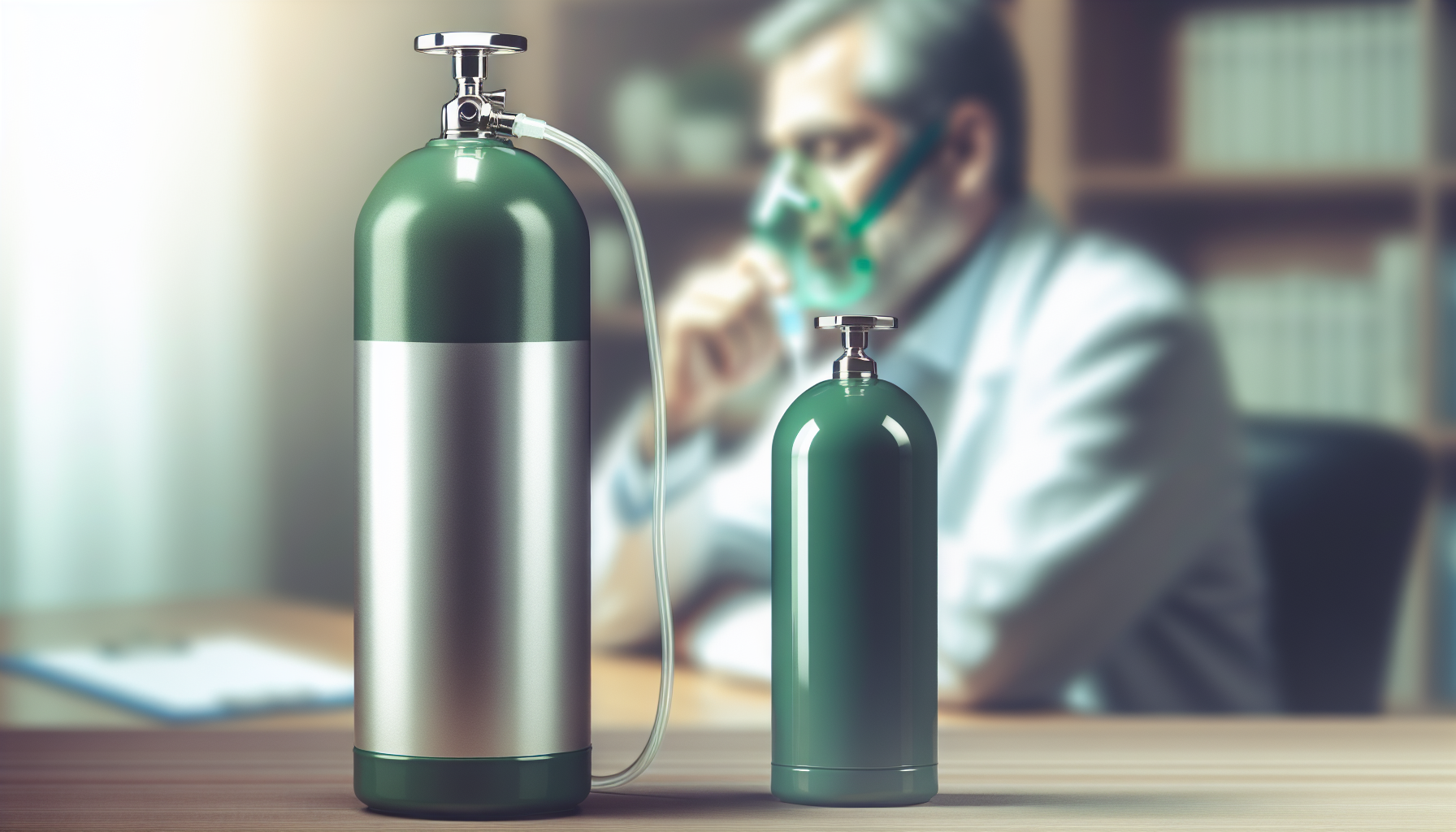
- Compressed Oxygen Cylinders: These tanks contain pure oxygen and come in various sizes.
- Liquid Oxygen Devices: These contain oxygen in liquid form, allowing for larger volumes to be stored in smaller containers.
- Oxygen Concentrators: These devices extract oxygen from the air, concentrating it for therapeutic use.
Practical Tips for Use
-
Ensure Proper Setup: Make sure that the oxygen system is set up correctly following the supplier’s instructions.
-
Check Oxygen Levels Regularly: Use an oximeter to track your blood oxygen levels consistently.
-
Stay Safe: Avoid smoking and keep away from open flames when using oxygen therapy.
-
Regular Maintenance: Ensure regular servicing of your equipment to maintain its functionality.
Potential Side Effects
While oxygen therapy is beneficial, it can cause side effects like dry or bloody nose, fatigue, or morning headaches. If side effects occur, consult with your healthcare provider for advice and potential solutions.
Hyperbaric Oxygen Therapy
A specialized form of oxygen therapy is Hyperbaric Oxygen Therapy (HBOT). This involves breathing pure oxygen in a pressurized chamber. It delivers benefits like promoting tissue repair and improving immune function. Here’s how it works in a bit more detail:
- Increased Oxygen Levels: The high-pressure environment significantly elevates oxygen levels in the blood and tissues.
- Healing and Regeneration: These increased levels stimulate healing processes, encourage blood vessel growth, and reduce swelling and inflammation.
Frequently Asked Questions (FAQs)
Here are some common questions and answers related to home oxygen therapy:
How do I know if I need home oxygen therapy?
Consult a medical professional who will assess your health condition, needs, and blood oxygen levels to determine whether you require home oxygen therapy.
Which oxygen delivery system should I choose?
The choice depends on factors like lifestyle, mobility needs, and preference. Your healthcare provider will help you choose the best system for your condition.
Can oxygen therapy improve my sleep quality?
Yes, many patients experience better sleep as oxygen therapy can prevent drops in oxygen levels during the night.
Are there any risks involved with home oxygen?
While generally safe, it’s important to follow guidelines to mitigate risks like fire hazards due to oxygen enrichment.
Where can I find more guidance or support?
For more guidance, you can reach out to healthcare experts like Dr. Craig Henry and Dr. Aaron Hixon at Henry Chiropractic, located at 1823 N 9th Ave, Pensacola, FL 32503. They are ready to help and offer support. Visit them online here or give a call at (850) 435-7777.
By understanding your condition and the availability of home oxygen therapy, you can ensure that you or your loved ones receive the best possible care and support. Remember, always consult with healthcare professionals to find the best care suited to your needs.