
Have you ever wondered what it means when people talk about low oxygen levels in medical terms? It’s fascinating how something so vital to our survival often goes unnoticed until there’s a concern. Understanding what constitutes a dangerously low oxygen level can be crucial not only for those with respiratory issues but for everyone. Let’s delve into this topic and explore what it truly means for your health.

Table of Contents
What Is a Dangerously Low Oxygen Level?
Before jumping into what a dangerously low oxygen level is, it helps to know what a normal oxygen level is. Typically, a healthy person’s oxygen saturation—that’s the level of oxygen in the blood—is between 95% and 100%. When oxygen saturation levels drop, it can indicate that the body is not getting enough oxygen, which can be risky. But how low is too low?
Oxygen Saturation Levels Explained
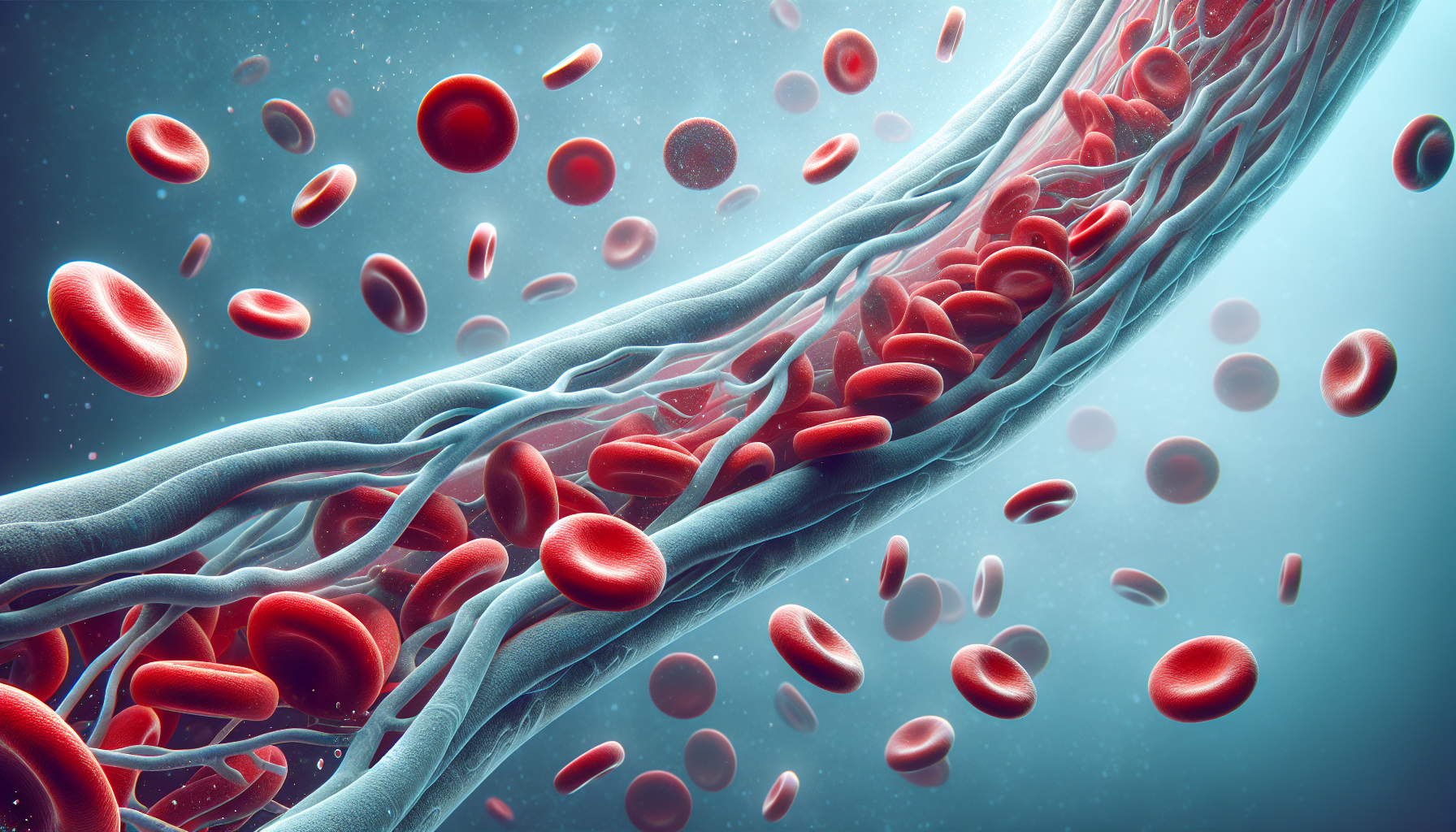
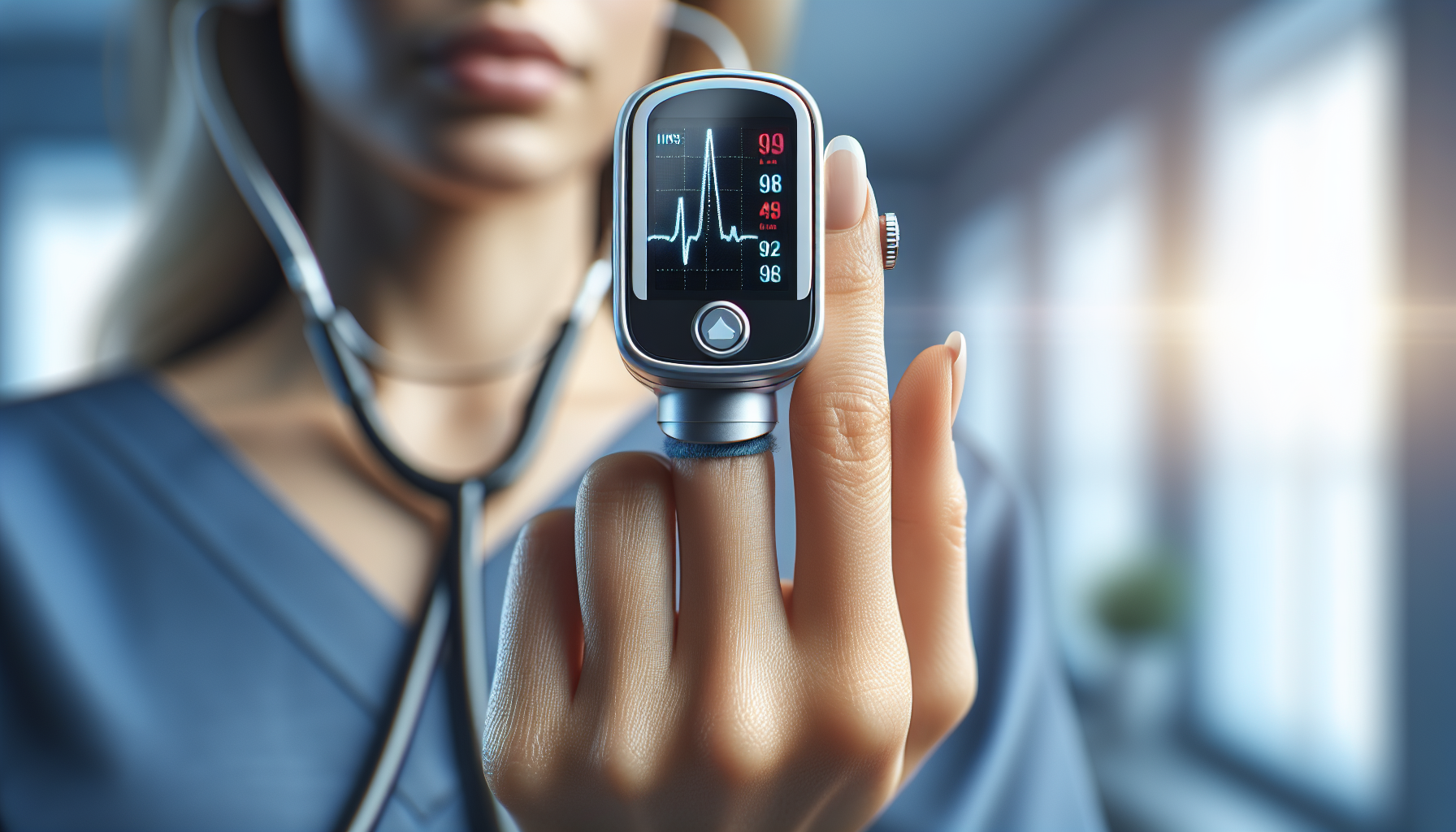
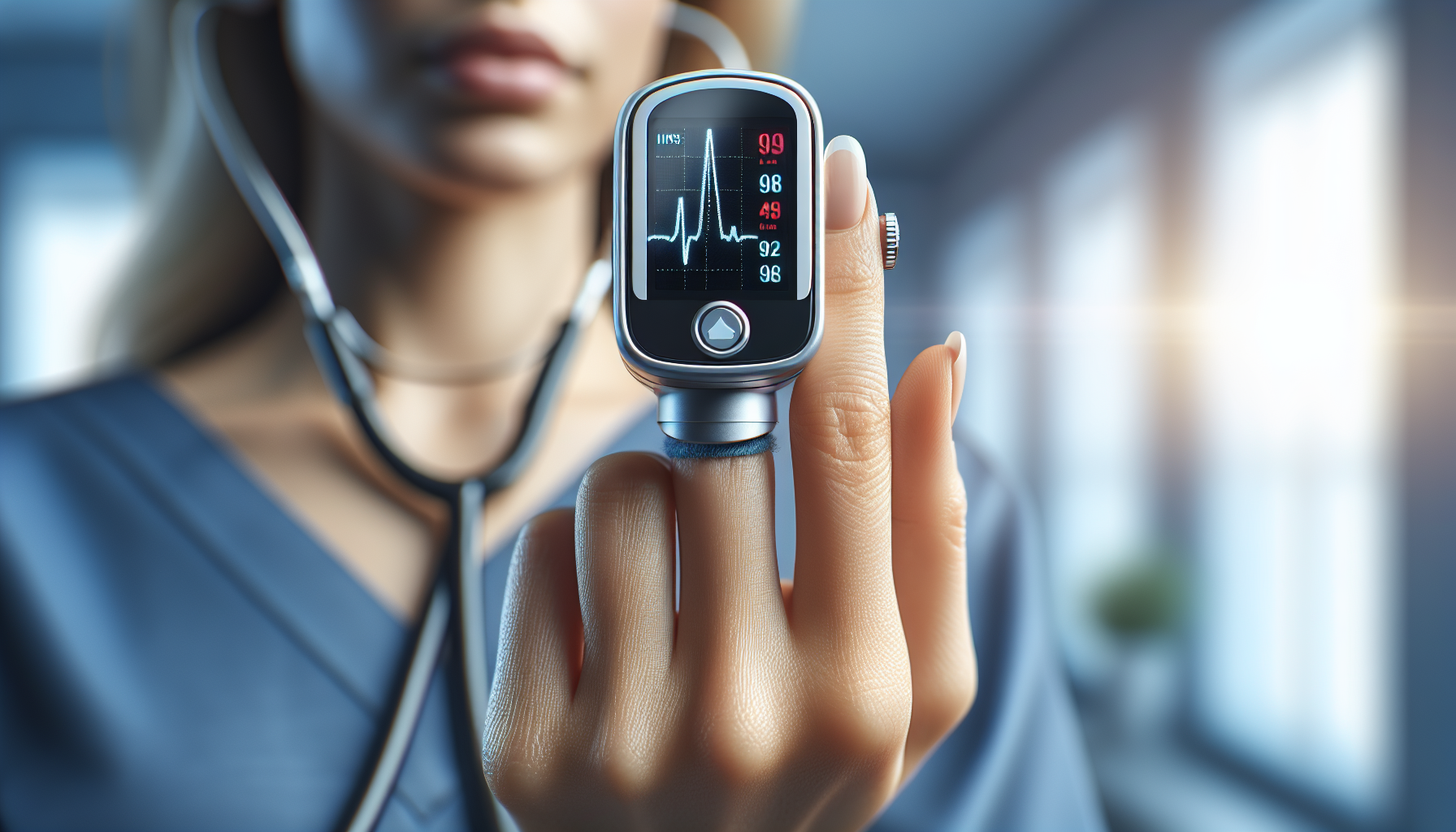
Oxygen saturation is measured with a device called a pulse oximeter. This small device clips onto your finger, shining a light through your skin to analyze the amount of oxygen in your red blood cells.
| Oxygen Saturation | Health Status |
|---|---|
| 95%-100% | Normal |
| 90%-94% | Mildly low; monitor |
| Below 90% | Dangerously low |
If your oxygen saturation drops below 90%, it’s considered dangerously low and a medical professional should be consulted immediately. This condition is referred to as hypoxemia.
What Is Hypoxemia?
Hypoxemia is the clinical term for when your blood doesn’t carry enough oxygen to your tissues. Your body requires a certain level of oxygen saturation to function optimally. When you’re suffering from hypoxemia, organs and tissues can be affected, which is why addressing low oxygen levels is crucial.
Causes of Low Oxygen Levels
Several factors can lead to dangerously low oxygen levels. Understanding these can help you identify and possibly prevent hypoxemia in yourself or others.
Respiratory Conditions
Conditions such as Chronic Obstructive Pulmonary Disease (COPD), asthma, pneumonia, or sleep apnea can directly affect how well your lungs can transfer oxygen into your bloodstream.
Environmental Factors
Spending extended periods at high altitudes can result in low oxygen levels, as the air is thinner and contains less oxygen. Additionally, being in a confined space with poor ventilation can also lower oxygen availability.
Cardiovascular Issues
Heart problems can also impair oxygen delivery, as the heart plays a critical role in circulating oxygen-rich blood. Conditions like heart failure can disrupt normal oxygen levels.
Anemia
Anemia, characterized by low levels of hemoglobin in the blood, can also result in lower oxygen levels. Hemoglobin is essential for oxygen transport within the body.

Symptoms of Low Oxygen Levels
Detecting low oxygen levels early can prevent severe health implications.
Common Symptoms
- Shortness of breath
- Rapid heartbeat
- Chest pain
- Confusion or disorientation
Severe Symptoms
- Cyanosis (bluish discoloration of the skin and lips)
- Severe shortness of breath even at rest
- Loss of consciousness
Diagnosis and Treatment
When you suspect low oxygen levels, getting an accurate diagnosis is the next step.
Diagnosis
Doctors will evaluate your symptoms, use a pulse oximeter, and possibly conduct arterial blood gas tests to assess oxygen levels and other critical blood gases.
Treatment Options
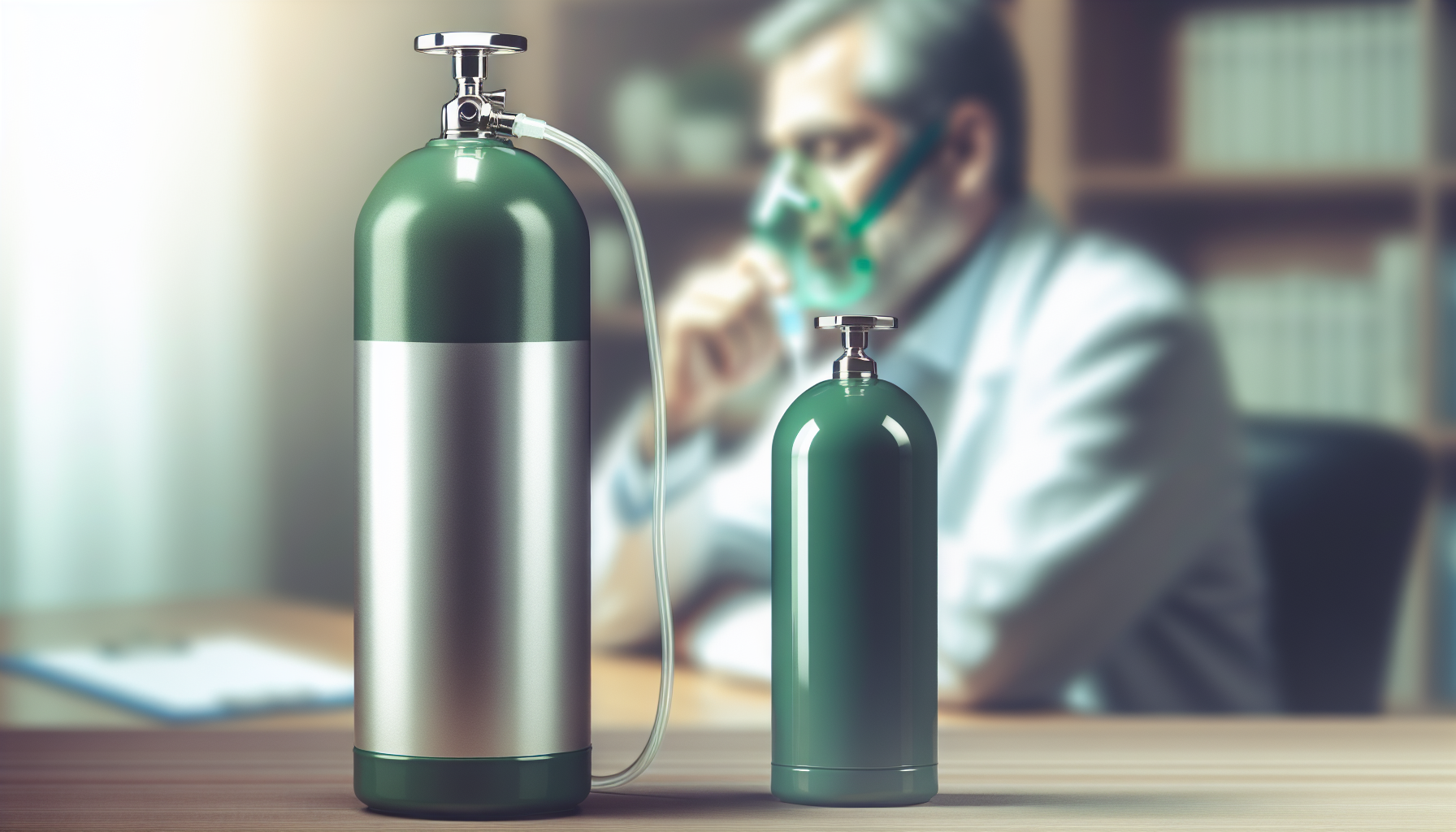
- Supplemental Oxygen: Administering oxygen can quickly raise blood oxygen levels.
- Ventilation Support: In some cases, especially in severe respiratory distress, mechanical ventilation may be required.
- Medication: Bronchodilators and steroids can help manage underlying respiratory issues.

Prevention and Management
Preventing low oxygen levels revolves around managing underlying health conditions and lifestyle adjustments.
Lifestyle Changes
- Quit smoking if you’re a smoker.
- Regular exercise to improve respiratory efficiency.
- Healthy diet to support lung and cardiovascular health.
Monitoring at Home
Investing in a personal pulse oximeter can help you keep track of your oxygen levels, especially if you’re at risk due to existing health conditions.
The Role of Hyperbaric Therapy
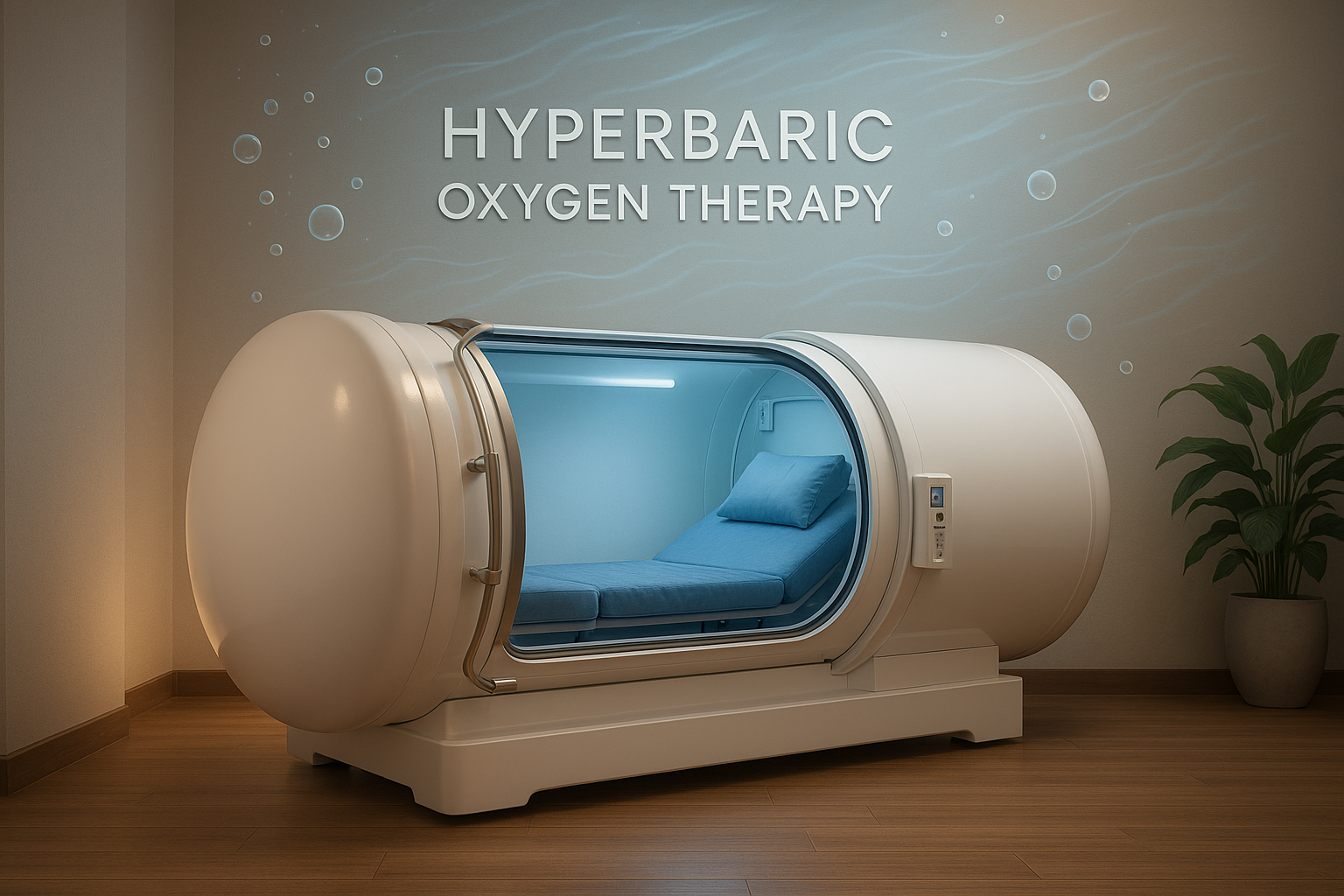
One fascinating approach to improve oxygen levels is using Hyperbaric Oxygen Therapy (HBOT). You might have heard of it but wondered how it works. Allow me to explain.
What Is Hyperbaric Oxygen Therapy (HBOT)?
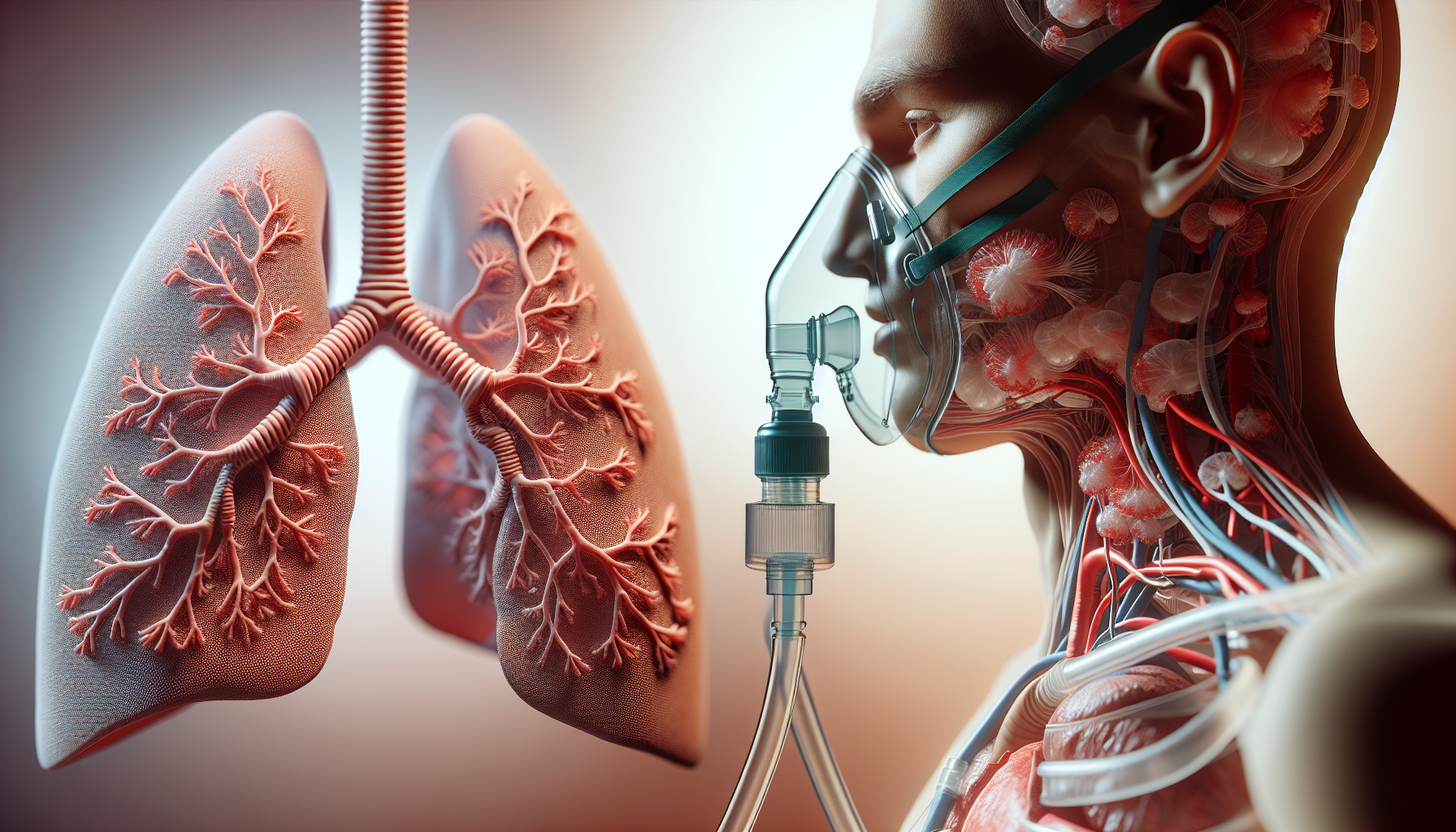
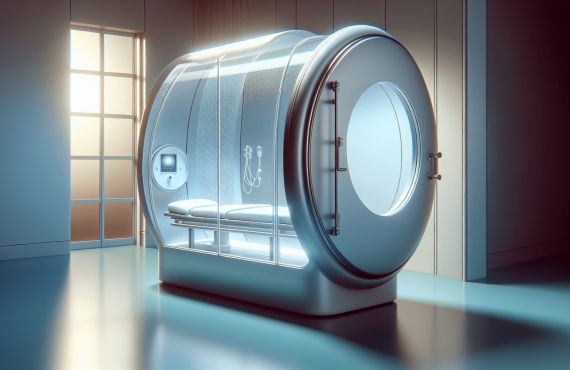
Hyperbaric Therapy involves breathing pure oxygen in a sealed chamber at pressures higher than atmospheric pressure. This significant increase in oxygen concentration can saturate the bloodstream with oxygen, reaching areas that might be lacking adequate supply.
How HBOT Works
The process enhances the body’s natural healing processes, reduces inflammation, and bolsters immune function. It essentially fast-tracks your internal repair systems, aiding areas with limited blood flow or damaged tissue to regenerate more effectively.
Potential Benefits
Besides uplifting oxygen levels, HBOT promotes tissue repair, stimulates new blood vessel growth, and enhances overall well-being.
Practical Information
For those who find the concept of increased oxygen levels through chiropractic and hyperbaric therapy interesting, you might consider consulting with Henry Chiropractic.
Henry Chiropractic, led by Dr. Craig Henry, offers insights into and applications of chiropractic care in conjunction with therapies like HBOT to boost health naturally.
Team at Henry Chiropractic
-
Dr. Craig Henry: A dedicated chiropractor, Dr. Henry is committed to improving your overall health and easing back or neck pain using proven techniques.
-
Dr. Aaron Hixon: With a background in Exercise Science and a passion for helping others, Dr. Hixon combines multiple chiropractic techniques to provide excellent patient care.
Both are excellent resources if you’re in the Pensacola area and want to learn more about maintaining optimal oxygen levels and overall health naturally.
Contact Information
- Address: 1823 N 9th Ave, Pensacola, FL 32503
- Phone: (850) 435-7777
- Website: drcraighenry.com
FAQs
To wrap things up, let’s address some frequently asked questions about low oxygen levels.
What should I do if I suspect low oxygen levels?
If you experience symptoms of low oxygen levels, you should seek medical attention immediately. A healthcare professional can accurately assess and provide the necessary treatment.
How can I naturally increase my oxygen levels?
Incorporating regular exercise, practicing deep breathing techniques, and ensuring good air quality in your environment can help maintain healthy oxygen levels.
Is Hyperbaric Oxygen Therapy safe?
Yes, when conducted under proper supervision, HBOT is considered safe. Always consult with a healthcare professional before beginning any new treatment.
Can low oxygen levels be life-threatening?
Yes, if left untreated, low oxygen levels can lead to serious health complications, affecting organs and tissues throughout the body.
Are pulse oximeters accurate?
Pulse oximeters are generally accurate, but factors like poor circulation, cold fingers, or movement can affect readings. Always follow up with a healthcare provider for confirmation.
Understanding the vital role oxygen plays in your body is the first step in maintaining a healthy lifestyle. Keep an eye on your oxygen levels, consult professionals when needed, and live well!