
Have you ever wondered how a brain injury might change you as a person? It’s a puzzling question, isn’t it? After all, who we are seems so intrinsic, so fundamentally tied to every fiber of our being. Yet, an injury to your brain, the very organ that defines your personality, skills, and memories, might reconfigure that essence. This topic isn’t just reserved for medical researchers; it stirs up questions for anyone curious about identity and the human experience.
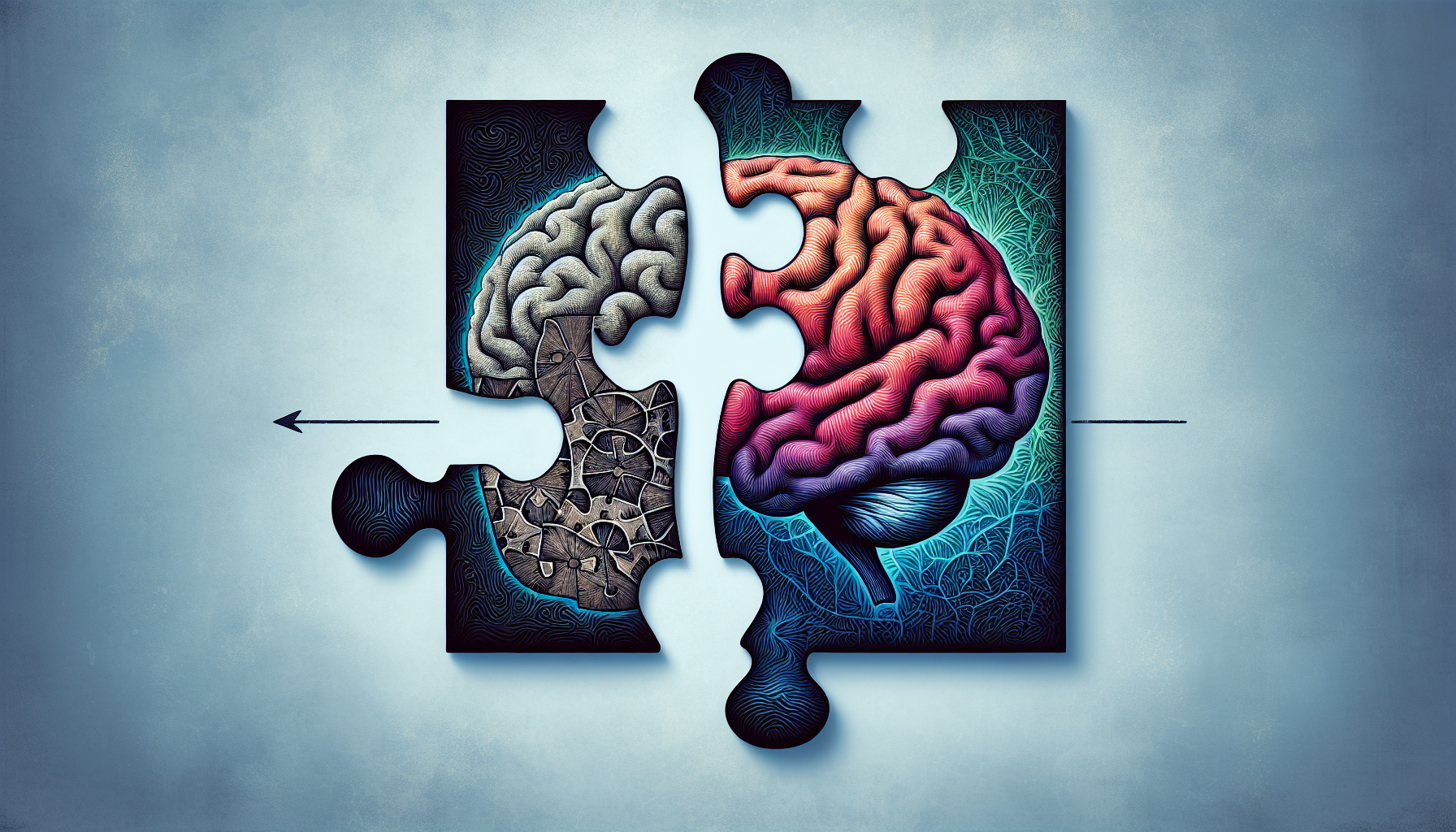

Table of Contents
Understanding Brain Injuries
Before we dive deeper, it’s essential to understand what a brain injury is. A brain injury occurs when there is physical trauma to the brain. This can happen in many ways, such as a car accident, a fall, or even medical conditions like stroke. The brain, with its complex structure, handles everything from simple motor skills to complex thought processes. So, when it’s damaged, the effects can be wide-ranging.
Types of Brain Injuries
There are two main types: traumatic brain injuries (TBI) and acquired brain injuries (ABI). TBIs are caused by external forces, like a bump, blow, or jolt to the head. Think of it like dropping your phone – sometimes nothing happens, but sometimes the screen cracks. Acquired brain injuries, on the other hand, develop after birth and are often due to medical conditions or diseases.
Symptoms and Effects
The symptoms of a brain injury can range from mild to severe. They might involve physical challenges, such as headaches and dizziness, or cognitive difficulties, like memory loss and impaired judgment. Emotional and psychological effects can also arise, including mood swings and personality changes. It’s like suddenly overlaying a filter on someone’s personality – you see them, but something’s off.
Are You the Same Person?
This is where the question of identity becomes quite intriguing. Are you fundamentally different after a brain injury, or are you still the same person beneath the changes?
Personality Changes
Changes in personality are often reported by families of those with brain injuries. While you might think of personality as fixed, it’s surprisingly malleable. Some individuals become more irritable or impulsive, while others develop a zest for adventure they never had before. Suddenly, someone who disliked art might find themselves picking up a paintbrush. It’s a delightful mystery wrapped in an enigma.
Memory and Identity
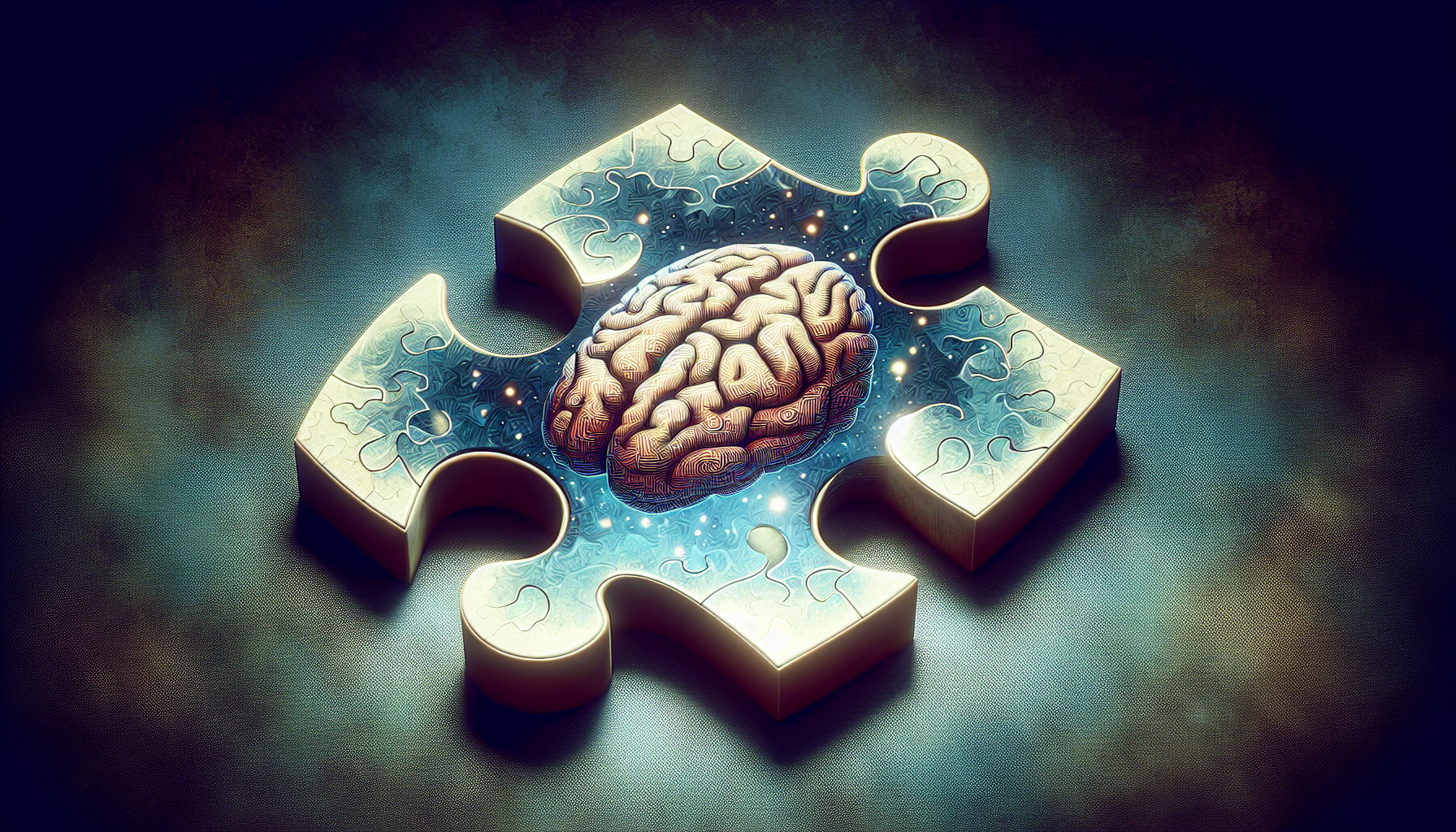
Memory is closely tied to our identity. Brain injuries can play tricks on it, disrupting how memories are stored, recalled, or even perceived. Imagine trying to piece together a jigsaw puzzle with ever-shifting pieces. Your favorite childhood memory might suddenly be gone, or worse, altered. This change can make it feel as though a part of you is lost or distorted.

The Role of Therapy in Recovery
Recovery from a brain injury, while challenging, is not a solitary journey. Many therapies aim to help individuals regain as much of themselves as possible.
Neuropsychological Therapy
Neuropsychological therapy focuses on retraining the brain. It’s like sending your brain to a gym, not to lift weights but to work on memory, attention, and problem-solving skills. Therapists guide you to rediscover and reestablish the cognitive functions that feel fragmented.
Psychological Support
Talk therapy provides a safe space to process the emotional fallout of a brain injury. It’s beneficial not only for the person injured but for their loved ones who are navigating this new landscape with you. It’s okay to grieve the old you while getting acquainted with the new you.
Hyperbaric Oxygen Therapy
A somewhat lesser-known treatment is Hyperbaric Oxygen Therapy (HBOT). This involves breathing pure oxygen in a pressurized chamber. It’s like giving your brain a super boost of oxygen, which can encourage healing. By increasing the oxygen levels, it potentially aids in repairing damaged tissues and revitalizing your brain functions.
FAQ Section
Below are questions that frequently come up about brain injuries and their impacts on personal identity.
1. Can a person completely recover their personality after a brain injury?
Recovery varies greatly and depends on factors like the severity of the injury and the individual’s resilience. Some regain their previous personality traits, while others adapt to new ones.
2. Is hyperbaric oxygen therapy effective for brain injuries?
While research is ongoing, many find HBOT beneficial. It increases oxygen levels in the body, which might help repair and rejuvenate brain tissues.
3. How can family members support a person with a brain injury?
Being patient, encouraging them to attend therapy, and providing a supportive environment can be immensely helpful.
4. What professional support is available for brain injury recovery?
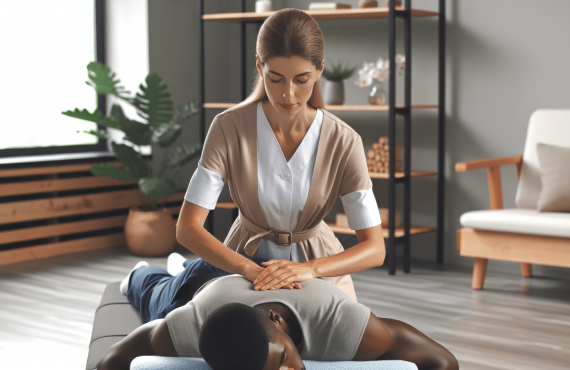
Neurologists, neuropsychologists, and therapists specializing in rehabilitation can offer support. Facilities like Henry Chiropractic in Pensacola can provide chiropractic care to aid overall recovery.
Meeting Dr. Craig Henry and Dr. Aaron Hixon
At Henry Chiropractic, Dr. Craig Henry and Dr. Aaron Hixon offer personalized care. Dr. Henry, a licensed chiropractor, focuses on improving overall health and wellness. He sees the body as a whole system that needs care, especially after traumatic events like brain injuries.
Dr. Aaron Hixon, also a chiropractor, shares a passion for helping others. With his extensive training in various chiropractic techniques, he provides patient-centered care. When not treating patients, Dr. Hixon leads an active lifestyle and values community engagement.
Finding Support and Community
Recovering from a brain injury or supporting someone through it demands resilience and understanding. Communities and professionals dedicated to this cause, including those at Henry Chiropractic, are invaluable. As you navigate this journey, remember the humanity in your experience and reach out for the support you need. You are not alone, and your journey, with all its nuances, contributes to a broader narrative of discovering personal strength and identity.
Brain injuries challenge us to reflect on identity in profound ways. The road to recovery might lead you down unexpected paths, and while it could be difficult to recognize yourself at times, it can also be an opportunity for growth and rediscovery. Isn’t it fascinating how, whether through medical treatment, therapy, or personal determination, the concept of self can continuously evolve?