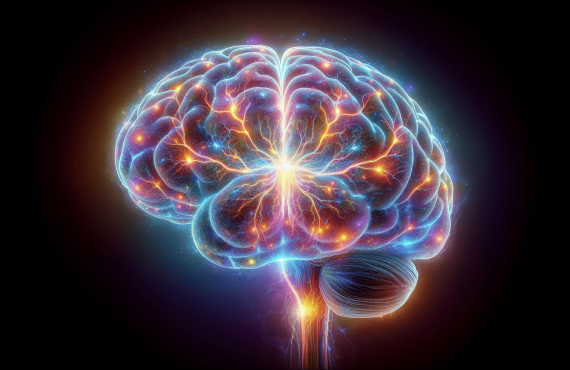


Have you ever wondered whether a head injury might play tricks on you even years after the incident? The concern is not uncommon, as many people worry about the long-term effects of head injuries. These concerns are quite valid since the brain is a complex organ vulnerable to various impacts. In this exploration, we will dive into the long-lasting effects of head injuries and how they can sneak up on you long after the initial bump or blow.

Table of Contents
What Happens When You Suffer a Head Injury?
A head injury can be anything from a minor bump to a serious traumatic brain injury (TBI). When you injure your head, the impact can cause damage to brain cells. Some injuries can resolve quickly, while others may result in more lasting effects. Whether mild or severe, head injuries deserve attention due to the potential for long-term consequences.
Mild vs. Severe Head Injuries
Injuries can be classified as mild or severe based on their symptoms. A mild injury might involve a short change in mental status or consciousness. Severe injuries can lead to extended periods of unconsciousness and amnesia. Even mild injuries shouldn’t be dismissed, as they can lead to symptoms such as headaches, confusion, dizziness, or memory problems.
The Brain’s Response to Injury
Your brain has a remarkable ability to adjust and heal itself, a process known as neuroplasticity. After an injury, the brain starts its repair job by forming new connections. This helps in restoring lost functions, but the extent of recovery differs among individuals. Some people might recover fully, while others may experience lasting symptoms.
Long-Term Effects of Head Injuries
Have you ever noticed changes in mood or behavior that seem unexplainable? These could be linked to a past head injury. Let’s unpack the long-term effects and how they can manifest years later.
Cognitive Effects
In the realm of thinking processes, some may find their memory playing tricks or notice a decrease in attention span. These cognitive changes can present themselves long after the initial injury, making it difficult to connect the dots back to the original event.
Emotional and Behavioral Changes
Head injuries don’t just affect the brain on a cognitive level. You might experience fear, anxiety, or even newfound irritability or depression. These emotional and behavioral changes can take a toll, impacting everyday interactions and relationships.
Physical Symptoms
Headaches and dizziness are pesky symptoms that love to linger. Some people develop persistent headaches or dizziness that can disrupt daily life. Understanding these symptoms as possible remnants of a head injury can be crucial in managing them effectively.


Factors Influencing Long-Term Effects
Are there factors that determine who gets affected and who doesn’t? Absolutely! The age at which you suffer the injury, the severity of the injury, and even your overall health can play roles.
Age and Recovery
Young brains heal differently than older ones. Children might recover from certain types of injuries more quickly than adults, but this doesn’t mean they are exempt from long-term issues. The healing journey is individual, influenced by the brain’s ongoing development or aging processes.
Severity and Repeated Injuries
A severe injury has more obvious potential for long-term effects. However, a series of mild injuries, yes, those smaller, ‘harmless’ bumps, can accumulate damage over time. This is why athletes in contact sports are often monitored closely for head injuries.
Overall Health and Lifestyle
Your body’s ability to heal can also be affected by your health and lifestyle. Factors like diet, exercise, stress levels, and general health can influence the recovery period after a head injury. A holistic approach to health can boost the brain’s healing capacity.
Improving Your Recovery and Management
So, what can you do to aid recovery if you suspect a head injury might be casting a shadow years later? Fret not, as there are proactive steps you can take to manage symptoms effectively.
Medical Check-Ups and Monitoring
Regular check-ups with a healthcare provider can be crucial. Sharing your history of head injuries allows them to keep an eye on potential symptoms and offer supportive care.
Therapeutic Interventions
Various therapies can support recovery. Rehabilitation programs, cognitive therapy, or even alternative therapies like chiropractic care can offer help. At Henry Chiropractic in Pensacola, FL, Dr. Craig Henry and Dr. Aaron Hixon offer chiropractic care that can be beneficial for recovery and overall wellness.
Contact Information:
- Henry Chiropractic
- 1823 N 9th Ave, Pensacola, FL 32503
- (850) 435-7777
- drcraighenry.com
Lifestyle Adjustments
Adopting a healthy lifestyle can support brain healing. Proper nutrition, regular physical activity, stress management, and quality sleep all play roles in maintaining brain health. Simple changes can have significant impacts over time.

Exploring Hyperbaric Therapy
Did you know there’s a treatment known as hyperbaric therapy that might help? Let’s look into what this therapy entails and how it may support recovery.
What is Hyperbaric Therapy?
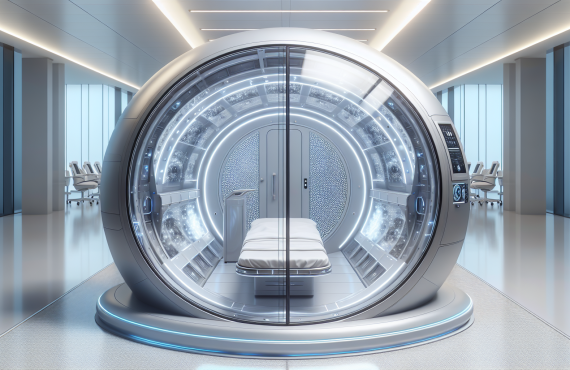
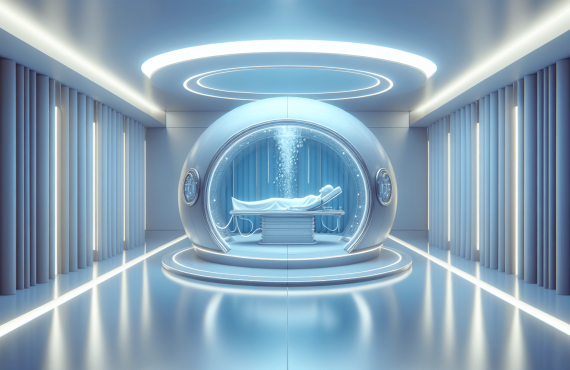
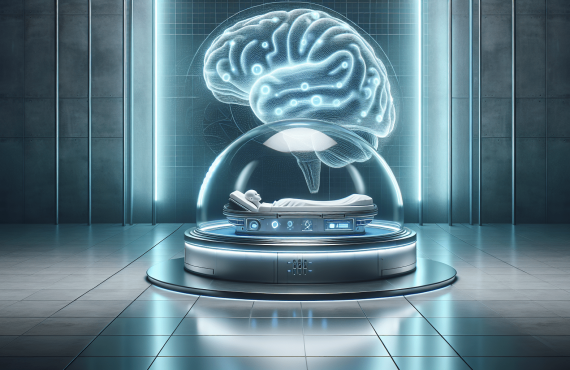
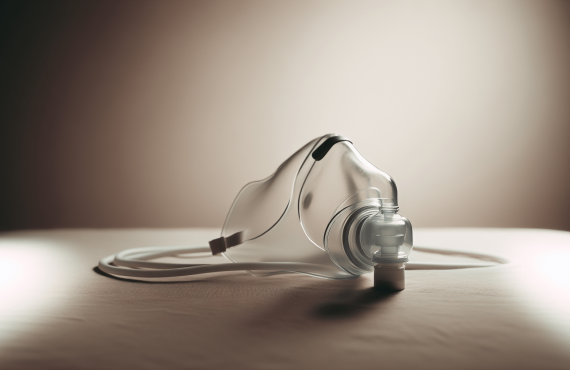
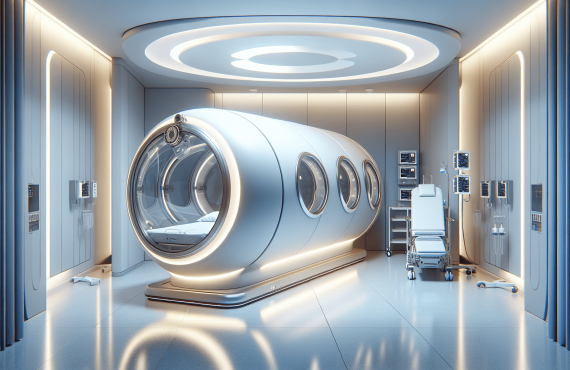
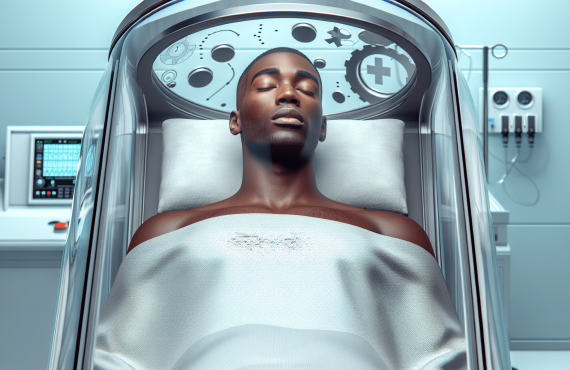
Hyperbaric Therapy, or HBOT, involves breathing pure oxygen inside a pressurized chamber. The goal is to increase blood and tissue oxygen levels, promoting healing and reducing inflammation.
How Hyperbaric Therapy Works
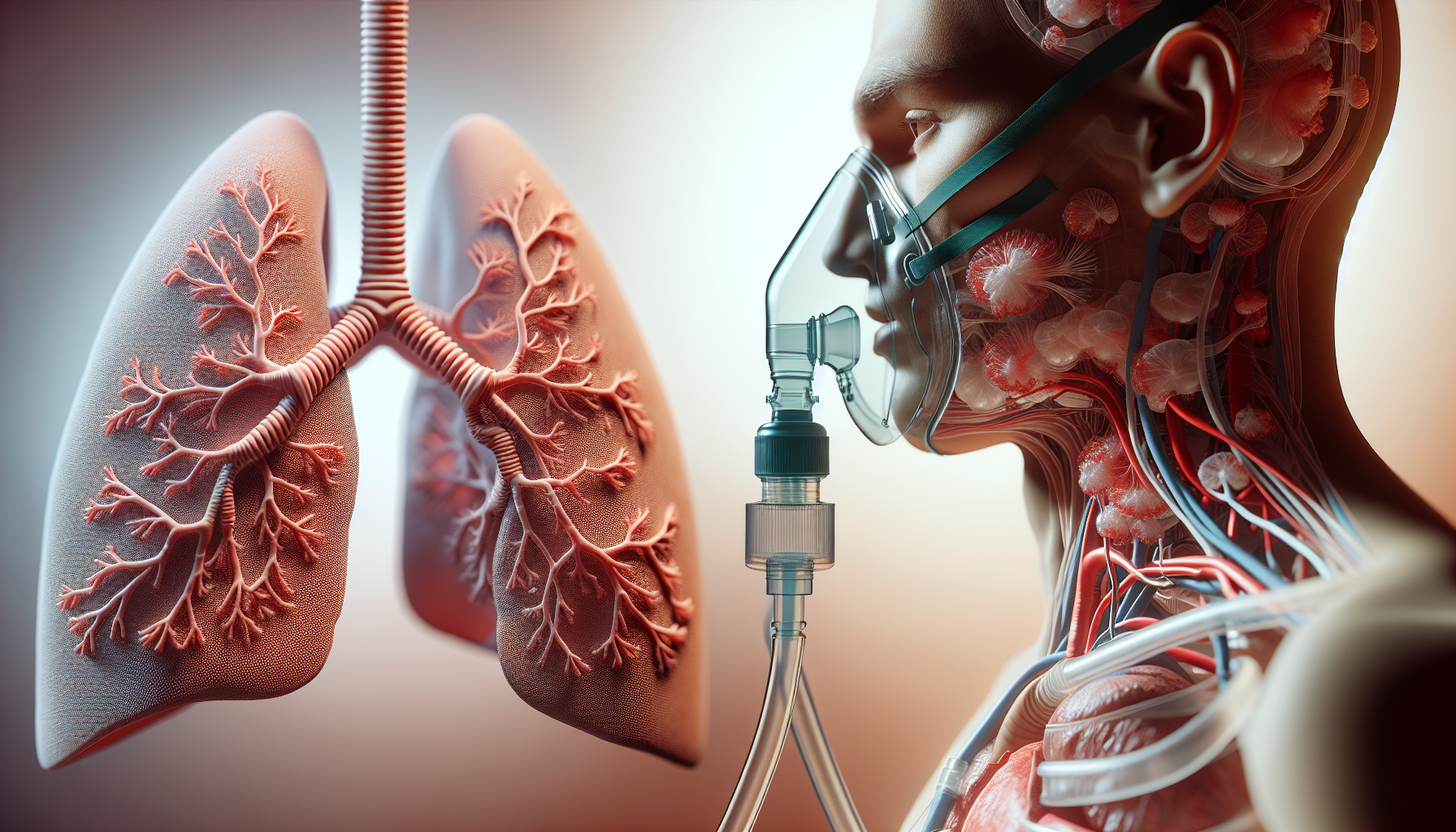
Normally, your lungs extract oxygen from the air, passing it into your bloodstream. Inside the chamber, oxygen levels in the blood and tissues rise, which is beneficial for healing. The body responds to this increased oxygen by enhancing tissue repair, boosting immune function, and even promoting the growth of new blood vessels—christened as angiogenesis.
FAQs About Long-Term Head Injury Effects
To provide further clarity, here are some frequently asked questions:
Q1: Can a head injury affect your mental health years later?
A: Yes, a head injury can lead to long-term mental health changes, including anxiety, depression, or mood swings, even years later.
Q2: Are children more resilient to head injuries than adults?
A: Children’s brains are still developing, which can offer some recovery advantages. However, they too are at risk for long-term effects, so caution is always advised.
Q3: How can hyperbaric therapy assist in recovery from a head injury?
A: By increasing oxygen levels in the blood and tissues, hyperbaric therapy promotes healing processes, potentially offering relief from some head injury symptoms.
Q4: Is monitoring post-injury symptoms important?
A: Absolutely, tracking symptoms over time helps in managing effects effectively. Early intervention can sometimes prevent the development of more severe symptoms.
Q5: Can lifestyle changes really impact recovery from a head injury?
A: Yes, integrating a healthy lifestyle with good nutrition, exercise, and stress management supports brain health and contributes to more effective healing and symptom management.
So, while head injuries can make their presence known long after the initial incident, understanding how to manage and potentially mitigate these effects is crucial. Awareness and proactive steps can empower you in addressing and recovering from head injuries, leading to a more fulfilling and balanced life.