

Can you live a normal life after a traumatic brain injury? This question is one of the most pressing for anyone facing such a challenge. The journey after a traumatic brain injury (TBI) might feel overwhelming, introducing a host of uncertainties. It’s not just about healing physically; it is about navigating a new way of living and understanding oneself. Take a moment to recognize that your path is unique, and the possibilities may be broader than you expect.

Table of Contents
Understanding Traumatic Brain Injury
A traumatic brain injury occurs when an external force injures the brain. It can result from falls, vehicle collisions, sports injuries, and more. The severity of TBI varies greatly, ranging from mild concussions to severe brain damage, impacting each individual differently.
Types of TBI
The main types are:
- Mild TBI (Concussion): Often temporary, symptoms include confusion, headaches, dizziness, and memory issues.
- Moderate TBI: Symptoms are more severe and may involve prolonged unconsciousness.
- Severe TBI: Involves extended periods of unconsciousness and significant changes in cognitive function.
Understanding the type of TBI is crucial, as it determines the recovery process and potential challenges you might face.
Symptoms and Challenges
With TBI, symptoms vary based on severity and the brain area affected. Common physical effects include dizziness, headaches, and fatigue, while cognitive impacts might involve memory issues, difficulty focusing, and problem-solving challenges. Emotional shifts such as mood swings, depression, or anxiety are also common. Recognizing these challenges is the first step in addressing them.
The Path to Recovery
After TBI, recovery might be slow and requires patience. In this section, we delve into the essentials of recovery, emphasizing small wins and steady progress.
Initial Steps Post-Injury
After any injury, immediately seek medical attention. Swift diagnosis and management can significantly impact recovery. Doctors will typically use imaging tests like CT scans or MRIs to assess brain damage.
Medical and Therapeutic Interventions
- Medication: To manage symptoms like pain or seizures.
- Physical Therapy: Helps regain strength and coordination.
- Occupational Therapy: Focuses on daily living skills.
- Speech Therapy: Aids in communication or swallowing difficulties.
Home and Lifestyle Modifications
Creating a supportive environment is critical. This includes simplifying tasks, eliminating distractions, and using reminders for daily activities. Gentle exercise and regular routines can provide structure.
Family and Social Support
Never underestimate the importance of having a supportive network. Family and friends can offer emotional support, and sharing your journey can foster understanding and patience.


Strategies for a Normal Life
Is living a normal life possible after a TBI? Let’s explore strategies that can help you adjust and thrive despite the challenges.
Setting Realistic Goals
Breaking down large tasks into smaller, more manageable steps can prevent feeling overwhelmed. Celebrate each small victory and adjust goals as needed to reflect your ongoing progress.
Embracing New Routines
Consistency is your ally. Establish daily routines to bring about a sense of normalcy, helping to retrain your brain and manage tasks effectively.
Staying Active
Mental exercises and physical activity significantly contribute to recovery by enhancing cognitive function and mood. Simple activities like walking, light exercise, or even puzzles can help keep your mind and body active.
Community and Professional Resources
In your recovery journey, you are not alone. Numerous resources support you every step of the way.
Support Groups
Joining support groups can connect you with others experiencing similar challenges. Sharing experiences and solutions can provide both practical tips and emotional reassurance.
Professional Consultation
Seeking guidance from medical professionals specializing in TBI can be incredibly beneficial. Collaboration with therapists, counselors, and medical practitioners builds a robust support system. For localized assistance, consider visiting places like:
Henry Chiropractic
1823 N 9th Ave
Pensacola, FL 32503
(850) 435-7777
Visit Website
Both Dr. Craig Henry and Dr. Aaron Hixon offer tailored chiropractic care to improve your quality of life, whether dealing with pain or seeking general wellness improvements.
Hyperbaric Therapy: A Path to Healing
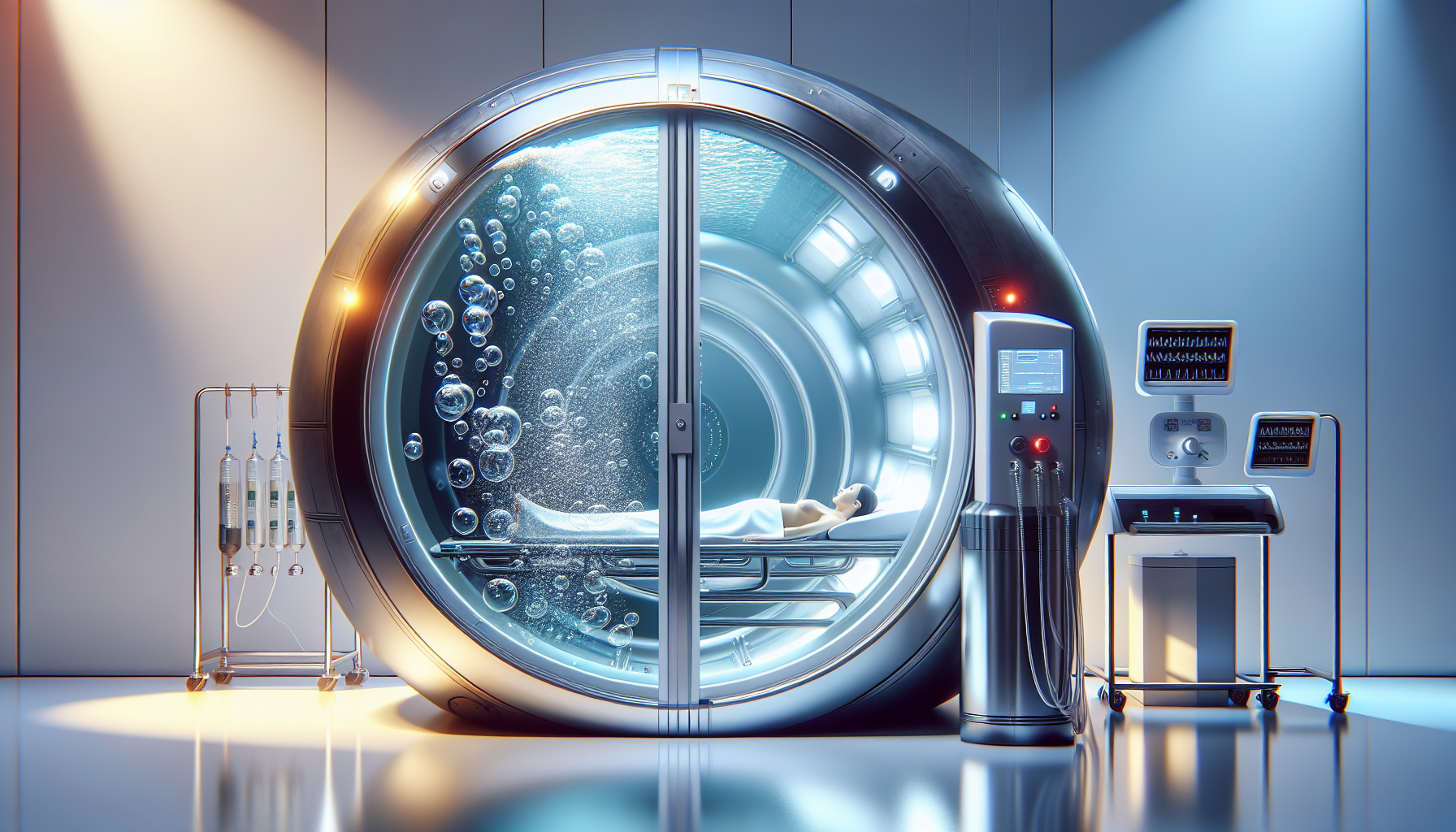
Hyperbaric Oxygen Therapy (HBOT) is among the treatments gaining interest. This therapy involves breathing 100% oxygen in a pressurized chamber, which may enhance healing by increasing oxygen levels in tissues.
What is Hyperbaric Therapy?
In HBOT, patients breathe pure oxygen, which substantially elevates the oxygen content in blood and tissues, thus driving recovery. This increase can stimulate repair, reduce inflammation, and foster new blood vessel growth, enhancing overall healing.

Steps to Take Control
It’s vital to remind yourself that control over your life is possible. It may look different, but life can still be fruitful and fulfilling.
Overcoming Fear and Anxiety
Facing a TBI can be daunting, but focusing on emotional health is key. Engage in practices like mindfulness, yoga, or therapy to manage stress and cultivate peace.
Adapting to Change
Acceptance is empowering. Allow yourself grace as you adapt to new norms. Change can also bring about new opportunities and strengths you never knew you possessed.
Finding Inspiration
Stories of others who’ve thrived post-TBI can inspire. They serve as a reminder of the resilience within and the potential for a rewarding life, encouraging you to pave your unique path.
Frequently Asked Questions
Here are answers to some common questions about life after a TBI.
Can you fully recover from a TBI?
Recovery depends on the severity of the injury and individual factors. Some people experience full recovery, while others continue to manage certain symptoms.
Is it safe to drive after a TBI?
Driving is a complex task requiring good perception and reaction time. Consult with a healthcare provider to discuss your specific abilities before deciding to drive.
What lifestyle changes can support recovery?
Creating a calm environment, maintaining regular schedules, and engaging in regular exercise and mental activities can support recovery.
How does hyperbaric therapy aid TBI recovery?
Hyperbaric therapy increases oxygen delivery to brain tissues, aiding repair and potentially reducing recovery time and symptoms.
Can emotional changes from a TBI be managed?
Yes, emotional changes are common, and therapeutic support like counseling or medication can help manage these changes effectively.
Recovery after a traumatic brain injury might pose challenges, but it also opens pathways to resilience and growth. Remember, living a fulfilling life, though it may be different from before, is entirely possible.