

Have you ever wondered what might be the best medication for tackling neuroinflammation? It’s a question that can stir up a whirlwind of curiosity, not just among medical professionals but for anyone interested in brain health. Understanding the right medication options can help you make informed decisions about managing neuroinflammation effectively.

Table of Contents
Understanding Neuroinflammation
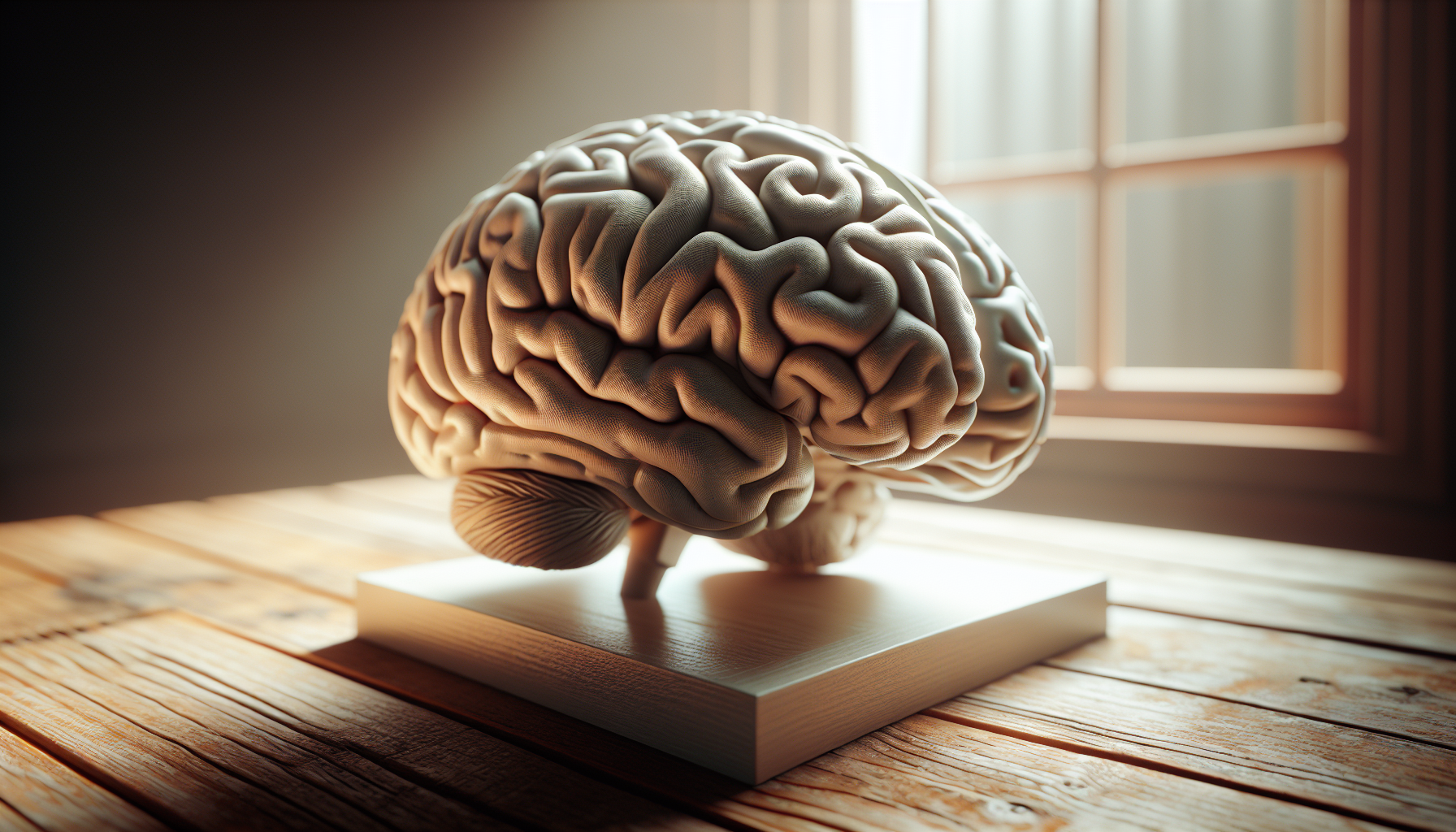
Neuroinflammation is a condition where the brain and spinal cord become inflamed, often resulting from injury, disease, or exposure to harmful substances. This inflammation can lead to various symptoms, including headaches, fatigue, memory problems, and mood issues. The immune system’s response to protect the brain sometimes might go a bit overboard, causing more harm than good.
Causes of Neuroinflammation
Several factors can lead to neuroinflammation. Infections, traumatic brain injuries, autoimmune diseases, and even chronic stress have been identified as common culprits. Understanding these causes can help you avoid or manage potential triggers in daily life.
Symptoms to Watch Out For
Symptoms of neuroinflammation are quite diverse, which makes them a bit tricky to pin down. You might experience persistent headaches, depression, fatigue, or cognitive issues. If you’ve been feeling unlike yourself, consulting a healthcare professional could be a wise step.
Medications for Neuroinflammation
When it comes to finding the best medication for neuroinflammation, the landscape seems vast and sometimes overwhelming. However, breaking it down into categories can make it easier to navigate.
Non-Steroidal Anti-Inflammatory Drugs (NSAIDs)
NSAIDs like ibuprofen are often used to combat inflammation, and they can help with neuroinflammation too. These drugs work by reducing the production of substances in the body that cause inflammation. They’re a staple in medicine cabinets for a reason, offering pain relief and reducing inflammation.
Corticosteroids
These powerful anti-inflammatory medicines are another option. They work by suppressing the immune system’s activity, which helps to decrease inflammation. Medications like prednisone are commonly prescribed for this purpose, but they should be used with caution due to potential side effects.
Disease-Modifying Anti-Rheumatic Drugs (DMARDs)
DMARDs can be used in specific cases where neuroinflammation is part of a chronic condition like multiple sclerosis. These drugs work to slow disease progression by targeting the underlying cause of inflammation, not just the symptoms.
Immunosuppressants
Immunosuppressants, as the name suggests, suppress the immune system. By doing so, they can be effective in reducing inflammation in the brain. Methotrexate and azathioprine are examples of these types of medications, although their use is usually closely monitored due to the risk of infections.
Biologic Agents
Biologic agents are a newer class of drugs that target specific parts of the immune system. These medications are often used in cases where conventional treatments do not suffice. They can be remarkably effective but are also usually very costly.


Alternative Therapies
While medications are essential, some alternative therapies could complement treatment for neuroinflammation. Let’s explore a few that might resonate with you.
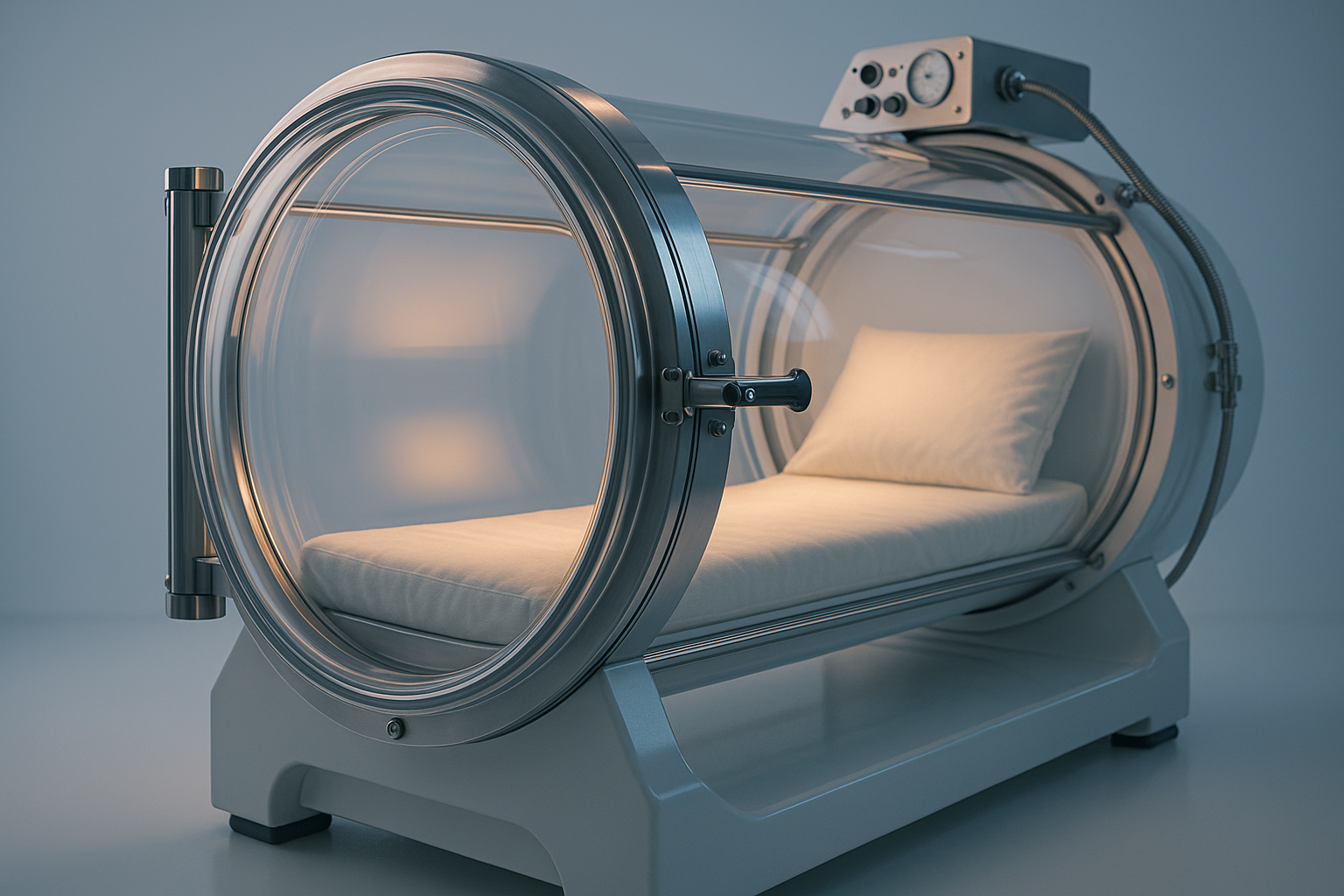
Hyperbaric Oxygen Therapy (HBOT)
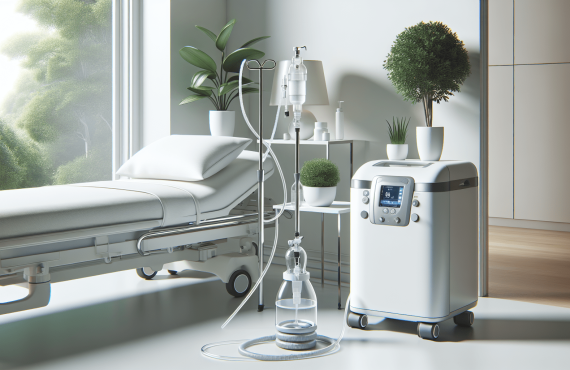
Hyperbaric oxygen therapy involves inhaling pure oxygen in a special chamber. This process increases the oxygen level in your blood, which could promote healing and reduce inflammation. It’s like an oxygen spa day for your brain.
Lifestyle Changes
Simple lifestyle changes can make a big difference in managing neuroinflammation. Regular exercise, a balanced diet, and sufficient sleep are the pillars supporting brain health. Reducing stress through mindfulness or meditation can also contribute significantly.
Chiropractic Care
Chiropractic care, involving spinal adjustments and other manual therapies, could provide relief from symptoms associated with neuroinflammation. Dr. Craig Henry and Dr. Aaron Hixon at Henry Chiropractic in Pensacola, Florida, are professionals dedicated to improving your health with chiropractic services.
Herbal Supplements
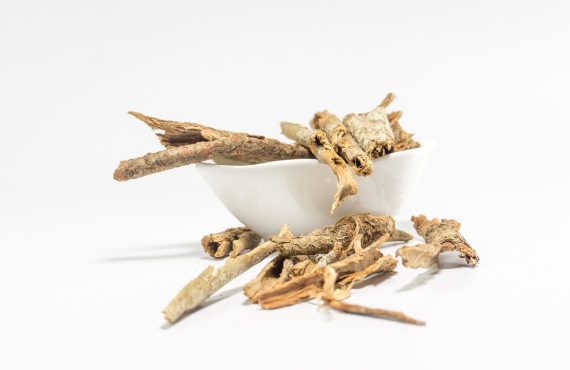
Certain herbal supplements, like turmeric and green tea extract, are renowned for their anti-inflammatory properties. Incorporating these into your diet could offer an extra layer of support against neuroinflammation.
| Therapy Type | Description | Potential Benefit |
|---|---|---|
| Hyperbaric Oxygen Therapy (HBOT) | Breathing pure oxygen in a chamber | Promotes healing and reduces inflammation |
| Lifestyle Changes | Exercise, sleep, diet, stress management | Supports overall brain health |
| Chiropractic Care | Manual adjustments and therapies | Relief from symptoms of neuroinflammation |
| Herbal Supplements | Turmeric, green tea extract | Natural anti-inflammatory properties |
FAQs About Neuroinflammation
To answer some of the common questions and concerns related to neuroinflammation, here’s a quick FAQ section.
Is neuroinflammation reversible?
In many cases, neuroinflammation can be managed and even reversed, especially when identified early and treated effectively.
Can neuroinflammation lead to other neurological diseases?
Yes, chronic neuroinflammation has been associated with an increased risk of various neurological diseases such as Alzheimer’s and Parkinson’s.
What dietary changes can help with neuroinflammation?
Including anti-inflammatory foods like fatty fish, nuts, fruits, and vegetables in your diet can help manage neuroinflammation.
How does stress affect neuroinflammation?
Chronic stress can exacerbate inflammation in the body, including the brain. Reducing stress through relaxation techniques is beneficial.
Is neuroinflammation chronic?
It can be either acute or chronic, depending on the underlying cause or condition affecting the brain.

Expert Care at Henry Chiropractic
For those seeking professional care, Henry Chiropractic is a place of healing and wellness. Dr. Craig Henry’s practice in Pensacola, Florida, offers chiropractic care aimed at improving health and wellness. Dr. Aaron Hixon also brings his expertise and passion for helping others to the team. Whether dealing with back pain or wanting to enhance your overall well-being, they are here to assist you.
Their approach can complement traditional treatment methods and provide individualized care. For more details, you can reach out to their clinic:
- Address: Henry Chiropractic, 1823 N 9th Ave, Pensacola, FL 32503
- Phone: (850) 435-7777
- Website: Visit Dr. Craig Henry’s website
Understanding the best medication for neuroinflammation involves considering both traditional medicines and alternative therapies. By staying informed and consulting healthcare professionals, you can find the right approach tailored to your needs. Health is a journey—take steps that suit you best and bring about the balance you deserve.