
Have you ever wondered what the term “irreversible brain damage” really means? It’s a term that can sound alarming and complex, yet it is important to understand, especially if you’re dealing with issues related to brain health.

Table of Contents
Understanding Irreversible Brain Damage
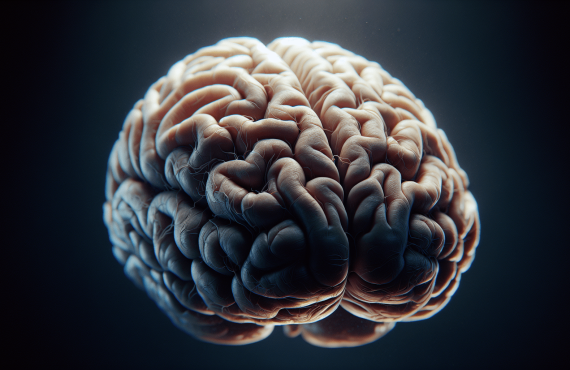
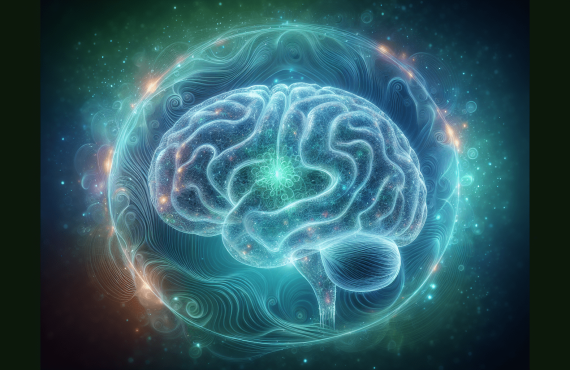
Irreversible brain damage refers to a permanent injury to brain cells. This means the damage is such that the body cannot repair or replace the affected brain cells. This condition leads to permanent loss of function in areas of the brain that were damaged.
Causes of Irreversible Brain Damage
Various factors contribute to irreversible brain damage, including:
- Traumatic Brain Injury (TBI): Caused by external forces like a blow or jolt to the head.
- Stroke: Blood supply to parts of the brain is interrupted, causing tissue damage.
- Lack of Oxygen (Hypoxia): Conditions like drowning or cardiac arrest can limit oxygen flow to the brain.
- Infections: Diseases like encephalitis can cause swelling and damage brain tissue.
- Toxins or Substance Abuse: Toxins from drugs or alcohol can harm brain cells over time.
These factors result in different levels and types of damage, depending on their severity and area of impact.
The Impact of Irreversible Brain Damage
The extent of damage can vary. Some people might experience severe disabilities, while others may only have mild impairments. Affected brain functions could include memory, mobility, speech, and more.
How the Brain Attempts to Heal
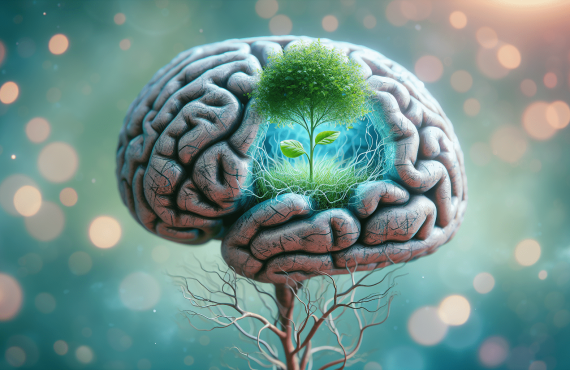
While irreversible brain damage implies permanent injury, the brain has some ability to compensate. Through neuroplasticity, it can reorganize and form new neural connections in response to injury.
Neuroplasticity: The Brain’s Self-Repair Mechanism
Neuroplasticity is the brain’s remarkable ability to form and reorganize synaptic connections. When one part of the brain is damaged, other parts may take over some of its functions, depending on the extent and location of the damage.
While neuroplasticity cannot reverse the actual damage, it may help regain some lost functions.
Role of Rehabilitation
Rehabilitation can help those with brain injury relearn skills and enhance recovery. Techniques include:
- Physical Therapy: Aimed at improving motor skills.
- Occupational Therapy: Focuses on improving daily function.
- Speech Therapy: Helps with communication challenges.
These therapies involve repetitive practice of tasks and activities to stimulate brain health.
The Importance of Early Intervention
Early diagnosis and intervention play a critical role in managing irreversible brain damage. Fast medical response can mitigate further damage and improve overall prognosis.
Medical Evaluation
Doctors use various methods to diagnose and assess brain damage, including:
- CT and MRI Scans: Create detailed images of the brain to locate damage.
- Neuropsychological Testing: Assesses cognitive function, memory, and attention.
- Blood Tests: Investigate possible underlying causes like infections or toxins.
Preventative Measures
Taking steps to avoid head injuries and other causes can reduce the risk of irreversible brain damage. Here are some preventative measures:
- Wearing Helmets: Essential for activities like biking, skiing, or any contact sports.
- Safe Driving Practices: Always use seatbelts and avoid distractions while driving.
- Healthy Lifestyle Choices: Avoid excessive alcohol and drugs, and manage medical conditions like hypertension or diabetes, which can lead to stroke.
Hyperbaric Oxygen Therapy (HBOT) in Brain Healing
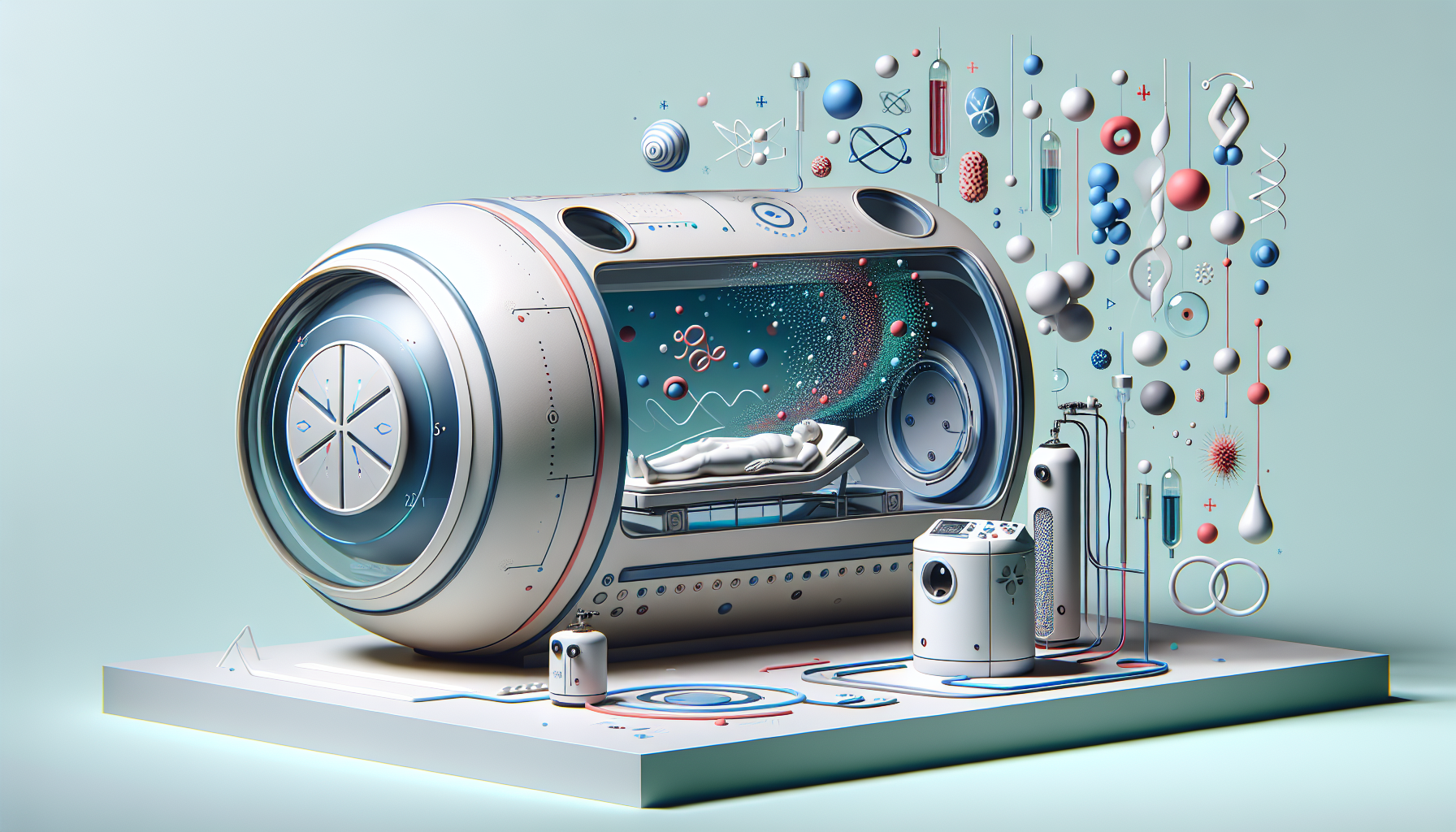
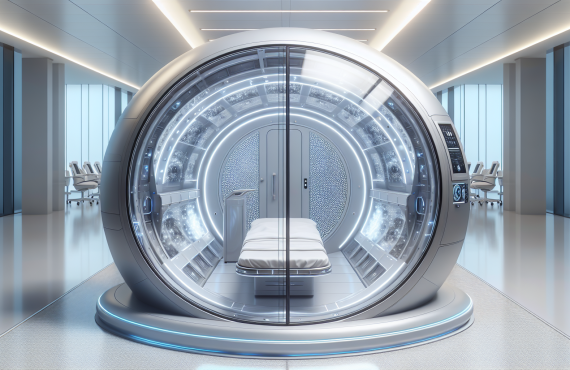
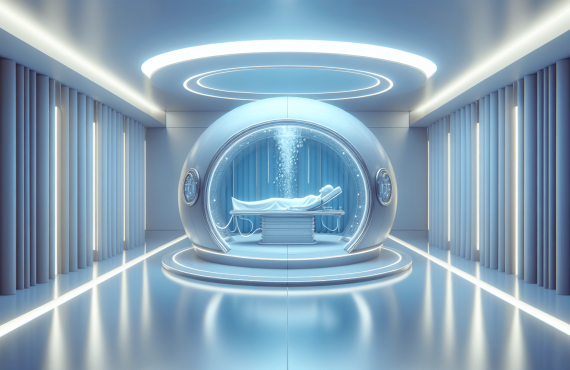
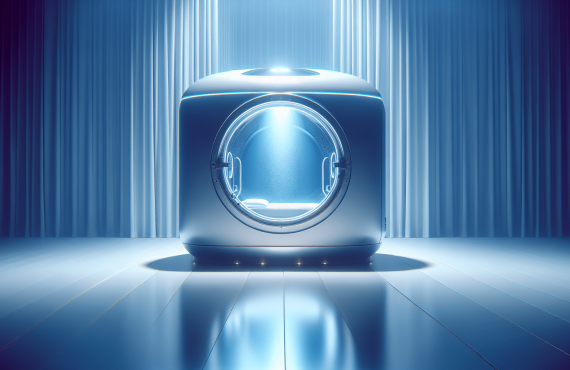
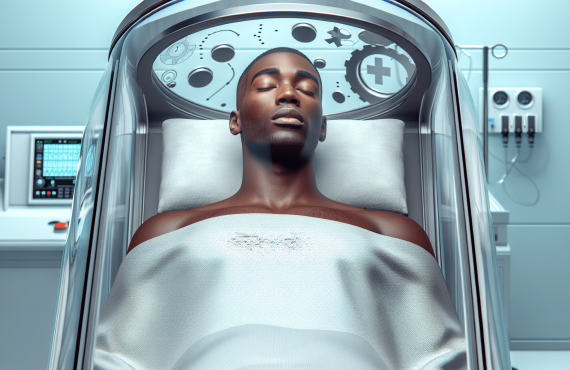
HBOT is gaining attention for brain health. It involves breathing pure oxygen in a pressurized chamber. Let’s explore this deeper.
How HBOT Works
Getting oxygen to every part of the body is vital for health. Under normal conditions, this happens naturally as we breathe. But if there’s serious injury or illness, this might not be enough.
in a hyperbaric chamber, oxygen pressure increases. This process dissolves more oxygen into the bloodstream than usual. This surged supply helps nourish starved tissues and promotes healing.
Benefits of HBOT for Brain Injury
- Enhanced Oxygenation: Directly increases oxygen delivery to damaged brain areas.
- Reduced Inflammation: Helps reduce swelling, aiding in recovery.
- Neovascularization: Encourages new blood vessel growth, improving overall tissue blood supply.
While promising, HBOT should be seen as part of a broader treatment plan.

Understanding the Role of Chiropractors in Brain Health Recovery
Chiropractors can play a supportive role in the recovery from brain injuries. At Henry Chiropractic, they aim to improve overall wellness.
Dr. Craig Henry’s Approach
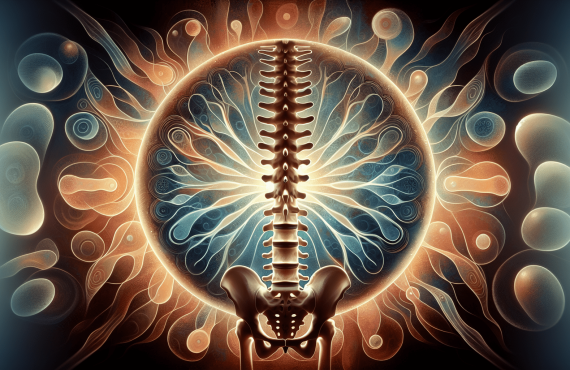
Dr. Craig Henry focuses on comprehensive care addressing musculoskeletal health, which is crucial for those recovering from brain injuries.
Holistic treatment can aid in faster recovery, making everyday activities less challenging.
Dr. Aaron Hixon’s Expertise
Dr. Aaron Hixon specializes in various chiropractic techniques, which help in maintaining musculoskeletal health and enhancing recovery processes.
His involvement in community services emphasizes his dedication to overall health improvement.
FAQs
1. Can irreversible brain damage be prevented?
While you can’t prevent all brain injuries, taking precautions like wearing helmets and managing health conditions can lower risks.
2. How does neuroplasticity help in recovery?
Neuroplasticity helps by allowing other brain areas to compensate for lost functions through reassignment and reconnection of neural pathways.
3. Is hyperbaric therapy safe for brain injuries?
HBOT is generally safe but should be conducted under medical supervision. It’s important to discuss this treatment with a healthcare provider.
4. Can chiropractic care aid brain injury recovery?
Chiropractic care can complement other treatments by addressing musculoskeletal health, which can be beneficial for overall recovery.
5. How soon can recovery be expected after brain injury?
Recovery varies for each individual depending on the injury’s severity, location, and early interventions involved.
In summary, irreversible brain damage is a complex condition with varied causes and impacts. Understanding it involves recognizing the brain’s ability to compensate, the importance of treatments like HBOT, and supportive care such as chiropractic adjustments. For those in Florida, Henry Chiropractic offers services that could be helpful in managing overall health during recovery. Feel free to contact them at:
Henry Chiropractic
1823 N 9th Ave
Pensacola, FL 32503
(850) 435-7777
Website