
Table of Contents
<h1>How long do you have to stay in a hyperbaric chamber for the bends? 9 Expert Facts You Need in 2026</h1>
A diver can feel perfectly fine on the boat and be in real trouble by dinner. How long do you have to stay in a hyperbaric chamber for the bends? In most cases, treatment lasts about 2 to 5 hours per session, though severe decompression sickness may require repeat sessions over 1 to 3 days. That simple answer is what probably brought you here, but the details matter because the “right” time depends on symptoms, exam findings, and the treatment table your medical team uses.
Based on our research, the biggest mistake people make is waiting to see if the pain, dizziness, or numbness fades on its own. It sometimes does. Then it comes back uglier. We analyzed current dive medicine guidance for 2026, chamber protocols, cost data, and clinical studies to explain what happens, how long treatment usually takes, what it costs, and what you should do if you suspect the bends after a dive.

Understanding Decompression Sickness
Decompression sickness, often called the bends, happens when dissolved inert gas, mainly nitrogen, comes out of solution too quickly and forms bubbles in the body. This usually follows a rapid ascent, skipped decompression stops, repetitive dives, or flying too soon after diving. Those bubbles can irritate joints, block blood flow, and damage the spinal cord, brain, inner ear, lungs, and skin.
Symptoms range from annoying to alarming. You might have deep joint pain, unusual fatigue, tingling, weakness, dizziness, rash, shortness of breath, or confusion. The symptoms can appear within minutes, but many cases show up several hours later. According to Divers Alert Network, symptoms commonly begin within 15 minutes to 12 hours after surfacing.
Immediate treatment matters because bubbles trigger more than simple blockage. They also set off inflammation and vessel injury. That means delays can turn a mild case into a neurological emergency. The National Library of Medicine notes that recompression is the mainstay of treatment for most clinically significant cases.
Incidence is low, but not rare enough to ignore. Estimates vary by diving population and profile, but recreational scuba decompression sickness has often been reported in the range of roughly 2 to 7 cases per 10,000 dives. In occupational and military settings with more aggressive exposures, rates can be higher. We found that training level does not eliminate risk; it only reduces foolish choices, and even experienced divers occasionally make those.
- Common triggers: rapid ascent, dehydration, cold stress, multiple dives, heavy exertion after surfacing
- Red-flag symptoms: weakness, trouble walking, severe dizziness, chest pain, confusion, urinary problems
- First step: administer 100% oxygen and seek emergency evaluation immediately
What Is Hyperbaric Oxygen Therapy?
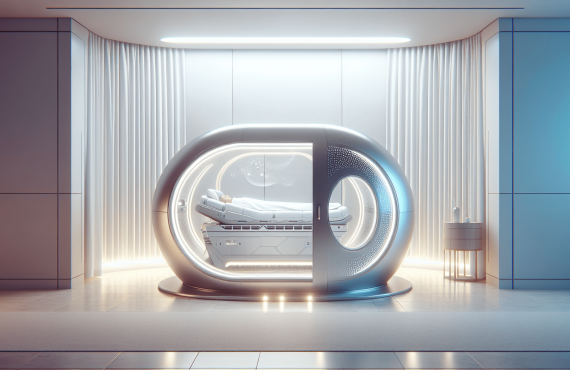
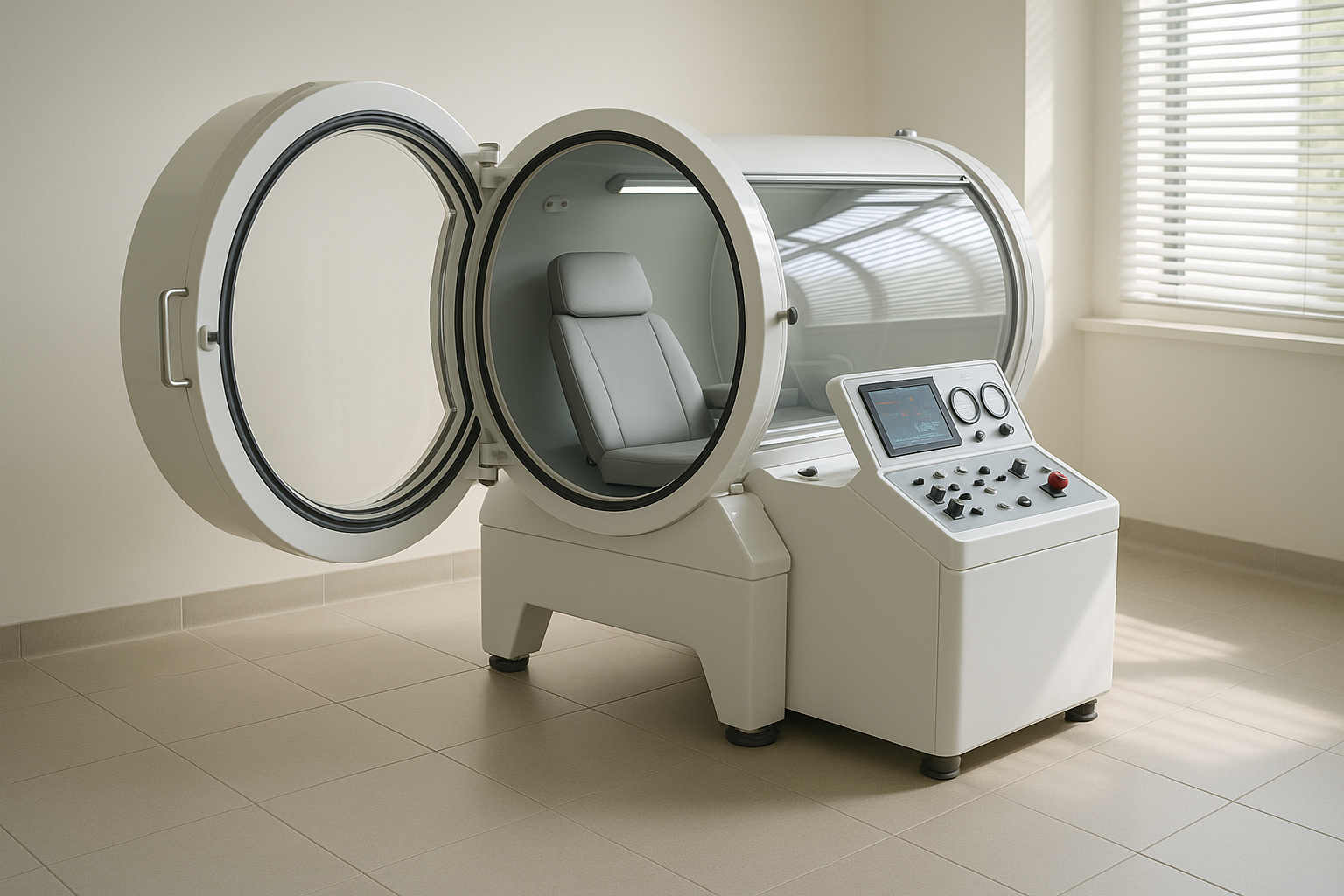
Hyperbaric oxygen therapy, or HBOT, places you in a pressurized chamber where you breathe near-100% oxygen. Pressure is increased above normal atmospheric pressure, often to levels that simulate being underwater. The point is not theatrical. The pressure shrinks gas bubbles and the oxygen helps restore delivery to injured tissues.
Mechanically, HBOT does three useful things for the bends. First, it reduces bubble size through Boyle’s law. Second, it speeds washout of inert gas. Third, it increases dissolved oxygen in plasma, which helps tissues starved by poor circulation. The U.S. FDA recognizes HBOT for several accepted indications, including decompression sickness, carbon monoxide poisoning, gas embolism, certain wound problems, and radiation tissue injury.
Other conditions commonly treated in hospital-based chambers include:
- Arterial gas embolism
- Carbon monoxide poisoning
- Crush injuries and compartment syndrome
- Necrotizing soft tissue infections
- Sudden sensorineural hearing loss in selected settings
- Diabetic foot ulcers that meet criteria
Evidence for decompression sickness is strong enough that HBOT remains standard care. The Undersea and Hyperbaric Medical Society continues to list decompression illness as a primary indication. We analyzed chamber protocols and found most centers still rely on established U.S. Navy treatment tables because they have decades of operational and clinical use behind them. In plain English: when the bends is real, the chamber is not an optional spa tube. It is the treatment.

How Long Do You Have to Stay in a Hyperbaric Chamber?
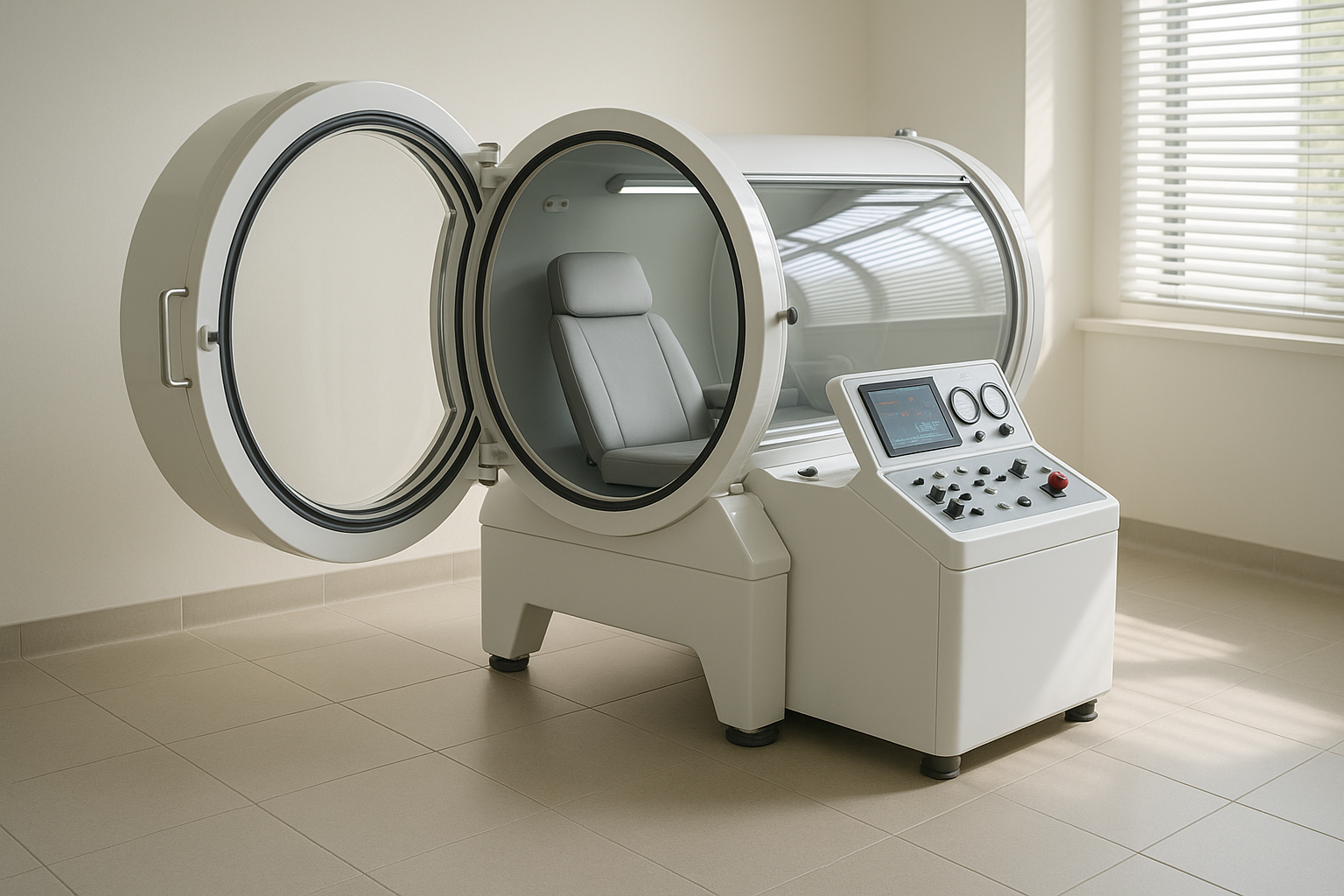
How long do you have to stay in a hyperbaric chamber for the bends? The short answer is usually 2 to 5 hours per session. A common treatment for decompression sickness is based on a U.S. Navy treatment table, and one widely used table lasts about 4 hours and 45 minutes if completed without extension. Milder cases may be shorter. More serious cases may be extended or repeated.
This is why the answer can feel slippery. Your doctor is not guessing. The duration depends on symptom type, severity, response during treatment, and whether symptoms return when chamber pressure is reduced. Neurological symptoms, inner-ear symptoms, breathing trouble, or severe pain often push teams toward longer tables or additional sessions.
Studies and dive medicine reports suggest many patients improve after the first treatment, but a meaningful minority need more than one. Published series have shown repeat-treatment rates ranging from roughly 20% to more than 40%, depending on case mix. Based on our research, severe neurological cases are the ones most likely to need second-day treatment.
Typical timing patterns look like this:
- Mild pain-only bends: often 2 to 4.5 hours, sometimes one session
- Moderate symptoms: often 4 to 5 hours, with reassessment afterward
- Neurological or persistent symptoms: 4.5 to 6+ hours initially, sometimes multiple sessions
So if you are asking, How long do you have to stay in a hyperbaric chamber for the bends? plan for most of a day, not a quick errand between lunch and emails. In our experience reviewing patient protocols, people do better when they expect a long process and do not fight it.
Factors Influencing Treatment Duration
The same diagnosis does not always mean the same chamber time. Severity is the biggest factor. A diver with isolated shoulder pain after a shallow dive may improve rapidly. A diver with leg weakness, imbalance, or bladder symptoms may need a longer protocol plus repeat sessions. Chamber teams also watch whether your symptoms improve during oxygen periods and whether they recur during ascent from treatment pressure.
Your overall health matters more than many divers realize. Ear and sinus congestion can slow or interrupt treatment because pressure equalization becomes difficult. Lung disease may change safety planning. Age alone is not the deciding factor, but older patients often carry more medical complexity. A 25-year-old instructor and a 67-year-old vacation diver may enter with similar symptoms and leave on different timelines.
We found several practical factors that can alter duration:
- Delay to treatment: earlier recompression is generally linked with better outcomes
- Neurological involvement: often leads to longer or repeat treatments
- Hydration and overall condition: dehydration can worsen symptoms and recovery
- Response during treatment: symptoms that partially improve may justify extension
Expert guidance from dive physicians often emphasizes that treatment tables are not fixed scripts. They are frameworks. If your pain disappears quickly, that is encouraging. If your dizziness improves and then creeps back during decompression, the team may extend oxygen periods. In 2026, the best centers still blend protocol discipline with bedside judgment, which is medicine’s polite way of saying that the chamber schedule sometimes changes because your body gets a vote.
Steps in a Hyperbaric Chamber Treatment
If you have never seen the process, it helps to know the sequence. It is less mysterious than people imagine and less glamorous than films suggest. There is no dramatic clanging hatch followed by existential violin music. Usually, there is paperwork, a nurse, and a lot of ear popping.
- Arrival and triage: staff confirm dive history, symptoms, vital signs, medications, and timing.
- Medical exam: a physician evaluates neurological signs, breathing, pain pattern, and contraindications.
- Preparation: you change into approved clothing and remove restricted items such as lighters, electronics, and petroleum products.
- Compression phase: chamber pressure rises gradually; you clear your ears like during airplane descent.
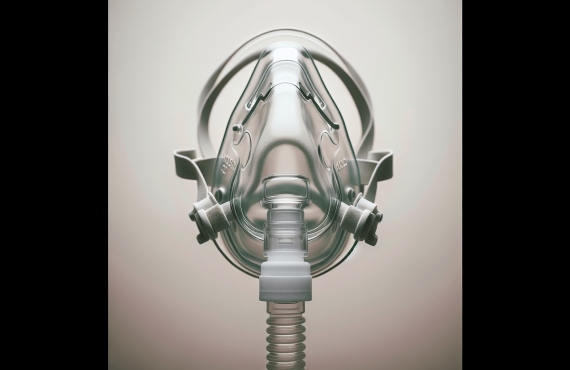
- Oxygen periods: you breathe oxygen, often with scheduled air breaks in multiplace chambers.
- Decompression and exit: pressure is reduced slowly, symptoms are reassessed, and next steps are decided.
What does it feel like? Expect pressure changes in your ears and sinuses, machine noise, and long stretches of doing very little. Some people feel warm at first, then cool later. Others get sleepy. Claustrophobia can happen, but experienced staff usually coach patients through it.
Patient reports are often surprisingly ordinary. One diver in a case summary described the session as “like a very long airplane landing with breaks.” Another said the hardest part was not pain but boredom. We recommend bringing that expectation with you. If you know How long do you have to stay in a hyperbaric chamber for the bends? can mean several hours, the experience feels less shocking and more manageable.
Comparing Hyperbaric Chamber Types
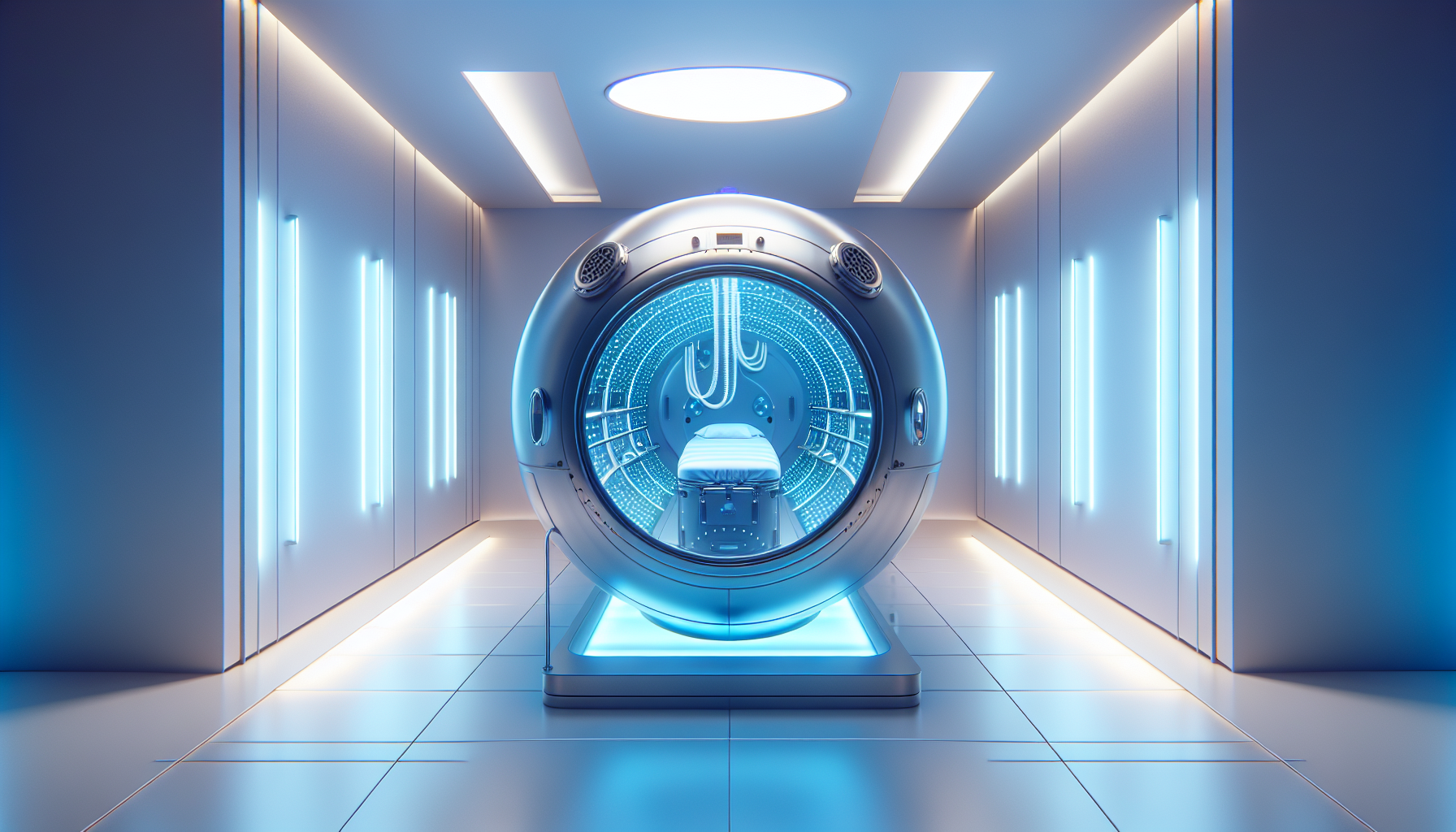
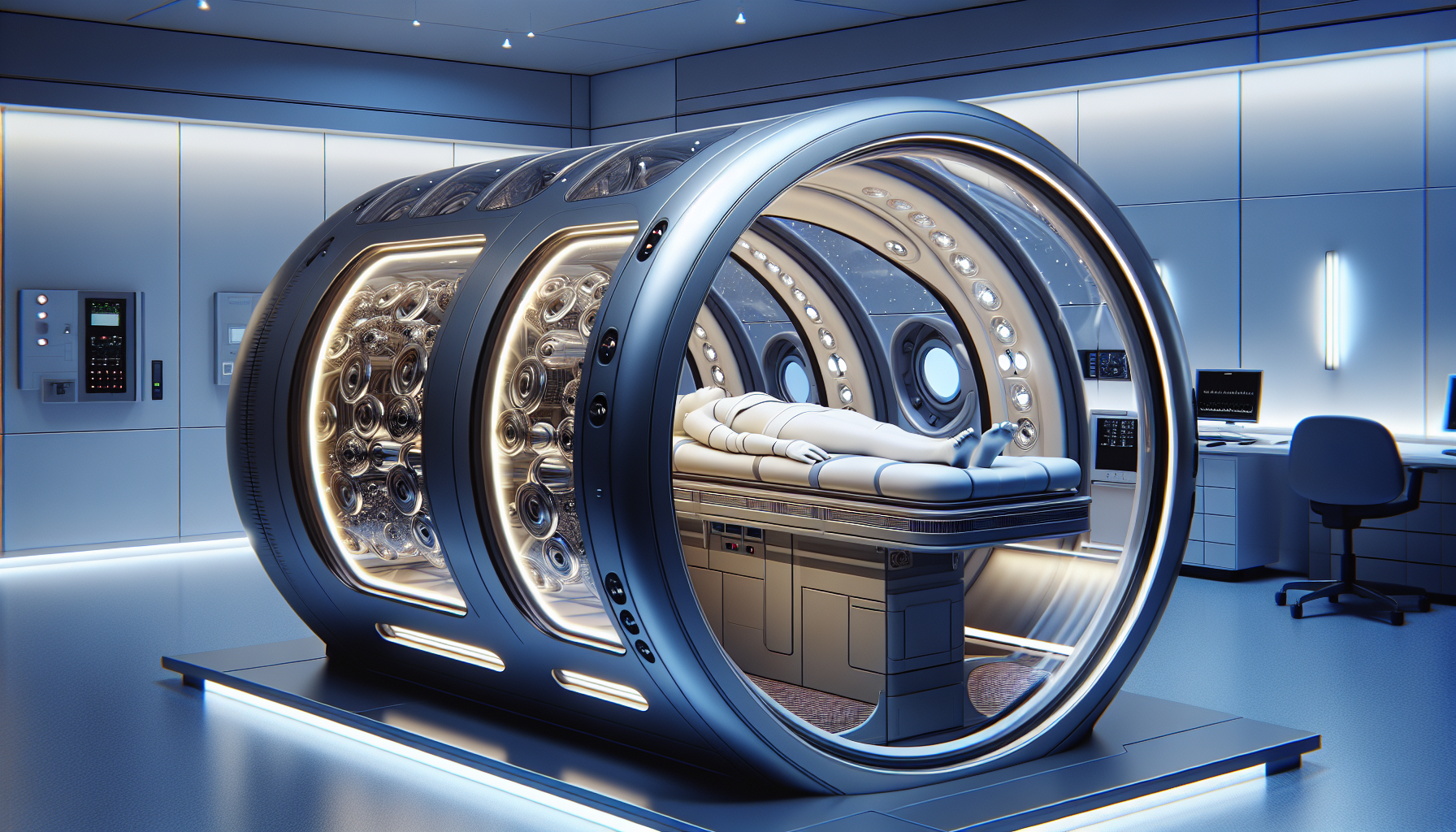
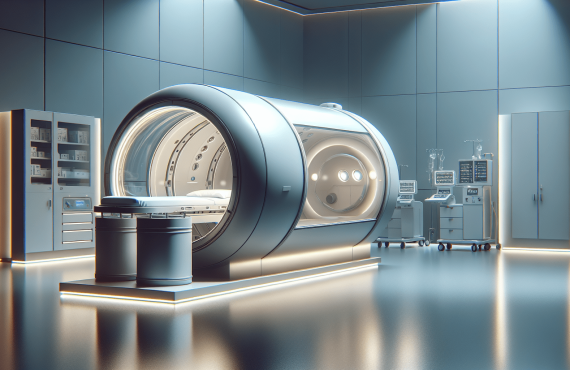
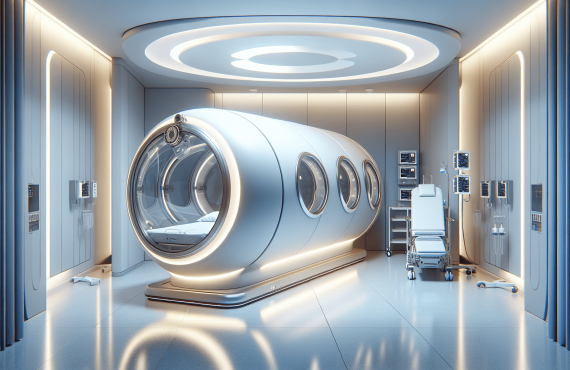
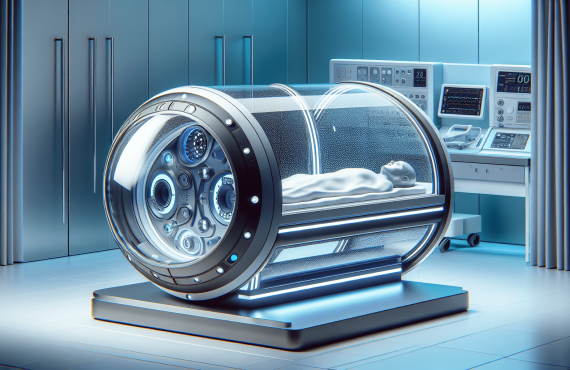
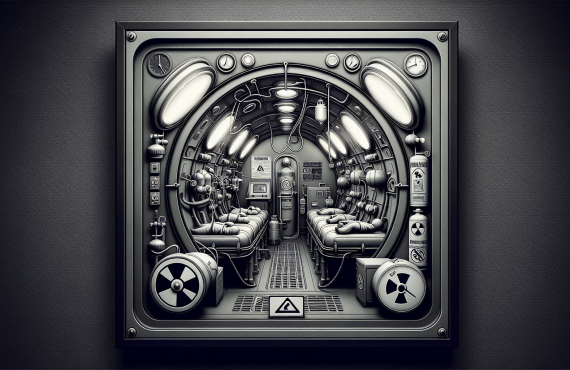
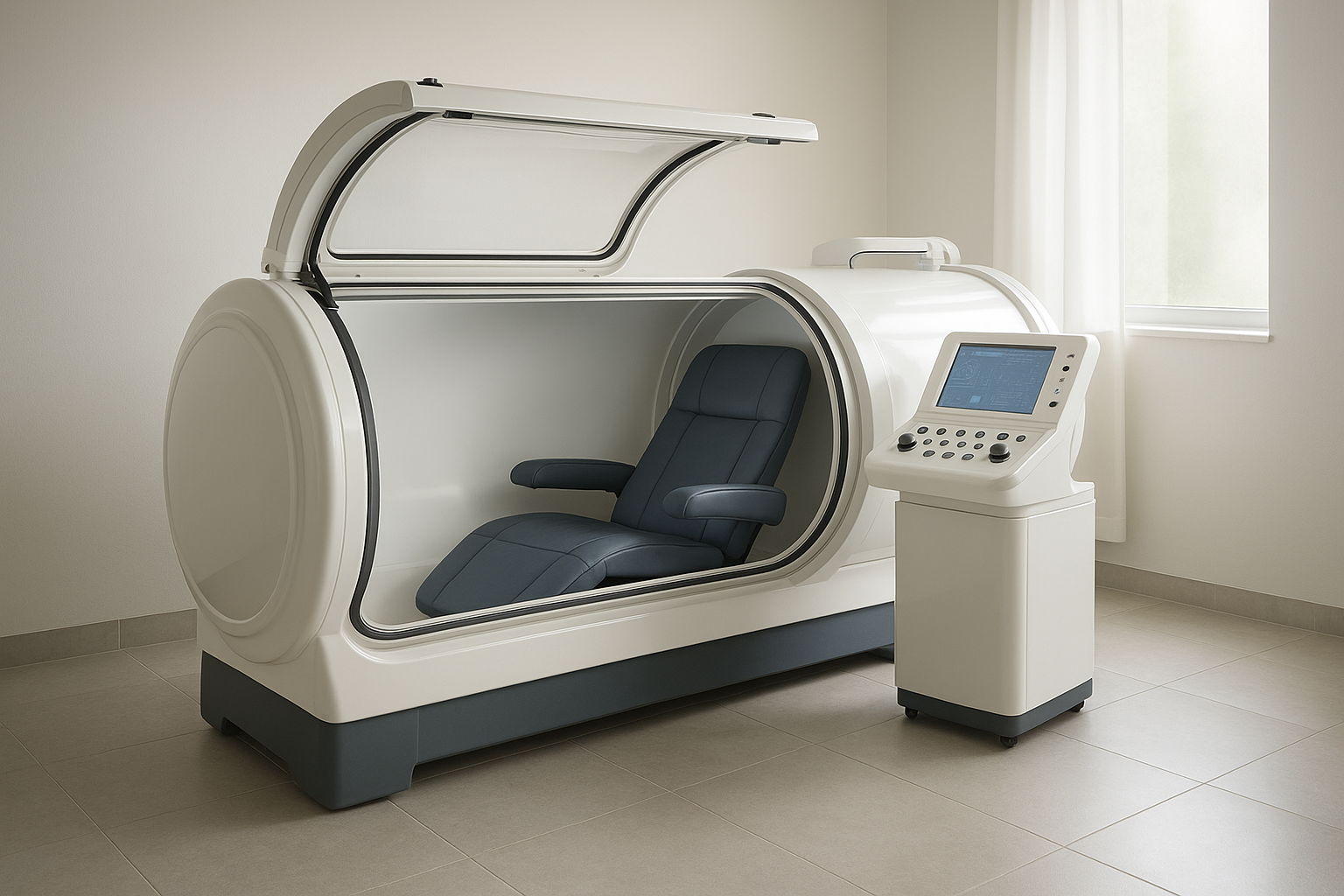
There are two main chamber types: monoplace and multiplace. A monoplace chamber usually treats one person at a time and is pressurized with oxygen. A multiplace chamber holds several people and is pressurized with air while patients breathe oxygen through masks or hoods. For decompression sickness, many major hospitals and dive centers prefer multiplace chambers because they allow direct staff access and easier management of unstable patients.
Each type has trade-offs.
- Monoplace advantages: easier scheduling, more widely available in some wound-care settings, quieter staffing logistics
- Monoplace disadvantages: less direct access during treatment, not ideal for critically ill or ventilated patients in many settings
- Multiplace advantages: staff can accompany you, complex monitoring is easier, better suited for serious dive injuries
- Multiplace disadvantages: higher operating cost, fewer centers, more resource-heavy
Outcome differences usually reflect patient selection more than chamber superiority. Severe cases are more likely to be sent to larger centers with multiplace systems, so raw comparisons can mislead. Based on our analysis, the key issue is not which chamber sounds fancier. It is whether the center has experienced hyperbaric staff and can deliver accepted decompression protocols promptly.
A real-world example: a pain-only diver treated in a regional monoplace chamber may do very well after one session. A diver with weakness after a deep technical dive may be transferred to a tertiary center with multiplace capability for extended treatment and close neurologic monitoring. The chamber matters, yes. The team matters more.
Risks and Side Effects of Hyperbaric Treatment
Hyperbaric treatment is generally safe when performed in accredited settings, but it is not risk-free. The most common problem is middle ear barotrauma. If you cannot equalize well, pressure can cause ear pain, fullness, or, rarely, eardrum injury. Sinus pressure is another frequent complaint. According to reviews of HBOT safety, ear discomfort is the side effect patients mention most often, and minor barotrauma rates can be several percent depending on the population studied.
Other common issues include temporary vision changes, fatigue after treatment, and confinement anxiety. Most are short-lived. Rare but serious risks include oxygen toxicity seizures, pulmonary barotrauma, and worsening of untreated pneumothorax. The FDA and hyperbaric societies stress pre-treatment screening for that reason.
Safety steps are strict and for good reason:
- Ear-clearing coaching before compression
- Medication review for drugs that may affect seizure threshold or pressure tolerance
- No ignition sources in or near the chamber
- Air breaks during treatment to reduce oxygen toxicity risk
We recommend telling staff about colds, sinus congestion, asthma symptoms, fever, or any new chest pain before entering the chamber. In 2026, most accredited centers use checklists that look fussy until you realize they exist to prevent very old, very avoidable accidents. Hyperbaric medicine is serious, but it is serious in a quietly organized way.
Hyperbaric Chamber Costs and Insurance Coverage
Cost is where many people stop nodding and start blinking. In 2026, a hospital-based hyperbaric session in the United States can range widely, but cash prices often fall between roughly $250 and $2,000+ per session, with some hospital bills running higher depending on monitoring, emergency care, and regional pricing. For decompression sickness, total cost can climb fast if emergency transport, physician fees, and multiple sessions are involved.
The good news is that insurance often covers HBOT for accepted indications, and decompression sickness is one of the clearest examples. Medicare and many private plans cover hyperbaric therapy when it meets medical necessity criteria for approved conditions. You should still verify:
- Whether the facility is in network
- Whether prior authorization is needed for non-emergency follow-up sessions
- What your deductible and coinsurance are
- Whether physician interpretation and hospital fees are billed separately
We analyzed payer guidance and found a simple pattern: emergency treatment is more likely to be covered than elective-looking follow-up done outside an established referral chain. To reduce out-of-pocket costs, ask for an itemized estimate, involve the insurer early, and request coding details before repeat sessions if you are stable enough to plan.
If you are diving on vacation, travel insurance and dive accident coverage can matter a great deal. Medicare coverage policies are public, and dive organizations often offer supplemental plans. We recommend checking your dive coverage before your next trip, because doing it after symptoms start is like buying a fire extinguisher while the kitchen is already burning.
Alternative Treatments for Decompression Sickness
There are supportive treatments for decompression sickness, but there is no true substitute for recompression when symptoms are significant. 100% oxygen first aid is the key non-chamber treatment. It can reduce bubble size somewhat, improve oxygen delivery, and ease symptoms while you are being transported. Fluids may help if you are dehydrated, though they do not replace chamber care. Pain control and monitoring also matter.
What about skipping the chamber entirely? For very mild symptoms that fully resolve and remain gone, a dive medicine specialist may recommend observation rather than recompression in selected cases. But that decision belongs to a trained clinician, not to a stubborn diver in a hotel room with a sports drink and misplaced confidence.
Research on alternatives is limited. Surface oxygen alone can improve symptoms, but it is generally considered a bridge, not definitive care, for moderate or severe cases. Some studies note symptom relief before recompression, yet persistent neurological signs still require chamber treatment. Based on our research, the correct question is not “What can replace HBOT?” but “What can safely support the patient until HBOT is available?”
You should consider alternatives only in narrow situations:
- No chamber immediately available: start oxygen, contact DAN or emergency services, arrange transfer
follow formal medical guidance - Medical contraindication or safety concern: treatment plan may be modified by a hyperbaric physician
And yes, if you are still wondering How long do you have to stay in a hyperbaric chamber for the bends?, remember that the alternative may be longer recovery, more disability, and more regret.
Conclusion: Taking Action for Your Health
The useful answer is simple: How long do you have to stay in a hyperbaric chamber for the bends? Usually 2 to 5 hours per session, with extra sessions if symptoms are severe, neurological, or slow to resolve. The more important answer is this: if you suspect decompression sickness, speed matters more than optimism.
Here is what you should do next if symptoms appear after a dive:
- Stop diving immediately.
- Administer 100% oxygen if available.
- Call emergency services or Divers Alert Network for medical guidance and chamber referral.
- Do not fly unless specifically directed in a medical evacuation plan.
- Get evaluated even if symptoms improve, because recurrence is not rare.
We found that people who act early usually have better odds of a smoother recovery. We recommend treating unusual pain, weakness, numbness, dizziness, or breathing trouble after diving as a medical issue, not a personality test. Talk to a qualified healthcare professional or dive medicine specialist right away. The bends is one of those problems that rewards fast decisions and punishes charming denial.
FAQs About Hyperbaric Chambers and the Bends
These are the questions divers and families ask most often after a bad ascent, a suspicious ache, or a long night of online searching.

Frequently Asked Questions
Can you treat the bends without a hyperbaric chamber?
Sometimes you can start first aid without a chamber, but definitive treatment for significant decompression sickness is usually hyperbaric recompression. You should give 100% oxygen, keep the person lying flat or comfortably positioned, encourage fluids if they are alert, and contact emergency services or a dive medicine hotline right away. Based on our research, mild symptoms can still worsen, so self-managing at home is a bad gamble.
How soon after diving should you seek treatment?
You should seek help immediately, even if symptoms seem minor or appear hours later. The Divers Alert Network notes that decompression sickness symptoms often begin within 15 minutes to 12 hours after surfacing, though delayed cases happen too. Faster recompression is linked with better outcomes.
What are the long-term effects of untreated bends?
Untreated decompression sickness can lead to lasting nerve injury, chronic pain, balance problems, bladder dysfunction, and, in severe cases, paralysis or death. We found that neurological and inner-ear cases carry the highest risk of long-term disability if treatment is delayed. What starts as shoulder pain can become a much bigger problem by nightfall.
Is hyperbaric treatment painful?
Hyperbaric treatment is not usually painful, but it can be uncomfortable. Most people notice ear pressure, popping, warmth during compression, and boredom during longer sessions. If you can equalize during an airplane descent, you already understand the main sensation.
How to prepare for a hyperbaric chamber session?
Wear cotton clothing if the facility asks for it, avoid petroleum-based products, arrive with a medication list, and tell staff if you have a cold, fever, or trouble clearing your ears. You should also avoid bringing restricted items into the chamber. How long do you have to stay in a hyperbaric chamber for the bends? Often 2 to 5 hours, so use the restroom beforehand and plan for a long appointment.
Key Takeaways
- Most bends treatments in a hyperbaric chamber last about 2 to 5 hours, but severe cases may need repeat sessions.
- Early treatment improves the odds of recovery, especially for neurological symptoms such as weakness, numbness, dizziness, or trouble walking.
- First aid starts with 100% oxygen, stopping further diving, and urgent contact with emergency services or a dive medicine specialist.
- Monoplace and multiplace chambers can both be effective, but experienced staff and prompt treatment matter more than chamber style.
- Insurance often covers hyperbaric therapy for decompression sickness, but you should verify network status, authorization, and itemized billing.