
Have you ever found yourself wondering how long it takes for brain inflammation to heal? It’s a question that might pop up during one of those late-night internet rabbit holes or perhaps after a doctor’s appointment. Brain inflammation, much to our chagrin, doesn’t come with a set timeline for healing. It’s not like waiting for a kettle to boil or a pizza delivery to arrive. Various factors, including the underlying cause, the severity of the inflammation, and your overall health, play significant roles in determining this timeline.

Table of Contents
Understanding Brain Inflammation
Brain inflammation, or neuroinflammation, is the body’s response to harmful stimuli affecting the brain. These stimuli can be anything from infections, traumatic injuries, autoimmune disorders, or toxins. It might sound like the title of a thriller novel, but alas, it’s a medical condition, not a page-turner.
What Causes Brain Inflammation?
The causes are varied and often require a medically-trained sleuth. Some common culprits include infections like meningitis or encephalitis, traumatic brain injuries, and autoimmune diseases such as multiple sclerosis. Sometimes, even an allergic reaction can stir the pot and lead to inflammation. Like an unruly dinner guest, inflammation seems to invite itself to the party, causing havoc and overstaying its welcome.
Symptoms to Watch Out For
Recognizing brain inflammation isn’t about spotting someone eating an entire pizza by themselves; it’s more subtle. Symptoms can include headache, fever, fatigue, confusion, memory problems, and in severe cases, seizures. It’s crucial to consult a healthcare professional if these symptoms appear, lest you mistakenly attribute them to a caffeine overdose or an unfortunate encounter with dairy.
The Healing Process
So, just how long does it take for brain inflammation to heal? Unfortunately, the answer isn’t as satisfying as a freshly-made bed—not immediate nor guaranteed. Healing times can vary significantly.
Acute vs. Chronic Inflammation
The type of inflammation matters. Acute inflammation might resolve within days to weeks, much like getting over a particularly stubborn cold. Chronic inflammation, on the other hand, can linger for months or even years, similar to a guest who doesn’t seem to understand that four hours doesn’t mean indefinitely.
Treatments That Help
Treatment options can hasten the healing process, depending on the cause. Anti-inflammatory medications, corticosteroids, and antibiotics (for infections) are common treatments. Each treatment aims to eliminate the root cause or reduce inflammation directly. It’s not unlike cleaning up after a party—you need the right tools for the job, or you’ll be picking up confetti for months.
The Role of Lifestyle Changes
Lifestyle changes, such as a balanced diet, regular exercise, and adequate sleep, can aid recovery. Think of these changes as the metaphorical yoga class your brain needs to de-stress and refocus.

The Benefit of Hyperbaric Therapy
One therapy that can incite curiosity and wonder is hyperbaric oxygen therapy (HBOT). It sounds a bit sci-fi, but it’s an established method.
What Is Hyperbaric Therapy?
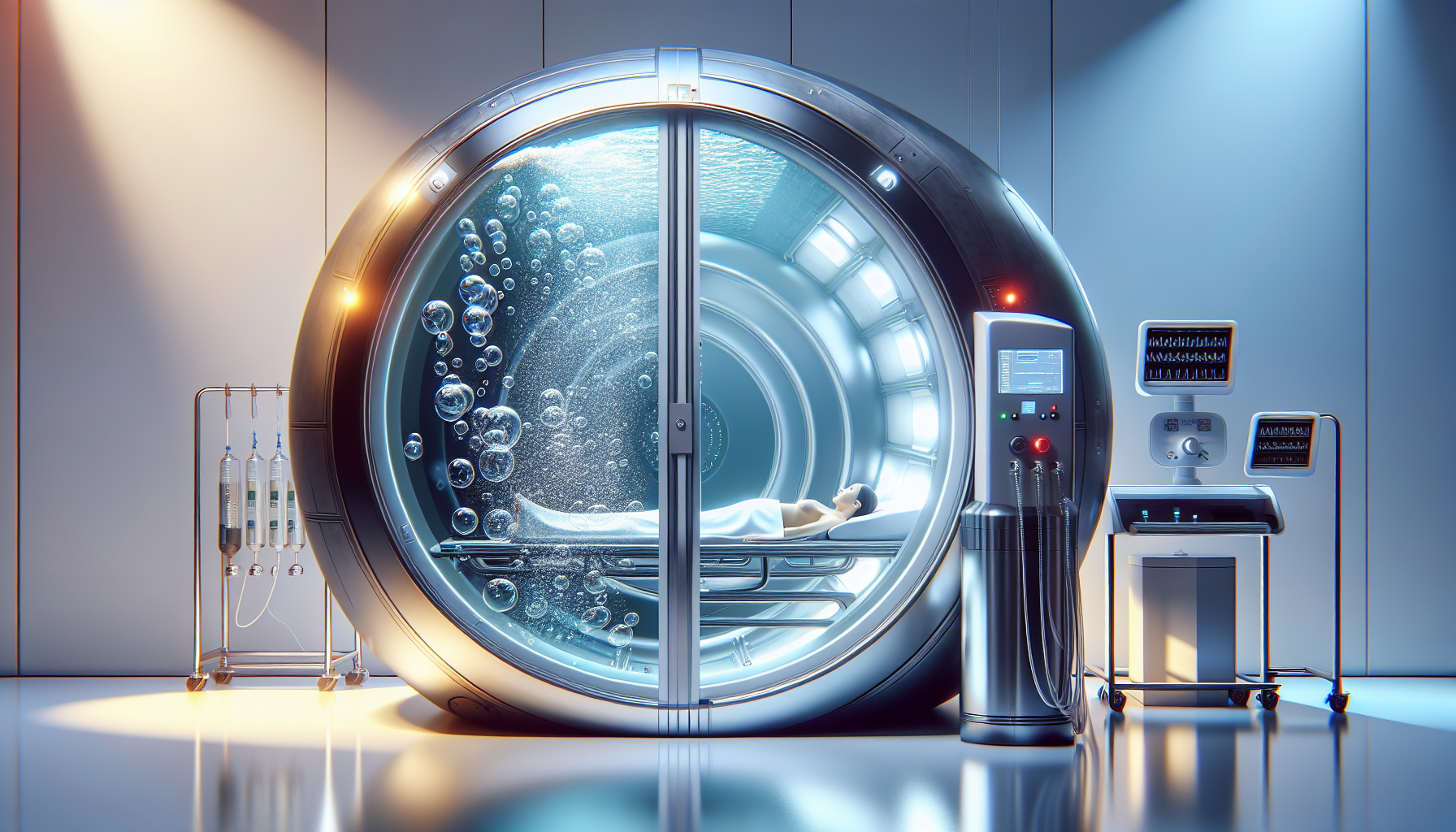
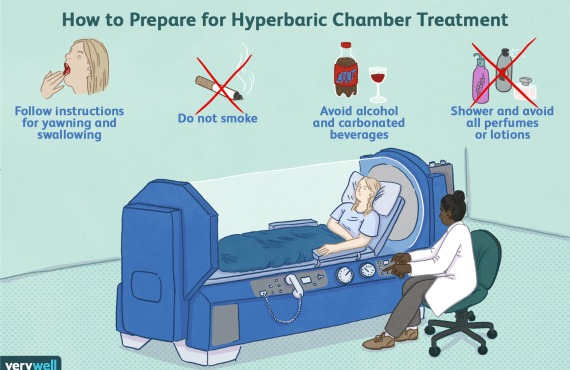
Hyperbaric therapy involves breathing pure oxygen in a pressurized environment, specifically a chamber that looks very much like a prop from a space movie. This therapy increases the oxygen content in the blood and tissues, potentially reducing inflammation and promoting healing.
How Does It Help?
Under normal atmospheric pressure, our lungs and bloodstream do a decent job distributing oxygen. However, a hyperbaric chamber elevates oxygen levels, dissolving in plasma and reaching body areas with limited supply. This influx can stimulate healing, reduce inflammation, and boost the immune function. It’s as if your body is receiving an all-access pass to a healthful new frontier.
FAQs About Brain Inflammation and Healing
To tide over any lingering curiosities or catch those glancing questions, let’s delve into a few frequently asked questions:
FAQ 1: Can brain inflammation heal on its own without treatment?
Yes, in some cases, mild inflammation can resolve without treatment. However, medical evaluation and monitoring are advisable to ensure no underlying severe condition exists.
FAQ 2: Is brain inflammation reversible?
Often, yes, brain inflammation can be reversible with proper treatment to address the underlying cause. However, prolonged or severe inflammation can lead to irreversible damage, highlighting the importance of timely medical attention.
FAQ 3: What natural remedies can help reduce brain inflammation?
Some natural remedies include a diet rich in anti-inflammatory foods (such as omega-3 fatty acids), regular physical activity, stress management, and adequate sleep. These steps are not replacements for professional medical treatment but can complement traditional therapies.
FAQ 4: How does one prevent brain inflammation?
While not all cases of brain inflammation are preventable, maintaining a healthy lifestyle can reduce the risk. This includes reducing alcohol and tobacco use, managing stress, and keeping a balanced, nutritious diet.
FAQ 5: What role does diet play in brain inflammation?
Diet plays a significant role in either exacerbating or alleviating inflammation. Foods high in trans fats, sugar, and processed chemicals can increase inflammation, whereas foods rich in antioxidants and omega-3s can help reduce it. Think of diet as the steering wheel guiding your inflammation to calmer waters.
Your Journey to Recovery
Navigating brain inflammation isn’t something to undertake alone. With proper treatment, lifestyle adjustments, and perhaps a touch of hyperbaric magic, healing is possible. Remember, healing time isn’t a one-size-fits-all scenario. If you have more questions or need health advice, consulting a healthcare professional is always wise.
For expert care on your road to feeling better, consider reaching out to Henry Chiropractic in Pensacola, FL. With skilled chiropractors like Dr. Craig Henry and Dr. Aaron Hixon, you’re in good hands. Whether it’s addressing pain or simply enhancing your well-being, they’ve got your back—and hopefully your brain, too.
Stay curious, stay informed, and above all, don’t hesitate to seek help when your body starts throwing curveballs—it’s always better to bunt.