
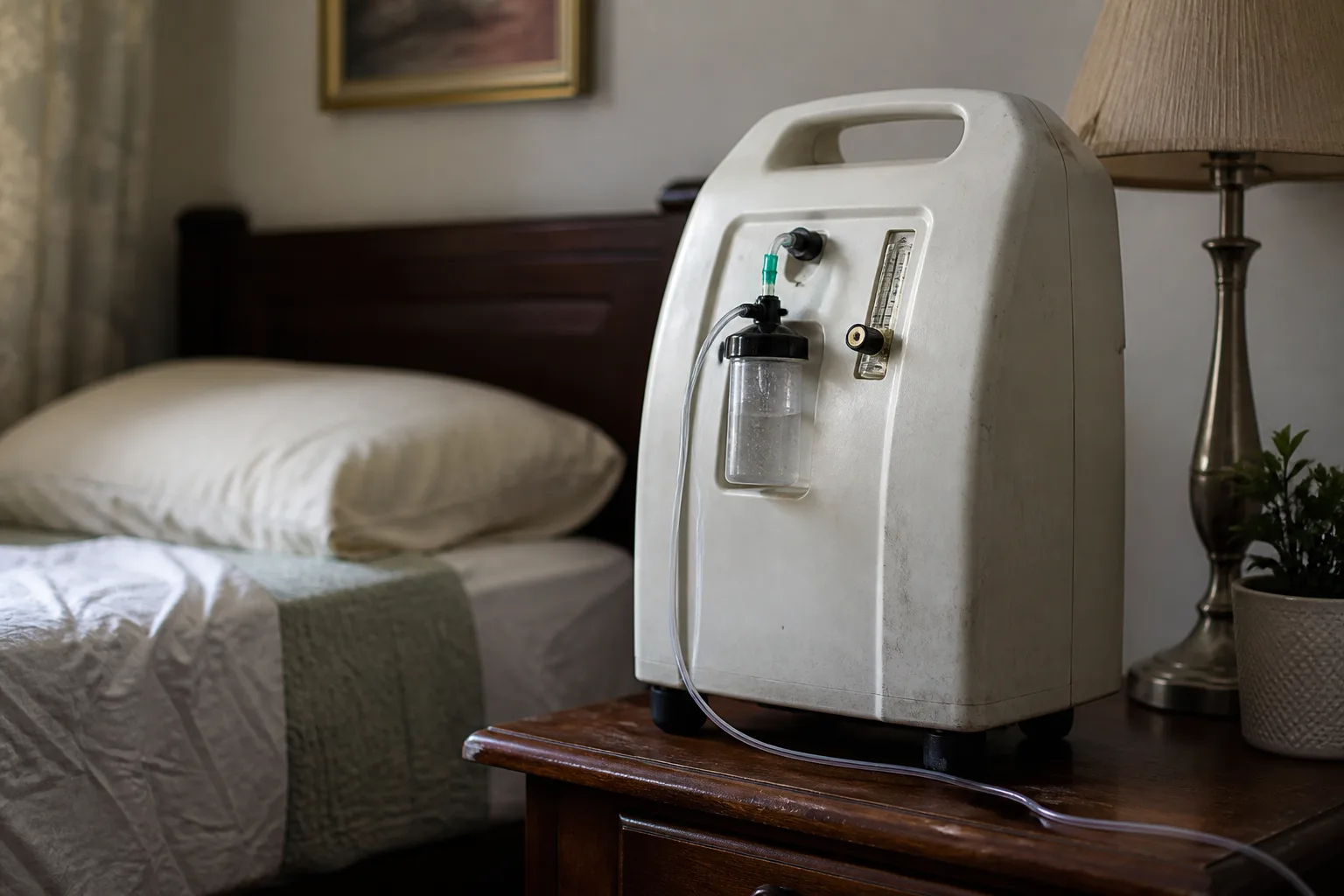
Home oxygen therapy — using compressed-gas cylinders, liquid oxygen, or concentrators — can cause nasal drying and nosebleeds, oxygen toxicity that slows breathing and heart rate, and increases household fire risk, so safety clearances (for example at least 5 feet from flames) and medical oversight are essential Your Oxygen Equipment | Patient Education 20 Tips for Using Supplemental Oxygen Safely Supplemental Oxygen Therapy: Types, Benefits &….
- Supplemental oxygen is delivered via a mask or nasal cannula and can be continuous or pulse-dose Supplemental Oxygen Therapy: Types, Benefits &…20 Tips for Using Supplemental Oxygen Safely.
- Concentrators typically deliver oxygen of about 90% or higher, while tanks generally contain 99–100% oxygen Oxygen devices and delivery systemsOxygen Concentrator Vs Oxygen Tank A Practical….
- A pulse oximeter reading of 92% is a strong indicator for long-term oxygen therapy; clinicians often target SpO2 near 90–92% Home Oxygen Therapy – MD Searchlight.
- Home oxygen increases fire risk; never smoke near oxygen and maintain clearances of around 5–15 feet from flames or heat sources Oxygen Therapy | Hyperbaric Oxygen Therapy20 Tips for Using Supplemental Oxygen SafelyBenefits of Home Oxygen Therapy for New Patients.
Table of Contents
What is home oxygen therapy and how does it deliver oxygen to the body?
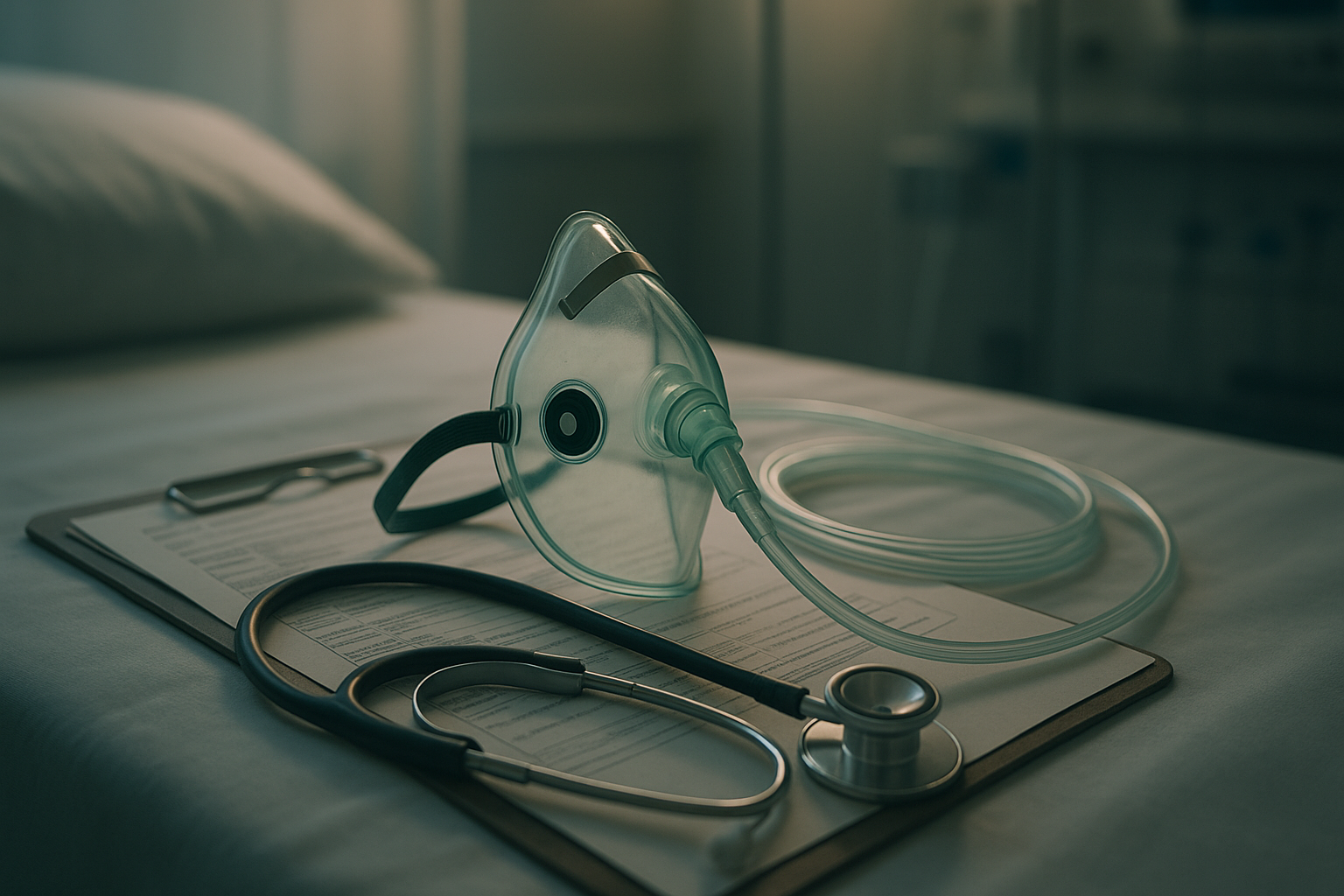
Home oxygen therapy supplies extra oxygen to your body through a mask or a cannula placed in the nose Supplemental Oxygen Therapy: Types, Benefits &….
You may receive oxygen through nasal prongs, a face mask, or alongside other breathing and sleep therapies Home oxygen treatment | NHS inform Oxygen devices and delivery systems 20 Tips for Using Supplemental Oxygen Safely Oxygen Therapy | Hyperbaric Oxygen Therapy.
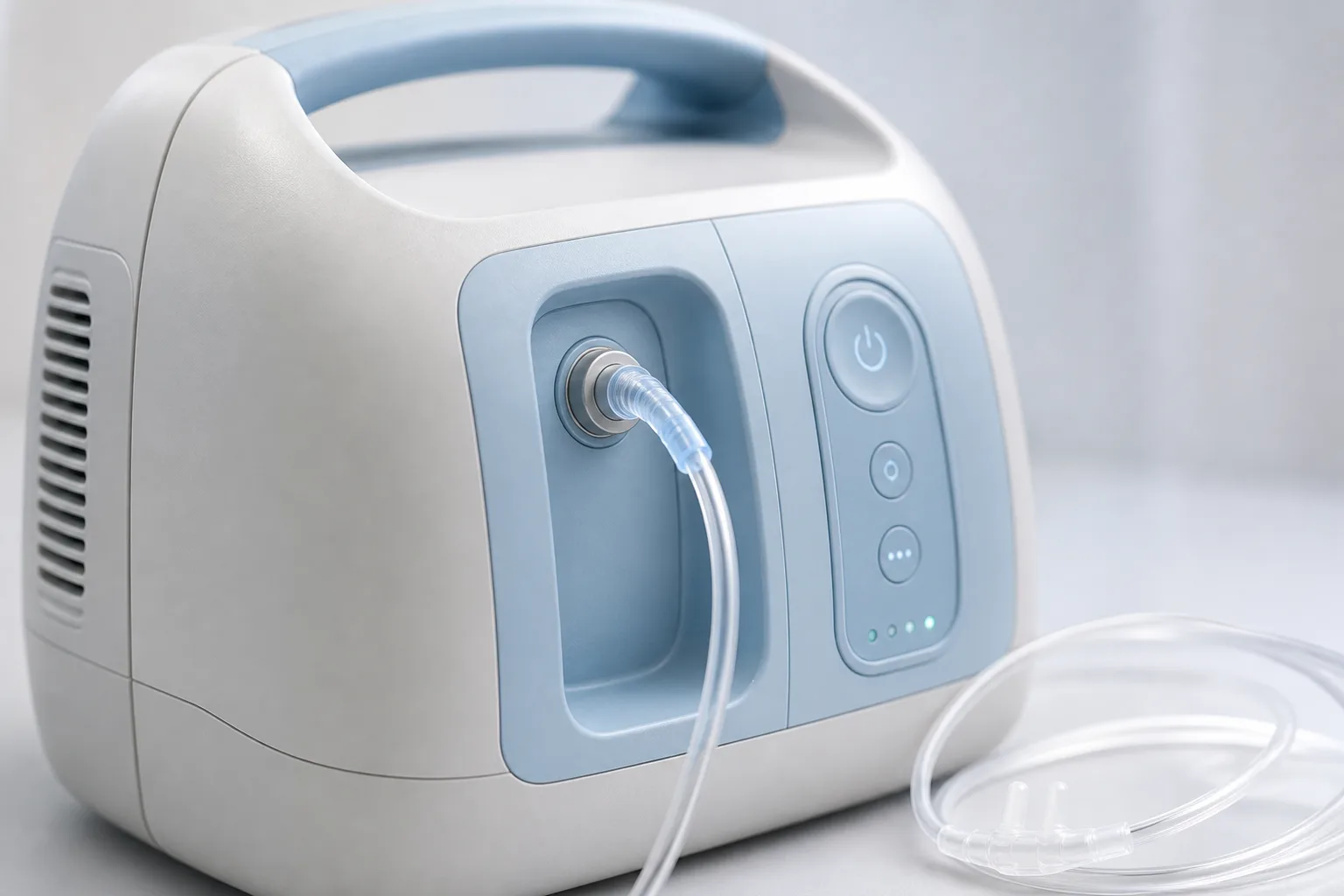
The concentrator process takes ambient air, filters it, and increases the oxygen fraction for you to breathe Getting Started with a Home Oxygen Concentrator… Home oxygen treatment | NHS inform 20 Tips for Using Supplemental Oxygen Safely Benefits of Home Oxygen Therapy for New Patients.
Need is established with objective tests including blood samples (earlobe or arterial), pulse oximetry, spirometry, or a walking/treadmill test Home oxygen treatment | NHS inform Home Oxygen Therapy – MD Searchlight.
Common arterial oxygen tension criteria used to select LTOT patients include a PaO2 of 55 mmHg or lower, and many guidelines also use PaO2 <60 mmHg or SpO2 <89% as referral cutoffs Oxygen devices and delivery systemsYour Oxygen Equipment | Patient Education.
Patients with higher saturations may still be referred if they show signs such as peripheral edema, very high hematocrit, or pulmonary hypertension Home Oxygen Therapy – MD Searchlight Oxygen Therapy | Hyperbaric Oxygen Therapy Your Oxygen Equipment | Patient Education Supplemental Oxygen Therapy: Types, Benefits &….
Concentrators extract and purify oxygen from surrounding air and remove nitrogen so you can breathe enriched oxygen without refills Supplemental Oxygen Therapy: Types, Benefits &…Oxygen Concentrator Vs Oxygen Tank A Practical….
Low-flow nasal cannulas commonly deliver about 1–6 L/min, while simple face masks cover about 6–10 L/min; stationary concentrators typically supply 0.5–10 L/min and some high-flow units reach higher rates Home Oxygen Therapy – MD Searchlight Oxygen devices and delivery systems Your Oxygen Equipment | Patient Education.
For flows above about 6 L/min a high-flow nasal cannula is usually required Your Oxygen Equipment | Patient Education Oxygen Concentrator Vs Oxygen Tank A Practical… Benefits of Home Oxygen Therapy for New Patients.
Portability is defined by weight: ambulatory devices weigh under 10 pounds and can run four to six hours at 2 L/min, portables weigh more than 10 pounds, and stationary units often weigh around 10 kg Your Oxygen Equipment | Patient Education Oxygen Concentrator Vs Oxygen Tank A Practical… Oxygen devices and delivery systems.
Smaller portable concentrators may weigh roughly 4.5 kg and often support flows up to 2 L/min Oxygen devices and delivery systems.
Pulse-dose and continuous-flow modes are not interchangeable; a pulse-dose “2” does not equal a continuous 2 L/min setting Oxygen Concentrator Vs Oxygen Tank A Practical….
Tubing length matters at home: stationary systems can use up to 50-foot tubing to move around the house, while many POCs limit tubing to about 7 feet Your Oxygen Equipment | Patient Education Getting Started with a Home Oxygen Concentrator….
The ledger contains no published cost figures for these systems, so cost comparisons are unknown here.
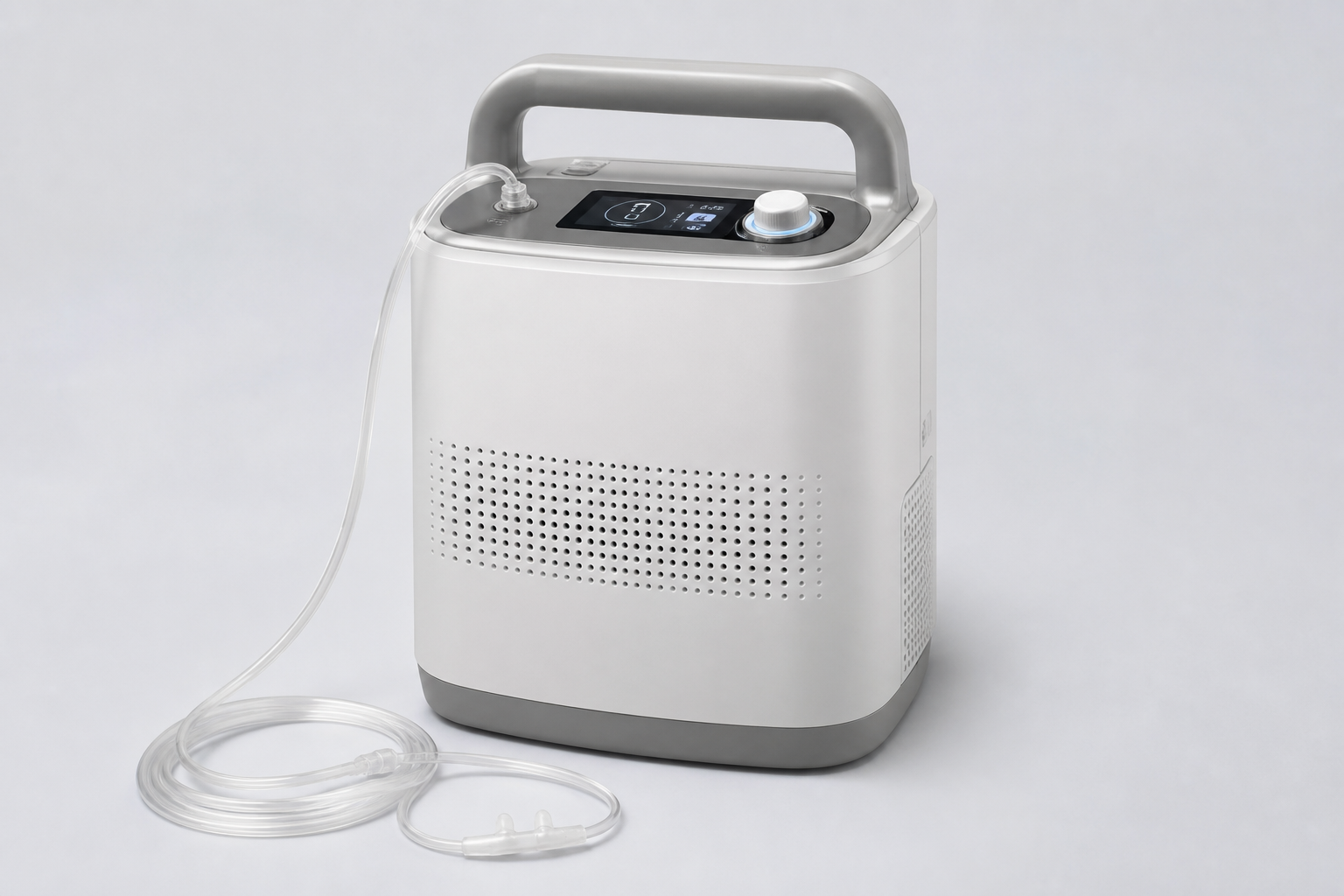
What are the common medical complications and side effects of long-term home oxygen therapy, and how frequently do they occur or how are they detected?
Common medical side effects from long-term oxygen include dry throat or nose, nosebleeds, headache, fatigue or drowsiness, and skin irritation around masks or tubing 20 Tips for Using Supplemental Oxygen Safely Supplemental Oxygen Therapy: Types, Benefits &… Oxygen Therapy | Hyperbaric Oxygen Therapy Home Oxygen Therapy – MD Searchlight Benefits of Home Oxygen Therapy for New Patients Getting Started with a Home Oxygen Concentrator….
Nasal cannulas, tubing, and masks are typically replaced every two to four weeks or sooner if damaged; some guidance suggests changing the cannula weekly and long tubing monthly 20 Tips for Using Supplemental Oxygen Safely Your Oxygen Equipment | Patient Education.
Stationary concentrator filters need weekly quick washes and routine machine servicing, and more thorough monthly filter cleaning is advised for many units Oxygen Concentrator Vs Oxygen Tank A Practical…Oxygen devices and delivery systemsGetting Started with a Home Oxygen Concentrator….
A home concentrator must be kept plugged in to operate correctly, so keep its power connection secure Getting Started with a Home Oxygen Concentrator….

How long can patients typically remain on home oxygen, and what specific clinical criteria and timelines guide reassessment or weaning?
Therapy types include long-term oxygen therapy (LTOT), ambulatory oxygen for activity-related drops, and nocturnal oxygen for night-only use Home Oxygen Therapy – MD Searchlight.
LTOT is usually defined as oxygen given for at least 15 hours per day Home Oxygen Therapy – MD Searchlight Home oxygen treatment | NHS inform Oxygen devices and delivery systems Your Oxygen Equipment | Patient Education.
Patients with higher saturations may still be reassessed if they have edema, high hematocrit, or pulmonary hypertension Home Oxygen Therapy – MD Searchlight Oxygen Therapy | Hyperbaric Oxygen Therapy Oxygen Concentrator Vs Oxygen Tank A Practical… Getting Started with a Home Oxygen Concentrator… 20 Tips for Using Supplemental Oxygen Safely.
Keep consumables clean and changed on schedule to limit infection risk and dosing errors during overnight use; for example, change cannulas regularly and keep humidifiers clean 20 Tips for Using Supplemental Oxygen SafelyGetting Started with a Home Oxygen Concentrator….
Because stationary concentrators must remain plugged in to operate properly, plan for power stability or backup options if you depend on overnight oxygen Getting Started with a Home Oxygen Concentrator… Oxygen Concentrator Vs Oxygen Tank A Practical…
Key Takeaways
- Get oxygen only by prescription and regular testing such as pulse oximetry or arterial blood gases Oxygen Therapy | Hyperbaric Oxygen TherapyHome oxygen treatment | NHS inform.
- Aim to keep SpO2 near 90–92% to reduce harm from too little or too much oxygen Home Oxygen Therapy – MD Searchlight.
- Keep oxygen equipment away from open flames and heat sources and do not smoke near oxygen — maintain at least a five-foot clearance Oxygen Therapy | Hyperbaric Oxygen Therapy20 Tips for Using Supplemental Oxygen Safely.
- Follow cleaning and replacement schedules: humidifiers daily/weekly, cannulas every 1–4 weeks, and filter washing weekly with regular servicing 20 Tips for Using Supplemental Oxygen Safely Oxygen Concentrator Vs Oxygen Tank A Practical….
- Know your system: concentrators give ~90–95% oxygen and need power, while tanks provide ~99–100% oxygen and require secure handling and refills Oxygen Concentrator Vs Oxygen Tank A Practical….
Frequently Asked Questions
How long can you stay on oxygen at home?
You can stay on home oxygen as long as your prescriber recommends; long-term oxygen therapy is usually given for at least 15 hours a day Home Oxygen Therapy – MD Searchlight. Regular reassessment using SpO2, PaO2, and clinical signs is needed to confirm continued need Home oxygen treatment | NHS inform.
What are the dangers of using oxygen at home?
The main dangers are medical harms like nasal drying, nosebleeds and oxygen toxicity, plus household fire risk and mechanical hazards from tanks 20 Tips for Using Supplemental Oxygen Safely. Keep equipment away from flames and heat and follow safety guidance Oxygen Therapy | Hyperbaric Oxygen Therapy.
Is it safe to sleep in a room with an oxygen concentrator?
Yes, stationary home concentrators are designed to run through the night and can provide continuous flow during sleep Oxygen Concentrator Vs Oxygen Tank A Practical…. Make sure the unit stays plugged in and that alarms work for power loss Getting Started with a Home Oxygen Concentrator….
What are the downsides of using an oxygen concentrator?
Downsides of an oxygen concentrator include lower oxygen purity than compressed tanks (about 90–95% vs 99–100%) and the need for power and regular filter cleaning Oxygen Concentrator Vs Oxygen Tank A Practical…. Portable unit weight and battery limits also affect convenience Oxygen Concentrator Vs Oxygen Tank A Practical….
Sources
- Your Oxygen Equipment | Patient Education
- 20 Tips for Using Supplemental Oxygen Safely (2026-08-03)
- Supplemental Oxygen Therapy: Types, Benefits & Risks (2023-09-06)
- Oxygen devices and delivery systems
- Oxygen Concentrator Vs Oxygen Tank A Practical Comparison (2026-01-25)
- Home Oxygen Therapy – MD Searchlight (2025-01-22)
- Oxygen Therapy | Hyperbaric Oxygen Therapy
- Benefits of Home Oxygen Therapy for New Patients (2024-04-25)
- Home oxygen treatment | NHS inform (2023-01-31)
- Getting Started with a Home Oxygen Concentrator [Video]