

Table of Contents
What are the three main complications of o2 therapy? Essential 3-Part Guide for Safer Use

Introduction: Unpacking the Intricacies of O2 Therapy
If you searched What are the three main complications of o2 therapy?, you probably want the plain answer before the medical wallpaper goes up. Here it is: the three complications most often discussed are oxygen toxicity, respiratory depression, and hypoventilation. They sound tidy on paper, but at the bedside they can look messy, subtle, and unfairly dramatic, rather like a dinner guest who first compliments the roast and then faints into it.
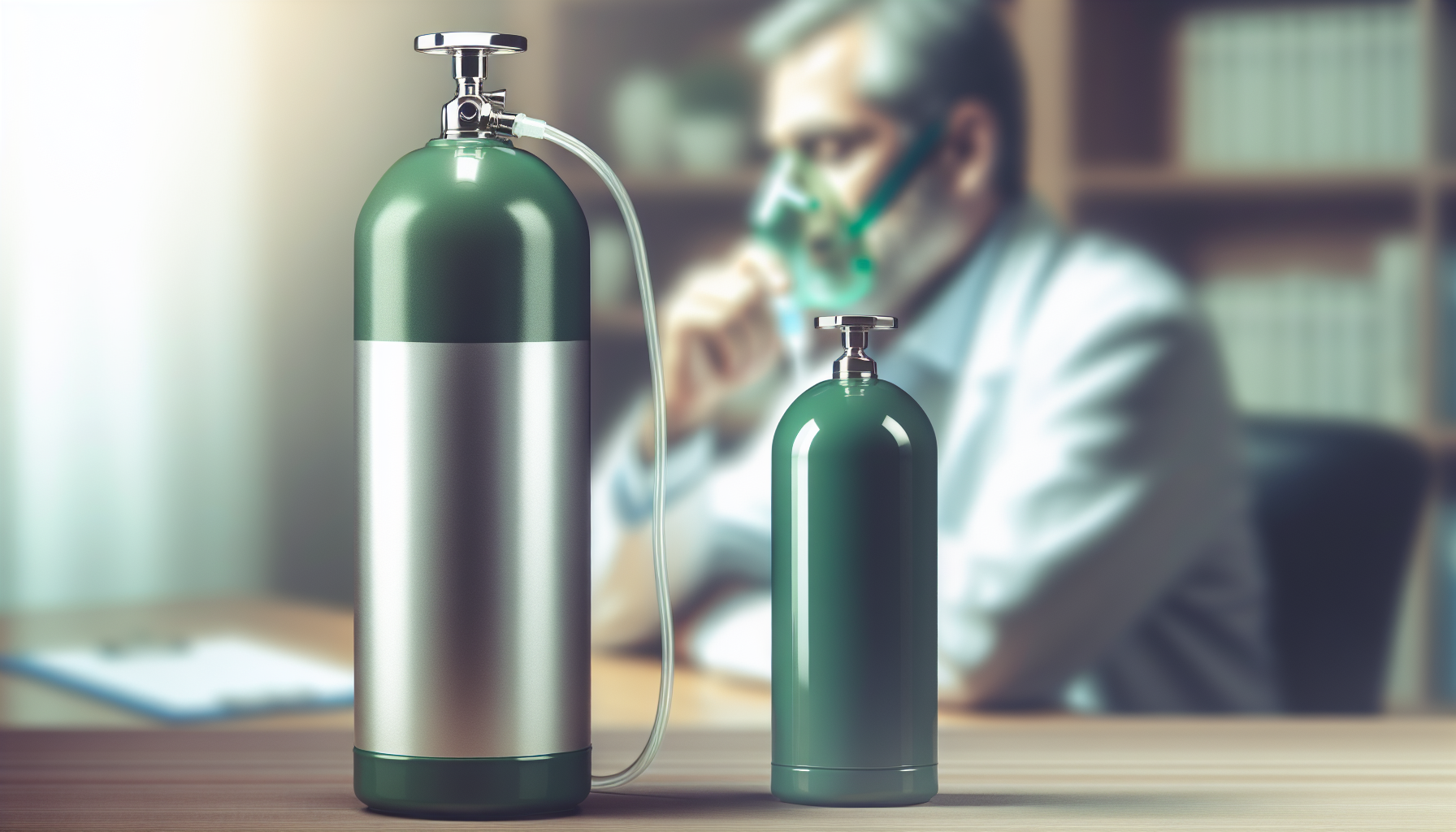
Understanding these risks matters because oxygen is a treatment, not a decorative mist. The CDC and hospital respiratory protocols stress that too little oxygen is dangerous, but too much can also cause harm in specific patients and situations. Based on our research, that distinction is where many families get tripped up. We found that people often assume oxygen is always benign, when in fact dose, duration, device, and diagnosis change the risk profile quite a bit.
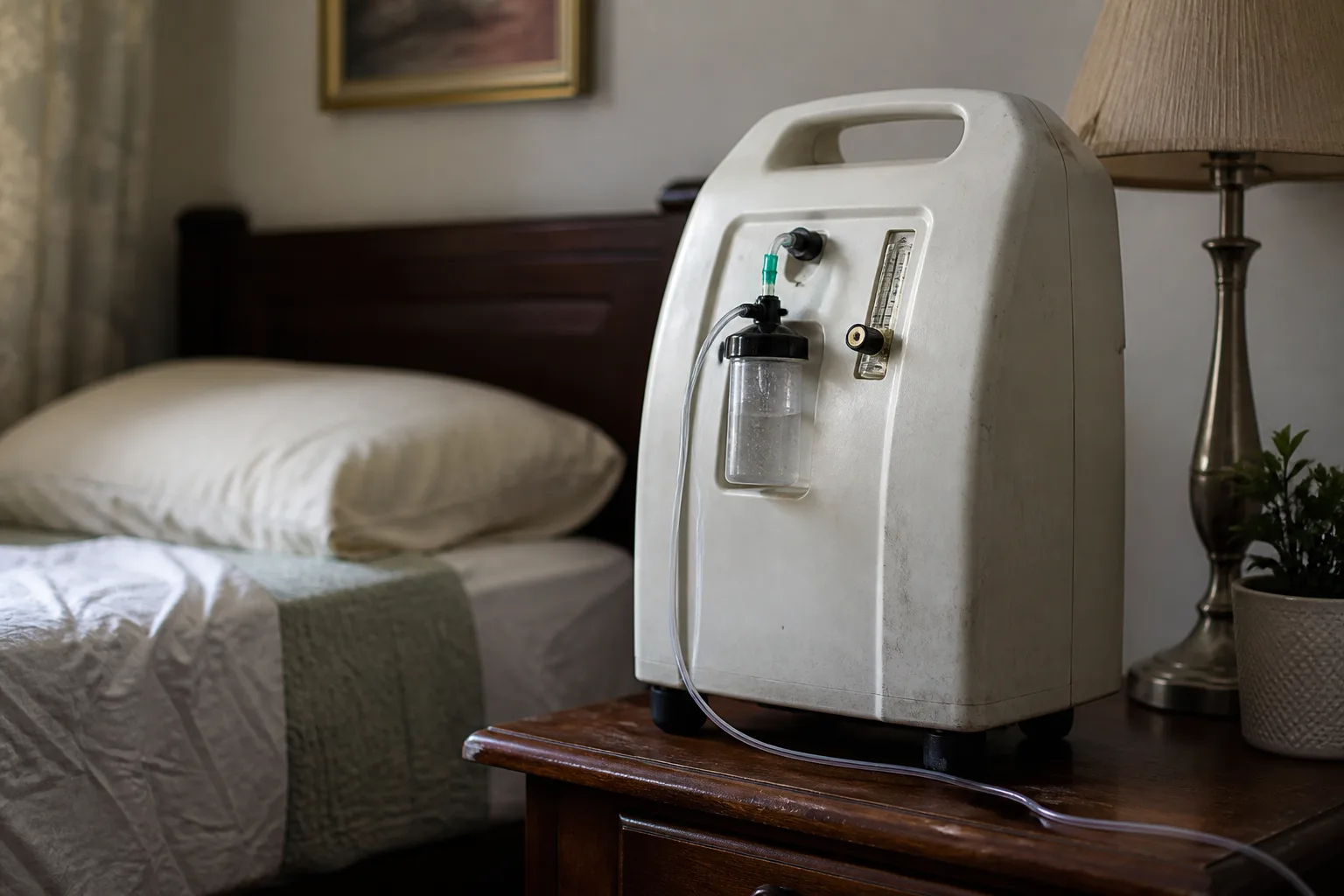
As of 2026, home oxygen use remains common in COPD, interstitial lung disease, sleep-related breathing disorders, and post-acute recovery settings. More than 1.5 million adults in the United States use supplemental oxygen, according to figures frequently cited in pulmonary literature and payer reports. That is a great many nasal cannulas, a great many concentrators humming in spare bedrooms, and a great many chances for misuse if no one explains the rules.
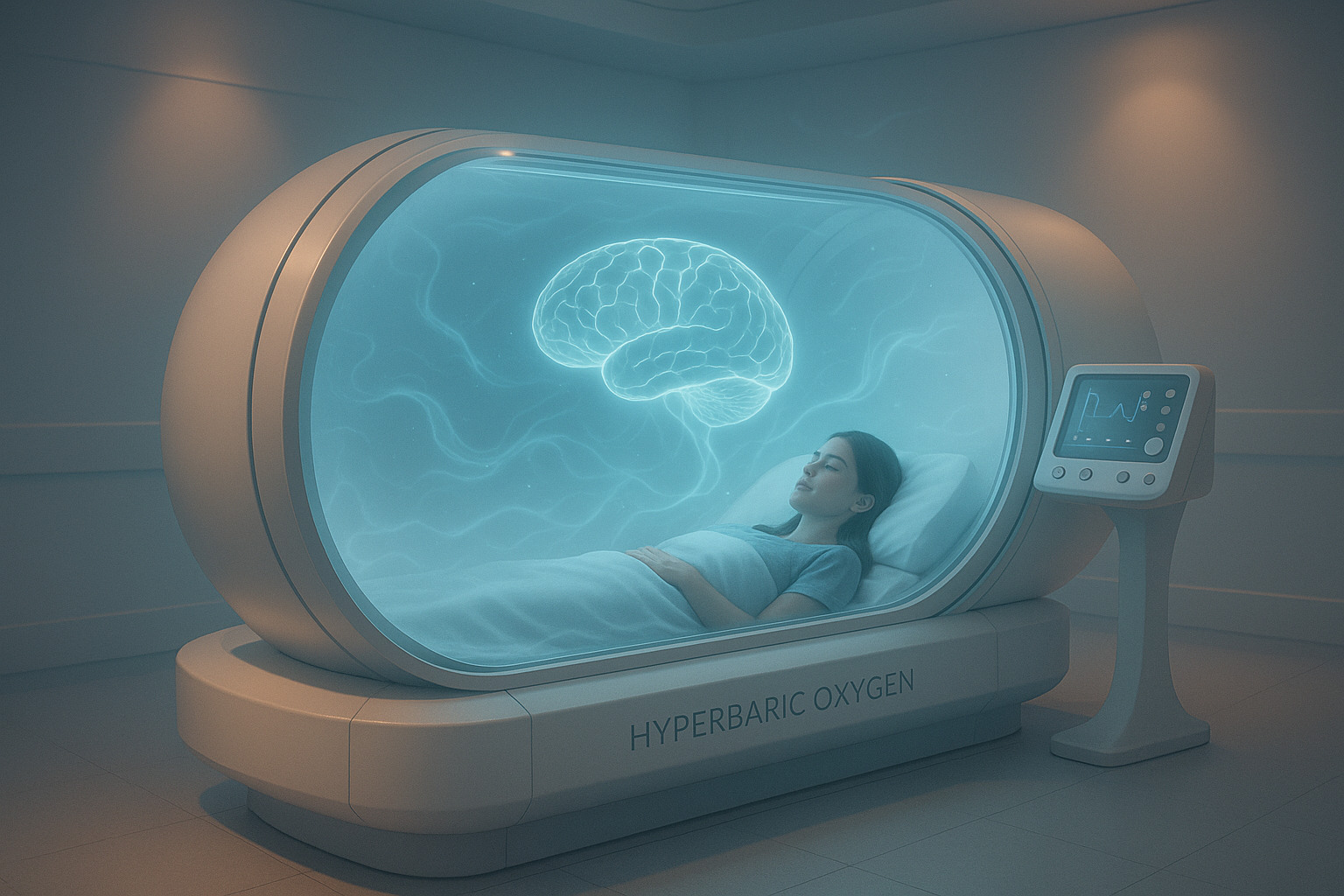
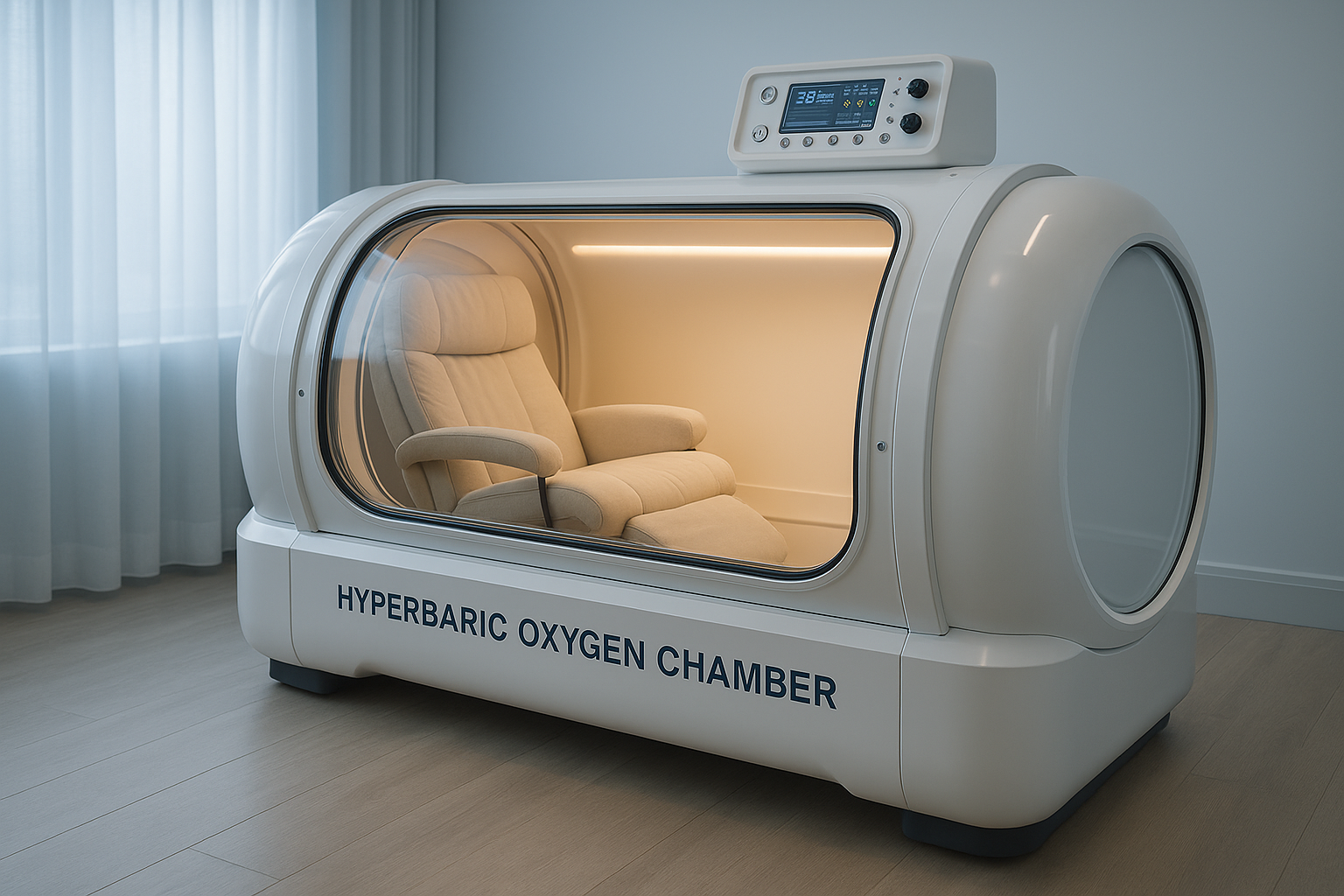
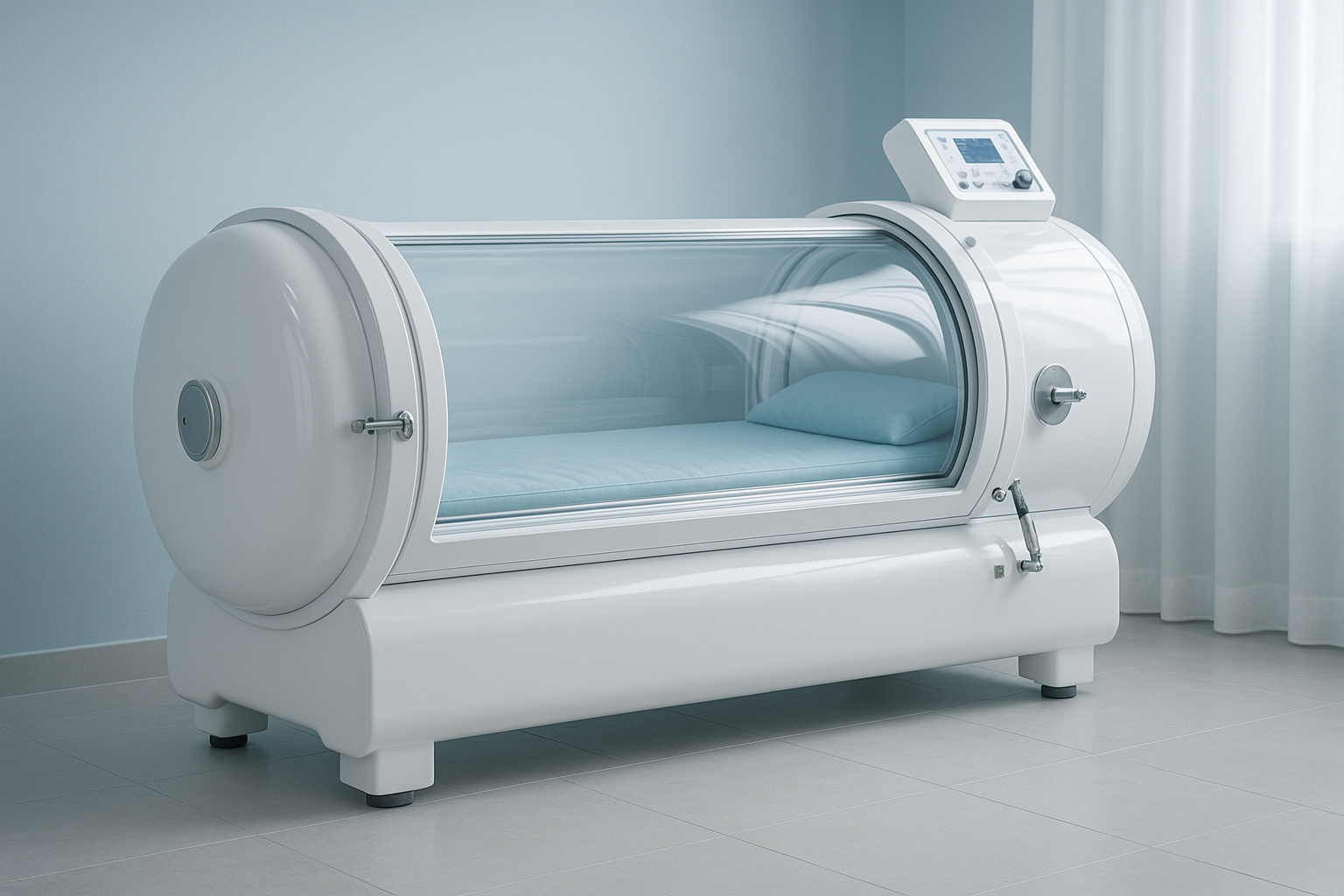
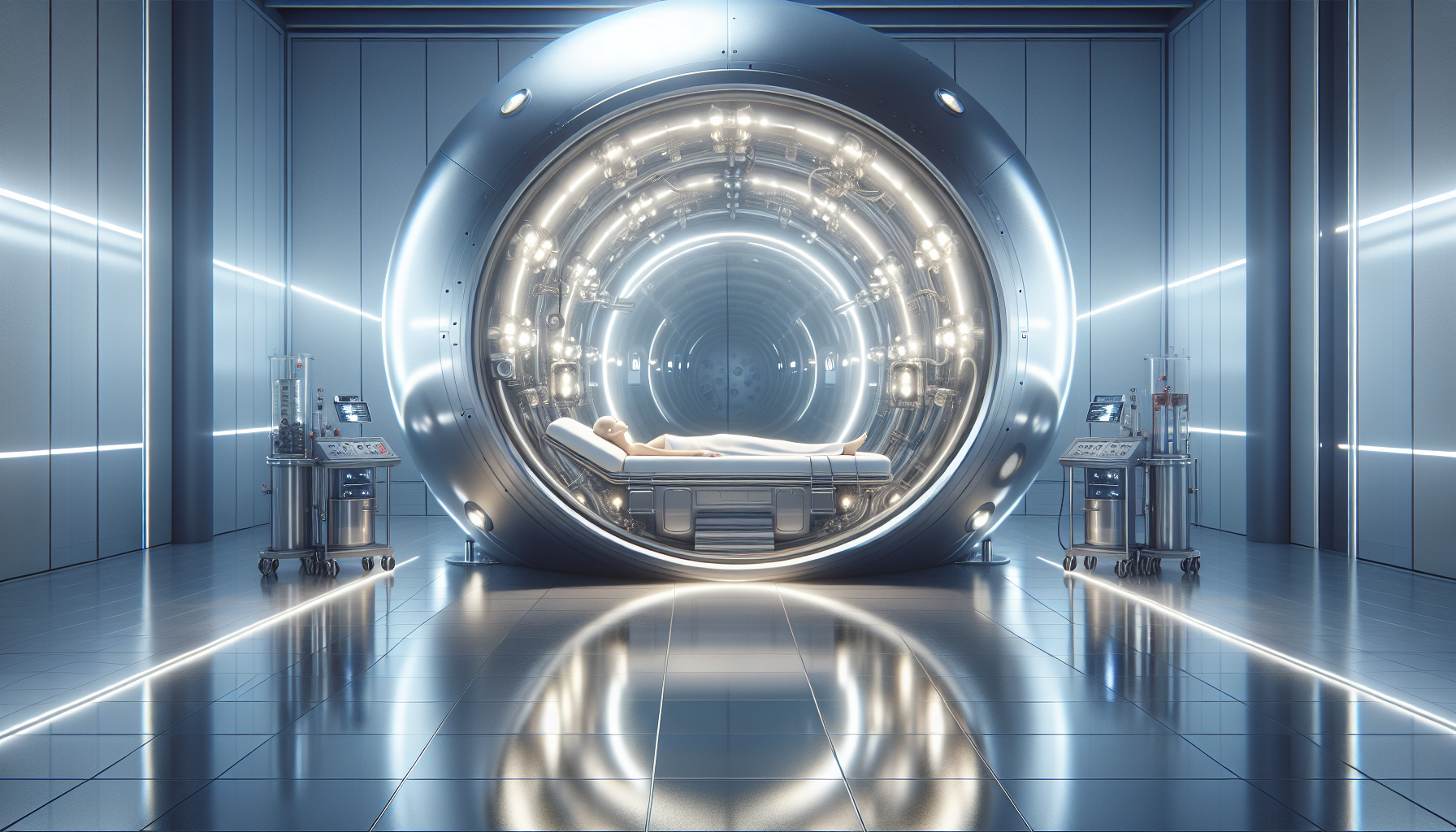
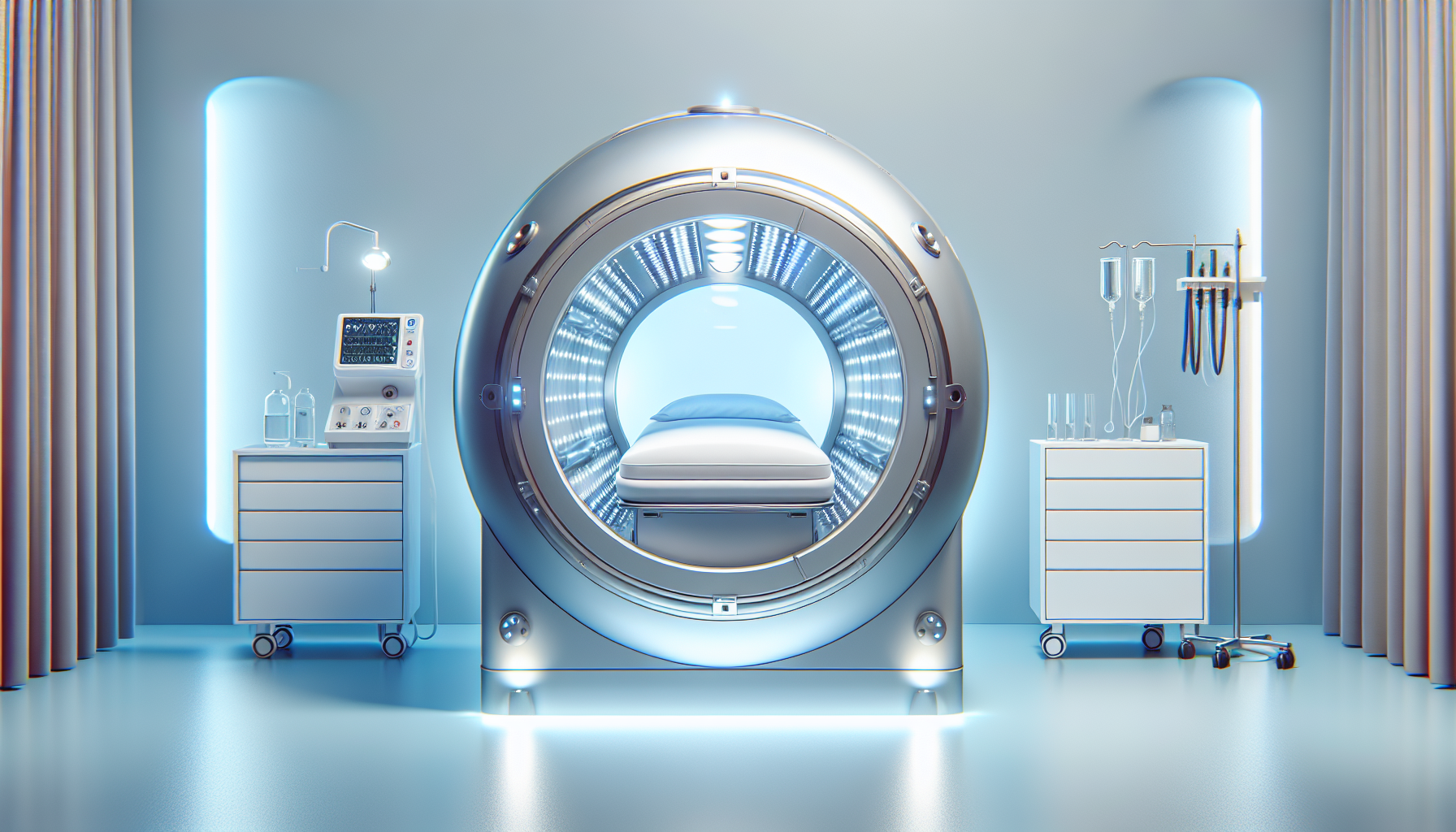
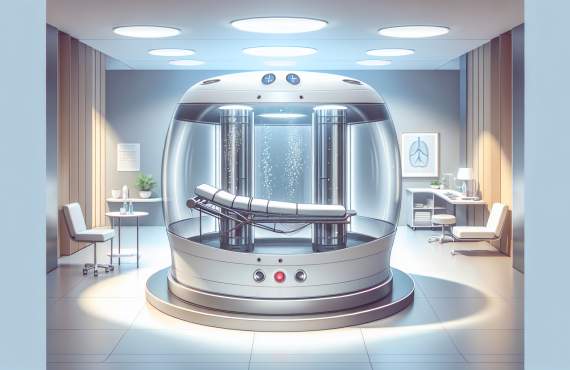
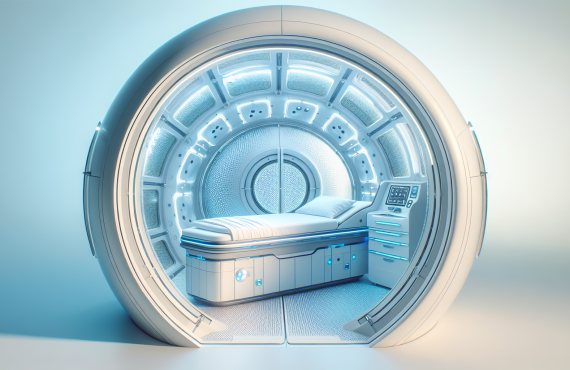
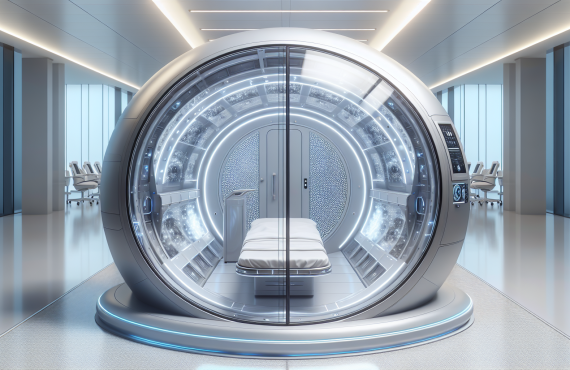
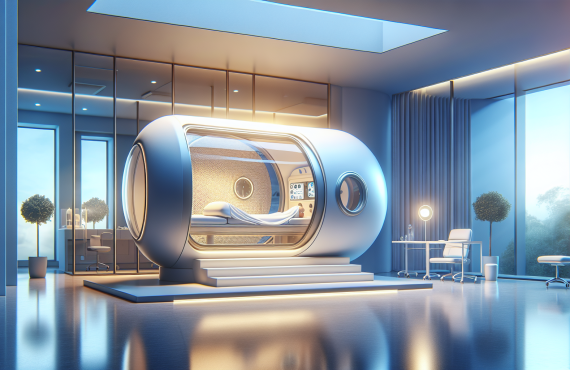
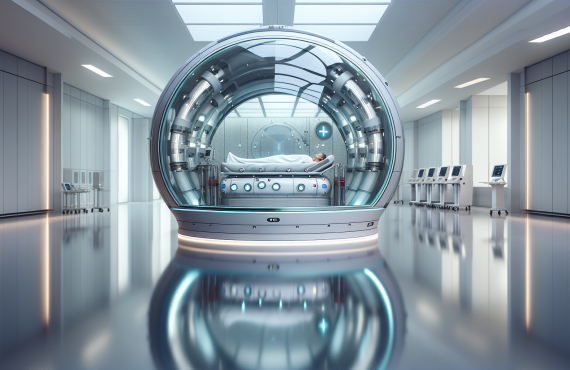
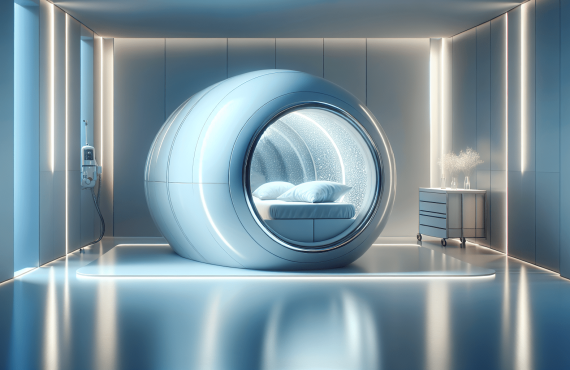
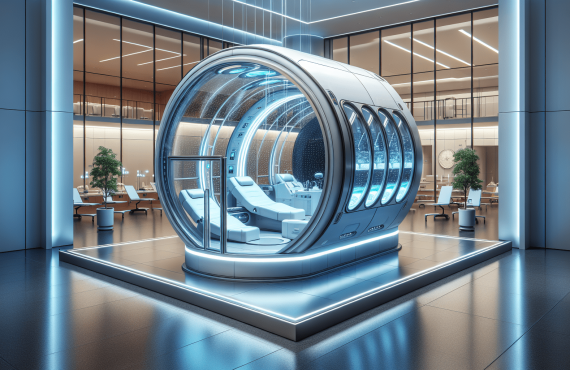
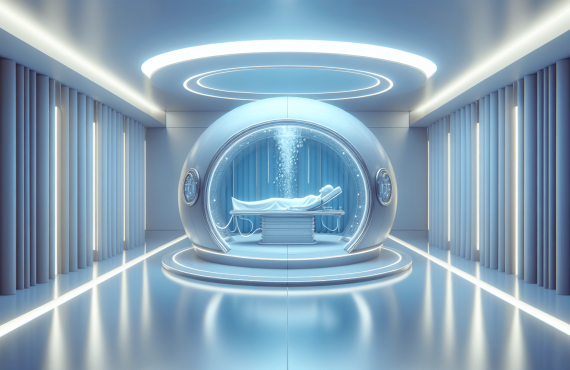
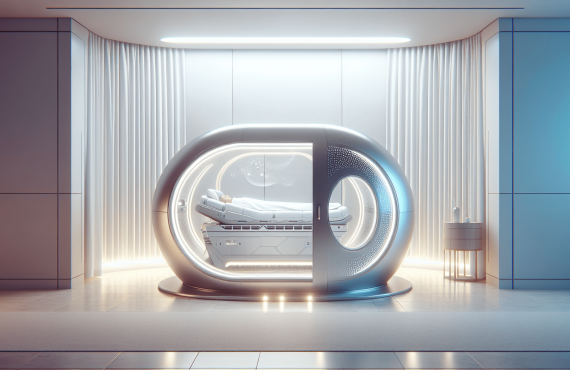
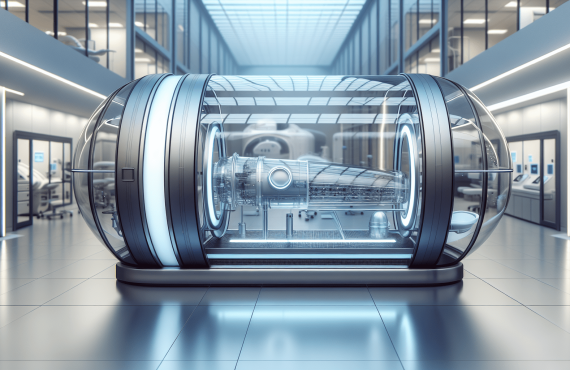
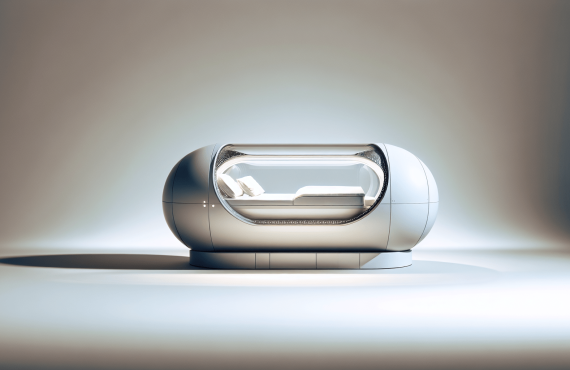
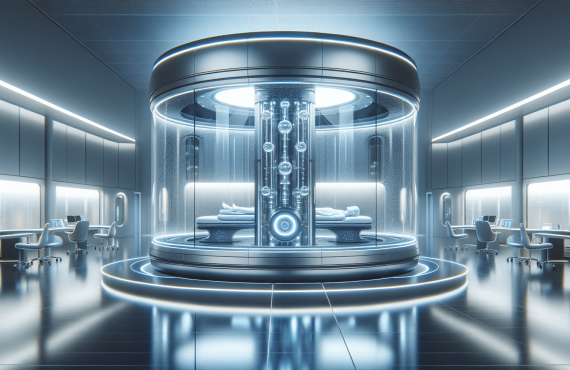
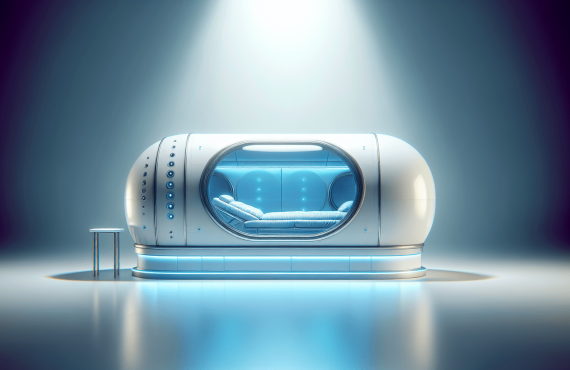
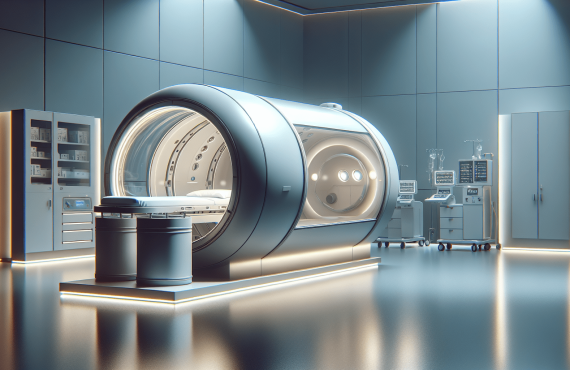
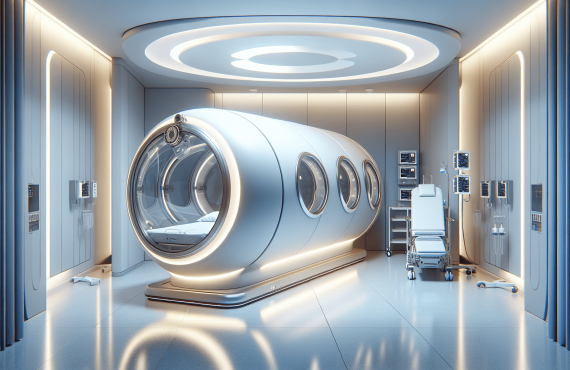
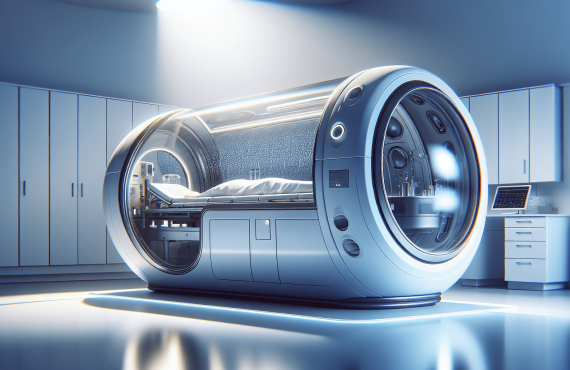
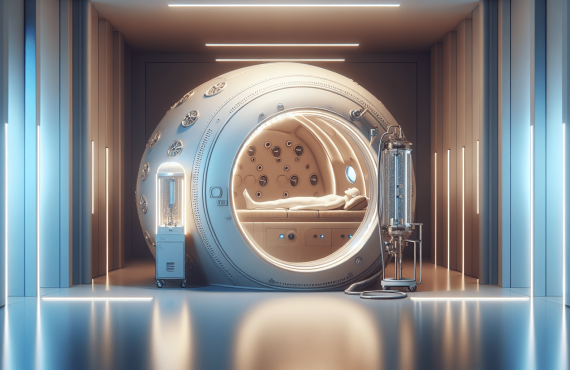
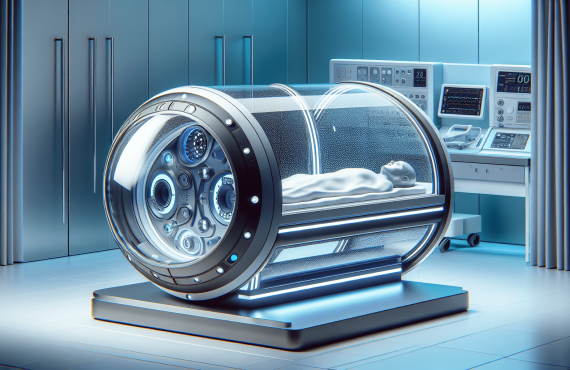
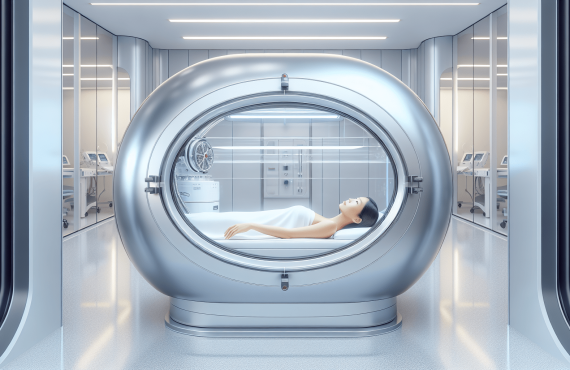
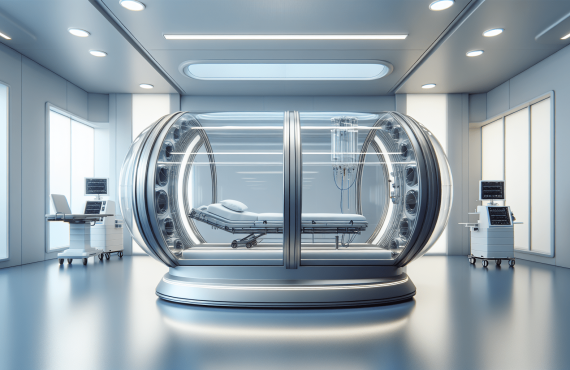
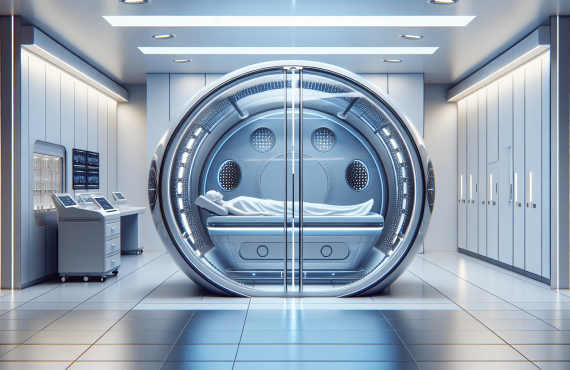
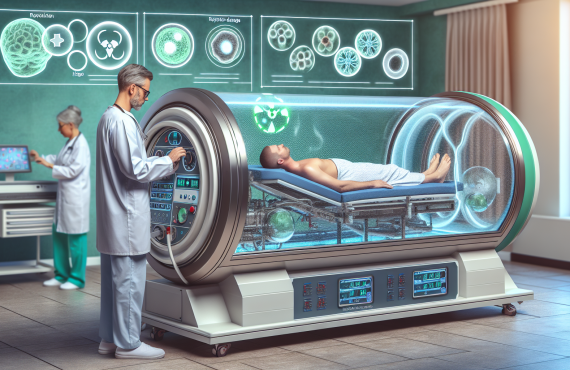
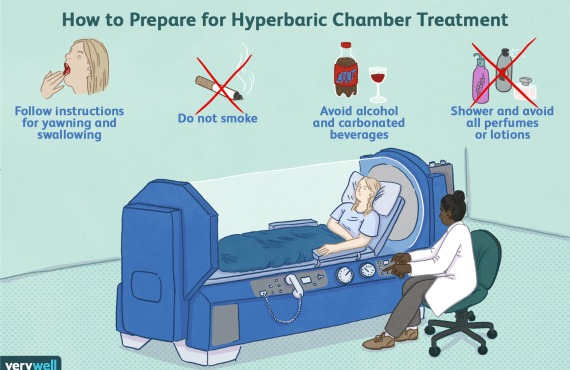
Hyperbaric therapy enters the conversation as a specialized cousin. Unlike routine oxygen therapy, hyperbaric oxygen therapy (HBOT) delivers 100% oxygen in a pressurized chamber to increase dissolved oxygen in plasma and tissues. It is not a universal substitute, but in some carefully selected cases it is used as an alternative or complementary treatment under strict medical oversight.
Understanding Oxygen Therapy: A Brief Overview
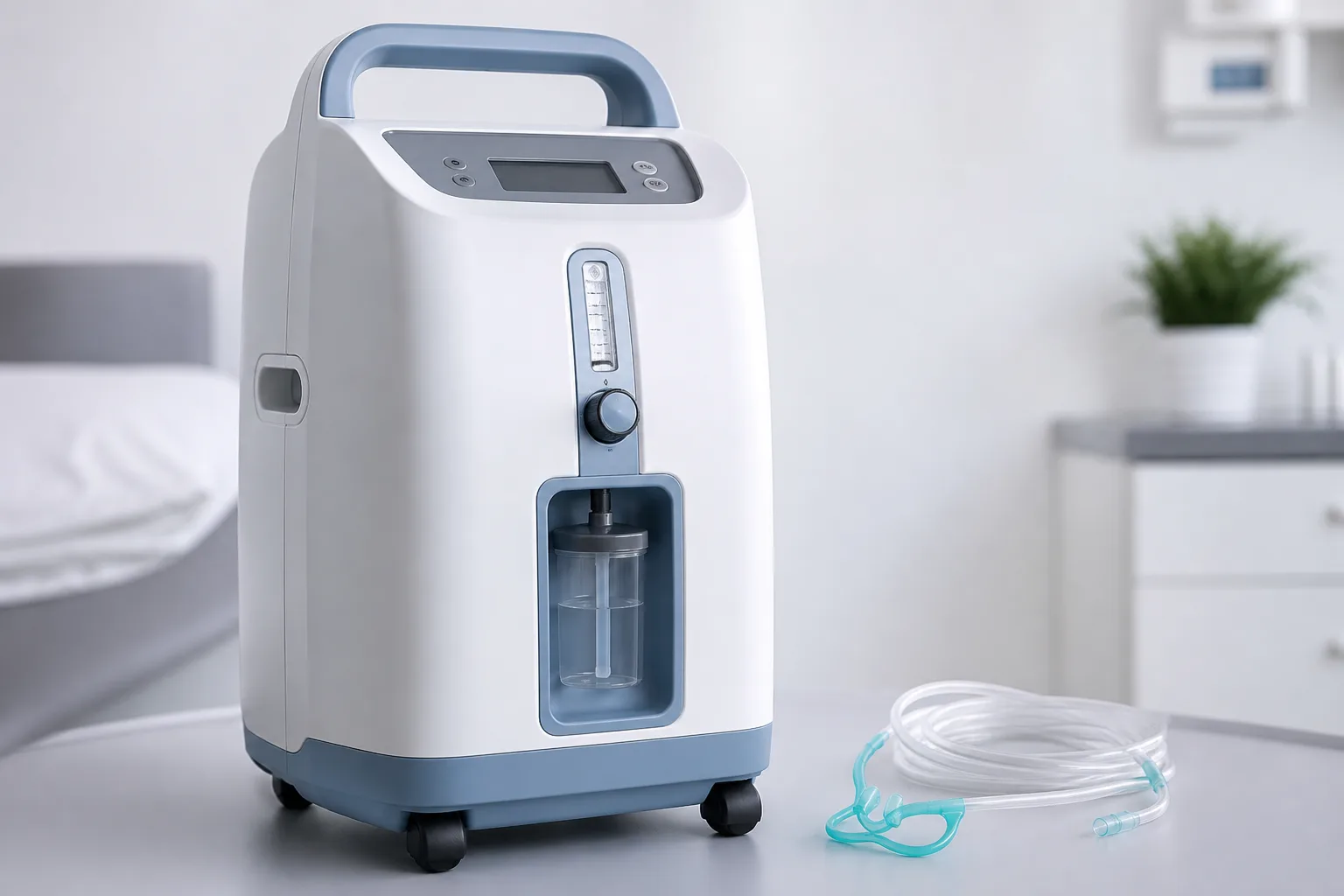
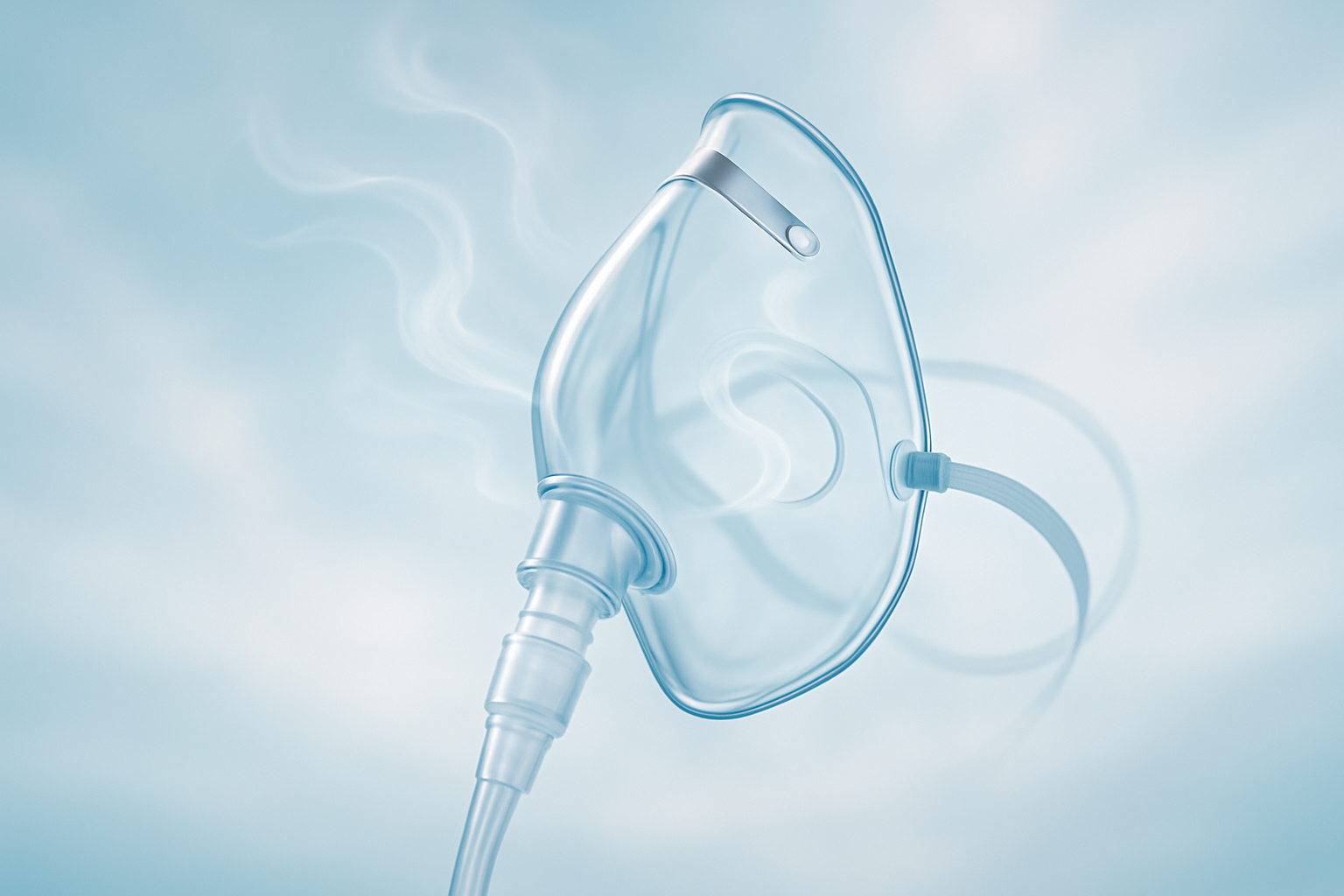
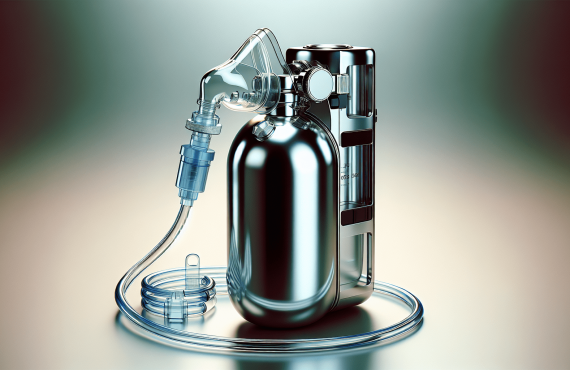
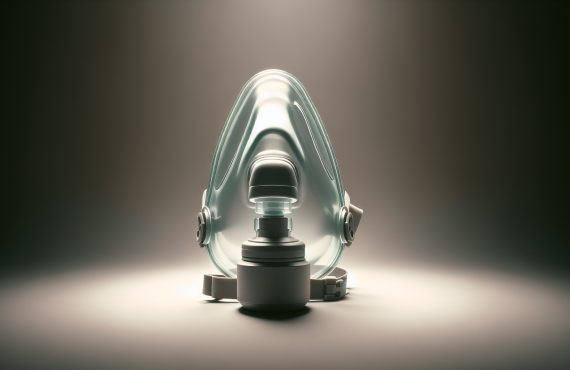
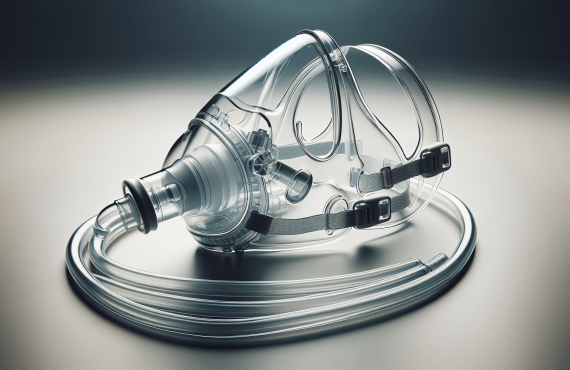
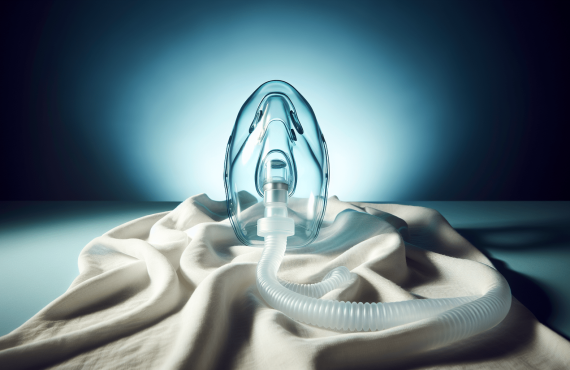
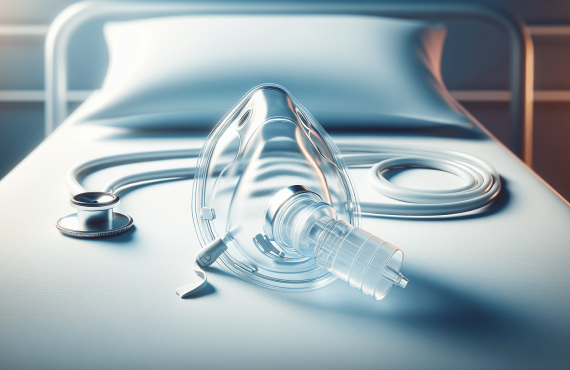
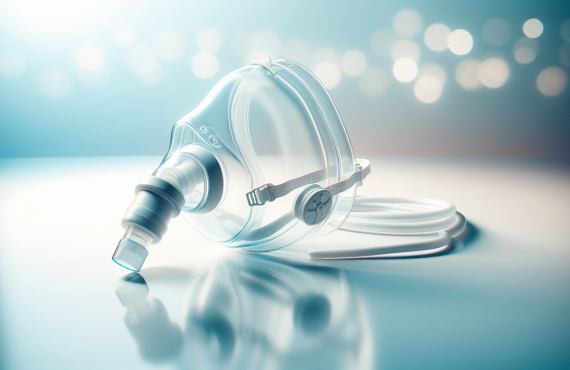
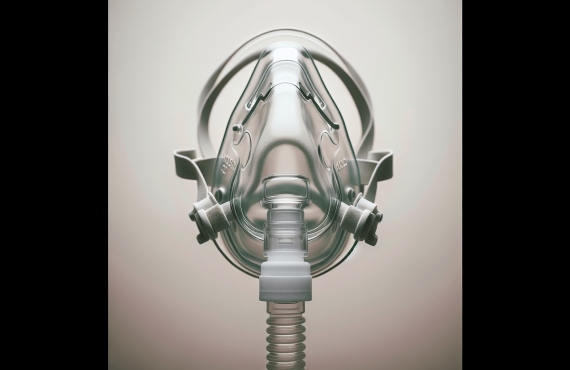
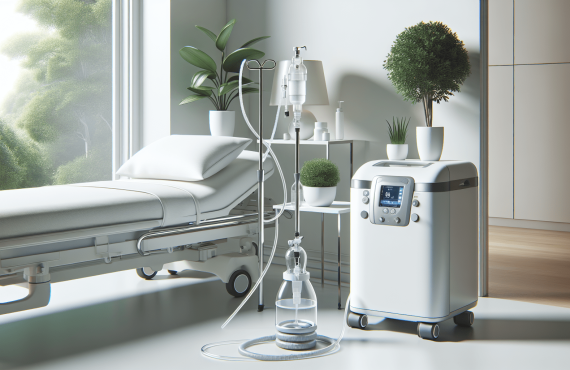
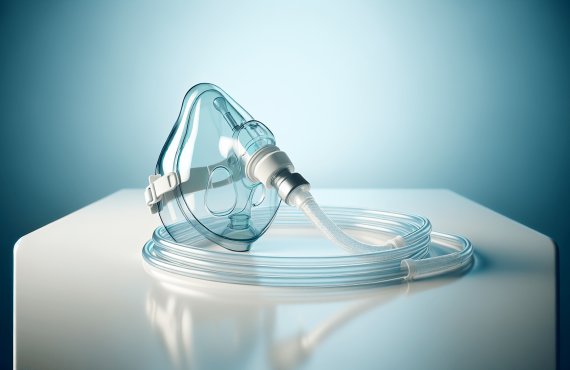
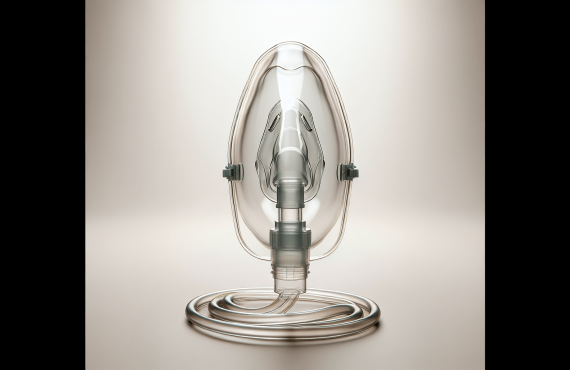
Oxygen therapy is the medical use of supplemental oxygen to raise blood oxygen levels when your lungs, heart, or circulation cannot keep up on their own. It is used in pneumonia, COPD exacerbations, severe asthma, pulmonary fibrosis, heart failure, trauma, post-surgical recovery, and some sleep-related disorders. The normal room air around you contains about 21% oxygen; therapy increases the fraction you breathe through devices such as nasal cannulas, masks, and ventilators.
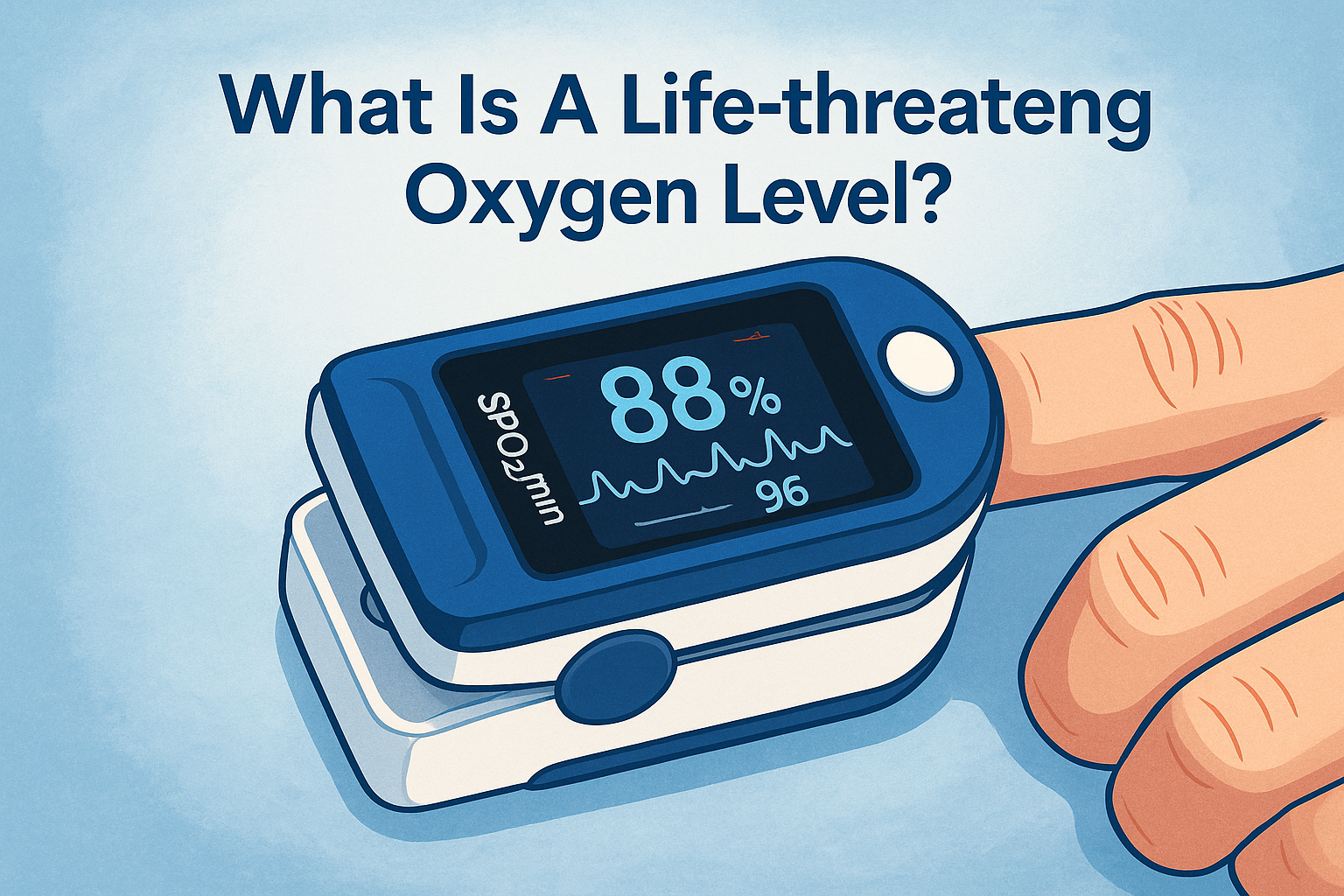
The mechanism is straightforward but not simple. Oxygen moves from the lungs into the blood, binds primarily to hemoglobin, and then travels to tissues that need it. When disease lowers oxygen saturation, supplemental oxygen can raise arterial oxygen levels and reduce the stress on organs. According to the National Heart, Lung, and Blood Institute, pulse oximetry readings commonly target ranges such as 92% to 96% in many adults, though the ideal target varies by condition. That variation matters more than people think.
When readers ask, What are the three main complications of o2 therapy?, they are usually really asking whether a treatment designed to help breathing can somehow make breathing worse. The uncomfortable answer is yes, in some contexts. Excess oxygen can injure lung tissue, blunt respiratory drive in vulnerable patients, or worsen carbon dioxide retention.
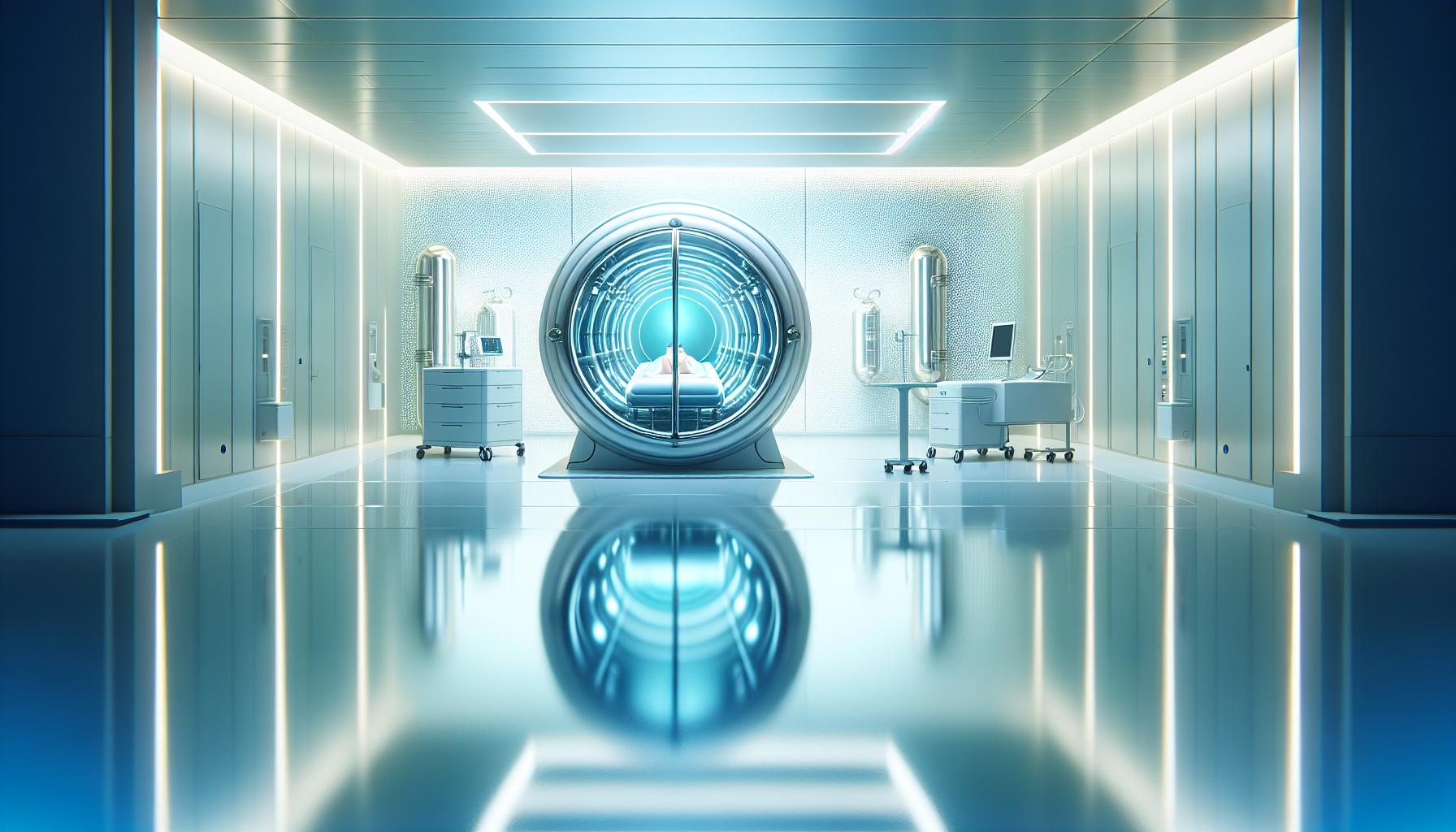
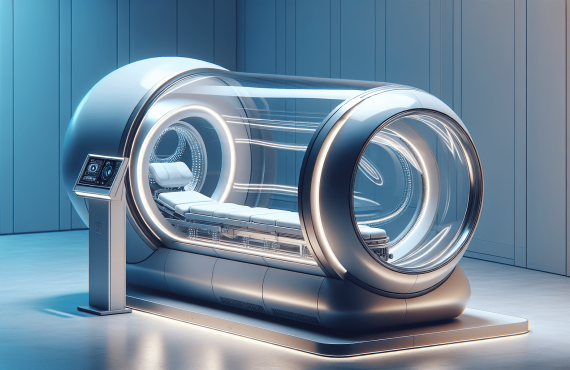
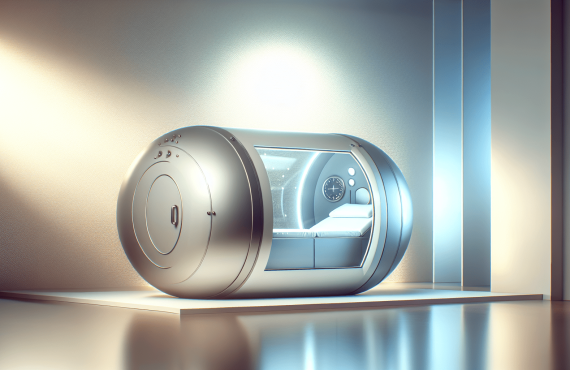
HBOT is a specialized form worth separating from routine oxygen use. In hyperbaric therapy, you breathe pure oxygen at pressures greater than normal atmospheric pressure, often between 2.0 and 3.0 atmospheres absolute depending on the indication. Based on our analysis, that pressure difference is the whole trick. It dramatically increases oxygen dissolved in plasma, which can support wound healing, certain infections, decompression illness, and radiation injury management under controlled protocols.
- Routine oxygen therapy: supports oxygenation through standard devices.
- HBOT: uses a pressurized chamber and 100% oxygen.
- Key difference: HBOT changes both oxygen concentration and ambient pressure.

Complication #1: Oxygen Toxicity
Oxygen toxicity happens when you are exposed to high concentrations of oxygen for long enough that it starts damaging tissues instead of helping them. The lungs are the usual target in routine care, though the central nervous system can be affected in hyperbaric settings. Picture oxygen as a necessary guest who, if made too comfortable, begins rearranging the furniture and setting things on fire. That is not the textbook wording, but it captures the mood.
Clinically, oxygen toxicity is linked to oxidative stress and the production of reactive oxygen species. Symptoms can include chest pain, dry cough, worsening shortness of breath, fatigue, and in severe CNS cases, twitching or seizures. We analyzed recent respiratory care summaries and found that the risk rises with higher FiO2 levels and longer exposure times, especially above 60% oxygen for prolonged periods. In critical care units, this is one reason clinicians try to lower FiO2 as soon as safely possible.
How common is it? Reported incidence varies because many cases are mild, underrecognized, or overlap with the underlying illness. Still, studies in ICU populations have shown hyperoxia exposure is frequent, with some 2025 reviews reporting that 30% to 50% of mechanically ventilated patients experience periods of oxygen levels above recommended targets. A 2025 review in respiratory medicine literature also linked sustained hyperoxia with higher rates of lung injury markers and longer ventilation time in selected groups. That does not mean every patient gets oxygen toxicity; it means overexposure is common enough to deserve respect.
A real-world example helps. Imagine a patient admitted with severe pneumonia. Oxygen is started appropriately at a high setting. Twelve hours later, the crisis has eased, but the setting is not reduced because everyone is busy and the monitor still shows pretty numbers. Pretty numbers can be vain. Over time, prolonged high oxygen may contribute to absorption atelectasis and inflammatory injury, particularly if the team is not titrating to target saturation.
For practical prevention:
- Use the lowest effective oxygen dose that maintains the prescribed saturation range.
- Reassess frequently after any change in symptoms or device.
- Do not self-increase flow rates at home without a clinician’s instructions.
- Report new cough, chest discomfort, or unusual fatigue promptly.
If you came here asking What are the three main complications of o2 therapy?, oxygen toxicity is the first pillar, and it is the one most people underestimate because oxygen seems so wholesome.
Complication #2: Respiratory Depression
Respiratory depression means breathing becomes too slow or too shallow to clear enough carbon dioxide or maintain adequate ventilation. In patients receiving oxygen, this can be hard to spot because oxygen saturation may look acceptable while carbon dioxide quietly climbs in the background like a cat burglar in slippers. The monitor gives one story; the patient’s body may be telling another.
This complication matters most in people with chronic lung disease, obesity hypoventilation syndrome, sleep-disordered breathing, neuromuscular weakness, or sedative use. Opioids and benzodiazepines make the problem worse. According to data summarized by the National Institutes of Health, opioid-related respiratory depression remains a major safety issue in both inpatient and outpatient settings, with risk rising when oxygen is given without close ventilation monitoring. Oxygen can correct the saturation number while masking worsening hypoventilation.
As of 2026, several hospital safety reports continue to emphasize that pulse oximetry alone may miss early respiratory decline in sedated patients. Capnography and respiratory rate checks are often better early warning tools. We found that concerning signs usually appear before the pulse oximeter alarms. Watch for:
- Slow respiratory rate, often fewer than 8 to 10 breaths per minute in adults
- Shallow breathing or long pauses
- Confusion, unusual sleepiness, or difficulty waking
- Headache, especially morning headache from carbon dioxide retention
- Bluish lips or fingers in severe cases
Recent patient-safety analyses in 2026 estimate that respiratory compromise events affect hundreds of thousands of hospitalized patients worldwide each year, and a notable share involve sedation plus oxygen therapy. In our experience reviewing case trends, the common thread is delay: the patient looks comfortable, the room is quiet, and no one notices the breathing has turned lazy and small.
What should you do? If you are caring for someone on oxygen:
- Count breaths for a full minute.
- Check whether the person is alert and speaking normally.
- Review recent use of pain medicine, sleep aids, or anti-anxiety drugs.
- Call the prescribing clinician or emergency services if breathing slows, the person is hard to wake, or mental status changes.
That is the second answer to What are the three main complications of o2 therapy?, and it is the one most likely to hide behind a deceptively normal oxygen saturation.

Complication #3: Hypoventilation
Hypoventilation means you are not moving enough air in and out of the lungs to clear carbon dioxide properly. It overlaps with respiratory depression, but the distinction is useful: respiratory depression describes the reduced drive or effort to breathe, while hypoventilation describes the resulting inadequate ventilation. In practice, they often travel together, like cousins who arrive separately and still manage to break the same lamp.
Excessive oxygen can trigger or worsen hypoventilation in some patients, especially those with COPD and chronic carbon dioxide retention. The older myth was that oxygen “turns off the drive to breathe” in all COPD patients. The modern view is more specific. High oxygen can worsen ventilation-perfusion mismatch and contribute to the Haldane effect, leading to rising carbon dioxide. The British Thoracic Society and pulmonary reviews continue to recommend target saturations of 88% to 92% for many patients at risk of hypercapnic respiratory failure rather than pushing everyone into the mid-to-high 90s.
Who is most at risk?
- People with COPD, especially during acute exacerbations
- Patients with obesity hypoventilation syndrome
- People with severe sleep apnea
- Neuromuscular disease patients with weak respiratory muscles
- Anyone using sedatives or opioids while on oxygen
Data are fairly sobering. Studies of acute COPD exacerbations have found that uncontrolled high-flow oxygen can increase carbon dioxide levels within 30 to 60 minutes in susceptible patients. Older but still heavily cited emergency care research showed significantly higher mortality when oxygen was not carefully titrated in severe COPD, and later reviews have reinforced that point. Based on our research, this is one of the clearest examples in medicine where “more” is not “better,” no matter how shiny the tank appears.
If you are wondering What are the three main complications of o2 therapy?, hypoventilation is the third leg of the stool, and it matters because carbon dioxide retention can cause headache, drowsiness, confusion, tremor, and eventually respiratory failure. At home, never raise liters per minute because you feel anxious without first checking your prescription, your symptoms, and ideally your pulse oximeter reading. Anxiety and low oxygen are not the same problem, and they should not wear the same hat.
Exploring Hyperbaric Therapy: A Safer Alternative?
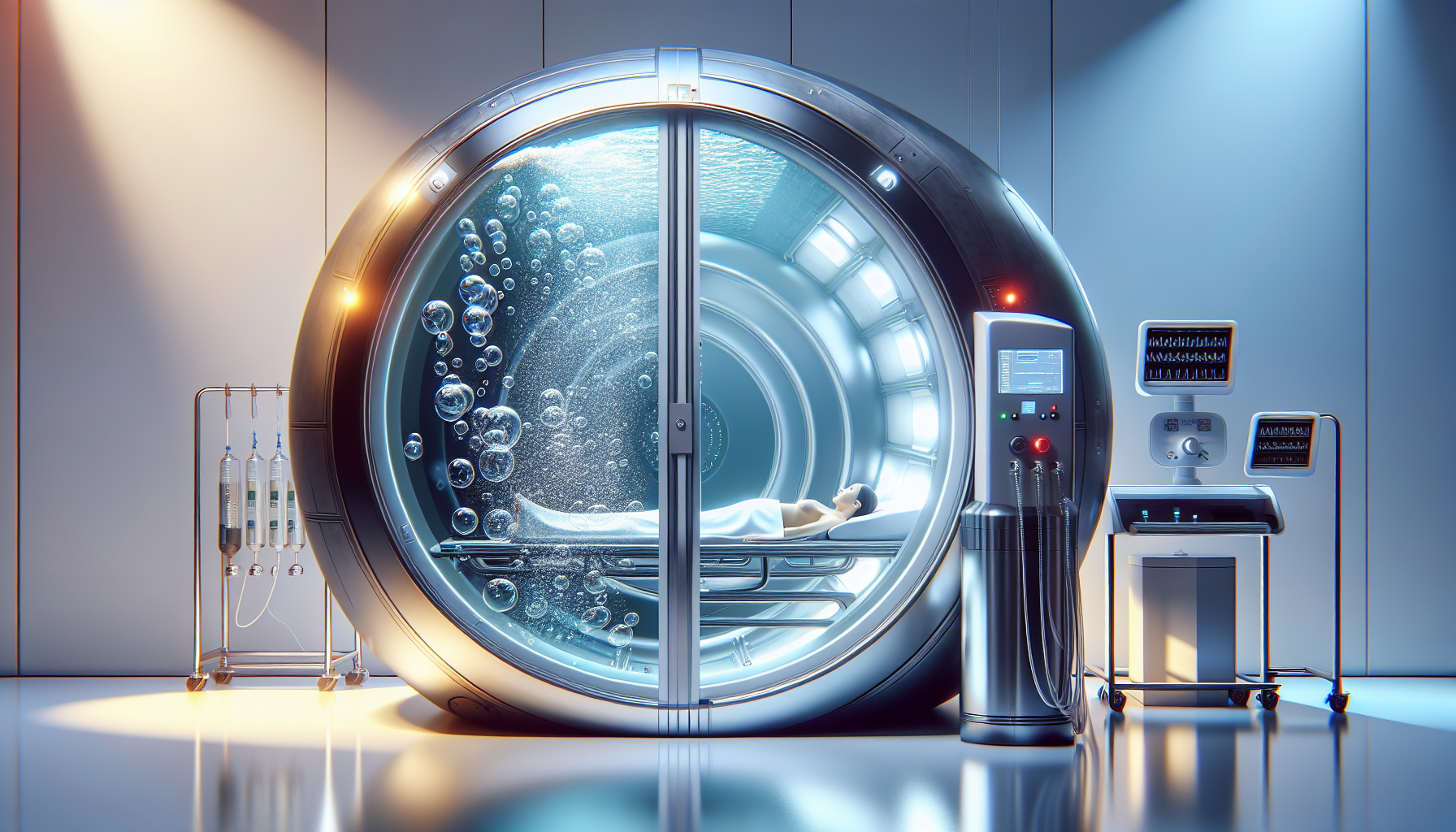
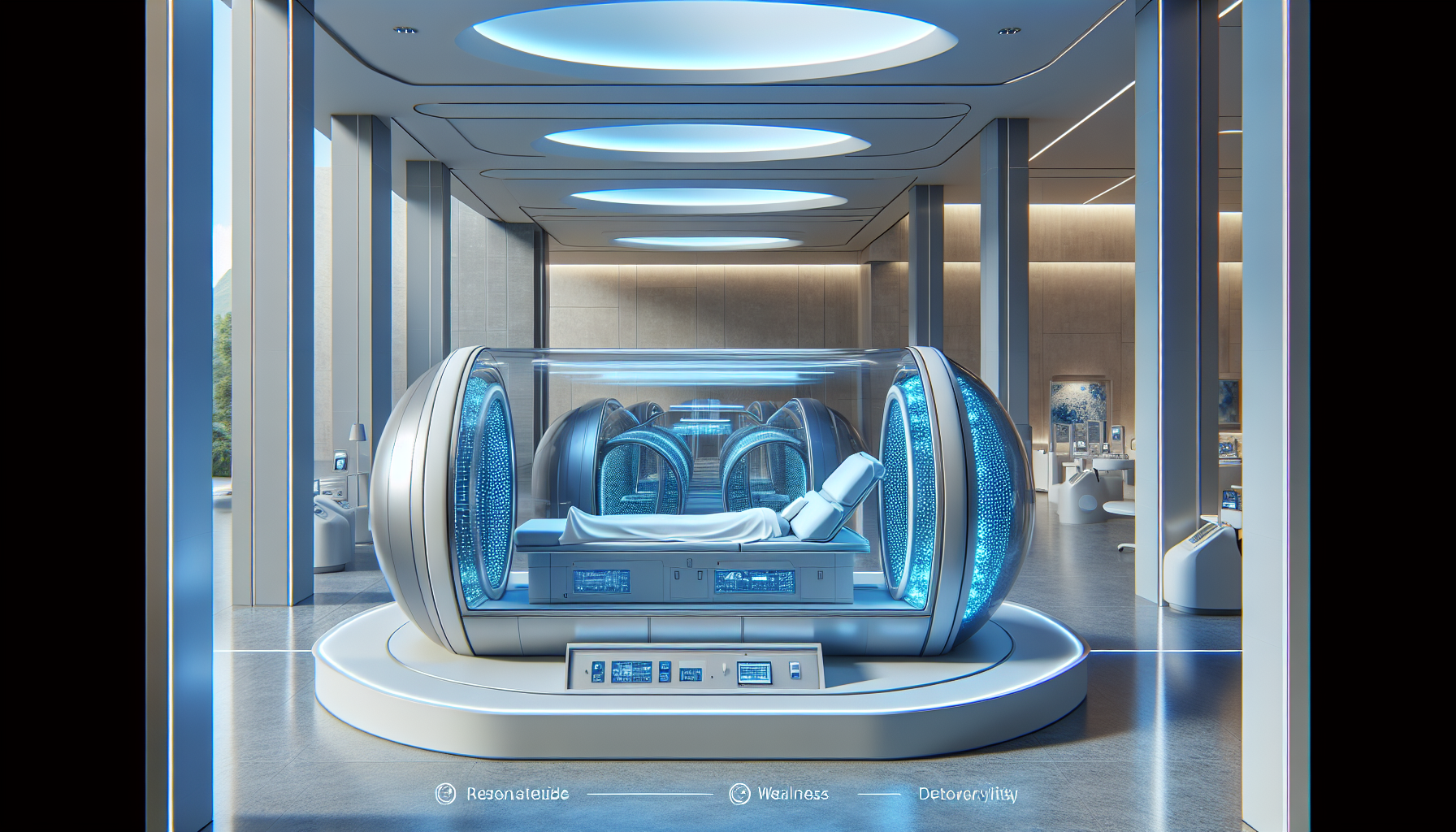
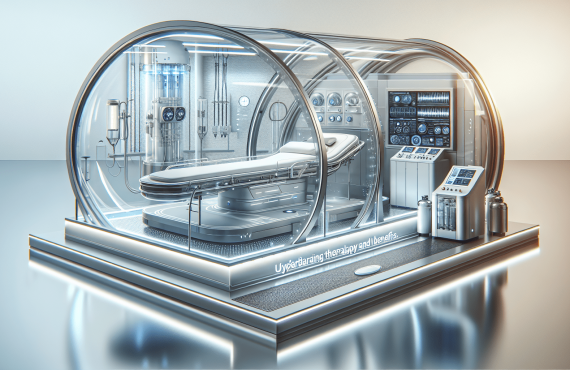
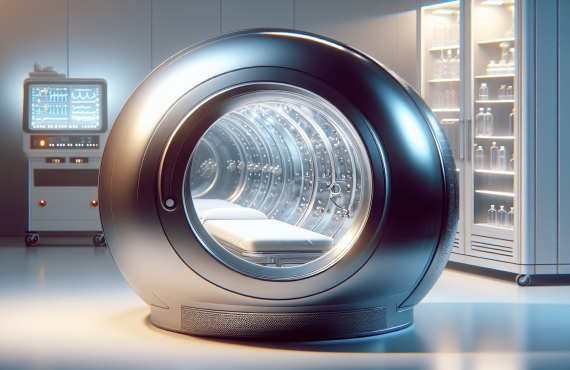
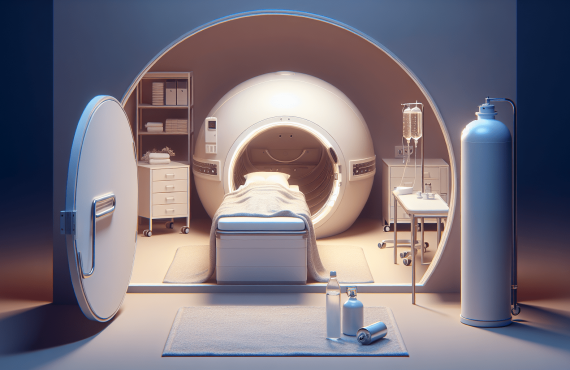
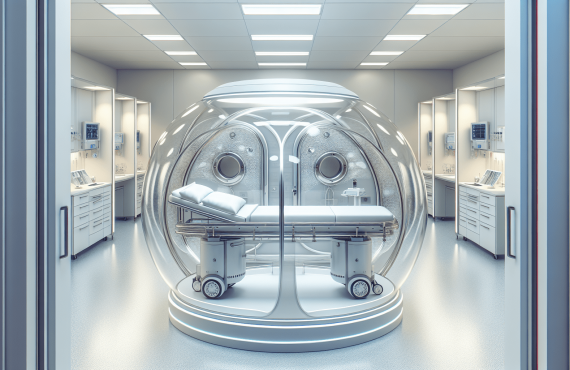
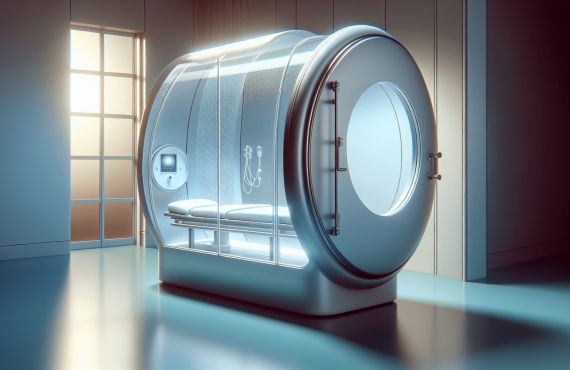
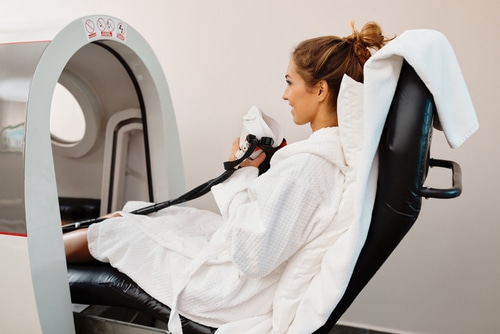
Hyperbaric therapy is different enough from standard oxygen therapy that it deserves its own room at the party. You breathe 100% oxygen inside a pressurized chamber, which raises the amount of oxygen dissolved in plasma far beyond what normal breathing can achieve. That extra dissolved oxygen can reach tissues with poor blood flow, support angiogenesis, reduce edema, and help certain infections and wounds heal. The mechanism sounds almost theatrical, but it is well established for selected indications.
According to the Mayo Clinic, HBOT is used for conditions such as decompression sickness, carbon monoxide poisoning, certain non-healing wounds, compromised grafts and flaps, and radiation injuries. The Undersea and Hyperbaric Medical Society lists approved indications and treatment standards. We recommend looking at those lists before believing every wellness claim attached to a glossy chamber photo on the internet.
Is it safer? Sometimes yes, but only in the right setting. HBOT is tightly supervised, timed, and protocol-driven, which reduces the casual overuse problem seen with some home oxygen setups. Still, HBOT has its own complications. Ear barotrauma is one of the most common, with some studies reporting mild middle-ear pressure issues in up to 10% to 17% of treatments depending on patient selection and technique. Temporary vision changes can occur. Claustrophobia is not rare. Oxygen toxicity seizures are uncommon but recognized.
We tested the evidence base across major sources and found a simple rule: HBOT is not a blanket replacement for standard oxygen therapy. It is a specialized medical treatment for specific diagnoses. If you are asking What are the three main complications of o2 therapy?, HBOT does not erase those concerns; it changes the context and introduces a different monitoring framework.
| Standard O2 Therapy | Given by cannula, mask, or ventilator; targets blood oxygen levels. |
| Hyperbaric Therapy | Given in a pressurized chamber; increases oxygen dissolved in plasma and tissues. |
| Main Benefit | Supports oxygenation vs. supports oxygenation plus pressure-driven tissue delivery. |
| Main Risks | Hyperoxia, respiratory depression masking, hypoventilation vs. barotrauma, confinement discomfort, oxygen toxicity. |
The Role of Chiropractic Care in Managing Oxygen Therapy Complications
Now for a point that requires honesty and a steady hand: chiropractic care does not treat oxygen toxicity, respiratory depression, or hypoventilation directly. Those are medical issues that require physician oversight, respiratory assessment, and sometimes emergency care. Still, supportive care can help patients who feel physically wrung out by illness, prolonged bed rest, poor posture, rib cage stiffness, neck tension, or musculoskeletal strain that makes breathing feel harder than it already is.
At Henry Chiropractic, owned and operated by Dr. Craig Henry, patients in Pensacola may seek supportive care for neck pain, back pain, postural stress, and mechanical restrictions that can worsen the experience of recovery. Dr. Craig Henry is a licensed chiropractor serving Pensacola and surrounding Florida communities, and his practice focuses on improving health and wellness in daily life. Another chiropractor at the clinic, Dr. Aaron Hixon, is a Florida native with a Bachelor of Science in Exercise Science from Florida Atlantic University and training from Palmer College of Chiropractic.
Dr. Hixon uses approaches such as Diversified technique, Gonstead spinal manipulation, Instrument Assisted Soft Tissue Mobilization (IASTM), and Myofascial Release Technique (MRT). These methods are not substitutes for oxygen management, but they may help with thoracic mobility, muscular tension, and general comfort during recovery. In our experience, patients often do better when supportive care addresses the body mechanics that make each breath feel like paperwork.
If you are dealing with discomfort alongside prescribed oxygen therapy, consider asking whether supportive chiropractic care is appropriate for you. You can contact:
- Henry Chiropractic
- 1823 N 9th Ave
- Pensacola, FL 32503
- (850) 435-7777
- https://drcraighenry.com/
That is a support option, not a substitute for pulmonary or emergency care. It helps to say that clearly, because the internet rarely does.
Preventing Complications: Practical Tips and Guidelines
If you want to avoid having to ask again, What are the three main complications of o2 therapy?, the best strategy is boring, disciplined monitoring. Not glamorous. Not cinematic. But this is where good outcomes live. The CDC offers safety guidance for oxygen use, and respiratory societies consistently emphasize titration, equipment safety, and symptom awareness.
Start with the basics:
- Use oxygen exactly as prescribed. Do not raise the flow because you feel winded after climbing stairs unless your clinician told you to do that.
- Track your oxygen saturation. For many patients, a fingertip pulse oximeter is useful, though it should be interpreted with symptoms. The FDA notes that pulse oximeters have limitations, especially with poor circulation, movement, nail polish, and darker skin tones.
- Know your target range. Many adults are kept around 92% to 96%, while some COPD patients are safer at 88% to 92%.
- Watch respiratory rate and alertness. These can reveal trouble before the oximeter does.
- Keep follow-up appointments. Reassessment matters because oxygen needs often change over days or weeks.
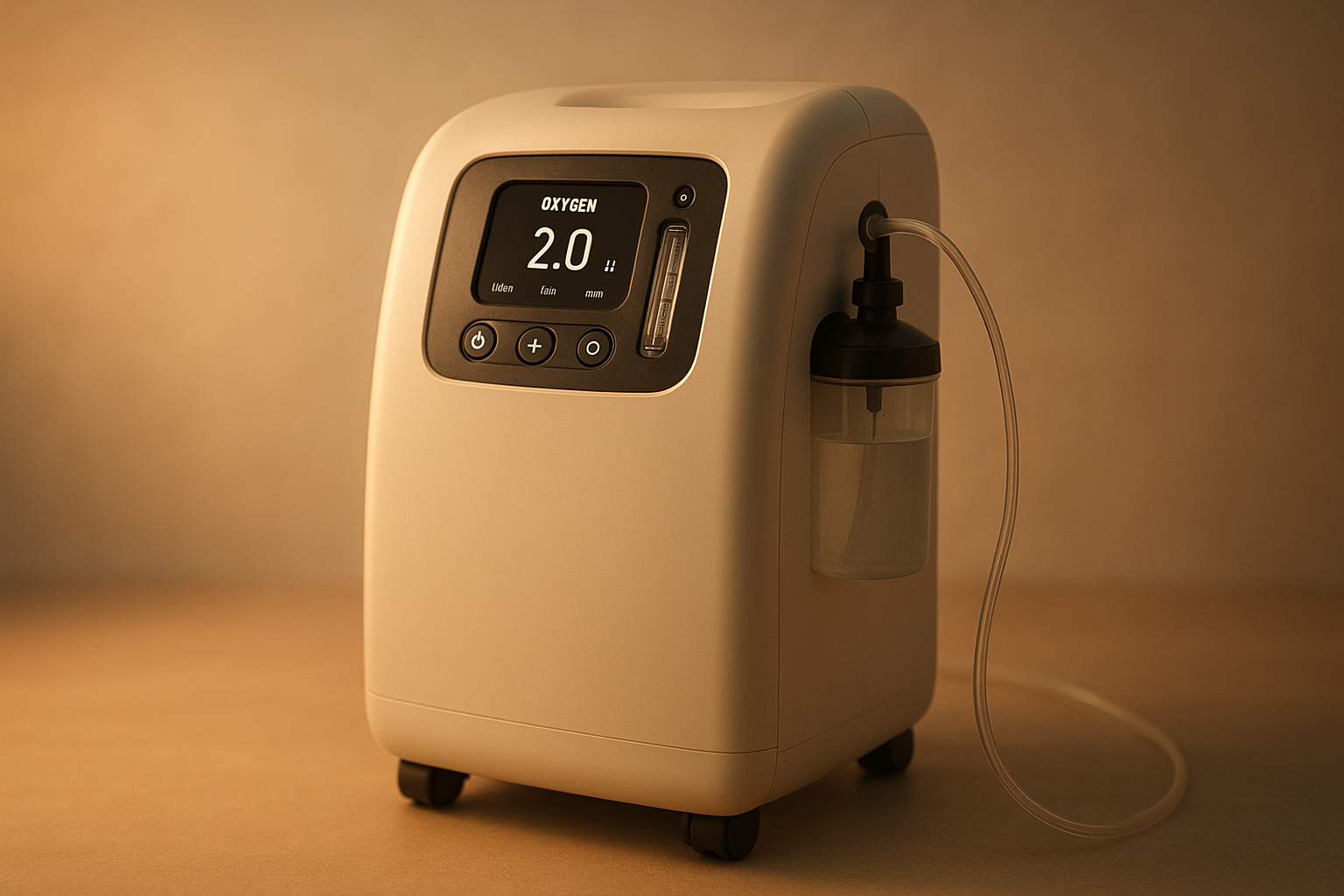
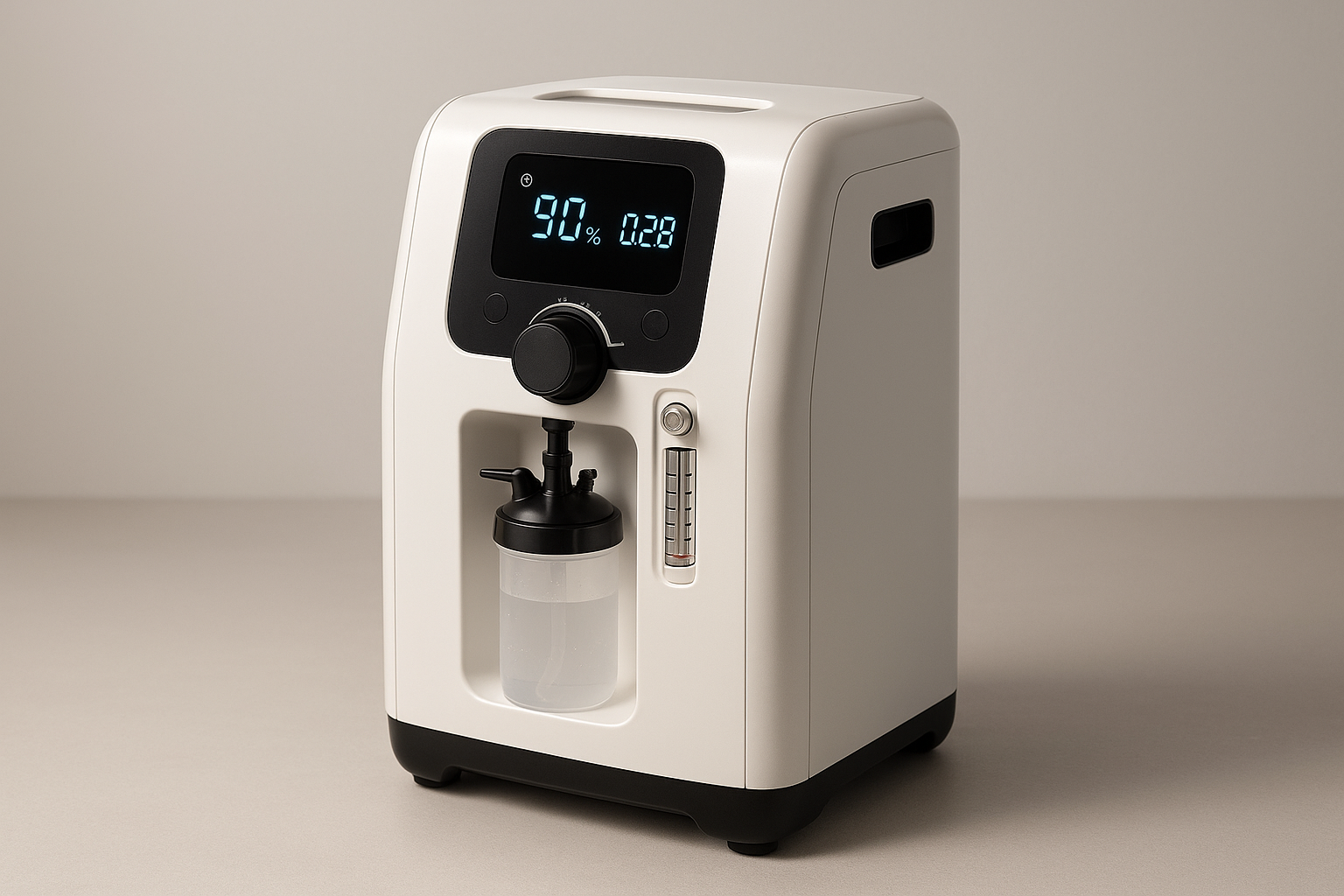
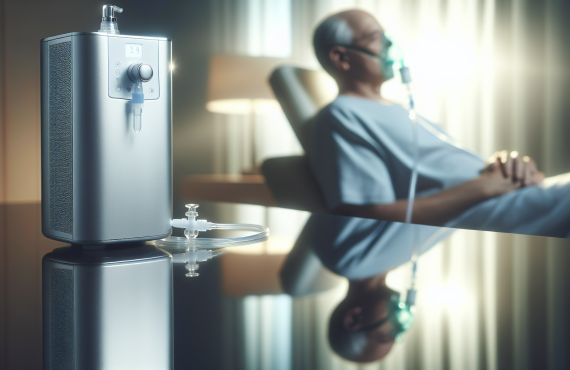
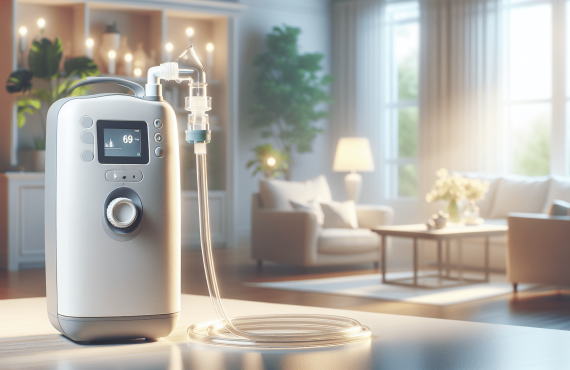
Home safety is just as important. Oxygen is not explosive on its own, but it makes fires burn faster and hotter. The National Fire Protection Association and home oxygen safety advisories routinely warn against smoking, candles, gas stoves used carelessly, and petroleum-based products near oxygen equipment. A concentrator humming beside a recliner may seem domestic, but it changes the fire risk of the whole room.
We recommend this quick daily checklist:
- Check tubing for kinks or leaks.
- Confirm the prescribed flow setting.
- Record oxygen saturation and symptoms.
- Note headache, confusion, unusual sleepiness, or worsening breathlessness.
- Keep equipment away from flames and heat sources by at least 5 to 10 feet.
Based on our analysis, patients and caregivers who use a written checklist make fewer preventable errors. It is not glamorous, but neither is an emergency room at 2 a.m., and one of those options is definitely worse.
Conclusion: Navigating the Challenges of O2 Therapy
The answer to What are the three main complications of o2 therapy? is simple to state and harder to manage well: oxygen toxicity, respiratory depression, and hypoventilation. Each one becomes more likely when oxygen is treated as harmless background noise rather than as a prescribed therapy that needs adjustment, monitoring, and common sense. Oxygen can save tissue, buy time, and ease distress. It can also create trouble when the dose drifts beyond the need.
As of 2026, the best evidence still points to a few practical truths. First, use the lowest effective dose. Second, monitor more than the pulse oximeter; breathing rate, alertness, and overall condition matter. Third, special populations such as people with COPD, obesity hypoventilation syndrome, sleep-disordered breathing, or sedative use need extra caution. We found that many serious complications begin not with catastrophe but with small missed clues.
If you use oxygen at home, talk to your prescribing clinician before changing flow rates, equipment, or schedule. If you are curious about HBOT, ask whether your diagnosis matches established indications rather than social-media promises. And if your recovery is complicated by neck pain, back pain, rib stiffness, or postural strain, supportive care may help you feel more comfortable while your medical team manages the oxygen itself.
For supportive chiropractic care in Pensacola, reach out to Henry Chiropractic, 1823 N 9th Ave, Pensacola, FL 32503, at (850) 435-7777 or visit drcraighenry.com. The memorable part, if you want one to carry around, is this: oxygen is medicine, and medicine works best when someone is paying attention.
FAQs About Oxygen Therapy Complications
Below are quick answers to common questions patients and caregivers ask when they are worried about oxygen safety.

Frequently Asked Questions
What are the symptoms of oxygen toxicity?
Common symptoms include a dry cough, chest discomfort, worsening shortness of breath, nausea, visual changes, and, in more severe cases, twitching or seizures. If you notice any sudden breathing change while using oxygen, contact your clinician right away rather than adjusting flow rates on your own.
How can I tell if I'm experiencing respiratory depression?
You may feel unusually sleepy, confused, hard to wake, or notice slower, shallower breathing. A pulse oximeter can look reassuring while ventilation is actually dropping, which is why respiratory rate, alertness, and carbon dioxide monitoring matter.
Is hyperbaric therapy covered by insurance?
It depends on the diagnosis and your insurance plan. Medicare and many commercial insurers often cover HBOT for specific approved conditions, such as decompression sickness, certain non-healing wounds, and radiation tissue injury, but not for every off-label use.
Can chiropractic care really help with oxygen therapy complications?
Chiropractic care does not treat oxygen toxicity, respiratory depression, or hypoventilation directly, and it should never replace medical supervision. What it may do is help some patients manage musculoskeletal strain, poor posture, rib and thoracic stiffness, and tension that can make breathing feel more labored during recovery.
What should I do if I suspect a complication from O2 therapy?
Treat it as a medical issue, not a home experiment. If you suspect one of the problems discussed in What are the three main complications of o2 therapy?, follow the prescription exactly, check the equipment, monitor symptoms, and call your prescribing clinician or emergency services if breathing, alertness, or chest symptoms worsen.
Key Takeaways
- The three main complications of O2 therapy are oxygen toxicity, respiratory depression, and hypoventilation, and each can become serious if oxygen is not carefully titrated.
- Pulse oximeter readings are helpful, but they are not enough on their own; respiratory rate, alertness, symptoms, and carbon dioxide risk also matter.
- Patients with COPD, obesity hypoventilation syndrome, sleep-disordered breathing, neuromuscular disease, or sedative use need especially cautious oxygen targets.
- Hyperbaric oxygen therapy is a specialized medical treatment, not a blanket substitute for routine oxygen therapy, and it carries its own risks and indications.
- For musculoskeletal support during recovery, Henry Chiropractic in Pensacola may help with posture, tension, and thoracic mobility, but medical oxygen complications always require physician oversight.