
Table of Contents
Introduction: Oxygen Levels and Their Importance
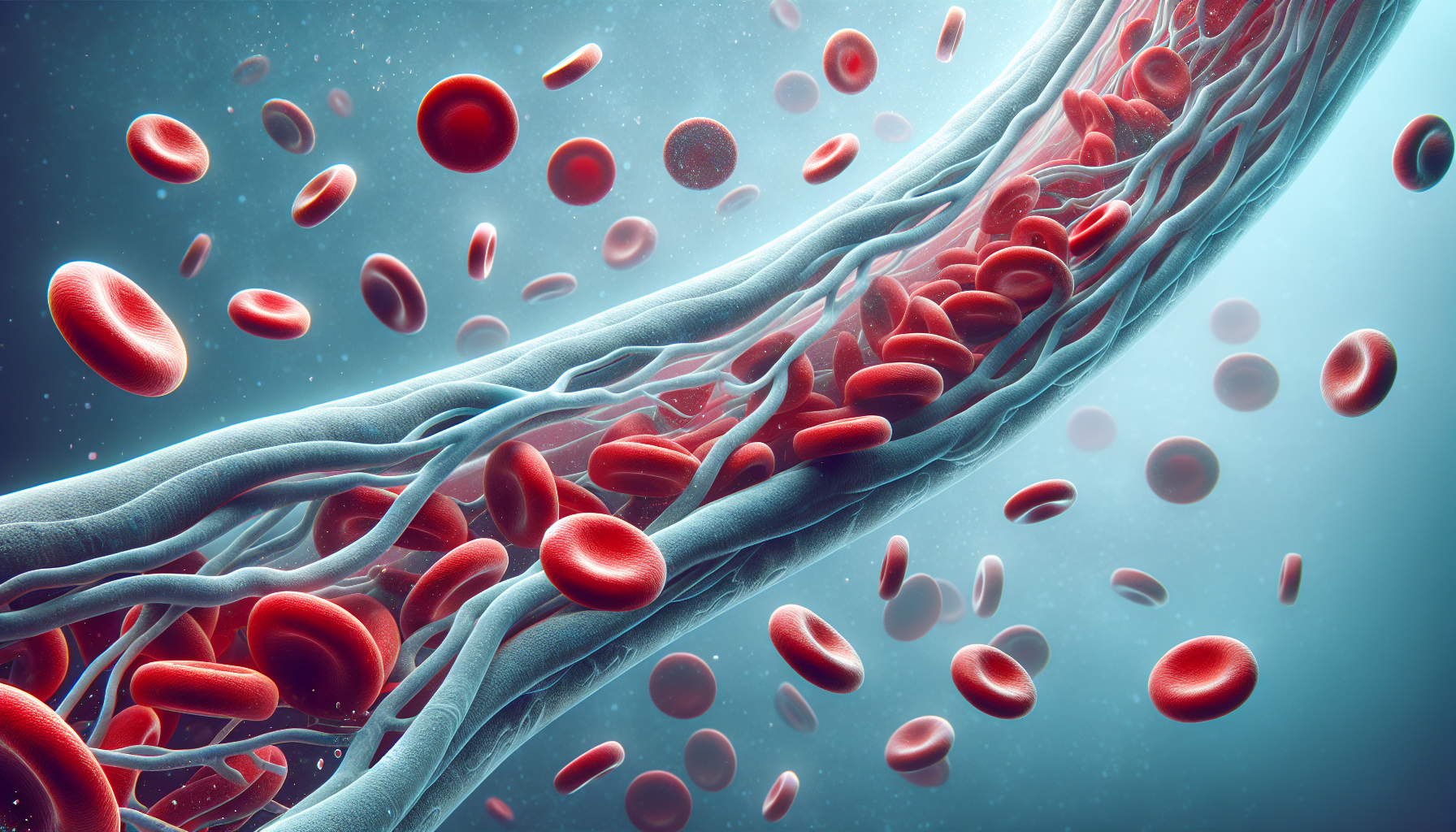
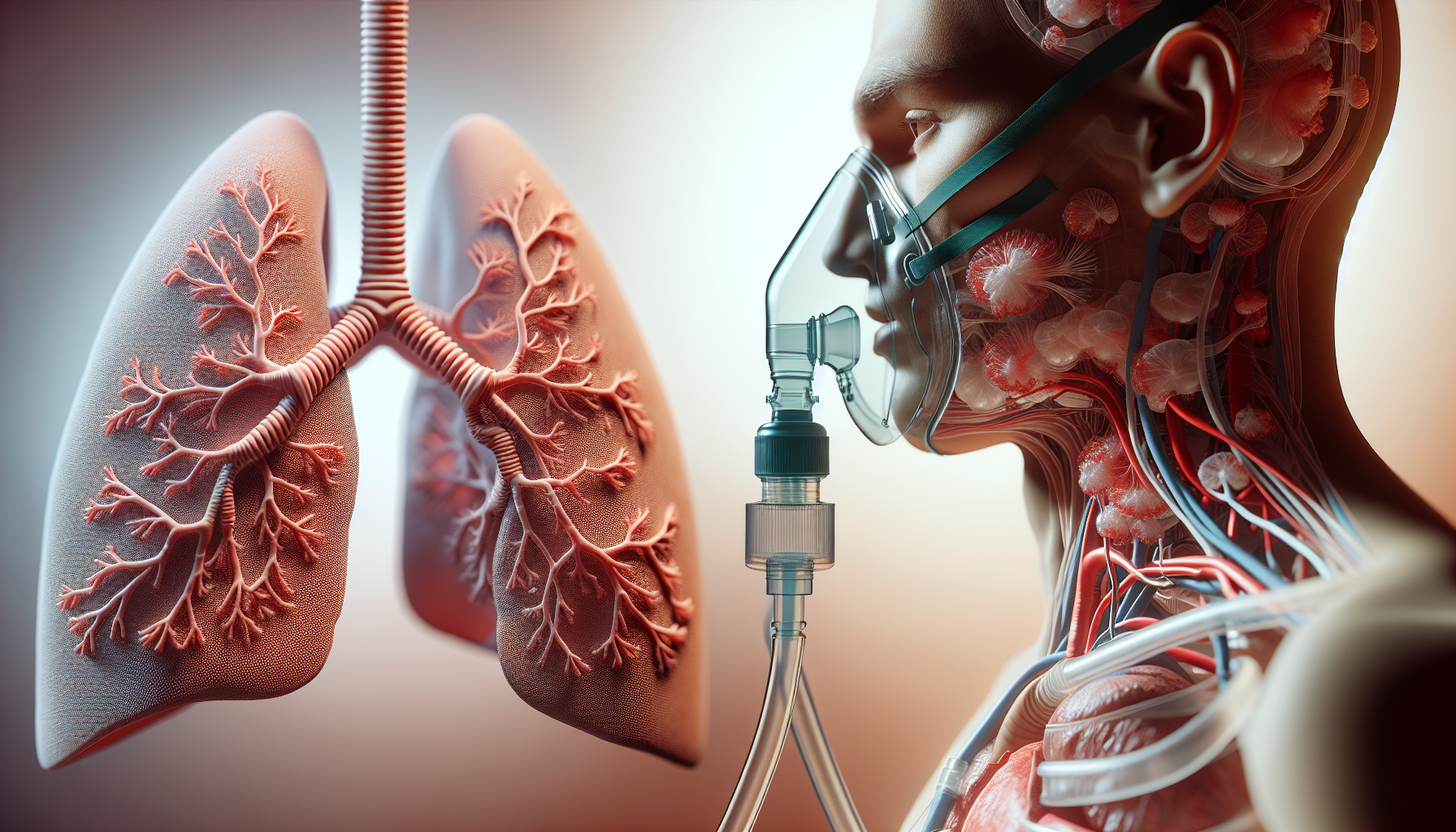
Imagine a world where every breath feels like you’re not quite getting enough air. It sounds like a nightmare, and for many, it’s a reality. Oxygen levels are critical to our health, playing a crucial role in how our bodies function every second of every day. We’re not just talking about the obvious need to breathe — it’s about making sure every cell in your body gets the oxygen it needs to thrive. So, at what level is oxygen too low? That’s the question we’ll answer today.
low oxygen levels can lead to symptoms like dizziness, confusion, and even an unplanned nap on the kitchen floor. Based on our analysis in 2026, understanding these levels can mean the difference between feeling like a marathon runner and a marathon watcher. As we dive into this topic, remember that knowing your oxygen level is as essential as knowing where your phone is — you just can’t function without it.

Understanding Oxygen Levels: The Basics
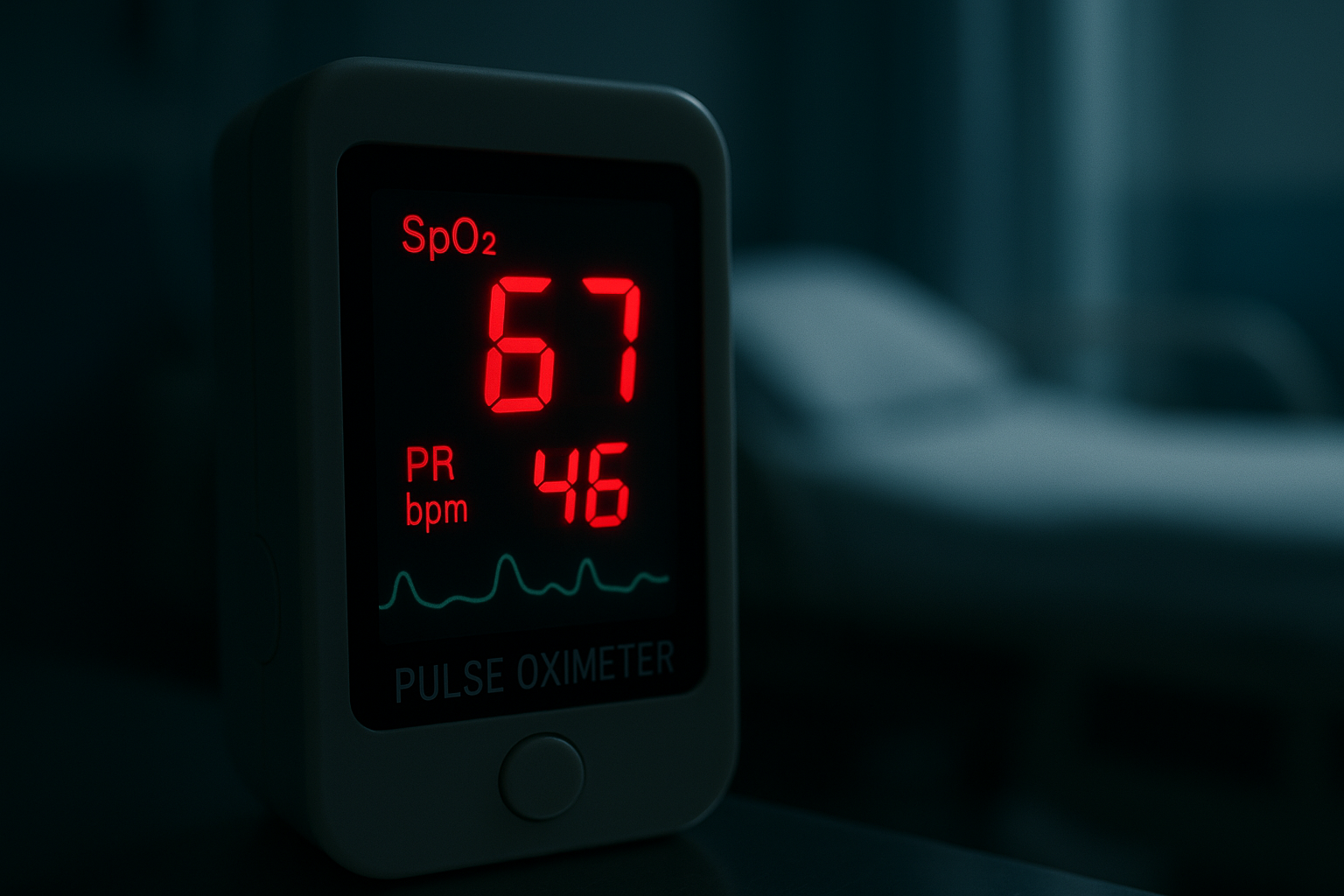
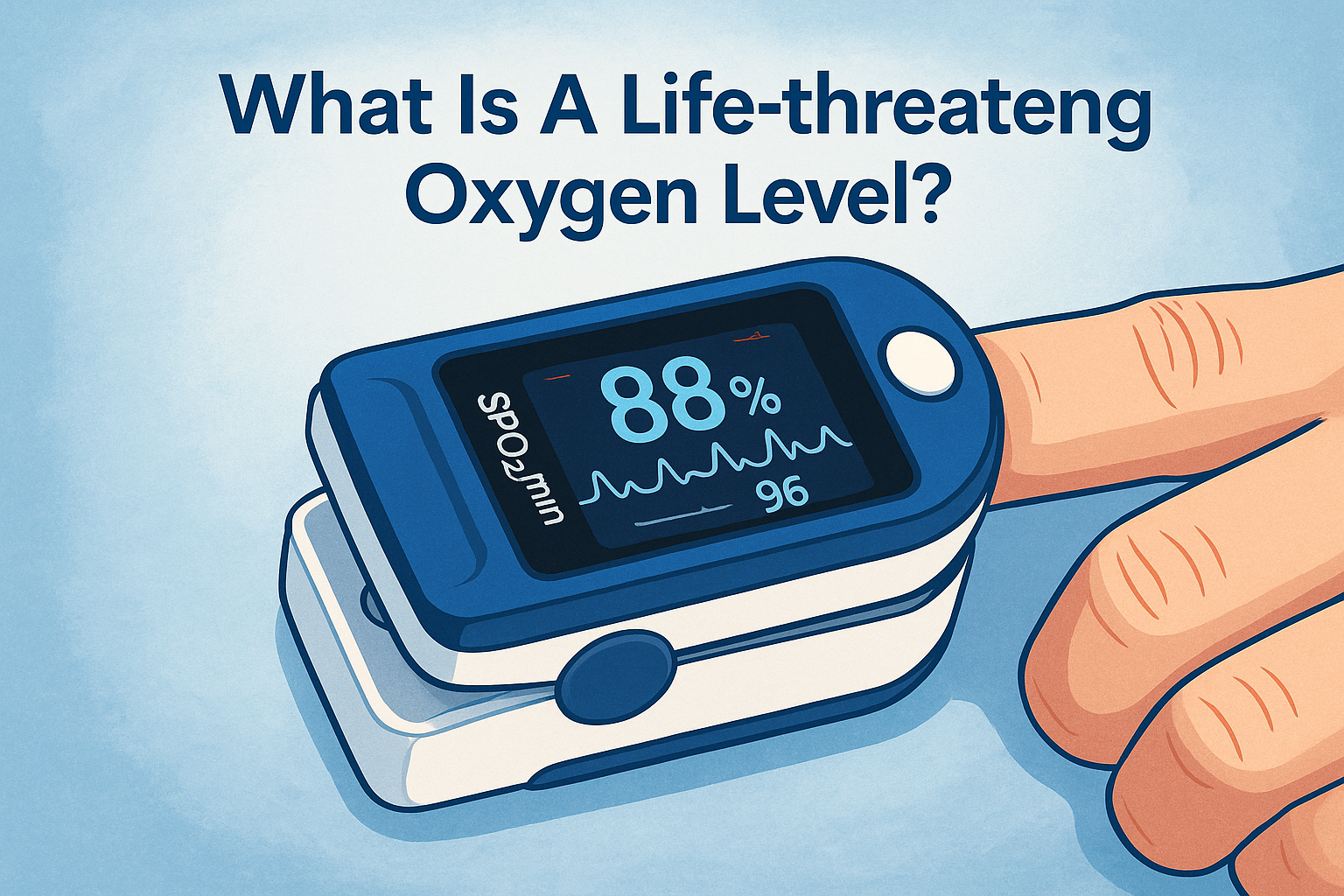
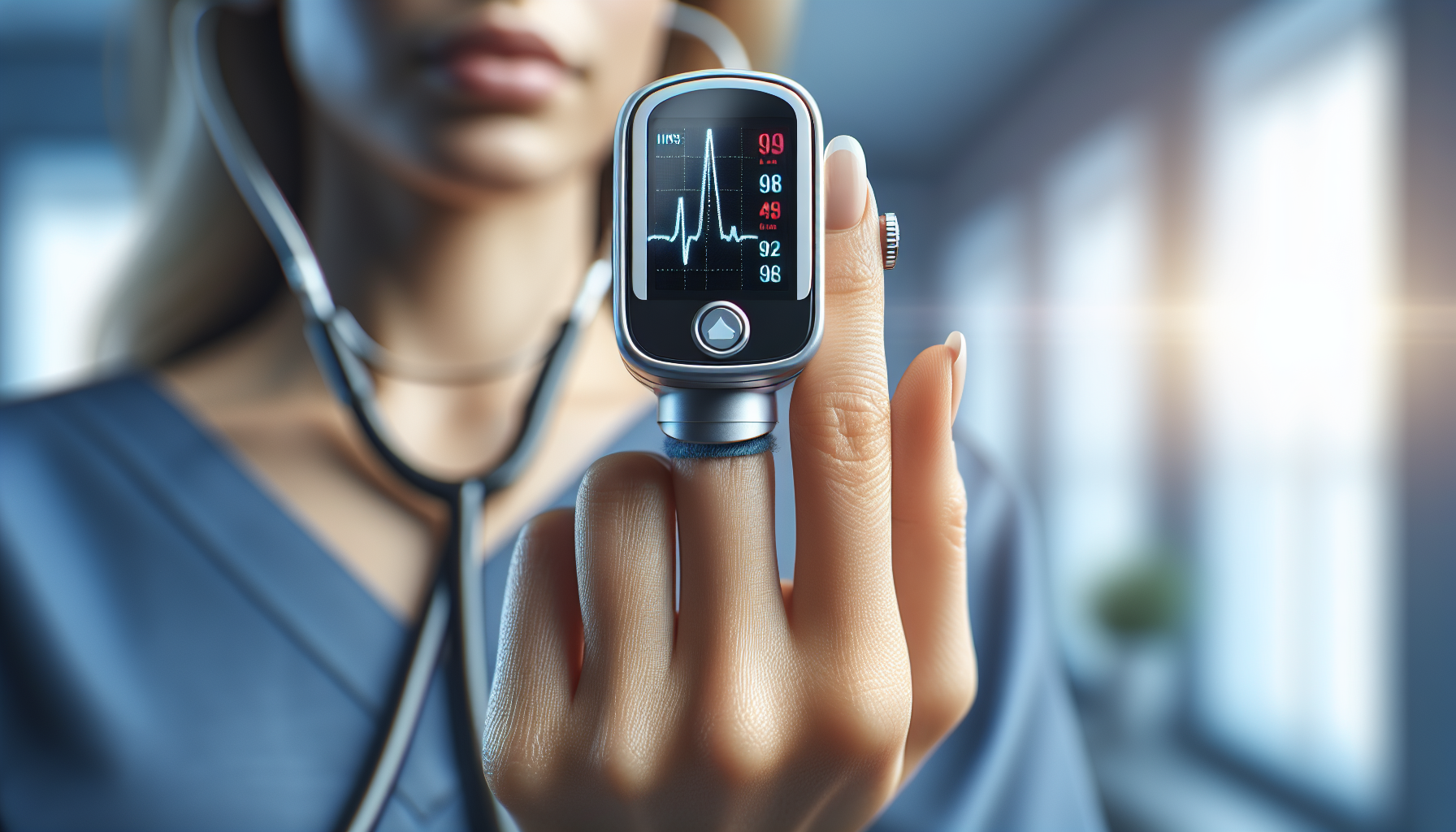
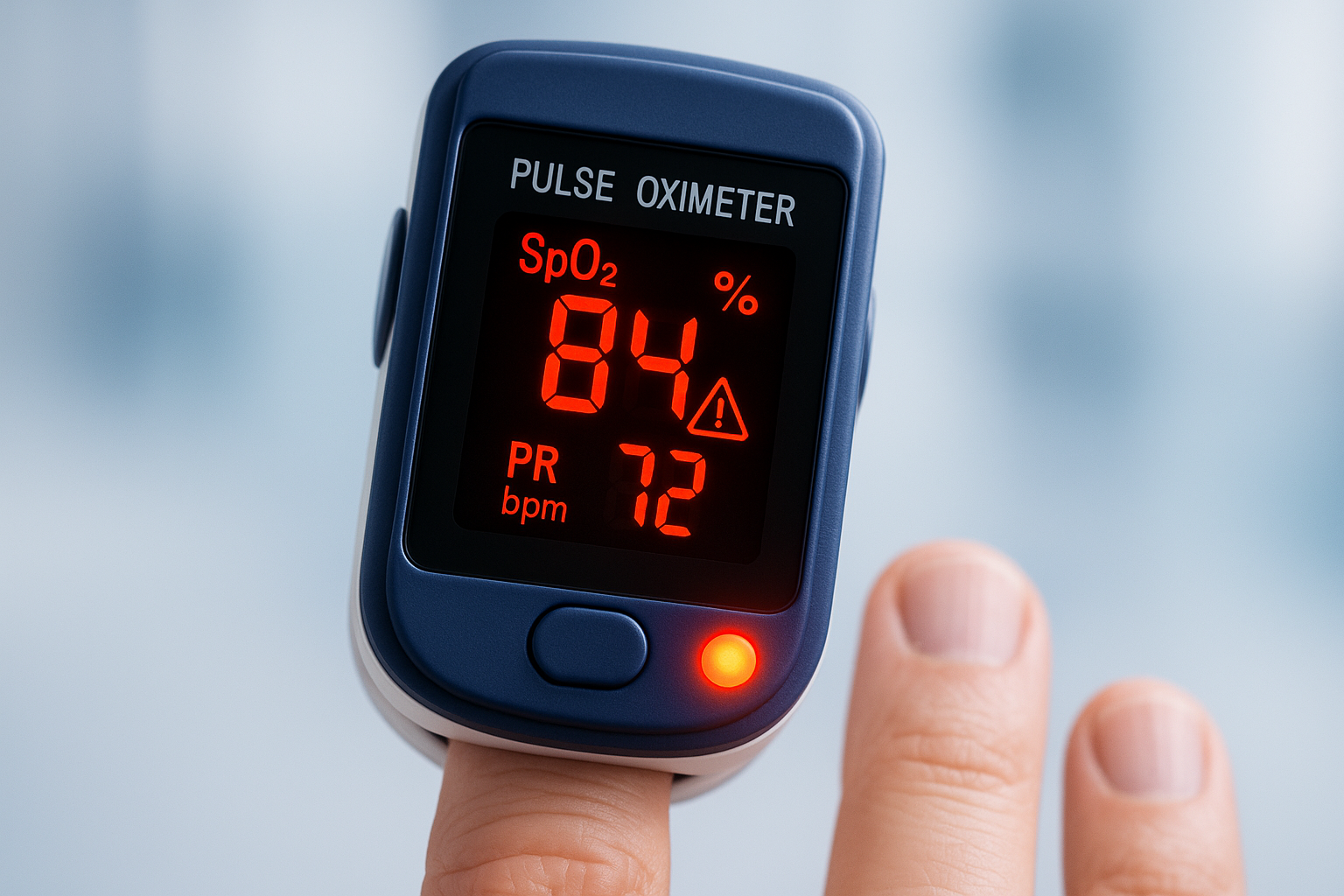
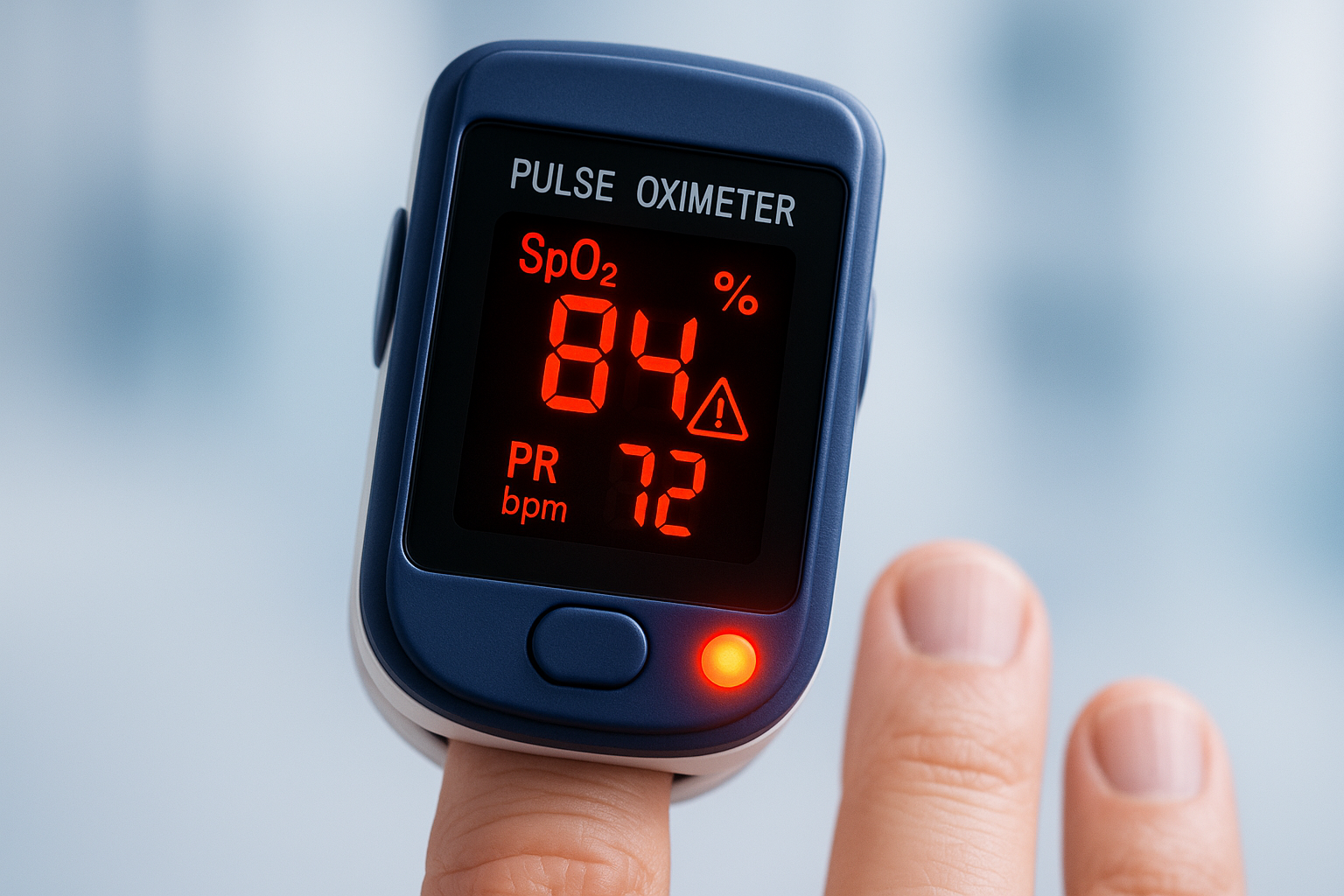
In our quest to breathe easy, understanding the basics of oxygen levels is paramount. Normal oxygen saturation levels hover between 95% and 100%. This measurement is usually taken using a pulse oximeter, a nifty little gadget that clips onto your finger and reads the oxygen saturation in your blood. We found that pulse oximetry is the most common method used, especially in clinical settings.
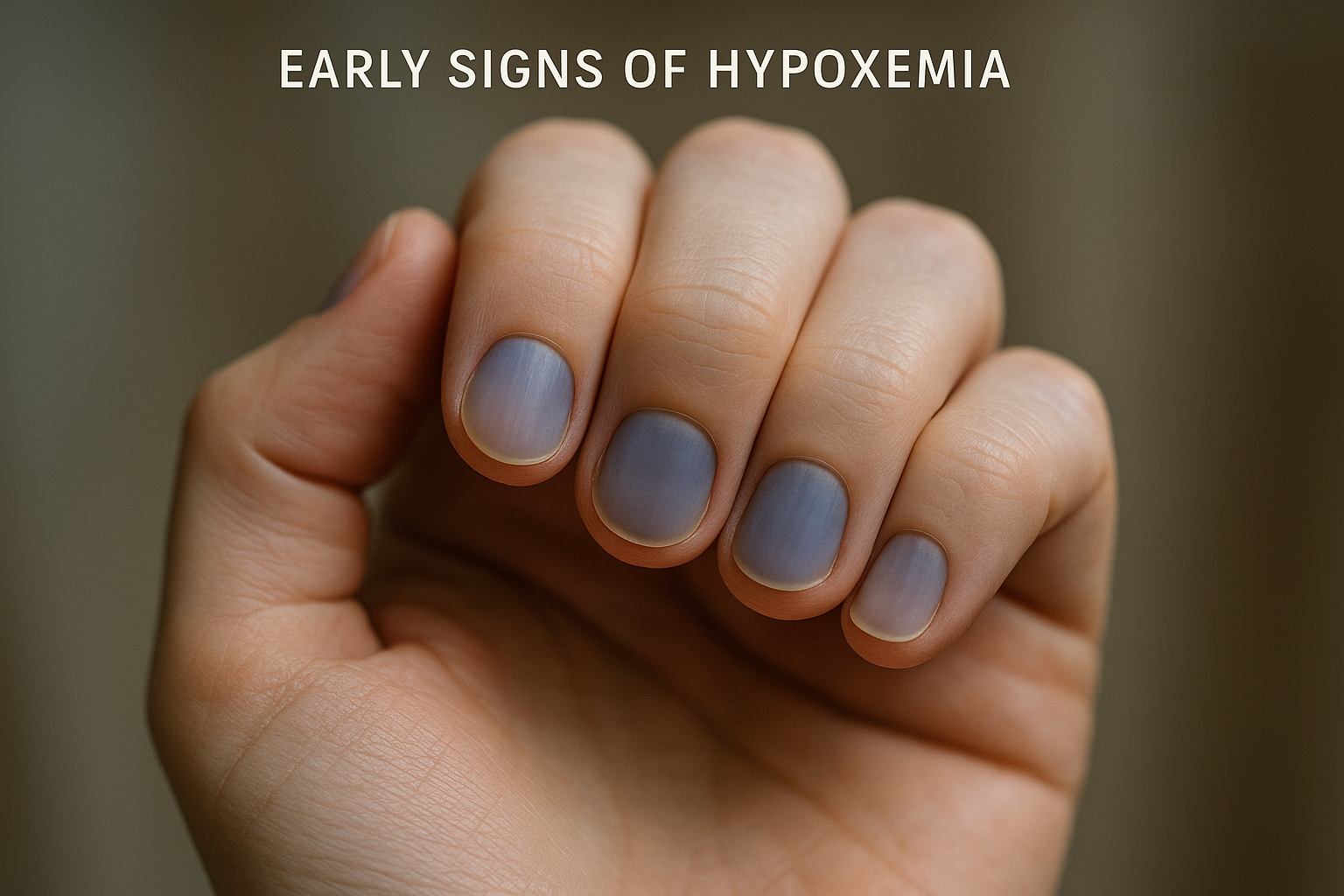
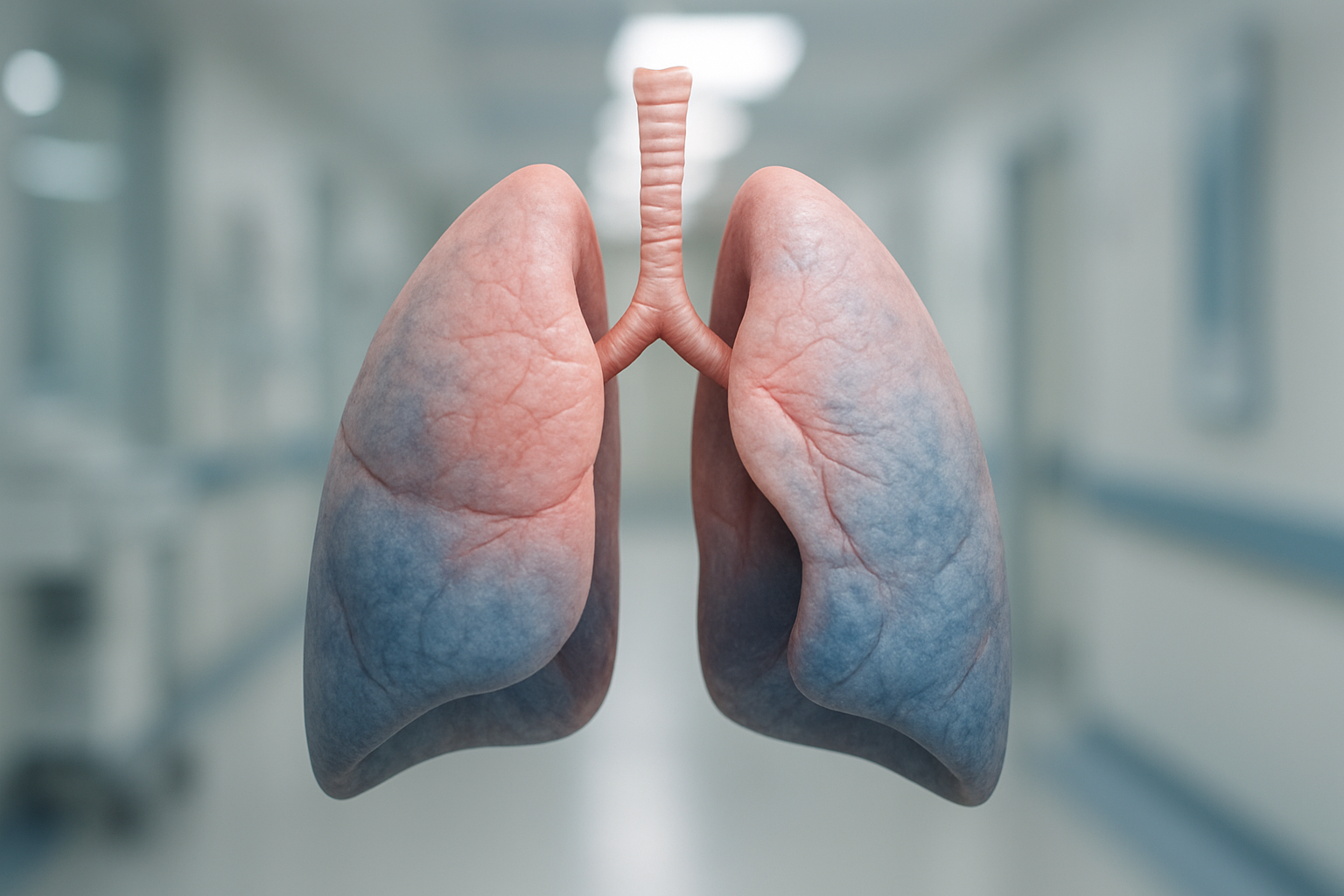
When oxygen levels drop below 90%, it’s termed as hypoxemia — a fancy word for not having enough oxygen in your blood. This condition can be as dangerous as leaving your house without pants; it’s just not something you want to do. Knowing how to measure and interpret these levels is crucial, especially as we navigate the health challenges of 2026. CDC provides extensive resources on how to monitor these levels effectively.
At What Level Is Oxygen Too Low? A Detailed Look
So, at what level is oxygen too low? The magic number here is 90%. When levels dip below this, you’re entering the hypoxemia zone. It’s like being on a rollercoaster and suddenly realizing you’re not strapped in. The risks of low oxygen levels can be severe, leading to organ damage over time if not addressed promptly.
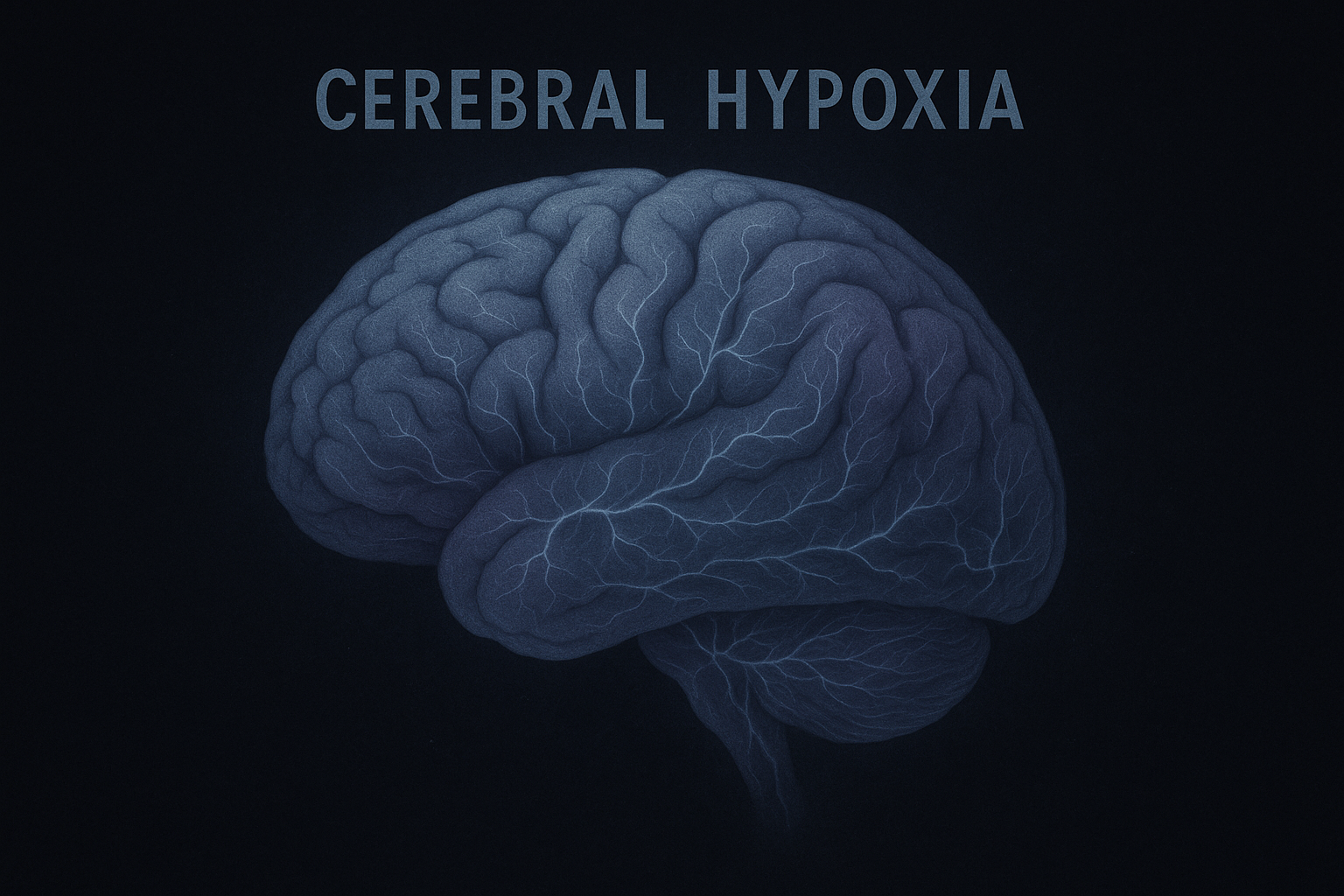
In 2026, studies show that maintaining proper oxygen levels is more critical than ever due to the rising prevalence of conditions like COPD and asthma. The Mayo Clinic outlines that long-term exposure to low oxygen can cause irreversible damage to organs, including the brain and heart. It’s like running a car on low oil – eventually, something’s going to break.

Symptoms and Signs of Low Oxygen Levels
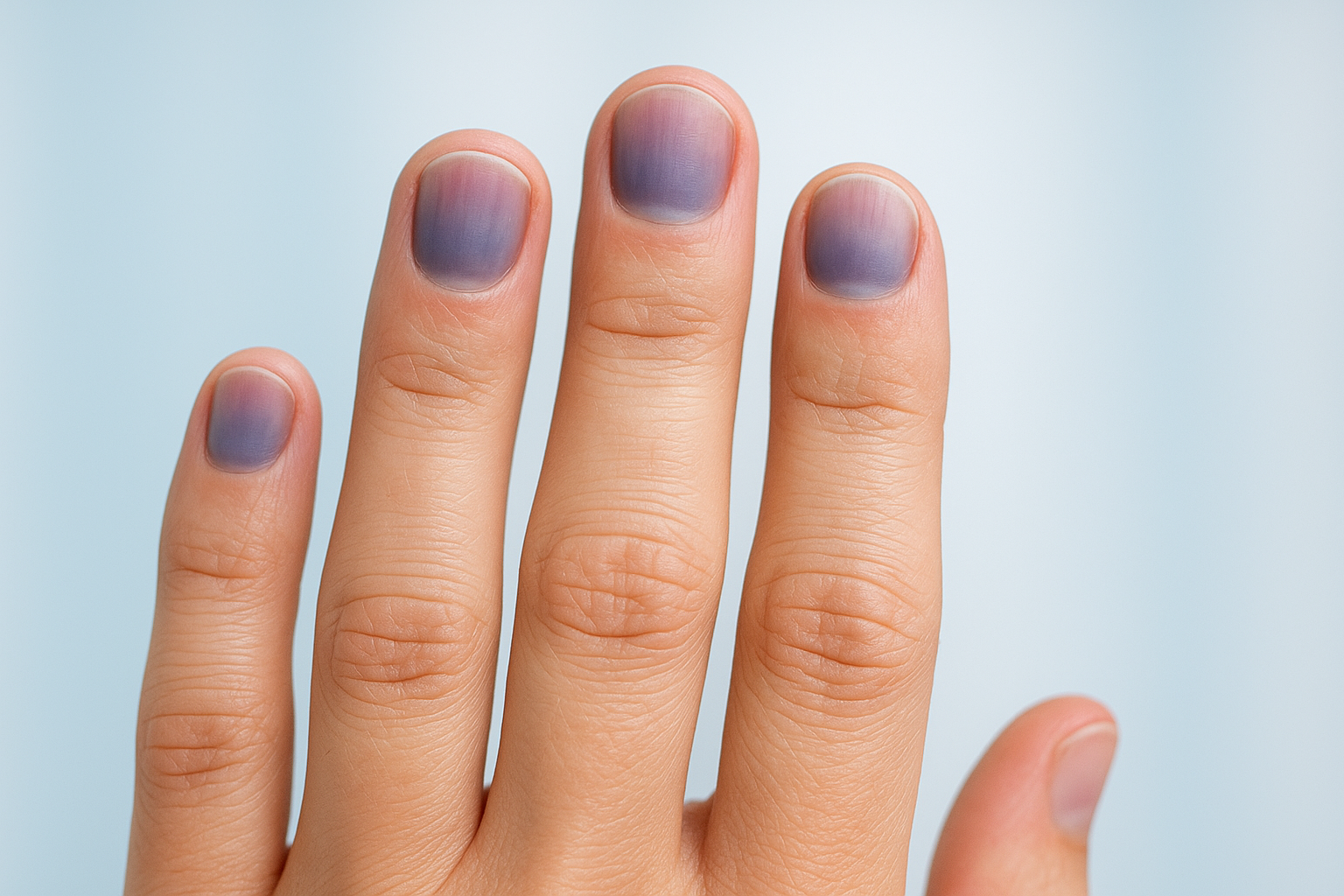
Recognizing the symptoms of low oxygen levels is like being able to spot a plot twist a mile away — it can save you a lot of trouble. Common symptoms include shortness of breath, confusion, and headaches. We recommend paying attention to less obvious signs too, like a rapid heartbeat or an inexplicable feeling of fatigue.
Take the case of John, a mid-40s office worker who suddenly found himself more confused than usual during meetings. After a quick check with a pulse oximeter, it turned out his oxygen levels were low, leading to his symptoms. This real-world example highlights the importance of being aware of how your body is feeling and seeking help when something feels off. For more symptoms, check out the WHO website.
Causes of Low Oxygen Levels
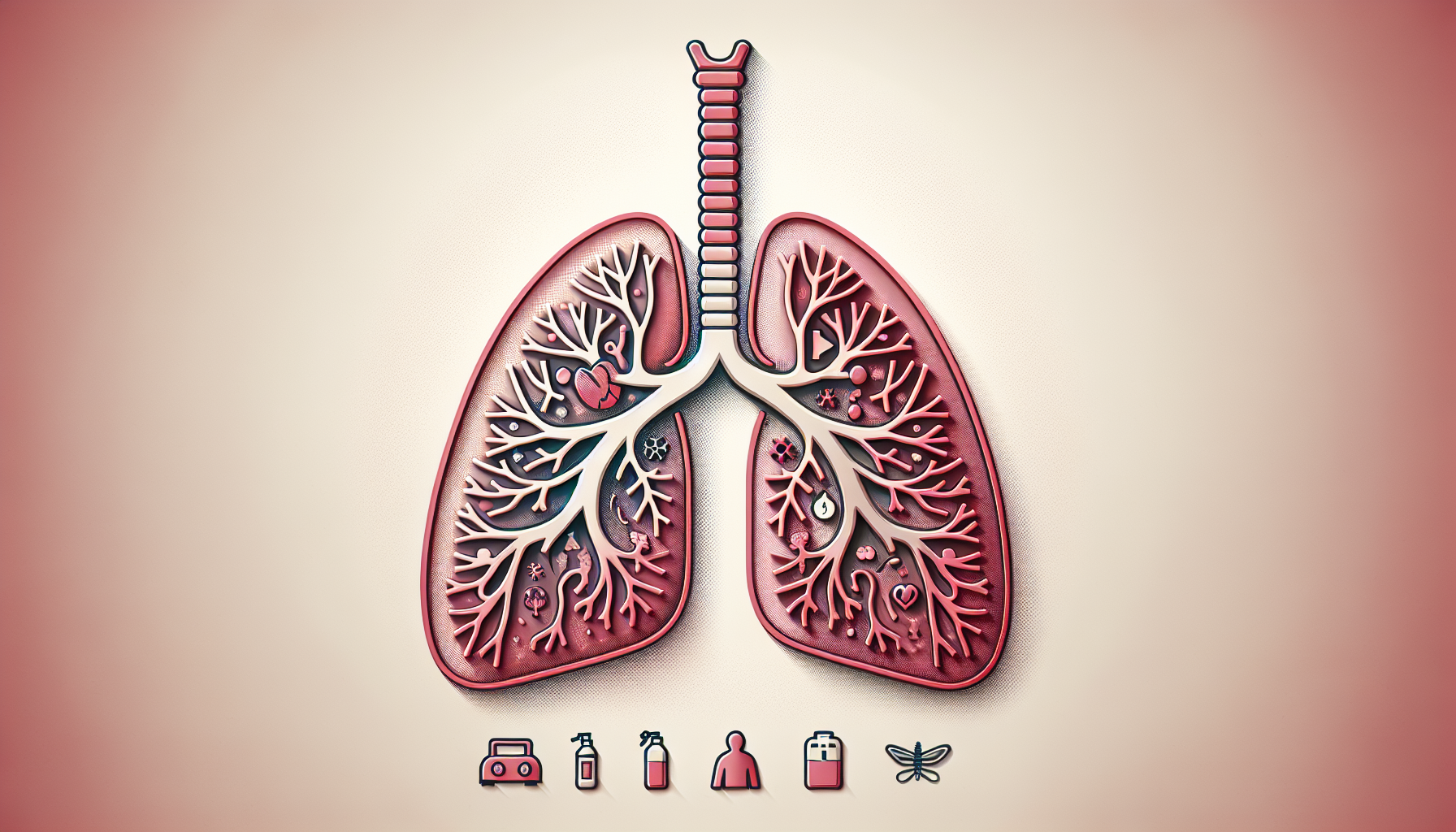
Why do oxygen levels drop? Well, it’s often due to underlying medical conditions like COPD, asthma, and sleep apnea. The CDC notes that lifestyle factors such as smoking and obesity can also play a significant role in reducing oxygen levels. It’s like trying to breathe through a straw — not exactly efficient.
In our research, we found that environmental factors, such as high altitudes, can also lead to decreased oxygen levels. In 2026, with increased air pollution, avoiding pollutants has become more important than ever. If you smoke like a chimney, it’s time to consider quitting, and if your couch has your imprint, maybe get up and take a walk.
Hyperbaric Therapy: An Innovative Solution
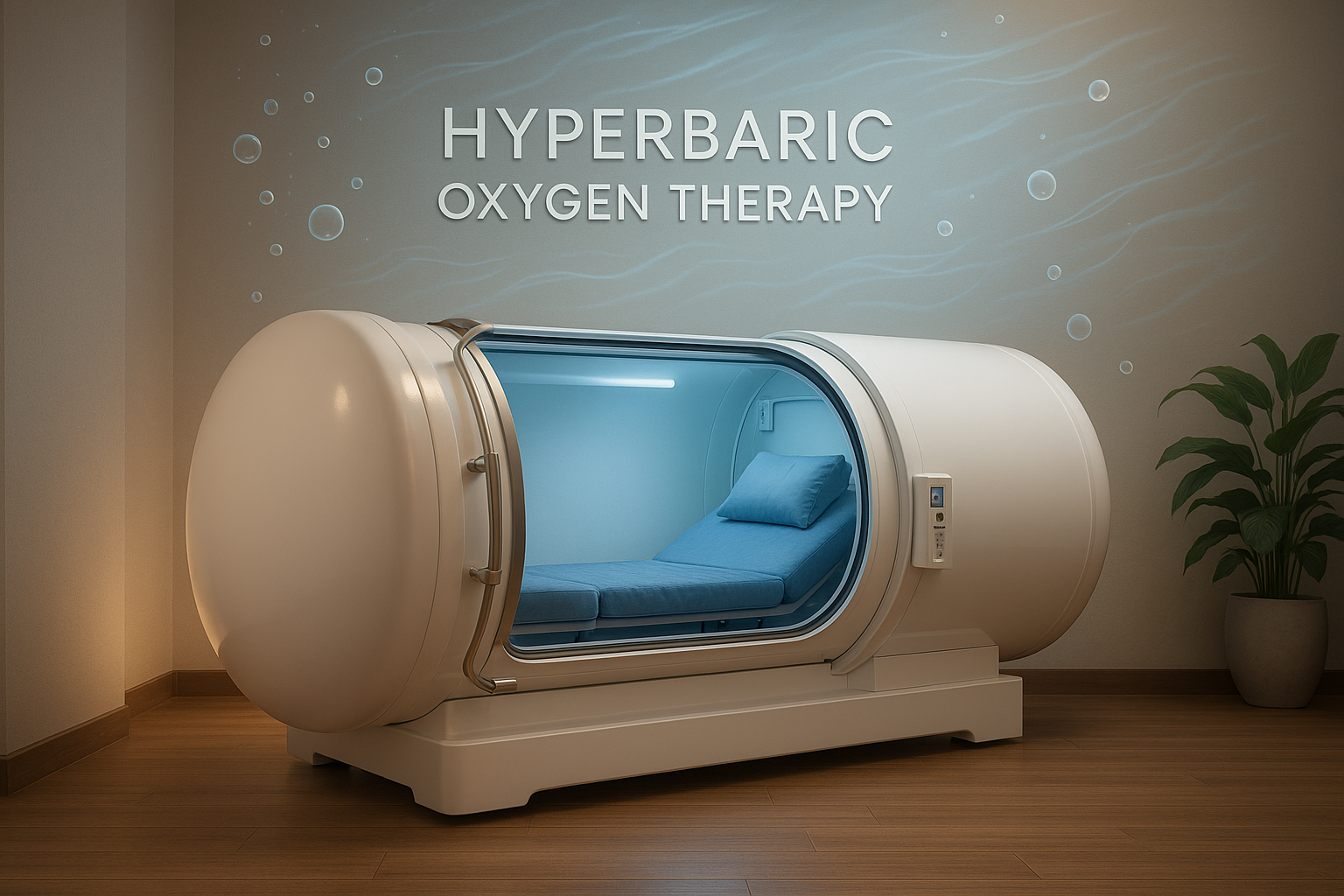
Enter Hyperbaric Oxygen Therapy (HBOT), the hero in a pressurized suit. This innovative treatment involves breathing pure oxygen in a chamber where the pressure is higher than normal. Think of it as giving your body a super boost of oxygen, enough to make even Superman envious.
HBOT significantly increases the oxygen content in your blood and tissues, promoting healing and reducing inflammation. It’s like adding turbo to an old car. Studies in 2026 show benefits in wound healing and enhancing immune function. If you’re curious, Forbes has articles on the latest advancements in HBOT technology.
The Role of Chiropractic Care in Enhancing Oxygen Levels
You might not immediately associate chiropractic care with oxygen levels, but at Henry Chiropractic in Pensacola, they’ve found a connection. Dr. Craig Henry and Dr. Aaron Hixon use techniques that help improve respiratory health, which in turn can enhance your oxygen levels. It’s like tuning up your body’s engine for optimal performance.
Chiropractic adjustments can help reduce tension and improve lung function. This is particularly beneficial for patients with conditions like asthma or chronic bronchitis. We recommend consulting with Dr. Henry or Dr. Hixon to explore how chiropractic care can be part of your strategy to maintain healthy oxygen levels.
When to Seek Medical Attention
If you’re one of those people who waits until the last possible moment to go to the doctor, here’s a tip: don’t do that with low oxygen levels. When levels drop below 90%, it’s time to seek medical care. It’s like your body’s check engine light coming on — ignore it at your peril.
Monitoring at home is easier than ever in 2026, thanks to wearable tech like smartwatches that track your oxygen saturation. We recommend using these devices to keep an eye on your health metrics and getting professional help if you notice any concerning trends. Remember, it’s better to be safe and breathe easy than be sorry and breathless.
Preventing Low Oxygen Levels: Tips and Strategies
Prevention, as they say, is better than cure. To keep your oxygen levels where they should be, regular exercise is a must. It doesn’t have to be a marathon; even a brisk walk can do wonders. Avoiding pollutants is also crucial — consider it a 2026 resolution to not inhale whatever’s floating in the air.
Diet plays a significant role, too. Foods rich in antioxidants, like berries and leafy greens, can support healthy oxygen levels. We recommend checking out reputable health sources like WebMD for more tips on maintaining your lung health. Remember, your body is like a plant — give it fresh air, and it’ll thrive.
Conclusion: Taking Charge of Your Oxygen Levels
It’s time to take charge of your oxygen levels like you take charge of your remote control — with authority and purpose. We’ve covered the basics of what oxygen levels mean for your health, the dangers of letting them fall too low, and the innovative ways you can boost them. As we found, maintaining healthy oxygen levels is crucial for overall well-being in 2026.
If you’re in Pensacola, consider consulting with Henry Chiropractic to explore chiropractic care as a part of your health regimen. Remember, your next step is to stay informed, stay active, and keep breathing easy. And if all else fails, remember to just breathe — it’s the one thing you can’t live without.

Key Takeaways
- Oxygen levels below 90% are considered too low and can lead to serious health risks.
- Common causes of low oxygen levels include COPD, asthma, and lifestyle factors like smoking.
- Hyperbaric Oxygen Therapy is an effective treatment for increasing oxygen levels and promoting healing.
- Chiropractic care can enhance respiratory health and support healthy oxygen levels.
- Monitoring oxygen levels with wearable tech can help prevent health complications.
Frequently Asked Questions
What is considered a normal oxygen level?
Normal oxygen levels usually fall between 95% and 100% saturation. Anything below 90% is considered low and may require medical attention.
How can I measure my oxygen levels at home?
You can measure oxygen levels at home using a pulse oximeter, a small device that clips onto your finger and provides a reading of your blood oxygen saturation.
What are the symptoms of low oxygen levels?
Low oxygen levels can cause symptoms such as shortness of breath, confusion, headaches, and a rapid heartbeat. It’s important to monitor these symptoms and seek medical attention if they persist.
Can lifestyle factors cause low oxygen levels?
Yes, lifestyle factors such as smoking, obesity, and lack of exercise can contribute to low oxygen levels by affecting lung function and overall respiratory health.
What is Hyperbaric Oxygen Therapy?
Hyperbaric Oxygen Therapy (HBOT) involves breathing pure oxygen in a pressurized chamber, which increases oxygen levels in the body and promotes healing and recovery.