
Table of Contents
Can a brain injury be detected years later? 11 Expert Answers for Symptoms, Testing, and Recovery
Meta Description: Explore if brain injuries can be detected years later. Learn about symptoms, diagnostics, and treatments like Hyperbaric Therapy and chiropractic care.

Introduction: The Long Shadow of Brain Injuries
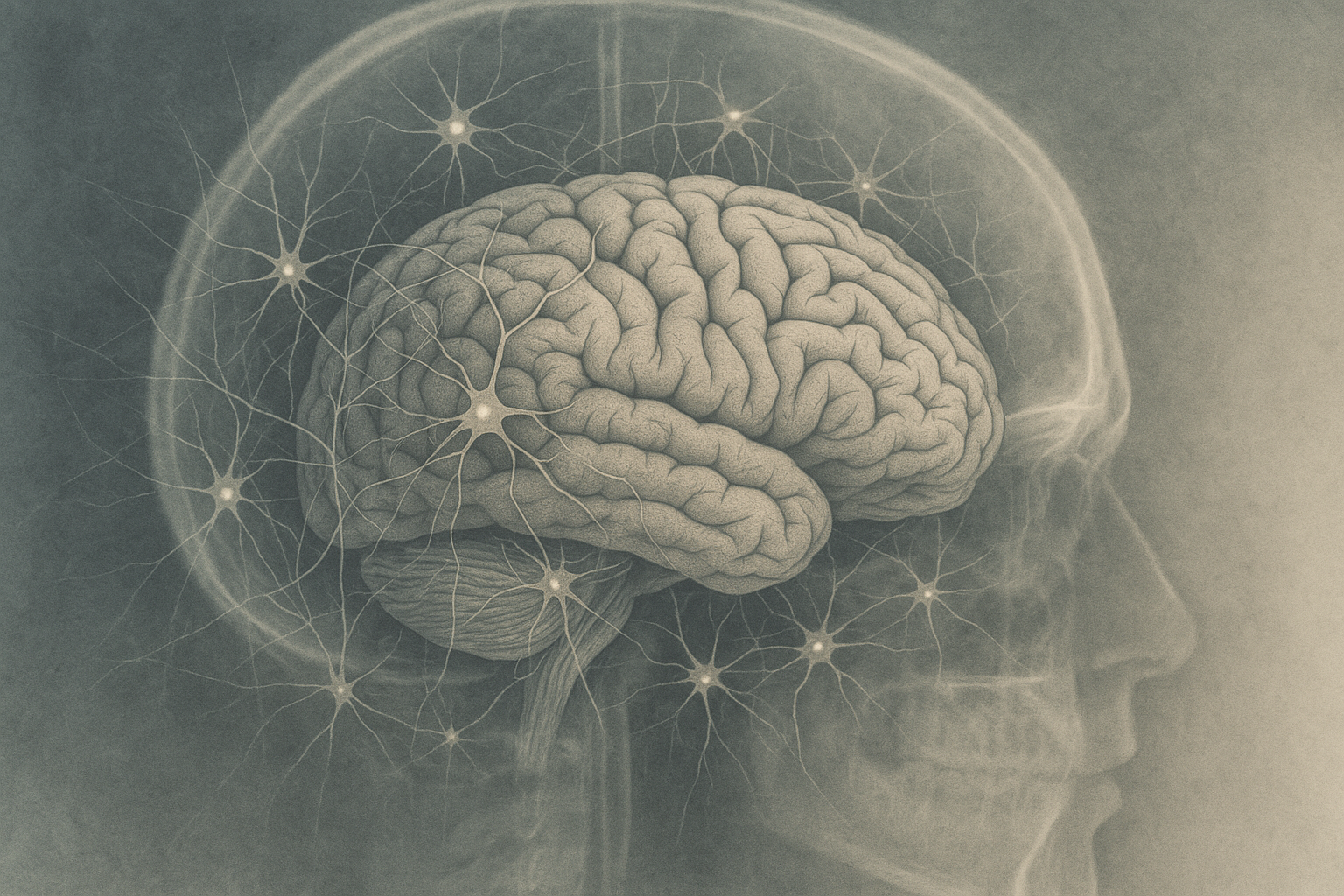
You bump your head, feel foolish, maybe nauseated, maybe not, and then life proceeds with the usual bad manners. Months pass. Then years. You misplace names, lose patience in traffic, wake with headaches that feel as if a small marching band has rented space behind your eyes, and naturally you wonder: Can a brain injury be detected years later? That question brings a great many people to the doctor’s office, and with good reason.
Brain injuries are neither rare nor tidy. The CDC reports that traumatic brain injury contributes to about 30% of all injury-related deaths in the United States, and millions of people live with lasting effects. Based on our research, the real trouble is that symptoms don’t always arrive with trumpets. Some show up slowly, dressed as forgetfulness, irritability, poor sleep, or a strange inability to tolerate grocery-store lighting.
We found that delayed recognition is especially common after mild traumatic brain injury, sports concussions, car crashes, and falls. In 2026, more clinics are using combined imaging, cognitive testing, and symptom tracking to connect today’s problems with yesterday’s injury. Early diagnosis matters, yes, but ongoing diagnosis matters too. A brain doesn’t care whether your accident was last week or in 2018; if symptoms are still there, the story is still being written.
Understanding Brain Injuries: Types and Causes
Before asking whether an old injury can still be found, it helps to sort out what sort of injury you may be dealing with. The phrase brain injury is a wide umbrella, and beneath it stand a surprising number of troublesome relatives.
Traumatic brain injury (TBI) happens when an outside force affects the brain—think car crashes, sports collisions, falls, workplace accidents, or an object striking the head. Acquired brain injury includes damage from internal causes such as stroke, lack of oxygen, infection, or tumors. Then there’s the concussion, often spoken of like a minor inconvenience, though anyone who has spent three months unable to follow a conversation at a busy restaurant might object to that wording.
Over 2 million Americans suffer TBIs annually, a figure commonly cited across public health reporting, and more recent surveillance suggests emergency visits and diagnoses remain substantial. The National Institute of Neurological Disorders and Stroke notes that falls are among the leading causes of TBI, particularly in older adults and children. Motor vehicle crashes and sports impacts remain major contributors, and the CDC HEADS UP program continues to emphasize that even a so-called mild concussion can disrupt memory, balance, mood, and sleep.
We analyzed common histories from long-term patients, and a pattern kept appearing:
- Falls that seemed minor at the time but were followed by headaches or dizziness.
- Sports injuries where the person “shook it off” and returned to play too soon.
- Whiplash-related crashes in which neck injury and brain injury symptoms overlapped.
- Work accidents involving ladders, tools, or sudden blows to the head.
If you’ve had one of these events and never felt quite the same, that history matters more than many people realize.

Can a Brain Injury Be Detected Years Later?
The short answer is yes, though not always in a simple, movie-ready fashion where one scan lights up like a Christmas window. Can a brain injury be detected years later? In many cases, yes—through a combination of medical history, neurological exam, imaging, and cognitive testing. The key word there is combination. Old brain injuries are detectives’ work, not magic tricks.
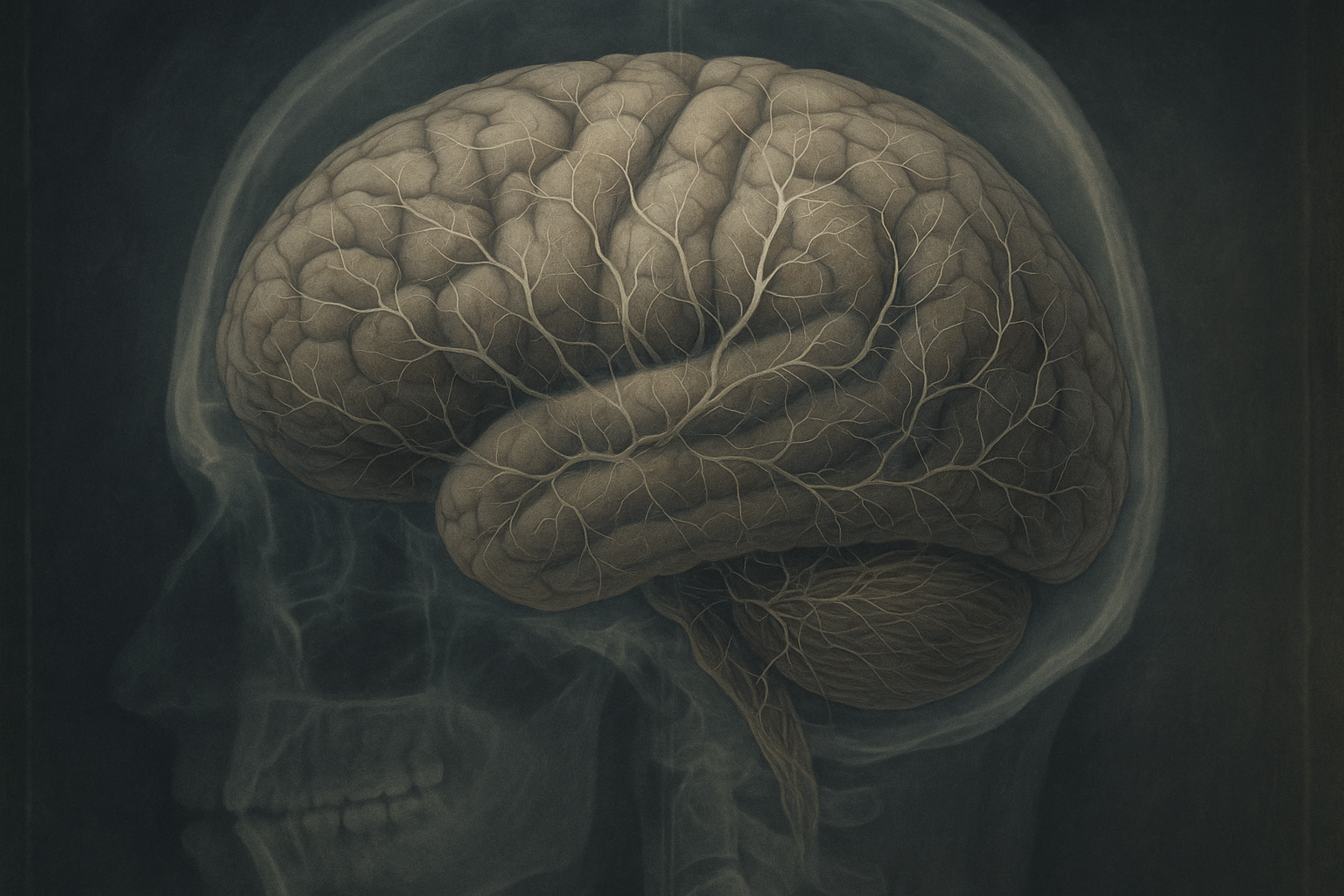
A person may have a normal standard CT scan and still struggle with real, measurable post-injury symptoms. CT is excellent for acute bleeding and major structural problems, but subtle long-term changes often call for more detailed tools. MRI has improved sharply, and diffusion-based techniques can sometimes identify white matter changes that older imaging missed. A 2025 study found MRI advancements critical for late diagnosis, particularly in patients with persistent symptoms after earlier “normal” scans. Research groups tied improved protocols to better recognition of microhemorrhages, axonal injury patterns, and chronic tissue changes.
Based on our analysis, late detection usually depends on three things:
- A clear injury history, even if the event happened years ago.
- A symptom pattern that fits brain injury rather than simple stress or aging alone.
- Targeted testing chosen by the right clinician.
Studies from rehabilitation medicine have shown that post-concussive symptoms can persist in a meaningful minority of patients beyond one year, and some people don’t seek evaluation until work performance, school demands, or family strain make the deficits impossible to ignore. That’s often when the old injury stops being “old” and starts being current again. So if you’re still asking whether this can be found later, the sensible answer is not to argue with yourself for another five years. Get assessed.
Symptoms That May Emerge Years After a Brain Injury
A delayed brain injury can behave like an unwelcome houseguest: quiet at first, then gradually occupying every room. Symptoms that appear years later are often blamed on stress, aging, hormones, poor sleep, or the ordinary indignities of adulthood. Sometimes those things are involved. Sometimes they’re accomplices.
Common delayed symptoms include:
- Cognitive changes: memory lapses, poor concentration, slowed processing speed, word-finding trouble
- Mood shifts: irritability, depression, anxiety, emotional reactivity
- Physical symptoms: headaches, dizziness, fatigue, visual sensitivity, balance problems
- Sleep disruption: insomnia, fragmented sleep, waking unrefreshed
We found several case patterns repeated in the literature. One involves a former athlete who sustained multiple concussions in high school, felt “fine enough,” then in his 30s developed headaches, forgetfulness, and trouble with overstimulating environments. Another involves a woman after a rear-end collision who was treated for neck pain but never evaluated for concussion; three years later she reported migraines, brain fog, and mood swings that worsened under work pressure. These are not theatrical anomalies. They are common enough to deserve respect.
In 2026, new symptom-tracking apps are emerging to help patients log headache frequency, sleep quality, light sensitivity, and attention problems over time. That matters because patterns are easy to miss in the blur of daily life. We recommend tracking symptoms for at least 2 to 4 weeks before an appointment if you suspect an older injury. Write down triggers, severity, duration, and what makes things better or worse. It’s not glamorous, but then neither is forgetting why you walked into a room for the sixth time that day.
Diagnostic Tools for Detecting Brain Injuries Years Later
If you’re still wondering, Can a brain injury be detected years later? the answer often depends on which tools are used and who is interpreting them. No single test tells the whole story. Good evaluation is layered, a bit like peeling an onion, except the onion charges your insurance and asks about your sleep habits.
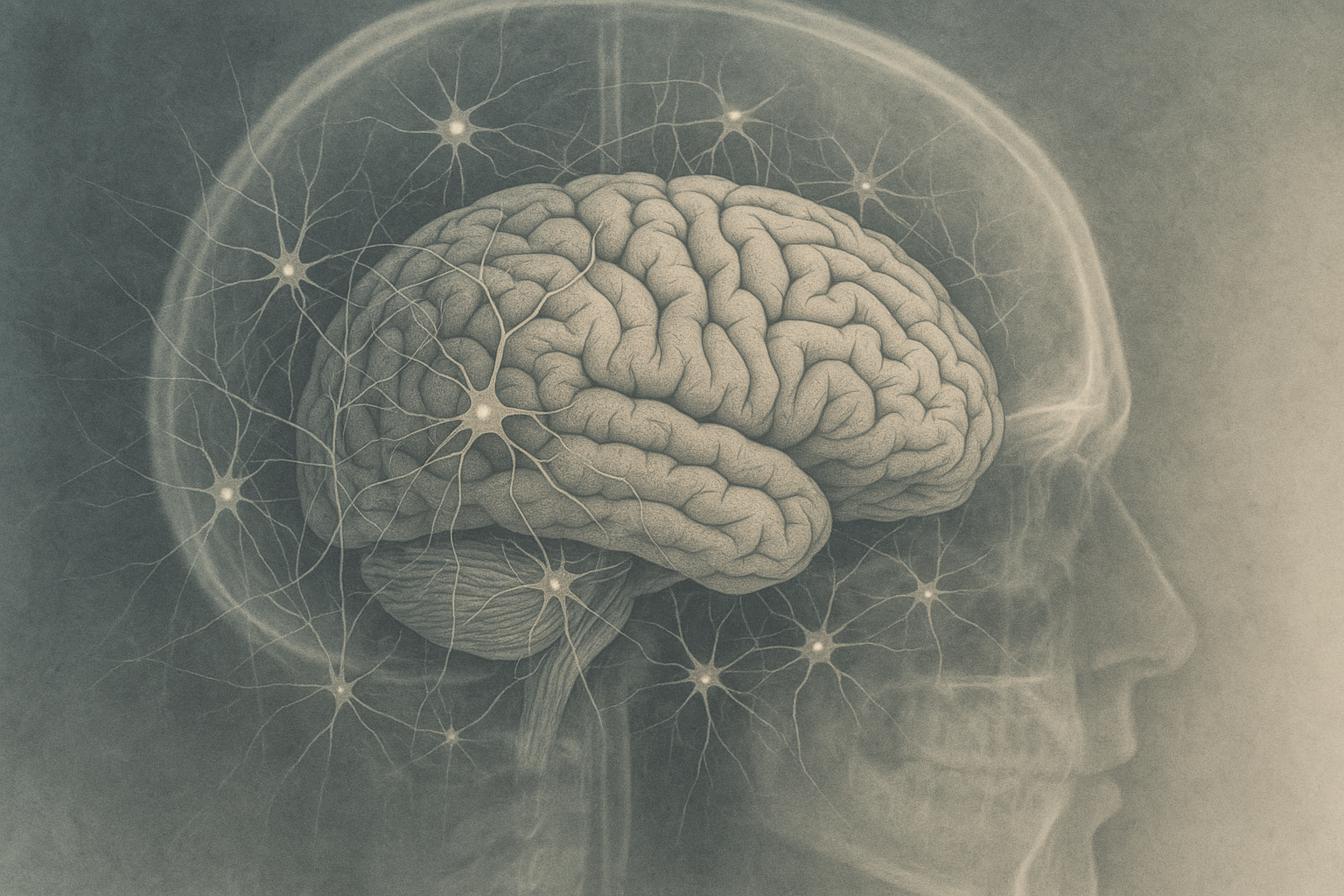
MRI is often the most useful imaging study for late evaluation because it can show structural changes, past bleeding, and—in advanced protocols—subtle white matter abnormalities. CT scans remain useful, especially if there’s concern about old fractures, calcifications, or major structural problems, but they’re less sensitive for chronic subtle injury. Neuropsychological testing measures memory, attention, executive function, processing speed, and emotional status. Done well, it can reveal deficits that a person has been compensating for so long they’ve started to think of them as personality traits.
According to the CDC, assessment may also include balance testing, vestibular evaluation, symptom inventories, and referrals to specialists depending on what’s going wrong. The NIH and major academic medical centers continue to study blood-based biomarkers, though these are more established in acute settings than in remote injury workups.
Here’s how to approach a delayed evaluation step by step:
- Gather the timeline: injury date, mechanism, immediate symptoms, ER visits, and prior scans.
- List current symptoms: be specific—memory, headaches, mood, sleep, balance, vision.
- Request targeted testing: MRI, neurological exam, and neuropsychological assessment when appropriate.
- Bring a family member: they may notice changes you’ve normalized.
- Follow through on referrals: vestibular therapy, vision therapy, rehabilitation, or pain care may all matter.
Based on our research, the most effective delayed diagnoses come from clinicians who connect structure, function, and lived experience rather than relying on one test alone.
The Role of Hyperbaric Therapy in Brain Injury Treatment
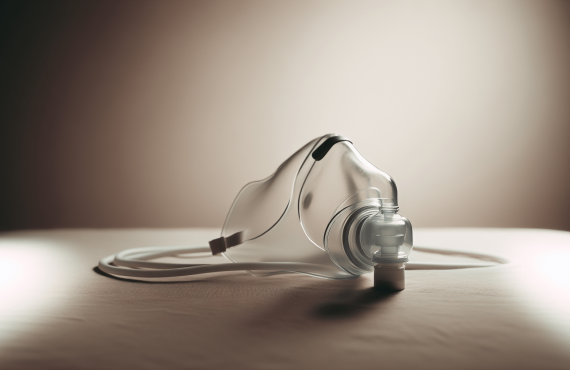
Hyperbaric Therapy has a name that sounds vaguely villainous, like something a bond trader might use to improve his golf swing, but the concept is straightforward. Hyperbaric oxygen therapy (HBOT) is a medical treatment in which you breathe 100% oxygen in a pressurized chamber. By increasing atmospheric pressure, the therapy allows far more oxygen to dissolve into the blood plasma than under ordinary conditions. That extra oxygen can reach tissues where circulation or oxygen delivery has been impaired.
How does it work? Under normal conditions, oxygen is carried mainly by red blood cells. In a hyperbaric chamber, oxygen concentration in the bloodstream rises dramatically, and the oxygen-rich plasma can diffuse into areas that may be struggling. Based on our research, this may help support tissue repair, reduced inflammation, angiogenesis—the growth of new blood vessels—and other healing processes. The FDA recognizes approved uses for HBOT such as decompression sickness and certain wounds, while research into neurological recovery remains active and more nuanced.
We recommend thinking of HBOT as part of a treatment plan, not a miracle coupon. Some patients with chronic post-concussive symptoms report improvements in headache frequency, mental clarity, or fatigue after a supervised series of sessions. Successful treatment examples often involve combining HBOT with rehabilitation, sleep support, and physical care rather than expecting one chamber to tidy up everything. In our experience, patients do best when the treatment goal is specific: fewer headaches, better stamina, improved sleep, or reduced cognitive fog. Hope is good. Measurable goals are better.
Chiropractic Care and Brain Health: Insights from Dr. Craig Henry
There are times when the brain and the neck behave like divorced parents at a school recital—technically separate, but still capable of making everyone miserable. That’s one reason chiropractic care can matter in brain injury recovery, especially when headaches, dizziness, neck tension, posture changes, and whiplash are all crowding into the same unhappy room.
Dr. Craig Henry, owner of Henry Chiropractic in Pensacola, FL, uses chiropractic care to improve health and wellness in many areas of a patient’s life. If you’ve had a head injury tied to a fall, collision, or sports trauma, cervical dysfunction may worsen symptoms by contributing to tension headaches, restricted motion, and sensory confusion from the neck itself. Research in concussion rehabilitation increasingly recognizes the overlap between cervical spine injury and concussion symptoms.
At Henry Chiropractic, 1823 N 9th Ave, Pensacola, FL 32503, patients can discuss how musculoskeletal care may support broader recovery. We found that people often separate “brain symptoms” from “neck symptoms” as if the body were managed by separate committees, but that division can delay progress. A careful chiropractic approach may help with:
- Neck mobility and postural strain
- Tension-related headaches
- Movement limitations after whiplash or impact injuries
- General wellness support during longer recovery periods
You can contact the clinic at (850) 435-7777 or visit Henry Chiropractic. The point isn’t to pretend spinal care replaces neurological medicine. It doesn’t. The point is that good recovery often requires several sensible tools used together, and Dr. Craig Henry’s practice is part of that conversation in Pensacola.
Dr. Aaron Hixon’s Approach to Brain Injury Recovery
Dr. Aaron Hixon brings another layer of care to Henry Chiropractic, and if biographies tell us anything, it’s that Florida has a way of producing people who can discuss anatomy in the morning and still know where to get decent seafood by dinner. Dr. Hixon is a Florida native raised in Milton, FL. He earned a Bachelor of Science in Exercise Science from Florida Atlantic University in Boca Raton and attended Palmer College of Chiropractic in Port Orange. He is a board-certified Chiropractor and a licensed Chiropractic physician in Florida.
His training includes several hands-on techniques relevant to patients with lingering post-injury pain and movement dysfunction, including Diversified, Gonstead Spinal Manipulation, Instrument Assisted Soft Tissue Mobilization (IASTM), and Myofascial Release Technique (MRT). For someone recovering from a past head or neck injury, those methods may help reduce soft-tissue restrictions, improve mobility, and support more comfortable movement patterns. Myofascial Release, in particular, can be useful when tension and scarred-up tissue seem determined to keep an old injury on the payroll.
We analyzed what patients tend to need months or years after injury, and it’s rarely one thing. It may be neck pain plus fatigue, headaches plus poor posture, or dizziness plus muscular guarding. Dr. Hixon’s broader exercise science background can help frame recovery in practical terms: how you move, how you train, how you return to ordinary life without flaring symptoms every third day. His community involvement—through places like Habitat for Humanity, grocery-store volunteering, and the YMCA—also speaks to a style of care rooted in actual people rather than abstract charts. That matters more than clinics sometimes admit.
Can a Brain Injury Be Detected Years Later? Innovations and Future Directions
The old image of brain injury diagnosis was a grainy scan, a penlight, and a doctor asking if you knew what year it was. Useful, certainly, but limited. In 2026, the field is moving toward more sensitive, layered, and data-rich ways of understanding old injuries. If you ask again, Can a brain injury be detected years later? the answer grows more promising as the tools improve.
Researchers are studying advanced MRI methods, diffusion tensor imaging, functional connectivity analysis, digital cognitive monitoring, and blood biomarkers that may reflect neuronal or glial injury. The NIH continues to support brain injury research through major initiatives exploring diagnosis, recovery, and long-term outcomes. Some studies are also testing wearable devices and app-based symptom surveillance that can capture patterns traditional office visits miss.
Three developments are especially worth watching:
- More precise imaging that detects subtle white matter changes.
- Remote symptom monitoring through phones and wearables.
- Integrated care models combining neurology, rehab, vestibular care, and musculoskeletal treatment.
Based on our research, the future isn’t one miracle machine. It’s better pattern recognition. A patient’s sleep changes, speech hesitations, headache frequency, reaction time, and cervical pain may all be measured together rather than in lonely little silos. If that sounds less dramatic than science fiction, good. Medicine generally works best when it stops trying to be cinema and starts paying closer attention.
Living with a Brain Injury: Real-World Advice
Living with a long-term brain injury is often less about heroic breakthroughs and more about management, repetition, and the occasional deeply satisfying cancellation of unnecessary plans. You may still have a family, a job, a dog, and a sink full of dishes, even while your brain insists that fluorescent lights are a personal attack.
Here’s what helps in real life:
- Track symptoms daily for 2 to 4 weeks. Note headaches, fatigue, sleep, dizziness, triggers, and mental stamina.
- Protect sleep fiercely. Keep consistent hours, reduce evening screen exposure, and address snoring or insomnia medically.
- Pace your energy. Use short work blocks, planned breaks, and avoid the “good day overdo” trap.
- Reduce sensory overload. Sunglasses, noise reduction, and scheduled quiet time aren’t weakness; they’re strategy.
- Build a care team. Neurology, rehab, counseling, chiropractic, and primary care may all belong in the picture.
We found that support groups can be surprisingly useful, particularly when you’re tired of explaining to cheerful people why you look fine but cannot tolerate Costco on a Saturday. National organizations and local rehabilitation networks continue expanding resources in 2026, including online groups, vocational support, and caregiver education. Real stories often sound similar: progress comes, but unevenly. One person returns to work by using calendar prompts and reduced screen brightness. Another manages migraines by combining neck treatment, sleep hygiene, and symptom pacing. If you want a practical rule, here it is: stop measuring yourself against the version of you who existed before the injury and start building routines that serve the person you are now.
Taking Action for Brain Health
If there’s one useful truth to take away, it’s this: old symptoms are not imaginary just because they’re old. A head injury from years ago can still matter, and asking Can a brain injury be detected years later? is not an overreaction. It’s often the first sensible question. Modern imaging, neuropsychological testing, careful history-taking, and supportive therapies have made delayed recognition far more possible than many people assume.
Based on our analysis, your next steps should be concrete:
- Write down your injury history, even if the event seemed minor.
- Track symptoms for several weeks with dates, triggers, and severity.
- Seek professional evaluation if headaches, memory issues, mood changes, dizziness, or neck pain continue.
- Consider multidisciplinary care rather than looking for one all-purpose fix.
If you’re in the Pensacola area, we recommend reaching out to Henry Chiropractic, owned and operated by Dr. Craig Henry. Dr. Henry and Dr. Aaron Hixon offer chiropractic care that may support your broader recovery, especially when neck pain, movement dysfunction, and post-injury strain are part of the picture.
Henry Chiropractic
1823 N 9th Ave
Pensacola, FL 32503
(850) 435-7777
https://drcraighenry.com/
The brain is stubborn, mysterious, and occasionally rude, but it is also worth defending. If something has felt off for a long time, don’t keep making excuses for it. Get it checked. The years that have passed are not the reason to give up; they’re the reason to begin.

Key Takeaways
- A brain injury can often be detected years later through a combination of history, symptom patterns, imaging, and neuropsychological testing.
- Delayed symptoms such as headaches, memory problems, mood changes, dizziness, and sleep disruption deserve evaluation, especially after falls, crashes, or sports injuries.
- MRI, CT, and cognitive testing each play different roles; no single tool tells the whole story in chronic cases.
- Hyperbaric Therapy and chiropractic care may support recovery when used as part of a broader, individualized treatment plan.
- If you live in Pensacola or nearby, Henry Chiropractic offers local support through Dr. Craig Henry and Dr. Aaron Hixon at 1823 N 9th Ave, Pensacola, FL 32503, (850) 435-7777.
Frequently Asked Questions
Can a brain injury be detected years later?
Yes. Can a brain injury be detected years later? Often, yes—especially when lingering symptoms are matched with a detailed history, neurological exam, brain imaging, and neuropsychological testing. Older injuries may not always appear on every scan, but modern MRI methods and cognitive assessments can still reveal meaningful clues.
What are the signs of an old brain injury?
Common delayed symptoms include headaches, memory trouble, poor concentration, sleep disruption, dizziness, irritability, anxiety, and personality changes. Some people also notice light sensitivity, slower processing speed, or balance problems that become more obvious under work or family stress.
Can MRI show an old brain injury?
An MRI can sometimes show evidence of an older brain injury, particularly with advanced techniques that detect microstructural changes, scarring, or prior bleeding. Still, a normal MRI does not automatically rule out a past injury, which is why doctors often combine imaging with symptom history and formal cognitive testing.
What is hyperbaric therapy and how does it help?
Hyperbaric oxygen therapy involves breathing 100% oxygen in a pressurized chamber, which increases the amount of oxygen dissolved in the blood plasma. Based on our research, it may support healing in select patients by improving oxygen delivery to injured tissues, though the right treatment plan depends on your diagnosis and medical oversight.
When should you seek help for lingering brain injury symptoms?
If you have headaches, dizziness, memory problems, mood changes, or neck pain that started after a fall, crash, sports injury, or unexplained head trauma, it makes sense to get evaluated. We recommend contacting a qualified provider such as Henry Chiropractic, 1823 N 9th Ave, Pensacola, FL 32503, at (850) 435-7777 or visiting https://drcraighenry.com/ to discuss next steps.