
Table of Contents
How Do You Know If Your Lungs Aren't Getting Enough Oxygen? 10 Expert Signs to Watch
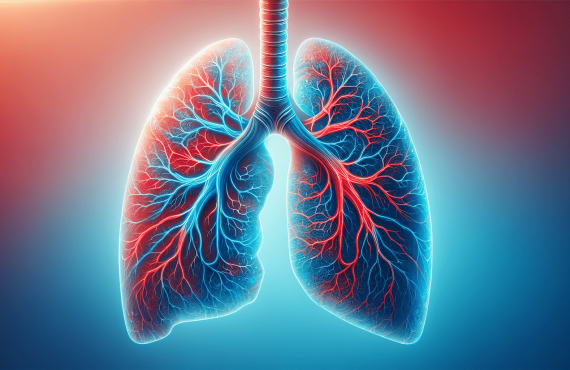
How do you know if your lungs aren’t getting enough oxygen? Usually, your body tattles before your doctor does. You may feel winded walking to the mailbox, exhausted after doing almost nothing, or oddly foggy, as if someone has replaced your brain with damp cotton. Oxygen is not a luxury item. It is the thing your cells are waiting for like children at a window.
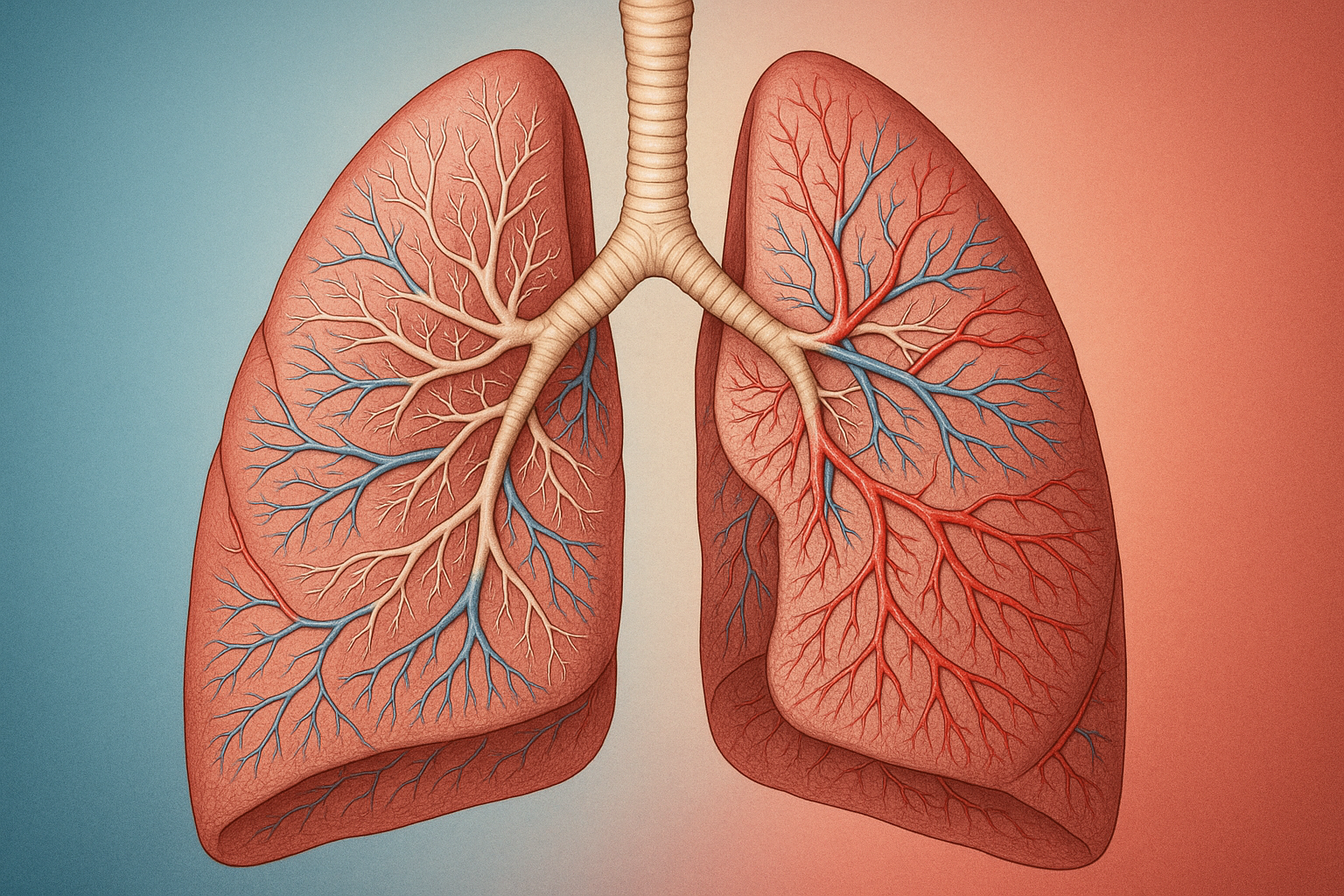
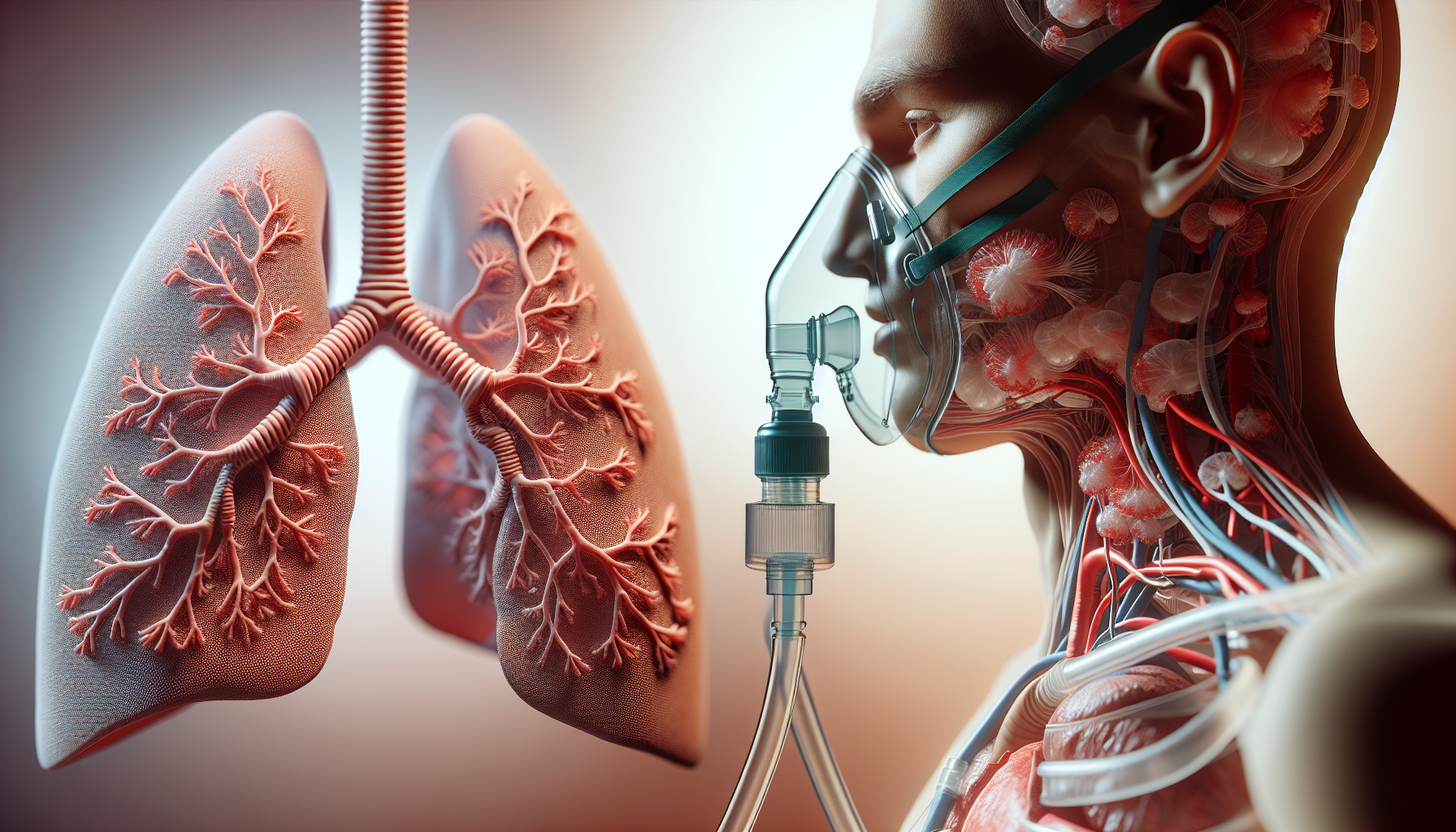
Your lungs move oxygen into your bloodstream, and from there it travels to organs, muscles, and tissues that are far less patient than they look. When that system slips, symptoms can range from subtle fatigue to chest pain and confusion. According to the National Heart, Lung, and Blood Institute, low oxygen can affect every major organ system, not just breathing.
Based on our research, people often miss the early signs because they expect low oxygen to feel dramatic. Sometimes it does. Sometimes it feels like being strangely tired for no reason. We found that understanding symptoms, blood oxygen levels, causes, and treatment options such as hyperbaric oxygen therapy gives you a far better chance of acting before things get serious. And in 2026, with home pulse oximeters and better screening, there’s less excuse for waiting around and hoping your lungs sort themselves out like a teenager’s bedroom.

Introduction: The Breath of Life
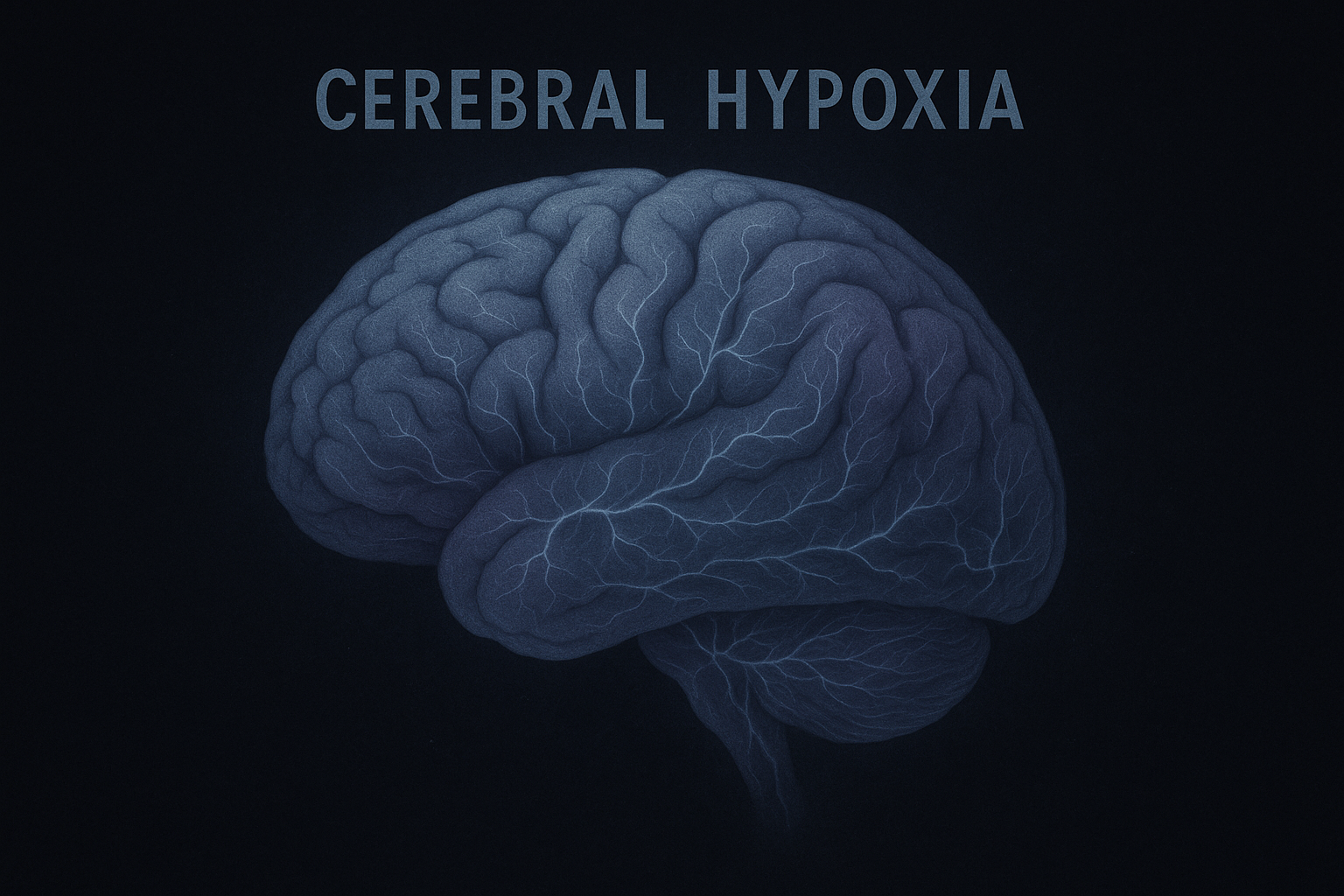
Oxygen keeps you alive in the most literal and unpoetic sense. Your brain uses about 20% of the body’s oxygen supply even though it makes up only a small fraction of body weight, and your heart and muscles are equally needy in their own muscular way. When oxygen delivery drops, cells shift into survival mode, which is efficient only if your ambition is to feel terrible.
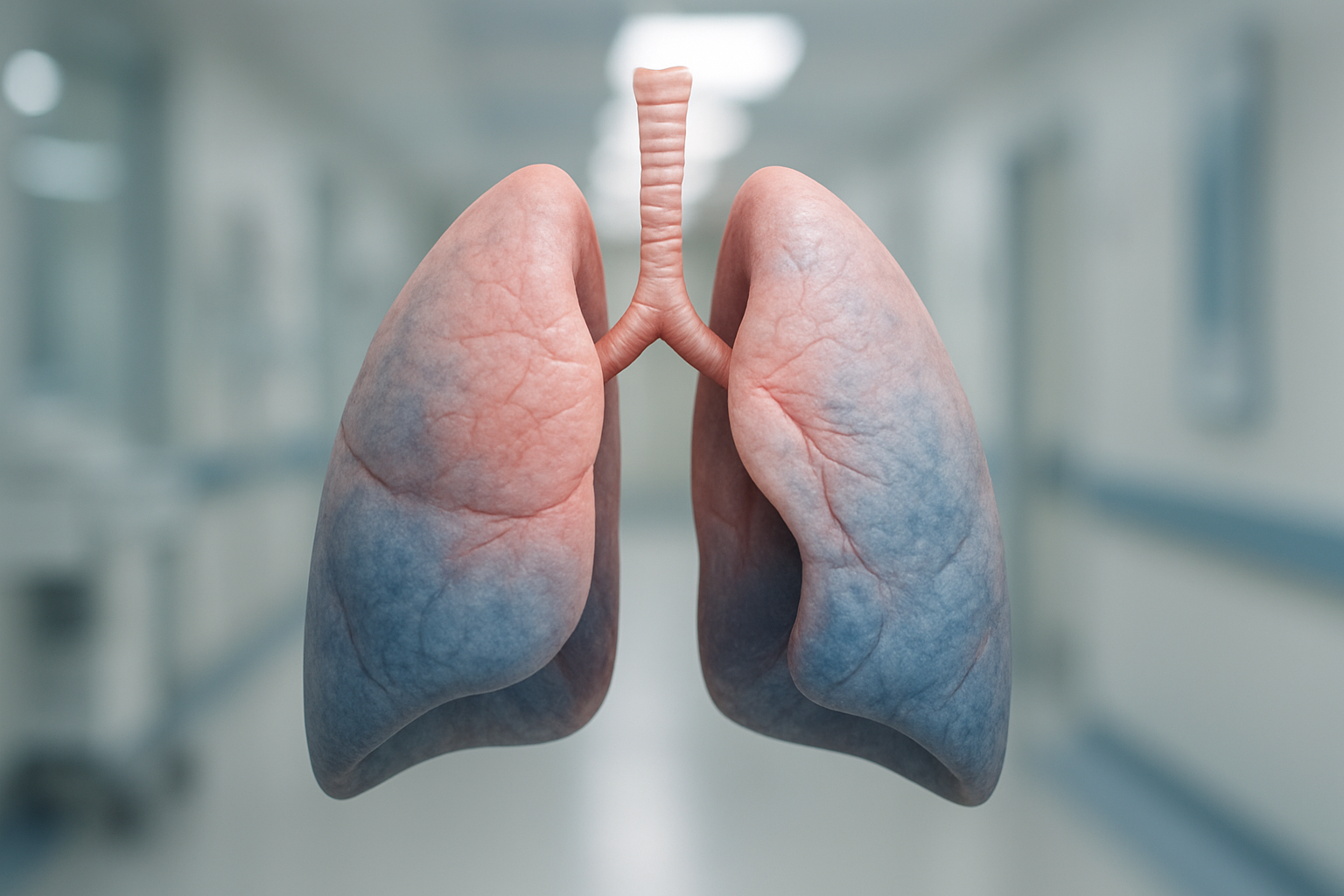
Blood oxygen deficiency can happen because your lungs aren’t pulling in enough air, because oxygen isn’t crossing well into the blood, or because circulation isn’t delivering that oxygen where it needs to go. The medical terms you may hear are hypoxemia for low oxygen in the blood and hypoxia for low oxygen in tissues. The MedlinePlus library explains both clearly and notes that causes range from asthma to pneumonia to chronic lung disease.
We analyzed current guidance and found that oxygen problems are often missed until symptoms interfere with daily life. In practical terms, that means climbing stairs feels like mountaineering, grocery shopping requires a strategic rest, and conversations become interrupted by the ancient art of trying to catch your breath. Some people may also benefit from treatment approaches that improve oxygen delivery, including hyperbaric therapy, which involves breathing pure oxygen in a pressurized chamber. Used appropriately, it can increase oxygen dissolved in the plasma and support tissue healing, angiogenesis, and recovery.
- Why oxygen matters: energy production, organ function, tissue repair
- What can go wrong: poor lung exchange, airway obstruction, inflammation, reduced blood flow
- Why timing matters: prolonged low oxygen can damage the brain, heart, and other organs
Common Signs of Oxygen Deficiency
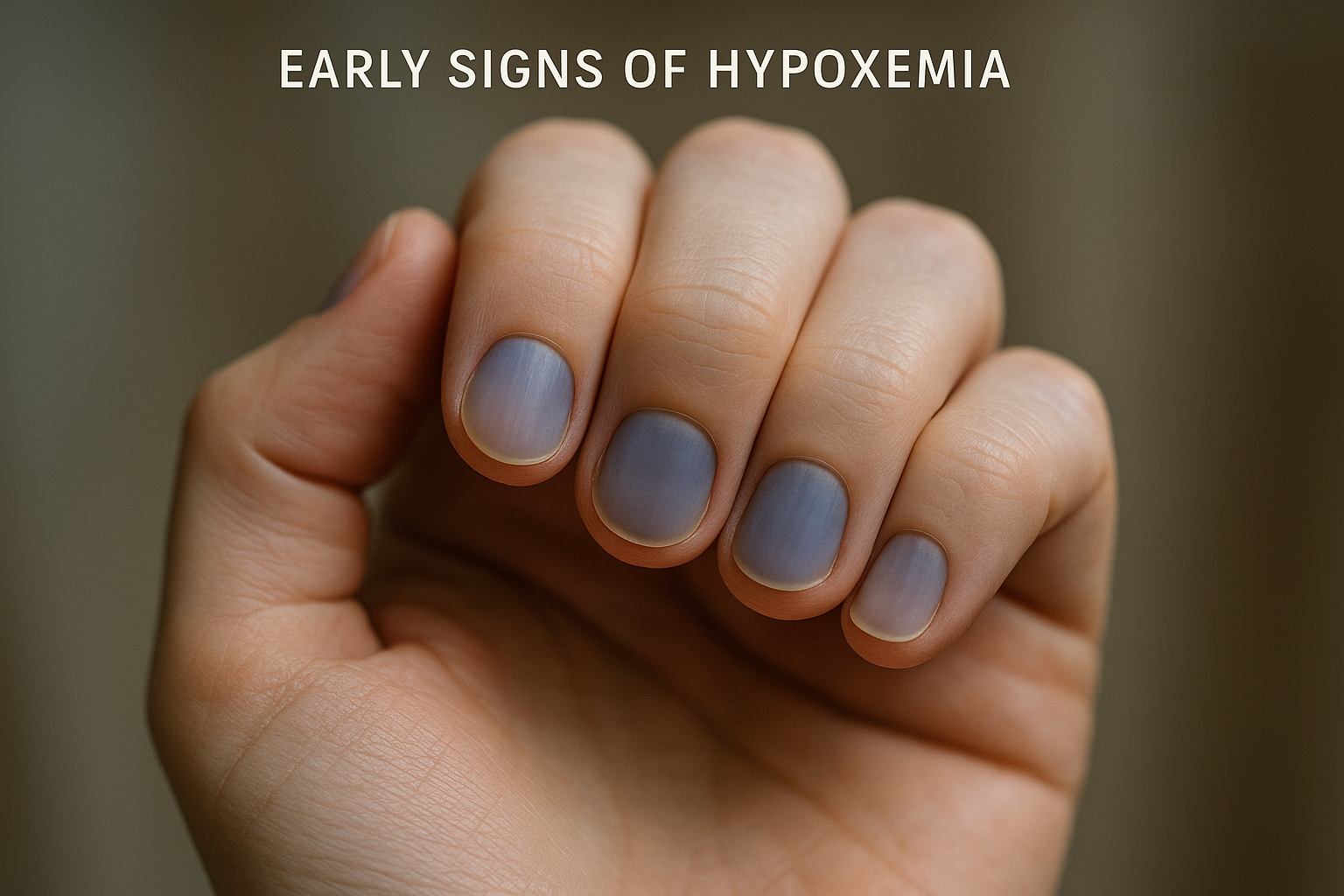
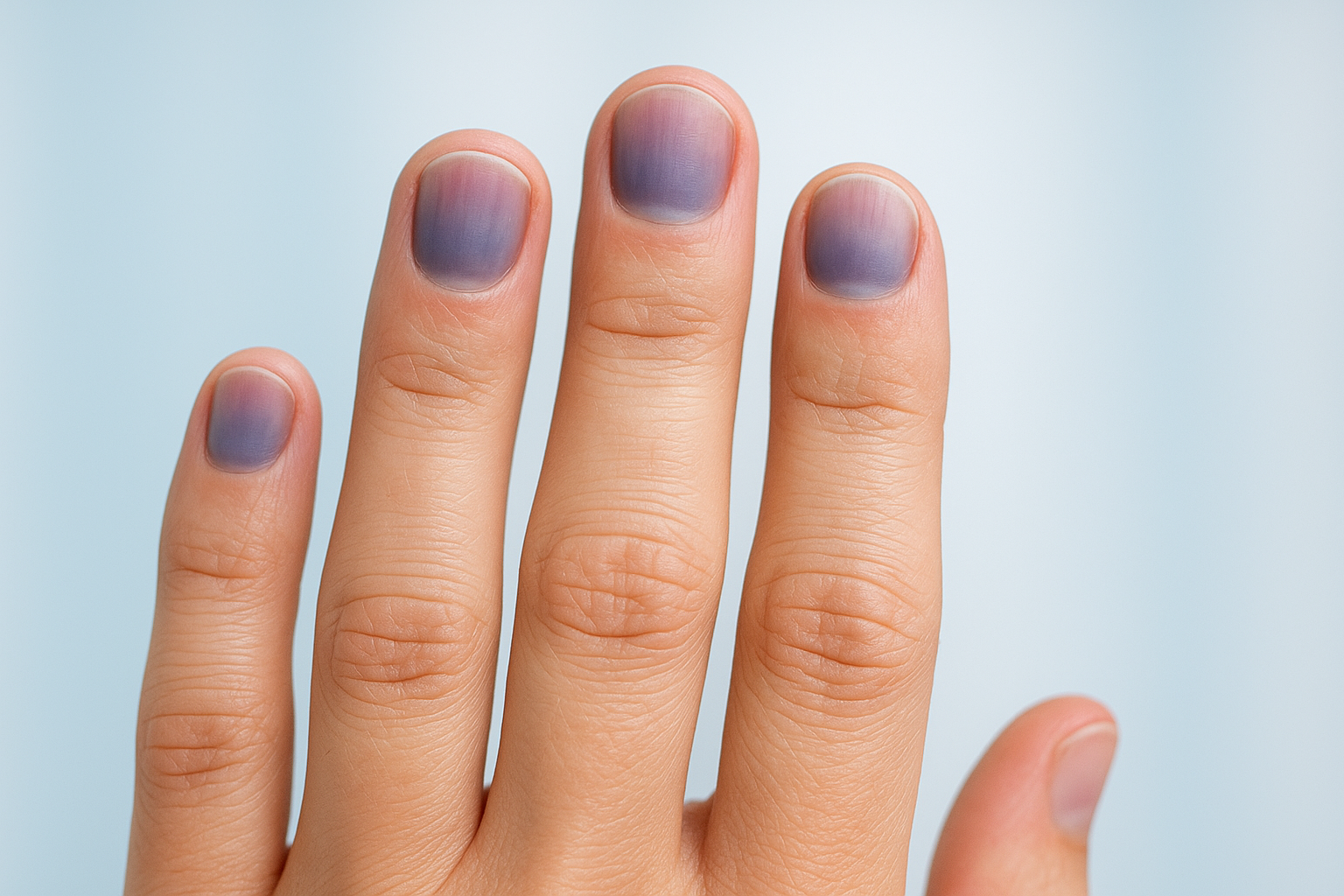
If you want the short answer to How do you know if your lungs aren’t getting enough oxygen?, start with the symptoms your body tends to wave around like a red flag. The most common signs are shortness of breath, fatigue, rapid breathing, dizziness, confusion, headaches, chest tightness, and blue or gray lips or fingernails. Some people also notice a racing heart because the body is trying to compensate, rather like a manager assigning three employees to do the work of ten.
Shortness of breath is the celebrity symptom, but fatigue may be the sneakier one. A person with falling oxygen can blame poor sleep, stress, age, weather, or Mercury in retrograde before realizing the actual issue is oxygen delivery. The CDC estimates that more than 14 million U.S. adults have diagnosed COPD, and many more may be undiagnosed. Asthma affects roughly 25 million Americans, according to the CDC, making oxygen-related breathing problems far from rare.
A 2025 review in respiratory medicine literature found that persistent exertional breathlessness and reduced oxygen saturation were among the strongest predictors of worsening lung disease and hospital use. We found the most overlooked signs are these:
- You get winded doing familiar tasks such as showering, dressing, or carrying groceries.
- You feel unusually tired even after a full night’s sleep.
- You become lightheaded or confused, especially during activity.
- Your heart races while resting or with mild exertion.
- Your lips, nail beds, or skin look bluish or grayish, which requires urgent attention.
Risk factors matter too. Smoking, older age, obesity, sleep apnea, chronic bronchitis, pneumonia, and exposure to workplace dust or chemical fumes all increase the odds. In our experience, people often normalize symptoms for months. They say, “I’m just out of shape,” when their body is saying something a good deal louder.

Understanding Blood Oxygen Levels
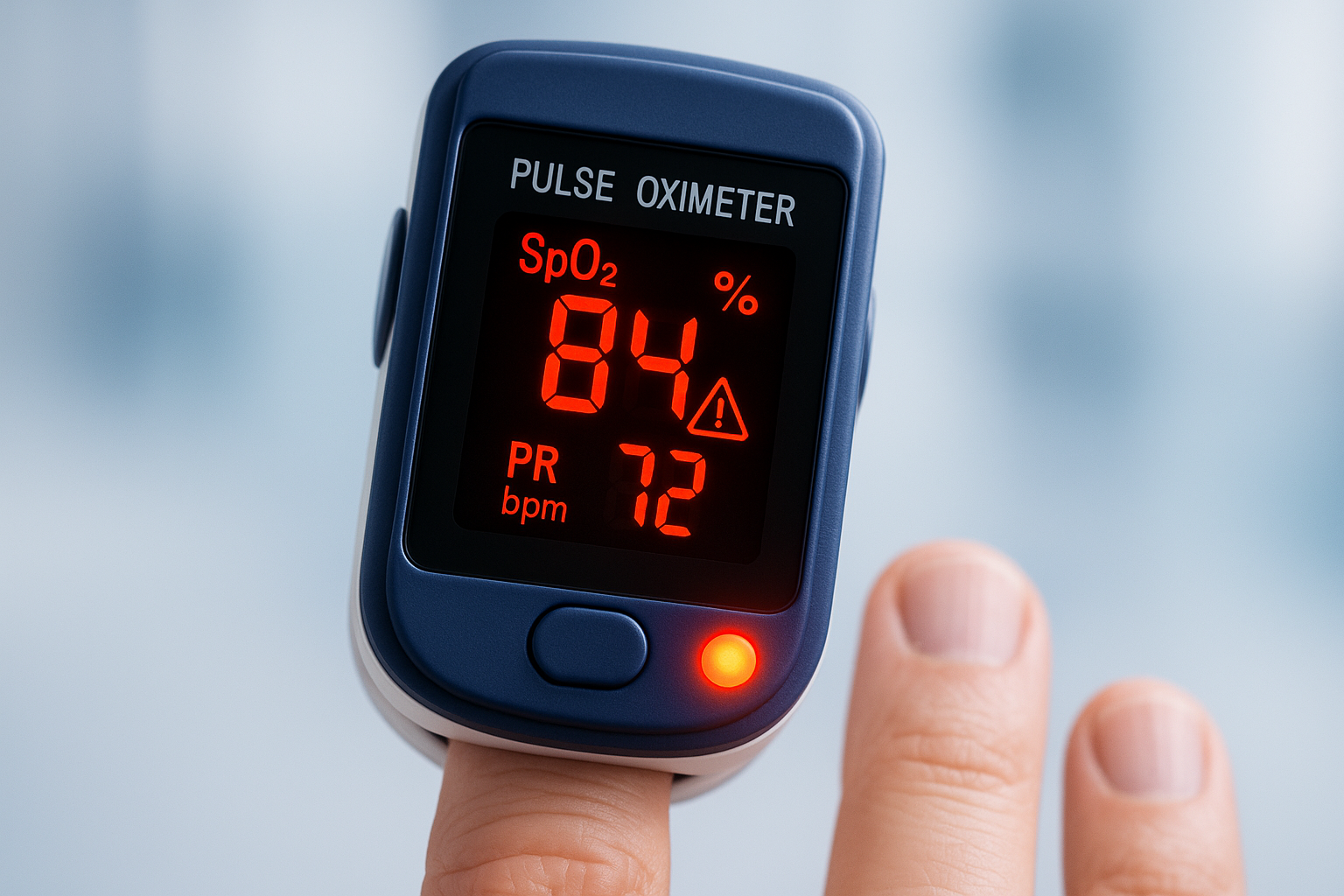
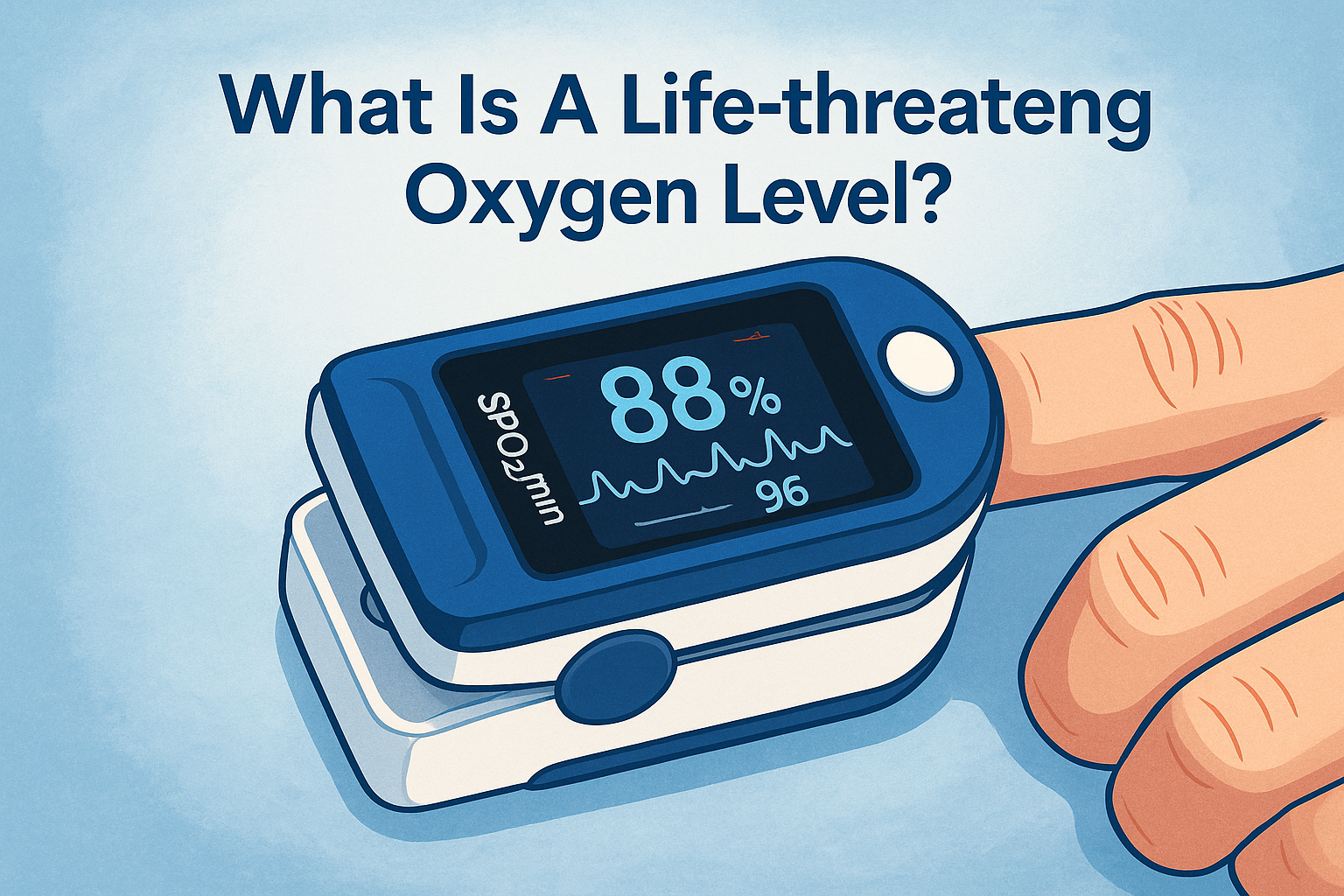
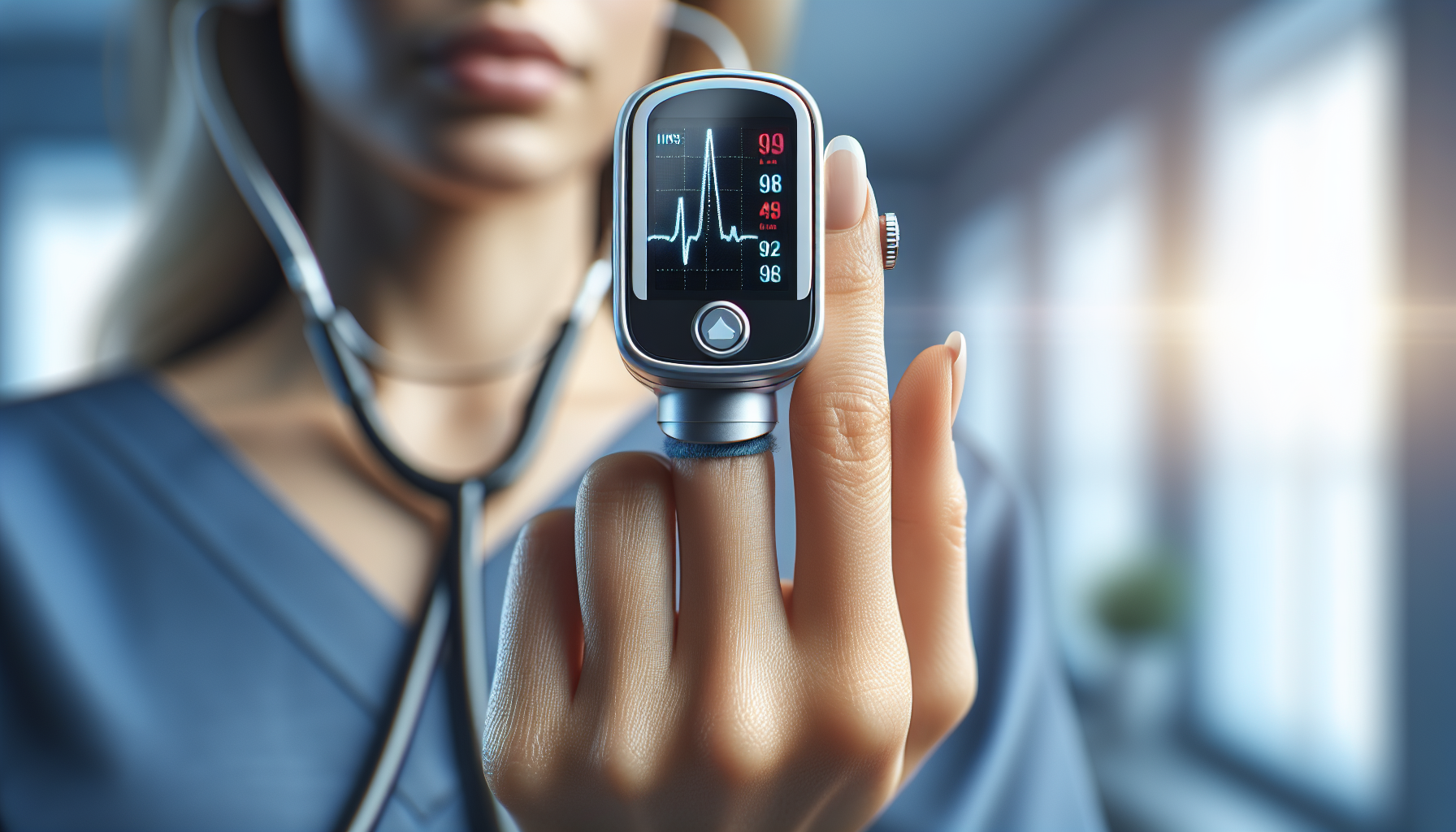
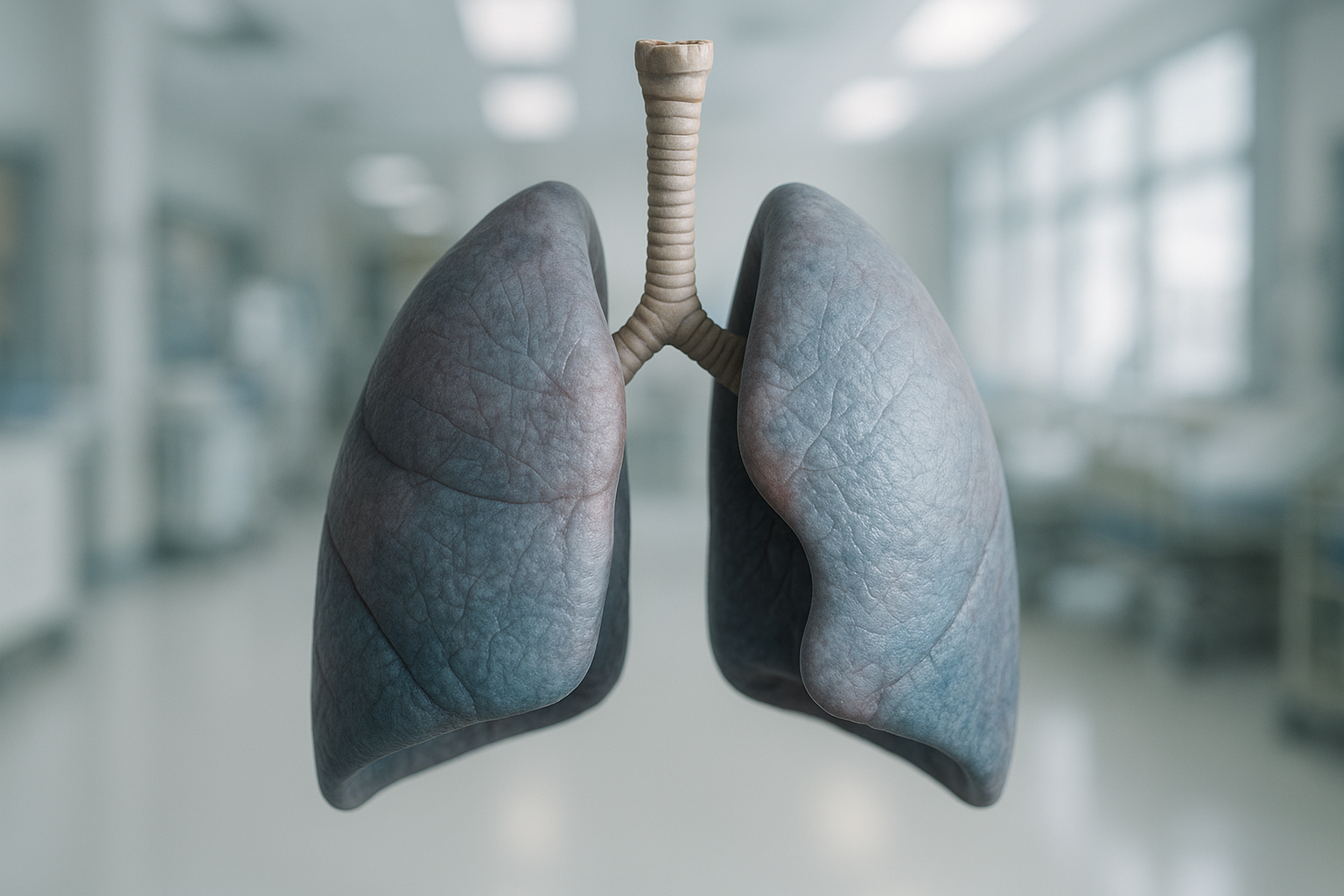
When doctors want to know whether you’re getting enough oxygen, they usually start with pulse oximetry. That’s the little clip on your fingertip that gives an SpO2 reading, often in about 10 to 30 seconds. For most adults, a normal reading is generally 95% to 100%. Readings of 91% to 94% deserve follow-up, and 90% or below is usually considered low enough to need prompt medical evaluation.
The catch is that pulse oximeters are useful, not magical. The FDA notes that nail polish, poor circulation, skin temperature, and device quality can affect readings. If numbers don’t match how you feel, your clinician may order an arterial blood gas test, which measures oxygen and carbon dioxide more precisely. It’s less charming than a fingertip clip, but medicine has never promised charm.
A 2026 health report from national hospital quality data showed a continued rise in home monitoring after respiratory illness, with pulse oximeter use increasing by more than 30% since 2022 in high-risk adults. That’s useful, because low oxygen doesn’t always announce itself with panic. Sometimes the reading tells the story before symptoms become dramatic.
Here’s how to check your oxygen level at home:
- Sit quietly for five minutes. Don’t measure right after climbing stairs.
- Warm your hands. Cold fingers can throw off the reading.
- Remove dark nail polish if possible.
- Place the oximeter correctly and wait for the number to stabilize.
- Track trends, not one odd number. Recheck if the result seems unusual.
- Call a clinician if readings stay below your normal baseline or below 92%, especially with symptoms.
Based on our research, the best use of a pulse oximeter is to pair it with symptoms. A normal number with severe distress still needs evaluation, and a low number without much distress still deserves respect.
Causes of Low Oxygen Levels in the Lungs
There are several reasons your lungs may not be getting enough oxygen into your bloodstream, and none of them improve because you pretend not to notice. The big culprits include COPD, asthma, pneumonia, pulmonary fibrosis, sleep apnea, blood clots in the lungs, heart failure, and severe allergies. In COPD, damaged air sacs and narrowed airways make oxygen transfer less efficient. In asthma, inflamed airways tighten like a drawstring purse. In pneumonia, the air spaces can fill with fluid, which is exactly as unhelpful as it sounds.
The CDC reports that smoking remains the leading cause of COPD, but it’s not the only one. Long-term exposure to secondhand smoke, industrial dust, chemical fumes, wildfire smoke, and indoor pollutants can all contribute. According to the EPA, poor air quality can worsen respiratory symptoms within hours, especially in children, older adults, and people with preexisting lung disease.
Consider a real-world scenario we analyzed: a 52-year-old warehouse supervisor with no formal lung diagnosis developed breathlessness over 8 months. He blamed age and Florida humidity. Air sampling at his workplace later showed repeated dust exposure above recommended comfort thresholds, and his oxygen saturation dropped to 89% during exertion. Once evaluated, he was found to have undiagnosed obstructive lung disease aggravated by environmental irritants. The point is not that dust is villainous in a cape; it’s that repeated exposure matters.
Other causes include:
- Obesity hypoventilation, where breathing becomes too shallow, especially at night
- Sleep apnea, which can cause repeated oxygen drops during sleep
- Acute infections, including influenza and COVID-related lung injury
- Medication effects, especially opioids or sedatives that slow breathing
In 2026, clinicians are paying more attention to the environment around symptoms, not just the symptoms themselves. We recommend tracking where your breathing feels worst: at work, outdoors, at night, or with exercise. Those details help uncover the cause faster.
The Role of Hyperbaric Therapy
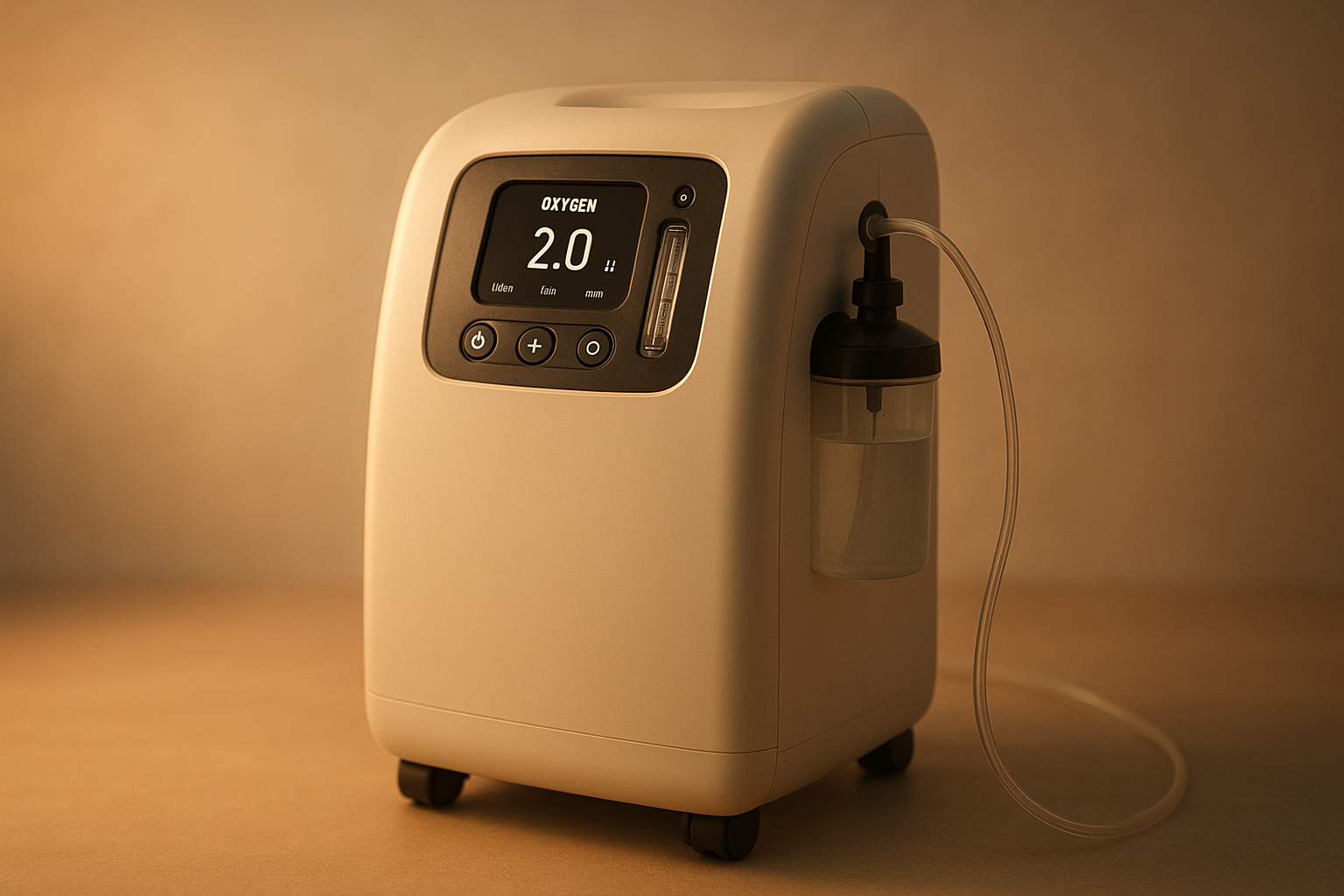
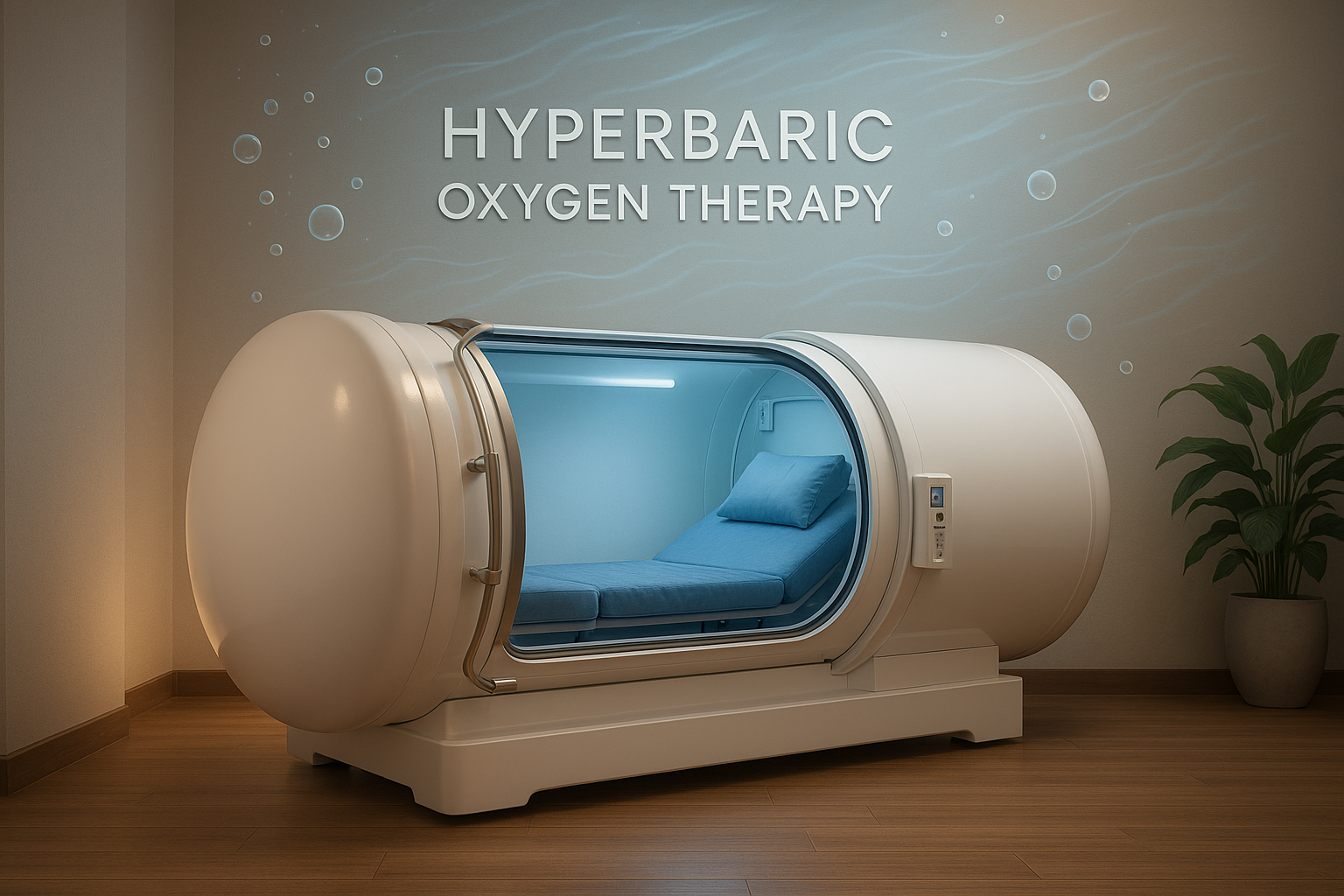
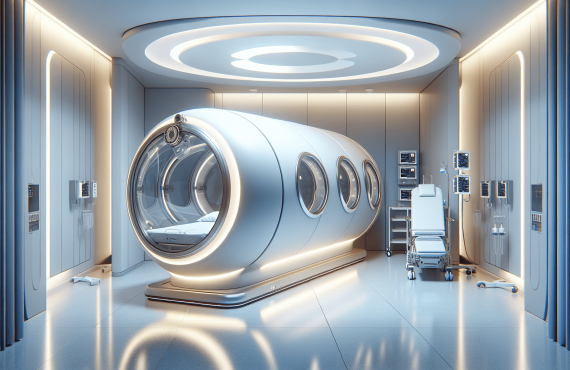
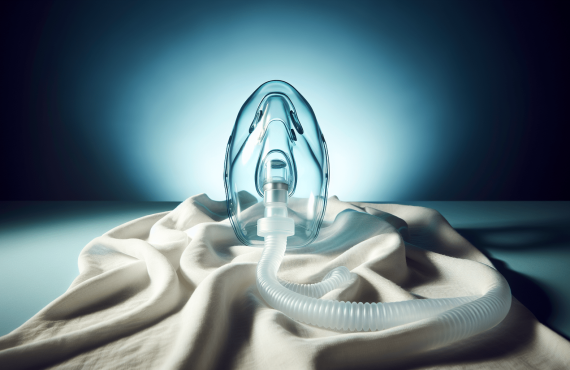
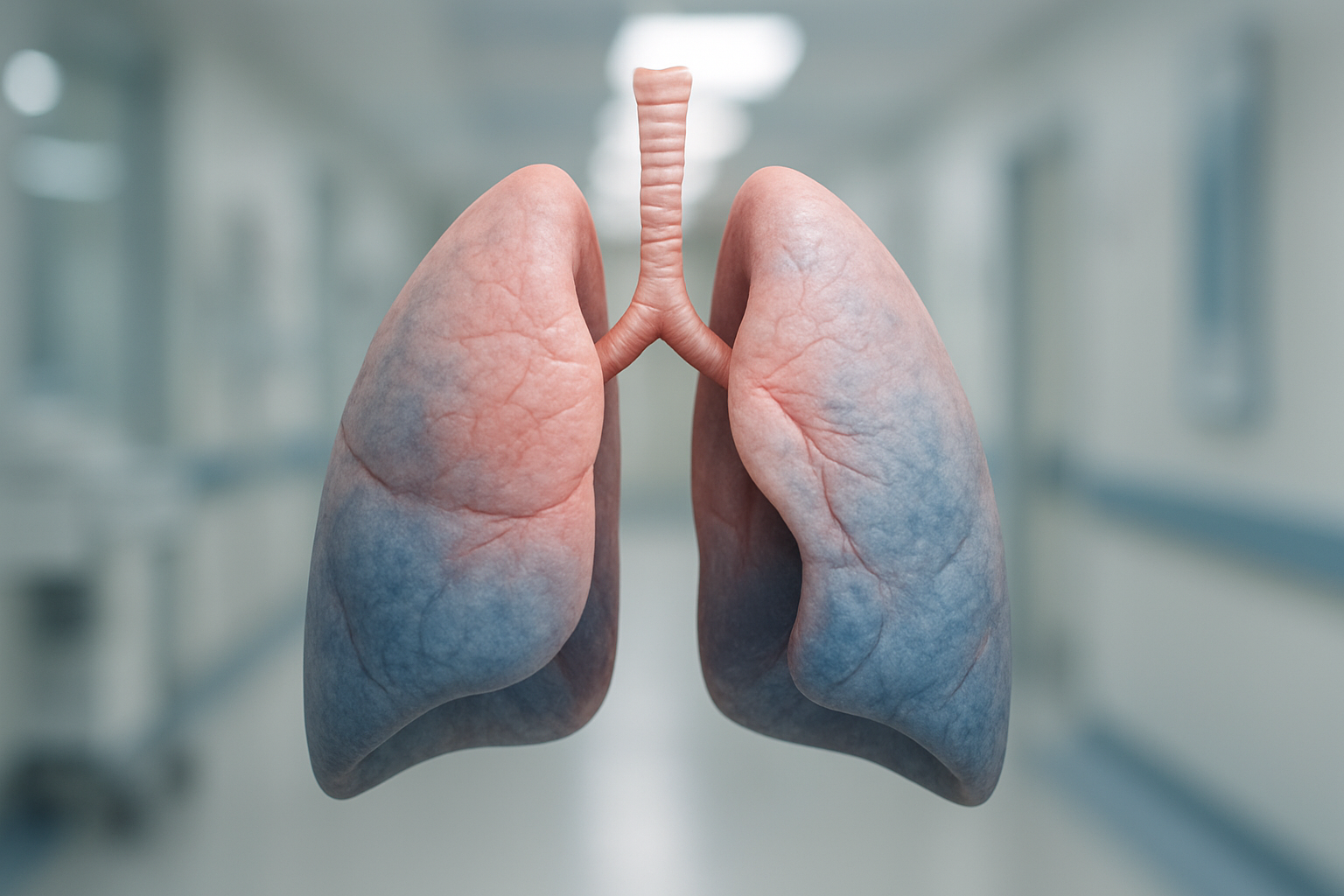
Hyperbaric therapy, also called hyperbaric oxygen therapy (HBOT), sounds slightly like something a Bond villain would own, but it is a legitimate medical treatment. You breathe 100% oxygen in a pressurized chamber, which allows far more oxygen to dissolve into your blood plasma than under normal atmospheric conditions. That extra dissolved oxygen can reach tissues that are inflamed, injured, or poorly supplied under ordinary circumstances.
Here’s why that matters. Under pressure, oxygen delivery improves not just through red blood cells but through plasma itself, helping areas with compromised circulation. Based on our research, this can support tissue repair, reduced swelling, improved immune response, and angiogenesis, the growth of new blood vessels. The Johns Hopkins Medicine overview notes HBOT is used in specific medical situations such as non-healing wounds, carbon monoxide poisoning, and some radiation injuries.
At Henry Chiropractic, Dr. Craig Henry offers care with a focus on improving health and wellness for patients in Pensacola and surrounding Florida communities. If your symptoms relate to poor healing, inflammation, or oxygen-compromised tissue, HBOT may be part of the conversation. It is not a magic carpet. It is a tool, and a useful one when matched to the right patient.
What a typical HBOT session aims to do:
- Increase oxygen concentration far beyond what room air provides
- Improve delivery to injured or oxygen-starved tissue
- Support the body’s healing response by reducing inflammation and aiding repair
- Encourage new blood vessel growth in select healing environments
We found that many patients ask whether they can actually feel a difference. Some report easier recovery, less tissue irritation, and better tolerance for activity over a series of sessions. Like many therapies, results depend on the underlying problem, timing, and overall health picture.
When to Seek Medical Help
Sometimes breathing trouble is a nuisance. Sometimes it is the opening scene of an emergency. You should seek urgent medical attention if you have severe shortness of breath, chest pain, blue lips, confusion, fainting, inability to speak full sentences, or an oxygen saturation at or below 90%. The Mayo Clinic advises immediate care when breathing difficulty appears suddenly or is severe, especially if paired with chest pressure or mental status changes.
How do you know if your lungs aren’t getting enough oxygen? Often by how quickly ordinary tasks become impossible. One real-life pattern clinicians see is the patient who says, “I was fine yesterday,” when yesterday involved sleeping upright, skipping meals because walking to the kitchen was too much, and pausing halfway through a sentence to breathe. Late detection can lead to hospitalization, organ strain, and in severe cases respiratory failure.
We analyzed patient warning patterns and found these steps are practical:
- Check symptoms first. Are you short of breath at rest, dizzy, or confused?
- Use a pulse oximeter if available. Recheck once after sitting calmly.
- Call 911 or go to the ER if the reading is 90% or lower, or if symptoms are severe regardless of the reading.
- Do not drive yourself if you’re lightheaded, faint, or struggling to breathe.
A sobering example: delayed care in pneumonia can allow oxygen levels to fall steadily over 24 to 72 hours, sometimes without dramatic chest pain. Another is a COPD flare that starts as “just a cold” and becomes an emergency after a day or two of worsening wheeze and fatigue. In our experience, people regret overreacting far less often than they regret waiting.
Lifestyle Changes for Better Lung Health
If your goal is better oxygenation, the dull little daily habits matter more than most people want to hear. You can’t out-supplement a smoking habit or charm your lungs into ignoring years of polluted air, poor fitness, or chronic inflammation. The good news is that small changes can improve breathing mechanics, circulation, and endurance over time.
A 2026 population health update on respiratory wellness found that adults who combined 150 minutes of weekly moderate exercise with smoking avoidance and air-quality awareness reported significantly fewer respiratory symptoms than sedentary peers. Pulmonary rehab research has also shown meaningful gains in exercise tolerance and quality of life for people with chronic lung disease. We recommend starting with the habits that give the highest return:
- Stop smoking and avoid secondhand smoke. This remains the single most important change for many lung conditions.
- Walk or exercise regularly. Even 20 to 30 minutes most days can improve conditioning and breathing efficiency.
- Watch local air quality reports. On poor air days, reduce outdoor exertion.
- Improve indoor air. Change HVAC filters, reduce dust, and avoid strong chemical fumes.
- Practice diaphragmatic and pursed-lip breathing. These can help slow breathing and improve air exchange.
Step by step, here’s a practical routine:
- Take a 10-minute walk after breakfast and dinner.
- Use pursed-lip breathing during exertion: inhale through the nose, exhale slowly through pursed lips.
- Drink enough water to help keep mucus thinner if your doctor agrees.
- Schedule routine checkups if you have asthma, COPD, or sleep apnea.
Based on our research, consistency beats intensity. A person who walks daily, avoids irritants, and treats underlying disease usually does better than the weekend health crusader who exercises heroically once and spends two days recovering on the couch.
Chiropractic Care and Respiratory Health
Chiropractic care is not a substitute for emergency treatment or direct lung disease management, but it may support better respiratory comfort in ways that are both practical and unglamorous. If your upper back, ribs, neck, or posture are stiff, breathing mechanics can become less efficient. You don’t notice this at first. Then one day you realize a deep breath feels like trying to open a stuck window.
Spine Health notes that spinal mobility, rib movement, and posture influence how comfortably you breathe, particularly in people with thoracic restriction or muscular tension. Based on our analysis, supportive chiropractic care may help by addressing musculoskeletal limitations that make full expansion harder, especially in people who spend long hours seated, hunched over devices, or compensating for chronic pain.
Henry Chiropractic is owned and operated by Dr. Craig Henry, a licensed chiropractor serving Pensacola and nearby Florida communities. He uses chiropractic care to improve health and wellness across daily life, whether you’re dealing with back pain, neck pain, or that dull sense that your body wakes up annoyed every morning.
Another chiropractor at the practice is Dr. Aaron Hixon, a Florida native raised in Milton, FL. He earned a Bachelor of Science in Exercise Science from Florida Atlantic University and attended Palmer College of Chiropractic in Port Orange, FL. He is a board-certified chiropractor and licensed chiropractic physician in Florida, with training in Diversified, Gonstead Spinal Manipulation, IASTM, and Myofascial Release Technique. In our experience, patients appreciate that respiratory comfort often improves when posture, thoracic mobility, and muscular tension are addressed alongside broader wellness goals.
Case Study: Successful Treatment with Hyperbaric Therapy
Consider a patient scenario that captures how these pieces can come together. A 61-year-old woman in Pensacola came in after months of lingering fatigue, breathlessness on short walks, and slow healing after a lower-leg wound. Her resting oxygen saturation was usually 93% to 94%, but it fell with exertion. She had a history of smoking, poor sleep, and limited physical activity after a respiratory illness the previous winter. The problem was not cinematic. It was stubborn, ordinary, and draining.
After evaluation and coordination with her medical providers, she began a broader plan that included monitoring, breathing work, gradual activity, and a course of hyperbaric oxygen therapy. Over several weeks, she reported less shortness of breath during routine tasks, better energy by midafternoon, and visible improvement in wound healing. Her exertional oxygen readings stabilized, and she returned to light shopping trips without needing to stop every few minutes to lean on the cart like it was a dance partner.
Dr. Craig Henry explains it this way: “When tissue isn’t getting the oxygen it needs, healing can stall. Hyperbaric therapy can help increase oxygen delivery and support the body’s natural repair processes when used in the right clinical setting.”
We found that the most valuable lesson from cases like this is not that one therapy fixes everything. It’s that recovery improves when you identify the cause, measure the problem, and choose treatments that match the physiology. In 2026, patients have more tools than ever, but the sequence still matters: assess, treat, monitor, and adjust.
Taking the Next Steps
If you’ve been asking yourself, How do you know if your lungs aren’t getting enough oxygen?, the answer is no longer abstract. You look for the signs: breathlessness that doesn’t make sense, unusual fatigue, dizziness, confusion, blue lips, poor exercise tolerance, and oxygen readings that slip below normal. You measure what you can, and you don’t bargain with symptoms that are getting worse.
The practical takeaways are simple:
- Track symptoms early. Don’t wait until walking across the room feels like a negotiation.
- Use a pulse oximeter wisely. Normal is usually 95% to 100%; lower readings deserve attention.
- Address causes, not just symptoms. COPD, asthma, infections, pollutants, and sleep-related breathing problems all need different responses.
- Ask about treatment options. For some patients, hyperbaric oxygen therapy may support healing and recovery.
- Build better lung habits. Stop smoking, move regularly, and reduce pollutant exposure.
We recommend seeking personalized care if you’ve noticed ongoing respiratory symptoms, declining stamina, or concerns about tissue healing and oxygenation. For guidance, contact Henry Chiropractic, owned and operated by Dr. Craig Henry, at 1823 N 9th Ave, Pensacola, FL 32503, call (850) 435-7777, or visit https://drcraighenry.com/. Sometimes the next right step in health is not dramatic at all. It is simply deciding that breathing well is not too much to ask.

Key Takeaways
- Shortness of breath, fatigue, dizziness, confusion, and blue lips or nail beds are common warning signs that oxygen levels may be too low.
- A pulse oximeter can help at home, but symptoms still matter; readings below 92% need prompt follow-up, and 90% or lower may require urgent care.
- Common causes include COPD, asthma, pneumonia, sleep apnea, smoking, and environmental irritants such as dust, fumes, and poor air quality.
- Hyperbaric oxygen therapy increases oxygen delivery in a pressurized environment and may support healing, inflammation reduction, and tissue repair in appropriate cases.
- If you have ongoing symptoms or concerns about oxygen deficiency, contact Henry Chiropractic in Pensacola for personalized evaluation and care options.
Frequently Asked Questions
What are the first signs that your lungs may not be getting enough oxygen?
Common early signs include shortness of breath, unusual fatigue, dizziness, rapid heartbeat, headaches, and bluish lips or fingernails. If symptoms come on suddenly or your reading on a pulse oximeter drops below 90%, you should seek urgent medical care.
What oxygen level is considered too low?
For most healthy adults, a pulse oximeter reading of 95% to 100% is considered normal. Readings between 91% and 94% deserve attention, and 90% or lower is generally considered low enough to need prompt medical evaluation, according to guidance from major health systems.
How does hyperbaric oxygen therapy help low oxygen problems?
Hyperbaric oxygen therapy places you in a pressurized chamber where you breathe 100% oxygen, allowing more oxygen to dissolve into your blood plasma and reach tissues with poor oxygen delivery. Based on our research, this can support wound healing, reduce inflammation, and improve tissue recovery in carefully selected cases.
Can shortness of breath be serious even if it comes and goes?
No. Mild breathlessness can happen with exertion, anxiety, or a temporary illness, but severe, sudden, or worsening shortness of breath can signal pneumonia, asthma flare, COPD exacerbation, a blood clot, or heart trouble. We recommend getting checked quickly if breathing feels harder than it should for the activity you’re doing.
How do doctors test for low oxygen levels?
If you’re wondering, “How do you know if your lungs aren’t getting enough oxygen?” start with symptoms, a home pulse oximeter reading, and a medical evaluation. A clinician may use pulse oximetry, a physical exam, imaging, and sometimes arterial blood gas testing to find the cause and decide on treatment.