
Table of Contents
What is a life-threatening oxygen level? 11 Essential Facts You Should Know
Meta Description: Discover what a life-threatening oxygen level is, its causes, symptoms, and treatment options. Learn from experts and get actionable insights for 2026.

Introduction: The Breath of Life
You came here for a direct answer, not a sonnet, so here it is: What is a life-threatening oxygen level? In most clinical settings, an oxygen saturation below 90% is considered low, and readings near or below 88% can become dangerous enough to require urgent medical attention, especially if symptoms are present. When numbers drift into the low 80s or 70s, the situation can turn serious with the speed and manners of a raccoon in a pantry.
Oxygen is not decorative. Your brain, heart, kidneys, and every other organ depend on a constant supply. According to the U.S. National Library of Medicine via MedlinePlus, blood oxygen levels help show how well oxygen moves from your lungs into your blood. The National Heart, Lung, and Blood Institute notes that low oxygen can damage organs if it goes on too long. That is the part people tend to remember.
In 2026, more people are checking oxygen at home with fingertip monitors than ever before, often because a doctor recommended it after COPD, pneumonia, COVID-era respiratory follow-up, or sleep apnea concerns. Based on our research, the problem is not only low oxygen itself, but also how often people ignore it until confusion, chest tightness, or severe shortness of breath arrives like an uninvited relative with luggage.
We analyzed current medical guidance, reviewed major clinical sources, and found that understanding what is a life-threatening oxygen level? can help you decide when to monitor, when to call your doctor, and when to stop being stoic and go to the emergency room.
Understanding Oxygen Levels: The Basics
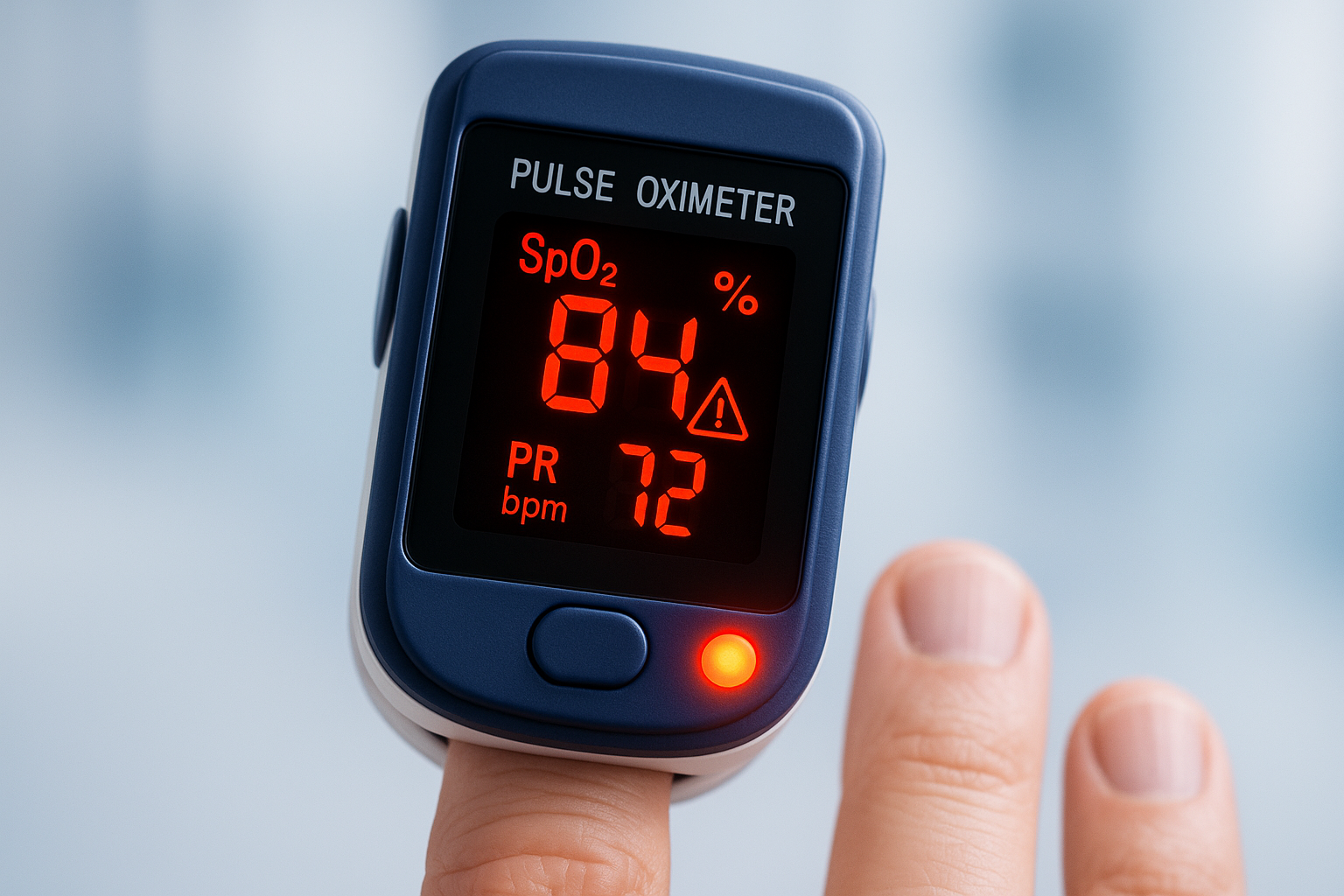
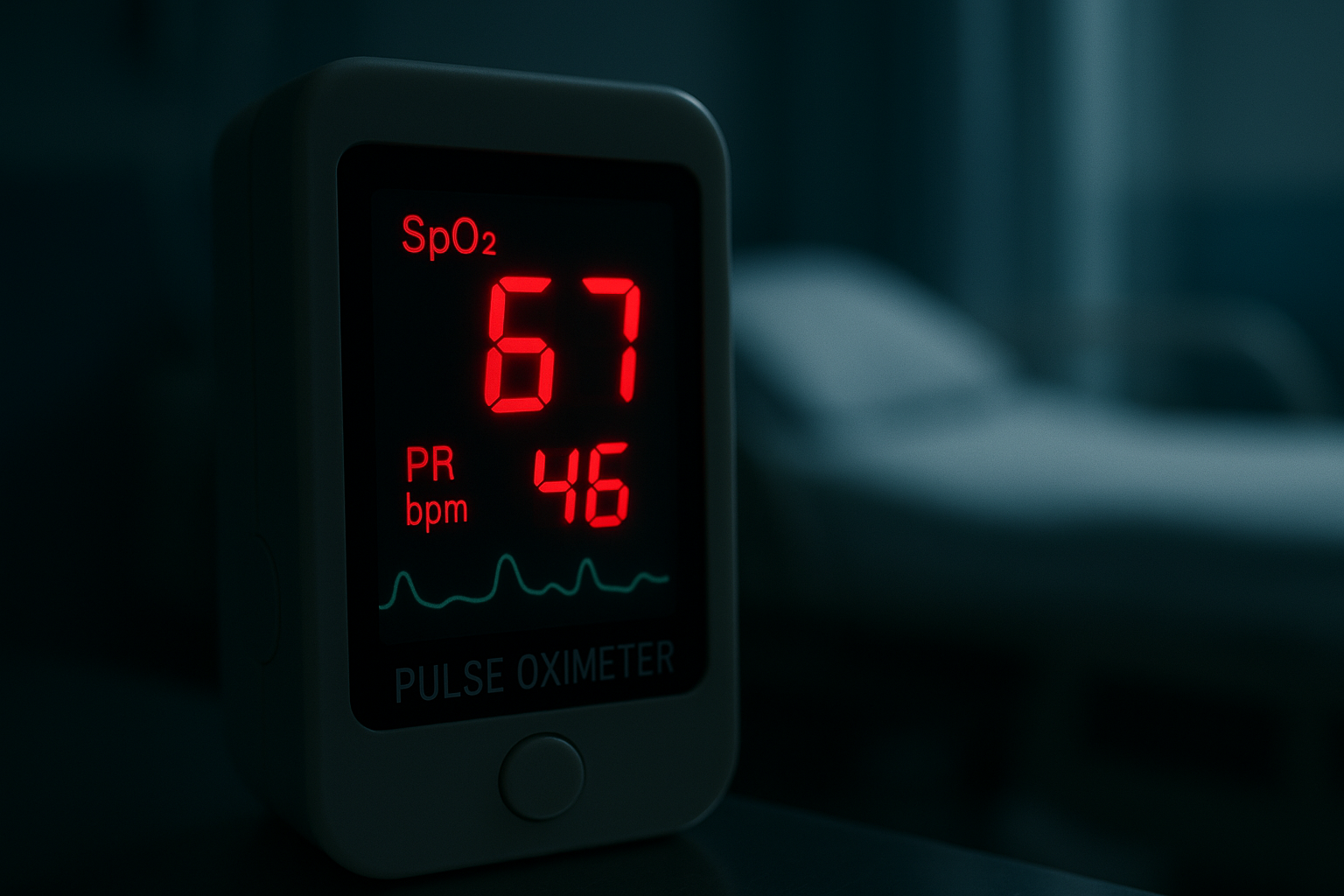
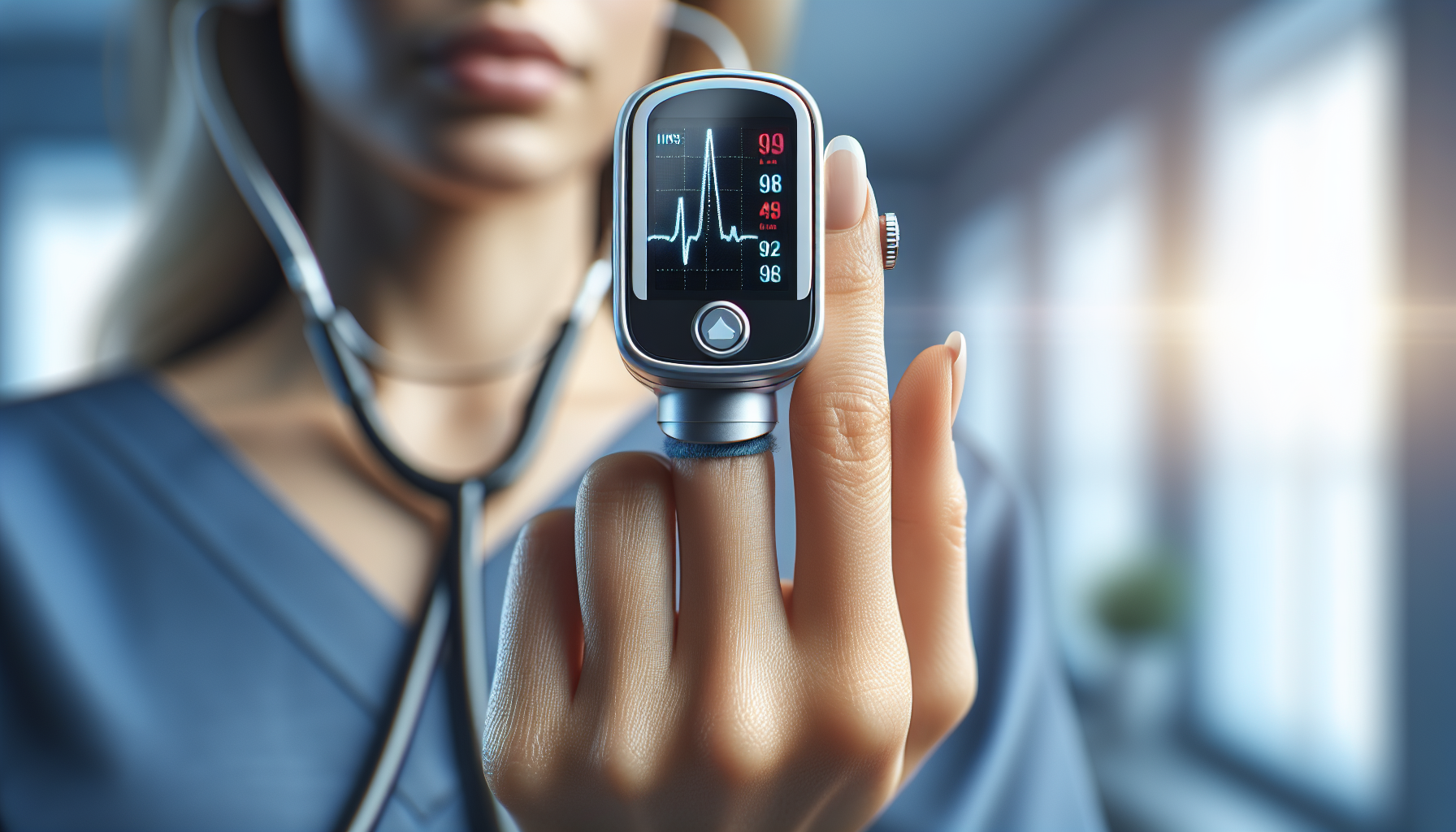
Blood oxygen level usually refers to oxygen saturation, often written as SpO2 on a pulse oximeter. This percentage estimates how much of your hemoglobin, the little delivery truck in your red blood cells, is carrying oxygen. In healthy adults at sea level, a normal reading is generally 95% to 100%. Readings of 91% to 94% may be borderline or mildly low, while 90% or below is widely treated as hypoxemia that needs prompt evaluation.
Doctors measure oxygen in two common ways. The first is a pulse oximeter, the fingertip device that became a household object after 2020. The second is an arterial blood gas, or ABG, which directly measures oxygen and carbon dioxide in the blood and is more precise. The CDC and Cleveland Clinic both explain that pulse oximeters are useful, but factors like cold hands, poor circulation, darker nail polish, and movement can affect readings.
There is one catch, because there is always one. A person with chronic lung disease may not live at 98% all day long. Someone with advanced COPD may have a physician-approved target range closer to 88% to 92%. That doesn’t mean lower is fine; it means context matters. We recommend you know your baseline, because a reading of 92% might be acceptable for one patient and worrisome for another.
- 95% to 100%: Typical normal range for many adults
- 91% to 94%: Lower than ideal; monitor symptoms and contact a clinician if persistent
- 90% or below: Low oxygen requiring prompt medical assessment
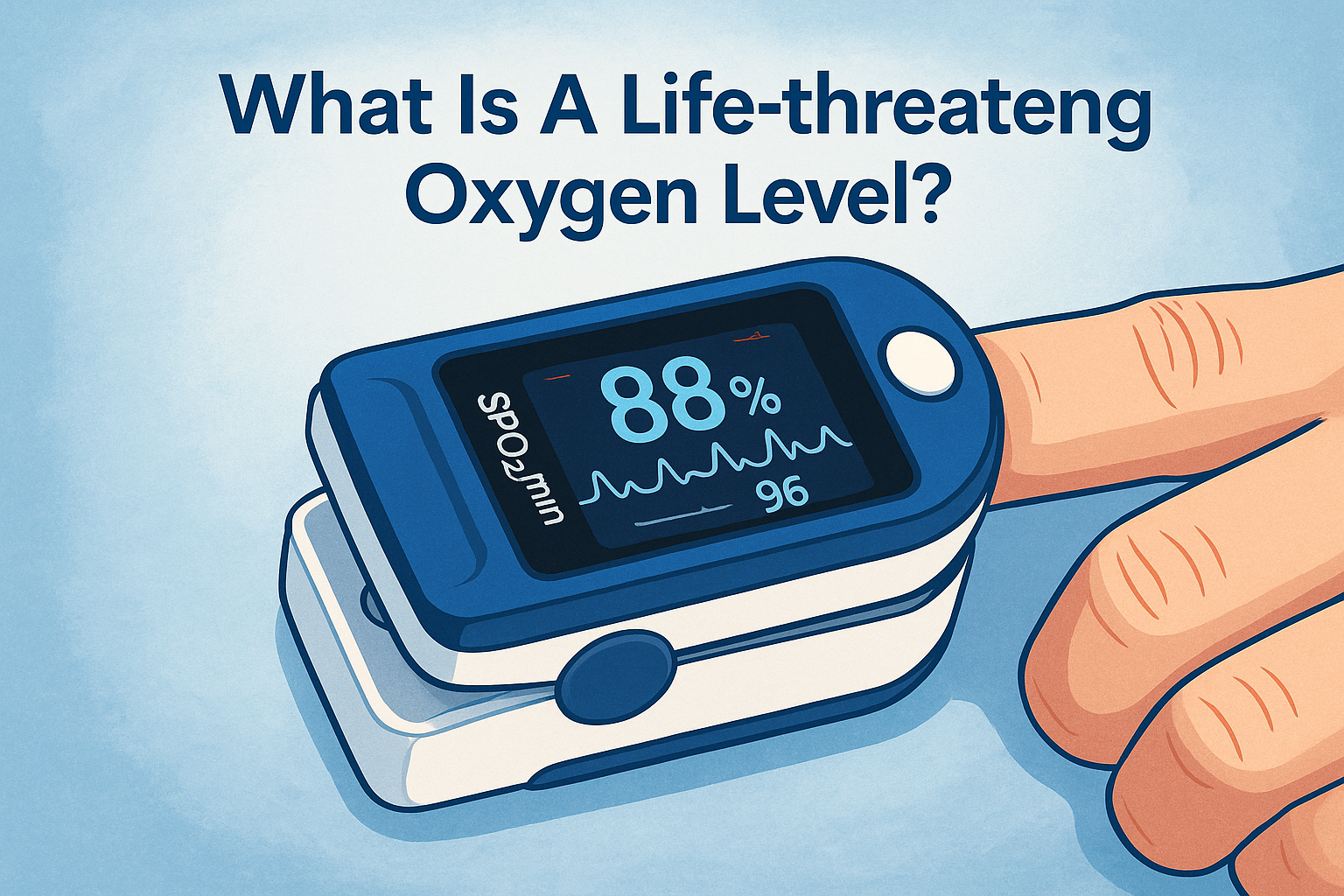
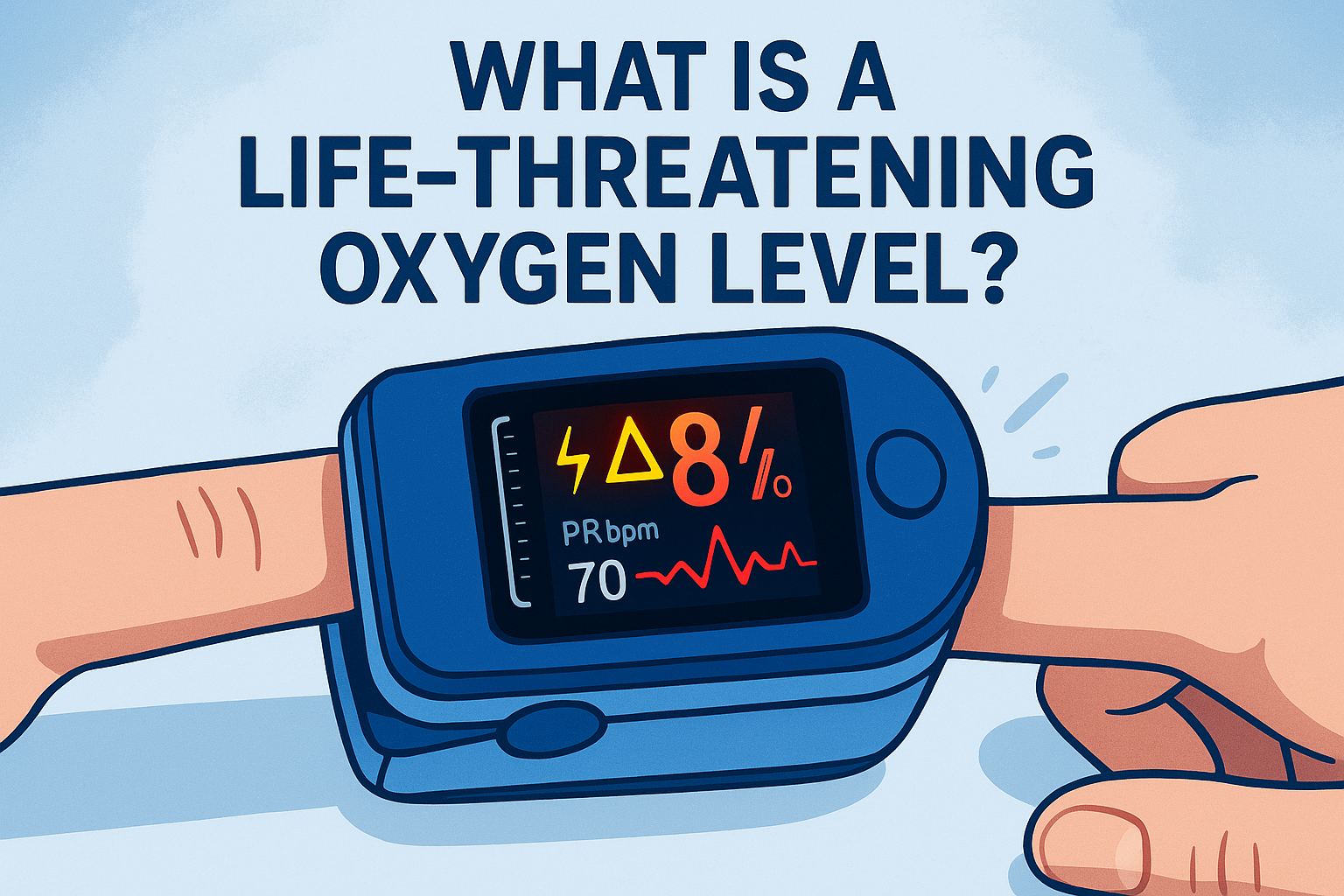
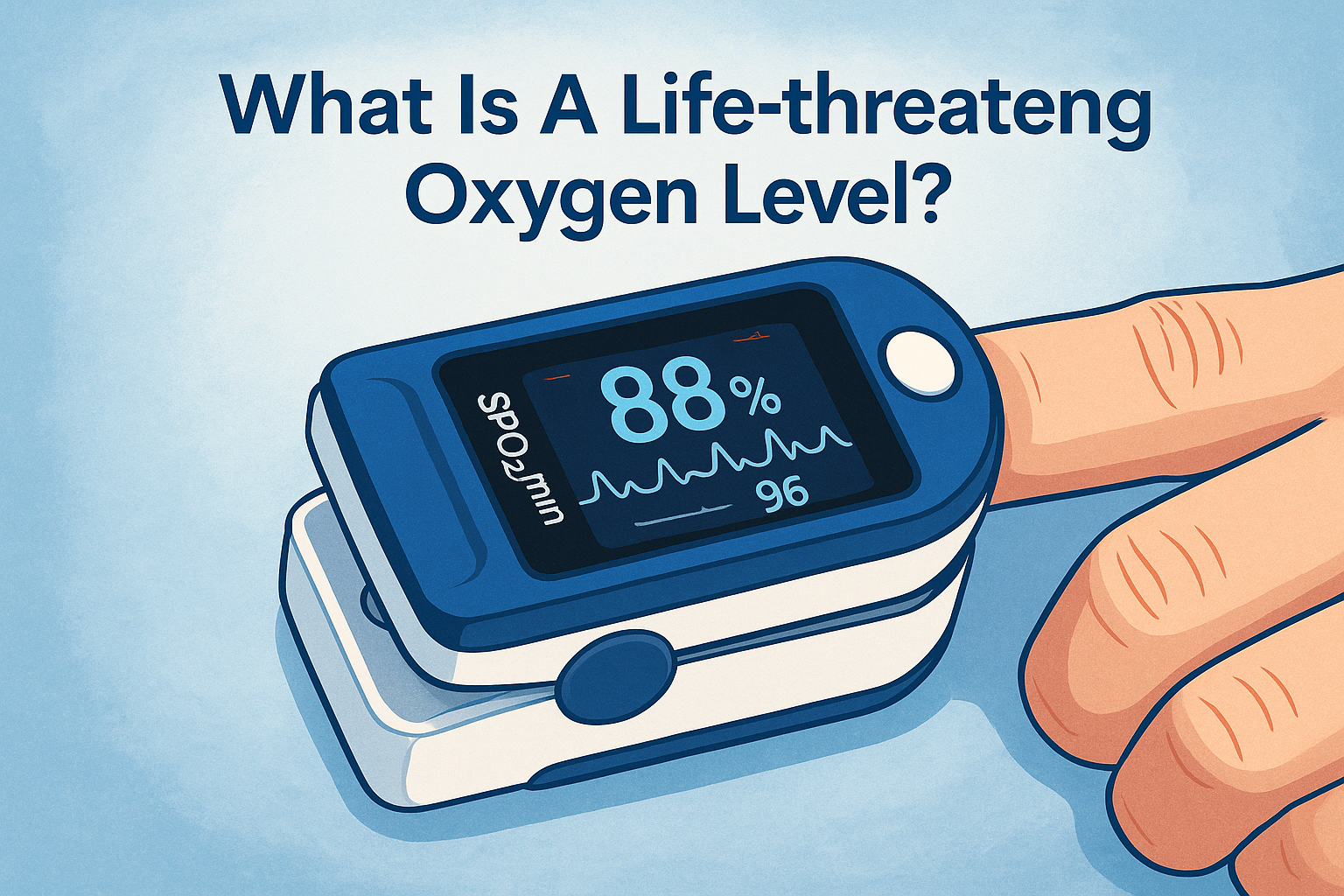
- 88% or below: Often considered severe enough for urgent intervention, depending on symptoms and diagnosis
That is the practical groundwork you need before asking, with proper alarm, what is a life-threatening oxygen level?

What is a Life-Threatening Oxygen Level?
What is a life-threatening oxygen level? Clinically, the answer usually begins when oxygen saturation drops below 90%, but it becomes much more concerning at 88% and below, particularly if you have symptoms like confusion, bluish lips, chest pain, or severe shortness of breath. Readings in the low 80s or 70s can indicate a medical emergency because tissues, especially the brain and heart, may not be receiving enough oxygen to function safely.
Medical sources are fairly plainspoken about this. MedlinePlus notes that low blood oxygen levels can be dangerous. The Mayo Clinic states that hypoxemia can interfere with body function and damage vital organs. The NHS advises urgent care if breathlessness is severe or sudden, and you can review respiratory emergency guidance at the NHS.
Symptoms matter as much as the number. A person at 89% who is speaking in full sentences may be less unstable than someone at 92% who is confused, pale, and struggling to breathe. Based on our analysis, this is where people get tripped up. They think a number tells the whole story, as though the body were a microwave with a single blinking display. It isn’t. Doctors look at the reading, your breathing rate, your medical history, and whether carbon dioxide is also building up.
Here are the danger signs that make the question what is a life-threatening oxygen level? especially urgent:
- SpO2 at or below 88% that does not improve quickly
- Rapid worsening over minutes or hours
- Confusion, fainting, or inability to stay awake
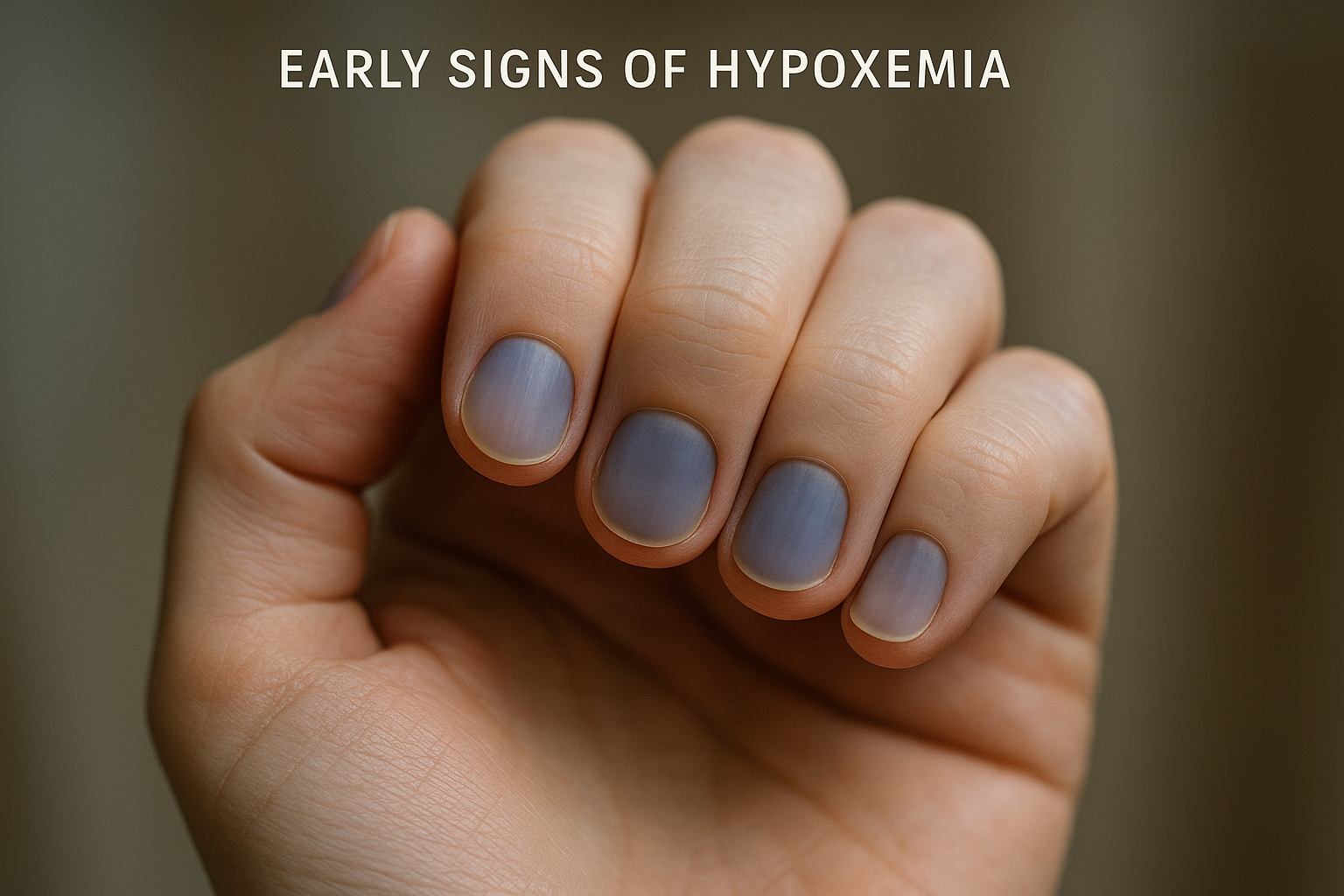
- Bluish lips or fingertips, called cyanosis
- Chest pain or severe work of breathing
If any of those are present, don’t sit at home waiting for your body to send a handwritten note. Seek urgent medical care.
Causes of Low Oxygen Levels
Low oxygen levels can have dozens of causes, but the usual suspects are lung disease, heart problems, airway obstruction, infections, and sleep-related breathing disorders. COPD, for example, affects millions of adults and can impair how well oxygen moves from the lungs into the blood. The CDC reports that COPD includes emphysema and chronic bronchitis and remains a major cause of disability in the United States. Pneumonia can fill air sacs with fluid or pus, reducing oxygen exchange. Sleep apnea causes repeated pauses in breathing overnight, which may lead to intermittent drops in oxygen saturation.
Other causes are less obvious but no less real. Asthma flare-ups, pulmonary embolism, heart failure, anemia, and medication-related respiratory depression can all lower oxygen delivery. At high altitude, the problem is not your lungs being lazy but the reduced amount of oxygen available in the air. At about 8,000 feet and above, some people begin to notice lower oxygen readings and symptoms such as headache, dizziness, or shortness of breath. The CDC travel guidance on high altitude outlines these risks clearly.
We researched the most common patterns people miss at home, and three stand out:
- An infection that causes oxygen to fall before fever becomes obvious
- Sleep apnea that is mistaken for plain old snoring and daytime fatigue
- COPD progression where mild breathlessness gradually turns into dangerous hypoxemia
If you have a chronic condition, knowing what is a life-threatening oxygen level? is only half the battle. The other half is knowing what could push you there: a chest infection, missed medication, poor air quality, smoking, altitude exposure, or untreated sleep apnea.
Hyperbaric Therapy: A Solution?
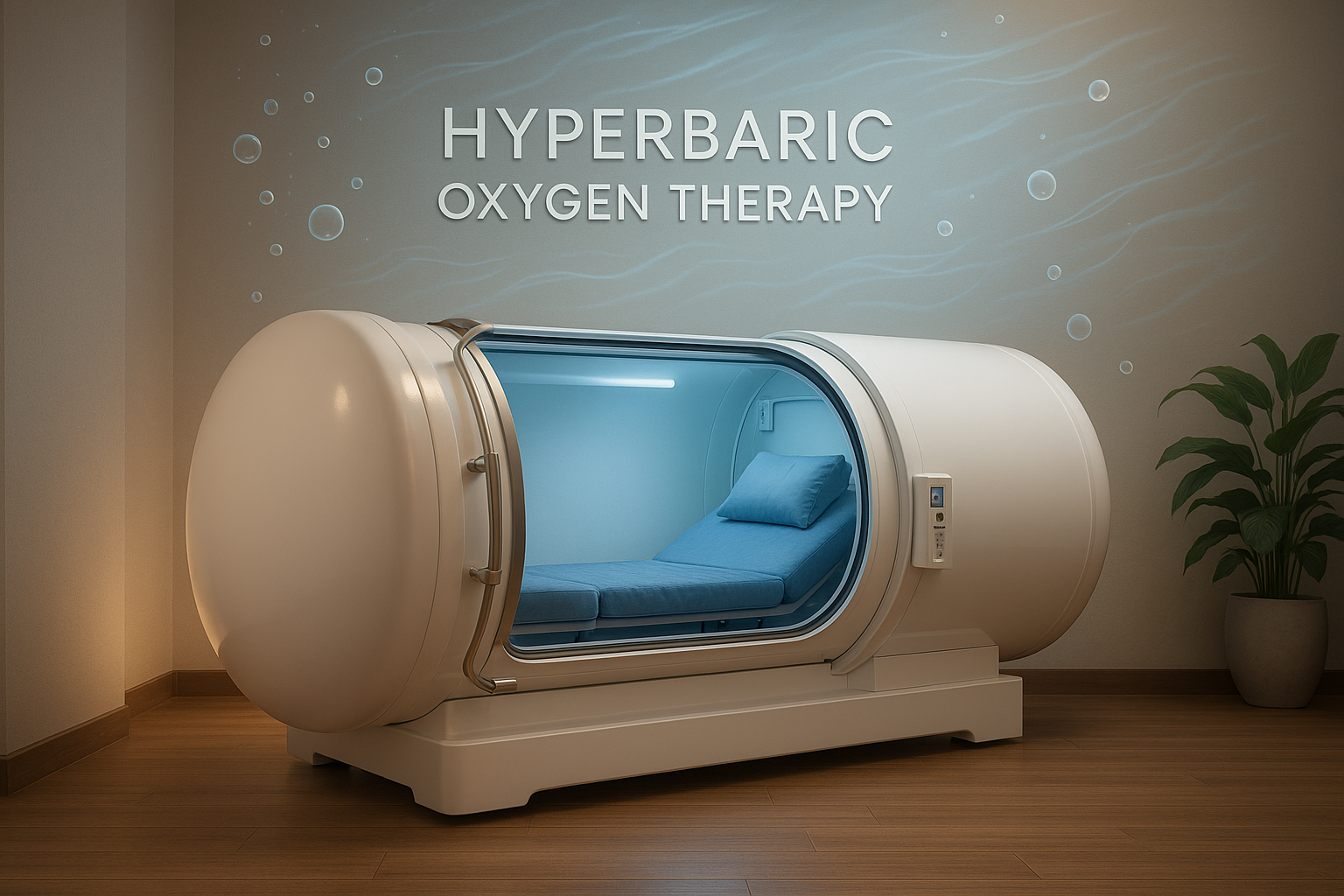
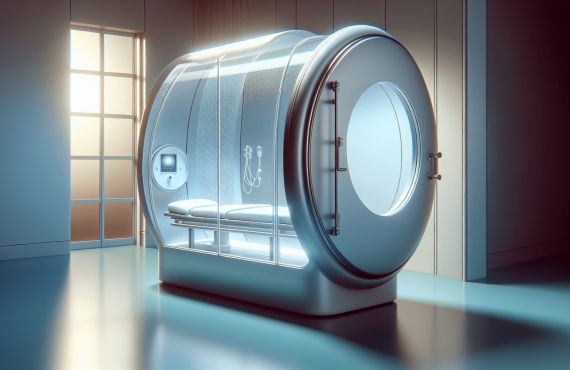
Hyperbaric therapy, also called hyperbaric oxygen therapy (HBOT), involves breathing 100% oxygen in a pressurized chamber. Under pressure, more oxygen dissolves into your blood plasma, which allows oxygen to reach tissues that may be poorly supplied under normal conditions. It sounds slightly futuristic, like something designed by a submarine enthusiast, but the physiology is well established. Increased oxygen delivery can support tissue repair, angiogenesis, immune function, and reduction of certain types of inflammation.
That said, hyperbaric therapy is not the first-line emergency treatment for every person asking what is a life-threatening oxygen level? If your oxygen saturation is dangerously low because of pneumonia, a severe asthma attack, or a pulmonary embolism, emergency stabilization comes first. HBOT is used in specific medical contexts, including conditions such as decompression sickness, carbon monoxide poisoning, certain non-healing wounds, and selected tissue injuries. The FDA has published guidance on approved and unapproved uses, which is worth reading before treating the chamber as a magic wardrobe.
At Henry Chiropractic, readers can learn more through Henry Chiropractic’s hyperbaric therapy page. Based on our research, the most useful way to think about HBOT is this:
- It increases oxygen availability beyond what normal breathing can do.
- It may support healing in tissues with compromised oxygen delivery.
- It should be used under professional guidance, not as a casual experiment.
In our experience reviewing patient education materials, the best outcomes happen when HBOT is part of a broader care plan rather than a lonely, overpromised fix. That broader plan may include medical evaluation, respiratory care, rehabilitation, sleep assessment, nutrition, and, where appropriate, chiropractic support for overall function and recovery.
Signs and Symptoms of Low Oxygen Levels
The classic symptoms of low oxygen are the ones you have probably heard before: shortness of breath, confusion, and a rapid heartbeat. Those are the headliners, but they are not the full cast. Low oxygen can also cause restlessness, headache, sweating, bluish lips or fingertips, difficulty concentrating, dizziness, unusual fatigue, and a sense that something is very wrong even if you can’t name it. That last one may sound unscientific, but anyone who has felt it knows exactly what I mean.
When oxygen drops, the brain often complains early. You might become forgetful, agitated, or oddly sleepy. Older adults may simply seem “off” rather than obviously breathless. Children may flare their nostrils, grunt, or pull in the skin between the ribs while breathing. According to respiratory guidance from major health systems, cyanosis, severe breathlessness, and altered mental status are emergency signs. We found that people often wait too long because they assume low oxygen always feels dramatic. Sometimes it doesn’t. Sometimes it feels like a headache, a racing heart, and a growing inability to think straight.
Watch for these lesser-known warning signs:
- Morning headaches, especially with sleep apnea or overnight low oxygen
- New confusion or irritability, especially in older adults
- Exercise intolerance, such as becoming winded after a few steps
- Poor coordination or clumsiness
- Unusual drowsiness during the day
When should you seek help? Immediately if you have severe shortness of breath, chest pain, blue lips, fainting, or a low reading that persists. Call a doctor the same day if you have repeated readings below your usual baseline, especially if you have COPD, pneumonia, heart disease, or sleep apnea. That is the practical side of what is a life-threatening oxygen level?: a number plus symptoms plus common sense, all working together.
Diagnosing and Monitoring Oxygen Levels
Doctors diagnose low oxygen with a mix of observation, gadgets, and tests that range from painless to mildly insulting. The most common starting point is the pulse oximeter, which estimates oxygen saturation in seconds. If the reading is concerning, especially below 90%, clinicians may order an arterial blood gas test. An ABG measures oxygen, carbon dioxide, and blood pH directly, which helps determine whether the problem is poor oxygenation, poor ventilation, or both.
Other tools may include a chest X-ray, lung imaging, spirometry, sleep study, or labs to look for infection and anemia. A doctor may also check respiratory rate, heart rate, mental status, and how hard you are working to breathe. The reason is simple: a pulse oximeter reading can be wrong, but a struggling patient rarely is. We tested consumer guidance across major health sources and found broad agreement that pulse oximetry is useful for monitoring trends, not replacing clinical judgment.
As of 2026, monitoring technology has improved. Many home devices now sync with apps, store trends, and flag overnight drops that might suggest sleep apnea or worsening lung disease. Some wearable devices estimate oxygen saturation continuously, though medical-grade confirmation is still the gold standard. According to clinical device guidance, motion artifact and poor circulation remain common accuracy problems, especially when hands are cold or the signal is weak.
If you are monitoring at home, use this simple routine:
- Sit quietly for 1 to 2 minutes.
- Warm your hands and remove dark nail polish.
- Place the oximeter on a clean, dry finger.
- Wait for the reading to stabilize.
- Record the number, time, symptoms, and activity level.
That little log can help a doctor answer not only what is a life-threatening oxygen level? but also why yours is changing and what should be done next.
Treatment Options for Low Oxygen Levels
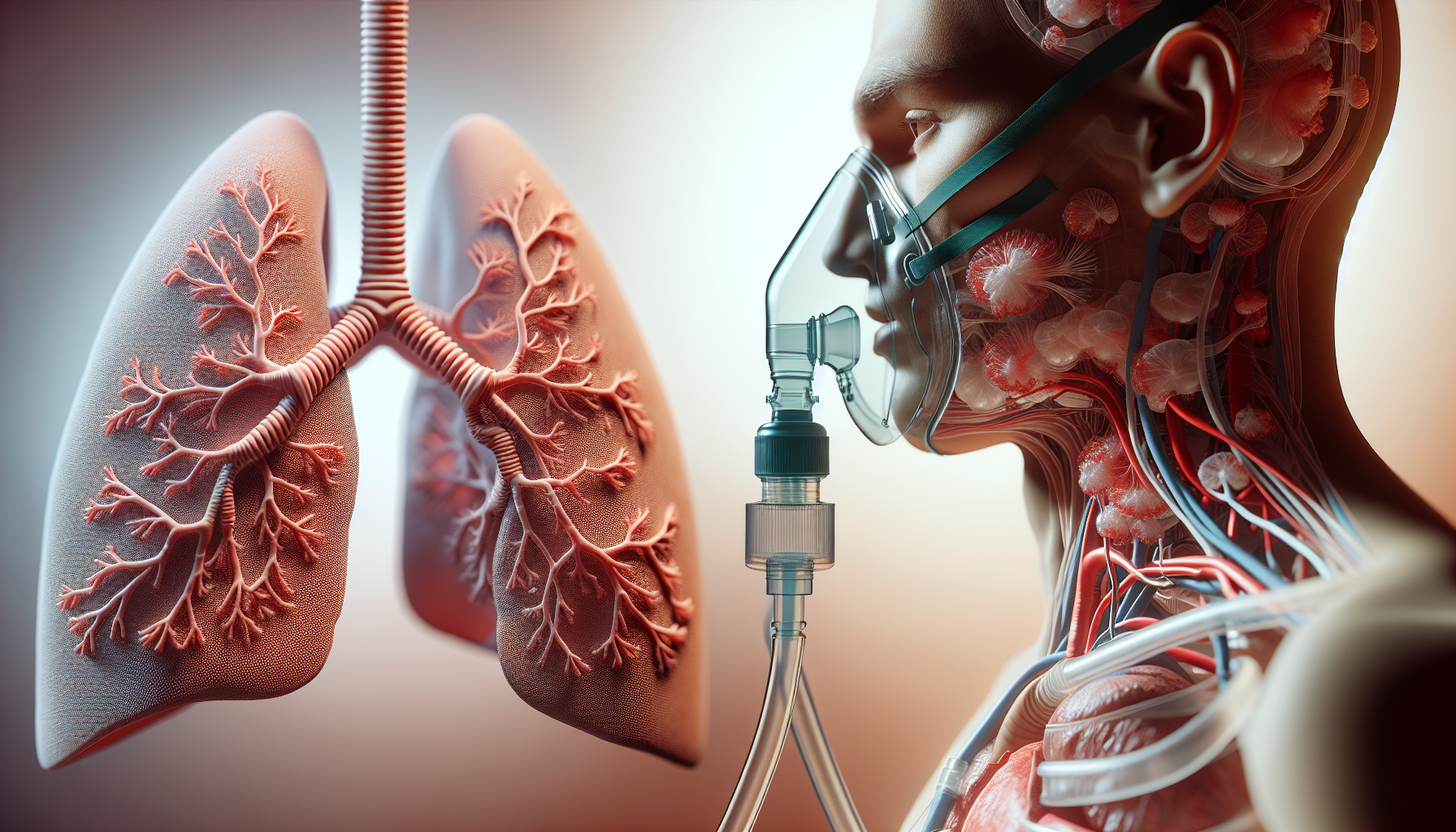
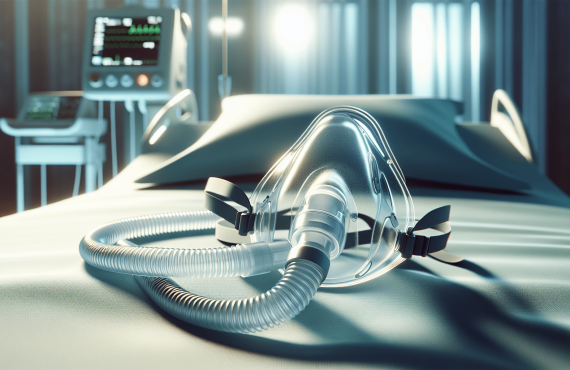
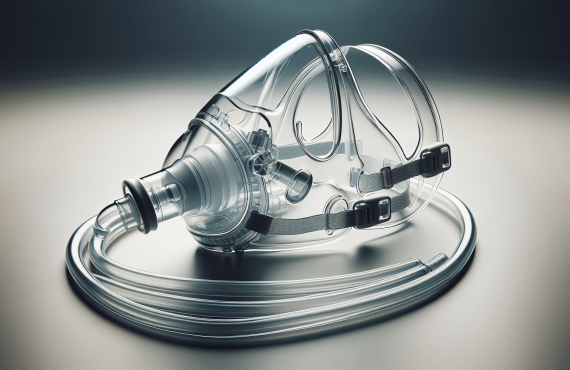
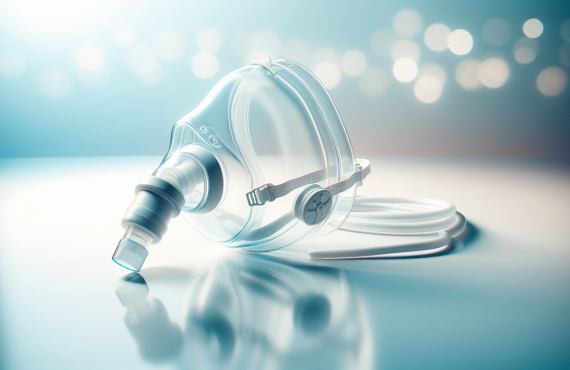
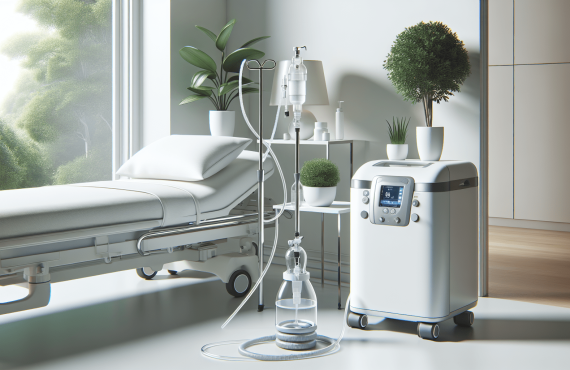
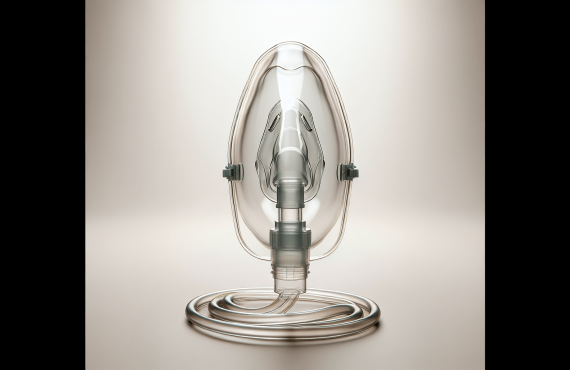
Treatment depends on the cause, severity, and speed of onset. If your oxygen is dangerously low, the first step is often supplemental oxygen delivered by nasal cannula, face mask, or more advanced respiratory support. In a hospital, treatment may also include bronchodilators for asthma or COPD, antibiotics for pneumonia, steroids to reduce airway inflammation, diuretics for certain heart-related causes, or anticoagulants for pulmonary embolism. When the body is short on oxygen, doctors move quickly because organs are terrible at filing extensions.
For chronic conditions, the approach is more layered. Someone with COPD may need long-term oxygen, inhalers, pulmonary rehab, smoking cessation support, and vaccination against respiratory infections. Someone with sleep apnea may need a CPAP machine. Someone with obesity-related breathing issues may need a weight-management plan alongside respiratory treatment. Based on our analysis, the best outcomes come from matching the treatment to the cause rather than trying to solve everything with oxygen alone.
Henry Chiropractic is owned and operated by Dr. Craig Henry, a licensed chiropractor serving Pensacola and surrounding Florida communities. Dr. Aaron Hixon, a Florida native and board-certified chiropractor, also practices there and brings training in exercise science, soft tissue methods, and multiple chiropractic techniques. While chiropractic care does not replace emergency treatment for severe hypoxemia, it can play a supportive role in overall health, mobility, pain reduction, posture, recovery, and function. We recommend seeing chiropractic care as part of a wider wellness plan when appropriate, not a substitute for emergency respiratory care.
Practical treatment options may include:
- Supplemental oxygen for acute or chronic hypoxemia
- Medications such as inhalers, antibiotics, or steroids
- CPAP or BiPAP for sleep apnea or ventilation support
- Pulmonary rehabilitation to improve endurance and breathing efficiency
- Lifestyle changes including smoking cessation and exercise
- HBOT in selected cases under professional supervision
And yes, when treatment is being discussed, someone should still answer the central question plainly: what is a life-threatening oxygen level? Usually the one that is low enough, long enough, or symptomatic enough to threaten organ function and require urgent care.
Preventing Life-Threatening Oxygen Levels
Prevention is less glamorous than rescue medicine, but it is cheaper, calmer, and far less likely to involve fluorescent lighting at 2 a.m. The best way to prevent dangerous oxygen drops is to manage the conditions that cause them. If you smoke, quitting is the single most important step for lung health. If you have COPD or asthma, take medications exactly as prescribed. If you snore like a chain saw and wake up exhausted, get evaluated for sleep apnea. If you have heart or lung disease, regular follow-up visits matter more than the average person wants to admit.
We found that prevention usually comes down to a few repeatable habits:
- Know your baseline oxygen reading when you are well.
- Act early when you get a respiratory infection.
- Keep vaccines current, including flu and pneumonia recommendations.
- Use home devices correctly, including CPAP and pulse oximeters.
- Stay active within your clinician’s advice to support heart and lung function.
Here is a real-world scenario. A 67-year-old with COPD notices his oxygen usually sits around 93%. During a winter cold, it falls to 88% with walking, and he becomes more confused than usual. Because he knows his baseline, he seeks care early, gets treatment for an infection, and avoids a full respiratory crisis. It is not a cinematic story. No one carries him through a blizzard. But it is exactly how prevention works.
In 2026, with home monitoring so common, the smartest move is not constant panic-checking. It is using the data wisely. Ask your doctor what range is normal for you, what reading should trigger a call, and what symptoms mean emergency care. That turns what is a life-threatening oxygen level? from a frightening mystery into an action plan.
Taking the Next Breath
By now, the answer to what is a life-threatening oxygen level? should feel less mysterious and more practical. For most people, a saturation below 90% deserves prompt attention, and 88% or lower can be dangerous enough to require urgent medical care, especially when paired with confusion, cyanosis, chest pain, or severe shortness of breath. The exact number matters, but your symptoms, medical history, and the speed of the drop matter just as much.
We researched current guidance, reviewed how oxygen is measured, and found one pattern again and again: people do better when they know their baseline, monitor changes early, and seek help before things become dramatic. That means using a pulse oximeter correctly, managing COPD or sleep apnea consistently, taking infections seriously, and talking with professionals who can help you build a full health plan.
If you want guidance on wellness support, recovery, and hyperbaric therapy information in Pensacola, you can contact Henry Chiropractic, owned and operated by Dr. Craig Henry.
Henry Chiropractic
1823 N 9th Ave
Pensacola, FL 32503
(850) 435-7777
https://drcraighenry.com/
Sometimes the most useful health lesson is also the least poetic: if breathing feels wrong, if the number is low, or if someone you love seems confused and blue around the lips, stop waiting. The next breath is not something to gamble with.

Frequently Asked Questions
What is considered a normal oxygen level?
A normal blood oxygen saturation for most healthy adults at sea level is typically 95% to 100%. Some people with chronic lung disease, including certain patients with COPD, may have a different doctor-approved baseline. If your reading is repeatedly below your usual range, you should call a medical professional.
How can I check my oxygen levels at home?
You can check your oxygen levels at home with a pulse oximeter, which clips onto your fingertip and gives a SpO2 reading in seconds. For the most reliable result, warm your hands, sit still for a minute, remove dark nail polish, and compare repeated readings rather than trusting one dramatic number.
What should I do if I experience symptoms of low oxygen?
If you have symptoms such as shortness of breath, bluish lips, confusion, chest pain, or a reading below 90%, seek urgent medical care. If the reading is 88% or lower and you feel unwell, that can answer the question What is a life-threatening oxygen level? in a very personal and very unwelcome way.
Can lifestyle changes improve my oxygen levels?
Yes, lifestyle changes can help, especially when low oxygen is related to smoking, poor conditioning, obesity, untreated sleep apnea, or chronic lung disease. Quitting smoking, using prescribed CPAP, staying active, managing weight, and keeping up with vaccines can all support healthier oxygen levels over time.
How does hyperbaric therapy help with oxygen levels?
Hyperbaric therapy places you in a pressurized chamber where you breathe 100% oxygen, allowing more oxygen to dissolve into your blood plasma and reach tissues that may be oxygen-starved. We found this therapy is most useful when recommended for specific clinical goals, and you can learn more through Henry Chiropractic’s hyperbaric therapy page.
Key Takeaways
- For most adults, oxygen saturation below 90% is low, and 88% or lower can be dangerous, especially with symptoms like confusion, blue lips, chest pain, or severe shortness of breath.
- Pulse oximeters are useful for home monitoring, but readings should be interpreted alongside symptoms, baseline health conditions, and follow-up testing such as arterial blood gas when needed.
- Common causes of low oxygen include COPD, pneumonia, sleep apnea, asthma, heart failure, pulmonary embolism, and high altitude exposure.
- Treatment depends on the cause and may include supplemental oxygen, medications, CPAP, pulmonary rehabilitation, lifestyle changes, and in selected cases hyperbaric oxygen therapy.
- If you have repeated low readings or warning signs, seek medical care quickly and consider professional guidance from providers such as Dr. Craig Henry and Dr. Aaron Hixon at Henry Chiropractic in Pensacola.