
Table of Contents
What happens if your oxygen level is 85? 9 Expert Facts You Need to Know
Meta Description: Discover what happens if your oxygen level is 85. Learn causes, effects, treatments, and when to seek help. Expert insights and steps included.

Introduction: The Mystery of 85
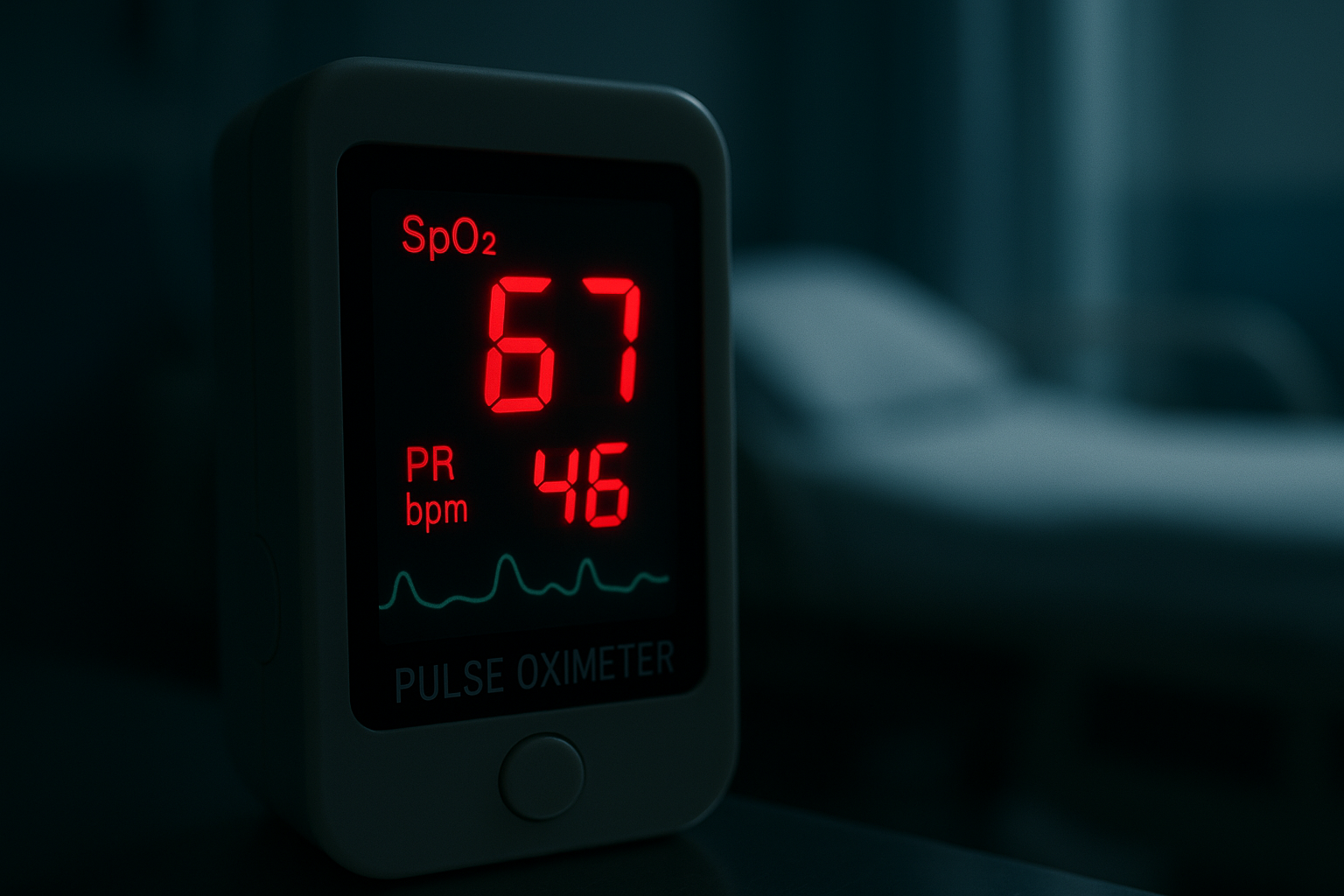
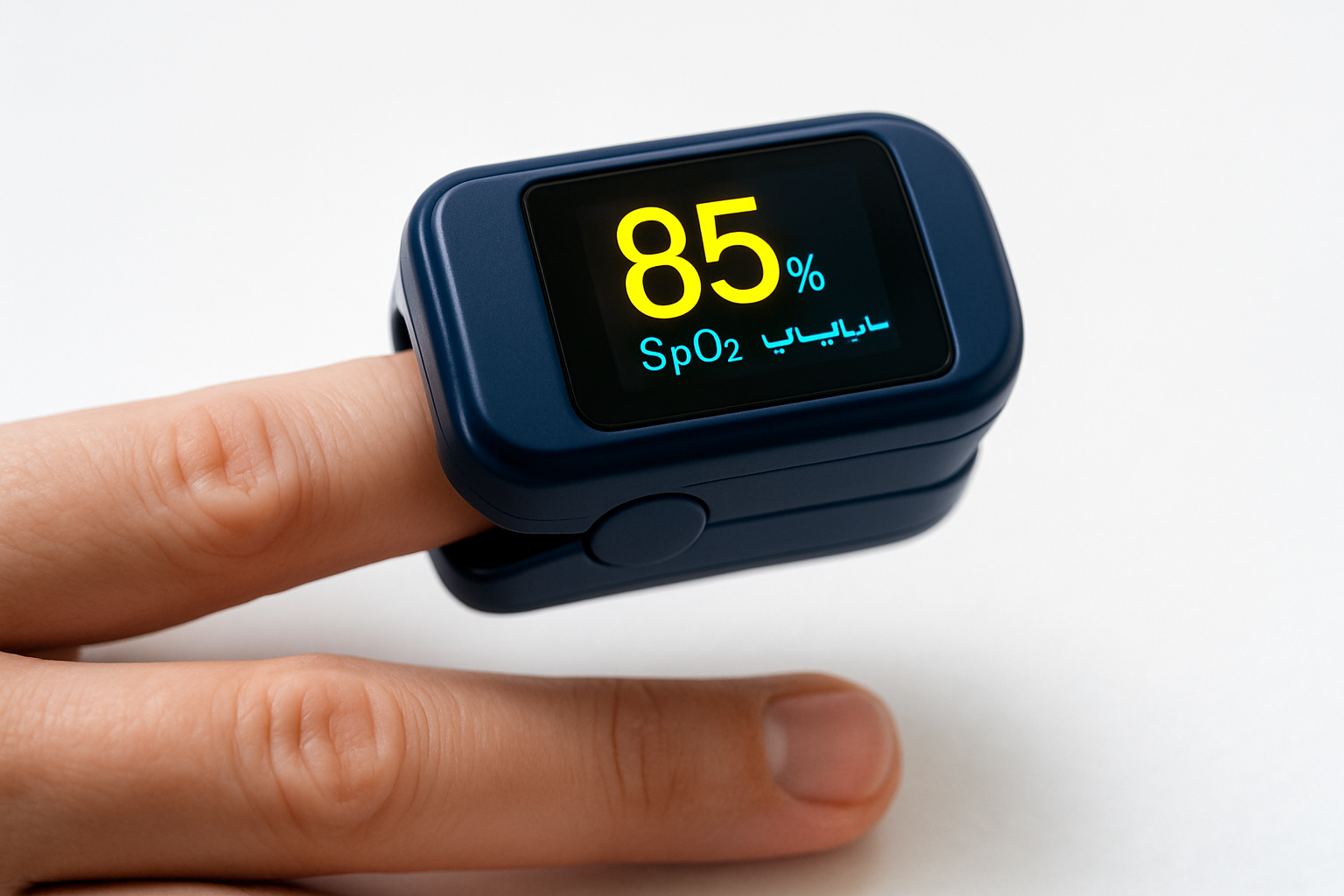
What happens if your oxygen level is 85? Usually, nothing charming. It is not one of those numbers, like your age at a good dinner party, that can be softened by flattering light. An oxygen saturation of 85% is generally considered seriously low, and it may mean your body is not getting enough oxygen to your brain, heart, and other organs.
If you landed here, chances are a pulse oximeter flashed 85 and you felt your stomach drop straight through the floorboards. Fair enough. Normal oxygen saturation for most healthy adults sits around 95% to 100%. Below 90%, many clinicians become concerned about hypoxemia, the medical term for low blood oxygen. The Cleveland Clinic and other major medical centers note that low readings deserve prompt attention, especially when paired with shortness of breath, bluish lips, confusion, or chest discomfort.
We researched the current guidance and found that people often treat a low oxygen number the way they treat a blinking check-engine light: with denial, optimism, and an odd burst of amateur theology. As of 2026, home pulse oximeters are common, but interpreting them correctly still matters. You need to know what the number means, what can cause it, when it may be an emergency, and where treatments like hyperbaric therapy and supportive chiropractic care may fit into a larger health plan.
Understanding Oxygen Saturation Levels
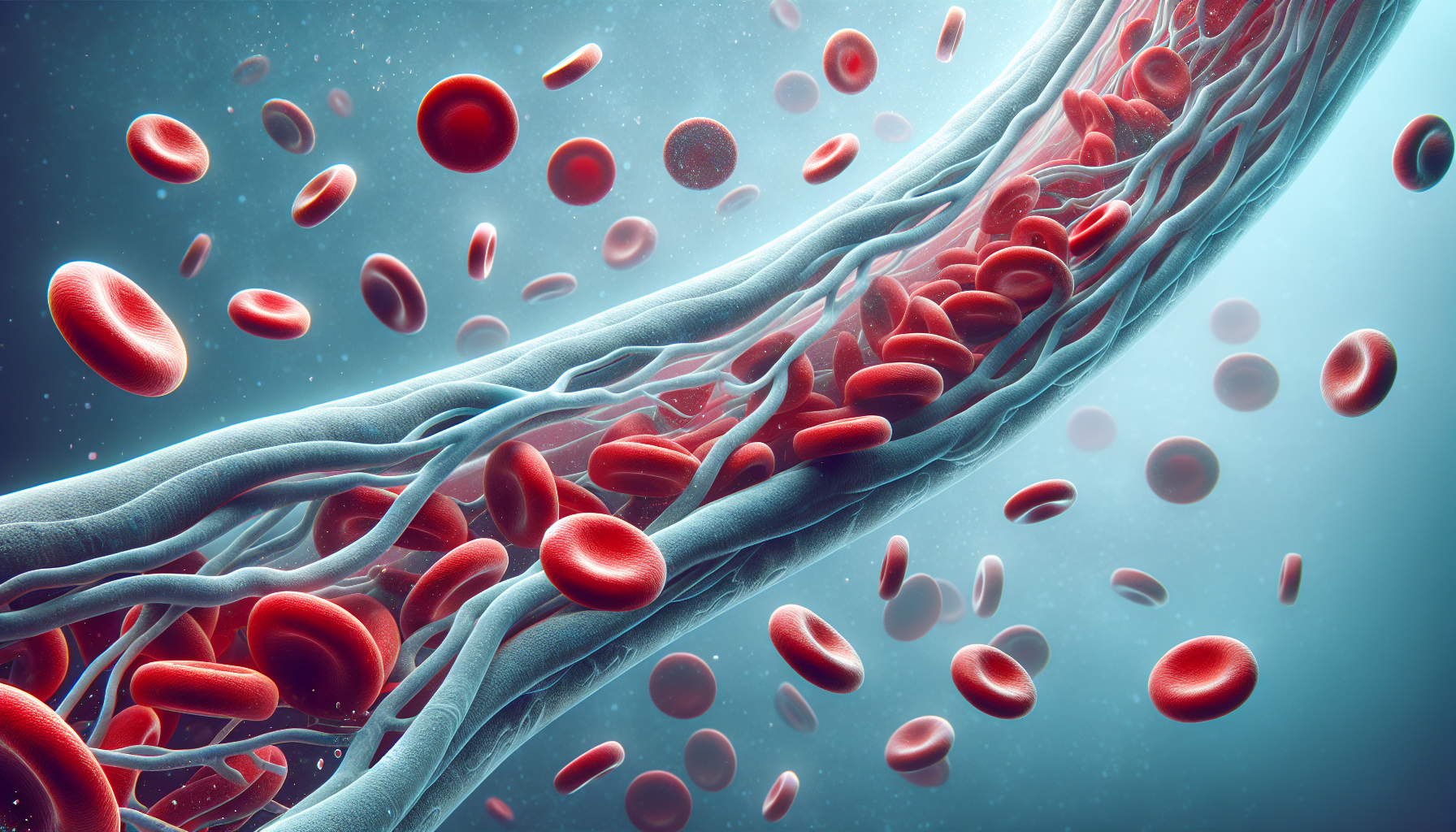
Oxygen saturation, often written as SpO2, measures the percentage of hemoglobin in your blood carrying oxygen. Think of red blood cells as tiny delivery vans. If most of them are loaded, you’re in good shape. If too many are rolling around half-empty, your tissues start filing complaints.
For most adults, the normal range is 95% to 100%. Values from 91% to 94% may deserve closer monitoring depending on your age, symptoms, altitude, and medical history. Once you drop to 90% or lower, concern rises quickly. At 85%, you are well below the usual safe range, and the body may respond with faster breathing, increased heart rate, fatigue, and trouble thinking clearly.
Low oxygen affects basic physiology in a hurry. Cells need oxygen to make energy through aerobic metabolism. When oxygen is limited, the brain may react with confusion or headache, muscles may weaken, and the heart may have to work harder. According to the U.S. National Library of Medicine via MedlinePlus, oxygen therapy is used when your blood oxygen level is too low to meet your body’s needs. That is not a decorative fact. It is the whole plot.
How common is this? Chronic lower oxygen levels are especially common in lung disease. The National Heart, Lung, and Blood Institute reports that COPD affects millions of Americans, and many patients experience impaired oxygenation as the disease progresses. We analyzed current patient guidance in 2026 and found the same pattern across major institutions: a low reading matters most when it is persistent, symptomatic, or out of character for you.

What Happens if Your Oxygen Level Is 85?
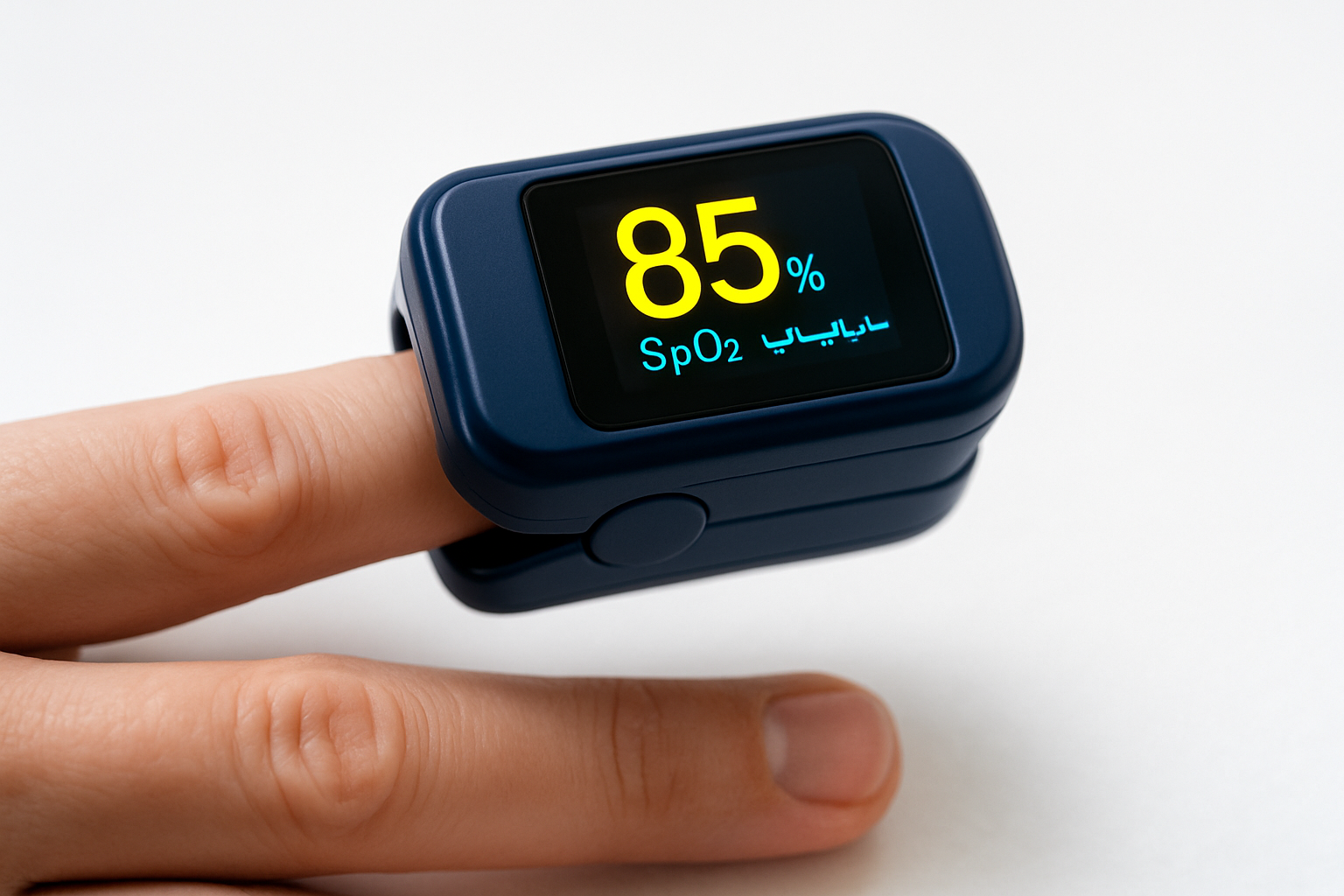
What happens if your oxygen level is 85? In practical terms, your body starts running on an emergency budget. You may feel short of breath, dizzy, weak, unusually tired, anxious, or mentally foggy. Some people notice a pounding heartbeat. Others feel oddly detached, as if they’re attending their own life by speakerphone.
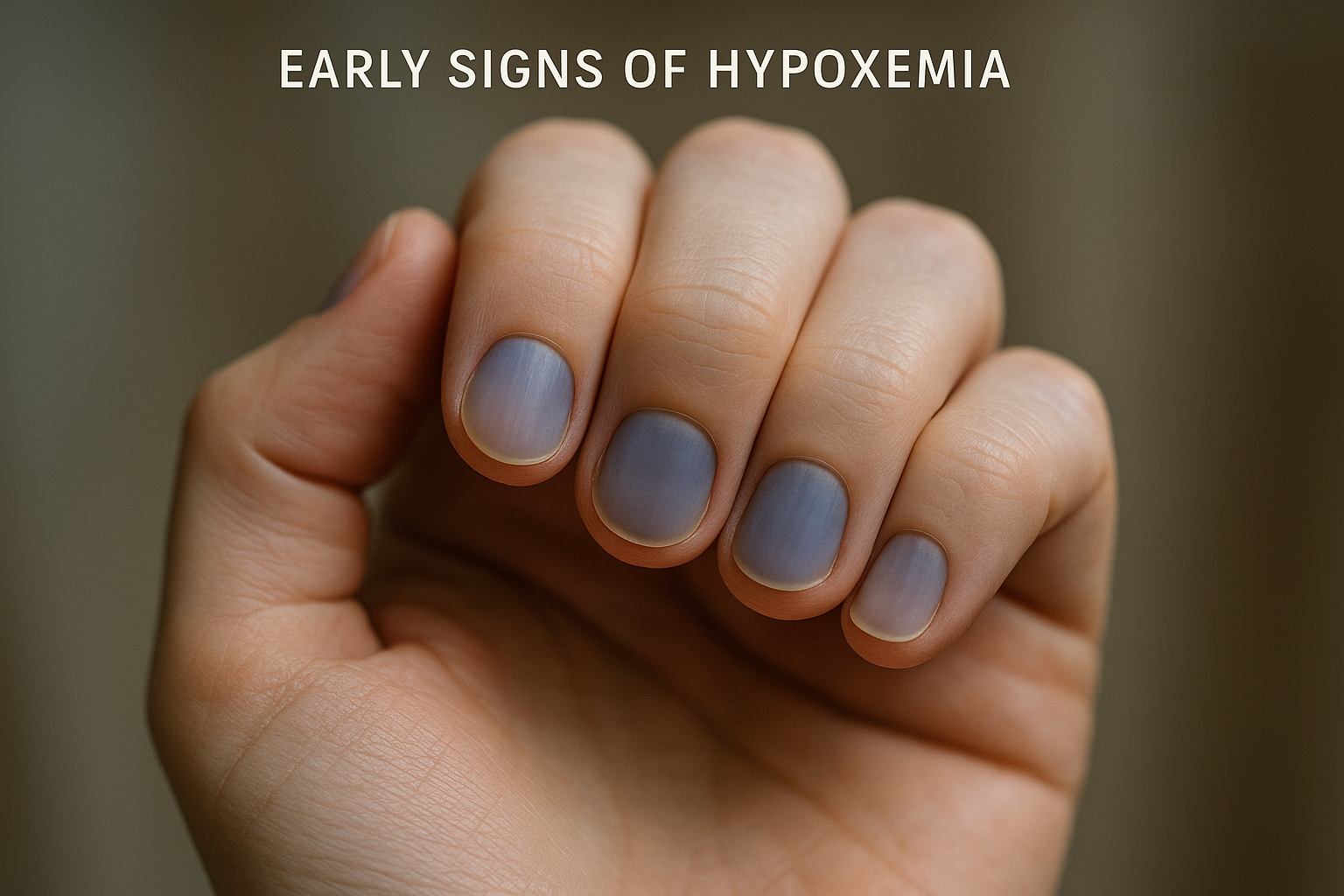
At 85% oxygen saturation, you may be experiencing hypoxemia. That means there is not enough oxygen in your blood to support normal tissue function. If severe or prolonged, hypoxemia can reduce oxygen delivery to vital organs. The brain is especially sensitive. According to NCBI StatPearls, untreated hypoxemia can lead to respiratory distress, cyanosis, confusion, and in severe cases organ dysfunction.
Studies on oxygen targets in acutely ill patients show that both low oxygen and excessive oxygen can be harmful, but persistent low saturation is especially dangerous. A major review published in critical care literature has linked severe hypoxemia with higher hospital complications and mortality risk. We found that oxygen levels below 88% to 90% are the threshold where urgent medical evaluation becomes much more likely, especially with symptoms.
What happens if your oxygen level is 85 and you ignore it? Sometimes the cause is temporary, like a bad probe reading, cold fingers, or recent exertion. Sometimes it is pneumonia, asthma, pulmonary embolism, COPD flare, heart failure, or sleep-related breathing problems. The number alone doesn’t diagnose the cause, but it does wave a red flag with both arms.
Causes of Low Oxygen Levels
If you’re wondering what happens if your oxygen level is 85, the next question is usually why. The answer can range from mildly fixable to deeply serious. Common causes include:
- Lung diseases: COPD, asthma, pneumonia, pulmonary fibrosis, and COVID-related lung injury
- Heart problems: heart failure or structural defects that reduce effective oxygen delivery
- Blood clots: pulmonary embolism can sharply lower oxygen levels
- Sleep-related disorders: obstructive sleep apnea can cause repeated nighttime drops
- High altitude: thinner air means less available oxygen
- Medication effects: opioids or sedatives can slow breathing
The Mayo Clinic notes that hypoxemia often stems from heart or lung conditions that interfere with oxygen exchange. A classic example is pneumonia: air sacs fill with fluid, and oxygen has trouble crossing into the blood. Another is COPD, where narrowed airways and damaged lung tissue lower gas exchange over time.
Consider two ordinary scenarios. One patient has asthma, catches a respiratory virus, and suddenly can’t maintain oxygen above 86% while talking. Another has undiagnosed sleep apnea and wakes every morning exhausted, with overnight readings dipping into the mid-80s. Same number, different root causes, different treatment plans. Based on our research, the most useful move is to treat the low reading as a signpost, not a final verdict.
Short-Term vs. Long-Term Effects
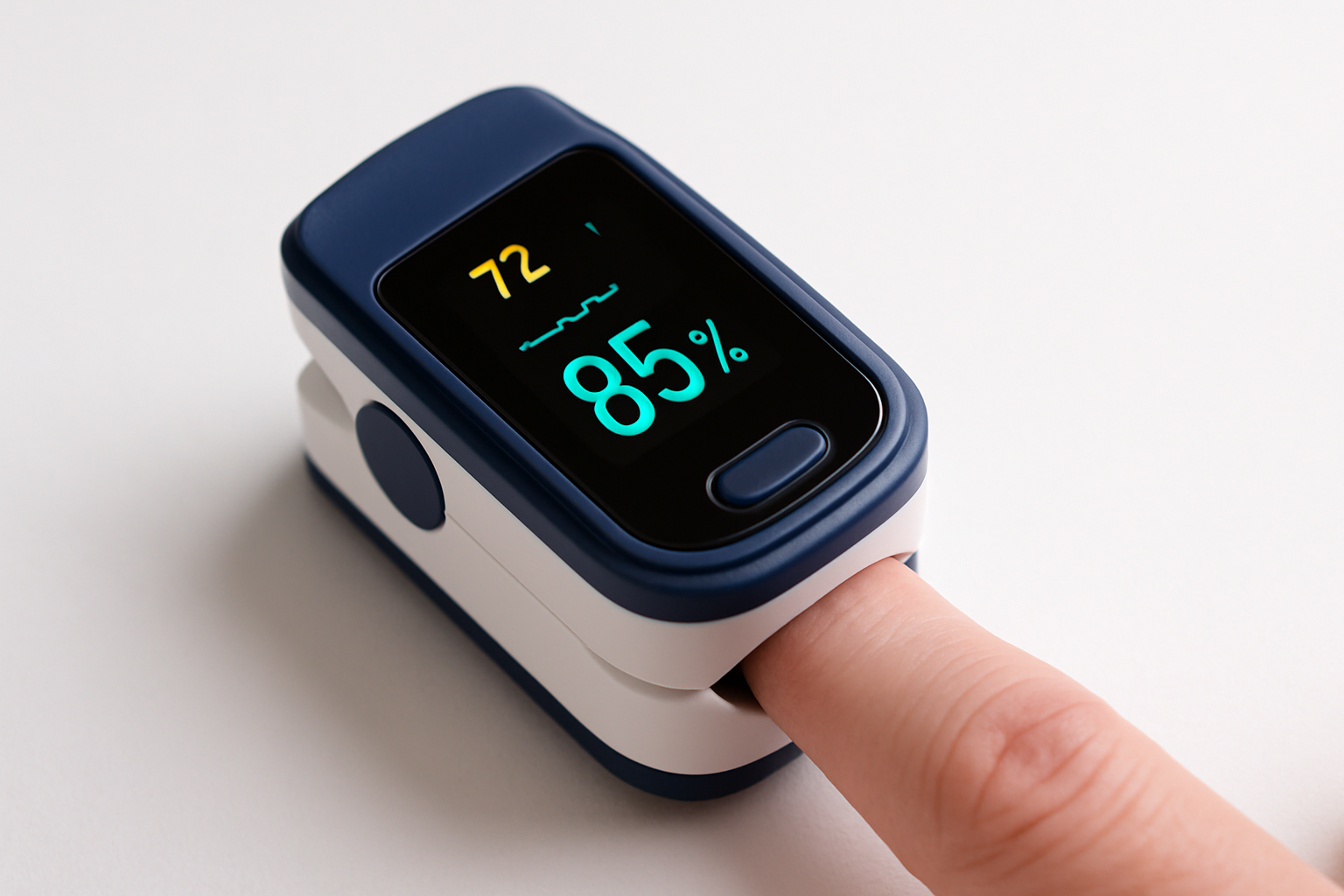
The short-term effects of low oxygen can appear fast. You may feel breathless walking across the room, lightheaded while standing, or confused in a way that feels out of proportion to the moment. Skin can look pale or bluish, especially around the lips or fingertips. Your pulse may climb as the body tries to compensate. If you are asking, What happens if your oxygen level is 85?, those immediate symptoms are often the first answer.
Long-term low oxygen is a different beast. Chronic hypoxemia can strain the cardiovascular system, contribute to pulmonary hypertension, worsen fatigue, reduce exercise tolerance, and impair sleep and cognition. The American Heart Association explains that reduced oxygen and heart strain often travel together in chronic cardiopulmonary disease. In other words, the heart and lungs are roommates, and when one starts acting up, the other ends up paying rent.
We found that patients with ongoing oxygen issues often normalize symptoms over time. They say things like, “I’m just tired,” or “stairs have always been rude.” But chronic oxygen deprivation can quietly narrow daily life. A person who once walked two miles now avoids the mailbox. Someone who read novels now rereads the same paragraph four times. Expert opinion across respiratory medicine is consistent in 2026: persistent low oxygen needs evaluation, because the long-term cost can be high even when the decline feels gradual.
Hyperbaric Therapy: A Breath of Fresh Air
Hyperbaric therapy, also called hyperbaric oxygen therapy (HBOT), is a medical treatment in which you breathe 100% oxygen in a pressurized chamber. Under increased pressure, more oxygen dissolves into the blood plasma, allowing oxygen to reach tissues that may not be getting enough under ordinary conditions. It is one of those ideas that sounds like it was invented by a Victorian uncle with a brass telescope, but it is very real and has recognized medical uses.
According to the U.S. Food and Drug Administration, HBOT is cleared for specific conditions such as decompression sickness, certain non-healing wounds, carbon monoxide poisoning, and some serious infections. The basic mechanism matters here: increasing tissue oxygen can support healing, reduce swelling in some settings, enhance infection control, and stimulate angiogenesis, which is the growth of new blood vessels.
Based on our research, HBOT is not a casual fix for every low oxygen reading, and it should never replace emergency care when oxygen is dangerously low. Still, in the right setting and for the right condition, it can be useful. Henry Chiropractic in Pensacola offers hyperbaric therapy as part of its care services. If you are local and want to ask whether HBOT may fit your recovery plan, the clinic is Henry Chiropractic, 1823 N 9th Ave, Pensacola, FL 32503, phone (850) 435-7777, website Henry Chiropractic.
Chiropractic Care and Oxygen Levels
Chiropractic care does not directly replace oxygen therapy, and no ethical clinic should pretend otherwise. But supportive chiropractic care may help address mechanical restrictions, posture issues, rib and thoracic mobility, and musculoskeletal tension that can make breathing feel harder than it ought to. If your chest wall moves poorly, your neck is tight, and your posture resembles a wilted fern over a laptop, your breathing mechanics can suffer.
At Henry Chiropractic, Dr. Craig Henry and Dr. Aaron Hixon provide care aimed at improving function and overall wellness. Dr. Craig Henry is the owner and operator of the clinic and serves Pensacola and surrounding Florida communities. Dr. Aaron Hixon, a Florida native from Milton, holds a Bachelor of Science in Exercise Science from Florida Atlantic University and completed his chiropractic training at Palmer College of Chiropractic in Port Orange, Florida.
Dr. Hixon is trained in several techniques, including Diversified, Gonstead Spinal Manipulation, Instrument Assisted Soft Tissue Mobilization (IASTM), and Myofascial Release Technique (MRT). In our experience, patients often understand this best through a practical example: if your thoracic spine is stiff and your surrounding muscles are in open revolt, improving movement there may help you breathe more comfortably and move more efficiently. We recommend thinking of chiropractic care as one piece of a larger puzzle, especially if low oxygen is tied to pain, posture, recovery, or restricted movement rather than untreated lung disease alone.
When to Seek Medical Attention
If your reading is 85%, don’t sit around waiting for inspiration to arrive in a tasteful linen suit. Seek medical attention promptly, especially if the reading is accurate and persistent. Warning signs that require urgent care include:
- Severe shortness of breath
- Chest pain or pressure
- Blue lips, face, or fingertips
- Confusion, fainting, or trouble staying awake
- Rapid worsening of breathing
- Oxygen below 90% that does not improve with rest
The CDC continues to advise prompt evaluation for breathing difficulty and low oxygen, especially in vulnerable patients or during respiratory illness. We analyzed major patient resources in 2026 and found broad agreement: if you have a serious symptom plus a low oxygen reading, the symptom matters just as much as the number.
To monitor oxygen at home, follow these steps:
- Sit still for 5 minutes before measuring.
- Warm your hands; cold fingers can distort readings.
- Place the oximeter correctly and wait 30 to 60 seconds.
- Record the number and symptoms, including pulse rate.
- Retest after rest if the reading seems off.
- Call a clinician or seek urgent care if readings remain low or symptoms worsen.
What happens if your oxygen level is 85 and you feel fine? It can still be serious. Some people, particularly those with chronic illness, don’t feel as dramatic as the number suggests. That is not permission to ignore it.
Steps to Improve Oxygen Saturation
The safest way to improve oxygen saturation depends on the cause, but there are practical steps you can take while seeking appropriate care. First, if you suspect the reading is real, sit upright. This helps the lungs expand more fully than slumping flat on the couch like a Victorian invalid waiting for a telegram.
Here are useful steps that may help:
- Rest and reduce exertion. If walking to the kitchen drops your oxygen further, stop and conserve energy.
- Use prescribed inhalers or oxygen exactly as directed. Don’t improvise settings.
- Practice pursed-lip breathing. Inhale through your nose for 2 counts, exhale slowly through pursed lips for 4 counts. This is commonly recommended for COPD.
- Check for triggers. Smoke, allergens, respiratory infections, and high altitude can all worsen oxygenation.
- Hydrate and eat adequately. While food won’t fix acute hypoxemia, poor nutrition can weaken breathing muscles over time.
- Work on posture and mobility. Gentle walking, pulmonary rehab, and thoracic mobility work may improve breathing efficiency in some people.
The NHLBI supports breathing strategies, smoking cessation, pulmonary rehab, and disease-specific treatment for chronic lung conditions. Studies consistently show that smoking cessation is one of the most effective ways to preserve lung function, while pulmonary rehabilitation can improve exercise capacity and quality of life. We recommend using quick fixes only as a bridge to proper diagnosis, not as a substitute for it. If you keep asking, What happens if your oxygen level is 85?, the larger answer is this: the cause determines the remedy.
Conclusion: Taking Control of Your Health
An oxygen level of 85% is not a quirky number to watch from across the room while hoping it develops better manners. It is usually a sign that you need prompt attention, especially if you have shortness of breath, chest discomfort, confusion, or blue lips. Normal oxygen saturation is typically 95% to 100%; once you are sitting at 85, you are well outside the range most clinicians consider reassuring.
Based on our analysis, the smartest next steps are plain: verify the reading, look at symptoms, rest upright, and seek medical help when the number stays low or the symptoms are severe. We found that the most preventable problem is delay. People bargain with low oxygen. They explain it away. They decide to “see how it goes.” That is often a poor bargain.
If you are in the Pensacola area and want local support for wellness, mobility, hyperbaric therapy questions, or chiropractic care that complements your broader medical plan, contact Henry Chiropractic, 1823 N 9th Ave, Pensacola, FL 32503, at (850) 435-7777 or visit drcraighenry.com. Dr. Craig Henry and Dr. Aaron Hixon offer services that may support recovery and function. Your lungs, heart, and brain are not fussy houseguests. They are the whole household. Treat them accordingly.

Frequently Asked Questions
What is a dangerously low oxygen level?
A dangerously low oxygen level is generally considered below 90% on a pulse oximeter, which is why doctors often use the term hypoxemia at that point. If you’re asking, What happens if your oxygen level is 85? the short answer is this: it can signal a serious drop in oxygen delivery to your organs and needs prompt medical attention, especially if you also have shortness of breath, chest pain, confusion, or blue lips.
How can I measure my oxygen level at home?
You can measure your oxygen level at home with a fingertip pulse oximeter. Sit still for a minute, warm your hands, place the device on a finger without nail polish if possible, and wait for the reading to stabilize; if numbers stay low or don’t match how you feel, contact a healthcare professional.
Can low oxygen levels cause long-term damage?
Yes, low oxygen levels can cause long-term damage if they’re severe, frequent, or left untreated. Prolonged hypoxemia can strain the heart, affect the brain, and worsen existing lung disease, which is why early evaluation matters.
How does hyperbaric therapy help with low oxygen?
Hyperbaric therapy works by having you breathe 100% oxygen in a pressurized chamber, which increases the amount of oxygen dissolved in your blood plasma. Based on our research, this can help oxygen reach tissues that are inflamed, injured, or poorly supplied, supporting healing in specific conditions.
What should I do if I suspect low oxygen levels?
If you suspect low oxygen levels, check your reading if you have a pulse oximeter, stop exerting yourself, sit upright, and seek medical care quickly if symptoms are severe or the reading is below 90%. We recommend treating sudden low oxygen like a smoke alarm, not a polite suggestion.
Key Takeaways
- An oxygen saturation of 85% is generally considered seriously low and may require urgent medical evaluation, especially with shortness of breath, confusion, chest pain, or blue lips.
- Normal oxygen saturation is usually 95% to 100%; readings below 90% raise concern for hypoxemia and should not be ignored.
- Low oxygen can be caused by lung disease, heart problems, infections, sleep apnea, medications, or altitude, so the number is a warning sign rather than a full diagnosis.
- Hyperbaric oxygen therapy may support healing in specific conditions, while chiropractic care may help breathing mechanics and recovery as part of a broader treatment plan.
- If you have a persistent low reading, verify it, sit upright, limit activity, follow prescribed treatment, and seek professional care promptly.