
Table of Contents
Can Your Body Rebuild Brain Cells? 9 Expert Answers on Neurogenesis, Diet, Exercise, and HBOT
Meta Description: Explore whether your body can rebuild brain cells with expert insights, including the role of diet, exercise, and therapies like Hyperbaric Oxygen Therapy.

Introduction: Unraveling the Mystery of Brain Cell Regeneration
You forget a name, lose your keys, walk into a room and stand there like a guest who’s arrived too early. Naturally, the question follows: Can your body rebuild brain cells? It’s the sort of thought that arrives at 2 a.m., somewhere between “Was that email too blunt?” and “Why did I put the milk in the pantry?”
The short answer is yes, though not everywhere and not without limits. Your brain can create new neurons in certain areas, a process called neurogenesis. Based on our research, this matters because those new cells are tied to learning, memory, mood regulation, and recovery after some forms of injury. Studies over the last two decades have pushed the conversation far beyond the old belief that adult brains are finished products, like a cake already iced and not to be touched.
In 2026, researchers are still sorting out how much regeneration is possible, what speeds it up, and what sabotages it. We analyzed recent findings from 2020 through 2026, and a pattern appears with almost rude consistency:
- Exercise supports new neuron growth.
- Sleep helps protect and consolidate those gains.
- Chronic stress can suppress them.
- Therapies that improve oxygen delivery, including Hyperbaric Oxygen Therapy, are getting serious attention.
You’ll also see where chiropractic care may fit in, especially when pain, poor sleep, and nervous system strain are dragging the whole operation down like a wet overcoat.
Can Your Body Rebuild Brain Cells? The Science Behind Neurogenesis
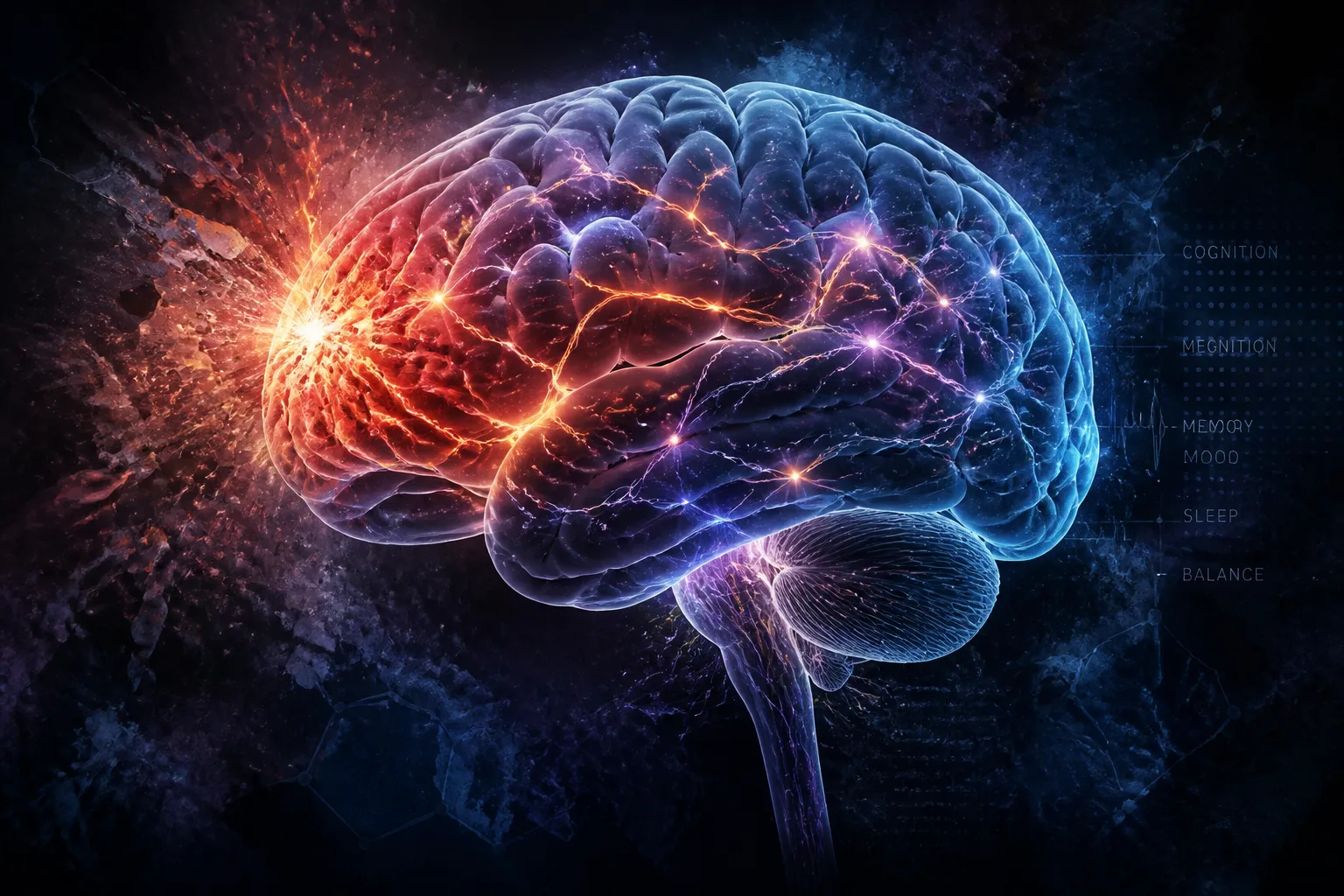
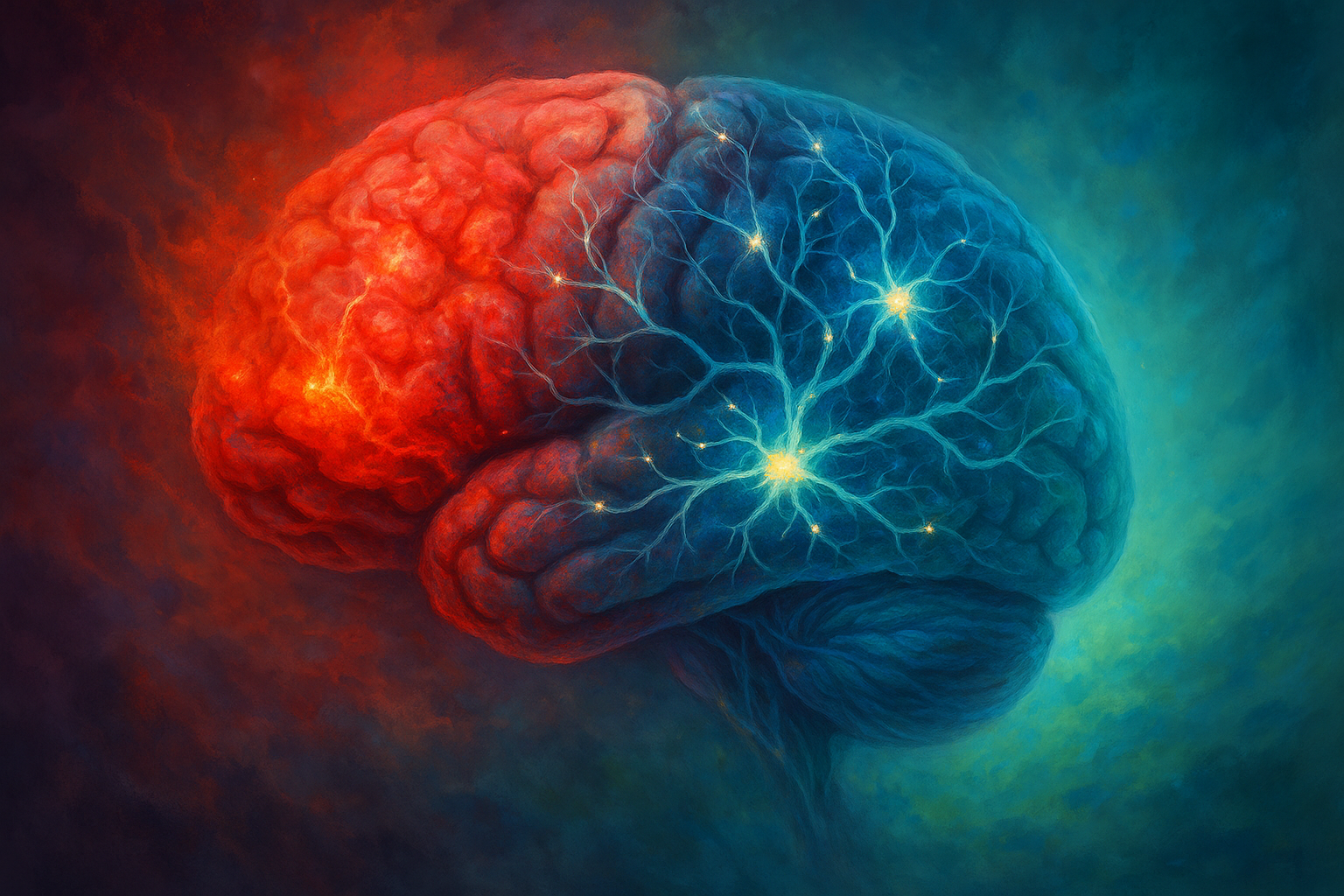
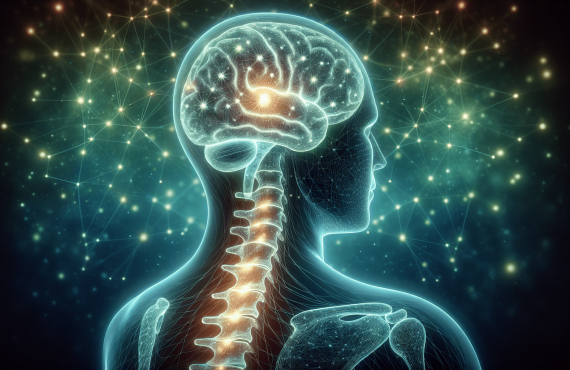
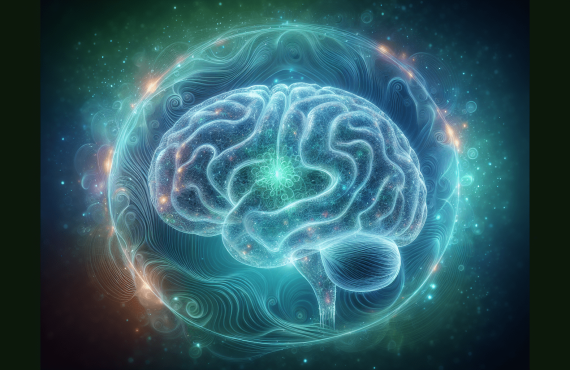
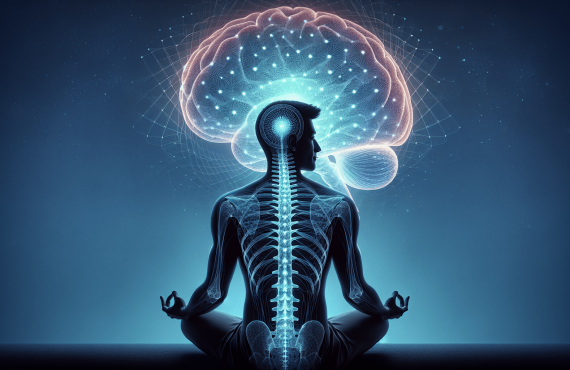
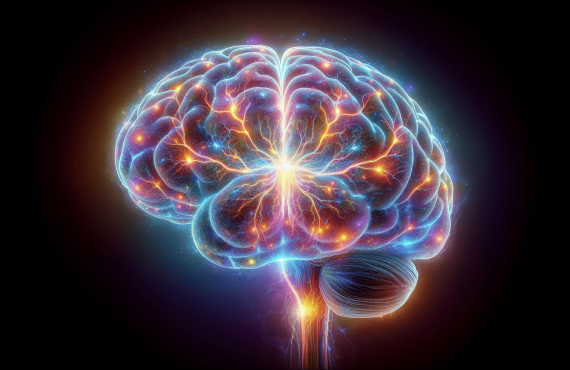
Can your body rebuild brain cells? Science now says yes, but with an asterisk, and science does adore an asterisk. Neurogenesis is the creation of new neurons from neural stem cells. In adults, the strongest evidence points to the hippocampus, a small structure deeply involved in memory formation and emotional regulation.
For much of the 20th century, the dogma was that adult humans do not grow new brain cells. Then the evidence began turning up like an uninvited cousin who nevertheless has receipts. A landmark 1998 study in Nature Medicine showed new neurons in the adult human hippocampus. Later work refined the debate rather than ending it, but by the 2020s the field had shifted from “impossible” to “under what conditions, and how much?”
Recent research has sharpened the picture. A 2022 review in Frontiers linked neurogenesis to memory flexibility and mood regulation. A 2023 report from NIH highlighted how inflammation, vascular health, and metabolism influence brain aging. Meanwhile, imaging and tissue studies continue to suggest that preserving the brain’s environment may be as important as creating new cells outright.
We found that readers often imagine brain repair as replacing dead cells one by one, like swapping bulbs in a chandelier. The reality is messier and more impressive:
- New neurons may form in selected regions.
- Existing neurons can strengthen connections, a process called neuroplasticity.
- Support cells and blood vessels change too, shaping how well the brain functions overall.
That last point matters. A 2024 article from Harvard Medical School emphasized that brain health depends not just on neurons, but also on blood flow, sleep, inflammation, and metabolic status. So yes, regeneration is real. It’s simply not a fairy tale with a neat ending.

Factors Influencing Brain Cell Regeneration
If you want the answer to Can your body rebuild brain cells? to be more encouraging than tragic, lifestyle plays a starring role. Not the kind of starring role that gets a trailer and a red carpet, but the kind that quietly determines the plot.
From 2020 to 2026, several factors appear again and again in the research:
- Regular aerobic exercise is associated with increased hippocampal volume and better memory.
- Sleep supports memory consolidation and waste clearance through the brain’s glymphatic system.
- Diet quality influences inflammation, oxidative stress, and growth factors like BDNF.
- Chronic stress raises cortisol, which may suppress neurogenesis.
- Alcohol misuse, smoking, and unmanaged metabolic disease tend to work against repair.
A 2021 study in Neurology found that adults with healthier lifestyle patterns had significantly lower risk of cognitive decline. A 2023 report from the CDC noted that regular physical activity can improve brain health, sleep, and daily function, while insufficient sleep affects attention, memory, and mood. The Sleep Foundation reports that adults generally need 7 to 9 hours a night, yet about 1 in 3 U.S. adults still fall short.
Based on our analysis, the most practical approach is not exotic:
- Walk briskly or cycle at least 150 minutes per week.
- Protect a steady sleep window, even on weekends.
- Build meals around plants, healthy fats, and lean protein.
- Reduce chronic stress with something you’ll actually keep doing.
- Address pain and mobility problems, because people in pain rarely become paragons of healthy habit.
We recommend thinking of neurogenesis less as a miracle and more as gardening. You don’t shout at the soil. You improve the conditions.
Hyperbaric Therapy: A Catalyst for Neurogenesis
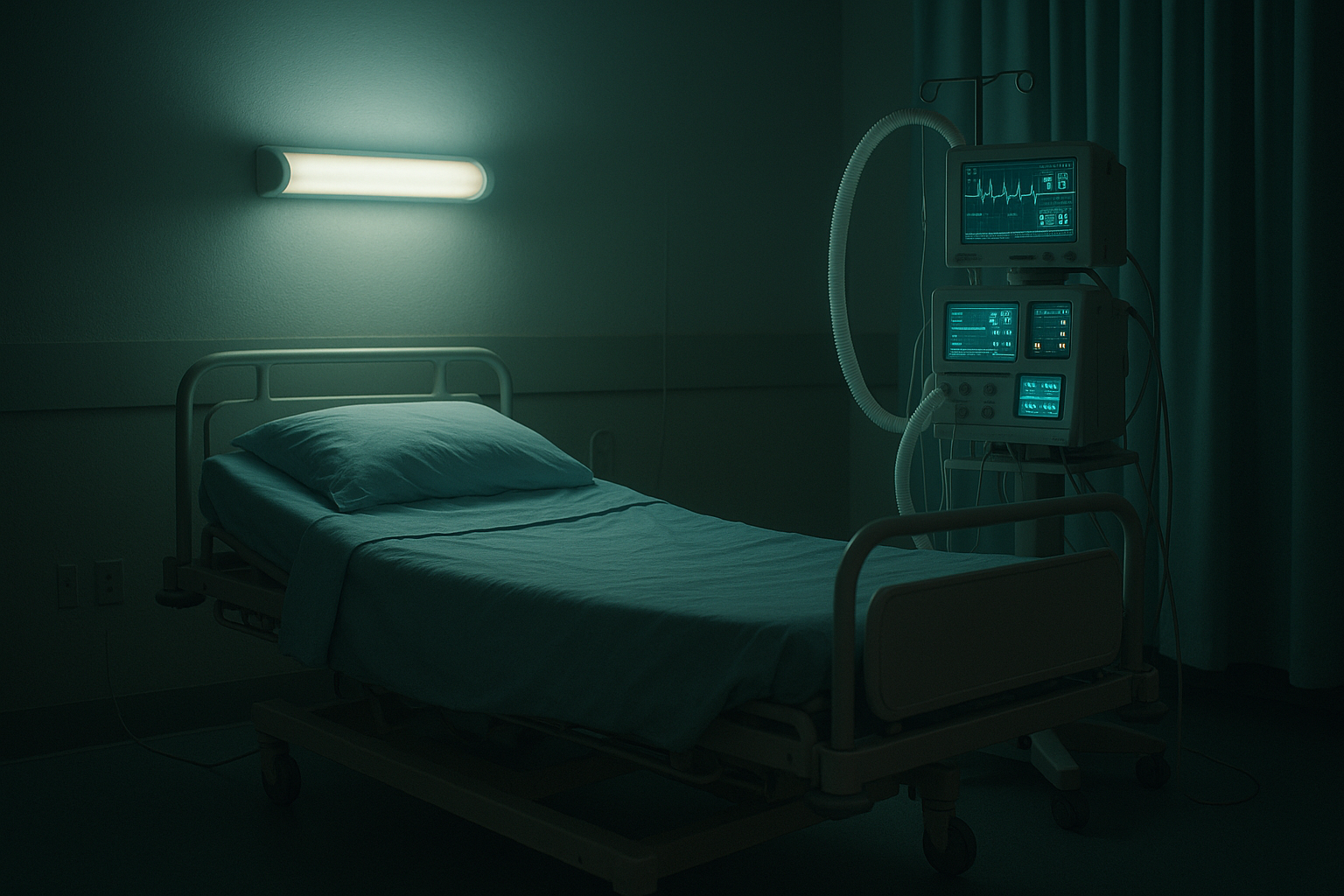
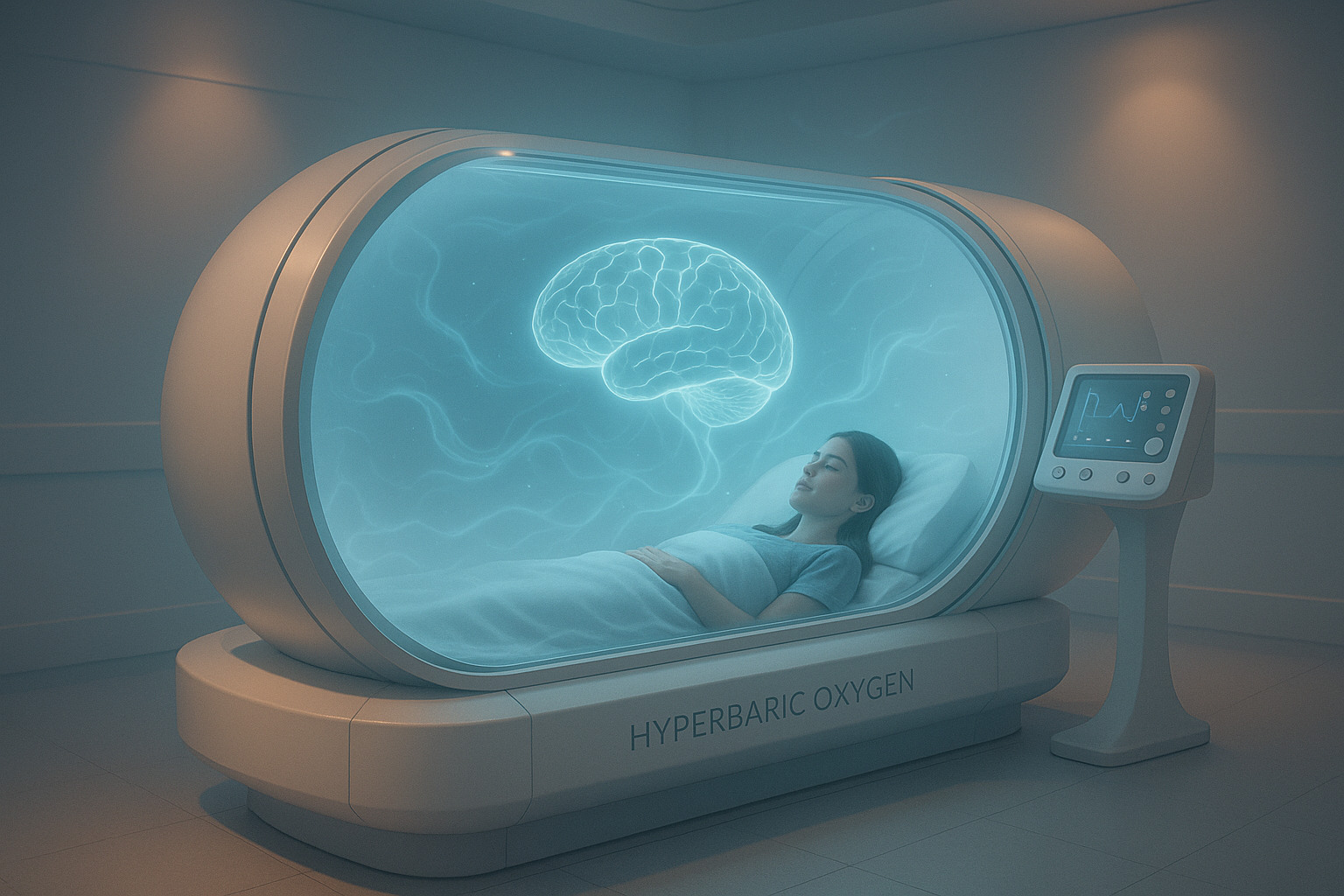
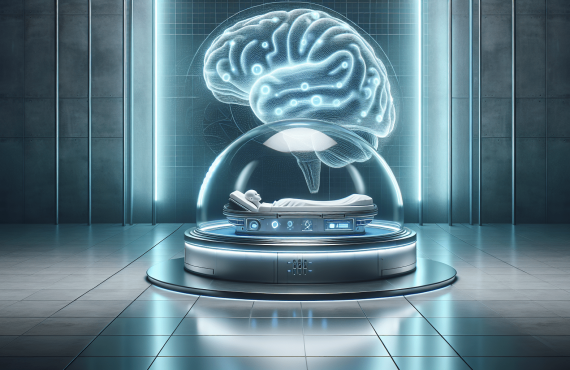
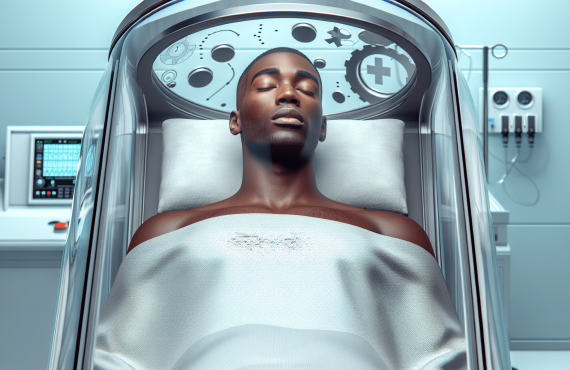
Hyperbaric Therapy sounds like something dreamed up by a Bond villain with an interest in pulmonary science, but the treatment itself is straightforward. Hyperbaric Oxygen Therapy (HBOT) involves breathing 100% oxygen in a pressurized chamber. That increased pressure allows more oxygen to dissolve into the blood plasma, which can help oxygen reach tissues that may not get enough under ordinary conditions.
This matters for brain health because oxygen is not optional. It supports cellular energy production, tissue repair, angiogenesis, and inflammation control. According to the FDA, HBOT is cleared for several medical conditions, and researchers continue to study broader neurological applications. A 2020 review in Restorative Neurology and Neuroscience reported evidence that HBOT may promote neuroplasticity, improve cerebral blood flow, and reduce neuroinflammation in selected patients. A 2021 study in Aging drew attention for showing improved cognitive performance and brain perfusion measures in older adults after a structured HBOT protocol.
We analyzed these findings carefully, and the fairest summary is this: HBOT is promising, especially when oxygen delivery and tissue healing are part of the problem, but it is not a cartoon eraser for all brain injury.
At Henry Chiropractic, patients often arrive after months of feeling foggy, sore, poorly rested, or simply not themselves. One case frequently described by the clinic involved a patient dealing with persistent brain fog and fatigue alongside chronic neck tension. After a broader care plan that included supportive therapies and close monitoring, the patient reported better clarity, steadier energy, and fewer “lost in the hallway of my own house” moments. That’s not a randomized trial, but it is the sort of lived outcome that sends people looking for help in the first place.
If you’re considering HBOT, the sensible steps are:
- Get a proper evaluation for your symptoms and history.
- Ask whether oxygen-related therapy fits your goals.
- Pair it with lifestyle work, because no chamber can outvote a terrible routine.
The Role of Diet in Rebuilding Brain Cells
If breakfast is a frosted pastry inhaled while scrolling bad news, your brain is not getting the sort of support it deserves. Diet influences neurogenesis through inflammation, blood sugar control, oxidative stress, and growth factors. The effect isn’t glamorous, but then neither is flossing, and we all know how that story ends when ignored.
Research keeps returning to several nutrients:
- Omega-3 fatty acids, especially DHA, which support neuron membrane health.
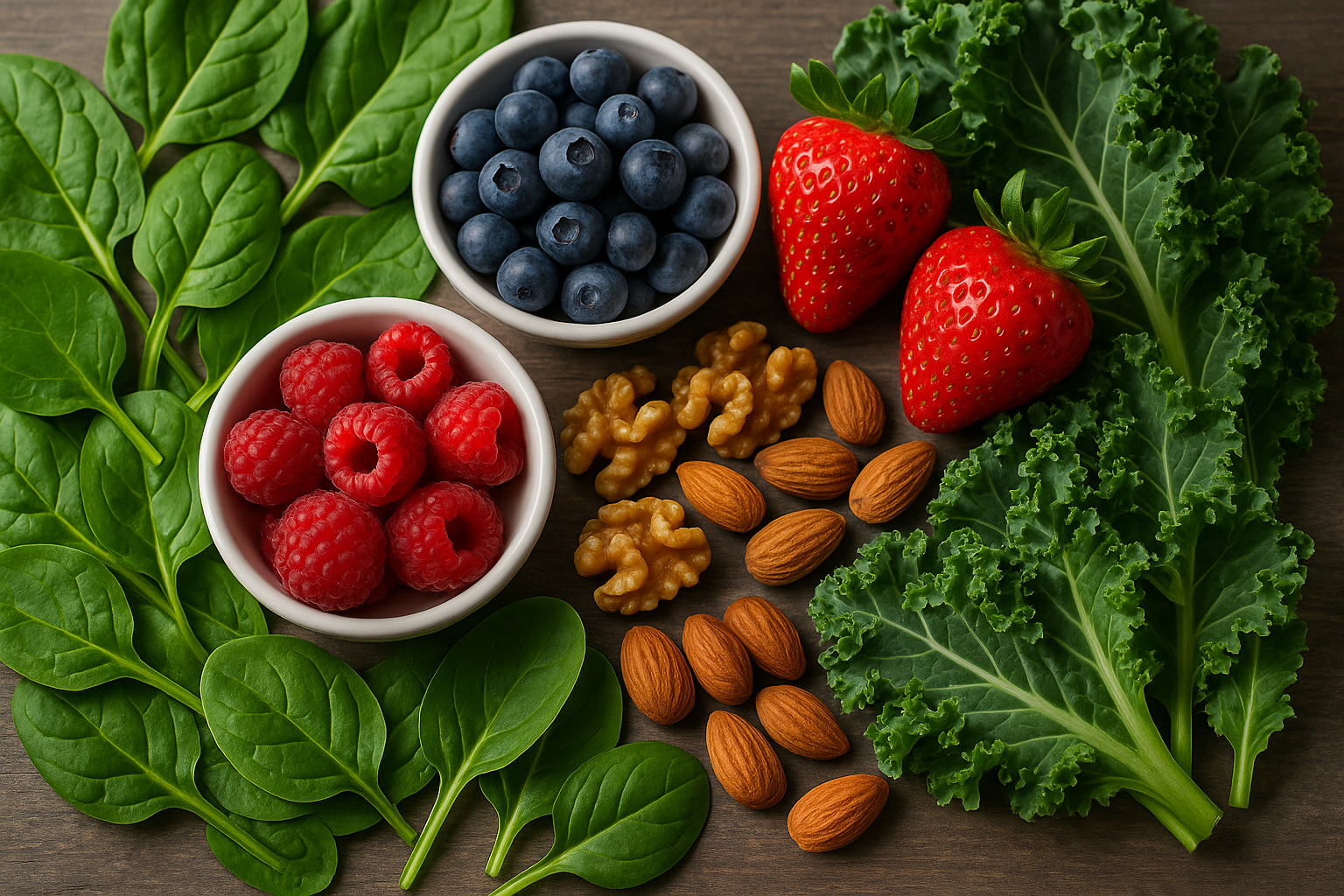
- Flavonoids from berries, cocoa, and colorful plants, linked to better memory and signaling.
- B vitamins, especially B6, B12, and folate, important for methylation and nervous system function.
- Polyphenols and antioxidants, which may help reduce oxidative stress.
- Protein and choline, which support neurotransmitter production.
A 2023 study in Nutrients linked Mediterranean-style eating with better cognitive outcomes and lower inflammatory burden. Another large study often cited in this space, the MIND diet research, found that high adherence was associated with a significantly lower risk of Alzheimer’s disease. Harvard T.H. Chan School of Public Health continues to recommend dietary patterns rich in vegetables, whole grains, legumes, fish, and unsaturated fats for long-term brain and heart health.
We found that people do better with clear instructions than with vague commandments to “eat healthy.” Try this:
- At breakfast: eggs with spinach and berries, or Greek yogurt with walnuts and blueberries.
- At lunch: salmon or beans, a heap of greens, olive oil, and whole grains.
- At dinner: colorful vegetables, lean protein, and something fermented like yogurt or kefir.
- Most days: swap sugary snacks for nuts, fruit, or dark chocolate with high cocoa content.
In our experience, the best brain diet is the one you can repeat on a Wednesday when you’re tired and mildly cross, not the one you perform once with imported seeds and tragic optimism.
Exercise and Its Impact on Neurogenesis
Among the many answers to Can your body rebuild brain cells?, exercise is the one with the least mystique and the most evidence. It doesn’t require a crystal, a manifesto, or a freezer full of supplements. It requires, maddeningly, that you move your body on purpose.
Aerobic exercise has been linked to increased levels of brain-derived neurotrophic factor (BDNF), often described as fertilizer for the brain. A widely cited randomized trial published in 2011 found that one year of moderate aerobic exercise increased hippocampal volume by about 2% in older adults, effectively reversing age-related loss by one to two years. Research published from 2020 onward continues to support exercise as a way to improve memory, mood, circulation, and cognitive resilience.
The World Health Organization recommends adults get at least 150 to 300 minutes of moderate physical activity per week. Yet according to CDC surveillance, a substantial share of adults still do not meet those guidelines. That’s unfortunate, because even walking has benefits. A 2022 review linked regular aerobic training with improved executive function and hippocampal performance, while resistance training has also shown positive effects on cognition and mood.
We recommend a simple weekly plan:
- 3 to 5 days: brisk walking, cycling, swimming, or elliptical work for 30 to 45 minutes.
- 2 days: resistance training for major muscle groups.
- Daily: light mobility or stretching, especially if pain keeps you stiff.
Dr. Aaron Hixon’s background in exercise science makes this especially relevant at Henry Chiropractic. Patients who are deconditioned, in pain, or recovering from setbacks often need a graduated plan, not a pep talk. A person with neck pain and headaches may not begin with sprints; they may begin with posture work, short walks, and getting through the afternoon without feeling as if their skull is hosting a committee meeting.
Stress and Brain Cell Health: A Delicate Balance
Stress is useful in the way a smoke alarm is useful: excellent for emergencies, miserable when it never stops. Short bursts can sharpen attention, but chronic stress is another creature entirely. It elevates cortisol, disrupts sleep, fuels inflammation, and can interfere with the hippocampus, one of the brain regions most closely tied to neurogenesis.
Studies from 2020 through 2025 have repeatedly linked chronic stress with poorer memory performance, lower mood, and reduced cognitive flexibility. A 2023 review in Molecular Psychiatry discussed how prolonged stress signaling can alter neural stem cell environments and impair plasticity. Separately, the American Psychological Association has reported that high stress remains common among U.S. adults, with many citing impacts on concentration, energy, and sleep.
And then there is sleep, stress’s unpleasant roommate. Poor sleep raises stress reactivity, while stress makes sleep shallower and shorter. It’s the kind of arrangement usually reserved for bad marriages and reality television.
There is, however, good news. Stress reduction techniques do not have to be grand or monk-like. Based on our research, the best-supported options include:
- Mindfulness practice for 10 to 15 minutes daily.
- Breath work, such as slow exhale breathing for five minutes.
- Walking outdoors, especially in the morning light.
- Pain management, because persistent pain acts as a stress amplifier.
- Consistent social connection, which lowers perceived stress load.
A 2024 analysis of mindfulness-based interventions found measurable improvements in stress and emotional regulation. We found that the most effective strategy is often the least dramatic: pick one practice, do it daily, and stop waiting to become the sort of person who owns linen meditation clothing.
Chiropractic Care's Influence on Brain Health
Now we come to the part some people greet with interest and others with the expression of a man asked to try tofu in 1987. Chiropractic care does not grow brain cells by itself in the simplistic sense, but it may support brain function by improving mobility, reducing pain, easing tension, and helping your nervous system work under less strain.
At Henry Chiropractic, Dr. Craig Henry and Dr. Aaron Hixon bring different but complementary strengths. Dr. Henry, owner and operator of the practice, serves Pensacola and surrounding Florida communities with an emphasis on whole-person wellness. Dr. Hixon, a Florida native with a Bachelor of Science in Exercise Science from Florida Atlantic University and training from Palmer College of Chiropractic, uses techniques including Diversified, Gonstead Spinal Manipulation, IASTM, and Myofascial Release Technique.
Why does this matter for your brain? Because persistent neck pain, headaches, poor posture, sleep disruption, and reduced physical activity can all create conditions that are hostile to recovery. If your body is guarding every movement and your sleep is splintered into small resentful fragments, the brain has fewer resources for repair and adaptation.
In our experience, patients often report changes that matter in daily life:
- fewer tension headaches,
- better neck range of motion,
- improved sleep comfort,
- more confidence returning to exercise.
Those are not small things. They are the practical scaffolding that supports better brain health over time. A patient who sleeps seven hours instead of five, walks four days a week instead of none, and no longer lives in fear of turning their head while backing out of the driveway has improved the terrain considerably.
If you’re local, Henry Chiropractic is located at 1823 N 9th Ave, Pensacola, FL 32503. You can call (850) 435-7777 or visit Henry Chiropractic to learn more about care options.
Conclusion: Next Steps to Support Brain Cell Regeneration
Can your body rebuild brain cells? Yes, to a degree, and the more useful answer is that your brain can also rewire, strengthen, and adapt. That may sound less cinematic than a total rebuild, but for real human beings trying to think clearly, sleep well, and function without feeling half-finished, it is excellent news.
As of 2026, the best-supported path is neither glamorous nor mysterious. We recommend focusing on the factors that show up again and again in the evidence:
- Move regularly: aim for 150 minutes of weekly aerobic activity.
- Protect sleep: keep a stable 7-to-9-hour window.
- Eat for brain health: prioritize omega-3s, greens, berries, olive oil, eggs, and quality protein.
- Reduce chronic stress: choose one daily practice and stick with it.
- Consider supportive therapies: ask whether HBOT or hands-on care may fit your situation.
Based on our analysis, the people who make progress are rarely the ones chasing novelty. They are the ones who improve oxygen, movement, recovery, and inflammation little by little, then keep going when the novelty wears off and real life returns with its bills and interruptions.
If you want guidance tailored to your symptoms, reach out to Henry Chiropractic, owned and operated by Dr. Craig Henry. The clinic serves Pensacola at 1823 N 9th Ave, Pensacola, FL 32503. Call (850) 435-7777 or visit https://drcraighenry.com/. In 2026, the research is still unfolding, but one point is already clear: your brain is less like a broken vase and more like a city under repair. Give it the workers, the materials, and the time.

Key Takeaways
- Your brain can create new neurons in certain regions, especially the hippocampus, and it can also rewire existing networks through neuroplasticity.
- Exercise, sleep, diet, and stress management are the strongest everyday tools for supporting brain repair and long-term cognitive health.
- Hyperbaric Oxygen Therapy may support brain healing by improving oxygen delivery, blood flow, and tissue recovery, particularly as part of a broader care plan.
- Chiropractic care may help indirectly by reducing pain, improving mobility, and making it easier for you to sleep, move, and recover consistently.
- If you want personal guidance in Pensacola, Henry Chiropractic offers support from Dr. Craig Henry and Dr. Aaron Hixon at 1823 N 9th Ave, Pensacola, FL 32503.
Frequently Asked Questions
Can your body really rebuild brain cells?
Not exactly in the way your skin heals after a scrape, but yes, your brain can make new neurons in certain regions. Can your body rebuild brain cells? Research says it can, especially in the hippocampus, which helps with memory and learning. The bigger story is that your brain also rewires existing networks, which is often just as important as making brand-new cells.
What helps the brain make new cells?
Exercise, quality sleep, stress control, and a nutrient-dense diet are the usual heavy hitters. We found that consistent aerobic activity, Mediterranean-style eating, and sleeping 7 to 9 hours each night show the strongest links with better brain resilience and neurogenesis.
Does Hyperbaric Oxygen Therapy help the brain?
HBOT may support brain healing by increasing oxygen delivery to tissues, reducing inflammation, and promoting blood vessel growth. Research is promising, especially for selected neurological conditions, but results vary and it works best as part of a broader care plan.
Can stress stop brain cells from growing?
Chronic stress raises cortisol, and high cortisol is associated with reduced hippocampal volume and weaker neurogenesis over time. That doesn’t mean one bad week ruins your brain, but months of unrelenting stress can make memory and focus noticeably worse.
What foods support brain cell repair?
No single food performs a magic trick in a cape, but several nutrients matter a great deal. Omega-3 fats, flavonoid-rich berries, leafy greens, eggs, and fermented foods all support brain health, especially when they’re part of a consistent eating pattern.