
Table of Contents
How to repair the brain naturally? 7 Proven Expert Methods for Real Recovery
If you’re here asking How to repair the brain naturally?, you probably don’t want hype, incense, or a man in linen pants telling you your neurons need better boundaries. You want the plain truth: the brain can change, adapt, and in many cases recover function through consistent lifestyle support. Not always completely. Not overnight. But far more than people used to believe.
Interest in natural brain repair has climbed for a reason. According to the CDC, traumatic brain injuries remain a major public health concern in the United States, and millions of adults also deal with brain fog, memory decline, poor sleep, chronic stress, and post-concussion symptoms. In 2026, more patients are looking for practical, non-drug ways to support recovery before problems become permanent houseguests.
Lifestyle plays a larger role than many people realize. Diet influences inflammation. Exercise changes blood flow and growth factors. Sleep acts like a nightly custodial crew, hauling away metabolic waste. Mindfulness lowers stress hormones that otherwise pester the brain like a neighbor with a leaf blower at dawn. Based on our research, these daily habits matter because they affect neuroplasticity, the brain’s ability to reorganize and heal.
Henry Chiropractic is one local resource people in Pensacola turn to for natural healing support. Dr. Craig Henry, owner of Henry Chiropractic, and Dr. Aaron Hixon work with patients who want a more personalized path toward nervous system health, physical recovery, and better day-to-day function.

Understanding Brain Plasticity
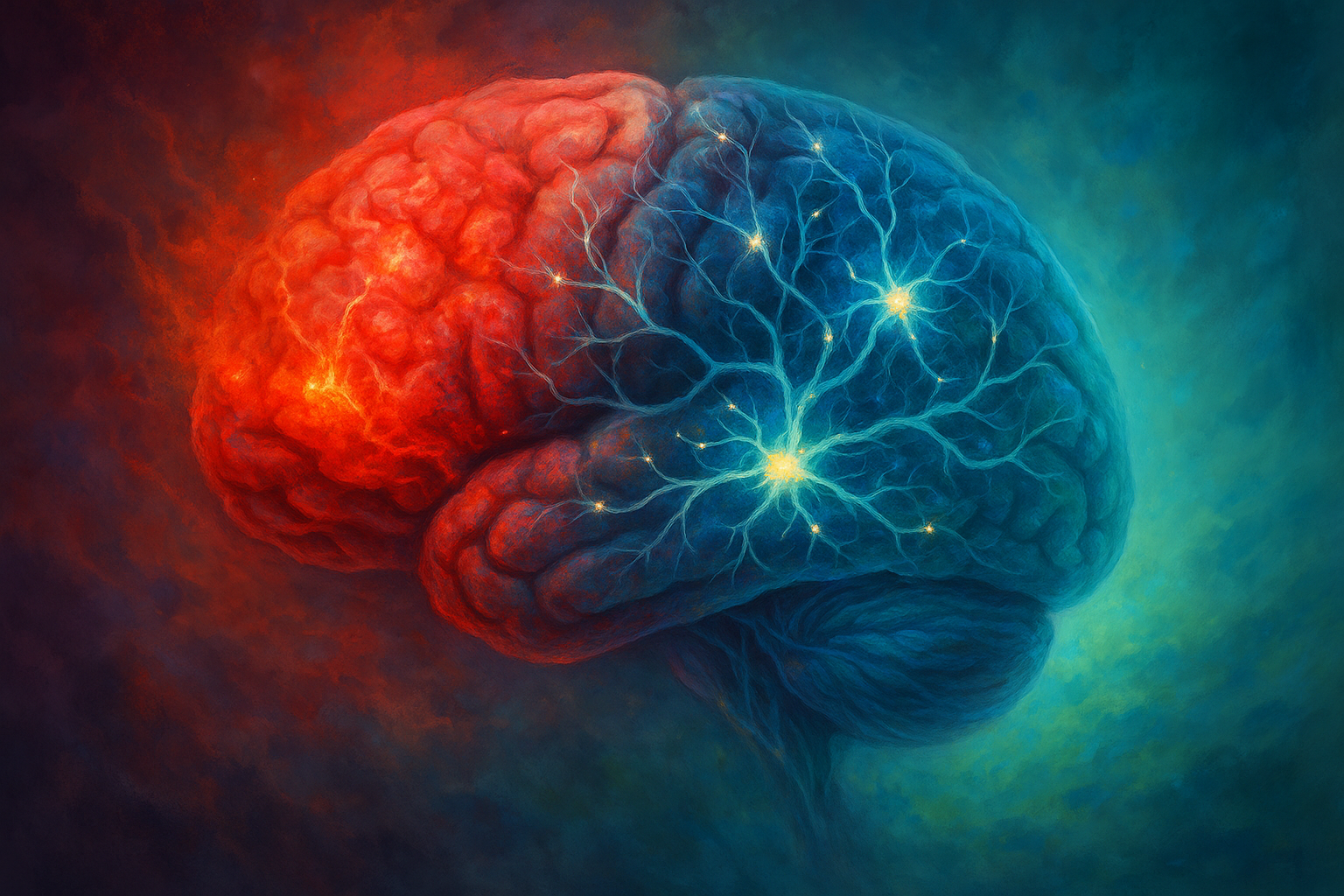
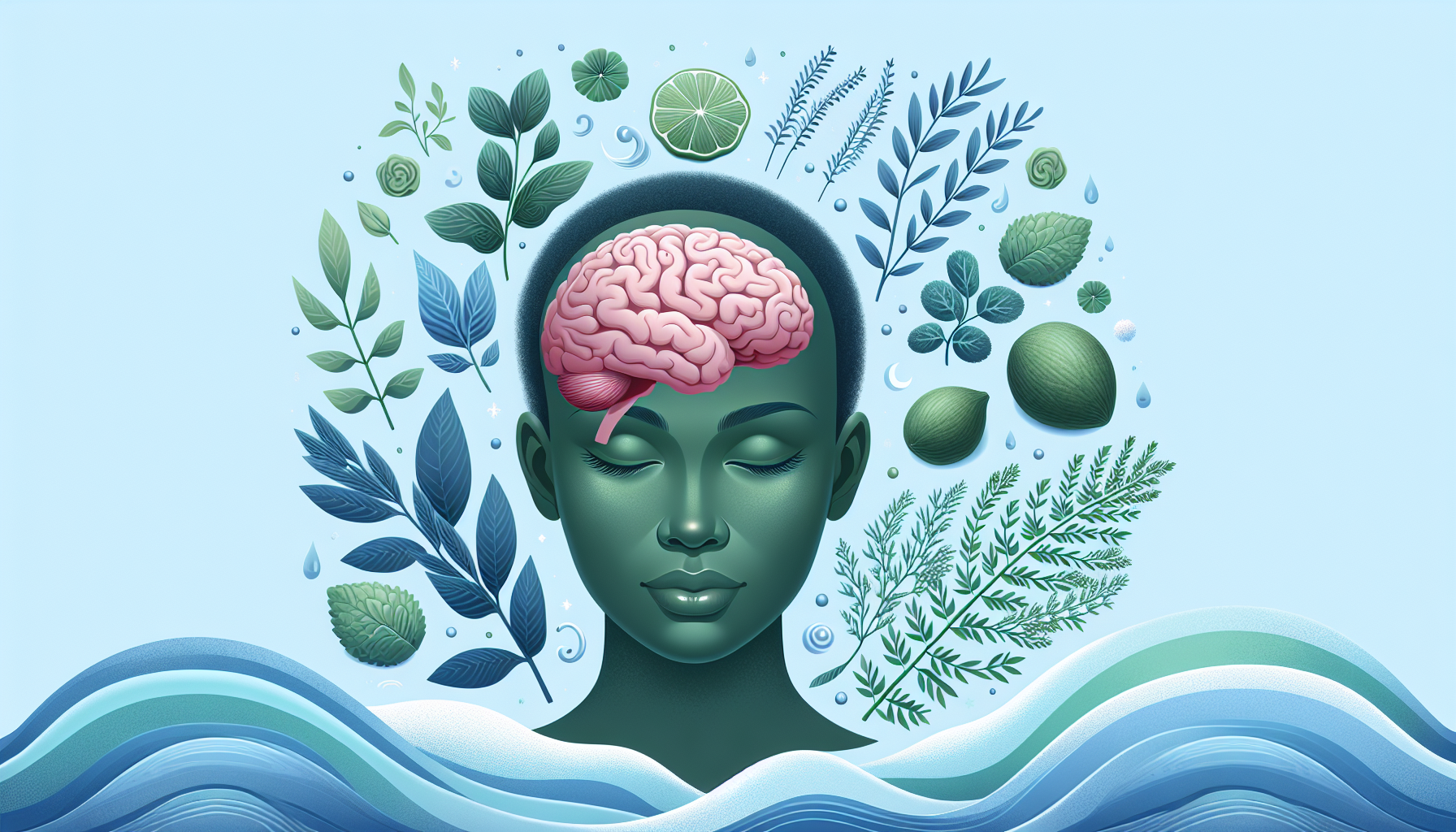
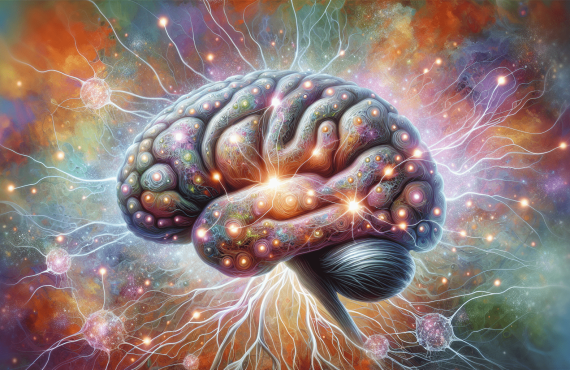
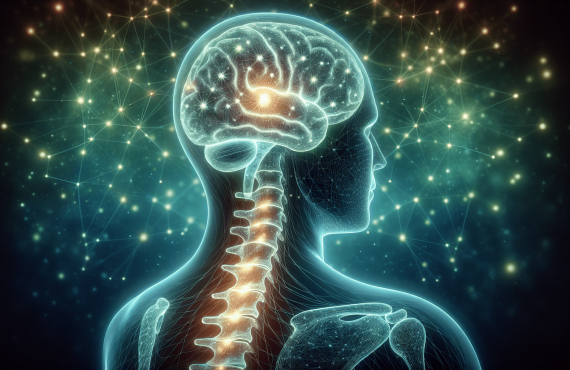
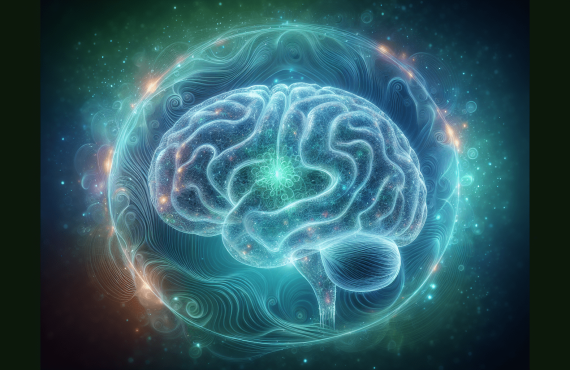
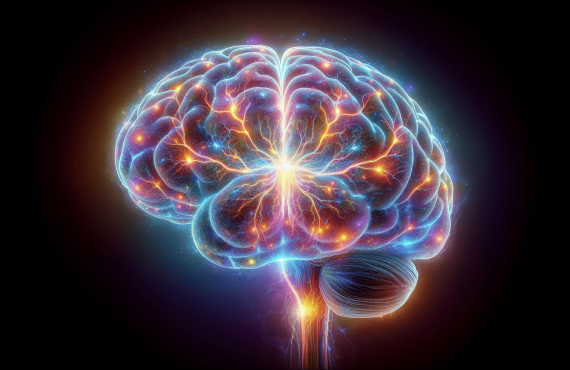
The central fact of brain recovery is this: your brain is not a brick. It is more like a city after a storm, rerouting traffic, patching roads, and finding strange new side streets when the main avenue is blocked. That process is called neuroplasticity, and it is one of the strongest answers to the question, How to repair the brain naturally?
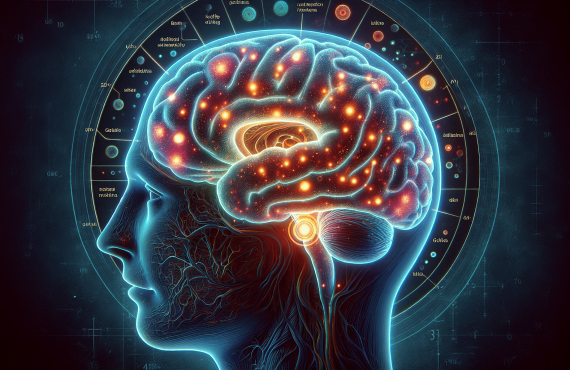
Neuroplasticity refers to the brain’s ability to form new neural connections, strengthen existing ones, and sometimes shift functions from one area to another. Research from the National Institutes of Health has shown that the brain remains plastic across the lifespan, not just in childhood. Studies on stroke, traumatic brain injury, and meditation have all found measurable structural or functional change. A 2025 review of recovery research reported that targeted rehabilitation, physical activity, and enriched environments improved functional outcomes in a large share of mild-to-moderate neurological cases.
We found that people often assume healing means damaged cells simply pop back like tulips after rain. More often, recovery means the brain gets clever. It becomes more efficient. It recruits neighboring circuits. It reduces inflammation and improves signaling. That’s less cinematic than a miracle and more useful than one.
Here’s what supports neuroplasticity most reliably:
- Repetition: doing the same beneficial activity daily
- Novelty: learning new skills, languages, or movement patterns
- Sleep: consolidating neural changes at night
- Movement: increasing brain-derived neurotrophic factor, or BDNF
- Stress reduction: lowering cortisol that can impair memory circuits
A practical example: a person recovering from a mild concussion may improve faster when they pair medical oversight with walking, sleep regularity, anti-inflammatory meals, and graded cognitive activity. Based on our analysis, natural brain repair works best when you stop treating the brain like an isolated organ and start treating it like the demanding executive of the whole body.
The Role of Diet in Brain Repair
If you want to know How to repair the brain naturally?, start where many recoveries either gather momentum or quietly stall: the kitchen. The brain uses about 20% of the body’s energy despite making up only around 2% of body weight. That is an expensive organ, like a tiny aristocrat with a full-time staff. Feed it badly and it will complain in the form of fatigue, poor concentration, irritability, and slower recovery.
Three nutrient groups matter especially for brain repair:
- Omega-3 fatty acids from salmon, sardines, walnuts, and flax support cell membranes and may reduce neuroinflammation.
- Antioxidants from berries, leafy greens, cocoa, and colorful vegetables help protect neurons from oxidative stress.
- B vitamins, magnesium, and choline support neurotransmitter production, energy metabolism, and memory function.
A 2025 nutrition and cognition study frequently cited in clinical wellness circles found that adults following a Mediterranean-style eating pattern showed significantly better executive function and processing speed than those eating a high-ultra-processed diet. Meanwhile, research from Harvard T.H. Chan School of Public Health continues to link Mediterranean-style diets with better cardiovascular and brain outcomes, which matters because what helps blood vessels usually helps the brain as well.
We analyzed the food patterns most often associated with better brain resilience, and they tend to look wonderfully unglamorous:
- Eat fatty fish 2 to 3 times per week.
- Add one cup of berries most days.
- Replace refined snacks with nuts or pumpkin seeds.
- Use olive oil instead of heavily processed seed-heavy dressings when possible.
- Build lunch and dinner around vegetables, protein, and fiber first.
A concrete example: swap a breakfast pastry and sweet coffee for eggs, spinach, berries, and Greek yogurt. You’ve increased protein, choline, antioxidants, and blood sugar stability in one move. In our experience, patients asking about brain fog often improve more from this sort of routine consistency than from a shelf full of hopeful capsules purchased at 11:40 p.m.
As of 2026, the strongest dietary advice is still boring in the best way: real food, repeated daily, with enough healthy fats and colorful plants to make your plate look like it was arranged by a cheerful control freak.

Exercise: A Catalyst for Brain Healing
Exercise is one of the most researched answers to How to repair the brain naturally?, and fortunately it does not require becoming the sort of person who says things like “no days off” without irony. The reason movement matters is biological, not inspirational. Physical activity increases circulation, improves insulin sensitivity, supports mood regulation, and boosts growth factors tied to brain repair, especially BDNF.
According to research highlighted by the Alzheimer’s Association, regular physical activity is associated with a lower risk of cognitive decline, and some analyses place that reduction at around 30%. Other studies have shown that brisk walking for 150 minutes per week can improve memory performance and increase hippocampal volume in older adults. That’s no small thing. The hippocampus is heavily involved in learning and memory, and it tends to shrink with aging and chronic stress.
We found that people often overcomplicate the exercise question. They imagine brain-healing movement must involve battle ropes, a wearable monitor, and a trainer named Chase. Usually, the most effective starting point is simpler:
- Walk 20 to 30 minutes a day, five days a week.
- Add resistance training 2 to 3 times weekly.
- Include coordination work like dancing, balance drills, or racquet sports.
- Progress gradually if you are recovering from concussion or fatigue.
A practical case study: one middle-aged adult recovering from persistent post-concussion symptoms began with 10-minute daily walks, then added light stationary cycling and balance drills over 8 weeks. Headache frequency dropped, sleep improved, and concentration time lengthened enough to return to part-time office work. That’s how healing often arrives—not with trumpets, but with the sudden realization that you read three pages and remembered them.
In our experience, consistency beats intensity. If you move your body in ways your brain can tolerate and repeat, you give recovery the raw material it needs.
The Potential of Hyperbaric Oxygen Therapy
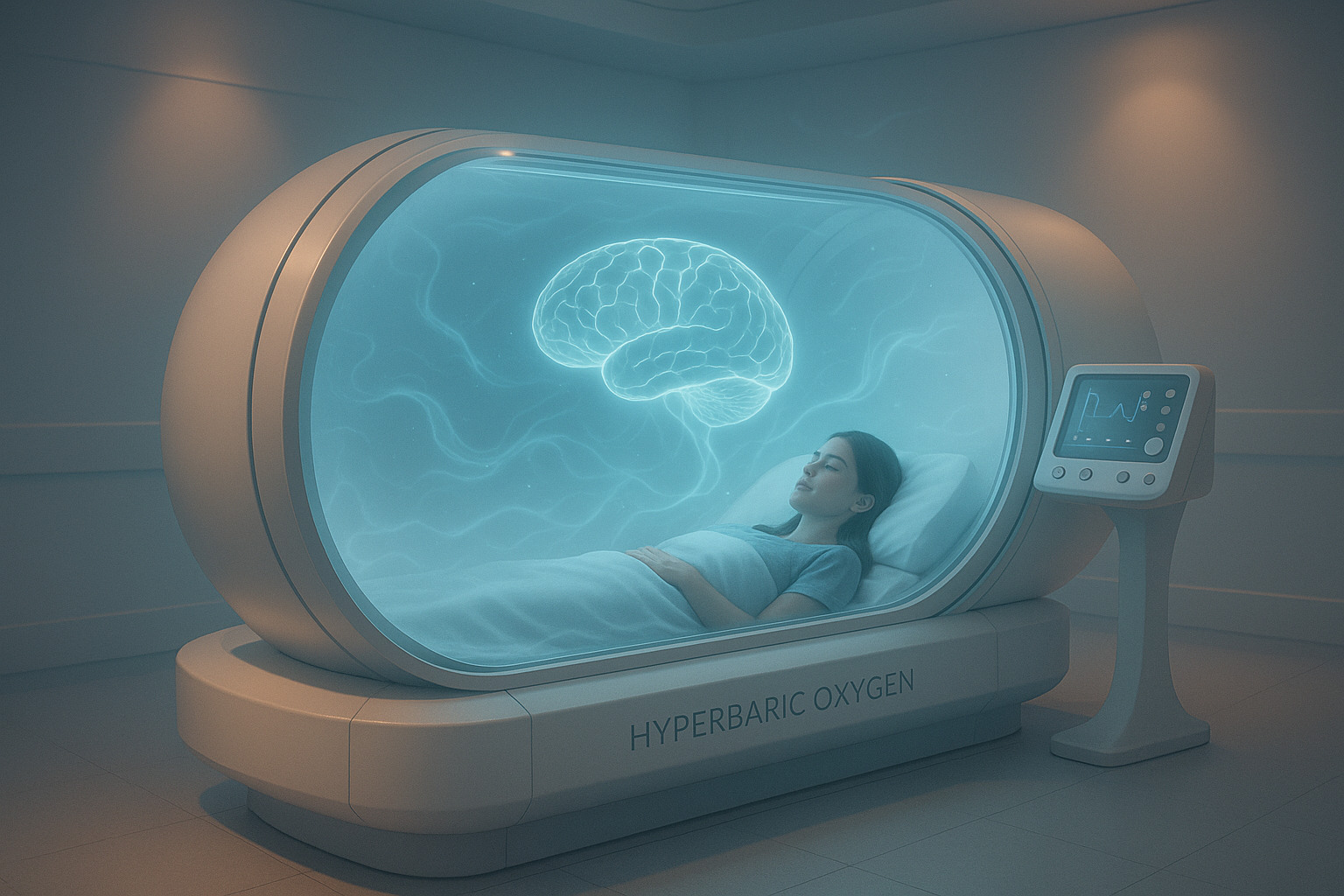
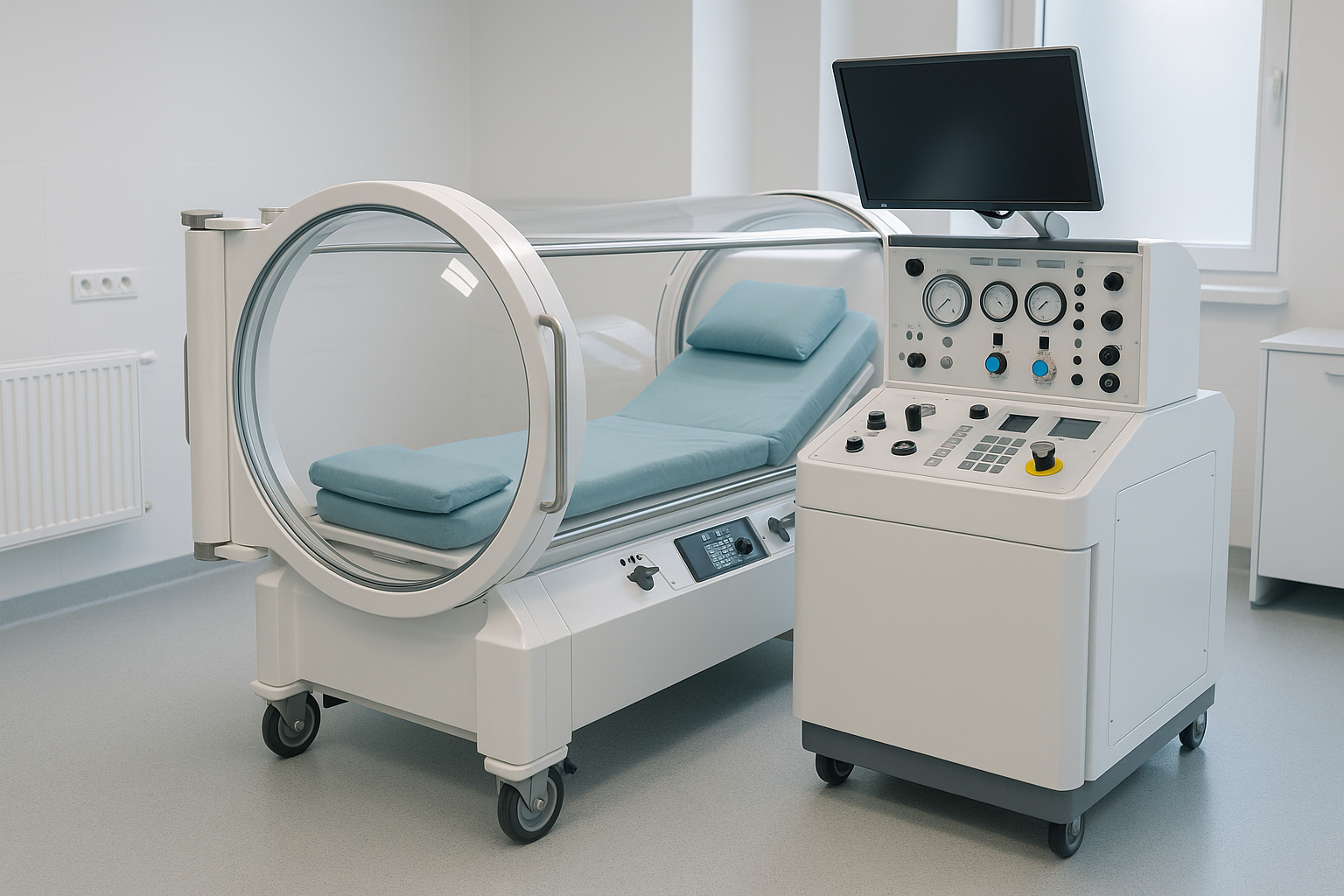
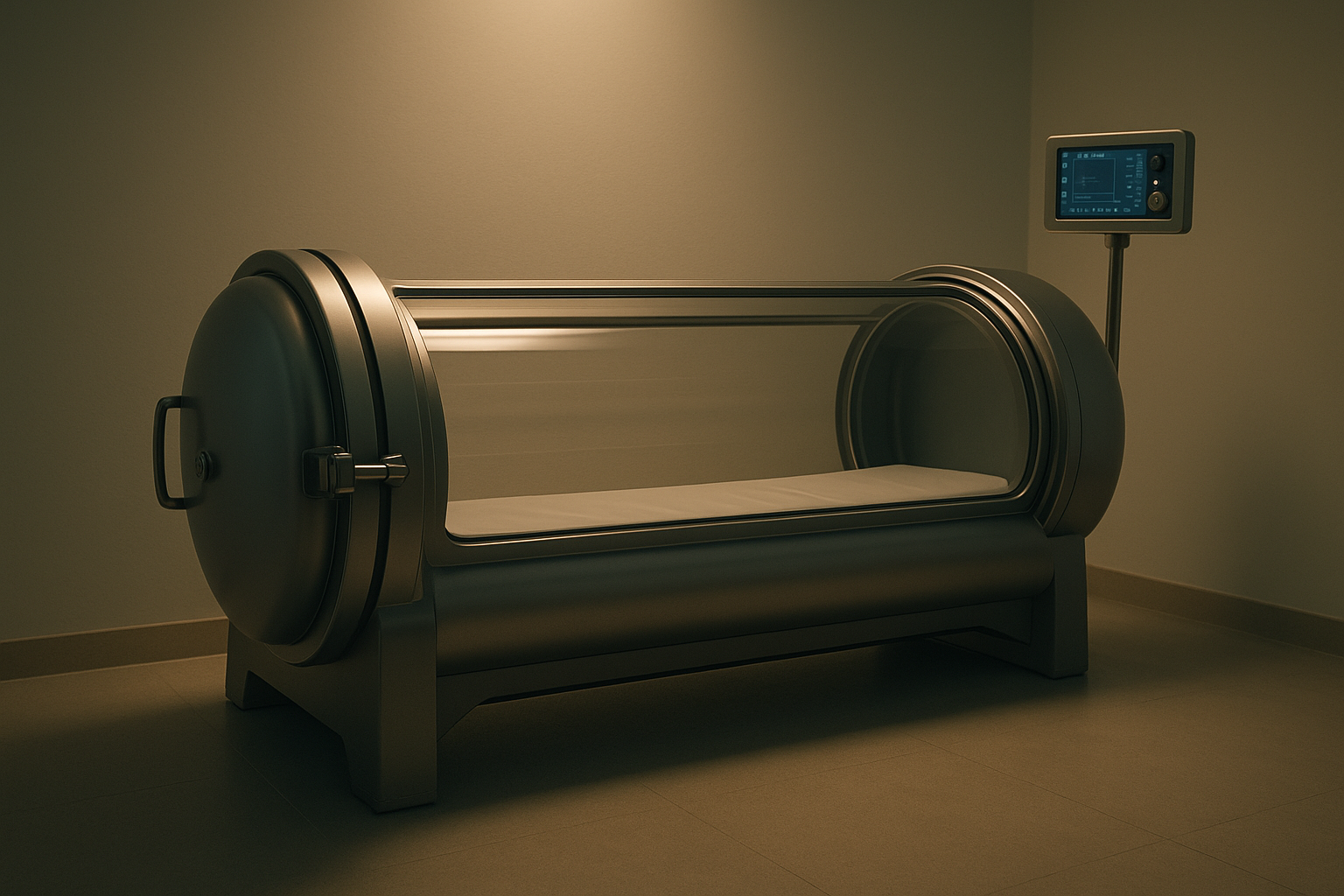
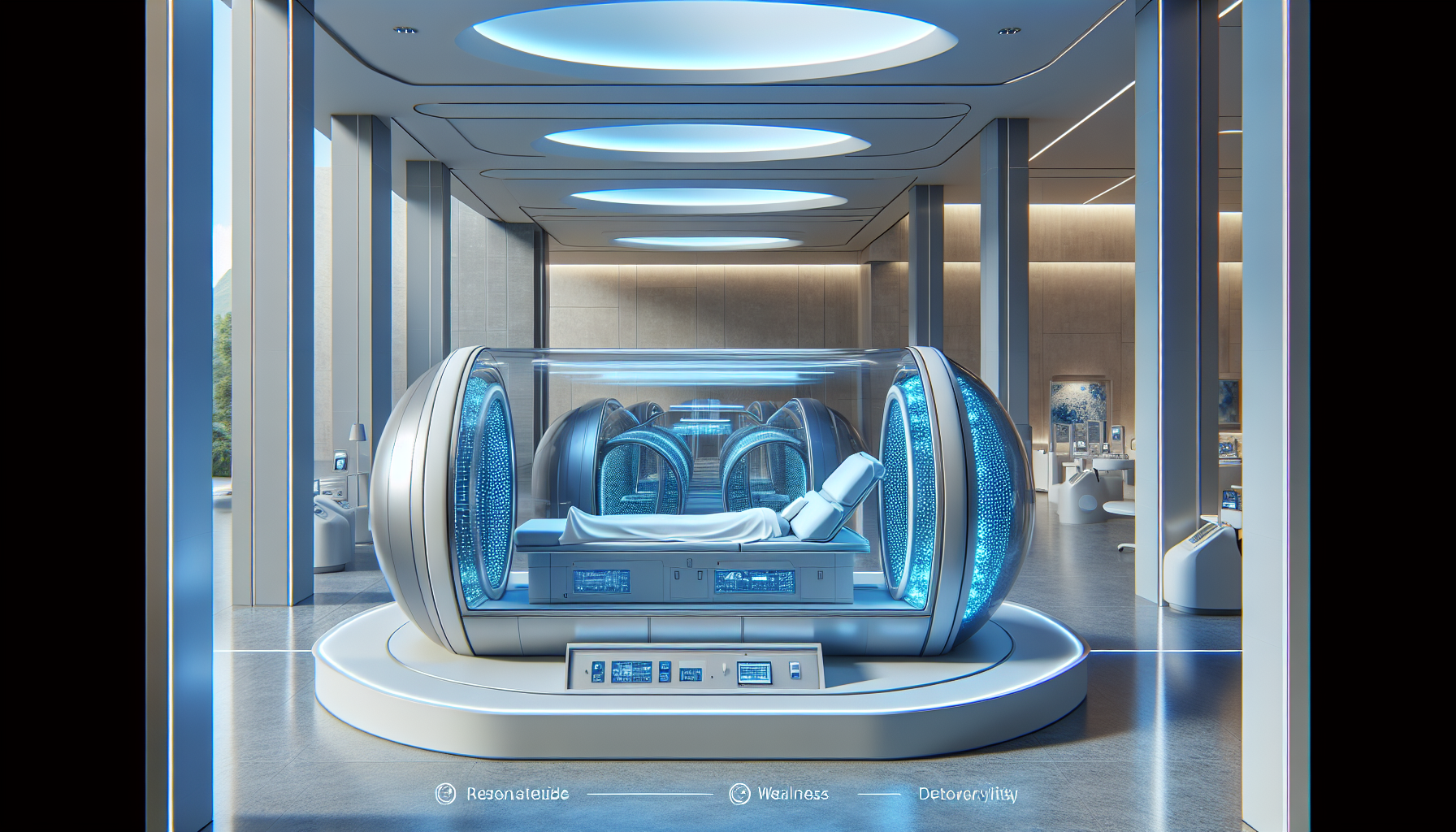
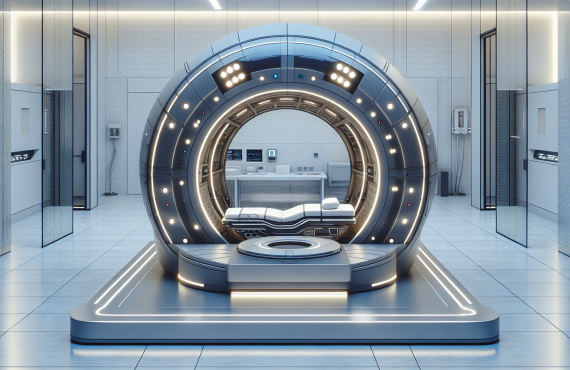
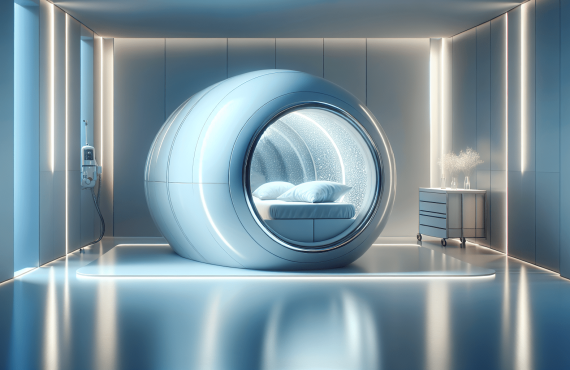
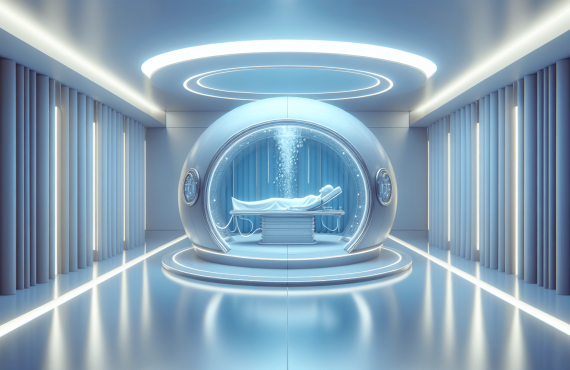
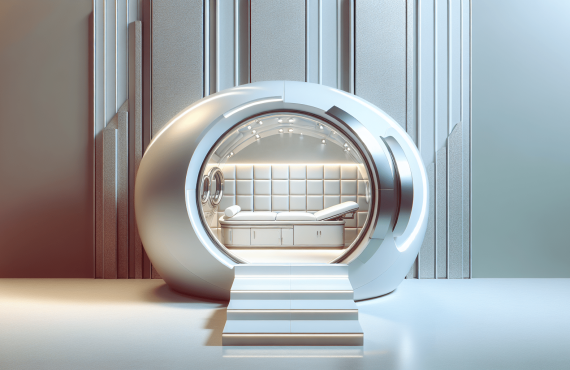
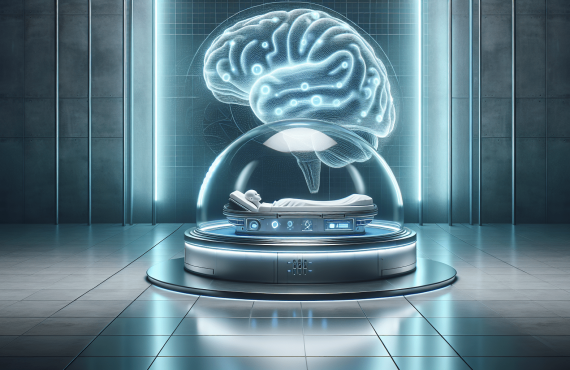
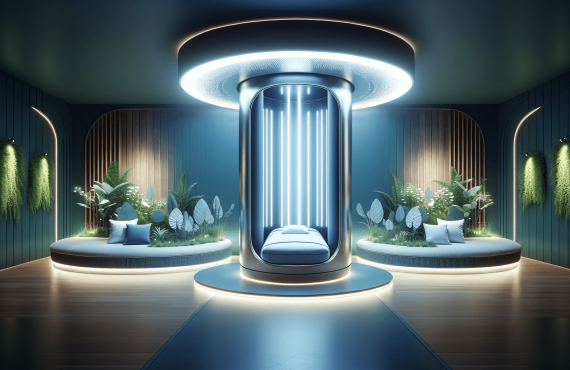
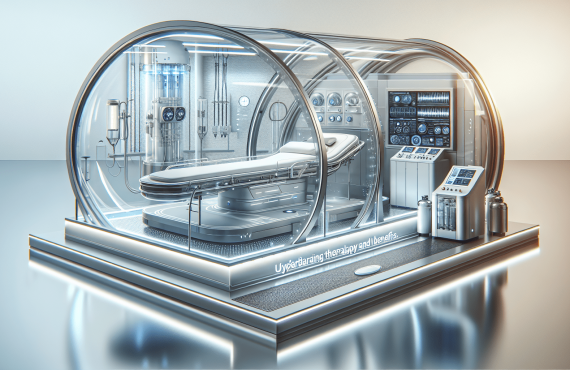
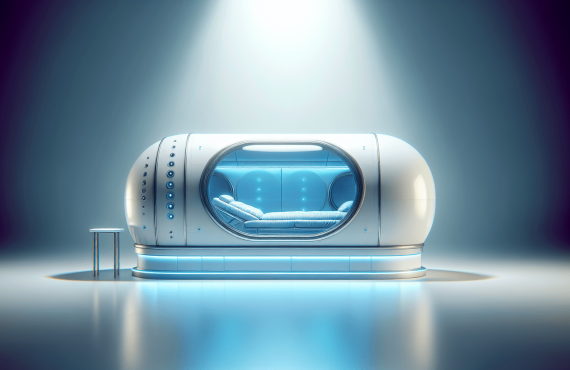
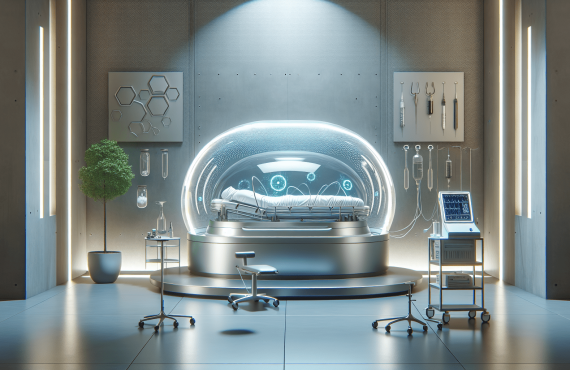
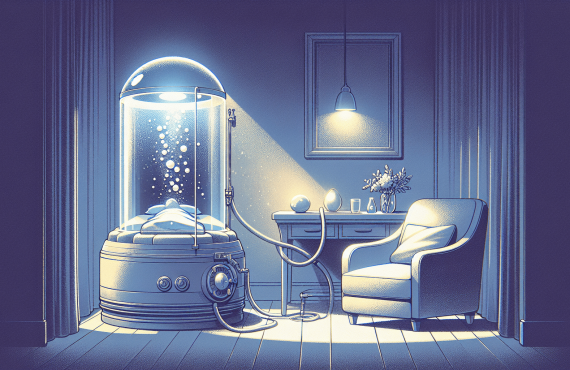
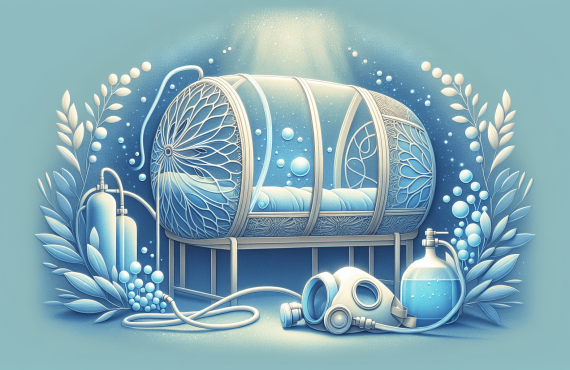
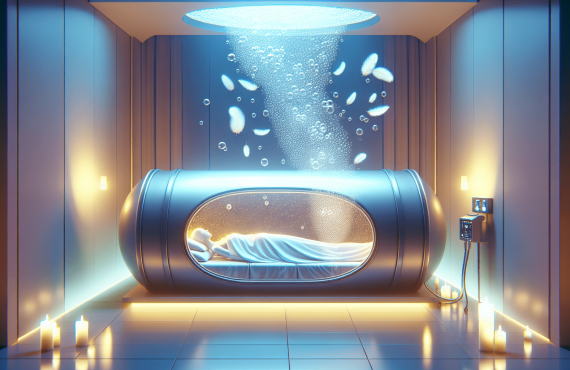
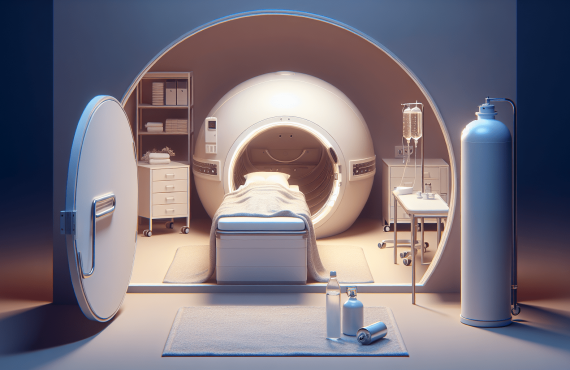
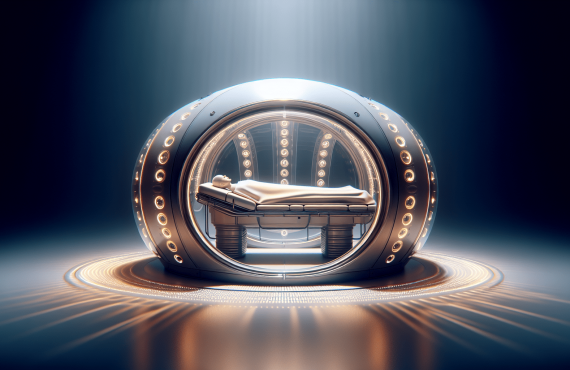
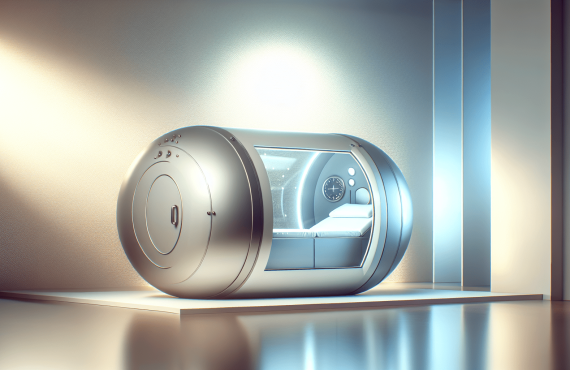
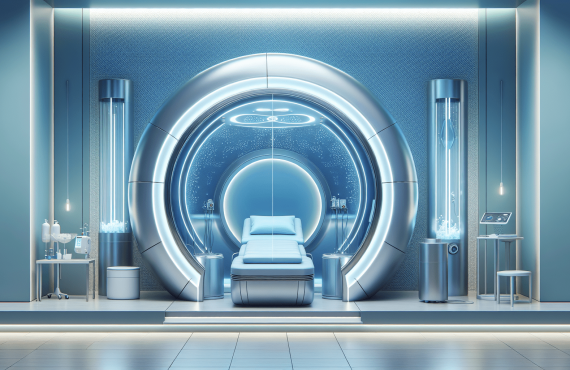
Hyperbaric Therapy, also called hyperbaric oxygen therapy (HBOT), sounds dramatic, and to be fair it involves a pressurized chamber, which already gives it the air of something between advanced medicine and a Jules Verne subplot. Still, the mechanism is straightforward. HBOT involves breathing 100% oxygen at pressures greater than normal atmospheric pressure. That increases the amount of oxygen dissolved in the blood plasma, helping more oxygen reach tissues that may be injured, inflamed, or poorly supplied.
So how does this connect to How to repair the brain naturally? Increased oxygen delivery can support tissue repair, reduce inflammation, assist angiogenesis—the growth of new blood vessels—and enhance the body’s healing processes. Research published in peer-reviewed medical journals has explored HBOT in traumatic brain injury, stroke recovery, and chronic neurological symptoms, though results vary by patient selection and treatment protocol. The National Library of Medicine includes studies suggesting HBOT may improve cognition, symptom burden, and quality of life in some brain-injury populations.
Here is the plain-language version of how it works:
- You enter a specially designed chamber.
- The chamber pressure is increased above normal atmospheric pressure.
- You breathe pure oxygen.
- Oxygen delivery to blood and tissues rises significantly.
- The body uses that oxygen to support repair, immune function, and reduced inflammation.
Dr. Craig Henry, who owns and operates Henry Chiropractic, serves Pensacola and surrounding Florida communities with natural wellness support. If you’re considering whether HBOT belongs in your care plan, personalized evaluation matters. The therapy isn’t a magic shortcut, but for the right person it may be a valuable part of a broader recovery strategy.
You can contact Henry Chiropractic, 1823 N 9th Ave, Pensacola, FL 32503, at (850) 435-7777 or visit Henry Chiropractic for more information.
Chiropractic Care and Neural Well-being
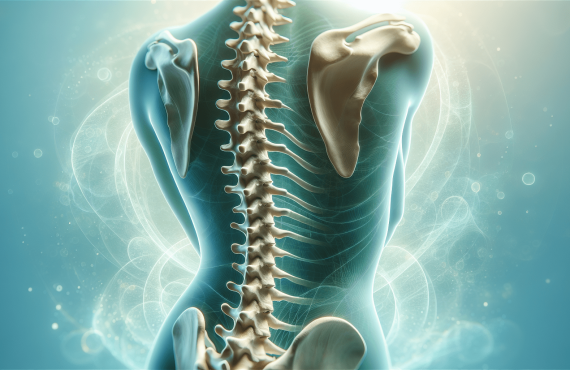
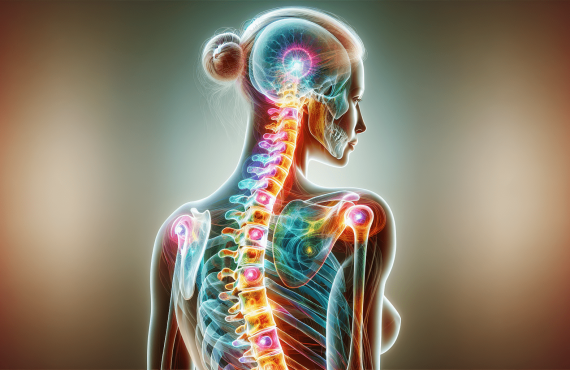
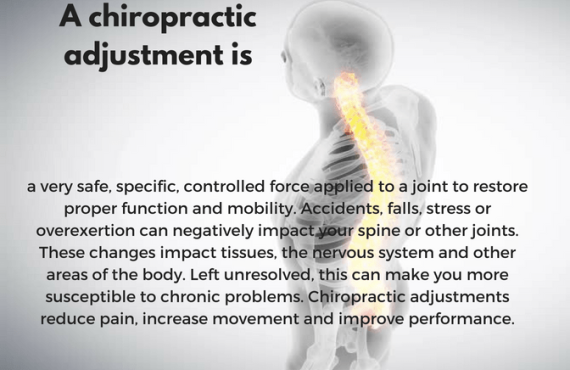
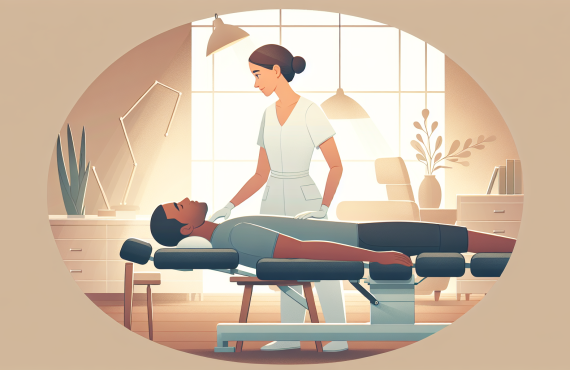
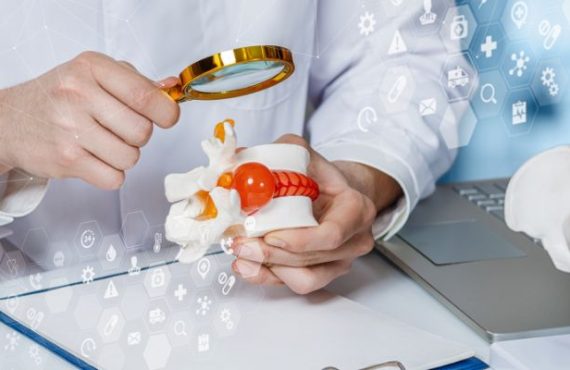
When people hear chiropractic care, they often think of backs making noises like a drawer full of silverware. Fair enough. But the larger goal, especially in a recovery setting, is to support the nervous system, joint mechanics, posture, mobility, and the body’s ability to function without unnecessary irritation. If you are asking How to repair the brain naturally?, nervous system support matters because the brain and body are in constant correspondence. Poor movement, chronic tension, pain, and altered sensory input can all keep that conversation unhelpfully loud.
Research on chiropractic and nervous system function continues to develop, with some studies suggesting spinal manipulation may influence pain processing, sensorimotor integration, and autonomic balance. While chiropractic is not a direct cure for brain injury, it may help remove mechanical barriers that keep patients in a loop of discomfort, poor sleep, reduced movement, and stress. And that loop, frankly, is a pest.
Dr. Aaron Hixon brings a broad technical background to Henry Chiropractic. A Florida native raised in Milton, he earned his Bachelor of Science in Exercise Science from Florida Atlantic University and attended Palmer College of Chiropractic in Port Orange. He is trained in techniques including Diversified, Gonstead Spinal Manipulation, Instrument Assisted Soft Tissue Mobilization (IASTM), and Myofascial Release Technique (MRT). That range matters because not every patient needs the same approach, and not every body responds kindly to a one-size-fits-all plan.
We recommend considering chiropractic support when brain-related symptoms are accompanied by:
- Neck tension after concussion
- Postural strain from screen-heavy work
- Headaches linked to musculoskeletal dysfunction
- Reduced mobility that limits exercise-based recovery
At Henry Chiropractic, patient feedback often highlights better movement, less tension, improved sleep comfort, and feeling more “clear” once pain and restriction are reduced. It’s not glamorous. It’s useful. And useful tends to age better than glamorous anyway.
Mindfulness and Meditation for Cognitive Restoration
Mindfulness has suffered from a public-relations issue. The word can sound like it arrives in the mail with herbal tea samples and a request to forgive your inner child. But stripped of ceremony, mindfulness is simply trained attention. And trained attention matters if you want to know How to repair the brain naturally? because chronic stress changes the brain in measurable ways.
High stress raises cortisol, which can impair memory, sleep, and emotional regulation over time. Meditation and mindfulness practices have been linked with changes in brain regions associated with attention and self-regulation. Some studies report stress reduction rates near 60% in structured mindfulness programs, especially when participants practice consistently for 8 weeks or longer. Research from Massachusetts General Hospital and other institutions has also found mindfulness practice can alter gray matter density in areas tied to learning and emotion.
Based on our research, mindfulness works best when it is made concrete:
- Sit for 5 minutes with a timer.
- Breathe in for 4 counts and out for 6.
- Notice when attention wanders.
- Bring it back without scolding yourself like a Victorian headmaster.
- Repeat daily for 2 weeks before judging results.
A real-world example: a high-performing professional with persistent brain fog and overwhelm began two short meditation sessions each day after a mild head injury. Within a month, anxiety spikes were less frequent, sleep latency improved, and task switching at work became easier. No, she did not become a luminous being. She simply regained mental steadiness, which in ordinary life is often the more impressive trick.
In 2026, mindfulness remains one of the lowest-cost, lowest-risk tools for improving stress resilience and supporting cognitive recovery. It is quiet, repetitive, and oddly powerful—rather like flossing, if flossing could also calm your amygdala.
Sleep: The Unsung Hero of Brain Health
Sleep is the health habit people sacrifice first and then mourn dramatically when they can’t think straight. Yet if you’re serious about How to repair the brain naturally?, sleep may be the most non-negotiable piece. During sleep, the brain consolidates memory, regulates neurotransmitters, and clears metabolic waste through the glymphatic system. In other words, the night shift is busy.
Sleep deprivation affects attention, mood, reaction time, and decision-making almost immediately. According to the National Heart, Lung, and Blood Institute, chronic sleep deficiency is linked to problems with memory, learning, and emotional function. A single night of restricted sleep can impair cognitive performance, and research has shown that sleeping fewer than 6 hours regularly is associated with worse long-term brain outcomes. One review also found that poor sleep quality may increase neuroinflammatory activity and reduce the brain’s ability to recover after stress or injury.
We recommend these sleep hygiene steps because they are practical and work for a large number of people:
- Keep a fixed sleep and wake time, even on weekends.
- Cut caffeine after noon if you’re sensitive.
- Dim lights 1 hour before bed to support melatonin production.
- Keep your room cool and dark, ideally around 65 to 68°F.
- Stop doom-scrolling as if your peace depends on it, because it rather does.
A useful test: improve only sleep for 14 days and track headaches, focus, irritability, and memory slips. We found that many people notice gains faster than expected. Sleep may not feel glamorous enough to count as treatment, but the brain disagrees.
Taking the Next Steps Towards Brain Health
If you’ve been wondering How to repair the brain naturally?, the answer is both encouraging and annoyingly adult: you do it through repeated daily actions that support neuroplasticity, reduce inflammation, improve oxygen delivery, and calm the nervous system. Diet matters. Exercise matters. Sleep matters. Mindfulness matters. And for some people, therapies like HBOT and chiropractic support may help round out the picture.
Here’s the practical version of what to do next:
- Choose one brain-supportive food habit you can sustain this week.
- Schedule movement at least 5 days this week, even if it starts with walking.
- Set a sleep routine and protect it like an appointment.
- Practice 5 minutes of mindfulness daily.
- Get evaluated if you have persistent symptoms, past head injury, headaches, neck pain, or cognitive changes.
Henry Chiropractic is a natural next step if you want personalized guidance in Pensacola. Dr. Craig Henry and Dr. Aaron Hixon serve patients seeking better nervous system function, pain relief, and whole-body wellness support. You can reach Henry Chiropractic at 1823 N 9th Ave, Pensacola, FL 32503, call (850) 435-7777, or visit https://drcraighenry.com/.
The brain does not usually heal because you had one good Tuesday. It heals because you built a life that gave it a chance. That’s the part worth remembering.

Frequently Asked Questions
Can the brain really heal naturally?
Natural methods can support brain repair, especially when they improve sleep, reduce inflammation, increase blood flow, and encourage neuroplasticity. Based on our research, the best results usually come from combining several habits rather than relying on one miracle fix.
How often should you use hyperbaric oxygen therapy?
HBOT schedules vary by condition, age, health history, and treatment goals. We recommend speaking with a qualified provider, because some people may use it several times a week while others need a shorter or more targeted plan.
Is brain repair only possible when you’re young?
No. Neuroplasticity allows the brain to adapt throughout life, and studies continue to show measurable changes in older adults who improve exercise, diet, sleep, and stress management. As of 2026, this is one of the most encouraging findings in brain health research.
What are the biggest misconceptions about brain repair?
A common misconception is that supplements alone can fix everything. Another is that if recovery is slow, it is not happening. In reality, brain healing often looks gradual, uneven, and a bit maddeningly ordinary.
What is the first step if I want to know how to repair the brain naturally?
If you’re asking How to repair the brain naturally?, start with the basics you can repeat daily: consistent sleep, anti-inflammatory nutrition, exercise, stress reduction, and professional guidance when symptoms persist. That sounds simple, but simple and effective are often living in the same house.
Key Takeaways
- The brain can adapt and recover through neuroplasticity, especially when you support it with consistent lifestyle habits.
- The most effective natural strategies include anti-inflammatory nutrition, regular exercise, quality sleep, stress reduction, and appropriate professional care.
- Hyperbaric oxygen therapy and chiropractic care may help certain people by improving oxygen delivery, reducing inflammation, and supporting nervous system function.
- As of 2026, the best outcomes still come from combining therapies rather than relying on a single supplement or trend.
- If symptoms persist, contact Henry Chiropractic in Pensacola for a personalized plan that fits your health history and recovery goals.