
Table of Contents
How can I speed up brain healing? 10 Proven Expert Strategies for Faster Recovery
Brain injuries are thieves. They steal names, patience, sleep, and sometimes the ability to stand in a bright kitchen without feeling as if the refrigerator is interrogating you. If you’ve landed here asking How can I speed up brain healing?, you probably want fewer platitudes and more useful answers. Fair enough.
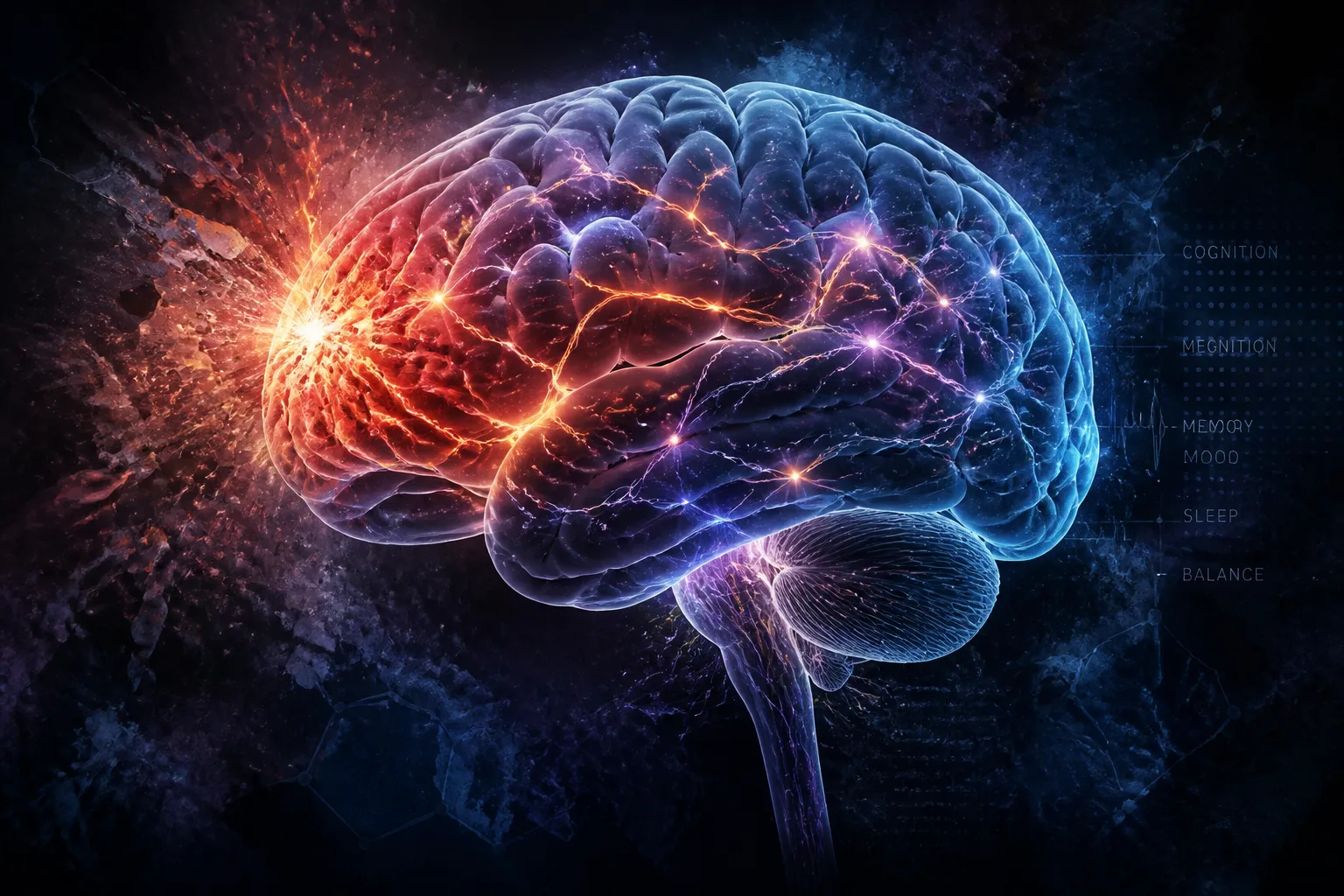
Brain recovery matters because even a “mild” concussion or oxygen-related brain insult can upset memory, mood, balance, and work performance for weeks or months. The CDC reports that traumatic brain injury contributes to about 30% of all injury-related deaths in the United States, and millions of Americans visit emergency departments for brain injury each year. Those are large numbers, but for you, the number that matters is often one: the single life that now feels slightly off-center.
Based on our research, recovery tends to improve when you combine medical guidance with targeted habits: sleep, nutrition, exercise, cognitive rehab, and in some cases hyperbaric therapy and chiropractic care. We found that people do better when they understand what healing looks like, what slows it down, and which therapies have actual evidence behind them. As of 2026, the best approach is still a practical one: fewer miracles, more method.

Introduction: Why Speeding Up Brain Healing Matters
You don’t ask about brain healing for fun. You ask because something changed. Maybe it was a concussion from a fall, a car crash, a sports injury, a stroke, or a period of reduced oxygen to the brain. Suddenly your calendar looks unfamiliar, your screen feels too bright, and ordinary errands carry the emotional weight of crossing the Alps in house slippers.
Brain injuries are common and expensive in both money and peace of mind. According to the CDC, there were roughly 214,000 TBI-related hospitalizations in the U.S. in 2020 and 69,000 TBI-related deaths in 2021. A separate issue is concussion in sports and recreation, where symptoms such as headaches, slowed thinking, light sensitivity, and irritability can linger longer than expected. Studies show that while many people improve within 2 to 4 weeks, a meaningful minority develop symptoms that persist for months.
That’s why the question How can I speed up brain healing? deserves an answer grounded in evidence rather than folklore. Based on our analysis of current guidance and rehabilitation research, the biggest drivers of recovery are often not glamorous: structured rest, graded activity, nutrition, treatment of neck dysfunction, stress management, and consistent follow-up. We’ll also cover hyperbaric oxygen therapy, where the research is more nuanced than the phrase “miracle chamber” would suggest, and explain how practices like Henry Chiropractic in Pensacola fit into a broader care plan.
Understanding Brain Healing: The Basics
The brain does heal, though not in the cinematic way people hope for, where a swelling soundtrack plays and suddenly you can remember your locker combination from 1998. Healing is usually incremental. It involves reducing inflammation, restoring blood flow and energy use, reconnecting neural networks, and slowly improving how different regions communicate.
A central idea here is neuroplasticity, the brain’s ability to reorganize itself by forming new connections. According to the National Institutes of Health, neuroplastic changes occur throughout life, and rehabilitation can strengthen them through repetition, challenge, and task-specific training. That matters because recovery often depends less on “replacing” damaged tissue and more on teaching surrounding networks to compensate or function more efficiently.
Typical healing timelines vary by cause and severity. Many uncomplicated concussions improve within 14 to 30 days, but some people have post-concussion symptoms for 3 months or longer. Moderate to severe brain injuries can involve recovery periods measured in months to years. The National Institute of Neurological Disorders and Stroke notes that the most dramatic gains often happen in the first 6 months, though progress can continue well beyond that.
In our experience, people improve faster when they stop treating the brain like a broken ankle or, conversely, like an indestructible appliance. Your brain needs stimulation, yes, but the right dose. Too much rest can delay recovery; too much strain can worsen symptoms. That awkward middle path is where most of the real work lives.

Proven Methods to Accelerate Brain Healing
If you keep asking How can I speed up brain healing?, the honest answer is this: stack the things that help and remove the things that don’t. Recovery is usually cumulative. One good night of sleep won’t fix everything, but ten nights in a row begin to look like strategy rather than luck.
Based on our research, the most evidence-based strategies include:
- Early medical evaluation to rule out red flags and guide treatment
- Sleep optimization to support glymphatic clearance and memory processing
- Anti-inflammatory nutrition with adequate protein and omega-3 fats
- Graded exercise that stays below symptom flare thresholds
- Cognitive rehabilitation for memory, attention, and executive function
- Stress reduction to lower cortisol and improve symptom control
- Targeted therapies such as hyperbaric therapy or chiropractic care when clinically appropriate
Why does this matter? A 2023 international concussion consensus update supported early, guided return to activity rather than prolonged bed rest. Research also shows that supervised aerobic exercise can reduce persistent post-concussion symptoms more effectively than complete inactivity. On the other hand, heavy drinking, sleep deprivation, unmanaged pain, and repeated head impacts are notorious for dragging recovery out like a guest who keeps saying goodbye but never reaches the front door.
We analyzed current rehab recommendations and found that the best outcomes usually come from a plan with measurable steps:
- Get evaluated and identify the injury type and symptom pattern.
- Track your worst symptoms daily for 2 weeks.
- Address sleep, hydration, and food quality first.
- Add light walking or stationary cycling if cleared.
- Use therapy—cognitive, vestibular, physical, or chiropractic—based on deficits.
That is not glamorous advice. It is, however, the sort that tends to work.
Hyperbaric Therapy: A Game Changer
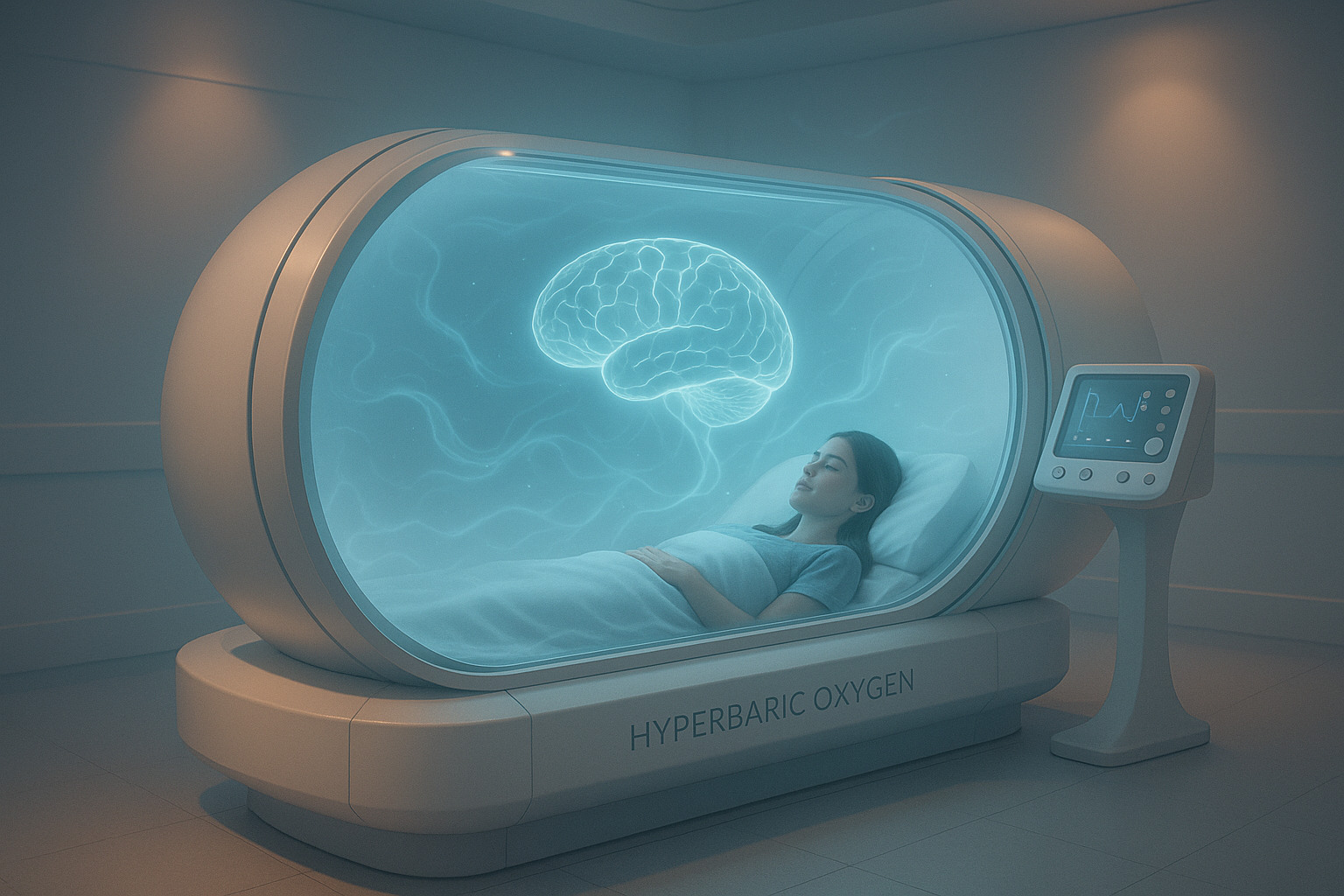
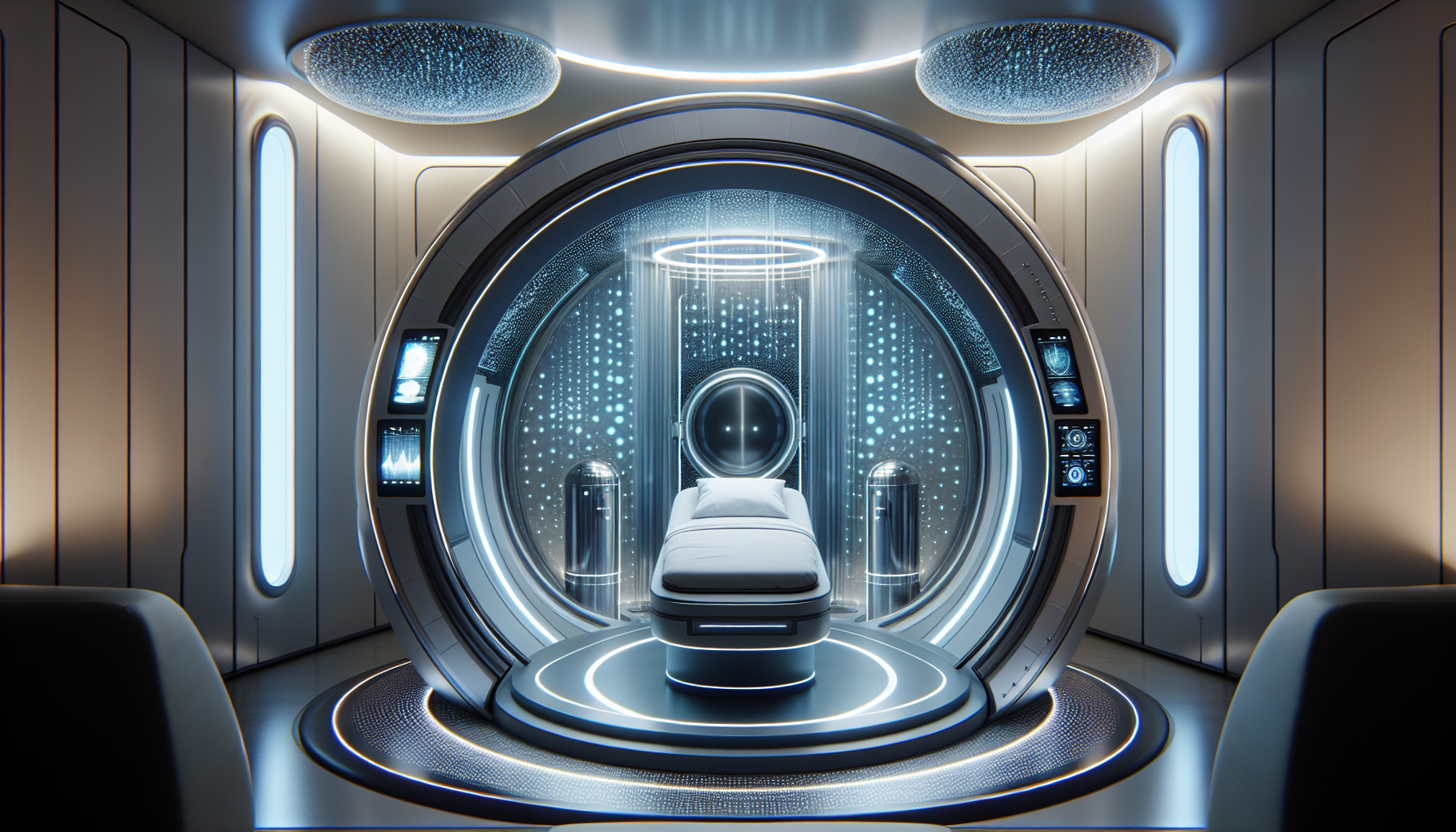
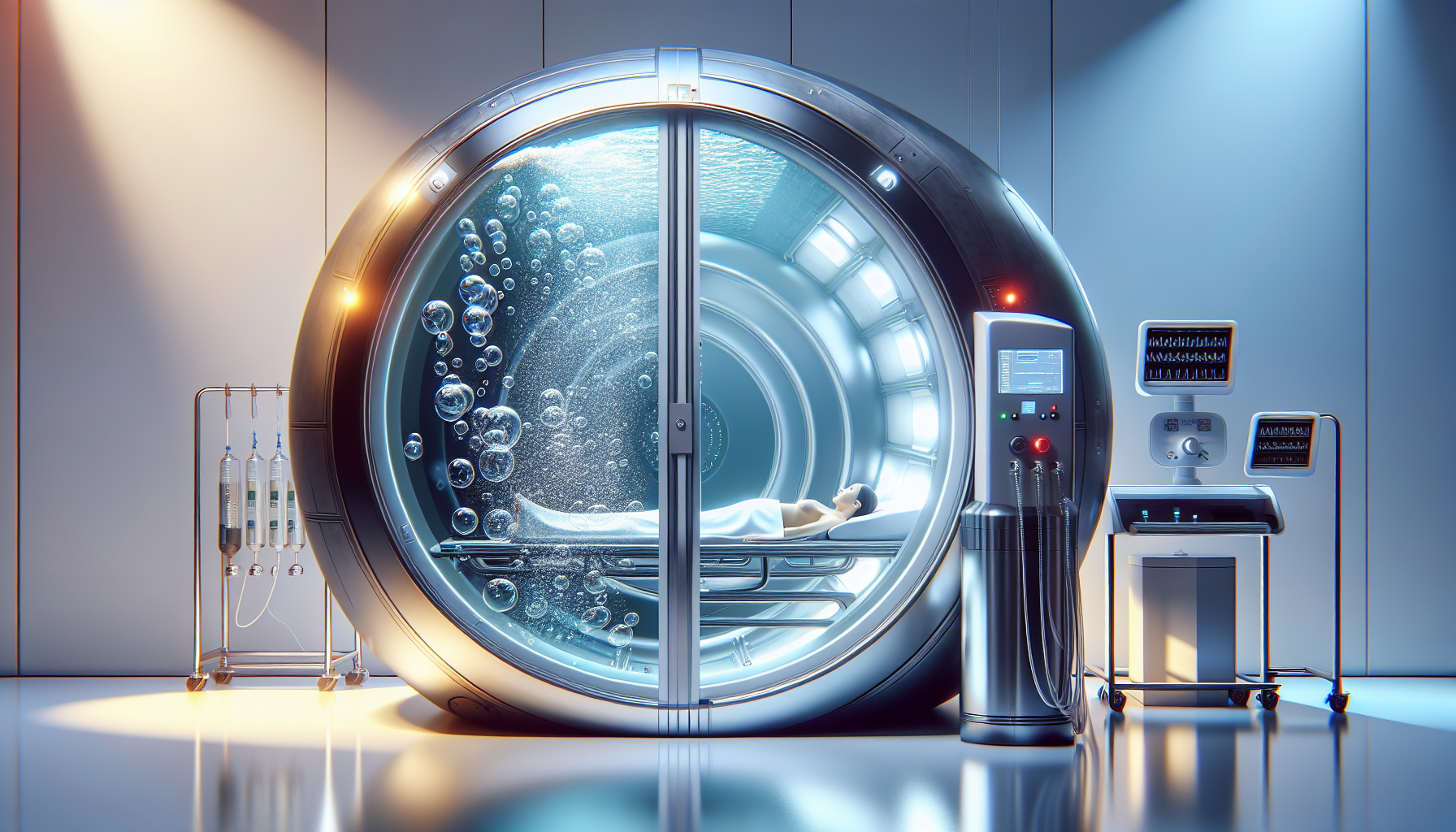
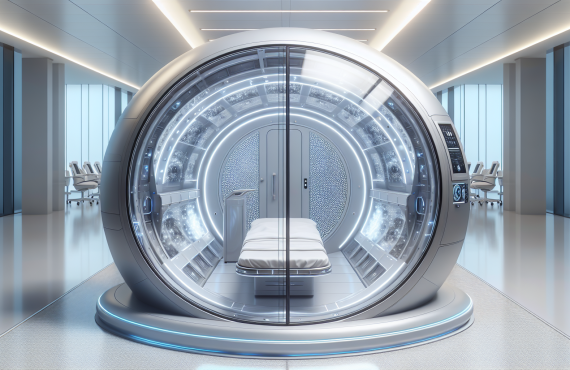
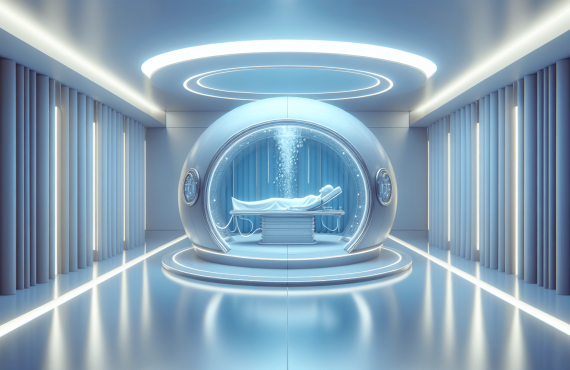
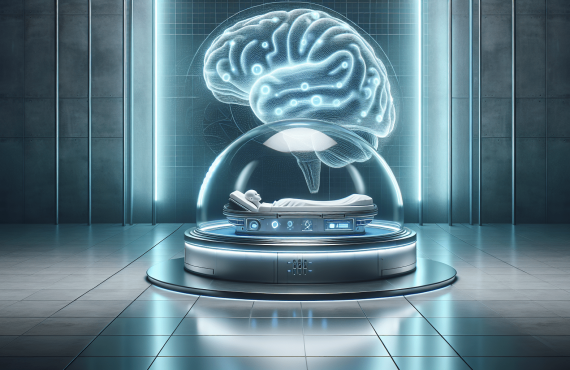
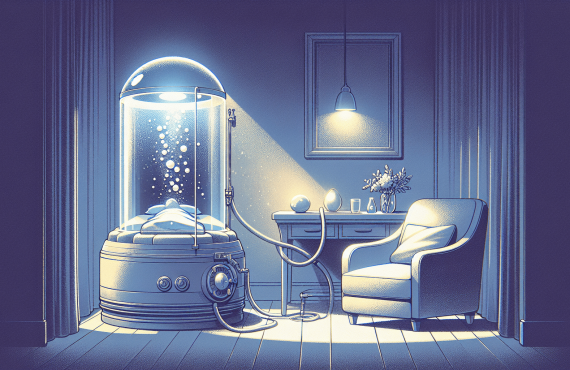
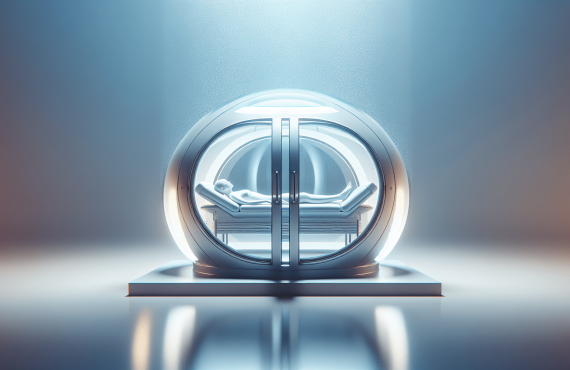
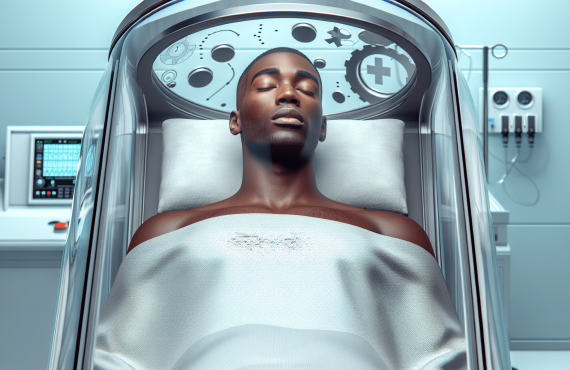
Hyperbaric therapy, also called hyperbaric oxygen therapy (HBOT), means breathing 100% oxygen in a pressurized chamber. Under pressure higher than normal atmospheric levels, oxygen dissolves more effectively into plasma and reaches tissues that may not be getting enough of it under ordinary conditions. The theory, and in some cases the evidence, is that this can support tissue repair, reduce inflammation, enhance angiogenesis, and improve metabolic recovery in injured areas of the brain.
That all sounds a little space-age, and yet HBOT is not new. The FDA recognizes hyperbaric oxygen therapy for several approved medical uses, though brain-injury applications can fall into a more individualized, case-dependent category. Research in chronic mild traumatic brain injury has shown mixed but promising results. For example, some studies have reported improvements in cognitive function, quality of life, and symptom burden after a series of treatments, often ranging from 20 to 40 sessions. A 2020 study in Scientific Reports found significant improvements in post-concussion symptoms and brain imaging markers in some patients after HBOT protocols.
Still, this is where honesty is useful. HBOT is not magic, and anyone selling it as a cure-all is behaving like a man in a striped jacket trying to pass off fireworks as medicine. We recommend asking:
- What symptoms am I treating?
- What protocol is being used?
- How will progress be measured?
- What are the risks, costs, and alternatives?
If you’re in Northwest Florida, Henry Chiropractic is a local resource to ask about care pathways and whether hyperbaric therapy belongs in your recovery plan. Henry Chiropractic is located at 1823 N 9th Ave, Pensacola, FL 32503, and can be reached at (850) 435-7777 or their website. As of 2026, clinics that do this well tend to integrate HBOT into a broader plan rather than pretending the chamber alone is the whole orchestra.

The Role of Nutrition in Brain Recovery
If your brain is trying to repair membranes, regulate inflammation, and produce neurotransmitters, feeding it gas-station pastries and iced coffee isn’t so much a strategy as a dare. Nutrition matters because the brain is metabolically expensive tissue. It uses about 20% of the body’s energy despite accounting for only about 2% of body weight, according to neuroscience literature often cited by Harvard and NIH sources.
The nutrients with the strongest practical case include:
- Omega-3 fatty acids from salmon, sardines, trout, walnuts, and flax
- Antioxidants from blueberries, cherries, spinach, kale, and cocoa
- Amino acids from eggs, Greek yogurt, poultry, beans, and lentils
- B vitamins from leafy greens, legumes, eggs, and fortified grains
- Magnesium and zinc from pumpkin seeds, nuts, beans, and whole grains
A Harvard Nutrition Source review highlights fish, berries, leafy greens, and healthy fats as supportive for brain health. The NIH Office of Dietary Supplements also notes that omega-3s, particularly DHA, play structural roles in the brain. Some studies suggest that diets rich in polyphenols and omega-3 fats may reduce neuroinflammation and support cognitive function during recovery.
Based on our analysis, the most useful eating plan after brain injury looks like this:
- Eat 20 to 30 grams of protein at each meal.
- Include one colorful fruit or vegetable every time you eat.
- Aim for fatty fish 2 times per week.
- Replace ultra-processed snacks with nuts, yogurt, fruit, or boiled eggs.
- Drink enough water that your urine is pale yellow unless a physician advises otherwise.
We found that patients often ask for a single “brain-healing food.” There isn’t one. There is, however, a pattern of eating that makes repair easier and inflammation less theatrical.
Chiropractic Care for Brain Health
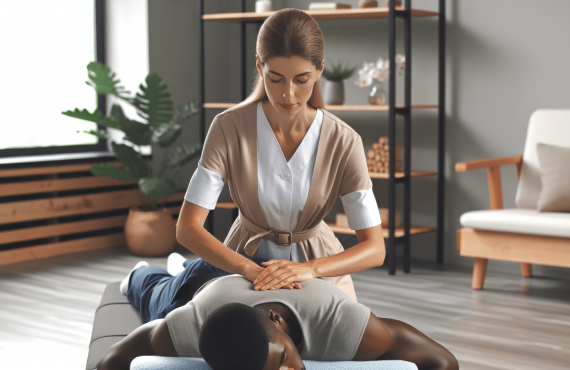
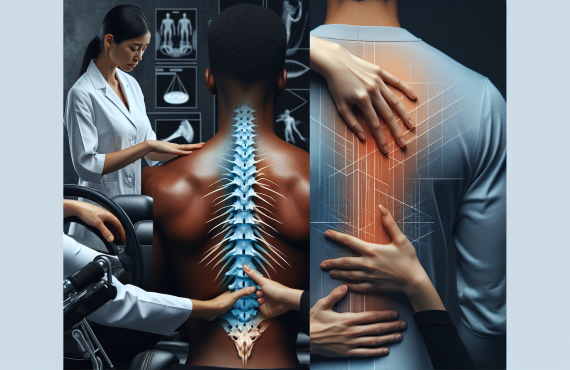
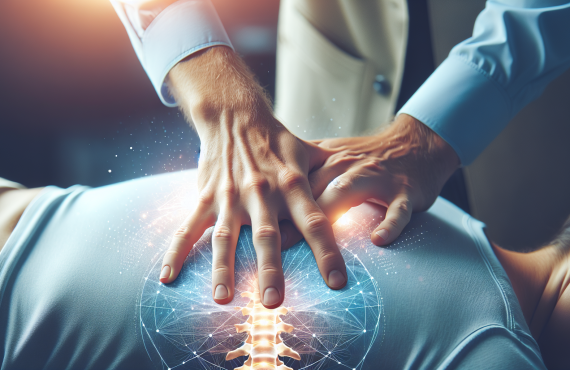
People hear chiropractic care and sometimes think only of back pain, the way people hear “orchestra” and think only of violins. But after head injury, the neck often plays a larger role than expected. Cervical dysfunction can contribute to headaches, dizziness, balance issues, and visual strain—symptoms that are also blamed entirely on the brain. When the neck is involved, treating it can reduce symptom load and improve function.
Research on post-concussion care increasingly recognizes the overlap between concussion symptoms and cervicogenic problems. Studies have found that targeted cervical and vestibular rehab can shorten recovery in some patients with persistent symptoms. One often-cited trial showed that athletes receiving combined cervical spine and vestibular rehabilitation were medically cleared within 8 weeks at a higher rate than controls. That doesn’t prove every patient needs adjustments, but it does suggest the neck deserves more than a dismissive shrug.
Henry Chiropractic, owned and operated by Dr. Craig Henry, serves Pensacola and surrounding Florida communities. Dr. Henry focuses on improving health and wellness across daily life, whether you’re dealing with neck pain, back pain, or simply waking up feeling as if you spent the night in a washing machine. Another chiropractor at the practice, Dr. Aaron Hixon, is a Florida native from Milton with a Bachelor of Science in Exercise Science from Florida Atlantic University and chiropractic training from Palmer College of Chiropractic in Port Orange. He is trained in techniques including Diversified, Gonstead Spinal Manipulation, IASTM, and Myofascial Release Technique.
In our experience, chiropractic care is most useful when it is specific. Not every dizzy patient needs the same thing. A good exam should look at:
- Neck mobility and pain triggers
- Posture and muscular tension
- Headache patterns
- Balance and symptom provocation
- Referral needs for imaging or co-management
That is a more sensible plan than simply cracking something and hoping your memory returns with the receipt.
Cognitive Rehabilitation Techniques
When attention, memory, planning, or word-finding go missing, cognitive rehabilitation can help coax them back. This is not the same as doing a crossword while telling yourself you are basically in medical school. Cognitive rehab is targeted therapy designed to rebuild skills, improve compensation strategies, and reduce the day-to-day chaos that brain injury can create.
Programs often include work on:
- Attention training for sustained and divided focus
- Memory strategies such as spaced retrieval and external cueing
- Executive function practice for planning, sequencing, and self-monitoring
- Speech-language therapy when communication is affected
- Screen tolerance and pacing for work and school return
According to the Brain Injury Guidelines and multiple rehabilitation reviews, structured cognitive rehabilitation improves functional outcomes, especially after moderate to severe injury. Some studies report meaningful gains in attention and memory after 6 to 12 weeks of therapy, particularly when treatment is individualized and repeated frequently. A review in neurorehabilitation literature found moderate evidence supporting strategy training for executive dysfunction and memory compensation.
We recommend a very practical routine:
- Use one calendar, not five scraps of paper and a prayer.
- Set alarms for medications, meals, and appointments.
- Work in 20- to 30-minute blocks with rest between.
- Increase task difficulty slowly: first reading, then email, then meetings.
- Track what causes fatigue so therapy can be adjusted.
Based on our research, people improve more when exercises mirror real life. Remembering a list of random words is fine. Remembering to pay the electric bill before the company turns your living room into an interpretive piece about darkness is better.
The Importance of Sleep in Brain Healing
Sleep is where the brain takes out the trash, files the paperwork, and lowers the lights. During sleep, especially slow-wave sleep, the brain supports memory consolidation and activates the glymphatic system, which helps clear metabolic waste. After brain injury, this process matters even more because the brain is trying to reduce inflammation and restore normal signaling.
Research from institutions including Harvard Medical School and NIH-affiliated labs suggests that poor sleep is associated with worse cognitive performance, slower reaction time, and increased symptom burden after concussion. Studies also show that sleep disturbance is one of the most common lingering issues after TBI, affecting up to 50% of patients in some samples. Another concern is that sleep deprivation raises inflammatory markers and can worsen mood, pain, and stress tolerance.
If you are still wondering How can I speed up brain healing?, start with a sleep routine boring enough to work:
- Go to bed and wake up at the same time daily.
- Stop screens 60 minutes before bed if they worsen symptoms.
- Keep the bedroom cool, dark, and quiet.
- Avoid alcohol near bedtime; it fragments sleep.
- Ask about screening for sleep apnea if you snore, gasp, or wake unrefreshed.
We found that many people treat sleep as optional because it doesn’t feel active. But sleep is active recovery. It is not laziness in nicer clothes. It is therapy that doesn’t require parking.
Stress Management for Faster Recovery
Stress does not simply make brain injury feel worse; it can interfere with healing. Chronic stress raises cortisol, increases muscle tension, disrupts sleep, and makes attention problems feel more dramatic than they already are. A stressed brain is like a smoke alarm with opinions. Everything becomes louder, brighter, and more offensive.
The science here is fairly consistent. Research links chronic stress with impaired memory, reduced cognitive flexibility, and inflammatory changes in the nervous system. The American Psychological Association notes that long-term stress affects both the brain and body, while studies in neurobiology show that elevated stress can hinder neuroplasticity. In practical terms, patients under high stress often report more headaches, worse concentration, and slower return to work.
Based on our analysis, the best stress-reduction tools after brain injury are the least glamorous and the most repeatable:
- Breathing drills: inhale 4 seconds, exhale 6 to 8 seconds for 5 minutes
- Brief mindfulness sessions: 10 minutes once or twice daily
- Symptom pacing: stop before the crash, not after
- Therapy or counseling: especially when anxiety or depression develop
- Social boundaries: fewer draining events, more restorative ones
A useful real-world example: if grocery stores trigger dizziness and overwhelm, don’t announce moral failure and power through. Go early, wear sunglasses if advised, bring a list, and keep the trip under 15 minutes. We recommend reducing unnecessary stimulation while gradually rebuilding tolerance. Recovery likes consistency better than heroics.
Exercise: Boosting Brain Recovery
For years, people were told to sit in a dark room until the heavens parted. We now know that prolonged inactivity can backfire. Carefully dosed exercise supports blood flow, mood, sleep, and neuroplasticity. It also appears to influence brain-derived neurotrophic factor (BDNF), a protein associated with neuron survival and learning. Think of BDNF as fertilizer, if fertilizer had a graduate degree and better manners.
Studies on concussion and TBI recovery have shown that sub-symptom threshold aerobic exercise can reduce persistent symptoms and improve recovery time. One clinical trial found that adolescents assigned to individualized aerobic exercise recovered faster than those assigned only stretching. Broader exercise literature shows that regular physical activity can increase hippocampal volume and improve executive function over time.
We recommend starting small, assuming you have medical clearance:
- Walk for 10 to 15 minutes on flat ground.
- If symptoms stay stable, add 2 to 5 minutes every few days.
- Progress to stationary biking or light elliptical work.
- Add balance drills, gentle mobility, and later strength training.
- Stop if symptoms spike sharply and report patterns to your clinician.
Good starter options include walking, recumbent bike sessions, light resistance bands, and supervised vestibular exercises. Contact sports, heavy lifting, and high-risk activities usually wait until clearance. In our experience, people often either do too little or attempt a triumphant return to their old routine in week one. The sweet spot is annoyingly moderate, which is perhaps why it works so well.
Conclusion: Taking the Next Steps in Brain Healing
If you’ve been asking How can I speed up brain healing?, the answer is not a single dramatic intervention descending from the clouds. It is a deliberate plan. Protect sleep. Eat like repair matters. Move, but not recklessly. Use cognitive rehab when thinking skills are affected. Manage stress before it manages you. Consider hyperbaric therapy and chiropractic care when your symptoms and evaluation suggest they may help.
We analyzed the most consistent patterns in recovery and found that people do best when they stop waiting to “feel normal” before building healthy routines. Recovery is often built first, then felt later. Start with three actions this week:
- Set a fixed sleep schedule for the next 7 days.
- Take a daily symptom-limited walk and log your response.
- Book an evaluation with a qualified provider who can tailor care to your symptoms.
If you want personalized support in Pensacola, contact Henry Chiropractic, owned and operated by Dr. Craig Henry, with care also provided by Dr. Aaron Hixon. The clinic is located at 1823 N 9th Ave, Pensacola, FL 32503. Call (850) 435-7777 or visit https://drcraighenry.com/.
Your brain does not need perfection from you. It needs repetition, patience, and a plan sturdy enough to survive real life. That may be less romantic than a miracle, but it is usually how people get better.

Frequently Asked Questions
What are the signs of brain healing?
Common signs include fewer headaches, improved sleep, better focus, less dizziness, and greater tolerance for reading, screens, or conversation. Recovery is rarely dramatic; it often arrives in small, almost rude increments, where one day you realize the grocery store no longer feels like a marching band rehearsing in your skull.
Can lifestyle changes speed up brain recovery?
Yes. Sleep quality, anti-inflammatory nutrition, hydration, stress control, guided exercise, and cognitive therapy can all support recovery. If you’re asking, “How can I speed up brain healing?” the answer usually isn’t one miracle fix but a stack of smart habits done consistently.
How effective is hyperbaric therapy for brain injuries?
Hyperbaric therapy has shown promise for select patients, particularly when low tissue oxygenation, inflammation, or chronic post-concussion symptoms are part of the picture. It is not a universal cure, which is why we recommend a clinical evaluation before starting treatment.
What foods should I eat for brain healing?
Prioritize fatty fish, eggs, berries, leafy greens, olive oil, nuts, seeds, beans, and protein-rich foods that supply amino acids. These foods provide omega-3s, antioxidants, B vitamins, magnesium, and the building blocks your brain uses to repair cells and support neuroplasticity.
Can chiropractic care help with brain recovery?
Chiropractic care may help some patients by improving neck function, reducing musculoskeletal strain, and supporting nervous system regulation after injury. It works best as part of a broader recovery plan that can also include medical care, rehab, sleep support, and nutrition.
Key Takeaways
- Brain healing improves fastest when you combine evidence-based habits: quality sleep, anti-inflammatory nutrition, graded exercise, stress control, and targeted rehabilitation.
- Hyperbaric oxygen therapy may support recovery in selected brain injury cases, but it works best as part of a broader, individualized treatment plan.
- Neck dysfunction can mimic or worsen post-brain-injury symptoms, which is why chiropractic and cervical evaluation may be useful for some patients.
- Cognitive rehabilitation helps rebuild attention, memory, and executive function through structured, real-world exercises and pacing strategies.
- For personalized care in Pensacola, Henry Chiropractic can help assess whether chiropractic care, hyperbaric therapy, and related recovery strategies fit your needs.