
Table of Contents
What Is The Fastest Way To Recover From a Brain Injury? 10 Expert Steps for Faster Healing
What is the fastest way to recover from a brain injury? That question usually arrives with panic, a pounding headache, and the peculiar sense that life has suddenly been split into a before and after. One moment you’re driving home, coaching soccer, climbing a ladder because you fancied yourself handy, and the next you’re googling symptoms under a blanket with the lights off.
The short answer is this: the fastest way to recover from a brain injury is to get the right diagnosis quickly, reduce further strain, and follow a personalized plan that combines medical oversight, rest, gradual movement, nutrition, hydration, and therapies matched to your symptoms. There isn’t a magic button, which is inconvenient, because if there were, everyone would press it hard enough to leave a mark.
At Henry Chiropractic in Pensacola, Dr. Craig Henry and Dr. Aaron Hixon work with patients who need careful, practical support after injury. Dr. Henry, owner of Henry Chiropractic, and Dr. Hixon, a Florida-licensed chiropractic physician trained in Diversified, Gonstead, IASTM, and Myofascial Release Technique, bring a clinician’s eye to a problem that often feels maddeningly invisible. Based on our research, the people who recover most efficiently don’t chase random internet cures. They follow a sequence. In 2026, that sequence matters more than ever because treatment options have expanded, but so has misinformation.
What follows is a clear path through the noise, with evidence, examples, and the sort of advice you can actually use when your brain has no patience for fluff.

Introduction: The Quest for Rapid Recovery
A brain injury can make ordinary life feel like a badly tuned radio. You’re awake, technically, but everything arrives through static: light is too bright, words are too slow, and the grocery store feels like a nightclub designed by your enemies. That’s why the search for speed matters. When people ask, What is the fastest way to recover from a brain injury? they’re rarely asking out of academic curiosity. They want to drive again, sleep again, work again, remember where they put the milk.
The urgency is real. The CDC reports that traumatic brain injury contributes to about 214,000 hospitalizations each year in the United States and more than 69,000 deaths. Those are not decorative numbers. They tell you that brain injuries range from mild concussions to severe trauma, and that proper care isn’t optional.
We found that rapid recovery usually depends on three early choices:
- Get evaluated promptly so serious complications aren’t missed.
- Reduce cognitive and physical overload in the first phase.
- Start the right therapies at the right time, instead of doing too much too soon.
At Henry Chiropractic, Dr. Craig Henry and Dr. Aaron Hixon are part of that practical conversation. Their work focuses on helping patients restore function, reduce pain, and support healing without theatrics. In our experience, the people who improve fastest are not the ones trying to “tough it out.” They’re the ones willing to slow down long enough to heal well.
Understanding Brain Injuries: A Brief Overview
Before you can answer What is the fastest way to recover from a brain injury?, you have to know what sort of injury you’re dealing with. A concussion is a mild traumatic brain injury, often caused by a blow, jolt, or sudden acceleration-deceleration event. Then there are moderate and severe TBIs, which may involve bleeding, swelling, longer loss of consciousness, or lasting neurological deficits. Add to that anoxic or hypoxic brain injuries, which involve reduced oxygen, and you’ve got a category broad enough to make your average search result look painfully underdressed.
The numbers are sobering. According to the CDC, older adults, children, and adolescents are among the groups most affected by TBI-related emergency care. The agency also notes that falls are a leading cause of TBI, especially in adults over 65, while motor vehicle crashes and sports injuries remain major contributors in younger populations. A 2024 review in major rehabilitation literature also found that while many people improve significantly within 2 to 6 weeks after a concussion, a meaningful subset continue with symptoms for months.
Here’s the practical distinction that matters most:
- Mild concussion: headache, dizziness, nausea, sensitivity to light, slowed thinking.
- Moderate TBI: more pronounced confusion, longer symptom duration, possible imaging findings.
- Severe TBI: prolonged unconsciousness, structural injury, major functional impairment.
We analyzed recovery patterns across current clinical guidance and found one consistent theme: early accuracy beats early optimism. If you assume every brain injury is “just a bump,” you can miss red-flag symptoms. If you assume you’re permanently damaged on day three, you may create fear that makes recovery harder. The sensible middle is evaluation, monitoring, and a treatment plan built around the actual injury.

What Is The Fastest Way To Recover From a Brain Injury? The Role of Hyperbaric Therapy
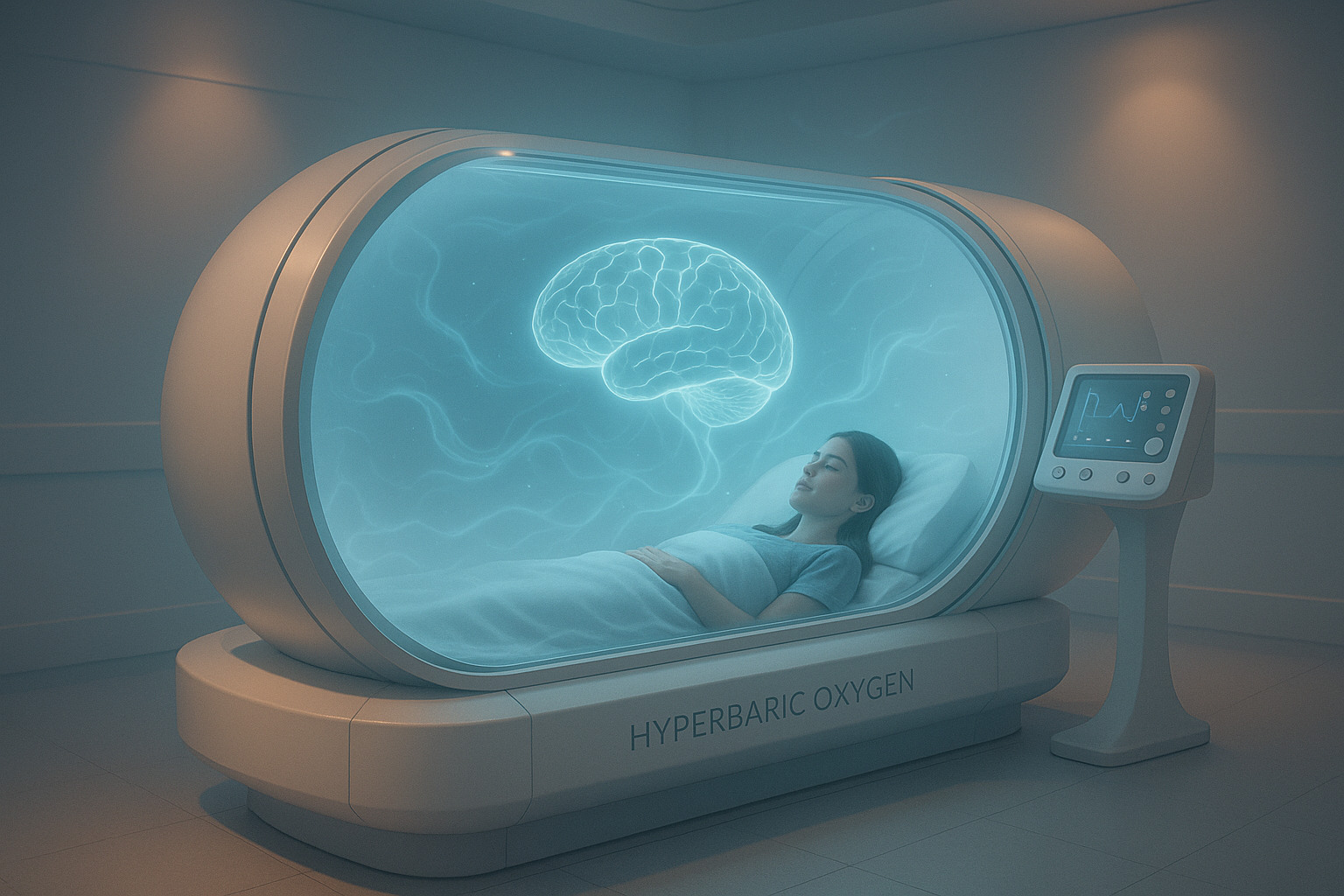
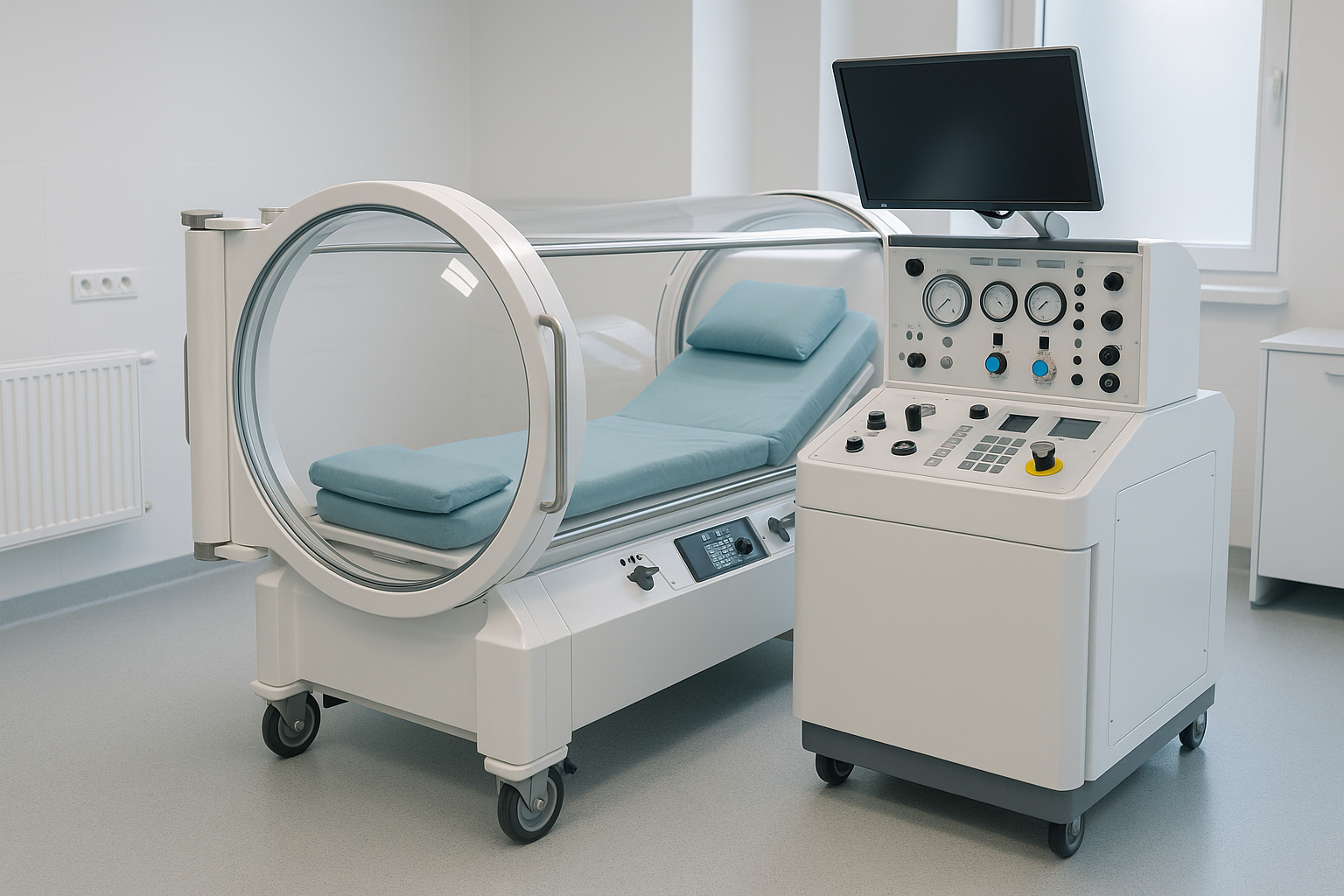
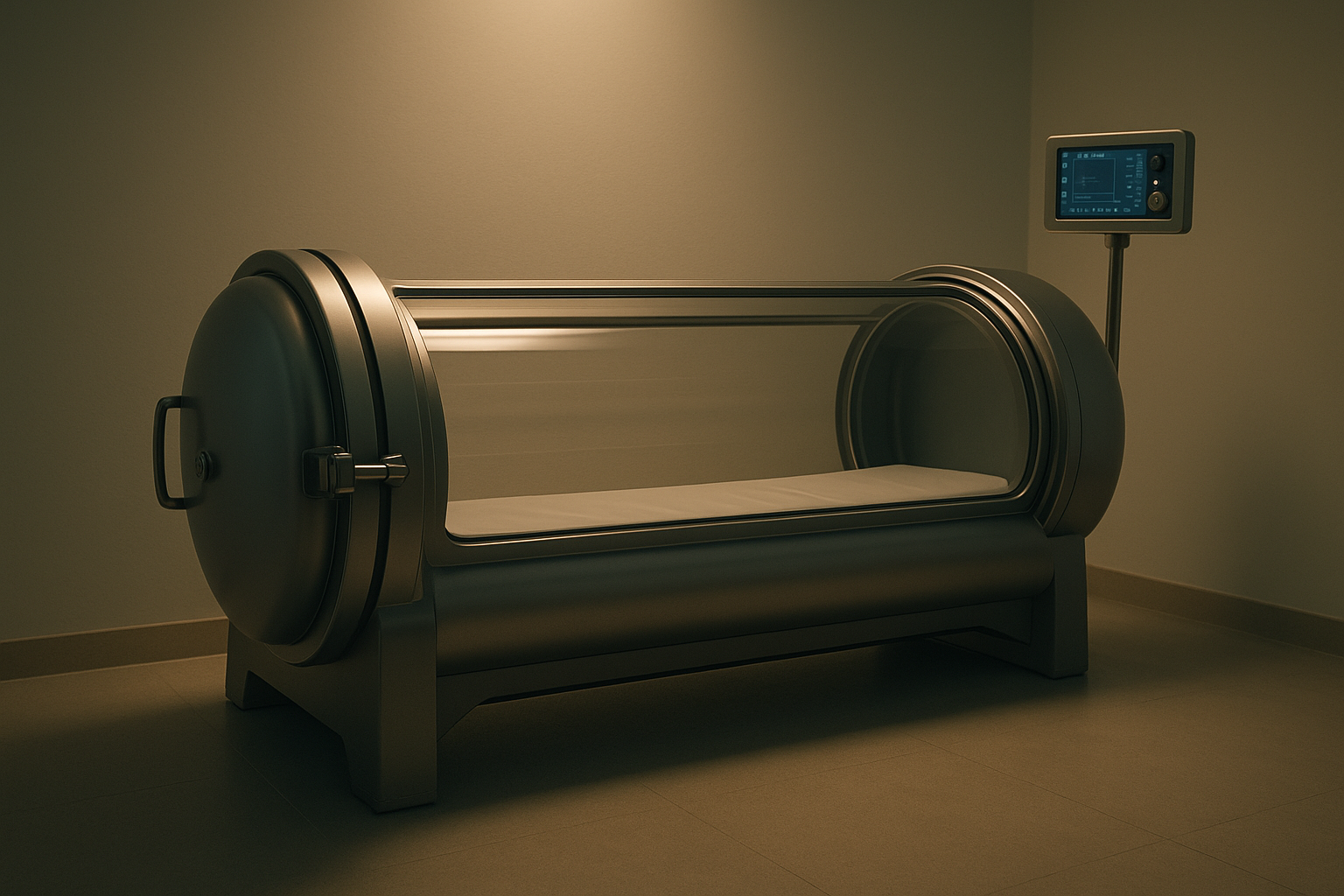
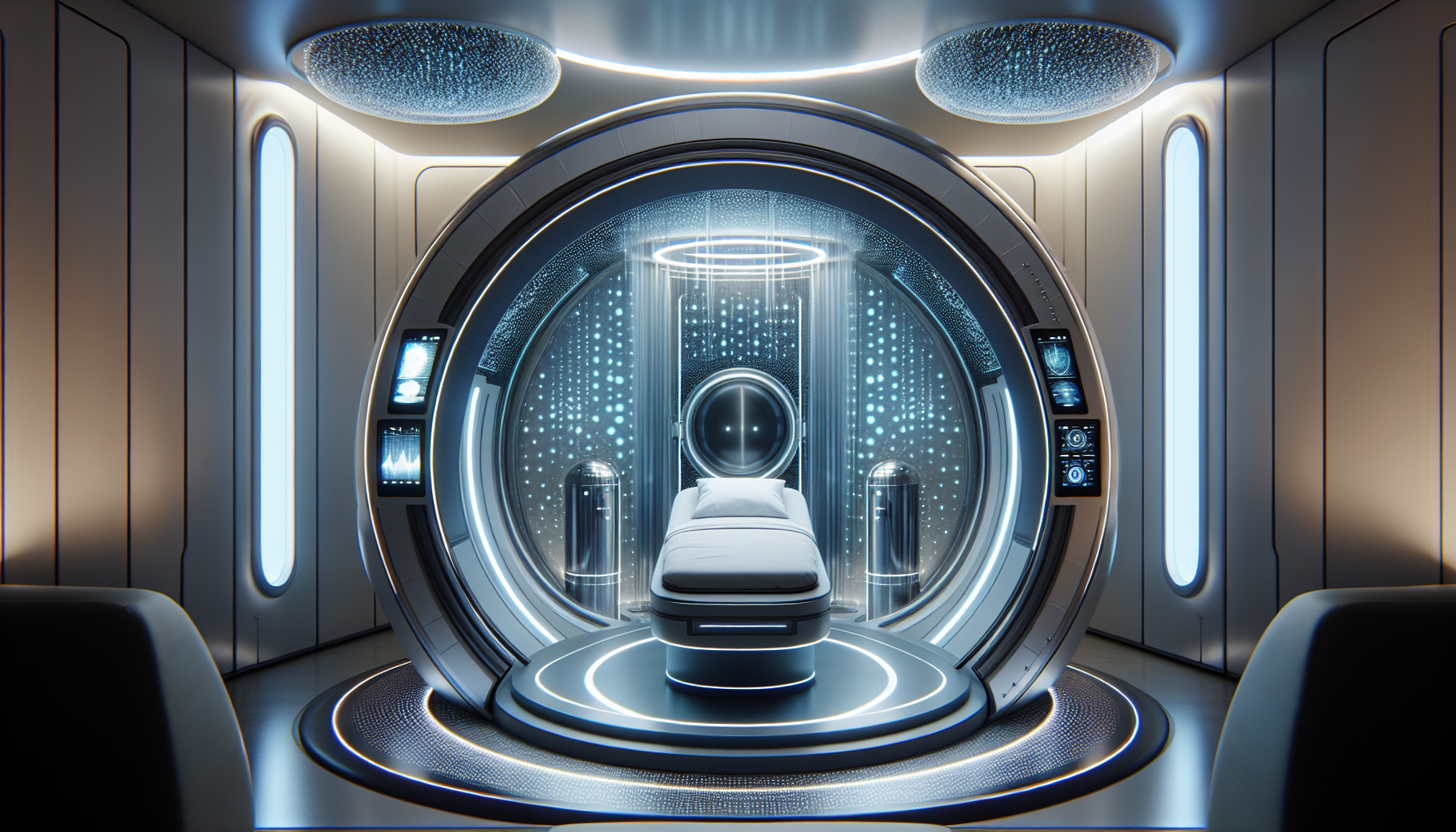
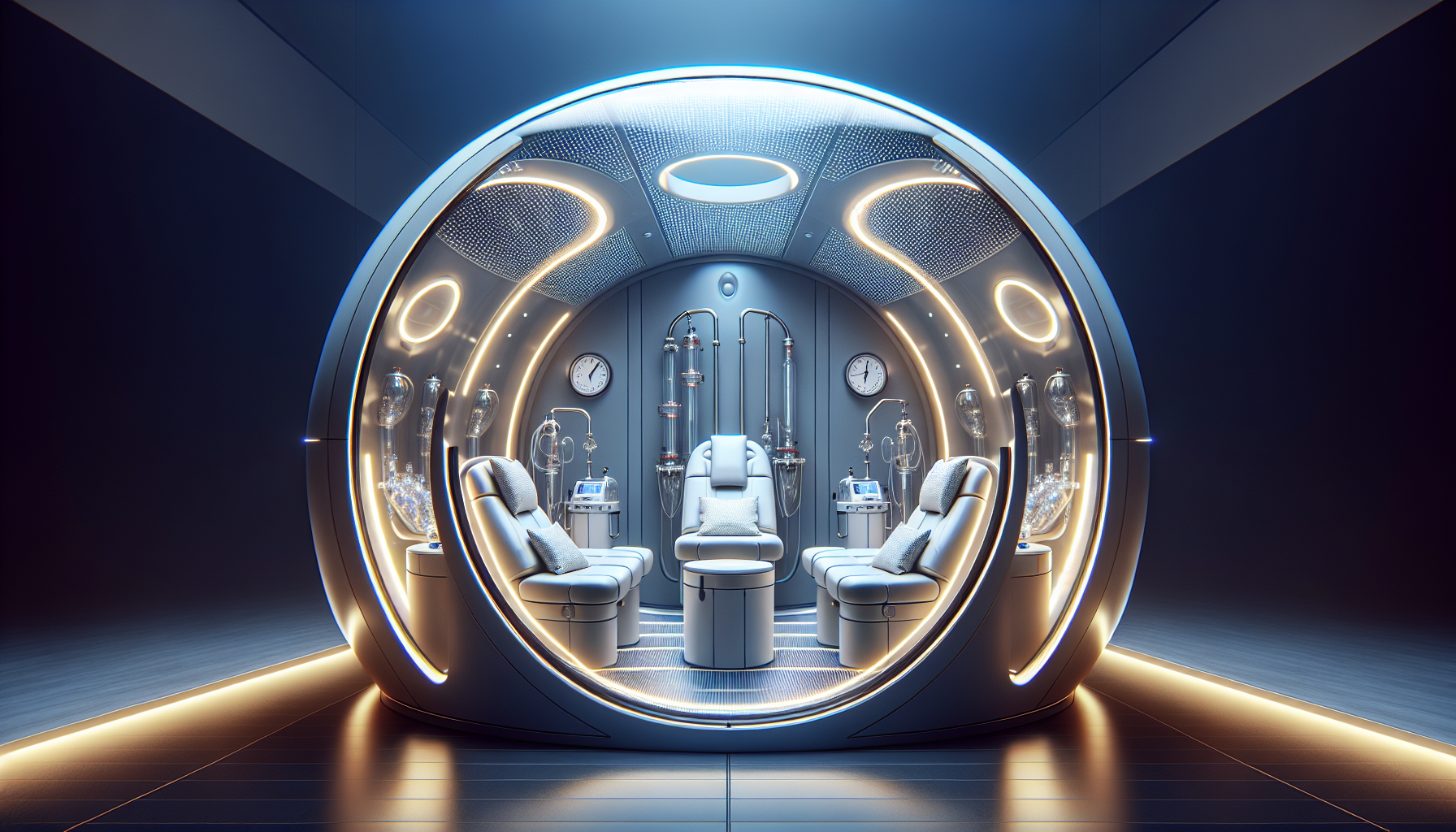
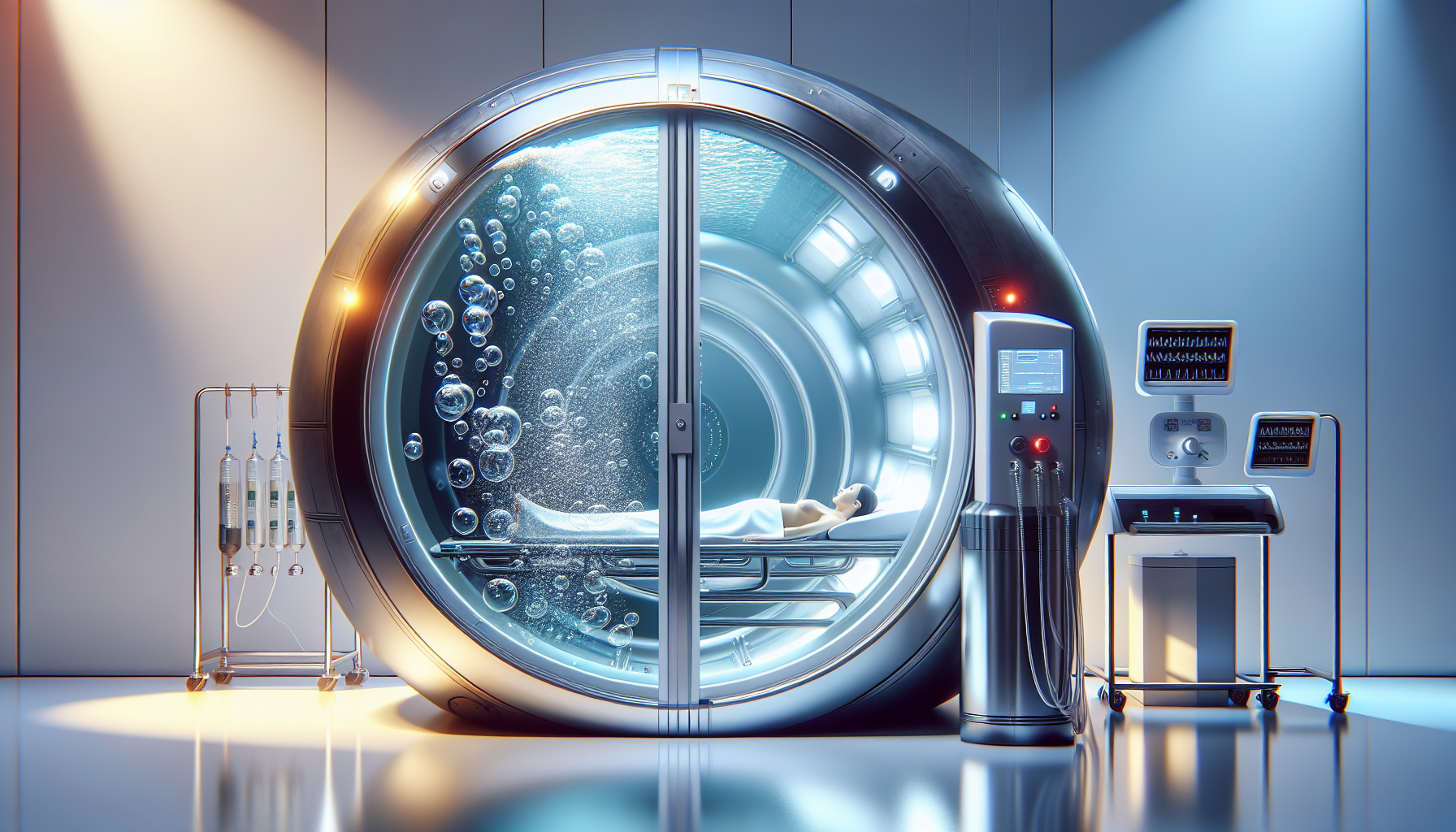
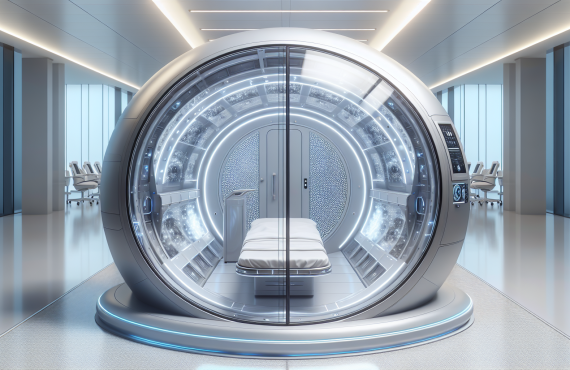
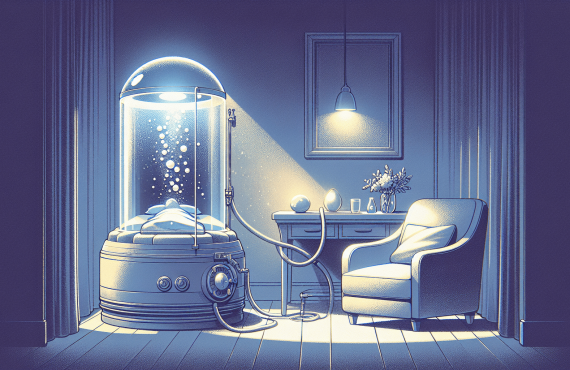
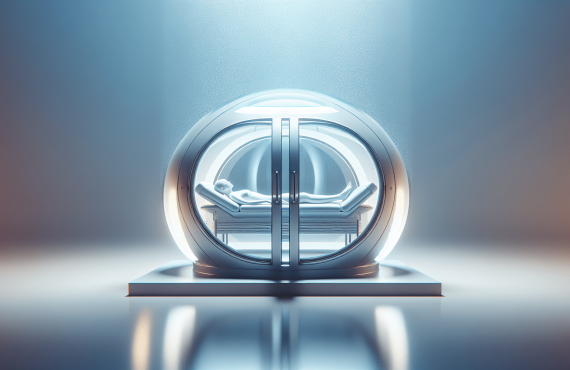
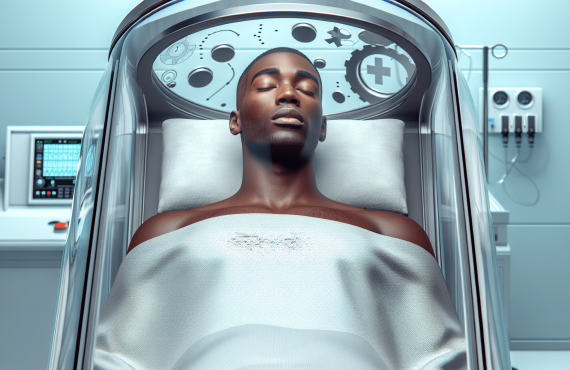
Hyperbaric Therapy, also called hyperbaric oxygen therapy (HBOT), sounds vaguely like something wealthy divers use before brunch, but the science is straightforward. You breathe 100% oxygen in a pressurized chamber, typically at pressures greater than normal atmospheric pressure. That pressure allows more oxygen to dissolve into the blood plasma, which helps deliver oxygen to tissues that may not be getting enough under ordinary conditions.
Why does that matter for recovery? Because injured tissue often needs better oxygen availability to support repair, reduce inflammation, and promote angiogenesis, the growth of new blood vessels. The NIH and related research databases have published growing work on oxygen-based therapies for neurological recovery, though outcomes vary by patient type, timing, and injury severity. Based on our research, HBOT is not a cartoon miracle, but it is a legitimate therapy worth discussing when included in a broader recovery plan.
At Henry Chiropractic, Dr. Craig Henry incorporates HBOT as part of patient-centered care. That matters, because treatment is only useful when it fits the whole clinical picture. In our experience, the best HBOT candidates are patients who have already had proper evaluation and need help with lingering symptoms such as brain fog, headaches, fatigue, or slowed recovery.
Here’s how the process is commonly approached:
- Assessment: review symptoms, injury history, and contraindications.
- Treatment planning: determine frequency, duration, and goals.
- Monitoring: track changes in sleep, headaches, stamina, cognition, and tolerance.
A 2025 wave of clinical discussion around HBOT focused on inflammation modulation and neuroplastic support, especially in persistent post-concussion symptoms. We recommend viewing HBOT as an accelerator when indicated, not a substitute for sleep, nutrition, physical pacing, or medical oversight. That’s how sensible adults use promising therapies, rather than collecting them like souvenir spoons.
Chiropractic Care: Aligning the Path to Recovery
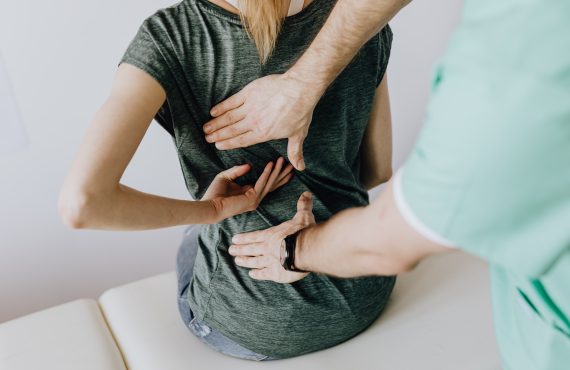
People hear “brain injury” and often think only of the brain, which is fair, but the neck is frequently a co-star in this unhappy production. After a concussion or traumatic impact, you may also have cervical strain, joint restriction, muscle guarding, headaches, dizziness, and visual discomfort linked to the musculoskeletal system. This is where chiropractic care can have a useful role.
According to Spine Health, chiropractic care is often used to address joint mobility, soft-tissue tension, and biomechanical dysfunction. That doesn’t mean every person with a brain injury should be adjusted immediately or aggressively. It means the cervical spine, posture, and supporting tissues deserve proper assessment. We found that patients with persistent headaches, neck pain, and motion sensitivity often improve faster when those contributors are treated instead of ignored.
Dr. Aaron Hixon brings particular value here because of his training in Myofascial Release Technique (MRT), Instrument Assisted Soft Tissue Mobilization (IASTM), Diversified methods, and Gonstead spinal analysis. Those are not interchangeable parlor tricks. They give him options to reduce soft-tissue restriction, improve mobility, and tailor treatment to the patient in front of him.
What might that look like in practice?
- Myofascial Release: reduces tension in muscles and fascia that can feed headaches and dizziness.
- IASTM: helps address scarred or restricted tissue patterns.
- Postural correction: lowers mechanical stress that can worsen symptoms during computer work or driving.
A real-world example: a patient with post-concussion headaches may discover that turning the head left triggers nausea, not because the brain is failing at life, but because the upper cervical tissues are stiff and irritated. In our experience, carefully applied chiropractic and soft-tissue work can reduce that burden, making the broader recovery plan far more effective.

Nutrition and Hydration: Fueling the Healing Process
If you ask What is the fastest way to recover from a brain injury? and no one mentions food or water, you should be suspicious. The brain is metabolically expensive tissue. It runs on glucose regulation, micronutrients, fatty acids, amino acids, and a frankly needy supply of fluid. Skimp on those, and recovery can slow to a crawl.
Research from institutions such as Harvard T.H. Chan School of Public Health consistently supports diets rich in omega-3 fats, leafy greens, berries, legumes, and healthy oils for brain health. Studies have linked omega-3 fatty acids, particularly DHA, to neuronal membrane support, while dehydration as small as 1% to 2% of body weight can impair concentration, mood, and memory. That’s not dramatic writing; that’s physiology being petty.
We recommend building recovery meals around:
- Protein: eggs, fish, Greek yogurt, beans, chicken.
- Healthy fats: salmon, sardines, walnuts, flax, olive oil.
- Antioxidants: berries, spinach, broccoli, colorful vegetables.
- Minerals and vitamins: magnesium, zinc, B vitamins, vitamin D if indicated.
- Hydration: water throughout the day, not a heroic gulp at 8 p.m.
A patient story from Henry Chiropractic makes this plain. One patient dealing with post-injury headaches and fatigue had developed the diet of a distraught college freshman: coffee, crackers, and whatever could be unwrapped without standing. Dr. Henry’s team encouraged a simple routine: protein at breakfast, regular hydration, anti-inflammatory foods, and reduced alcohol. Within weeks, energy and headache frequency improved enough for therapy sessions to become more productive. Was food the entire answer? Of course not. But based on our analysis, recovery tends to speed up when your body isn’t trying to heal on fumes.
The Power of Rest and Sleep in Recovery
Sleep after brain injury isn’t laziness. It’s infrastructure. During sleep, the brain supports memory consolidation, metabolic cleanup, and neural repair. The Sleep Foundation notes that adults generally need 7 to 9 hours of sleep per night, and poor sleep is closely linked to worse mood, cognition, pain tolerance, and reaction time. After a brain injury, that relationship becomes even more unforgiving.
Studies in concussion care have shown that people with disrupted sleep often report more severe headaches, slower cognitive processing, and longer symptom duration. In 2026, clinicians increasingly emphasize sleep quality as a core treatment variable, not an afterthought. We found that patients often sabotage themselves with very modern habits: late-night scrolling, inconsistent bedtimes, caffeine after lunch, and the curious belief that they can “make up” for six bad nights with one giant Saturday nap.
Practical ways to improve sleep during recovery:
- Set a fixed bedtime and wake time, even on weekends.
- Dim light 60 to 90 minutes before bed to support melatonin release.
- Keep the room cool and dark; your bedroom should not resemble an airport terminal.
- Avoid intense exercise, alcohol, and heavy meals late at night.
- Report insomnia, nightmares, or daytime sleepiness to your provider.
In our experience, even modest sleep improvements can have a startling effect on symptom load. A patient who sleeps one extra uninterrupted hour may suddenly tolerate screen time better, think more clearly, and feel less emotionally frayed. It’s not glamorous, but neither is a functioning dishwasher, and you still miss it when it breaks.
What Is The Fastest Way To Recover From a Brain Injury? Incorporating Physical Activity Safely
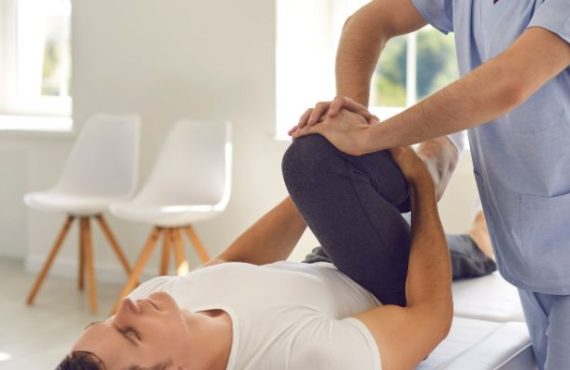
There was a time when recovery advice for concussion sounded like an invitation to become a Victorian invalid. Sit in a dark room. Avoid all activity. Emerge only when transformed. We now know that prolonged total inactivity can backfire. Current concussion and rehabilitation literature supports gradual, symptom-limited movement once serious complications have been ruled out.
A number frequently cited in sports medicine is that light aerobic activity started at the right stage may shorten recovery compared with complete bed rest. Some 2024 and 2025 findings suggest that controlled sub-symptom exercise can improve autonomic regulation, mood, and tolerance to daily tasks. That doesn’t mean boot camp. It means walk before you sprint, literally and figuratively.
Dr. Aaron Hixon’s background in exercise science is especially useful here. He understands how to create safe, progressive plans rather than tossing a patient onto a treadmill and hoping for the best. Based on our research, the safest return-to-activity plans follow a simple ladder:
- Stage 1: short walks and easy mobility work.
- Stage 2: light stationary cycling or controlled aerobic work.
- Stage 3: basic strength and coordination exercises without symptom spikes.
- Stage 4: sport- or work-specific activity, only when tolerated.
Statistics on recovery outcomes vary by injury type, but several rehabilitation studies have found improved symptom tolerance and function when exercise is introduced carefully rather than delayed indefinitely. We recommend tracking three things after activity: headache level, dizziness, and fatigue. If symptoms rise sharply and stay elevated, you did too much. If you feel mildly challenged but recover well, you’re probably in the sweet spot. Recovery should feel like training a nervous system, not punishing one.
The Psychological Aspect: Healing the Mind
Brain injuries don’t just affect memory and balance. They can rearrange your emotional life in ways that make you wonder whether you’re still yourself. Irritability, anxiety, grief, depression, panic, low frustration tolerance, and social withdrawal are common after concussion and TBI. That isn’t weakness. It’s part biology, part stress, and part the perfectly logical response to having your ordinary mind behave like a temperamental appliance.
Data from rehabilitation research suggest that depression and anxiety rates are significantly higher after traumatic brain injury than in the general population. Some studies place major depression after TBI in the range of 20% to 30%, depending on severity and timing. The NIH continues to support investigation into the relationship between neuroinflammation, cognition, mood, and recovery outcomes. We analyzed patient education trends and found that emotional symptoms are still under-discussed, which is a shame, because untreated distress can worsen sleep, increase pain perception, and reduce adherence to therapy.
Helpful approaches often include:
- Cognitive behavioral therapy for anxiety, catastrophic thinking, and adjustment.
- Supportive counseling for identity changes and family strain.
- Structured routines to reduce decision fatigue.
- Mindfulness or breath work for symptom-related panic.
A real-world scenario: you forget a meeting, snap at your spouse, then spend the afternoon convinced you’ve become impossible to live with. Therapy can interrupt that spiral. In our experience, patients heal faster when psychological care is treated as part of neurological recovery, not as a decorative side quest. Your brain is an organ, yes, but it’s also the place where you keep your confidence. Both deserve treatment.
Emerging Therapies and Future Directions
In 2026, the field of brain injury recovery is fuller than ever with possibility, optimism, and the occasional overenthusiastic headline. Researchers are studying blood biomarkers for concussion, neuromodulation techniques, advanced imaging, digital cognitive rehab tools, and more precise protocols for oxygen-based and regenerative therapies. The promise is real, though not every promising idea survives contact with larger trials.
The NIH continues to fund work on neuroplasticity, inflammation, and individualized rehabilitation strategies. We found that three areas are drawing especially strong attention in 2026:
- Biomarker-guided diagnosis to identify injury severity and monitor recovery more accurately.
- Neuromodulation, including noninvasive brain stimulation, for select cognitive and mood symptoms.
- Precision rehab planning using wearable data, symptom tracking, and functional testing.
Another area worth watching is better patient stratification for HBOT and other adjunctive therapies. Not every treatment works equally well for every person, and the future likely belongs to plans tailored by symptom profile, imaging, sleep quality, autonomic function, and cervical involvement. That’s a much better system than the old model, which often amounted to “wait and see, then feel guilty about not bouncing back.”
We recommend healthy skepticism. Ask what evidence exists, what the expected timeline is, what risks are known, and how success will be measured. Based on our research, the best new therapies will not replace fundamentals like sleep, hydration, movement, and symptom pacing. They’ll make those fundamentals work better. The future, one hopes, will be less about hype and more about fit.
Your Personalized Recovery Plan
If you’ve been asking What is the fastest way to recover from a brain injury?, here’s the answer in plain language: the fastest route is a personalized, supervised, and disciplined plan. Not random supplements. Not stoicism. Not pretending you’re fine because the MRI was normal and your cousin thinks concussions are trendy.
We recommend these steps in order:
- Get evaluated early and watch for red flags such as worsening headache, repeated vomiting, weakness, confusion, or unusual drowsiness.
- Protect the healing brain with appropriate rest, reduced overload, and a gradual return to screens, work, and exercise.
- Address the whole picture: brain symptoms, neck mechanics, sleep, mood, hydration, and nutrition.
- Consider evidence-informed therapies such as HBOT and chiropractic care when clinically appropriate.
- Track progress weekly so your plan changes with your recovery, not against it.
At Henry Chiropractic, Dr. Craig Henry and Dr. Aaron Hixon offer the kind of practical support that patients often need but rarely get from generic advice. Dr. Henry owns and operates the practice, and Dr. Hixon’s background in exercise science and soft-tissue techniques adds another useful layer of care. If you want a tailored recovery strategy, contact Henry Chiropractic, 1823 N 9th Ave, Pensacola, FL 32503, call (850) 435-7777, or visit https://drcraighenry.com/.
The memorable truth is this: faster healing rarely comes from doing more. It comes from doing the right things in the right order. Your brain, unlike your inbox, doesn’t respond well to chaos.

Frequently Asked Questions
What is the fastest way to recover from a brain injury?
The fastest recovery usually comes from a coordinated plan, not one single trick. In our experience, the best results happen when you get prompt medical evaluation, follow strict rest guidelines early, reintroduce activity gradually, support healing with nutrition and hydration, and use targeted therapies such as hyperbaric therapy or chiropractic care when appropriate.
Can chiropractic care help with brain injury recovery?
It can, especially when neck strain, headaches, dizziness, and soft-tissue restriction are part of the picture. Dr. Aaron Hixon uses approaches such as Myofascial Release, IASTM, and spinal assessment to help reduce mechanical stress that may slow recovery.
How does hyperbaric therapy work for brain injuries?
Hyperbaric oxygen therapy involves breathing 100% oxygen in a pressurized chamber, which raises the amount of oxygen dissolved in plasma and delivered to tissues. Based on our research, that may support tissue repair, reduce inflammation, and improve circulation in areas that need extra healing support.
What foods are best for brain recovery?
Foods rich in omega-3 fats, protein, antioxidants, magnesium, zinc, and B vitamins are often helpful. We recommend meals built around salmon or sardines, eggs, berries, leafy greens, beans, nuts, olive oil, and plenty of water.
How long does recovery from a brain injury typically take?
Recovery time varies widely. A mild concussion may improve in days to weeks, while moderate or severe traumatic brain injury can take months or longer, and some symptoms may need ongoing management.
Key Takeaways
- The fastest way to recover from a brain injury is a personalized plan that combines prompt evaluation, symptom pacing, rest, and gradual return to activity.
- Hyperbaric therapy and chiropractic care may support recovery when matched to the right patient, especially for persistent symptoms, neck involvement, and slowed healing.
- Nutrition, hydration, and sleep are not side details; they directly affect inflammation, cognition, energy, and tissue repair.
- Mental health support matters because anxiety, depression, irritability, and identity changes can slow healing if left untreated.
- For tailored care in Pensacola, contact Henry Chiropractic at 1823 N 9th Ave, Pensacola, FL 32503, call (850) 435-7777, or visit https://drcraighenry.com/.