
Table of Contents
How Long Without Oxygen Before Brain Damage? 7 Essential Facts You Need to Know

Introduction: The Clock is Ticking
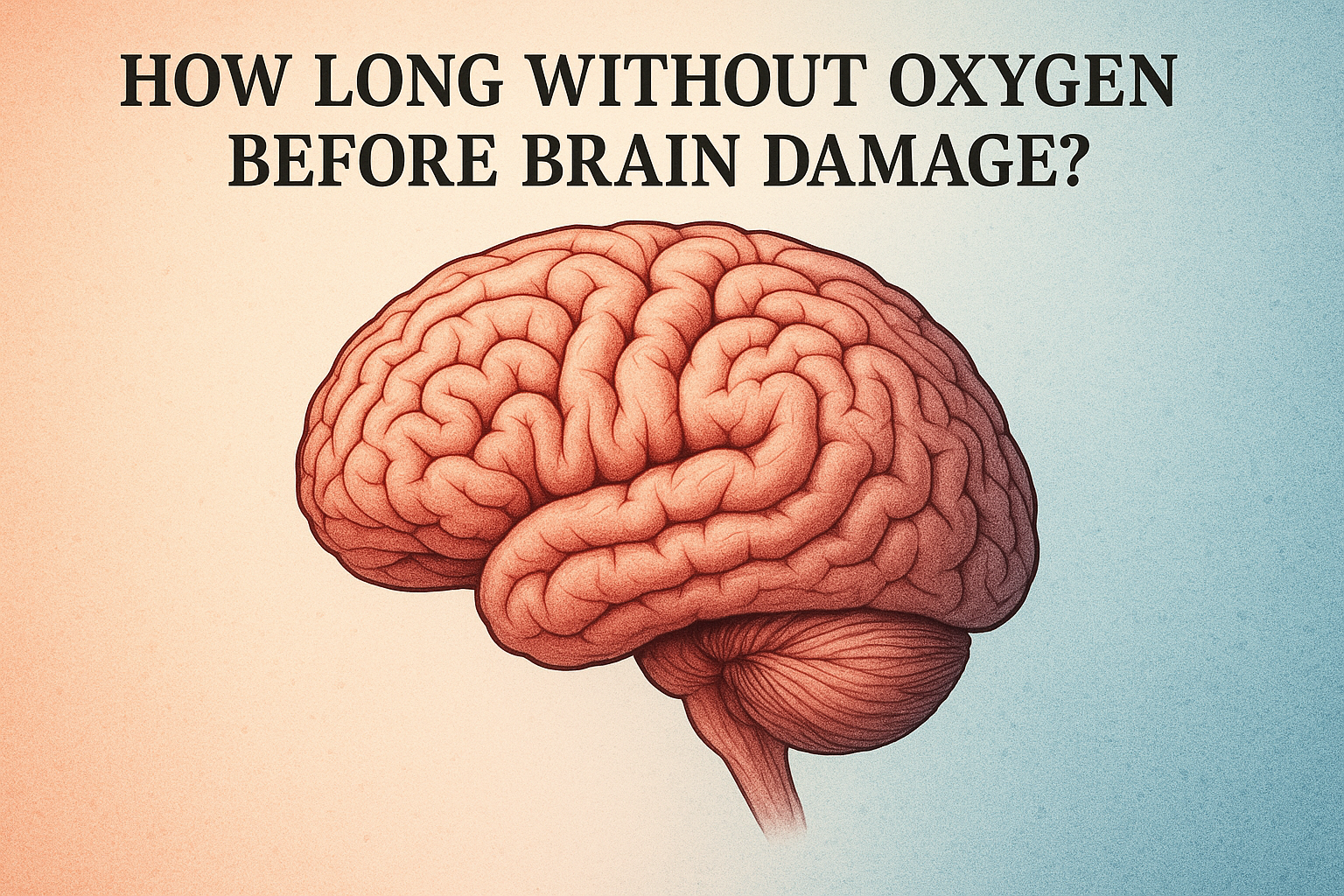
How long without oxygen before brain damage? If you came here wanting the plain answer before the curtains rise, it’s this: brain damage can begin in as little as 3 to 5 minutes after the brain is completely cut off from oxygen. Death of brain cells doesn’t wait for you to find your shoes, locate your charger, or finish saying, “This has never happened before.” It starts quickly, and that urgency is what makes this question so painfully practical.
This matters to more than doctors and paramedics. It matters if you live with an older parent, coach youth sports, swim, drive, care for a child, or simply occupy a body that might someday choke, faint, drown, overdose, or suffer cardiac arrest. According to the CDC, about 805,000 people in the U.S. have a heart attack each year, and sudden cardiac events remain one of the clearest pathways to oxygen loss in the brain. Every one of those emergencies begins with a clock that does not negotiate.
Based on our research, the most useful thing you can know is not just the number of minutes, but what happens in those minutes, what signs appear first, and what actions buy the brain time. We analyzed guidance from emergency medicine sources, neurological research, and hyperbaric treatment literature to sort ordinary internet panic from medically grounded advice. In our experience, people don’t need more vague warnings. You need a timeline, symptoms you can spot, and a clear plan for what to do next.
And because this is 2026, when people can track their sleep, glucose, and steps but still freeze in an emergency, the basics remain strangely underlearned. The brain is greedy for oxygen, mercilessly so. Once supply stops, the margin for error is heartbreakingly thin.
The Science Behind Oxygen Deprivation
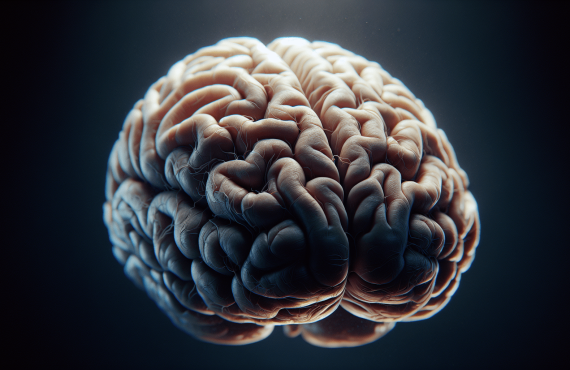
Your brain is only about 2% of your body weight, yet it uses roughly 20% of your body’s oxygen supply. That statistic turns up again and again because it explains everything. The brain is a demanding tenant. It burns energy constantly to maintain electrical activity, keep neurons communicating, and preserve the ionic gradients that let you think, move, remember names, and decide whether the milk smells odd or merely ambitious.
When oxygen drops, the brain doesn’t ease into dysfunction with the grace of a retiring actor. It stumbles fast. Within seconds, energy production falls. Within minutes, cells begin to malfunction. If oxygen deprivation continues, neurons swell, inflammatory pathways activate, and cell death follows. The National Institute of Neurological Disorders and Stroke explains that cerebral hypoxia can lead to confusion, poor judgment, loss of consciousness, and permanent neurological injury depending on severity and duration.
Studies show the brain can survive only a few minutes without adequate oxygen before the risk of lasting damage rises sharply. Complete anoxia, meaning no oxygen, is especially dangerous. Hypoxia, meaning too little oxygen, can also injure the brain if severe or prolonged. The distinction sounds technical, but in practice it means this: you can be in trouble before the body fully gives out.
In 2026, research continues to push at the edges of what’s possible. Therapeutic hypothermia, faster EMS response systems, improved ICU monitoring, and more precise imaging have all improved survival after oxygen deprivation. A review in critical care literature has shown that controlled temperature management after cardiac arrest can improve neurological outcomes in selected patients. Still, medicine has not found a way to make the brain casual about oxygen loss. Based on our analysis, the old rule remains the useful one: minutes matter more than almost anything else.
- Fact 1: The brain uses about 20% of total oxygen supply.
- Fact 2: Loss of consciousness can occur within seconds when cerebral oxygen delivery stops.
- Fact 3: Irreversible injury risk rises dramatically after roughly 4 to 6 minutes of complete oxygen deprivation.

How Long Without Oxygen Before Brain Damage?
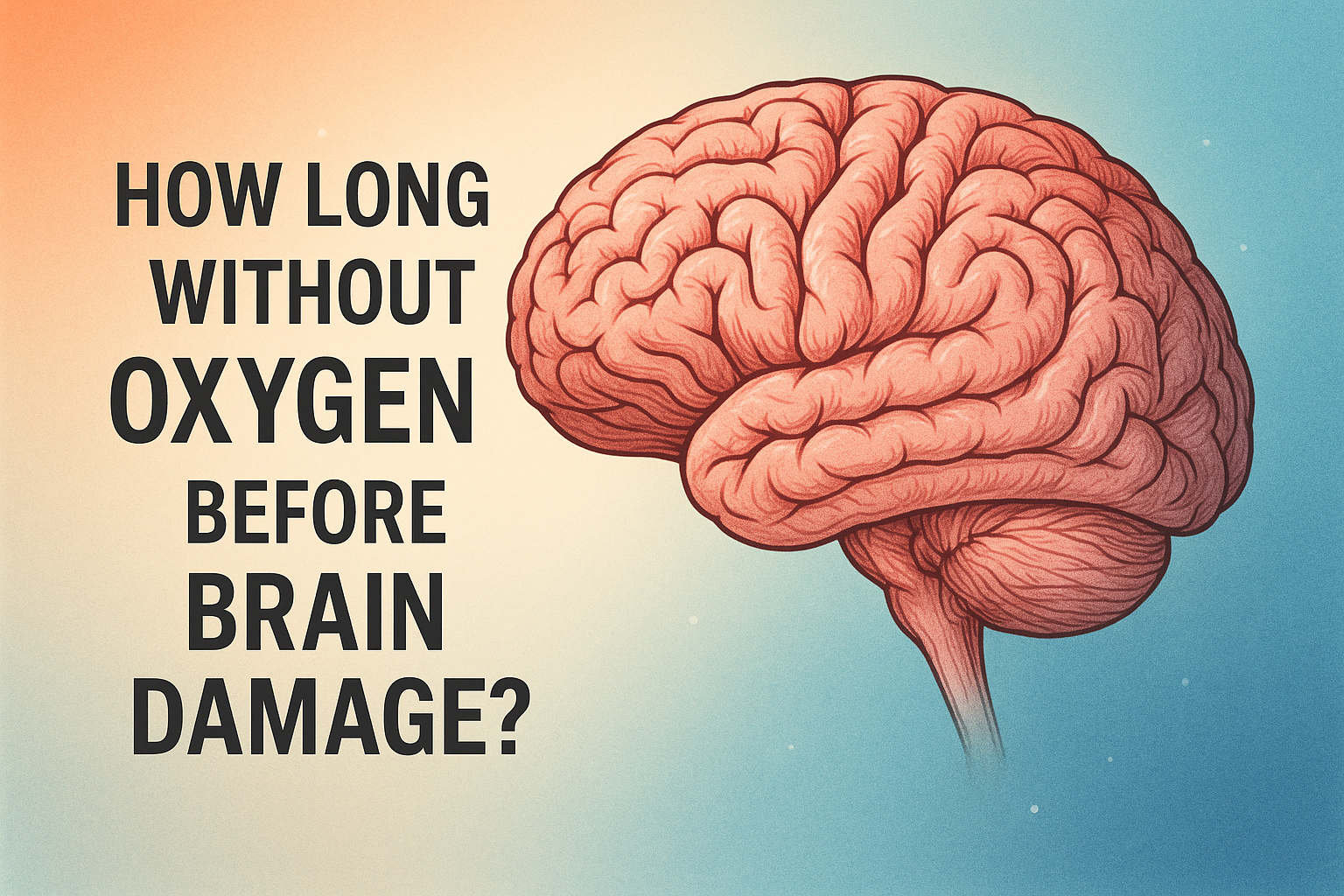
How long without oxygen before brain damage? In most emergency medicine references, the practical window is 3 to 5 minutes. That does not mean every brain is permanently injured at exactly 181 seconds, as though the body were a parking meter. It means that after about three minutes of complete oxygen deprivation, the odds of injury begin climbing; by five minutes, those odds are no longer politely theoretical.
We found that even short periods can lead to significant issues, especially when the cause is cardiac arrest, suffocation, drowning, choking, severe asthma, or overdose. The American Heart Association notes that immediate CPR can double or triple the chance of survival after cardiac arrest. That statistic matters because CPR helps maintain at least some blood flow to the brain, and some blood flow is infinitely better than none.
There are exceptions that seem almost rude in their rarity. People have survived longer periods, especially in icy water drownings or situations involving rapid cooling, where reduced body temperature slows metabolism. One widely cited phenomenon in resuscitation medicine is that profound hypothermia can protect the brain enough to permit recovery after what would normally be a fatal timeline. But these are exceptions, not planning tools. You cannot count on cold water to turn you into a medical miracle.
In our experience reviewing case reports, the pattern is consistent: outcomes improve when oxygen or circulation is restored immediately, when bystanders start CPR, and when advanced care follows without delay. As of 2026, doctors also use EEG monitoring, MRI, and neurological scoring to judge injury severity after resuscitation. Yet the core answer stays the same because biology remains stubborn. How long without oxygen before brain damage? Usually only a few minutes.
Real-world examples make the stakes plain:
- Choking in a restaurant: A diner becomes unresponsive; a bystander performs abdominal thrusts, then CPR. EMS arrives in 4 minutes. The patient survives with minimal deficits.
- Pool drowning: A child is underwater an unknown length of time; rescue breathing begins poolside. ICU care helps, but prolonged oxygen loss leads to cognitive impairment.
- Opioid overdose: Breathing slows, oxygen levels crash, naloxone is given, and rescue breathing starts. Early reversal prevents worse injury.
Symptoms and Signs of Oxygen Deprivation
The earliest signs of oxygen deprivation can look deceptively ordinary, which is inconvenient in the way only the body can be. A person may seem confused, unusually anxious, dizzy, or clumsy. Then things worsen: fainting, blue lips, seizures, gasping, or complete unresponsiveness. If the brain is not getting enough oxygen, the body often sends up distress flares before it simply goes dark.
Common symptoms include:
- Confusion or agitation
- Shortness of breath or rapid breathing
- Bluish lips or fingertips
- Fainting
- Seizures
- Poor coordination or slurred speech
Long-term effects, if immediate treatment is delayed, can include memory loss, attention deficits, personality changes, movement disorders, speech trouble, and persistent weakness. Severe anoxic brain injury may also leave a patient in a vegetative or minimally conscious state. According to studies summarized by major neurology centers, prognosis worsens substantially as the duration of oxygen deprivation increases beyond the first critical minutes.
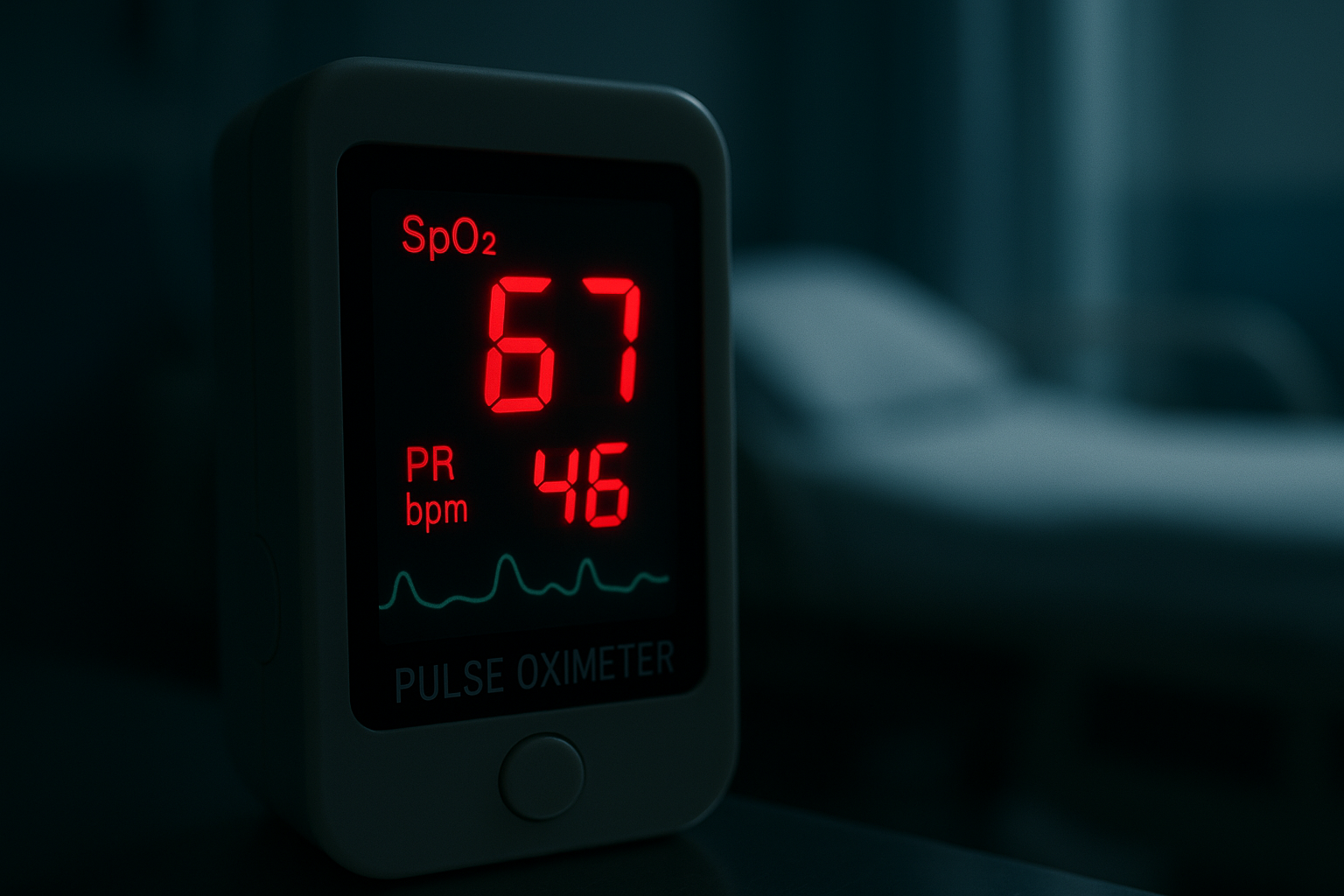
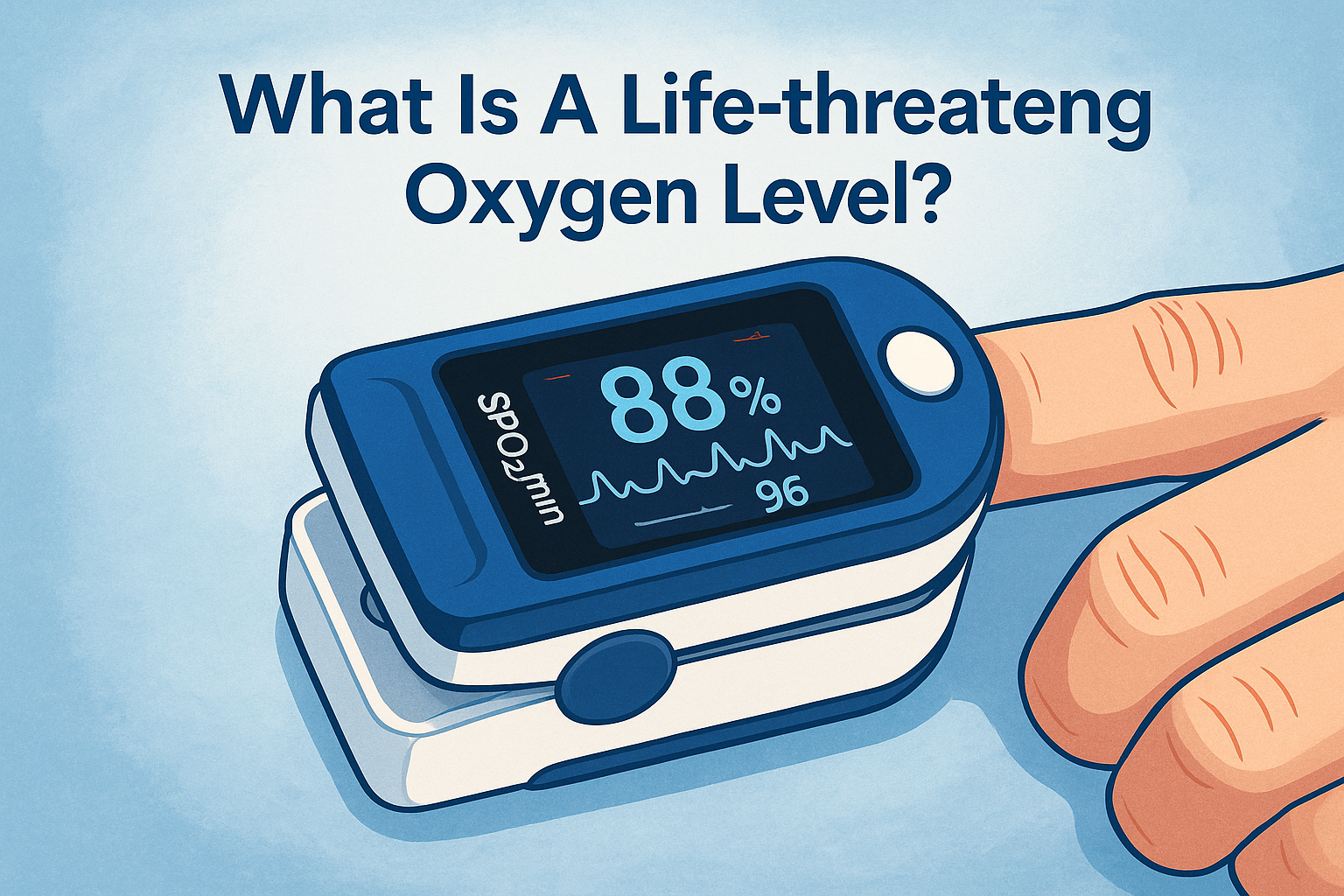
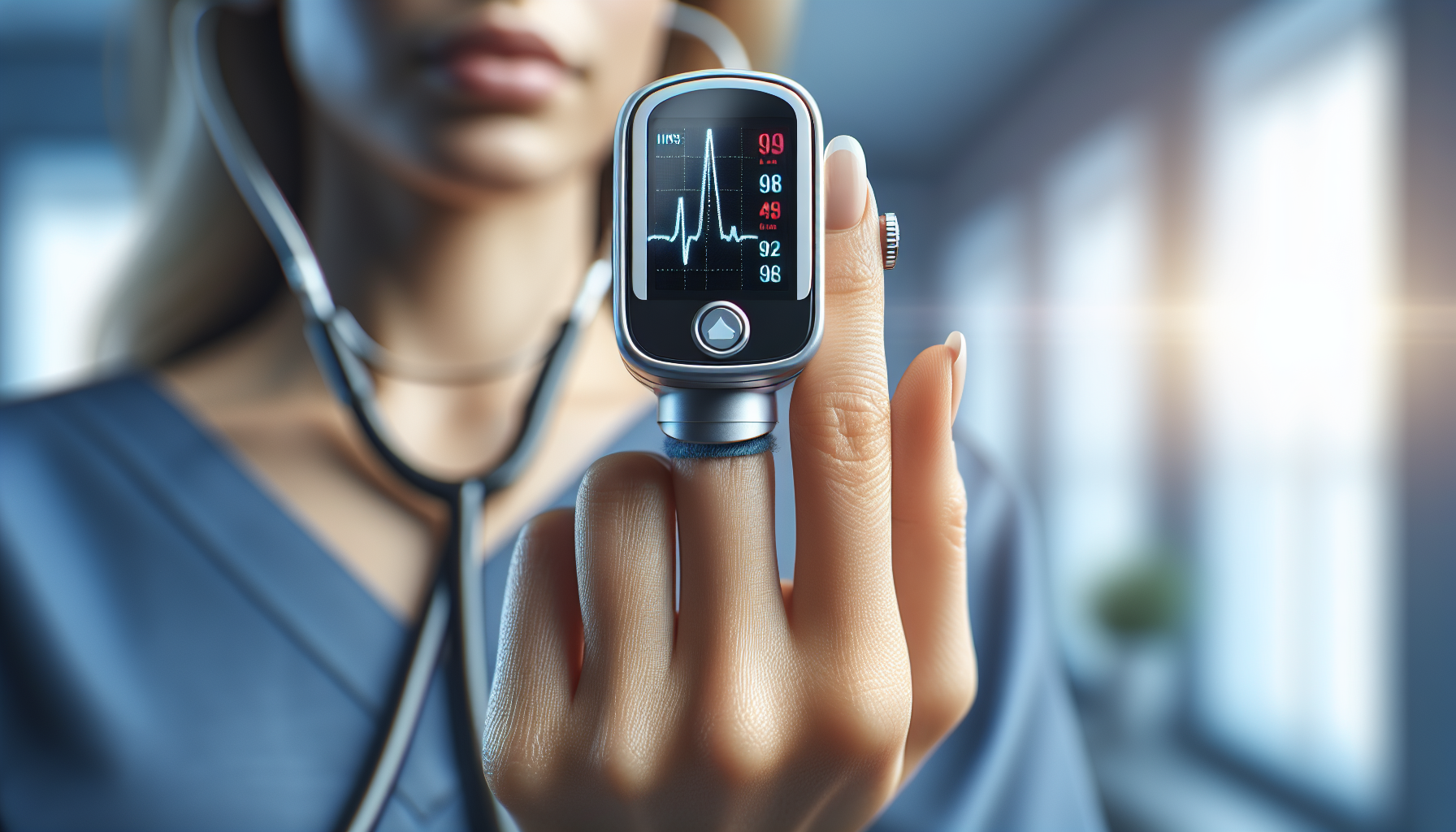
Our analysis of 2026 data on early detection techniques shows that pulse oximetry, capnography in monitored settings, bystander observation, and faster EMS dispatch protocols all help identify trouble sooner. Wearables are improving, but they are not mind readers. A smartwatch may alert you to a low oxygen reading; it cannot perform rescue breathing while you debate whether the device is being dramatic.
If you suspect oxygen deprivation, treat it as an emergency, not a puzzle. The question How long without oxygen before brain damage? should sharpen your reaction time. By the time symptoms are severe, the brain may already be under strain.
First Aid and Immediate Response
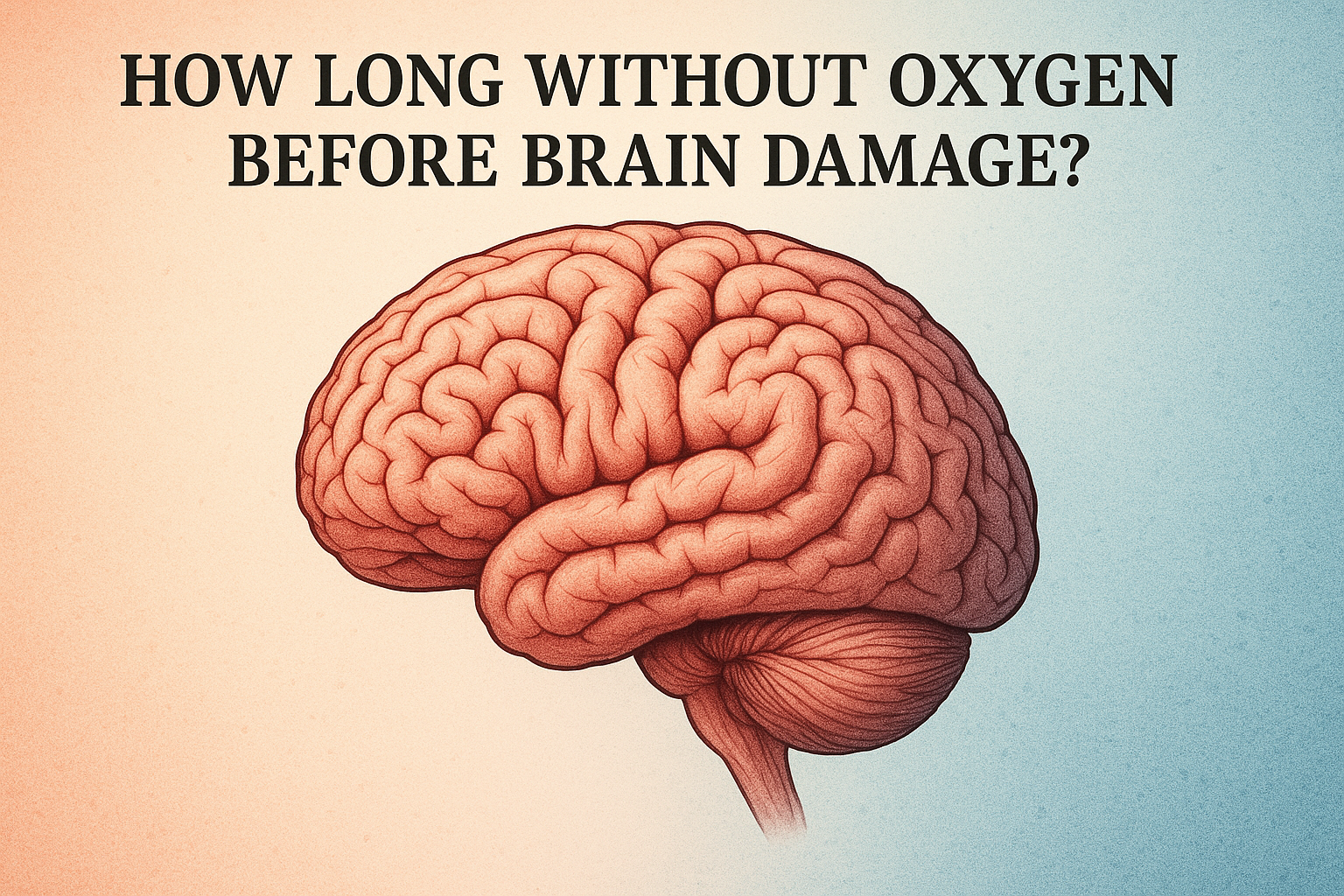
If someone stops breathing, your job is not to become philosophical. Your job is to act. How long without oxygen before brain damage? About 3 to 5 minutes is the widely accepted danger zone, and that means every delay has a cost.
Here is the step-by-step response we recommend based on emergency guidelines:
- Check responsiveness. Tap the person and shout. If there is no response, move quickly.
- Call 911 immediately. If other people are nearby, point to one person and tell them to call. Specificity saves time.
- Check breathing and pulse. If the person is not breathing normally or has no pulse, begin CPR.
- Start chest compressions. Push hard and fast in the center of the chest at about 100 to 120 compressions per minute.
- Use rescue breaths if trained. For drowning, overdose, or pediatric emergencies, breaths can be especially important.
- Use an AED if available. Follow the device prompts. Modern AEDs are impressively bossy and often lifesaving.
- Continue until EMS arrives. Don’t stop unless the person revives or trained professionals take over.
According to the American Heart Association, nearly 70% of cardiac arrests happen at home. That means the likely first responder is not a physician in a gleaming trauma bay. It’s you, half awake, wearing socks you’d never choose for company. Bystander CPR has been shown to significantly improve survival, and communities with widespread CPR training see better outcomes.
We analyzed real-world scenarios in drowning, overdose, and choking events, and the pattern was blunt: fast action preserves brain function. A delay of even 2 or 3 minutes can change a story from a frightening incident into a life with permanent disability. Learn CPR before you need it. The brain, unlike your taxes, does not grant extensions.
Role of Hyperbaric Oxygen Therapy (HBOT)
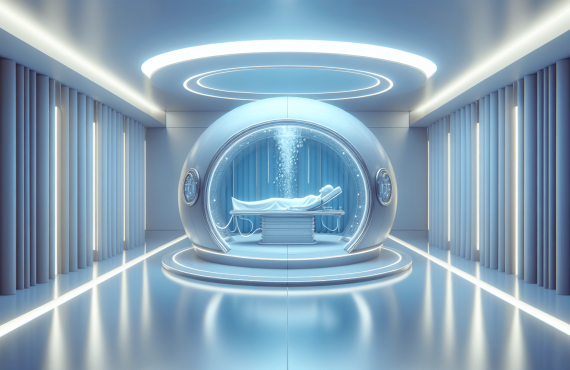
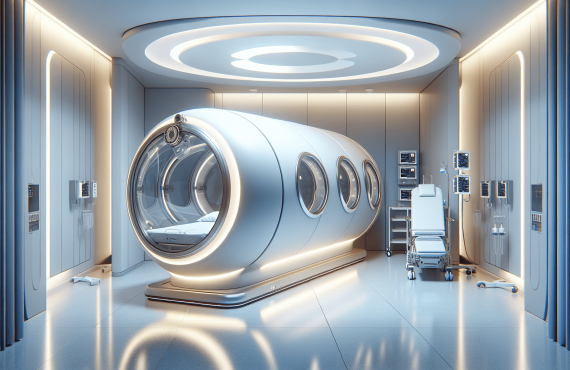
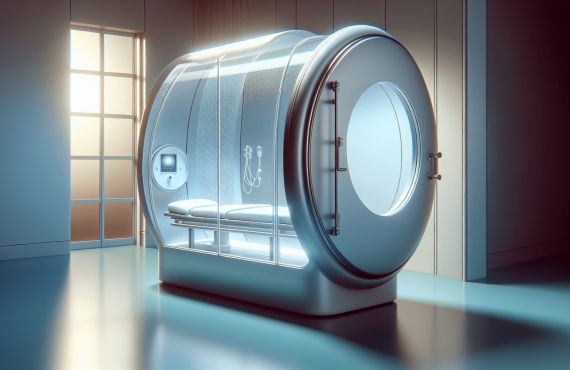
Hyperbaric therapy, often called hyperbaric oxygen therapy (HBOT), is a treatment in which you breathe 100% oxygen in a pressurized chamber. Under these conditions, far more oxygen dissolves into the blood plasma than under normal atmospheric pressure. That extra dissolved oxygen can reach tissues that are poorly supplied, supporting healing, reducing swelling, and aiding recovery in selected cases.
Here is the simple version without reducing it to a cartoon: under normal pressure, oxygen mainly rides through the body attached to hemoglobin. In a hyperbaric chamber, pressure increases oxygen delivery so much that plasma itself carries a meaningful additional load. That can improve tissue oxygenation, support angiogenesis, and help the body repair injured areas. The Mayo Clinic notes HBOT is used for conditions such as decompression sickness, carbon monoxide poisoning, certain wounds, and selected infections.
What does this have to do with the question How long without oxygen before brain damage? When an anoxic or hypoxic injury has occurred, clinicians may consider therapies that support tissue recovery after emergency stabilization. HBOT is not the first move in a breathing emergency; restoring airway, breathing, and circulation is. But once the patient is stabilized, hyperbaric oxygen therapy may be considered in appropriate cases, particularly when carbon monoxide exposure or tissue hypoxia is part of the picture.
Henry Chiropractic in Pensacola discusses HBOT as part of a broader recovery conversation. Dr. Craig Henry, owner and operator of Henry Chiropractic, serves Pensacola and nearby Florida communities with a focus on helping patients improve health and wellness in daily life, not merely survive it. Based on our research, patients tend to benefit most when HBOT is viewed realistically: not as a magic booth from a science-fiction catalog, but as a targeted therapy used within a careful clinical plan.
At a practical level, HBOT may help by:
- Increasing oxygen delivery to compromised tissues
- Reducing inflammation after injury
- Supporting new blood vessel growth through angiogenesis
- Assisting healing in post-injury recovery protocols
In 2026, interest in HBOT for neurological recovery remains strong, especially in post-concussion, toxic exposure, and selected post-hypoxic cases. The evidence is evolving, which is another way of saying medicine is still sorting out who benefits most, how much, and when.
Chiropractic Care in Recovery
Recovery after oxygen deprivation is rarely one neat event with a ribbon tied around it. It’s often a long, awkward procession involving fatigue, headaches, neck tension, dizziness, balance trouble, sleep disturbance, and a body that no longer seems entirely convinced it belongs to you. That’s where supportive care can matter.
At Henry Chiropractic, Dr. Aaron Hixon brings a background that is unusually relevant to structured recovery. He is a Florida native from Milton, earned a Bachelor of Science in Exercise Science from Florida Atlantic University, and attended Palmer College of Chiropractic in Port Orange. He is trained in multiple techniques, including Diversified, Gonstead Spinal Manipulation, Instrument Assisted Soft Tissue Mobilization (IASTM), and Myofascial Release Technique (MRT).
In patients recovering from brain or oxygen-related injury, chiropractic care is not about pretending spinal work replaces emergency neurology. It does not. The value is often in addressing musculoskeletal strain, posture dysfunction, restricted motion, and tension patterns that can develop after hospitalization, falls, trauma, or prolonged immobility. We found that patients recovering from major medical events frequently report neck pain, headaches, and deconditioning, all of which can complicate rehabilitation.
Specific approaches that may aid recovery include:
- Gentle spinal and extremity assessment to identify movement restrictions
- Soft tissue therapies such as IASTM and MRT to reduce tightness
- Postural correction strategies for people weakened by illness or injury
- Exercise guidance to rebuild coordination and tolerance gradually
Case patterns from Pensacola patients often involve a simple chain reaction: illness or injury leads to inactivity, inactivity leads to stiffness and pain, and pain then interferes with sleep and rehab. Addressing that secondary layer can make the larger recovery plan easier to follow. In our experience, the best supportive care feels modest and specific. Not theatrical. Just useful, which is rarer than it should be.
Preventive Measures and Lifestyle Changes
The best answer to How long without oxygen before brain damage? is still, of course, “longer than anyone should ever have to test.” Prevention is not glamorous, which may explain why it gets so little applause. But it is where many lives are quietly saved.
You can reduce the risk of oxygen deprivation incidents with a handful of plain measures:
- Learn CPR and AED use. Even a short course can prepare you for the first critical minutes.
- Install smoke and carbon monoxide detectors. The CDC warns that hundreds of people die from unintentional carbon monoxide poisoning in the U.S. each year, with thousands more treated in emergency departments.
- Supervise water activities closely. Drowning can be silent and fast.
- Manage chronic disease. Asthma, COPD, sleep apnea, and heart disease all raise the risk of low oxygen episodes.
- Use medications carefully. Opioids, sedatives, and alcohol can depress breathing, especially in combination.
Regular health checks matter more than people like to admit. Sleep apnea affects an estimated 30 million Americans, yet many remain undiagnosed, according to public health reporting and sleep medicine organizations. Untreated apnea can cause repeated overnight drops in oxygen saturation. Those aren’t the same as complete anoxia, but over time they can affect cardiovascular and cognitive health in meaningful ways.
We recommend paying attention to recurring symptoms: morning headaches, unexplained fatigue, exercise intolerance, bluish lips, loud snoring, frequent fainting, or episodes of shortness of breath. These are not personality quirks. They are clues.
Regular visits to a clinic such as Henry Chiropractic may also help maintain better overall function by addressing posture, mobility, musculoskeletal stress, and wellness habits before they spiral into larger problems. No adjustment can stop a drowning or reverse carbon monoxide exposure, but a healthier, better-monitored body is often quicker to signal when something is going wrong.
Research and Future Directions
Medical research into oxygen deprivation is moving in several directions at once, which is how science behaves when the stakes are high and the answers are incomplete. Investigators are studying faster cooling protocols after cardiac arrest, AI-assisted monitoring in ICUs, better biomarkers for early brain injury, and more refined use of hyperbaric oxygen therapy in selected neurological cases. As of 2026, no one has discovered a way to make the brain indifferent to oxygen loss, but clinicians are getting better at identifying which patients may recover more than expected.
One promising area involves advanced imaging. MRI techniques can now map subtle injury patterns far earlier than older approaches allowed. Continuous EEG monitoring also helps physicians assess post-resuscitation brain activity in real time. According to critical care literature, targeted temperature management remains a major strategy for improving neurological outcomes after cardiac arrest in selected patients, even as protocols are refined.
We analyzed current trends and found three themes that are likely to shape care in 2026 and beyond:
- Earlier detection: Better emergency dispatch, home monitoring, and triage tools may shorten time to treatment.
- Smarter recovery planning: Rehabilitation is becoming more individualized, combining neurology, cardiology, respiratory care, and physical recovery.
- Adjunctive therapies: HBOT, neurorehabilitation technology, and precision imaging may help selected patients recover function more effectively.
Our recommendations based on current and future research are fairly grounded. Learn CPR. Treat loss of consciousness as an emergency. Don’t dismiss shortness of breath, overdose risk, or carbon monoxide exposure. And if recovery after a hypoxic event leaves you with lingering pain, dizziness, poor sleep, or physical dysfunction, seek coordinated care rather than waiting for your body to write its complaints in larger handwriting.
The question How long without oxygen before brain damage? remains central because every new therapy still depends on the same old truth: the best treatment is restoring oxygen before injury becomes established.
Conclusion: Steps to Take if You Suspect Oxygen Deprivation
If you suspect oxygen deprivation, act as though the brain’s deadline is already approaching, because it probably is. How long without oxygen before brain damage? Usually only 3 to 5 minutes. That is not enough time for hesitation, internet searching, or family debate conducted in the tone usually reserved for restaurant menus.
Here is the practical response to remember:
- Call 911 immediately if someone is not breathing normally, turns blue, collapses, or becomes unresponsive.
- Begin CPR if the person has no pulse or is not breathing.
- Use an AED as soon as one is available.
- Watch for warning signs such as confusion, seizures, fainting, or severe shortness of breath.
- Seek follow-up care after survival, because recovery may involve neurological, respiratory, and physical rehabilitation needs.
Based on our research, the people who do best are often the ones who receive fast bystander help, immediate emergency treatment, and structured follow-up afterward. We recommend not waiting for symptoms to become theatrical. Quiet confusion, unusual fatigue, or an episode of collapse may be the opening act of something much more serious.
If you need expert support in Pensacola for recovery, wellness, or consultation about therapies including hyperbaric oxygen therapy and chiropractic care, contact Henry Chiropractic, owned and operated by Dr. Craig Henry. You can reach the clinic at 1823 N 9th Ave, Pensacola, FL 32503, call (850) 435-7777, or visit https://drcraighenry.com/. Dr. Craig Henry and Dr. Aaron Hixon serve Pensacola and surrounding Florida communities.
The brain is astonishing, but it is not patient. When oxygen stops, the clock doesn’t tick louder. It simply ticks on.

Frequently Asked Questions
How long can the brain go without oxygen before damage starts?
Brain damage can begin in about 3 to 5 minutes when the brain is completely deprived of oxygen, though the exact outcome depends on body temperature, cause of the event, and how quickly circulation is restored. How long without oxygen before brain damage? That question has a short and sobering answer: usually only a few minutes.
What are the first signs of oxygen deprivation?
Early signs include confusion, restlessness, blue or gray lips, rapid breathing, fainting, and seizures. As oxygen deprivation worsens, a person may become unresponsive or stop breathing entirely.
What should you do if someone stops breathing?
Call 911 immediately, begin CPR if the person is not breathing or has no pulse, and use an AED if one is available. Fast action within the first few minutes gives the best chance of survival and lowers the risk of severe neurological injury.
Can hyperbaric oxygen therapy help after oxygen deprivation?
Hyperbaric oxygen therapy increases the amount of oxygen dissolved in the blood by having a patient breathe 100% oxygen in a pressurized chamber. It may support healing in selected cases by improving oxygen delivery to injured tissues and reducing swelling, but it is not a substitute for emergency care.
Can you recover from brain damage caused by lack of oxygen?
Yes, some people recover well, especially when breathing and circulation are restored quickly. Recovery depends on how long the brain lacked oxygen, the cause, the patient’s age and health, and how soon rehabilitation begins.
Key Takeaways
- Brain damage can begin within 3 to 5 minutes of complete oxygen deprivation, so immediate action is critical.
- Early recognition of symptoms like confusion, fainting, seizures, and blue lips can shorten time to treatment and improve outcomes.
- CPR, emergency services, and AED use are the most important first steps when someone stops breathing or loses circulation.
- Hyperbaric oxygen therapy may support recovery in selected cases after stabilization, especially when tissue oxygenation is a concern.
- For follow-up care in Pensacola, Henry Chiropractic offers support through Dr. Craig Henry and Dr. Aaron Hixon at 1823 N 9th Ave, Pensacola, FL 32503, (850) 435-7777.