
Table of Contents
What are the Most Common Complications of Oxygen Administration? 10 Essential Insights
Oxygen saves lives, which is lovely, but it also has the unsettling habit of acting like an angel who occasionally knocks over a lamp and sets the curtains twitching. If you came here asking What are the most common complications of oxygen administration?, you’re asking the right question, and one that deserves a straight answer. Oxygen therapy is often necessary in emergencies, chronic lung disease, wound healing, neonatal care, and hyperbaric treatment, yet too much, too fast, or too long can cause real harm.
Based on our research, the biggest risks include oxygen toxicity, respiratory depression, absorption atelectasis, retinopathy of prematurity, fire hazards, and barotrauma. The trick is not to fear oxygen, but to respect it. We found that the complexity of oxygen therapy can feel a bit like the menu at a pretentious brunch spot: everything sounds simple until somebody starts talking about reductions, foams, and why the eggs have an opinion. As of 2026, oxygen remains one of the most frequently used medical treatments worldwide, and that makes understanding its complications more than academic. It makes it practical.

Introduction: Oxygen – Life's Breath and Its Challenges
Oxygen therapy sits at the center of modern medicine because your cells, unlike certain houseguests, do not thrive when ignored. Hospitals use supplemental oxygen for pneumonia, trauma, heart failure, COPD, anesthesia recovery, sleep-related breathing problems, and critical illness. The WHO has repeatedly stressed that access to medical oxygen is essential for safe surgery, emergency care, and severe respiratory disease. In 2026, that still holds true, and perhaps more than ever.
Still, the question remains: What are the most common complications of oxygen administration? It sounds simple, but oxygen is not just a comforting stream through a tube. It is a treatment with dosage limits, device choices, and patient-specific risks. We analyzed current clinical guidance and found that complications often appear when oxygen is delivered without close monitoring, especially at high concentrations or under pressure.
You can think of oxygen therapy as useful but moody. It helps when:
- Blood oxygen is too low, often measured by pulse oximetry or arterial blood gas
- Tissues need more oxygen, as in wound care or certain infections
- Specialized therapy is indicated, such as hyperbaric oxygen therapy for selected conditions
What complicates matters is that the same treatment that helps one person breathe can, in another person, suppress respiratory drive, dry mucous membranes, collapse alveoli, or worsen pressure-related injury. That’s the part people tend not to mention in the cheerful brochure.
Understanding Oxygen Administration
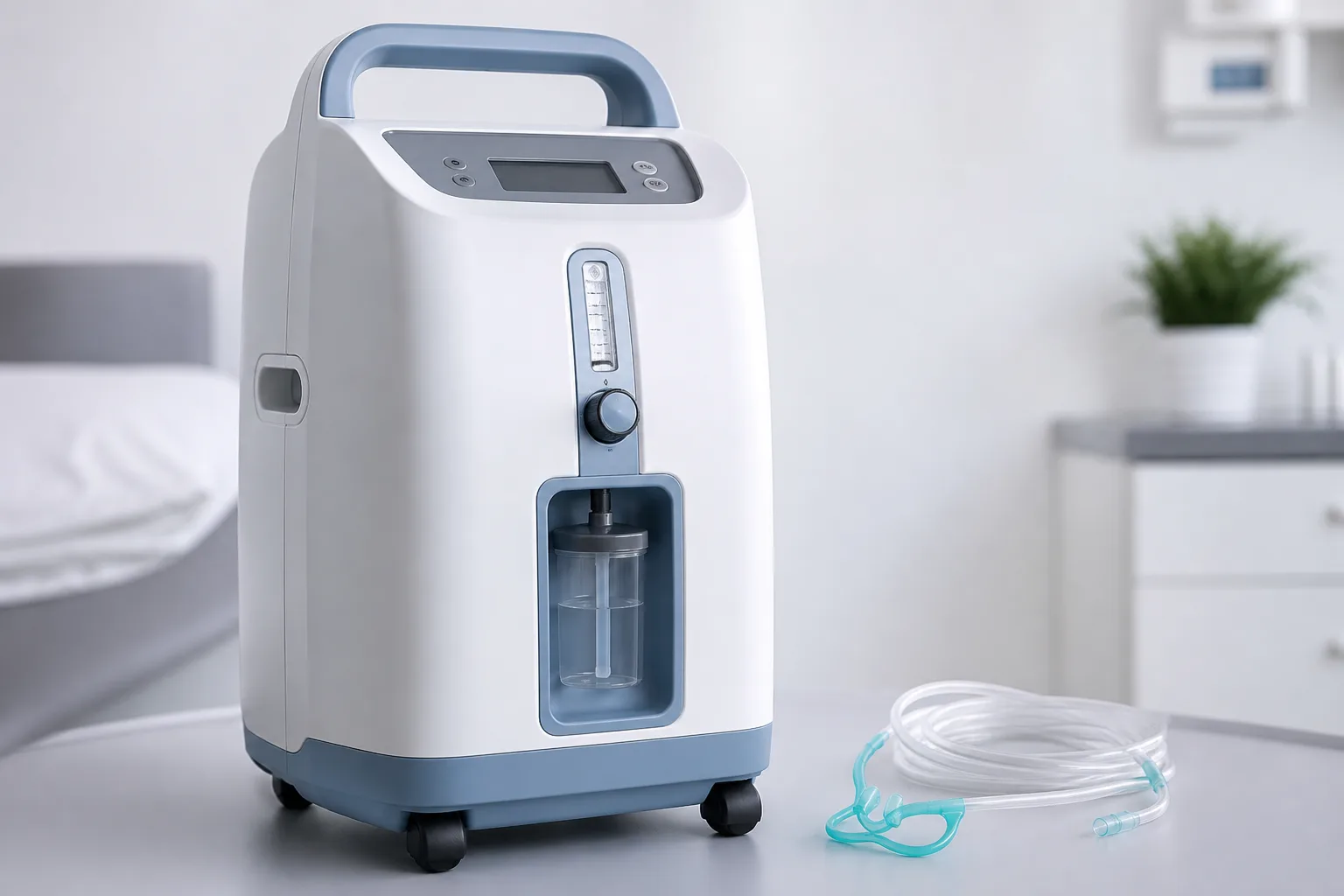
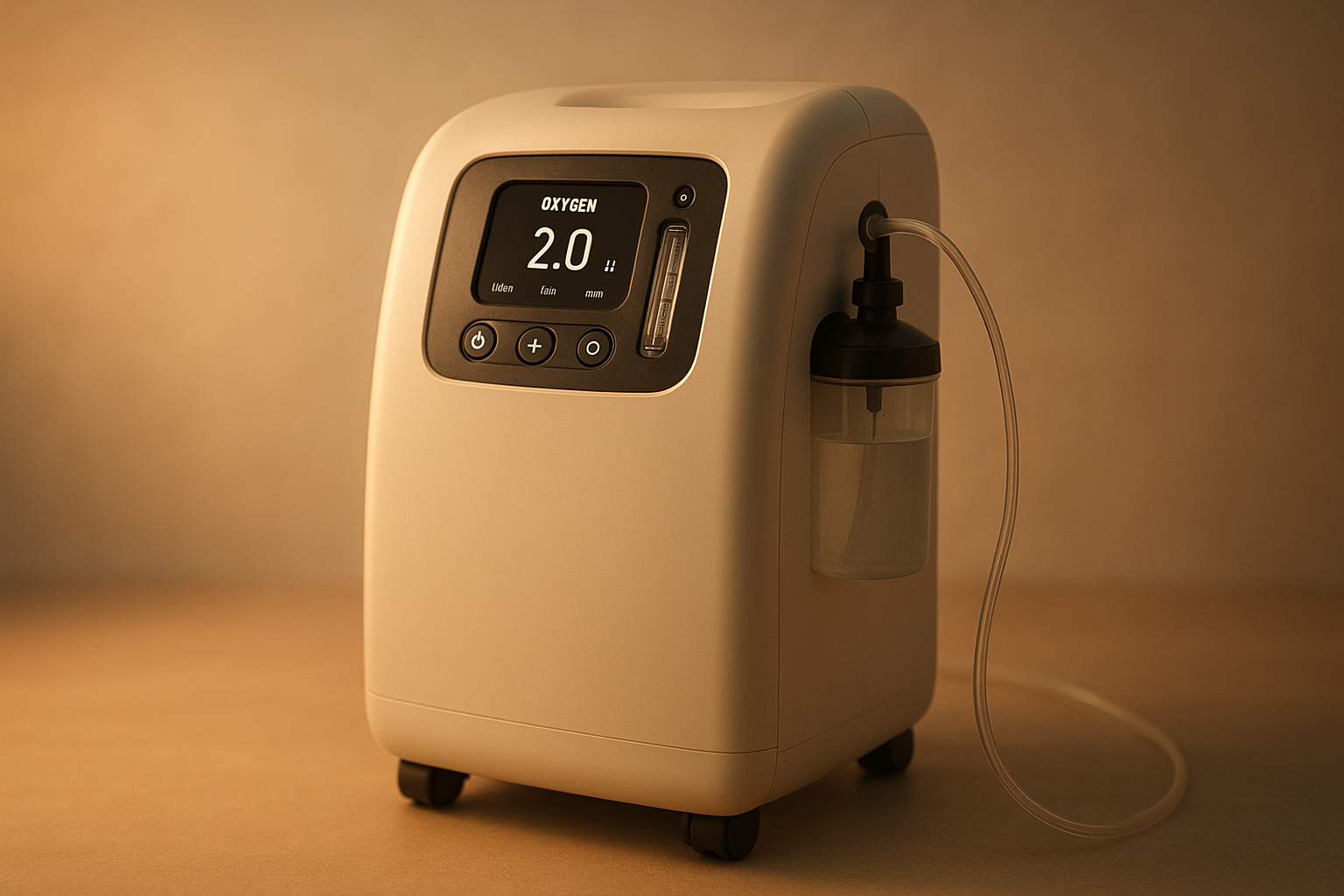
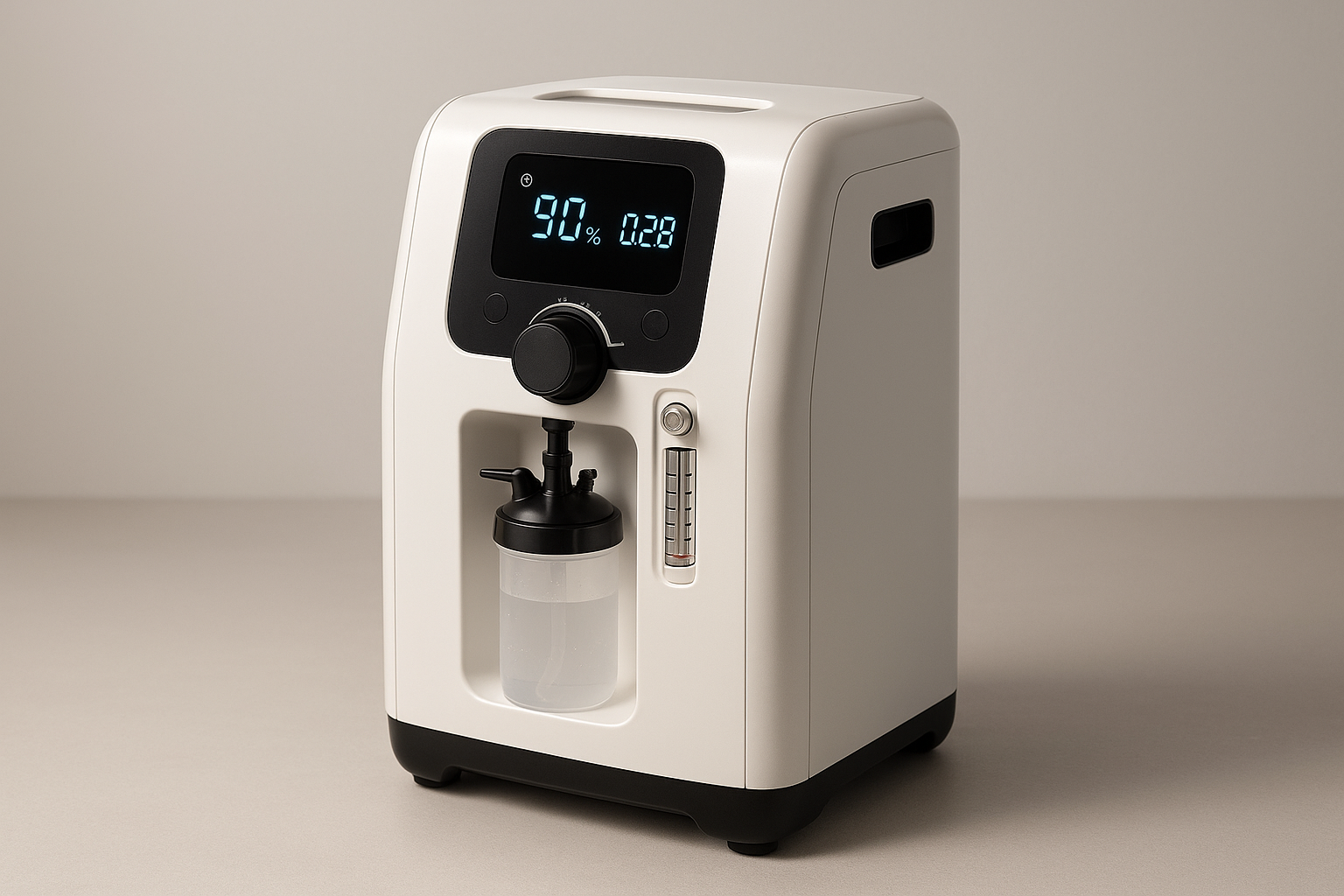
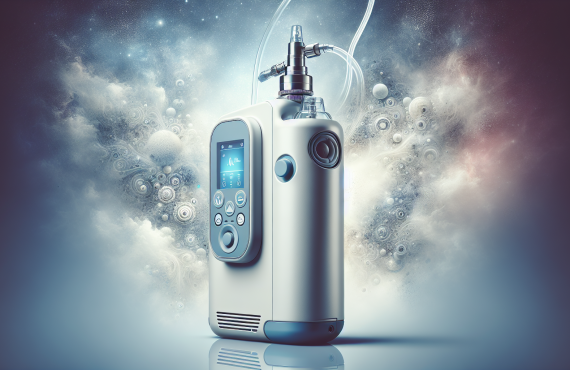
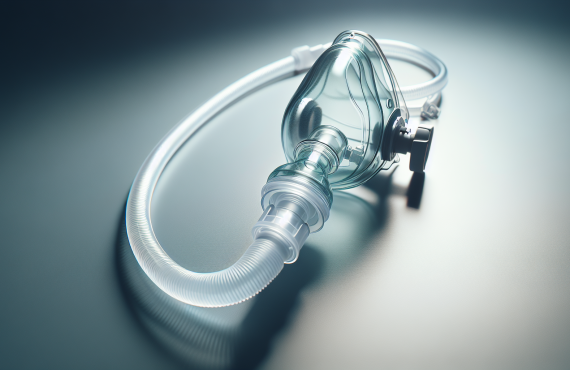
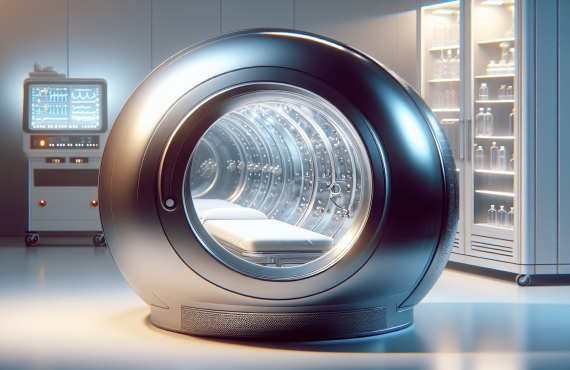
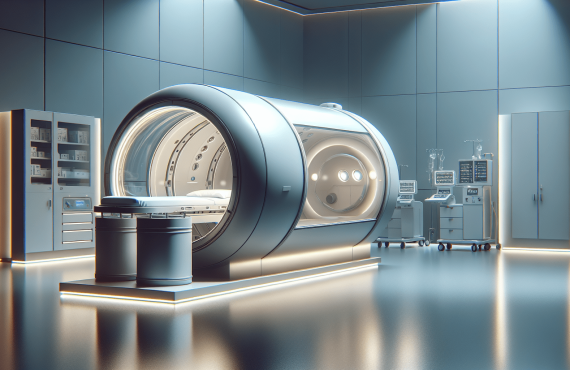
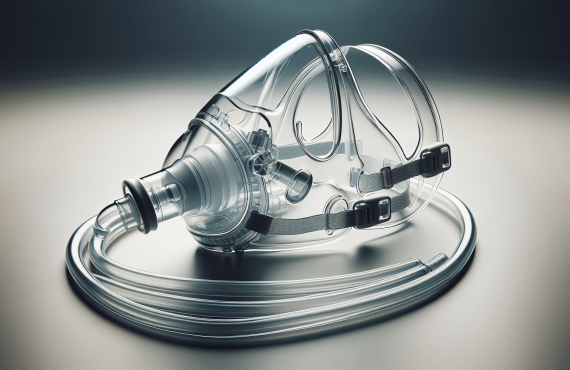
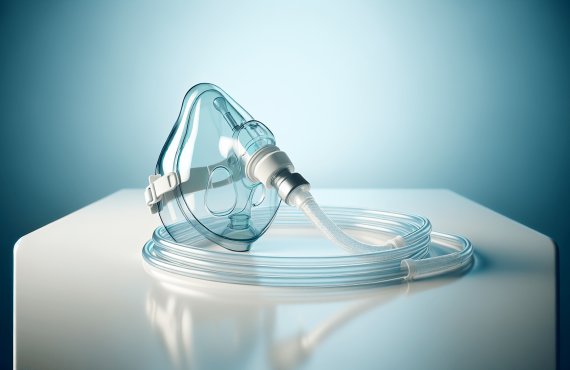
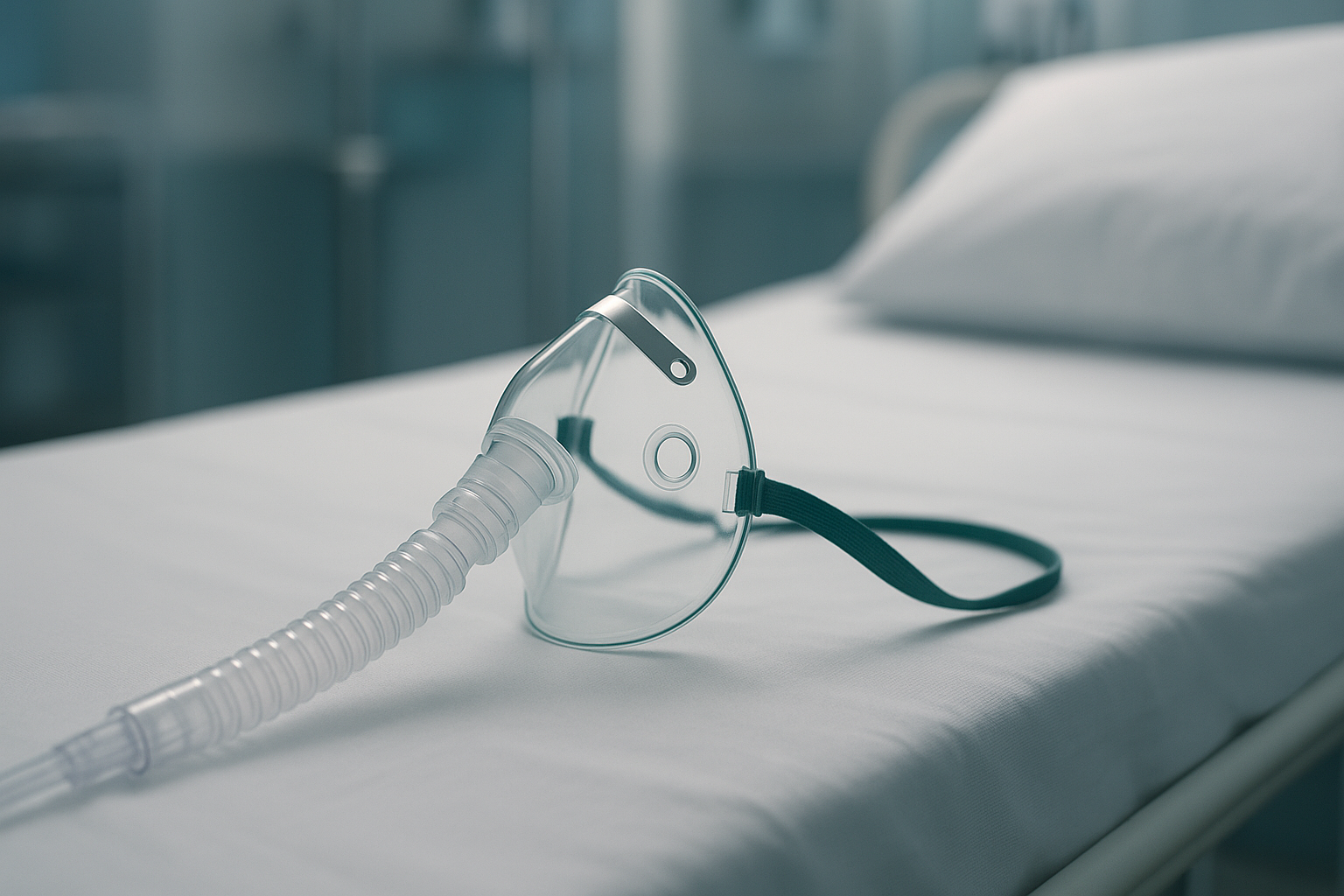
Oxygen administration means delivering supplemental oxygen above room-air levels to improve oxygenation. Room air contains about 21% oxygen. Supplemental oxygen can raise the concentration significantly, depending on the device. Low-flow devices like a nasal cannula may deliver roughly 24% to 44% oxygen, while some masks deliver much more. Hyperbaric oxygen therapy goes further by using 100% oxygen in a pressurized chamber, increasing dissolved oxygen in plasma beyond what normal breathing can do.
The most common methods include:
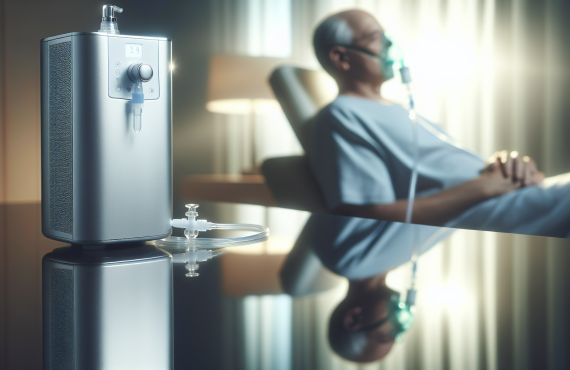
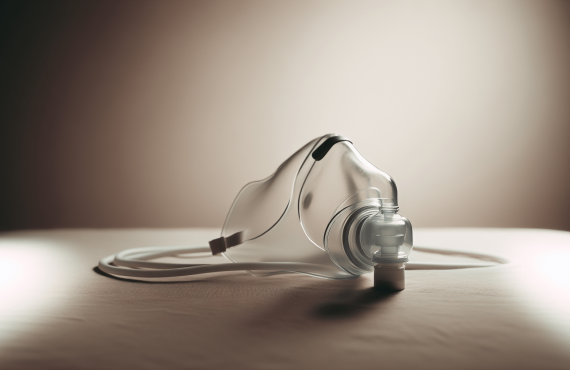
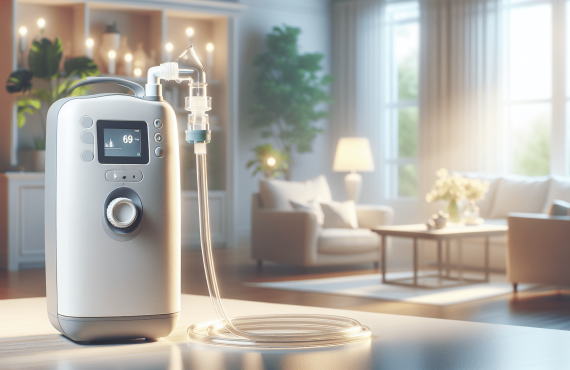
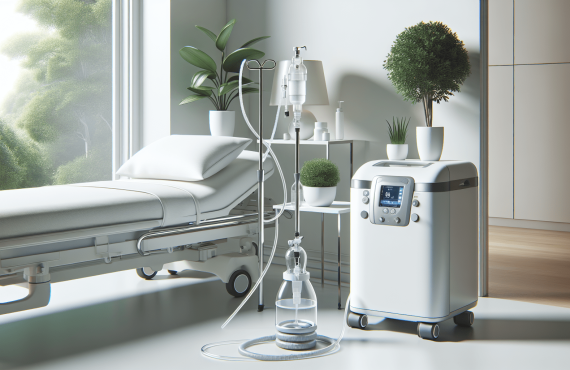
- Nasal cannula: often used for mild hypoxemia, comfort, and home oxygen
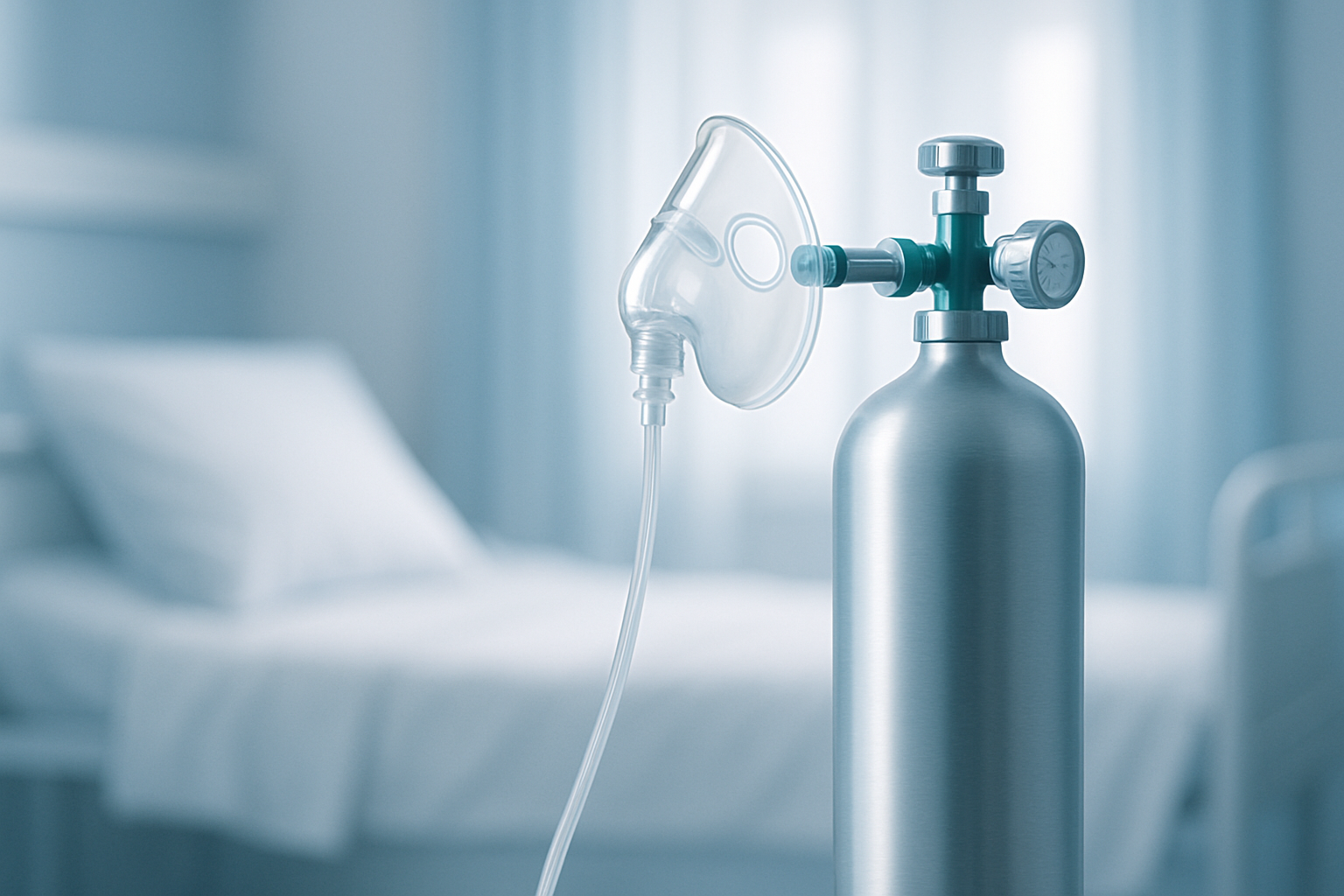
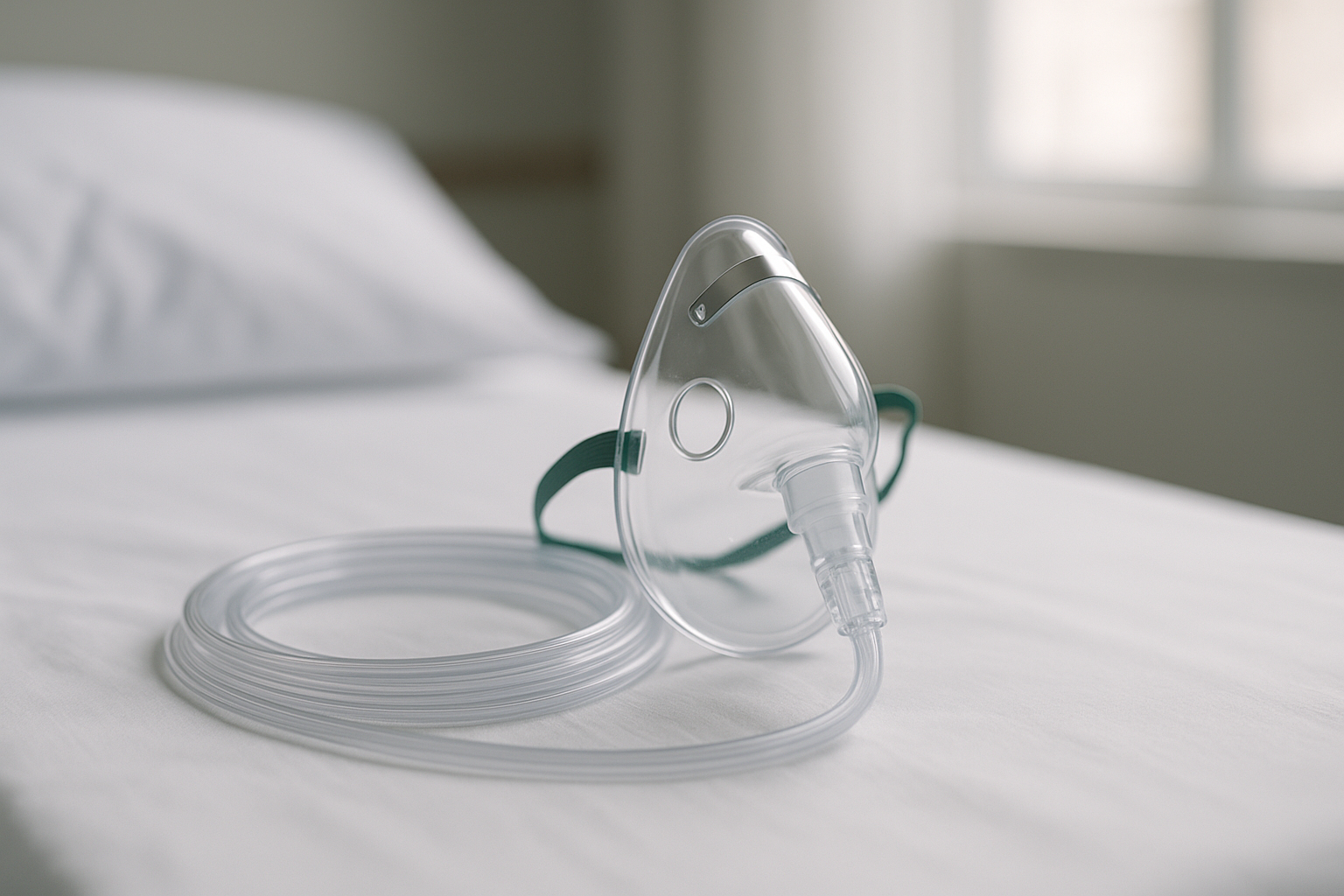
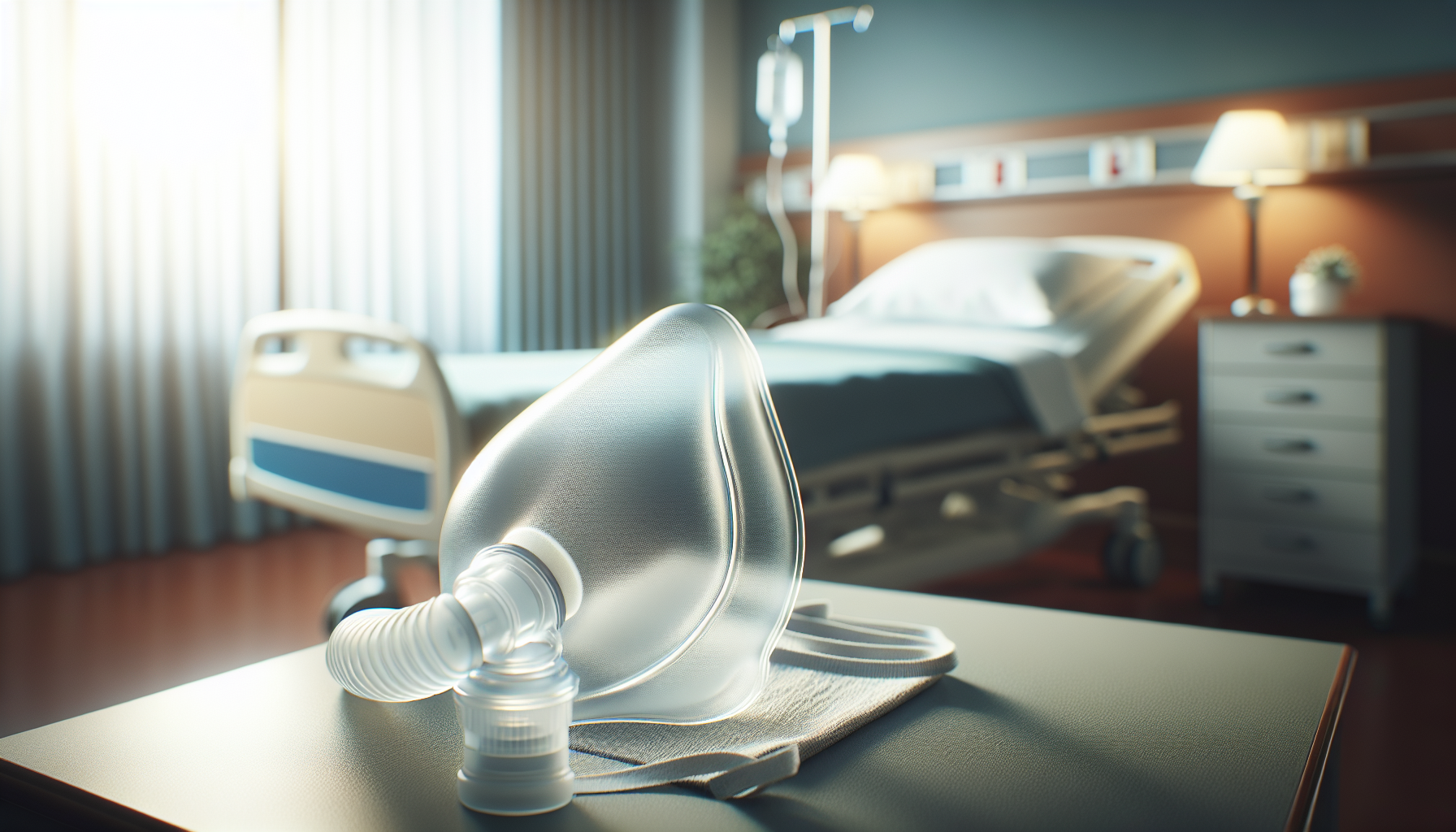
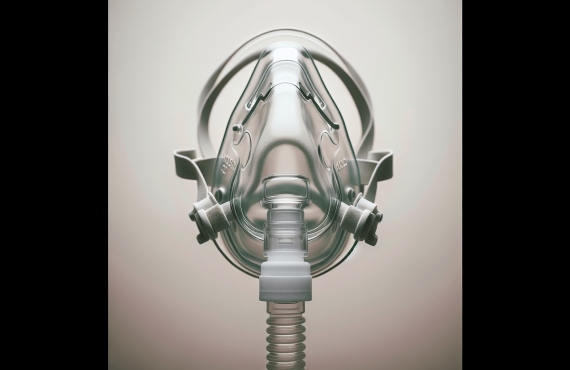
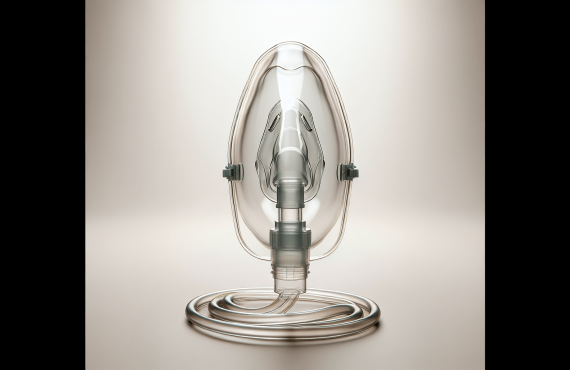
- Simple face mask or non-rebreather mask: used when higher concentrations are needed quickly
- Ventilator support: common in ICU care and surgery
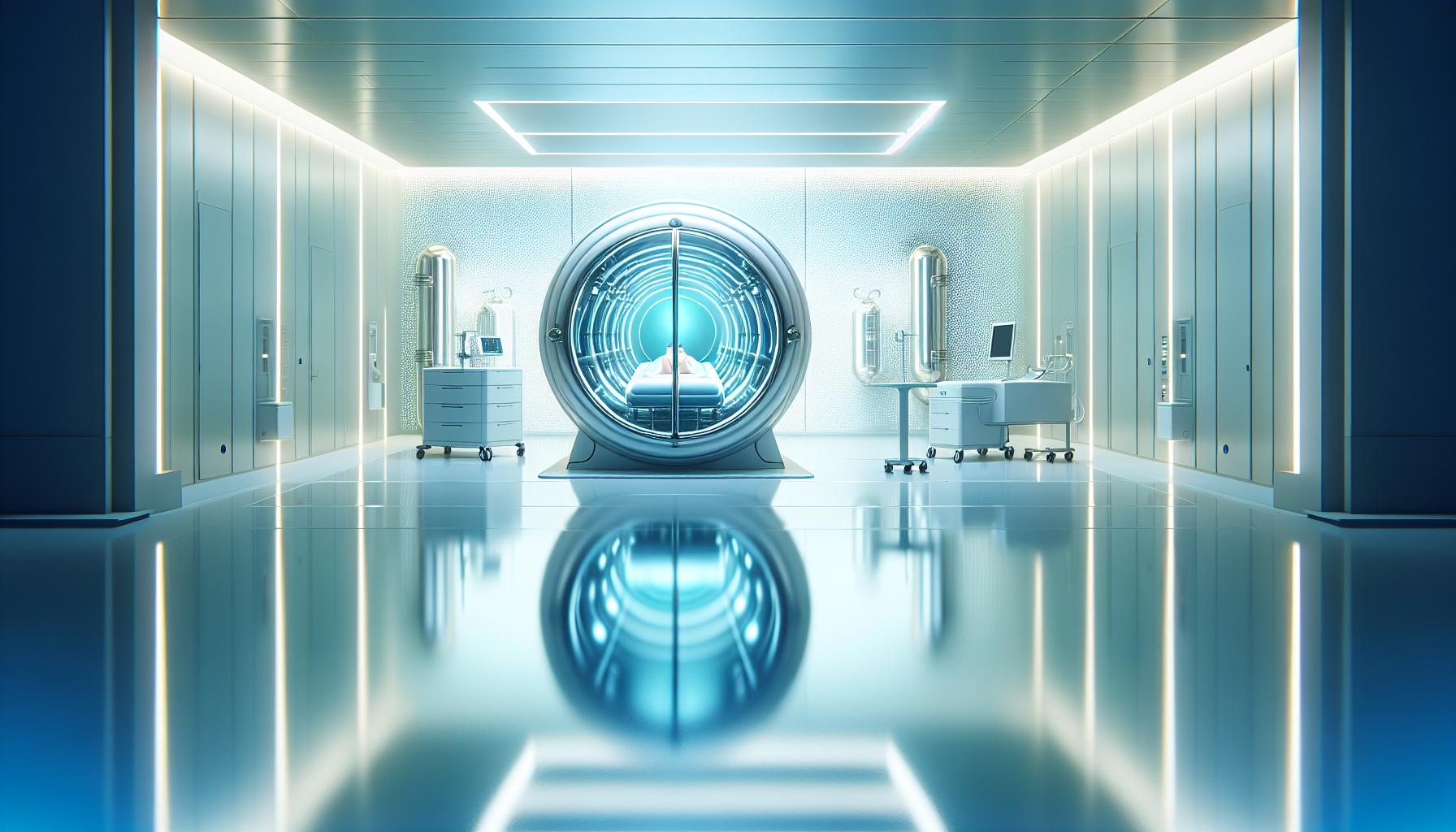
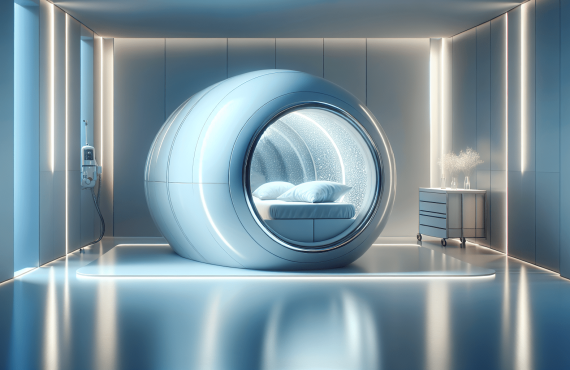
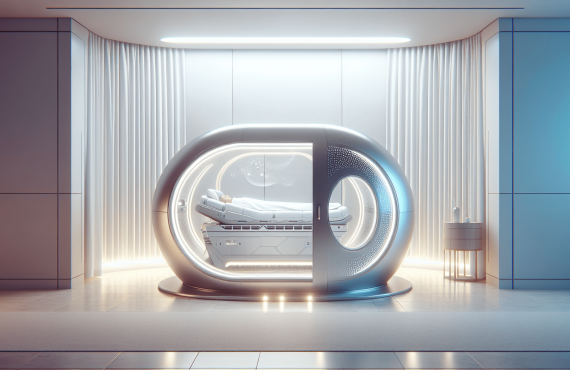
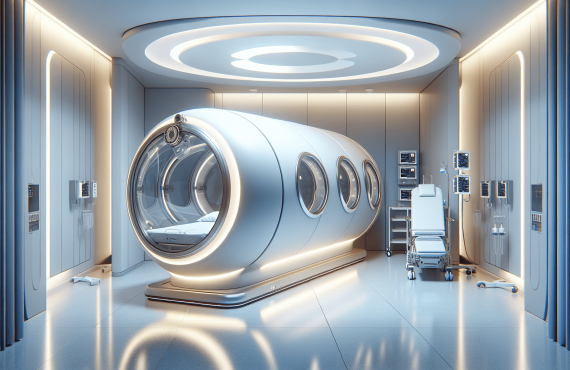
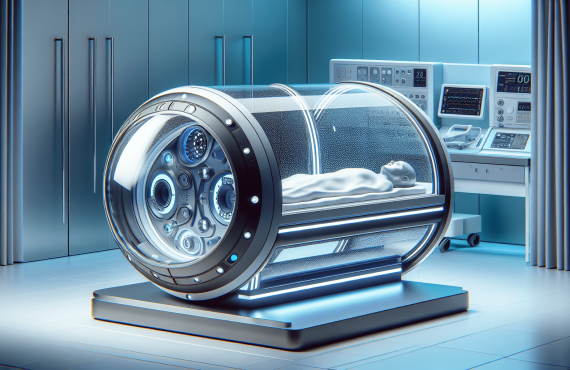
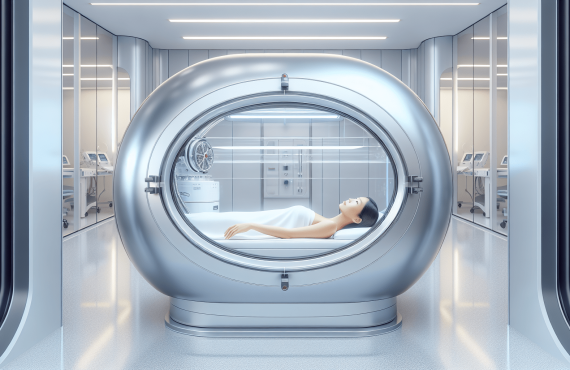
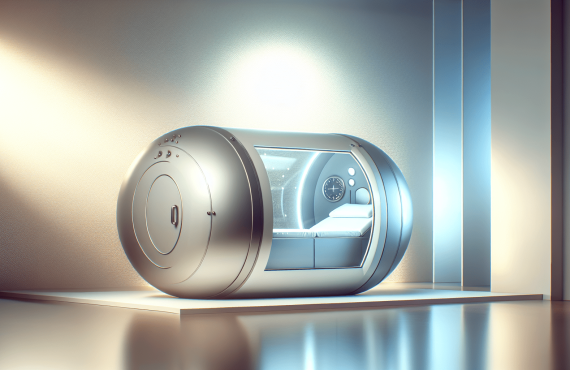
- Hyperbaric chambers: used for selected wound, decompression, and oxygenation-related indications
Based on our analysis, the device matters almost as much as the diagnosis. A patient recovering from pneumonia may need a nasal cannula at 2 liters per minute. A trauma patient may briefly need a non-rebreather. Someone receiving hyperbaric treatment is in a different category altogether because pressure changes add another layer of risk.
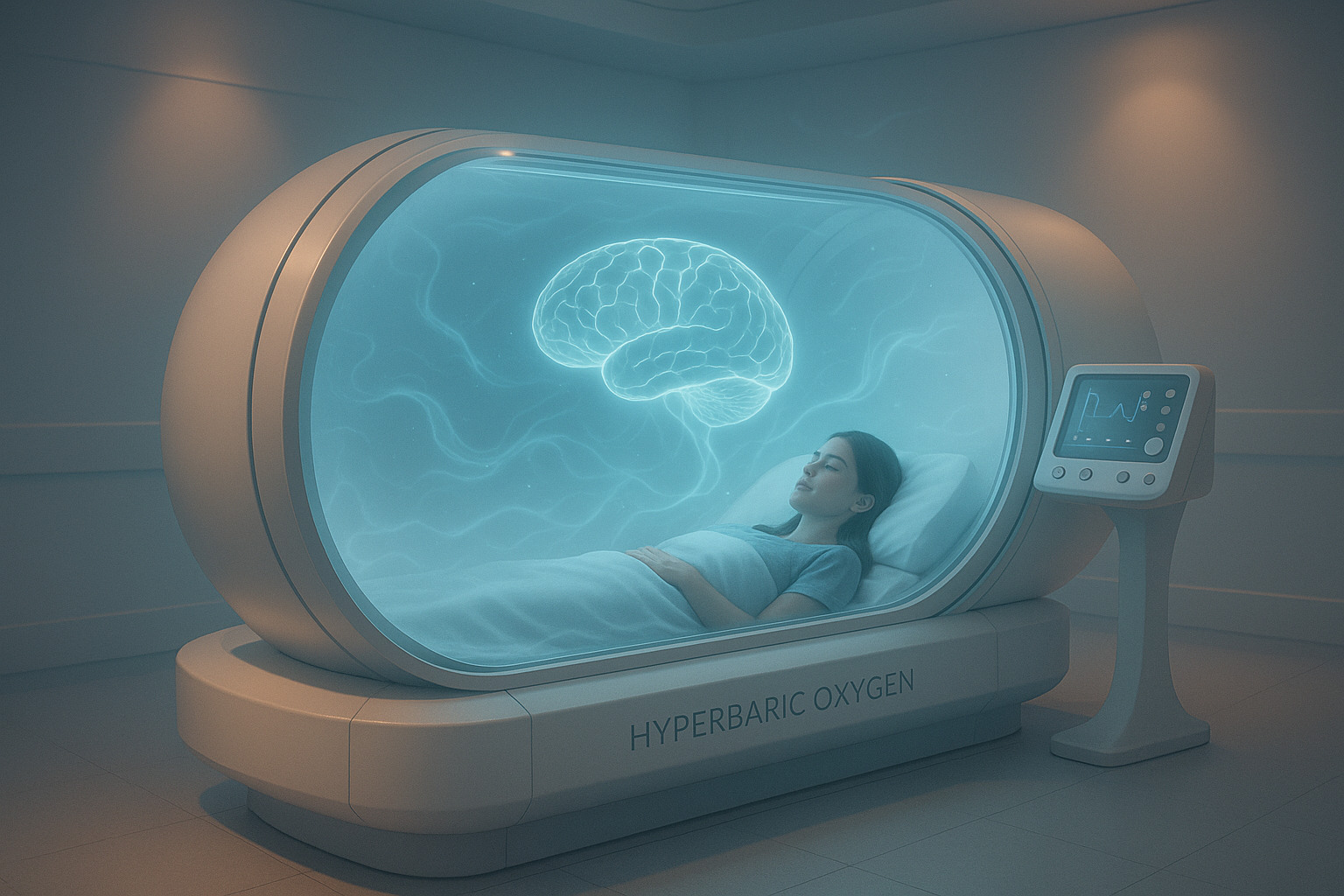
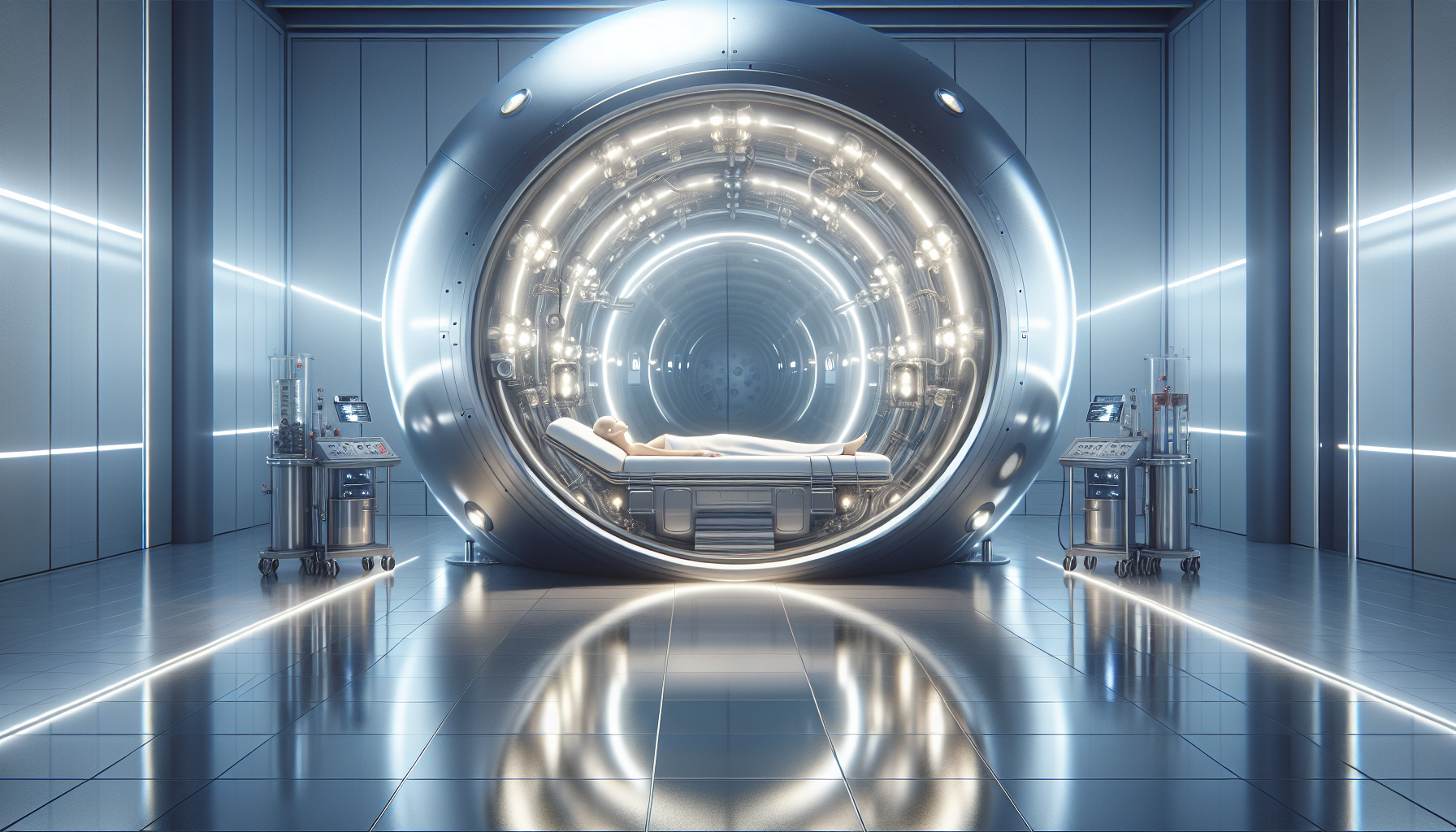
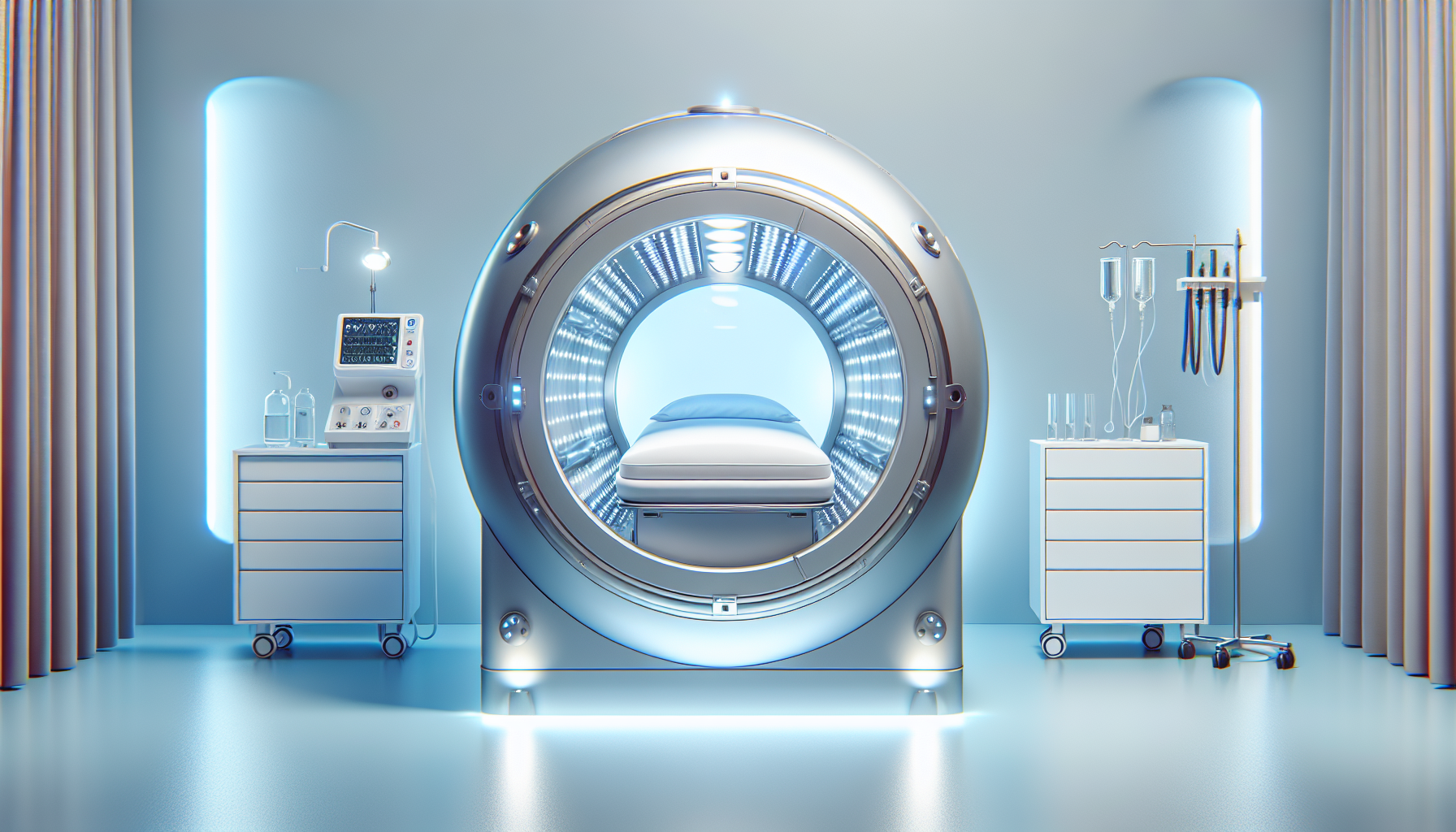
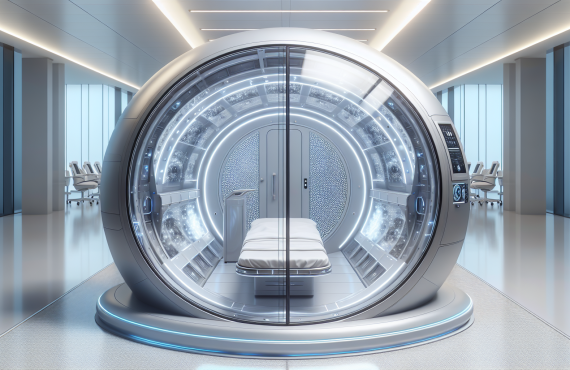
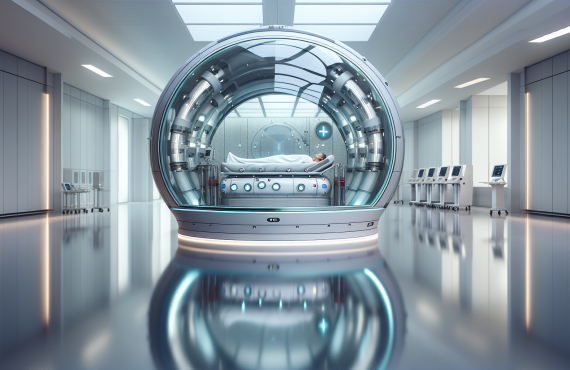
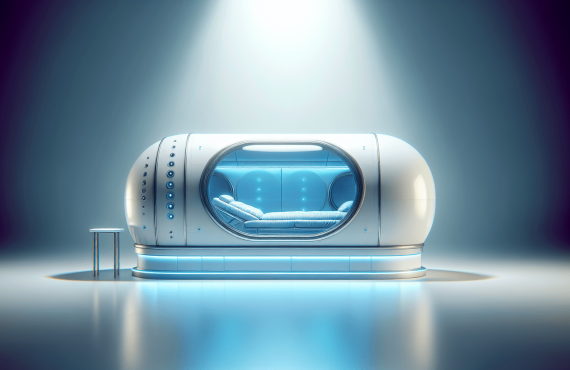
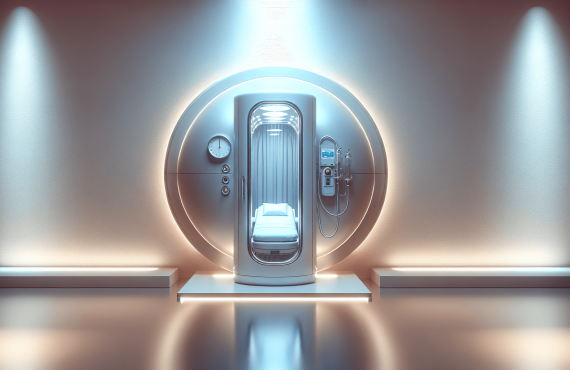
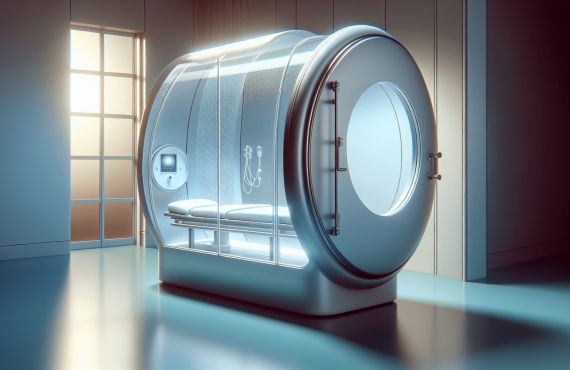
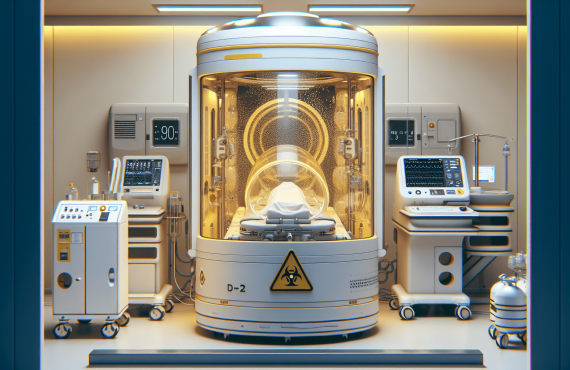
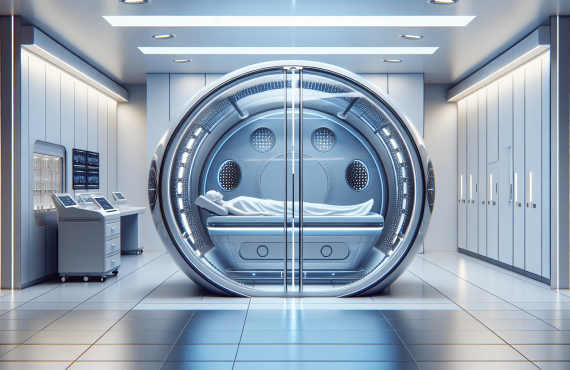
Hyperbaric therapy, or HBOT, involves breathing pure oxygen in a pressurized chamber. That pressure boosts oxygen dissolved into the bloodstream and can support tissue repair, angiogenesis, and immune response. If you’re exploring that option, you can review Henry Chiropractic’s hyperbaric therapy services. At Henry Chiropractic, Dr. Craig Henry and Dr. Aaron Hixon work with patients in Pensacola who want supervised care, not guesswork dressed up as wellness.
And yes, if you’re still wondering What are the most common complications of oxygen administration?, the answer depends partly on how oxygen is given. Cannulas, masks, and chambers each come with their own mischief.
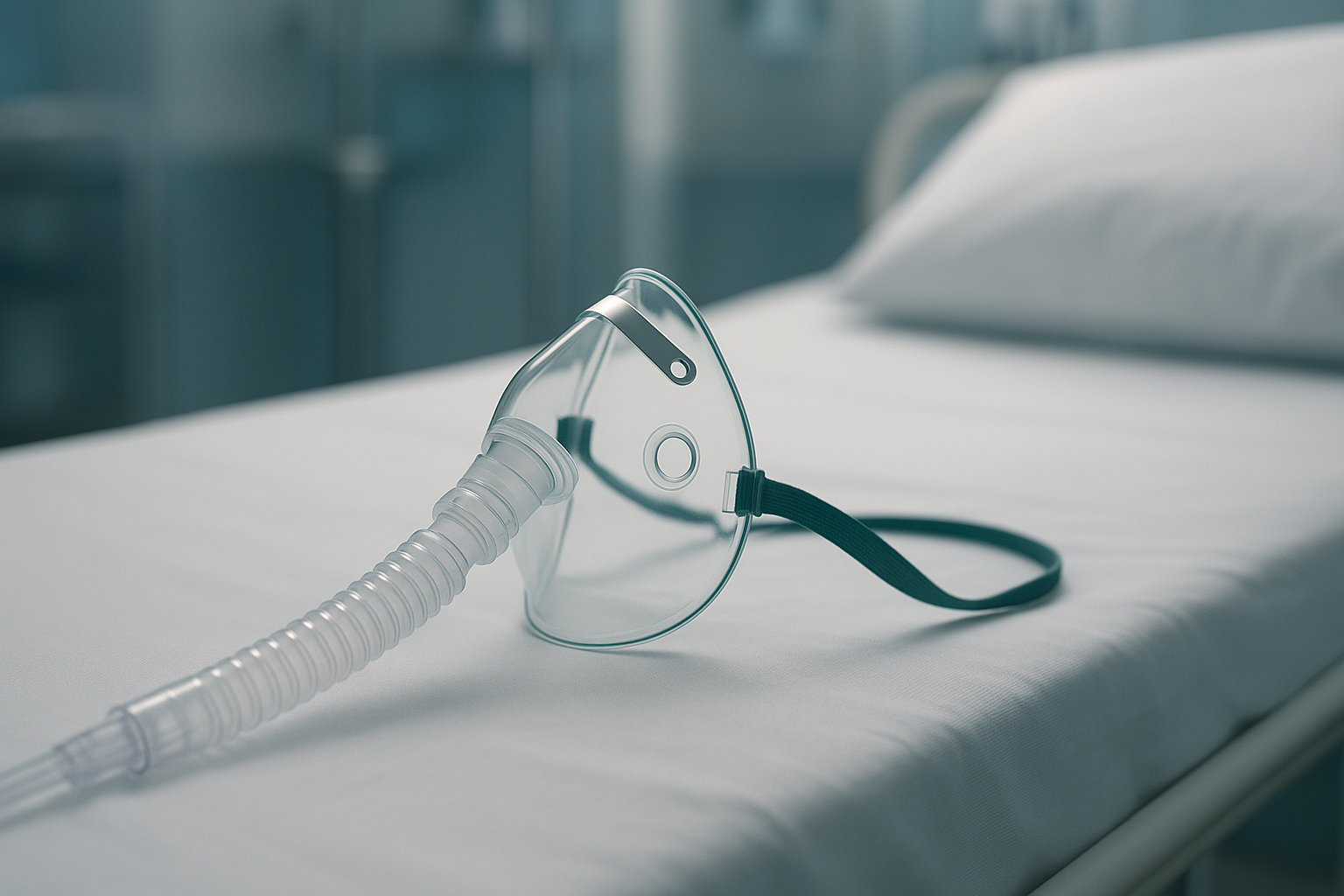

What are the Most Common Complications of Oxygen Administration? Complication 1: Oxygen Toxicity
Oxygen toxicity happens when you breathe oxygen at high concentrations for long enough that it starts injuring tissues rather than helping them. The lungs and central nervous system are the classic targets. Pulmonary oxygen toxicity can cause chest pain, cough, and worsening gas exchange. Central nervous system toxicity, more common in pressurized oxygen exposure, can lead to nausea, twitching, visual changes, and seizures. Charming, in the way a flat tire is charming.
Research commonly cited in critical care suggests oxygen toxicity affects approximately 5% of patients receiving high concentrations, especially when exposure is prolonged. A 2025 study discussed risk mitigation through lower FiO2 targets, tighter pulse oximetry ranges, and shorter exposure windows. We found that the best prevention strategy is not fancy. It is simply disciplined dosing and reassessment. For deeper clinical literature, see NCBI.
How do you reduce the risk?
- Use the lowest effective oxygen concentration to meet target saturation.
- Monitor regularly with pulse oximetry and, when needed, arterial blood gases.
- Watch duration; harm often grows with time at high FiO2.
- Reassess after stabilization instead of leaving oxygen at the initial emergency setting.
Based on our research, oxygen toxicity is one of the clearest answers to the question What are the most common complications of oxygen administration? It is also one of the most preventable. Too often, oxygen is treated like harmless wallpaper when in fact it is more like bleach: useful, common, and quite capable of doing damage if you splash it everywhere.
Complication 2: Respiratory Depression
This is one of medicine’s strange little jokes: in some patients, giving more oxygen can make breathing less effective. Respiratory depression is most often discussed in people with chronic CO2 retention, particularly some patients with advanced COPD. In this group, excessive oxygen can reduce respiratory drive, worsen ventilation-perfusion mismatch, and increase carbon dioxide levels. It’s a bit like trying to drive a car with the brakes on, then stepping harder on the gas and acting surprised when smoke appears.
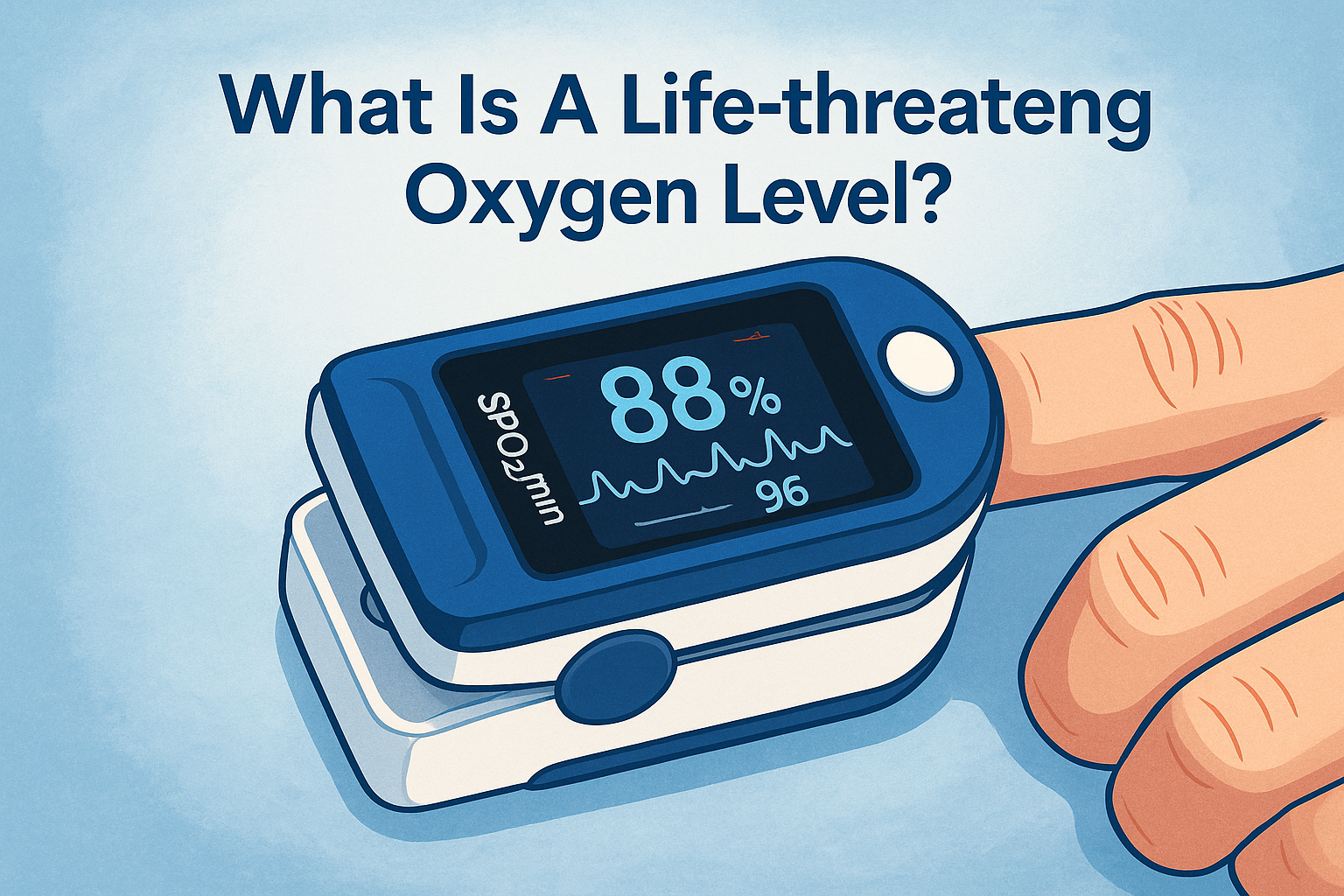
Statistics often place this complication at about 3% of patients with chronic CO2 retention, though risk varies by underlying disease and how aggressively oxygen is given. A patient arriving short of breath with an oxygen saturation of 82% may absolutely need oxygen, but not necessarily a blanket dose of 15 liters by mask for hours on end. We analyzed guideline patterns and found that target saturation ranges, often 88% to 92% for select COPD patients, help reduce the chance of oxygen-induced hypercapnia.
What should you do in practice?
- Start with a controlled dose, not the maximum possible setting.
- Use target saturations tailored to the condition.
- Repeat assessments of breathing effort, mental status, and CO2 if indicated.
- Escalate carefully if distress persists rather than assuming more oxygen solves every problem.
When people ask What are the most common complications of oxygen administration?, respiratory depression deserves a seat near the front. It is not common in every patient, but in the wrong patient it is clinically significant, fast-moving, and exactly the sort of thing expert supervision is meant to catch before the room gets tense.
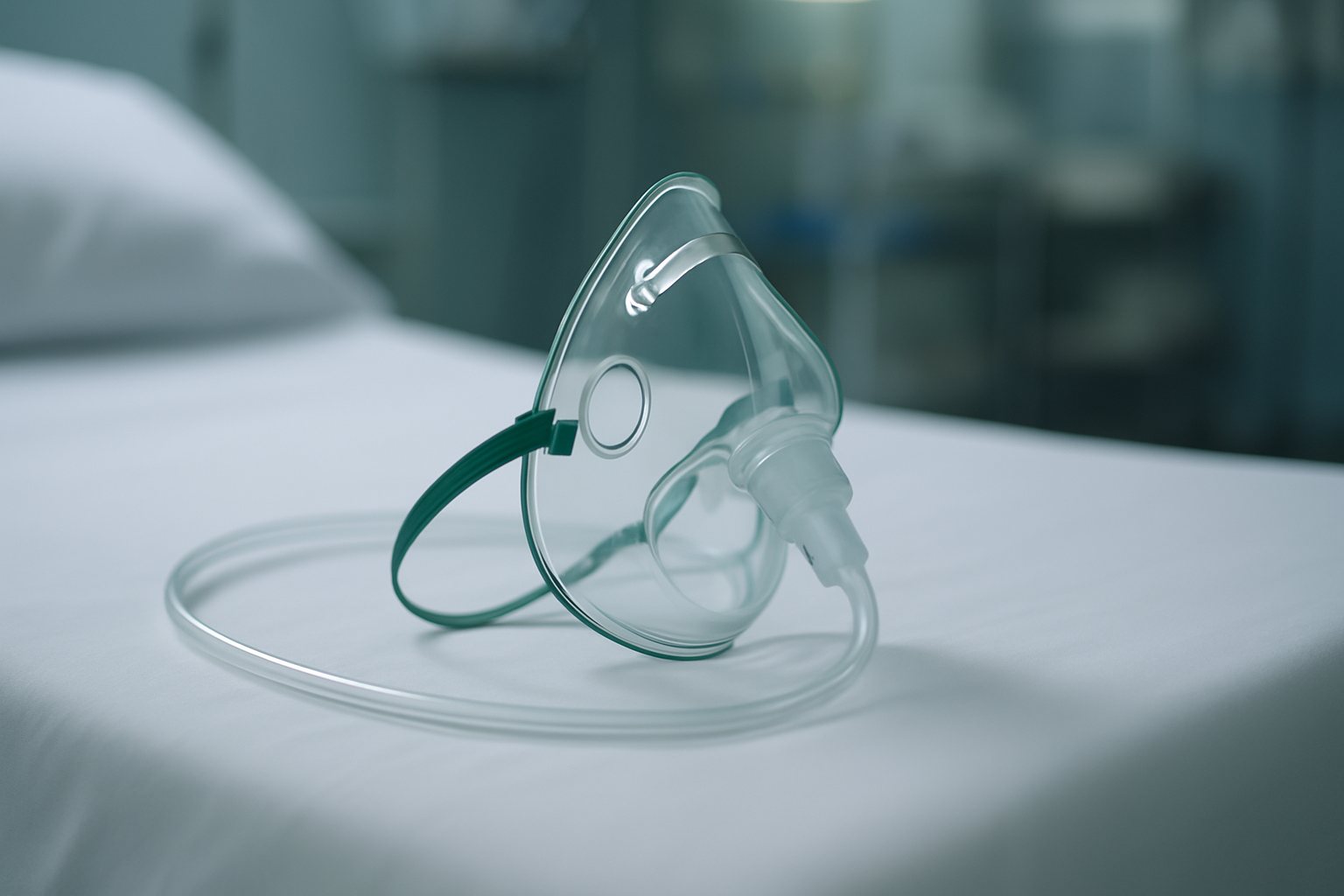
Complication 3: Absorption Atelectasis
Absorption atelectasis sounds like something a Victorian doctor would diagnose while folding his spectacles, but the mechanism is straightforward. When you give very high concentrations of oxygen, especially 100% oxygen, nitrogen gets washed out of the alveoli. Nitrogen normally helps keep those tiny air sacs open. Remove it, and some alveoli collapse. The result is less effective gas exchange, not more. Which is irritating, because the whole point was to improve breathing.
A 2024 study found this affects about 10% of ICU patients, especially those on high FiO2 for sustained periods. It can also occur during anesthesia and post-operative care, where patients may receive near-pure oxygen and then develop areas of collapse visible on imaging. We found that clinicians can reduce the risk by using the lowest effective oxygen concentration, encouraging lung expansion, and stepping down oxygen once the crisis has passed.
Practical prevention usually includes:
- Avoid prolonged 100% oxygen unless clearly necessary.
- Reassess device settings frequently.
- Use pulmonary hygiene strategies, such as deep breathing, incentive spirometry, or mobilization when appropriate.
- Monitor for declining breath sounds, increased work of breathing, or worsening imaging findings.
Based on our analysis, this is one of the least discussed but most relevant answers to What are the most common complications of oxygen administration? It tends to hide behind the larger drama of critical illness, but collapsed alveoli can quietly undo the good oxygen was meant to do.
Complication 4: Retinopathy of Prematurity
In neonates, oxygen has to be handled with the kind of care usually reserved for antique lace or a family story nobody agrees on. Retinopathy of prematurity, or ROP, affects premature infants whose retinal blood vessels are still developing. Excess oxygen can disrupt that development, leading to abnormal vessel growth and, in severe cases, retinal detachment or vision loss.
Statistics cited in neonatal literature show that ROP affects about 12% of premature infants, though rates vary widely by gestational age, birth weight, and NICU practices. Extremely preterm infants, especially those born before 31 weeks or weighing under 1,500 grams, face the greatest risk. The American Academy of Ophthalmology provides guidance on screening and treatment, and it remains one of the most trusted references in this area.
We recommend a simple framework for understanding this risk:
- Premature eyes are still developing.
- Excess oxygen can change retinal vessel growth.
- Tight monitoring lowers risk.
- Early screening catches treatable disease.
Based on our research, NICUs reduce harm by targeting narrow oxygen saturation ranges, using continuous monitoring, and scheduling ophthalmology exams at specific developmental milestones. This is a powerful answer to What are the most common complications of oxygen administration? because it reminds you that oxygen is never one-size-fits-all. A treatment that rescues one patient can threaten another if the context changes from adult ICU to premature nursery.
Complication 5: Fire Hazard Risks
Oxygen doesn’t explode on its own, but it turns ordinary things into enthusiastic accomplices. In oxygen-rich environments, fabrics, hair products, bedding, petroleum-based ointments, and sparks become far more dangerous. This is why home oxygen instructions can feel a little severe. They should. Fire in an oxygen-enriched space moves fast, and there is almost no time for second thoughts.
Reports suggest that over 70% of oxygen-related fires occur in hospitals or healthcare settings, where oxygen use is concentrated and devices are running constantly. Home incidents are also common, especially when patients or visitors smoke near oxygen equipment. The CDC and fire safety agencies have repeatedly warned about smoking-related burns in home oxygen users. One real-world scenario appears again and again: a patient removes the cannula, leaves oxygen flowing, lights a cigarette, and suddenly the room behaves like a villain in a disaster film.
Hospital safety protocols usually include:
- No-smoking enforcement and visible oxygen-in-use signage
- Electrical equipment checks and spark control
- Staff drills for oxygen shutoff and evacuation
- Avoidance of petroleum-based products near oxygen devices
We found that fire risk is one of the most neglected answers to What are the most common complications of oxygen administration? because it’s not a biochemical side effect. It’s an environmental hazard. Yet the consequences can be catastrophic, which makes prevention nonnegotiable and wonderfully boring in the best possible way.
Complication 6: Barotrauma from Hyperbaric Oxygen Therapy
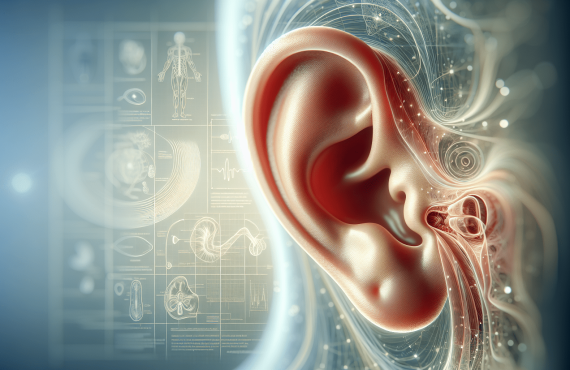
Barotrauma is pressure-related injury, and in hyperbaric oxygen therapy it most often affects the ears, sinuses, and occasionally the lungs. HBOT works by increasing atmospheric pressure while you breathe pure oxygen. That extra pressure boosts oxygen delivery, but it also asks your body to equalize pressure properly. If you can’t, tissues protest. Usually the first complainer is the middle ear.
A common case looks like this: a patient enters an HBOT session with mild nasal congestion, thinks little of it, and during compression develops ear fullness, then sharp pain, then reduced hearing. That is classic ear barotrauma. Based on our research, ear discomfort is among the most frequent HBOT adverse effects, with mild barotrauma reported in a noticeable minority of patients across treatment series. We analyzed patient education materials and found that prevention is remarkably practical.
Here’s what helps:
- Screen for congestion, sinus blockage, or recent upper respiratory infection.
- Teach pressure equalization, such as swallowing, yawning, or gentle Valsalva techniques.
- Compress slowly when possible.
- Stop the session if pain escalates rather than trying to be heroic.
If you are considering HBOT in Pensacola, you can learn more through Henry Chiropractic’s hyperbaric therapy program, where safety measures and screening are part of the process. Dr. Craig Henry, owner of Henry Chiropractic, and Dr. Aaron Hixon both understand that treatment should feel supervised, not improvised. When readers ask What are the most common complications of oxygen administration?, barotrauma belongs on the list anytime hyperbaric treatment enters the conversation.
Mitigating the Risks of Oxygen Administration
The best way to handle oxygen complications is to prevent them before they become anecdotes. That means proper prescription, careful device selection, close monitoring, and regular reassessment. The WHO emphasizes oxygen system quality, training, and monitoring because oxygen saves lives only when delivered correctly. We recommend thinking of oxygen as a medication with a goal, a dose, and a stop point. Not as atmospheric wallpaper pumped through tubing.
Based on our analysis, these five steps reduce risk in most settings:
- Confirm the indication. Give oxygen for documented or strongly suspected hypoxemia, not as decoration.
- Choose the right device. Nasal cannula, mask, high-flow system, or hyperbaric chamber each fit different needs.
- Set a target saturation. Many stable adults differ from select COPD or neonatal patients.
- Monitor often. Use pulse oximetry, symptom checks, and blood gases when indicated.
- Wean when appropriate. The emergency setting should not become the default setting.
At Henry Chiropractic, Dr. Craig Henry and Dr. Aaron Hixon bring a patient-centered approach that values screening, comfort, and communication. Dr. Henry serves Pensacola and surrounding Florida communities, and Dr. Hixon’s background in exercise science and hands-on chiropractic care adds another layer of practical clinical perspective. In our experience, patients do better when clinicians explain not just benefits but boundaries.
If you keep asking What are the most common complications of oxygen administration?, the safer companion question is this: how do you lower the odds? The answer is almost always the same—match the therapy to the person, monitor the response, and do not get lazy once the numbers improve.
Navigating the Oxygen Maze Safely
The shortest honest answer is this: oxygen is essential, effective, and entirely capable of causing trouble when used carelessly. The most common problems include oxygen toxicity, respiratory depression, absorption atelectasis, retinopathy of prematurity, fire hazards, and hyperbaric barotrauma. None of these mean oxygen is bad. They mean oxygen is powerful. The same way sunlight is wonderful until someone suggests staring directly at it.
We found that the safest oxygen therapy follows a few plain rules. Use the lowest effective dose. Match the device to the condition. Recheck the patient instead of admiring your first decision. And if hyperbaric therapy is part of the plan, screen carefully for pressure problems and make sure trained professionals are in charge.
If you want supervised oxygen-related care or hyperbaric therapy guidance in Pensacola, contact Henry Chiropractic, owned and operated by Dr. Craig Henry:
Henry Chiropractic
1823 N 9th Ave
Pensacola, FL 32503
(850) 435-7777
https://drcraighenry.com/
That is the sensible next step. Ask questions. Bring your history. Mention symptoms like ear pain, cough, unusual fatigue, or breathing changes. Oxygen works best when nobody treats it like a magic trick. It is better than that. It is medicine, and medicine asks for respect.
FAQs about Oxygen Administration Complications
Below are the questions people ask most often when oxygen therapy stops being theoretical and becomes personal.

Frequently Asked Questions
What are the signs of oxygen toxicity?
Common signs include a dry cough, chest discomfort, worsening shortness of breath, twitching, nausea, and in severe cases visual changes or seizures. Based on our research, these symptoms are more likely when high oxygen concentrations are used for long periods or under pressure, which is why monitoring matters so much.
How can oxygen administration affect newborns?
Too much oxygen can injure the developing retina in premature infants, raising the risk of retinopathy of prematurity. Care teams reduce that risk by targeting specific oxygen saturation ranges, checking blood oxygen closely, and adjusting delivery minute by minute.
Is hyperbaric therapy safe for everyone?
hyperbaric therapy is generally safe when you are properly screened, but it is not for everyone. People with certain ear problems, untreated pneumothorax, some lung conditions, or difficulty equalizing pressure may need extra evaluation before treatment.
What precautions can reduce fire risks during oxygen therapy?
You reduce fire risk by keeping oxygen away from smoking, open flames, petroleum-based products, and faulty electrical equipment. Hospitals and clinics also use posted oxygen-in-use signs, staff training, equipment checks, and strict room protocols to lower risk.
Why is expert supervision crucial for oxygen therapy?
Because oxygen is a drug, and drugs need dosing, timing, and follow-up. What are the most common complications of oxygen administration? They range from oxygen toxicity to fire risk and respiratory depression, and each one becomes far less likely when a trained professional is watching the details.
Key Takeaways
- Oxygen therapy is often necessary, but the most common complications include oxygen toxicity, respiratory depression, absorption atelectasis, retinopathy of prematurity, fire hazards, and barotrauma during HBOT.
- The safest approach is simple: use the lowest effective oxygen dose, choose the right delivery method, monitor closely, and reduce support when the patient stabilizes.
- High-risk groups need extra care, especially premature infants, people with chronic CO2 retention, ICU patients on high FiO2, and anyone entering a hyperbaric chamber with congestion or ear issues.
- Fire prevention matters as much as physiology during oxygen use; smoking, sparks, petroleum-based products, and poor equipment practices create avoidable danger.
- If you want expert guidance in Pensacola, Henry Chiropractic, 1823 N 9th Ave, Pensacola, FL 32503, (850) 435-7777, offers supervised care and hyperbaric therapy information through Dr. Craig Henry and Dr. Aaron Hixon.