
Table of Contents
Is it good to take oxygen daily? The Ultimate 2026 Guide
You probably came here because the question sounds so simple it could fit on a cocktail napkin: Is it good to take oxygen daily? Yet the answer, like most things involving the human body, is less a neat yes-or-no and more a file folder bulging with context.
Based on our research, daily oxygen can be helpful for some people and unnecessary, even risky, for others. In 2026, oxygen therapy is used more carefully than ever, with clinicians looking at oxygen saturation, diagnosis, symptoms, and treatment goals before recommending regular use. We found that the real issue is not whether oxygen sounds healthy, but whether you need more of it and in what setting.
This guide covers standard oxygen therapy, hyperbaric oxygen therapy, the benefits, the side effects, and where chiropractic care may fit. We also include practical next steps for readers in Pensacola who want to speak with Dr. Craig Henry or Dr. Aaron Hixon at Henry Chiropractic.

Understanding Oxygen Therapy: Daily Benefits and Risks
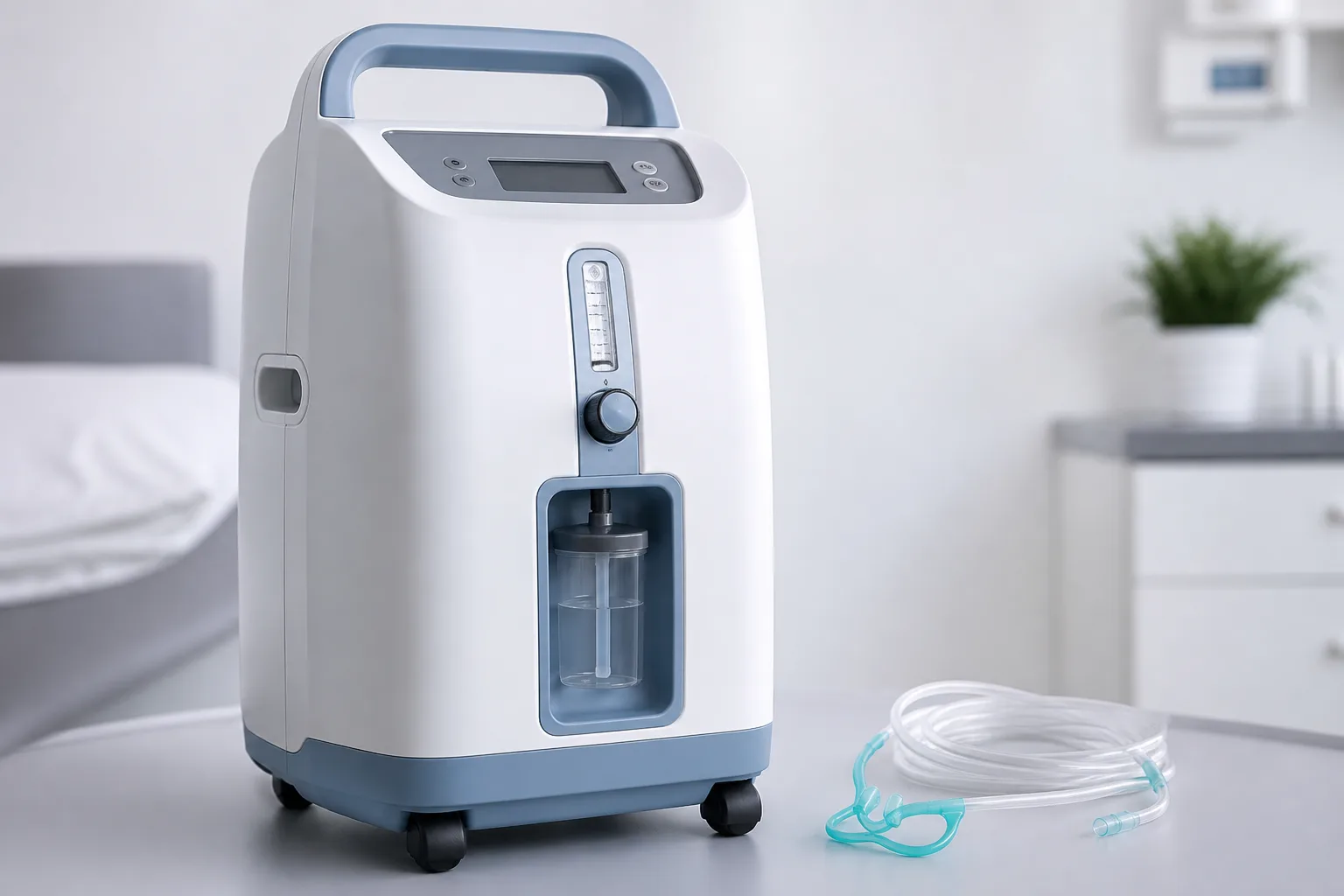
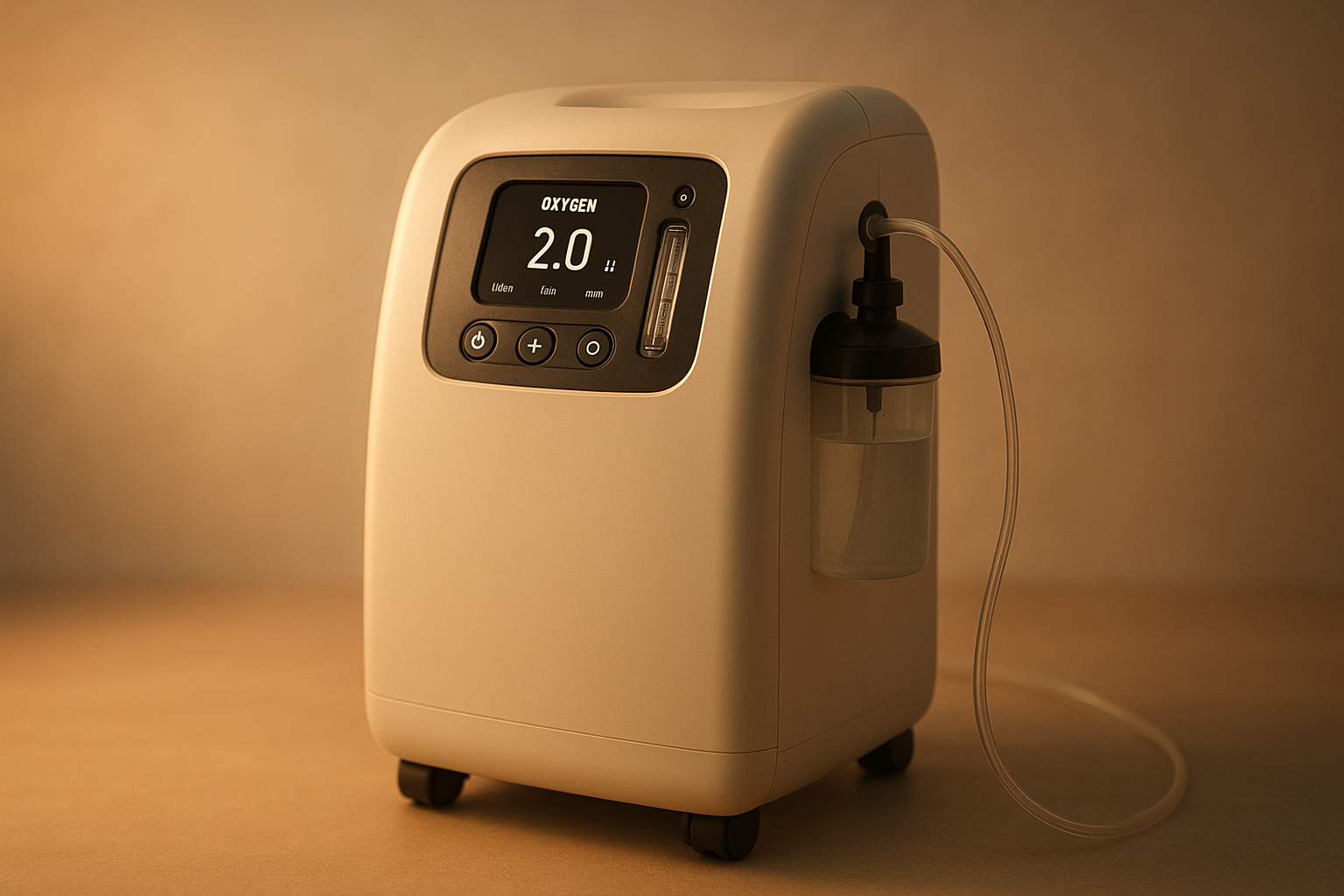
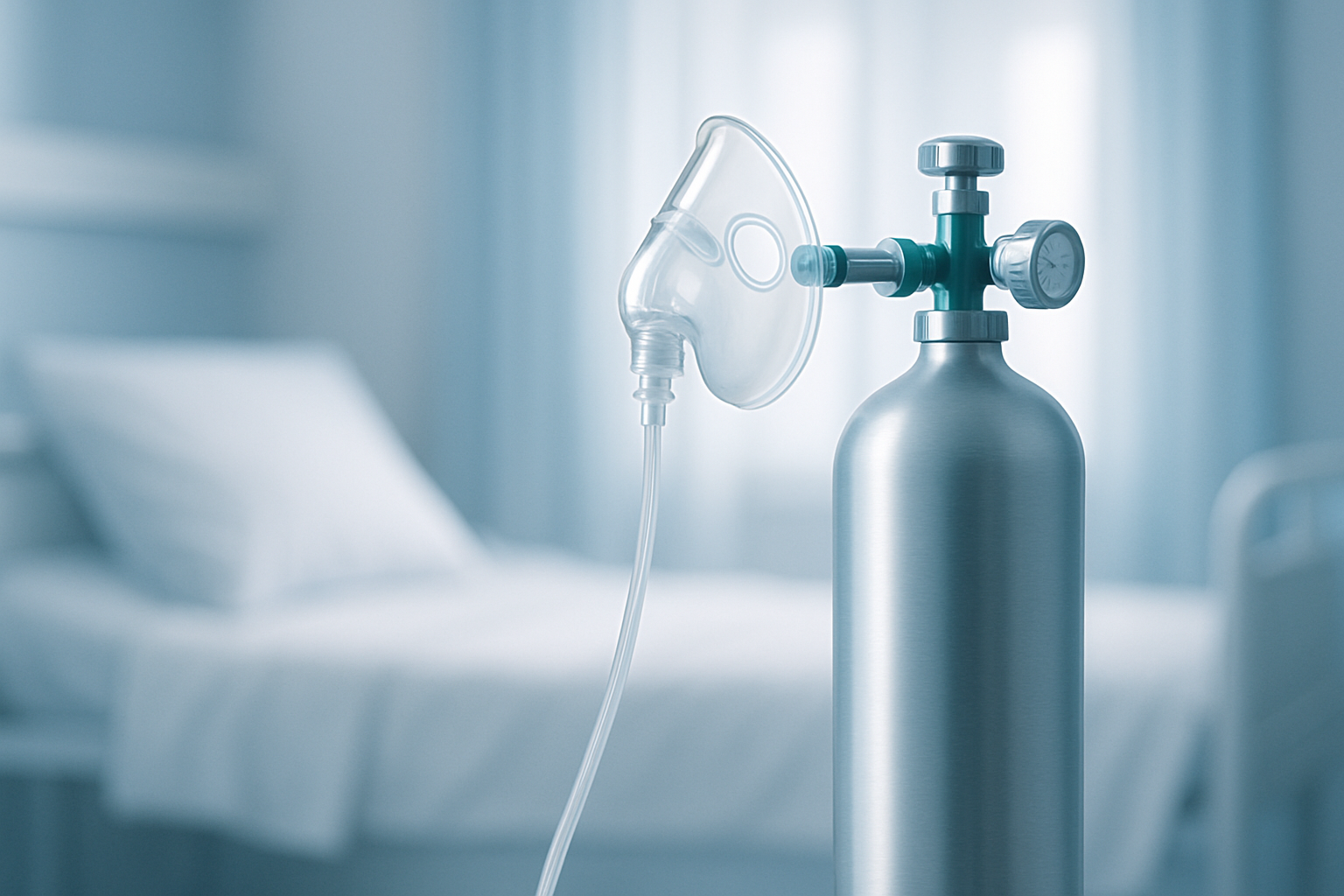
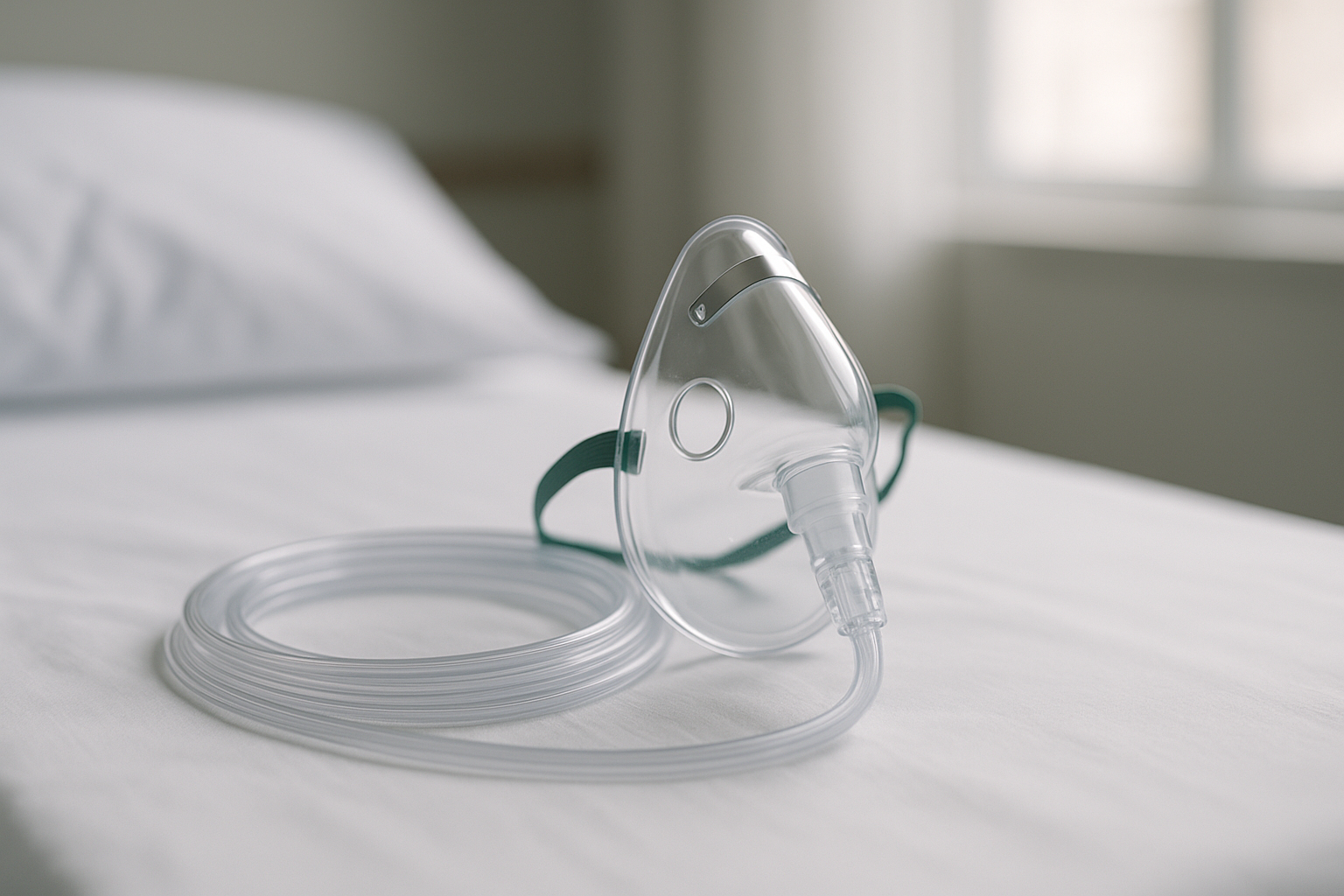
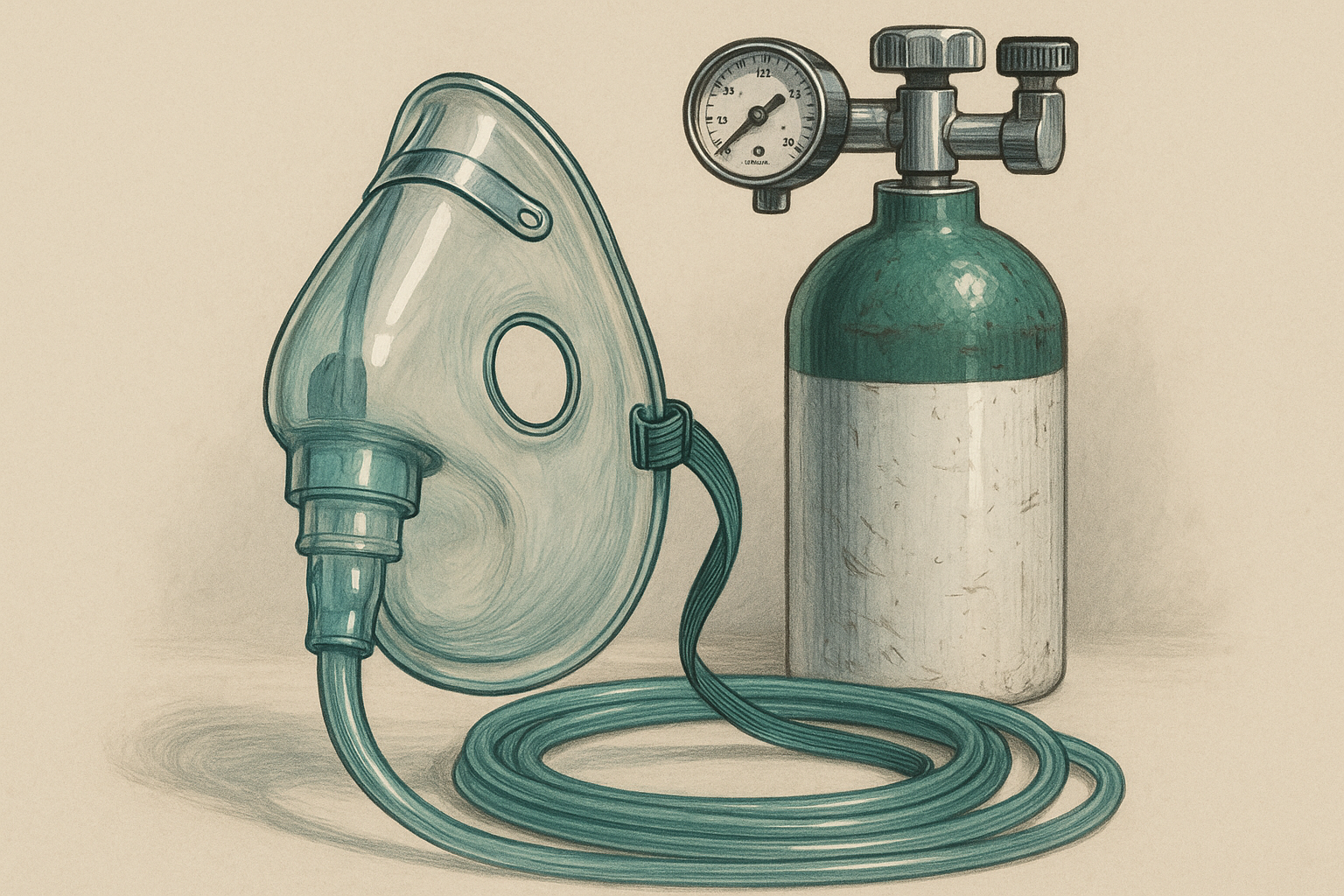
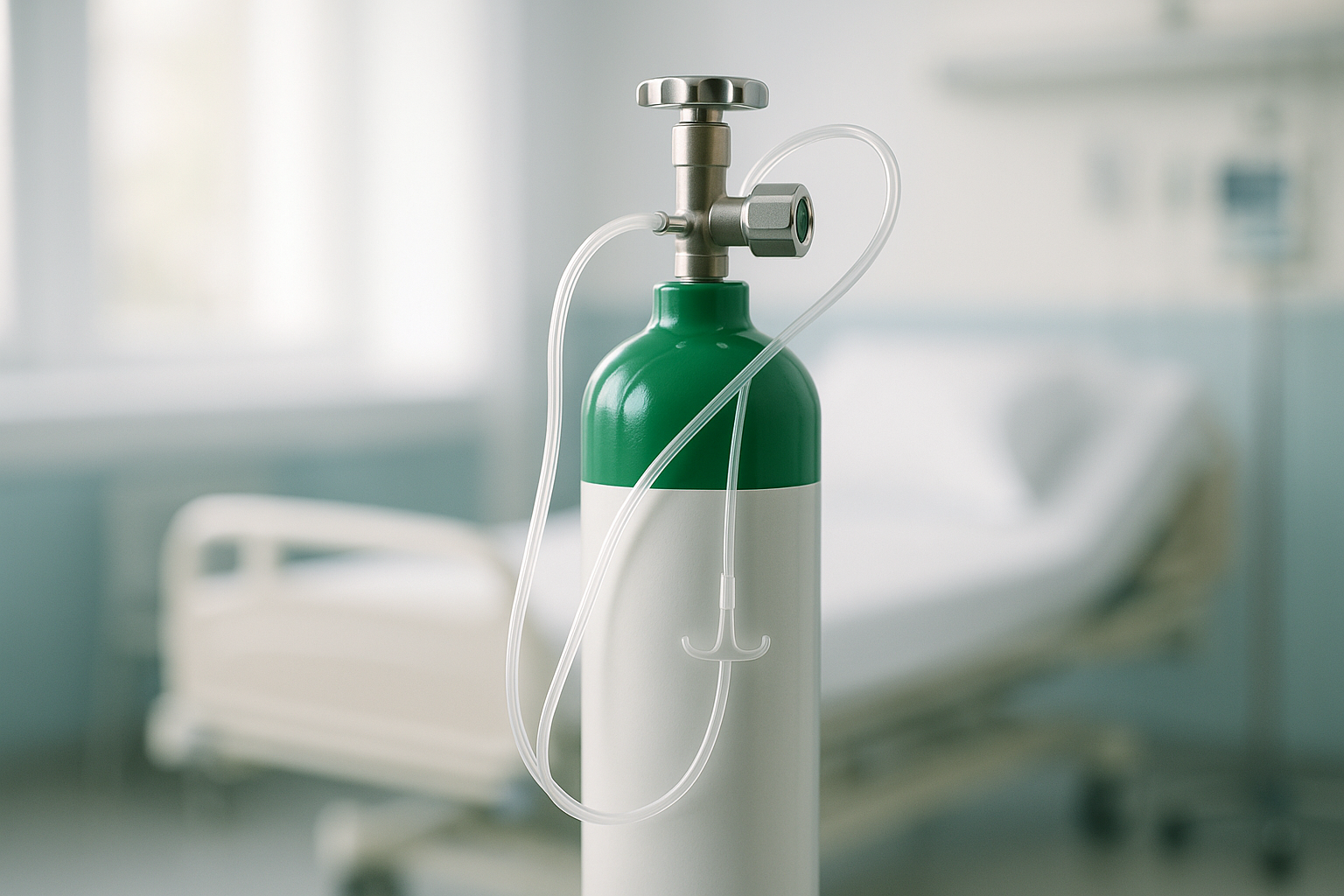
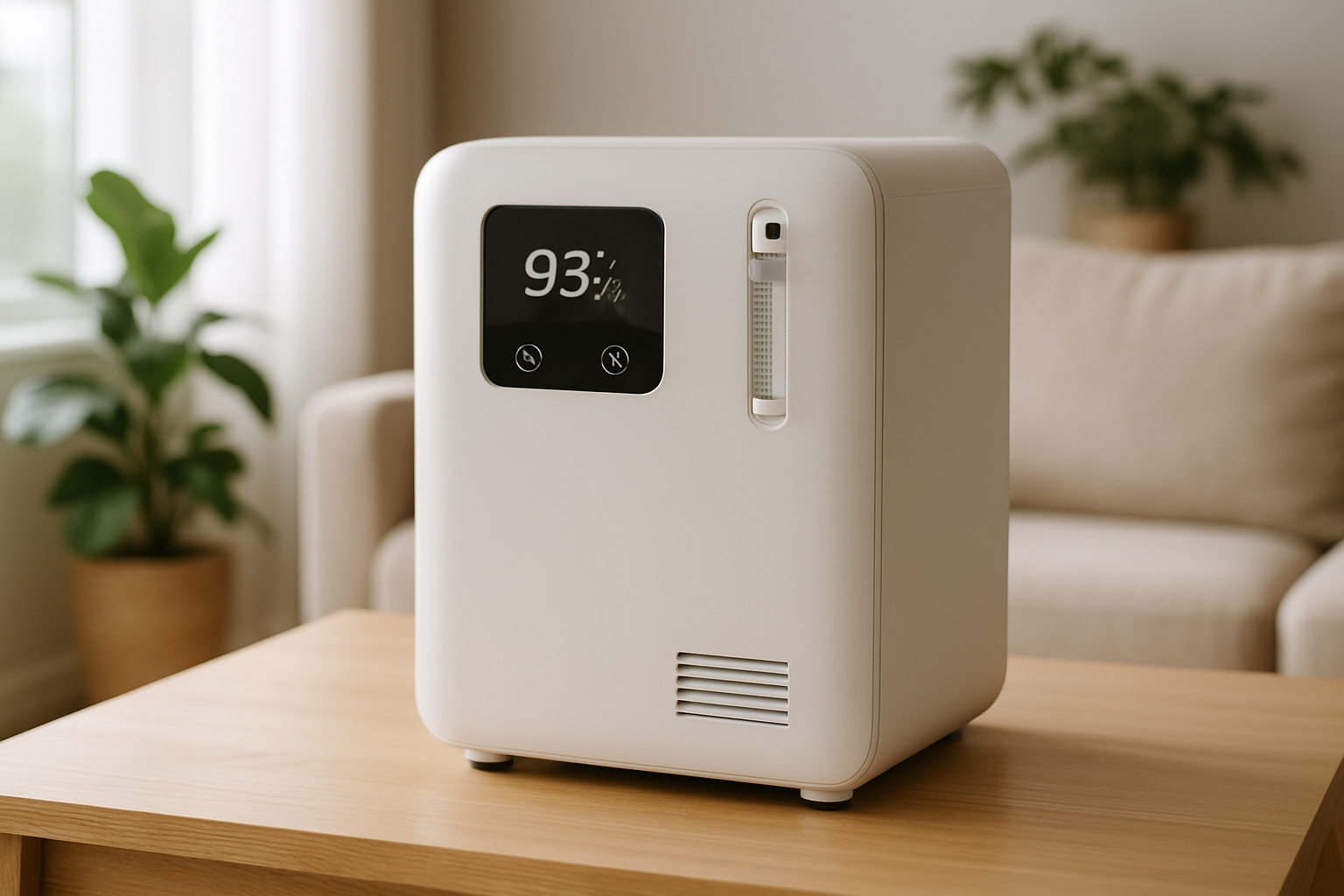
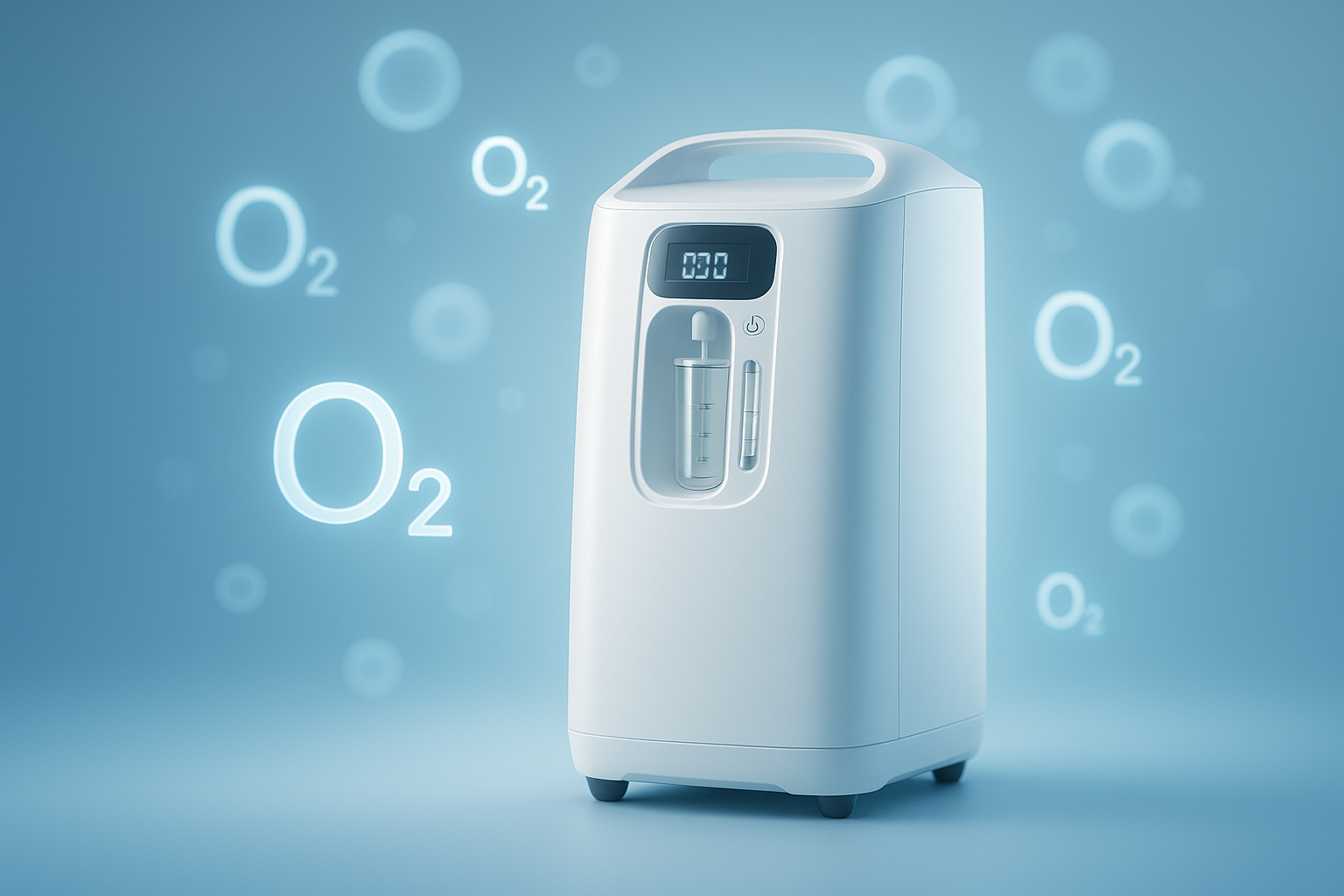
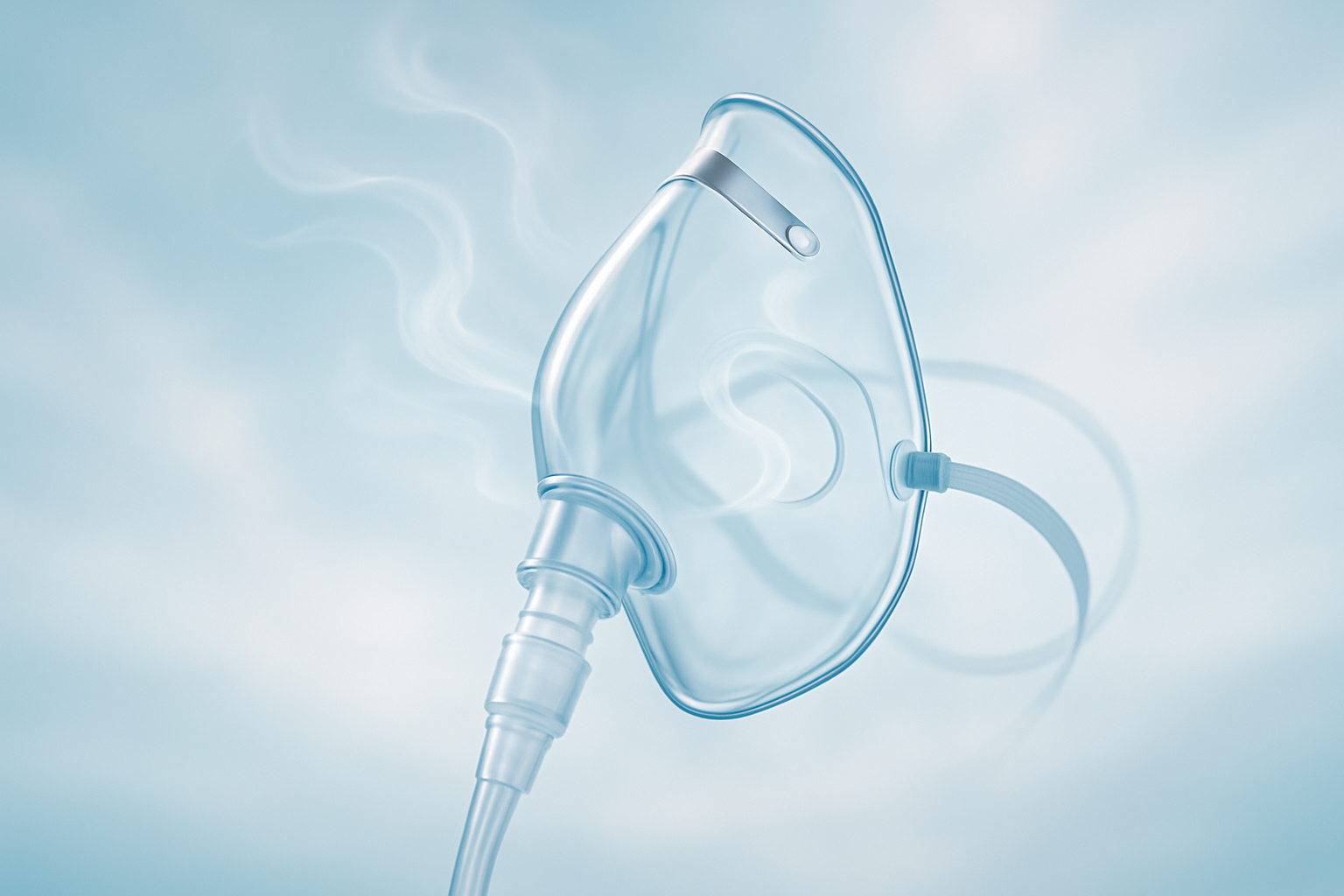
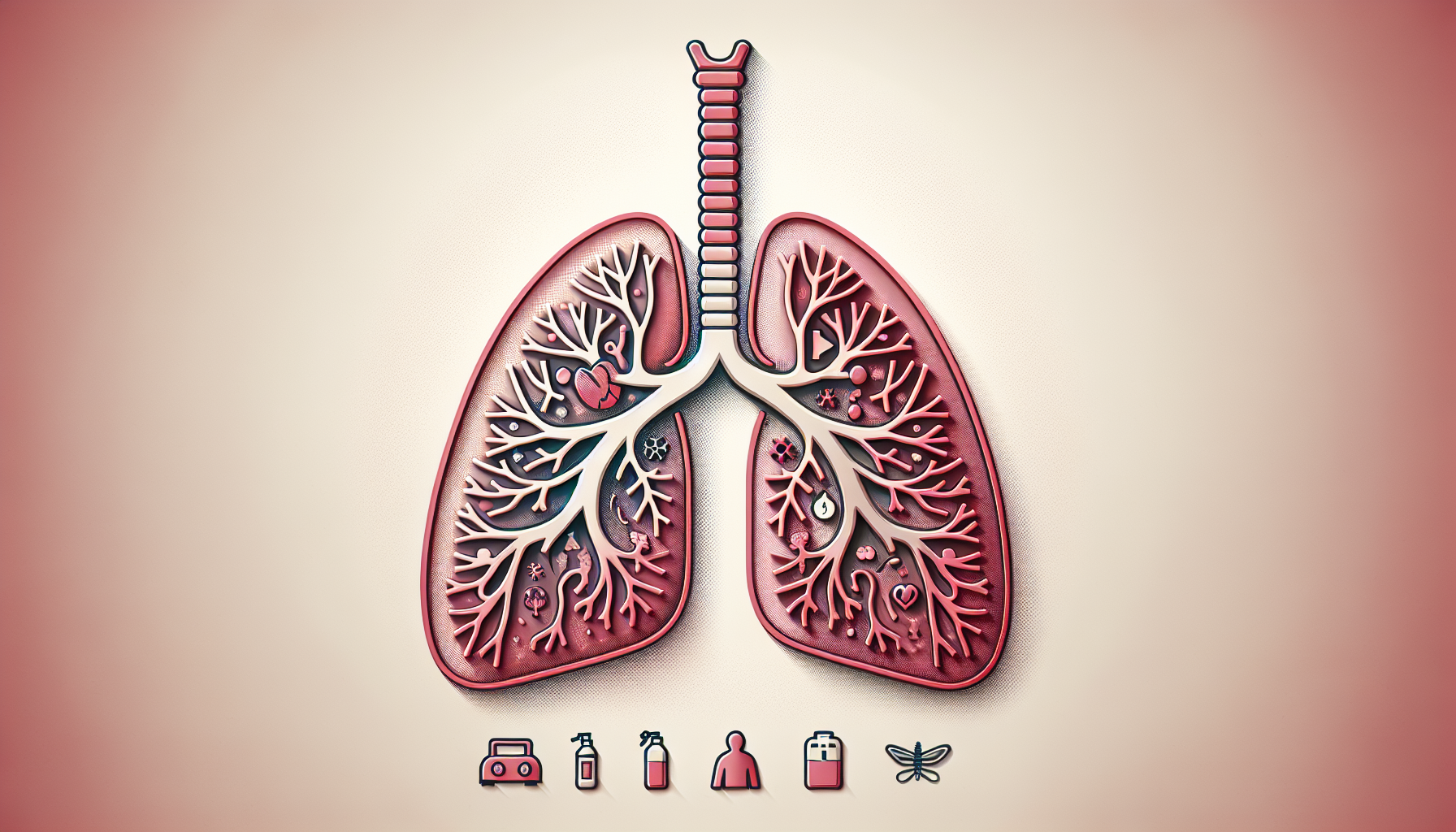
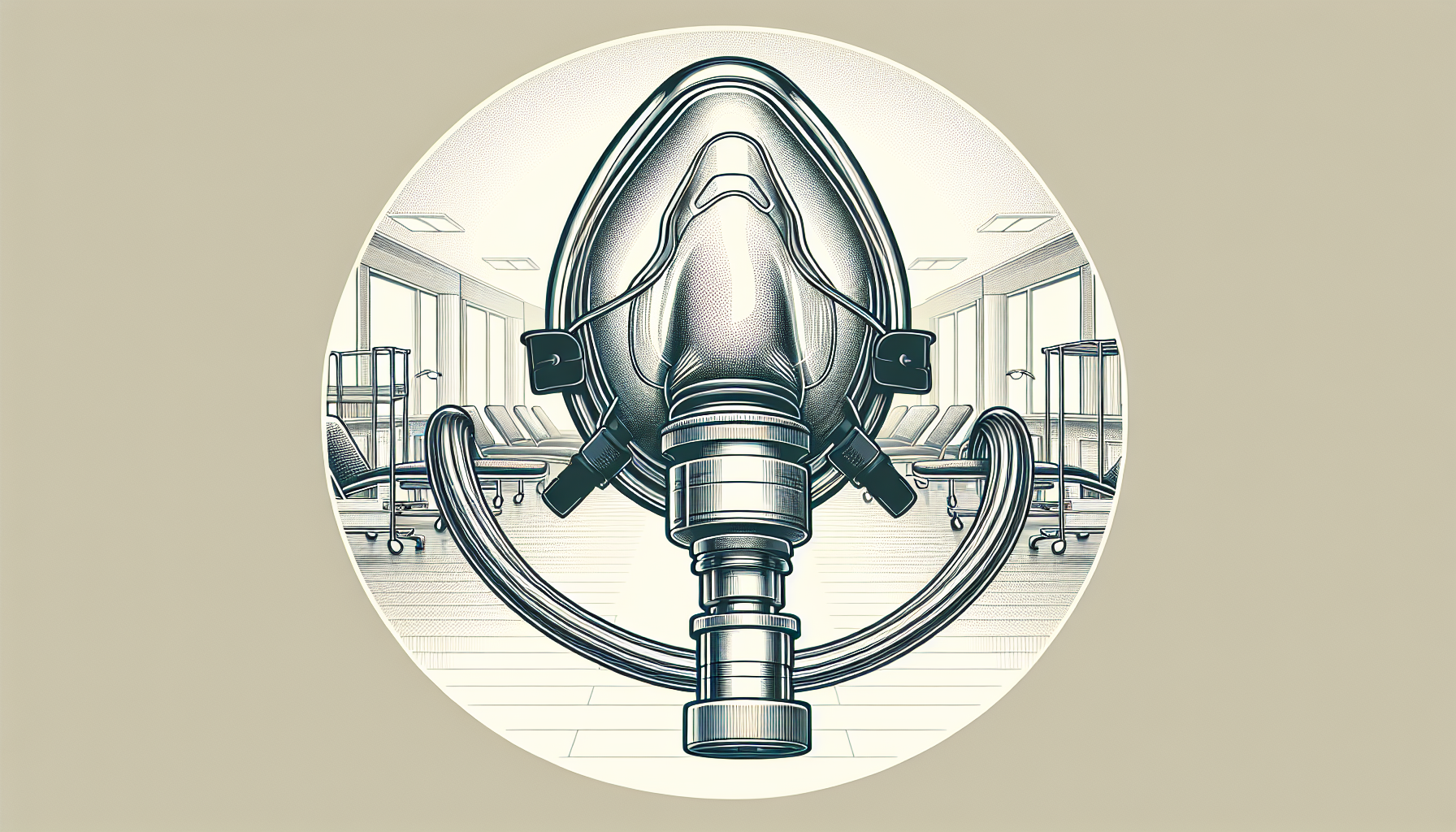
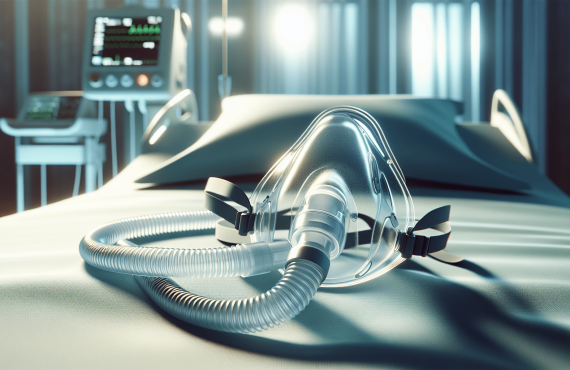
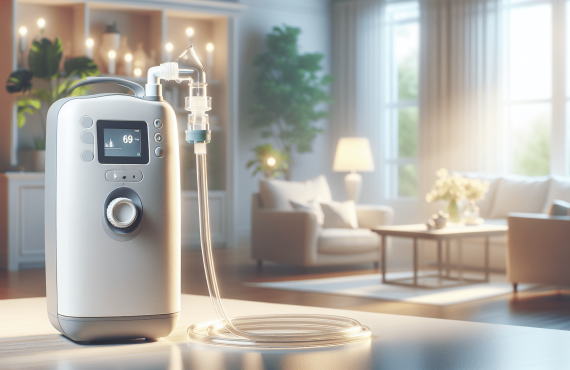
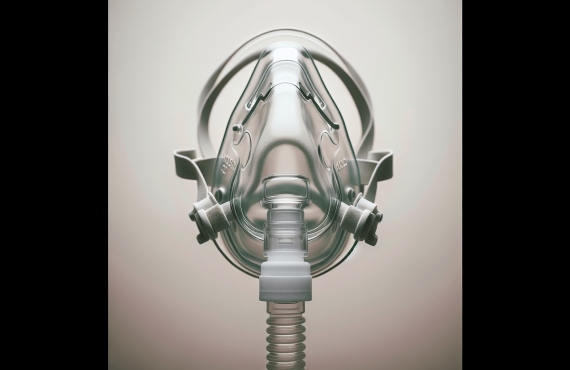
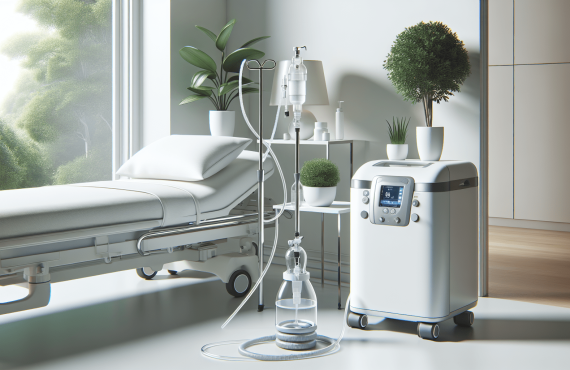
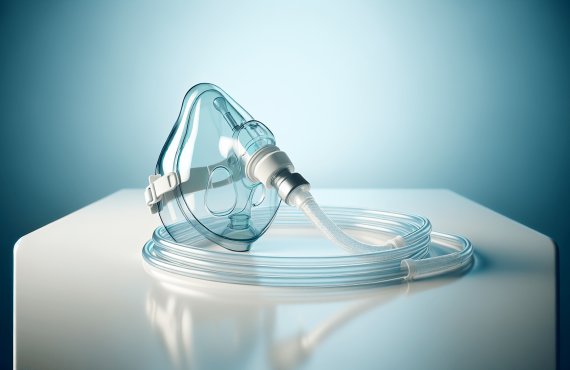
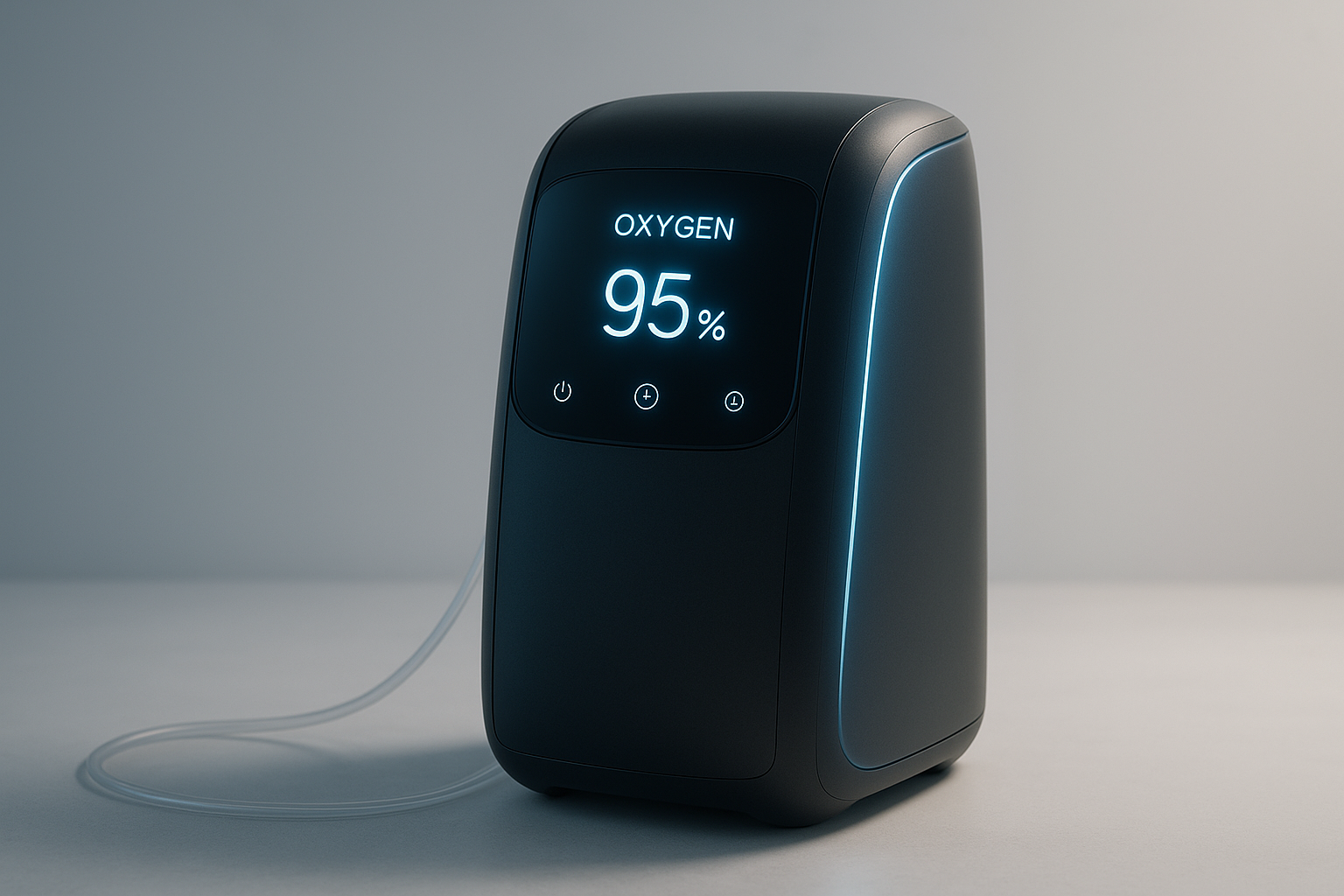
Oxygen therapy means giving you supplemental oxygen when your body is not getting enough on its own, or when a doctor is using oxygen in a very specific treatment setting. That can happen through home oxygen, hospital oxygen, or hyperbaric oxygen therapy. If you keep asking, Is it good to take oxygen daily? the first thing to know is that the answer changes depending on whether you have COPD, wound-healing problems, carbon monoxide exposure, or no medical need at all.
According to the National Heart, Lung, and Blood Institute, oxygen therapy is commonly used when blood oxygen levels are too low. The U.S. National Library of Medicine also notes that oxygen should be used as directed because excessive oxygen can cause harm. That sounds almost rude in its simplicity, but the body likes balance. It does not applaud random excess.
Usage remains substantial. Data summarized by major respiratory organizations show that more than 1.5 million Americans use supplemental oxygen at home each year. A 2025 review in respiratory medicine literature reported that long-term oxygen therapy remains one of the standard treatments for severe chronic hypoxemia, especially in advanced lung disease. As of 2026, telemonitoring and home pulse oximetry have made daily oxygen use easier to track, which means fewer people are being told to just “see how you feel” and more people are getting measured care.
The benefits can be real:
- Better oxygen delivery to tissues when levels are low
- Less shortness of breath in qualified patients
- Improved healing support in selected cases
- Better exercise tolerance for some patients with chronic lung disease
But the risks deserve equal billing. Overuse can contribute to oxygen toxicity, nasal dryness, headaches, and in some populations, worsened carbon dioxide retention. Based on our analysis, the safest way to answer “Is it good to take oxygen daily?” is this: oxygen is a treatment, not a wellness accessory. If your care team recommends it, daily use may help. If you are guessing, don’t.
What is Hyperbaric Therapy?
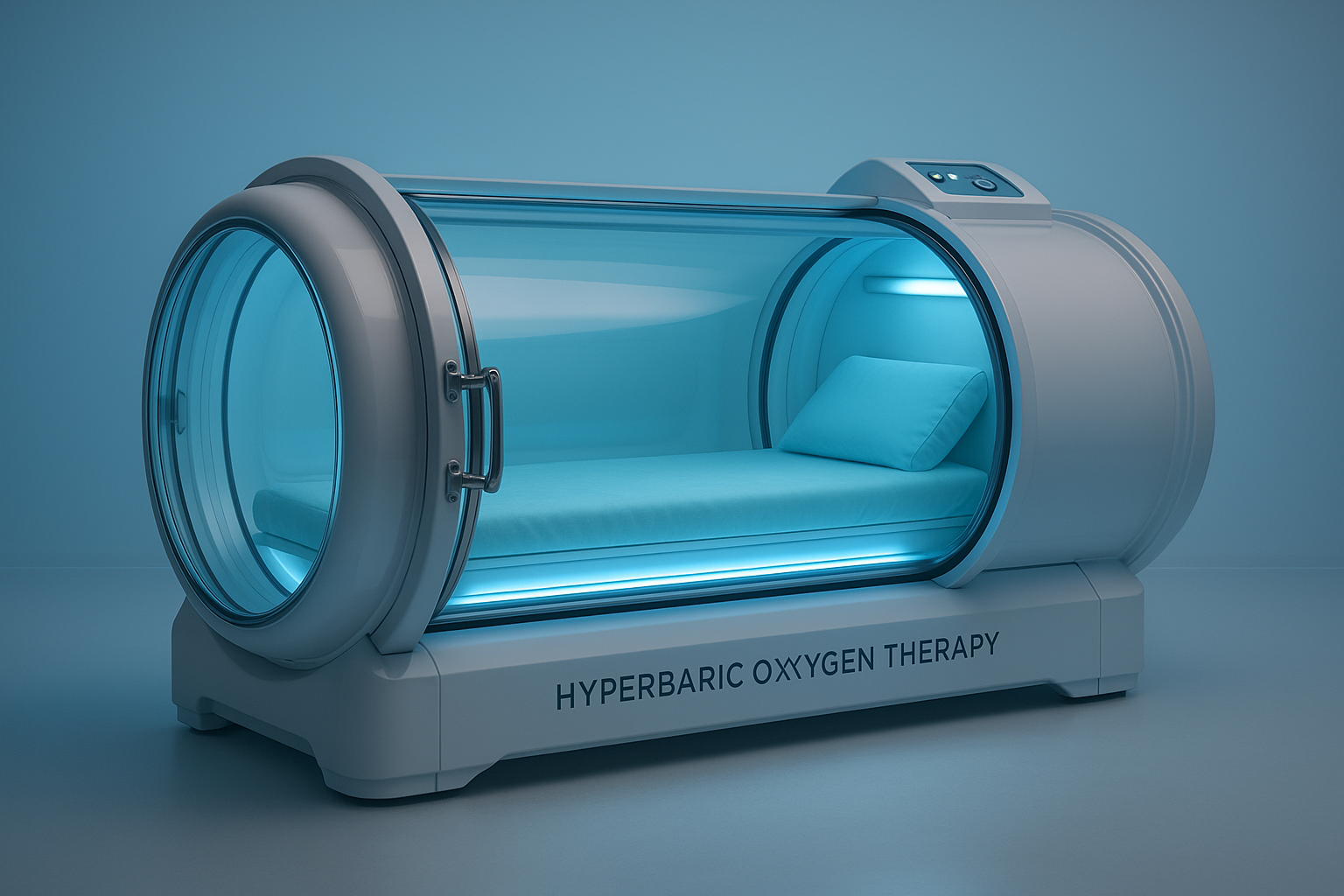
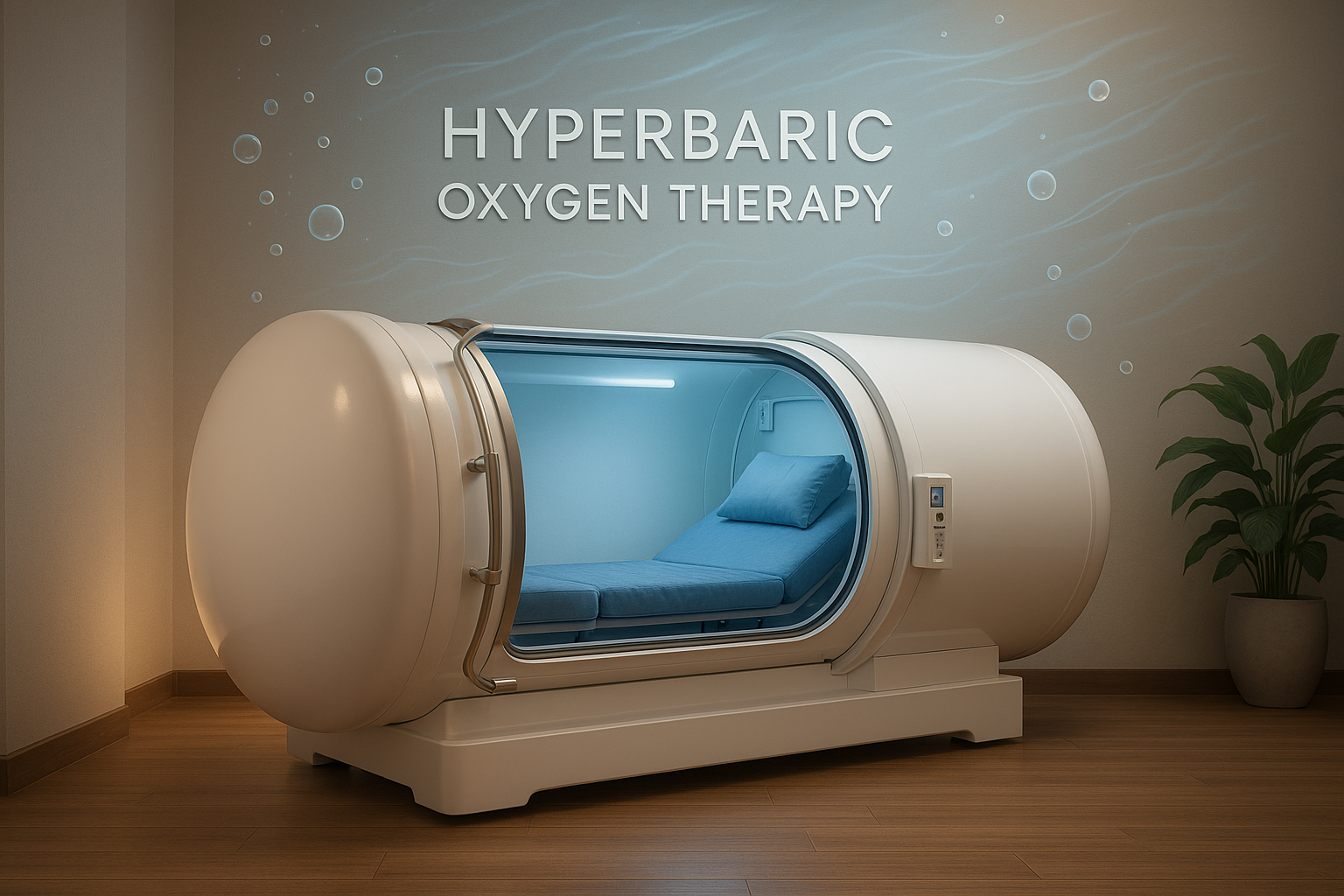
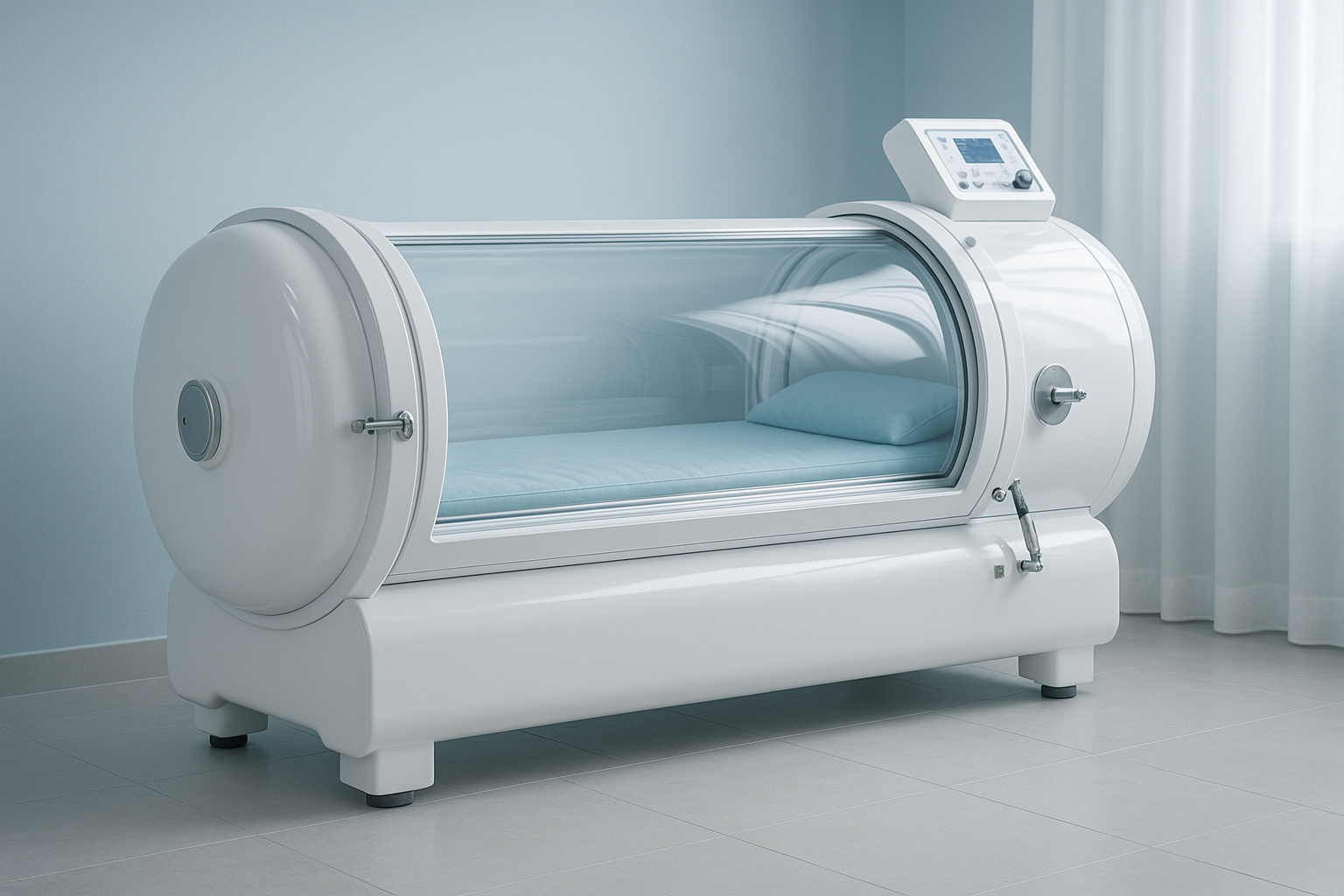
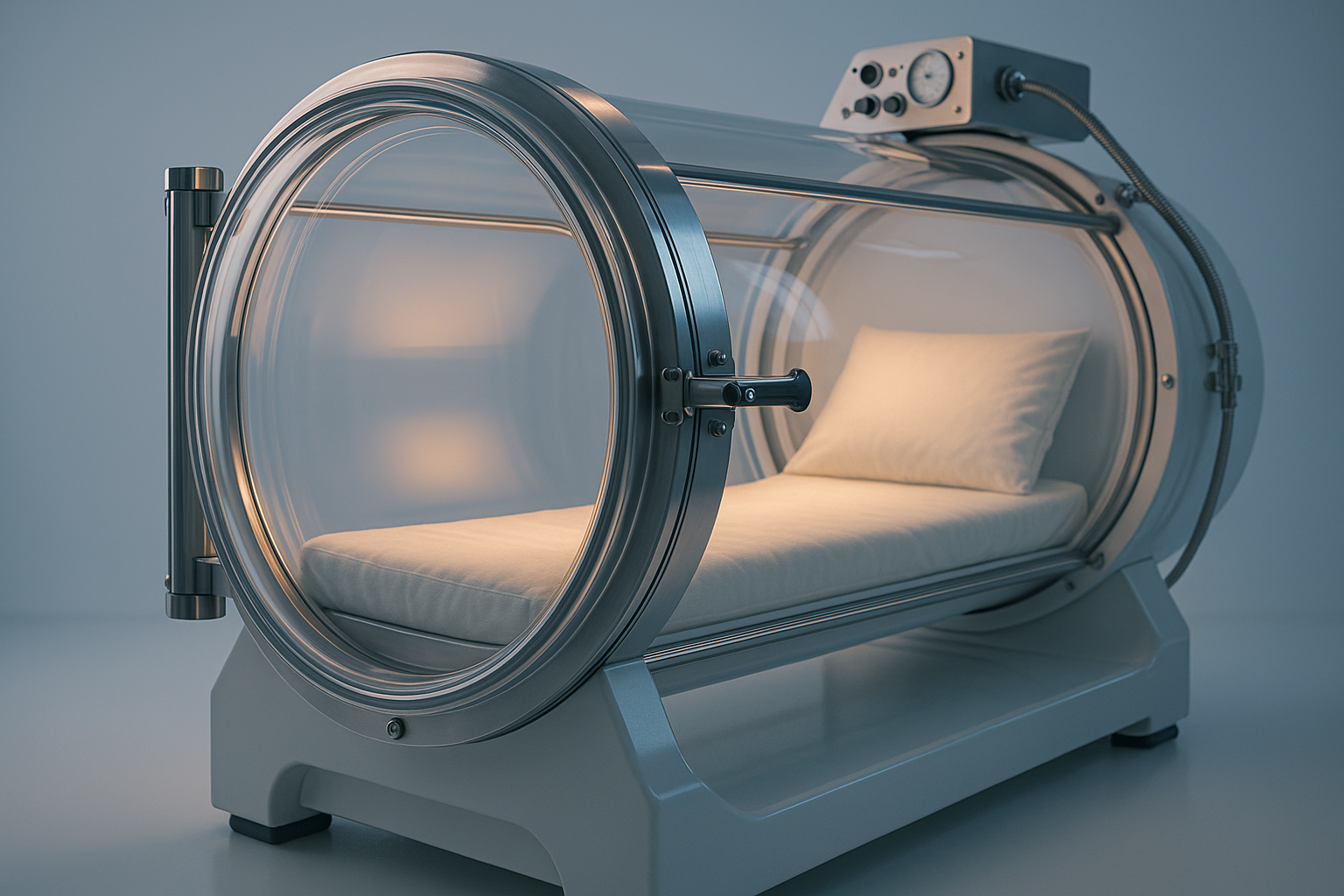
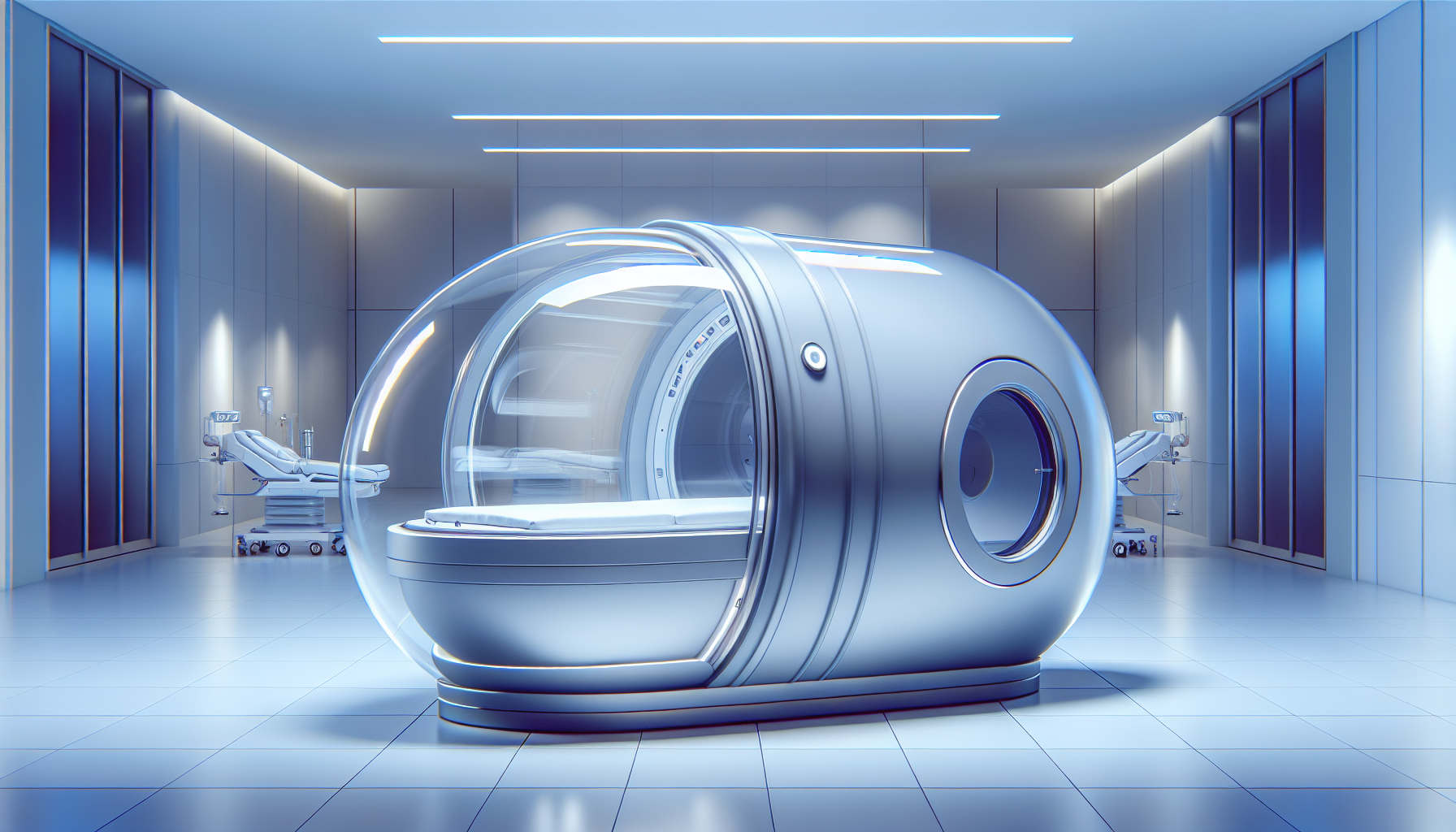
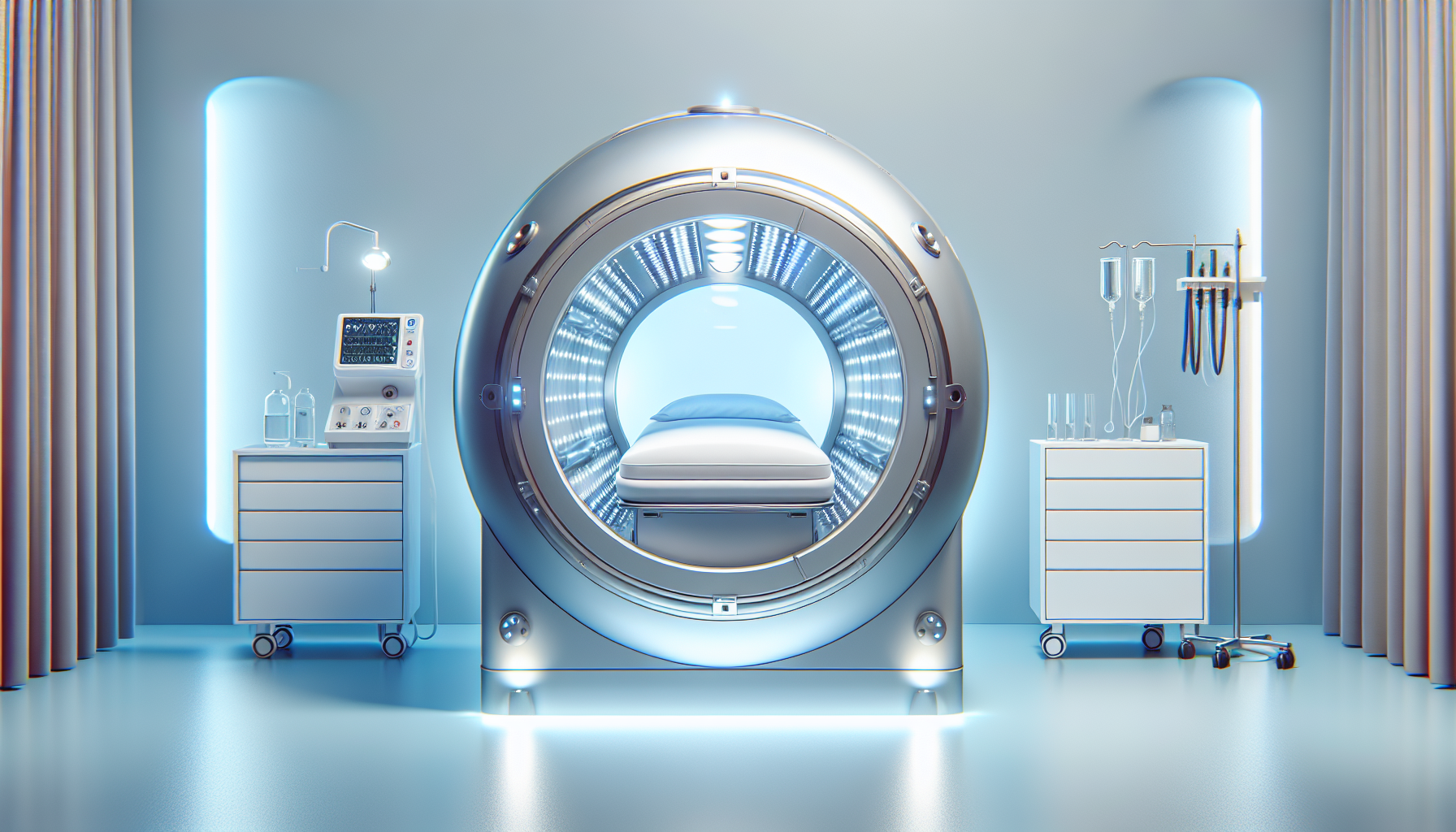
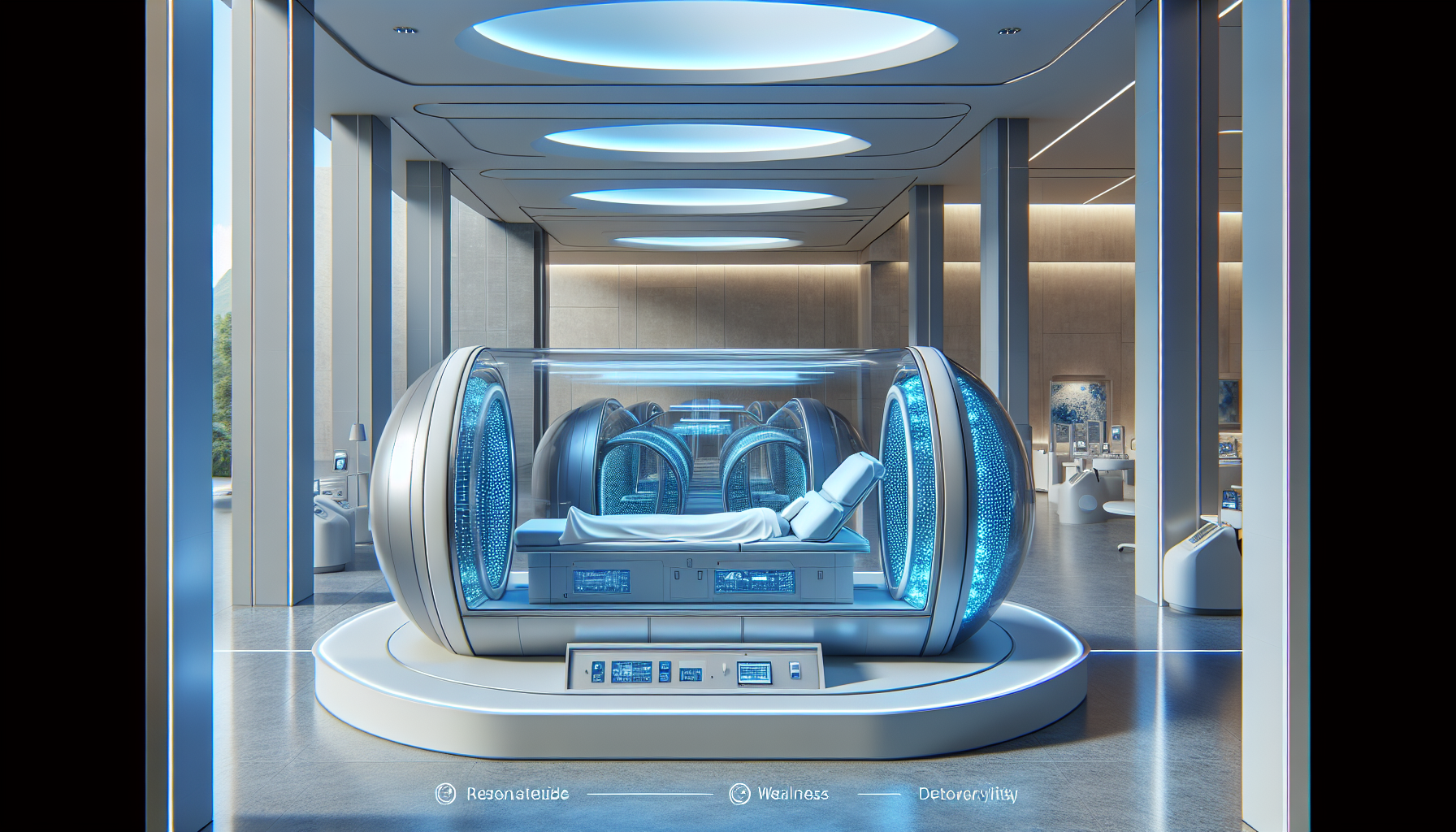
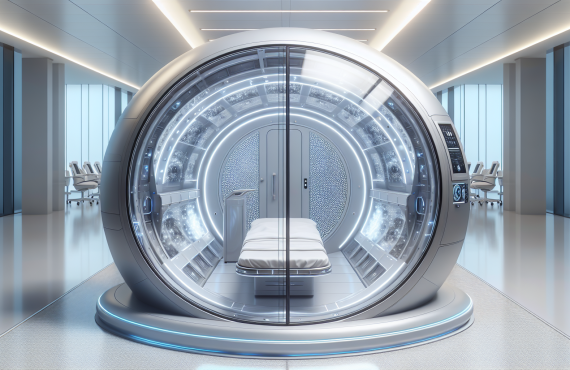
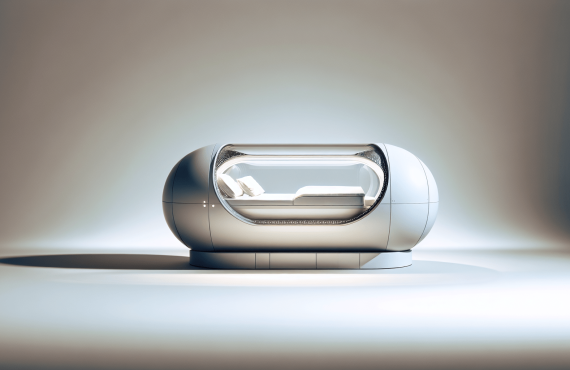
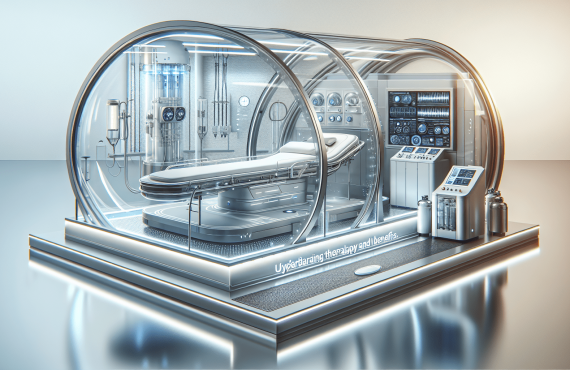
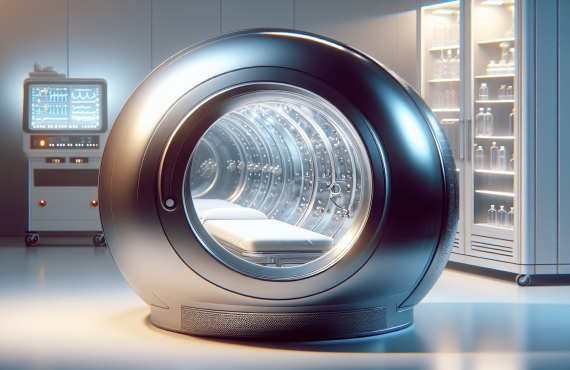
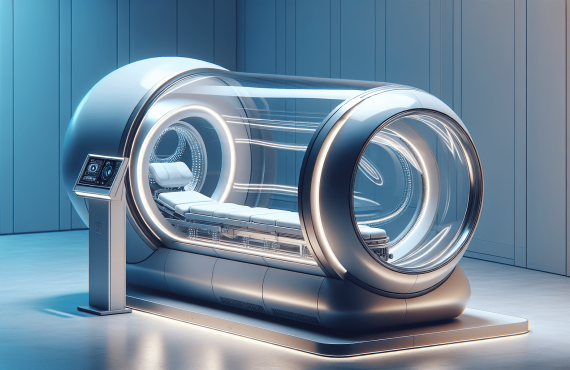
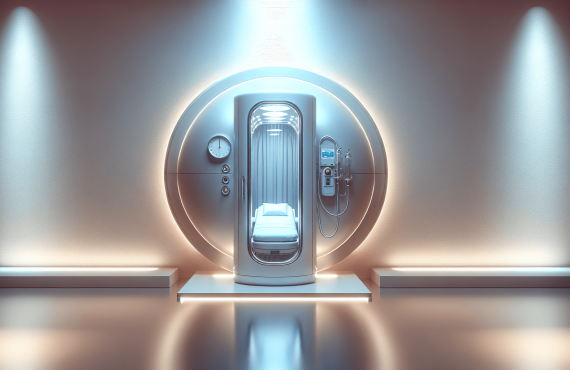
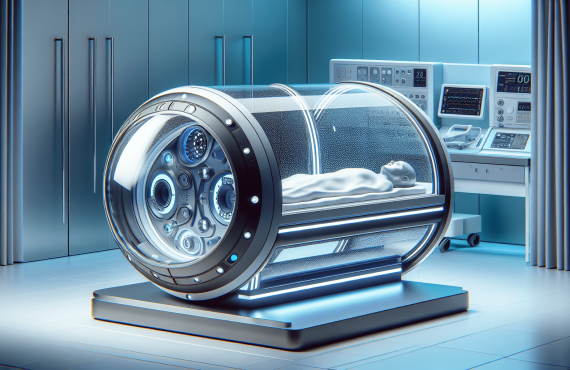
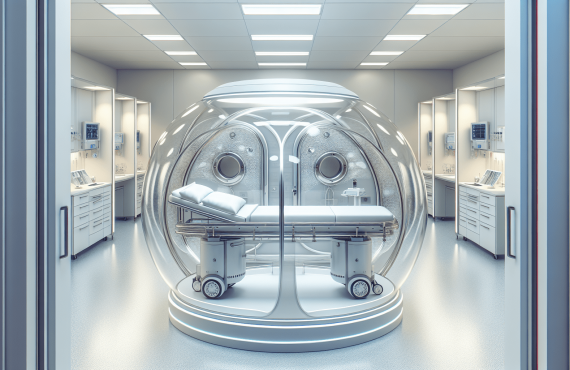
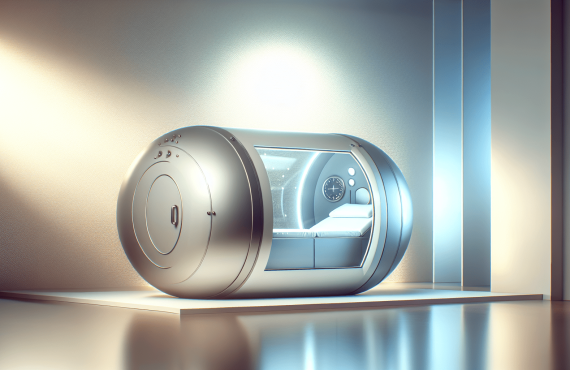
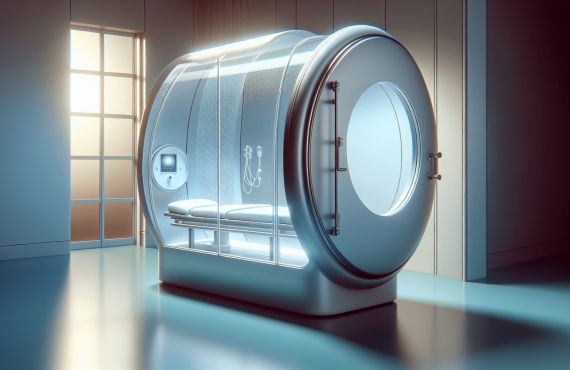
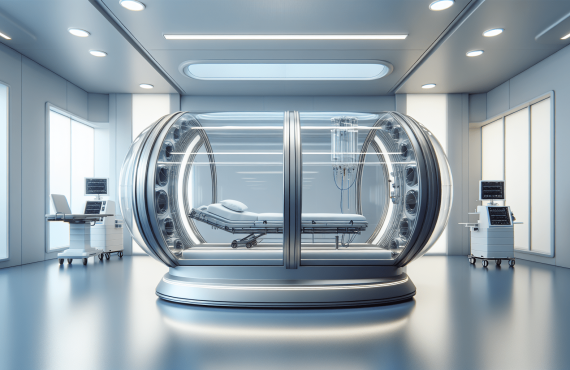
Hyperbaric therapy, also called hyperbaric oxygen therapy (HBOT), is a treatment in which you breathe 100% oxygen inside a pressurized chamber. The pressure is higher than normal atmospheric pressure, which lets much more oxygen dissolve into your blood plasma and reach tissues that may be struggling. It is a little like giving your cells a better delivery route and then insisting the package arrive on time.
Here is the plain-English version. Under ordinary conditions, your red blood cells carry most of your oxygen. In hyperbaric therapy, the increased pressure allows oxygen to dissolve more deeply and more abundantly into body fluids, which can improve oxygen delivery to injured or inflamed areas. The U.S. Food and Drug Administration explains that HBOT is cleared for certain medical uses, including decompression sickness, specific wounds, carbon monoxide poisoning, and a limited list of other conditions.
We found that one of the most useful ways to understand HBOT is to focus on tissue oxygen concentration. In many treatment settings, chambers operate around 1.5 to 3.0 atmospheres absolute (ATA). At those pressures, oxygen delivery to tissues can increase dramatically compared with breathing room air. This matters because oxygen is involved in collagen formation, immune cell function, and angiogenesis, which is the growth of new blood vessels.
At Henry Chiropractic, Dr. Craig Henry’s approach centers on helping patients improve function and recovery, not promising a miracle with a trumpet soundtrack in the background. Based on our research, patients are best served when HBOT is explained honestly: it is not magic, it is physiology under pressure. And yes, that pun was unavoidable.

The Health Benefits of Taking Oxygen Daily
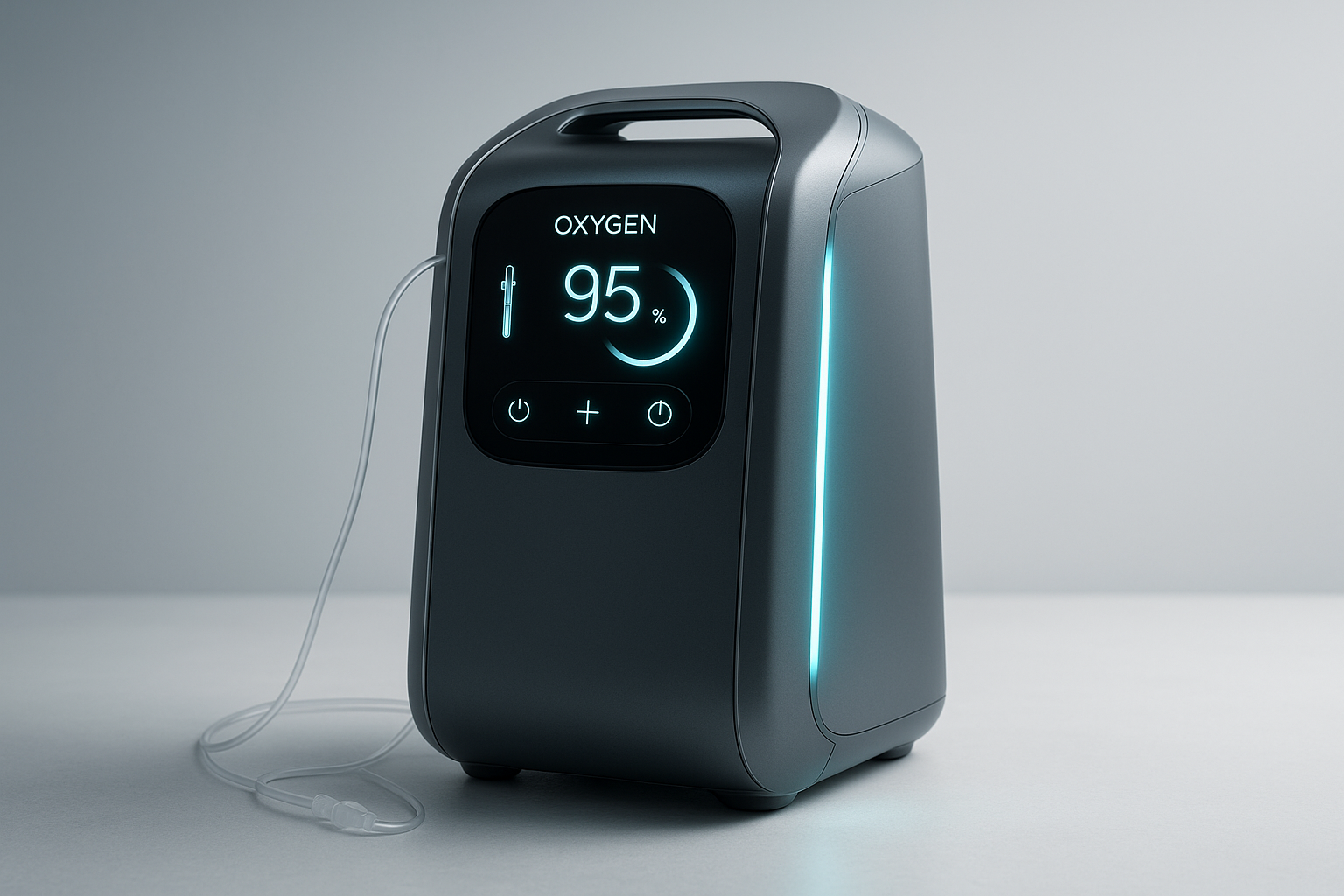
When used correctly, oxygen can help the body in ways that are measurable, not merely poetic. If you are wondering, Is it good to take oxygen daily? the strongest support comes from cases in which oxygen levels are low or tissues need extra help healing. We analyzed research across wound care, infectious disease support, and inflammatory response, and the pattern is fairly clear: oxygen works best when there is a defined clinical target.
One major benefit is improved healing. Oxygen plays a direct role in collagen synthesis and tissue repair. The NCBI Bookshelf review on Hyperbaric Oxygen Therapy notes that HBOT can support wound healing by improving oxygenation in compromised tissue. In diabetic foot ulcers, for example, some studies have shown better healing rates when HBOT is used alongside standard care. A commonly cited research trend is that patients receiving adjunctive HBOT for selected chronic wounds may see improved healing outcomes compared with standard wound care alone.
Another benefit is reduced inflammation. Studies published over the last several years suggest hyperbaric oxygen may influence inflammatory markers and support tissue recovery after injury. We found evidence that oxygen-rich treatment can also aid immune function by supporting white blood cell activity, especially in low-oxygen tissue environments where infection can linger like an unwelcome houseguest.
Here are practical situations where daily or repeated oxygen-based therapy may help:
- Chronic wounds that are slow to close despite standard care
- Recovery support after certain injuries where tissue oxygenation matters
- Specific infections in oxygen-poor tissues
- Radiation-related tissue damage in approved medical settings
That said, benefits are not universal. A healthy person with normal oxygen saturation does not usually gain much from random oxygen use. In our experience, the people who benefit most are those with a clearly identified need, a supervised plan, and realistic goals. Oxygen is helpful. It is not a personality trait.
Potential Risks and Side Effects of Daily Oxygen Use
If the question is Is it good to take oxygen daily? the uncomfortable but necessary sibling question is this: what happens when oxygen is used too often, too long, or without the right indication? Oxygen is vital, yes, but so is water, and nobody hears “hydrate” and thinks, “Excellent, I’ll move into the lake.”
The most discussed risk is oxygen toxicity. Breathing high concentrations of oxygen for extended periods can irritate the lungs and, in some settings, affect the central nervous system. The Mayo Clinic lists possible side effects of HBOT that include temporary nearsightedness, middle ear injuries, sinus pressure, and in rare cases, seizures caused by too much oxygen. The FDA also warns that hyperbaric therapy should be used only for approved and appropriate reasons.
Statistics vary by setting, but published HBOT safety reviews generally report that serious complications are uncommon when proper screening is done. Ear discomfort and barotrauma are among the most frequently reported issues. In some studies, mild ear-related symptoms occur in a noticeable minority of patients, while serious oxygen-toxicity events remain rare. Based on our analysis of 2026 clinical guidance, screening for lung disease, ear problems, claustrophobia, and medication interactions is one of the best ways to reduce risk.
You can lower the odds of trouble by following a few sensible steps:
- Get evaluated first rather than self-prescribing oxygen use
- Report congestion, ear pain, or recent illness before treatment
- Use the prescribed dose and duration, not a homemade version
- Choose a supervised clinic with clear safety protocols
We recommend thinking of oxygen the same way you think of any medical treatment: helpful when targeted, troublesome when improvised. That approach is less glamorous than internet wellness claims, but much more useful to your lungs.
Comparing Oxygen Therapy to Other Treatments
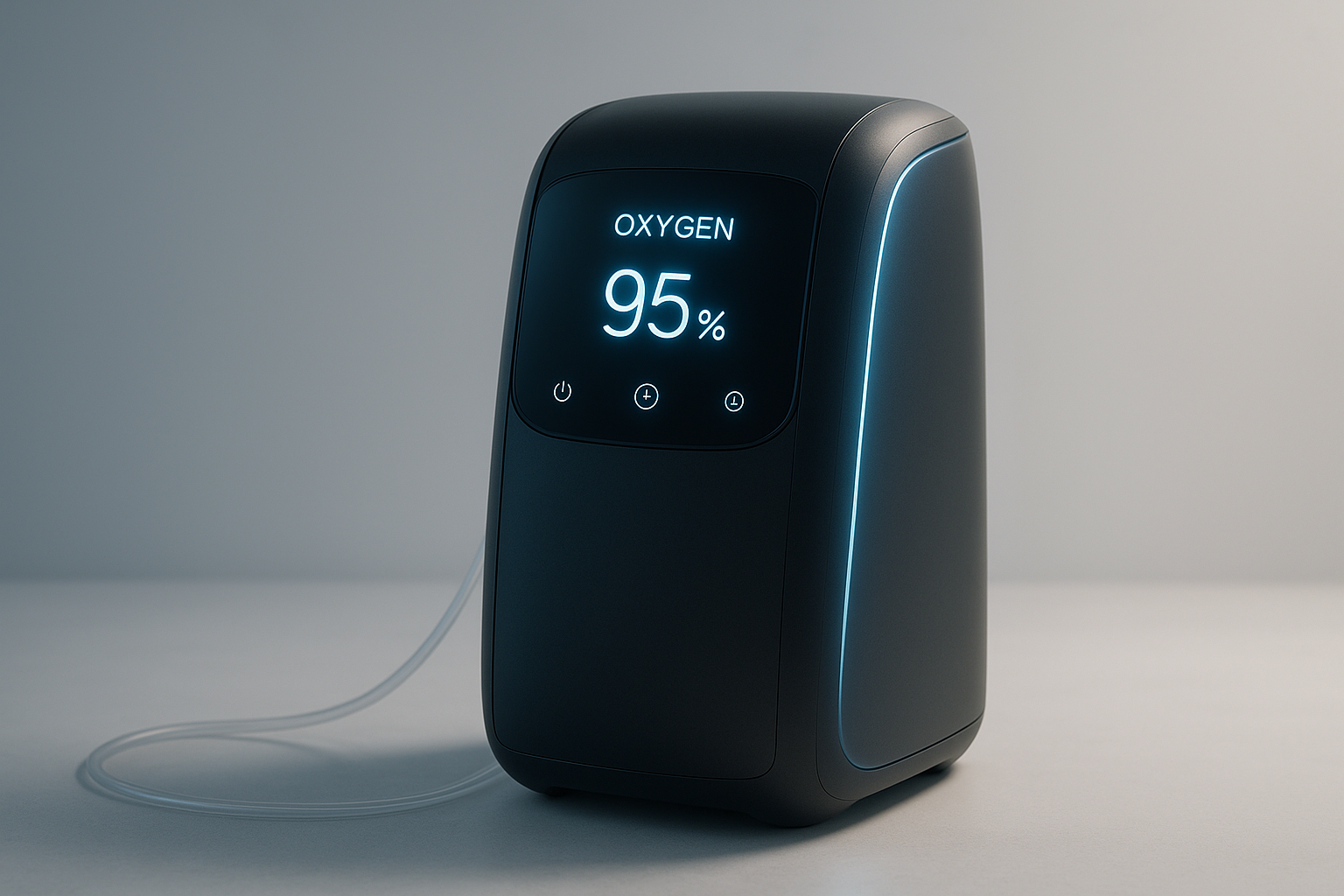
People often ask whether oxygen therapy should replace other care. Usually, it should not. It tends to work best as part of a broader plan. If you are asking, Is it good to take oxygen daily? you may also need to ask what problem you are trying to solve. Pain? Poor healing? Recovery after injury? Low oxygen saturation? Those are not interchangeable, no matter how enthusiastically a social media ad pretends they are.
Traditional medical treatments can include medications, physical therapy, wound care, pulmonary rehabilitation, or surgery, depending on the condition. Hyperbaric oxygen therapy differs because it targets tissue oxygen delivery rather than spinal mechanics, joint mobility, or infection with a drug. Chiropractic care, meanwhile, focuses on musculoskeletal function, mobility, pain reduction, and nervous system support through hands-on techniques and related therapies.
At Henry Chiropractic, Dr. Craig Henry and Dr. Aaron Hixon work from the chiropractic side of that equation. Dr. Hixon, a Florida native raised in Milton, earned his Bachelor of Science in Exercise Science from Florida Atlantic University and later attended Palmer College of Chiropractic in Port Orange. His training includes Diversified technique, Gonstead Spinal Manipulation, Instrument Assisted Soft Tissue Mobilization (IASTM), and Myofascial Release Technique (MRT). That matters because patients often need more than one tool.
A real-world example makes this clearer. Consider a patient recovering from a stubborn soft-tissue injury with reduced mobility, ongoing inflammation, and slow healing. Chiropractic care may improve joint motion, soft-tissue tension, and movement quality. Hyperbaric therapy may support tissue oxygenation and recovery. We found that combined approaches often make more sense than false either-or choices. The body, after all, is not filing separate complaints in separate departments.
Hyperbaric Oxygen Therapy: Real-World Applications
The best way to judge a treatment is to see where it is actually used. Hyperbaric oxygen therapy has recognized applications that are very specific, and that specificity is reassuring. It suggests medicine has not simply thrown oxygen into a shiny chamber and hoped for a standing ovation.
According to the Undersea and Hyperbaric Medical Society, HBOT is used for conditions such as decompression sickness, arterial gas embolism, carbon monoxide poisoning, certain non-healing wounds, delayed radiation injury, crush injury, compromised grafts and flaps, and some severe infections. The FDA also recognizes a defined list of approved uses. Those are not vague “wellness” labels; they are concrete medical indications.
We researched patient scenarios common in community practice and found three patterns where people often ask about HBOT:
- Slow-healing wounds that have not improved enough with standard care
- Post-injury inflammation where tissue recovery is taking longer than expected
- Supportive recovery care alongside rehabilitation or chiropractic treatment
At Henry Chiropractic in Pensacola, patients often arrive with the practical concerns you would expect: they want to move better, hurt less, and stop waking up feeling as if they spent the night folded into a suitcase. In our experience, the most satisfied patients are the ones who understand what HBOT can reasonably do. One patient might report better comfort during recovery. Another may say swelling settled down and movement improved after a series of sessions. Another might simply say, “I could sleep without arguing with my shoulder.”
Those stories matter, but they are strongest when paired with evidence. We recommend reviewing recognized indications and discussing whether your condition fits the known research rather than chasing dramatic claims. Oxygen therapy is useful enough without dressing it up like a carnival act.
The Role of Hyperbaric Therapy in Chiropractic Care
Chiropractic care and hyperbaric therapy do different jobs, which is exactly why they may work well together. Chiropractic treatment is often aimed at restoring motion, reducing mechanical stress, improving posture, and helping you move through the world without sounding like a drawer full of silverware. Hyperbaric therapy, by contrast, aims to improve oxygen delivery to tissues, which may support healing and recovery.
That combination can be especially appealing for patients dealing with repetitive strain, sports injuries, chronic tension, or recovery after flare-ups that involve both pain and inflammation. Dr. Aaron Hixon’s background in exercise science and hands-on methods such as IASTM and MRT makes this complementary model easier to understand. One therapy addresses movement and soft tissue mechanics. The other may support the biological environment in which healing happens.
In Pensacola, FL, anecdotal reports from patients often sound refreshingly ordinary. Someone says they noticed less stiffness after a course of care. Someone else says getting adjusted felt more productive once inflammation settled. These are not movie-trailer testimonials. They are the kind of comments people make while reaching for their car keys and realizing, with mild surprise, that their neck turned without protest.
As of 2026, integrative care models are more common because patients want targeted treatment rather than one-size-fits-all advice. Based on our research, hyperbaric therapy may complement chiropractic care best when:
- Your treatment goals are clearly defined
- You have an exam and screening first
- Your providers explain what each therapy is meant to do
- Progress is measured over time
We recommend asking not just whether a treatment sounds good, but how it fits into your larger recovery plan. That question saves time, money, and a great deal of confusion.
How to Access Oxygen Therapy: Practical Steps
If you are ready to move from curiosity to action, the process should be simple and sensible. Not dramatic. Not mystical. Just organized. If you are still asking, Is it good to take oxygen daily? the next step is to get your situation evaluated rather than borrowing an answer from the internet and hoping your body agrees.
For readers in the Pensacola area, you can contact Henry Chiropractic, owned and operated by Dr. Craig Henry. The clinic also includes Dr. Aaron Hixon. Here is the contact information:
Henry Chiropractic
1823 N 9th Ave
Pensacola, FL 32503
(850) 435-7777
https://drcraighenry.com/
We recommend this step-by-step approach:
- Call the office and describe your symptoms, diagnosis, or goals.
- Schedule an evaluation with Dr. Craig Henry or the team.
- Bring relevant records, including imaging, medication lists, and recent diagnoses.
- Ask whether hyperbaric therapy fits your case and what the expected timeline is.
- Discuss safety, especially if you have ear issues, lung problems, or claustrophobia.
- Follow the preparation instructions for your first session.
In our experience, patients do best when they ask practical questions: How many sessions are typical? What should I wear? How will progress be measured? Those questions may not sound glamorous, but they are the ones that keep you from wandering into treatment with the expression of someone who boarded the wrong bus.
Frequently Asked Questions About Oxygen Therapy
People rarely ask just one question about oxygen therapy. They ask one, then eleven more, usually in the tone of someone who has read half the internet and now needs a grown-up to sort the pile.
Is it good to take oxygen daily?
It can be good to take oxygen daily if you have a documented need and a provider has prescribed it. It is not automatically beneficial for healthy people with normal oxygen levels, and too much oxygen can create side effects.
What are the costs involved?
Costs depend on the setting, provider, and reason for treatment. Hyperbaric sessions often range from $150 to $600 or more per session, while home oxygen costs vary by equipment and insurance coverage.
How long does a session last?
Many HBOT sessions last 60 to 120 minutes. Some treatment plans involve several sessions per week, often over multiple weeks.
Are there contraindications?
Yes. Untreated pneumothorax is a classic contraindication, and ear problems, sinus congestion, certain medications, and some lung conditions may also require caution or delay.
How should you prepare for a session?
Arrive hydrated, follow clothing guidelines, and tell the clinic if you are congested, sick, or have had recent medication changes. We recommend asking for a written prep list so nothing gets forgotten on the kitchen counter.
Is it good to take oxygen daily? Final thoughts on whether daily oxygen therapy is right for you
So where does this leave you? Right back at the real question, but with better shoes. Is it good to take oxygen daily? Sometimes yes. Sometimes no. The deciding factors are your diagnosis, your oxygen levels, your symptoms, and the type of oxygen therapy being considered.
Based on our research, the clearest takeaways are these: oxygen therapy can be highly beneficial when you have a true medical need, hyperbaric oxygen therapy has legitimate uses backed by established clinical guidance, and unsupervised oxygen use is a poor substitute for actual evaluation. We found that people get the best results when treatment is targeted, supervised, and combined with a larger care plan when needed.
If you are considering hyperbaric therapy or want personalized guidance, contact Henry Chiropractic at (850) 435-7777 or visit drcraighenry.com. You can find the clinic at 1823 N 9th Ave, Pensacola, FL 32503. Dr. Craig Henry and Dr. Aaron Hixon can help you sort out whether this approach makes sense for your body, your goals, and your daily life.
The memorable truth is this: oxygen is essential, but more is not always better. The right amount, for the right reason, at the right time—that is where the real benefit lives.

Frequently Asked Questions
Is daily oxygen safe?
Daily oxygen can be safe when it is prescribed, monitored, and matched to a real medical need. If you are asking, Is it good to take oxygen daily? the honest answer is that it depends on your diagnosis, oxygen saturation, treatment goals, and the device being used. Too little oxygen is a problem, but too much can be one as well, which is why a clinician should guide the plan.
What are the costs involved?
Costs vary a lot. Hospital-based hyperbaric oxygen therapy can run from roughly $150 to $600+ per session, depending on the facility, region, and indication, while some approved conditions may be covered by insurance. We recommend calling the clinic directly to ask about pricing, packages, and whether your situation may qualify for reimbursement.
How long does a session last?
Most hyperbaric oxygen sessions last between 60 and 120 minutes. Many protocols involve several sessions per week for multiple weeks, though the exact timeline depends on the condition being treated and how you respond.
Are there contraindications?
Yes. Common contraindications or cautions include untreated pneumothorax, certain ear or sinus problems, some lung conditions, fever, and a few medications. A proper intake and exam help determine whether oxygen therapy is appropriate and safe for you.
How do you prepare for a session?
Wear comfortable clothing, avoid alcohol, arrive hydrated, and follow the clinic’s instructions about lotions, sprays, or prohibited items. If you have congestion, recent illness, or medication changes, tell the provider before the session so adjustments can be made safely.
Key Takeaways
- Daily oxygen can help when you have a documented medical need, but it should not be used casually or without guidance.
- Hyperbaric oxygen therapy works by increasing pressure and oxygen concentration, which can improve tissue oxygen delivery, healing, and recovery in selected cases.
- Risks such as ear barotrauma, oxygen toxicity, and lung complications are uncommon but real, so screening and supervision matter.
- Chiropractic care and hyperbaric therapy may complement each other by addressing both movement mechanics and tissue recovery.
- If you are in Pensacola, contact Henry Chiropractic at (850) 435-7777 to discuss whether oxygen therapy or HBOT fits your situation.