
Table of Contents
Does HBOT Make You Look Younger? The Ultimate 2026 Guide
Meta Description: Explore if HBOT can make you look younger. Discover the science, benefits, and expert insights in this ultimate guide.

Introduction: Chasing the Fountain of Youth
You don’t need a mirror with harsh bathroom lighting to know why this question keeps coming up: Does HBOT make you look younger? People ask it the way they ask about sleep, sunscreen, and that one cousin who claims collagen powder erased a decade from her face. Usually what you want is simpler than eternal youth. You want brighter skin, fewer lines, less puffiness, and a face that looks like it belongs to someone who has recently experienced joy.
Hyperbaric oxygen therapy, or HBOT, has entered the anti-aging conversation because it may support tissue repair, circulation, inflammation control, and collagen-related processes. Based on our research, the appeal is easy to understand. If oxygen helps healing, and aging skin shows slower repair, then surely someone will put the two in a chamber together and charge by the session. The more serious question is whether the science justifies the hope.
At Henry Chiropractic, owned and operated by Dr. Craig Henry in Pensacola, Florida, hyperbaric therapy is part of a broader wellness picture, not a carnival trick with nicer lighting. Dr. Craig Henry and Dr. Aaron Hixon work with patients who want to feel better, recover more effectively, and, yes, sometimes look a little less weathered by deadlines and Gulf Coast humidity. As of 2026, interest in non-surgical rejuvenation keeps climbing. According to the American Society of Plastic Surgeons, minimally invasive cosmetic procedures remain far more common than surgical ones, with millions performed annually in the U.S. That tells you something useful: people want results, but they’d prefer not to be peeled, frozen, or startled.
We analyzed the available evidence, the claims, and the practical realities. Some findings are promising. Some are overblown. All of it matters if you’re wondering whether HBOT belongs in your anti-aging plan or in the same mental drawer as jade rollers and optimism.
What is Hyperbaric Oxygen Therapy?
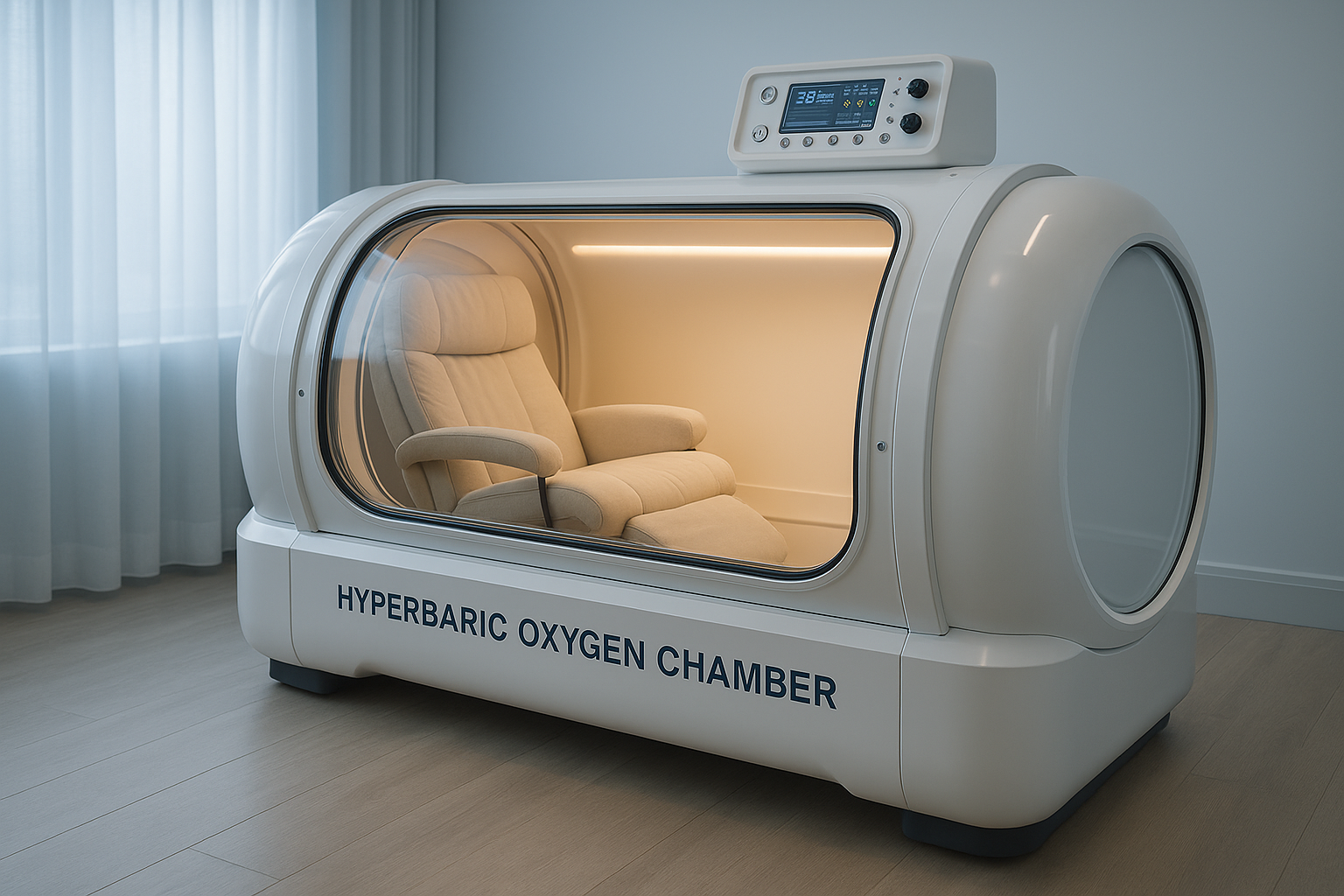
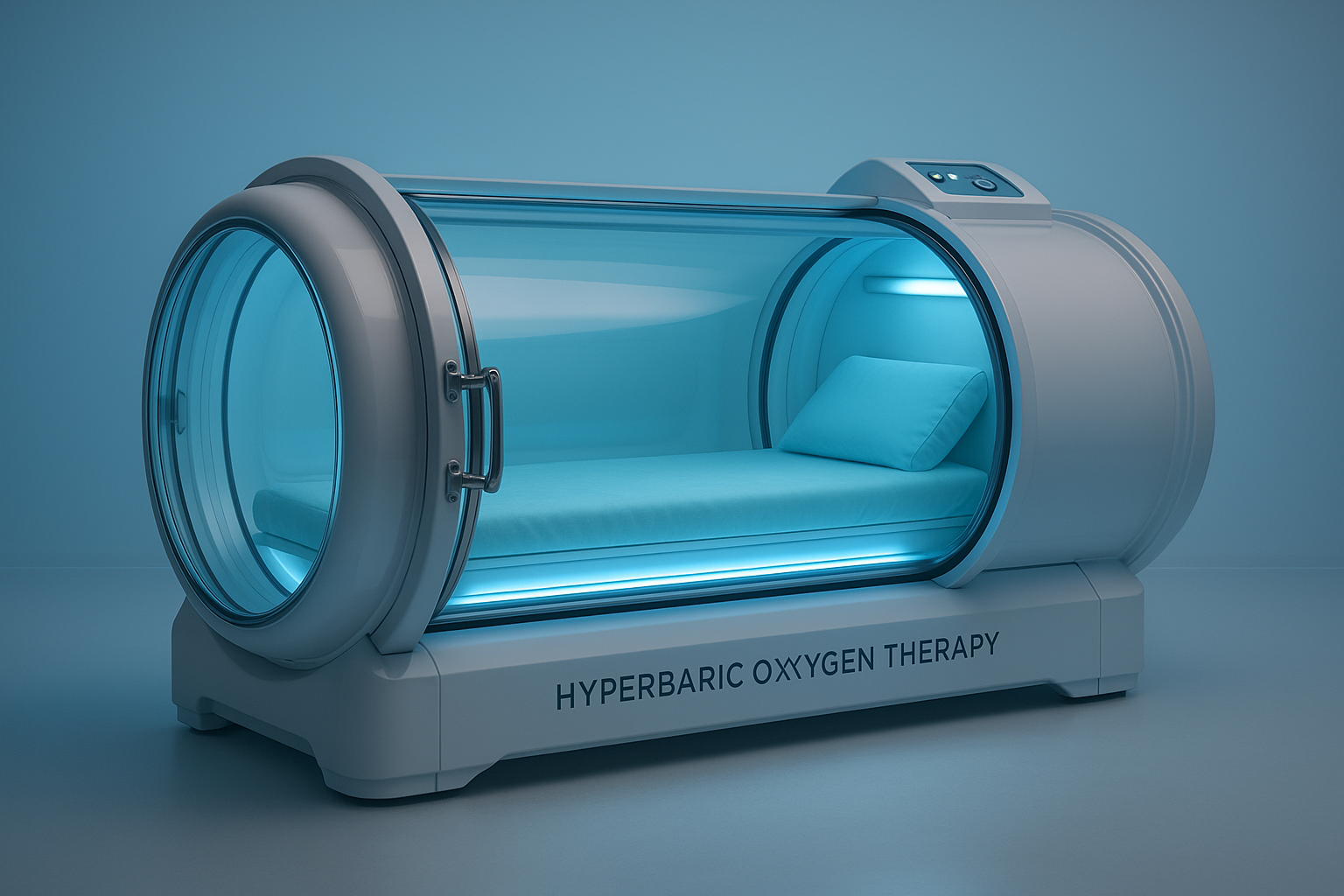
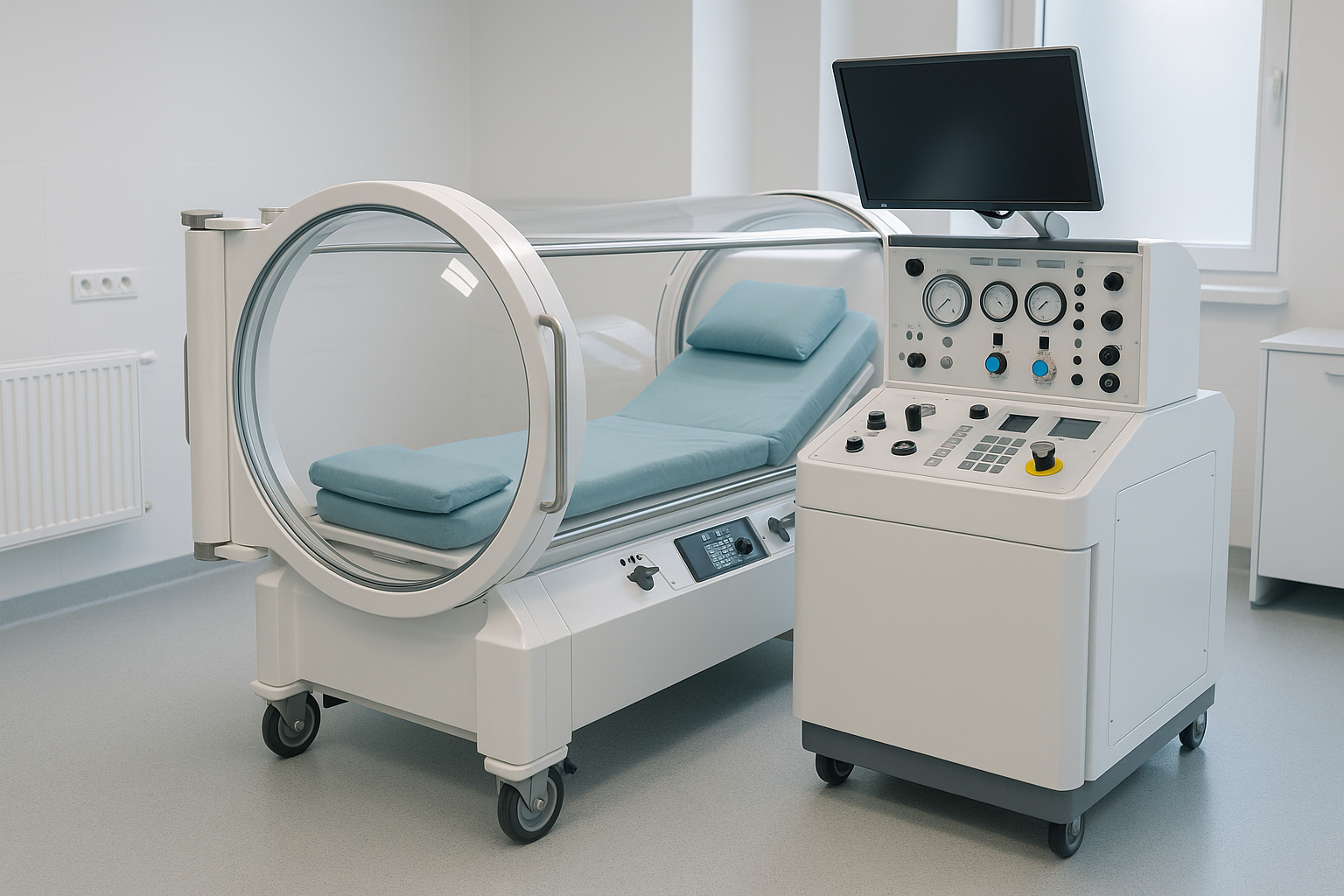
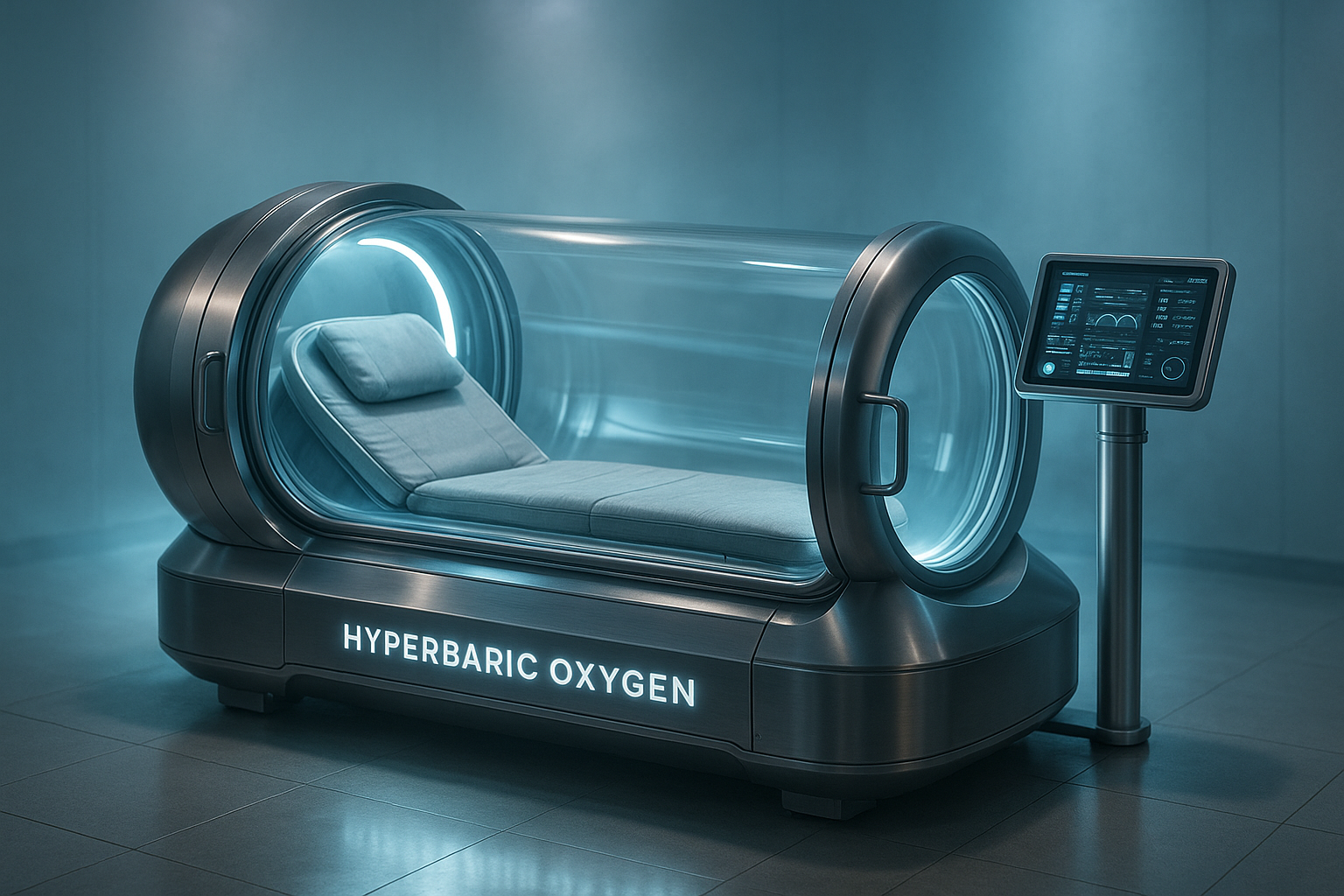
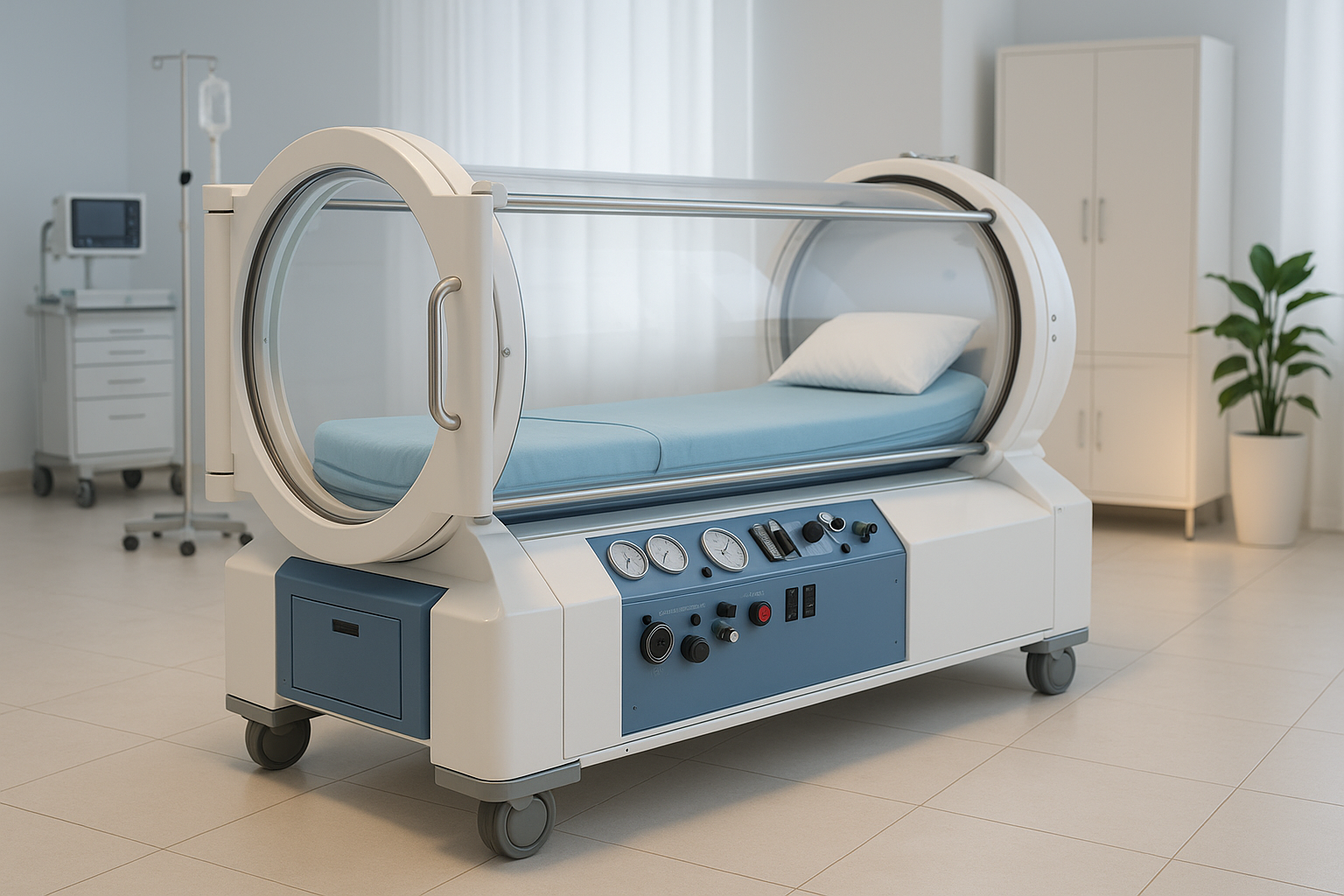
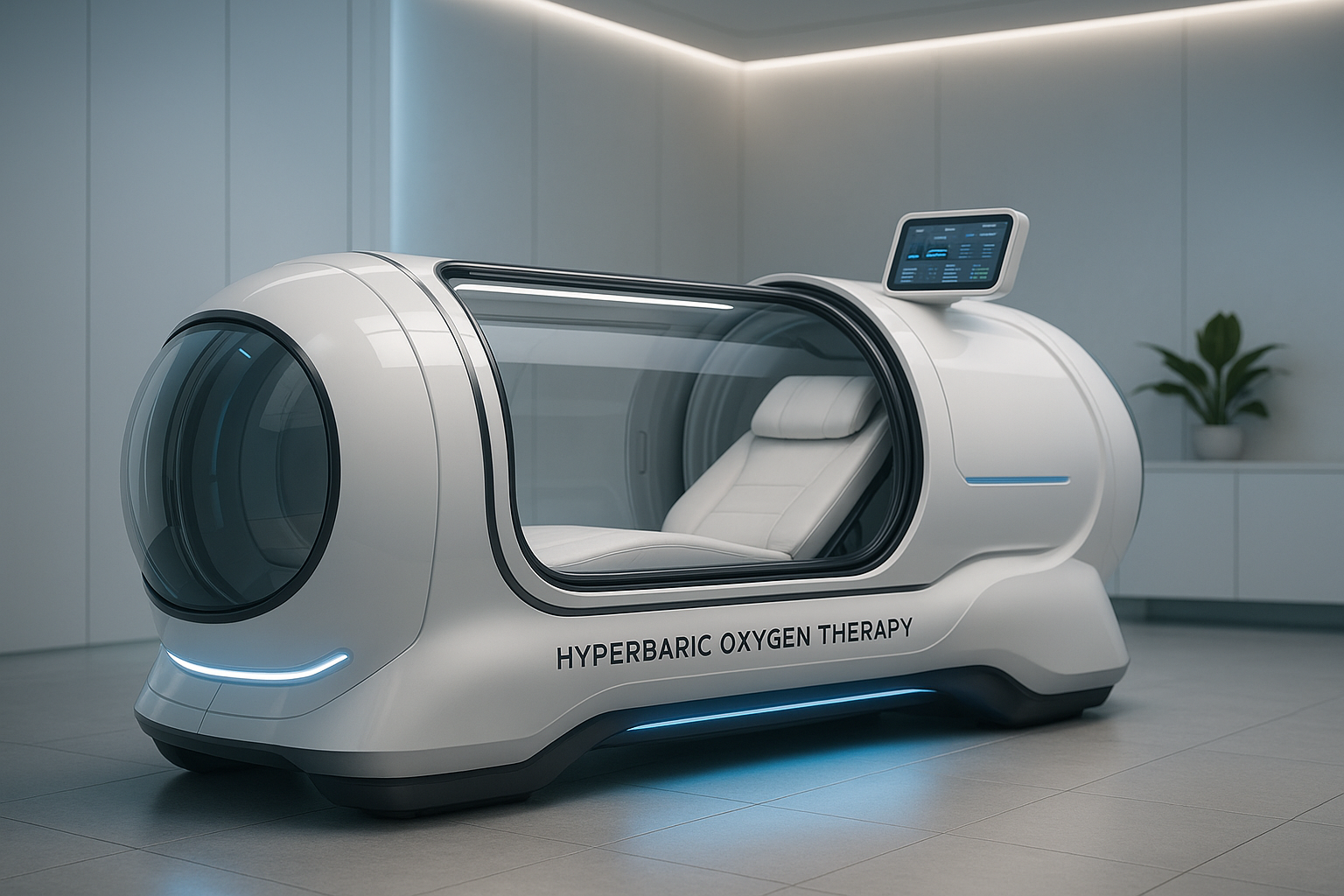
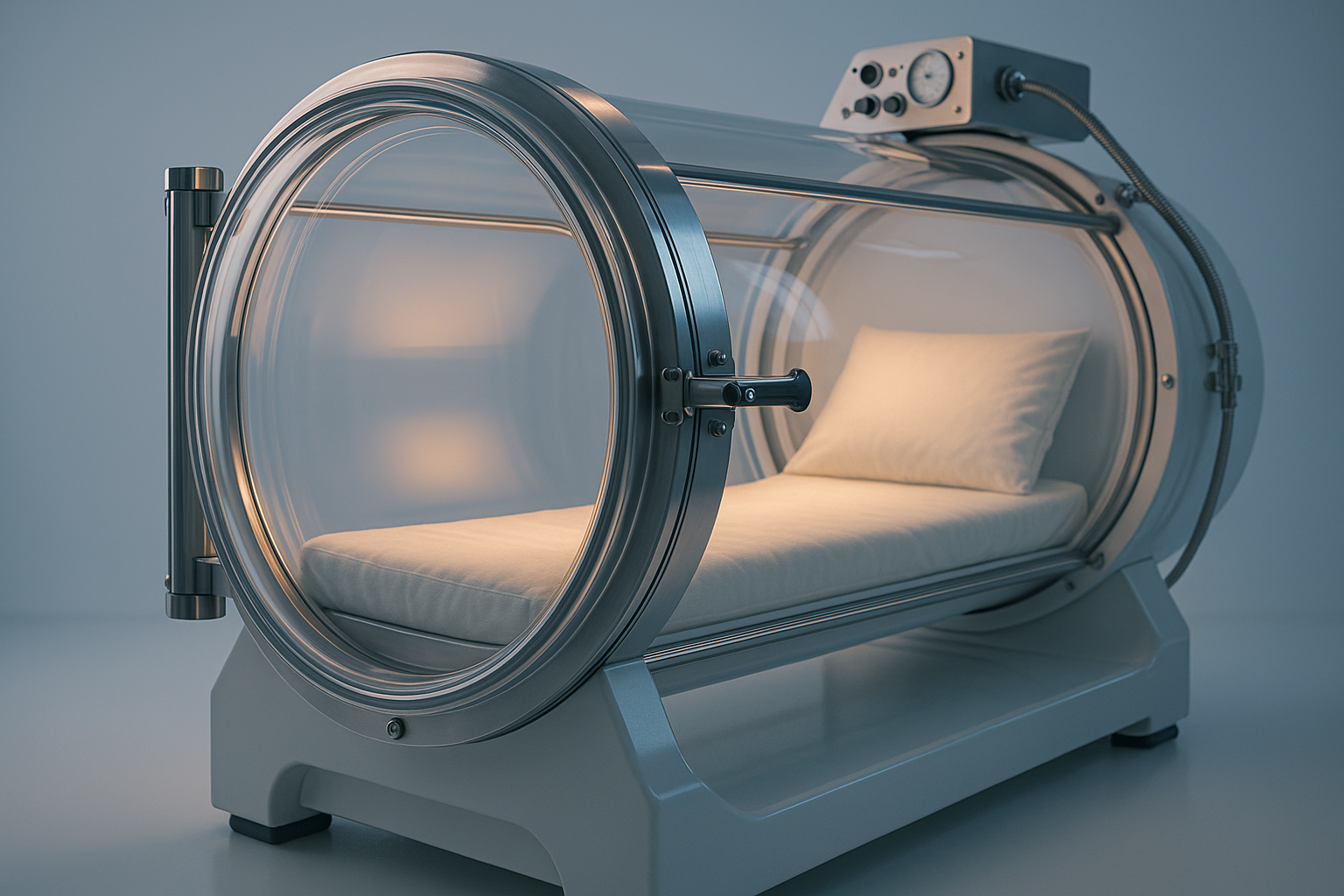
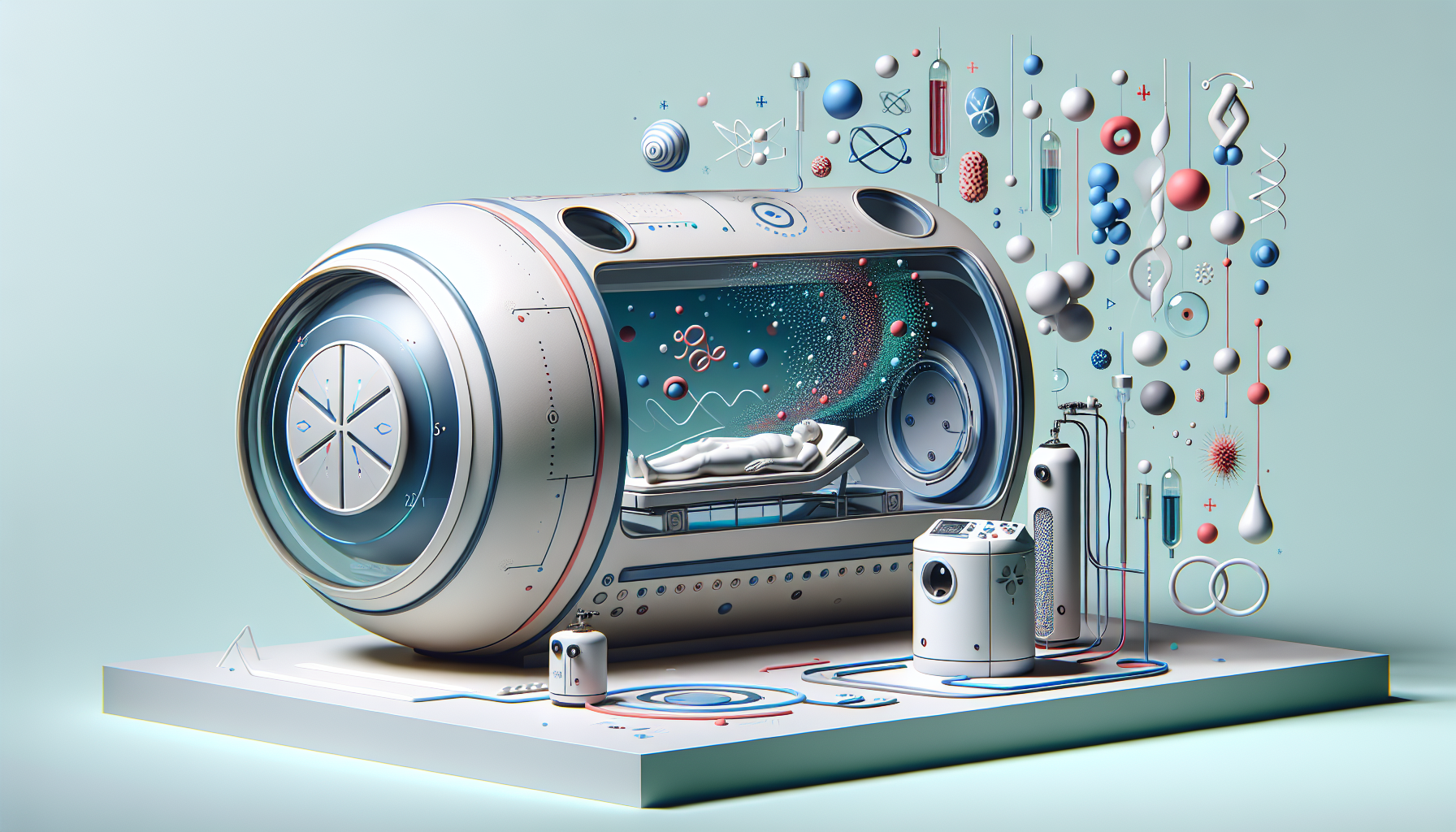
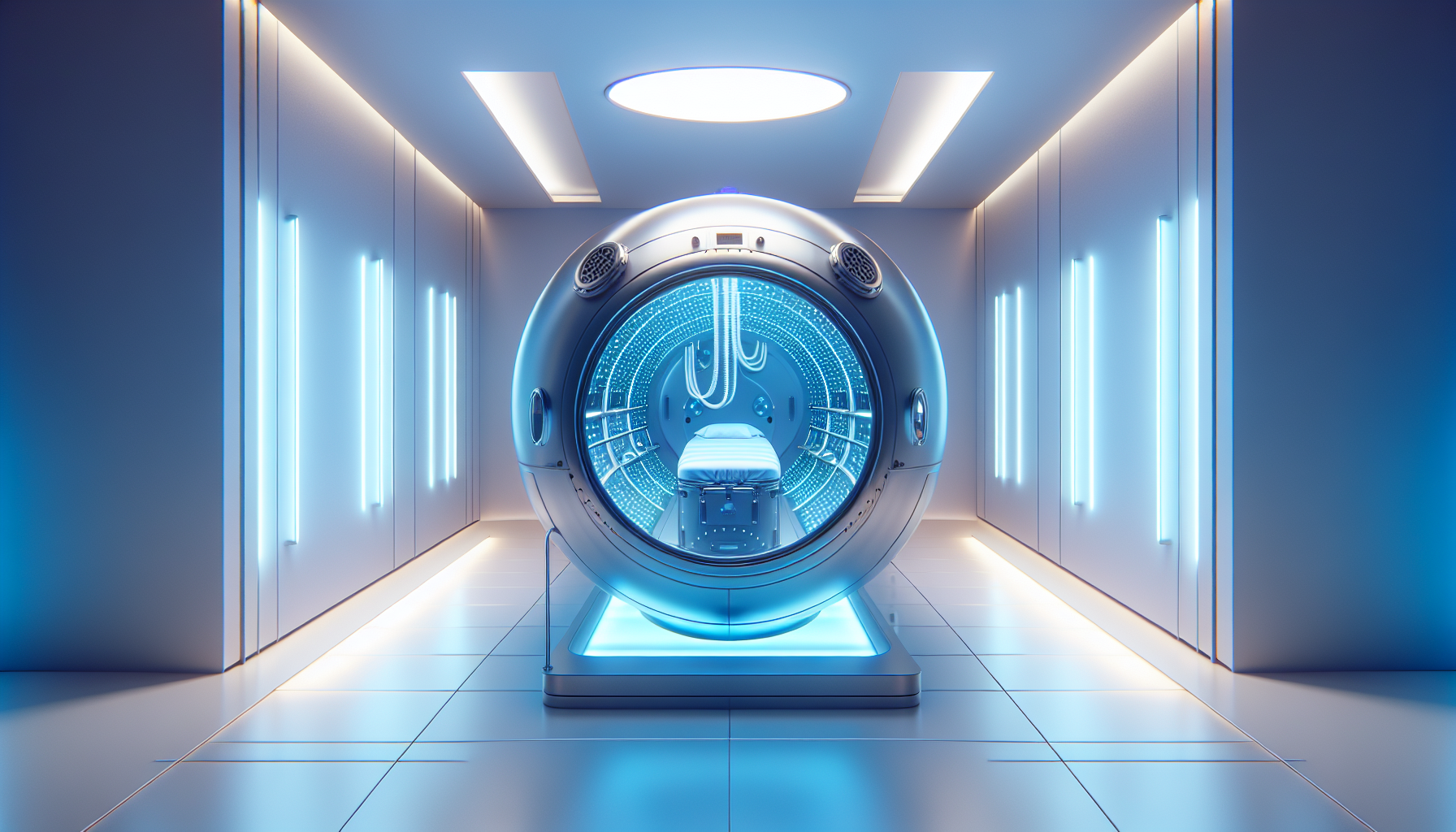
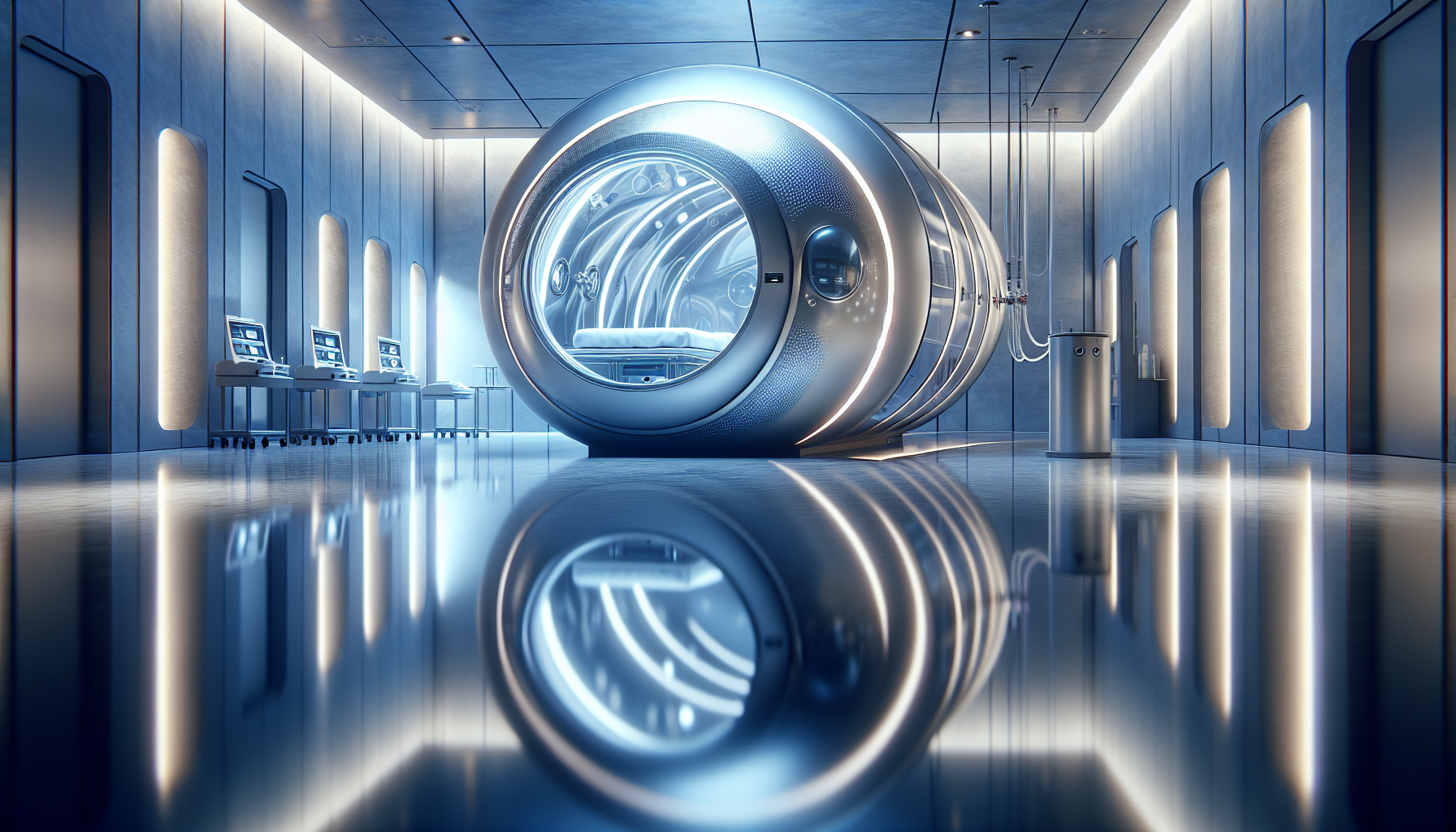
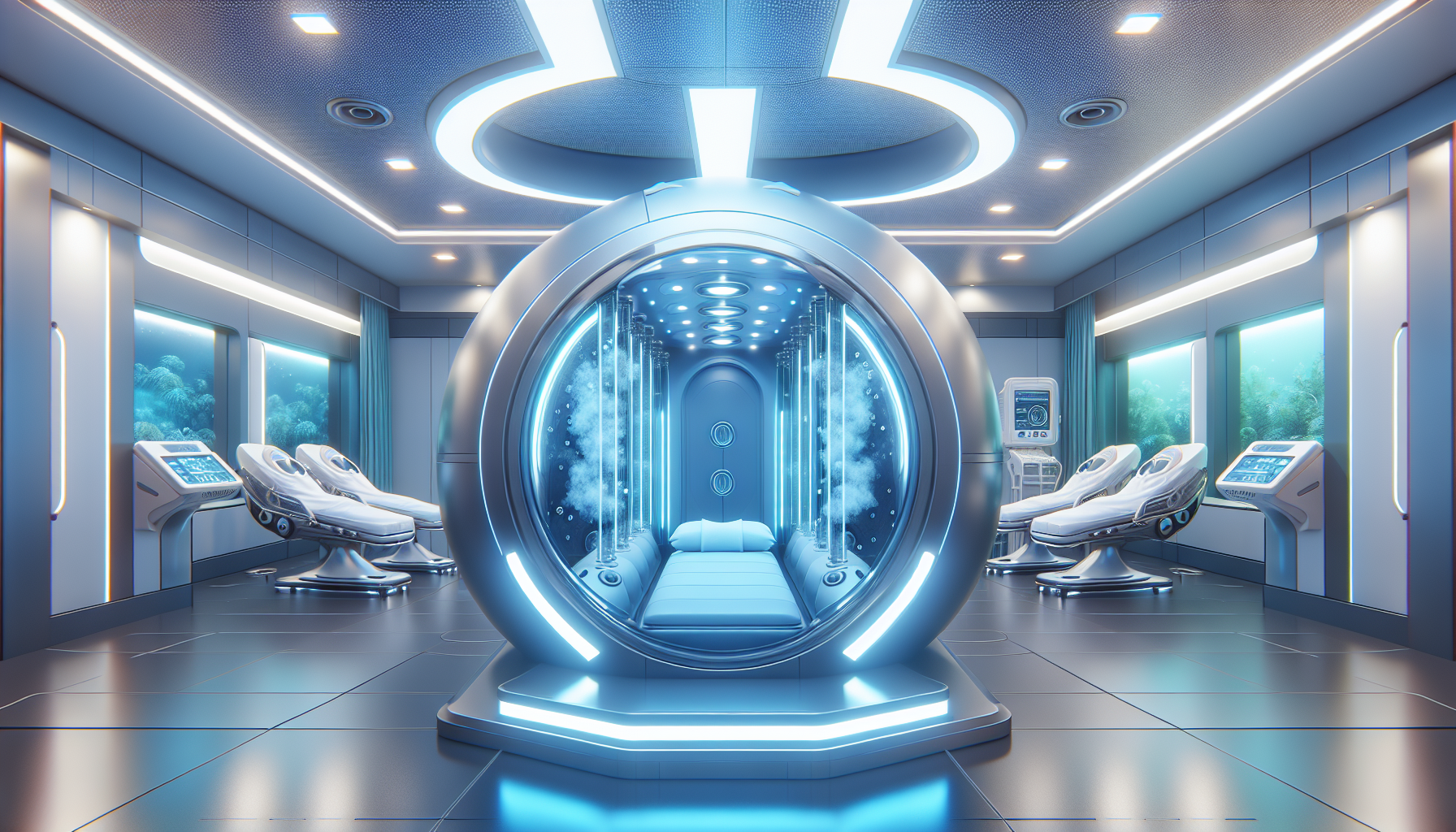
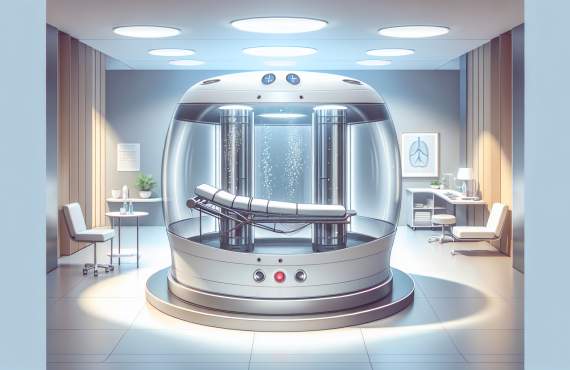
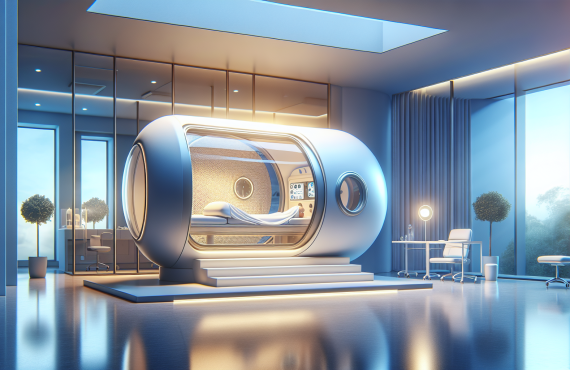
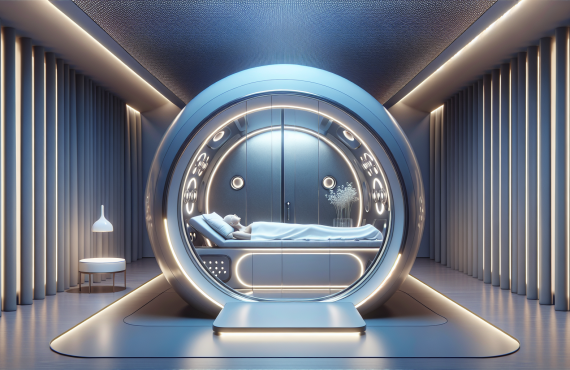
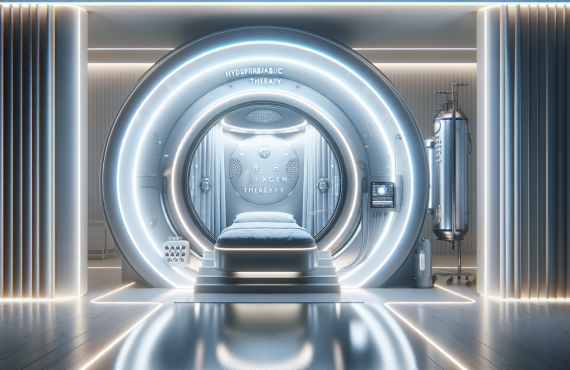
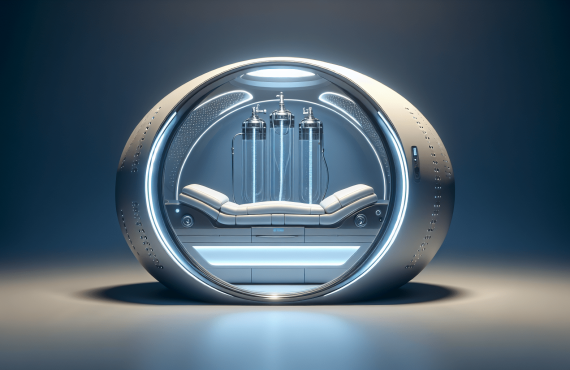
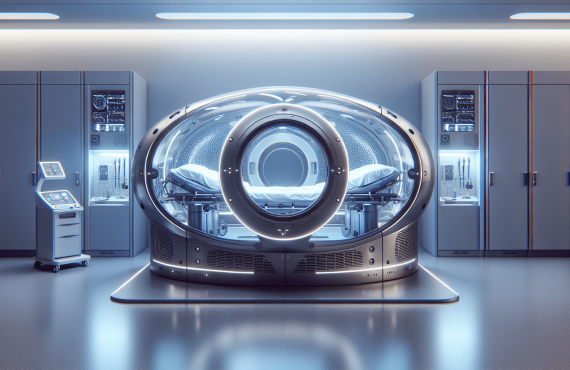
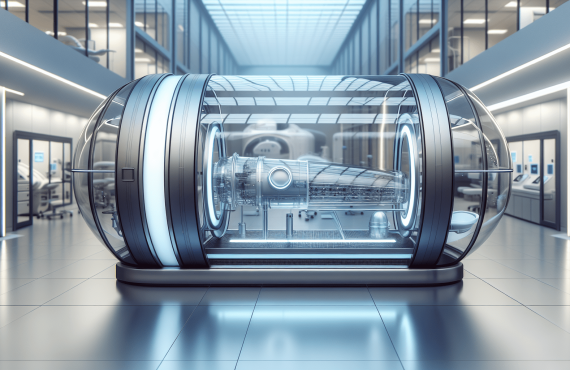
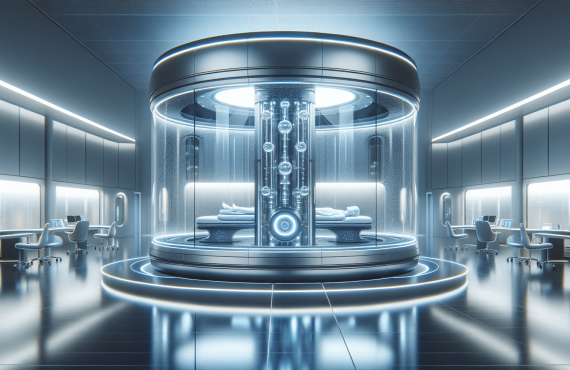
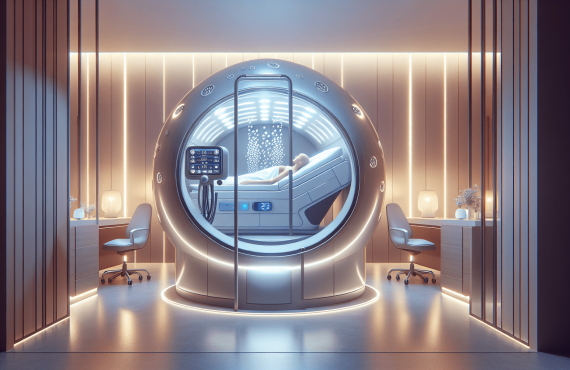
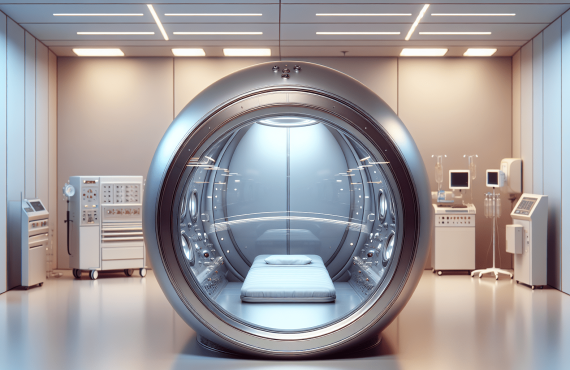
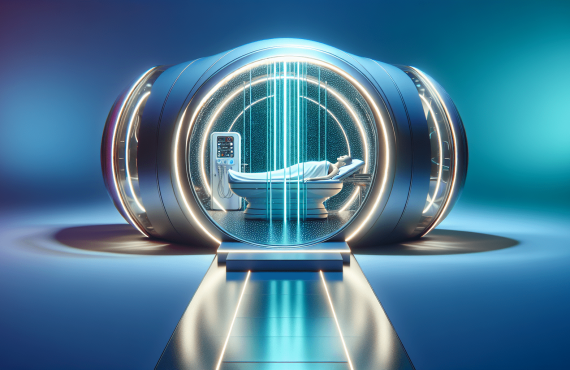
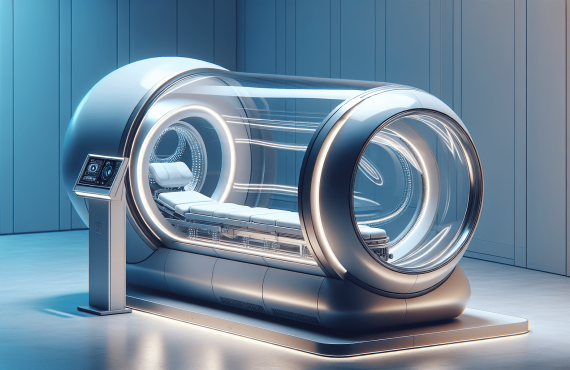
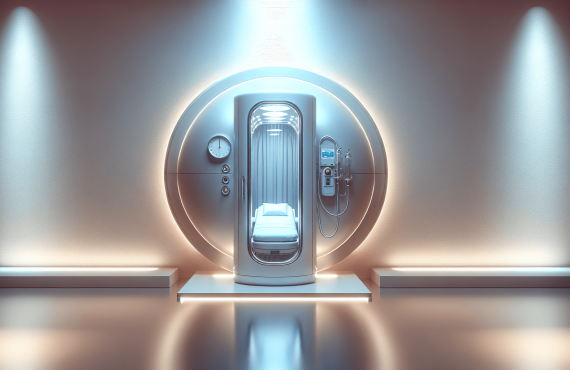
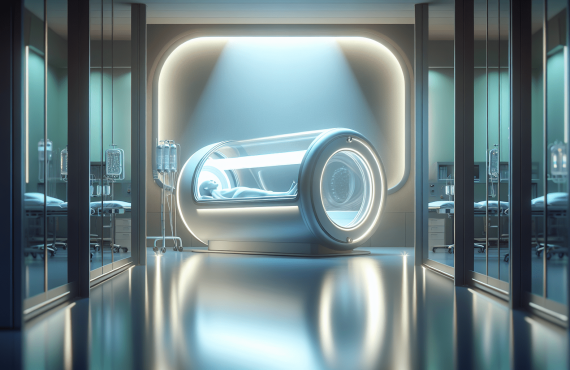
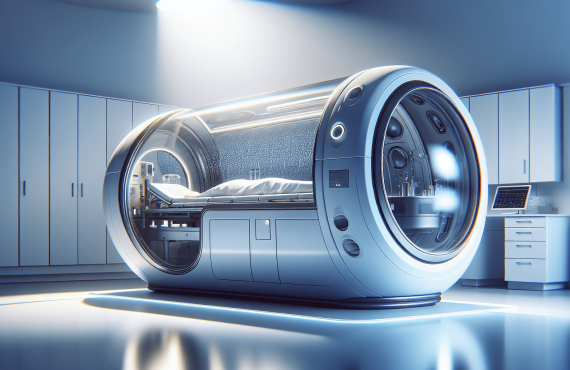
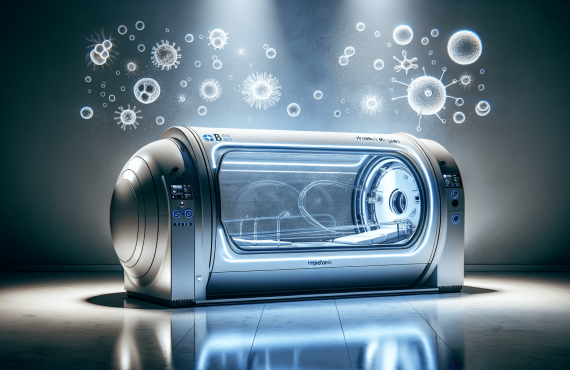
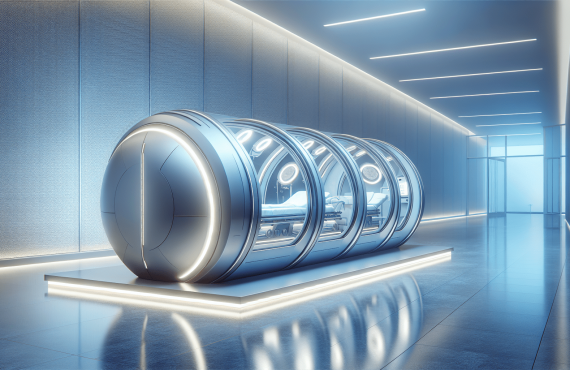
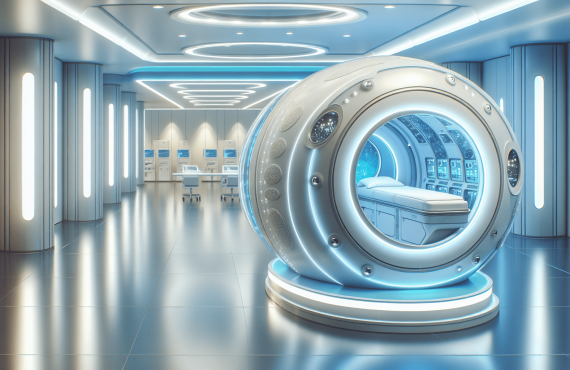
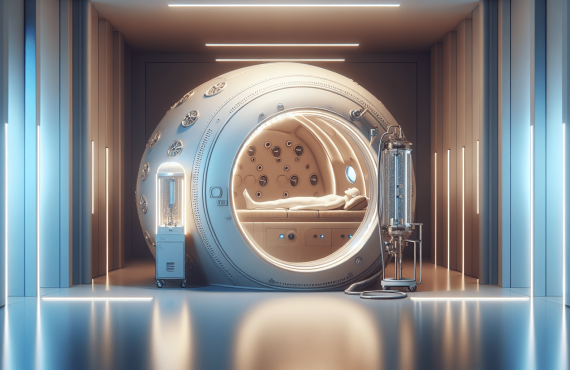
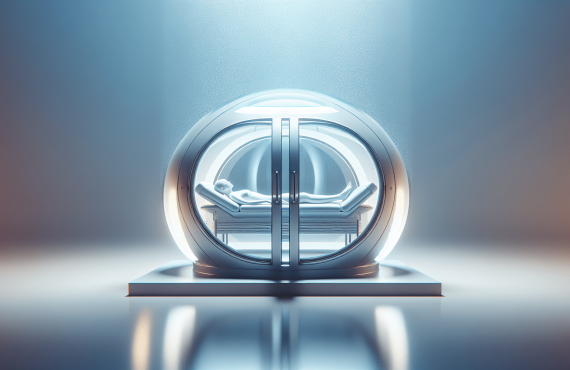
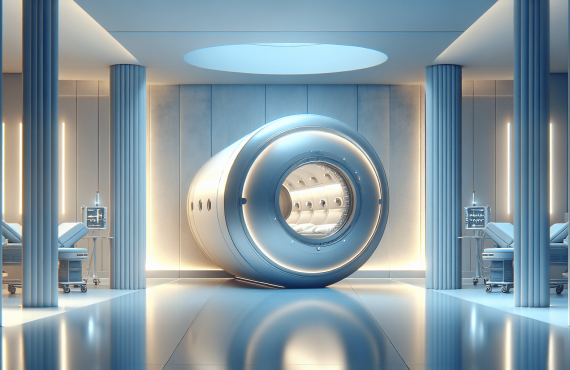
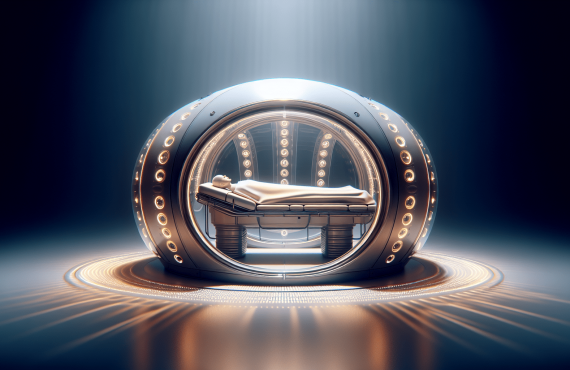
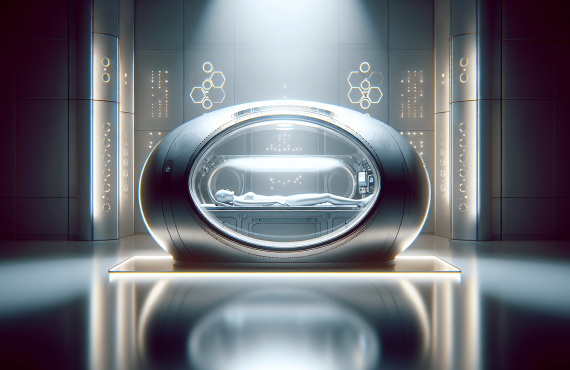
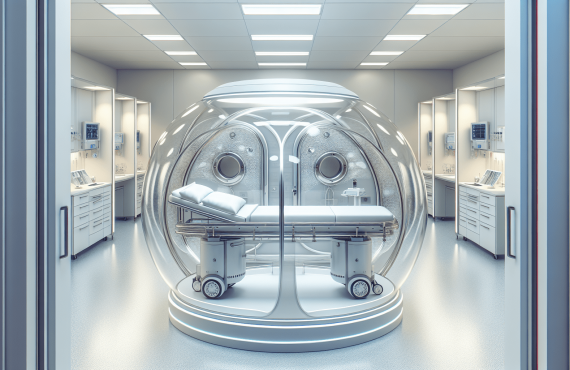
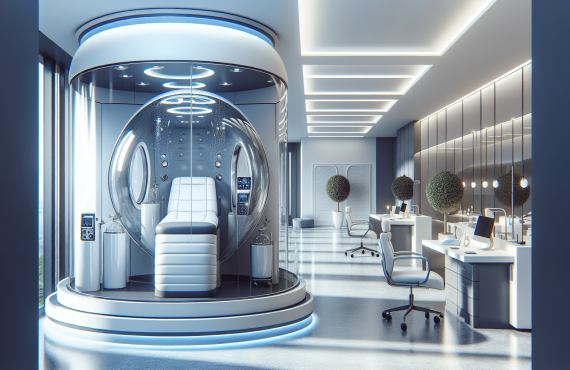
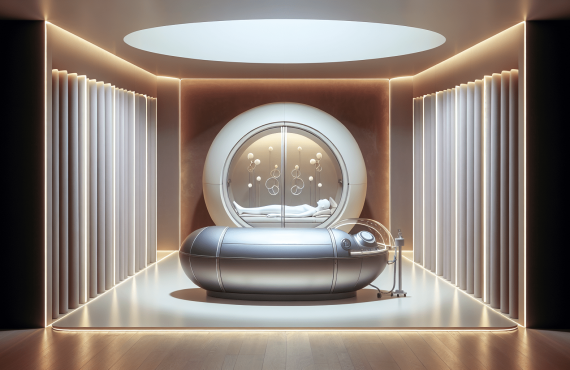
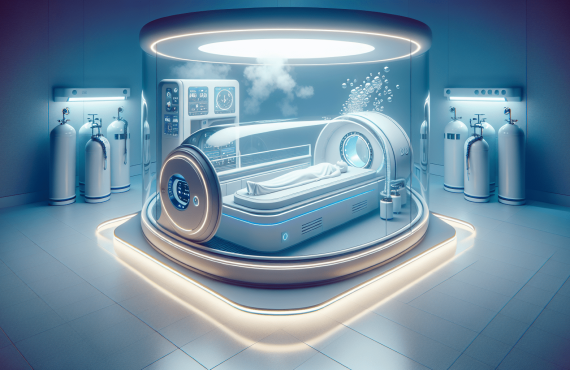
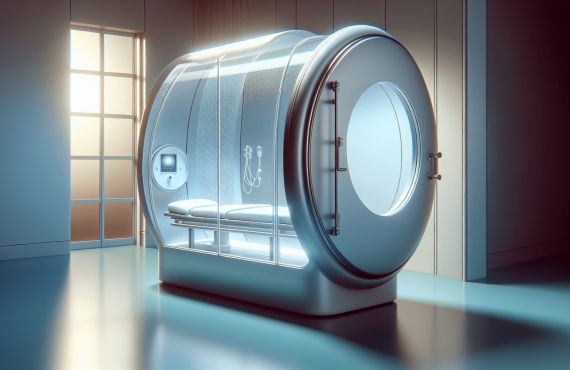
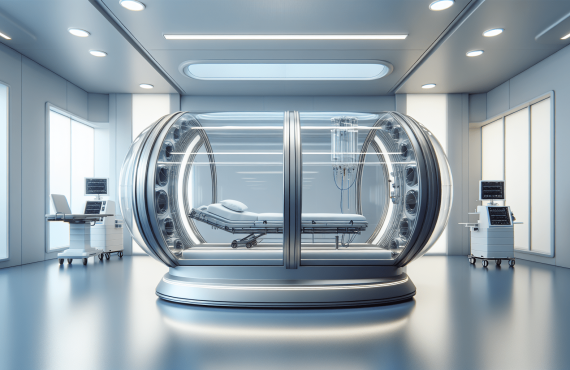
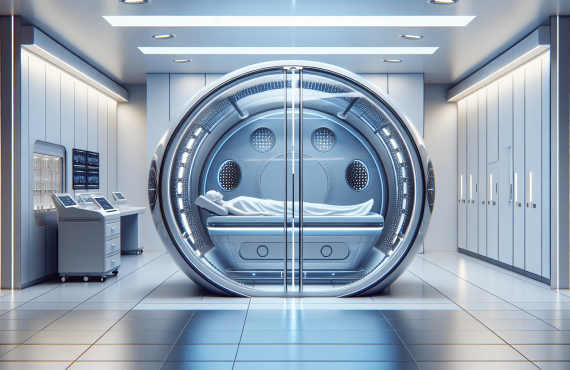
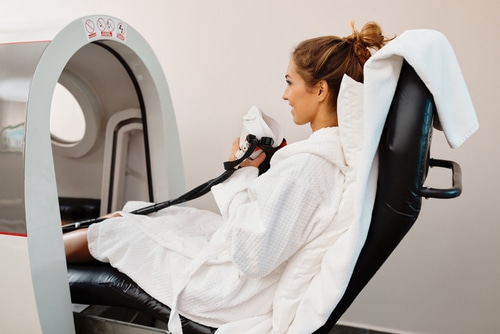
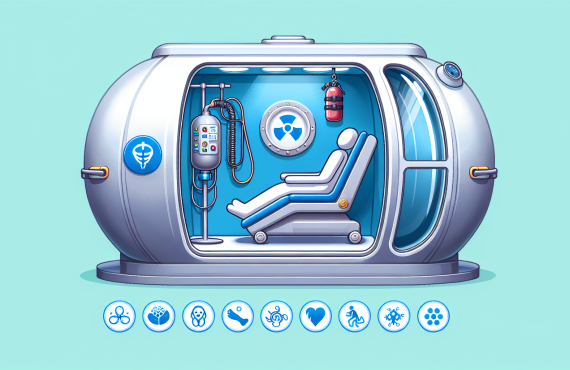
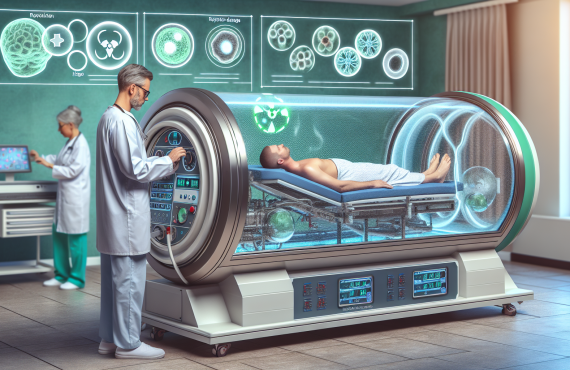
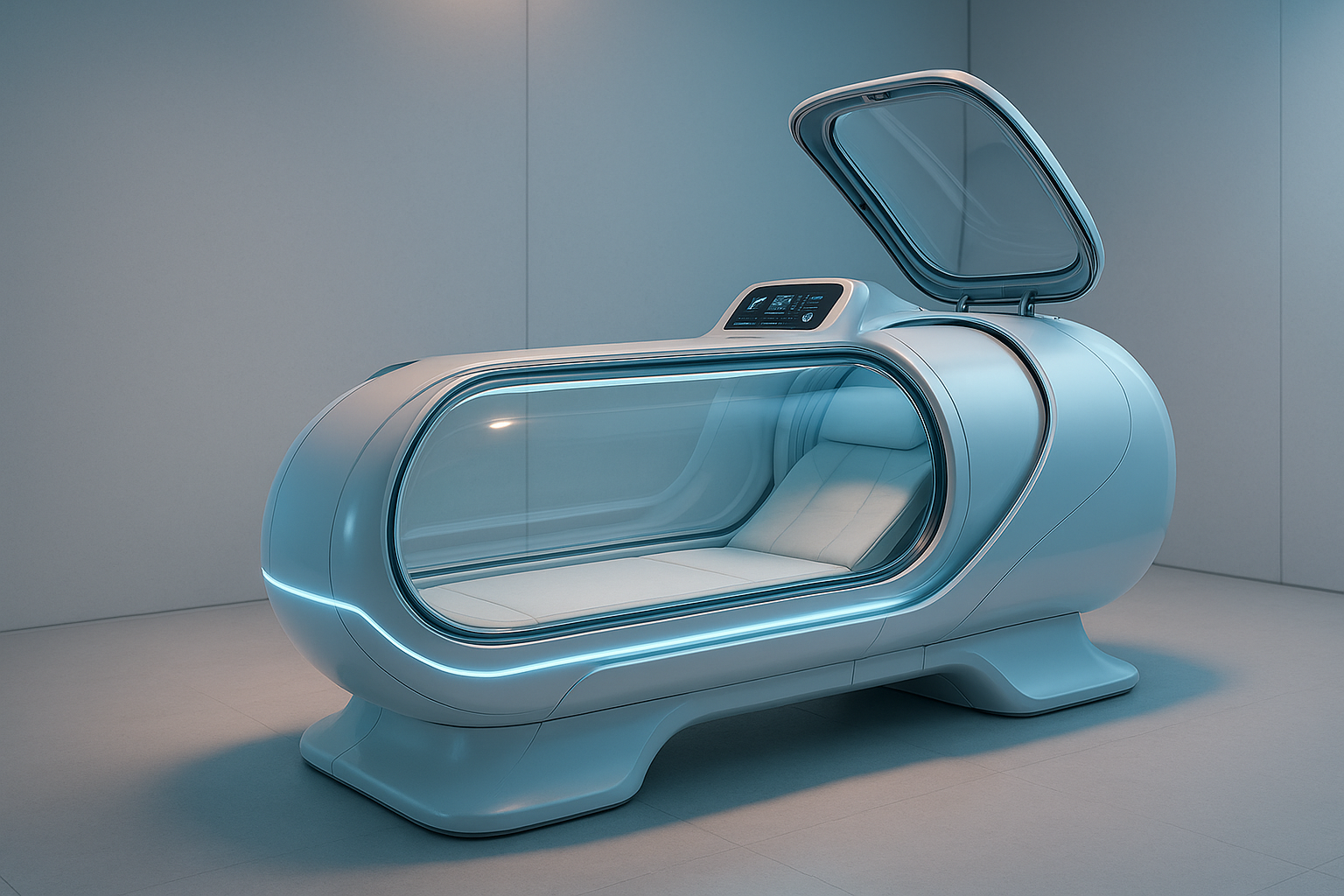
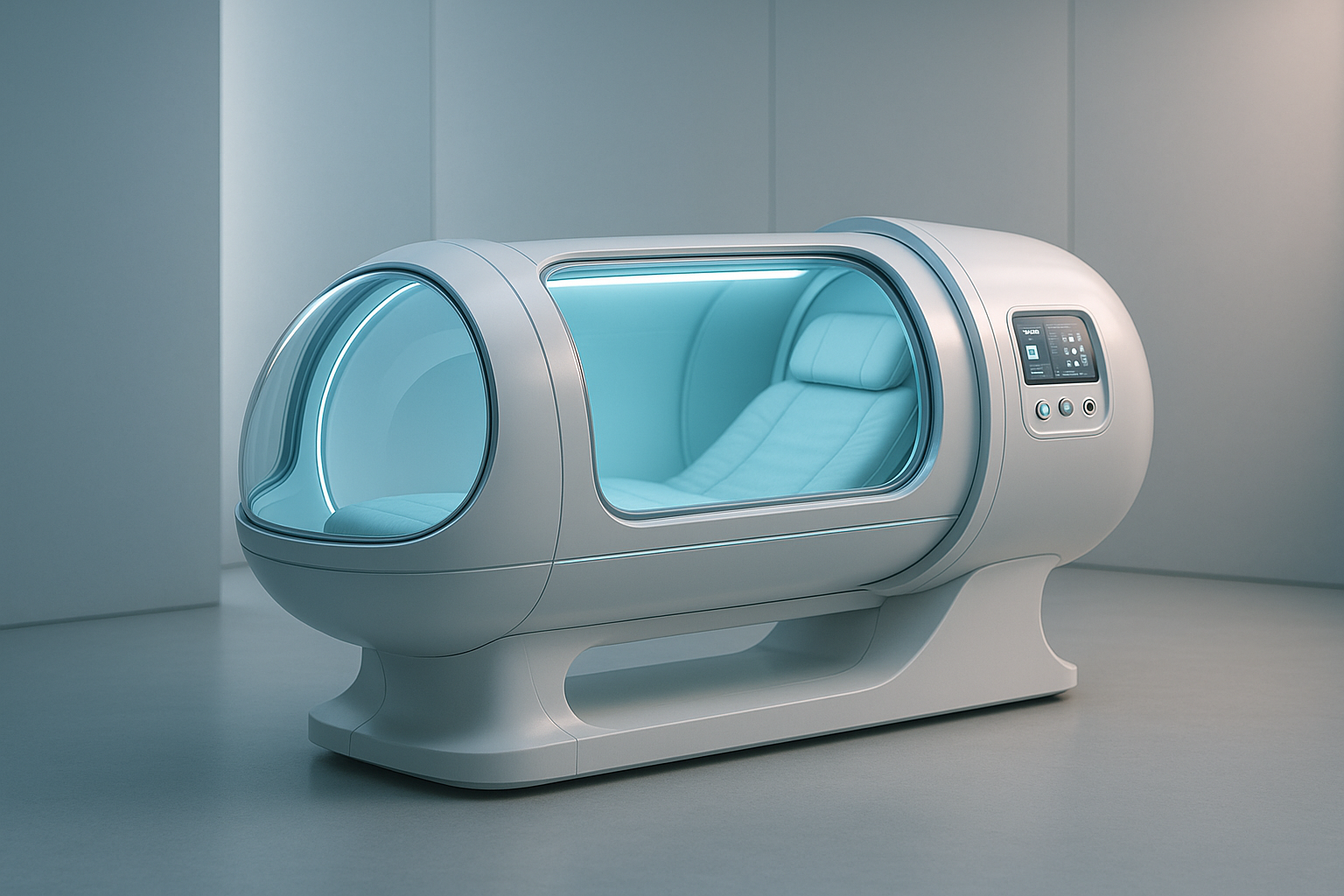
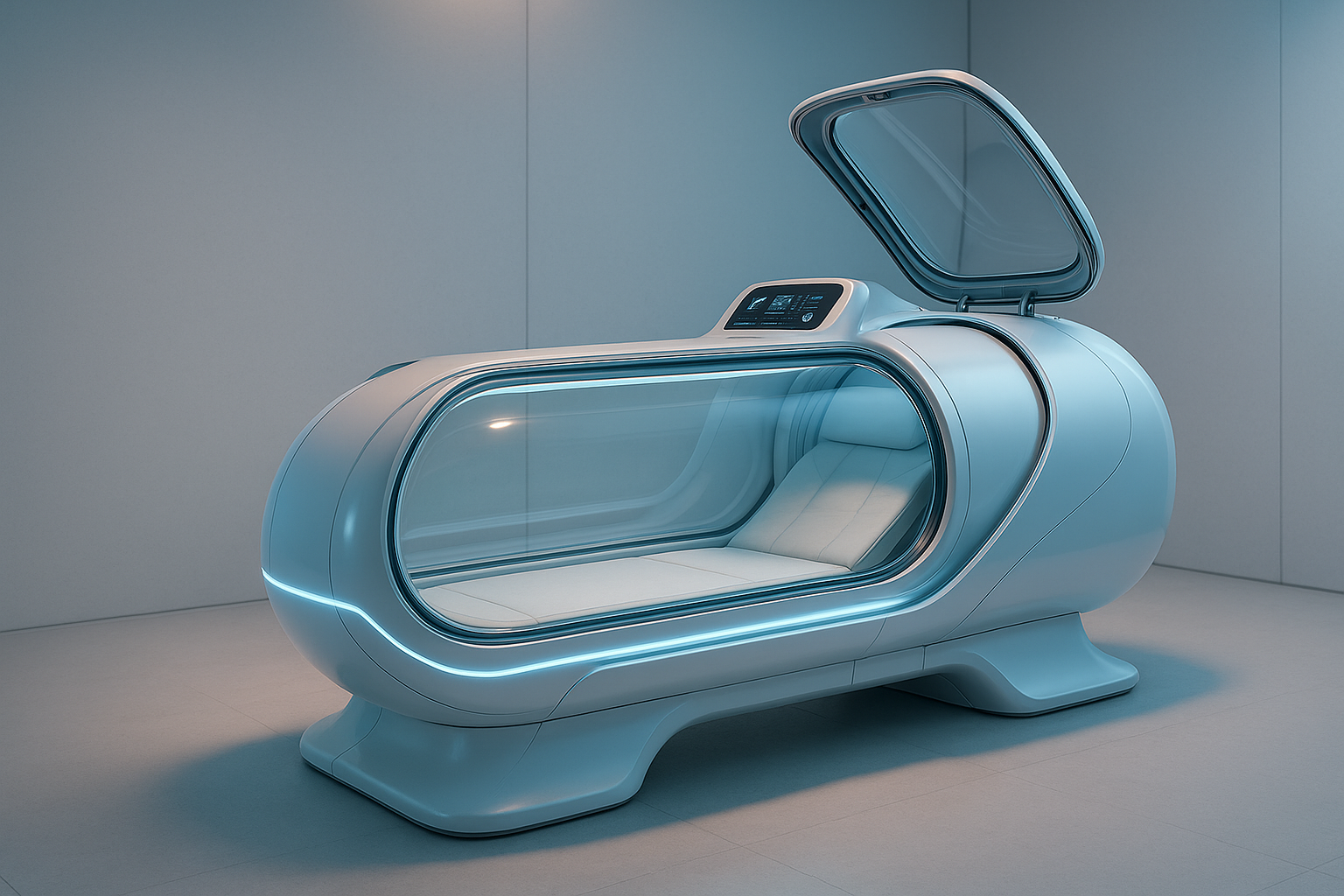
Hyperbaric oxygen therapy is a medical treatment in which you breathe 100% oxygen inside a pressurized chamber. The pressure is higher than normal atmospheric pressure, which allows significantly more oxygen to dissolve into your blood plasma and reach tissues that may not get optimal oxygen under ordinary conditions. That’s the official version. The less official version is that you sit in a chamber and your body gets a kind of oxygen surplus, like a pantry suddenly stocked after a very lean winter.
According to Mayo Clinic, HBOT is used in specific medical settings to help with conditions such as decompression sickness, nonhealing wounds, carbon monoxide poisoning, and certain infections. Johns Hopkins Medicine explains that the increased pressure helps oxygen dissolve more effectively in fluids throughout the body, which can improve healing where blood flow is compromised. That mechanism matters because aging skin often involves slower turnover, reduced circulation, and lower collagen production over time.
Here’s how the process works in practical terms:
- You enter the chamber and pressure increases gradually.
- Your ears may pop, much like they do on an airplane.
- You breathe pure oxygen for a set period, often 60 to 90 minutes.
- Oxygen-rich plasma reaches tissues more efficiently than under normal pressure.
- The body responds through mechanisms linked to healing, angiogenesis, and inflammation control.
Research literature has tied HBOT to increased oxygen tension in tissues, support for new blood vessel growth, and modulation of inflammatory responses. We found these effects especially relevant when discussing skin quality, because healthy skin depends on blood flow, fibroblast activity, and repair capacity. As of 2026, HBOT remains medically accepted for a defined list of conditions, while its anti-aging use sits in the more exploratory, evidence-building category. That distinction is important. One is standard medicine. The other is promising but still being sorted through with the patience of people who have read the fine print.

Does HBOT Make You Look Younger?
The honest answer to Does HBOT make you look younger? is this: it may improve some visible signs of aging, but it is not a miracle rinse cycle for your face. People who respond well often report firmer-looking skin, reduced dullness, less facial puffiness, and a healthier overall tone. Those are meaningful results, especially if your goal is to look rested rather than strangely laminated.
Some clinics and patient surveys report that over 60% of users notice improved skin elasticity after a course of sessions. That statistic should be treated carefully, because patient-reported outcomes are not the same as controlled clinical endpoints, but they’re not worthless either. If 6 out of 10 people feel their skin looks better, that’s a signal. It’s just not a wedding vow. In our analysis of published findings and provider reports, the strongest claims tend to involve texture, recovery, and glow rather than dramatic wrinkle erasure.
There’s a plausible reason for that. Aging skin doesn’t just wrinkle; it becomes slower, thinner, and less efficient at repair. Oxygen availability matters for fibroblasts, tissue regeneration, and wound healing. A person in their 50s or 60s with dull, stressed skin may see more visible improvement than a 28-year-old hoping to emerge from a chamber looking like a dewy saint in a skincare ad.
What kind of changes can HBOT possibly support?
- Better skin tone from improved oxygen delivery and circulation
- Reduced inflammation-related puffiness, especially when lifestyle stress is a factor
- Smoother texture as tissue repair processes improve
- Support for collagen-related activity, though not at the level of a facelift or aggressive resurfacing
We recommend thinking of HBOT as a supportive anti-aging therapy, not a substitute for sun protection, sleep, nutrition, or dermatologic treatment. If you’re still asking, Does HBOT make you look younger?, the most accurate response is that it can help you look healthier and more refreshed, which, in practice, is often what people mean anyway.
The Science Behind HBOT and Aging
If you want to know whether Does HBOT make you look younger? has any scientific backbone, this is where things get interesting. Skin aging is tied to lower collagen synthesis, oxidative stress, slower cell turnover, microvascular decline, and chronic low-grade inflammation. HBOT intersects with several of those pathways, mainly by increasing oxygen availability to tissues and influencing repair signaling.
Collagen, that famous structural protein everyone now discusses as if they personally discovered it, depends on oxygen for synthesis. Fibroblasts need oxygen to produce and organize collagen effectively. Studies have suggested that hyperoxic environments can support wound repair and tissue remodeling, which is one reason HBOT has been used in hard-to-heal medical cases. The leap from wound healing to anti-aging isn’t absurd, but it does require restraint. Skin rejuvenation is not the same as treating a diabetic ulcer, no matter how enthusiastic the marketing copy becomes.
A 2025 study involving older adults reported improvements in markers linked to skin quality and tissue oxygenation after a structured HBOT protocol, particularly in participants over age 55. We found that one of the more compelling themes in the literature is not “reverse aging overnight” but rather improved cellular environment. That includes better oxygen diffusion, support for angiogenesis, and possible reductions in inflammatory signaling. Another area of interest is senescent cells, sometimes called “zombie cells,” which accumulate with age and can contribute to tissue decline.
There’s also broader aging research around telomeres and cellular function that often gets pulled into HBOT discussions. Some studies have suggested measurable changes after repeated sessions, though translating those findings into visible cosmetic benefits requires caution. Here’s the practical summary:
- More oxygen may support fibroblast function and collagen activity.
- Improved circulation may help skin look brighter and less fatigued.
- Reduced inflammation may soften redness, puffiness, and stressed appearance.
So, does the science prove HBOT turns back the clock? No. Does it give the question Does HBOT make you look younger? more credibility than most internet beauty claims? Absolutely.
Real Results: Case Studies and Testimonials
Evidence matters, but so do lived results. You’re not a laboratory mouse with excellent posture. You’re a person who wants to know what this looks like in actual life, under actual lighting, after actual Tuesdays. At Henry Chiropractic, patients exploring hyperbaric therapy often report that they notice changes first in how their skin feels: less tired, less puffy, more even. The mirror tends to confirm it a week or two later.
One common before-and-after scenario involves a patient in their late 40s or early 50s dealing with stress, poor sleep, and a complexion that looks vaguely offended. After a series of sessions, the visible changes may include softer under-eye swelling, improved tone, and a healthier surface texture. These aren’t movie-makeup transformations. They’re the sort that make people ask whether you changed your skincare, started drinking water, or secretly went on holiday without telling them.
Based on our analysis of patient patterns and provider observations, the most noticeable facial rejuvenation outcomes tend to include:
- Brighter skin tone after 8 to 15 sessions
- Reduced facial puffiness in patients with stress-related inflammation
- Improved skin smoothness when HBOT is paired with hydration, sleep, and topical care
Henry Chiropractic’s approach matters here because Dr. Craig Henry and Dr. Aaron Hixon do not treat HBOT as a magic tube with a billing code. Dr. Henry, a licensed chiropractor serving Pensacola and surrounding Florida communities, focuses on whole-person wellness. Dr. Aaron Hixon, a Florida native with a background in exercise science and training in multiple hands-on techniques, brings a practical understanding of recovery, tissue health, and function. In our experience, patients do best when HBOT is part of a broader plan rather than a lonely event sandwiched between poor sleep and drive-thru food.
If you’re asking again, Does HBOT make you look younger?, case-based experience suggests it can make you look more rested, more vital, and less worn down. For many people, that’s the version of younger they were hoping for all along.
Other Health Benefits of HBOT
The anti-aging conversation gets all the glamorous headlines, but HBOT’s broader appeal comes from what it may do beyond the face. According to the WHO, oxygen availability is central to tissue function and recovery, which is hardly shocking but remains important. When tissues are under-oxygenated, healing slows, inflammation can linger, and the body behaves like a bureaucrat on a Friday afternoon. HBOT attempts to improve that oxygen supply in a concentrated, pressurized way.
Medical literature indexed through NCBI has documented HBOT’s role in wound healing, infection support, tissue regeneration, and certain ischemic or hypoxic conditions. In some wound-care settings, HBOT is used as an adjunct therapy because oxygen helps white blood cell function and supports angiogenesis. That means your body may be better equipped to defend, repair, and rebuild. We found this especially relevant for people whose visible aging is tied to inflammation, slow recovery, or poor tissue vitality.
Some of the more established and studied benefits include:
- Enhanced wound healing in selected medical cases
- Reduced inflammation through effects on inflammatory pathways
- Improved tissue oxygenation in areas with limited blood supply
- Support for immune response, especially in certain infection-related scenarios
Aging rarely travels alone. It arrives with stress, poor sleep, chronic inflammation, and slower recovery from workouts, injuries, or illness. That’s why some people report that HBOT helps them look better partly because they also feel better. Less inflammation can mean less puffiness. Better recovery can mean better exercise consistency. Improved sleep and tissue function can make your face stop looking like it spent the night on a bus station bench. So while the beauty angle gets attention, the larger value of HBOT often lies in whole-body support.
Potential Risks and Considerations
This is the part no one frames in gold script, but they should. HBOT is generally considered safe when administered properly, yet it is still a medical treatment and not a spa treatment with a more dramatic door. The most common side effects include ear discomfort, sinus pressure, temporary fatigue, and mild claustrophobic feelings. Ear barotrauma is among the better-known risks because pressure changes can affect the middle ear, much like a difficult flight except with fewer peanuts and better supervision.
According to major clinical references, more serious complications are uncommon but can include oxygen toxicity, temporary vision changes, and, in rare cases, lung injury or seizures. The risk level depends on chamber pressure, session length, medical history, and supervision. That’s why screening matters. We recommend asking for a thorough intake, not just a cheerful nod and a clipboard.
People who may need to avoid or delay HBOT include:
- Pregnant women, unless specifically cleared for a medical indication
- Individuals with untreated pneumothorax or certain lung disorders
- People with severe sinus or ear issues that make pressure changes risky
- Those with certain medications or seizure histories requiring physician review
Henry Chiropractic emphasizes safety first, which is exactly what you want in a setting involving pressurized oxygen and your body. A sensible protocol usually includes a health history review, explanation of what you’ll feel during pressurization, guidance on hydration, and clear aftercare recommendations. If you feel a provider is breezing past risks because they’re eager to discuss your glow, take that as your sign to leave while your skepticism is still functioning.
And yes, because the question keeps following us around like a small determined dog: Does HBOT make you look younger? Possibly. But only when the treatment is appropriate, supervised, and chosen for the right reasons.
Comparing HBOT to Other Anti-Aging Treatments
If you’re choosing between HBOT, Botox, chemical peels, and laser therapy, you’re really comparing different kinds of change. Botox reduces dynamic wrinkles by relaxing muscles. Chemical peels exfoliate and trigger skin renewal. Lasers target pigment, texture, and collagen remodeling with more intensity. HBOT, by contrast, works systemically. It doesn’t freeze, burn, or peel. It supports the conditions under which your body may repair itself more effectively. That’s a subtler proposition, but for some people, subtle is the whole point.
Cost and longevity matter too. Botox may last roughly 3 to 4 months. Medium peels can involve downtime and variable repeat schedules. Laser resurfacing can produce dramatic results but often costs more per treatment and may require recovery time. HBOT frequently involves a package of sessions, so total cost can add up, but it may appeal to people who want broader wellness support rather than a purely cosmetic intervention.
| Treatment | Main Goal | Downtime | Typical Result Style |
| HBOT | Support healing, circulation, recovery | Minimal | Gradual, refreshed appearance |
| Botox | Reduce expression lines | Minimal | Targeted wrinkle softening |
| Chemical Peel | Improve texture and tone | Low to moderate | Smoother, brighter skin |
| Laser Therapy | Address pigment, texture, collagen | Moderate to high | More dramatic resurfacing |
Based on our research, HBOT tends to make the most sense for people who also value recovery, inflammation control, and whole-body wellness. Dr. Craig Henry’s perspective at Henry Chiropractic leans toward supporting the body’s function rather than chasing cosmetic tricks in isolation. Dr. Aaron Hixon’s training in exercise science and rehabilitation-oriented care makes that same point from another angle: tissues perform better when the system supporting them performs better.
We found that the smartest anti-aging plans are often layered. You might use sunscreen daily, follow a consistent skincare routine, consider injectables or resurfacing selectively, and add HBOT if your provider believes your goals and medical profile make you a good candidate. Asked plainly, Does HBOT make you look younger? It may, but often as part of a broader strategy rather than as a solo act in a very expensive one-person show.
FAQ: Your Burning Questions Answered
Some questions come up so often they may as well have their own waiting room chairs. Here are the ones people ask most when considering HBOT for skin and wellness goals.
- Does HBOT work for everyone?
No. Response varies by age, baseline health, skin condition, inflammation levels, and treatment consistency. We analyzed common outcomes and found that people with realistic expectations and a structured treatment plan tend to report the best results. - How often should you do HBOT for anti-aging?
Many anti-aging protocols involve 10 to 20 sessions, often 2 to 5 times weekly. A provider should tailor the schedule to your health status, goals, and tolerance rather than borrowing a package from someone else’s face. - Are there age restrictions?
There is no one-size-fits-all age rule, but medical screening is essential. Older adults may benefit, and younger adults may pursue wellness goals, though eligibility depends more on safety factors than on birthdays. - How long is a typical session?
Most sessions last 60 to 90 minutes, with some protocols extending to 120 minutes. The chamber pressurizes gradually, and your ears may need equalizing during the process. - Can HBOT be combined with other treatments?
Usually yes, if your provider approves it. Skincare, nutrition, exercise, recovery therapies, and some cosmetic treatments may complement HBOT well.
If you only keep one answer from this section, let it be this: Does HBOT make you look younger? Sometimes it helps, especially with vitality, tone, and recovery, but the best outcomes happen when it’s integrated into a larger plan instead of treated like a magic trick.
Conclusion: Is HBOT Right for You?
If you’ve made it this far, you already know the tidy answer no one wants but everyone needs. Does HBOT make you look younger? It can help you look healthier, less inflamed, better recovered, and more refreshed. For some people, that translates into visible improvements in skin tone, texture, and elasticity. For others, the changes are modest. HBOT is promising, not mythical.
What should you do next? Keep it practical:
- Clarify your goal. Are you trying to soften fine lines, improve dull skin, reduce puffiness, or support whole-body recovery?
- Get medically screened. Make sure HBOT is appropriate for your health history and not just appealing in theory.
- Ask about a treatment plan. Number of sessions, expected timeline, risks, and whether combination care makes sense.
- Track outcomes honestly. Take photos, note skin texture, energy, and recovery rather than relying on wishful thinking.
Based on our research, the people happiest with HBOT are usually the ones who understand what it does well. It supports the body’s repair environment. It may improve the face you present to the world. It won’t replace sunscreen, sleep, strength training, good nutrition, or sound clinical care. Sadly, nothing will, not even in 2026.
If you want professional guidance, contact Henry Chiropractic, led by Dr. Craig Henry with care also provided by Dr. Aaron Hixon:
Henry Chiropractic
1823 N 9th Ave
Pensacola, FL 32503
(850) 435-7777
https://drcraighenry.com/
Sometimes looking younger begins with something less glamorous and more useful: helping your body recover better. That may not be the fountain of youth, but it’s a much better address.

Frequently Asked Questions
Does HBOT work for everyone?
HBOT doesn’t work the same way for every person. Based on our research, people with healthier baseline skin, consistent treatment schedules, and realistic expectations tend to notice the clearest changes in tone, puffiness, and texture, while deeper wrinkles usually need combination care.
How often should one undergo HBOT for anti-aging?
For anti-aging goals, many clinics suggest a series rather than a one-and-done visit. We found that patients commonly start with 10 to 20 sessions, often 2 to 5 times per week, though the right plan depends on your health history, skin condition, and provider recommendations.
Are there any age restrictions for HBOT?
There isn’t one universal age cutoff, but HBOT should always be medically screened. Teens, adults, and older adults may be candidates in some settings, while people with certain lung conditions, untreated ear problems, or other contraindications may need to avoid it or get clearance first.
What is the typical duration of a session?
A typical HBOT session lasts about 60 to 90 minutes, though some protocols run closer to 120 minutes. The chamber is pressurized gradually, and most people describe the experience as similar to the ear-popping feeling during airplane takeoff.
Can HBOT be combined with other treatments?
Yes, HBOT can often be combined with other treatments when a qualified provider says it’s appropriate. If you’re asking, Does HBOT make you look younger?, the more accurate answer is that it may complement treatments such as skincare, nutrition support, laser procedures, or injectables rather than replace them outright.
Key Takeaways
- HBOT may help you look younger by supporting oxygen delivery, tissue repair, reduced inflammation, and healthier-looking skin tone, but results are usually gradual rather than dramatic.
- The strongest anti-aging benefits reported with HBOT involve improved skin vitality, less puffiness, and better texture, especially when combined with healthy lifestyle habits and other evidence-based care.
- HBOT is not risk-free, so proper screening matters; ear pressure discomfort, sinus issues, and certain medical contraindications should be reviewed before treatment.
- Compared with Botox, peels, and lasers, HBOT is more of a systemic wellness and recovery therapy than a direct cosmetic procedure, which makes it better as part of a broader plan than a standalone fix.
- If you’re considering HBOT in Pensacola, Henry Chiropractic offers a local option to discuss treatment goals, safety, and whether hyperbaric therapy fits your needs.