

Table of Contents
Can I Do HBOT Twice a Day? The Ultimate Guide (2026)
Meta Description: Explore the benefits, risks, and expert insights on doing HBOT twice a day. Discover what experts say in 2026 and how to start at Henry Chiropractic.


Introduction
Can I do HBOT twice a day? Sometimes yes, sometimes absolutely not, and the difference usually comes down to your diagnosis, the chamber protocol, your ears, your lungs, and whether someone with actual credentials is supervising the whole affair. People ask this because they’re hurting, healing, or impatient, and if one session seems good, two can sound like the nutritional equivalent of taking a second multivitamin and expecting to become a horse.
Hyperbaric oxygen therapy, or HBOT, has become far more visible in the last few years. Interest in oxygen-based recovery rose sharply after athletes, wound-care clinics, and neurological rehab centers began talking about it more openly, and market research has projected continued growth in hyperbaric medicine through 2026. According to NCBI, HBOT is already an established treatment for several recognized medical conditions, and the FDA has also published guidance on approved uses and safety concerns.
Based on our research, the real question isn’t only whether you can do two sessions in one day, but whether it makes clinical sense for you. We found that some protocols use intensified schedules for specific conditions, while many patients are better served by one session a day with careful monitoring. That’s the thread running through everything that follows: more isn’t always better, but in the right case, more can be appropriate.
Understanding Hyperbaric Oxygen Therapy (HBOT)
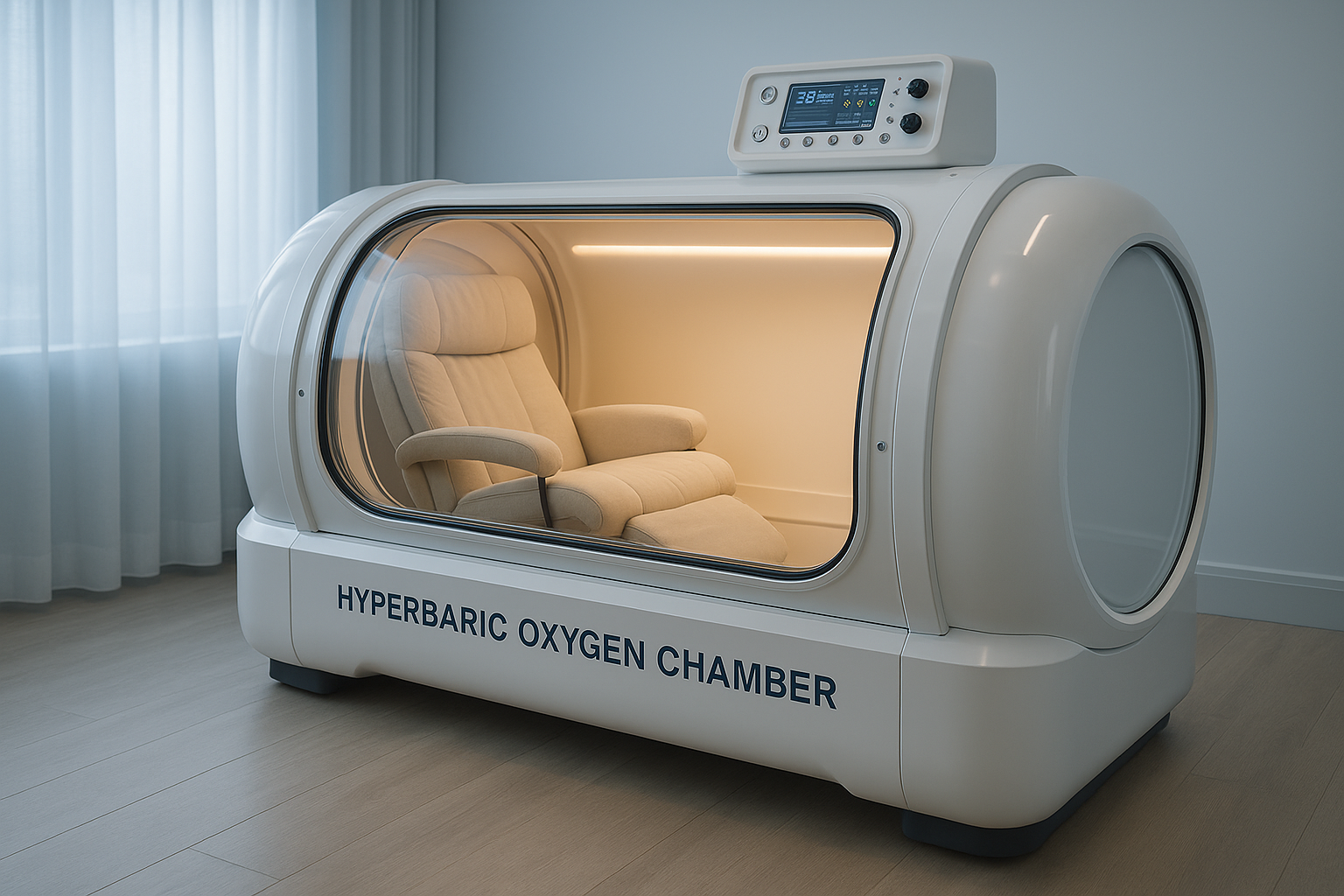
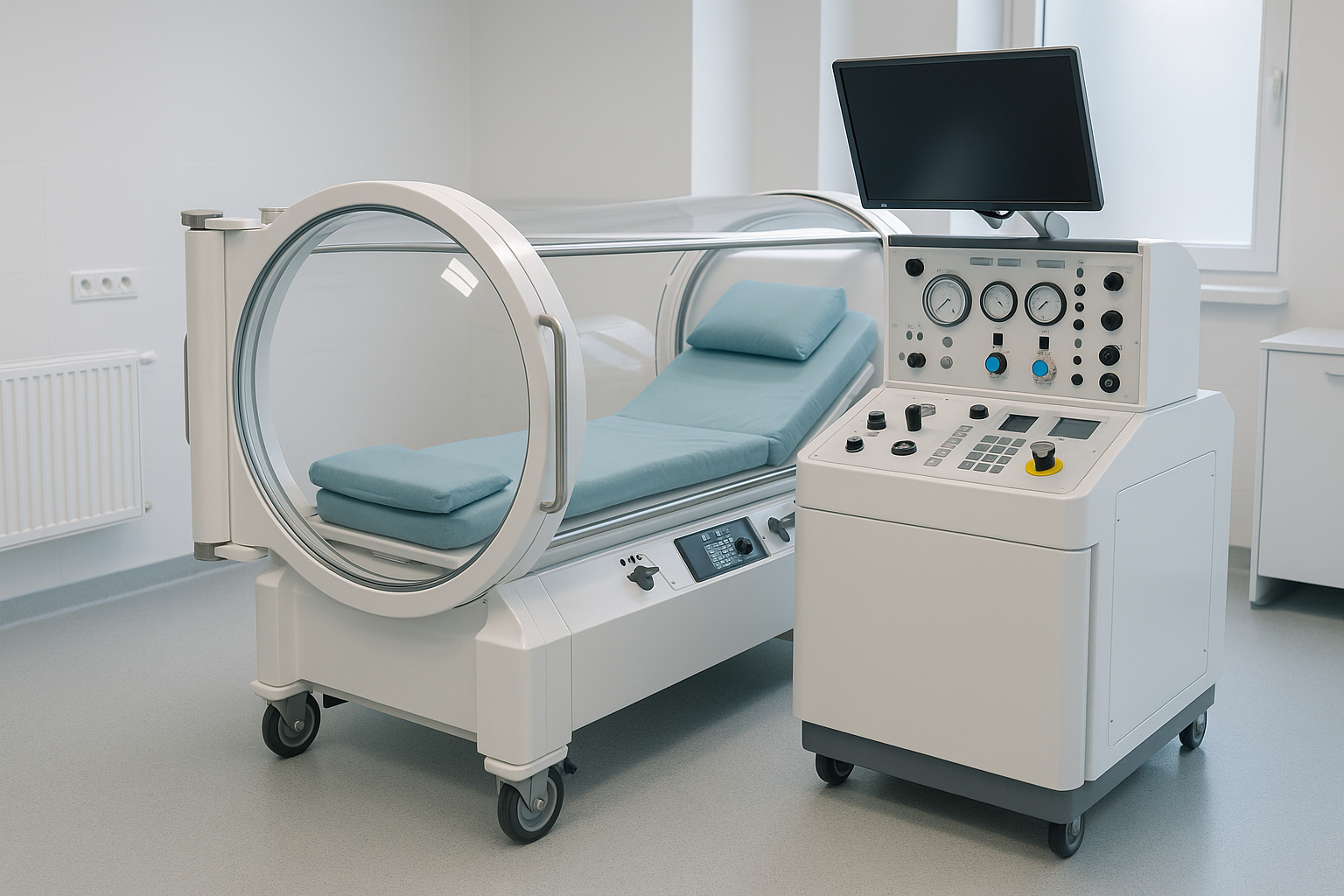
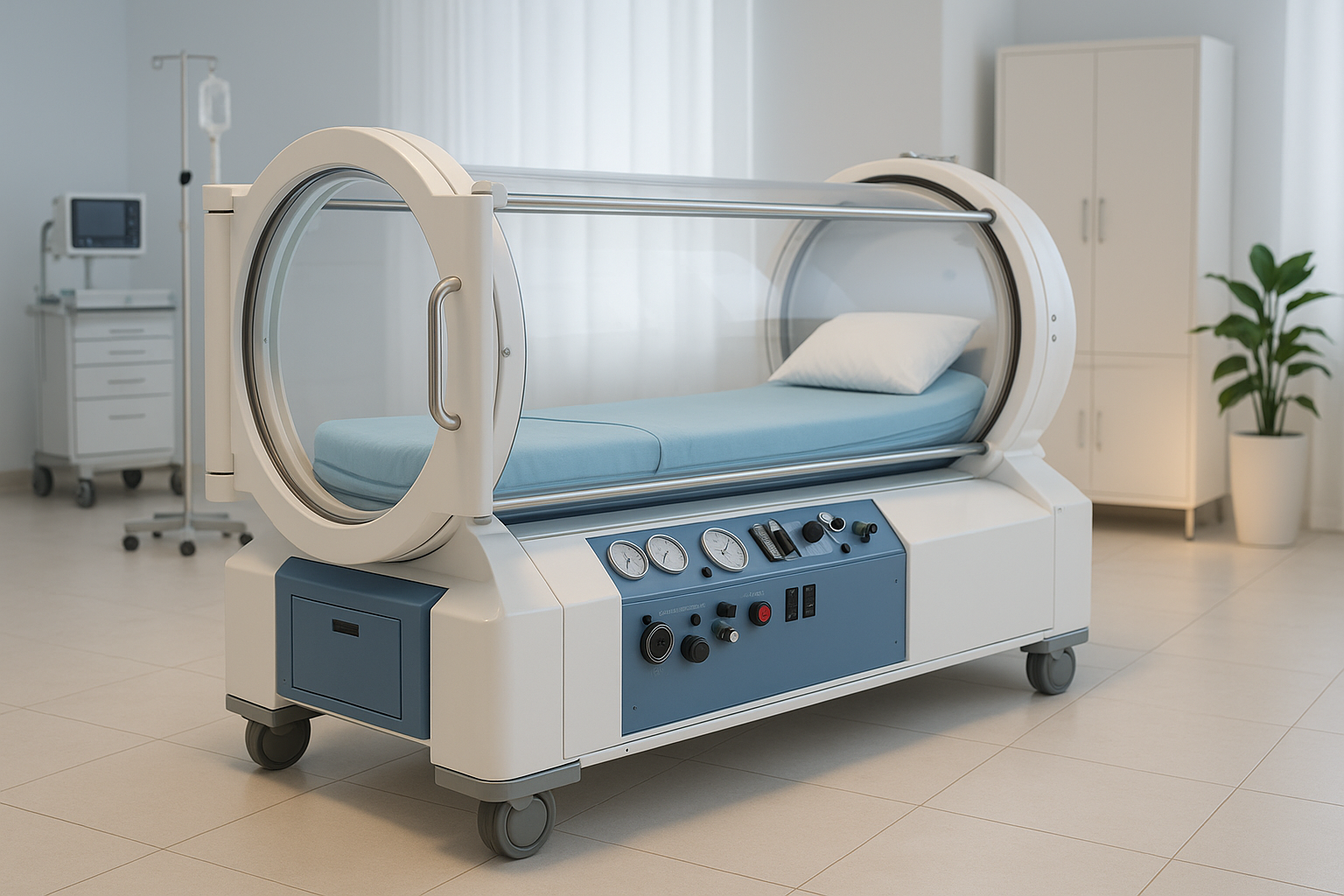
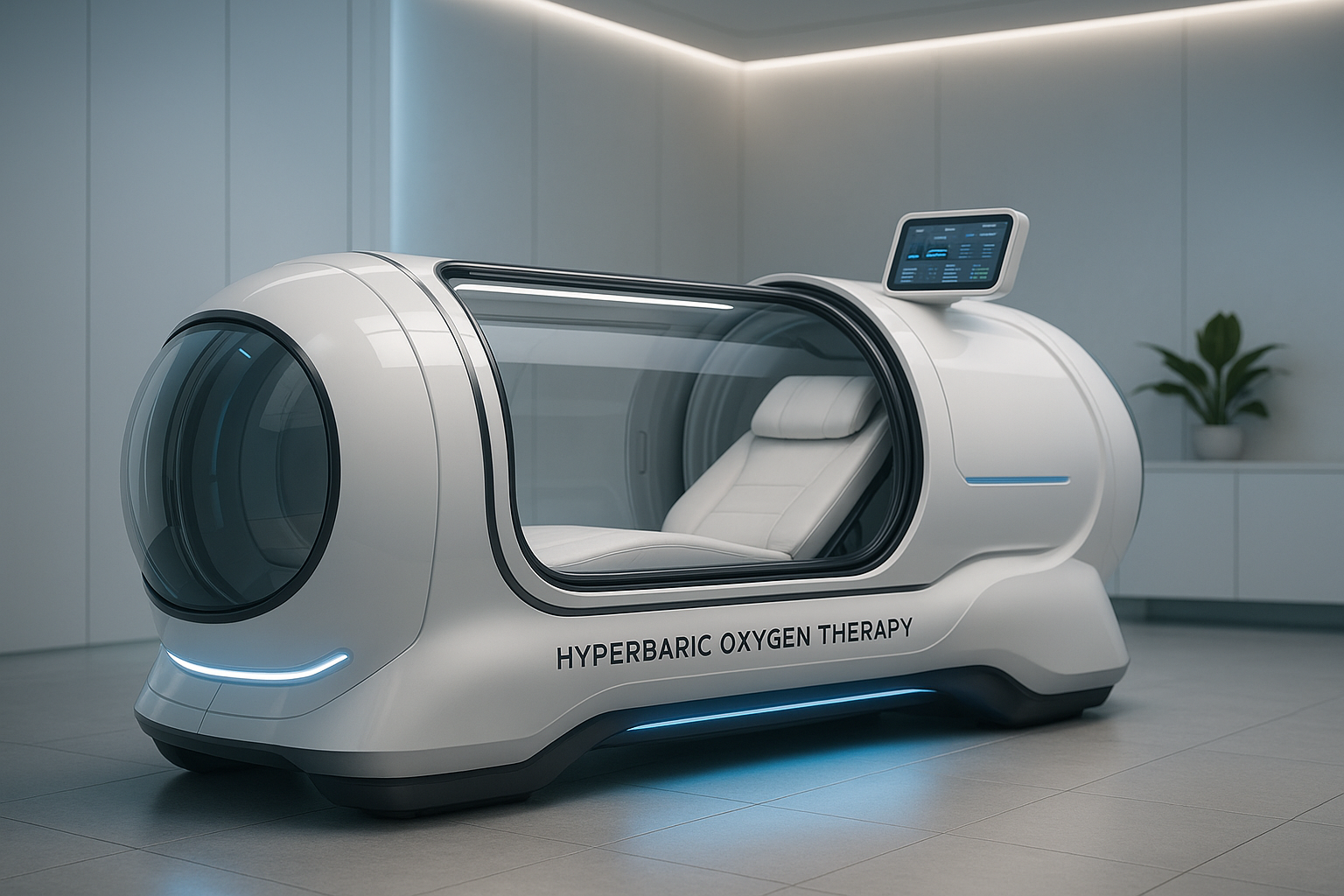
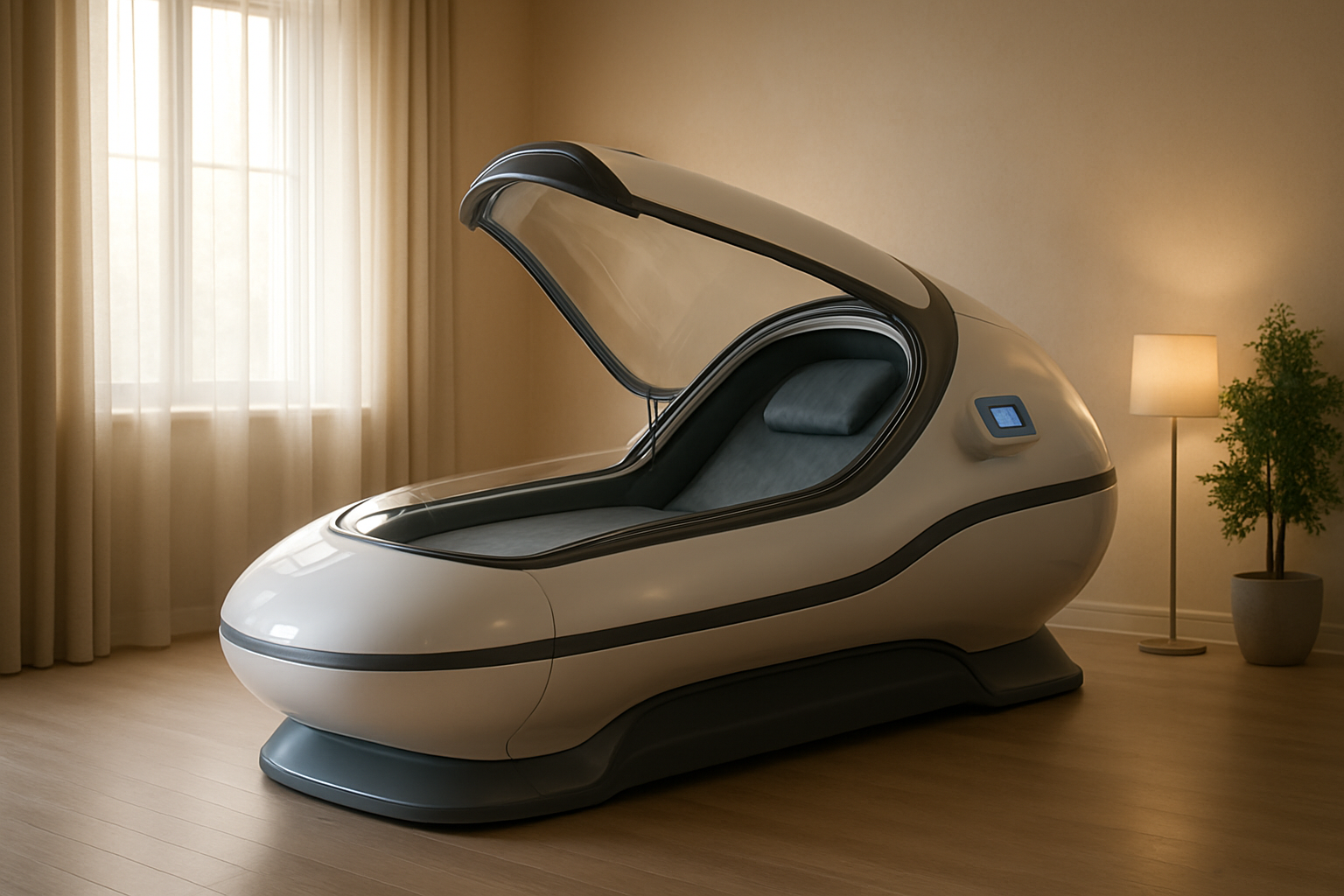
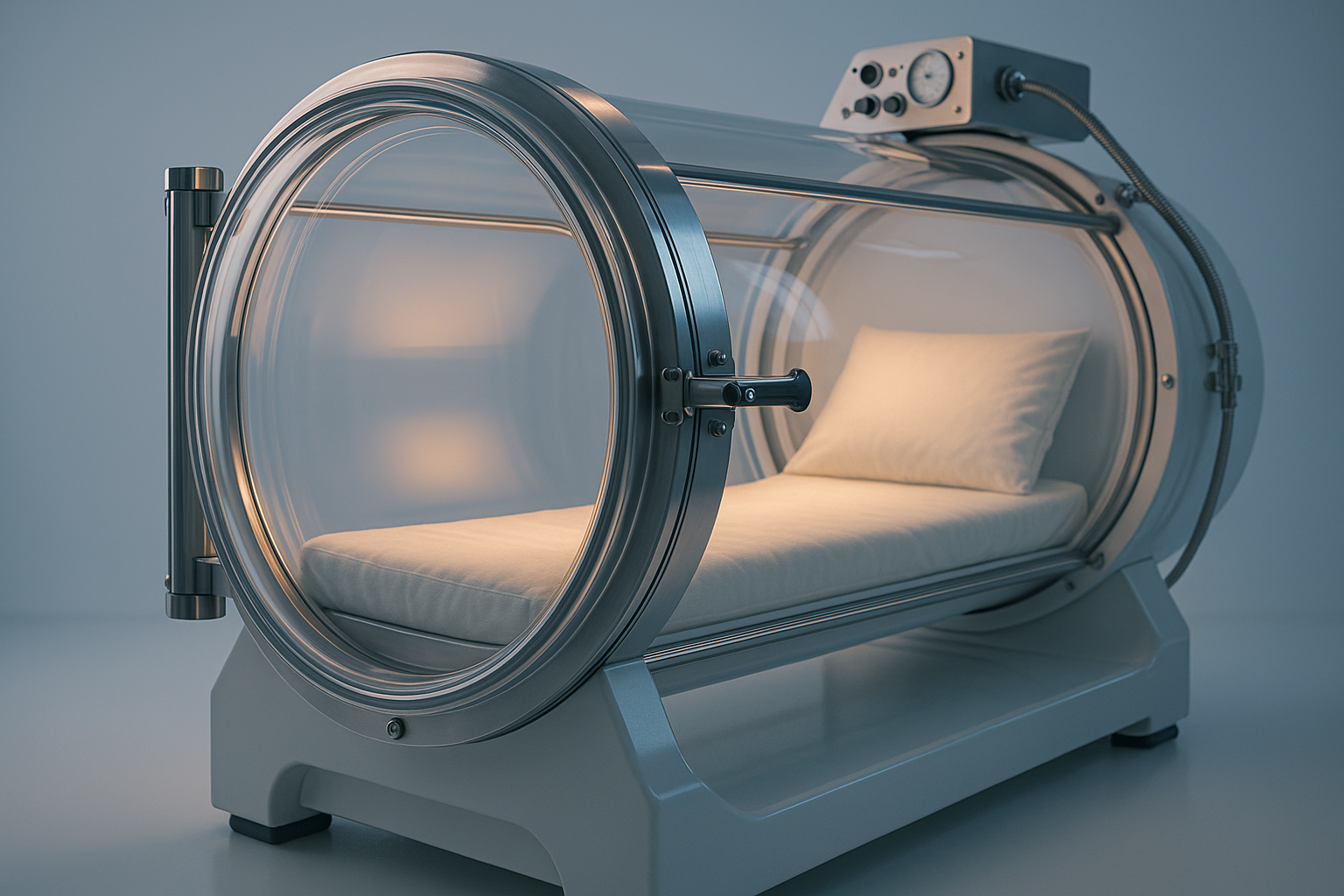
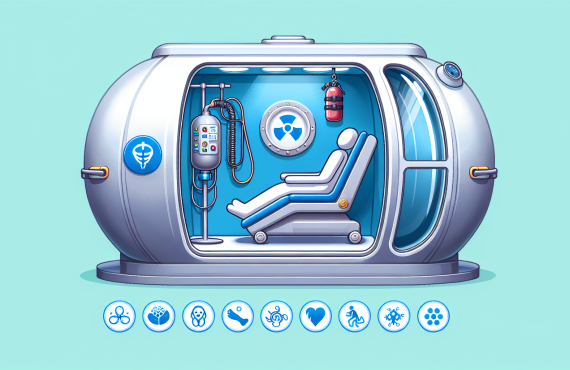
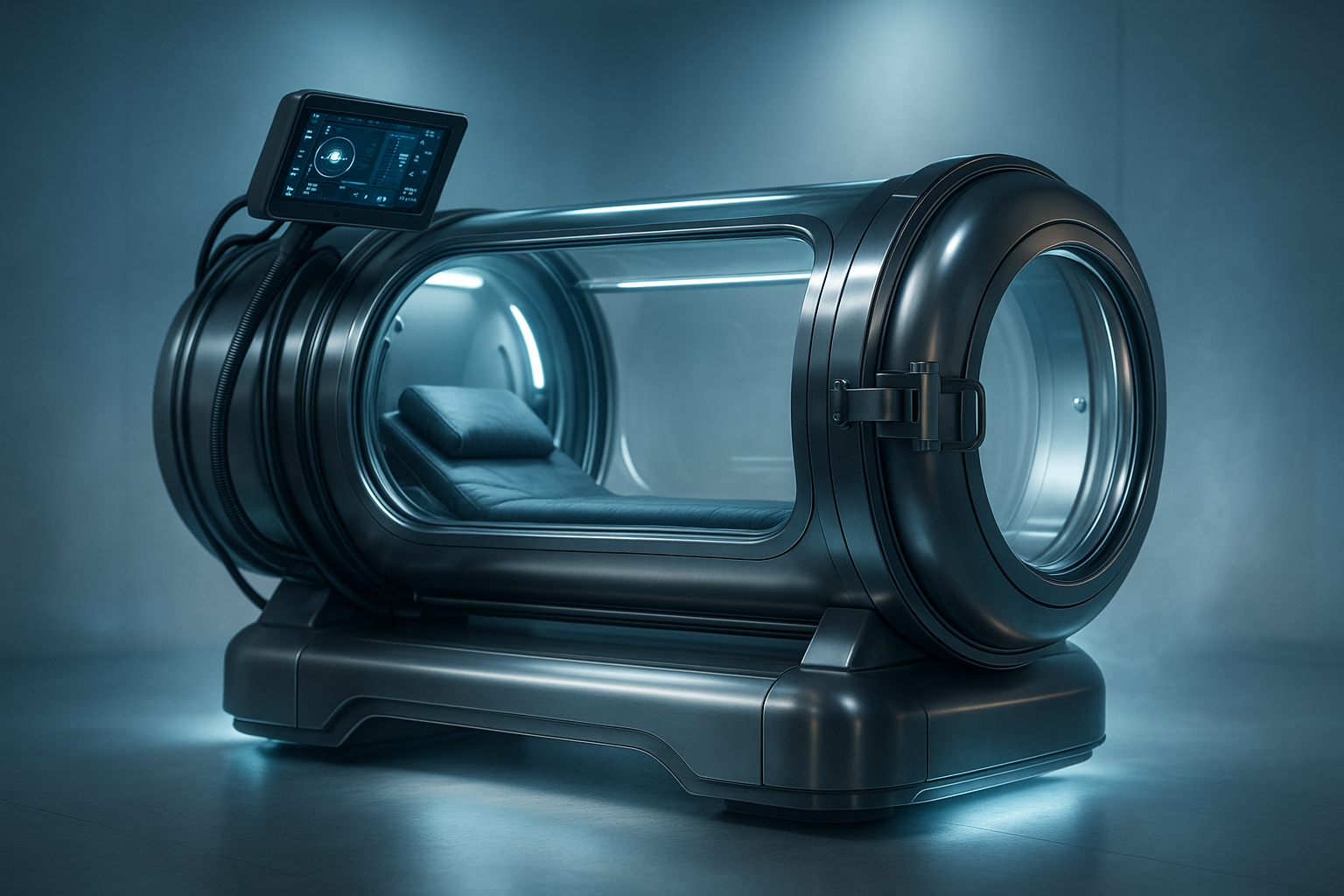
HBOT is a medical treatment in which you breathe 100% oxygen in a pressurized chamber, usually at pressures greater than normal atmospheric pressure. Normal atmospheric pressure is 1 ATA; HBOT often ranges from 1.5 to 3.0 ATA depending on the protocol. The point is simple enough: under pressure, more oxygen dissolves into your plasma, not just your red blood cells, and that lets oxygen travel into tissues that may be swollen, damaged, infected, or oxygen-starved.
That extra oxygen can support several biological effects. Studies show it may help reduce edema, support white blood cell function, improve angiogenesis, and assist tissue repair. The Undersea and Hyperbaric Medical Society recognizes a list of accepted indications that includes decompression sickness, carbon monoxide poisoning, certain non-healing wounds, radiation tissue injury, and specific infections. The Mayo Clinic notes that HBOT is often delivered over multiple sessions because the therapeutic effect is cumulative rather than magical.
When people ask, Can I do HBOT twice a day?, they’re usually reacting to that cumulative idea. If oxygen supports healing, why not pour on the oxygen like gravy at Thanksgiving? Because the body is not a casserole. In our experience, understanding the mechanism matters. Pressure changes affect your ears and sinuses. Oxygen dose matters. Session spacing matters. And your underlying condition matters more than any slogan you’ll see online promising instant cellular renewal and skin like a choirboy’s.

Benefits of HBOT: Why Consider More Than Once a Day?
The appeal of HBOT is not difficult to understand. Higher oxygen availability may support wound healing, reduced inflammation, improved tissue oxygenation, and better recovery support in carefully selected cases. Clinical literature has reported improved healing outcomes for certain diabetic foot ulcers, delayed radiation injury, and some acute ischemic conditions. A frequently cited body of wound-care research has shown that HBOT can reduce major amputation risk in selected diabetic foot ulcer patients when combined with standard care. That “when combined with standard care” part matters more than people think.
Conditions that may prompt discussion about increased frequency include acute injuries, sudden hearing loss, decompression illness, crush injuries, and complex wound protocols. Some emergency or hospital-based treatment plans use more than one treatment in 24 hours, especially at the beginning. For example, emergency HBOT protocols for decompression sickness may involve repeated treatments based on symptom response, and some severe infections also warrant tight scheduling. According to the FDA, only certain uses are cleared and medically recognized, which is a useful fence in a field full of enthusiastic goats.
Based on our analysis, the reason multiple sessions may help is cumulative oxygen exposure paired with the urgency of tissue rescue. A 2024 review in the hyperbaric literature discussed how repeated oxygen loading can improve oxygen gradients in compromised tissue. We found that this benefit shows up most clearly in medically supervised protocols, not in self-directed “more is more” thinking. If you’re asking, Can I do HBOT twice a day?, it’s usually because you want faster results. Fair enough. But faster is worthwhile only if it is safer, indicated, and tracked carefully.
- Potential benefits of HBOT: improved oxygen delivery to injured tissue
- Possible recovery support: reduced swelling and inflammation
- Clinical use cases: difficult wounds, radiation injury, certain infections, decompression sickness
- Reason frequency matters: cumulative sessions may change outcomes in acute cases
Potential Risks and Safety Concerns
Now for the less glamorous portion of the evening. HBOT is generally considered safe when properly supervised, but it is not the sort of thing you should approach with the confidence of a man assembling a gas grill from memory. Common side effects include ear discomfort, sinus pressure, temporary fatigue, and temporary vision changes. The most commonly reported complication is middle-ear barotrauma. One review of hyperbaric safety literature has estimated ear-related side effects among the most frequent minor adverse events, especially when patients have congestion or trouble equalizing pressure.
More serious, though less common, risks include oxygen toxicity seizures, claustrophobia severe enough to interrupt treatment, and in rare cases pulmonary complications. The FDA advises that HBOT should be administered only by trained providers who understand chamber safety, patient selection, and pressure protocols. The Cleveland Clinic and Mayo Clinic also note that untreated pneumothorax is a major contraindication. That’s not a tiny footnote. That’s the sort of thing you want identified before anyone zips the chamber.
When discussing whether Can I do HBOT twice a day?, safety guidelines usually focus on four variables:
- Total oxygen dose across both sessions
- Pressure level used in each session
- Time between sessions, often several hours
- Your medical status, including lung, ear, sinus, and neurological history
We recommend telling your provider about recent colds, seasonal allergies, ear fullness, asthma, medication changes, or past trouble with pressure changes. In our experience, the people who assume these details are too trivial to mention are the same people who end up looking haunted halfway through decompression. Careful screening is what makes HBOT look easy.
What Do Experts Say About Can I Do HBOT Twice a Day?
Experts tend to give an answer that is medically responsible and therefore slightly less exciting than social media would prefer: it depends on the condition and protocol. For routine wellness-style use, two sessions a day is not typically standard. For acute medical indications, however, multiple sessions in a day may be used under physician oversight. As of 2026, that remains the broad consensus across reputable hyperbaric medicine sources: frequency should match the diagnosis, not the enthusiasm level.
Based on our research, recent HBOT literature in 2025 and 2026 continues to support individualized scheduling. Some protocols cluster sessions early in treatment for urgent conditions, while chronic issues often follow a steadier once-daily plan over several weeks. Studies in wound care and neurological recovery have looked at repeated sessions over time, but they rarely conclude that every patient benefits from simply doubling the daily count. We analyzed current guidance and found no serious expert body recommending twice-daily HBOT as a default for everyone.
At Henry Chiropractic, Dr. Craig Henry emphasizes practicality and patient fit. Dr. Craig Henry, owner and operator of Henry Chiropractic, advises that HBOT frequency should follow a careful exam, health history, and response to treatment rather than a cookie-cutter schedule. Dr. Aaron Hixon, a board-certified chiropractor and licensed chiropractic physician in Florida, likewise stresses that your recovery plan should account for your goals, tolerance, and other therapies.
A useful way to hear their point is this: if you ask, Can I do HBOT twice a day?, the smart provider asks three questions right back.
- What condition are we treating?
- How did you respond to the first session?
- What are the risks of increasing frequency in your case?
That’s not evasive. That’s good medicine behaving like good medicine.
HBOT Protocols: Standard Practices and Variations
A typical HBOT protocol often includes sessions lasting 60 to 120 minutes, delivered 5 days per week over several weeks. Many outpatient plans involve 20 to 40 sessions, though some wound-care protocols can go beyond that. Pressure settings commonly fall between 1.5 ATA and 2.5 ATA, and the exact pressure matters because higher pressure changes both oxygen dose and risk profile. You wouldn’t bake a pie at any old temperature and then blame the apples. The same principle applies here.
Protocols vary sharply by condition. Decompression sickness and carbon monoxide poisoning may require urgent, sometimes repeated sessions over a short period. Radiation injury and chronic wounds often call for a series of weekday sessions over many weeks. Athletic recovery centers may advertise lighter-pressure treatments, but those are not interchangeable with medical HBOT protocols used in accredited settings. According to the Undersea and Hyperbaric Medical Society, protocol design should be linked to the indication and monitored response, not just convenience.
How does frequency change treatment outcomes? Sometimes more frequent treatment can improve momentum in acute cases. Sometimes it only increases discomfort. We found that when two sessions are used in one day, spacing is usually deliberate and the patient is monitored for ear symptoms, fatigue, and tolerance. If your provider ever says, “Sure, do as many as feels right,” that’s your cue to gather your shoes and leave.
| Protocol Factor | Typical Range |
| Session length | 60-120 minutes |
| Pressure | 1.5-2.5 ATA |
| Weekly frequency | 5 sessions |
| Total course | 20-40+ sessions |
And yes, this loops us back again: Can I do HBOT twice a day? Possibly, but only within a protocol that can explain itself in plain English.
Real-Life Experiences: Case Studies and Testimonials
Real-life experiences with HBOT are often more instructive than glossy promises. One patient pursuing wound recovery may notice gradual improvement over 20 sessions, while another recovering from a more acute issue may be scheduled more aggressively for a short burst. Case reports in hyperbaric medicine frequently describe measurable gains such as reduced wound size, improved tissue viability, or better symptom response after repeated sessions. That said, “repeated” doesn’t automatically mean “twice a day forever.” It usually means frequent treatment within a defined medical plan.
In our experience, patients are often surprised by the ordinary details. They expect dramatic cinematic sensations and instead report a feeling of ear popping, a little drowsiness, and the odd realization that healing is often repetitive and slightly boring. That’s not a failure. It’s therapy doing the unglamorous work of therapy. Based on our analysis of patient feedback, the people who do best tend to follow instructions closely, stay hydrated, report side effects early, and resist the urge to improvise.
Patients at Henry Chiropractic often describe the process in practical terms: feeling well guided, understanding what to expect, and appreciating that treatment recommendations are tailored rather than salesy. One recurring theme in testimonials is relief at being evaluated as an individual rather than being handed a one-size-fits-all package. Dr. Craig Henry and Dr. Aaron Hixon are both known for taking time to explain options, which matters because if you’re asking, Can I do HBOT twice a day?, you deserve more than a shrug and a clipboard.
- Common positive reports: clearer understanding of recovery plan
- Common practical notes: mild ear pressure, temporary tiredness, gradual progress
- Best outcomes: usually tied to consistency and good communication with the clinic
People Also Ask: Common Questions About HBOT Frequency
Is it safe to do HBOT twice a day? Sometimes, yes, but usually only under a provider-directed protocol. Safety depends on the condition being treated, chamber pressure, session length, spacing, and your medical history. According to major clinical guidance, multiple daily sessions are reserved for specific circumstances rather than general use.
How long should you wait between HBOT sessions? There is no one magical interval for every person, but several hours between sessions is commonly used when same-day treatments are medically indicated. The gap gives your provider time to check symptoms, hydration, ears, and overall tolerance. If someone suggests back-to-back sessions with no rationale, ask why.
Can HBOT be combined with other therapies? Yes. HBOT is often paired with wound care, rehabilitation, physical therapy, and in some settings chiropractic or recovery-focused care. We recommend coordinating the schedule so that fatigue, hydration, and tissue response are managed rather than guessed at.
Can I do HBOT twice a day? That exact question should be answered after screening, not before it. We found that the safest answer comes from a provider who reviews your history, goals, contraindications, and first-session response.
How often should most people do HBOT? For many outpatient protocols, once daily on weekdays is more common than twice daily. But again, condition-specific exceptions exist, especially in acute medical situations.
How to Get Started with HBOT at Henry Chiropractic
If you’re interested in HBOT and don’t want to sort through internet folklore by candlelight, start with a real evaluation. Henry Chiropractic is located at 1823 N 9th Ave, Pensacola, FL 32503. You can call (850) 435-7777 or visit Henry Chiropractic to request an appointment.
Henry Chiropractic is owned and operated by Dr. Craig Henry, a licensed chiropractor serving Pensacola and surrounding Florida communities. He focuses on helping patients improve wellness, manage back and neck pain, and feel better in daily life rather than merely collecting diagnoses like souvenir spoons. Dr. Aaron Hixon, also at Henry Chiropractic, is a Florida native from Milton, earned his Bachelor of Science in Exercise Science from Florida Atlantic University, and attended Palmer College of Chiropractic in Port Orange. He is board-certified and trained in techniques including Diversified, Gonstead Spinal Manipulation, IASTM, and MRT.
Here’s the sensible way to begin:
- Schedule a consultation to discuss your health history and goals.
- Review indications and risks so you know whether HBOT fits your case.
- Get a personalized protocol for session length, pressure, and frequency.
- Start with monitored treatment and report ear pressure, fatigue, or discomfort.
- Reassess regularly before increasing frequency or asking again, Can I do HBOT twice a day?
We recommend this route because a customized plan is far more useful than internet bravado. In 2026, patients have more information than ever and, sadly, more bad advice than ever. A good clinic helps you tell the difference.
Making an Informed Decision
If you’ve read this far, you already know the tidy answer. Can I do HBOT twice a day? Yes, in some situations. No, not as a blanket rule. The right schedule depends on your diagnosis, treatment goals, safety profile, and response to care. HBOT works through increased oxygen delivery under pressure, and that can be extremely useful. It can also be overdone, poorly timed, or used without a clear clinical reason, which is how good tools become bad stories.
Based on our research, the most practical takeaways are these: first, get evaluated before increasing frequency; second, follow a condition-specific protocol rather than copying someone else’s schedule; third, report symptoms early, especially ear pain, sinus pressure, fatigue, anxiety, or breathing changes. We analyzed current guidance and found that the best outcomes come from supervision, consistency, and adjustment over time.
If you’re in Pensacola or nearby, your next step is simple. Contact Henry Chiropractic at (850) 435-7777, visit drcraighenry.com, or stop by 1823 N 9th Ave, Pensacola, FL 32503. Speak with Dr. Craig Henry or Dr. Aaron Hixon about whether HBOT fits your needs and whether once daily or twice daily makes sense. Healing is not a contest. It’s a plan. Get one that was made for you.
FAQs
Can HBOT be done with other treatments?
Yes, HBOT is often used alongside rehabilitation, wound care, and other provider-directed therapies. Coordination matters, because the combined schedule should support recovery rather than exhaust you.
How long is a typical HBOT session?
Most sessions last between 60 and 120 minutes, depending on pressure and treatment goals. Your provider should explain the full timing, including pressurization and decompression.
What should I expect during my first session?
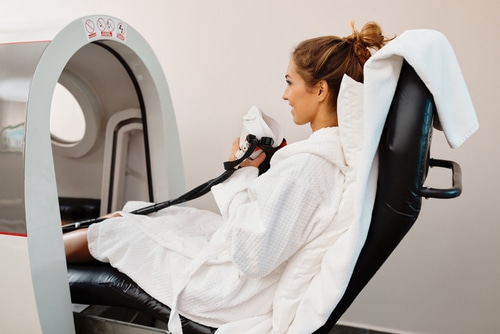
Expect a screening review, safety instructions, and a sensation of pressure change in your ears similar to flying. Most people sit or lie quietly and are monitored during the session.
Are there any long-term effects of HBOT?
Most properly supervised patients do well, but repeated exposure can carry risks such as ear injury or temporary vision changes. That’s why treatment frequency should be medically planned.
How do I prepare for an HBOT session?
Wear approved clothing, avoid restricted products, eat lightly, stay hydrated, and report congestion or ear issues before treatment. Small details can make a big difference in comfort and safety.

Frequently Asked Questions
Can HBOT be done with other treatments?
Yes, HBOT can sometimes be paired with other treatments such as chiropractic care, physical rehabilitation, wound care, and physician-directed recovery programs. The key is timing and supervision, because combining therapies changes fatigue levels, hydration needs, and recovery demands. Based on our research, the safest plan is a personalized schedule created by a qualified provider rather than stacking treatments on your own.
How long is a typical HBOT session?
A typical HBOT session lasts about 60 to 120 minutes, depending on the chamber type, pressure, and treatment goal. Many medical protocols use pressures between 1.5 and 2.5 ATA, and some hospital-based sessions run closer to 90 minutes once pressurization and decompression are included. Your provider should tell you the exact length before your first appointment.
What should I expect during my first session?
During your first session, you can expect a review of your medical history, chamber safety instructions, and coaching on how to equalize ear pressure. Most people notice a feeling similar to ascending or descending in an airplane, especially during pressure changes. You’ll usually sit or lie comfortably, breathe normally, and be monitored throughout the session.
Are there any long-term effects of HBOT?
For most properly screened patients, HBOT does not cause serious long-term effects, but repeated exposure without the right protocol can increase the risk of ear barotrauma, oxygen toxicity, or vision changes. According to clinical guidance from major medical centers, these risks remain uncommon when treatment is supervised and adjusted to the person’s condition. That’s one reason we recommend professional oversight before asking, Can I do HBOT twice a day?
How do I prepare for an HBOT session?
Prepare by wearing approved clothing, avoiding flammable personal products, eating a light meal, and arriving hydrated unless your provider gives different instructions. You should also tell the clinic about sinus congestion, fever, recent ear issues, or medication changes, because those details can affect chamber safety. A little preparation goes a long way toward making the session comfortable and effective.
Key Takeaways
- HBOT twice a day may be appropriate in select medical cases, but it is not the standard choice for every patient.
- The safest HBOT schedule depends on diagnosis, chamber pressure, session length, spacing, and your response to treatment.
- Common HBOT side effects include ear pressure, sinus discomfort, fatigue, and temporary vision changes; serious risks are less common but require screening.
- In 2026, expert guidance still supports individualized, supervised HBOT protocols rather than one-size-fits-all frequency recommendations.
- If you want to explore HBOT in Pensacola, contact Henry Chiropractic to discuss a personalized plan with Dr. Craig Henry or Dr. Aaron Hixon.