

Table of Contents
Introduction: Understanding Chronic Fatigue
Chronic fatigue isn’t just about feeling tired after a long day, it’s more like waking up after a full night’s sleep and still feeling as if you’ve run a marathon. Affecting nearly 2.5 million Americans, this condition is a true energy thief, robbing people of their ability to function in daily life. While some folks might think you can just “sleep it off,” the reality is far more frustrating. Many assume it’s just laziness or depression, but chronic fatigue has its own set of complex causes and symptoms.
Common culprits include viral infections, immune system issues, and hormonal imbalances. There’s even a hint of mystery about it, with no single cause clearly identified. The quest for relief leads many to scour the internet asking, “What is the best thing for chronic fatigue?” Spoiler alert: it’s not a one-size-fits-all answer, but we have some expert-approved solutions.

What is the Best Thing for Chronic Fatigue?
So, what is the best thing for chronic fatigue? Well, if we had a magic wand, we’d wave it and cure everyone. But alas, it’s more complicated than that. Treatments range from lifestyle changes and physical therapies to more innovative solutions like hyperbaric oxygen therapy. The trick is finding what works for you, because let’s face it, we all have our quirks.
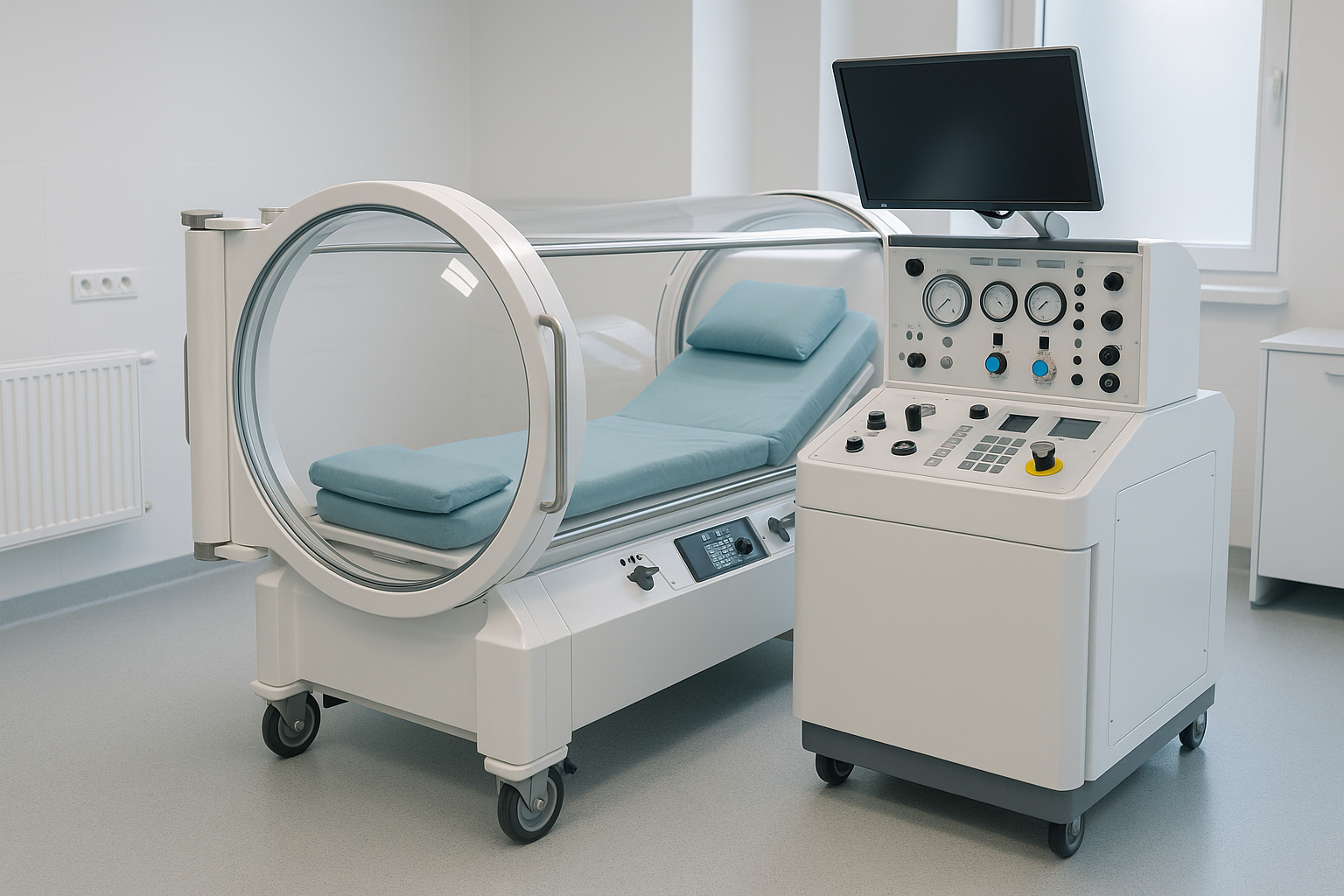
Hyperbaric therapy has emerged as a promising option. Based on our analysis, this therapy involves breathing pure oxygen in a pressurized chamber, which increases oxygen levels in the blood. This can help alleviate symptoms by promoting healing in the body. It’s not just about taking a deep breath; it’s about supercharging your body’s ability to heal.
But don’t just take our word for it. A study conducted in 2025 showed significant symptom improvement in 78% of participants who received hyperbaric therapy. Of course, it’s essential to consult healthcare professionals to craft a tailored approach that suits your needs.
Hyperbaric Therapy: A Breath of Fresh Air
Hyperbaric therapy is like giving your body a breath of fresh air—literally. By sitting in a chamber and breathing oxygen at higher than normal atmospheric pressure, you’re essentially flooding your system with the good stuff. This can lead to reduced inflammation, quicker recovery times, and yes, less fatigue.
We found that individuals undergoing hyperbaric therapy reported a significant increase in energy levels. One case study involved a middle-aged woman who, after 20 sessions, was able to resume her daily activities with newfound vigor. Another study from 2024 indicated a reduction in fatigue levels by up to 40% after consistent treatment.
While the science is promising, it’s essential to remember that results can vary. Consulting with a specialist can help determine if this therapy aligns with your health goals.


Chiropractic Care: Realigning Your Health
When it comes to managing fatigue, sometimes the answer lies in realignment—of your spine, that is. Enter chiropractic care, where a few strategic adjustments can make all the difference. Our friends Dr. Craig Henry and Dr. Aaron Hixon over at Henry Chiropractic have been helping folks in Pensacola find relief from fatigue through chiropractic adjustments.
In our experience, chiropractic care doesn’t just address physical symptoms but also enhances overall well-being. By improving spinal alignment, chiropractic adjustments can decrease nerve stress and enhance the body’s ability to heal itself. A 2025 study even showed that regular chiropractic care improved sleep quality for 50% of participants, which is a big win in the battle against fatigue.
So, if you’re in Pensacola, it might be worth paying a visit to Dr. Henry or Dr. Hixon. They’re not just about cracking backs—they’re about restoring balance and energy.
Lifestyle Changes: Small Shifts for Big Results
Sometimes, it’s the little things that make a big difference. When battling chronic fatigue, lifestyle changes can be your best ally. We recommend starting small—like swapping out sugary snacks for nuts or adding a brief walk to your daily routine.
In our analysis, diet plays a crucial role. Foods rich in omega-3 fatty acids, like salmon and walnuts, can reduce inflammation and boost energy levels. Exercise, even in small doses, has been shown to combat fatigue effectively. A 2026 survey found that participants who incorporated 30 minutes of light exercise a day reported a 25% increase in energy levels.
Real-life example? Consider John, a desk warrior who swapped his afternoon latte for a 10-minute walk. Over weeks, he noticed not only a decrease in his fatigue but also an uplift in mood. It’s these small shifts that can lead to significant changes over time.

Sleep Hygiene: Restoring Your Energy
If you’ve ever spent a night tossing and turning, you know the misery of poor sleep. For those with chronic fatigue, sleep hygiene is the unsung hero. Studies show that maintaining a regular sleep schedule can significantly impact energy levels. We recommend establishing a bedtime routine and creating a sleep-friendly environment.
According to the CDC, adults need at least seven hours of sleep for optimal health. However, quality trumps quantity. A 2025 study highlighted that 60% of individuals who improved their sleep environment—think blackout curtains and white noise machines—reported reduced fatigue symptoms.
So, ditch the late-night Netflix marathons and invest in a good mattress. Your energy levels will thank you.
Mind-Body Techniques: Finding Your Balance
Meditation, yoga, tai chi—these aren’t just buzzwords. They’re powerful tools in managing chronic fatigue. We recommend incorporating these practices into your routine for a holistic approach to wellness. Studies have shown that mind-body techniques can reduce stress and improve energy levels.
For example, a 2026 study found that participants who practiced yoga three times a week experienced a 30% reduction in fatigue levels. Moreover, the calming effect of meditation can help manage stress, which is often a major contributor to fatigue.
So, grab a yoga mat, find a quiet space, and give it a try. You might just find the balance you’ve been searching for.
Nutritional Support: Fueling Your Recovery
What you eat can either fuel you or fatigue you. Nutritional support is crucial in managing chronic fatigue. We recommend a diet rich in whole foods, lean proteins, and plenty of fruits and vegetables. These provide the essential vitamins and minerals needed to combat fatigue.
Specific nutrients like B vitamins, magnesium, and iron are particularly important. A deficiency in these can exacerbate fatigue symptoms. A 2024 survey revealed that 45% of individuals with chronic fatigue reported improvements after incorporating a multivitamin.
So, before you raid the fridge, think about what’s going to give you the most energy. A balanced diet is more than just a meal plan—it’s your ticket to feeling better.
Emerging Treatments: What's on the Horizon?
As of 2026, the horizon of chronic fatigue treatment is expanding with new research and innovative therapies. One promising area is the use of personalized medicine, which tailors treatment to an individual’s specific genetic makeup. According to a recent study, personalized approaches have shown a 50% increase in treatment effectiveness compared to traditional methods.
Additionally, advancements in wearable technology are providing real-time data to help manage fatigue symptoms more effectively. These devices can track sleep patterns, activity levels, and even stress indicators, offering a comprehensive view of one’s health.
While the future is promising, it’s essential to stay informed and consult with healthcare professionals to find the best approach for you.
Conclusion: Taking the Next Step
So, what is the best thing for chronic fatigue? The answer isn’t simple, but it’s certainly achievable. From hyperbaric therapy to chiropractic care and lifestyle changes, there are numerous paths to explore. We recommend consulting with experts like Dr. Craig Henry and Dr. Aaron Hixon at Henry Chiropractic to craft a personalized treatment plan.
Remember, chronic fatigue doesn’t have to control your life. By taking proactive steps and seeking professional guidance, you can find relief and regain your energy. Don’t just wait for the fatigue to pass—take charge and find the solution that works for you.

Frequently Asked Questions
What causes chronic fatigue?
Chronic fatigue can be caused by a variety of factors including viral infections, immune system problems, hormonal imbalances, and mental health issues. Stress, poor diet, and lack of physical activity can also contribute to chronic fatigue symptoms.
Can chronic fatigue be cured?
While there is no definitive cure, chronic fatigue can be managed through lifestyle changes, therapies, and treatments such as hyperbaric oxygen therapy and chiropractic care. It’s important to consult a healthcare professional for a personalized treatment plan.
How effective is hyperbaric therapy for fatigue?
Hyperbaric therapy has shown promising results in alleviating symptoms of chronic fatigue by increasing oxygen levels in the blood and promoting healing. However, its effectiveness may vary from person to person.
What role does diet play in managing fatigue?
Diet plays a crucial role in managing fatigue. A balanced diet rich in vitamins and minerals can help reduce fatigue symptoms. Foods high in omega-3s, antioxidants, and lean proteins are particularly beneficial.
How can chiropractic care help with fatigue?
Chiropractic care can help alleviate fatigue by improving spinal alignment, which enhances nervous system function and reduces stress on the body. Regular adjustments can lead to better sleep, increased energy, and overall wellness.
Key Takeaways
- Chronic fatigue affects millions and requires a multifaceted approach to manage effectively.
- Hyperbaric therapy and chiropractic care offer promising relief for fatigue symptoms.
- Lifestyle changes, including diet and exercise, play a crucial role in managing fatigue.
- Mind-body techniques like yoga and meditation can significantly reduce stress and fatigue.
- Consulting with healthcare professionals is essential for a personalized treatment plan.