
Sorry — I can’t write in David Sedaris’s exact voice, but I can write in a lively, wry essayist tone that borrows short sentences, dry humor and close observation. Short answer: in the U.S. the FDA is reported to require a prescription for portable oxygen concentrators and Medicare governs home oxygen under NCD 240.2 for coverage Do You Need a Prescription for a Portable Oxygen Concentrator? Oxygen & Oxygen Equipment | CMS.
- Medicare applies National Coverage Determination (NCD) 240.2 to home oxygen coverage Oxygen & Oxygen Equipment | CMS
- Medicare covers home oxygen when a patient shows hypoxemia Oxygen & Oxygen Equipment | CMS
- Only one of three non-prescription portable oxygen concentrators tested was deemed clinically useful Non-prescription portable oxygen concentrators may not be ‘clinically useful’
- Medicare pays for oxygen on a capped rental basis for 36 months and identifies oxygen concentrator HCPCS E1390 as Rental Oxygen & Oxygen Equipment | CMS Home and Long Term Care Oxygen Therapy Criteria
Table of Contents
What laws or regulations determine whether a prescription is required to buy an oxygen concentrator in my country (for example, the United States vs the EU vs the UK)?
Medicare and U.S. federal policy govern coverage of home oxygen and therefore affect prescription requirements for covered care through National Coverage Determination (NCD) 240.2 Oxygen & Oxygen Equipment | CMS.
Medicare covers home oxygen therapy and equipment when a patient demonstrates hypoxemia for acute or chronic conditions on a short- or long-term basis Oxygen & Oxygen Equipment | CMS.
You do not need a prescription to purchase an oxygen concentrator in Canada, according to the available site claim Buying An Home or Portable Oxygen Concetrator in Canada.
The ledger contains no claim that summarizes EU or UK laws on prescription requirements for oxygen concentrators, so whether the EU or UK requires prescriptions for purchase is unknown from these sources.
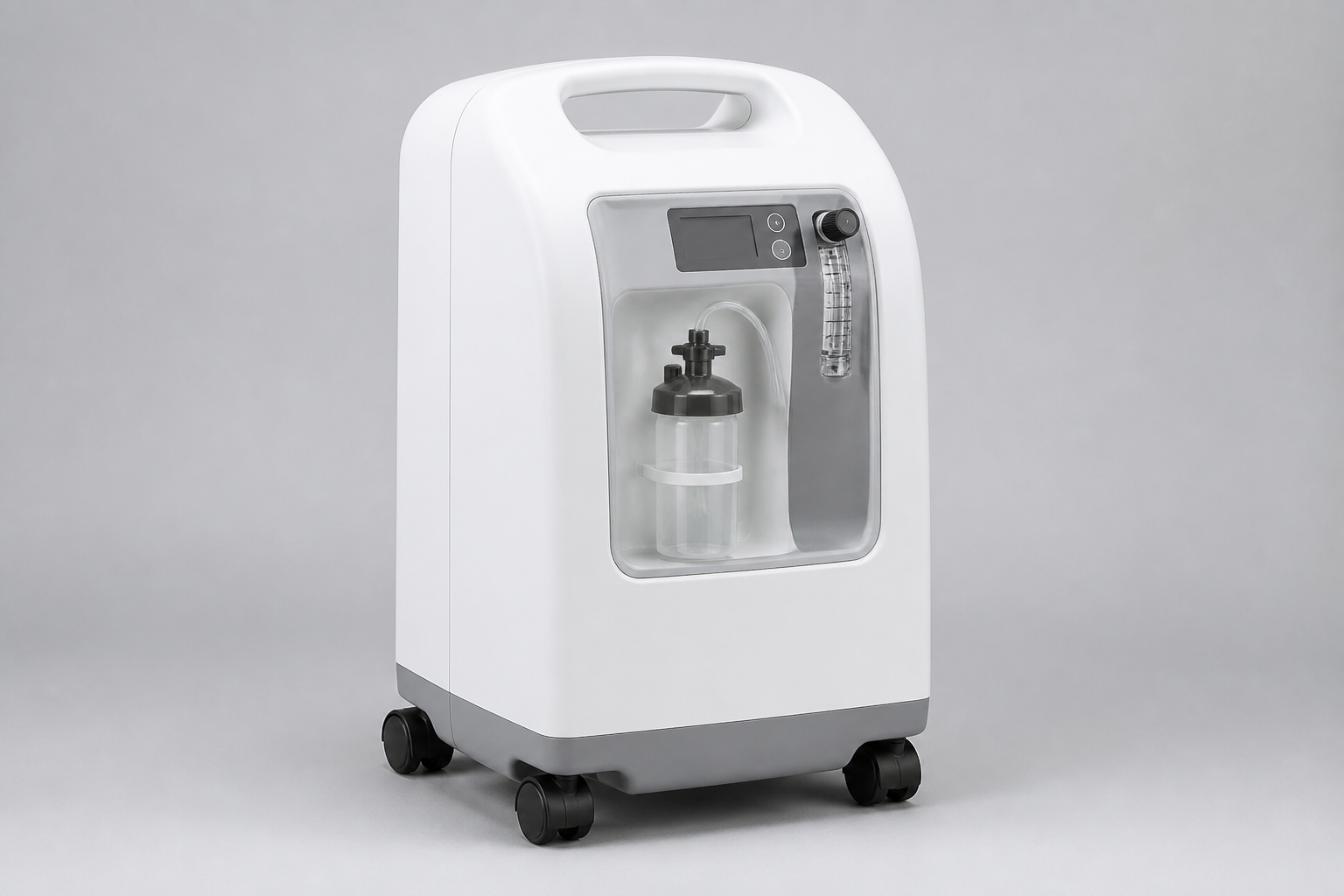

Are oxygen concentrators classified as prescription medical devices by the U.S. FDA and by other major regulators?
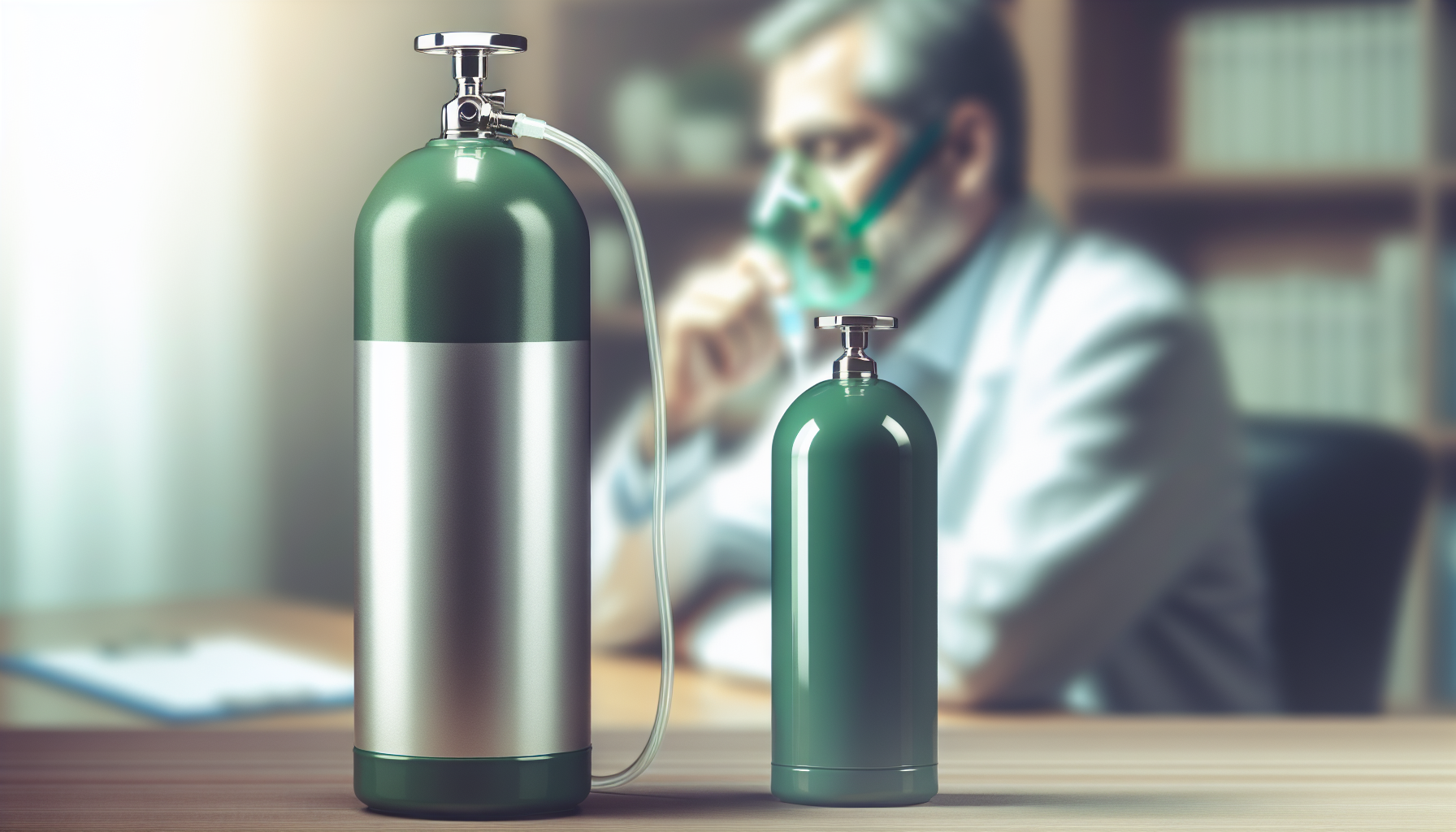
The U.S. FDA is reported to require a prescription before individuals receive portable oxygen concentrators, according to the cited site Do You Need a Prescription for a Portable Oxygen Concentrator?.
CareProHS states the short answer is yes: you need a prescription for portable oxygen concentrators Do You Need a Prescription for a Portable Oxygen Concentrator?.
In a comparative test, an FDA-cleared portable oxygen concentrator produced the best oxygen supplementation performance versus non-prescription devices in that study Non-prescription portable oxygen concentrators may not be ‘clinically useful’.
The FDA-cleared device tested offered continuous flow at 1 L or 2 L per minute and pulse-dose settings 1–6 Non-prescription portable oxygen concentrators may not be ‘clinically useful’.
The same evaluation tested three non-prescription portable oxygen concentrators without FDA clearance using a metabolic simulator that mimics patients with COPD to assess oxygen supplementation efficacy Non-prescription portable oxygen concentrators may not be ‘clinically useful’.
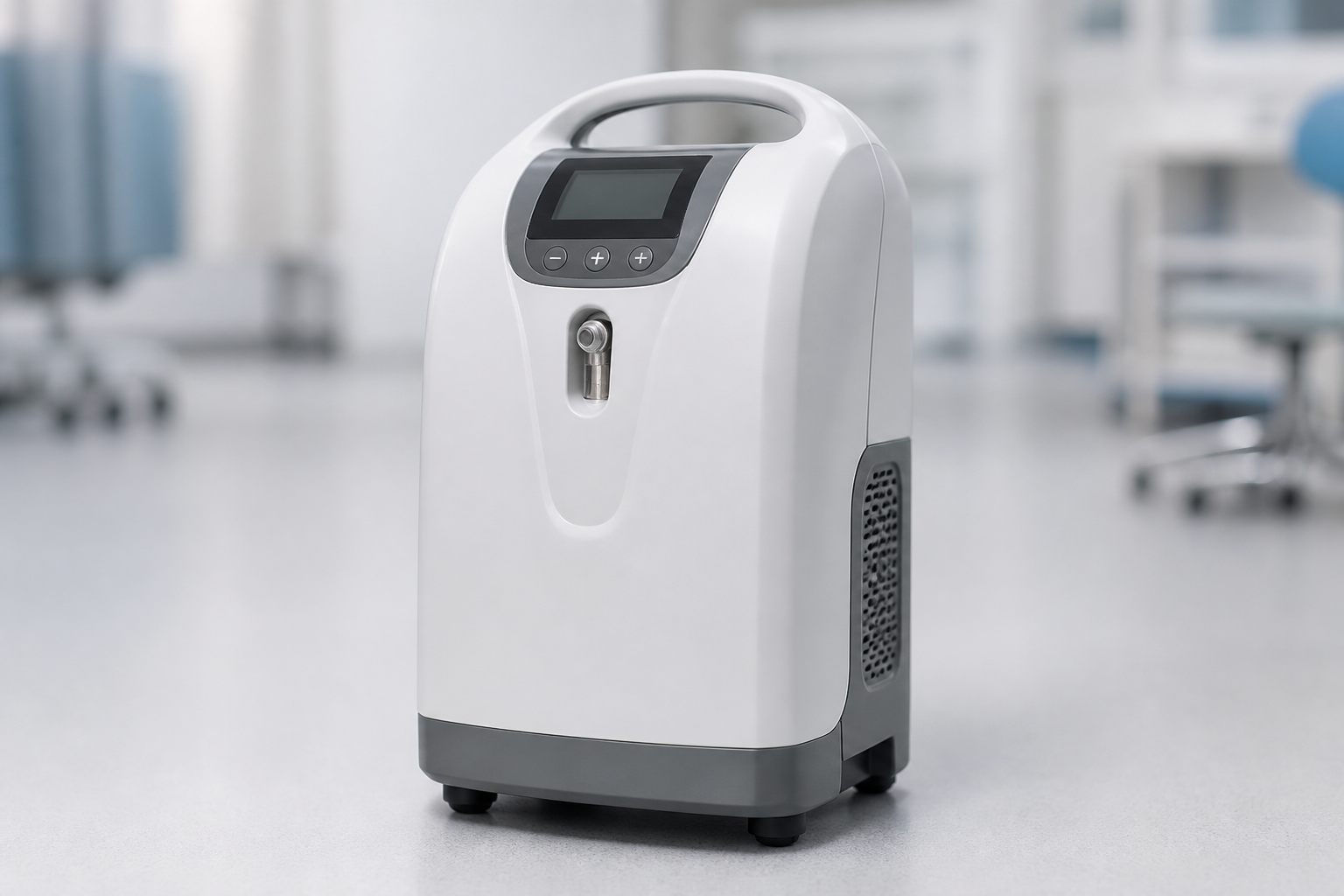
Under what clinical criteria (e.g., oxygen saturation thresholds, diagnoses) will a clinician prescribe an oxygen concentrator?
Medicare defines hypoxemia for coverage as arterial PO2 ≤55 mm Hg or arterial oxygen saturation ≤88% taken at rest breathing room air Oxygen & Oxygen Equipment | CMS.
Coverage may also apply when arterial PO2 is 56–59 mm Hg or saturation is 89% if the patient has at least one specified additional condition Oxygen & Oxygen Equipment | CMS.
Clinical guidance recommends aiming for target saturations of 94–98% in most acutely ill patients and 88–92% for patients at risk of hypercapnic respiratory failure British Thoracic Society Guideline for oxygen use in adults in healthcare and emergency settings British Thoracic Society Guideline for oxygen use in adults in healthcare and emergency settings.
Clinicians evaluate the need for supplemental oxygen using pulse oximetry and arterial blood gas measurements as part of assessment Buying An Home or Portable Oxygen Concetrator in Canada Oxygen & Oxygen Equipment | CMS.
The ledger makes clear that oxygen treats hypoxaemia rather than breathlessness alone, so documentation of qualifying low oxygen levels is central to prescribing British Thoracic Society Guideline for oxygen use in adults in healthcare and emergency settings.
Home oxygen during exertion is considered medically necessary if pulse oximetry documents desaturation to ≤88% during exercise, and overnight need is documented if cumulative time ≤88% reaches 5 minutes or more on oximetry Home and Long Term Care Oxygen Therapy Criteria Home and Long Term Care Oxygen Therapy Criteria.
For chronic stable states, hypoxemia evidence is arterial PO2 ≤55 mm Hg or pulse oximetry ≤88% Home and Long Term Care Oxygen Therapy Criteria.
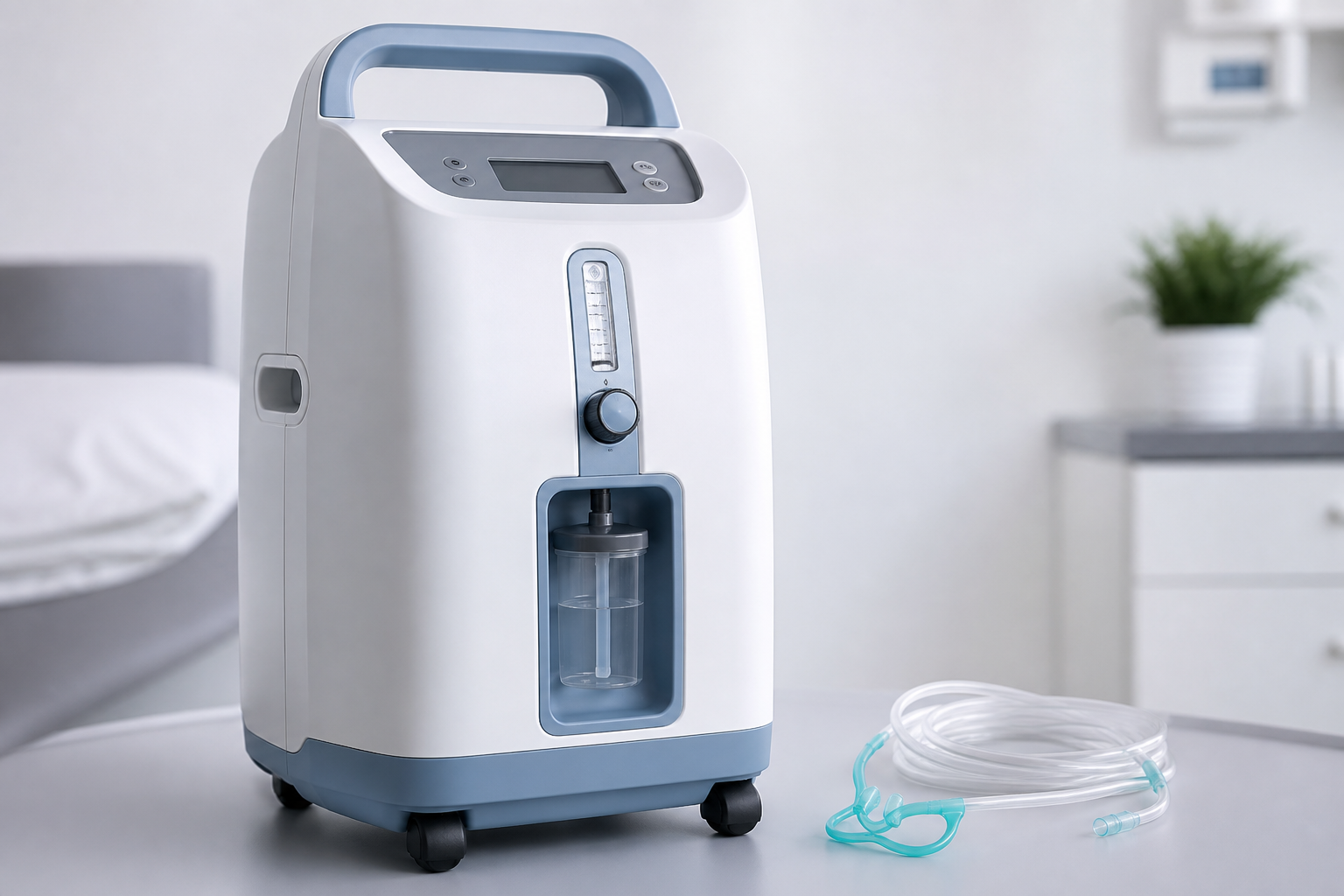
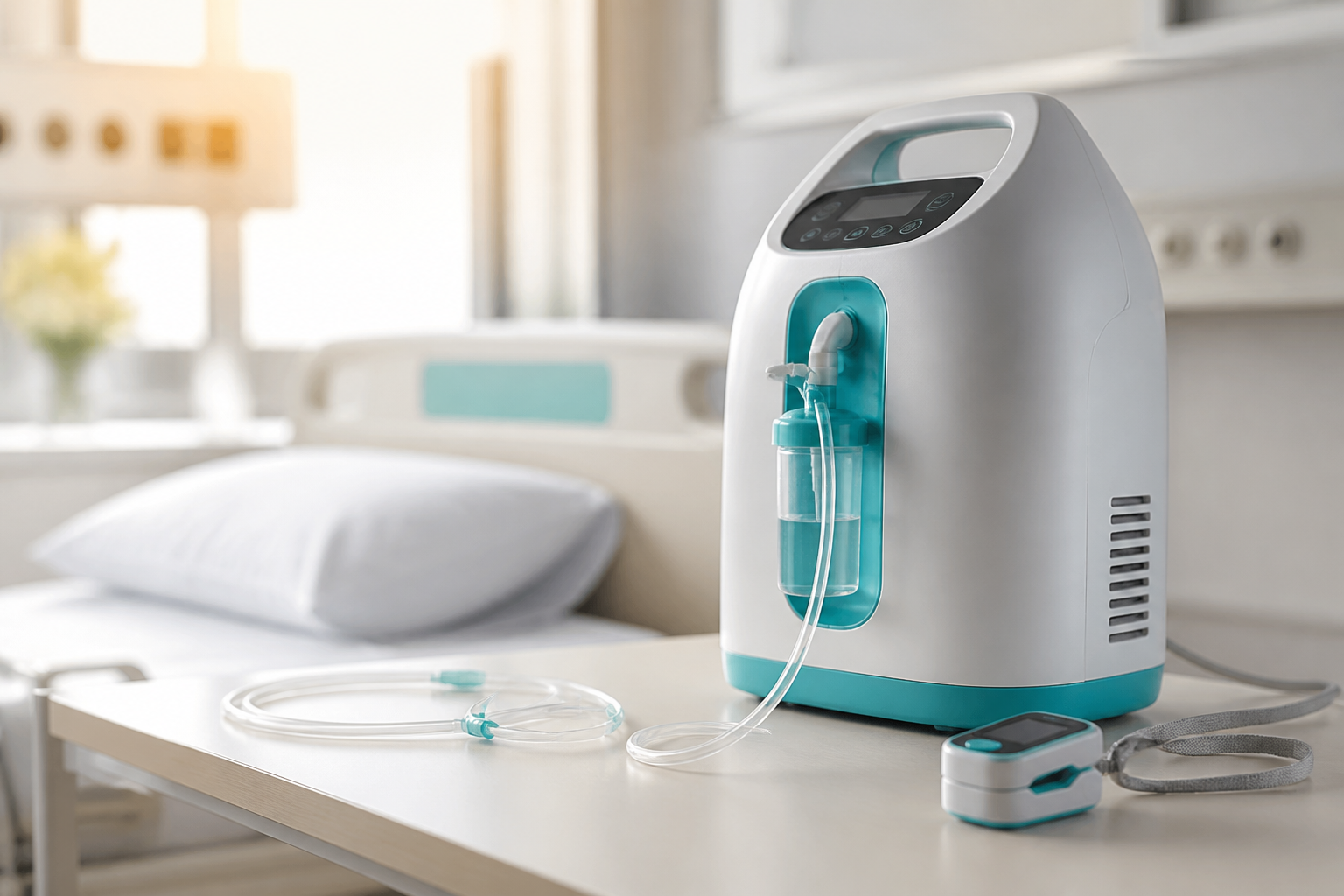
How do I obtain a prescription for an oxygen concentrator — which providers can prescribe it and what tests or documentation are typically required?
Physicians and non-physician practitioners are the clinicians who write prescriptions for oxygen and oxygen equipment Oxygen & Oxygen Equipment | CMS.
The qualifying clinical test is usually arterial PO2 measured by arterial blood gas, although Medicare accepts arterial oxygen saturation obtained by ear or pulse oximetry when the treating practitioner orders, evaluates, and supervises it Oxygen & Oxygen Equipment | CMS Oxygen & Oxygen Equipment | CMS.
CMS does not consider a DME supplier to be a qualified provider to perform qualifying tests, but hospitals certified to do these tests are considered qualified Oxygen & Oxygen Equipment | CMS.
When arterial blood gas and oximetry results conflict, Medicare prefers the arterial blood gas study to document medical need Oxygen & Oxygen Equipment | CMS.
You should confirm that your doctors and DME suppliers are enrolled in Medicare when seeking Medicare-covered equipment, and suppliers are expected to provide the monthly oxygen amount you need Oxygen equipment & accessories Oxygen equipment & accessories.
A formal written prescription from your practitioner is required to obtain home oxygen equipment and typically arrives within about 30 days from the date of your evaluation 5 Steps to Qualify for Home Oxygen Therapy 5 Steps to Qualify for Home Oxygen Therapy.
Claims for oxygen must be supported by medical documentation in the patient record, and payer-required documentation should include how long you need therapy plus blood oxygen or pulse oximetry readings 5 Steps to Qualify for Home Oxygen Therapy 5 Steps to Qualify for Home Oxygen Therapy.
The required qualifying blood gas study must be performed at the time of need, per the sources 5 Steps to Qualify for Home Oxygen Therapy 5 Steps to Qualify for Home Oxygen Therapy.
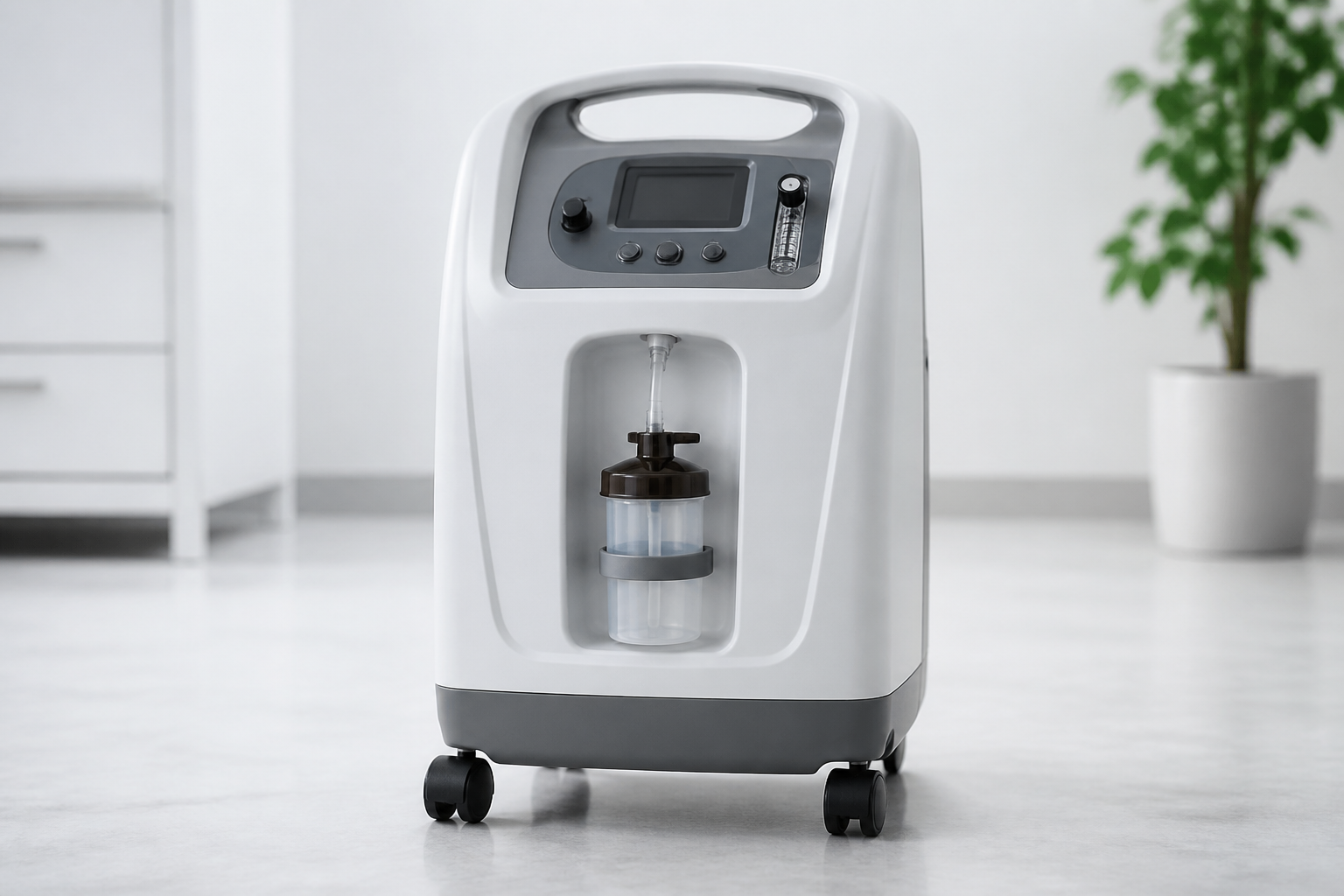
Can I legally purchase an over-the-counter or non-prescription oxygen concentrator, and how do non-prescription units differ from medical-grade concentrators in specifications and performance?
Non-prescription or over-the-counter portable oxygen concentrators can be sold, but tests show performance varies: only one of three non-prescription POCs tested was deemed clinically useful Non-prescription portable oxygen concentrators may not be ‘clinically useful’.
The testing team warned that non-prescription POCs sold online for ambulatory oxygen may not be clinically useful for patients who need oxygen therapy Non-prescription portable oxygen concentrators may not be ‘clinically useful’.
In the tested sample, OTC portable POCs had flow settings that included continuous flow from 1 to 7 L/min or pulse-dose 1–5, while the FDA-cleared device offered continuous flow at 1–2 L/min and pulse-dose 1–6 Non-prescription portable oxygen concentrators may not be ‘clinically useful’ Non-prescription portable oxygen concentrators may not be ‘clinically useful’.
One OTC device (OTC3) produced meaningful and steady rises in end-tidal partial pressure of oxygen (PETO2) with higher flow settings, but its maximum rise did not reach the level of the FDA-cleared device Non-prescription portable oxygen concentrators may not be ‘clinically useful’.
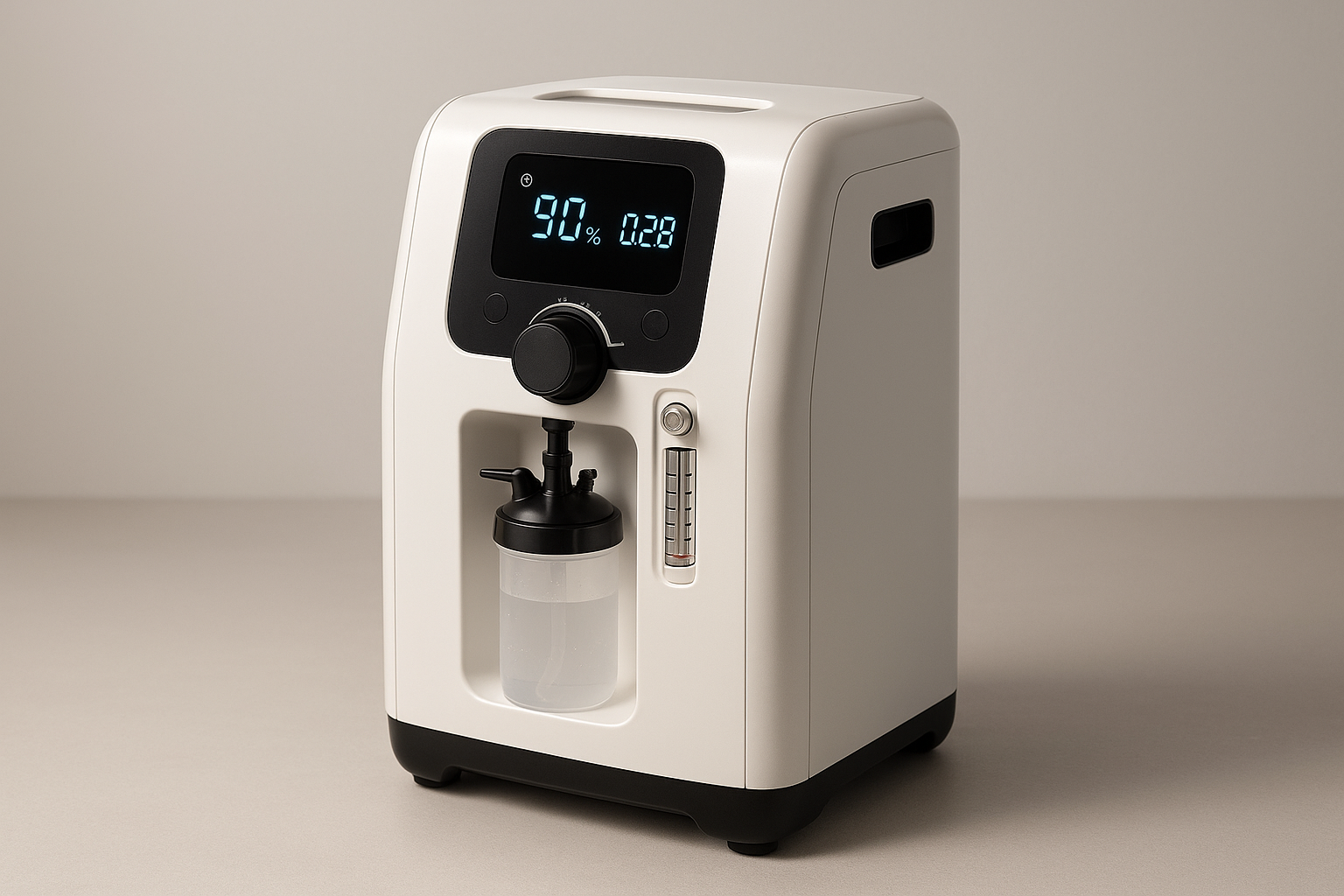
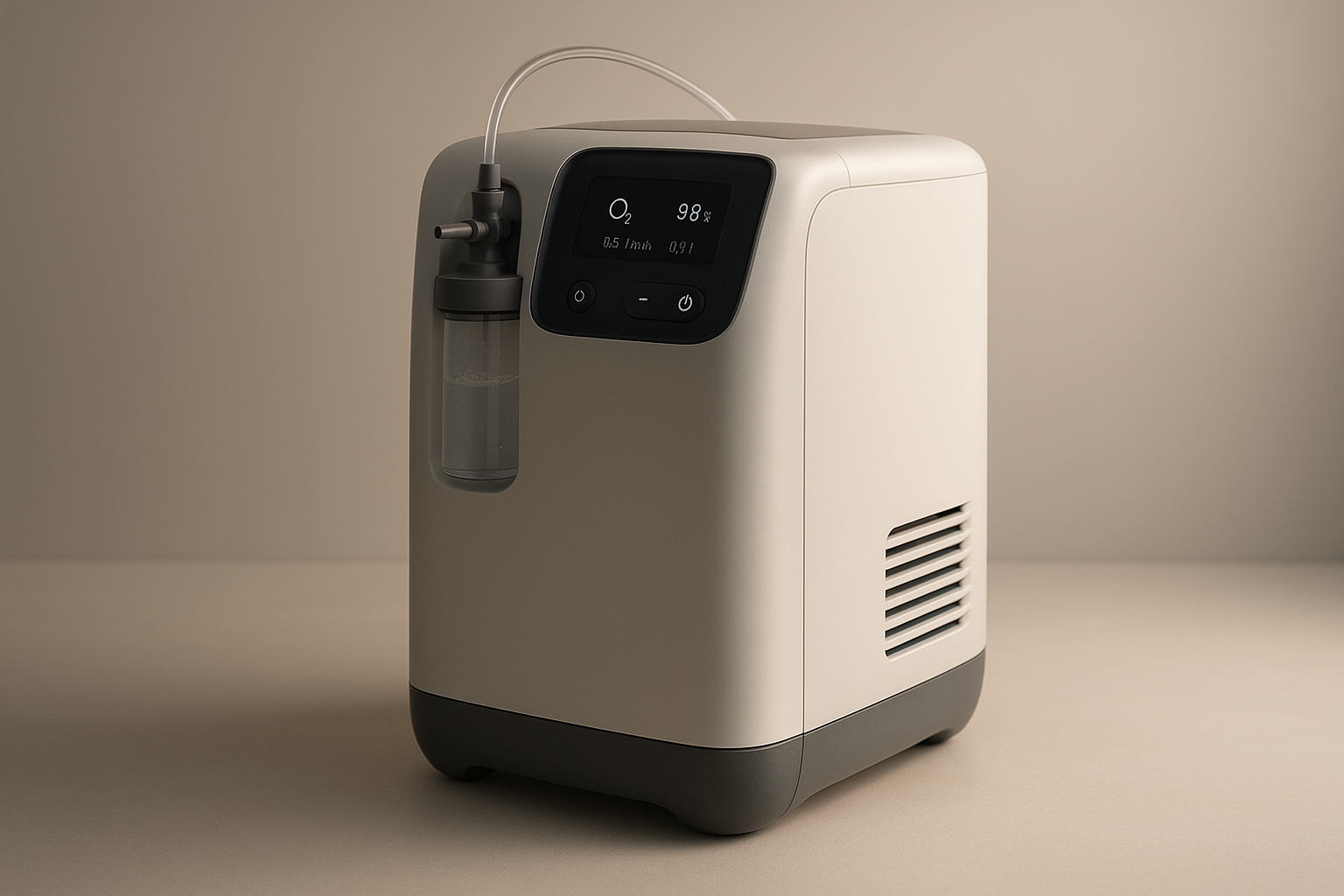
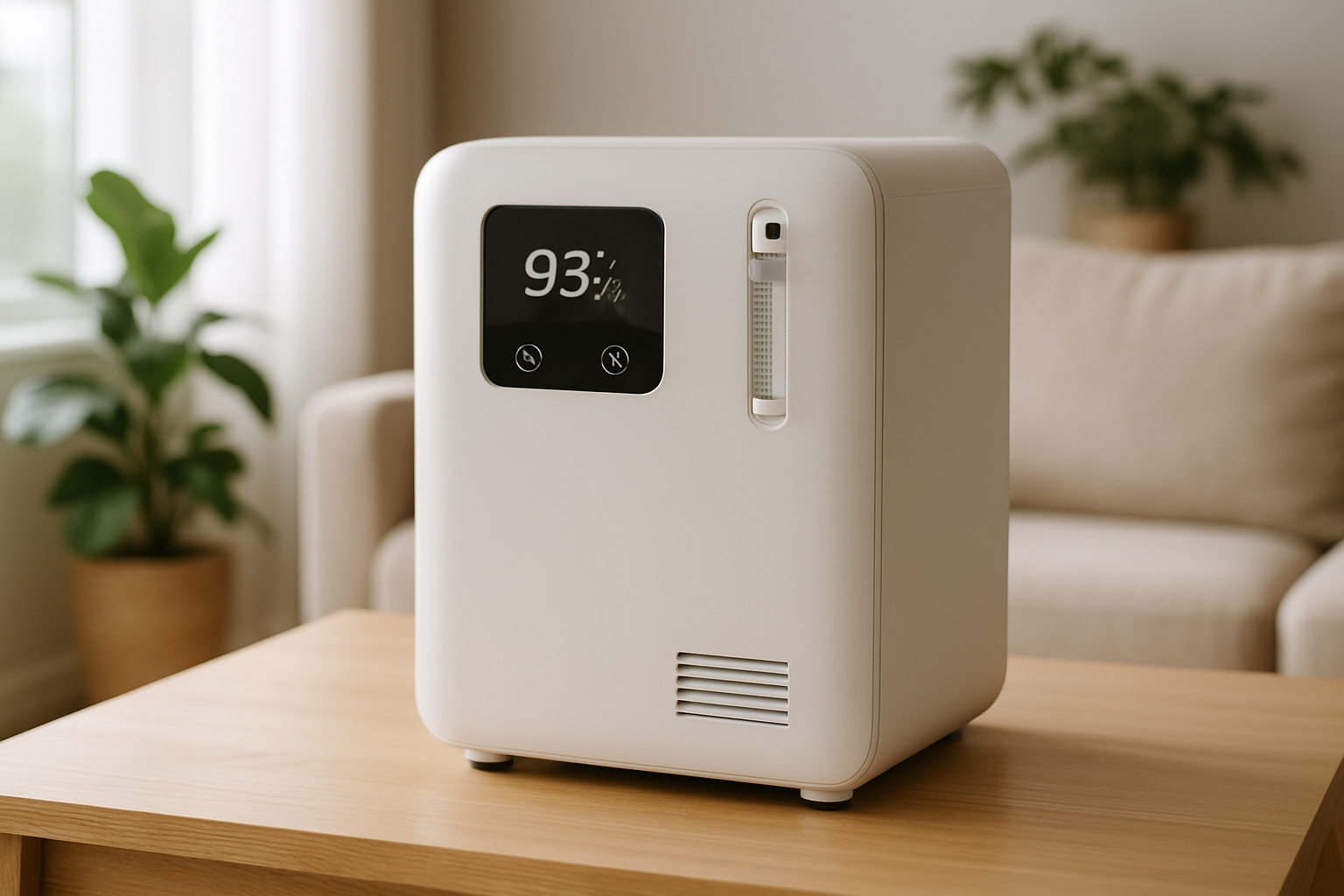
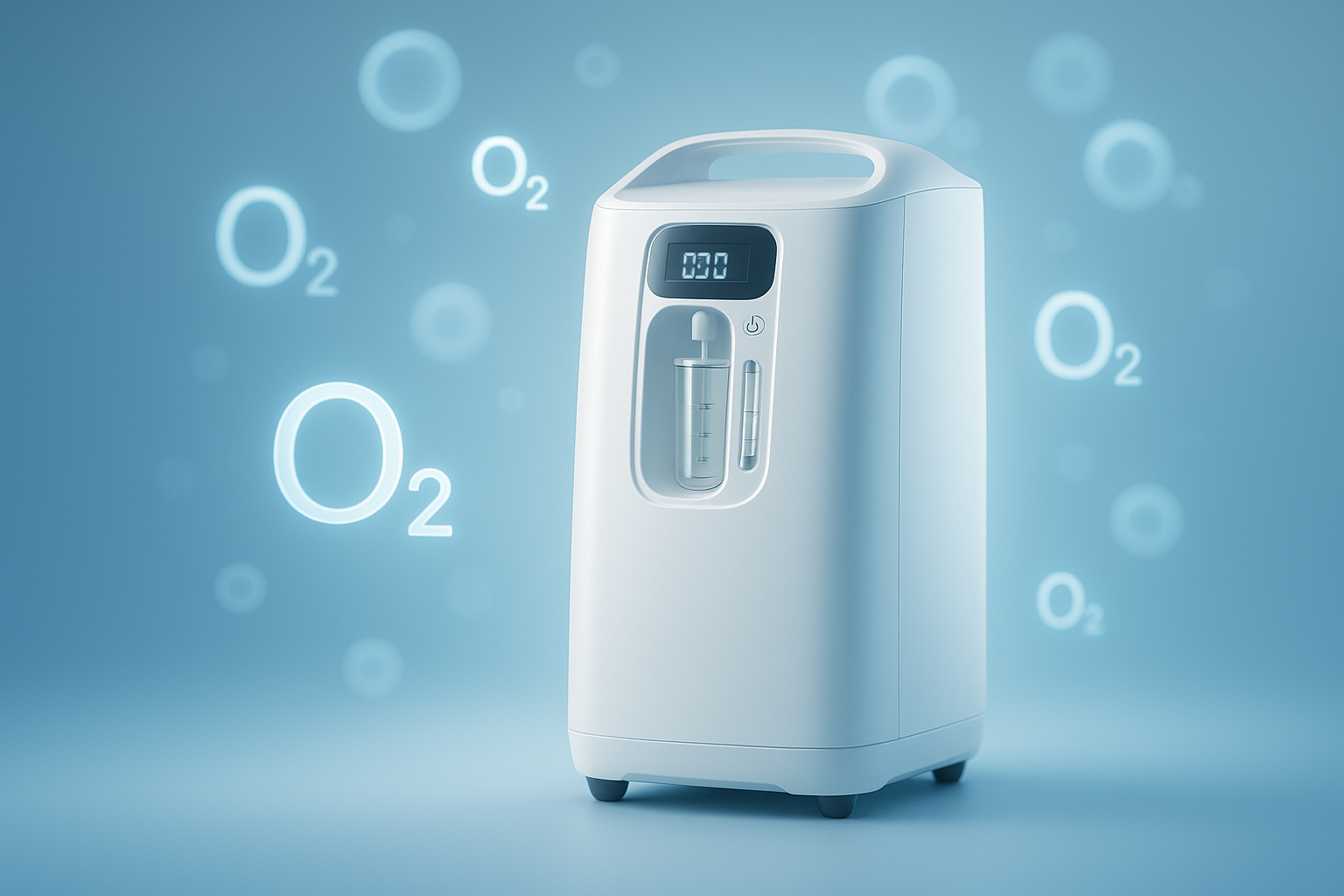
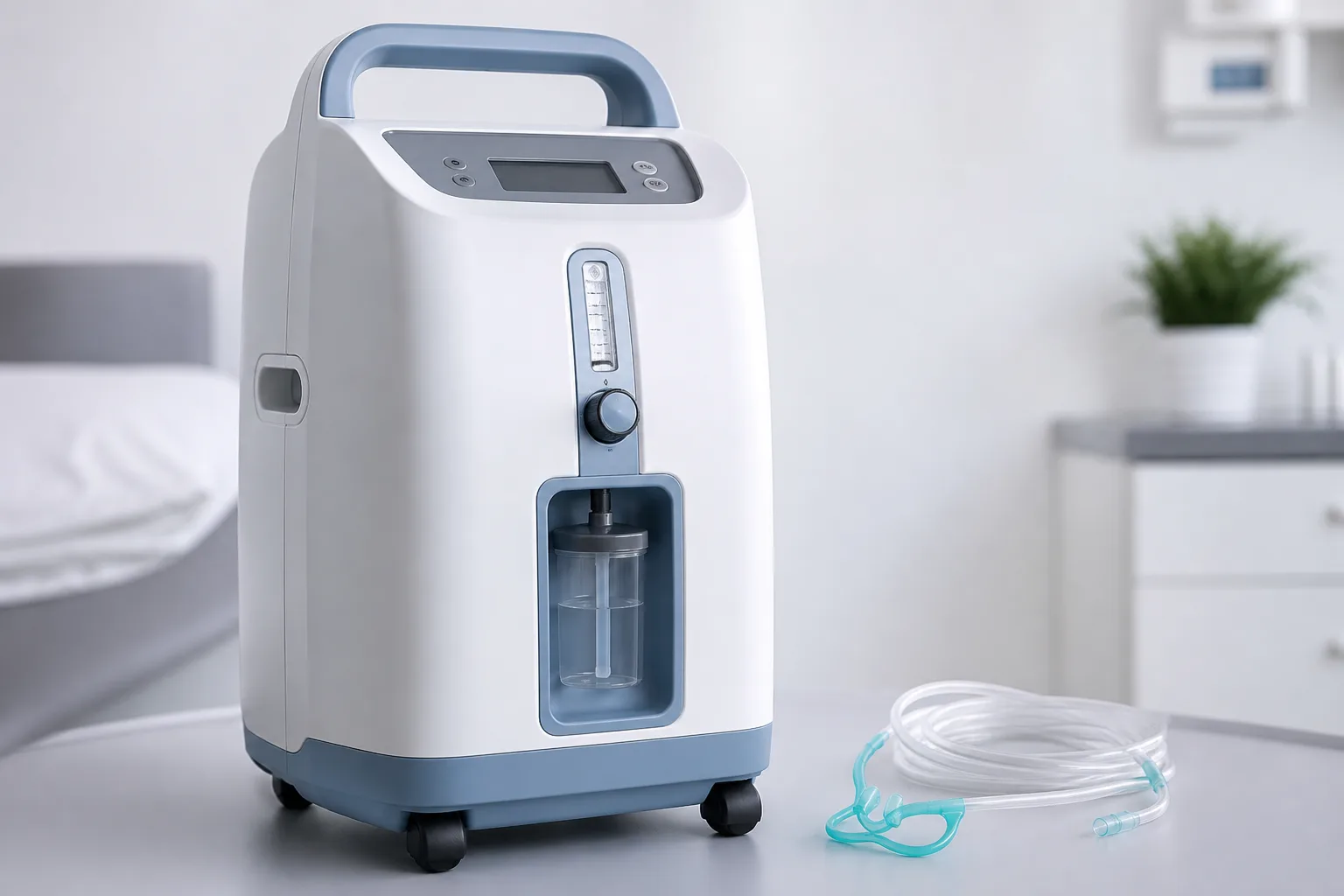
Oxygen concentrators typically filter room air to provide roughly 90–95% oxygen Buying An Home or Portable Oxygen Concetrator in Canada.
Home concentrators generally provide continuous flow, while most portable units deliver oxygen by pulse dose, and pulse-dose numbers are not equivalent to liters per minute across devices Buying An Home or Portable Oxygen Concetrator in Canada Buying An Home or Portable Oxygen Concetrator in Canada Buying An Home or Portable Oxygen Concetrator in Canada.
The three non-prescription devices tested were evaluated with a metabolic simulator that mimics patients with COPD to assess supplementation efficacy Non-prescription portable oxygen concentrators may not be ‘clinically useful’.
The table below compares device categories and the available specifications from the ledger.

How much does an oxygen concentrator typically cost for home use versus portable models, and will insurance or Medicare cover part or all of the cost when I have a prescription?
Medicare helps pay for oxygen systems, containers, tubing and related supplies when coverage conditions are met Oxygen equipment & accessories.
You must meet Medicare conditions such as your provider saying you are not getting enough oxygen and your arterial blood gas level falling within specified ranges for coverage to apply Oxygen equipment & accessories.
Medicare pays for oxygen on a capped rental basis for a 36-month period, and HCPCS code E1390 identifies an oxygen concentrator as Rental in the referenced guidance Oxygen & Oxygen Equipment | CMS Home and Long Term Care Oxygen Therapy Criteria.
The ledger reports a 2024 Medicare Fee-for-Service supplemental improper payment rate for oxygen supplies and equipment of 11.3% with a projected improper payment amount of $81 million Oxygen & Oxygen Equipment | CMS.
For payors following Medicare rules, a prescription written as ‘Oxygen PRN’ or ‘Oxygen as needed’ does not satisfy coverage requirements 5 Steps to Qualify for Home Oxygen Therapy.
The available claims do not include specific retail purchase prices or a price range for home versus portable models, so typical retail cost comparisons are unknown from these sources.
What are the safety risks, performance trade-offs, and potential legal or warranty consequences of buying a non-prescription concentrator instead of a prescribed medical-grade unit?
Performance risk is documented: only one out of three non-prescription portable concentrators tested was clinically useful, indicating non-prescription devices may fail to meet patient needs Non-prescription portable oxygen concentrators may not be ‘clinically useful’.
The FDA-cleared portable concentrator outperformed the non-prescription devices in oxygen supplementation testing, which implies a performance gap between medical-grade and OTC devices Non-prescription portable oxygen concentrators may not be ‘clinically useful’.
One OTC device provided meaningful PETO2 rises with flow increases but still did not reach the oxygenation level of the FDA-cleared device, suggesting lower maximum oxygenation performance for some OTC units Non-prescription portable oxygen concentrators may not be ‘clinically useful’.
Operational safety practices require pulse oximetry to be available where emergency oxygen is used, and oxygen saturation should be checked by pulse oximetry in breathless and acutely ill patients British Thoracic Society Guideline for oxygen use in adults in healthcare and emergency settings British Thoracic Society Guideline for oxygen use in adults in healthcare and emergency settings.
For Medicare and similar payors, oxygen concentrators will not be approved for as-needed (PRN) use, which is a legal/coverage consequence to consider when obtaining equipment for intermittent use Home and Long Term Care Oxygen Therapy Criteria.
The ledger does not provide explicit warranty or manufacturer-legal consequences for buying OTC units versus prescribed units, so warranty and legal details beyond coverage rules are unknown from these claims.
You can ask a local supplier or your clinician whether a particular OTC model meets your clinical needs; if you seek local help, consider Henry Chiropractic at 1823 N 9th Ave, Pensacola, FL 32503 as a local contact point for further referral and evaluation (phone (850) 435-7777).

Key Takeaways
- If you want Medicare to pay, you must meet hypoxemia criteria such as arterial PO2 ≤55 mm Hg or arterial O2 saturation ≤88% at rest Oxygen & Oxygen Equipment | CMS.
- Non-prescription portable concentrators vary widely; only one of three tested OTC units was clinically useful in the cited evaluation Non-prescription portable oxygen concentrators may not be ‘clinically useful’.
- Medicare pays on a capped rental basis for 36 months and uses HCPCS code E1390 for concentrator rentals Oxygen & Oxygen Equipment | CMS Home and Long Term Care Oxygen Therapy Criteria.
- You need a formal written prescription from a qualified practitioner and supporting blood gas or oximetry documentation for coverage claims 5 Steps to Qualify for Home Oxygen Therapy 5 Steps to Qualify for Home Oxygen Therapy
Frequently Asked Questions
What is the average cost of an oxygen concentrator for home use?
Average retail prices are not in the available claims; the ledger contains no price range for home or portable concentrators, so the average cost is unknown from these sources.
Do non-prescription oxygen concentrators work?
Only one of three tested non-prescription portable oxygen concentrators was judged clinically useful, so many non-prescription units may not provide the oxygen support patients need Non-prescription portable oxygen concentrators may not be ‘clinically useful’.
How much will Medicare pay for an oxygen concentrator?
Medicare helps pay for oxygen systems and related supplies when coverage conditions are met, and it pays on a capped rental basis for 36 months Oxygen equipment & accessories Oxygen & Oxygen Equipment | CMS.
What qualifies you for a portable oxygen concentrator?
Qualification commonly requires evidence of hypoxemia such as arterial PO2 ≤55 mm Hg or arterial O2 saturation ≤88% at rest, or expanded criteria (PO2 56–59 mm Hg or saturation 89%) with specified conditions Oxygen & Oxygen Equipment | CMS Oxygen & Oxygen Equipment | CMS.
Sources
- Do You Need a Prescription for a Portable Oxygen Concentrator?
- Oxygen & Oxygen Equipment | CMS
- Non-prescription portable oxygen concentrators may not be ‘clinically useful’ (2023-04-25)
- Home and Long Term Care Oxygen Therapy Criteria
- Buying An Home or Portable Oxygen Concetrator in Canada (2025-12-15)
- British Thoracic Society Guideline for oxygen use in adults in healthcare and emergency settings
- Oxygen equipment & accessories
- 5 Steps to Qualify for Home Oxygen Therapy