
Table of Contents
How does hyperbaric oxygen help the brain? 10 Expert Insights You Can Use
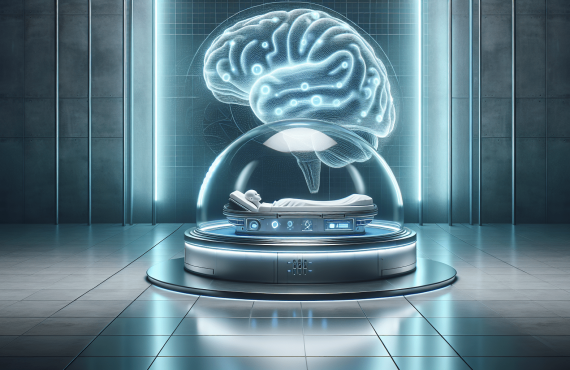
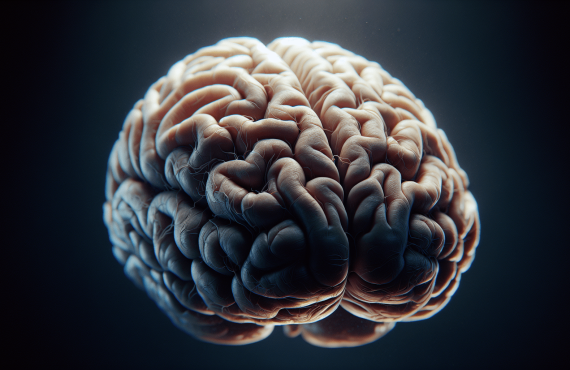
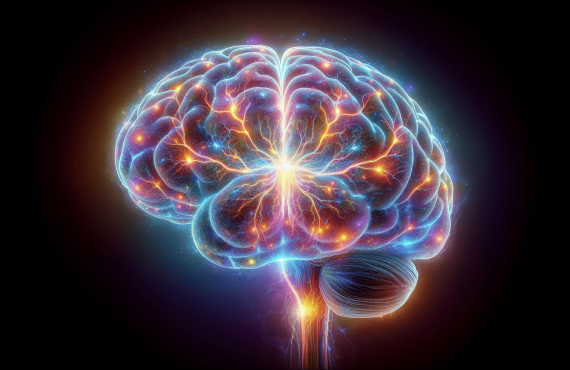
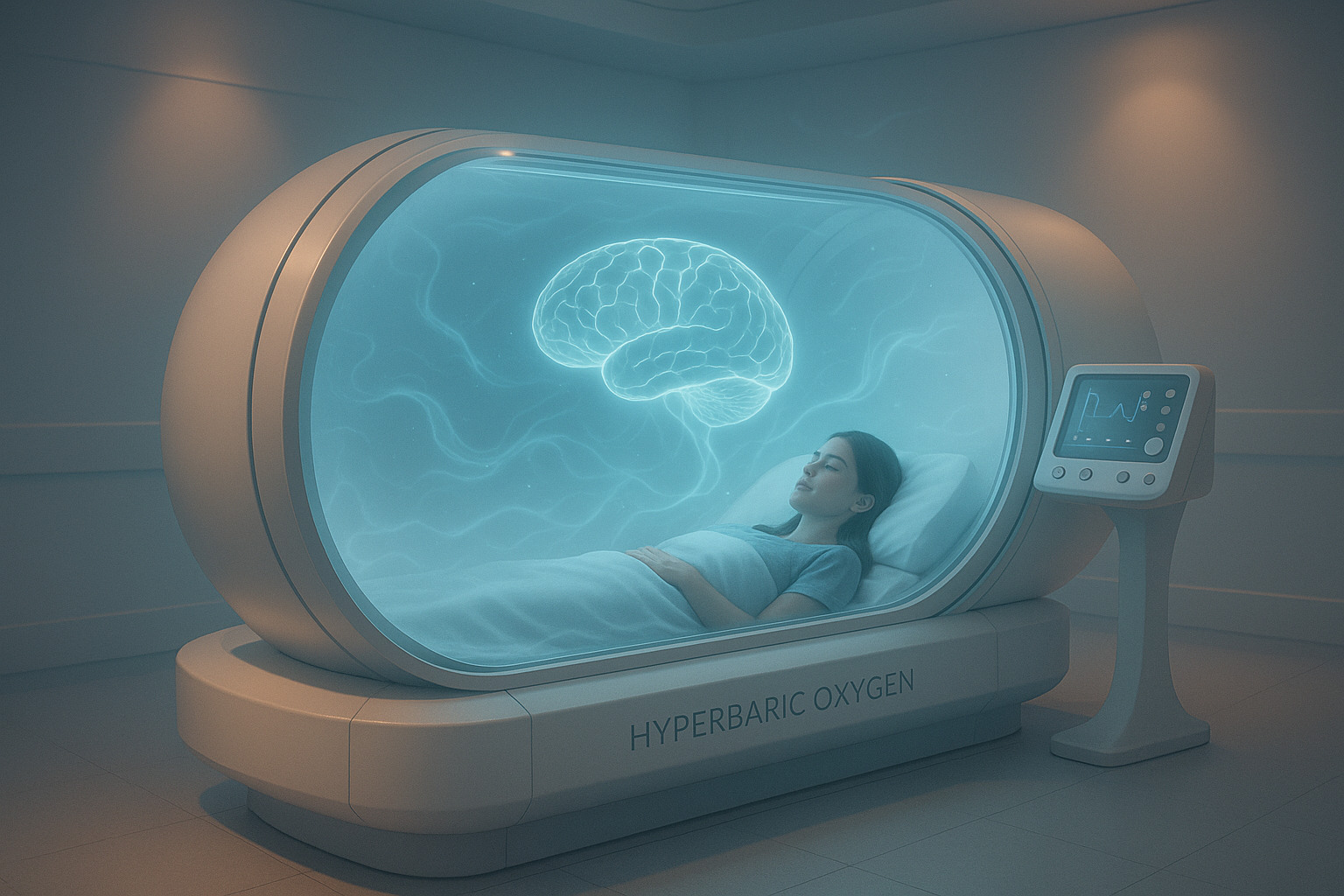
You came here with a fair question, and not the sort of question one asks lightly while waiting for coffee: How does hyperbaric oxygen help the brain? The short answer is that hyperbaric oxygen therapy, or HBOT, raises the amount of oxygen dissolved in your blood plasma, which may help injured or stressed brain tissue get what it has been missing. The brain, being an expensive organ with a fussy appetite, uses about 20% of the body’s oxygen even though it makes up only about 2% of body weight.
That imbalance tells you something. Your brain is needy, brilliant, and not above sulking when oxygen delivery drops. Based on our research, this is why HBOT has drawn serious interest for traumatic brain injury, stroke recovery support, and cognitive symptoms tied to poor oxygenation and inflammation. In 2026, the discussion is more informed than it was even five years ago, and that’s a mercy.
At Henry Chiropractic, owned and operated by Dr. Craig Henry, complementary therapies are part of a broader conversation about healing, not a carnival trick in a steel tube. If you’re in Pensacola and trying to make sense of whether HBOT belongs in your care plan, this is where curiosity gets to sit down and have a proper meal.

Understanding Hyperbaric Therapy
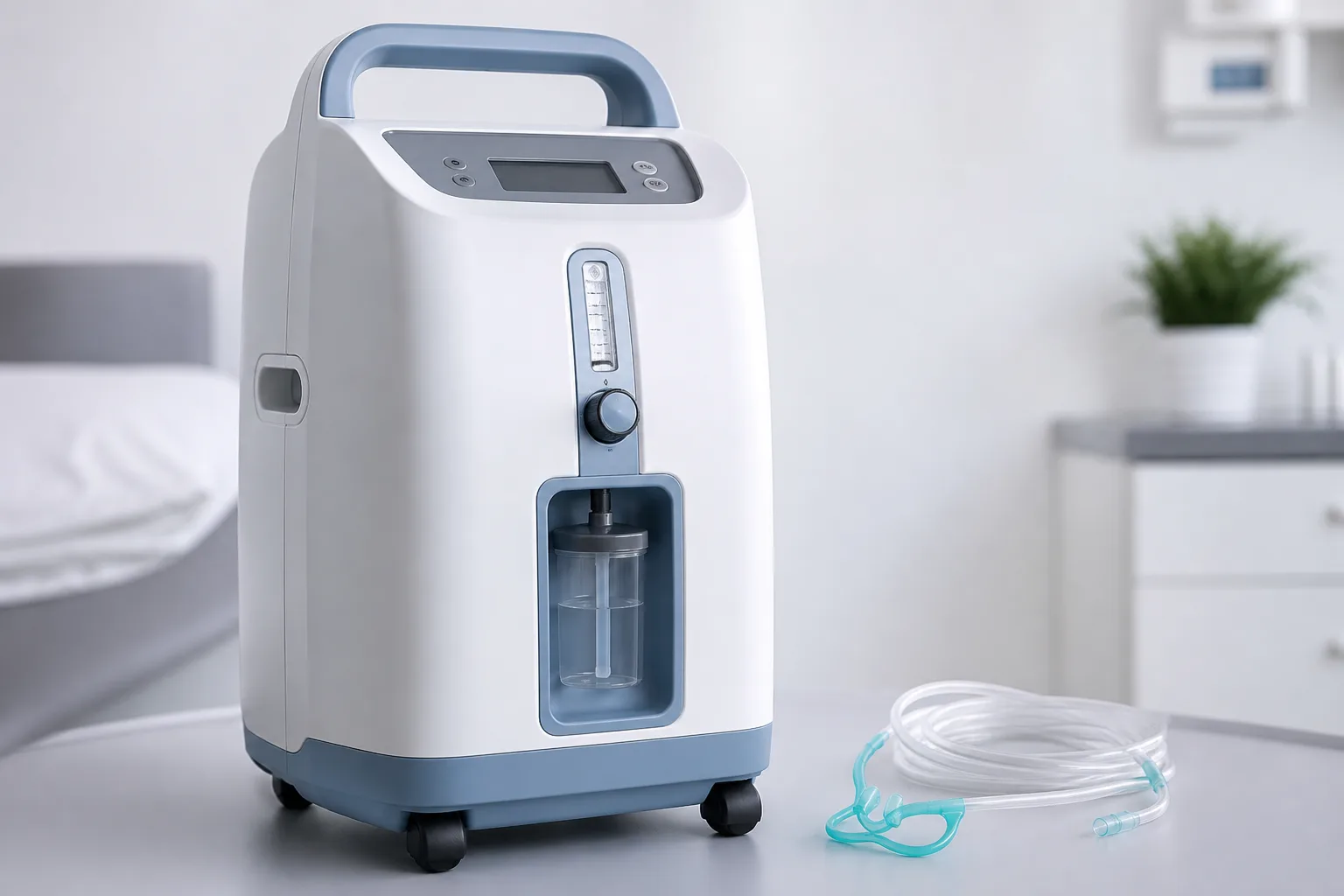
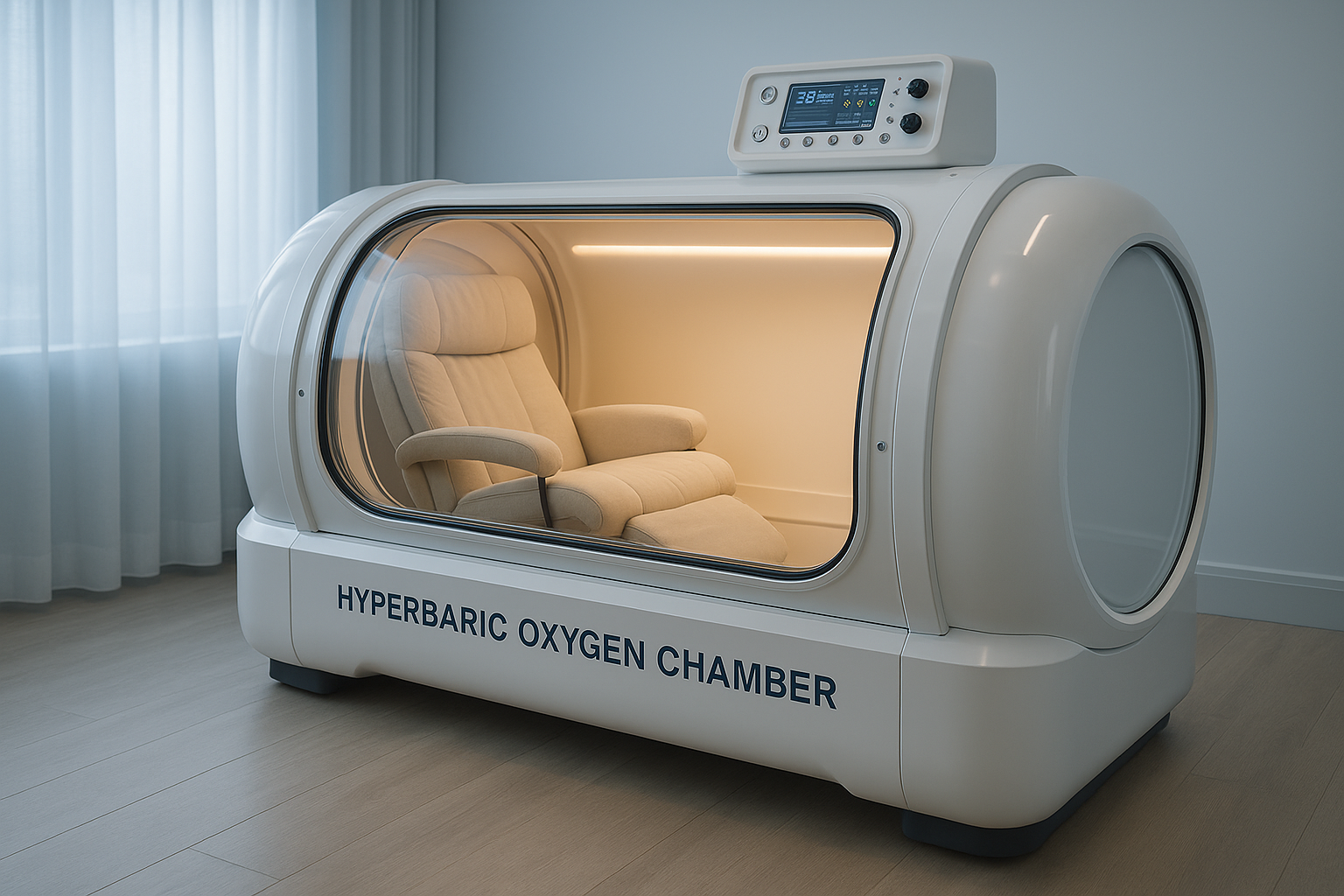
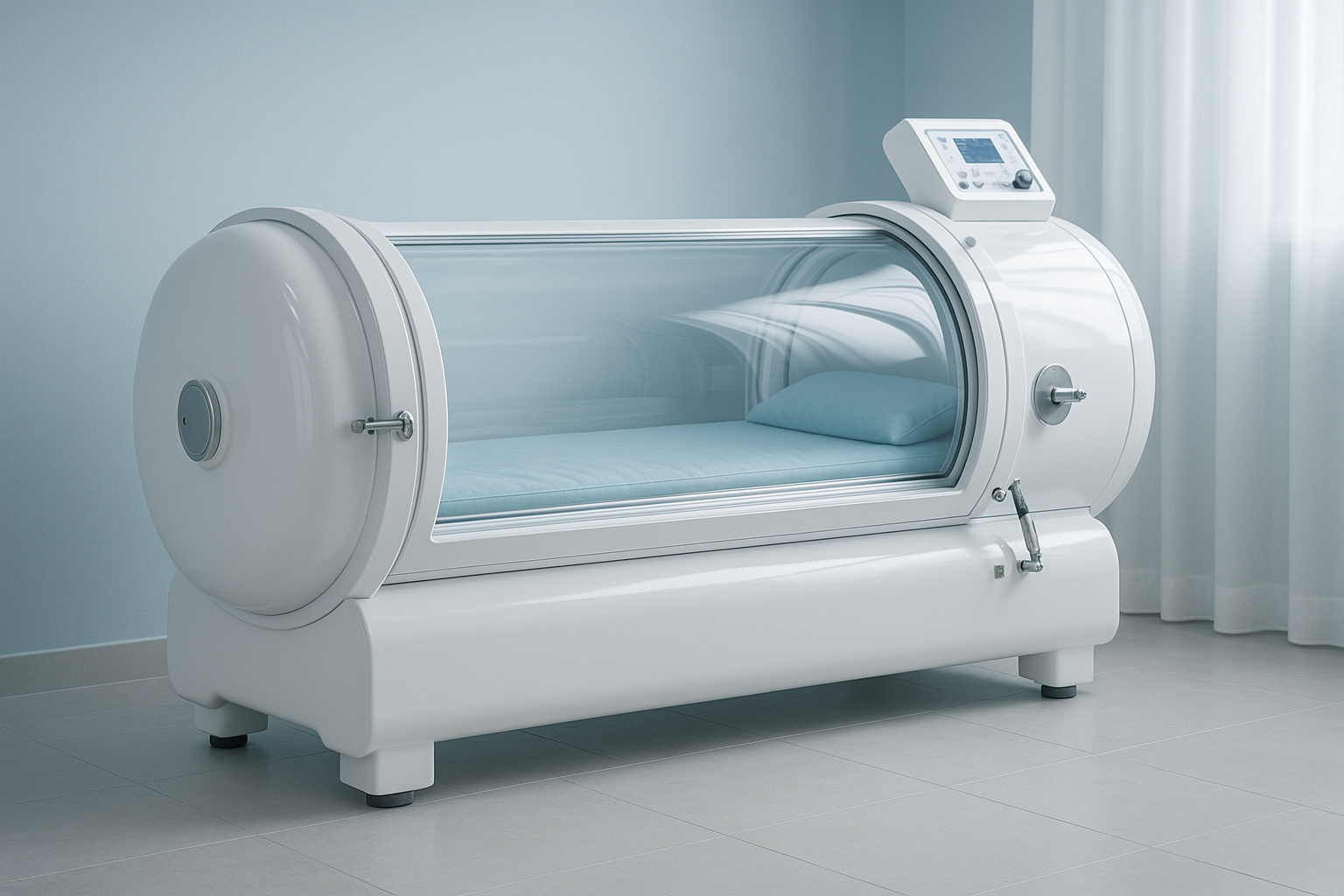
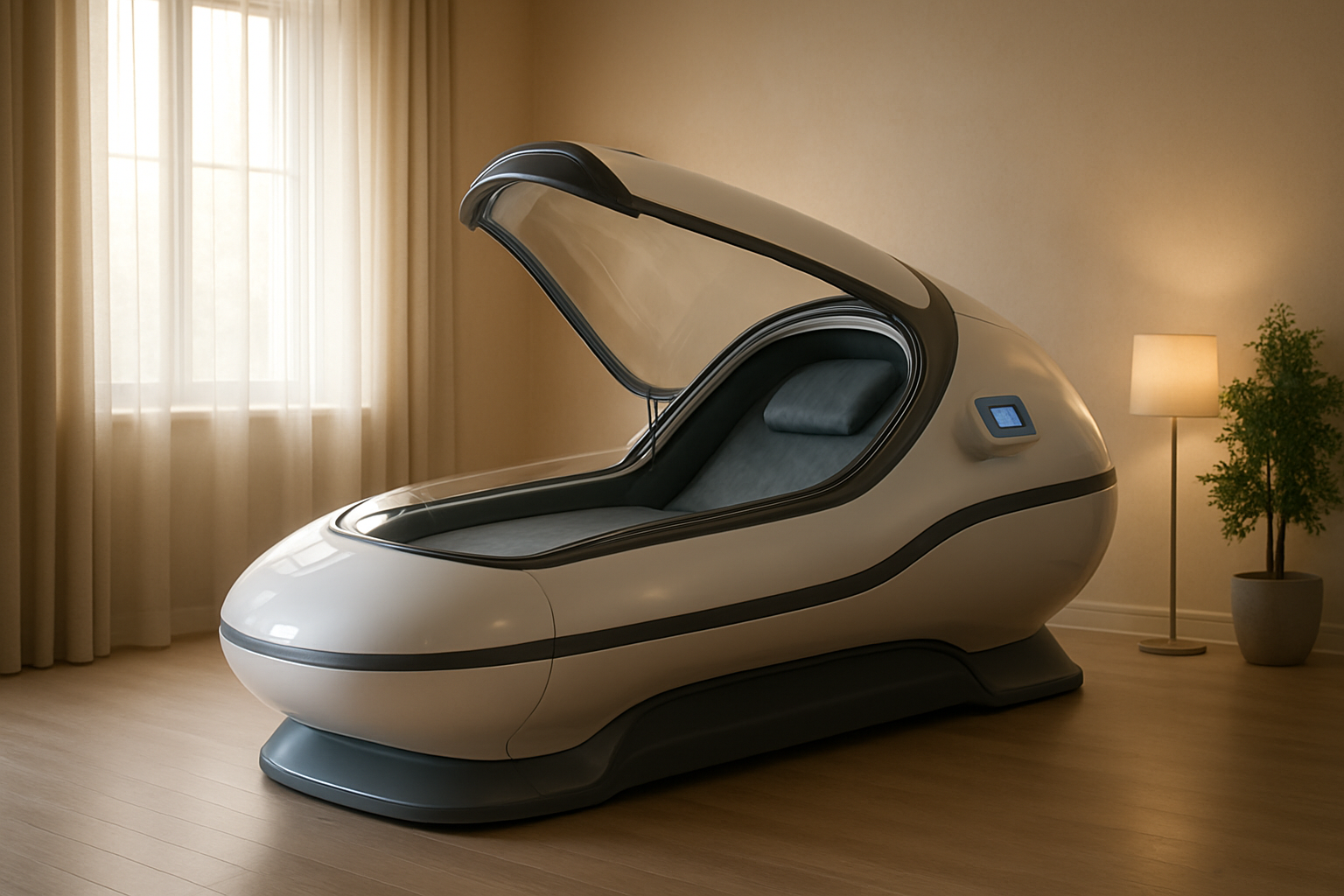
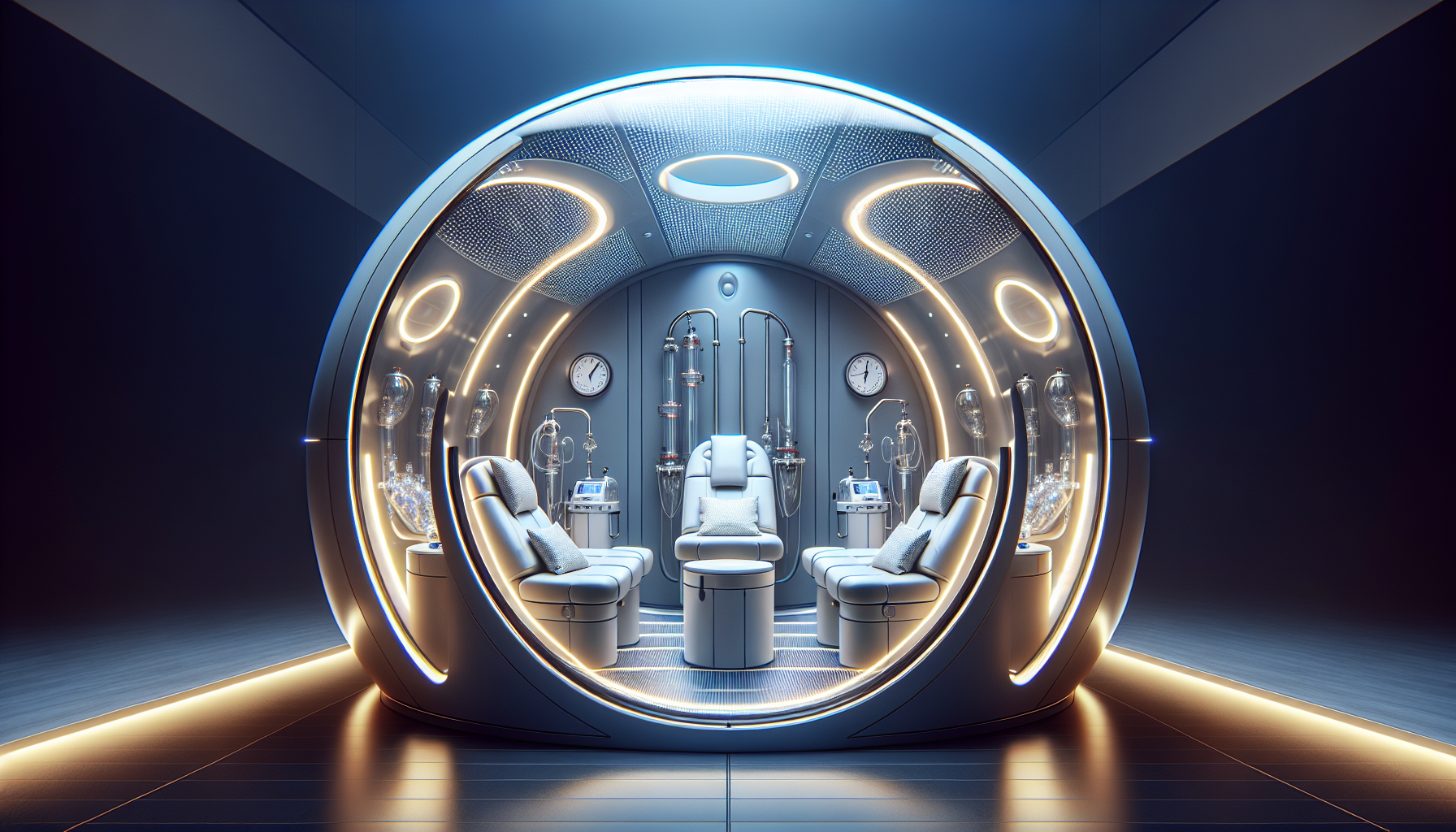
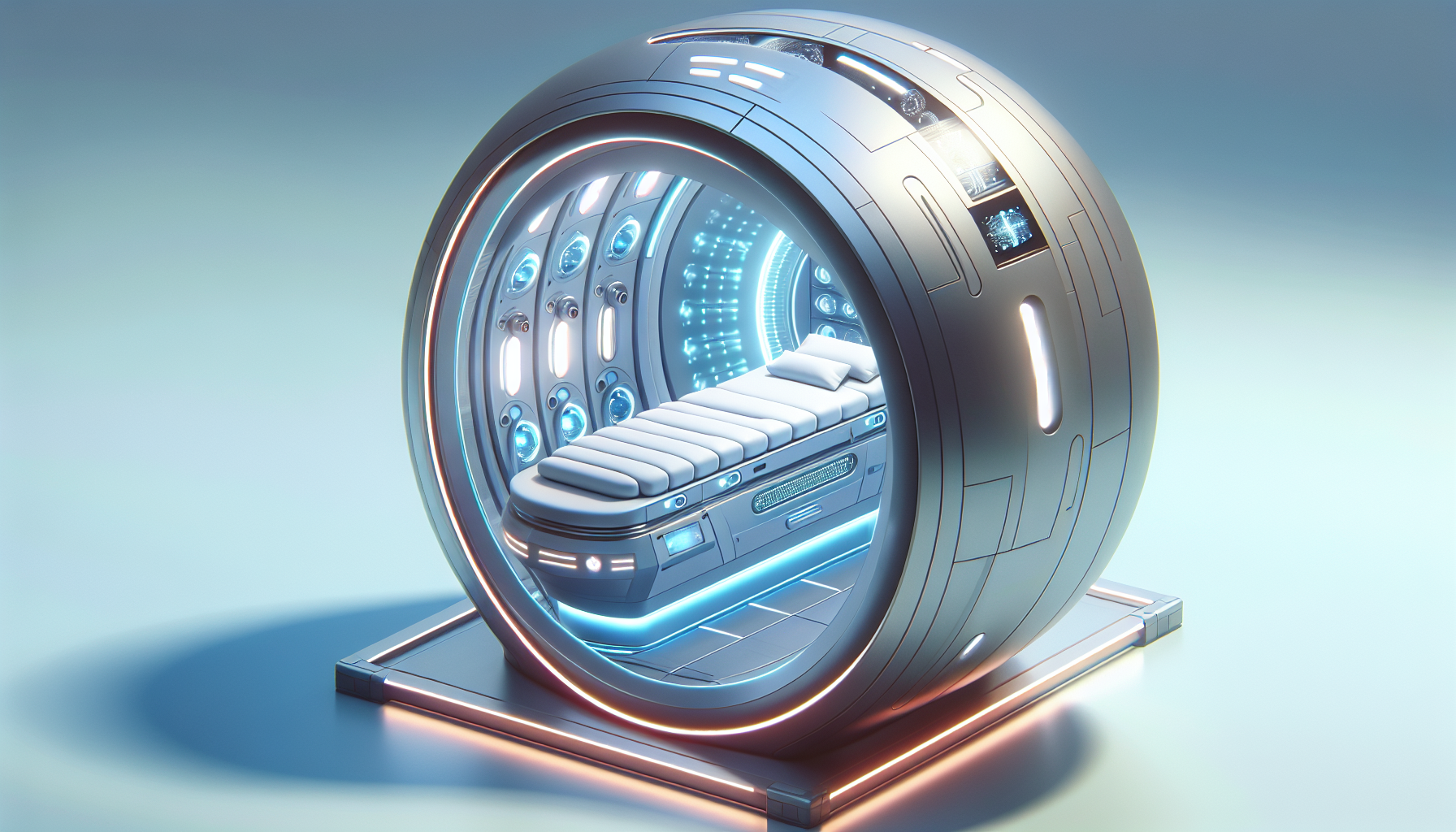
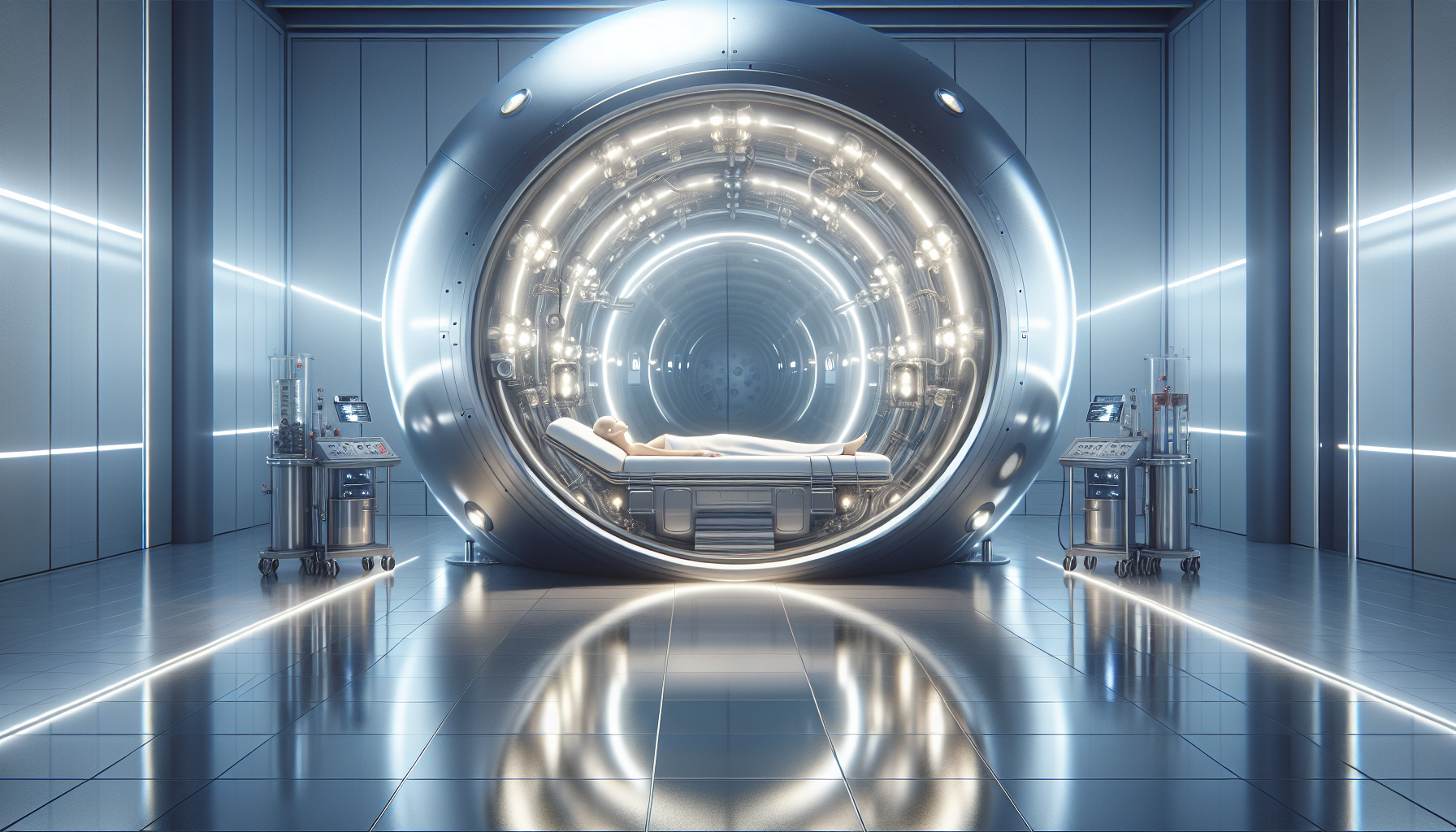
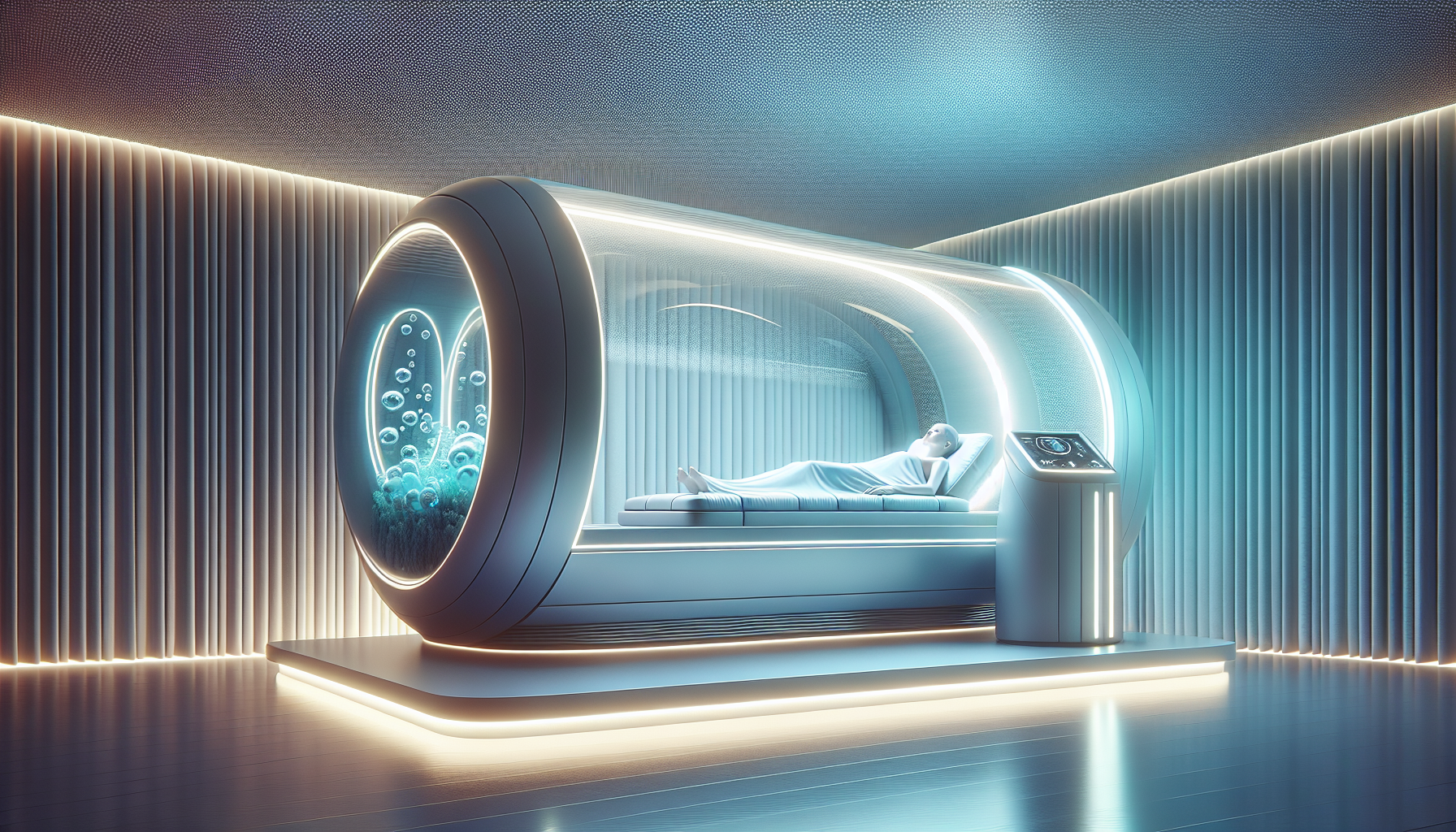
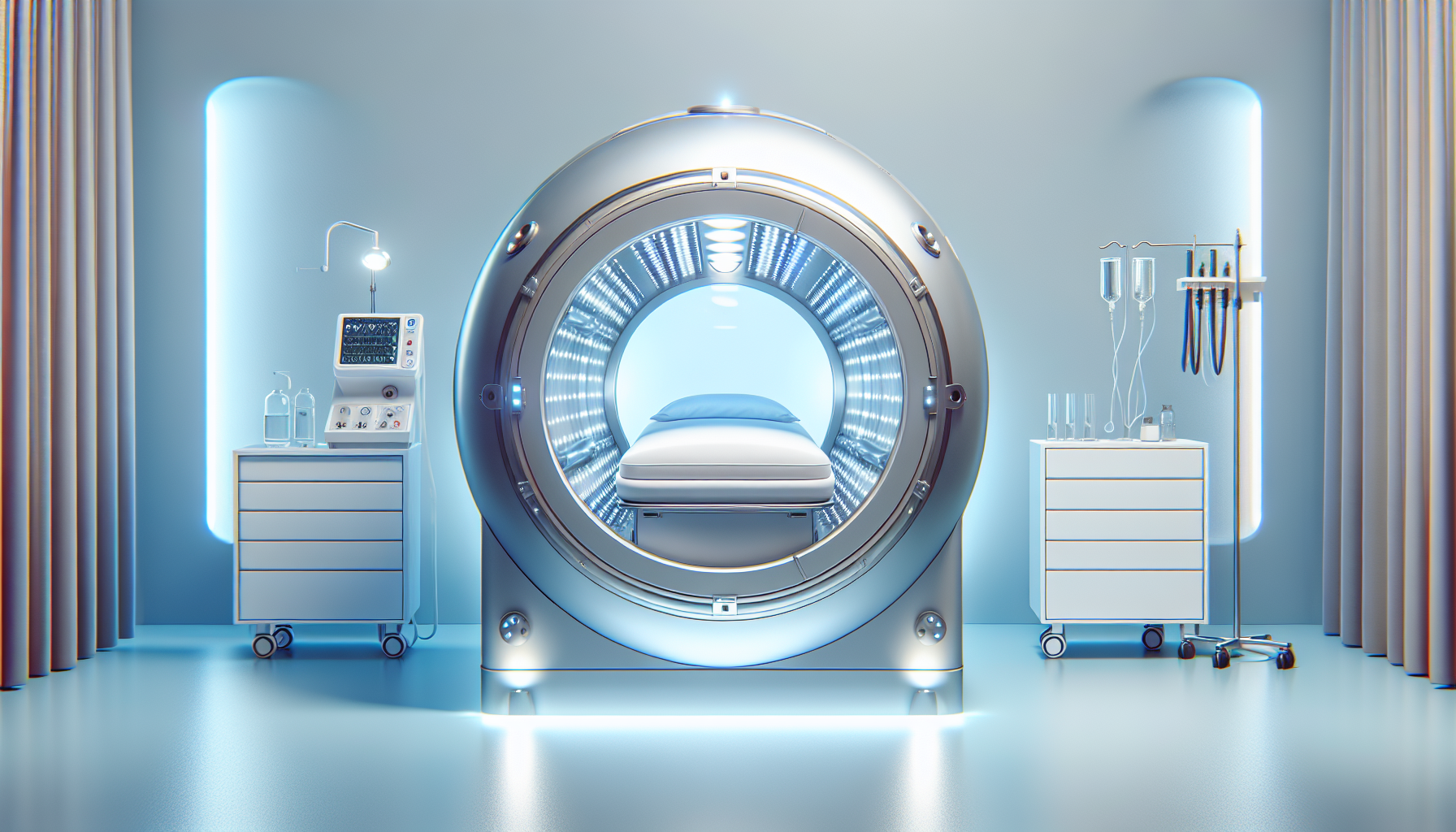
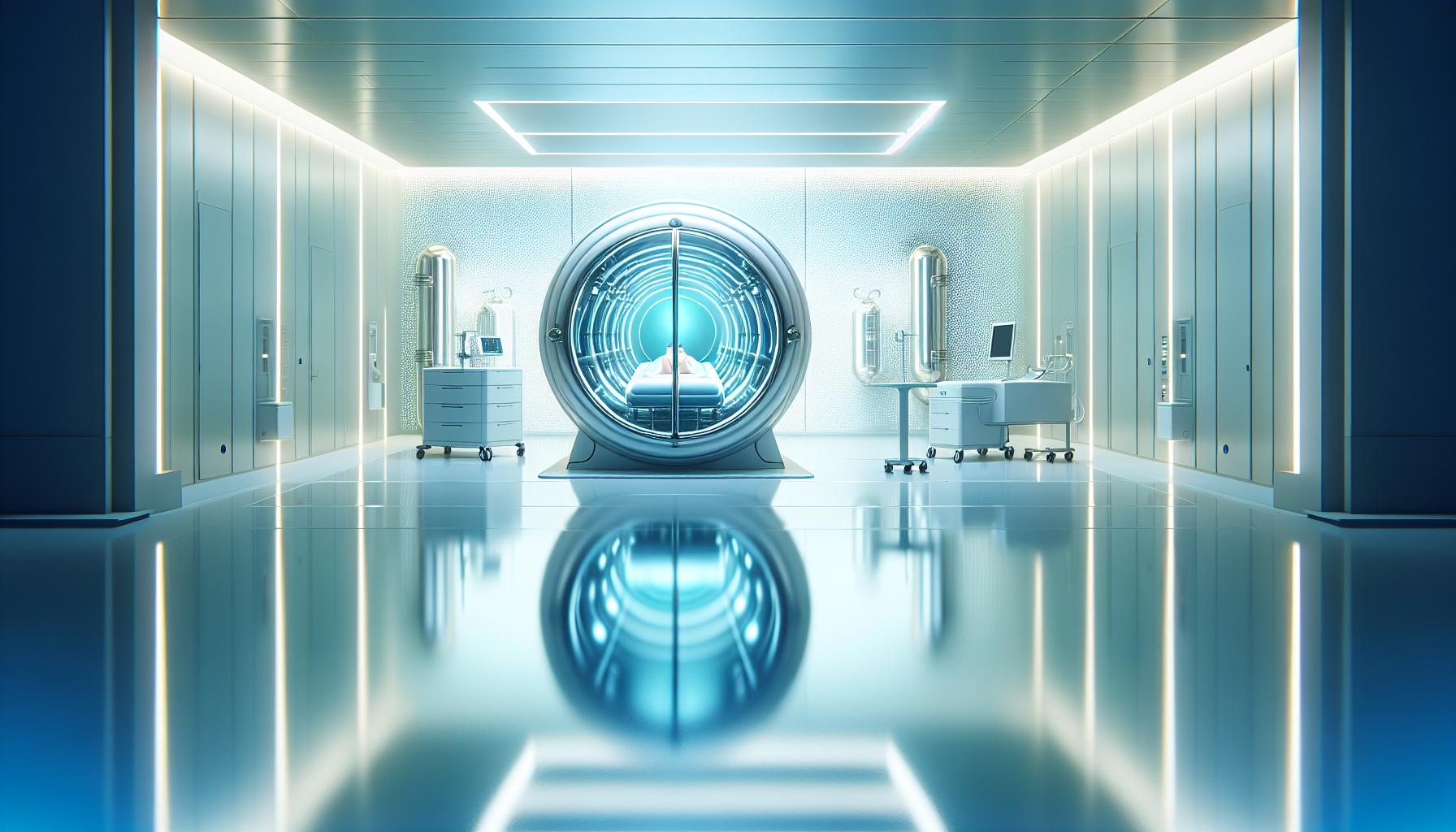
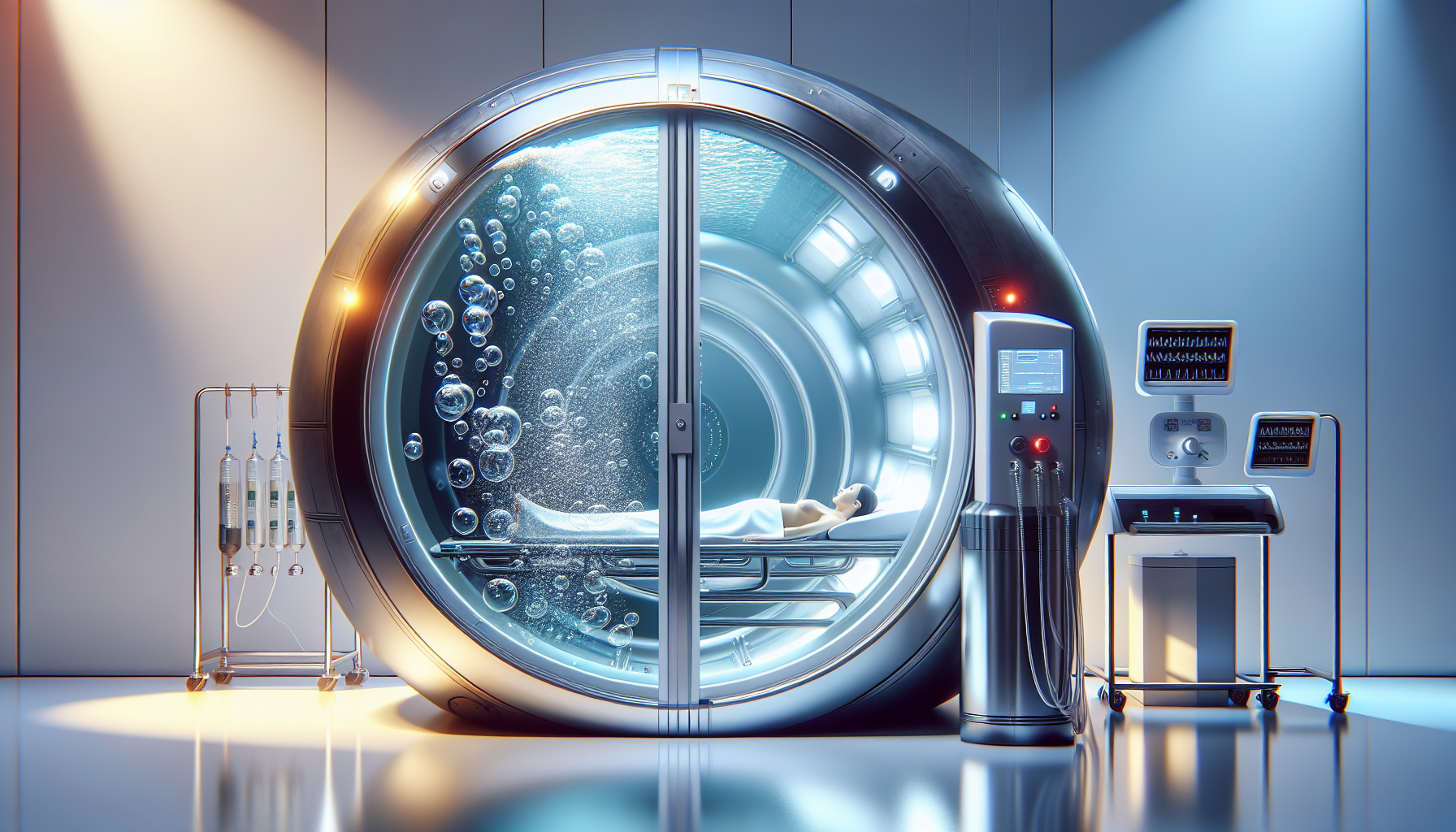
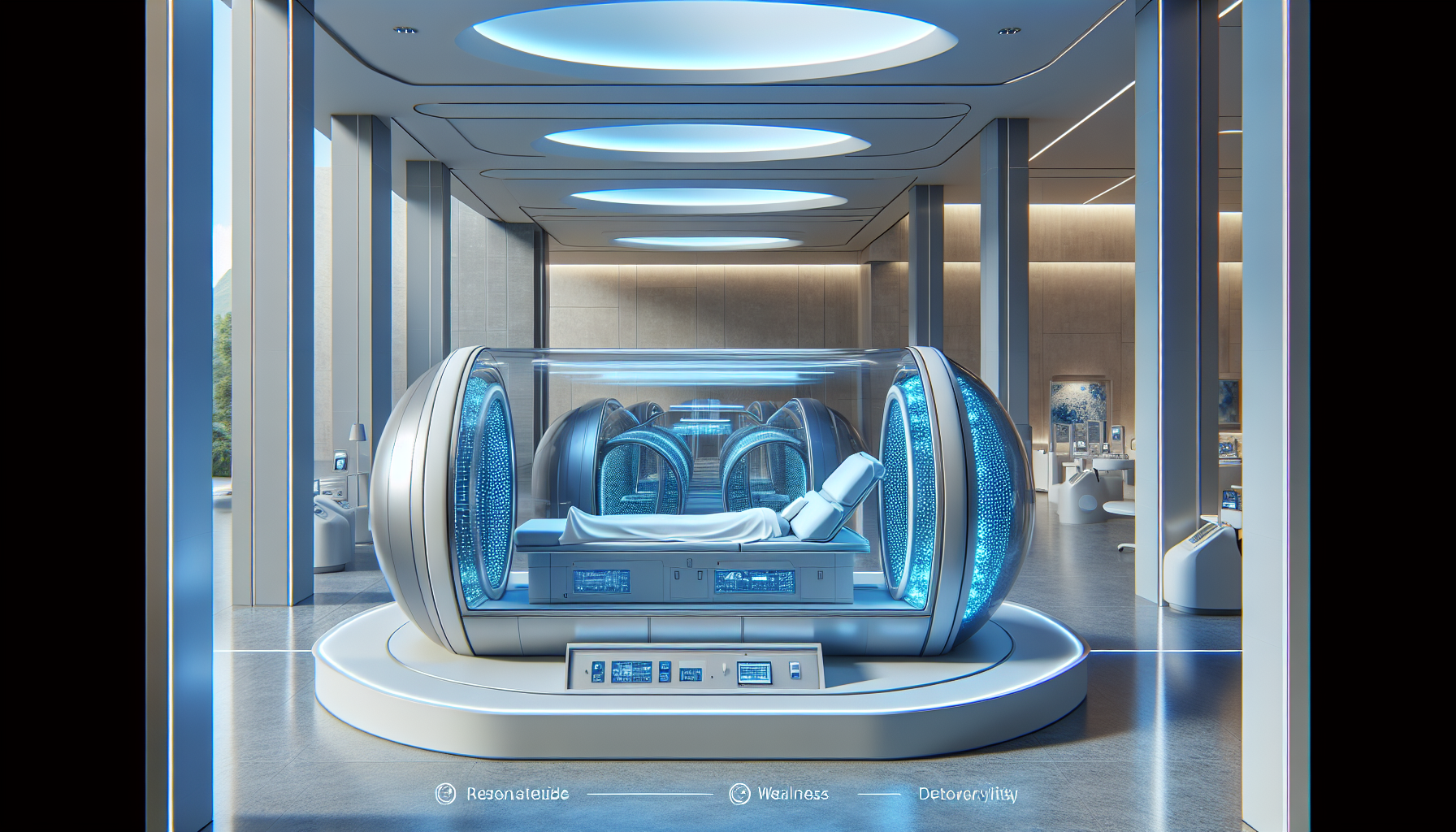
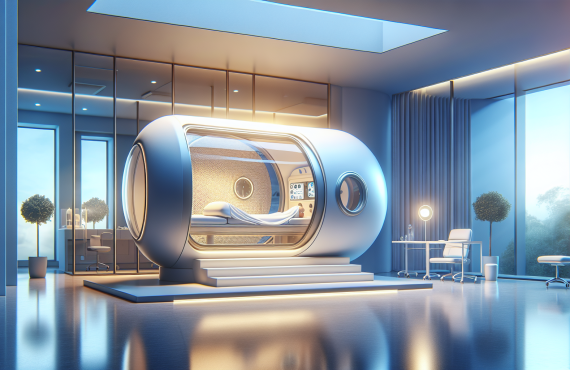
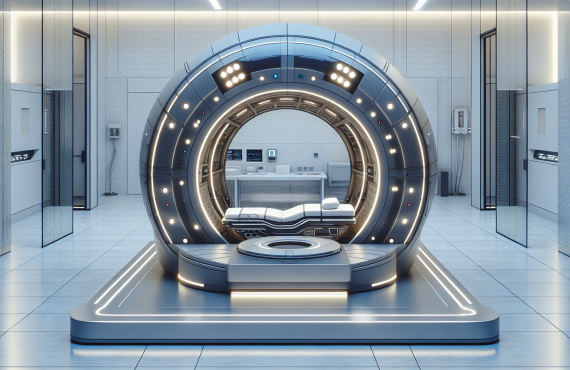
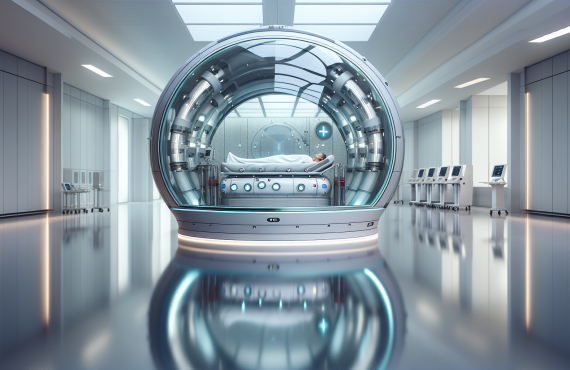
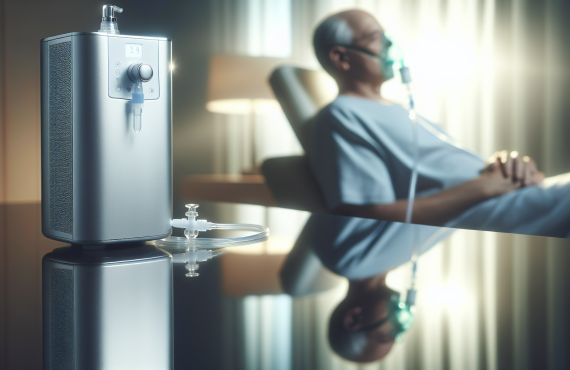
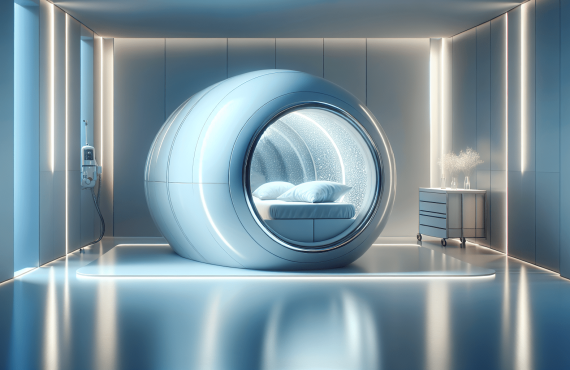
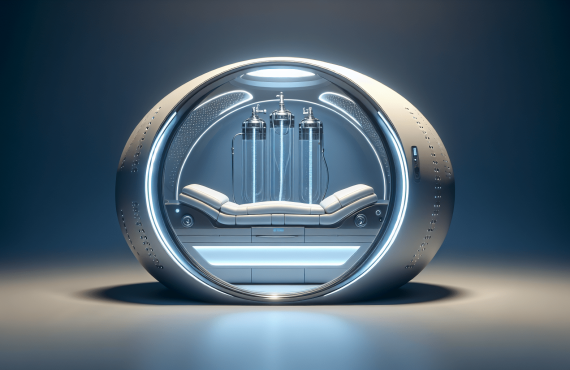
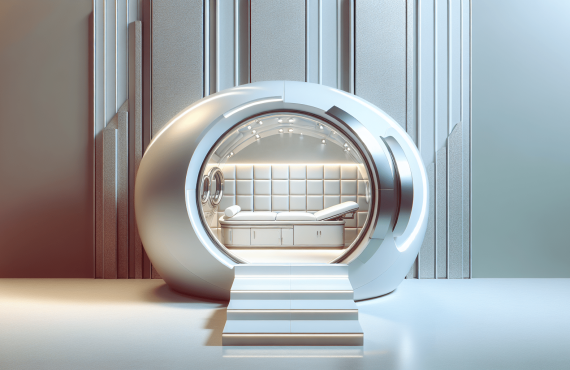
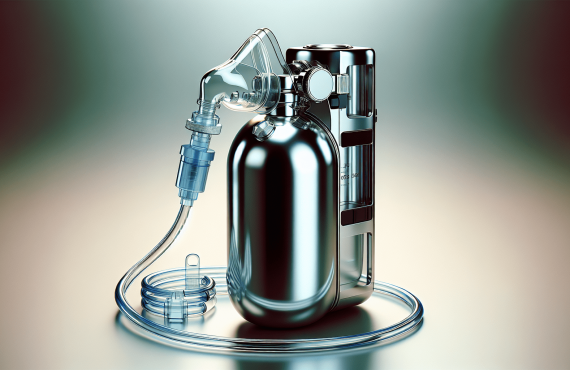
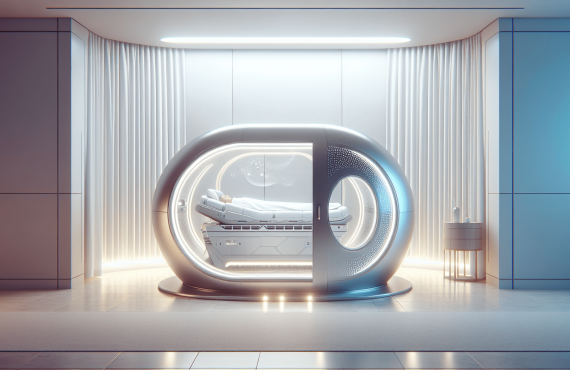
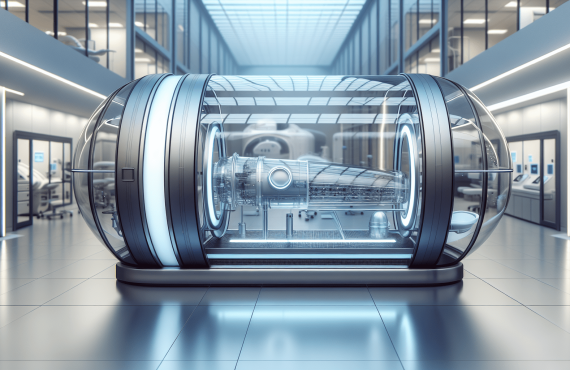
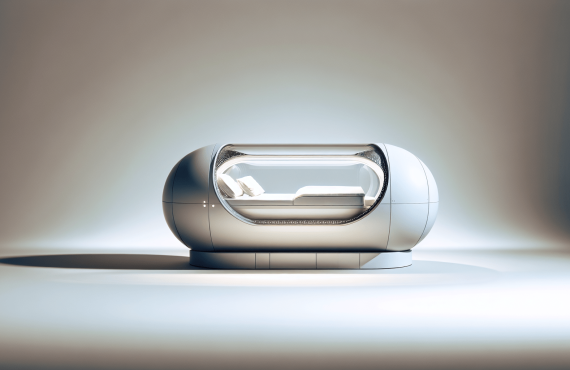
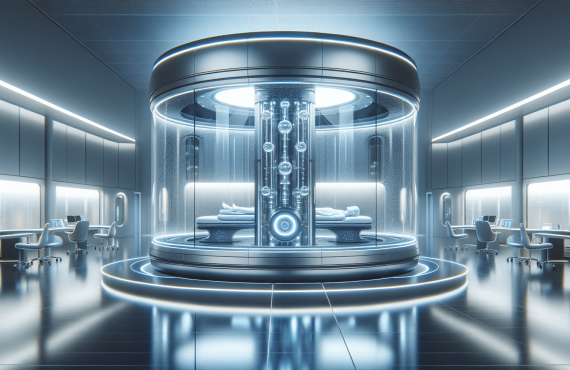
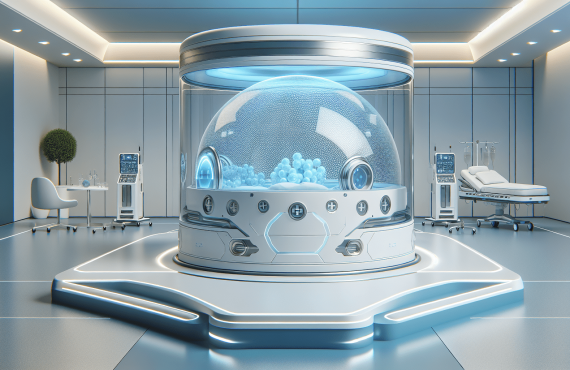
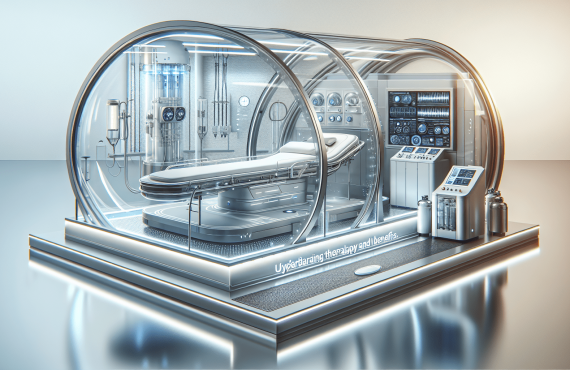
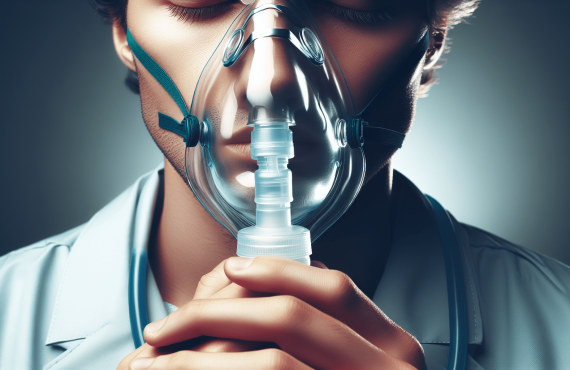
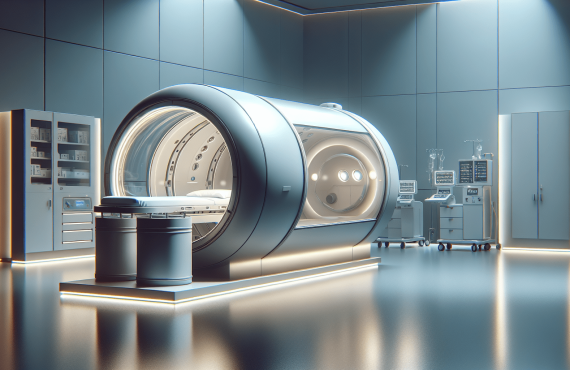
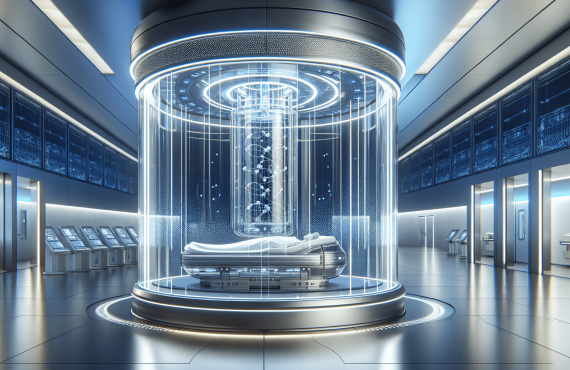
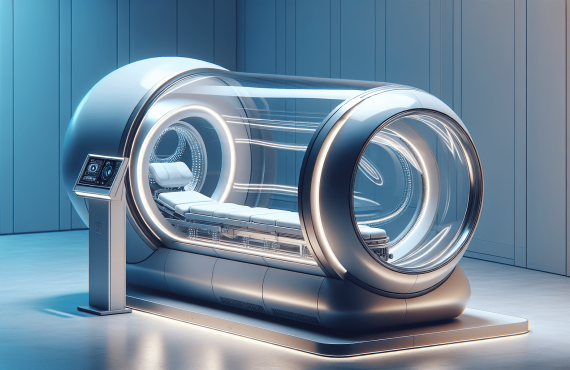
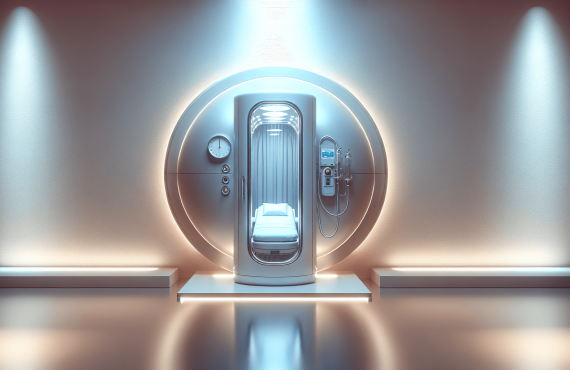
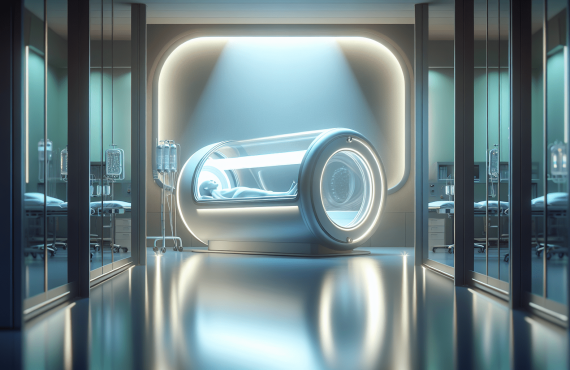
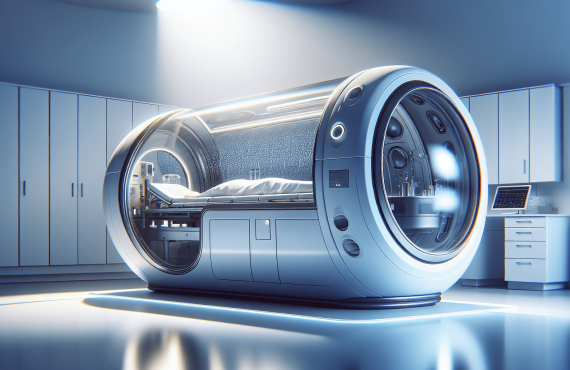
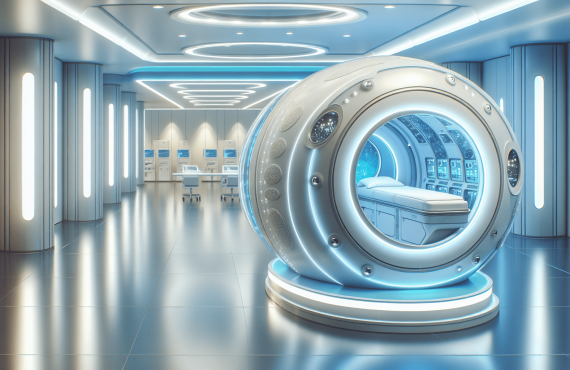
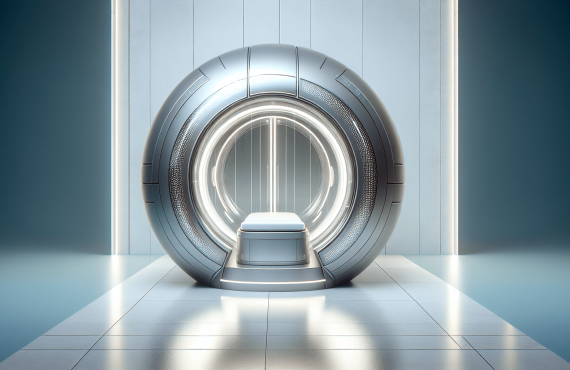
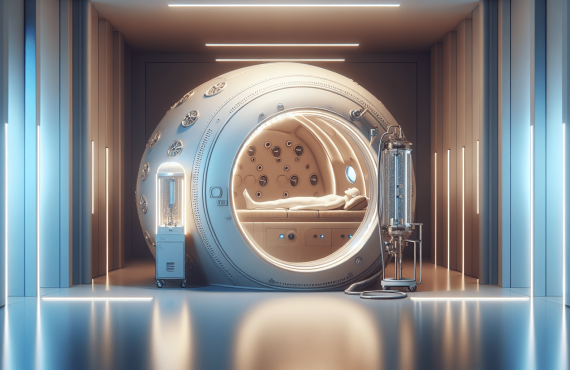
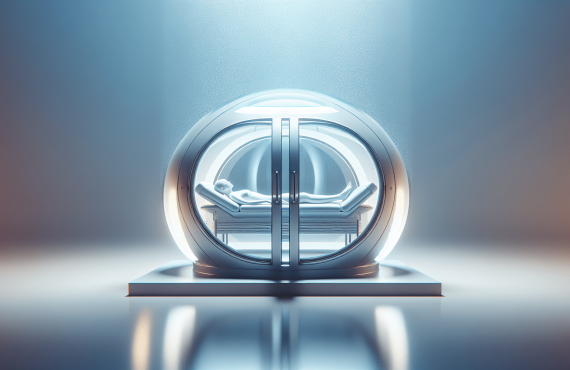
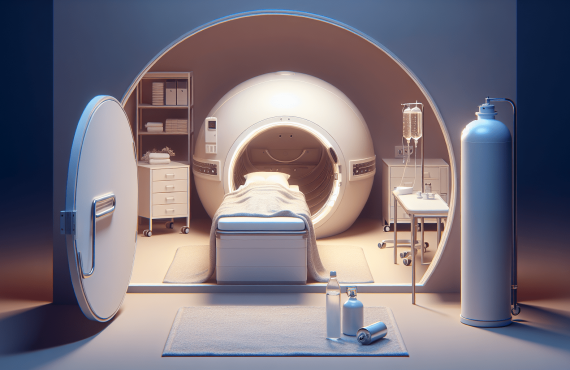
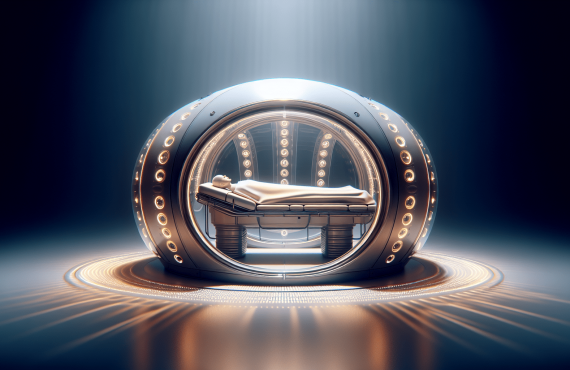
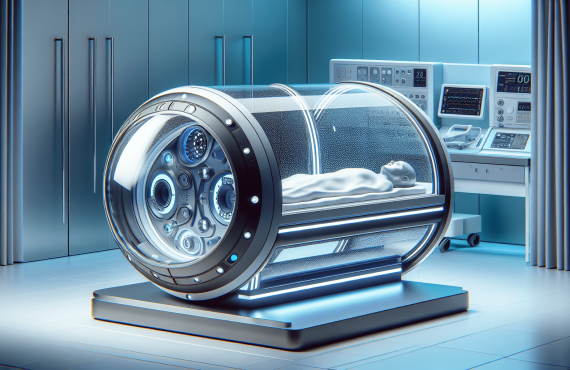
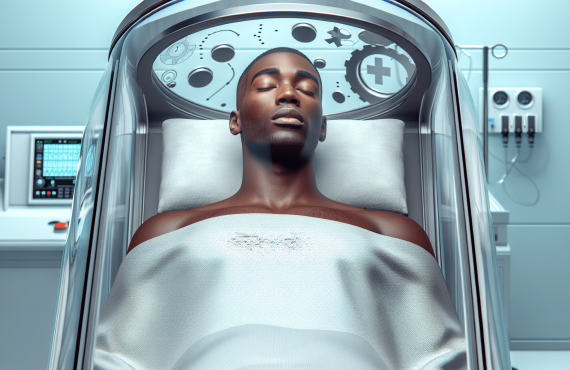
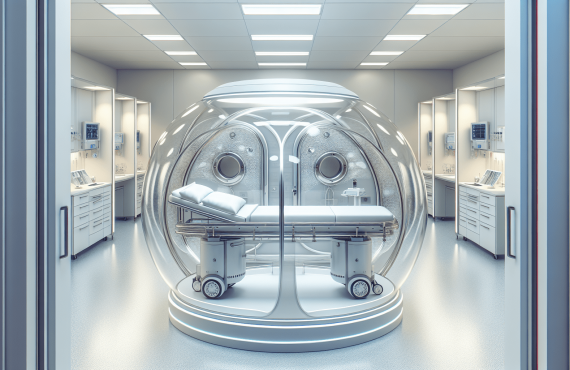
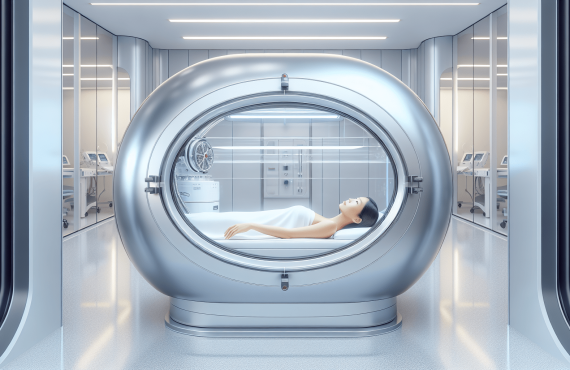
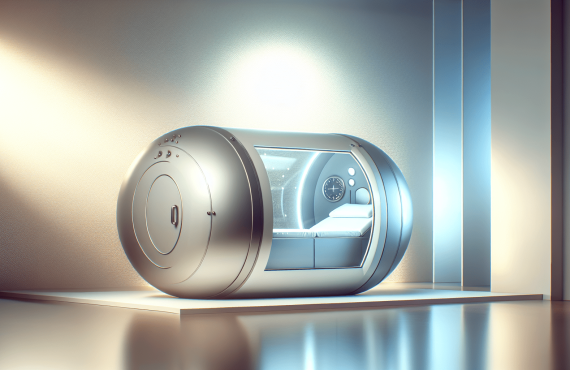
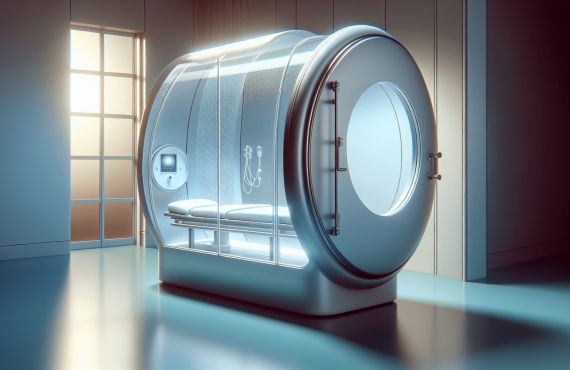
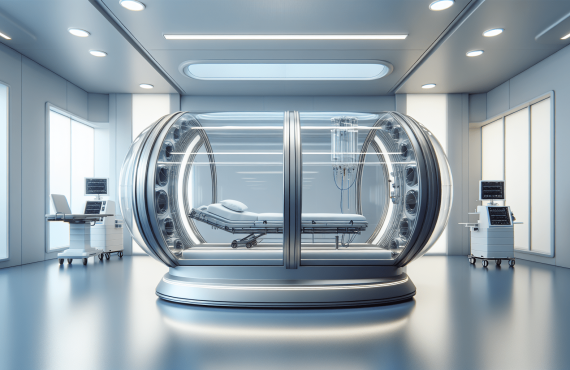
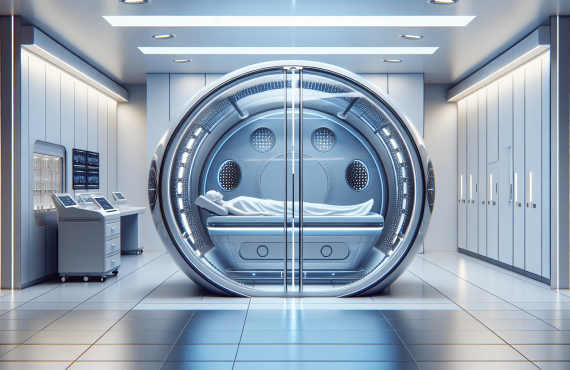
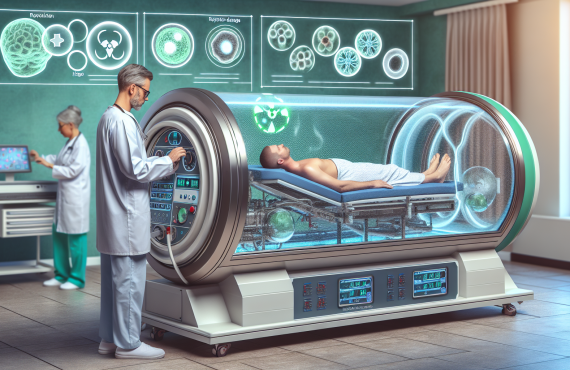
Hyperbaric therapy, also called hyperbaric oxygen therapy (HBOT), is a medical treatment in which you breathe 100% oxygen inside a pressurized chamber. That pressure is higher than normal atmospheric pressure, and that single change alters the math of oxygen delivery in a rather dramatic way. Under ordinary conditions, most oxygen travels attached to hemoglobin. In HBOT, much more oxygen dissolves directly into plasma, which allows it to reach tissues with reduced blood flow.
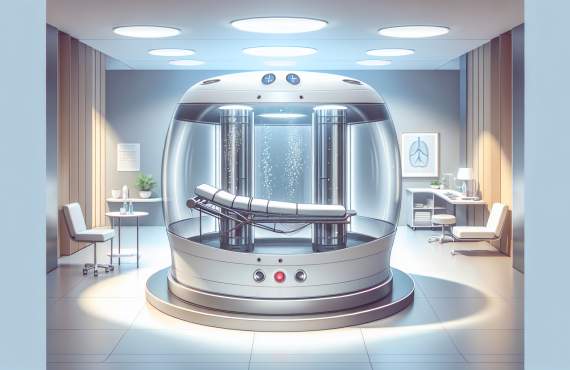
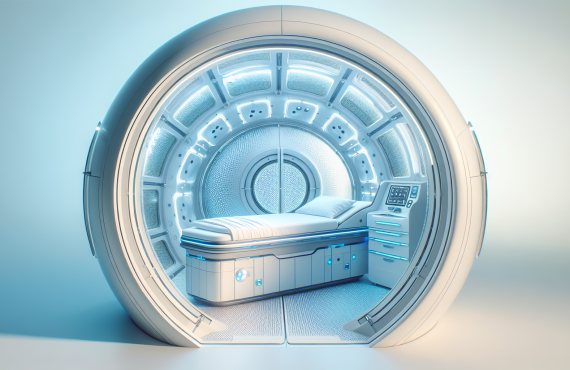
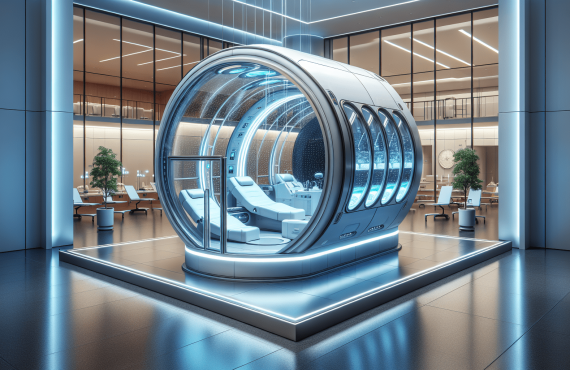
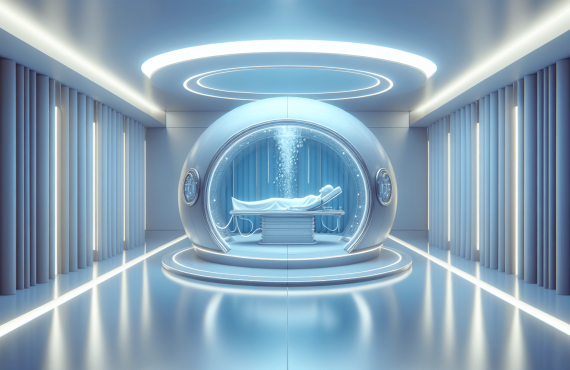
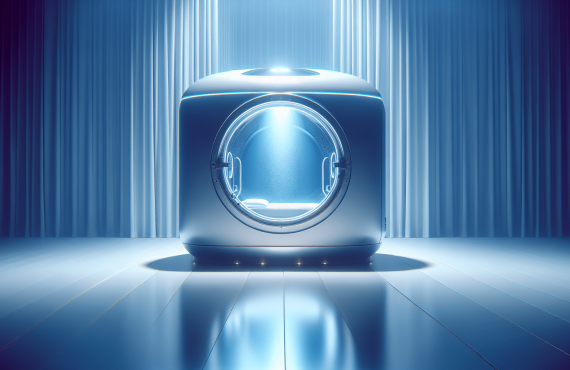
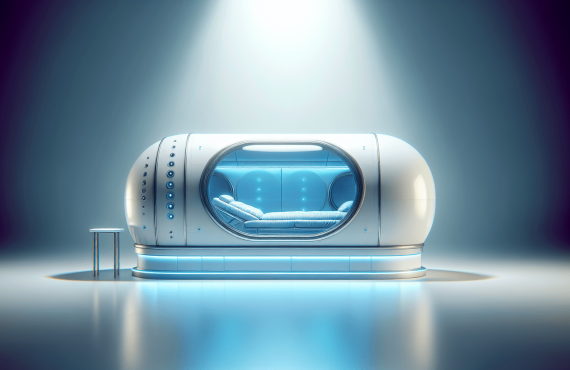
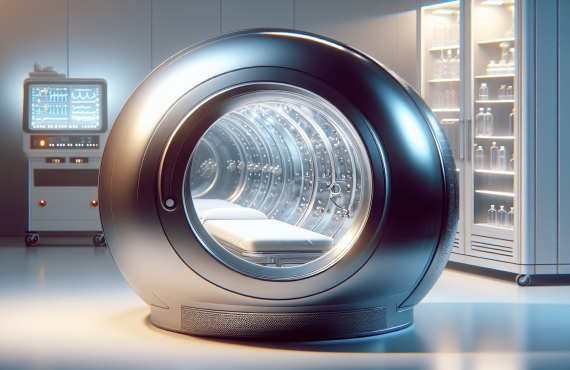
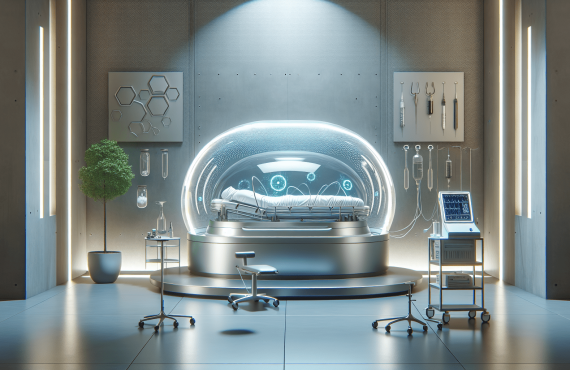
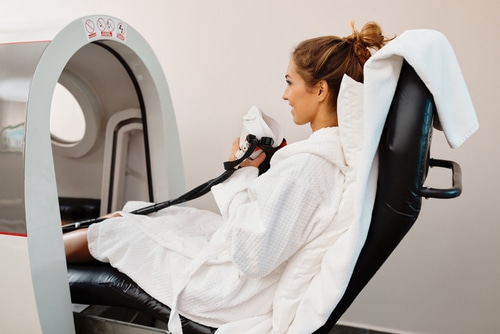
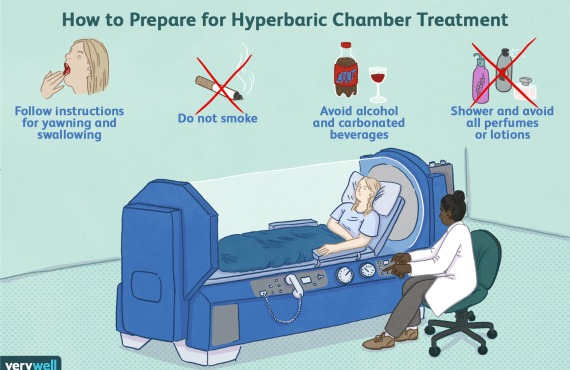
Here’s the practical picture: you enter a specially designed chamber, pressure increases gradually, and you rest while breathing oxygen for a set time, often 60 to 90 minutes. Treatment protocols vary, but many centers use pressures between 1.5 and 3.0 atmospheres absolute. We found that patients are often less worried about the science than about the feeling. The best description is this: your ears may pop, much like an airplane descent, but the goal is calm, not drama.
The medical use of HBOT is well established for several conditions. The FDA notes approved uses such as decompression sickness, certain non-healing wounds, carbon monoxide poisoning, and radiation injury. When people ask how it might relate to the brain, the answer turns on oxygen-starved tissue, circulation, inflammation, and repair signals.
At Henry Chiropractic, the value of discussing HBOT lies in context. Dr. Craig Henry and Dr. Aaron Hixon don’t treat a diagnosis in isolation; they look at how you sleep, move, recover, and function day to day. A chamber is a tool. The person in the chamber is the point.
- What HBOT changes: oxygen concentration, pressure, and tissue oxygen delivery
- What you may notice: ear pressure, warmth, relaxation, or temporary fatigue after sessions
- Why it matters: oxygen can reach areas that may be poorly served under normal conditions
The Science Behind Oxygen and the Brain: How does hyperbaric oxygen help the brain?
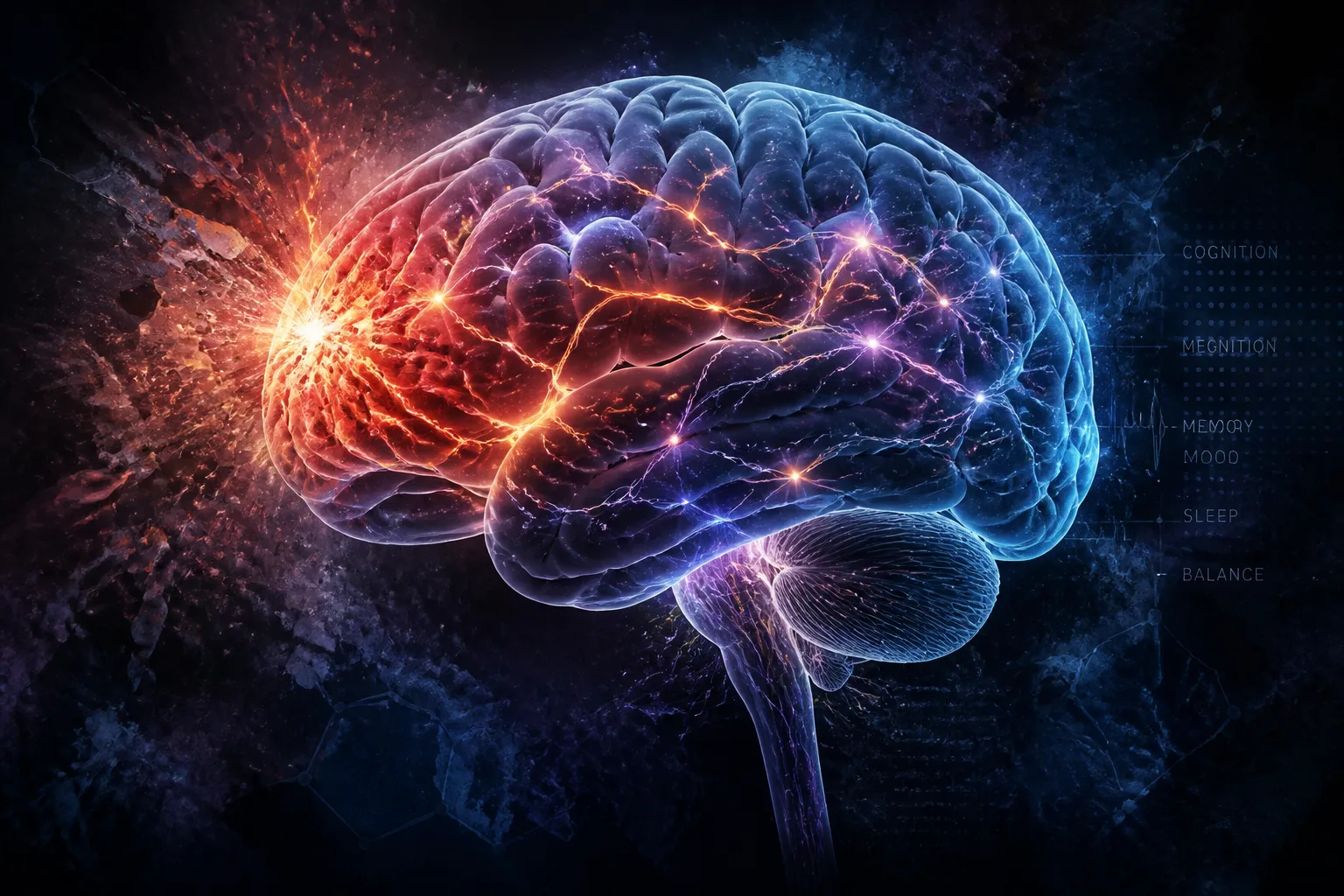
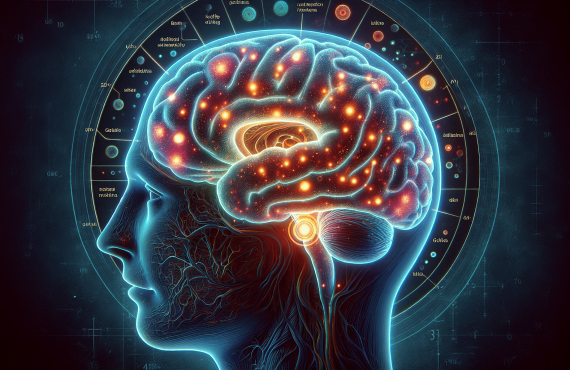
If the brain had a slogan, it would probably be, “Send oxygen or don’t bother calling.” Neurons are metabolically demanding. They don’t store much fuel, and even short disruptions in oxygen supply can affect attention, memory, reaction time, and mood. According to the Harvard Health, oxygen is essential for cellular energy production, and brain tissue is particularly sensitive to low oxygen states.
HBOT aims to flood the system, in the controlled and respectable medical sense of the word. Increased oxygen availability may support mitochondrial function, reduce swelling in certain tissues, improve microcirculation, and stimulate angiogenesis, which is the growth of new blood vessels. Studies also suggest HBOT can influence neuroplasticity, the brain’s ability to form and reorganize connections. That sounds lofty, but in plain English it means the brain may become more capable of repairing pathways or building detours around damage.
Based on our analysis of the literature, one of the most cited examples is a 2020 study in Aging that reported improvements in attention and information processing speed in healthy older adults after a course of HBOT. Another line of research has found measurable changes in brain imaging and cognition after treatment in selected patients with chronic neurological symptoms. We recommend reading the primary evidence with a sober eye: not every study is large, and protocols differ, but the pattern is intriguing enough that serious clinicians keep paying attention.
How does hyperbaric oxygen help the brain when memory feels foggy or concentration has gone off to sulk in the corner? By improving oxygen delivery to tissue under stress, HBOT may reduce the mismatch between what the brain needs and what circulation currently provides. In 2026, that possibility sits at the center of many ongoing conversations about recovery medicine.
- More oxygen in plasma increases tissue availability beyond normal breathing.
- Better oxygenation may support ATP production, the energy currency neurons use constantly.
- Repair signaling may increase through angiogenesis and reduced inflammatory stress.

How Hyperbaric Oxygen Can Improve Brain Injuries
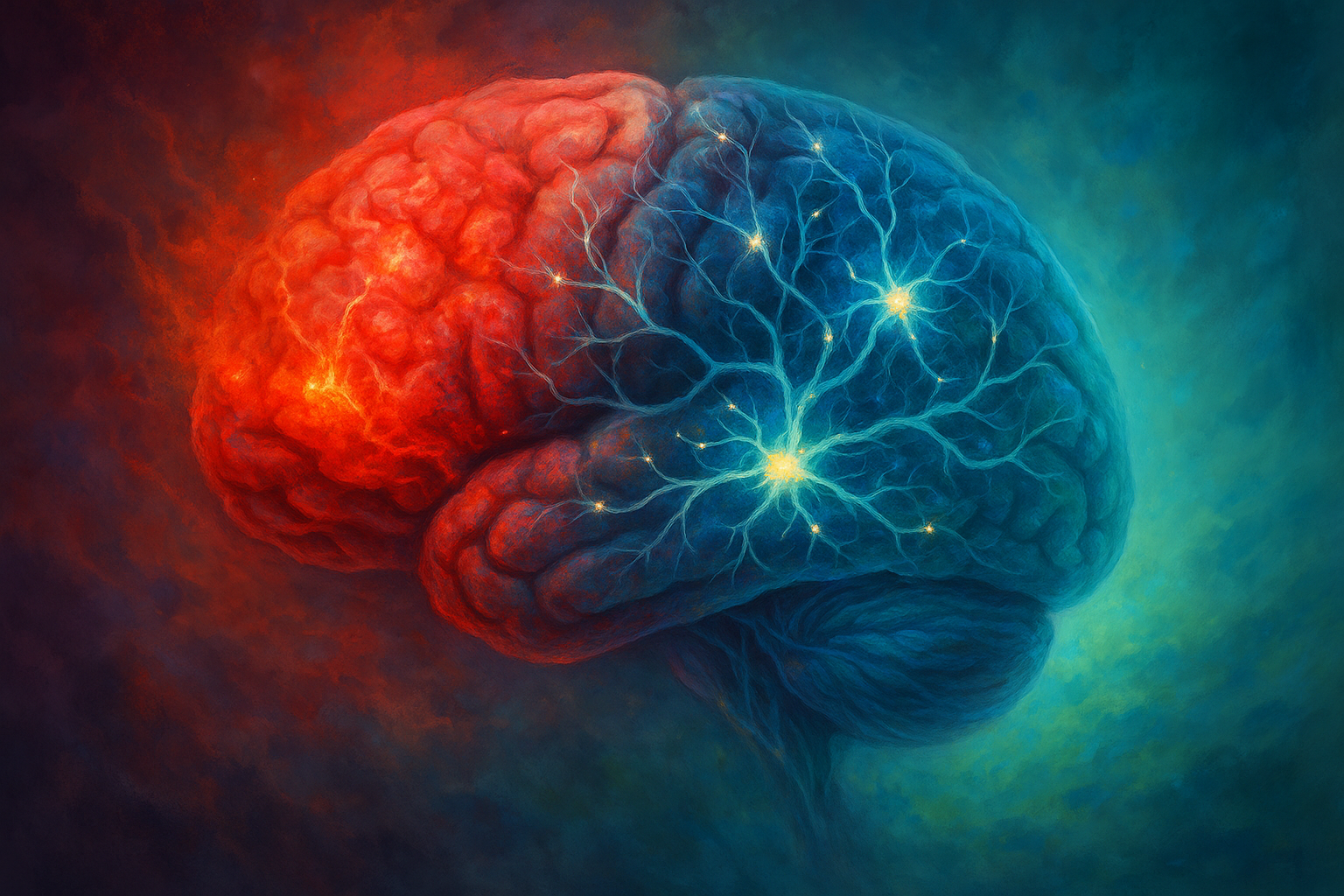
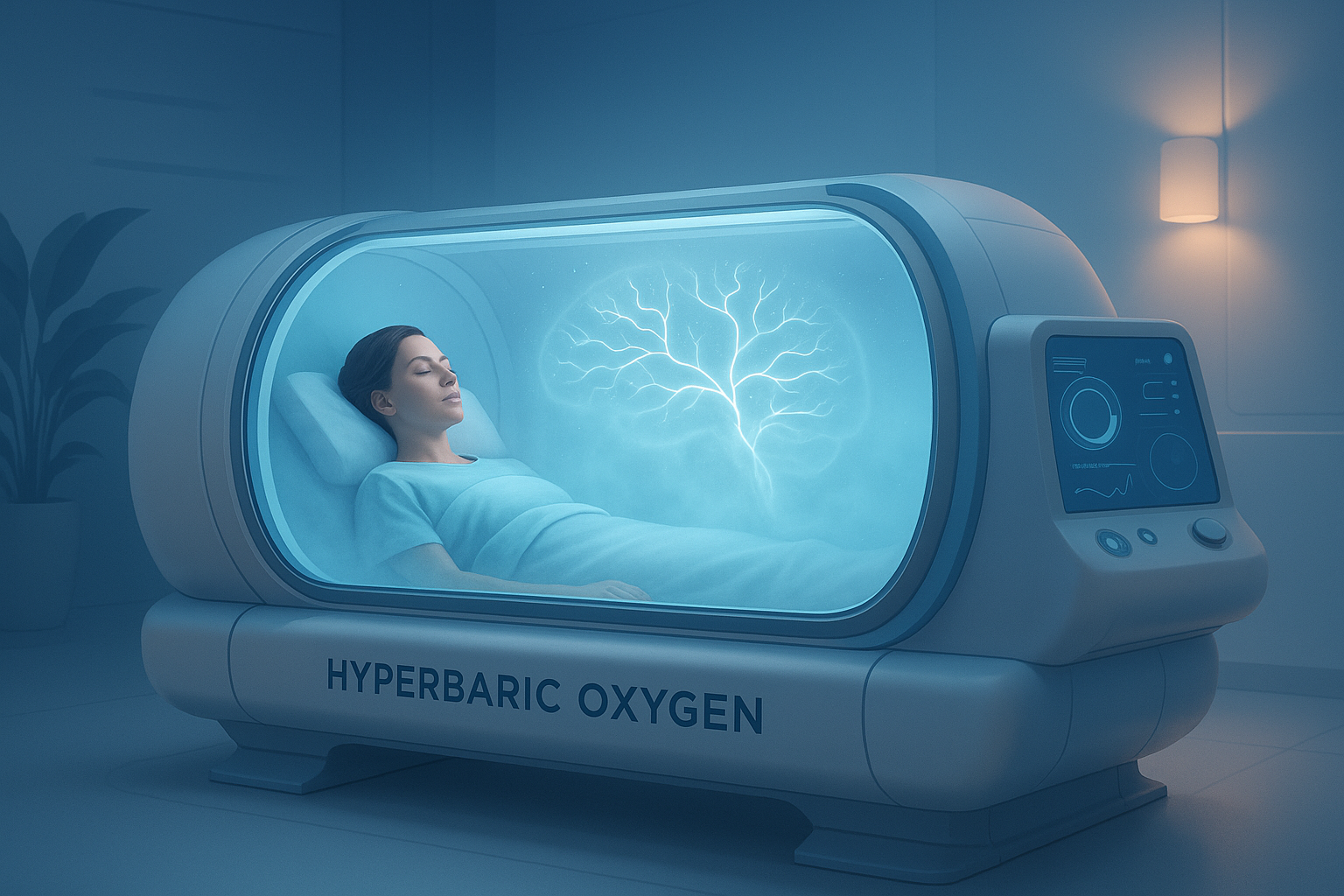
Traumatic brain injury, or TBI, is where HBOT gets both its most passionate supporters and its most skeptical raised eyebrows. The injury itself is only part of the problem. After the initial trauma, the brain may face a second wave of trouble: swelling, impaired blood flow, inflammation, and metabolic dysfunction. That secondary injury can linger far longer than the dramatic moment that caused it.
The CDC reports that TBI contributes to about 30% of all injury-related deaths in the United States, and millions of emergency visits each year involve brain trauma. We researched clinical findings suggesting that in some patients, HBOT may improve post-concussion symptoms such as headaches, attention problems, sleep disturbance, and irritability. A 2025 review of military and civilian TBI studies discussed gains in symptom scores and daily functioning, though researchers also noted variation in study design and treatment pressure.
Case reports can sound suspiciously tidy, but they matter when you pair them with proper assessment. In our experience, the people most interested in HBOT after TBI aren’t chasing magic; they want fewer headaches, better focus, and one morning where they don’t feel as if their thoughts are wearing wet wool. At Henry Chiropractic, a patient with a history of head trauma may also be evaluated for neck dysfunction, sleep quality, movement limitations, and stress load. That matters because recovery is rarely a single-lane road.
Consider a real-world scenario based on patterns clinics see all the time: a former athlete in his 30s, months after a concussion, still struggles with screen sensitivity and word recall. After a structured care plan that includes HBOT discussion, movement-based rehab, and supportive therapies, his symptom burden drops enough that he returns to work without needing a two-hour nap at 3 p.m. We found that these practical outcomes are what families care about most.
- Potential TBI benefits: support for tissue oxygenation, symptom reduction, and better rehab tolerance
- Common goals: improved attention, fewer headaches, better sleep, steadier mood
- Best use: part of an integrated plan, not a stand-alone promise
HBOT and Neurological Disorders: What Studies Show
When people ask about stroke, cerebral palsy, or other neurological disorders, the room gets quieter. That’s because these are serious conditions, and nobody decent should talk about them with the breezy confidence of a man recommending patio furniture. Still, the research is worth examining. How does hyperbaric oxygen help the brain in neurological disorders? The proposed mechanisms are familiar by now: improved tissue oxygenation, reduced inflammation, support for new blood vessel formation, and help with dormant but not dead tissue around areas of injury.
Stroke remains a global giant. The World Health Organization continues to list stroke among the leading causes of death and disability worldwide. Some rehabilitation-focused studies have reported improvements in motor function, daily living, and cognition when HBOT is added after the acute phase. We analyzed recent discussions from 2025 and early 2026 in neurological rehabilitation literature showing that selected stroke survivors had measurable gains in executive function and quality-of-life scores after multi-session protocols, often in the 20 to 60 session range.
Research in cerebral palsy is more mixed. Some older trials found modest gains in gross motor measures, while others showed little difference compared with control interventions. That doesn’t make the field hopeless; it makes it honest. For families considering HBOT, the right question is not “Does this fix everything?” but “What specific function are we trying to improve, and how will we measure that?”
We recommend using a checklist before beginning therapy for neurological disorders:
- Get a clear diagnosis and current treatment summary.
- Ask for measurable goals such as memory, gait, fatigue, or attention.
- Review recent imaging and medications with a qualified provider.
- Plan reassessment points after 10, 20, or 30 sessions.
That sort of structure saves you from vague hope, which is one of the costliest substances on earth.
Brain Health Benefits Beyond Injury
Not every person curious about HBOT has had a head injury or stroke. Some are dealing with aging, brain fog, anxiety, low energy, or the soft but relentless sense that their mind has become less cooperative. This is where nuance matters. HBOT is not a substitute for sleep, mental health care, exercise, or treating underlying disease. But based on our research, it may support brain health by reducing inflammatory burden and improving oxygen delivery in ways that complement broader care.
There is growing interest in whether HBOT can influence neurogenesis and neuroplasticity. Some studies suggest increased oxygen availability may encourage repair processes and improve blood vessel density. Others point to reductions in inflammatory markers. Those findings matter because chronic inflammation is associated with mood symptoms, cognitive decline, and slower recovery. A 2026 conversation in integrative medicine is less about silver bullets and more about layered support: sleep, stress reduction, movement, nutrition, and targeted therapies working together.
At Henry Chiropractic, that integrated mindset is exactly the point. Dr. Craig Henry is known in Pensacola for helping patients improve health and wellness in daily life, whether they come in with back pain, neck pain, or the simple wish to wake up feeling less wrecked. Dr. Aaron Hixon, a Florida native trained at Florida Atlantic University and Palmer College of Chiropractic, brings an exercise science lens that fits well with recovery-based care. He has volunteered with Habitat for Humanity, grocery stores, and the YMCA, which tells you something about his wiring: he likes useful work.
In our experience, people interested in HBOT beyond injury often do best when they combine it with basics that sound almost insultingly ordinary:
- Regular sleep windows of 7 to 9 hours
- Daily movement, even brisk walking for 20 to 30 minutes
- Anti-inflammatory nutrition with adequate protein and omega-3 fats
- Stress regulation through breathing practice, counseling, or mindfulness
It’s never as glamorous as people hope. It is, however, how bodies tend to improve.
Potential Risks and Considerations of HBOT
HBOT has a polished, futuristic reputation, but your body is not obliged to adore every treatment simply because it comes with pressure gauges. There are risks, and you should know them before climbing into a chamber with the optimism of a golden retriever. The most common issues are ear pressure and sinus discomfort, similar to what you might feel on an airplane. Claustrophobia is another practical barrier, because not everyone finds enclosed spaces charming.
The FDA warns that possible side effects can include ear and sinus pain, middle ear injuries, temporary vision changes, and in rare cases oxygen toxicity that can cause seizures. Lung complications are uncommon but possible, particularly if protocols are not followed carefully. We recommend a full medical screening before treatment, especially if you have a history of lung disease, uncontrolled seizures, recent ear surgery, fever, or untreated pneumothorax.
How does hyperbaric oxygen help the brain if the treatment itself can be uncomfortable? By being used appropriately, under supervision, for a clear reason. The key is selection and oversight. Based on our analysis, many problems attributed to HBOT come from poor screening, unrealistic expectations, or using it as a shortcut around comprehensive care.
Before you start, ask these questions:
- What condition are we treating?
- What are the expected benefits and timeline?
- What are the risks given my medical history?
- How will progress be measured?
That kind of conversation is exactly why working with professionals such as Dr. Craig Henry and Dr. Aaron Hixon matters. You want judgment, not just equipment.
Practical Steps to Start Hyperbaric Therapy
If you’re considering HBOT, the first step is not to announce on social media that you are “biohacking your neurons.” The first step is to be evaluated properly. Start with a provider who understands your symptoms, medical history, and goals. If you’re in the Pensacola area, Henry Chiropractic at 1823 N 9th Ave, Pensacola, FL 32503, can help you begin that conversation in a grounded way. You can call (850) 435-7777 or visit Henry Chiropractic.
We found that people do best when they follow a simple sequence rather than improvising their care:
- Schedule an evaluation. Bring records, imaging reports, medication lists, and a timeline of symptoms.
- Define your goals. Better memory? Fewer headaches? Less brain fog? Improved tolerance for work or school?
- Ask about suitability. Not everyone is an ideal candidate, especially with certain lung or ear conditions.
- Review the treatment plan. Many protocols involve multiple sessions per week over several weeks.
- Discuss cost and coverage. Single sessions may range from roughly $150 to $400+ depending on location and chamber type, and insurance coverage varies widely.
- Track your response. Use symptom scales, sleep logs, or cognitive notes to measure change.
As of 2026, insurance tends to be more straightforward for FDA-recognized indications and less generous for off-label neurological goals. That’s not a reason to give up; it’s a reason to ask clear financial questions before you begin. We recommend getting an itemized estimate, asking whether a package rate is available, and confirming cancellation policies. Money has a way of becoming very emotional when left vague.
Success Stories and Real-World Applications
The hardest thing about writing about recovery is that every good story sounds a little suspicious, as though a violin should begin playing somewhere offstage. Still, real-world outcomes matter. At clinics across the country, patients report that HBOT helped them think more clearly, sleep better, recover function after injury, or simply feel less like their brain had been packed in cotton. Those are not trivial changes. They are the difference between returning to work and staring at your laptop as if it has insulted you personally.
At Henry Chiropractic, the value comes from pairing technology with attentive care. In our experience, people respond best when someone takes the full picture seriously: injury history, spinal mechanics, stress, exercise tolerance, and sleep. A patient may come in asking about HBOT for lingering concussion symptoms and leave realizing that neck pain, poor rest, and chronic tension have been keeping the whole problem on a low simmer.
Picture a teacher in Pensacola, months after a mild TBI, who still loses words mid-sentence and dreads fluorescent lights. After coordinated care and a structured HBOT plan, she reports fewer headaches, better classroom stamina, and the first week in months without needing to close the blinds and apologize to her family for existing. That is not a miracle story. It is a function story, and those are more believable.
Dr. Aaron Hixon’s community involvement adds another layer to the clinic’s local impact. Someone who volunteers with Habitat for Humanity, local grocery efforts, and the YMCA tends to understand that health is lived in neighborhoods, not just exam rooms. That perspective matters when you’re trying to help patients return to work, family life, and community routines instead of merely producing an interesting chart note.
Your Next Steps Towards Brain Health
By now, the main answer to How does hyperbaric oxygen help the brain? should feel less mysterious and more useful. HBOT may increase oxygen delivery to vulnerable tissue, support repair processes, encourage new blood vessel growth, and reduce some of the inflammatory and metabolic strain that can follow brain injury or accompany poor cognitive function. It is not magic. Frankly, that’s one of its strengths. It belongs to the category of treatments that may help because biology is given better conditions to do its work.
We analyzed the available evidence, and the most sensible takeaway is this: HBOT appears most promising when used thoughtfully, with clear goals, careful screening, and integration into a broader plan. If you’re dealing with concussion symptoms, brain fog, recovery after neurological stress, or questions about whether this therapy fits your situation, don’t guess. Get evaluated.
For personalized guidance, contact Henry Chiropractic, owned and operated by Dr. Craig Henry, at 1823 N 9th Ave, Pensacola, FL 32503. Call (850) 435-7777 or visit https://drcraighenry.com/. Dr. Craig Henry and Dr. Aaron Hixon can help you sort out what makes sense for your symptoms, your history, and your goals.
The brain is greedy for oxygen, yes, but also for patience, structure, and good judgment. Give it those, and you’ve already begun.

Key Takeaways
- HBOT works by increasing oxygen dissolved in plasma, which may help stressed or injured brain tissue receive more of the oxygen it needs for repair and function.
- The strongest use cases for brain-related HBOT discussions often involve traumatic brain injury, post-concussion symptoms, and selected neurological recovery plans, but results depend on patient selection and treatment goals.
- Potential benefits should always be weighed against risks such as ear pressure, claustrophobia, temporary vision changes, and rare oxygen-related complications.
- A practical start includes a professional evaluation, measurable goals, a session plan, and a clear review of costs and insurance coverage.
- If you’re in Pensacola, Henry Chiropractic can help you explore whether HBOT belongs in an integrated care plan tailored to your symptoms and recovery needs.
Frequently Asked Questions
How does hyperbaric oxygen help the brain?
HBOT may improve oxygen delivery to brain tissue, support blood vessel growth, and reduce certain inflammatory processes. How does hyperbaric oxygen help the brain? The short answer is that higher-pressure oxygen can reach areas with poor circulation more effectively than normal breathing alone.
How many HBOT sessions are usually needed for brain-related concerns?
A typical course varies by condition, but many protocols use 20 to 40 sessions, with some neurological programs going higher. Your provider should base the number on your diagnosis, goals, response, and medical history rather than a one-size-fits-all plan.
Does insurance cover hyperbaric oxygen therapy?
It can be, depending on the diagnosis. The FDA recognizes HBOT for specific medical conditions, but coverage for brain-related complaints outside approved indications may be limited, so you should verify benefits with your insurer before starting.
What are the risks of hyperbaric oxygen therapy?
Most people tolerate HBOT well, but possible side effects include ear pressure, sinus discomfort, temporary vision changes, fatigue, and claustrophobia. Rare but serious complications can include oxygen toxicity or lung injury, which is why screening and supervision matter.
How quickly can you feel results from HBOT?
Not always. Some people notice changes in energy, sleep, or mental clarity after a few sessions, while brain injury and neurological recovery often require a longer series and supportive care such as rehabilitation, sleep support, and nutrition.