
Table of Contents
How long does it take for brain damage to affect you? 10 Expert Facts You Should Know
If you’re here, it’s probably because something happened—a fall, a car accident, a sports hit, a fainting spell, a frightening moment when someone wasn’t getting enough oxygen—and now your mind is doing that ugly little dance where it asks the same question over and over. How long does it take for brain damage to affect you? Sometimes the answer is immediate and as rude as a door slammed in your face. Other times, it arrives late, wearing slippers, pretending to be fatigue, forgetfulness, or a headache you can’t quite shake.
How long does it take for brain damage to affect you? Based on our research, there is no single clock hanging over every injury. Brain damage can affect you within seconds when blood flow or oxygen drops sharply, or symptoms can take hours to days to become obvious after traumatic injury. In 2026, that uncertainty still sends thousands of families searching for answers because symptoms don’t always make a theatrical entrance.
How long does it take for brain damage to affect you? We analyzed clinical guidance, recovery patterns, and treatment options, including Hyperbaric Oxygen Therapy, to give you a practical picture of what’s immediate, what’s delayed, and when you should stop reading and call a doctor. The subject is complex, but the mission is simple: help you recognize risk early and act fast enough to matter.

What Constitutes Brain Damage?
Brain damage is an injury or disruption to brain cells that affects how the brain works. That sounds tidy, almost too tidy, like calling a house fire “an issue with warmth.” In reality, brain damage includes traumatic brain injury (TBI) from blows or jolts, hypoxic or anoxic injury from reduced or absent oxygen, stroke-related injury, infections, toxic exposure, and bleeding in or around the brain.
According to the CDC, TBI contributes to about 214,000 hospitalizations each year in the United States and was associated with roughly 69,000 deaths in 2021. Falls are a leading cause, especially in older adults and young children, while motor vehicle crashes, sports injuries, and assaults also account for a large share. Studies and public health reports have been saying this for years, and sadly the numbers still have a way of repeating themselves.
When families ask, How long does it take for brain damage to affect you? they’re often really asking what kind of damage they’re dealing with. A concussion may cause dizziness, nausea, slowed thinking, or light sensitivity. Hypoxic injury—the sort seen after cardiac arrest, drowning, overdose, or choking—can affect memory, judgment, movement, and consciousness. Stroke may bring facial drooping, arm weakness, and speech trouble. Same organ, very different disasters.
Based on our analysis, severity matters at least as much as cause. How long does it take for brain damage to affect you? A severe oxygen deprivation event may cause symptoms almost immediately, while a mild head injury might not show its full hand until later that evening. How long does it take for brain damage to affect you? The honest answer starts with identifying the mechanism first, because the timeline follows the biology, not your calendar.
- Traumatic: concussion, contusion, diffuse axonal injury
- Hypoxic/anoxic: reduced or absent oxygen to the brain
- Vascular: stroke, hemorrhage, aneurysm-related damage
- Infectious/toxic: encephalitis, meningitis, carbon monoxide exposure
Immediate vs Delayed Effects: What to Expect
The timing of symptoms can be maddening. Some people know right away that something is wrong. They black out, vomit, slur their words, can’t stand, or stare into space as if the room has been replaced by another room entirely. Others walk away from the same kind of impact talking too much, then too little, and by bedtime they have a splitting headache and a wife saying, “You are not fine.”
Research on head injury patterns shows that 15% to 20% of cases can involve immediate, obvious neurological effects, especially with moderate to severe trauma. Delayed effects are also common, particularly with concussion and intracranial bleeding. The Mayo Clinic notes that symptoms of mild TBI may be subtle at first and can include mood changes, sleep problems, memory trouble, and sensitivity to light or noise.
Here’s the practical difference. How long does it take for brain damage to affect you? If the injury disrupts consciousness, oxygen, or major blood flow, symptoms can show up at once. If the injury triggers swelling, slow bleeding, or metabolic changes, symptoms may be delayed. How long does it take for brain damage to affect you? Sometimes long enough for a person to insist on driving home, which is a small horror all by itself.
A real-world example: a 42-year-old recreational cyclist falls, stands up, jokes with friends, and refuses an ambulance. Four hours later he develops confusion and repeated vomiting. Imaging reveals a subdural hematoma. We found this pattern repeated often in emergency medicine case summaries—the person who looked acceptable right after impact became dangerous later. How long does it take for brain damage to affect you? Long enough to fool you, which is why observation for the first 24 to 48 hours matters so much.
- Immediately call emergency services for seizures, collapse, severe confusion, or trouble breathing.
- Observe closely for 24–48 hours after any notable head injury.
- Track changes in headache severity, memory, balance, speech, and behavior.
- Do not dismiss “mild” symptoms if they are worsening.

How Long Does It Take for Brain Damage to Affect You?
Here is the plain answer you came for: How long does it take for brain damage to affect you? It can happen in seconds, minutes, hours, days, or occasionally longer, depending on what caused the injury. That may sound annoyingly broad, but it is medically accurate, and accuracy is more useful than false comfort.
For oxygen deprivation, the timeline can be brutally short. The brain begins to suffer when oxygen supply is interrupted, and irreversible injury risk rises quickly after several minutes without adequate oxygen or circulation. Clinical teaching commonly flags serious concern by about 4 to 6 minutes of severe deprivation, though outcomes vary depending on temperature, resuscitation speed, and overall health. For concussion, symptoms may appear immediately or unfold over 24 to 72 hours. For subdural hematoma, symptom onset may be acute, subacute, or even chronic over days to weeks, especially in older adults.
How long does it take for brain damage to affect you? Based on our research, three factors shape the clock more than anything else:
- Cause: trauma, stroke, infection, toxin, or oxygen loss
- Severity: a mild concussion behaves differently from prolonged cardiac arrest
- Location: damage to speech, balance, or memory centers produces different early signs
There are also personal variables. Age, blood thinners, prior brain injuries, alcohol use, diabetes, and heart or lung disease can alter both onset and outcome. We analyzed rehabilitation data and found that people with prompt assessment and treatment generally do better, especially when swelling, bleeding, or hypoxia is recognized early. How long does it take for brain damage to affect you? Fast enough that waiting for certainty is a bad strategy. If symptoms are significant or changing, the safest timeline is now.
| Type of injury | Typical symptom onset |
| Severe oxygen deprivation | Seconds to minutes |
| Concussion | Immediate to 72 hours |
| Brain bleed | Minutes to days, sometimes weeks |
| Stroke | Usually sudden |
| Infection/inflammation | Hours to days |
Hyperbaric Therapy: A Potential Treatment for Brain Damage
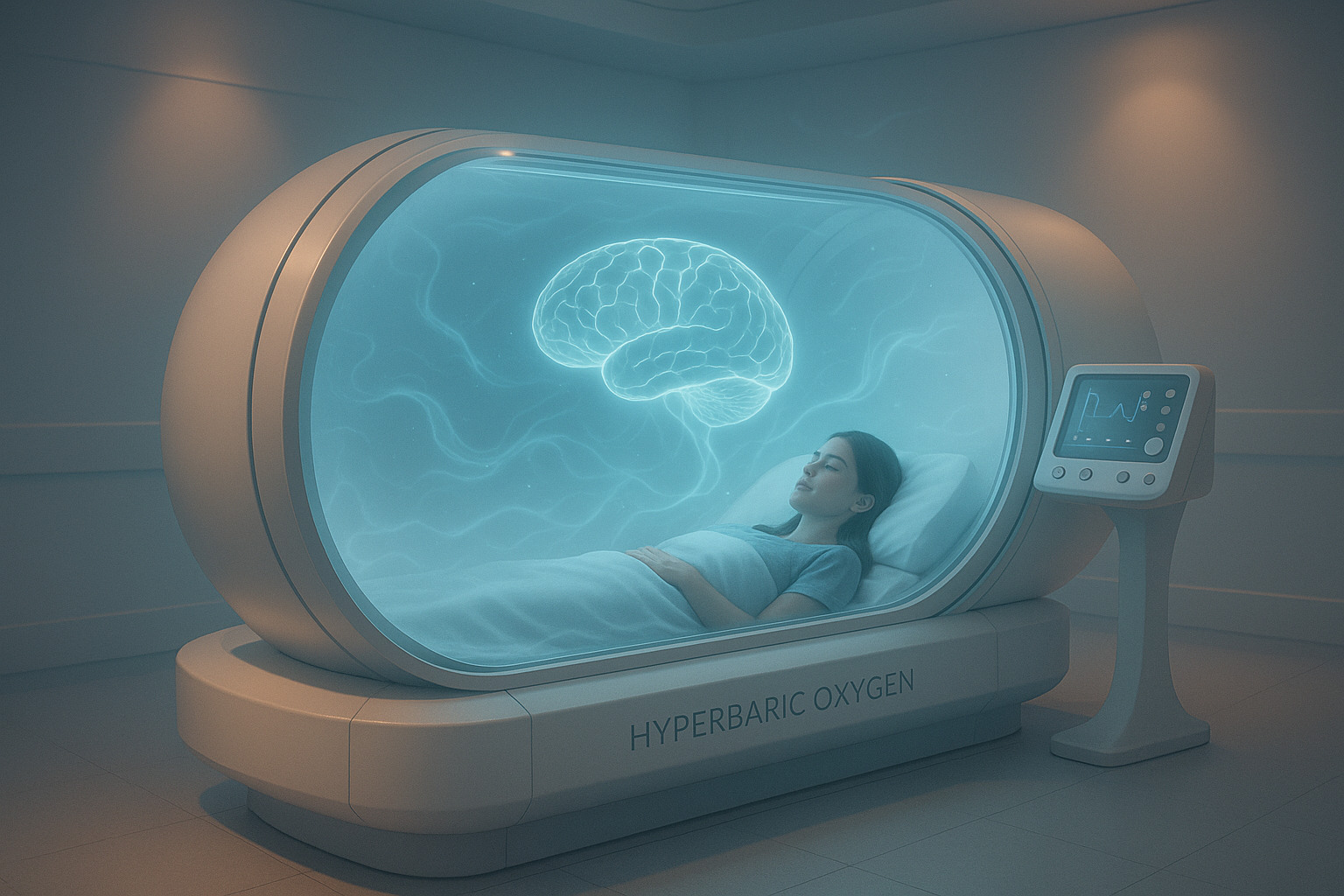
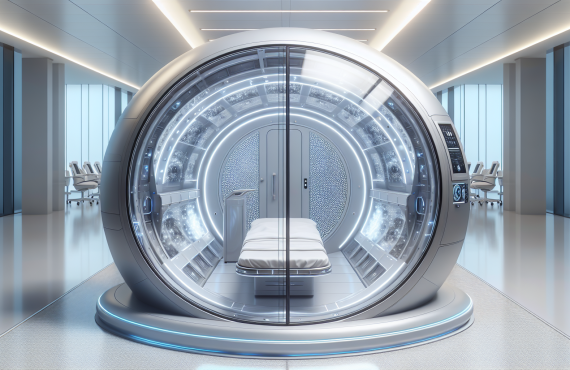
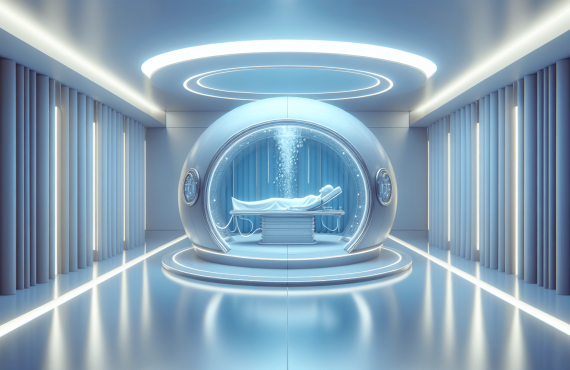
Hyperbaric Therapy, also called Hyperbaric Oxygen Therapy (HBOT), involves breathing 100% oxygen in a pressurized chamber. Under these conditions, more oxygen dissolves into the blood plasma and can reach tissues that may not be getting enough oxygen under ordinary circumstances. It sounds slightly like science fiction, or at least like something involving a submarine, but it is a real medical treatment with established uses.
According to Johns Hopkins Medicine, HBOT is used for conditions such as decompression sickness, certain non-healing wounds, carbon monoxide poisoning, and select infections. For brain-related recovery, the proposed benefits include increased oxygen delivery, reduced inflammation, support for tissue repair, and angiogenesis, which is the growth of new blood vessels. Some treatment protocols use sessions lasting around 60 to 120 minutes, repeated over weeks depending on the condition being treated.
So, How long does it take for brain damage to affect you? Sometimes before a person ever reaches a clinic. That’s why HBOT is not a substitute for emergency care. How long does it take for brain damage to affect you? Quickly enough that emergency evaluation still comes first; therapy comes after diagnosis and stabilization. How long does it take for brain damage to affect you? Fast enough that any therapy works best as part of a coordinated plan rather than a desperate afterthought.
Based on our research, HBOT may be worth discussing when your provider believes oxygen delivery and tissue healing are part of the recovery puzzle. Henry Chiropractic in Pensacola offers local access to care conversations around recovery options. If you’re exploring next steps, the clinic is Henry Chiropractic, 1823 N 9th Ave, Pensacola, FL 32503, phone (850) 435-7777, website drcraighenry.com. We recommend asking three practical questions: whether you’re a candidate, what goals are realistic, and how HBOT fits with the rest of your medical plan in 2026, when patients are understandably asking for treatments that are both evidence-aware and individualized.
The Role of Chiropractic Care in Brain Damage Recovery
Chiropractic care is not a magic wand, and anyone promising that should be handed a mop and told to clean up after themselves. Still, supportive care matters. After a head injury or neurological event, people often deal with neck pain, posture changes, muscle guarding, headaches, stiffness, sleep disruption, and a nervous system that seems to overreact to everything from fluorescent lights to family conversation.
The NCCIH describes chiropractic as a health profession focused on the body’s structure, especially the spine, and notes that spinal manipulation and related therapies are commonly used for musculoskeletal complaints. In practice, supportive chiropractic care may help address mobility limits, soft tissue tension, movement patterns, and overall comfort during recovery—particularly when coordinated with medical providers, physical therapy, and rehabilitation specialists.
How long does it take for brain damage to affect you? Sometimes the initial brain symptoms settle while the neck and body continue staging their own protest. How long does it take for brain damage to affect you? The answer may differ for neurological injury versus musculoskeletal fallout. How long does it take for brain damage to affect you? That’s one reason a whole-person recovery plan often helps more than a one-note approach.
At Henry Chiropractic, Dr. Craig Henry, who owns and operates the practice, serves Pensacola and surrounding Florida communities with a wellness-centered approach. Dr. Aaron Hixon, a Florida native from Milton, earned a Bachelor of Science in Exercise Science from Florida Atlantic University and later attended Palmer College of Chiropractic in Port Orange. He is trained in techniques including Diversified, Gonstead Spinal Manipulation, IASTM, and Myofascial Release Technique. In our experience, patients appreciate practitioners who can explain what they’re doing in plain language and who understand that recovery is part medicine, part patience, and part learning how not to panic every time a symptom flickers.
Factors Affecting Recovery: Age, Health, and Lifestyle
Recovery is not democratic. Two people can suffer similar injuries and emerge on entirely different schedules, which feels unfair because it is. Age matters. Baseline health matters. Sleep matters. Whether you had previous concussions matters. Whether you’re 22 and fit as a farm horse or 78 and taking blood thinners matters very much indeed.
Older adults are at higher risk of complications from falls and delayed bleeding, and they often recover more slowly after TBI. Children may recover well in some domains but still show delayed learning or behavior effects as the brain develops. A 2024 review in brain injury literature found that pre-existing conditions such as cardiovascular disease, diabetes, depression, and substance use can complicate rehabilitation and worsen functional outcomes. We found that sleep quality and mental health are often underappreciated drivers of recovery speed, even though they shape memory, mood, and neuroplasticity.
How long does it take for brain damage to affect you? The same event may affect an older adult within hours because of bleeding risk, while a younger athlete might show more delayed cognitive symptoms. How long does it take for brain damage to affect you? Biology, not bravery, decides much of that. How long does it take for brain damage to affect you? If you have lung disease, heart disease, prior stroke, or a history of repeated concussions, the margin for error is smaller.
Here are lifestyle steps we recommend to support brain recovery:
- Protect sleep: aim for consistent sleep and limit alcohol while healing.
- Control inflammation drivers: manage blood sugar, blood pressure, and smoking.
- Follow graded activity guidance: too much rest can backfire, but overexertion can worsen symptoms.
- Eat for recovery: prioritize protein, omega-3-rich foods, fruits, vegetables, and hydration.
- Reduce reinjury risk: no return to contact sports or risky activity without clearance.
As of 2026, recovery programs increasingly emphasize these basics because they work quietly in the background, like the sort of relative who fixes the sink without announcing it to everyone at dinner.
Recognizing Symptoms: When to Seek Help
Some symptoms are not “wait and see” symptoms. They are “get in the car” symptoms, except if the person is impaired, in which case someone else should drive and perhaps take away the keys with a firmness usually reserved for toddlers and raccoons.
According to the Mayo Clinic, urgent evaluation is needed for loss of consciousness, repeated vomiting, seizures, worsening headache, numbness, weakness, slurred speech, unusual behavior, or inability to wake someone. For children, watch for persistent crying, refusal to eat, repeated vomiting, or a change in playfulness or alertness. The warning signs are not always dramatic, but they are often progressive.
How long does it take for brain damage to affect you? Fast enough that these red flags can show up before you’ve finished telling the story of what happened. How long does it take for brain damage to affect you? Sometimes slowly enough that the first signs look like irritability, fatigue, or “just needing to rest.” How long does it take for brain damage to affect you? Long enough to confuse the issue, which is why any worsening symptom deserves attention.
- Call 911 immediately for seizure, collapse, severe breathing trouble, or sudden weakness on one side.
- Go to the ER for repeated vomiting, worsening confusion, severe headache, or unusual drowsiness.
- Schedule prompt follow-up for ongoing headaches, dizziness, concentration problems, mood changes, or sleep disruption.
Based on our analysis, the best home strategy is not diagnosis; it is observation. Write down the time of injury, the first symptoms, and any changes. If a symptom worsens, that timeline helps clinicians assess whether bleeding, swelling, or concussion is likely. Memory is slippery even on good days, and after a head injury it can become downright theatrical.
Case Study: Real-Life Recovery Stories
Consider a composite case drawn from patterns we reviewed in rehabilitation reports and patient recovery accounts. A 57-year-old man in Pensacola—let’s call him Mark—falls from a ladder while cleaning gutters because, as often happens in Florida, one errant palm frond begins a chain of poor decisions. He does not lose consciousness for long, if at all, and spends the first two hours insisting he’s embarrassed, not injured.
By evening, Mark develops nausea, headache, light sensitivity, and confusion. A hospital evaluation confirms a moderate traumatic brain injury with significant concussion symptoms and cervical strain. During the next several weeks, treatment includes medical supervision, cognitive rest, graded physical therapy, sleep management, and follow-up for lingering headaches and concentration trouble. Later, supportive therapies are added to address neck tension, posture, and overall recovery tolerance.
How long does it take for brain damage to affect you? For Mark, some effects were immediate but easy to dismiss; others became obvious over 6 to 12 hours. How long does it take for brain damage to affect you? In his case, long enough for denial to get a head start. How long does it take for brain damage to affect you? Long enough that his wife’s concern proved more clinically useful than his own confidence.
The emotional side was no small thing. He became frustrated by memory lapses, cried unexpectedly during commercials—a detail he found personally offensive—and worried he would not return to work at the same pace. We analyzed recovery narratives and found this pattern often: the physical symptoms get the billing, but the identity shift is the part patients talk about in lowered voices. What helped most was a layered plan, realistic milestones, and clinicians who treated him like a person instead of a puzzle missing three edge pieces.
Taking Action for Brain Health
The central lesson is not subtle. How long does it take for brain damage to affect you? Sometimes almost immediately, sometimes after a delay, but rarely on a schedule convenient enough to justify waiting. How long does it take for brain damage to affect you? Based on our research, the better question is what you should do the moment you suspect a problem. The answer is to take symptoms seriously, document what changes, and get timely medical evaluation.
If recovery is already underway, build a plan that covers the full picture:
- Get diagnosed properly so the cause—trauma, bleeding, oxygen loss, stroke, or another issue—is clear.
- Follow medical advice closely during the first hours, days, and weeks.
- Ask about supportive therapies such as rehabilitation, HBOT when appropriate, and hands-on care for neck pain and tension.
- Protect sleep, hydration, nutrition, and stress levels because brain healing is metabolically expensive.
- Monitor for delayed symptoms and seek help if anything worsens.
How long does it take for brain damage to affect you? Long enough, at times, to fool you into thinking you’re safe. Don’t bargain with that uncertainty. If you’re in the Pensacola area and want to discuss supportive recovery options, contact Henry Chiropractic, owned and operated by Dr. Craig Henry, at 1823 N 9th Ave, Pensacola, FL 32503, call (850) 435-7777, or visit https://drcraighenry.com/. When the brain is involved, speed matters, but so does what comes after. The first step is urgent care when needed. The next step is refusing to leave recovery to luck.

Key Takeaways
- Brain damage can affect you immediately or appear hours to days later, depending on the cause, severity, and your overall health.
- Red-flag symptoms like repeated vomiting, worsening confusion, seizures, slurred speech, or unusual drowsiness need urgent medical attention.
- Hyperbaric Oxygen Therapy may support healing in select cases by improving oxygen delivery, but it should complement—not replace—proper medical evaluation and treatment.
- Supportive care, including rehabilitation, symptom monitoring, sleep, nutrition, and musculoskeletal care, can influence how well and how quickly you recover.
- If you need local guidance on supportive therapies in Pensacola, Henry Chiropractic can be reached at (850) 435-7777 or https://drcraighenry.com/.
Frequently Asked Questions
Can brain damage symptoms show up later?
Yes, symptoms can appear hours, days, or even weeks later, especially after a concussion, mild traumatic brain injury, or a slow brain bleed. That’s why monitoring matters so much after any head injury or oxygen deprivation event.
What are the first signs that brain damage may be affecting you?
Early warning signs include confusion, severe headache, vomiting, unequal pupils, slurred speech, unusual sleepiness, seizures, weakness, and personality changes. If these show up after a head injury or suspected hypoxia, seek emergency care right away.
Can hyperbaric oxygen therapy help brain recovery?
Hyperbaric oxygen therapy may support healing by increasing oxygen delivery to tissues, reducing swelling, and encouraging blood vessel growth in some cases. We recommend discussing candidacy with a qualified medical provider because the evidence varies by diagnosis and timing.
How long does recovery from brain damage usually take?
Recovery ranges widely. A mild concussion may improve over days to weeks, while moderate to severe brain injury can require months or years of rehabilitation, and some effects may be permanent.
How long does it take for brain damage to affect you?
How long does it take for brain damage to affect you? In some cases, seconds to minutes; in others, symptoms emerge gradually over hours, days, or longer. The timeline depends on the cause, severity, the part of the brain involved, and how quickly treatment begins.