
Table of Contents
Has brain death ever been reversed? 10 Expert Facts You Should Know
Meta Description: Explore whether brain death has ever been reversed, with insights into medical advances, ethical debates, and the role of hyperbaric therapy. Updated for 2026.

Introduction: The Curious Case of Brain Death Reversal
Here is the short answer you came for: Has brain death ever been reversed? Based on current medical standards, the answer is no. And yet this question keeps returning like a relative who has overstayed Thanksgiving, because the idea of a person declared gone somehow coming back feels too dramatic, too cinematic, too rude to reality to ignore.
Brain death is not a deep nap, not a coma, not one of those stories where someone squeezes a hand at the very last minute and a roomful of doctors drops its coffee. It is the irreversible loss of all brain function, including the brainstem. According to the National Center for Biotechnology Information, the diagnosis requires a rigorous clinical process, not a hunch and not a hopeful cousin with internet access.
People ask about reversal for understandable reasons. Families want one more chance. Researchers want to know where the line really is. And in 2026, when neuroscience can map circuits, stimulate damaged tissue, and grow organoids that sound faintly like science fiction, it’s only natural to wonder whether medicine might someday pull off what once looked impossible.
Based on our research, the debate rests on one stubborn distinction: recovering from severe brain injury is not the same as reversing brain death. We found that many viral stories blur that line. What follows sorts the medical facts from the wishful thinking, and yes, it also looks at why hyperbaric therapy gets pulled into the conversation whenever the brain, oxygen, and hope are gathered in the same room.
Understanding Brain Death: Definition and Diagnosis
Brain death is a medical and legal determination of death. That sentence sounds crisp and final, like a judge tapping a gavel, and in practice it is meant to be exactly that. The American Academy of Pediatrics and other professional bodies describe brain death as the irreversible cessation of all functions of the entire brain, including the brainstem. If the brainstem no longer controls breathing, reflexes, or the most basic neurological responses, the person is not considered alive in the medical sense, even if machines keep the heart beating for a time.
That’s what separates brain death from a coma or a vegetative state. In coma, brain activity remains, though consciousness is profoundly impaired. In a vegetative state, sleep-wake cycles may persist, and some brainstem functions remain intact. In minimally conscious states, patients can show intermittent awareness. These are devastating conditions, but they are not brain death. This distinction matters because stories of “waking up after brain death” almost always involve someone who was never actually brain dead.
Doctors usually diagnose brain death through a stepwise process:
- Establish the cause of catastrophic brain injury.
- Rule out confounders such as sedatives, paralytics, severe metabolic disturbances, or hypothermia.
- Perform a neurological exam showing no brainstem reflexes.
- Conduct an apnea test to determine whether the patient can breathe independently when carbon dioxide rises.
- Use ancillary tests when needed, such as cerebral blood flow imaging.
We analyzed current clinical guidance and found that this layered method exists precisely because the stakes are enormous. In the United States, an estimated 2 million deaths occur in hospitals each year, and research frequently estimates that roughly 1% to 2% of hospital deaths involve brain death determinations, though reporting varies by center. Organ donation data also give a sense of scale: the U.S. government’s organ donation statistics report tens of thousands of transplants each year, many relying on donors declared dead by neurologic criteria. If the diagnosis were casual, the whole system would collapse under its own moral weight.
As of 2026, the central medical position remains firm: when accepted criteria are fully met, brain death is irreversible.

Historical Attempts at Reversal: What We Learned
If you go rummaging through the history of medicine, as we did, you’ll find no shortage of efforts that began with courage and ended with a long silence. Since the mid-20th century, physicians have tried extraordinary measures on patients with catastrophic brain injury: deep hypothermia, advanced ventilation strategies, circulatory support, neuroprotective drugs, and, in rare experimental contexts, regenerative proposals that made headlines far bigger than the data could support.
One of the better-known modern examples came in 2016, when a bioethics storm followed an announced project claiming it would attempt to test stem cells, peptide injections, laser stimulation, and nerve stimulation in patients diagnosed with brain death. The proposal drew international criticism because there was no credible prior evidence that such methods could reverse established brain death. Publications in major bioethics circles questioned not only the science but also whether families might be offered hope that had no measurable foundation.
Case reports often cited by the public tend to involve misread labels. A patient may have been in deep coma after overdose, profound hypothermia, or severe traumatic brain injury and later improved. That recovery can be remarkable, even miraculous in the ordinary sense of the word. But it is not proof that brain death was reversed. The old saying in emergency medicine, “you’re not dead until you’re warm and dead,” developed because severe hypothermia can suppress signs of life so dramatically that a rushed diagnosis can be disastrously wrong.
Here’s what history has taught us:
- Precision matters more than optimism. A mistaken diagnosis can create false legends.
- Experimental treatments need guardrails. Ethics boards exist for a reason.
- Families deserve clarity. Hope should never be built on a paperwork error or a shaky exam.
Based on our analysis, not a single widely accepted case from the 20th century through 2026 shows a true reversal after proper brain death determination. What history does show is that the boundary between severe brain injury and death must be guarded with almost fussy seriousness. In medicine, fussy can be a virtue.
The Role of Hyperbaric Therapy in Brain Health
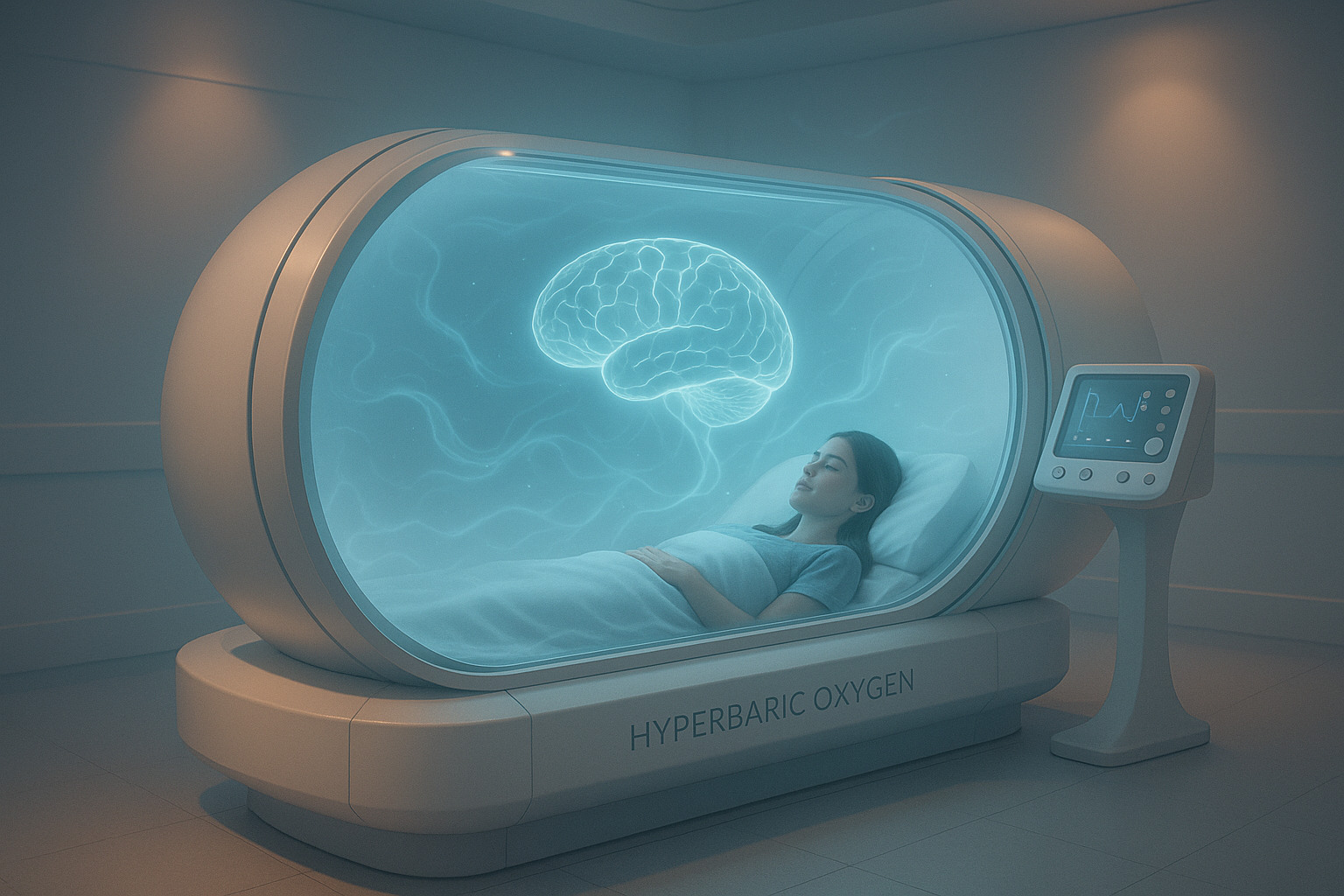
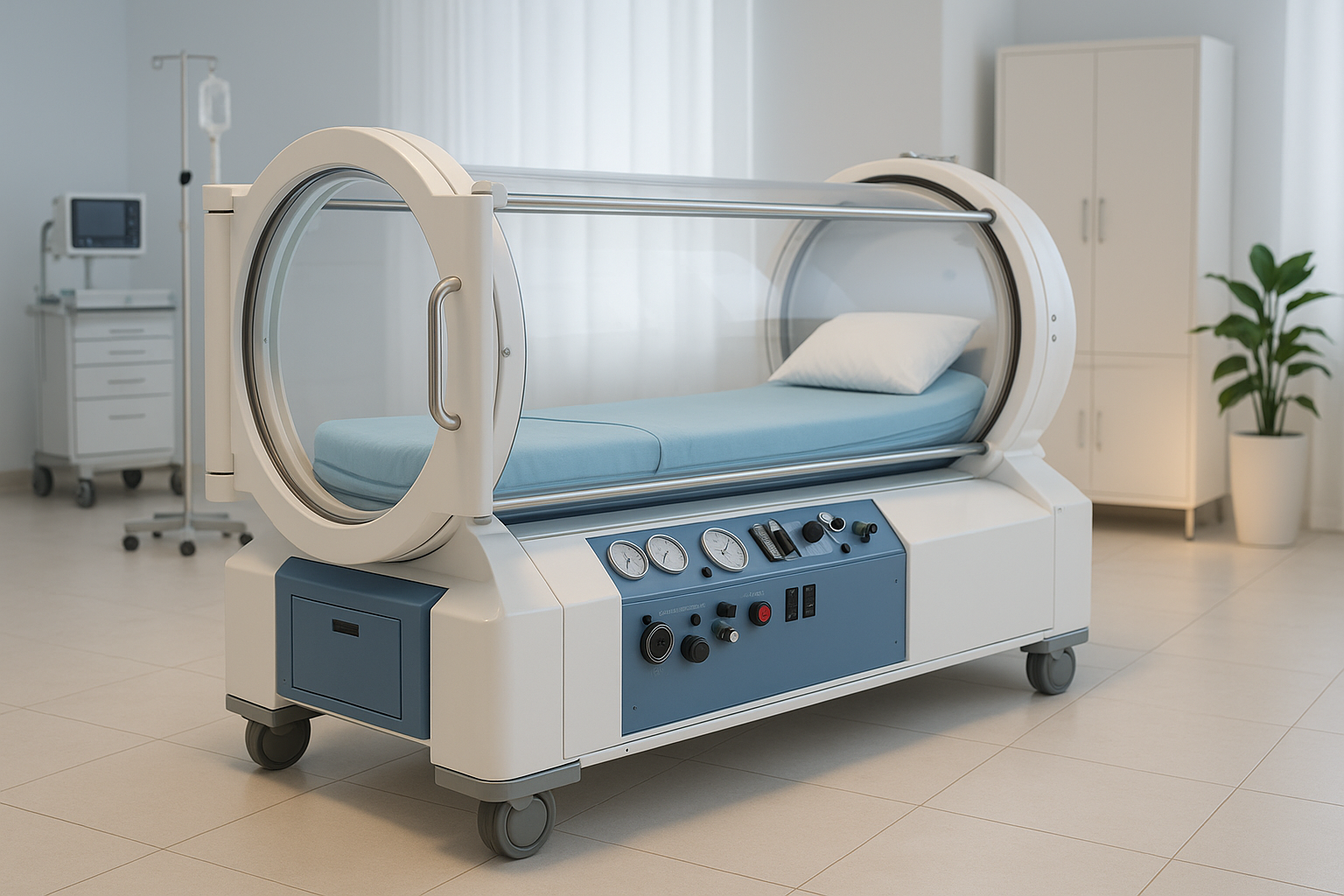
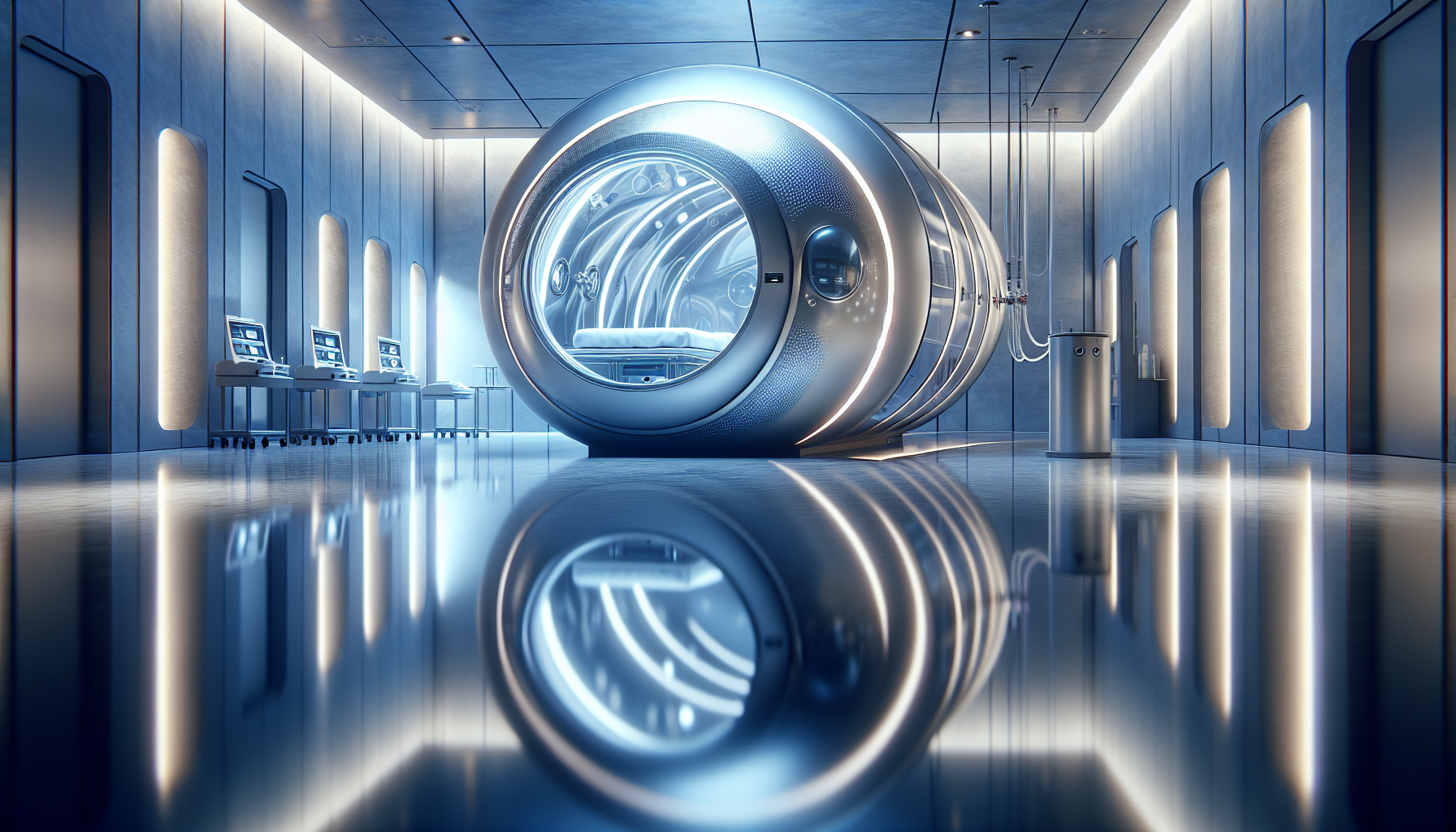
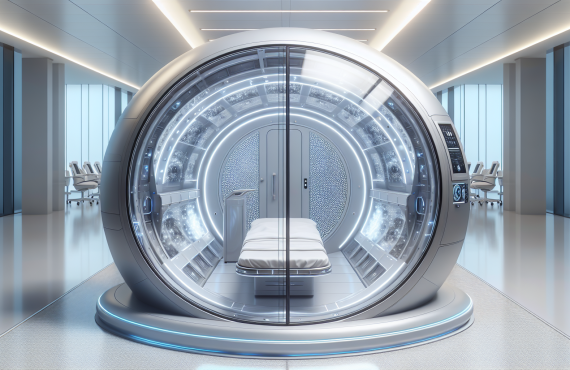
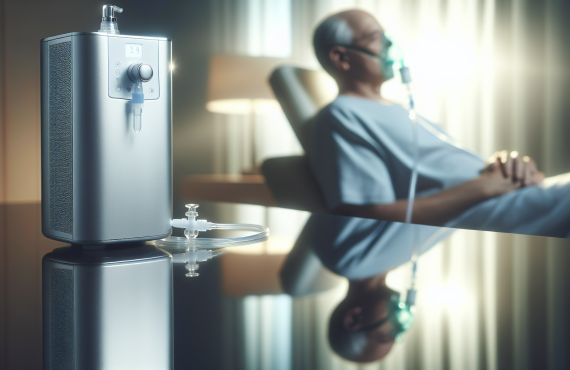
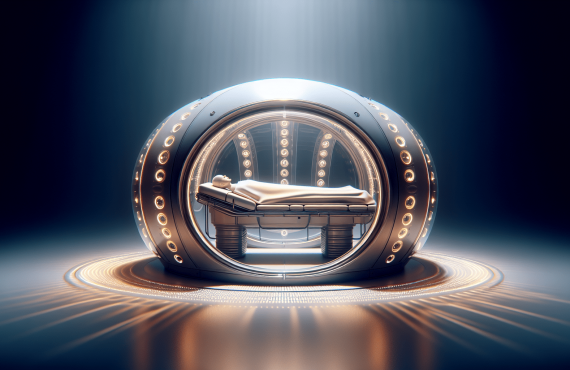
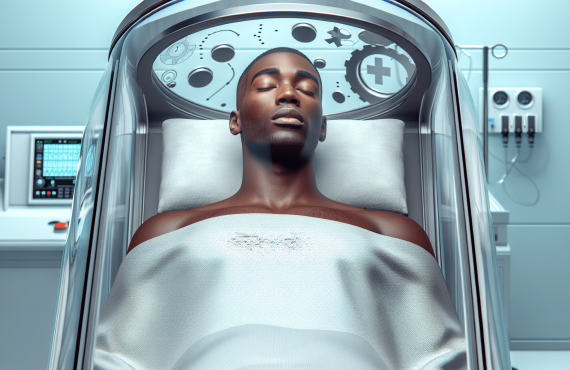
Now we come to hyperbaric oxygen therapy, which sounds like something a Bond villain would have in the basement, but is in fact a legitimate medical treatment with specific uses. Hyperbaric Therapy, or HBOT, involves breathing 100% oxygen in a pressurized chamber. Under higher-than-atmospheric pressure, oxygen dissolves more readily into plasma, reaching tissues with limited oxygen supply. That increased oxygen availability may support healing, reduce swelling, aid angiogenesis, and improve the body’s response to certain injuries.
The U.S. Food and Drug Administration recognizes HBOT for a defined list of conditions, including decompression sickness, carbon monoxide poisoning, certain non-healing wounds, crush injuries, and radiation tissue damage. It is not approved as a treatment to reverse brain death. That distinction needs to be said plainly because once oxygen enters a story, people begin to imagine the brain as a wilted fern that simply needs watering.
Still, HBOT has generated real interest in brain health. Studies on traumatic brain injury, stroke recovery, and post-concussion symptoms have explored whether higher oxygen delivery may help metabolically stressed but still viable tissue. A 2020 review in neurological rehabilitation literature found mixed results, with some patients improving in cognition or symptom burden, while others showed limited benefit. We found that the strongest support is for supportive recovery in selected non-brain-death conditions, not for resurrecting tissue that has irreversibly lost function.
For patients in Pensacola who want to learn more about how this therapy works in a clinical setting, you can visit Henry Chiropractic. In our experience, readers benefit from separating two ideas that often get jammed together: HBOT may support healing in the right context, and HBOT is not a magic eraser for brain death. Both statements can be true at once, even if that feels less dramatic than a movie trailer.
Medical Advances: Can Science Reverse Brain Death?
If you were hoping that 2026 had arrived with a silver briefcase labeled “brain regeneration,” I’m afraid science remains more cautious and far less theatrical. Still, the field is moving. Researchers are studying neuroplasticity, stem-cell behavior, organoid models, brain-computer interfaces, and molecular pathways involved in cell survival after oxygen deprivation. Some of this work is genuinely exciting. None of it has yet crossed the line into reversing established brain death in humans.
A frequently discussed area is post-anoxic brain injury—damage that follows interrupted oxygen supply after cardiac arrest or drowning. Here, timing is everything. The American Heart Association notes that early CPR and rapid restoration of circulation dramatically affect outcomes. In some reports, cooling protocols and intensive neurocritical care improve survival and neurological recovery after cardiac arrest. But those patients are not brain dead if recovery remains possible. They are critically injured, not irreversibly gone.
In 2026, several laboratories continue publishing on neuronal regeneration and synaptic repair. Experimental animal work has shown partial restoration of cellular activity in severely damaged tissue under tightly controlled conditions. One often-cited line of inquiry traces back to work demonstrating that some cellular functions can persist for hours after death in isolated brain tissue. That’s scientifically fascinating and ethically combustible, but it does not mean the integrated brain of a person can be restored after accepted brain death criteria are met.
Here’s where technology may matter most in the near term:
- Better diagnostics to reduce false positives and standardize brain death determination.
- Advanced neuromonitoring to identify salvageable tissue before irreversible loss occurs.
- Targeted regeneration research for stroke, trauma, and hypoxic injury where some networks remain alive.
Based on our research, science is much better at preventing progression to irreversible injury than reversing it afterward. We recommend thinking of the frontier this way: medicine may save more endangered brains, but that is not the same as bringing back a brain that has fully and irreversibly stopped functioning.
Ethical Considerations: Should We Try to Reverse Brain Death?
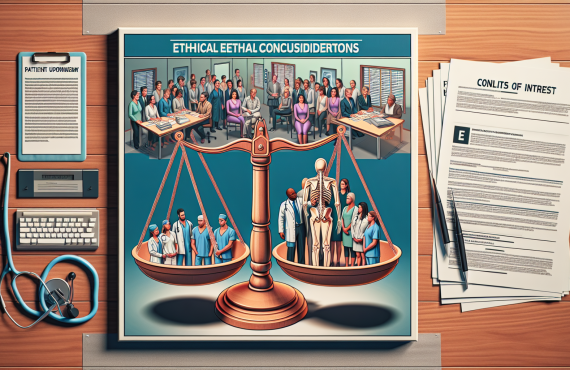
The ethical debate here is not abstract. It lands in waiting rooms, in intensive care units, in family conferences where someone is clutching a paper cup and trying not to spill grief all over the carpet. If a technology someday suggested even a 5% chance of restoring integrated brain function, should doctors try it? Some ethicists would say yes, provided the evidence is real and the consent process is airtight. Others would ask whether such attempts might exploit desperate families, consume scarce resources, and blur the meaning of death itself.
Neurologists tend to be strict for good reason. A diagnosis of brain death affects withdrawal of support, organ donation, legal death certificates, insurance matters, and the moral obligations of clinicians. According to the New England Journal of Medicine and other major medical sources, consistency in determination is essential because even minor variation can erode public trust. That trust matters. In 2025, the U.S. performed more than 46,000 organ transplants, according to transplant reporting agencies, and confidence in death determination underpins the entire donation process.
There’s also the question of fairness. Intensive neurological rescue is expensive, labor-heavy, and not equally available. If experimental reversal programs existed, who would get them first? Wealthy families? Major research hospitals? The patient with the best insurance and the loudest attorney? Ethical medicine hates that sort of sorting, even when the world insists on trying it.
When families face these decisions, practical guidance helps:
- Ask for the exact criteria used in the diagnosis.
- Request clarification on ancillary testing, if any was performed.
- Seek a second opinion when state law and hospital policy allow.
- Discuss organ donation separately so it does not cloud understanding of the diagnosis.
- Take notes during physician meetings; stress mangles memory.
We analyzed expert commentary and found broad agreement on one point: medicine should pursue innovation, but not by making death sound negotiable before the evidence earns that privilege.
Real-Life Stories: Miracles or Misdiagnoses? Has brain death ever been reversed?
This is where things get messy, because the internet is stuffed with stories that begin, “Doctors said he was brain dead,” and end with a smiling family photo. A person reads three of these at 2 a.m. and by sunrise is convinced neurologists are either incompetent or hiding Lazarus in a filing cabinet. The reality is less thrilling and far more instructive.
Documented recoveries after a declaration of brain death are extraordinarily rare and, upon scrutiny, almost always involve one of three problems: incomplete testing, confounding medical factors, or misreporting by media. Severe hypothermia, pediatric cases with atypical physiology, sedative overdose, and technical deviations in apnea testing have all complicated bedside assessment. That’s why modern protocols are so exacting.
Consider the difference between headlines and charts. A headline says, “Declared brain dead, then recovered.” A chart may reveal that the patient had absent responsiveness but retained some brainstem activity, or that medication levels were not fully cleared, or that the phrase “brain dead” was used informally by a distressed relative rather than as a formal diagnosis. We found that journalists and family members often use the term loosely, while physicians use it with legal precision.
Medical professionals have said as much in interviews for years. Neurocritical care specialists routinely caution that recovery from profound brain injury is possible; recovery from true brain death is not documented under accepted criteria. That sentence doesn’t sing. It doesn’t trend. But it is the one most consistent with the evidence.
If you’re evaluating a story, ask these questions:
- Was there a formal brain death exam by qualified clinicians?
- Were sedatives, hypothermia, or metabolic disturbances excluded?
- Was an apnea test completed?
- Did ancillary imaging confirm absent cerebral blood flow?
Usually, once you ask these, the miracle shrinks into a misdiagnosis story wearing a miracle’s overcoat.
The Future of Brain Death and Reversal Technologies
The future will likely be less about reversing brain death and more about catching brain injury earlier, treating it faster, and measuring it with less guesswork. That may sound modest, but in medicine modest gains can save thousands of lives. The WHO continues to track conditions that contribute to severe neurological injury, including stroke, trauma, infection, and cardiac arrest. The CDC reports that traumatic brain injury contributes to approximately 190 U.S. deaths per day when including TBI-associated mortality figures from recent national surveillance. Those are exactly the cases where earlier intervention matters.
Several technologies are worth watching in 2026:
- Portable cerebral blood flow monitoring for ICU and emergency use.
- AI-assisted imaging interpretation to detect subtle residual activity or perfusion patterns.
- Brain-computer interfaces for disorders of consciousness, especially minimally conscious states.
- Targeted neuroregeneration using stem-cell signaling, biomaterials, and gene-guided repair.
Notice the theme? These tools are most promising before full irreversible loss. They may help doctors distinguish salvageable patients from those with catastrophic but nonfinal injury. They may also reduce the kind of diagnostic ambiguity that fuels sensational stories. Based on our research, the biggest advance may not be a “reversal” technology at all, but a better map of where reversibility still exists.
We recommend following major public health and medical bodies rather than viral anecdotes. Good starting points include the World Health Organization, the Centers for Disease Control and Prevention, and peer-reviewed publications indexed through PubMed. If the future changes this answer, it won’t arrive as gossip. It will arrive as data, replication, consensus statements, and a great many cautious people refusing to clap too soon.
How Hyperbaric Therapy at Henry Chiropractic Can Help
If your interest in this topic is personal rather than merely philosophical, you may be less concerned with debates about death than with the more immediate question of how to support brain health, recovery, circulation, and healing. That’s where hyperbaric therapy can enter the picture in a grounded, useful way. At Henry Chiropractic, hyperbaric therapy is presented not as a miracle trumpet but as a supportive modality designed to increase oxygen delivery to tissues and assist the body’s natural repair processes.
When you breathe pure oxygen in a pressurized chamber, oxygen dissolves into plasma at higher concentrations than under normal conditions. That can help oxygen reach tissues with compromised blood flow and may support angiogenesis, tissue repair, reduced inflammation, and immune function. We found that patients often understand the concept best when it’s put plainly: more available oxygen can help struggling tissue do its job, provided that tissue is still viable.
Henry Chiropractic is owned and operated by Dr. Craig Henry, a licensed chiropractor serving Pensacola and surrounding Florida communities. The practice also includes Dr. Aaron Hixon, a Florida native and board-certified chiropractor with training in Diversified technique, Gonstead spinal manipulation, Instrument Assisted Soft Tissue Mobilization, and Myofascial Release Technique. That matters because people seeking supportive therapies often need a broader wellness plan, not a single machine and a shrug.
If you want to ask whether HBOT may fit your recovery or wellness goals, contact:
Henry Chiropractic
1823 N 9th Ave
Pensacola, FL 32503
(850) 435-7777
https://drcraighenry.com/
In our experience, the best next step is simple:
- Call the office and describe your concerns.
- Ask about evaluation for your symptoms or recovery goals.
- Discuss whether HBOT is appropriate as part of a larger care plan.
- Bring your medical history, imaging, or specialist recommendations when relevant.
That is not a promise of impossible outcomes. It is something better: a practical way to pursue informed care.
Conclusion: Navigating the Complex Terrain of Brain Death
The cleanest answer remains the hardest one to hear: Has brain death ever been reversed? Based on accepted medical evidence through 2026, no verified case has shown reversal after a proper brain death diagnosis. What does happen, and happens often enough to confuse the public, is recovery from severe brain injury that was misnamed, misunderstood, or prematurely reported.
That distinction is not academic. It shapes end-of-life decisions, organ donation, family expectations, and the way you read those alarming or inspiring stories that ricochet around the internet. Based on our research, the wiser question may be not whether true brain death has been reversed, but how early we can identify reversible brain injury before it crosses that line.
If you’re trying to protect or improve brain health, here are sensible next steps:
- Get prompt medical care after head injury, stroke symptoms, overdose, or oxygen deprivation.
- Ask precise questions about diagnosis instead of relying on shorthand terms.
- Use supportive therapies appropriately, including HBOT where clinically suitable.
- Work with experienced professionals who explain benefits and limits clearly.
For personalized guidance on hyperbaric therapy and whole-body wellness support in Pensacola, we recommend contacting Dr. Craig Henry at Henry Chiropractic. Medicine does not owe us miracles. But it does owe us honesty, rigor, and every reasonable chance to help the living brain before silence becomes permanent.

Key Takeaways
- No verified medical case has shown reversal after a proper brain death diagnosis; most reported ‘recoveries’ involve misdiagnosis or confusion with coma-like states.
- Hyperbaric oxygen therapy may support healing in selected conditions, but it is not an established treatment for reversing brain death.
- The biggest progress in 2026 is happening in earlier diagnosis, neuroprotection, and recovery from severe but still reversible brain injury.
- Families should ask for the exact diagnostic criteria, confounding factors reviewed, and any ancillary tests used in brain death determinations.
- For supportive brain-health options such as HBOT in Pensacola, contact Henry Chiropractic and speak with Dr. Craig Henry or Dr. Aaron Hixon about an individualized plan.
Frequently Asked Questions
Has brain death ever been reversed?
No verified case in modern medicine has shown a patient who met the full, accepted criteria for brain death later regaining brain function. Most so-called reversals turn out to be misdiagnosis, incomplete testing, or confusion with coma or a vegetative state.
What is the difference between brain death and coma?
A coma involves severely impaired consciousness, but some brain function remains. Brain death means the irreversible cessation of all functions of the entire brain, including the brainstem, and it is legally recognized as death in many countries.
Can hyperbaric oxygen therapy reverse brain death?
hyperbaric oxygen therapy can support healing in certain conditions by increasing oxygen delivery to tissues, but it is not an established treatment to reverse brain death. We found that its stronger evidence relates to wound healing, decompression sickness, carbon monoxide poisoning, and selected radiation injuries.
How is brain death diagnosed?
Doctors diagnose brain death using a strict neurological exam, confirmation that the cause is known, exclusion of confounding factors like sedatives or hypothermia, and an apnea test. In some cases, hospitals also use ancillary tests such as cerebral blood flow studies or EEGs, depending on the clinical situation and local protocol.
Who should I talk to about brain health concerns?
If you’re concerned about brain health, start with a licensed physician or neurologist for evaluation, especially after head injury, stroke, infection, or oxygen deprivation. For supportive wellness options such as hyperbaric therapy, you can also contact Henry Chiropractic in Pensacola to ask whether HBOT may fit your broader recovery plan.