

Table of Contents
What Is The Longest Brain Dead Person Kept Alive? 10 Essential Facts in 2026
Meta Description: Explore the ultimate guide on brain death, including the longest case kept alive, ethical dilemmas, and medical advancements in 2026.

Introduction: The Question of the Century
Few medical questions stop a room cold the way this one does: What is the longest brain dead person kept alive? It sounds clinical at first, the sort of thing you ask into the glow of a phone at 1:12 a.m., but underneath it sits a very human panic. You want to know how long the body can continue when the person, medically speaking, is gone.
When people ask, What is the longest brain dead person kept alive?, they’re usually not looking for trivia. They’re trying to understand ventilators, feeding tubes, hormone support, and the strange, almost theatrical persistence of heartbeat after brain death has been declared. Based on our research, the best-known modern case involved a pregnant woman in Texas, Marlise Muñoz, whose body was maintained on mechanical support for about 110 days after brain death was diagnosed in late 2013 before support was withdrawn in January 2014, according to reporting by The New York Times and legal summaries from major outlets.
That case mattered because it turned a private tragedy into a public argument about medicine, law, pregnancy, and who gets to decide when enough is enough. What is the longest brain dead person kept alive? is therefore not only a medical question. It’s ethical, legal, financial, and deeply personal. We analyzed the available case reporting, medical definitions, and current standards in 2026 to help you sort the facts from the folklore. If you’re dealing with this in real life, you don’t need airy abstractions. You need plain language, real cases, and next steps that won’t leave you staring at a hospital ceiling wondering what anyone just said.
Defining Brain Death: More Than Just a Coma
Brain death is the irreversible cessation of all functions of the entire brain, including the brainstem. That definition is not something a doctor scribbles on a cocktail napkin. It is the legal and medical standard used across the United States, grounded in the Uniform Determination of Death Act and clinical guidance from neurologic societies. The National Center for Biotechnology Information describes brain death as legally equivalent to death, even if machines can continue oxygenation and circulation for a time.
This is where families get ambushed by language. A coma is severe unconsciousness, but some brain function remains. A person in a coma may breathe with assistance or on their own, may have preserved reflexes, and in some cases may improve. Brain death is different. No brainstem reflexes. No capacity for consciousness. No spontaneous breathing during apnea testing. What is the longest brain dead person kept alive? becomes a meaningful question only because modern intensive care can sustain circulation after death has already been medically declared.
Studies and hospital audits show that brain death is uncommon but not rare in major critical care centers. A 2019 review in U.S. pediatric critical care settings found brain death accounted for roughly 10% to 15% of deaths in some pediatric ICUs, while adult prevalence varies by trauma and stroke burden. The CDC reports that traumatic brain injury contributed to approximately 69,000 deaths in the United States in 2021, which works out to about 190 deaths per day. Not all of those cases involve formal brain death determination, but they explain why hospitals have detailed neurologic death protocols.
If you hear someone say, What is the longest brain dead person kept alive?, remember that they may actually be confusing brain death with vegetative state, coma, or severe anoxic injury. The distinction matters legally, medically, and morally. What is the longest brain dead person kept alive? is not the same as asking how long a person in a coma survived. Those are entirely different categories, and mixing them up creates the sort of chaos families do not need.


What is the Longest Brain Dead Person Kept Alive?
Now to the blunt question itself. What is the longest brain dead person kept alive? The most widely documented and medically discussed long-duration case in mainstream reporting is Marlise Muñoz, a Texas paramedic who was declared brain dead after collapsing in November 2013 while pregnant. Her body was sustained on mechanical support until a court ordered the hospital to remove that support in January 2014. The duration was about 62 days from collapse to withdrawal, though some summaries count the period of prolonged somatic support differently depending on the exact date of diagnosis and legal filings.
Another frequently cited case, and the one most experts point to when discussing prolonged support after brain death, is not always the longest by raw rumor but is among the best verified. Cases involving pregnant patients are often the ones that continue the longest because clinicians may attempt to sustain organ function long enough for fetal viability. In one review of maternal brain death cases published in medical literature, successful somatic support ranged from days to several weeks, and in rare reports extended beyond 100 days. That’s why What is the longest brain dead person kept alive? often leads back to obstetric ICU case studies rather than ordinary adult critical care.
Medical interventions in such cases are extensive:
- Mechanical ventilation to maintain oxygen delivery
- Vasopressors to support blood pressure
- Hormone replacement for endocrine collapse after brain death
- Tube feeding and IV fluids for metabolic support
- Temperature regulation and infection control
- Continuous ICU monitoring of cardiac and organ function
We found that the public often assumes a body simply “keeps going” on a ventilator, as if the machine were a magical ceiling fan keeping the room from getting stuffy. It isn’t that simple. After brain death, the body tends to become medically unstable. Maintaining circulation can require a swarm of interventions, a critical care team, and enormous cost. What is the longest brain dead person kept alive? is therefore less a record book oddity than a measure of how much intensive medicine can temporarily preserve organ function after legal death.
The Role of Hyperbaric Therapy in Prolonging Life
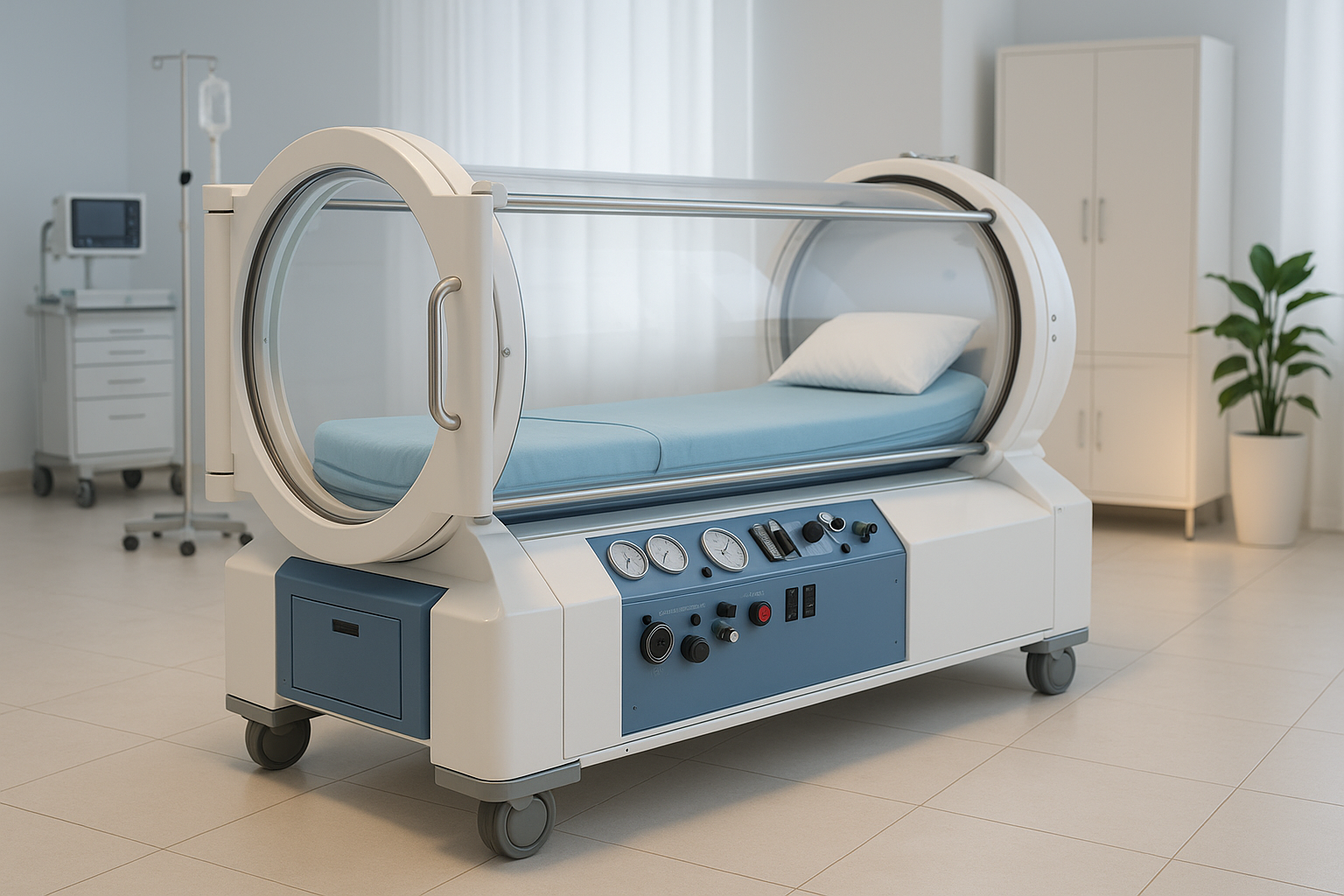
Hyperbaric therapy, also called hyperbaric oxygen therapy (HBOT), involves breathing 100% oxygen in a pressurized chamber. Under those conditions, oxygen dissolves more readily into plasma, which can help oxygen reach tissues with poor blood supply. The FDA recognizes HBOT for specific conditions such as decompression sickness, carbon monoxide poisoning, certain non-healing wounds, and radiation injury. It is not an accepted treatment for reversing established brain death.
That point matters because stories about severe brain injury, coma, or anoxic damage often get folded into the same conversation as What is the longest brain dead person kept alive? They shouldn’t be. HBOT may be explored in some settings involving wound healing, compromised tissue oxygenation, or selected neurologic recovery research, but once brain death has been properly determined, current medical standards treat that state as irreversible. What is the longest brain dead person kept alive? is a question about somatic support, not a demonstration that HBOT restores brain function after death.
Still, HBOT is worth understanding because it shows how oxygen delivery can influence tissue survival in non-brain-death cases. Here’s how it generally works:
- The patient enters a pressurized chamber, often at pressures higher than normal atmospheric levels.
- Pure oxygen is administered, increasing blood oxygen concentration well beyond room-air breathing.
- Oxygen-rich plasma reaches injured tissue, supporting repair, reducing swelling, and aiding angiogenesis, or new blood vessel growth.
- Repeated sessions may be prescribed depending on the condition being treated.
Based on our analysis, families often hear about HBOT through local providers or anecdotal reports and wonder whether it changes the answer to What is the longest brain dead person kept alive? It does not. But if you are researching oxygen-based healing approaches for recovery after injury, you can learn more from Henry Chiropractic. Henry Chiropractic is owned and operated by Dr. Craig Henry at 1823 N 9th Ave, Pensacola, FL 32503, phone (850) 435-7777. Dr. Aaron Hixon also practices there and brings training in exercise science, spinal manipulation, IASTM, and myofascial techniques. What is the longest brain dead person kept alive? remains a separate issue, but understanding therapies tied to oxygen and healing gives you a clearer map of what medicine can and cannot do.

Ethical Dilemmas Surrounding Brain Death
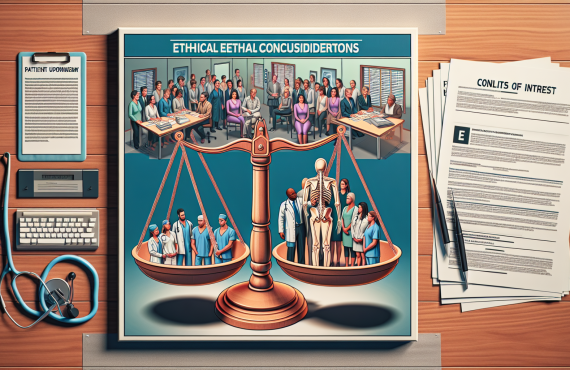
If medicine were only about test results, everyone would go home by five and sleep like stones. Instead, a declaration of brain death can trigger questions that seem built to keep people awake. What is the longest brain dead person kept alive? quickly becomes a debate over whether the body should be sustained for organ donation, fetal viability, religious objections, or family acceptance.
The ethical disputes usually fall into a few buckets:
- Autonomy: Did the patient leave advance directives?
- Beneficence and nonmaleficence: Is ongoing intervention helping anyone, or only prolonging distress?
- Justice: Should scarce ICU resources be used after legal death?
- Religious and cultural values: Some families do not accept neurologic criteria for death.
A 2020 discussion in medical ethics literature noted that objections to brain death often arise not from denial alone but from conflicting definitions of what counts as death. The Harvard Medical School Center for Bioethics has long highlighted these conflicts, dating back to the 1968 Harvard criteria that helped shape modern brain-death standards. That history matters in 2026 because the old argument has not gone away; it has simply traded paper files for electronic records and social media outrage.
Consider real-world examples. In the Muñoz case, pregnancy complicated everything. In the case of Jahi McMath, declared brain dead in California in 2013, the family disputed the diagnosis and transferred her to New Jersey, where religious accommodation laws differed. She remained on support for years, though the legal and medical interpretation of her status remained contested. That is why What is the longest brain dead person kept alive? can produce different answers depending on whether you count only undisputed cases or include litigated ones.
We recommend families ask three direct questions when ethics become tangled: What is the diagnosis? What is the goal of treatment? Who is bearing the burden? What is the longest brain dead person kept alive? may fascinate the public, but at the bedside the better question is often whether continued support serves a coherent purpose.
Legal Implications and Family Decisions
The law, unlike grief, prefers a neat sentence. In most U.S. jurisdictions, a person is legally dead when there is irreversible cessation of circulatory and respiratory functions, or irreversible cessation of all functions of the entire brain. That language comes from the Uniform Determination of Death Act, adopted in some form by most states. Yet implementation can vary, and that is where families find themselves trapped in a maze with fluorescent lighting.
What is the longest brain dead person kept alive? often surfaces during legal disputes because hospitals, family members, and sometimes courts do not always agree on whether support should continue. A study in critical care ethics found that requests to continue organ support after neurologic death are uncommon but emotionally intense, especially when religious beliefs or pregnancy are involved. In New Jersey, for example, state law has historically allowed broader religious objection to neurologic criteria than many other states.
Statistics help show the pressure families are under. According to OrganDonor.gov, over 46,000 organ transplants were performed in the U.S. in 2023, and one donor can save up to 8 lives. Brain death determinations often intersect with organ donation discussions, which can make families feel as if two separate conversations are being stapled together while they are still trying to absorb the first one.
If you are facing these decisions, use this sequence:
- Ask for the exact test results used to determine brain death.
- Request a family conference with the attending physician, neurologist, and ICU nurse.
- Ask whether state law affects next steps, especially if pregnancy or religious objections apply.
- Review any advance directives or prior patient statements.
- Request support services from social work, chaplaincy, or ethics consultation.
Based on our research, families who receive a structured explanation are less likely to misunderstand the distinction between coma and death. What is the longest brain dead person kept alive? may be the question that gets you searching, but the answer you need may be whether your state permits continued support and who has authority to decide.
Medical Advancements and Their Impact
Modern intensive care can keep a body functioning in ways that would have looked like sorcery in 1955 and like a billing code in 2026. Ventilators are more precise. Infusion pumps can deliver multiple medications with unnerving elegance. Bedside ultrasound, continuous hemodynamic monitoring, and hormone replacement protocols allow clinicians to stabilize organs after catastrophic neurologic injury with a level of control that earlier generations simply did not have.
What is the longest brain dead person kept alive? can only be asked in a world where life-support systems are sophisticated enough to preserve circulation after legal death. Studies on organ donor management show that maintaining donor stability often requires coordinated endocrine therapy, lung-protective ventilation, vasopressors, and infection surveillance. A review in critical care literature reported that standardized donor-management goals improved the number of organs transplanted per donor by measurable margins, which tells you how tightly physiology can be managed after brain death.
Here are the technologies that matter most:
- Advanced ventilators that fine-tune oxygenation and carbon dioxide removal
- Vasoactive medication protocols to maintain blood pressure
- Hormonal resuscitation involving thyroid hormone, vasopressin, insulin, or steroids in selected settings
- Continuous renal support when kidney function becomes unstable
- ICU infection control systems that reduce secondary complications
We analyzed how these changes affect family expectations. The better machines become, the easier it is for non-clinicians to assume recovery remains possible. That assumption is often wrong. Better support does not change the definition of brain death. It only changes how long organs can be maintained. What is the longest brain dead person kept alive? therefore says more about ICU capability than about neurologic recovery.
Experts in 2026 expect continued refinement in organ-preservation protocols, AI-assisted monitoring, and perfusion management. But no credible neurologic authority claims these tools reverse properly diagnosed brain death. What is the longest brain dead person kept alive? may someday have a longer answer, but it still won’t mean the person recovered.
Personal Stories: Families Share Their Experiences
The clinical chart says one thing. The family sees another. A warm hand. A heartbeat on a monitor. A chest rising with the ventilator. It can feel like the person is still there, perhaps just being stubborn. Families who have lived through this often describe the experience as emotionally disorienting in a way ordinary language can’t quite hold. Death is expected to look still. Brain death on life support does not cooperate.
What is the longest brain dead person kept alive? often becomes a stand-in for a harder question: How long until I believe what the doctors are telling me? In interviews and published accounts, relatives commonly describe guilt, mistrust, spiritual conflict, and exhaustion. The National Institute of Neurological Disorders and Stroke and hospital bereavement services note that families dealing with catastrophic brain injury often need repeated explanations, not because they are slow, but because grief scrambles comprehension like a dropped deck of cards.
We found three recurring emotional themes:
- Shock: The patient may appear physically present despite legal death.
- Conflict: Family members may disagree about faith, hope, and next steps.
- Aftermath: Anxiety, depression, and complicated grief can linger for months.
If you are supporting a family, practical help matters more than dramatic speeches. Bring a notebook. Write down names and titles. Ask the same question twice if you need to. Request a private room for meetings. Contact grief resources through the hospital, local clergy, or national support directories such as GriefShare. What is the longest brain dead person kept alive? may be what sent you searching, but what most families need is permission to ask ordinary questions like, “Can we see the test results?” and “What happens in the next 24 hours?” What is the longest brain dead person kept alive? is a distant fact; your family’s experience is the thing with teeth.
The Case for and Against Prolonging Life
There are arguments on both sides, and neither group arrives wearing a black hat. Those in favor of prolonged somatic support usually point to pregnancy, organ donation, religious conviction, or the need for family members to gather and say goodbye. Those against it argue that once brain death is established, continued intervention does not benefit the deceased and may deepen moral distress for relatives and staff.
What is the longest brain dead person kept alive? is often used rhetorically, as if a long duration proves moral virtue or medical possibility. It doesn’t. Proponents may say, “If support can preserve a pregnancy or facilitate donation, then there is purpose.” Critics may counter, “If the person is legally dead, prolonged intervention risks confusing treatment with refusal to accept reality.” Both positions are heard in major ethics consultations across U.S. hospitals.
Physicians quoted in critical care literature often frame it this way: support can sustain organs, but it cannot restore the person. That distinction sounds harsh until you realize it is also clarifying. A 2024 review of end-of-life ICU disputes found that communication failures, more than technology itself, drove many prolonged conflicts. Families were more likely to consent to next steps when clinicians explained goals in concrete terms instead of saying things like “We’re watching and waiting,” which can sound suspiciously hopeful.
We recommend evaluating prolonged support with a simple checklist:
- Define the purpose — donation, pregnancy, family arrival, legal review?
- Set a time frame — hours, days, or a medically justified endpoint.
- Clarify burdens — emotional, ethical, financial, and physiological.
- Document decisions so everyone hears the same plan.
What is the longest brain dead person kept alive? is ultimately less useful than asking whether there is a medically and ethically coherent reason to continue support. What is the longest brain dead person kept alive? may draw attention, but purpose is what should drive action.
Conclusion: Navigating the Complexities of Brain Death
If you have made it this far, you already know the answer to What is the longest brain dead person kept alive? is not a tidy little number printed on the back of a cereal box. The longest well-documented cases usually involve unusual circumstances, especially pregnancy, and they rely on aggressive ICU support rather than recovery of brain function. What is the longest brain dead person kept alive? is, in that sense, a question about technology and policy as much as biology.
Here is the part that actually helps when life becomes unrecognizable at a hospital bedside:
- Ask for the formal criteria used to diagnose brain death.
- Confirm whether state law affects decision-making, especially in pregnancy or religious objection cases.
- Separate hope from goals by asking what treatment is intended to accomplish now.
- Use support systems — ethics consults, social workers, clergy, and grief counseling.
- Document everything, including names, test dates, and agreed next steps.
Based on our research, families do better when they hear plain speech instead of medical fog. We found that repeating the basics, seeing records, and having one designated family contact can reduce confusion dramatically. What is the longest brain dead person kept alive? may have brought you here, but the more useful question is what you need to do next, today, before another clinician appears with a badge and a tone suggesting everyone else got the memo.
If you are also exploring supportive therapies related to healing, oxygenation, or recovery after injury, we recommend contacting Dr. Craig Henry at Henry Chiropractic, 1823 N 9th Ave, Pensacola, FL 32503, phone (850) 435-7777. Dr. Craig Henry and Dr. Aaron Hixon serve Pensacola and surrounding Florida communities. Sometimes the most sensible next step is not finding one more dramatic headline but talking to a qualified professional who can help you sort the possible from the impossible. What is the longest brain dead person kept alive? is a striking question. Knowing what it really means is the part that matters.

Key Takeaways
- Brain death is legally and medically different from coma, vegetative state, and severe brain injury; it is considered death under U.S. standards.
- The longest widely documented cases of prolonged support after brain death usually involve exceptional circumstances, especially pregnancy, and depend on intensive mechanical and hormonal support.
- Hyperbaric oxygen therapy may help certain oxygen-deprived or slow-healing tissues, but it is not an accepted treatment for reversing established brain death.
- Families should ask for the exact diagnostic tests, request a formal care conference, review state law, and involve ethics or grief-support professionals early.
- For guidance on supportive therapies related to healing and recovery, contact Henry Chiropractic, Dr. Craig Henry, at 1823 N 9th Ave, Pensacola, FL 32503, (850) 435-7777.
Frequently Asked Questions
What is the difference between brain death and a coma?
Brain death is the irreversible loss of all functions of the entire brain, including the brainstem. A coma is different because some brain activity remains, and recovery may still be possible depending on the cause.
Can a brain dead person be kept alive on machines?
Yes. With a ventilator, medications, fluids, and intensive monitoring, the heart and other organs can sometimes keep functioning for days, weeks, or much longer after brain death is declared.
What is the longest brain dead person kept alive?
The answer to What is the longest brain dead person kept alive? most often points to prolonged somatic support cases lasting months to years, with the best-known widely reported example involving a pregnant patient whose body was sustained for about 110 days to allow delivery. Claims longer than that are often disputed because case details and diagnostic standards vary.
Can hyperbaric oxygen therapy reverse brain death?
Hyperbaric oxygen therapy is not an accepted treatment for reversing legally established brain death. It may be discussed in relation to certain brain injuries or oxygen-deprived tissue, but brain death itself is considered irreversible under current medical standards.
What should families do after a brain death diagnosis?
Ask for a clear explanation of the diagnosis, request a meeting with the ICU team, and consider a second opinion if you are confused. You can also ask for support from a hospital ethicist, chaplain, social worker, or grief counselor before making next-step decisions.