
Table of Contents
Can damaged brain cells recover? 10 Expert Facts About Healing, Neuroplasticity, and Recovery
Meta Description: Explore if damaged brain cells can recover with insights into neuroplasticity, hyperbaric therapy, and chiropractic care. Expert-backed strategies for brain health.

Introduction: The Question of Brain Cell Recovery
A person forgets names, misses steps in a recipe they’ve cooked for 20 years, or wakes after a concussion feeling as if the furniture has been moved two inches to the left. Naturally, the question arrives, shoes untied and breathing hard: Can damaged brain cells recover? You’re likely here because someone you love has had a stroke, a head injury, a frightening spell of memory loss, or one of those moments when the body goes on strike and the brain gets blamed.
The short answer is maddeningly human: sometimes function improves dramatically, even when some cells are permanently lost. Based on our research, the brain’s real talent is not theatrical resurrection but adaptation. Through neuroplasticity, it can reorganize networks, strengthen surviving pathways, and in limited areas even support new cell growth. As of 2026, this is not fringe talk from a man selling crystals in a parking lot. It is a serious area of neuroscience, rehabilitation medicine, and imaging research.
We analyzed recent findings from stroke recovery, traumatic brain injury rehab, and oxygen-based therapies. We found that outcomes depend on what caused the damage, how quickly treatment began, the person’s age, sleep, exercise, nutrition, and whether rehabilitation is sustained long enough to be irritating, which is often exactly how progress begins. A helpful starting point comes from the CDC, the World Health Organization, and major academic centers studying brain repair. The newer story in 2026 is not whether the brain changes. It does. The real question is how much, how fast, and what you can do to improve the odds.
Understanding Brain Cell Damage
Brain cell damage sounds tidy, as if a technician in a blue jumpsuit could point to one cracked wire and replace it before lunch. In reality, it can involve neurons dying, axons shearing, inflammation spreading, blood flow dropping, or connections between cells weakening. Sometimes the injury is obvious, as with a car accident. Sometimes it arrives with more ceremony, such as a stroke, infection, long-term alcohol misuse, oxygen deprivation, or a degenerative disease like Alzheimer’s or Parkinson’s.
The numbers are not subtle. The WHO reports that about 15 million people worldwide suffer a stroke each year. Roughly 5 million die and another 5 million are left permanently disabled. In the United States, the CDC has estimated that traumatic brain injury contributes to about 30% of all injury-related deaths, and emergency visits for head trauma remain a substantial public health burden. Neurodegenerative disease adds another layer; the Alzheimer’s Association notes that millions of Americans are living with Alzheimer’s in 2026, and the risk rises sharply with age.
What counts as damage depends on the mechanism:
- Trauma: concussions, falls, sports injury, vehicle accidents
- Vascular injury: ischemic stroke, hemorrhagic stroke, mini-strokes
- Hypoxia: reduced oxygen from cardiac arrest, overdose, or breathing failure
- Degeneration: Alzheimer’s disease, Parkinson’s disease, ALS
- Inflammatory or infectious causes: encephalitis, autoimmune processes
Based on our analysis, people often imagine damage as all-or-nothing. It usually isn’t. A person can lose speed, word recall, balance, mood regulation, or visual processing without losing everything at once. That’s what makes early assessment so important: brain injury can be dramatic, but it can also be sneaky, the sort of thief who takes your concentration first and leaves the wallet.

Can Damaged Brain Cells Recover? What Current Science Shows
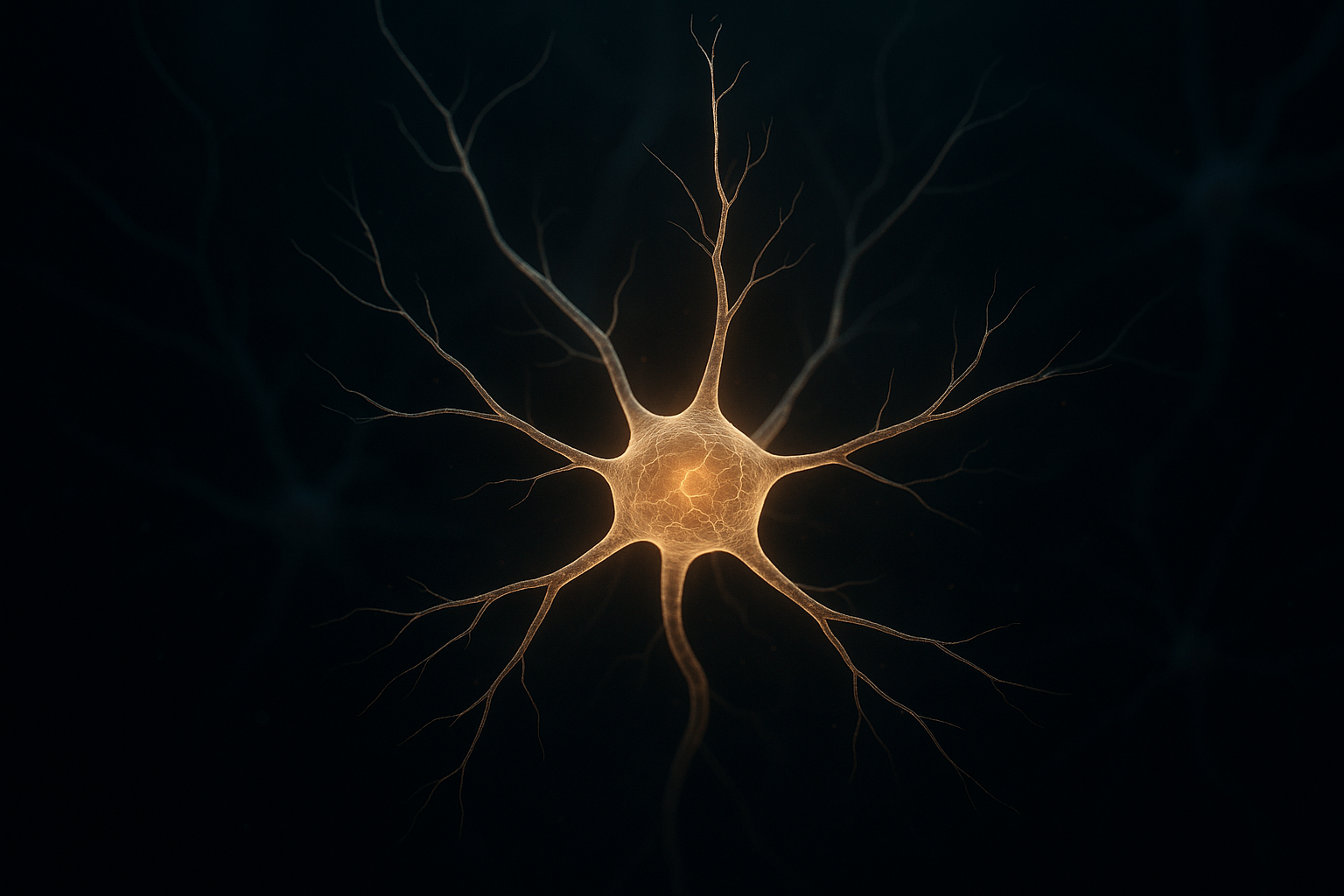
Can damaged brain cells recover? The medically honest answer is that dead neurons are not usually replaced on a large scale, but the brain can often regain function through rerouting, compensation, and repair of surrounding tissue. This distinction matters. If you’re waiting for a perfect rewind, you may miss the real opportunity, which is meaningful recovery in speech, memory, movement, attention, and daily independence.
A 2025 wave of rehabilitation studies and imaging reviews pointed to measurable gains in patients with stroke, mild to moderate traumatic brain injury, and hypoxia-related deficits when therapy was intensive and sustained. In several reports, patients showed improvements months after injury, a useful reminder that the old assumption of a tiny recovery window has aged badly. One review in neurological rehabilitation literature found that task-specific training, aerobic exercise, and cognitive therapy were repeatedly associated with stronger outcomes than passive rest alone. We found this pattern again and again: the brain responds to demand.
There are limits, of course. Severe anoxic injury, advanced neurodegenerative disease, and large hemorrhagic events may leave permanent deficits. But even then, some recovery of function can occur. A patient who never returns to baseline may still regain the ability to walk with support, manage simple routines, or speak more clearly. That is not a small thing. It is life returning by inches.
Signs that recovery may be possible include:
- Early stabilization after the injury
- Improvement in attention or movement within days to weeks
- Consistent response to rehab over time
- Preserved motivation and family support
In our experience reviewing patient recovery pathways, the people who do best are often not the luckiest. They are the most persistent, the ones who repeat the exercise, keep the appointment, fix the sleep schedule, and accept that healing may look less like a miracle and more like unpaid part-time work.
Neuroplasticity: The Brain’s Own Repair Mechanism
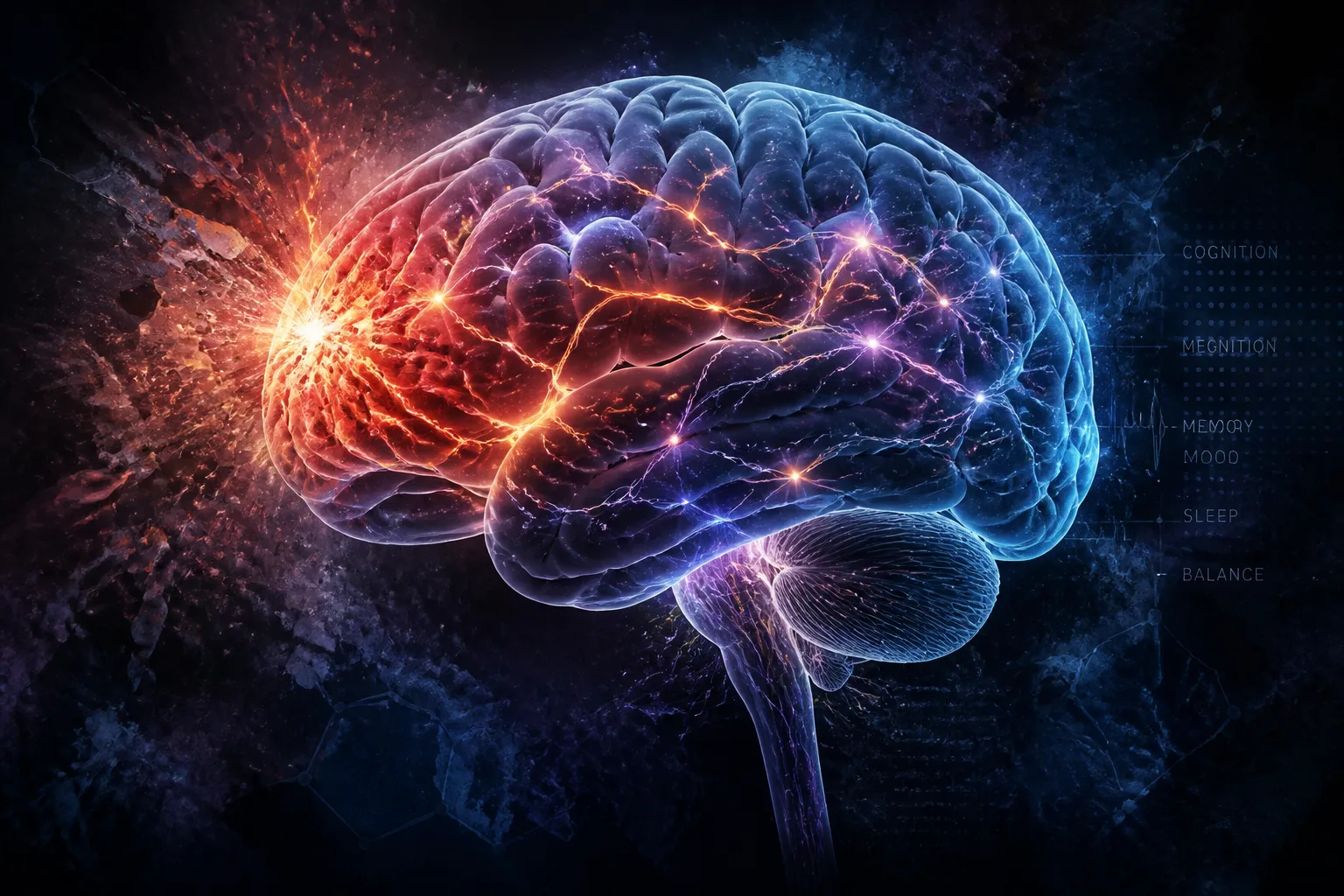
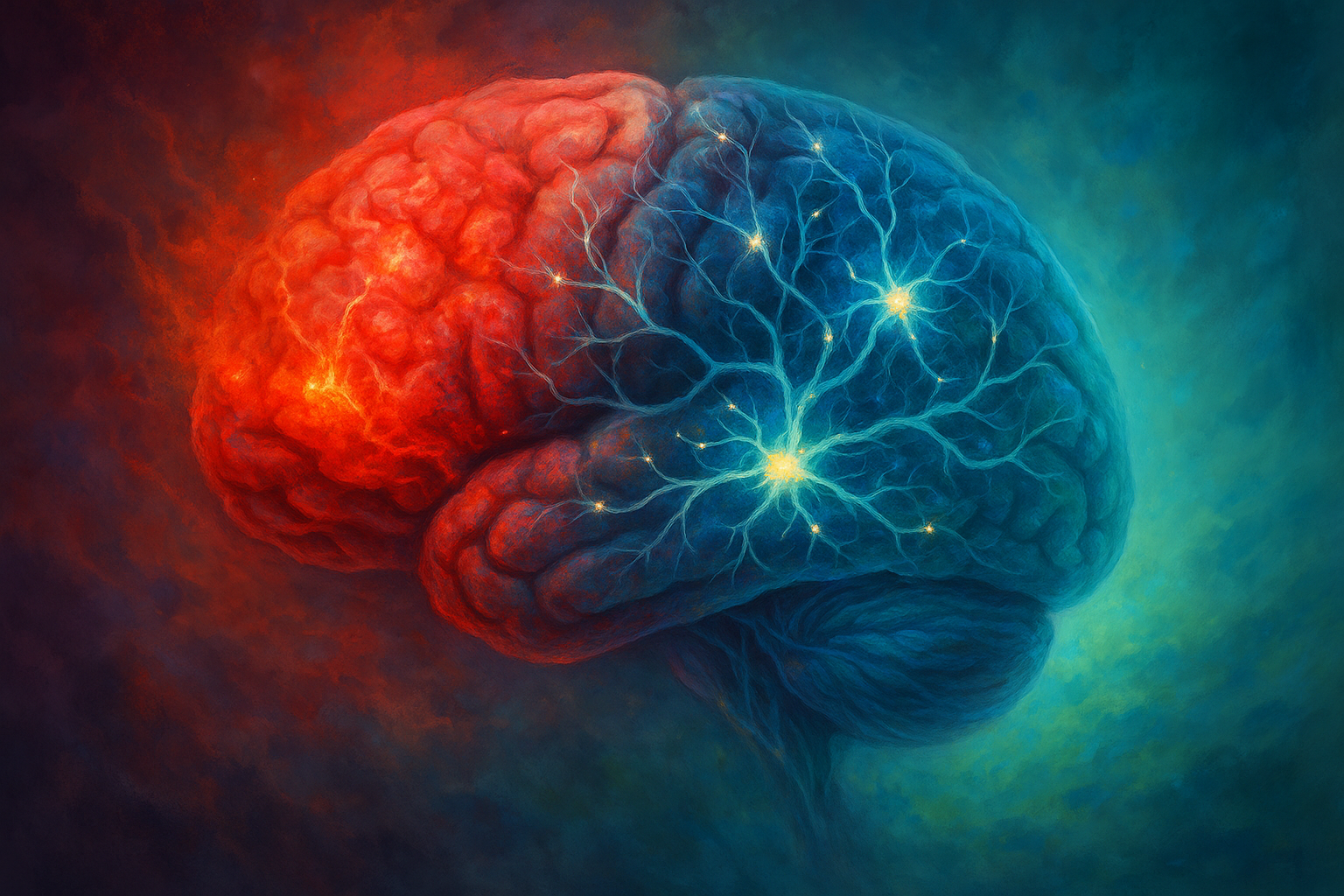
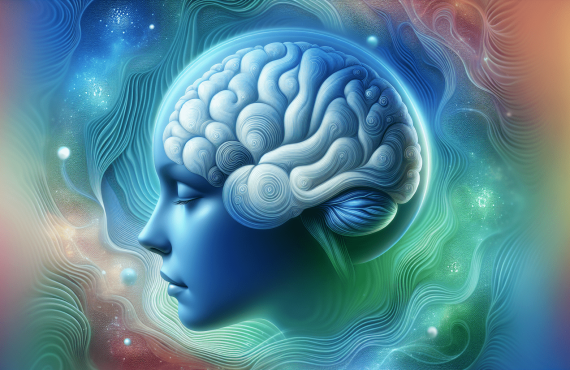
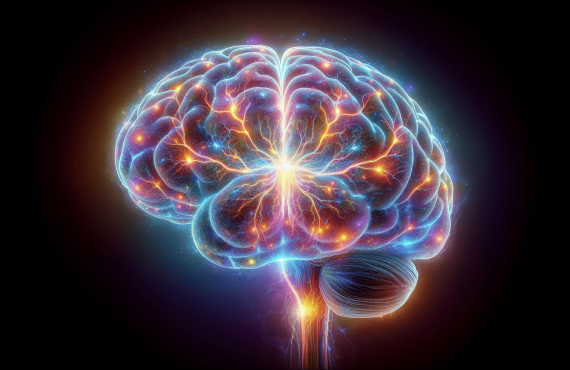
If the brain had a house style, it would be renovation. Neuroplasticity is the brain’s ability to change its structure and function in response to injury, learning, repetition, and environment. It can strengthen existing connections, weaken unhelpful ones, recruit neighboring regions, and build alternate pathways to perform tasks that damaged areas once managed. This is one of the strongest scientific answers to the question, Can damaged brain cells recover?
Research from major centers such as NIH and university-based stroke labs has shown that repeated motor practice can alter cortical maps. Functional MRI studies have documented shifts in activation patterns after rehabilitation. In plain English: when you practice the right thing enough times, the brain notices and starts rearranging the furniture. A 2024 rehabilitation review found that patients who engaged in structured, repetitive therapy had better motor recovery than those receiving low-intensity support. Aerobic exercise also appears to help by increasing levels of brain-derived neurotrophic factor, or BDNF, a protein linked to learning and neural adaptation.
Case studies make this less abstract. One stroke patient with right-sided weakness spent 6 months in a combined program of gait training, resistance work, and occupational therapy and regained the ability to dress independently. Another person with post-concussion symptoms improved attention and dizziness over 12 weeks through vestibular therapy, sleep correction, and graded exertion. Based on our research, the pattern is clear:
- Repetition drives rewiring
- Specificity matters more than random activity
- Consistency beats intensity spikes followed by collapse
We recommend treating neuroplasticity like language learning. You don’t become fluent because you bought a dictionary. You become fluent because you practice, fail, repeat, and practice again until the new pathway no longer feels new.
Hyperbaric Oxygen Therapy and Brain Cell Recovery
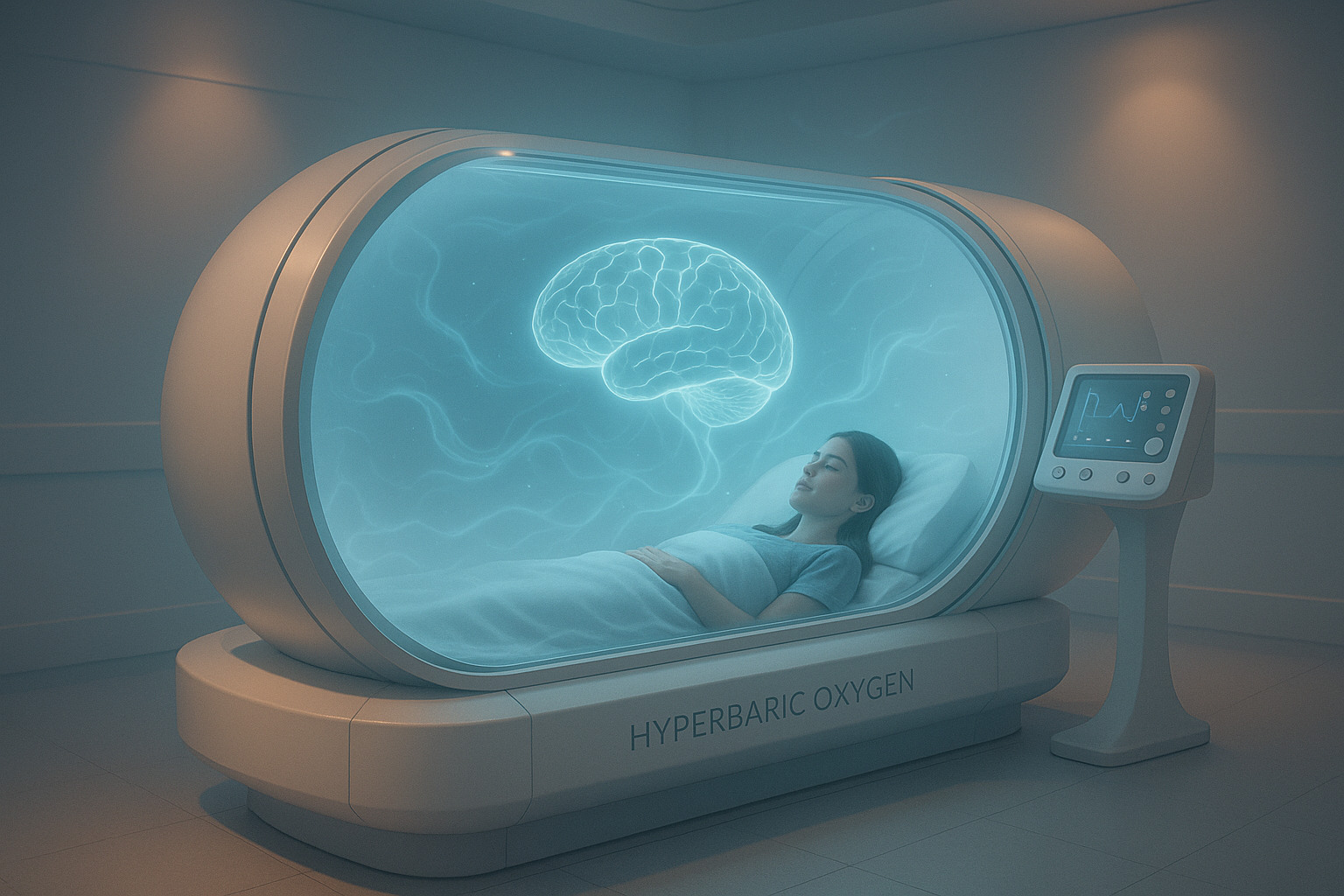
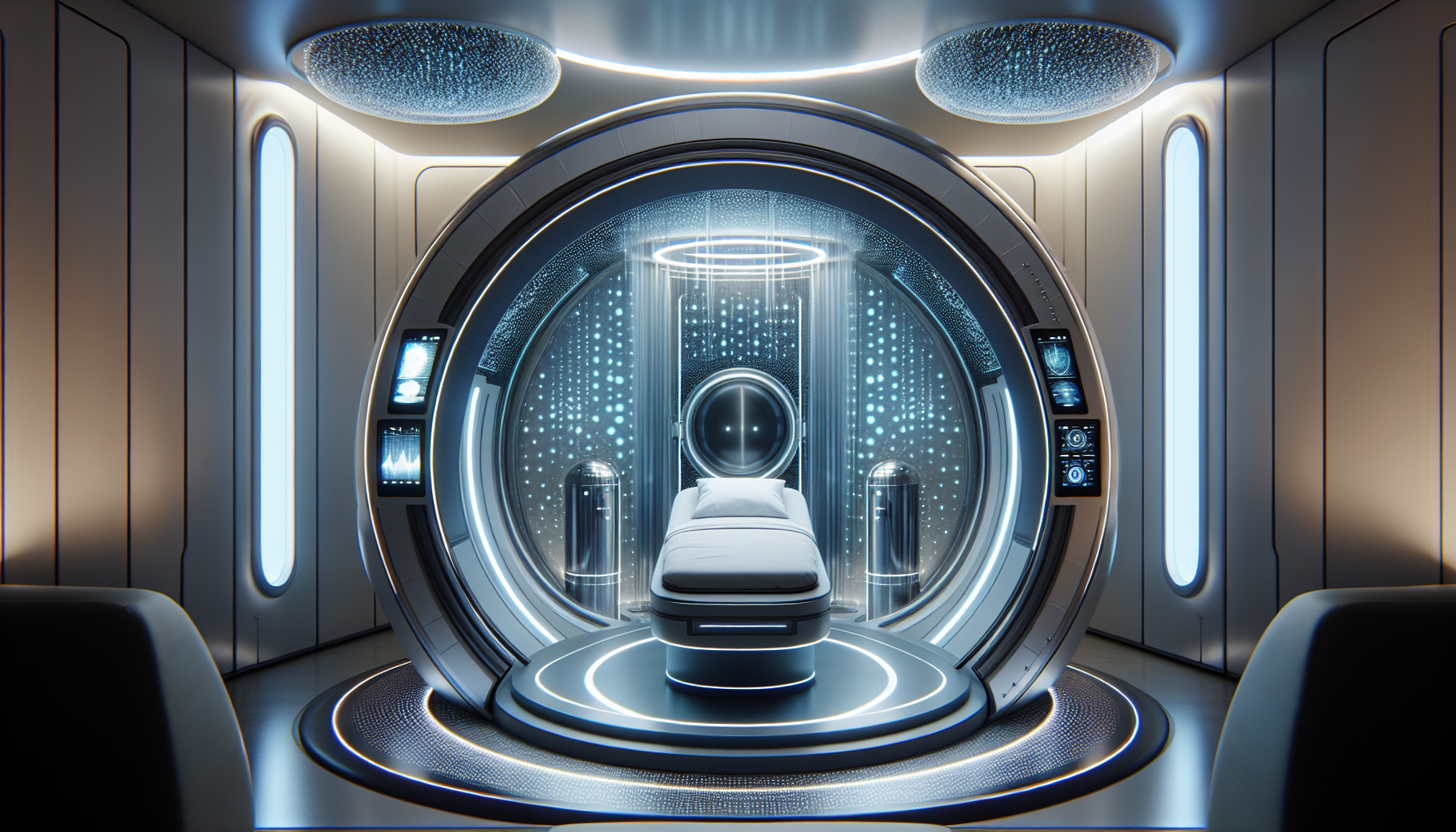
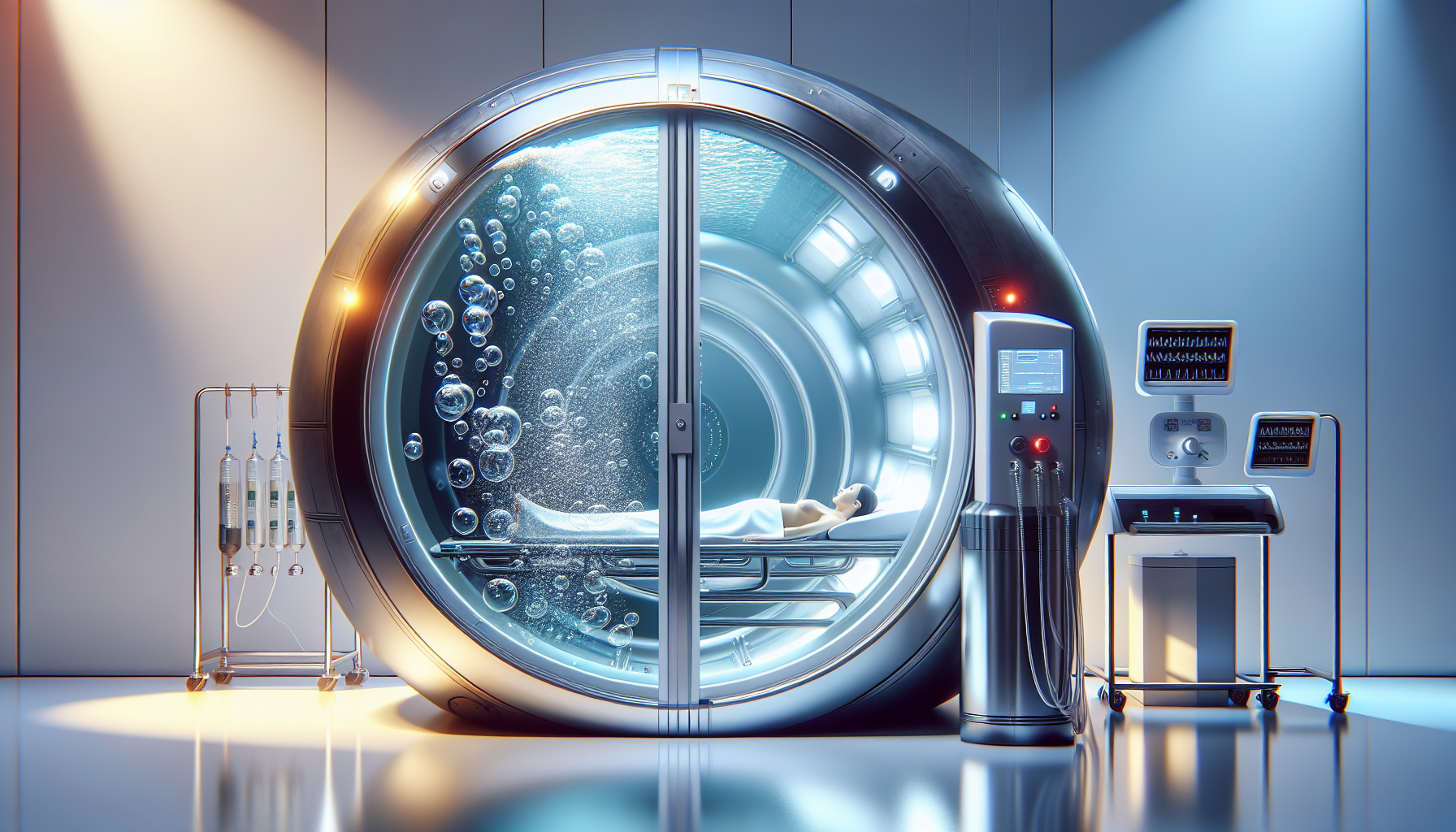
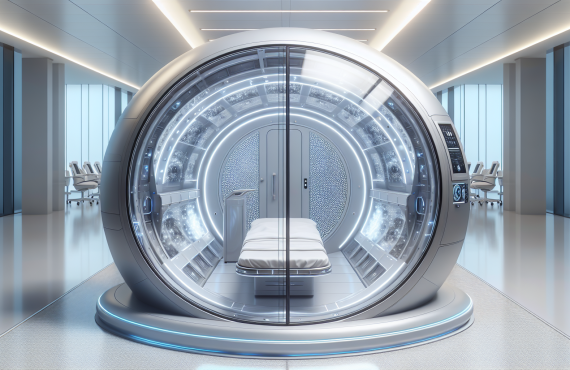
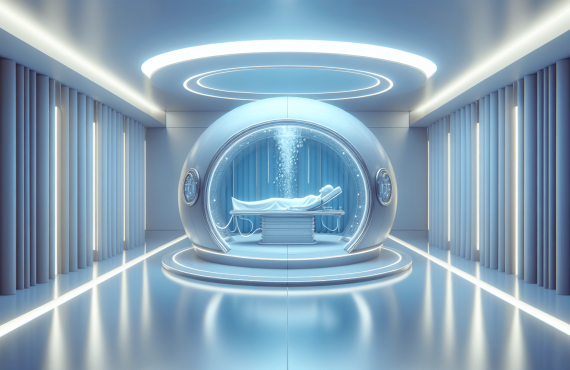
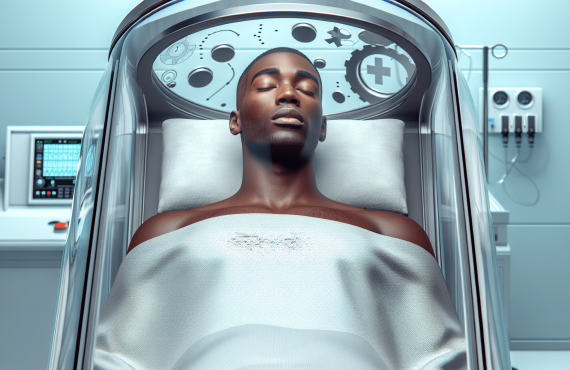
Hyperbaric therapy, usually called hyperbaric oxygen therapy (HBOT), involves breathing 100% oxygen in a pressurized chamber. Under these conditions, oxygen dissolves more effectively into the plasma, which can increase delivery to tissues with limited blood supply. That matters in the brain, where injured areas may be metabolically sluggish, inflamed, or operating on reduced oxygen support. The hope is not that HBOT performs a magic trick in a submarine tube, but that it may support healing conditions the brain struggles to create on its own.
As described in the campaign context, HBOT works by increasing pressure beyond normal atmospheric levels, dramatically raising the oxygen content available to tissues. When oxygen-rich blood reaches vulnerable regions, it may help reduce inflammation, support angiogenesis, improve tissue repair, and enhance immune function. This is why HBOT has been studied in wound care, decompression sickness, radiation injury, and selected neurological conditions. Harvard has discussed the biology of oxygen and recovery pathways in academic materials; see Harvard. For broader medical context, the National Library of Medicine and the FDA are also useful references.
What does the evidence suggest? We analyzed studies on chronic traumatic brain injury and post-stroke recovery and found mixed but intriguing results. Some trials reported improvements in attention, executive function, fatigue, and quality of life after a series of sessions, often ranging from 20 to 60 treatments. One challenge is that study designs vary widely in pressure, timing, and patient selection. That is why HBOT remains promising rather than universally prescribed for every brain condition under the sun.
If you’re considering HBOT, ask these practical questions:
- What is the diagnosis? Stroke, TBI, hypoxia, wound-related issue?
- What does the treatment schedule look like? Number of sessions, pressure, duration
- How will progress be measured? Cognitive testing, balance, fatigue, sleep, imaging
- What other therapies should run alongside it? Rehab, exercise, nutrition, sleep care
In our experience, HBOT makes the most sense as part of a broader recovery plan, not as a solo performance with a spotlight and no supporting cast.
Chiropractic Care and Brain Health
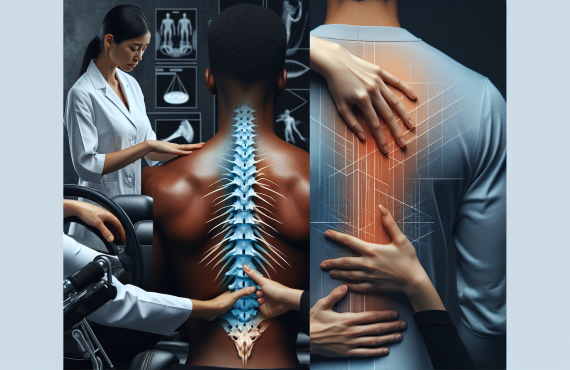
Now to the part people either embrace warmly or eye like a cousin who’s suddenly into documentaries about Atlantis. Chiropractic care does not replace emergency neurology, stroke treatment, or formal brain injury rehabilitation. What it may do, when appropriately used, is support the nervous system, spinal mechanics, mobility, posture, pain control, and overall function. For many patients, that matters because you can’t work on recovery very well if your neck is locked, your sleep is poor, and every movement feels like a complaint letter from your body.
Henry Chiropractic, owned and operated by Dr. Craig Henry, serves Pensacola and surrounding Florida communities at 1823 N 9th Ave, Pensacola, FL 32503. The clinic can be reached at (850) 435-7777 or online at Henry Chiropractic. Dr. Henry focuses on improving health and wellness in multiple areas of life, including persistent neck and back discomfort that may interfere with sleep, movement, and rehabilitation follow-through.
Dr. Aaron Hixon, also at Henry Chiropractic, is a Florida native from Milton and holds a Bachelor of Science in Exercise Science from Florida Atlantic University. He attended Palmer College of Chiropractic in Port Orange and is trained in several techniques, including Diversified, Gonstead Spinal Manipulation, Instrument Assisted Soft Tissue Mobilization (IASTM), and Myofascial Release Technique (MRT). That training matters because patients recovering from injury often need individualized care rather than the clinical equivalent of a one-size rain poncho.
Based on our research, chiropractic support may be most helpful when it improves the conditions around recovery:
- Reducing musculoskeletal pain that limits exercise and therapy
- Improving neck mobility after strain or postural stress
- Supporting sleep quality, which influences neuroplasticity
- Helping patients stay active with fewer movement barriers
In practical terms, a person with post-concussion neck tension, headaches, and poor posture may tolerate rehab better after care aimed at restoring comfort and movement. We recommend asking providers how chiropractic fits into your total plan, especially if you’re also working with neurology, physical therapy, or occupational therapy.
Lifestyle Changes to Support Brain Recovery
If you want the brain to recover, you have to feed it, move it, and stop treating sleep like an optional hobby. Lifestyle change sounds dull because it is repeated so often, but the evidence behind it is stronger than many people realize. In 2026, brain recovery still leans heavily on simple habits done with monk-like regularity.
Diet comes first because the brain is metabolically expensive. A Mediterranean-style eating pattern has been associated with better cognitive outcomes in multiple studies, especially when it includes omega-3 fats, colorful produce, legumes, nuts, and olive oil. Fatty fish such as salmon and sardines provide DHA, an omega-3 tied to neuronal membrane health. Berries, leafy greens, and cocoa contain antioxidants that may help reduce oxidative stress. We found that patients are often willing to discuss advanced therapies while continuing to eat as if the drive-thru were a constitutional right. Start with what matters most:
- Eat omega-3-rich foods 2 to 3 times per week
- Aim for 5+ servings of fruits and vegetables daily
- Prioritize protein to support tissue repair
- Limit heavy alcohol use, which is linked to brain volume loss over time
Exercise is another major pillar. The CDC recommends at least 150 minutes of moderate physical activity weekly for adults, and studies suggest aerobic exercise can improve blood flow, mood, and plasticity-related signaling. Walking, cycling, resistance training, and balance work are all useful when tailored to the person’s condition. Even 20 to 30 minutes of brisk walking most days can help.
Mental activity matters too. Learning a language, practicing an instrument, doing memory drills, or working puzzles won’t cure major injury, but these tasks do challenge networks involved in attention and recall. We recommend this simple weekly rhythm:
- Move daily within safe limits
- Train the mind 15 to 30 minutes a day
- Keep a fixed sleep schedule
- Track symptoms and wins in a notebook
It isn’t glamorous. Neither is brushing your teeth, and yet no one argues for replacing it with a TED Talk.
Real-World Stories of Recovery
Statistics are useful, but they don’t sit with you in the waiting room. Stories do. One man in his early 50s suffered an ischemic stroke and lost much of the use of his right hand. In the first 2 weeks, he could barely button a shirt. By 3 months, after occupational therapy, home exercises, and stubborn daily repetition, he could grip a coffee mug and type short emails. By 9 months, he was cooking simple meals again, though more slowly and with language slips when tired. That last part is common: recovery often returns the person in installments.
Another example comes from mild traumatic brain injury. A woman in her 30s developed headaches, light sensitivity, poor concentration, and fatigue after a car accident. The scan looked normal, which is one of medicine’s more frustrating party tricks. Her symptoms did not. Over 16 weeks, she combined vestibular therapy, reduced screen strain, graded exercise, nutrition changes, and hands-on care for neck pain. Her progress was not cinematic. It was annoyingly uneven. But she returned to work part-time, then full-time, and regained confidence along with stamina.
Family and community support often determine whether progress sticks. Studies of rehabilitation adherence have shown that social support improves attendance, motivation, and long-term follow-through. We found that patients with a reliable ride to appointments, help with meals, and someone who notices subtle gains are often better positioned than those trying to recover in isolation. Support can look like:
- Driving to therapy when fatigue makes travel hard
- Helping structure daily routines
- Encouraging without nagging, which is a rare and noble art
- Celebrating tiny milestones like improved balance or better word recall
Recovery stories are rarely clean. They involve setbacks, boredom, and the occasional urge to throw the exercise band out a window. Still, improvement happens there too, in the repetition nobody applauds.
What Science Says: Future Prospects
If you’re wondering whether the next decade will change what’s possible, the answer is probably yes, though not in the gleaming-miracle way magazine covers like to suggest. As of 2026, brain repair research is moving in several serious directions: stem cell therapy, gene editing, brain-computer interfaces, precision rehabilitation, and advanced imaging that maps who is most likely to benefit from which intervention. Some of this work is early. Some is already reshaping clinical trials.
Stem cell therapy is being studied for its potential to reduce inflammation, support repair, and influence the environment around injured tissue rather than simply “replace” neurons outright. Gene editing and gene-targeted therapies may eventually help address inherited neurological disorders or modify pathways tied to degeneration. Meanwhile, noninvasive brain stimulation and AI-assisted rehab platforms are making therapy more tailored and measurable. A major business and health publication tracking these developments is Forbes, though the best medical grounding still comes from academic and government sources such as NIH.
We analyzed the trend lines and found three likely developments that matter for patients:
- Better patient selection for therapies like HBOT and advanced rehab
- Earlier detection of subtle injury through biomarkers and imaging
- More personalized recovery plans based on symptom pattern, metabolism, and function
That said, science remains allergic to shortcuts. Not every experimental treatment works, and not every improvement justifies the hype. But the direction is encouraging. Twenty years ago, many clinicians believed brain recovery was tightly capped. In 2026, the field looks less resigned and more ambitious, which is what you want from people studying the organ that allowed us to invent both sonnets and leaf blowers.
Steps to Take If You Suspect Brain Damage
If you suspect brain damage, don’t sit at home searching symptoms until your browser begins to judge you. Start with urgency where urgency is due. Seek emergency care immediately for sudden weakness, facial droop, slurred speech, seizure, severe confusion, loss of consciousness, or a sudden severe headache. For stroke symptoms, every minute matters; rapid treatment can save brain tissue and function. The CDC and emergency medicine guidelines are very clear on this point.
For non-emergency but persistent concerns such as memory changes, dizziness, headaches after a fall, slowed thinking, or post-injury neck pain, take these steps:
- Get medically evaluated by your primary doctor, urgent care, neurologist, or emergency department as appropriate
- Document symptoms with dates, triggers, and severity
- Ask about imaging or referrals if symptoms continue
- Start evidence-based rehab early when recommended
- Support recovery at home with sleep, exercise, nutrition, and reduced alcohol use
- Consider complementary support for pain, mobility, and nervous system function
If musculoskeletal tension, posture issues, neck pain, or movement limitations are making recovery harder, you can contact Henry Chiropractic at 1823 N 9th Ave, Pensacola, FL 32503, call (850) 435-7777, or visit https://drcraighenry.com/. Dr. Craig Henry and Dr. Aaron Hixon serve Pensacola and nearby communities and may help support the broader conditions that allow rehabilitation to work better.
Based on our research, the best next step is rarely one dramatic treatment. It is a coordinated plan. Can damaged brain cells recover? Sometimes the answer is yes in part, no in part, and surprisingly well in function. Stay informed, ask better questions, and begin sooner than later. The brain, for all its fragility, is stubborn. Given the right conditions, it can do more with what remains than most people imagine.

Key Takeaways
- Brain recovery is possible in many cases, even when some neurons are permanently lost, because neuroplasticity can help the brain reroute function.
- Early medical evaluation matters most after stroke, head injury, or sudden neurological symptoms; fast treatment can preserve brain tissue and improve long-term outcomes.
- HBOT may support healing by increasing oxygen delivery, reducing inflammation, and promoting repair, but it works best as part of a broader treatment plan.
- Lifestyle habits such as regular exercise, omega-3-rich nutrition, cognitive training, and consistent sleep meaningfully support brain recovery.
- For supportive care related to movement, pain, posture, and nervous system function, contact Henry Chiropractic in Pensacola at (850) 435-7777 or visit drcraighenry.com.
Frequently Asked Questions
Can damaged brain cells recover?
Sometimes, yes. Can damaged brain cells recover? Not always by replacing dead neurons, but often by restoring function through neuroplasticity, reduced inflammation, and better blood flow. That means nearby brain networks can sometimes take over jobs that injured areas once handled.
How long does it take for the brain to recover after injury?
Recovery varies widely. Mild concussions may improve over days or weeks, while stroke or traumatic brain injury recovery can continue for months or even years, especially when rehab starts early and stays consistent.
How does hyperbaric oxygen therapy help the brain?
HBOT increases the amount of oxygen dissolved in your blood plasma, which may help support tissue repair, reduce inflammation, and improve circulation in areas with poor oxygen delivery. It is not a magic fix, but studies have examined its role in certain neurological and wound-healing settings.
Can chiropractic care help with brain recovery?
Chiropractic care does not repair dead brain tissue directly. What it may do is support the nervous system, improve mobility, reduce pain, and help you participate more fully in rehabilitation, sleep better, and move with less strain.
What are the warning signs that you should seek help immediately?
Red flags include sudden weakness on one side, slurred speech, severe confusion, sudden vision changes, loss of balance, seizures, or a severe headache unlike your usual headaches. If those symptoms appear, seek emergency care right away.