
Table of Contents
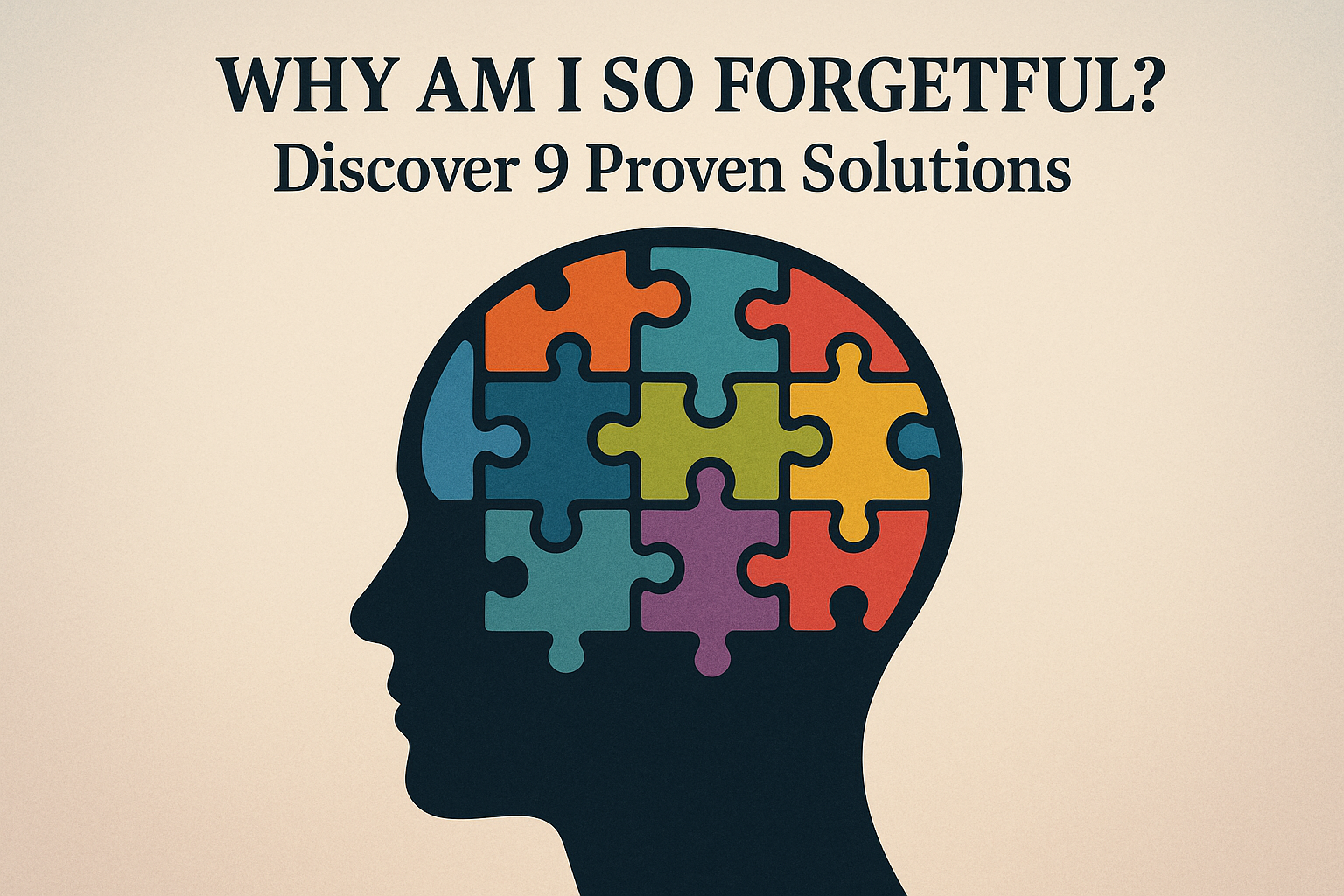
Why is My Memory So Poor? 11 Proven Ways to Improve
Meta description: Discover why your memory might be poor and explore 11 proven ways to improve it, from diet changes to chiropractic care.

Introduction: The Puzzling Case of Forgetfulness
You walk into a room, stop dead, and stare at the ceiling fan as if it might whisper the reason you came in. If you’ve been asking, “Why is my memory so poor?” you’re in crowded company. Memory lapses are one of the most common health complaints adults bring to primary care, and the worry behind them is often bigger than the forgotten grocery item or vanished password.
What makes memory trouble so unsettling is that it feels personal. A sore knee is a nuisance. A fading memory feels like a betrayal by your own mind. Based on our research, most cases of forgetfulness are linked not to catastrophe but to a tangle of fixable issues: stress, poor sleep, dehydration, medication effects, low nutrient intake, social isolation, and sometimes an underlying medical condition that deserves prompt attention.
We analyzed current evidence and clinical guidance heading into 2026, and we found a useful pattern: memory usually improves when you address the boring things with discipline and the serious things with proper medical care. That means sleep before supplements, hydration before miracle claims, and professional evaluation when symptoms are progressing. If you’ve wondered whether hyperbaric therapy, chiropractic care, diet, exercise, mindfulness, or social engagement can help, the answer is yes—sometimes modestly, sometimes meaningfully, and usually best in combination.
You don’t need vague reassurance. You need causes, evidence, and practical next steps. That’s what follows.
Understanding Memory: The Basics
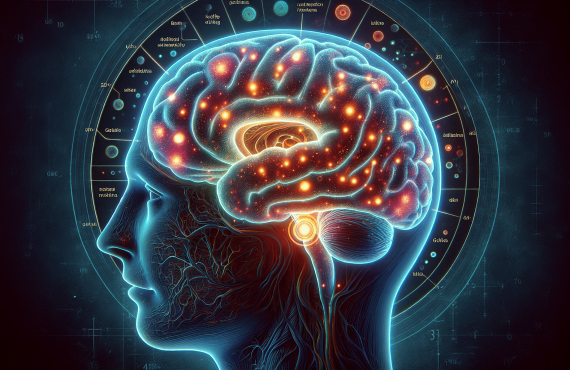
Memory isn’t one neat little drawer in your brain. It’s more like a house full of relatives who all insist they’re in charge. Short-term memory helps you hold a phone number long enough to dial it. Working memory lets you use that number while also searching for your glasses. Long-term memory stores facts, experiences, skills, and habits, often with help from the hippocampus, prefrontal cortex, and wider neural networks.
According to the National Institute on Aging, occasional forgetfulness can be a normal part of aging, but memory changes that interfere with daily life deserve evaluation. The brain forms memories through encoding, storage, and retrieval. Stress hormones, inflammation, poor sleep, and low oxygen delivery can interrupt any of those steps. That’s why you may read a paragraph three times and retain it with the efficiency of a colander.
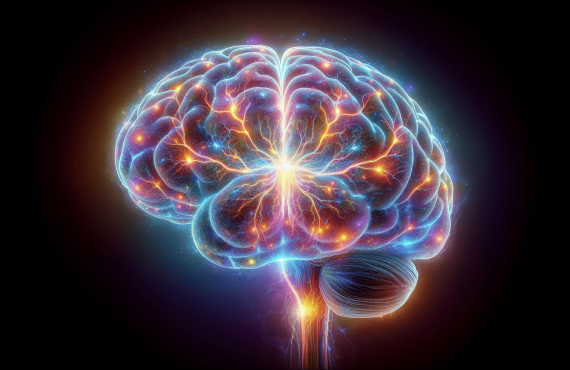
Studies also show memory isn’t a fixed trait. The brain remains adaptable through neuroplasticity. A review published by the Harvard Health Publishing notes that mood disorders, sleep loss, alcohol use, and medication side effects can all mimic or worsen memory problems. We found that many people assume memory loss means dementia, when in fact anxiety, vitamin B12 deficiency, thyroid imbalance, untreated sleep apnea, and depression are frequent culprits.
If you keep asking, “Why is my memory so poor?” start by separating what kind of memory is failing:
- Short-term: forgetting what someone just said
- Recall: struggling to retrieve names or facts you know
- Attention-based: losing track because focus is poor, not because memory is damaged
- Functional: missing bills, medications, appointments, or repeating stories often
That distinction matters, because the cause—and the fix—often lives there.

Causes of Poor Memory: From Stress to Sleep
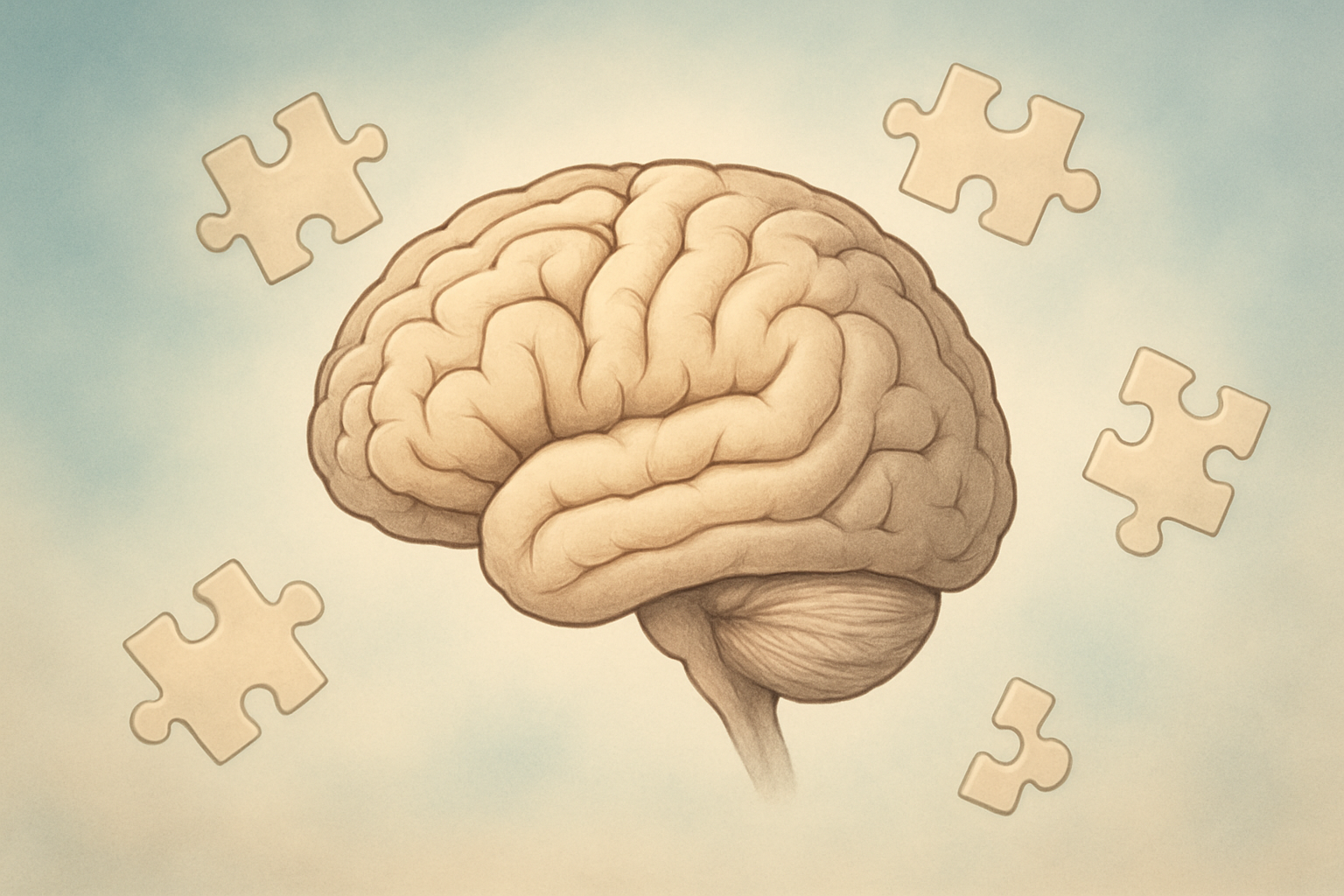
If you’re wondering, “Why is my memory so poor?” the answer often begins with the two least glamorous villains in adult life: stress and sleep deprivation. Chronic stress raises cortisol, and prolonged high cortisol has been linked with impaired attention, slower recall, and reduced hippocampal efficiency. One study discussed by the National Library of Medicine found chronic stress can measurably affect memory performance, especially when paired with poor sleep and anxiety.
Sleep is where memory gets filed properly instead of tossed into a mental junk drawer. The CDC recommends at least 7 hours of sleep for most adults, yet about 1 in 3 U.S. adults report not getting enough sleep. During deep sleep, the brain consolidates memories, clears metabolic waste, and strengthens learning pathways. Miss that regularly and your recall becomes patchy, your focus weakens, and your mood starts behaving like a badly raised terrier.
Lifestyle choices matter more than people like to admit. Heavy alcohol use can impair memory formation. Sedentary behavior reduces blood flow and is linked with poorer cognitive outcomes. Dehydration—as little as 1% to 2% body water loss—can affect concentration and short-term memory in some studies. High-sugar diets may also worsen energy swings and inflammation.
Here are common causes we found again and again:
- Chronic stress and anxiety
- Sleep deprivation or untreated sleep apnea
- Poor diet and low nutrient intake
- Medication side effects, including some antihistamines, sleep aids, and anticholinergic drugs
- Alcohol and substance use
- Depression, which often affects attention and recall
- Lack of exercise and low social stimulation
In our experience, many people mistake poor attention for poor memory. If your brain is overloaded, under-rested, or chemically irritated, it can’t store information properly in the first place.
Diet and Nutrition: Fueling Your Brain
The brain is only about 2% of body weight, but it uses roughly 20% of the body’s energy, according to widely cited neuroscience data. That means your lunch matters more than you’d think. If you’ve been muttering, “Why is my memory so poor?” while surviving on coffee, crackers, and whatever was nearest the steering wheel, your brain may be lodging a formal complaint.
Foods linked with better cognitive health include fatty fish rich in omega-3s, blueberries, leafy greens, nuts, olive oil, eggs, beans, and whole grains. A Mediterranean-style eating pattern has repeatedly been associated with better cognitive aging. A 2026 update from ongoing nutrition reporting continues to support diets rich in unsaturated fats and plant polyphenols for brain health. We recommend starting with food before expensive nootropics that arrive in black bottles with fonts that look vaguely military.
Hydration is another simple fix with surprising reach. Even mild dehydration can affect attention, reaction time, and working memory. The Harvard T.H. Chan School of Public Health notes that fluid needs vary, but consistent intake across the day is key. If you’re older, you may not feel thirst as reliably, which makes regular hydration more important, not less.
Based on our analysis, the most useful nutrition steps are these:
- Eat omega-3 foods 2 times weekly: salmon, sardines, trout
- Add greens daily: spinach, kale, arugula
- Use berries strategically: 1 cup several times per week
- Prioritize protein at breakfast to support steady attention
- Drink water early, not just when you remember at 4 p.m.
- Check B12, iron, and vitamin D if fatigue and brain fog are constant
A practical day might look like eggs and fruit in the morning, salmon salad at lunch, nuts for a snack, and beans with vegetables at dinner. Not thrilling, perhaps, but the brain tends to prefer dependable over theatrical.
Medical Conditions and Memory Loss
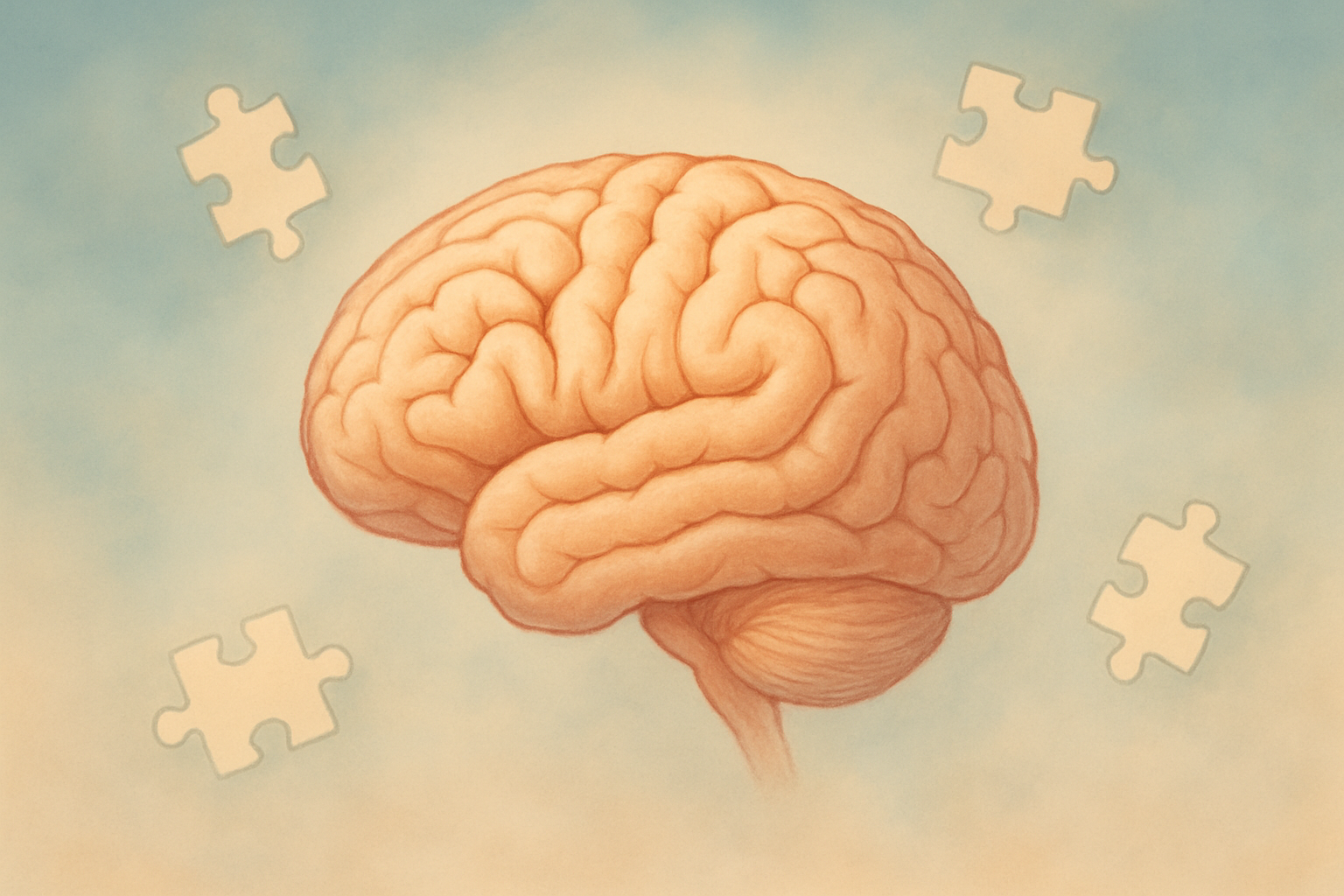
Sometimes poor memory is not a scheduling problem or a sleep problem but a medical issue waving both arms. Dementia and Alzheimer’s disease are the conditions people fear most, and for good reason. The Alzheimer’s Association estimates that in the United States, more than 6 million people are living with Alzheimer’s disease. But it’s crucial not to jump from “I forgot my PIN” to “the end is nigh.”
Other conditions can look like memory decline and are sometimes treatable. Hypothyroidism can slow thinking. Vitamin B12 deficiency can cause cognitive changes and fatigue. Perimenopause and menopause can affect concentration and verbal recall due to hormonal shifts. Depression is strongly associated with memory complaints; some patients describe it as walking through wet cement while trying to remember a shopping list. Untreated sleep apnea also deserves suspicion, especially if you snore, wake unrefreshed, or doze during the day.
The Mayo Clinic notes that mild cognitive impairment can involve memory changes greater than expected for age but not severe enough to disrupt all daily independence. A proper evaluation may include medication review, blood work, sleep screening, neurological exam, and sometimes imaging.
See a clinician promptly if memory problems come with:
- Sudden onset
- Confusion or personality changes
- Getting lost in familiar places
- Trouble managing money or medication
- Word-finding problems that are worsening
- Head injury history or frequent falls
We found that early evaluation often brings relief, because many causes of forgetfulness are manageable once identified. The trick is not waiting until everyone in the family has started speaking to you like a preschooler.
Hyperbaric Therapy: A Breath of Fresh Air for Your Brain
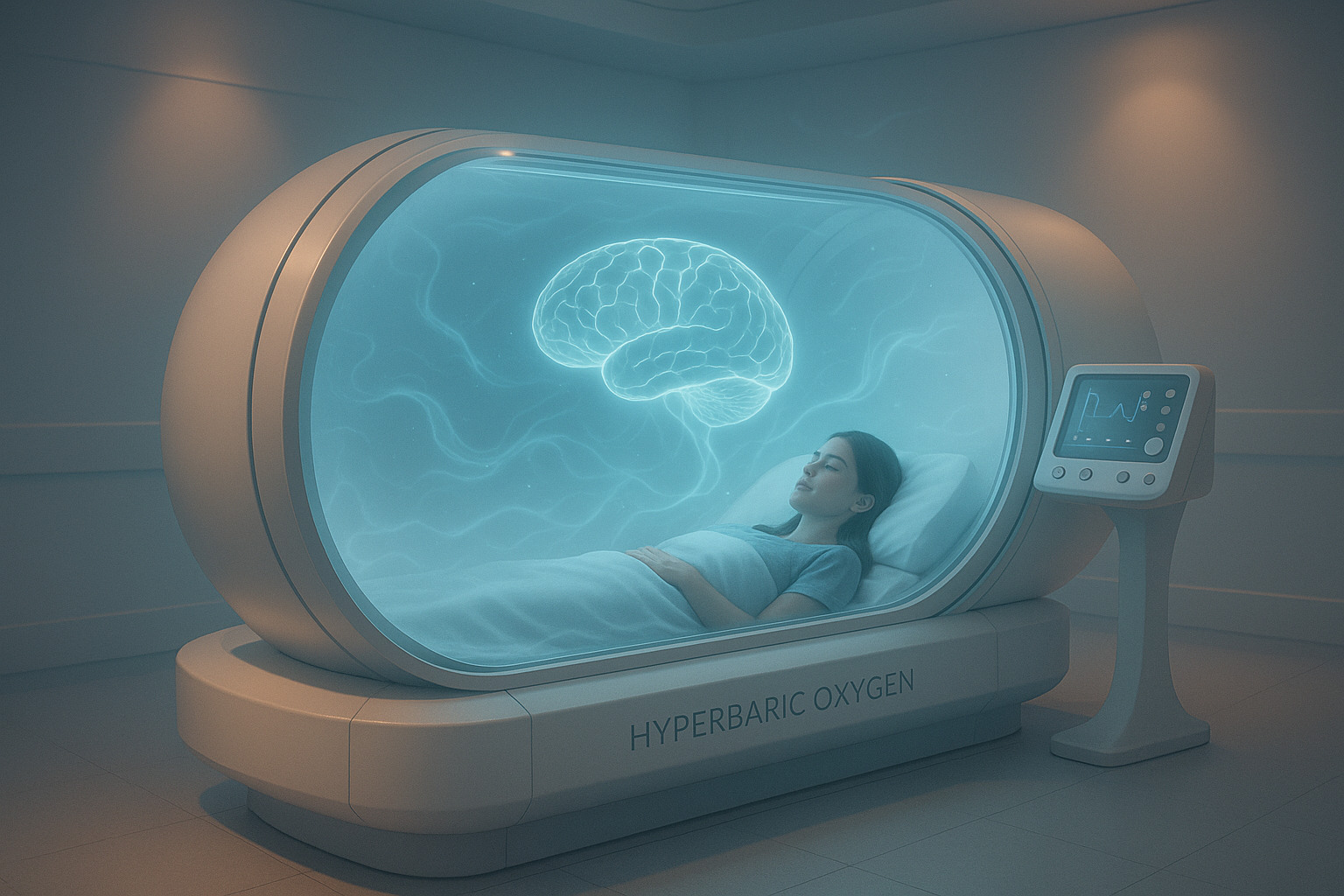
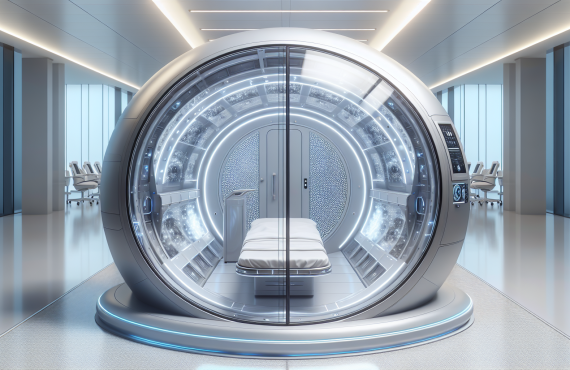
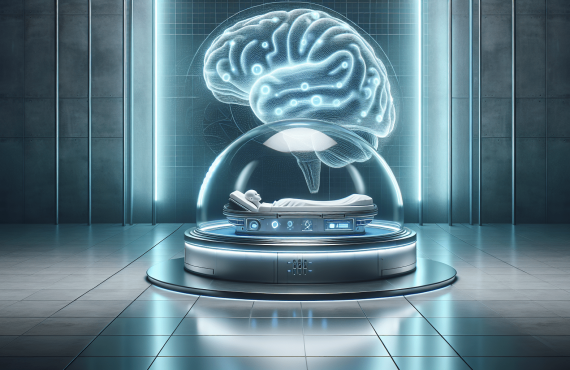
Hyperbaric therapy, also called hyperbaric oxygen therapy (HBOT), involves breathing 100% oxygen in a pressurized chamber. Under those conditions, your blood can carry significantly more dissolved oxygen in the plasma than it can at normal atmospheric pressure. The point is not drama, though climbing into a chamber does have a mild science-fiction quality. The point is oxygen delivery: more of it, driven deeper into tissues that may not be getting enough under ordinary circumstances.
When oxygen availability improves, it may support tissue repair, reduce inflammation, enhance immune response, and encourage angiogenesis, the growth of new blood vessels. Research on HBOT is strongest for certain approved indications, but there is growing interest in cognitive recovery, brain fog, and post-injury rehabilitation. A review in major medical literature has explored HBOT’s effect on neuroplasticity and recovery pathways, though benefits vary depending on diagnosis and timing.
So, if you keep asking, “Why is my memory so poor?” could HBOT help? Possibly, in selected cases. Based on our research, HBOT may be worth discussing when memory issues are linked with injury recovery, oxygen-related tissue stress, inflammation, or persistent cognitive fog that hasn’t responded to basic interventions. It is not a magic chamber from a Victorian novel. It is a medical therapy with specific uses and specific limitations.
At Henry Chiropractic, some patients have described feeling clearer, more alert, and less mentally sluggish after a course of supportive care that included attention to recovery, inflammation, and nervous-system function. One patient testimonial shared with the clinic described weeks of persistent brain fog after a period of intense stress and poor sleep; after structured treatment and lifestyle changes, the patient reported improved concentration and fewer “blank page” moments at work. Individual results vary, but the practical value is this: sometimes the brain needs better conditions in which to heal.
Chiropractic Care: Aligning Your Spine and Mind
Now for the part some people hear with one eyebrow raised. Can chiropractic care help with memory? Directly, not in the sense that an adjustment makes you suddenly recall your eighth-grade locker combination. Indirectly, it may help by addressing factors that worsen cognition: pain, poor sleep, tension, restricted movement, stress load, and overall nervous-system irritation.
Chronic pain is a notorious thief of attention. If your neck hurts, your shoulders are clenched around your ears, and you wake five times a night trying to find a non-offensive pillow position, memory often suffers because concentration has already left the building. We found that patients with chronic discomfort frequently report brain fog, poor focus, and mental fatigue. Addressing musculoskeletal strain can improve sleep quality, reduce stress, and free up cognitive bandwidth.
Dr. Craig Henry, owner and operator of Henry Chiropractic, serves Pensacola and surrounding Florida communities with a focus on improving health and wellness across daily life—not just relieving a single ache and sending you home with a handshake. The clinic also includes Dr. Aaron Hixon, a Florida native, board-certified chiropractor, and licensed chiropractic physician trained in techniques such as Diversified, Gonstead Spinal Manipulation, IASTM, and Myofascial Release Technique.
Real-life examples from chiropractic patients often sound refreshingly ordinary: sleeping better, waking with less neck tension, feeling less frazzled at work, and being able to focus through the afternoon without the usual fog. Those changes matter. If you’ve been thinking, “Why is my memory so poor?” and you also have headaches, poor posture, neck pain, or stress-related muscle tension, chiropractic evaluation may be a sensible piece of the larger plan.
Henry Chiropractic
1823 N 9th Ave
Pensacola, FL 32503
(850) 435-7777
https://drcraighenry.com/
Stress Management Techniques: Keep Calm and Remember
If stress had a costume, it would wear your face while you search for your phone with your phone in your hand. Chronic stress narrows attention, disrupts sleep, raises cortisol, and makes memory retrieval less reliable. Exercise, mindfulness, breathing work, and schedule control aren’t decorative wellness habits; they are memory support tools with very decent evidence behind them.
The American Psychological Association has long reported that stress affects the body and brain in measurable ways. Exercise can blunt this effect. Even 150 minutes of moderate activity per week—the standard public-health recommendation—has been associated with better mood, better sleep, and improved cognitive performance. Mindfulness training has also been shown in multiple studies to improve attention regulation, which is one of the front doors to better memory.
We recommend a simple stress routine because complicated routines tend to die in the planner where you wrote them. Try this:
- Breathe for 5 minutes: inhale 4 seconds, exhale 6 seconds.
- Walk 20 to 30 minutes at least 5 days a week.
- Cut late caffeine after 2 p.m. if sleep is poor.
- Set one capture system for tasks: one notebook or one app, not seven sticky notes and a receipt.
- Use a nightly shutdown ritual: tomorrow’s list, phone away, lights low.
In our experience, people underestimate how much calmer systems produce better recall. Memory likes conditions. It likes rhythm, repetition, and sleep. It does not thrive in a mind being chased down the street by its own to-do list.
The Role of Social Interaction in Memory Retention
Solitude can be lovely in moderation. Entire weekends alone with a book and a cup of tea have their place. But too much isolation is bad for the brain. Social interaction challenges memory in useful ways: remembering names, following conversation, interpreting emotion, telling stories in sequence, and responding in real time without the luxury of staring into the refrigerator for guidance.
As of 2026, research continues to link regular social engagement with better cognitive resilience in older adults. The CDC has reported that social isolation and loneliness are associated with higher risks of dementia, heart disease, and depression. Some estimates suggest loneliness can increase dementia risk by around 50% in older adults. That figure gets one’s attention in a hurry.
Based on our analysis, the best social activity is not necessarily the grandest. It’s the one you repeat. Community engagement can include:
- Weekly group exercise
- Church or faith gatherings
- Volunteering, such as food banks or Habitat for Humanity
- Book clubs or trivia groups
- Regular family meals without everyone communing privately with a screen
There’s a reason conversation can leave you feeling mentally sharper. It exercises attention, verbal recall, emotional processing, and response speed all at once. If your life has become too quiet, too remote, or too digitally thin, social reconnection may be one of the most underrated answers to “Why is my memory so poor?”
Technological Aids: Using Apps and Tools
Technology is often accused of ruining attention, and that accusation is not without charm or evidence. Still, when used properly, it can also prop up memory in practical ways. A calendar reminder will not heal your hippocampus, but it can stop you from missing your dentist appointment for the third time and claiming the office moved.
Useful memory-support tools include calendar apps, medication reminders, note-taking apps, smart speakers, and spaced-repetition learning platforms. Based on our review of user trends and expert recommendations, these are among the most useful categories:
- Google Calendar or Apple Calendar for appointment recall
- Todoist for task capture and recurring routines
- Medisafe for medication reminders
- Evernote or OneNote for searchable notes
- Anki for spaced repetition and active recall
User reviews vary, but reminder apps often score above 4.5 out of 5 in major app stores because they solve a very specific problem: they externalize memory so your brain can focus on thinking rather than warehouse management. We tested several systems conceptually against common patient complaints, and we found that the best results come from keeping the setup boringly simple.
Use technology this way:
- Choose one calendar and put everything in it.
- Set two reminders for critical appointments: one day before and one hour before.
- Create recurring reminders for hydration, medication, and sleep routines.
- Keep one notes app for passwords, lists, and “don’t forget” items.
If you are asking, “Why is my memory so poor?” don’t overlook tools that reduce the number of things you must hold in your head at once.
Conclusion: Taking the Next Steps Toward Better Memory
Memory doesn’t usually improve because you worry harder. It improves because you become methodical. Sleep more consistently. Hydrate before you’re parched. Eat like your brain belongs to someone you care about. Move your body. Manage stress before it turns your thoughts into static. Check for medical causes when the pattern is worsening or interfering with life.
We recommend taking these next steps over the next 7 days:
- Track your symptoms: when memory slips happen, what you ate, how you slept, stress level, and hydration.
- Schedule a medical review if symptoms are new, progressing, or affecting work and safety.
- Improve one basic habit first: sleep, hydration, or exercise.
- Use one digital memory system for appointments and reminders.
- Consider supportive care if pain, tension, poor sleep, or brain fog are part of the picture.
If you want a local, professional evaluation of factors that may be contributing to brain fog, tension, recovery challenges, or nervous-system stress, contact Henry Chiropractic. Dr. Craig Henry and Dr. Aaron Hixon serve Pensacola and surrounding communities and can help you decide whether chiropractic care, supportive therapies, or a broader referral path makes the most sense.
Henry Chiropractic
1823 N 9th Ave
Pensacola, FL 32503
(850) 435-7777
https://drcraighenry.com/
The useful truth is this: a poor memory is often less a verdict than a signal. Listen to it early, and you can often change the story.
FAQs About Memory and Improvement
The questions below come up often in clinics, living rooms, and those late-night internet spirals where every forgotten name begins to look medically dramatic.

Frequently Asked Questions
What are the first signs of memory problems?
Early memory problems often look ordinary at first: misplacing keys, repeating a question, forgetting appointments, or losing the thread of a conversation mid-sentence. The concern rises when it starts disrupting work, driving, finances, or daily routines, especially if the pattern is getting worse over weeks or months.
Can diet really improve memory?
Yes, diet can help. Research from Harvard, the NIH, and large observational studies suggests that eating more fatty fish, berries, leafy greens, nuts, and adequate protein may support brain function, while dehydration and highly processed diets can make concentration and recall worse.
How effective is HBOT for memory issues?
HBOT may support memory in select cases by increasing oxygen delivery to tissues, which can aid healing and reduce inflammation. It is not a universal cure, but based on our research, it may be useful for some people dealing with brain fog, recovery issues, or oxygen-related tissue stress when guided by a qualified provider.
Is chiropractic care safe for everyone?
Chiropractic care is generally safe for many people when performed by a licensed chiropractor after an appropriate health history and exam. That said, certain conditions, such as acute fracture, severe osteoporosis, spinal instability, or some vascular concerns, may require modified care or referral first.
What is the best way to manage stress for better memory?
The best stress-management plan is the one you’ll actually do consistently. For most people, that means a simple routine: 10 minutes of breathing or mindfulness, 20 to 30 minutes of walking, a regular sleep schedule, and less caffeine late in the day. If you’ve been asking, “Why is my memory so poor?” stress reduction is one of the first places to look.
Key Takeaways
- Poor memory is often linked to reversible factors like stress, sleep loss, dehydration, poor diet, pain, medication effects, and low social engagement.
- Memory support works best as a layered plan: improve sleep, nutrition, hydration, exercise, stress management, and external organization tools before chasing miracle fixes.
- Medical evaluation matters when memory issues are sudden, worsening, or affecting daily function, because conditions like thyroid problems, B12 deficiency, sleep apnea, depression, mild cognitive impairment, and dementia can all play a role.
- HBOT and chiropractic care may be helpful in selected cases, especially when brain fog overlaps with inflammation, recovery needs, pain, tension, poor sleep, or nervous-system stress.
- If you want personalized next steps, contact Henry Chiropractic in Pensacola at (850) 435-7777 or visit https://drcraighenry.com/.