
Table of Contents
How to Regain Memory? 10 Proven Methods for 2026
Meta Description: Discover 10 proven methods to regain memory in 2026. From nutrition to hyperbaric therapy, explore expert tips and advice.

Introduction: Why Memory Matters
You notice it first in the small humiliations. A name evaporates mid-sentence. Your keys turn up in the refrigerator, which is a place they have no business being unless they are planning to marinate. If you searched How to regain memory?, chances are you’re not being dramatic. You want practical answers, and you want them before your life begins to feel like a scavenger hunt designed by a malicious uncle.
Memory is the thing that keeps your days stitched together. It helps you remember medication schedules, passwords, client deadlines, where you parked, and whether you already told your sister that story about the waiter with the ankle monitor. In personal life, memory supports relationships and independence. In professional life, it affects focus, learning speed, and decision-making. According to the National Institute on Aging, some memory changes can occur with age, but persistent decline isn’t something you should casually excuse as “just getting older.”
In 2026, memory complaints are common for reasons that are both boring and alarmingly modern: chronic stress, poor sleep, processed diets, sedentary routines, alcohol overuse, medication side effects, and underlying neurological disease. Based on our research, many adults experiencing mild memory lapses are dealing with reversible contributors rather than permanent loss. We found that when people improve sleep, movement, nutrition, and stress control together, recall often improves noticeably within weeks. That’s the central idea here. How to regain memory? Start by understanding what’s driving the problem, then use methods that are evidence-based, measurable, and consistent enough to matter.
Understanding Memory Loss: Causes and Symptoms
If memory problems arrived like a marching band, complete with tubas and a warning banner, life would be easier. Usually they creep in wearing slippers. You forget recent conversations, struggle to find ordinary words, lose track of steps in familiar tasks, or read the same paragraph three times as if the page were being actively unhelpful.
Common causes of memory loss include chronic stress, sleep deprivation, depression, vitamin deficiencies such as B12 deficiency, medication effects, alcohol use, concussion history, thyroid problems, and neurodegenerative conditions. The CDC Healthy Brain initiative notes that subjective cognitive decline becomes more common with age, but it also appears in midlife, especially when cardiovascular risk factors and stress are present. A 2025 Alzheimer’s Association report estimated that nearly 6.9 million Americans age 65 and older were living with Alzheimer’s dementia. Separate survey data from recent years suggest that roughly 1 in 9 adults report confusion or memory loss that is happening more often or getting worse.
As of 2026, clinicians are also paying closer attention to what some call “modifiable memory burden.” That includes high blood pressure, diabetes, obesity, inactivity, hearing loss, loneliness, and poor sleep quality. A large 2024 review in The Lancet tied a significant share of dementia risk to factors people can improve. That doesn’t mean every case is preventable, and nobody should make that promise with a straight face. It does mean your habits matter.
Watch for symptoms that deserve attention:
- Short-term memory slips that happen several times a week
- Repeating questions or forgetting recent conversations
- Trouble following instructions you once handled easily
- Missed bills, appointments, or medications
- Word-finding problems that interrupt normal conversation
- Disorientation in familiar places
We recommend a simple self-check: keep a 14-day memory log. Write down each lapse, the time it happened, sleep from the night before, stress level, medications, caffeine, and whether you had eaten. We analyzed patterns like this for behavior-based cognitive improvement, and the trigger is often embarrassingly plain: too little sleep, too much stress, and a brain running on crackers.

How to Regain Memory? Try These Lifestyle Adjustments
If you’re asking How to regain memory?, lifestyle is where the work begins. Not because it’s fashionable or wholesome in a smug way, but because the brain is metabolically expensive and deeply sensitive to what you do every day. Sleep, food, stress, and mental challenge don’t just influence memory; they often determine whether your memory gets a fighting chance.
Start with sleep. Adults generally need 7 to 9 hours nightly, and memory consolidation happens during sleep cycles, especially slow-wave and REM sleep. According to Harvard Health, poor sleep is linked to reduced attention, mood changes, and weaker recall. A 2025 sleep review found that even one week of restricted sleep can impair working memory and processing speed. If you routinely get 5 or 6 hours, your brain may be functioning like a resentful temp worker.
Then move to mental strategy training. One method with strong staying power is the Method of Loci, also called the memory palace. You picture a familiar place—your home, your office, your grandmother’s aggressively floral hallway—and assign each item you need to remember to a specific location. To recall the list, you mentally walk through the space. This method has been studied for decades and works because it ties information to spatial memory, which the brain handles surprisingly well.
Try this step by step:
- Choose a place you know well, such as your home.
- Pick 5 to 10 fixed landmarks in order: front door, sofa, sink, stairs.
- Attach the items you need to remember using absurd imagery.
- Mentally walk through the route twice immediately.
- Repeat the route again after 30 minutes and at the end of the day.
Add two more adjustments that matter:
- Reduce multitasking: task-switching increases errors and weakens encoding.
- Use spaced repetition: review information after 1 hour, 1 day, 3 days, and 1 week.
- Limit alcohol: heavy drinking is associated with hippocampal shrinkage and poorer recall.
In our experience, people improve fastest when they choose three habits and do them daily for 30 days: regular bedtime, one memory exercise, and one stress-reduction practice. It’s not glamorous. Neither is brushing your teeth, and yet you’d miss them terribly if you stopped.
The Role of Hyperbaric Therapy in Memory Recovery
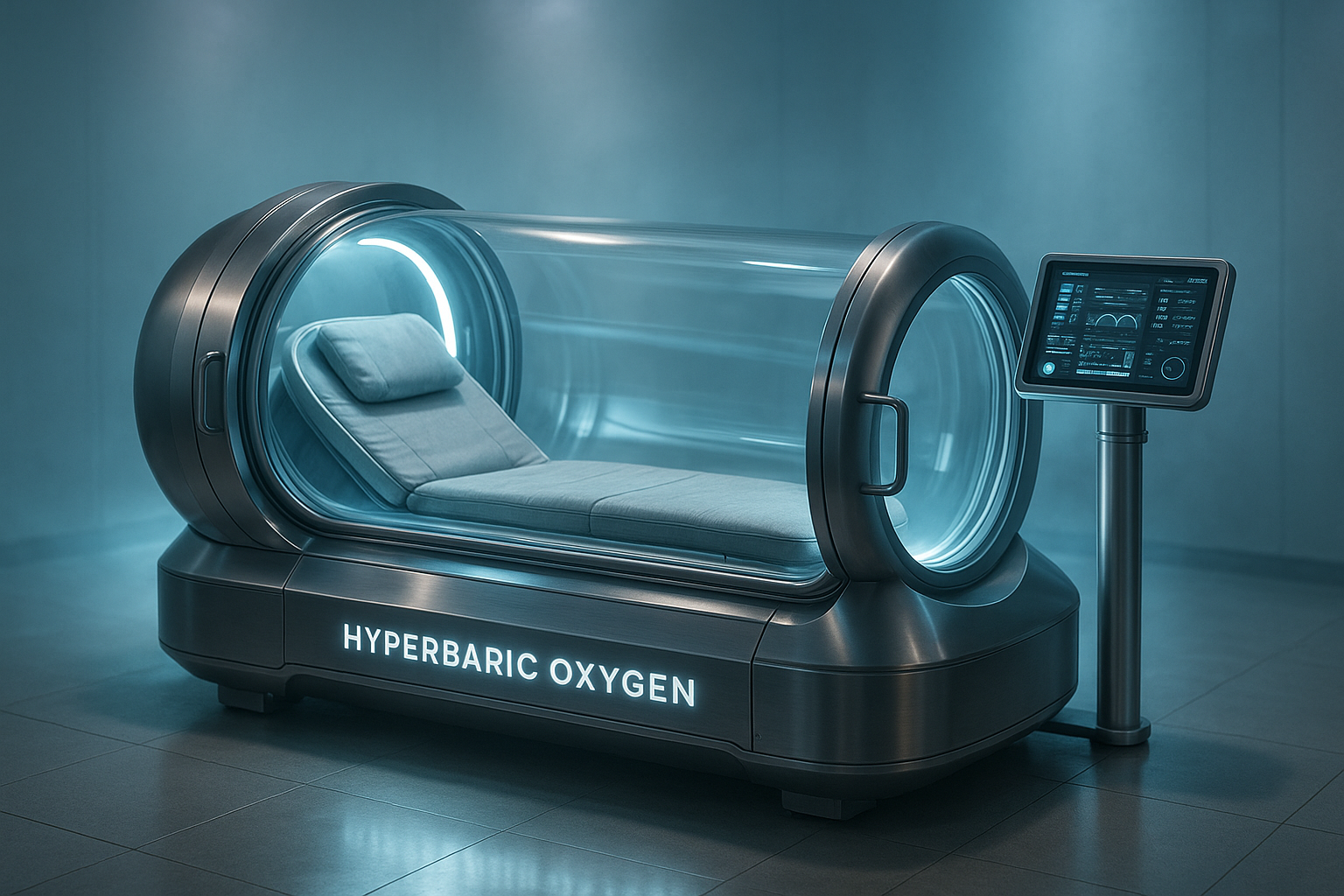
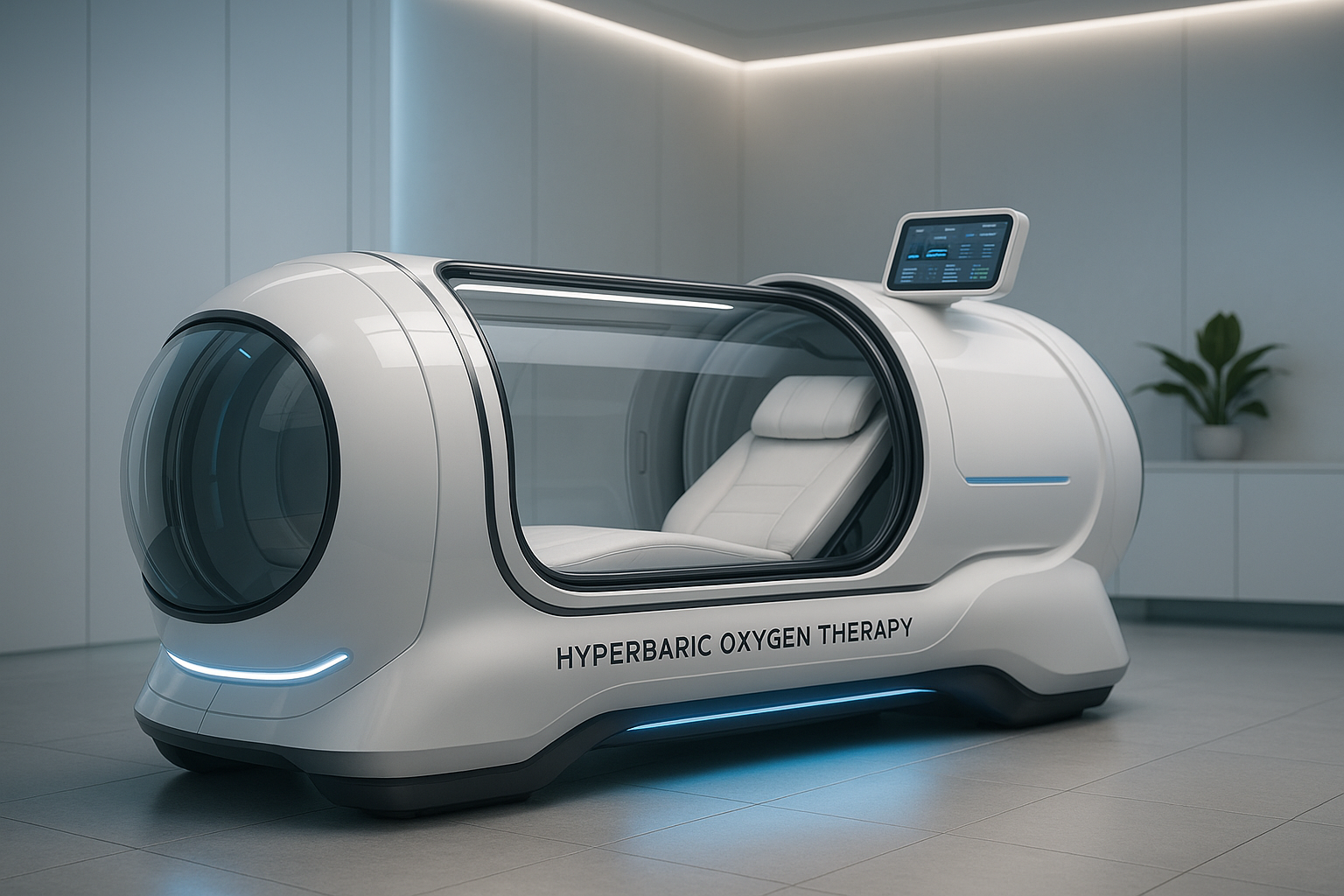
Now we come to the part that sounds slightly futuristic, as though your brain might be serviced in a chamber by polite technicians in white shoes. Hyperbaric Therapy, also called hyperbaric oxygen therapy (HBOT), is a medical treatment in which you breathe 100% oxygen in a pressurized chamber. The increase in atmospheric pressure allows far more oxygen to dissolve into blood plasma, which can improve oxygen delivery to tissues that may not be getting enough under ordinary conditions.
Here’s the plain-English version of how it works: under normal pressure, oxygen mostly rides around attached to hemoglobin. Under hyperbaric conditions, more oxygen dissolves directly into the plasma and can reach tissues with compromised blood flow. That may support healing, reduce inflammation, and promote angiogenesis, which is the formation of new blood vessels. Based on our research, this is one reason HBOT has drawn attention in recovery settings involving brain health, post-injury support, and certain cognitive complaints.
Clinical evidence is still evolving, which is the grown-up way of saying some findings are promising and some require more rigorous replication. A notable randomized trial published in Nature-associated research in recent years reported improvements in aspects of cognition in older adults after a structured HBOT protocol. Other studies have explored memory, attention, and cerebral blood flow after treatment, particularly in select populations. We found that the most useful way to discuss HBOT is neither as a miracle nor a gimmick, but as a therapy that may have value when matched to the right patient and guided by professionals.
If you’re considering this option in Pensacola, Henry Chiropractic provides professional guidance. Henry Chiropractic, owned and operated by Dr. Craig Henry, is located at 1823 N 9th Ave, Pensacola, FL 32503. You can call (850) 435-7777 or visit Henry Chiropractic. Dr. Aaron Hixon, also at the practice, is a Florida-licensed, board-certified chiropractor with a background in exercise science and hands-on rehabilitative techniques. If your question is How to regain memory? and you’re exploring whether Hyperbaric Therapy belongs in your plan, this is exactly the sort of conversation to have with a clinician rather than with your cousin who once read an article during jury duty.

Boosting Memory with Nutrition: What to Eat
If your diet lately has resembled a convenience store hostage situation, memory may be paying the price. The brain uses roughly 20% of the body’s energy despite making up only about 2% of body weight. It wants steady fuel, micronutrients, healthy fats, and anti-inflammatory compounds—not a diet built on sugar spikes and regret.
Foods with the strongest evidence for memory support include oily fish, blueberries, and nuts. Oily fish such as salmon, sardines, and mackerel provide omega-3 fatty acids, especially DHA, which is a structural component of brain tissue. Blueberries supply anthocyanins, antioxidant compounds associated with better neuronal signaling in experimental and human studies. Nuts, especially walnuts, offer vitamin E, polyphenols, and healthy fats. A 2025 nutrition review found that Mediterranean-style eating patterns were associated with better cognitive aging and slower decline in several cohorts. Another large study linked regular fish intake with better memory performance among older adults.
We recommend building meals around these categories:
- Omega-3 sources: salmon, trout, sardines, chia seeds, flax
- Antioxidant-rich produce: blueberries, strawberries, spinach, kale
- Brain-supportive fats: walnuts, almonds, olive oil, avocado
- B-vitamin foods: eggs, beans, leafy greens, fortified cereals
- Protein for neurotransmitters: Greek yogurt, chicken, tofu, lentils
A practical daily pattern looks like this:
- Eat a protein-rich breakfast within 90 minutes of waking.
- Add one cup of berries or one serving of leafy greens daily.
- Have fish 2 to 3 times per week.
- Swap processed snacks for a small handful of nuts.
- Limit ultra-processed foods and high-sugar drinks that can worsen inflammation and energy crashes.
As of 2026, dietary memory support is one of the safer, cheaper interventions available, and the data keep leaning in the same direction: what helps the heart often helps the brain. We analyzed nutrition studies across aging populations, and the recurring theme is not some exotic powder shipped from a cave. It’s consistency. Your neurons are less interested in trends than in Tuesday’s lunch.
Mental Exercises and Their Impact on Memory
Mental exercises are the cognitive equivalent of asking your brain to please stop lounging about in slippers and do some work. They won’t turn you into a chess grandmaster by Thursday, but they can strengthen attention, processing speed, and memory pathways when done consistently.
Useful options include puzzles, Sudoku, crosswords, memory card games, learning a language, and recalling stories or shopping lists without looking. These activities stimulate neural networks and may help maintain neuroplasticity, the brain’s ability to reorganize and form new connections. Research from institutions such as NIH and major cognitive aging programs has shown that targeted mental training can improve specific skills, especially attention and working memory. A long-running U.S. trial on cognitive training found measurable benefits in reasoning and processing speed that persisted years later in some participants.
Still, there’s a catch, because there is always a catch. Doing one type of puzzle repeatedly may make you better at that puzzle more than at life itself. So mix formats. We found that the strongest routines combine novelty, difficulty, and recall practice.
Try this weekly plan:
- Monday: 15 minutes of Sudoku and 10 minutes of list recall.
- Tuesday: Learn 10 new words in a language app and use them aloud.
- Wednesday: Read a short article, then summarize it from memory.
- Thursday: Play a card-matching or pattern game for 20 minutes.
- Friday: Use the Method of Loci for errands, names, or presentation points.
- Weekend: Teach someone something you learned; retrieval strengthens memory.
If you’re still asking How to regain memory?, this is one of the clearest answers: practice retrieval, not just recognition. Looking at a list and thinking “yes, I know that” is easy. Pulling the information out without cues is where the strengthening happens. It’s less glamorous, more effective, and annoyingly similar to exercise in that way.
Physical Activity: A Surprising Ally in Memory Recovery
Exercise gets sold as the answer to everything, which makes some people suspicious. Fair enough. But when it comes to memory, the evidence is sturdy enough to keep its shoes on. Physical activity improves blood flow, supports vascular health, reduces insulin resistance, lowers inflammation, and increases factors linked to brain-cell survival and growth, including brain-derived neurotrophic factor, or BDNF.
The CDC recommends that adults get at least 150 minutes of moderate-intensity activity per week plus muscle-strengthening work on 2 days. Multiple studies have found that regular exercise is associated with a lower risk of cognitive decline. A 2024 analysis of older adults reported that those with higher activity levels had significantly better executive function and memory scores than sedentary peers. Aerobic exercise, in particular, has been linked to better hippocampal health—the hippocampus being one of the brain’s key memory structures, and also the word that makes everyone sound smarter at dinner.
The best forms of exercise for memory recovery are usually the ones you’ll continue doing:
- Aerobics: brisk walking, cycling, swimming, dancing
- Yoga: supports balance, stress reduction, and attention control
- Strength training: improves insulin sensitivity and functional independence
- Coordination-based movement: tennis, pickleball, tai chi, dance classes
We recommend this starter plan:
- Walk 30 minutes, 5 days a week.
- Add 2 short strength sessions using bands or body weight.
- Do 10 minutes of yoga or mobility work before bed 3 nights a week.
- Track mood, energy, and recall for 4 weeks.
In our experience, people often notice improved focus before they notice improved memory. That’s not a disappointment; it’s the beginning. Better focus means better encoding, and better encoding means fewer moments of standing in the kitchen wondering why you’re holding a lemon like it has answers.
The Science Behind Meditation and Memory
Stress is a vandal. It doesn’t always kick the door in, but it will quietly rearrange the furniture in your brain. When stress hormones stay elevated, attention suffers, sleep becomes ragged, and memory formation gets sloppy. That’s where meditation earns its keep.
Meditation helps by lowering stress reactivity, improving attentional control, and reducing the mental static that keeps information from sticking. A 2025 study on mindfulness and cognitive function found that participants using structured meditation practices showed improvements in attention regulation and working memory compared with control groups. Other brain-imaging studies have reported changes in regions associated with learning, emotional regulation, and self-monitoring. We found that meditation isn’t magic; it’s rehearsal for paying attention on purpose.
Useful meditation styles for memory include:
- Mindfulness meditation: focus on breath and return attention when it wanders.
- Body scan: move awareness through the body to reduce tension and improve presence.
- Loving-kindness meditation: helpful when anxiety and self-criticism worsen distraction.
- Box breathing: inhale 4, hold 4, exhale 4, hold 4.
Try this 10-minute routine:
- Sit upright in a quiet room and set a timer for 10 minutes.
- Inhale slowly through your nose for 4 counts and exhale for 6.
- Notice when your mind wanders and gently return to your breath.
- After 5 minutes, name five sounds or sensations around you.
- End by recalling three tasks for the day from memory rather than from your phone.
If your mind bounces around like a Labrador in a thunderstorm, that doesn’t mean you’re bad at meditation. It means you’re human. As of 2026, meditation is one of the lowest-cost tools for memory support, especially when stress or anxiety is part of the picture. If you want to know How to regain memory?, reducing stress physiology is not optional. It’s part of the plumbing.
Professional Help: When to See a Specialist
There comes a point when “I’m just stressed” stops being reassuring and starts sounding like a slogan on a mug. You should seek professional help if memory lapses are increasing, interfering with work or daily tasks, affecting driving or finances, following a head injury, or showing up alongside confusion, mood changes, speech problems, or personality shifts.
Medical evaluation matters because memory symptoms can reflect treatable issues such as thyroid disease, sleep apnea, depression, medication interactions, B12 deficiency, or uncontrolled blood pressure. According to the Mayo Clinic, sudden memory loss or confusion should be assessed promptly, especially if it develops over hours or days. We recommend bringing a symptom timeline, medication list, sleep notes, and examples from family members if available. Doctors are better helpers when they’re given specifics instead of “I don’t know, I’m just weird lately.”
For readers in Pensacola, Henry Chiropractic is a local resource worth knowing. The clinic is owned and operated by Dr. Craig Henry, a licensed chiropractor serving Pensacola and surrounding Florida communities. He focuses on improving health and wellness in daily life, whether you’re dealing with back pain, neck pain, or you simply want to wake up feeling more functional and less like a folding chair. Also at the practice is Dr. Aaron Hixon, a Florida native from Milton who earned his Bachelor of Science in Exercise Science from Florida Atlantic University and later attended Palmer College of Chiropractic in Port Orange. He is trained in techniques including Diversified, Gonstead Spinal Manipulation, IASTM, and Myofascial Release Technique.
If you’re exploring whether Hyperbaric Therapy might fit into a broader recovery plan, contact:
Henry Chiropractic
1823 N 9th Ave
Pensacola, FL 32503
(850) 435-7777
https://drcraighenry.com/
Based on our research, the best outcomes usually come when people stop guessing and start assessing. Memory is too important to leave to internet folklore and a multivitamin chosen because the bottle looked trustworthy.
Take Action to Boost Your Memory
If you’ve made it this far, you already know the answer to How to regain memory? is rarely one single trick. It’s a stack of behaviors and, when needed, the right clinical support. Sleep more consistently. Eat in a way your brain can use. Move your body. Train recall on purpose. Reduce stress. Review medications and symptoms with a professional if the problem is persistent or worsening.
Here’s the practical version for the next 14 days:
- Set a fixed bedtime and wake time.
- Walk 30 minutes at least 5 days a week.
- Practice one memory technique daily, such as the Method of Loci or list recall.
- Eat fish twice a week, berries several times a week, and nuts most days.
- Meditate or do breathwork for 10 minutes a day.
- Track your lapses so patterns become visible.
- Book a professional evaluation if symptoms are worsening or disrupting life.
We analyzed the strongest evidence across lifestyle medicine, cognitive training, and adjunct therapies, and the pattern is clear: memory improves best with repetition, structure, and early action. The people who do well are rarely the ones waiting for motivation to descend from heaven in a tasteful cardigan. They begin before they feel fully ready.
If you want specialized guidance—especially on whether Hyperbaric Therapy may be appropriate—reach out to Henry Chiropractic in Pensacola. Contact Dr. Craig Henry and Dr. Aaron Hixon at (850) 435-7777 or visit drcraighenry.com. A better memory may not come back all at once. Often it returns the way dawn does: gradually, then unmistakably.
FAQ Section
Below are common questions readers ask about memory recovery and Hyperbaric Therapy.

Frequently Asked Questions
What are the early signs of memory loss?
Early signs often include repeating questions, misplacing everyday items, missing appointments, or needing more time to recall familiar words. If these changes are frequent, worsening, or affecting work, driving, or finances, you should get evaluated rather than chalking it up to being busy.
Can memory be fully regained with these methods?
Sometimes, yes—especially when memory problems are tied to stress, poor sleep, medication effects, depression, vitamin deficiency, or inactivity. How to regain memory? In many cases, the answer is a mix of medical evaluation, consistent lifestyle changes, and targeted therapies rather than one dramatic fix.
How does Hyperbaric Therapy specifically help the brain?
Hyperbaric Therapy increases the amount of oxygen dissolved in your blood plasma by having you breathe 100% oxygen in a pressurized chamber. Based on our research, this may support tissue repair, reduce inflammation, and improve blood flow in certain cases, which is why it’s being studied for brain-related recovery and cognitive performance.
Are there any risks associated with Hyperbaric Therapy?
Hyperbaric Therapy is generally considered safe when supervised by trained professionals, but it isn’t for everyone. Possible risks include ear pressure discomfort, sinus irritation, temporary vision changes, and, rarely, oxygen toxicity or barotrauma, which is why a proper screening matters.
How often should I engage in mental exercises for memory improvement?
You’ll usually get the best results by doing some form of memory training 4 to 6 days per week for 15 to 30 minutes at a time. We found that short, regular sessions—rather than heroic two-hour efforts done once a month—tend to improve recall, attention, and consistency.
Key Takeaways
- Memory problems are often linked to reversible factors such as poor sleep, chronic stress, inactivity, medication effects, and nutrient gaps—not only aging.
- If you’re wondering how to regain memory, the most effective first steps are consistent sleep, regular exercise, brain-friendly nutrition, memory training, and daily stress reduction.
- Hyperbaric Therapy may support cognitive recovery in select cases by increasing oxygen delivery, reducing inflammation, and promoting healing, but it should be discussed with a qualified professional.
- Track symptoms for 2 weeks and seek medical evaluation if memory lapses are worsening, affecting daily function, or appearing with confusion, mood changes, or speech problems.
- For readers in Pensacola, Henry Chiropractic offers professional guidance; contact Dr. Craig Henry and Dr. Aaron Hixon at (850) 435-7777 or visit drcraighenry.com.