
Table of Contents
What not to do before hyperbaric oxygen therapy? 7 Essential Tips
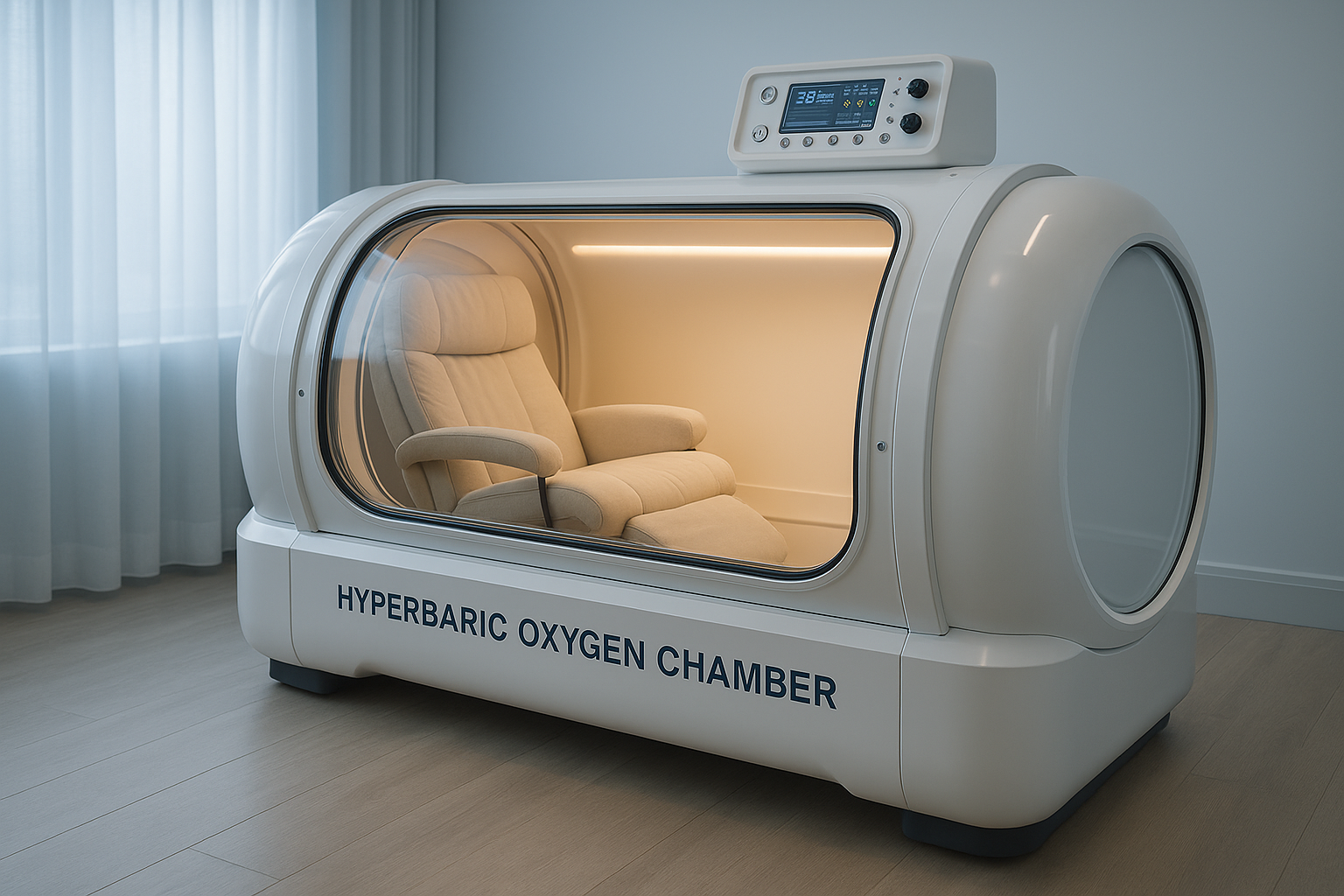
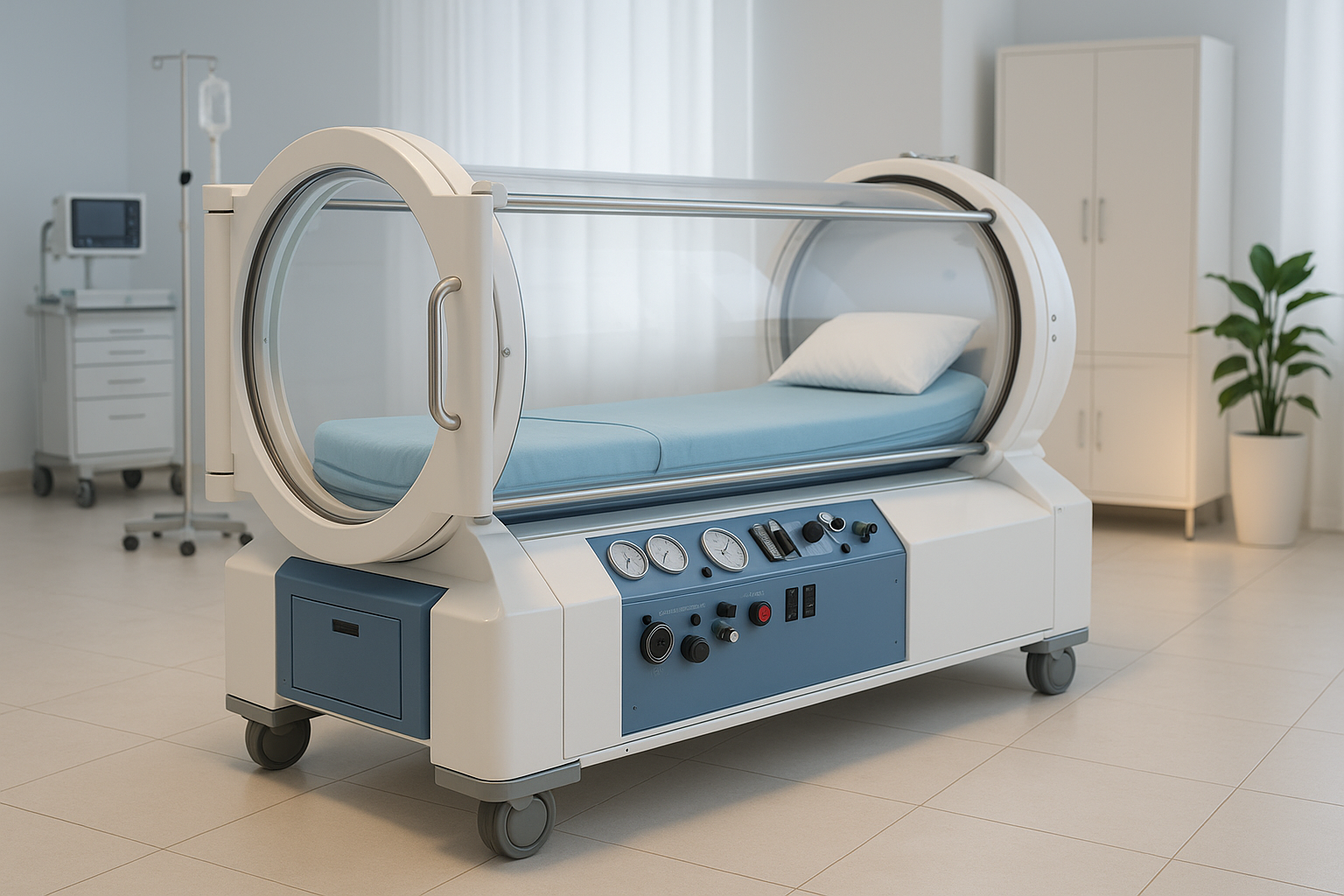
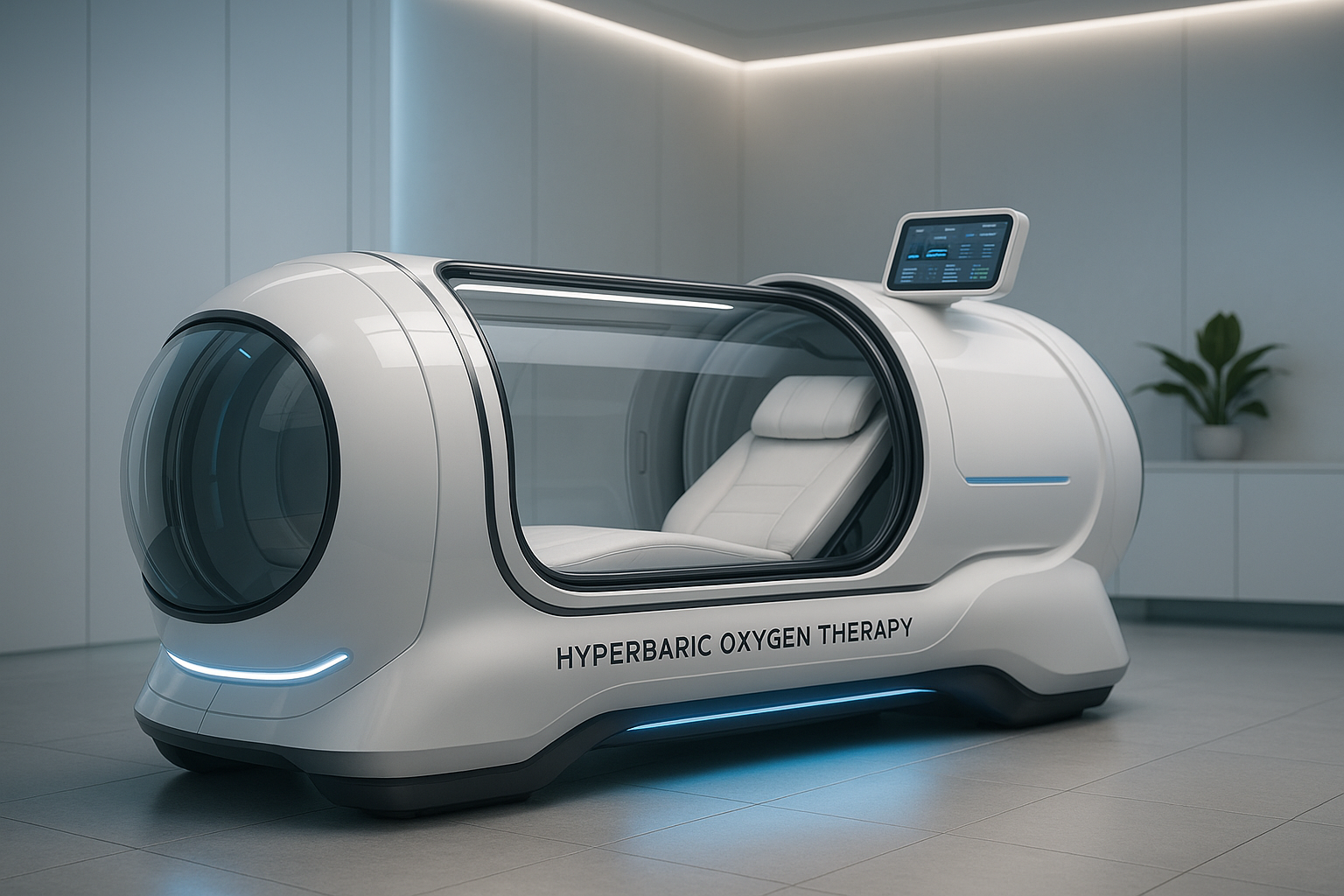
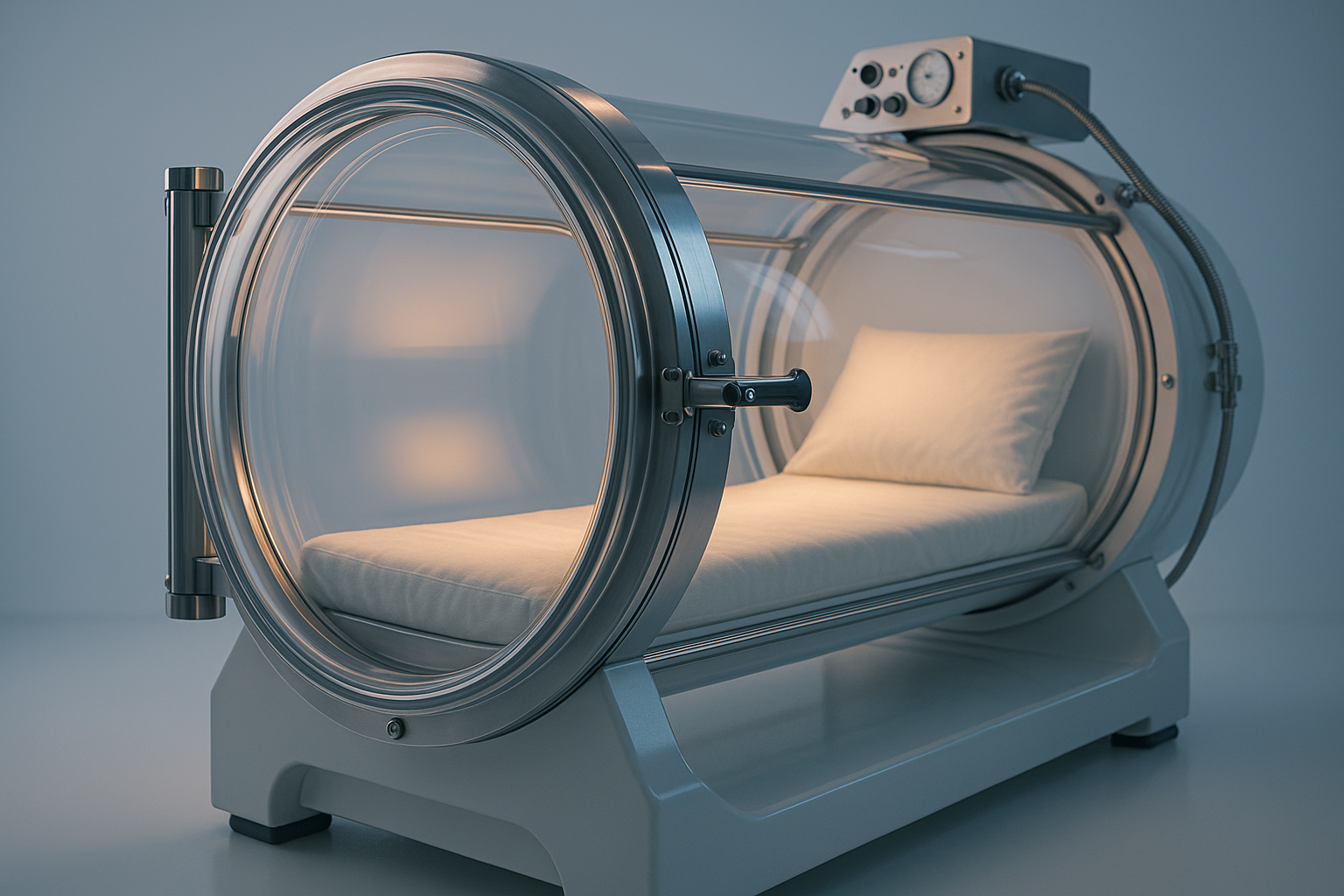
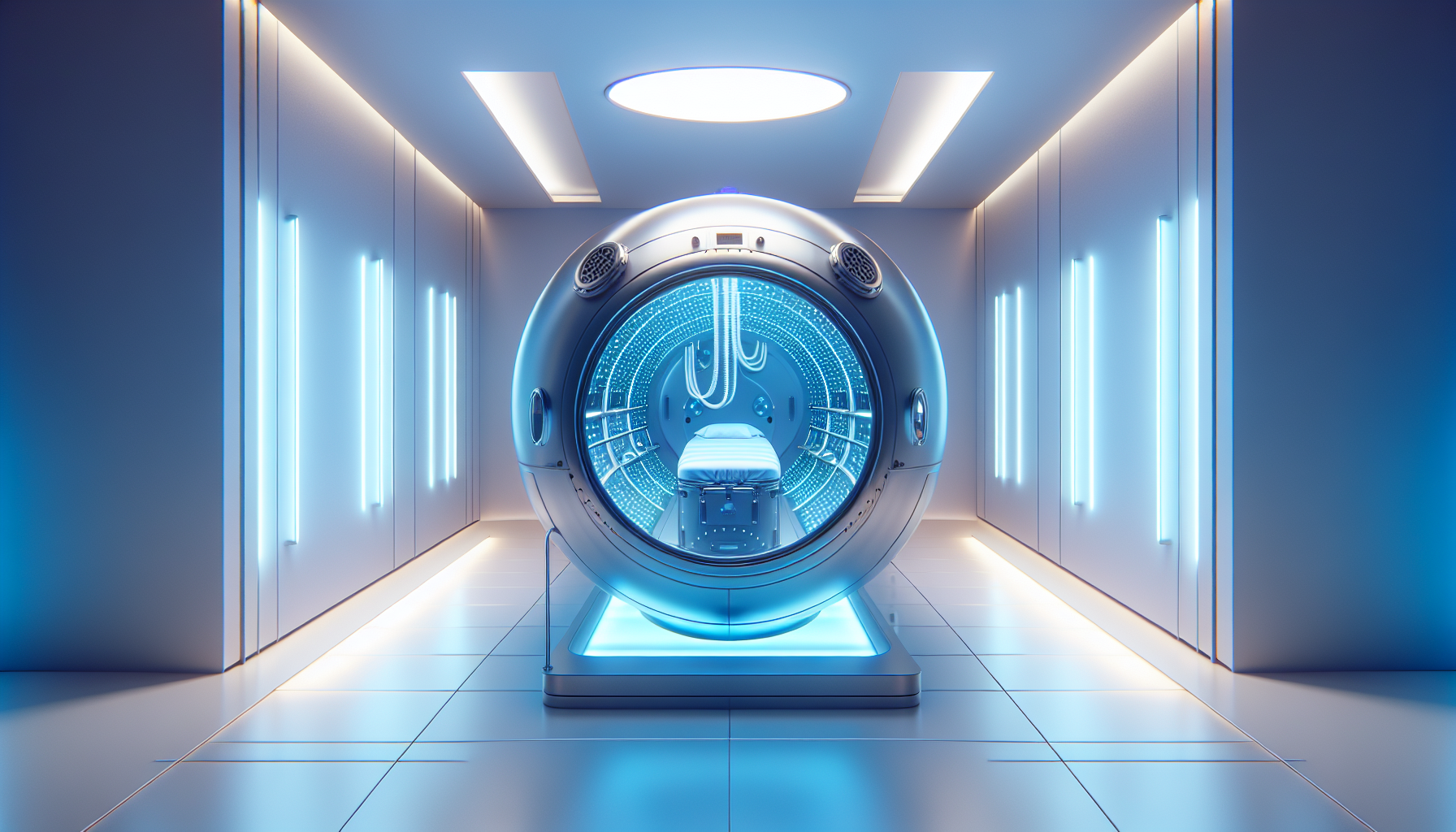
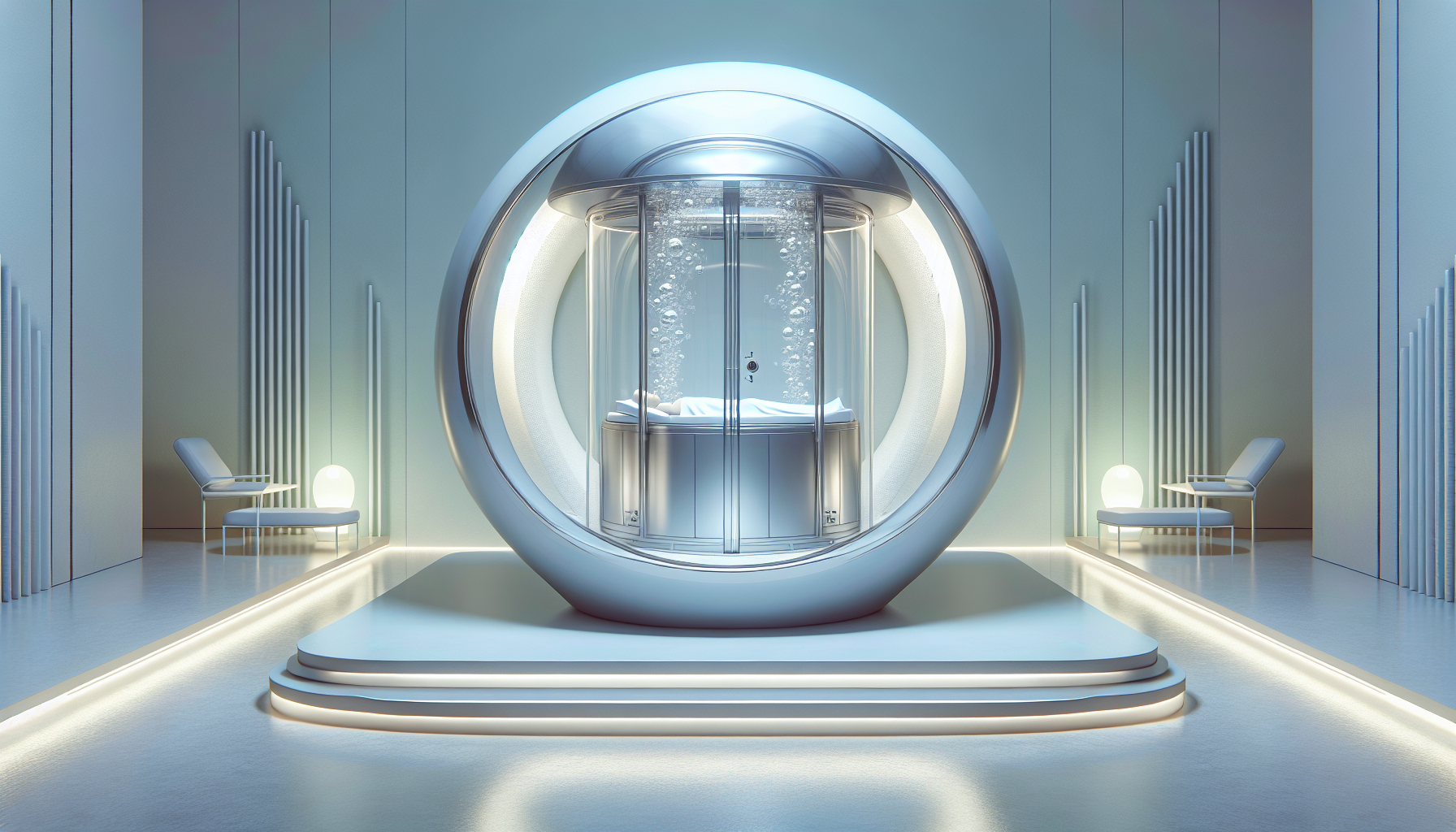
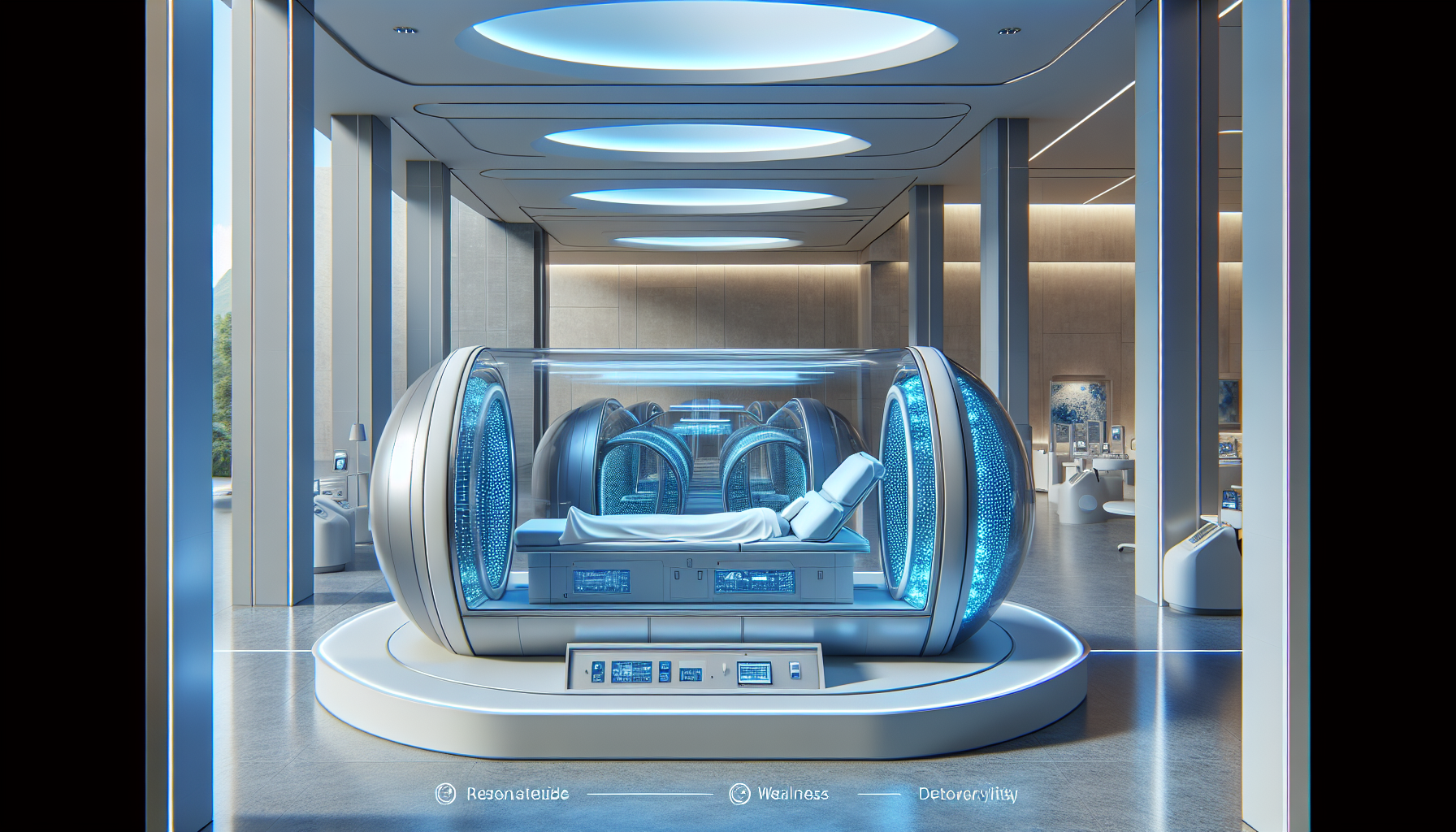
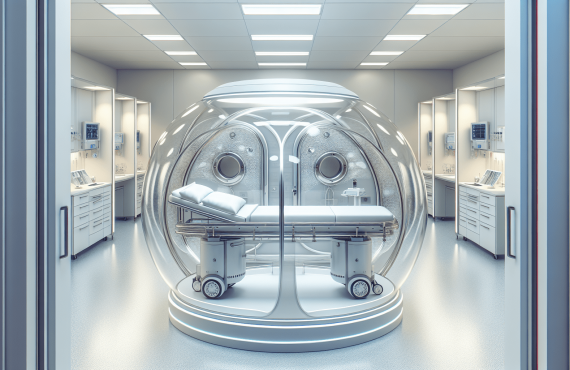
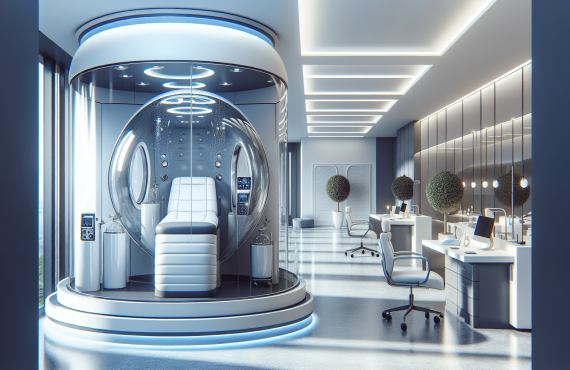
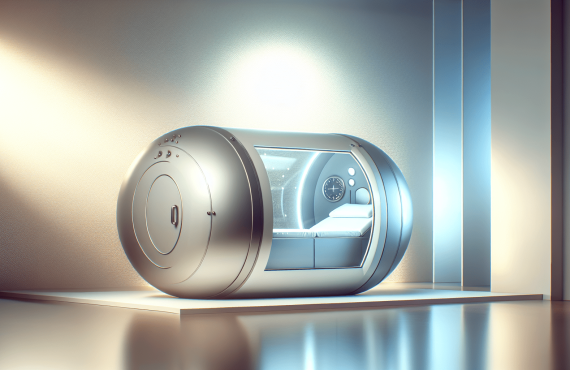
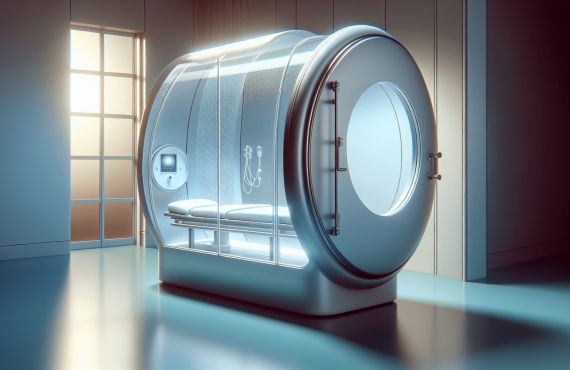
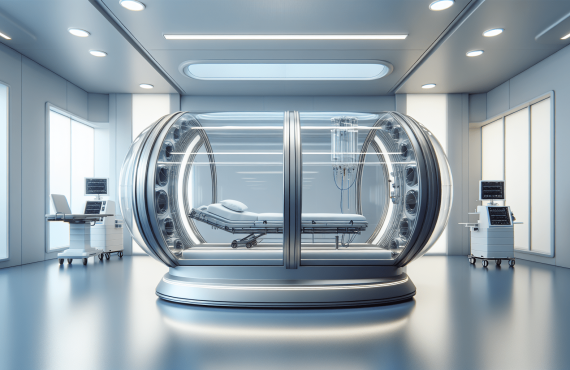
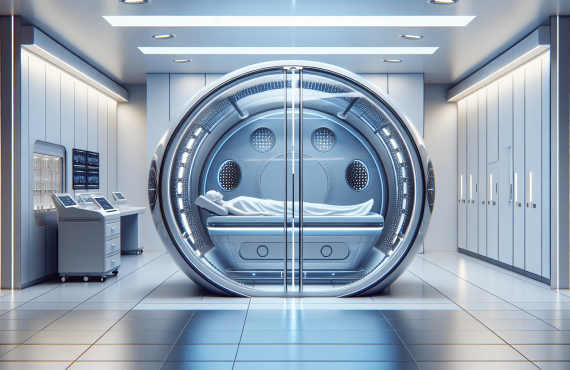
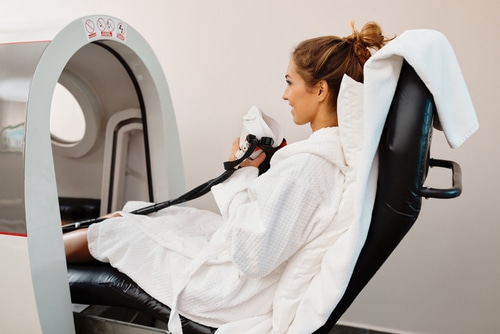
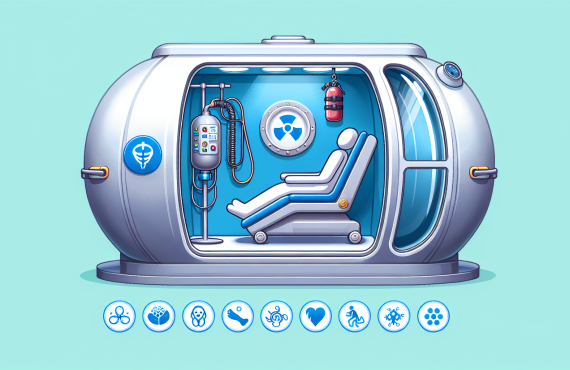
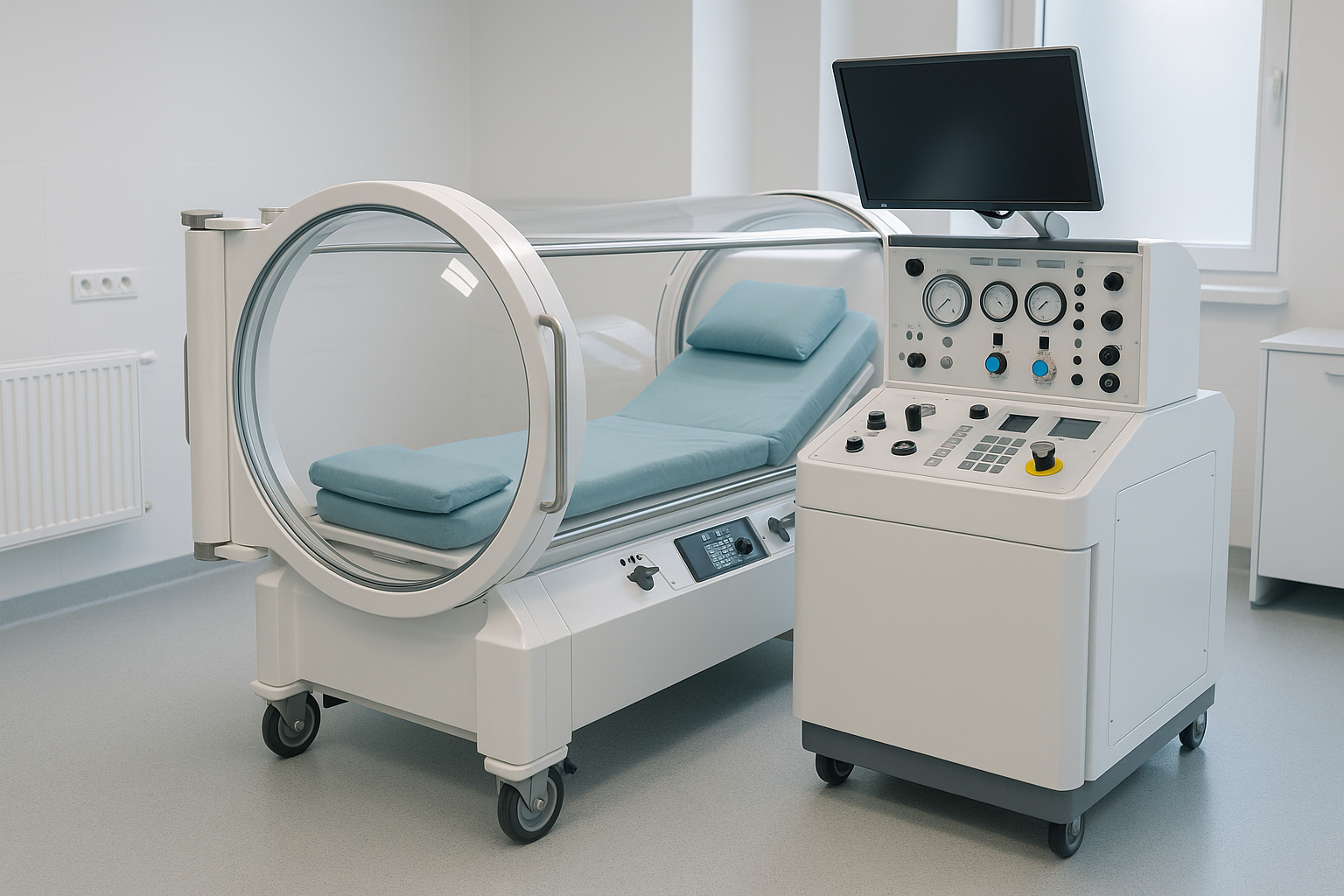
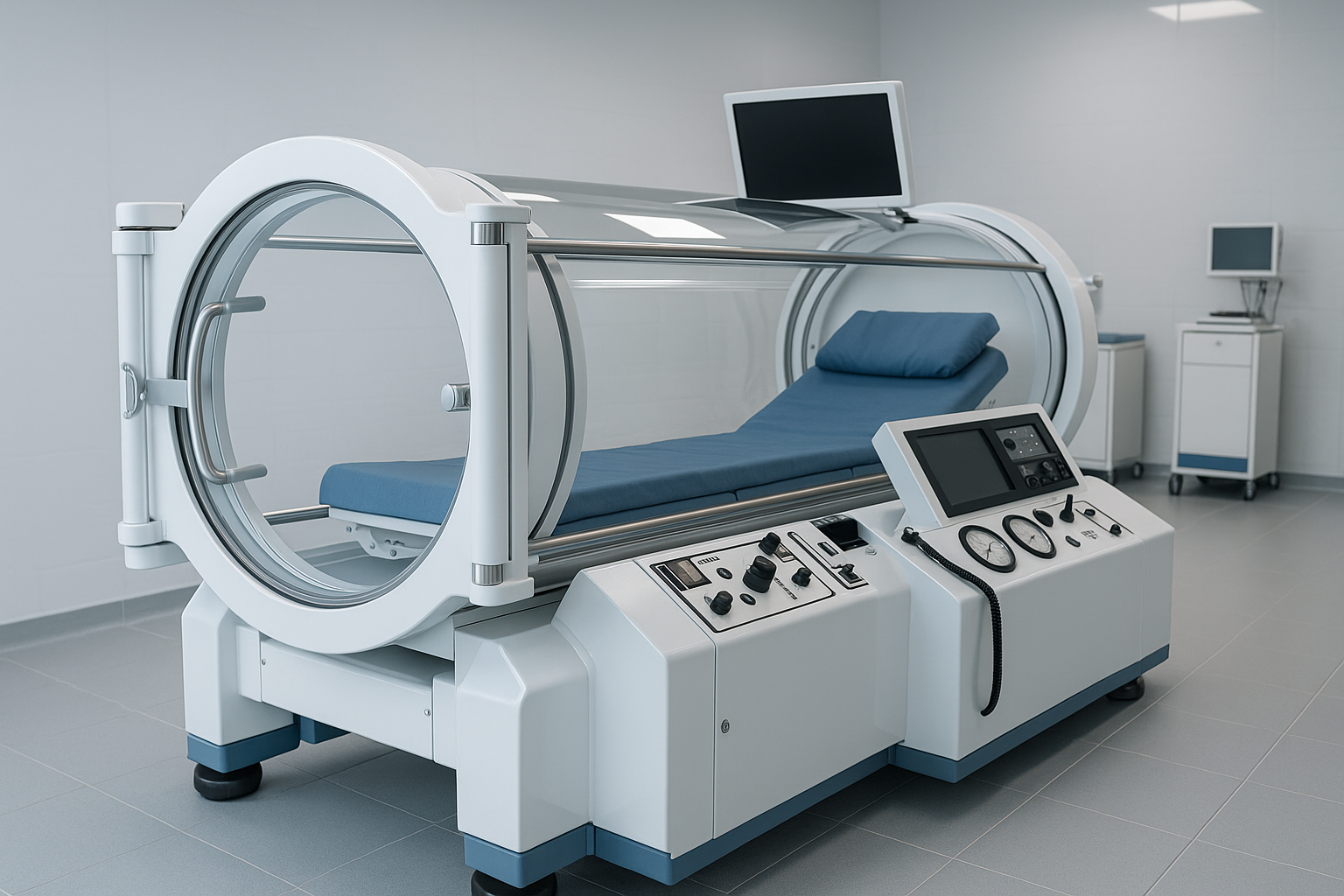
Hyperbaric oxygen therapy can be remarkably helpful, but only if you show up prepared and not like someone heading to a county fair with a corn dog in one hand and a vanilla body spray cloud following behind. If you’re searching for What not to do before hyperbaric oxygen therapy?, you’re asking the right question, and a surprisingly useful one. The treatment itself involves breathing 100% oxygen in a pressurized chamber, which raises oxygen dissolved in the plasma and helps support tissue repair, wound healing, and reduced inflammation.
Based on our research, people tend to focus on what HBOT can do and forget that poor preparation can make the session less comfortable, and in some cases less effective. We found that most pre-treatment mistakes fall into a handful of categories: eating too much, smoking, drinking alcohol, wearing strong scents, taking the wrong medications without checking, overexerting yourself, or showing up either dried out like toast or sloshing with water.
As of 2026, hyperbaric oxygen therapy is still used in carefully selected medical settings for approved conditions such as decompression sickness, certain wounds, and carbon monoxide poisoning, with guidance from sources like the FDA and the Undersea and Hyperbaric Medical Society. We analyzed patient prep recommendations and found one pattern over and over: the calmer, cleaner, and more consistent your routine is before HBOT, the smoother the session tends to be.

Introduction: The Importance of Preparing Correctly
There’s a tendency to think of medical prep as a fussy little sideshow. Wear this. Don’t eat that. Arrive ten minutes early with your paperwork and a face that suggests cooperation. But preparation for HBOT matters because the treatment relies on pressure changes, oxygen delivery, and your body’s ability to tolerate both without putting on a full theatrical performance.
Hyperbaric therapy, or HBOT, works by delivering pure oxygen in a pressurized chamber. Under increased pressure, more oxygen dissolves into the blood plasma and reaches tissues that may not get enough under normal conditions. That can support wound healing, angiogenesis, reduced inflammation, and recovery in specific clinical situations. According to the National Library of Medicine, pressure changes and oxygen exposure require screening for safety and proper patient selection.
We found that many avoidable problems happen before the chamber door even closes. A patient eats a huge lunch and feels bloated. Another sneaks a cigarette in the parking lot, which is rather like washing your car and then driving it into a swamp. Someone else shows up wearing perfume strong enough to have its own tax bracket. In our experience, asking What not to do before hyperbaric oxygen therapy? is one of the smartest ways to improve comfort, reduce side effects, and get more from the session.
- Better tolerance: fewer complaints of nausea, pressure discomfort, and fatigue
- Better safety: fewer issues with scent, substances, and medication conflicts
- Better outcomes: more consistent oxygen delivery and a smoother treatment plan
In 2026, with patients increasingly using HBOT for both approved and off-label interests, clear preparation guidance matters more than ever. What follows are the seven mistakes to avoid before your appointment.
Avoid Eating Heavy Meals Before HBOT
If you’ve ever tried to sit quietly while overfed, you know the body becomes a tyrant. It gurgles. It expands. It asks for apologies from everyone nearby. Before HBOT, that heaviness can feel worse because pressurized environments may make bloating, reflux, and abdominal discomfort more noticeable. The figure often cited in clinic education materials is that 68% of patients report discomfort when eating heavily before HBOT, and while individual tolerance varies, the pattern itself is believable for anyone who has met the human digestive system.
When you eat a very large meal, blood flow shifts toward digestion. That doesn’t cancel HBOT, of course, but it can leave you uncomfortable during a session that may last 60 to 120 minutes. We analyzed patient prep protocols and found that many centers recommend a light meal or snack instead of a high-fat, oversized lunch. Heavy meals also increase the chance of reflux, especially if you already have GERD, delayed gastric emptying, or a habit of treating lunch like a personal challenge.
Research from digestive health authorities such as the National Institute of Diabetes and Digestive and Kidney Diseases explains how meal size and fat content affect gastric emptying and discomfort. Pressure changes don’t create digestion problems from nothing, but they can make existing ones much harder to ignore.
- Eat 2 to 3 hours before treatment if you prefer a regular meal.
- Choose easy foods like toast, oatmeal, yogurt, fruit, eggs, or a small sandwich.
- Avoid greasy meals such as burgers, fried food, pizza, or giant portions of anything creamy.
- If you have diabetes or blood sugar concerns, ask your provider exactly when and what to eat before the session.
A real-world example: a patient who eats a fast-food combo 45 minutes before HBOT may feel full, belch repeatedly, and struggle to relax. A patient who has a light turkey sandwich and water an hour or two beforehand usually does much better. It isn’t glamorous advice, but neither is nausea in a chamber.
If you’re still wondering What not to do before hyperbaric oxygen therapy?, making yourself uncomfortably full is high on the list.

Refrain From Smoking or Using Tobacco Products
Smoking before HBOT is a bit like paying for a car wash while someone behind you throws handfuls of dirt. The point of hyperbaric therapy is to increase oxygen availability in your blood and tissues. Smoking works in the opposite direction. Carbon monoxide from cigarette smoke binds to hemoglobin with an affinity far greater than oxygen, reducing the blood’s oxygen-carrying capacity and undercutting the very reason you came.
Some educational materials state that smoking can decrease HBOT effectiveness by up to 50%. The exact number depends on timing, exposure, and overall health, but the physiology is clear. According to the CDC, cigarette smoke contains thousands of chemicals, including carbon monoxide, which interferes with oxygen transport. We found that smokers who continue using tobacco immediately before treatment are more likely to report headaches, delayed perceived benefits, and respiratory irritation.
Nicotine itself also causes vasoconstriction, meaning blood vessels narrow when you most want tissues perfused well. For wound care patients, that’s especially unhelpful. Based on our research, even 12 to 24 hours without smoking before HBOT can be a meaningful step, though your provider may recommend longer. Smokeless tobacco and vaping aren’t a clever loophole either; nicotine remains the problem, and some products also contain additives that irritate airways.
- If you smoke, ask for a pre-session stop window. Many clinics prefer no tobacco on treatment days.
- Use clinician-approved alternatives if needed, but discuss nicotine replacement first.
- Track your symptoms on smoking vs. non-smoking days; the difference is often obvious.
Dr. Aaron Hixon, whose background in exercise science gives him a practical eye for circulation and recovery, often emphasizes that what you do before a therapy session affects what your body can do during it. A cigarette in the parking lot may feel routine. Physiologically, it’s a step backward.
So if your running list is titled What not to do before hyperbaric oxygen therapy?, tobacco deserves a bold underline.
Steer Clear of Alcoholic Beverages
Alcohol before HBOT sounds harmless to some people. One glass of wine. A beer with lunch. A mimosa because it’s Sunday and apparently oranges make everything respectable. But alcohol can impair judgment, increase dehydration risk, and make you more prone to dizziness or nausea in a pressurized environment. Clinics often advise against drinking beforehand for the same reason flight crews don’t recommend boarding tipsy and optimistic.
The statistic commonly used in patient prep materials is that 72% of users report dizziness when consuming alcohol before HBOT. Whether your exact risk is lower or higher, alcohol’s effects on balance, blood vessels, hydration, and perception are well established. The National Institute on Alcohol Abuse and Alcoholism details how alcohol affects the central nervous system, reaction time, and body water balance. We analyzed pre-treatment guidance and found near-universal agreement: don’t drink before a session.
Alcohol can also disrupt sleep the night before, leaving you tired and more sensitive to pressure changes. If you already tend toward motion sickness, anxiety, or lightheadedness, adding alcohol is like handing your nervous system a drum solo. In our experience, patients who skip alcohol for at least 24 hours before treatment generally tolerate HBOT better.
- Avoid beer, wine, and spirits the day before and day of treatment unless your provider says otherwise.
- Replace alcohol with water or an electrolyte drink in moderate amounts.
- If you drank unexpectedly, call the clinic and ask whether to reschedule rather than guessing.
A concrete example: someone has two drinks at a work lunch, assumes they feel fine, then arrives for HBOT mildly dehydrated and dizzy. That session may be uncomfortable before it begins. This is another answer to What not to do before hyperbaric oxygen therapy?: don’t pregame your oxygen treatment.
Do Not Wear Perfume or Strong Scents
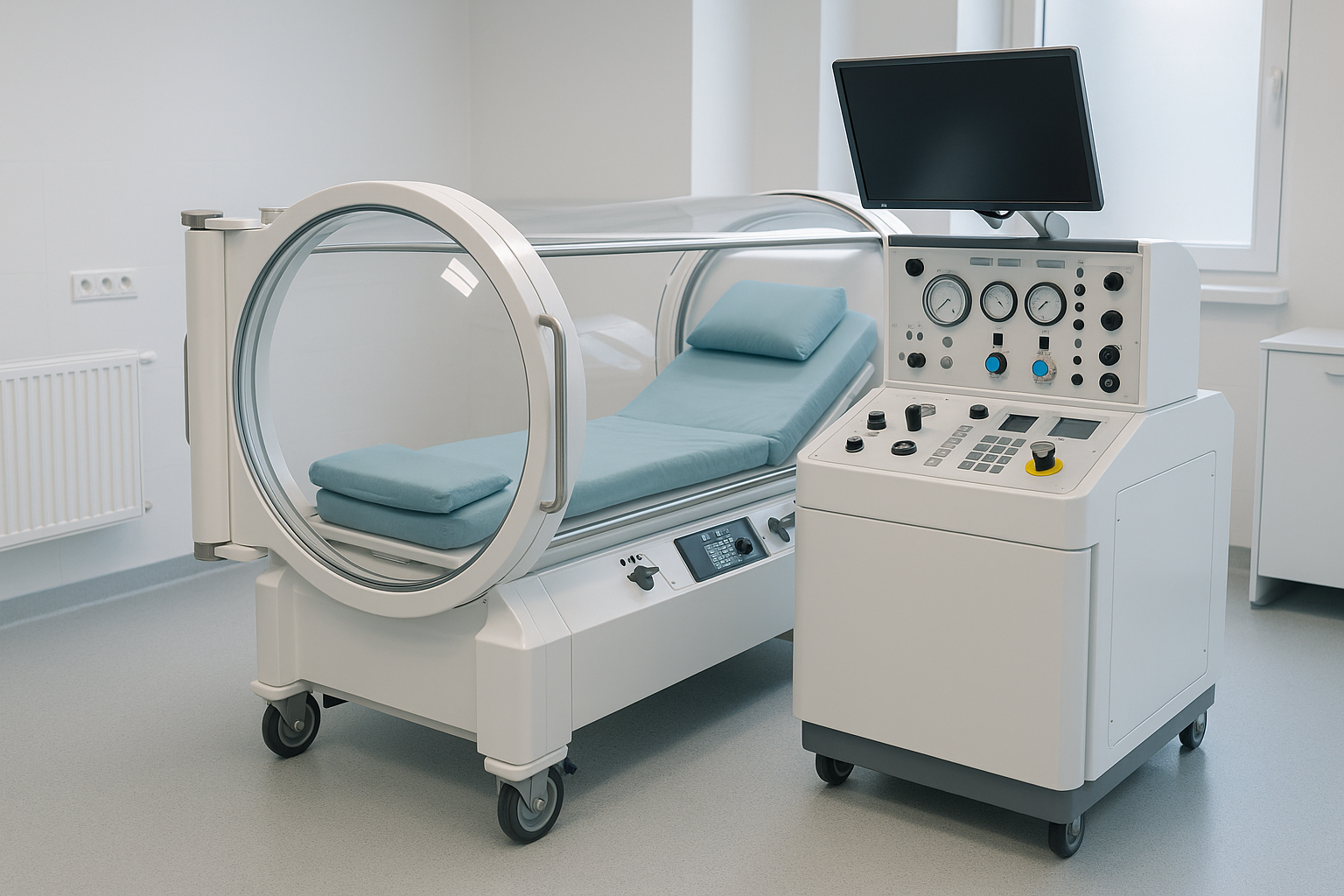
This one surprises people, usually the ones who smell like sandalwood, vanilla musk, and determination. But HBOT chambers are enclosed spaces, and strong fragrances can trigger headaches, nausea, respiratory irritation, or allergy-like symptoms in both patients and staff. A scent that seems “light” in your bathroom can become oppressive in a chamber, the way a small opinion can become a family feud once the doors close.
Clinic surveys often report that 45% of patients experience discomfort from strong scents in treatment settings. That’s not trivial. Fragrance sensitivity is common, and enclosed medical environments magnify the issue. We found that scent-free policies improve patient comfort and reduce complaints during sessions. Dr. Craig Henry’s recommendations for a scent-free environment fit squarely with broader medical best practices: when people are trying to relax, breathe comfortably, and equalize pressure, they don’t need to be ambushed by patchouli.
There is also a safety reason. Some products, including aerosol sprays, oil-based cosmetics, and certain hair products, may be restricted in oxygen-rich environments. The FDA and clinical HBOT programs emphasize that patients should follow all chamber safety instructions closely, including what products are allowed.
- Skip perfume, cologne, body spray, and heavily scented lotion on treatment day.
- Use unscented deodorant and basic soap unless your clinic says otherwise.
- Avoid hair spray, essential oils, and aerosol products before your visit.
Based on our research, one of the easiest ways to make your appointment go smoothly is to arrive clean and neutral. No fragrance trail. No cloud of lavender. No mystery hair product with a warning label the length of a legal deposition. If you’re making a checklist for What not to do before hyperbaric oxygen therapy?, smelling “fancy” is not the goal.
Avoid Certain Medications
Now we arrive at the section where common sense and medical supervision are meant to hold hands. Some medications can interfere with HBOT safety or change how your body responds to pressure and oxygen. That does not mean you should stop your prescriptions on your own like a cowboy with a supplement blog. It means you should review everything you take with your provider before treatment.
Common categories that may require special attention include:
- Certain chemotherapy drugs, such as doxorubicin or bleomycin, depending on timing and medical context
- Some antibiotics and medications linked to seizure threshold changes
- Sedatives, opioids, or drugs causing respiratory depression
- Insulin or diabetes medications, because meal timing and glucose management matter
- Decongestants or sinus medications, which may affect pressure equalization or blood pressure
The Mayo Clinic notes that hyperbaric oxygen therapy requires medical review because not everyone is an ideal candidate, and certain conditions or medications need discussion first. We recommend bringing a full medication list, including supplements, sleep aids, over-the-counter drugs, inhalers, patches, and “natural” products that tend to get mentioned only after someone asks three times.
We analyzed patient prep failures and found a common theme: people assume that if a medicine is routine, it’s automatically irrelevant. But medications that affect blood sugar, breathing, alertness, seizure risk, or ear and sinus function may influence the session. As of 2026, reputable HBOT programs still rely on individualized screening, not guesswork.
- Make a list of all medications and supplements.
- Send it to the clinic before your first session if possible.
- Ask specifically what to take or delay on treatment day.
- Never stop a prescription without direct medical advice.
If you’re trying to answer What not to do before hyperbaric oxygen therapy?, the rule here is simple: don’t freestyle your medication plan.
Skip Vigorous Exercise Right Before Your Session
Exercise is healthy. We all know this, even those of us who know it in the abstract, the way we know penguins exist. But vigorous exercise right before HBOT can leave you overheated, dehydrated, fatigued, and more aware of discomfort in the chamber. Clinic reports often note that 60% of patients report fatigue when exercising before HBOT, especially if the workout was intense or poorly timed.
Hard training changes blood flow, heart rate, breathing rate, and fluid balance. None of that is inherently bad, but it may make it harder to settle into a pressurized environment where you need to equalize ear pressure and remain comfortable for an extended period. We found that patients who schedule high-intensity interval training, long runs, or heavy lifting immediately before HBOT are more likely to mention lightheadedness and a “washed out” feeling during the session.
Dr. Aaron Hixon, with his Exercise Science background from Florida Atlantic University and his active lifestyle, is well positioned to speak to the difference between healthy movement and ill-timed exertion. The practical advice is not “be sedentary.” It is “don’t arrive at your appointment sweaty, depleted, and breathing like you’ve just outrun tax fraud.”
- Good before HBOT: a gentle walk, light stretching, easy mobility work
- Not ideal before HBOT: sprints, heavy leg day, hot yoga, long-distance cardio, intense circuit training
- Better timing: exercise after your session or several hours earlier with recovery time
A useful rule of thumb: if you’re still flushed, panting, or changing shirts, it’s too soon. For people asking What not to do before hyperbaric oxygen therapy?, treating the chamber appointment like the final station in a boot camp is a mistake.
Ensure You're Hydrated, But Not Overhydrated
Hydration advice has become oddly theatrical in recent years. People carry gallon jugs as if crossing a desert on horseback. Others forget to drink until midafternoon and then panic-chug in the parking lot. For HBOT, neither extreme is ideal. You want balanced hydration: enough fluid to avoid dehydration, not so much that you feel bloated, uncomfortable, or in urgent need of a restroom the moment the chamber is sealed.
The prep statistic often cited is that 55% of patients feel bloated when overly hydrated before treatment. That tracks with what we found in patient guidance: moderate fluid intake supports comfort, while overhydration makes a session feel longer than it is. The body doesn’t hand out medals for excess water. It hands out pressure, sloshing, and regret.
Hydration also affects circulation, energy, and how you feel generally. The Harvard T.H. Chan School of Public Health notes that fluid needs vary by person, climate, diet, and activity level. In Pensacola, where heat and humidity can turn an ordinary errand into a sweat-based memoir, showing up mildly dehydrated is easy. Showing up overhydrated is just as easy if you overcorrect.
- Drink water steadily through the day, not all at once.
- Have a moderate amount 60 to 90 minutes before treatment.
- Avoid guzzling large volumes right before check-in.
- If you exercise, are in the heat, or take diuretics, ask for personalized guidance.
Based on our research, the best pre-HBOT hydration strategy is beautifully dull: consistent, moderate, and boring. Which is often how the safest medical advice sounds. And yes, if you’re still asking What not to do before hyperbaric oxygen therapy?, don’t arrive either thirsty enough to wilt or so full of water you can hear yourself slosh.
Conclusion: Preparing for a Successful HBOT Session
The good news is that preparing well for HBOT is not complicated. It doesn’t require a moon chart, a special smoothie, or the kind of ritual usually reserved for Victorian seances. It requires sensible choices: eat light, avoid tobacco, skip alcohol, leave fragrances at home, review medications, don’t do a punishing workout right beforehand, and hydrate like a reasonable adult.
We recommend a simple first-time patient checklist:
- The night before: avoid alcohol, sleep well, and gather your medication list.
- The morning of: eat a light meal, shower with unscented products, and dress in approved clothing.
- Before leaving: don’t smoke, don’t use perfume, and don’t try to squeeze in an intense workout.
- At check-in: tell the staff about any congestion, new medications, ear pain, dizziness, or concerns.
In our experience, this kind of straightforward preparation makes the session smoother and less stressful, especially for first-time patients who are already wondering whether the chamber will feel like a spaceship or a very expensive nap capsule. If you want personalized guidance, contact Henry Chiropractic, owned and operated by Dr. Craig Henry, at 1823 N 9th Ave, Pensacola, FL 32503, call (850) 435-7777, or visit Henry Chiropractic. Dr. Craig Henry and Dr. Aaron Hixon serve Pensacola and surrounding Florida communities and can help you understand how to prepare for care based on your health history.
That’s really the heart of it. The chamber does its work best when you don’t make it fight through avoidable obstacles first.
FAQ Section
These are the questions patients ask most often before their first session, usually in a tone suggesting they’d prefer not to make an avoidable mistake in public.

Frequently Asked Questions
How long before HBOT should I avoid eating?
Most clinics suggest avoiding a heavy meal for about 2 to 3 hours before treatment. A light snack 60 to 90 minutes beforehand is usually better if you’re prone to low energy or nausea. Based on our research, the sweet spot is feeling neither stuffed nor hungry enough to glare at strangers.
Can I drink coffee before my session?
Usually, yes, but keep it modest. A small cup of coffee may be fine for many patients, though too much caffeine can leave you jittery, dehydrated, or more aware of pressure changes in the chamber. If you’re asking What not to do before hyperbaric oxygen therapy?, arriving over-caffeinated belongs on the list.
What should I wear to my HBOT appointment?
Wear clean, comfortable, scent-free clothing approved by your clinic. Many centers prefer 100% cotton garments because oxygen-rich environments require stricter fire safety standards. Skip perfume, hair spray, heavily scented lotion, and anything flashy enough to count as a science experiment.
Are there any side effects I should be aware of?
Common side effects can include ear pressure, temporary fatigue, lightheadedness, and mild sinus discomfort. More serious risks are uncommon but should always be reviewed with your provider, especially if you have lung issues, certain medications, or trouble equalizing ear pressure.
How often should I undergo HBOT for best results?
That depends on why you’re receiving HBOT, your medical history, and your provider’s treatment plan. Some people follow a short course of 10 to 20 sessions, while others may need 30 to 40 or more for specific conditions. We recommend asking your provider for a schedule tailored to your diagnosis rather than copying your neighbor’s plan.
Key Takeaways
- Eat a light meal before HBOT, not a heavy or greasy one, and give your body time to digest.
- Avoid smoking, alcohol, strong scents, and intense exercise before your session because each can reduce comfort or interfere with treatment goals.
- Review all medications and supplements with your provider instead of making changes on your own.
- Hydrate steadily, but don’t overdo it right before treatment.
- For personalized pre-HBOT advice in Pensacola, contact Henry Chiropractic, Dr. Craig Henry, and Dr. Aaron Hixon.