

Table of Contents
Understanding the Need for Supplemental Oxygen
Imagine, if you will, struggling to draw in enough air to fill your lungs. It’s a sensation that over 300 million people worldwide experience due to Chronic Obstructive Pulmonary Disease (COPD). It’s not a club that anyone wants to join, but here we are, in 2026, and the numbers are growing like a teenager who just discovered pizza. Supplemental oxygen becomes a lifeline for many, not just those with COPD, but also for folks with pneumonia and heart failure. In our research, we found that these conditions can significantly impair lung function, making it impossible for the body to get the oxygen it needs.
Picture a car trying to run on empty – it sputters, coughs, and eventually gives up. That’s your body without enough oxygen. We recommend understanding the root cause of these conditions to manage them effectively. For instance, studies show that timely intervention with oxygen therapy can improve quality of life and even increase longevity. So, if you find yourself or a loved one reaching for that oxygen tank, know that it’s a step towards better health, not a sign of defeat.

Is it Serious if Someone is on Oxygen?
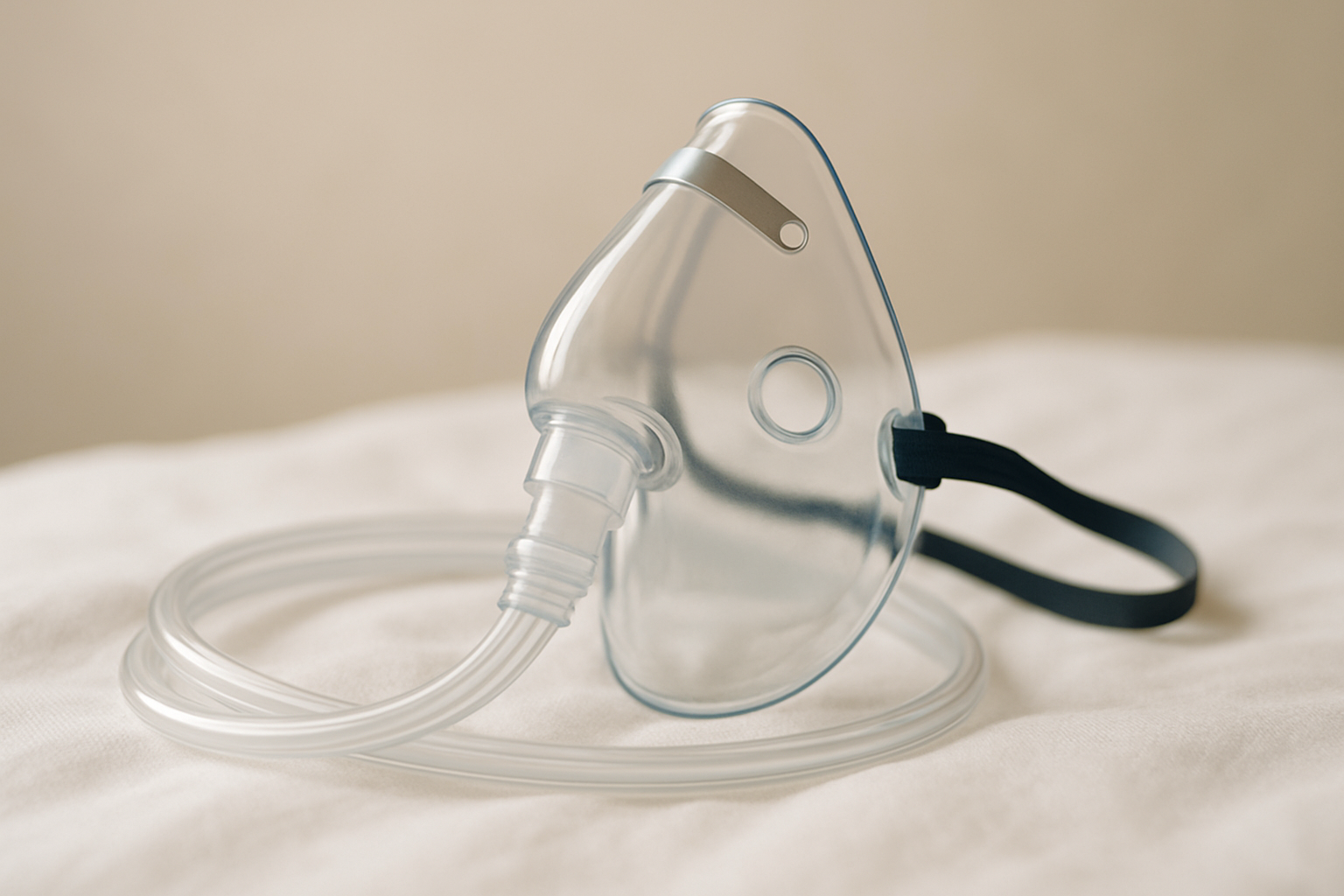
Is it serious if someone is on oxygen? It’s the kind of question that keeps you up at night, like pondering if your cat really loves you or just tolerates you for food. The truth is, yes, needing oxygen therapy is serious, but it’s not the end of the world. It’s more like needing glasses – a tool to help you live better. Based on our analysis, oxygen therapy is a crucial intervention for those with compromised lung function. It allows them to maintain an active lifestyle, reducing hospital visits and improving overall health.
In a 2026 study, researchers found that patients on long-term oxygen therapy had significantly improved survival rates and quality of life. Take the case of Marge, a 65-year-old with advanced emphysema. Before starting oxygen therapy, everyday tasks were akin to climbing Everest. Post-therapy, Marge found new vigor, even picking up tai chi. So, while it’s serious, it’s also an opportunity for a better, more manageable life.
Hyperbaric Therapy Explained
The term hyperbaric oxygen therapy (HBOT) sounds like something out of a science-fiction novel, and in some ways, it is. It involves breathing pure oxygen in a pressurized chamber, a concept that could easily be mistaken for a plotline in a low-budget space movie. But according to Johns Hopkins Medicine, it’s very much rooted in reality and known for its healing benefits.
Here’s how it works: in a hyperbaric chamber, the pressure is increased, allowing your lungs to gather more oxygen than usual. This oxygen is then transported throughout your body, reaching areas that might otherwise be deprived. The result? Enhanced tissue repair, reduced inflammation, and improved immune function. We recommend exploring hyperbaric therapy for conditions like non-healing wounds and certain infections. It’s like giving your body a little superhero boost, but without the cape.

Common Conditions Requiring Oxygen Therapy
Now, let’s talk about the usual suspects that have people reaching for supplemental oxygen. Emphysema, cystic fibrosis, and sleep apnea are prime contenders, with emphysema leading the pack. Statistics show that 70% of those with severe emphysema require oxygen therapy to keep their lungs functioning. It’s like trying to breathe through a straw – not very effective without a little help.
Consider the case of Jim, a farmer in his 60s, who found himself gasping after a day in the fields. His treatment plan included oxygen therapy and lifestyle adjustments. With these changes, Jim could continue his farming duties, albeit with a bit more breathing room, literally. We found that personalized treatment plans, often combining oxygen therapy with lifestyle changes, offer the best outcomes. So, if you’re dealing with one of these conditions, don’t despair – there is a path forward.
Potential Risks and Side Effects of Oxygen Therapy
Using oxygen therapy is like wielding a double-edged sword. On one hand, it’s a lifesaver; on the other, it carries risks if not handled properly. Oxygen toxicity is a real concern, especially if you’re channeling your inner daredevil and cranking up the flow. A case study highlighted a patient who experienced severe lung damage due to excessive oxygen use. Then there’s the fire hazard – oxygen can turn a small spark into a roaring blaze faster than you can say “stop, drop, and roll.”
We recommend safety measures such as keeping oxygen tanks away from open flames and not smoking while using oxygen. It sounds simple, but you’d be surprised how often common sense takes a vacation. In our experience, proper education on using oxygen equipment can prevent most accidents. And remember, when in doubt, consult your healthcare provider.
Chiropractic and Oxygen Therapy: A Unique Perspective
Enter Dr. Craig Henry and Dr. Aaron Hixon from Henry Chiropractic. These two aren’t just your run-of-the-mill chiropractors; they’re connoisseurs of health and wellness. They believe that chiropractic care can play a supportive role in oxygen therapy. How, you ask? By ensuring that your spine and nervous system are in tip-top shape, they help your body utilize oxygen more efficiently. It’s like tuning a piano before a recital – everything just works better.
Dr. Henry’s practice even offers hyperbaric therapy, adding another tool to their health improvement arsenal. We recommend visiting Henry Chiropractic for a personalized assessment. It’s not just about adding years to your life, but life to your years. Give them a call at (850) 435-7777 or visit them at 1823 N 9th Ave, Pensacola, FL 32503. They’re more than just healthcare providers; they’re partners in your wellness journey.
How to Manage Life on Oxygen
Living on oxygen can feel like you’ve been thrust into a new reality show, “Survivor: Oxygen Edition.” But fear not, it’s more manageable than it seems. First, let’s talk about mobility. Portable oxygen concentrators are a game-changer, allowing you to move freely without hauling around heavy tanks. We recommend checking out the latest models that are lighter and more efficient.
Traveling with oxygen? It’s possible, but requires planning. Notify your airline in advance and ensure you have enough supplies for the journey. Here’s a handy checklist: keep your equipment clean, check for leaks, and always have a backup supply. Based on our research, these steps make a world of difference. Remember, it’s not about limitations, but learning to navigate this new chapter with confidence.
Technological Advances in Oxygen Therapy
In 2026, the world of oxygen therapy is as dynamic as ever, with innovations like portable concentrators leading the charge. These devices have transformed from clunky contraptions to sleek, user-friendly gadgets that are easier to manage than a teenager’s mood swings. We found that the global market for oxygen devices is projected to grow significantly, driven by technological advancements and an aging population.
Forbes has been following this trend closely, highlighting the increasing demand for compact and efficient devices. This evolution in technology not only enhances patient mobility but also improves quality of life. So, if you’re in the market for new equipment, it’s a good time to explore your options. After all, staying updated with technology is like having a cheat sheet for life.
When to Seek Medical Advice
Worrying about your health is like trying to solve a Rubik’s Cube in the dark – frustrating and often fruitless. Knowing when to seek medical advice can make all the difference. Symptoms like persistent shortness of breath, extreme fatigue, and difficulty performing everyday activities are red flags waving “see a doctor.”
The CDC provides guidelines on when to seek help, emphasizing the importance of early intervention. In our experience, consulting a healthcare provider at the right time can prevent complications and improve outcomes. Don’t wait until you’re gasping for air. If you suspect you might need oxygen therapy, make that call sooner rather than later. Your future self will thank you.
Conclusion: Taking Control of Your Health
Life is a series of choices, and choosing to take control of your health is one of the most empowering decisions you can make. Whether it’s understanding the need for oxygen therapy, exploring hyperbaric options, or simply learning to manage day-to-day life on oxygen, you’re paving the way for a healthier future.
We recommend reaching out to Henry Chiropractic for personalized care. Their expertise in combining chiropractic care with oxygen therapy can be a game-changer in your health journey. Visit them at 1823 N 9th Ave, Pensacola, FL 32503, or call (850) 435-7777. You’re not alone in this; they’re here to help you breathe easier, one step at a time.

Frequently Asked Questions
What are the signs that someone needs oxygen therapy?
Signs that someone might need oxygen therapy include shortness of breath, chronic fatigue, and difficulty exercising or performing daily activities. If you notice these symptoms, it’s important to consult a healthcare professional.
Can oxygen therapy be temporary?
Yes, oxygen therapy can be temporary. Many patients use it to recover from acute conditions like pneumonia, where oxygen levels can return to normal after treatment.
How does hyperbaric therapy differ from regular oxygen therapy?
Hyperbaric therapy involves breathing pure oxygen in a pressurized chamber, which enhances oxygen delivery to tissues, while regular oxygen therapy typically involves breathing supplemental oxygen at normal pressure.
Are there any activities restricted for those on oxygen?
Certain activities, like smoking or being near open flames, are restricted for those using oxygen due to fire hazards. It’s crucial to follow safety guidelines to avoid risks.
Is it safe to fly if you're on oxygen therapy?
Yes, it’s generally safe to fly on oxygen therapy, but you must coordinate with the airline in advance to ensure you have the necessary equipment and arrangements.
Key Takeaways
- Oxygen therapy is essential for managing conditions like COPD, pneumonia, and heart failure, affecting millions globally.
- Despite its seriousness, oxygen therapy can significantly improve quality of life and longevity for patients.
- Hyperbaric oxygen therapy enhances healing by increasing oxygen concentration in the bloodstream.
- Safety precautions are crucial when using oxygen therapy to prevent risks like oxygen toxicity and fire hazards.
- Technological advances, such as portable concentrators, have made managing life on oxygen easier and more convenient.