
Table of Contents
What Conditions May Require You to Have Oxygen? The Essential Guide for 2026
What conditions may require you to have oxygen? Usually, the answer begins when your lungs, heart, blood, or tissues stop playing nicely together. Oxygen is not a luxury item, like a sun hat or a nicer olive oil. It is the thing your cells use to make energy, keep organs alive, and prevent your brain from behaving like it has been left overnight in a damp garage.
In 2026, oxygen therapy remains a standard medical tool for people with chronic lung disease, acute emergencies, poor wound healing, and a handful of problems that don’t sound dramatic until they are. Based on our research, readers searching this topic usually want three things at once: which illnesses lead to low oxygen, how oxygen therapy helps, and whether treatments such as hyperbaric oxygen therapy are worth discussing with a clinician. You’ll get all three here, plus practical guidance and real examples that feel less like a pamphlet and more like an honest conversation in a waiting room.

Introduction to Oxygen Therapy
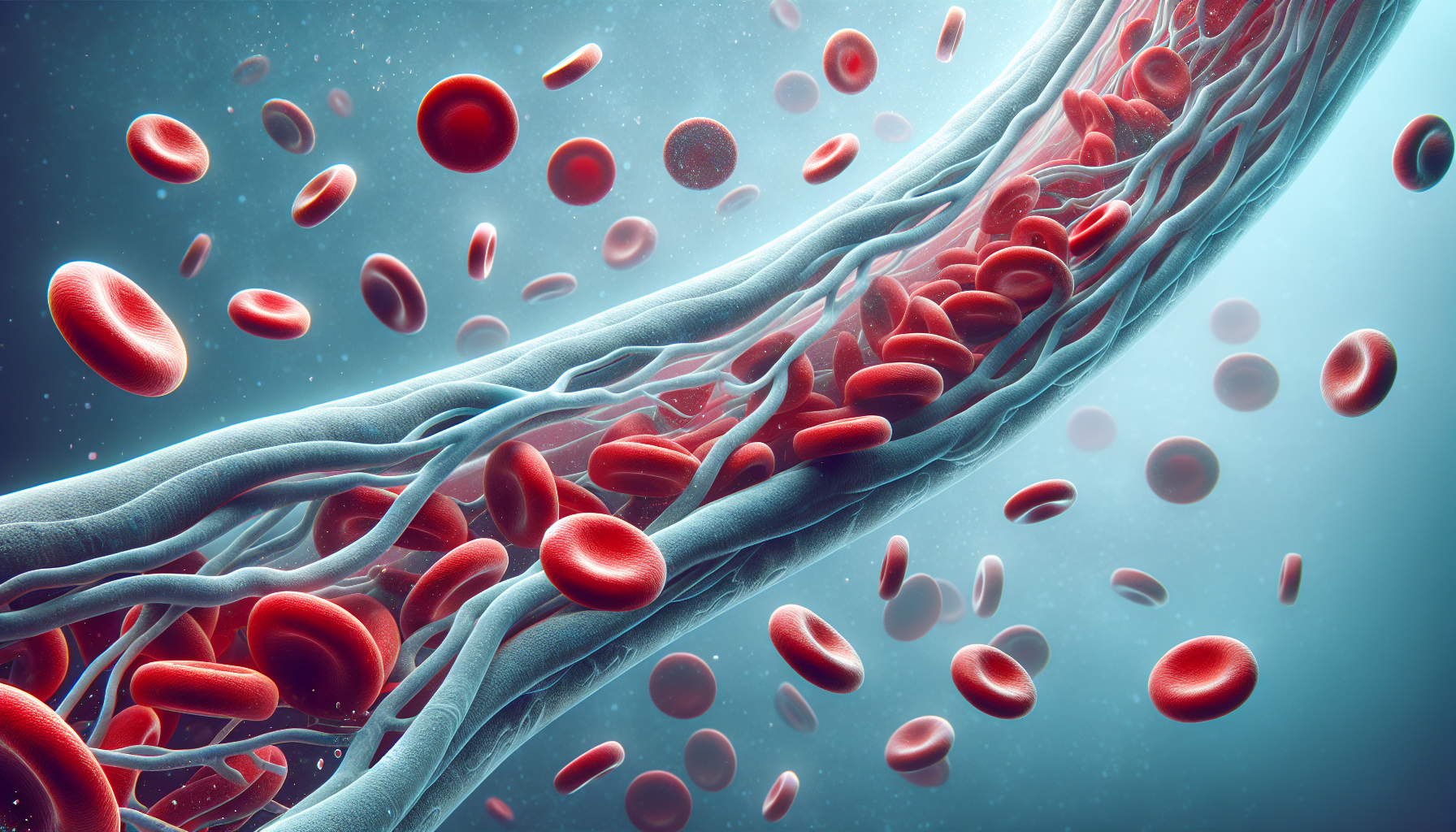
Your body uses oxygen the way a city uses electricity. Every cell depends on it, and when supply drops, things begin to flicker. Muscles tire. Thinking gets muddy. Breathing becomes the sort of conscious task no one ever wants to notice. According to the CDC, millions of Americans live with chronic respiratory disease, and many eventually need supplemental oxygen either all day, only during sleep, or during exercise.
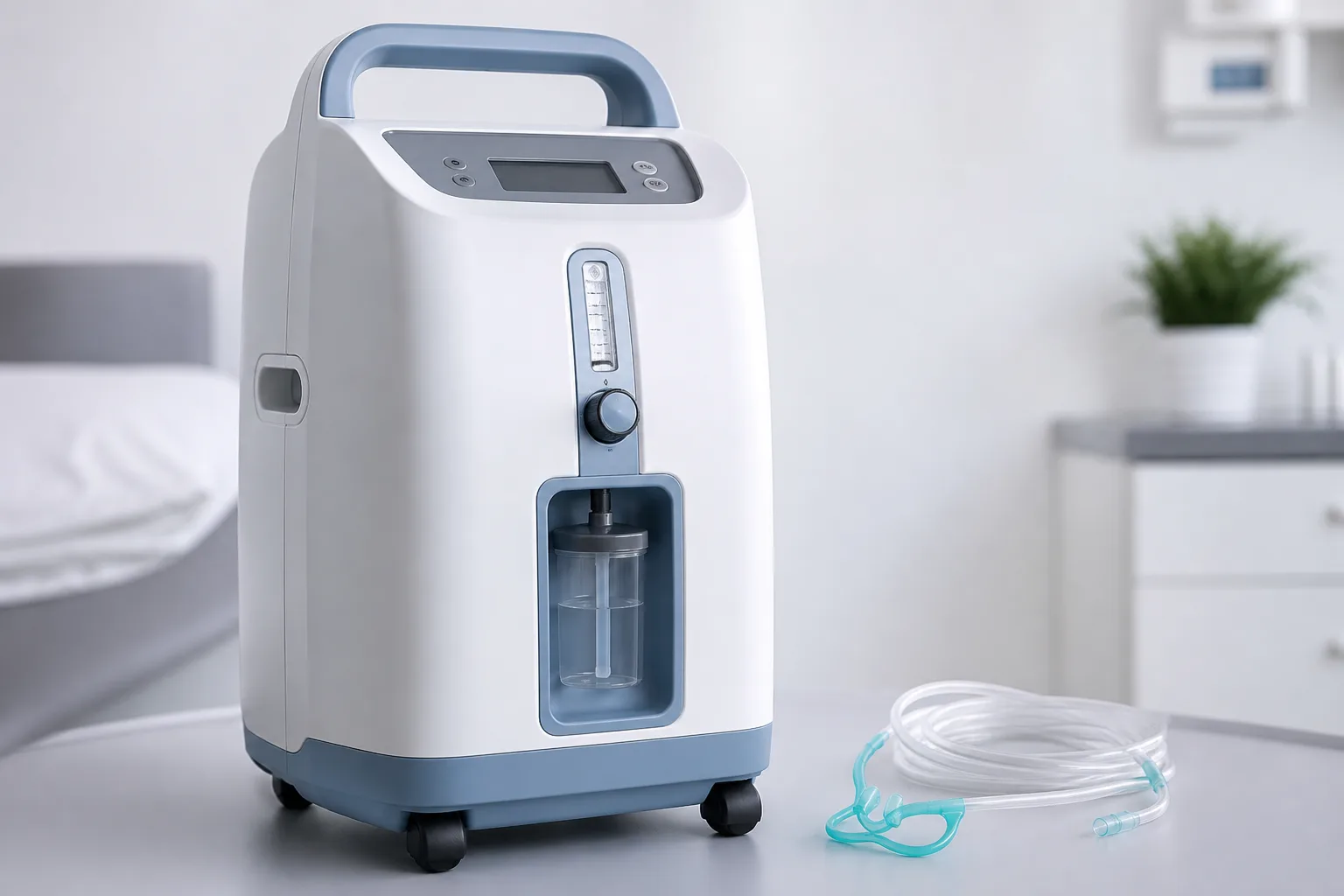
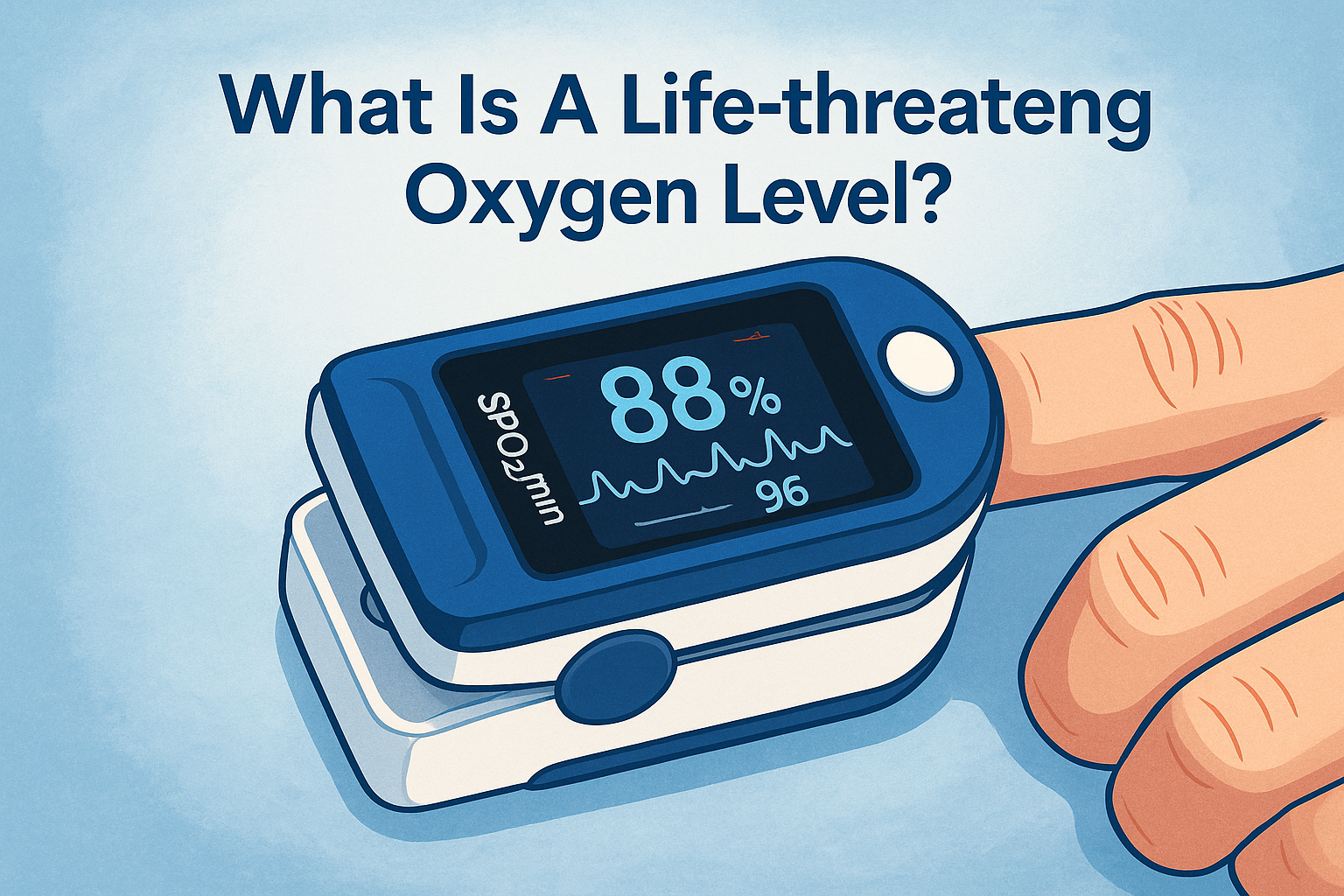
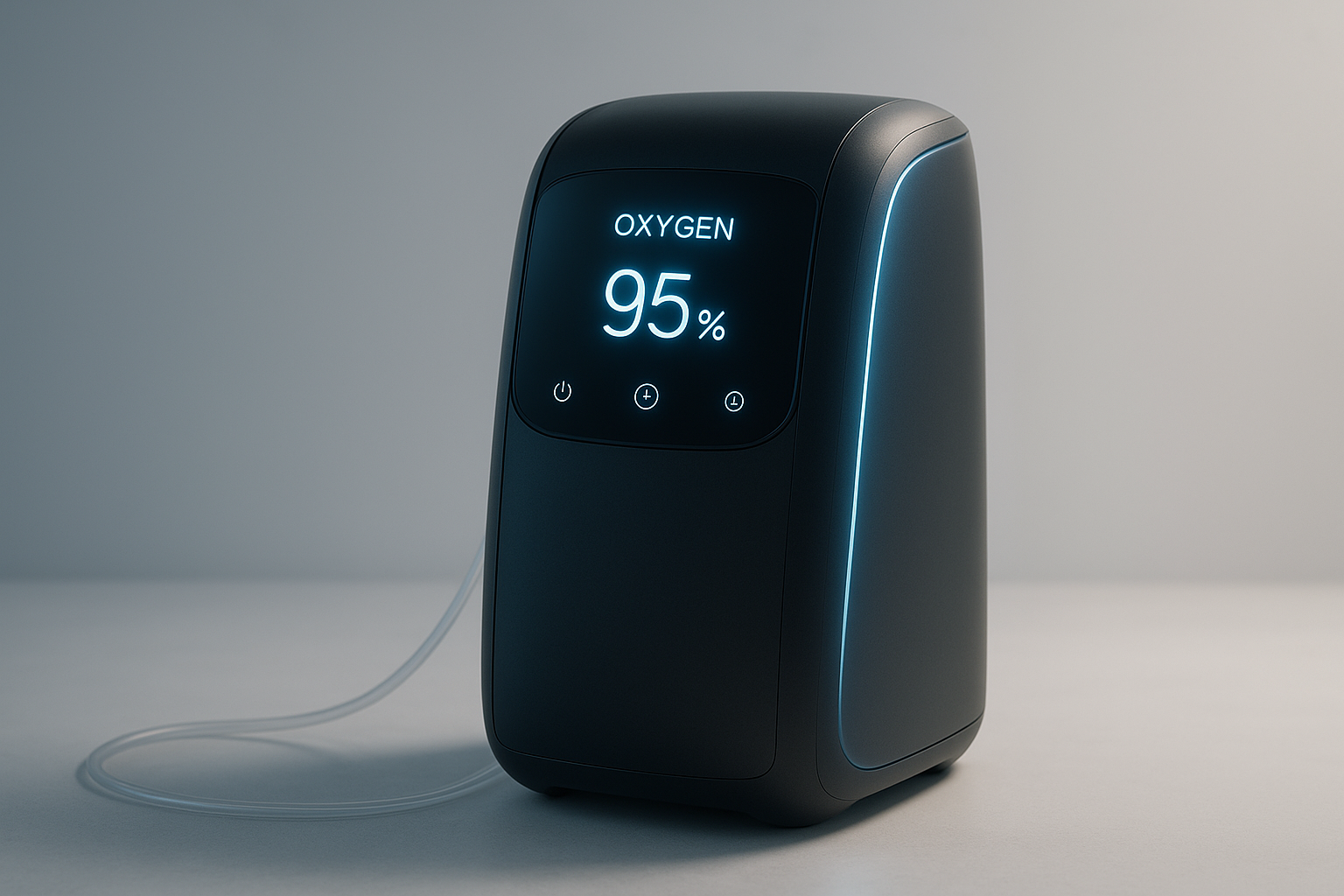
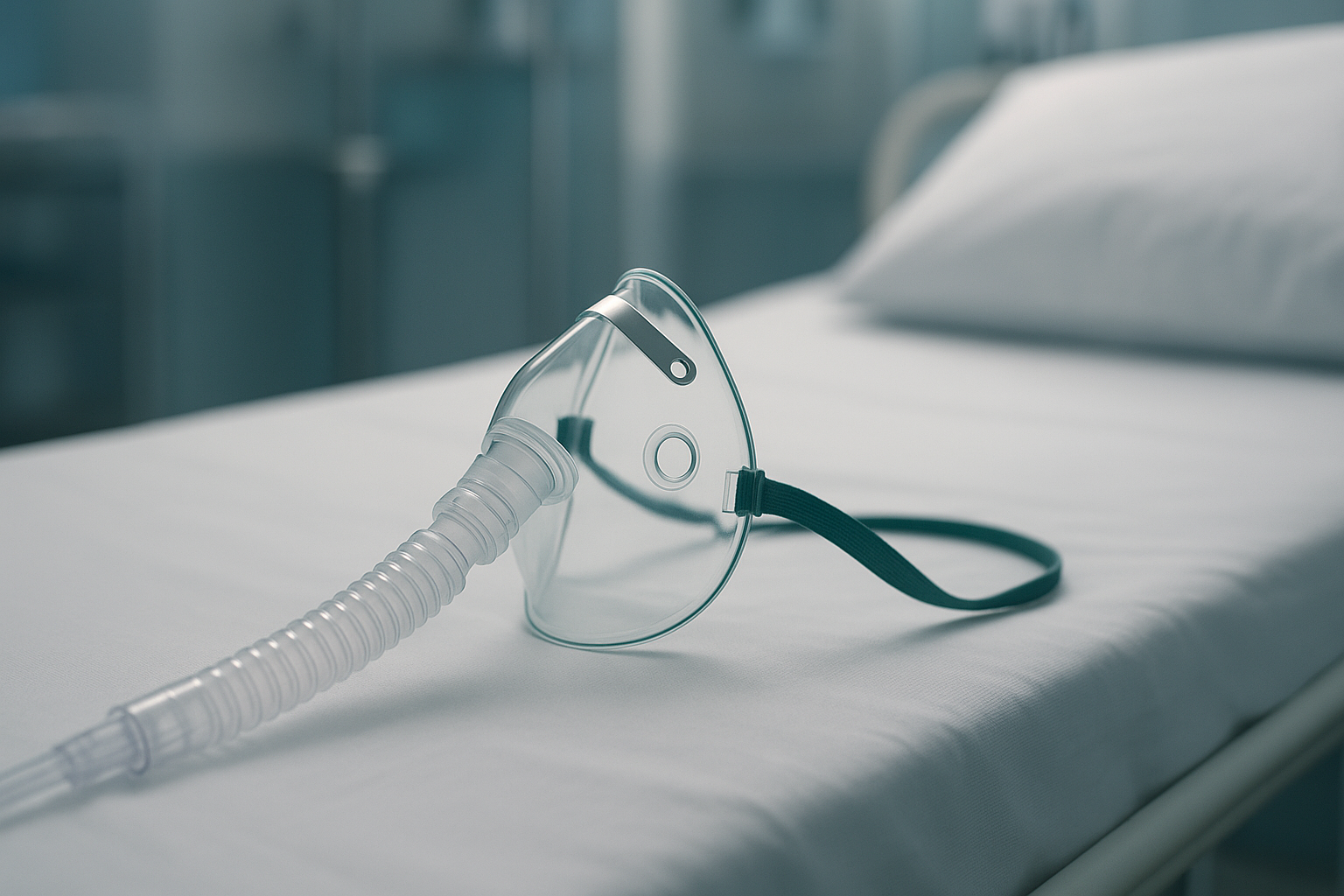
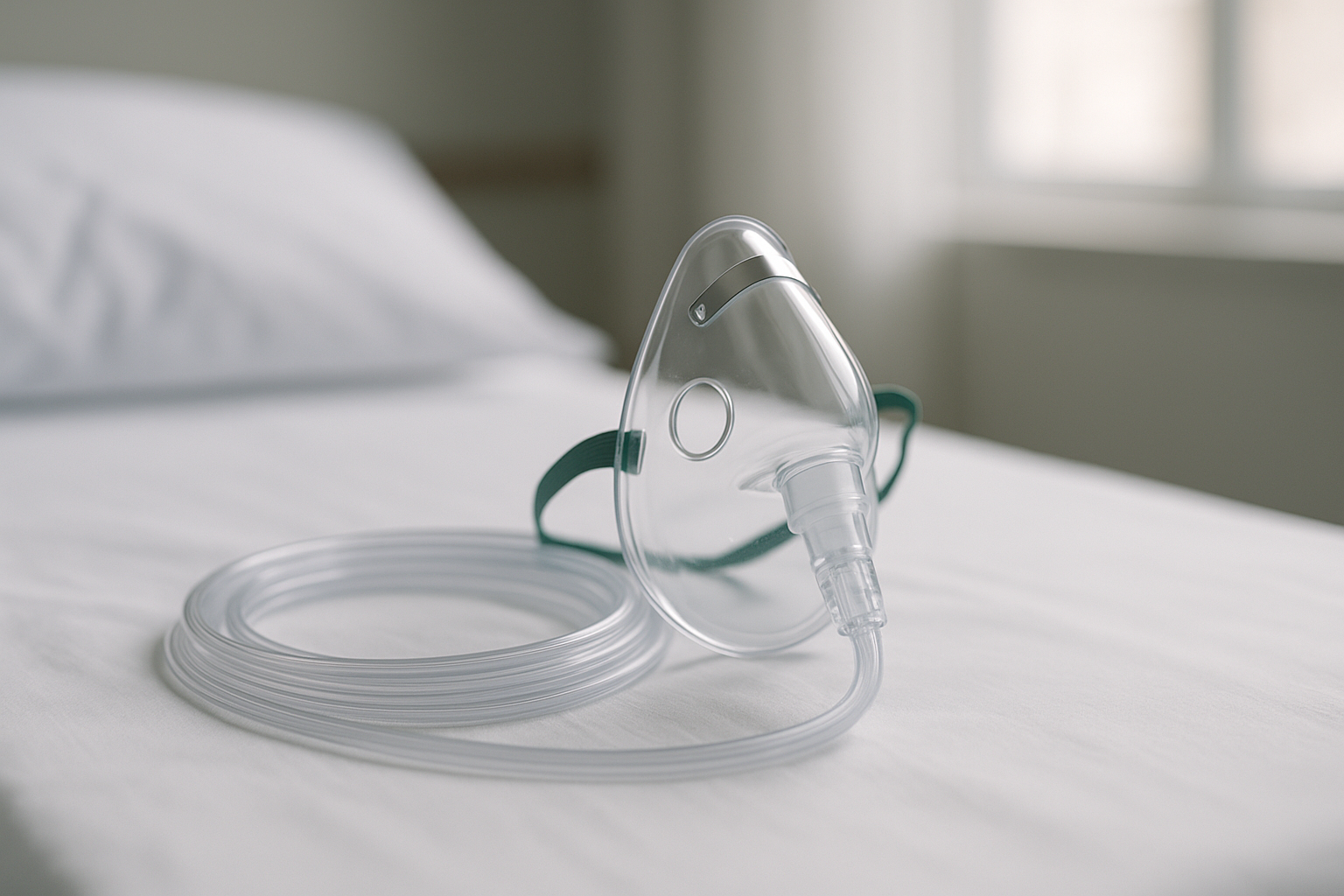
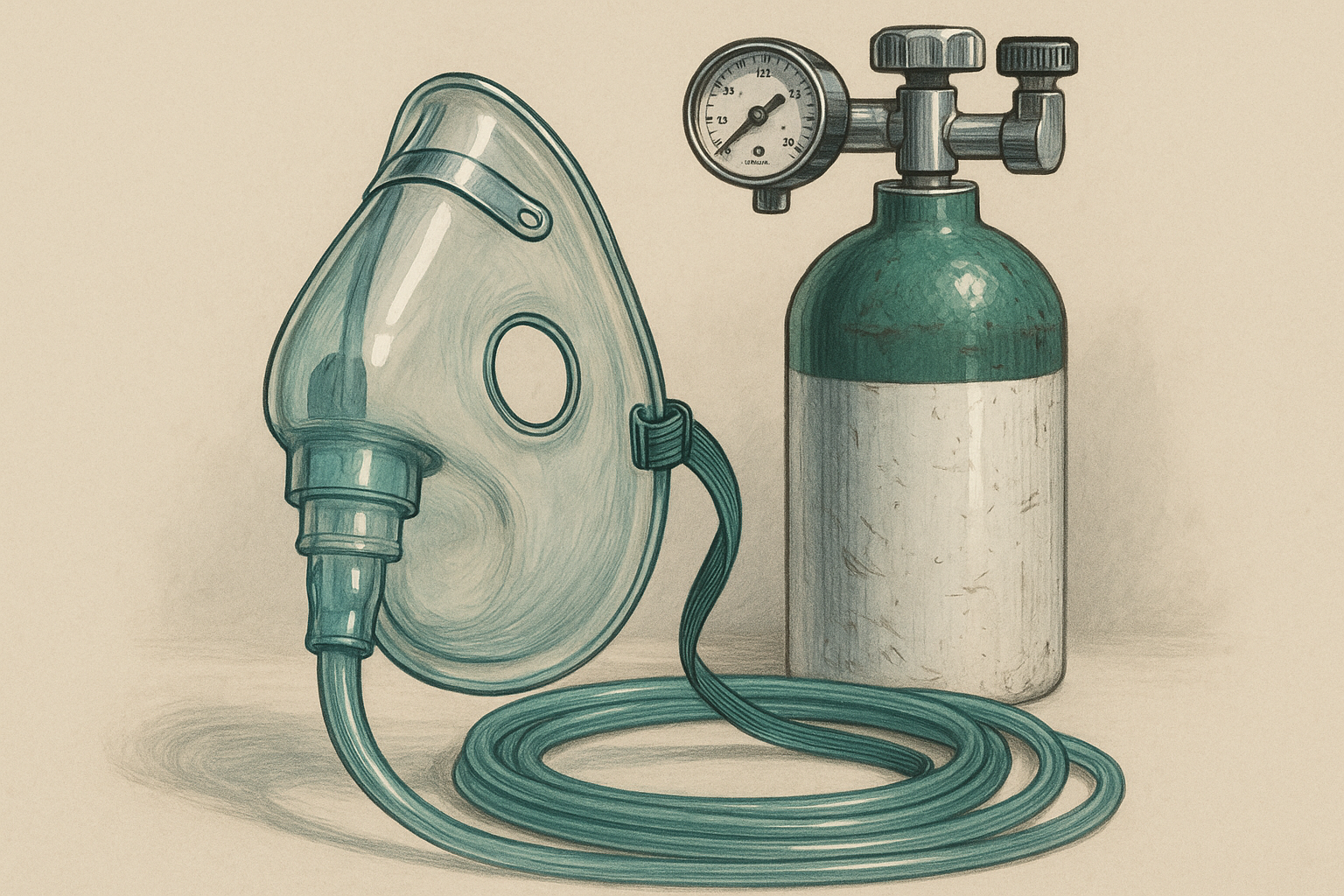
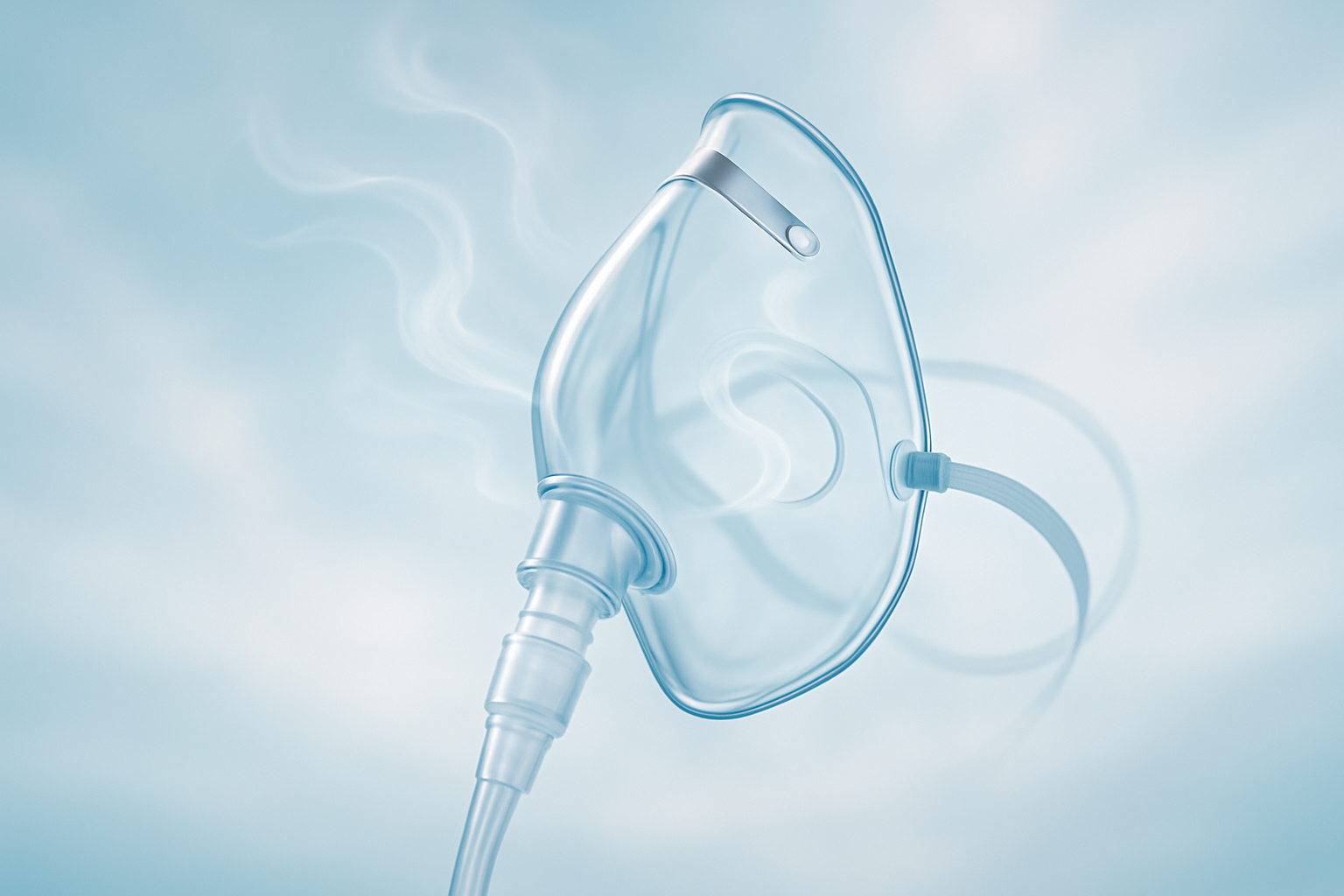
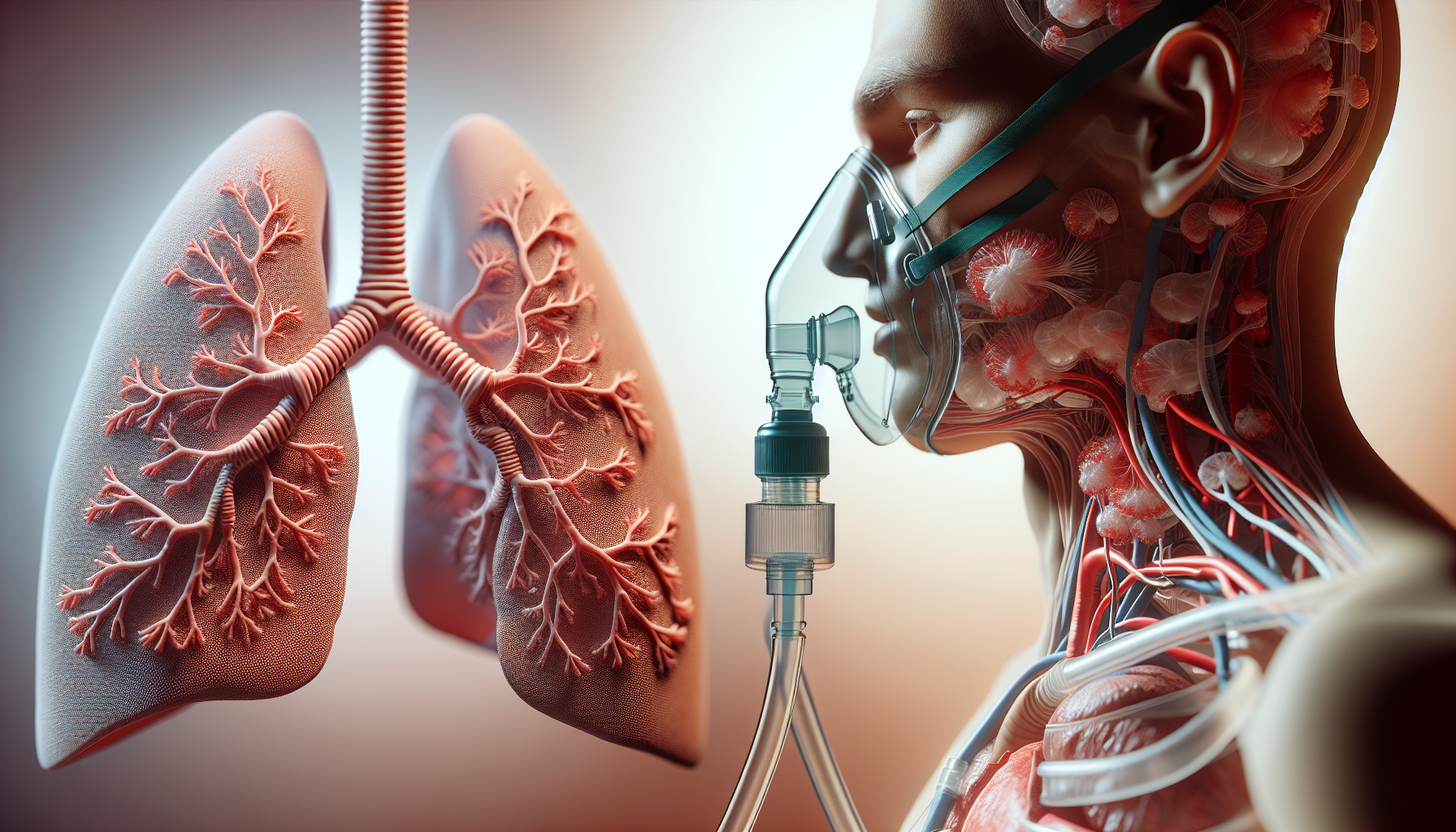
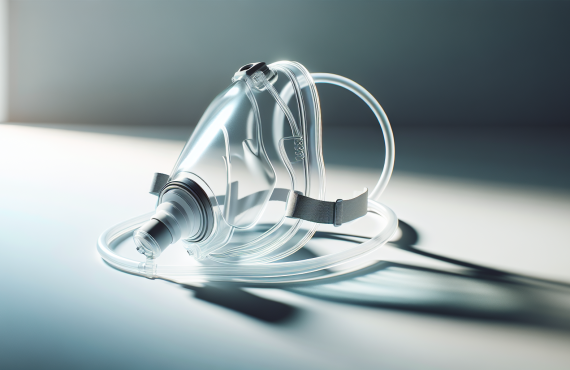
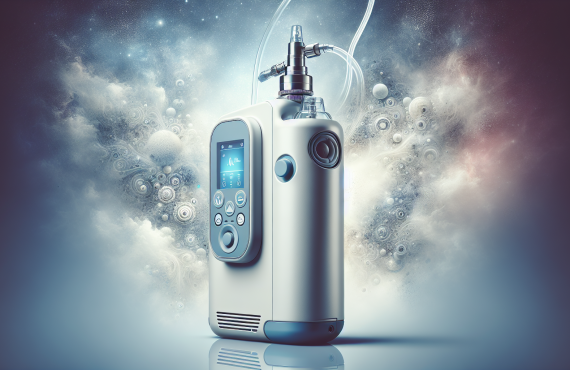
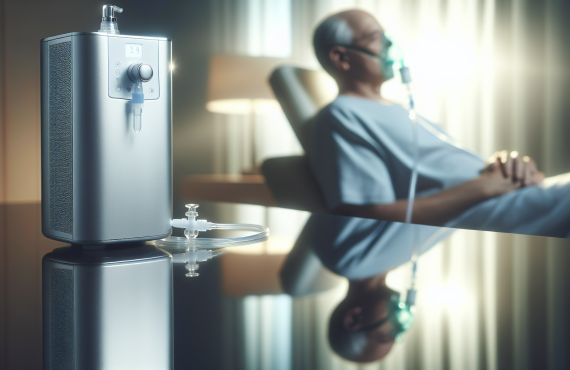
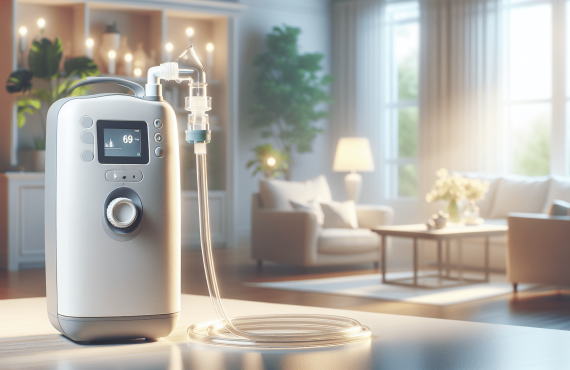
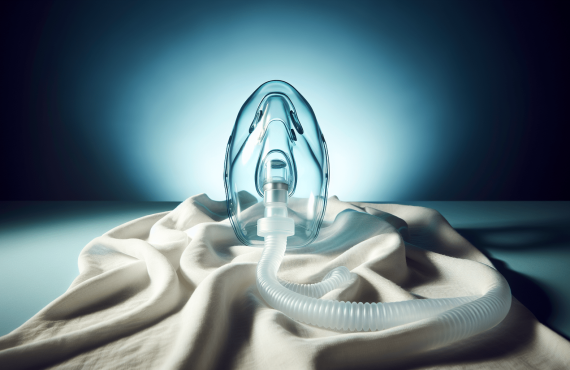
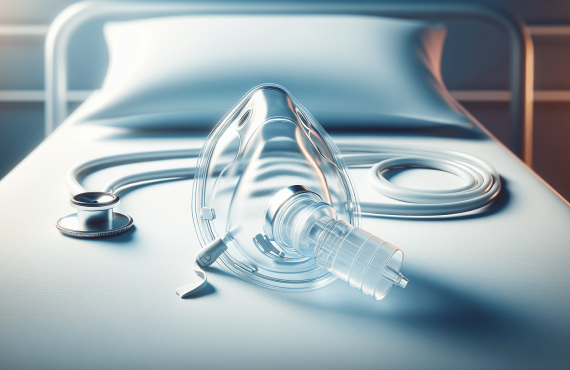
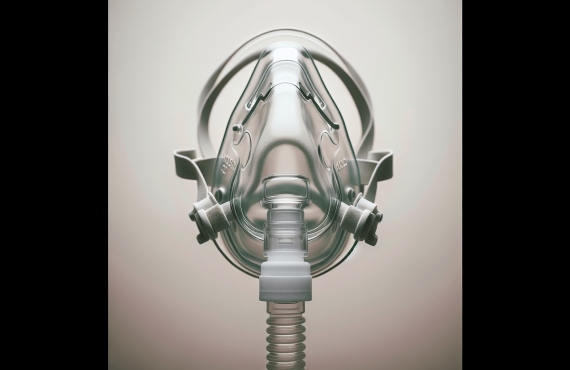
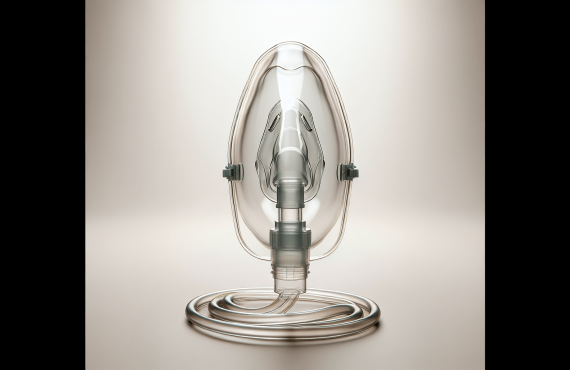
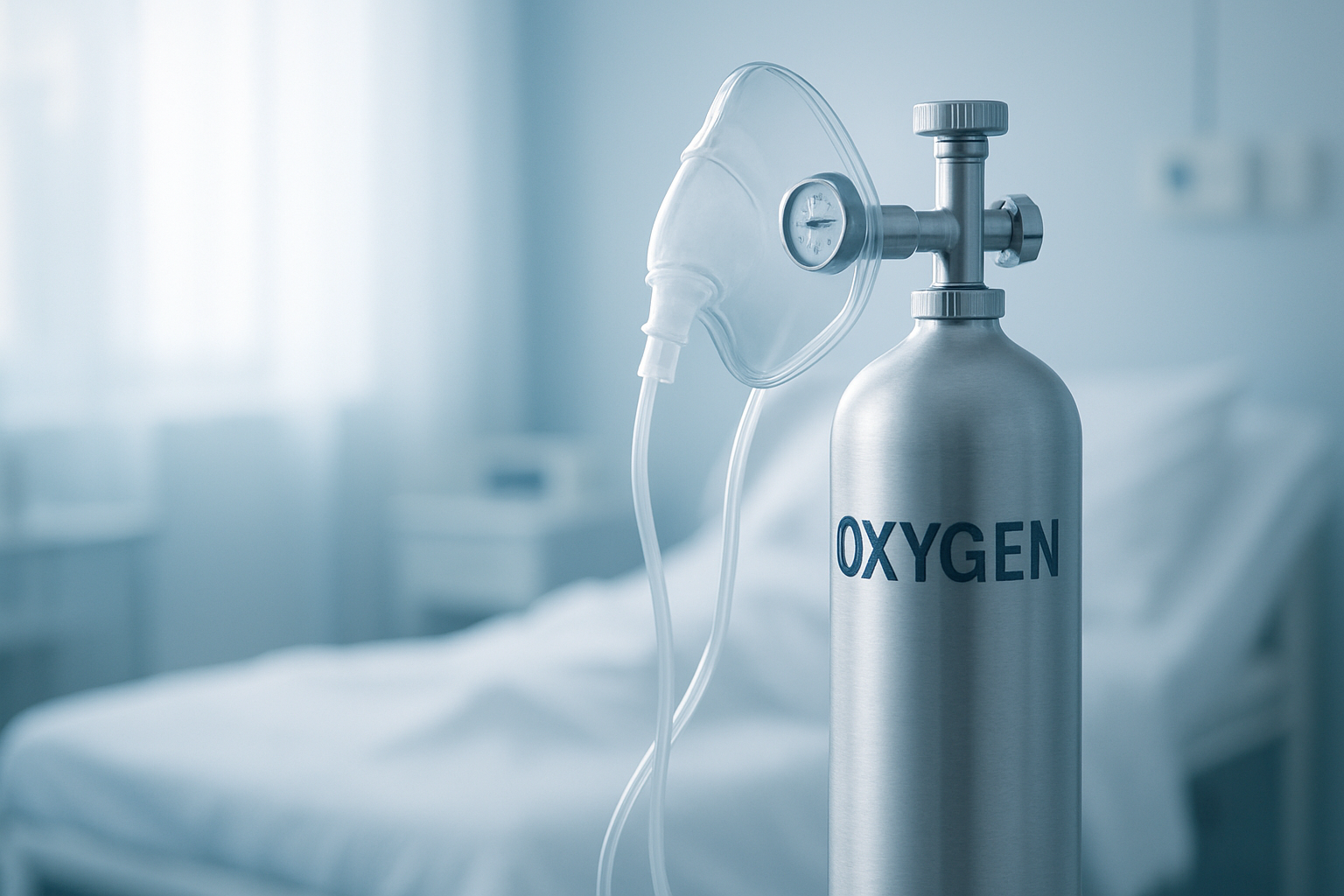
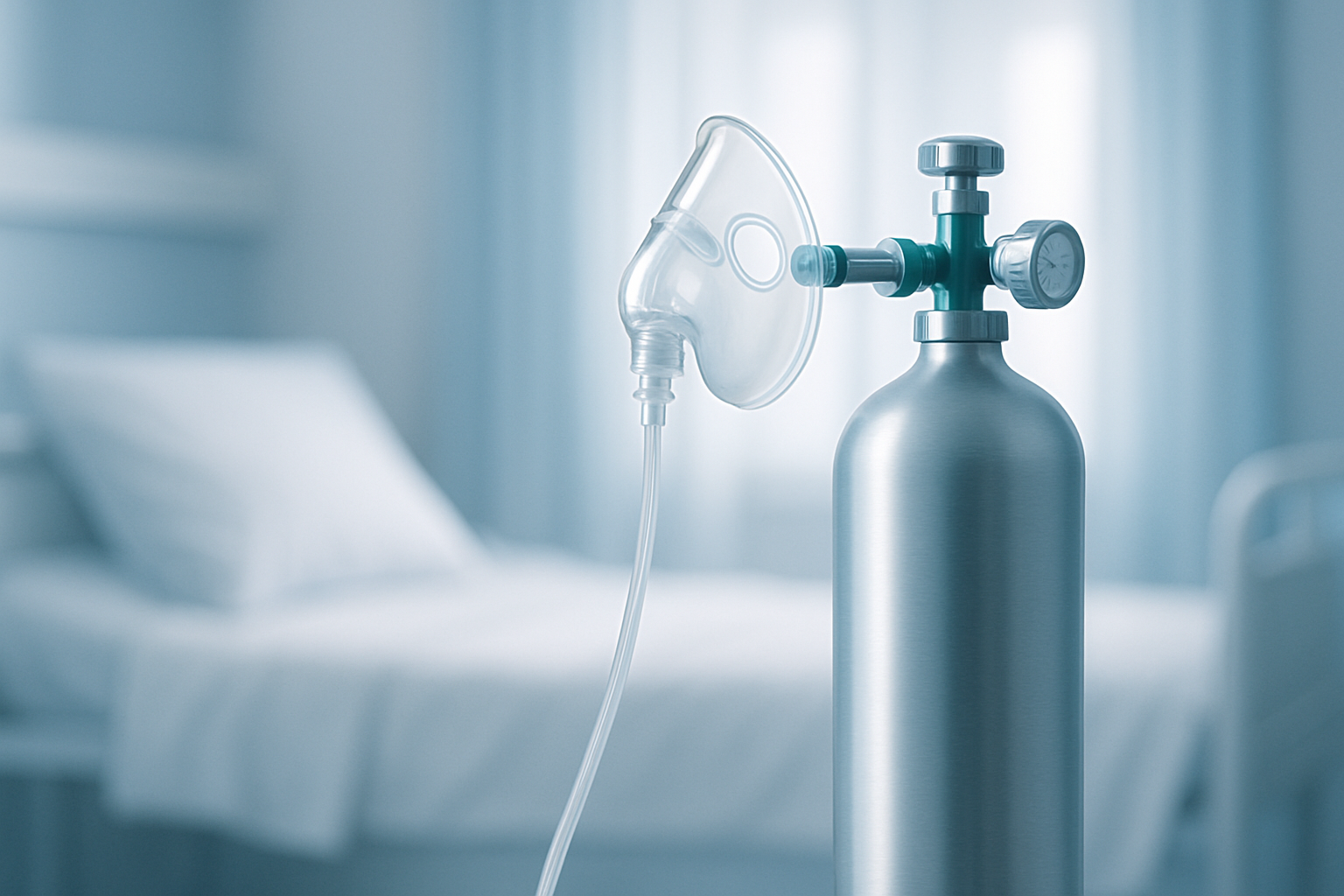
oxygen therapy is the medical use of extra oxygen to raise blood oxygen levels and ease the strain on organs. It may be delivered through a nasal cannula, mask, portable concentrator, or, in a different setting, through a pressurized chamber called hyperbaric oxygen therapy. We found that many people assume oxygen is only for someone in obvious distress. It isn’t. A person can look fairly calm and still have an oxygen saturation in the danger zone.
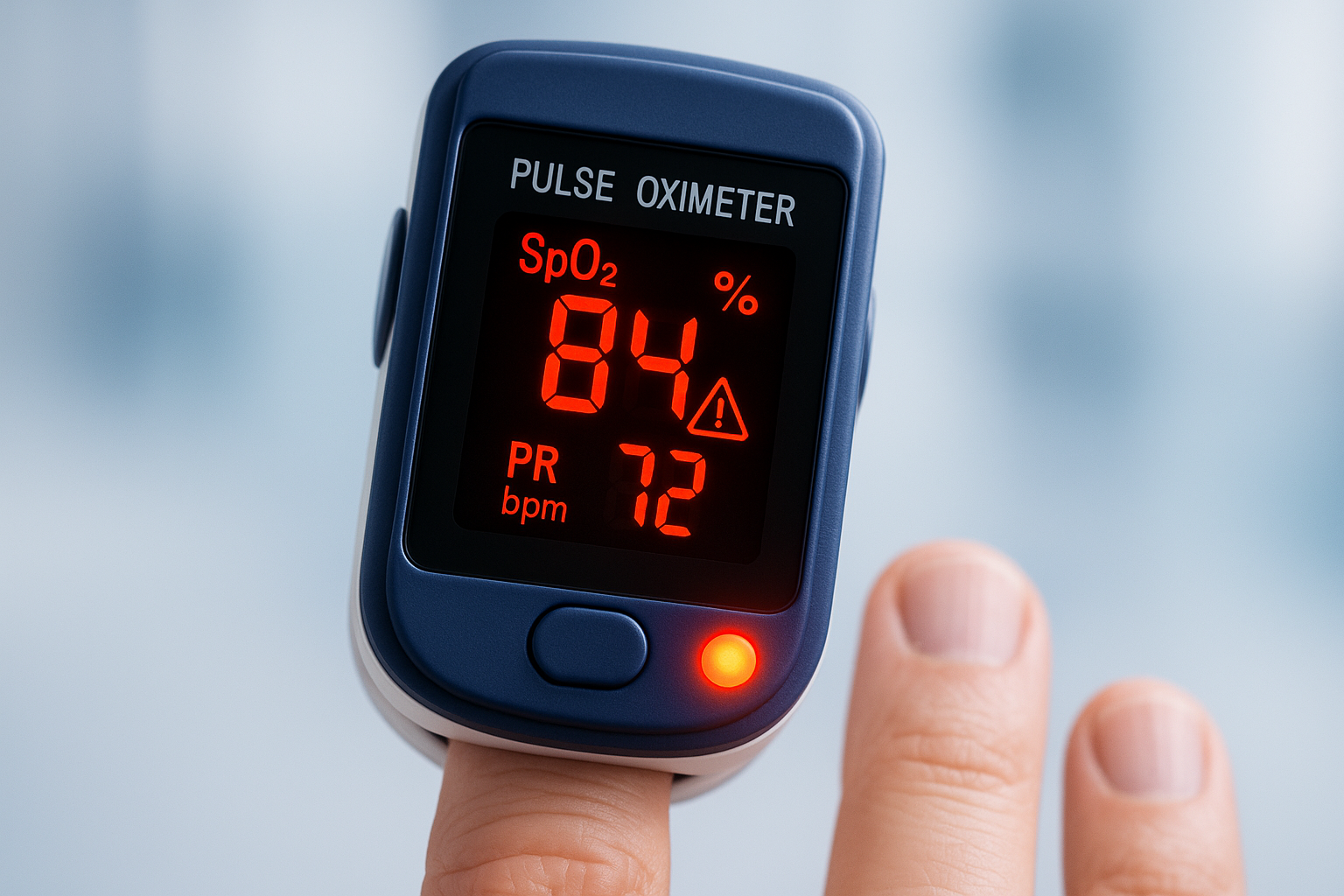
As of 2026, clinicians still rely on pulse oximetry, symptom review, imaging, and arterial blood gas testing to decide who needs oxygen. The therapy is prescribed because low oxygen can damage tissue over time. Think of it less as an accessory and more as a bridge between what your body needs and what your lungs or circulation can presently deliver.
- Main goal: raise oxygen available to blood and tissue
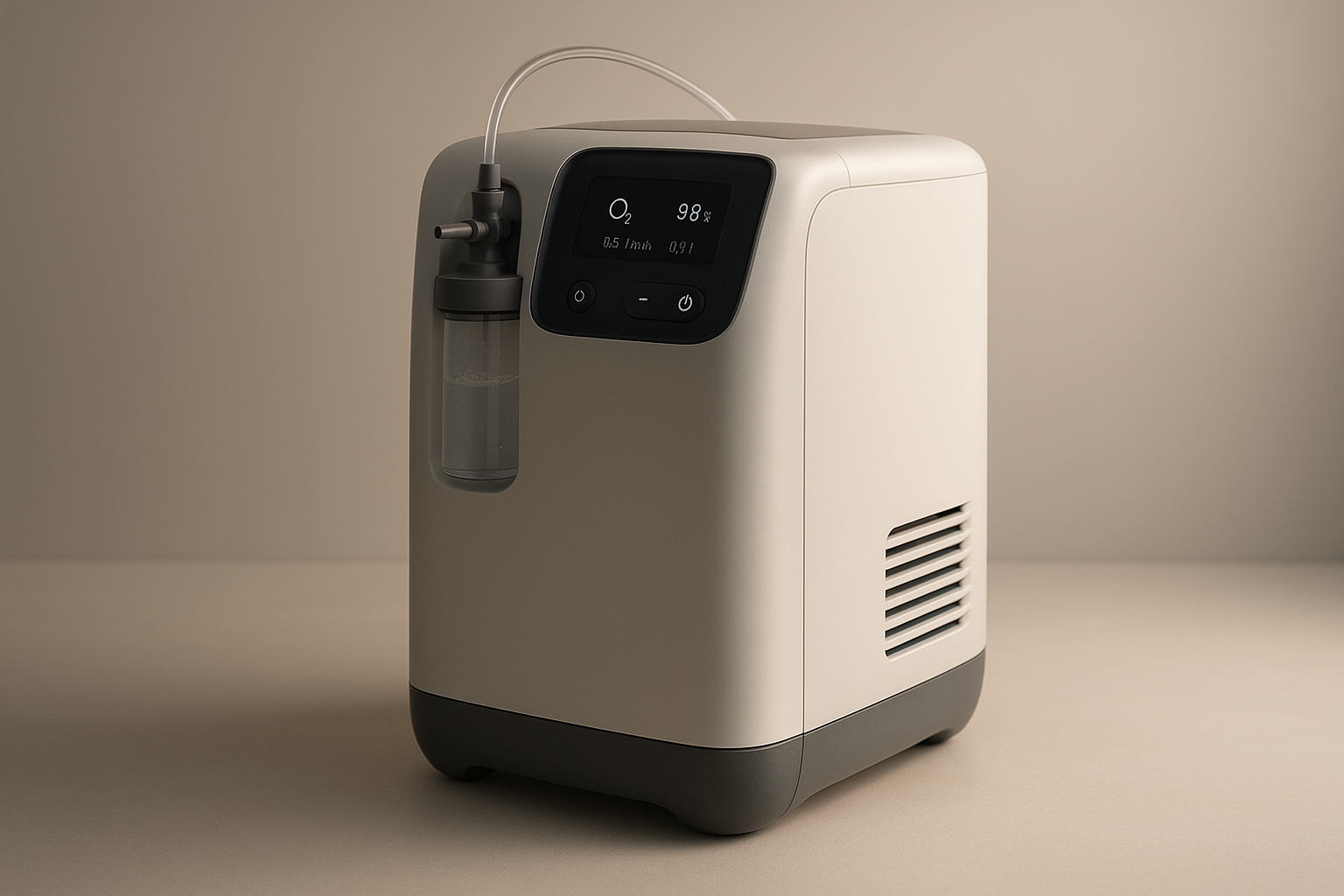
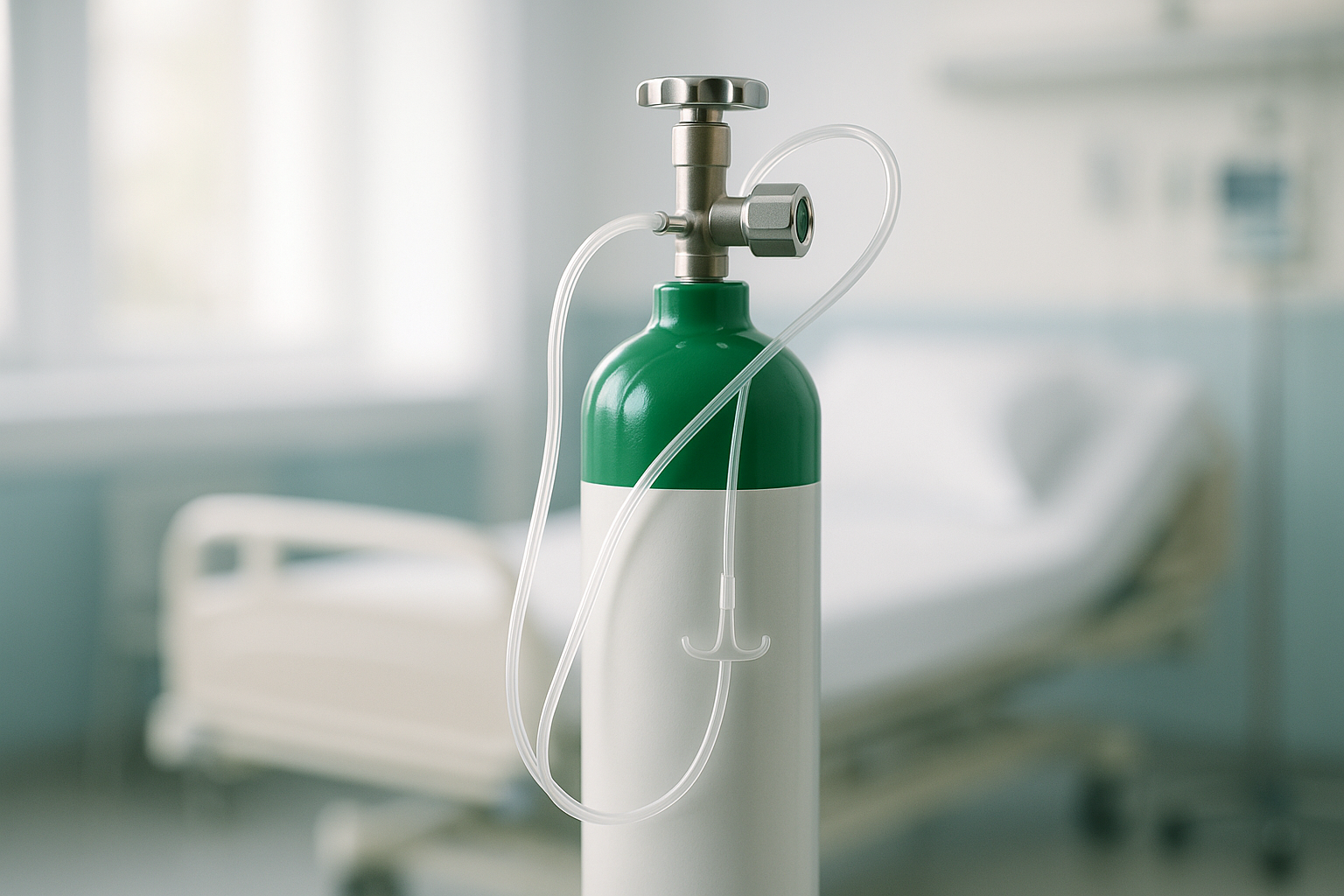
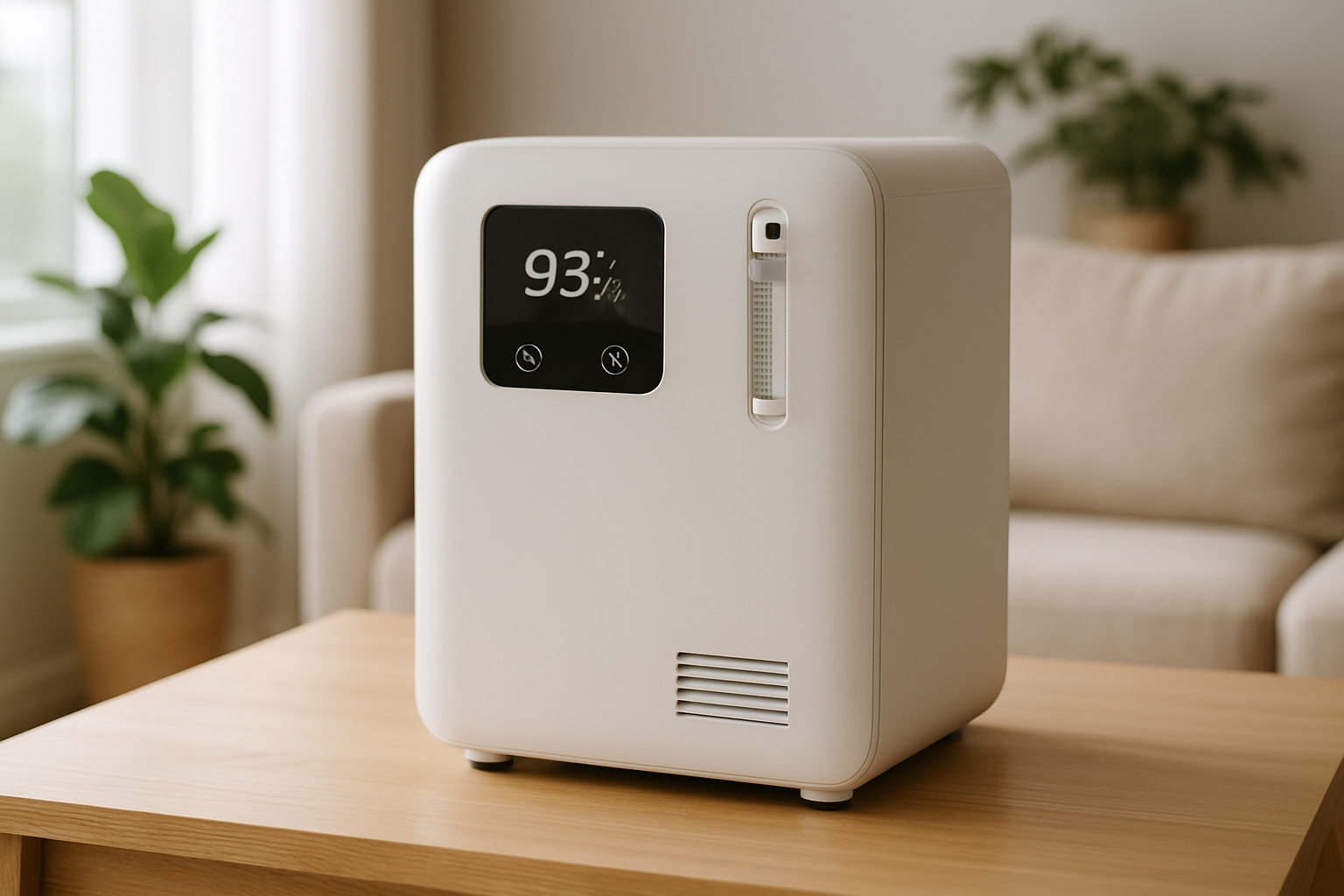
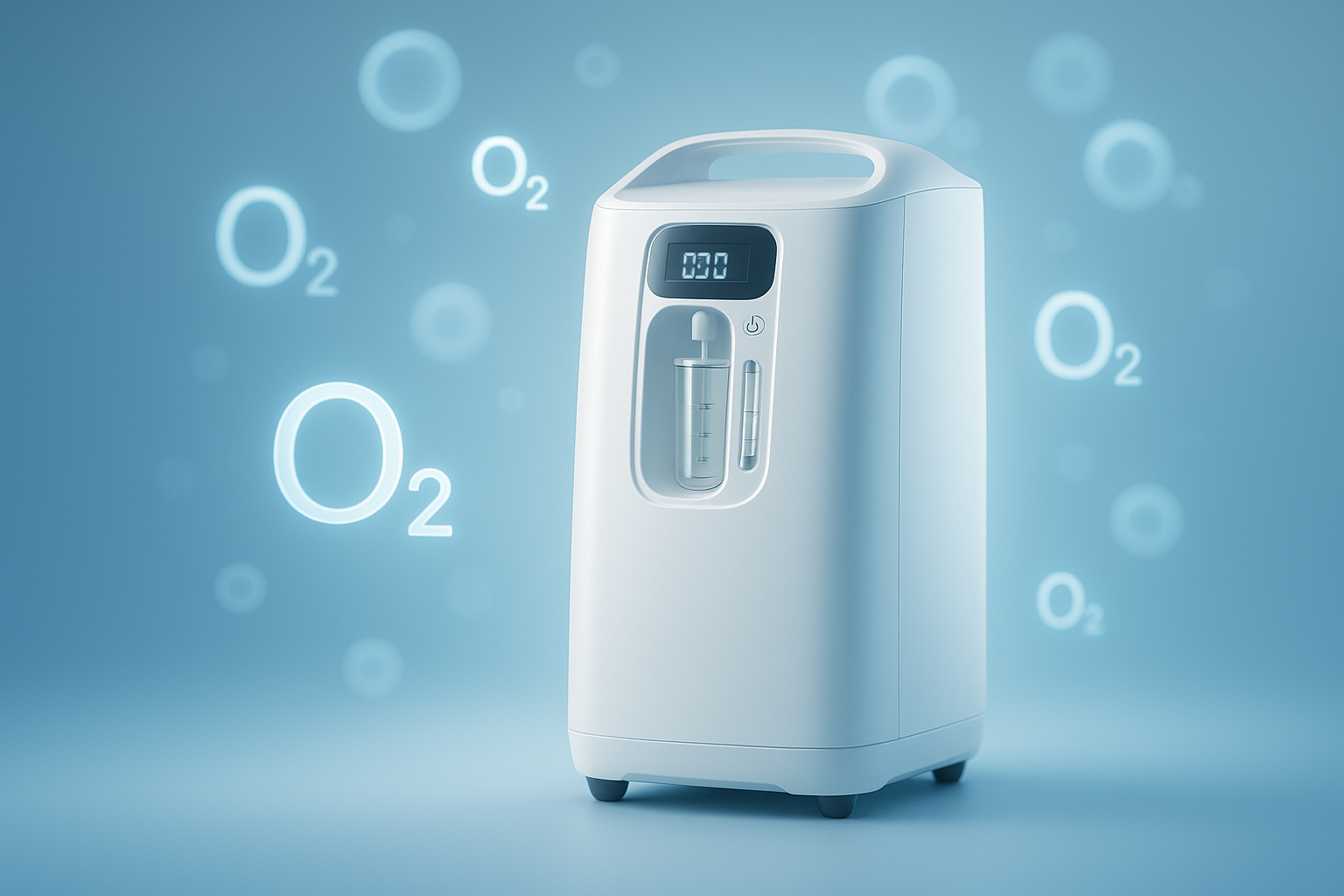
- Common delivery methods: concentrator, tank, mask, nasal cannula, hyperbaric chamber
- Clinical triggers: low oxygen saturation, shortness of breath, organ strain, impaired healing
Common Conditions Requiring Oxygen Therapy
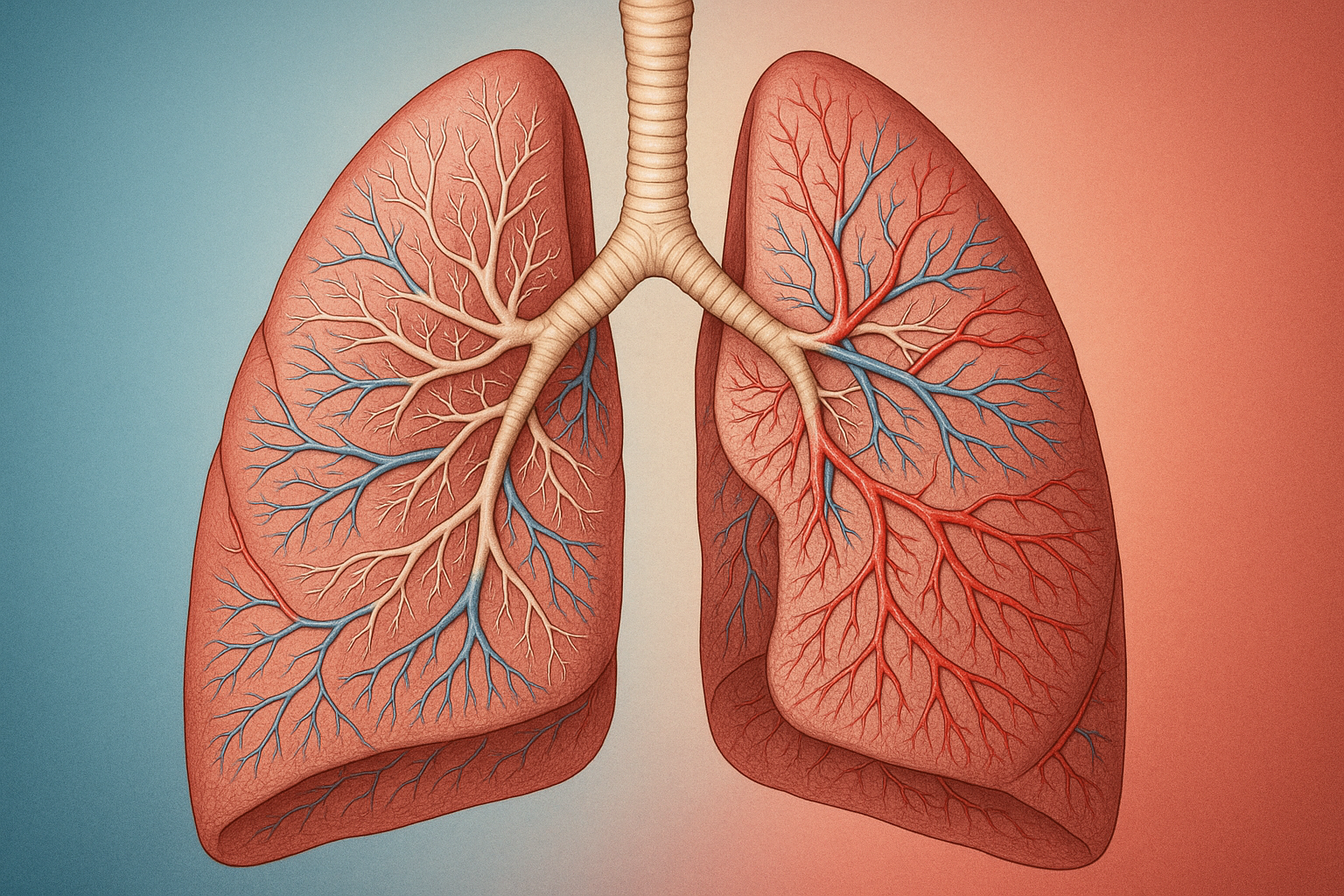
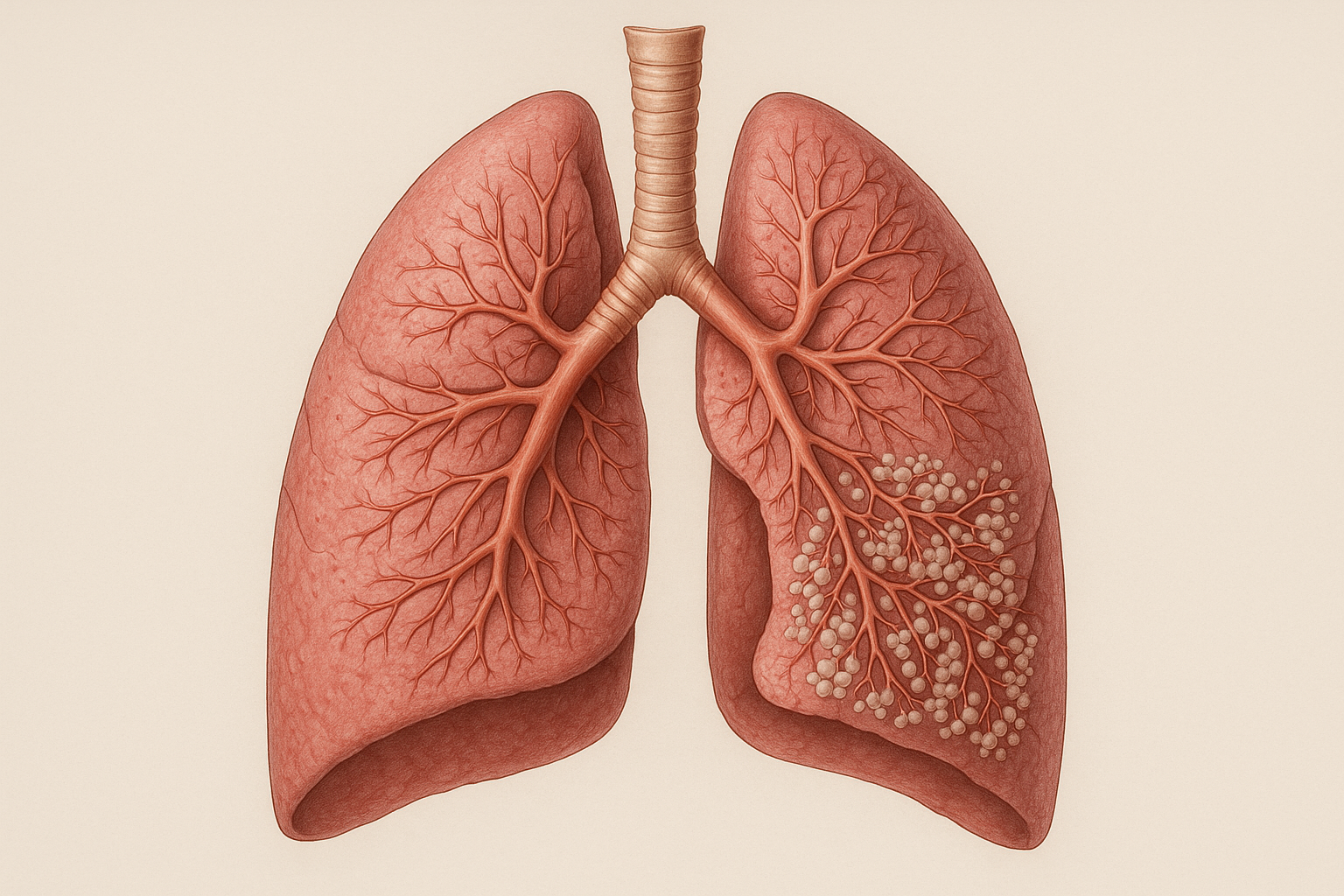
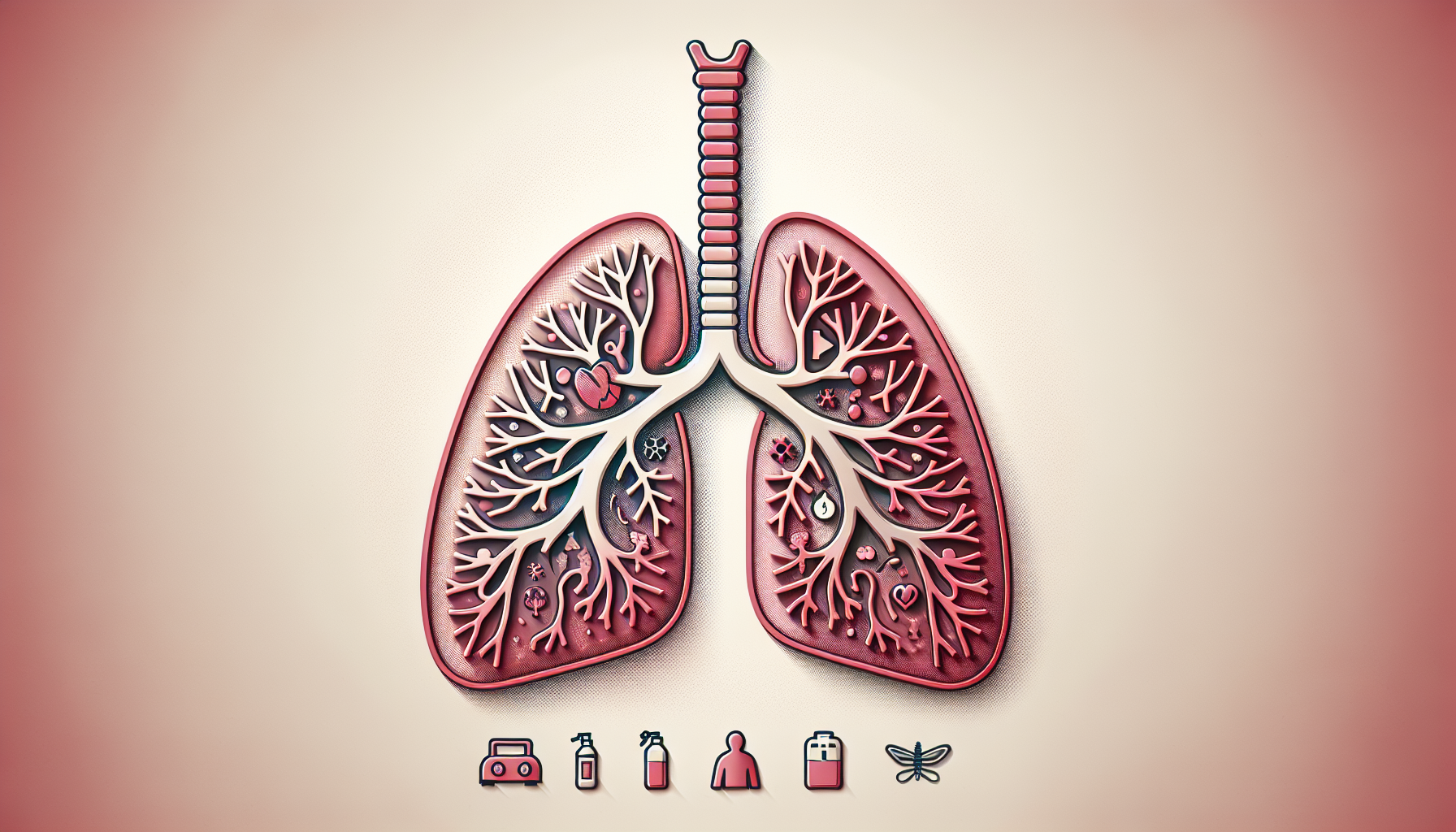
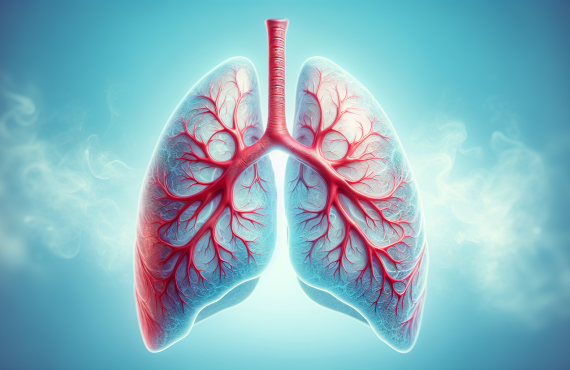
If you are wondering What conditions may require you to have oxygen?, the most common answers live in pulmonology and cardiology. Chronic obstructive pulmonary disease (COPD) sits high on the list. The CDC reports that COPD affects more than 16 million Americans, and many more may have it without a diagnosis. In advanced COPD, damaged air sacs and narrowed airways make it harder to move oxygen into the bloodstream. Some patients need oxygen only when walking. Others need it during sleep or around the clock.
Congestive heart failure can also create a miserable traffic jam. When the heart can’t pump efficiently, fluid may back up into the lungs, making oxygen exchange harder. A person may notice worsening breathlessness when lying flat, swelling in the legs, or exhaustion after tiny tasks such as brushing their teeth. We analyzed clinical guidance and found that oxygen is often used when heart failure leads to hypoxemia, especially during flare-ups or hospital care.
Cystic fibrosis belongs on this list as well. Thick mucus blocks airways, raises infection risk, and gradually reduces lung function. According to the Cystic Fibrosis Foundation, more than 40,000 people in the United States live with cystic fibrosis. For some, supplemental oxygen becomes necessary as disease progresses or during respiratory infections.
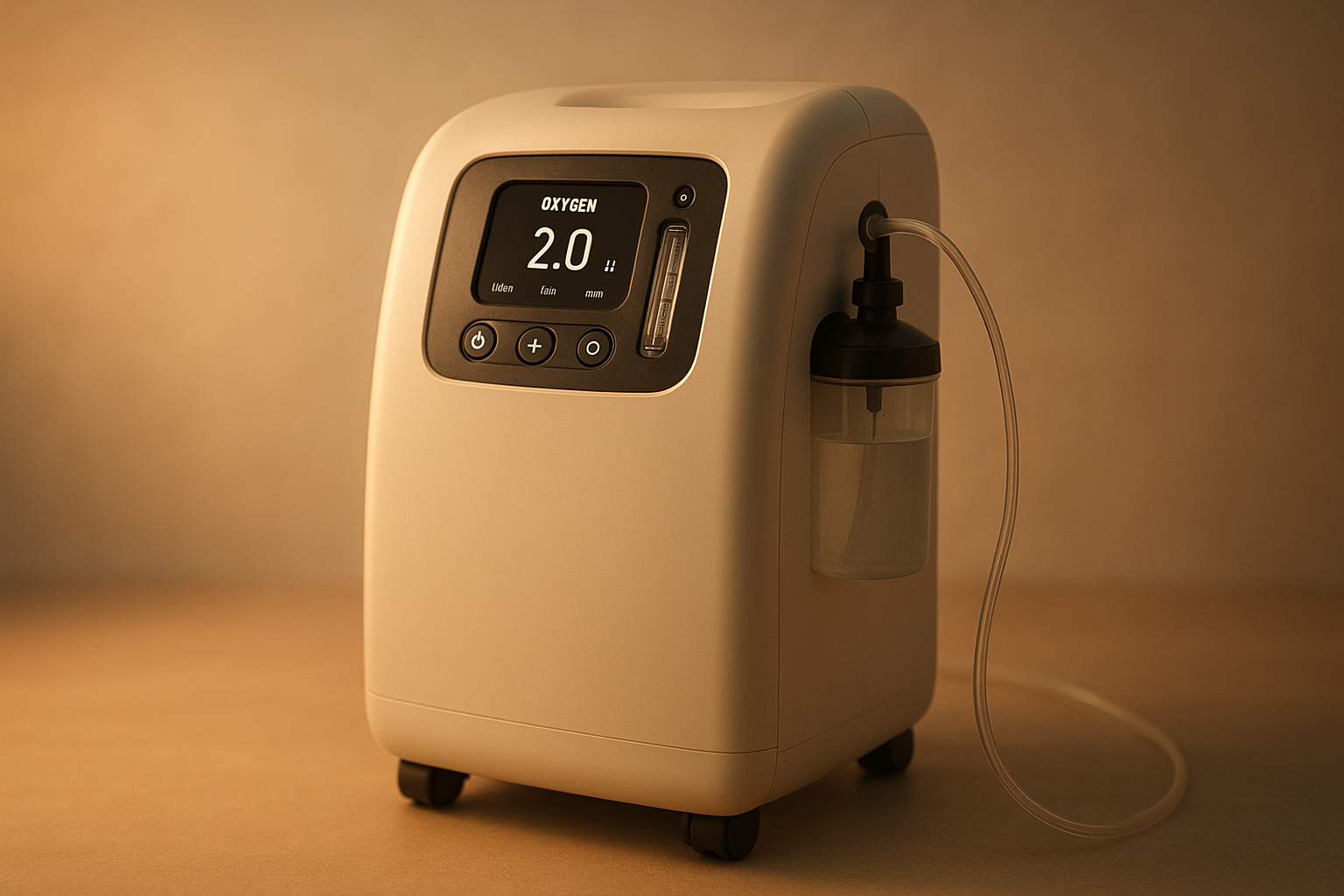
Real life is rarely tidy. A retired teacher with COPD may need 2 liters of oxygen during afternoon walks. A younger adult with cystic fibrosis may use oxygen at night after a chest infection. A person with heart failure may need it only during acute episodes. The point is not drama. The point is matching oxygen support to physiology.
- Get evaluated if you have shortness of breath, bluish lips, confusion, or oxygen saturation that repeatedly falls.
- Ask whether your oxygen drops at rest, during sleep, or with activity.
- Follow the prescribed flow exactly; more is not automatically better.

Hyperbaric Oxygen Therapy: A Breath of Fresh Air
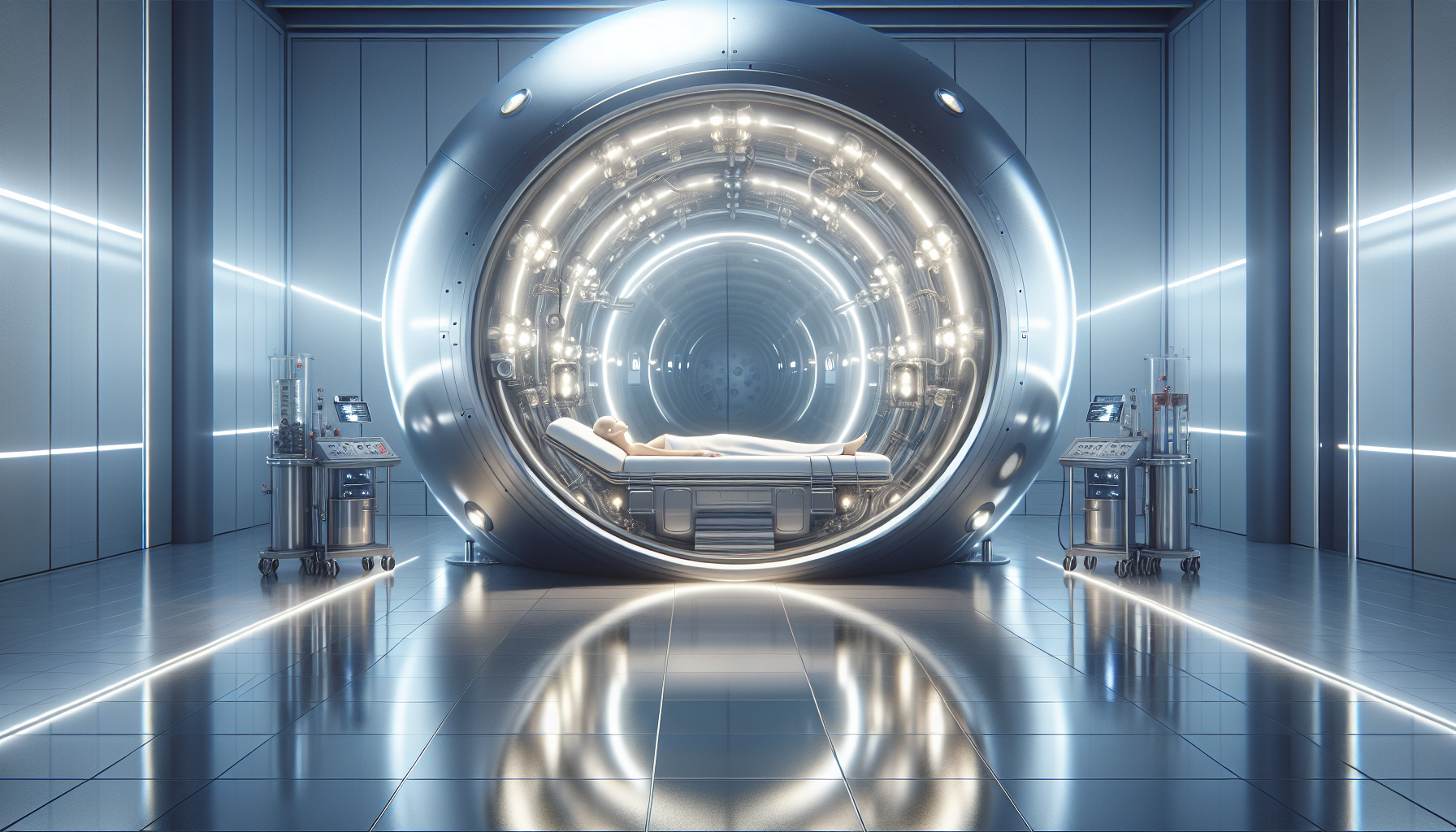
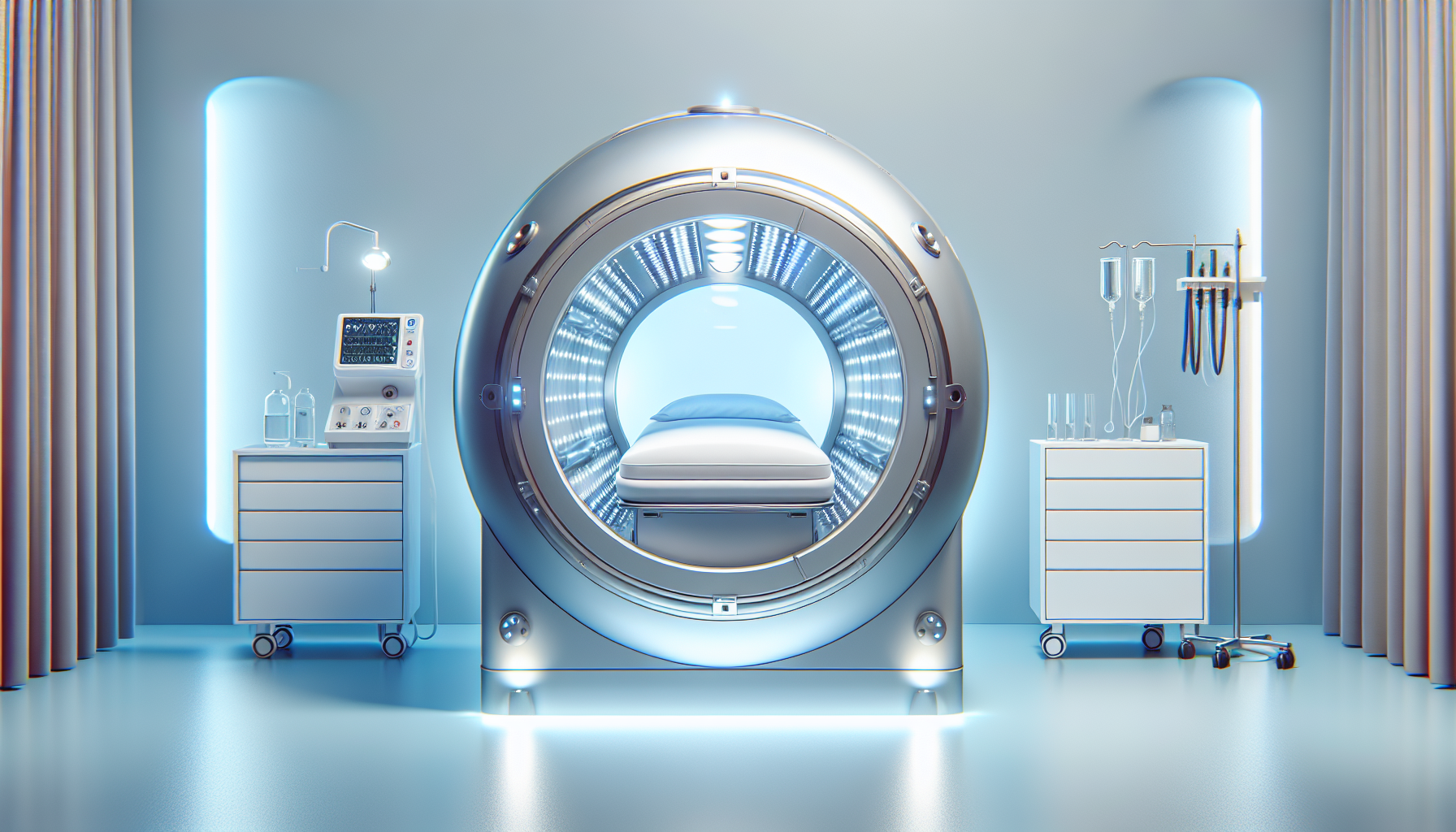
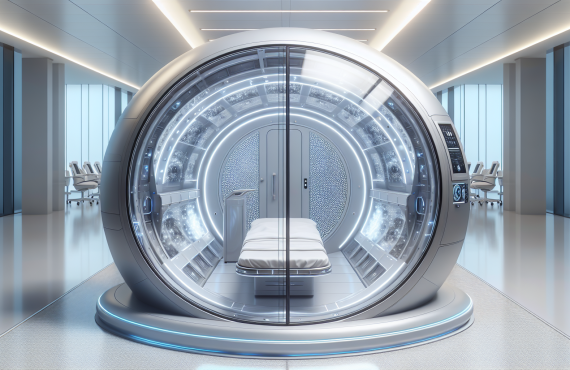
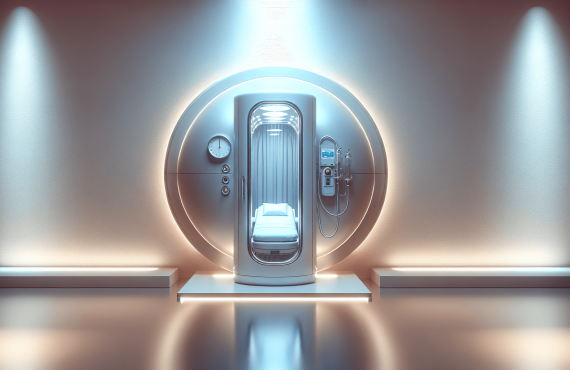
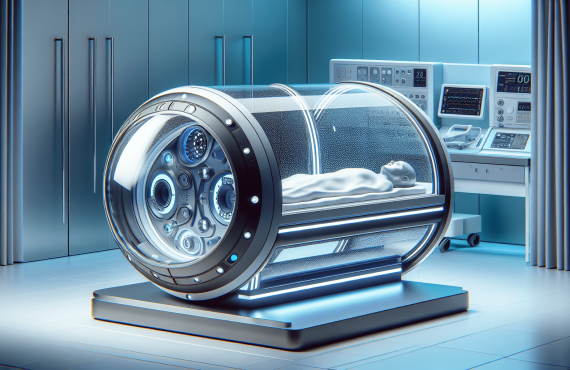
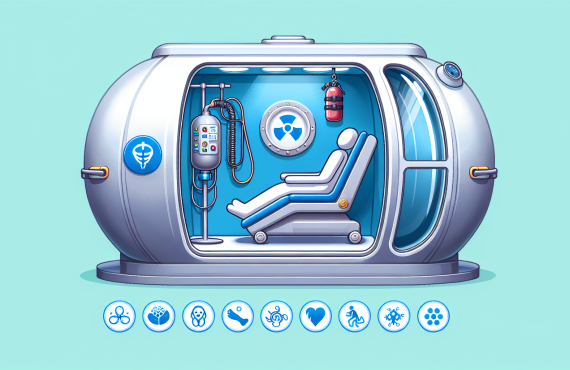
Hyperbaric therapy, often called hyperbaric oxygen therapy (HBOT), is a medical treatment in which you breathe 100% oxygen in a pressurized chamber. Under higher-than-normal atmospheric pressure, much more oxygen dissolves into your plasma. That means oxygen can reach tissues that are swollen, injured, infected, or poorly supplied under ordinary conditions. It sounds a bit theatrical, but the physiology is straightforward.
Based on our research, HBOT is most useful when tissue oxygenation is a healing bottleneck. The treatment has recognized medical uses for conditions such as decompression sickness, air or gas embolism, carbon monoxide poisoning, certain non-healing wounds, compromised skin grafts and flaps, radiation tissue injury, and some severe infections. The Mayo Clinic notes that the increased oxygen delivery can support wound repair and help your body fight bacteria more effectively.
There’s also a biological reason doctors keep returning to HBOT: oxygen helps support angiogenesis, the formation of new blood vessels. When tissues receive more oxygen, inflammatory cascades may calm down, fibroblasts can work more efficiently, and healing often moves with less of the limp, resentful shuffle you see in oxygen-starved tissue. We found that patients frequently notice the process indirectly: less wound drainage, better tolerance of therapy, and gradual improvement rather than one cinematic overnight transformation.
If you are asking What conditions may require you to have oxygen?, HBOT adds an important nuance. Sometimes oxygen is not just about breathing easier. Sometimes it is about helping damaged tissue repair itself in places where circulation has been compromised.
- What it is: pure oxygen in a pressurized chamber
- How it works: increases dissolved oxygen in plasma and tissues
- Why it matters: may reduce inflammation, support healing, and improve infection control
Henry Chiropractic: Breathing New Life into Health
At Henry Chiropractic, the idea is not that a spinal adjustment replaces pulmonology or emergency care. That would be absurd, and also rude. The idea is that musculoskeletal health, rib motion, posture, pain reduction, and whole-body function can support how comfortably you breathe and move through the day. Dr. Craig Henry, owner and operator of Henry Chiropractic, serves Pensacola and surrounding Florida communities with a focus on improving health and wellness across daily life, not merely on days when your back makes a dramatic speech.
Dr. Aaron Hixon, a Florida native from Milton, earned his Bachelor of Science in Exercise Science from Florida Atlantic University and attended Palmer College of Chiropractic in Port Orange. He is trained in multiple techniques, including Diversified, Gonstead Spinal Manipulation, Instrument Assisted Soft Tissue Mobilization (IASTM), and Myofascial Release Technique (MRT). That breadth matters because patients with chronic pain or restricted thoracic motion often breathe shallowly, guard their movement, and become less active, which can worsen overall conditioning.
Henry Chiropractic also offers Hyperbaric Therapy, giving patients in Pensacola a local option to discuss supportive care that may aid healing and recovery when medically appropriate. In our experience, patients often ask the same practical questions: Will this help me function better? Can I tolerate activity more comfortably? Is there a team who can coordinate with my broader healthcare plan? Those are sensible questions, and they should be welcomed.
If you want to speak with the clinic directly, here is the information:
- Henry Chiropractic
- 1823 N 9th Ave, Pensacola, FL 32503
- (850) 435-7777
- https://drcraighenry.com/
For local readers, that is a useful next step: call, ask about services, and discuss whether chiropractic support or Hyperbaric Therapy belongs alongside your medical care plan.
Lesser-Known Conditions Needing Oxygen
People usually expect oxygen to show up with emphysema or pneumonia. They do not expect it to sneak in through a side door marked sleep disorders or scarring disease. Yet sleep apnea can produce repeated drops in oxygen while you sleep. The standard treatment for obstructive sleep apnea is usually CPAP, not oxygen alone, but some patients with persistent overnight desaturation or overlapping lung disease may be prescribed supplemental oxygen in addition to other treatment. The trouble with sleep-related oxygen drops is that they can be easy to miss; you are, after all, unconscious and unavailable for comment.
Pulmonary fibrosis is another lesser-known condition that often requires oxygen. The disease scars lung tissue, making oxygen transfer increasingly difficult. According to the American Lung Association, pulmonary fibrosis can lead to shortness of breath, chronic dry cough, fatigue, and low oxygen levels that worsen with activity. A person may feel fine sitting still but become breathless after walking from the kitchen to the mailbox, which is not the sort of athletic benchmark anyone hopes to achieve.
We recommend paying attention to patterns rather than isolated bad days. If you become winded with routine tasks, wake with headaches, snore heavily, or your smartwatch repeatedly flags low overnight oxygen, bring that information to your physician. Based on our analysis, these clues often speed diagnosis.
- Sleep apnea: oxygen may be added in selected cases, but CPAP often remains primary
- Pulmonary fibrosis: oxygen is commonly needed with exertion as scarring progresses
- Clue worth noting: low oxygen may appear first during sleep or walking, not at rest
Oxygen Therapy in Emergency Situations
Emergency oxygen use is less about lifestyle and more about minutes. During a severe asthma attack, inflamed airways narrow, mucus thickens, and breathing can become shallow and frighteningly ineffective. Supplemental oxygen is used to correct low blood oxygen while bronchodilators and steroids address the attack itself. If you have ever seen someone with severe asthma struggling to complete a sentence, you know there is no room for philosophical wandering.
Carbon monoxide poisoning is another major emergency indication. Carbon monoxide binds to hemoglobin with an affinity roughly 200 to 250 times greater than oxygen, which means it crowds oxygen out in a way that is both efficient and horrifying. High-flow oxygen helps displace carbon monoxide faster, and hyperbaric oxygen may be recommended in more severe cases. According to the CDC, more than 400 Americans die each year from unintentional non-fire-related carbon monoxide poisoning, and more than 100,000 emergency department visits occur annually.
Statistics on oxygen use in emergencies vary by setting, but the pattern is clear: oxygen is one of the most frequently deployed acute interventions in ambulances, emergency departments, and hospitals. We found that emergency oxygen is most effective when tied to assessment, not reflex. Clinicians check saturation, work of breathing, mental status, and the cause of hypoxemia. That matters because the treatment must fit the problem.
- Call emergency services for severe shortness of breath, chest pain, confusion, or suspected carbon monoxide exposure.
- Do not try to self-diagnose low oxygen from “feeling off” alone.
- Use prescribed rescue plans for asthma while awaiting urgent care.
The Science Behind Oxygen Therapy
If oxygen therapy seems almost too obvious to deserve science, that is only because it has been around long enough to appear plain. The body needs oxygen to generate ATP, support immune function, and maintain tissue viability. When oxygen levels rise appropriately, cells can shift from emergency rationing toward repair. One key mechanism is angiogenesis, the growth of new blood vessels. This is especially relevant in chronic wounds and tissue injury, where poor circulation creates a neighborhood no one wants to move into and few cells can afford.
Hyperbaric oxygen therapy pushes this further by increasing the amount of oxygen dissolved in plasma beyond what hemoglobin alone can carry. That increased tissue oxygen tension can reduce edema, support white blood cell activity, and aid collagen production. A 2025 review in the medical literature has continued to examine HBOT’s role in wound healing, radiation injury, and inflammatory conditions; for current research summaries, readers can review indexed studies through PubMed. We analyzed the recent findings and the trend is consistent: strongest evidence exists for selected approved indications, while broader uses need more high-quality trials.
There are physiological limits, of course. More oxygen is not a magic potion. Too much, for too long, can create oxidative stress or, in rare contexts, contribute to oxygen toxicity. That is why treatment parameters matter so much. Good care is measured, monitored, and mildly unglamorous. Which, honestly, is usually how good medicine looks.
If you have been asking What conditions may require you to have oxygen?, the science offers a tidy answer: any condition that lowers oxygen delivery enough to impair organ function, tissue repair, or survival.
Frequently Asked Questions About Oxygen Therapy
Questions about oxygen therapy tend to arrive in clusters, the way relatives do at funerals. Here are the ones clinicians hear most often, answered plainly. For broader public health guidance, the CDC remains a reliable starting point.
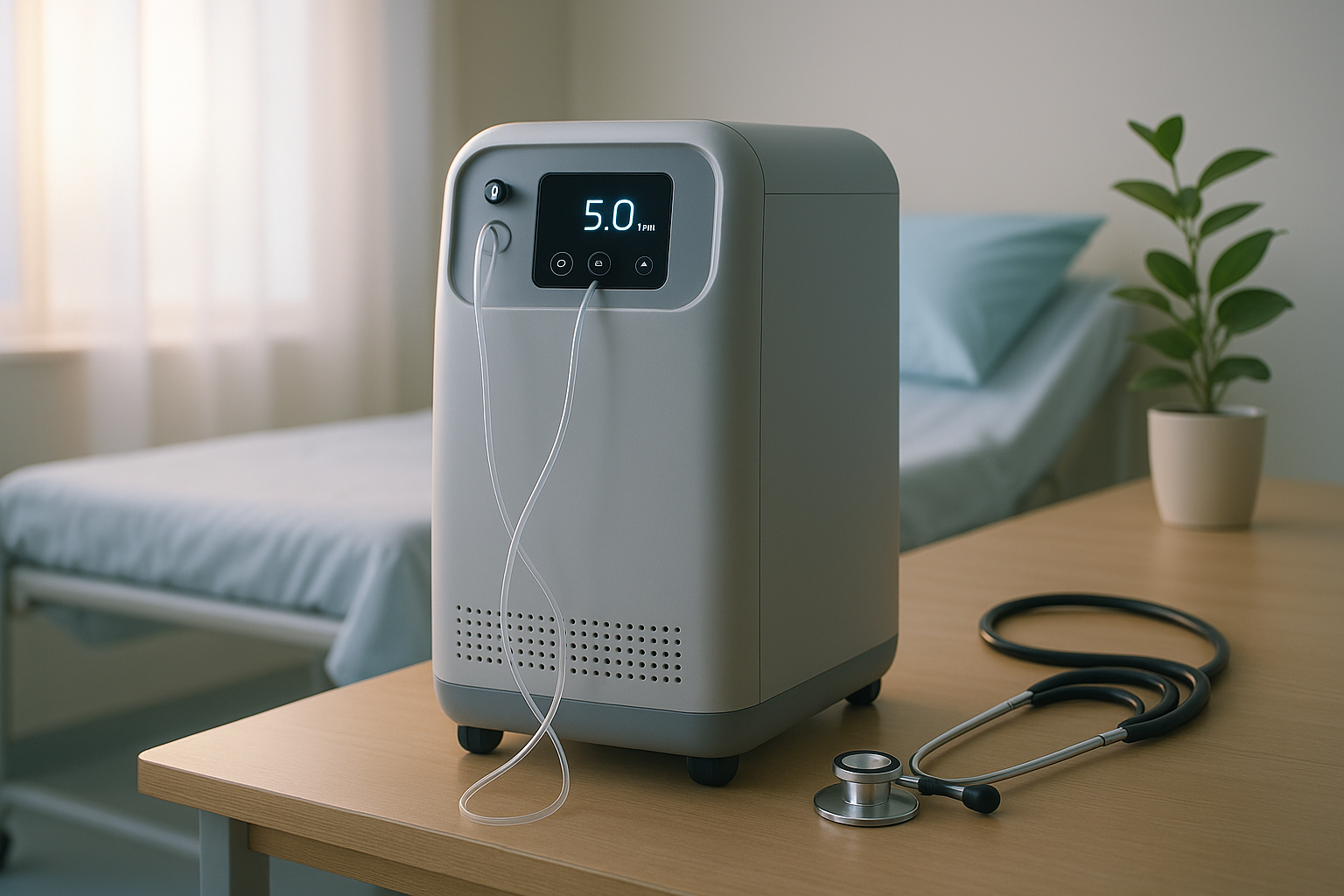
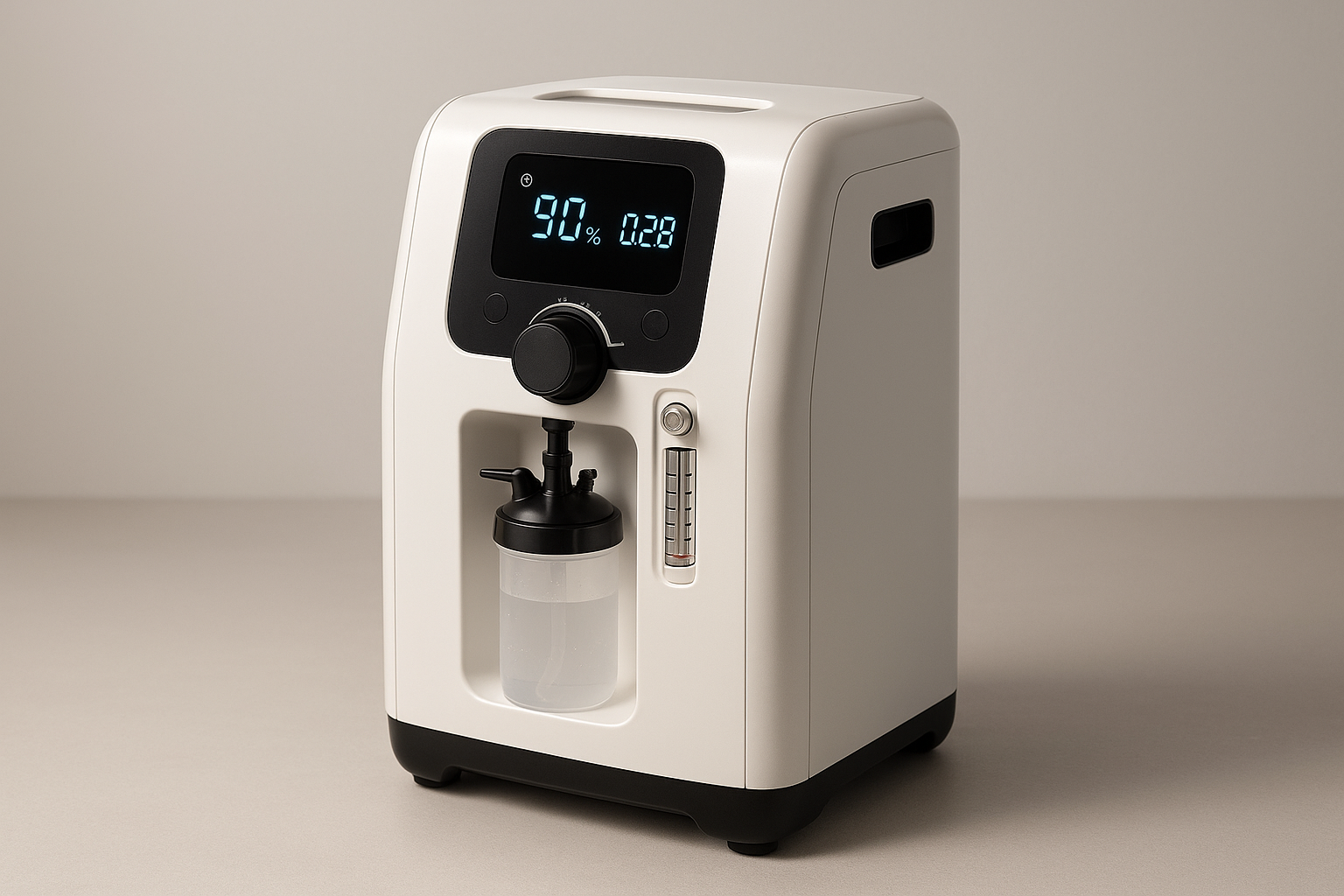
Can oxygen therapy be done at home? Yes, when prescribed. Many patients use home concentrators, portable systems, or nighttime oxygen after formal testing shows low oxygen levels.
Are there side effects? There can be. Dry nose, skin irritation from tubing, headaches, and in some settings ear pressure are among the more common complaints. Serious complications are uncommon when therapy is correctly prescribed and monitored.
Is a prescription needed? For medical oxygen in the United States, generally yes. Your clinician determines the flow rate, duration, and whether you need oxygen at rest, during exercise, or while sleeping.
Can you travel while using oxygen? Usually, yes, but planning matters. Airlines have device rules, cruise lines have their own forms, and your doctor may need to document your oxygen needs in advance.
What conditions may require you to have oxygen? COPD, pulmonary fibrosis, heart failure with hypoxemia, severe pneumonia, cystic fibrosis, sleep-related oxygen drops, acute asthma, carbon monoxide poisoning, and certain wound-healing conditions treated with hyperbaric oxygen are all examples.
Navigating Life with Oxygen Therapy
Once oxygen therapy enters your life, even part-time, daily routines need editing. Not dramatic editing. More like the sort you do when guests are coming and you finally notice the lamp has been crooked for years. You may need to plan outings around battery life, keep tubing from tangling around chair legs, and learn the difference between mild shortness of breath and a warning sign. None of this is glamorous, but a great deal of modern health management is simply learning what your equipment needs before your body complains.
We recommend a practical three-part system. First, build a routine: check your device, keep backup supplies, and know your prescribed settings. Second, make your home safer: oxygen supports combustion, so keep equipment away from open flames, smoking, and grease-heavy cooking situations. Third, recruit support: family members, neighbors, caregivers, and local respiratory support groups can help you troubleshoot the ordinary annoyances that become enormous when you are alone and already tired.
Community support matters more than most people expect. The American Lung Association and local hospital programs often offer pulmonary rehabilitation, education, and support groups. Pulmonary rehab has been shown to improve exercise tolerance and quality of life in many chronic lung patients. We found that people who ask for help earlier tend to adapt faster. They walk more, panic less, and waste less energy pretending they are not affected.
- Daily tip: keep a written list of your oxygen settings and provider numbers
- Safety tip: no smoking or open flames near oxygen equipment
- Support tip: ask about pulmonary rehab and local support groups
Conclusion: Taking the Next Steps
If you came here asking What conditions may require you to have oxygen?, you now know the answer is broader than most people expect. Chronic lung diseases such as COPD and pulmonary fibrosis are obvious reasons, yes, but heart failure, cystic fibrosis, sleep-related oxygen drops, emergency asthma care, carbon monoxide poisoning, and certain wound-healing situations can all put oxygen therapy on the table. In 2026, the best approach is still the same one good clinicians have always used: test, diagnose, match the therapy to the problem, and monitor the result.
Here is the practical next step. If you have symptoms such as shortness of breath, chest tightness, fatigue with activity, frequent morning headaches, poor wound healing, or repeatedly low pulse oximeter readings, schedule a medical evaluation. Ask specific questions: Do I need testing at rest, during exercise, or overnight? Would home oxygen help? Is Hyperbaric Therapy worth discussing for my condition?
If you are in Pensacola or nearby, you can also contact Henry Chiropractic at 1823 N 9th Ave, Pensacola, FL 32503, call (850) 435-7777, or visit their website to learn more about supportive chiropractic care and Hyperbaric Therapy options. Breathing is one of those things you barely notice until it becomes difficult. That’s the cruel joke. The kinder response is to act early, get evaluated, and give your body the oxygen and support it has been quietly requesting all along.

Frequently Asked Questions
Can oxygen therapy be done at home?
Yes, oxygen therapy can be done at home, but only under a clinician’s direction. Home setups usually include an oxygen concentrator, tubing, and in some cases a portable tank, and your provider will set the flow rate based on pulse oximetry or arterial blood gas results.
Are there side effects to using oxygen therapy?
It can. Common side effects include nasal dryness, skin irritation where tubing rests, headaches, and fatigue in some patients after longer sessions. Hyperbaric oxygen therapy may also cause ear pressure, which is why staff usually coach you through pressure-equalizing techniques.
Is a prescription needed for oxygen therapy?
For medical oxygen used to treat low blood oxygen, yes, a prescription is typically needed in the United States. That’s because too little oxygen won’t help and too much can be risky in certain patients, especially some people with advanced COPD.
Is oxygen therapy used for sleep apnea?
Not always. CPAP remains the first-line treatment for obstructive sleep apnea, but supplemental oxygen may be added in select cases when low oxygen levels continue despite standard treatment or when another lung condition is present.
What conditions may require you to have oxygen?
What conditions may require you to have oxygen? The short answer is any condition that lowers the amount of oxygen reaching your blood or tissues, including COPD, pulmonary fibrosis, severe pneumonia, heart failure, carbon monoxide poisoning, and some wound-healing problems treated with hyperbaric oxygen therapy.
Key Takeaways
- Oxygen therapy is used when your lungs, heart, blood, or tissues cannot deliver enough oxygen to meet your body’s needs.
- Common reasons for oxygen include COPD, heart failure with hypoxemia, cystic fibrosis, pulmonary fibrosis, severe asthma, and carbon monoxide poisoning.
- Hyperbaric oxygen therapy increases oxygen delivery under pressure and may support wound healing, reduce inflammation, and aid selected medical conditions.
- Home oxygen can be safe and effective when prescribed correctly, but settings, fire safety, and regular monitoring matter.
- If you have symptoms of low oxygen or want to discuss Hyperbaric Therapy in Pensacola, contact Henry Chiropractic for guidance and supportive care options.