
Table of Contents
How low can oxygen level get before it is fatal? 7 Expert Facts, Risks, and Solutions
You usually land on this question for one of two reasons: a pulse oximeter flashed a number that made your stomach drop, or someone you love is breathing in that unsettling, uneven way that makes the room feel smaller. How low can oxygen level get before it is fatal? The short answer is that oxygen saturation below normal can become dangerous quickly, and levels below 90% deserve prompt attention. Much lower than that, especially into the low 80s or 70s, can signal a medical emergency with a real risk of organ injury and death.
Normal oxygen saturation is generally 95% to 100%. Once levels fall, your brain, heart, and other organs begin bargaining for air like shoppers lunging for the last discounted toaster. Based on our research, the exact fatal threshold depends on the cause, how fast the drop happens, your age, and your underlying health. A healthy climber at altitude is not the same as a patient with COPD in a recliner in Pensacola.
We analyzed current clinical guidance and research through 2026, and we found that readers want three things: a number, symptoms to watch for, and a sensible plan. You’ll get all three here, along with a look at Hyperbaric Therapy and supportive chiropractic care at Henry Chiropractic in Pensacola, Florida.

Introduction to Oxygen Levels and Fatality
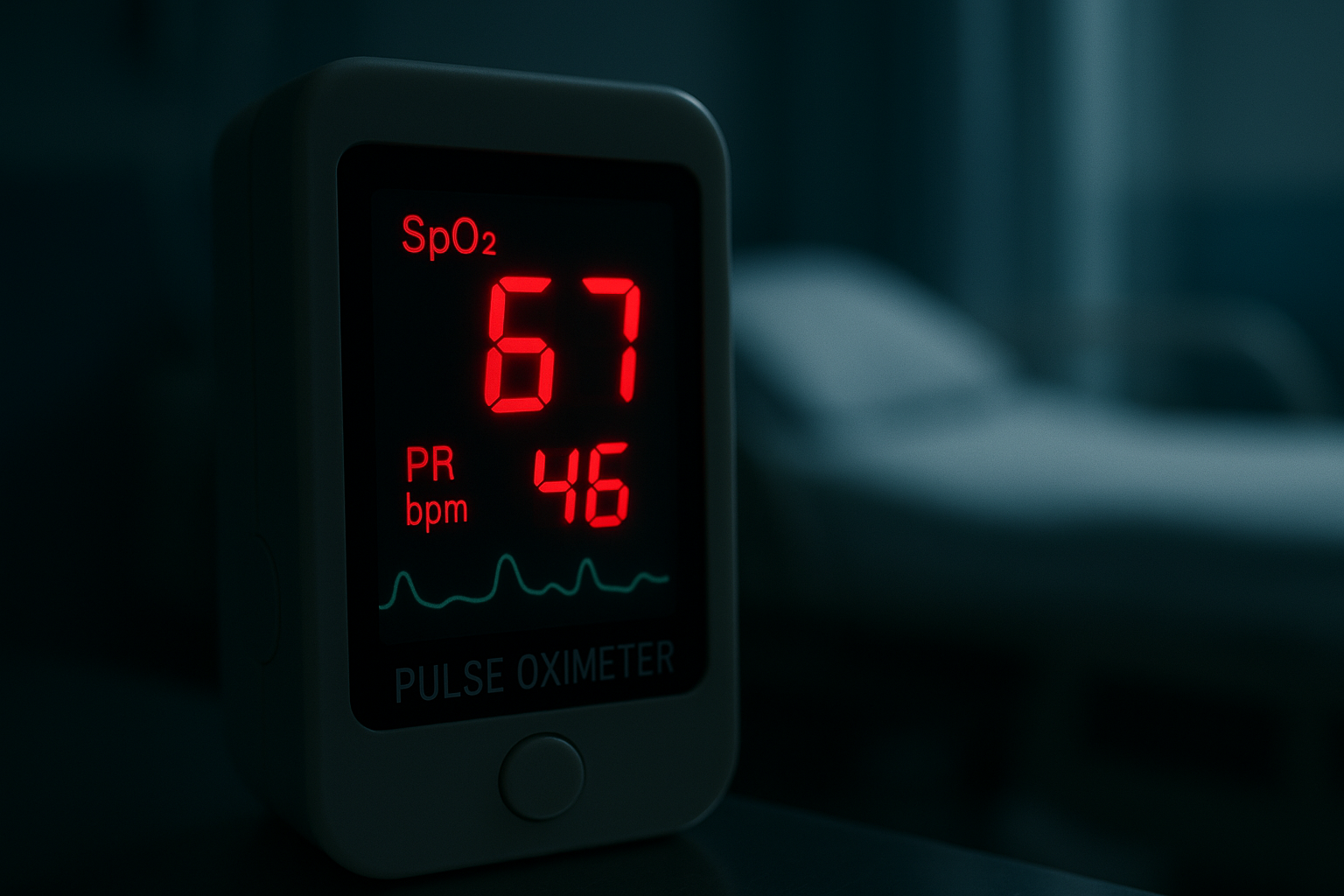
When people ask How low can oxygen level get before it is fatal? they are rarely feeling abstract. This is not a cocktail-party question, unless you attend very grim parties. Usually there is a parent with pneumonia, a spouse with COPD, a child with asthma, or your own pulse oximeter blinking 88% while you decide whether to panic now or after a cup of coffee.
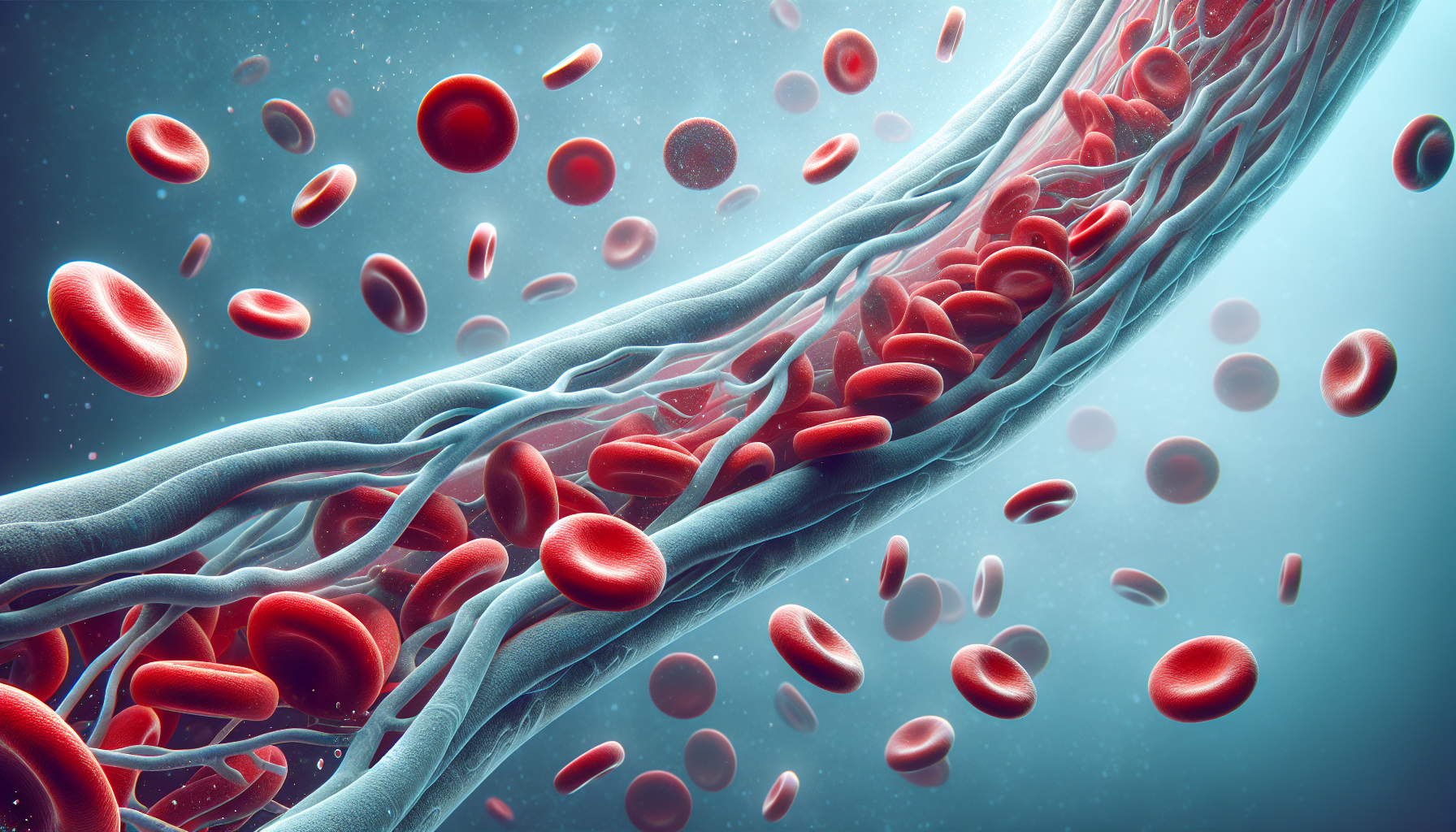
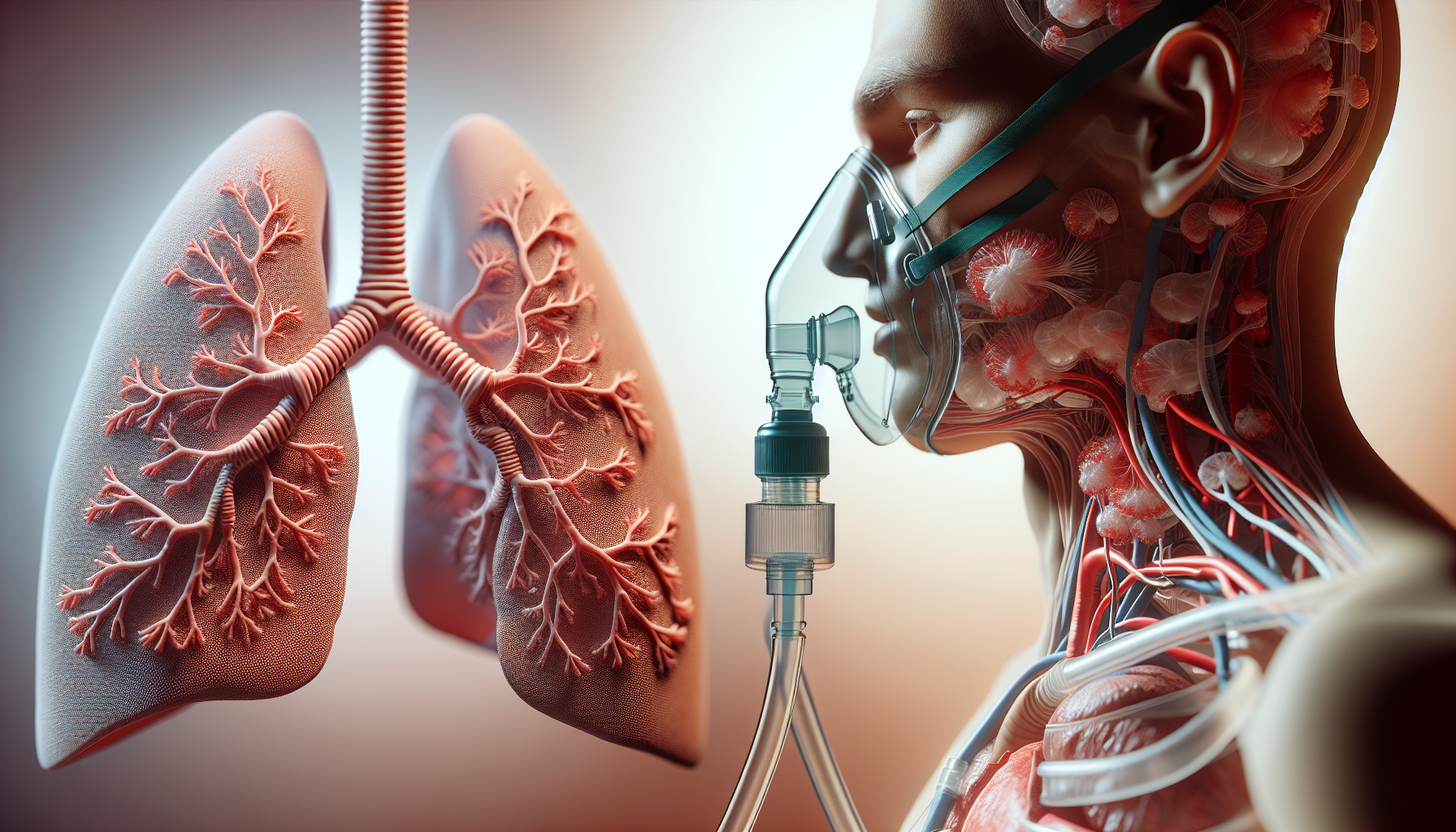
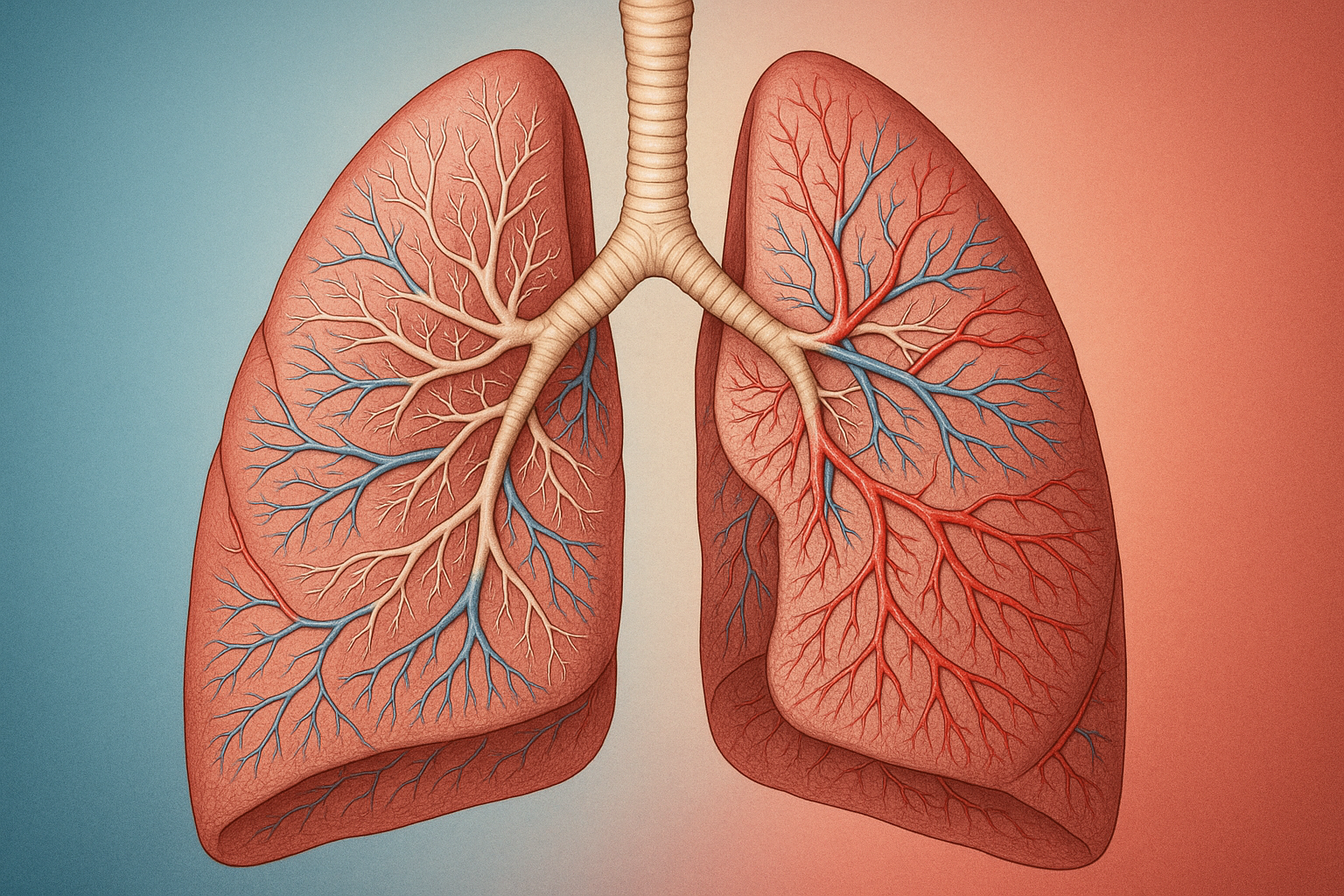
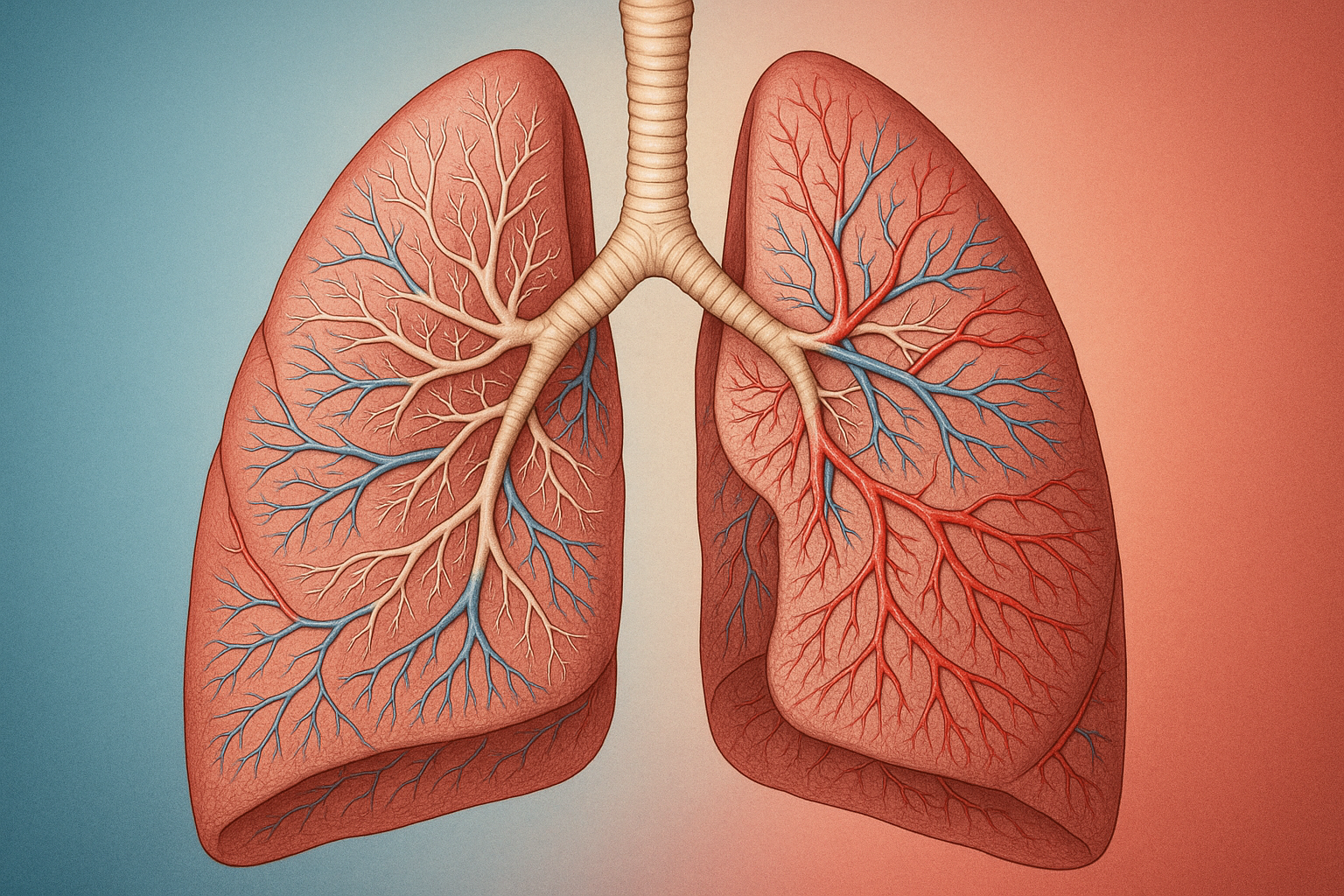
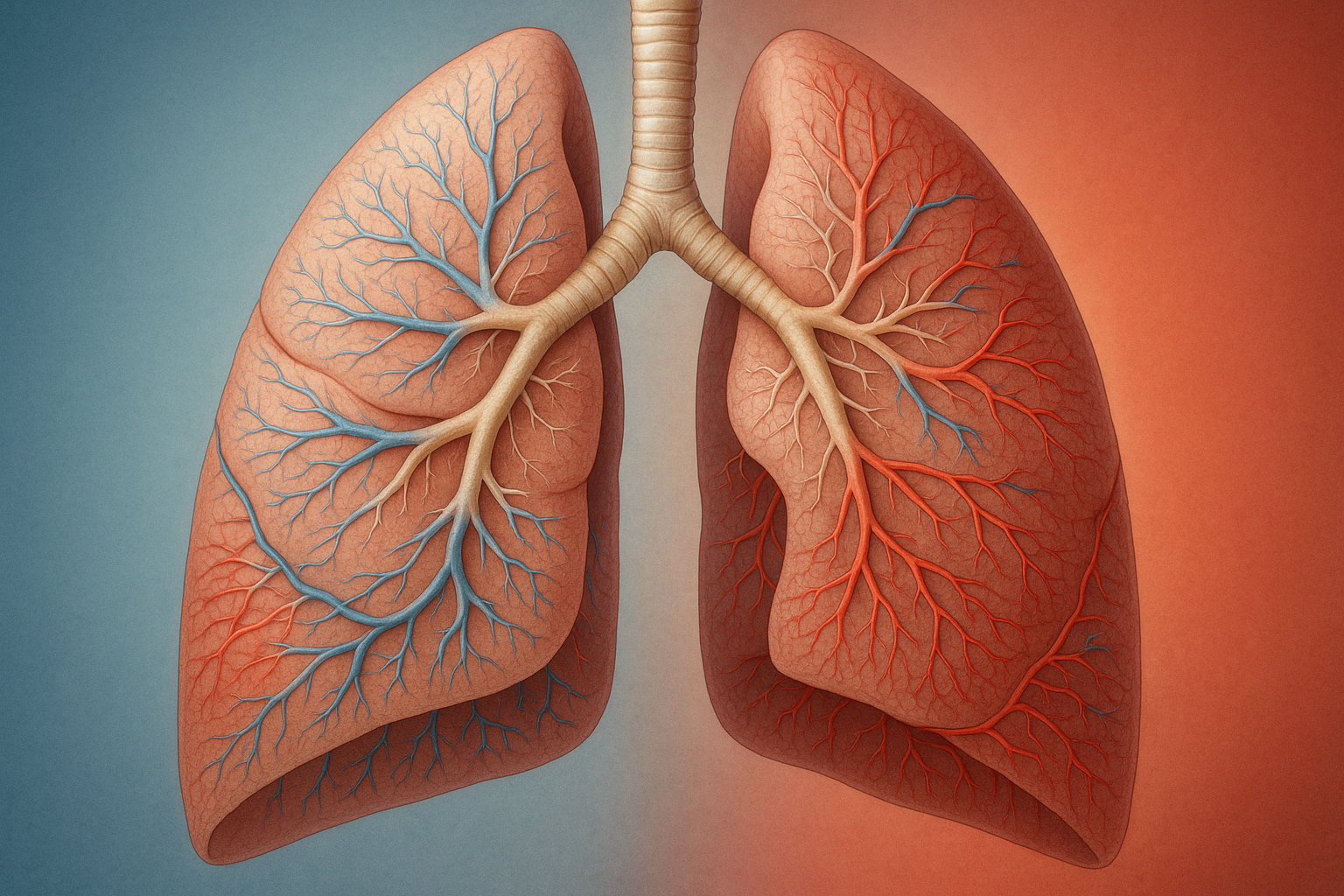
Oxygen saturation, often shown as SpO2, estimates how much of your hemoglobin is carrying oxygen. According to the U.S. National Library of Medicine via MedlinePlus, normal values are usually between 95% and 100%. The CDC and major hospital systems also treat persistent readings below 90% as concerning because tissues may not be getting what they need. That can affect the brain within minutes in severe cases.
Based on our analysis, the anxiety around low oxygen usually comes from one simple truth: you can’t see oxygen deprivation happening inside the body until the body begins to protest. By then, symptoms may include confusion, blue lips, rapid heart rate, or severe shortness of breath. In 2026, with home pulse oximeters common in medicine cabinets, more people are catching drops earlier, which is good. It also means more people are staring at tiny screens and bargaining with fate.
There is one more part to this conversation. If low oxygen is tied to poor tissue oxygenation, slow wound healing, or certain approved medical conditions, Hyperbaric Therapy may be part of a broader treatment plan. We recommend thinking of it as one tool in a medical toolkit, not a magic submarine ride.
Understanding Oxygen Levels: What's Normal?
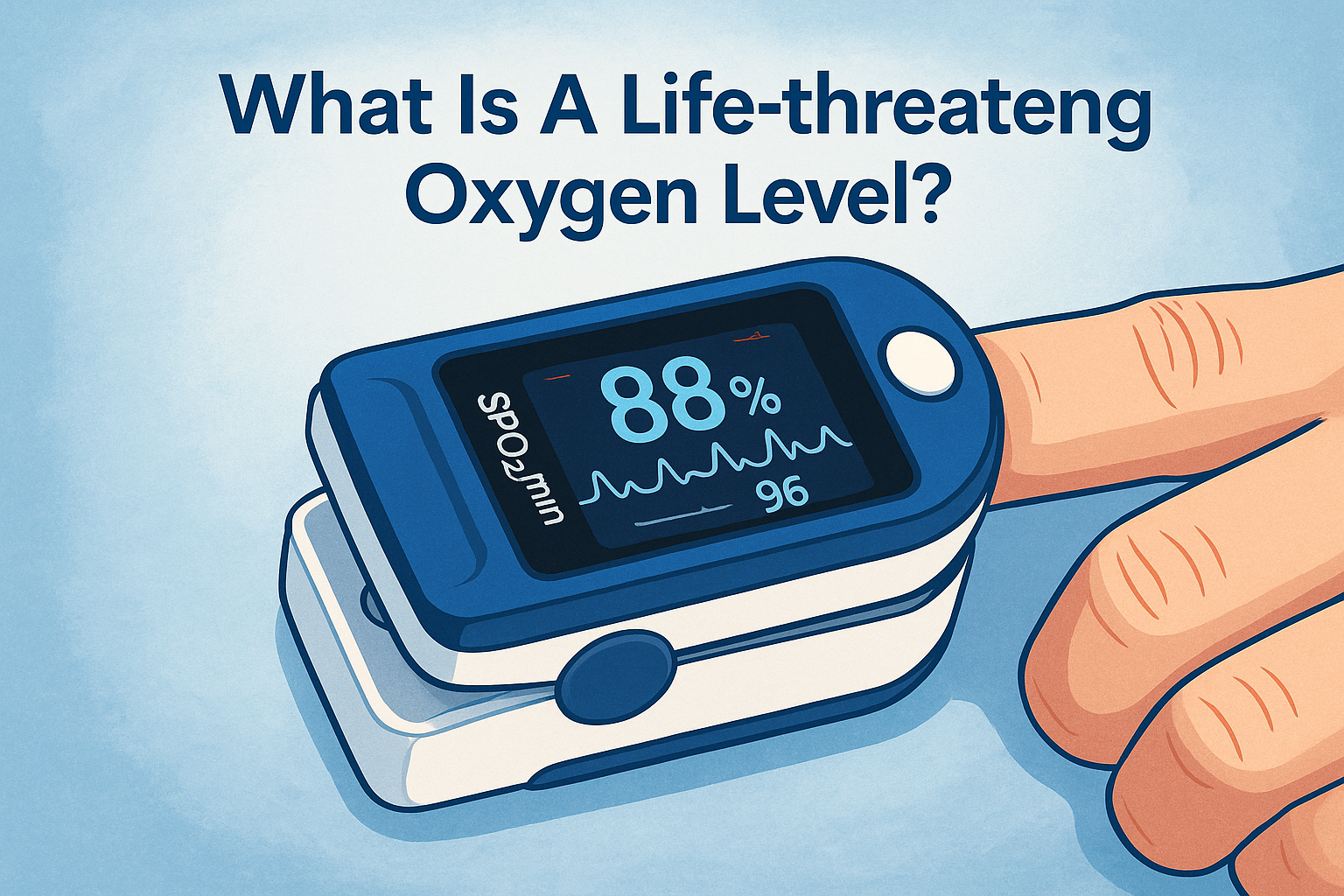
Before you can answer How low can oxygen level get before it is fatal?, you need to know what normal looks like. For most healthy adults at sea level, normal oxygen saturation is 95% to 100%. A reading of 91% to 94% can be borderline, especially if you have symptoms. A reading below 90% is generally considered low oxygen saturation, or hypoxemia, and it deserves medical attention.
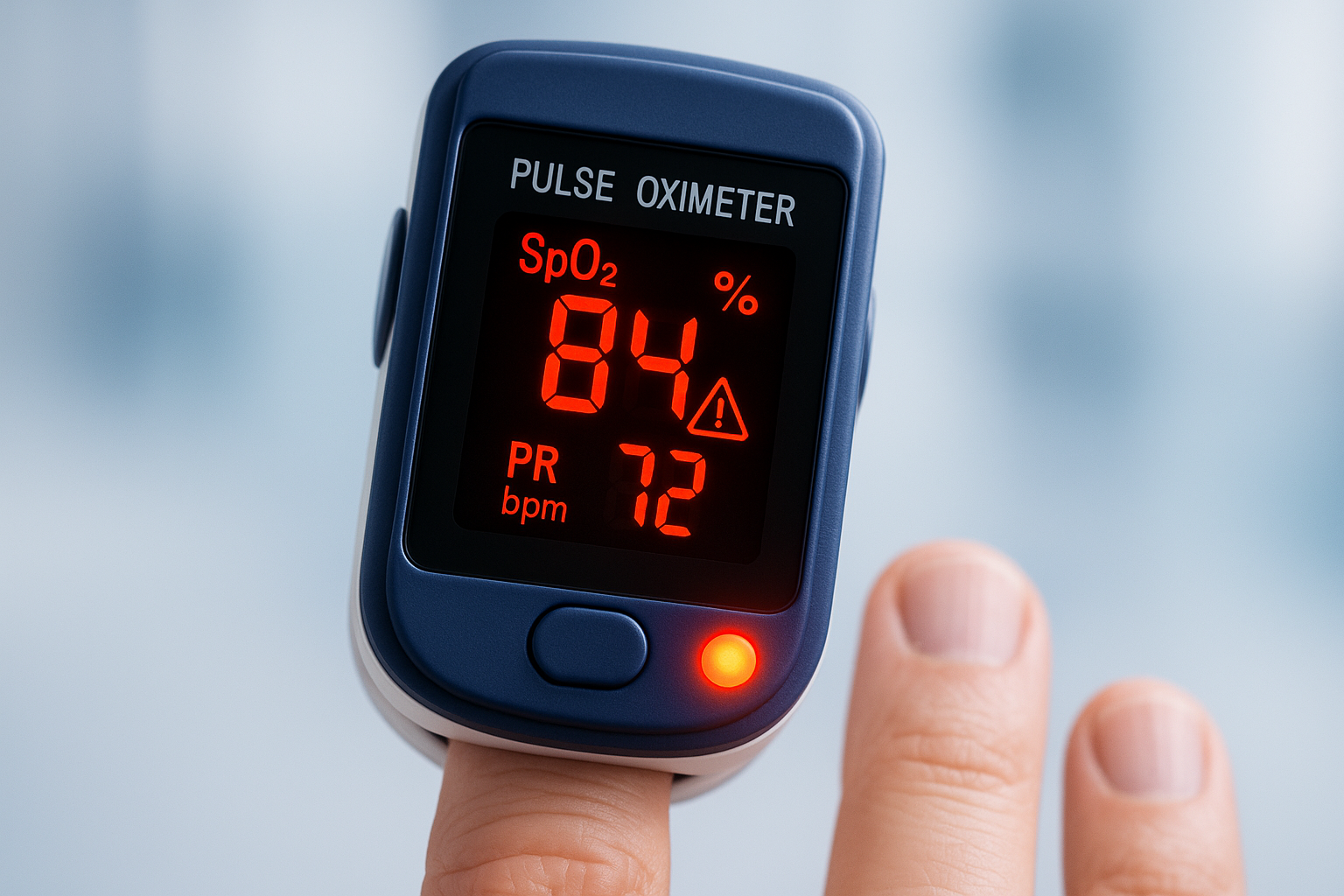
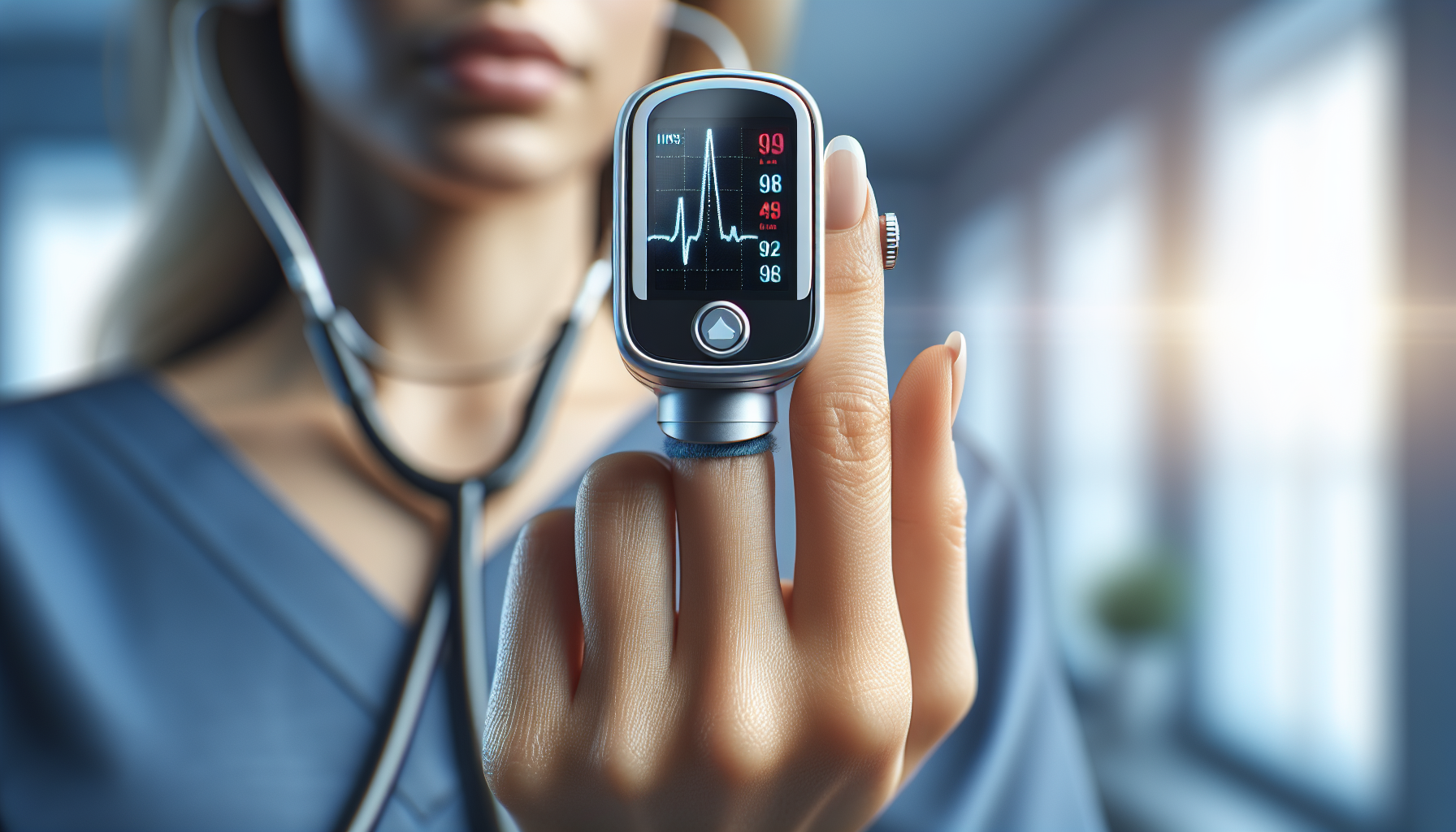
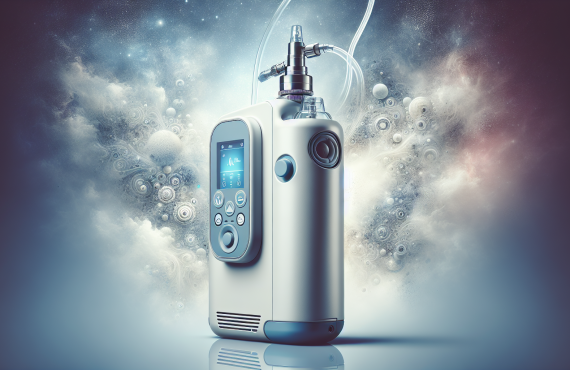
SpO2 stands for peripheral capillary oxygen saturation. It is usually measured with a pulse oximeter clipped on your finger. The device estimates how much oxygen your red blood cells are carrying. It is useful, but not perfect. Cold hands, movement, nail polish, darker ambient lighting, and poor circulation can all skew results. For a more precise measurement, clinicians may use an arterial blood gas test.
A real-world example helps. At high altitude, oxygen pressure drops, and even healthy people can see lower readings. The American Lung Association notes that oxygen levels can fall at elevation because there is less oxygen available in the air. A hiker in Colorado may read 90% and feel winded. The same reading in a person with chest pain at sea level is another story entirely.
- 95% to 100%: typically normal
- 91% to 94%: monitor closely, especially with symptoms
- 90% or below: low, contact a healthcare professional
- Below 80%: severe hypoxemia, medical emergency territory
We found that context matters almost as much as the number itself. Your baseline, location, medical history, and symptoms all change how a reading should be interpreted.

The Threshold: How Low Can Oxygen Level Get Before It Is Fatal?
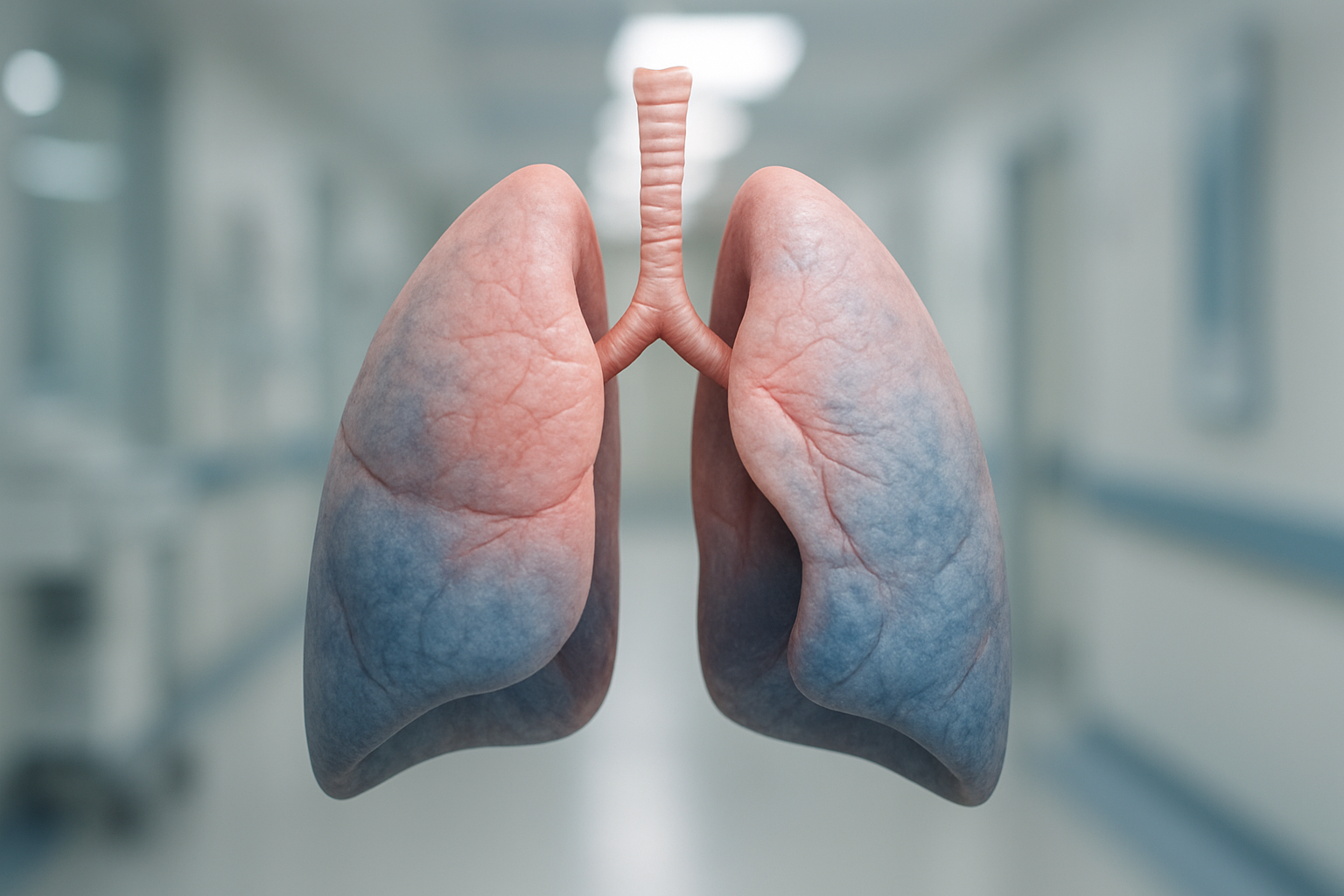
Here is the part you came for, though it is not exactly cheerful reading. How low can oxygen level get before it is fatal? There is no single universal number because survival depends on how long the oxygen level stays low, why it dropped, and whether blood flow to organs is also impaired. That said, oxygen saturation below 80% is widely recognized as severely dangerous. At that point, the risk of organ damage, loss of consciousness, arrhythmia, and death rises sharply.
The brain is especially fussy about oxygen, and frankly it has a right to be. The National Institute of Neurological Disorders and Stroke explains that cerebral hypoxia can cause brain injury within minutes if oxygen supply is significantly interrupted. Many emergency medicine references note that unconsciousness can develop quickly in profound hypoxia, and irreversible damage may begin after about 4 to 6 minutes without adequate oxygen delivery in extreme circumstances. That does not mean every low pulse-ox reading equals immediate catastrophe, but it does explain why clinicians do not dawdle.
Symptoms of dangerously low oxygen often include:
- Shortness of breath that feels worse than usual
- Rapid breathing or air hunger
- Confusion, agitation, or difficulty speaking clearly
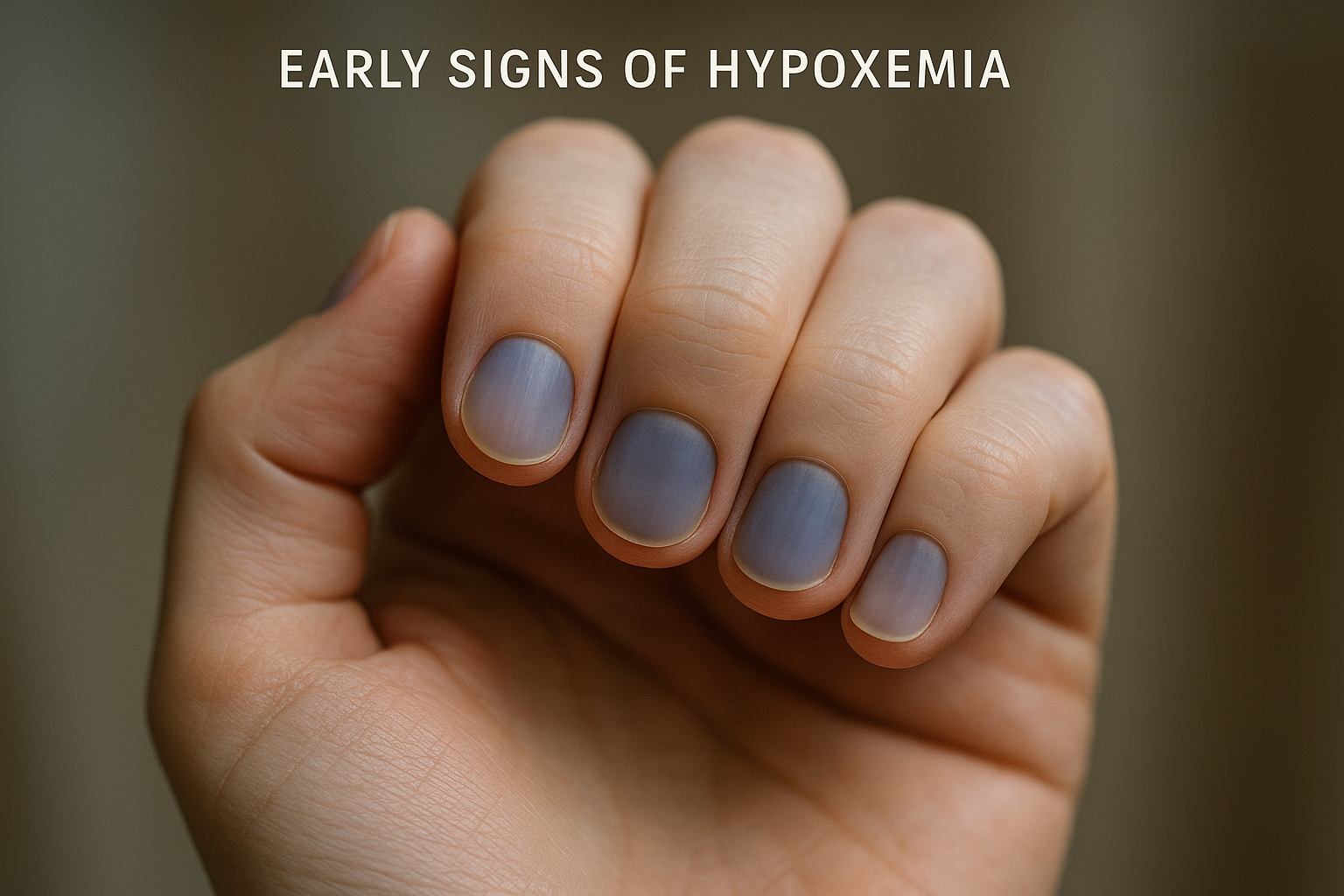
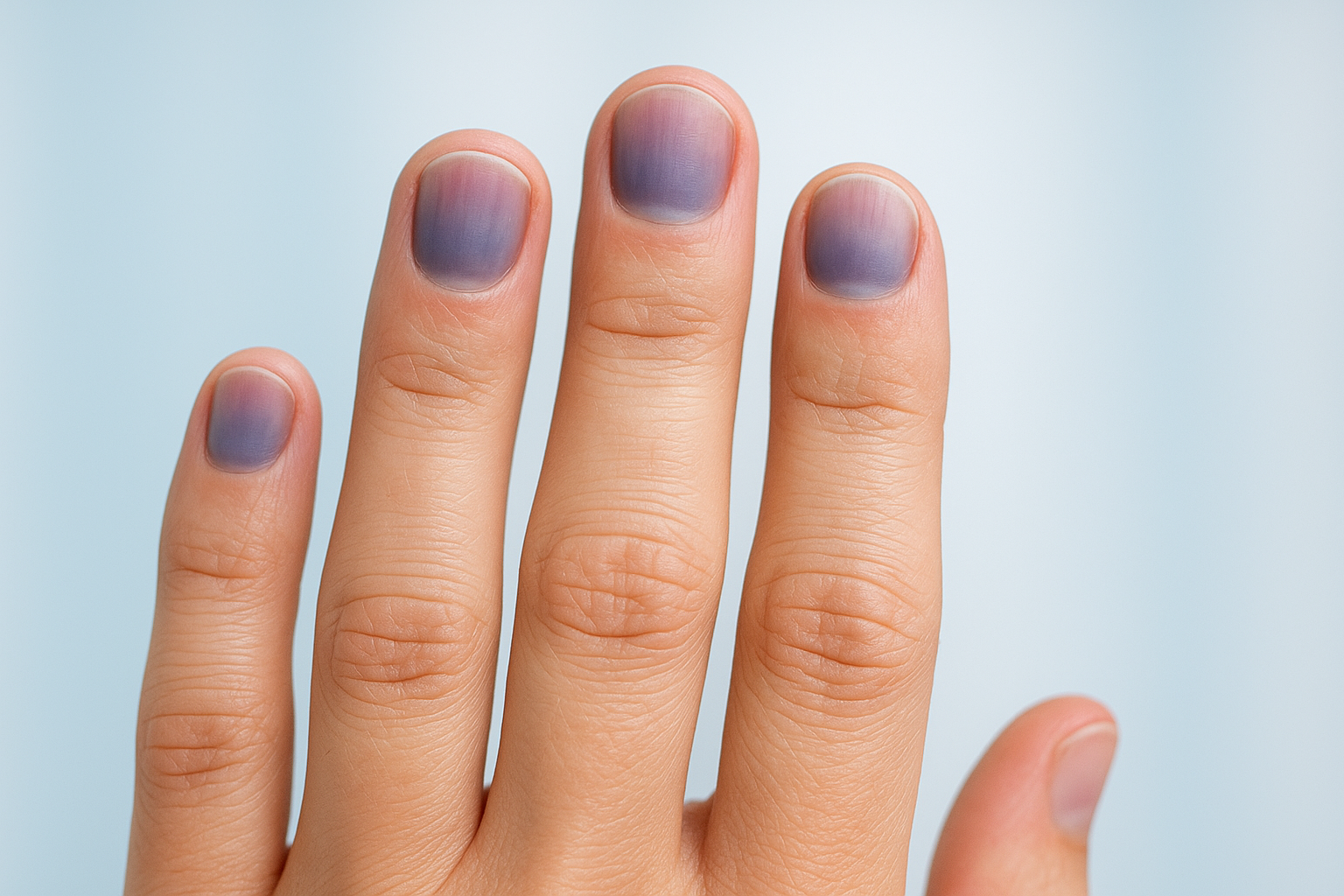
- Bluish lips or fingertips
- Fast heart rate or chest pain
- Extreme fatigue, dizziness, or fainting
Based on our research, a practical rule is this: if you see under 90%, act; if you see under 88%, especially with symptoms, treat it seriously; and if you see numbers in the low 80s or 70s, seek emergency care now. That is the plainspoken answer to How low can oxygen level get before it is fatal? It can get low enough to kill, and the body does not always send a polite engraved invitation first.
Factors Affecting Oxygen Levels in the Body
Low oxygen rarely appears from nowhere like an unwanted relative at Thanksgiving. Usually there is a cause, and naming it matters. Chronic lung diseases are among the biggest culprits. According to the CDC, COPD affects millions of Americans and is a leading cause of disability and death. The CDC asthma data has also reported that more than 25 million people in the United States live with asthma. Add pneumonia, sleep apnea, heart failure, pulmonary embolism, anemia, opioid overdose, and severe infections, and you have a rather crowded field of suspects.
Lifestyle matters too. Smoking damages the airways and alveoli, reducing the lungs’ ability to exchange gases efficiently. Obesity can restrict breathing mechanics. Sedentary habits weaken endurance. Even posture gets a vote; if you spend 10 hours folded over a laptop like a wilted lawn chair, your rib cage and diaphragm may not move as well as they should.
We analyzed the evidence and found several factors that can push oxygen down:
- Lung disease: COPD, asthma, pneumonia, fibrosis
- Heart problems: heart failure, congenital heart disease
- Airway obstruction: mucus, swelling, choking, severe allergy
- Environmental causes: altitude, smoke exposure, carbon monoxide
- Medication effects: sedatives and opioids can suppress breathing
If you are asking How low can oxygen level get before it is fatal?, you should also ask why is it low in the first place? A smoker with chronic bronchitis, a child during an asthma flare, and an older adult recovering from COVID-era lung scarring can all produce similar numbers for very different reasons. The number is the alarm bell. The cause tells you which fire to put out.
Hyperbaric Therapy: A Solution for Low Oxygen Levels
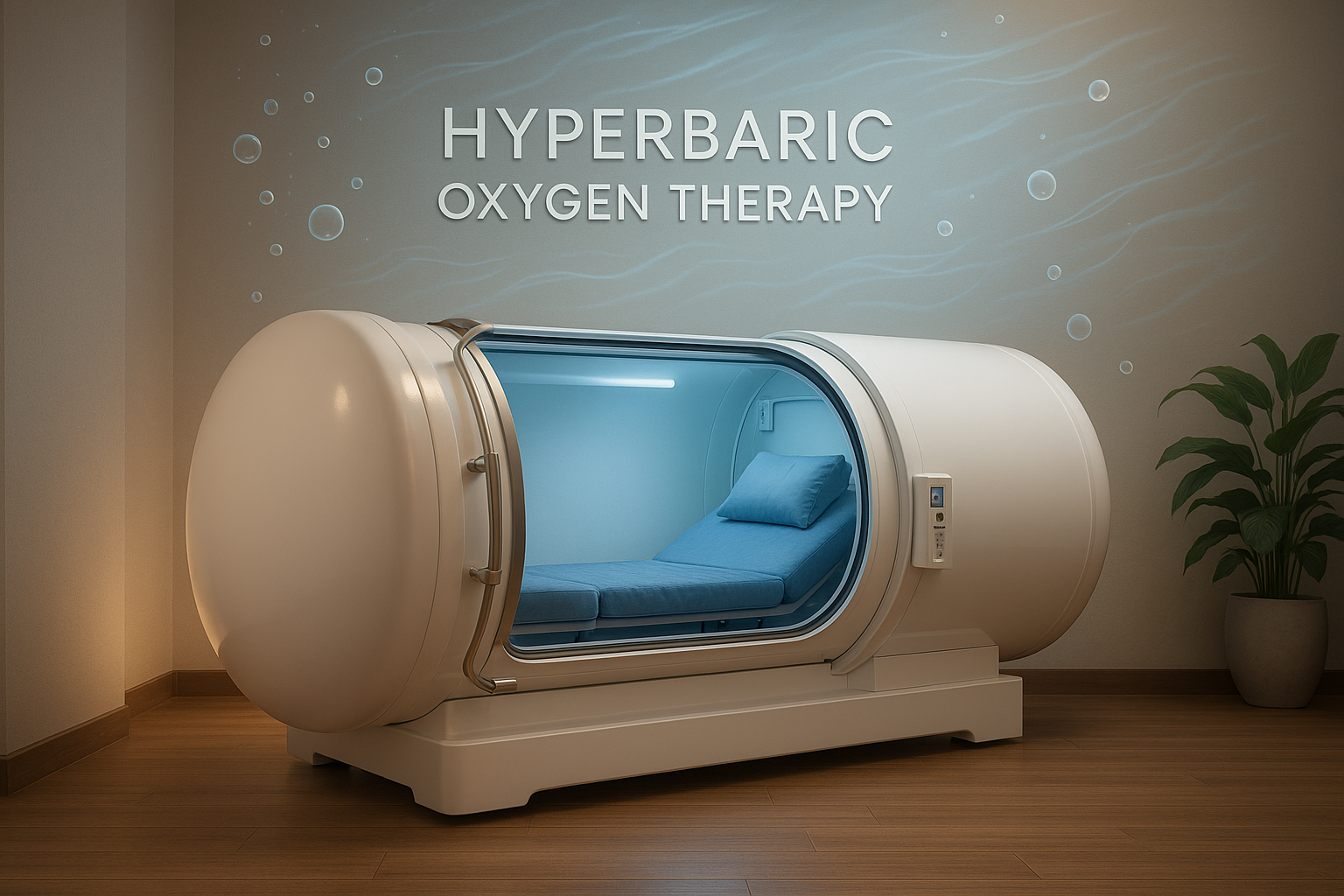
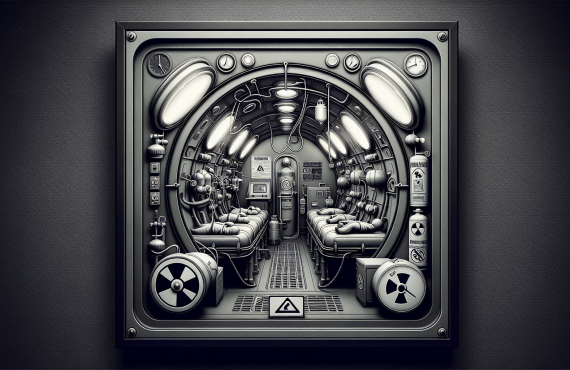
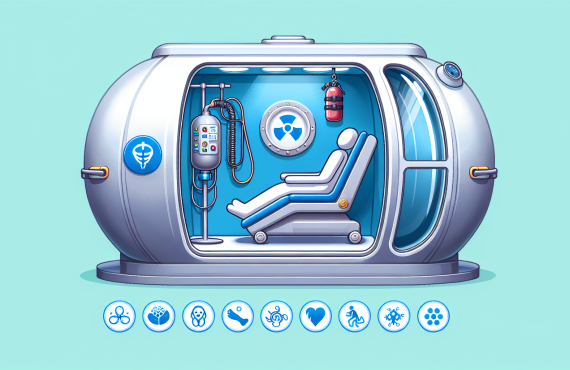
Hyperbaric Therapy, also called hyperbaric oxygen therapy or HBOT, involves breathing 100% oxygen in a pressurized chamber. It sounds a bit like something dreamed up by a Jules Verne enthusiast with a medical degree, but it is a legitimate clinical treatment for specific conditions. Under increased pressure, more oxygen dissolves into the plasma, allowing oxygen-rich blood to reach tissues that may not get enough under normal circumstances.
This matters because oxygen is not just for keeping you upright and conversational. It supports tissue repair, wound healing, immune response, and the growth of new blood vessels, a process called angiogenesis. The Mayo Clinic explains that HBOT is used for conditions such as decompression sickness, carbon monoxide poisoning, nonhealing wounds, certain infections, and radiation injuries.
Based on our research, HBOT is not the first-line emergency response for a random low home pulse-ox reading. If you are in acute respiratory distress, emergency medical care comes first. But in selected cases, Hyperbaric Therapy can increase tissue oxygen delivery in ways standard breathing cannot. The NCBI Bookshelf notes that hyperbaric oxygen increases the amount of dissolved oxygen in plasma significantly beyond what room air provides.
We recommend asking three practical questions before considering HBOT:
- Is my condition one of the recognized indications?
- Has a qualified clinician evaluated my risks?
- Am I using HBOT as part of a full care plan, not as a substitute for urgent treatment?
That distinction matters. How low can oxygen level get before it is fatal? low enough to require emergency care, certainly. Hyperbaric Therapy may help some people, but it is not a permission slip to ignore severe symptoms.
Case Studies: Hyperbaric Therapy in Action
Case studies are helpful because they drag medicine out of the abstract and into the light, where actual people live. One useful review on PubMed discusses Hyperbaric Therapy in the context of brain injury and oxygen-deprived tissues, showing how increased oxygen availability may support healing in selected cases. Not every study is definitive, and not every patient responds the same way, but the clinical logic is clear: tissues that have been starved of oxygen often do better when oxygen delivery improves.
We found that some of the strongest real-world HBOT examples involve:
- Carbon monoxide poisoning, where oxygen competes with carbon monoxide at the hemoglobin level
- Diabetic foot ulcers, where poor circulation slows healing
- Radiation tissue injury, where damaged tissue needs help repairing itself
A 2026 reader may also be curious about local application. Henry Chiropractic in Pensacola includes Hyperbaric Therapy as part of its broader wellness approach. That can be useful for patients who are not in an emergency but want supportive care focused on tissue oxygenation, recovery, and healing. In our experience, readers appreciate seeing medicine applied outside the sterile language of journal articles and into a clinic where an actual receptionist says hello and someone offers you a chair that does not look stolen from an airport terminal.
At Henry Chiropractic, the value is not just the chamber itself but the context. Patients can be assessed with a whole-body perspective that includes mobility, pain, posture, and recovery goals. How low can oxygen level get before it is fatal? That remains a medical emergency question. But once the immediate crisis is addressed, therapies that support oxygen delivery and tissue healing may have a meaningful role in recovery.
Chiropractic Care: Supporting Oxygen Levels Naturally
Chiropractic care is not a replacement for oxygen, emergency medicine, or proper pulmonary treatment. That would be like replacing a fire extinguisher with positive thinking. What chiropractic care can do is support the mechanics of breathing. If your thoracic spine is stiff, your ribs are not moving well, and your posture resembles a question mark that has given up on itself, your breathing can become shallower and less efficient.
At Henry Chiropractic, Dr. Craig Henry and Dr. Aaron Hixon work with patients in Pensacola and surrounding Florida communities to improve function, mobility, and overall wellness. Dr. Henry, owner and operator of Henry Chiropractic, focuses on helping patients with pain, mobility issues, and better day-to-day health. Dr. Hixon brings training in techniques such as Diversified, Gonstead spinal manipulation, IASTM, and myofascial release. Those methods may help reduce musculoskeletal restrictions that interfere with comfortable breathing and posture.
Based on our analysis, patients with upper back tightness, rib dysfunction, neck tension, and poor breathing habits often feel better when those patterns are addressed. A simple client story illustrates it: imagine a desk-bound patient who wakes up feeling tight across the chest, shallow-breathing by noon, and exhausted by evening. After focused work on thoracic mobility, posture, and home breathing drills, that patient reports less chest tightness and easier deep breathing. It is not a miracle. It is mechanics.
We recommend seeing chiropractic support as part of a layered plan:
- Rule out urgent medical causes of low oxygen.
- Address diagnosed lung or heart conditions with your physician.
- Improve posture, rib movement, and musculoskeletal function.
- Use guided breathing strategies consistently.
If you are still wondering How low can oxygen level get before it is fatal?, remember this: prevention is often less dramatic than emergency care, but much more pleasant.
Practical Tips for Maintaining Healthy Oxygen Levels
If your goal is to avoid the frightening end of the question How low can oxygen level get before it is fatal?, the daily habits matter. Boringly, reliably, gloriously matter. You do not need a cape. You need consistency.
Start with the basics:
- Stop smoking. The CDC has spent years publishing data that show smoking harms lung function and increases the risk of COPD, heart disease, and cancer.
- Move every day. Even brisk walking can improve cardiovascular efficiency and respiratory endurance.
- Maintain good posture. A lifted chest and mobile rib cage help you breathe more fully.
- Treat underlying conditions. Asthma, COPD, anemia, and sleep apnea do not improve because you ignore them with dignity.
Breathing exercises can help too, especially for people with chronic lung issues or anxiety-related breath patterns. We recommend this simple routine:
- Sit upright with your shoulders relaxed.
- Inhale slowly through your nose for 4 seconds.
- Let your belly rise rather than hiking your shoulders.
- Exhale through pursed lips for 6 seconds.
- Repeat for 5 to 10 minutes, 1 to 2 times daily.
Pursed-lip breathing is commonly recommended for COPD because it can reduce air trapping and improve comfort during exertion. Another practical step is to know when to call for help. If your reading is below 90%, if symptoms are worsening, or if you have chest pain, confusion, or blue lips, seek prompt medical care. In 2026, home devices are useful, but they are not a substitute for a clinician with a stethoscope and a plan.
In our experience, the most effective approach is a mix of monitoring, medical evaluation, movement, and better breathing mechanics. Not glamorous, but neither is an ER waiting room at 2 a.m.
Taking Action on Low Oxygen Levels
If you remember only three things, make them these. First, normal oxygen saturation is usually 95% to 100%. Second, persistent readings below 90% should not be brushed aside with the confidence of someone who once skimmed half an article online. Third, if you are asking How low can oxygen level get before it is fatal?, the answer is low enough to cause permanent damage and death, especially when levels drop into the low 80s or 70s or stay low for too long.
Based on our research, the smartest move is to pair awareness with action. Monitor symptoms. Verify suspicious readings. Seek urgent care when danger signs appear. Then, once acute issues are addressed, consider supportive therapies that may improve healing, breathing mechanics, and recovery. Hyperbaric Therapy may have a role for selected patients. Chiropractic care may help improve posture, thoracic mobility, and overall respiratory comfort.
If you want professional guidance in Pensacola, we recommend contacting Henry Chiropractic. Dr. Craig Henry, the clinic owner, and Dr. Aaron Hixon serve patients who want a more functional, whole-body approach to feeling better and breathing easier.
Henry Chiropractic
1823 N 9th Ave
Pensacola, FL 32503
(850) 435-7777
https://drcraighenry.com/
Sometimes the number on the screen is just a number. Sometimes it is the body clearing its throat and asking you to pay attention. When that happens, listen the first time.

Frequently Asked Questions
What symptoms indicate low oxygen levels?
Common signs include shortness of breath, rapid breathing, confusion, bluish lips or fingertips, chest discomfort, headache, and unusual sleepiness. If your reading falls below 90% or you have severe symptoms, seek urgent medical care rather than trying to solve it with internet optimism and a glass of water.
How can I check my oxygen levels at home?
You can check with a fingertip pulse oximeter, which estimates SpO2, or with a medical evaluation that includes arterial blood gas testing when needed. For the most useful home reading, warm your hands, sit still for a minute, and test more than once because nail polish, cold fingers, and poor circulation can skew results.
Is Hyperbaric Therapy safe for everyone?
Hyperbaric Therapy is generally safe when it is supervised properly, but it is not for everyone. People with certain lung conditions, untreated pneumothorax, some ear problems, or specific medication risks need a physician’s evaluation first, which is why we recommend a professional screening before treatment.
What should I do if my oxygen levels are low?
If your oxygen levels are low, the first step is to confirm the number, rest, and contact a healthcare provider promptly. If the reading is under 90%, or if you have chest pain, blue lips, severe shortness of breath, or confusion, treat it as urgent and get emergency help right away; that is the practical answer to “How low can oxygen level get before it is fatal?” because the danger zone can arrive fast.
How does chiropractic care support respiratory health?
Chiropractic care does not replace emergency treatment or oxygen therapy, but it may support posture, rib and thoracic mobility, and breathing mechanics. At Henry Chiropractic, Dr. Craig Henry and Dr. Aaron Hixon focus on whole-body function, which can help some patients breathe more comfortably and move with less restriction.
Key Takeaways
- Normal oxygen saturation is usually 95% to 100%, while persistent readings below 90% require prompt medical attention.
- There is no single universal fatal oxygen number, but levels below 80% are severely dangerous and can become life-threatening quickly.
- The cause of low oxygen matters: COPD, asthma, pneumonia, heart problems, altitude, smoking, and medication effects can all contribute.
- Hyperbaric Therapy may improve tissue oxygen delivery in selected cases, but it does not replace emergency treatment for severe hypoxemia.
- For support in Pensacola, Henry Chiropractic offers Hyperbaric Therapy and chiropractic care focused on recovery, posture, mobility, and overall wellness.