
Table of Contents
How can you tell if your brain is not getting enough oxygen? 8 Expert Signs to Watch

Introduction: The Oxygen Quandary
How can you tell if your brain is not getting enough oxygen? Usually, it doesn’t send you a neatly typed memo. It sends a headache at 10:14 a.m., a spell of dizziness in the grocery store, or that odd sensation that your thoughts are wearing winter boots and moving through molasses.
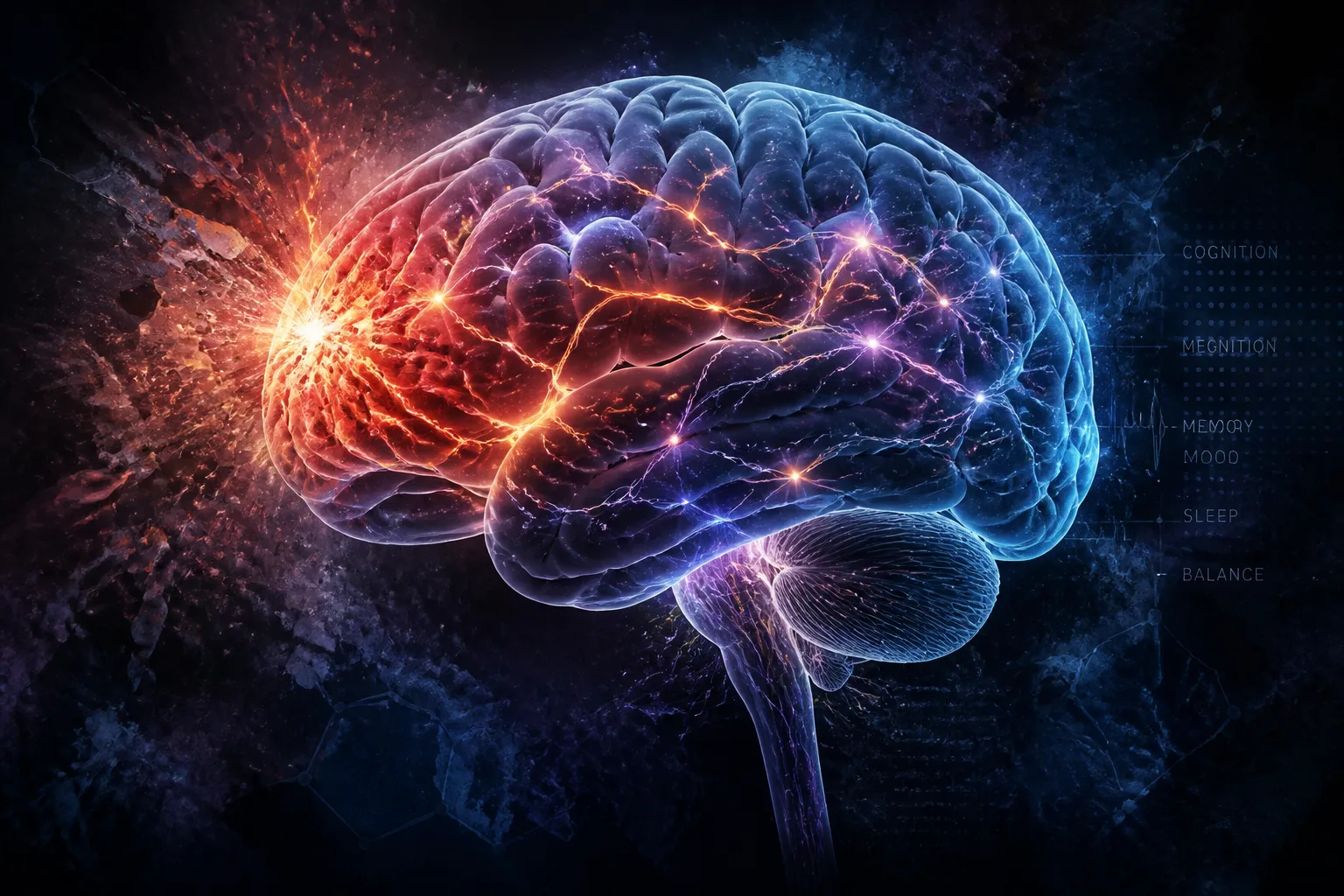
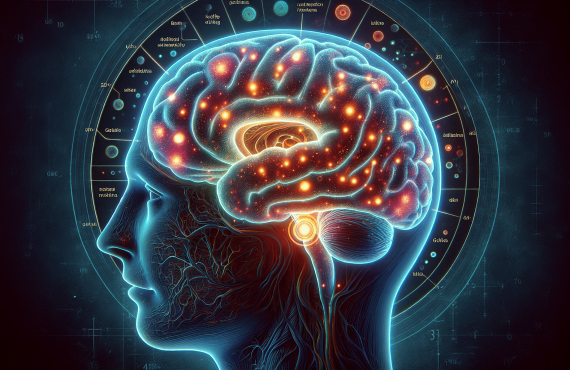
Your brain is only about 2% of your body weight, yet it uses roughly 20% of your body’s oxygen supply, according to neuroscience research summarized by institutions such as NCBI. That’s a greedy little organ, and for good reason. It runs memory, mood, balance, language, judgment, and the ability to remember why you walked into the pantry in the first place.
When oxygen delivery dips, even briefly, the effects can range from subtle to dangerous. You might feel foggy, irritable, clumsy, or unusually tired. In more serious cases, oxygen deprivation can contribute to fainting, seizures, stroke-like symptoms, or lasting brain injury. Based on our research, the trick is catching the quieter signs before they turn theatrical.
As of 2026, more people are using home pulse oximeters, tracking sleep, and paying attention to fatigue and brain fog, but many still miss the connection between oxygen and brain function. We found that readers often assume low oxygen always looks dramatic. Sometimes it looks like poor focus, a morning headache, or forgetting the name of a person you’ve known since 2017.
That’s the puzzle. And if you’ve been wondering whether your symptoms could point to poor oxygenation, you’re asking the right question at the right time.
Understanding Brain Hypoxia
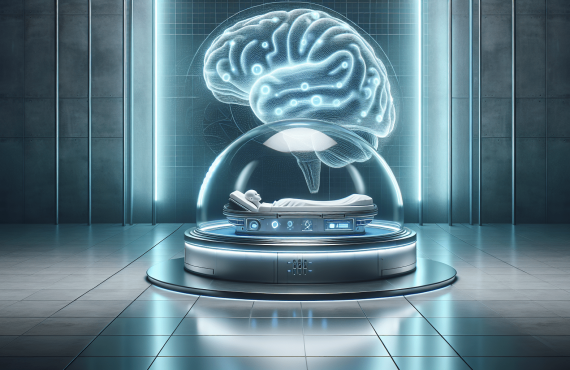
Brain hypoxia means the brain is not getting enough oxygen. It can happen because oxygen levels in the blood are low, blood flow to the brain is reduced, or the body can’t carry oxygen efficiently enough. The causes are a motley crew: sleep apnea, COPD, anemia, asthma flare-ups, heart disease, stroke, drug overdose, choking, severe infection, or high altitude.
The numbers are not small. The CDC reports that sleep disorders and breathing problems affect millions of Americans, and obstructive sleep apnea alone is believed to be widely underdiagnosed. COPD affects about 16 million U.S. adults who have received a diagnosis, according to the CDC, and many more may have it without knowing. Anemia is also common worldwide; the WHO estimates it affects roughly 30% of women aged 15 to 49 globally.
Why does early recognition matter? Because brain cells are not known for their patience. Studies on severe oxygen deprivation show that damage can begin within minutes when blood flow and oxygen are cut off entirely. That doesn’t mean every mild dip leads to permanent harm, but it does mean you shouldn’t shrug off repeated symptoms, especially when they’re new.
In our experience, people tend to normalize gradual decline. They blame age, stress, poor coffee, children, coworkers, pollen, or Mercury in retrograde. Sometimes the real issue is simpler and more physical: the brain isn’t being supplied the way it should be. In 2026, with better access to sleep testing and home monitoring, there’s less reason to ignore persistent warning signs.

The Tell-Tale Signs: How can you tell if your brain is not getting enough oxygen?
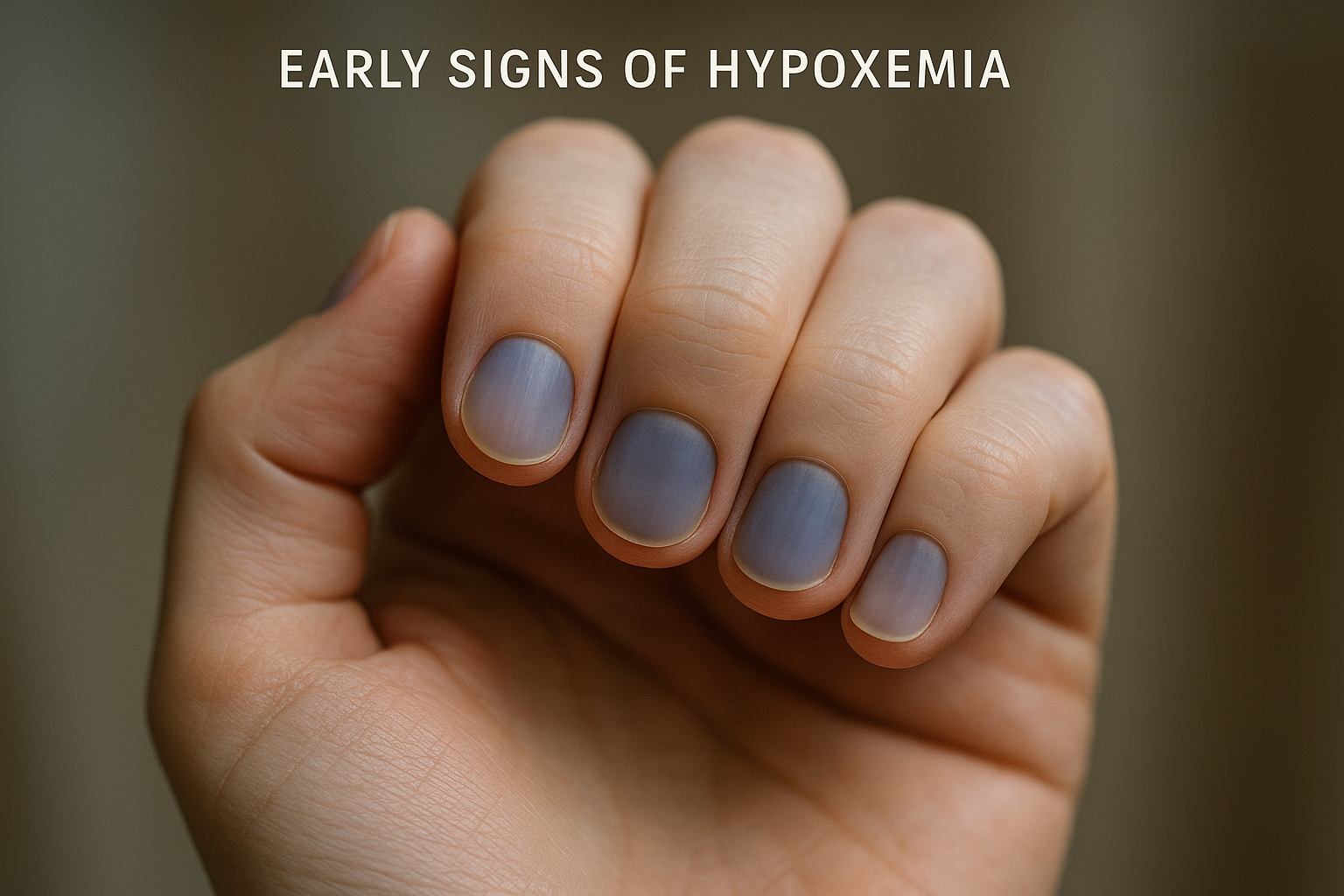
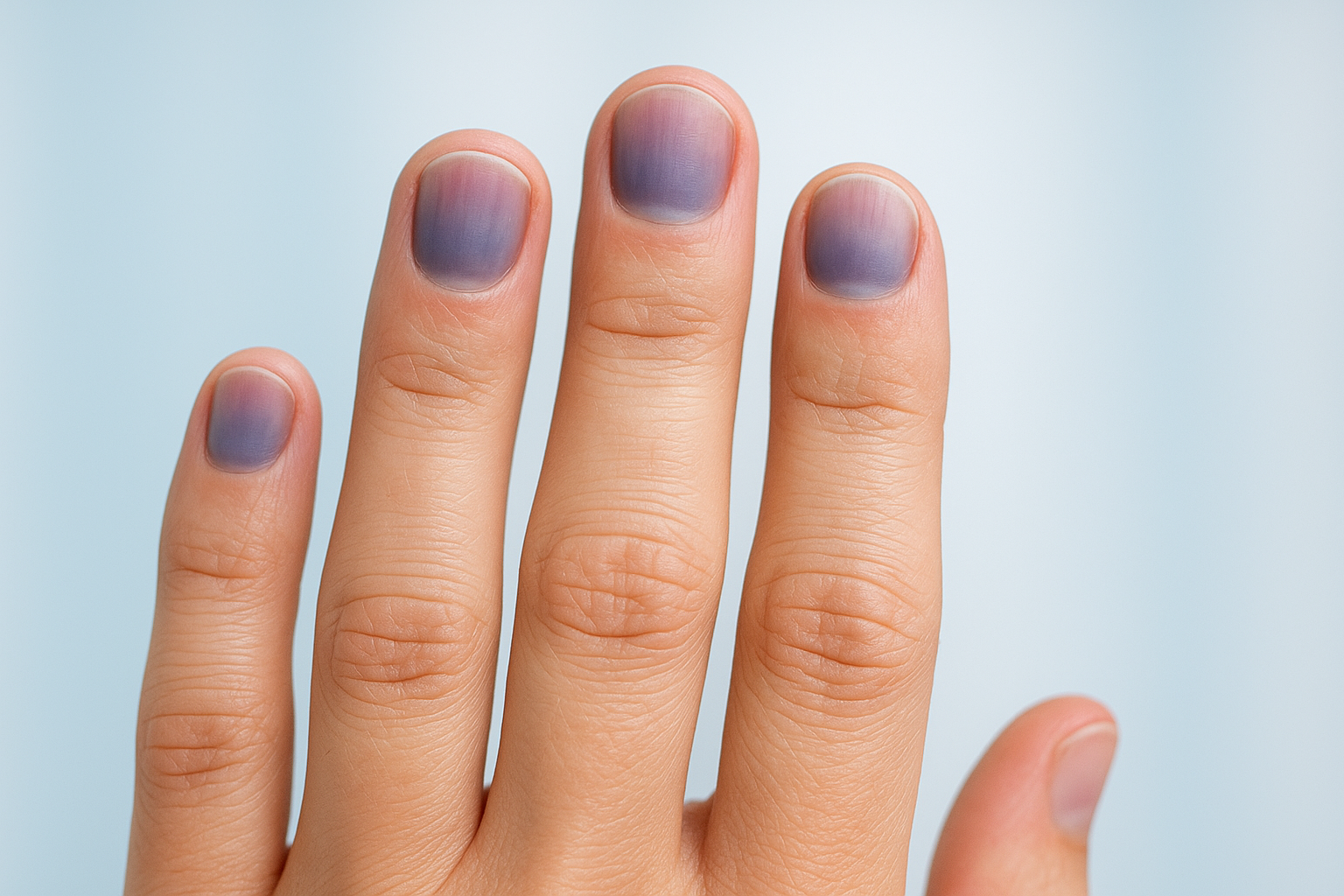
How can you tell if your brain is not getting enough oxygen? Start with the symptoms that show up again and again in clinics, emergency departments, and patient reports. The classic signs include confusion, dizziness, headache, shortness of breath, rapid heartbeat, poor coordination, and unusual fatigue. If the oxygen drop is more pronounced, symptoms can escalate to bluish lips, fainting, agitation, or loss of consciousness.
Lesser-known signs often sneak in wearing ordinary clothes. You may notice memory lapses, difficulty concentrating, slower reaction time, irritability, or a sense that your thinking is muffled. Based on our analysis, these are the symptoms many people dismiss for months. They don’t feel dramatic enough to seem medical, yet they’re often the ones that disrupt work, driving, and daily decision-making.
Watch for patterns like these:
- Morning headaches, especially if you snore or wake unrefreshed
- Brain fog in the afternoon that doesn’t improve with food or caffeine
- Dizziness on exertion, such as climbing stairs or carrying groceries
- Trouble finding words during normal conversation
- Forgetfulness that’s unusual for you, not just occasional absentmindedness
- Low exercise tolerance compared with your usual baseline
A practical example: someone with untreated sleep apnea may sleep eight hours, wake with a headache, feel exhausted by 9 a.m., and struggle to focus in meetings. Another person with anemia might become pale, lightheaded, and mentally sluggish during routine tasks. A person visiting higher altitude may develop headache, nausea, and fuzzy thinking within hours. Same broad problem, different costume.
We recommend paying special attention if symptoms are new, recurrent, or tied to exertion or sleep. And if they appear suddenly with weakness, chest pain, severe breathlessness, or trouble speaking, don’t analyze it from your sofa. Get emergency care.
The Science Behind Oxygen Deprivation
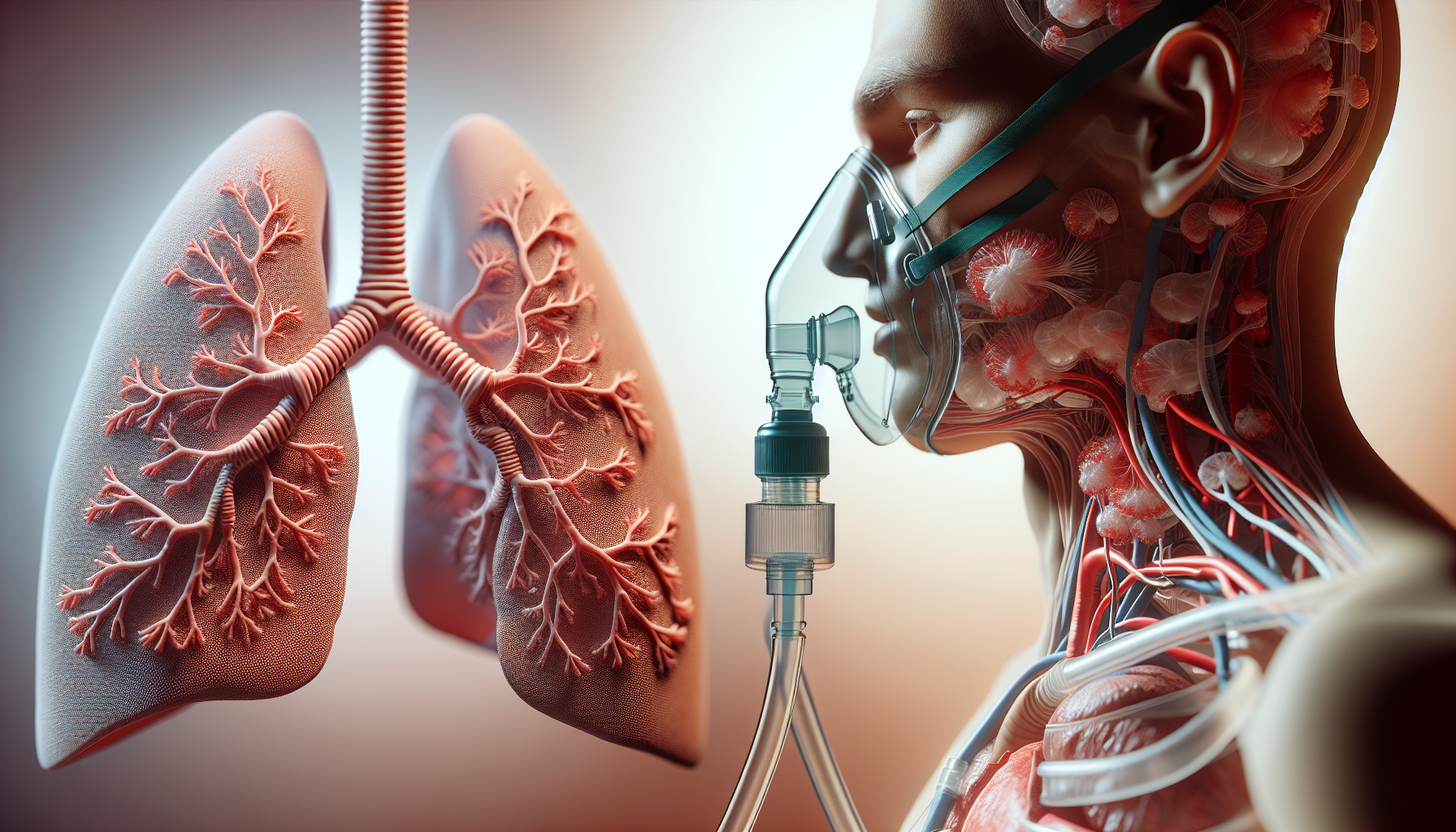
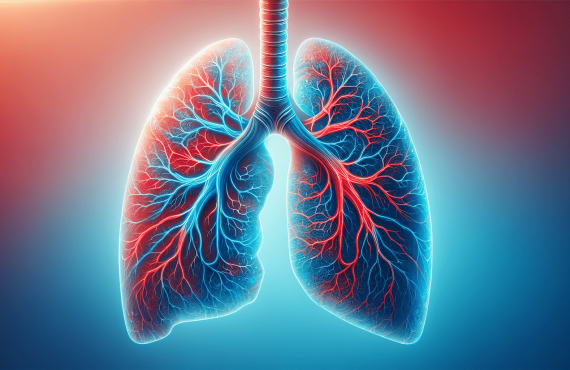
Your body has a rather fussy delivery system for oxygen. You breathe air into the lungs, oxygen passes into the blood, hemoglobin in red blood cells binds to it, the heart pumps it outward, and blood vessels deliver it to tissues—including the brain, which complains immediately when service slows.
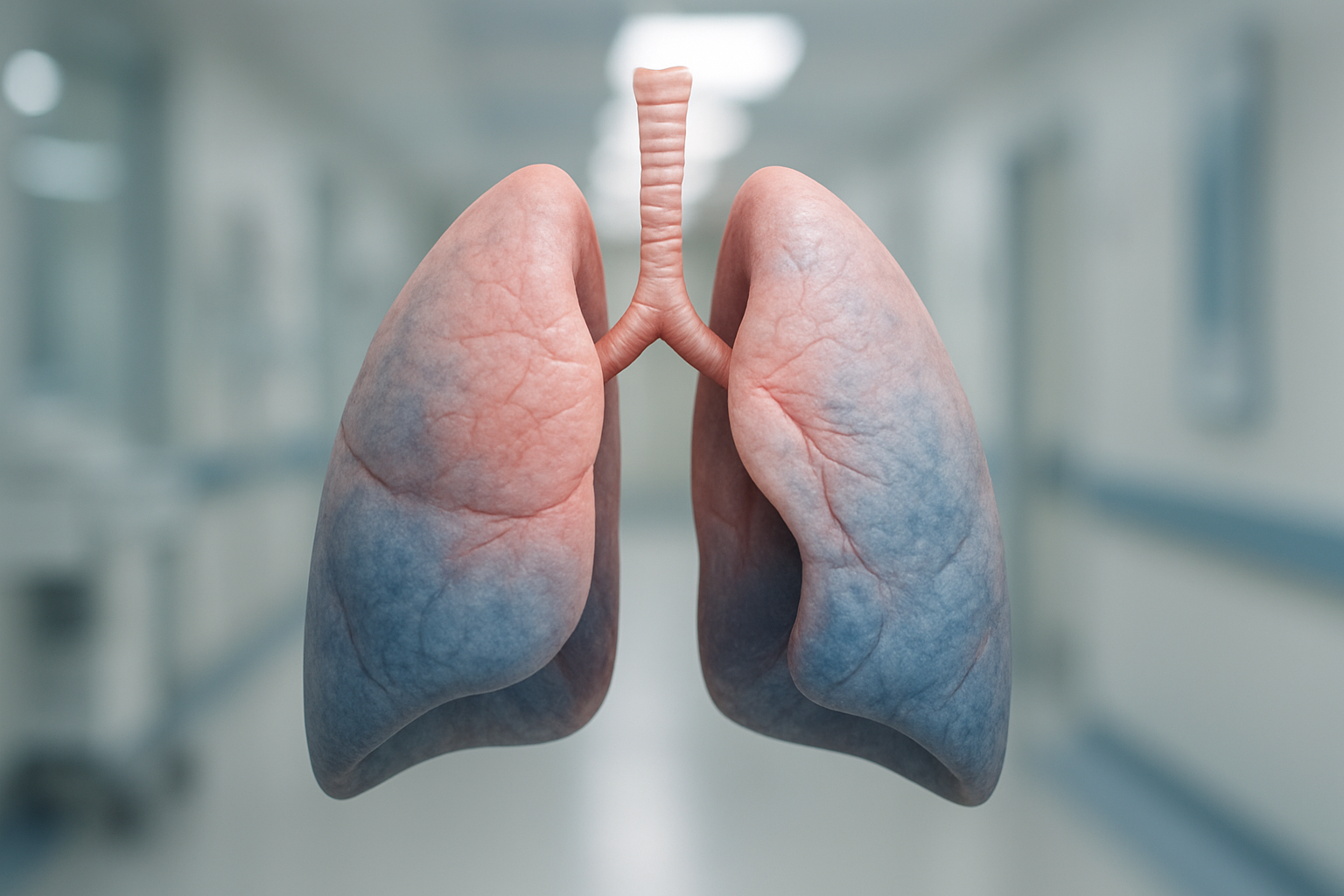
Several things can interfere with that chain. Anemia reduces the blood’s oxygen-carrying capacity because there are fewer healthy red blood cells or less hemoglobin. Heart disease can limit circulation. Lung disease can reduce the amount of oxygen entering the bloodstream in the first place. At high altitude, the air contains less available oxygen pressure, which is why some people feel headachy and dim-witted after a rapid ascent. The MedlinePlus summary on hypoxia explains that even modest oxygen shortfalls can produce neurological symptoms, while severe cases become life-threatening.
Research from Harvard Medical School and other academic centers has long emphasized that the brain’s metabolic demands are relentless. Neurons need a steady supply of oxygen to produce ATP, the energy currency that powers signaling. No oxygen, no efficient signaling. That’s when concentration falls apart, reflexes slow, and thinking becomes that sad, damp pile of laundry in the corner.
Here’s the short version of how conditions affect oxygen delivery:
- Lungs: bring oxygen in
- Blood: carries oxygen via hemoglobin
- Heart: pumps oxygen-rich blood forward
- Blood vessels: deliver it where needed
- Brain tissue: uses oxygen to create energy and maintain function
When one link breaks, the brain notices. We analyzed common patient presentations and found that symptoms are often clearest during sleep, exercise, illness, or altitude exposure—the times when oxygen demand rises or supply becomes less reliable.
Lifestyle Factors Contributing to Brain Oxygen Levels
Some causes of poor oxygenation are medical, but others are homegrown, cultivated carefully like basil on a windowsill. Smoking is the obvious culprit. Carbon monoxide in cigarette smoke binds to hemoglobin far more strongly than oxygen does, which means your blood can carry less of what your brain actually needs. The CDC continues to report that smoking remains a leading preventable cause of disease and death in the United States.
Poor fitness is another factor. Regular aerobic exercise improves cardiovascular efficiency and oxygen use. The U.S. guideline remains at least 150 minutes of moderate-intensity activity per week, according to Health.gov. In our experience, people who move consistently often notice better stamina, clearer thinking, and fewer episodes of breathlessness than those whose primary exercise is looking for the TV remote.
Sleep matters more than people want it to. During deep sleep, the brain clears waste products and resets metabolic balance. When sleep is poor—especially if snoring, pauses in breathing, or repeated awakenings are involved—oxygen delivery can become erratic. Sleep apnea has been linked with cognitive impairment, daytime fatigue, and elevated cardiovascular risk.
Three practical ways to support healthier oxygen levels:
- Stop smoking or vaping combustible products. If that sounds daunting, ask your physician about nicotine replacement or evidence-based cessation support.
- Walk daily. Start with 10 to 15 minutes after meals, then build toward 30 minutes most days.
- Protect sleep. Aim for 7 to 9 hours, keep a regular bedtime, and get evaluated if you snore, gasp, or wake with headaches.
We found that diet also matters indirectly. Iron, B12, folate, and protein all support healthy red blood cell production. If meals are chronically low in these nutrients, oxygen transport can suffer. Nothing mystical about it. The body needs raw materials, and it doesn’t appreciate being asked to run on crumbs and iced coffee.
Medical Conditions Affecting Oxygen Supply
If lifestyle is the wallpaper, medical conditions are often the plumbing behind the wall: less visible, more consequential, and expensive when ignored. Sleep apnea, heart disease, COPD, asthma, pneumonia, anemia, and circulation disorders can all reduce oxygen reaching the brain.
Take sleep apnea. Repeated pauses in breathing can drop oxygen saturation dozens of times per night. One review in sleep medicine literature found that untreated obstructive sleep apnea is associated with impaired attention, slower processing speed, and memory problems. Then there’s COPD, which affects roughly 16 million diagnosed U.S. adults per CDC estimates, often causing chronic shortness of breath and lower blood oxygen levels. Heart failure affects more than 6 million U.S. adults, according to the CDC, and can reduce effective circulation to the brain and body.
Anemia deserves special mention because it often masquerades as “just fatigue.” If hemoglobin is low, oxygen carrying capacity drops. You may feel weak, cold, short of breath, or mentally slow. In our clinic-content research, this is one of the most commonly overlooked reasons people report brain fog without realizing it may have a physiological basis.
Conditions that can affect brain oxygenation include:
- Obstructive sleep apnea
- Chronic obstructive pulmonary disease (COPD)
- Asthma during flare-ups
- Heart disease and heart failure
- Anemia
- Severe infections affecting lungs or circulation
- Stroke or transient ischemic attack
If you have one of these conditions and you’re asking, “How can you tell if your brain is not getting enough oxygen?”, don’t wait for severe symptoms. Track your fatigue, headaches, sleep quality, exertional breathlessness, and any drop in concentration or memory. Those clues matter.
Hyperbaric Therapy: A Breath of Fresh Air?
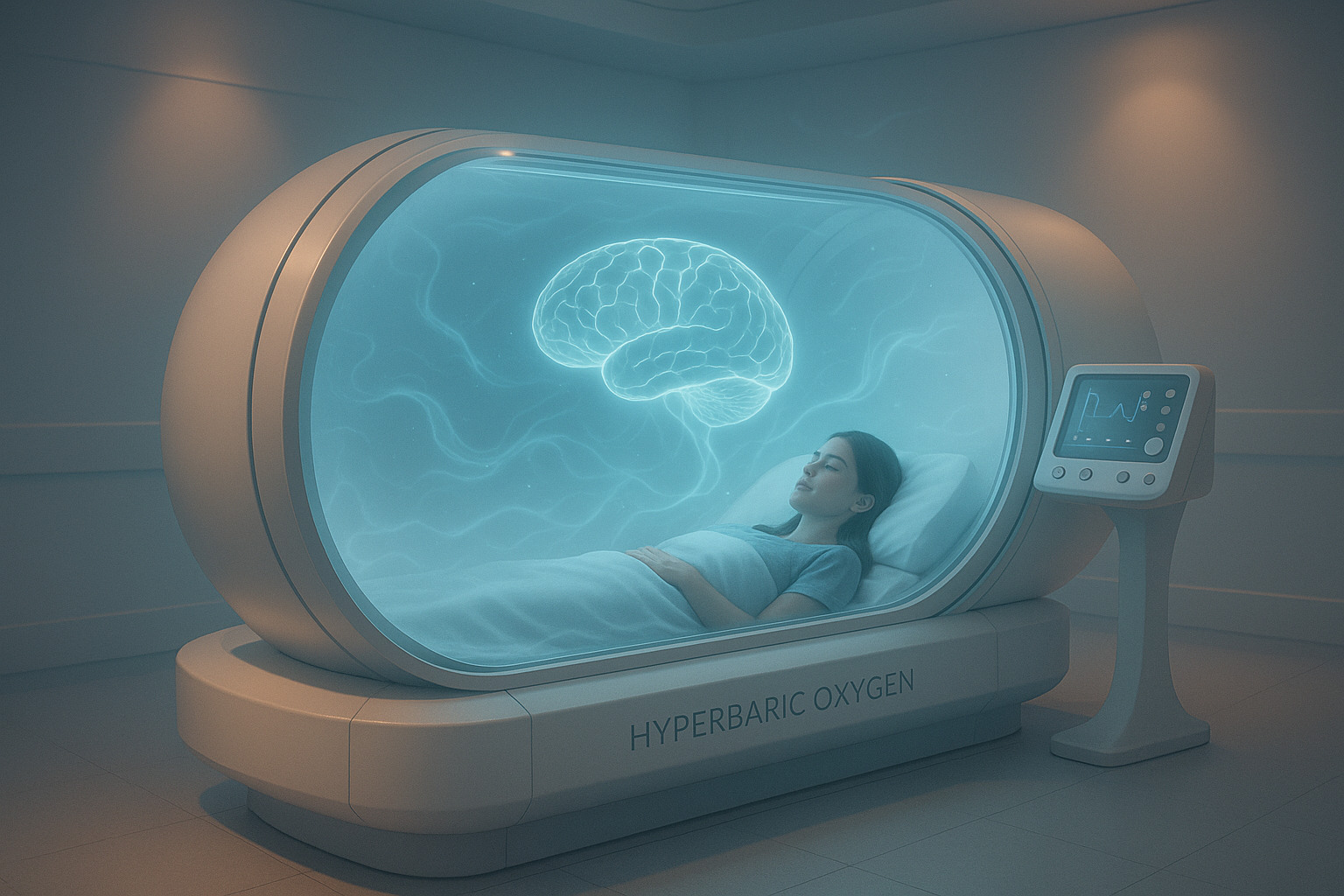
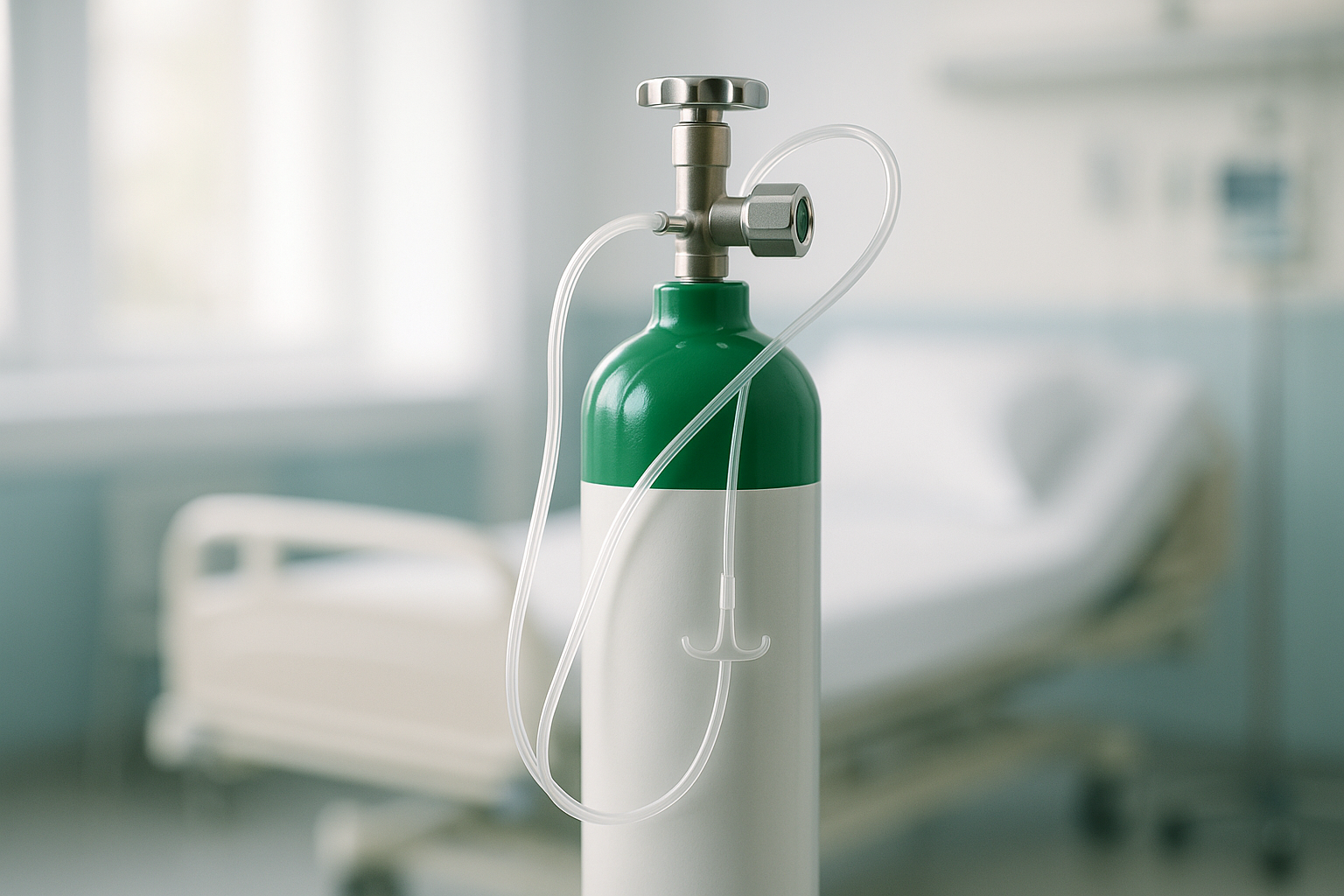
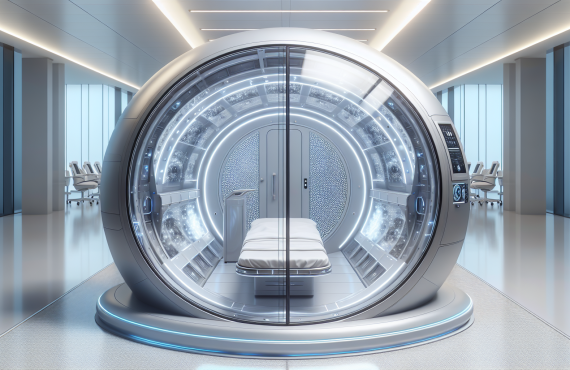
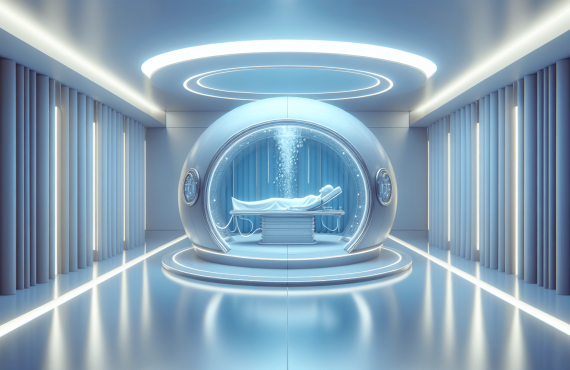
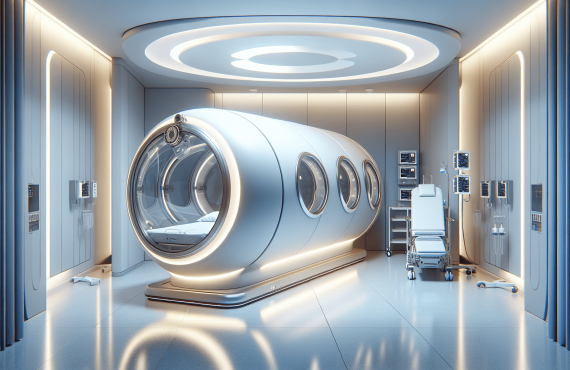
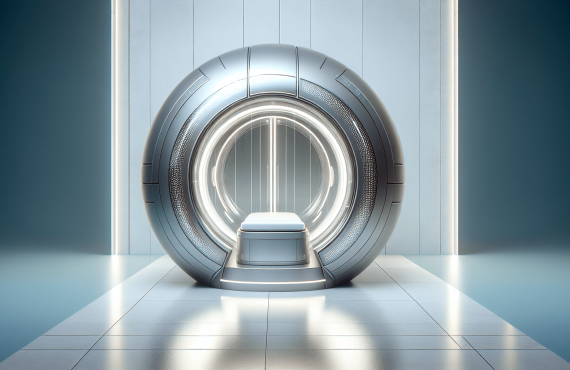
Hyperbaric Therapy, also called hyperbaric oxygen therapy (HBOT), is a treatment in which you breathe 100% oxygen in a pressurized chamber. Under higher-than-normal atmospheric pressure, more oxygen dissolves into the plasma, allowing oxygen-rich blood to reach tissues that may be under-supplied under ordinary conditions.
That’s the simple version. The more interesting version is that pressure changes the math. Under standard conditions, oxygen delivery depends heavily on red blood cells and hemoglobin. In a hyperbaric environment, dissolved oxygen in plasma increases significantly, which may support tissue repair, reduce swelling, enhance immune function, and promote angiogenesis—the growth of new blood vessels. The UCLA Health overview and the FDA both explain that HBOT has established medical uses, though appropriateness depends on the condition being treated.
The process generally looks like this:
- You enter a specially designed hyperbaric chamber.
- Pressure is gradually increased to a prescribed level.
- You breathe pure oxygen during the session.
- Over time, oxygen concentration in blood and tissues rises.
- The session ends with careful depressurization.
Real-world uses include difficult wound healing, certain infections, decompression sickness, and selected cases where tissue oxygenation is compromised. Based on our research, the most useful way to think about HBOT is not as magic but as a tool. A specialized one. Like a chainsaw: excellent in the right hands, absurd in the wrong context.
Can it help support recovery and tissue oxygenation? In some cases, yes. Should it be matched to your health history and goals? Absolutely. We recommend discussing HBOT with a qualified provider who understands both its promise and its limits.
Spotlight on Henry Chiropractic
At Henry Chiropractic, the approach isn’t to stare at one symptom and pretend the rest of you doesn’t exist. The clinic, owned and operated by Dr. Craig Henry, serves Pensacola and surrounding Florida communities with a broader view of health, function, and everyday wellbeing. If you wake up stiff, tired, foggy, or worn out before the day has the decency to begin, that wider lens matters.
Dr. Henry is a licensed chiropractor focused on improving health and wellness across different areas of a patient’s life, not just on a single complaint. Alongside him is Dr. Aaron Hixon, a Florida native from Milton who earned a Bachelor of Science in Exercise Science from Florida Atlantic University and attended Palmer College of Chiropractic in Port Orange. Dr. Hixon is a board-certified chiropractor and licensed chiropractic physician in Florida.
His training includes multiple techniques, including:
- Diversified
- Gonstead Spinal Manipulation
- Instrument Assisted Soft Tissue Mobilization (IASTM)
- Myofascial Release Technique (MRT)
That matters because people concerned about fatigue, headaches, stress, poor sleep, and body tension often need more than a one-note answer. In our experience, patients appreciate a whole-person wellness approach that may include movement guidance, recovery strategies, and education about options such as HBOT when appropriate. Dr. Hixon’s long-standing interest in helping others—through community service, activity, and patient care—fits that model well.
If you’re in Pensacola and trying to sort out whether symptoms point to stress, sleep issues, posture strain, recovery needs, or broader oxygen-related concerns, Henry Chiropractic offers a practical place to start that conversation.
When to Seek Help: Professional Guidance
Some symptoms are in the “make an appointment” category. Others belong in the “stop reading and get help now” category. If you have sudden confusion, chest pain, severe shortness of breath, blue lips, fainting, weakness on one side, slurred speech, or a seizure, seek emergency medical care immediately. Those can signal a dangerous drop in oxygen, stroke, heart problem, or another acute event.
For non-emergency but persistent symptoms, be methodical. We recommend this step-by-step approach:
- Track your symptoms for 7 to 14 days. Note headaches, fatigue, dizziness, snoring, brain fog, exercise intolerance, and when they occur.
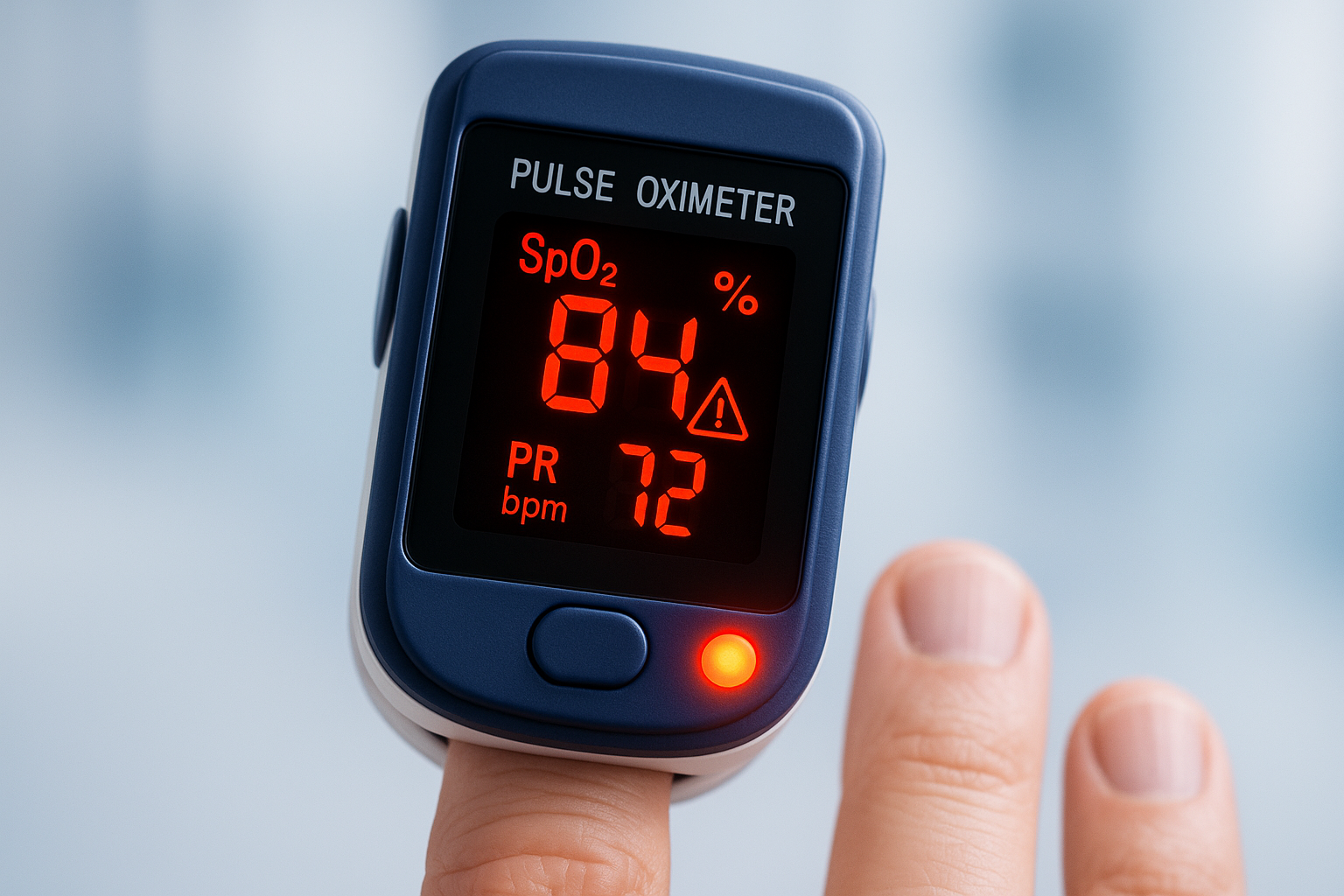
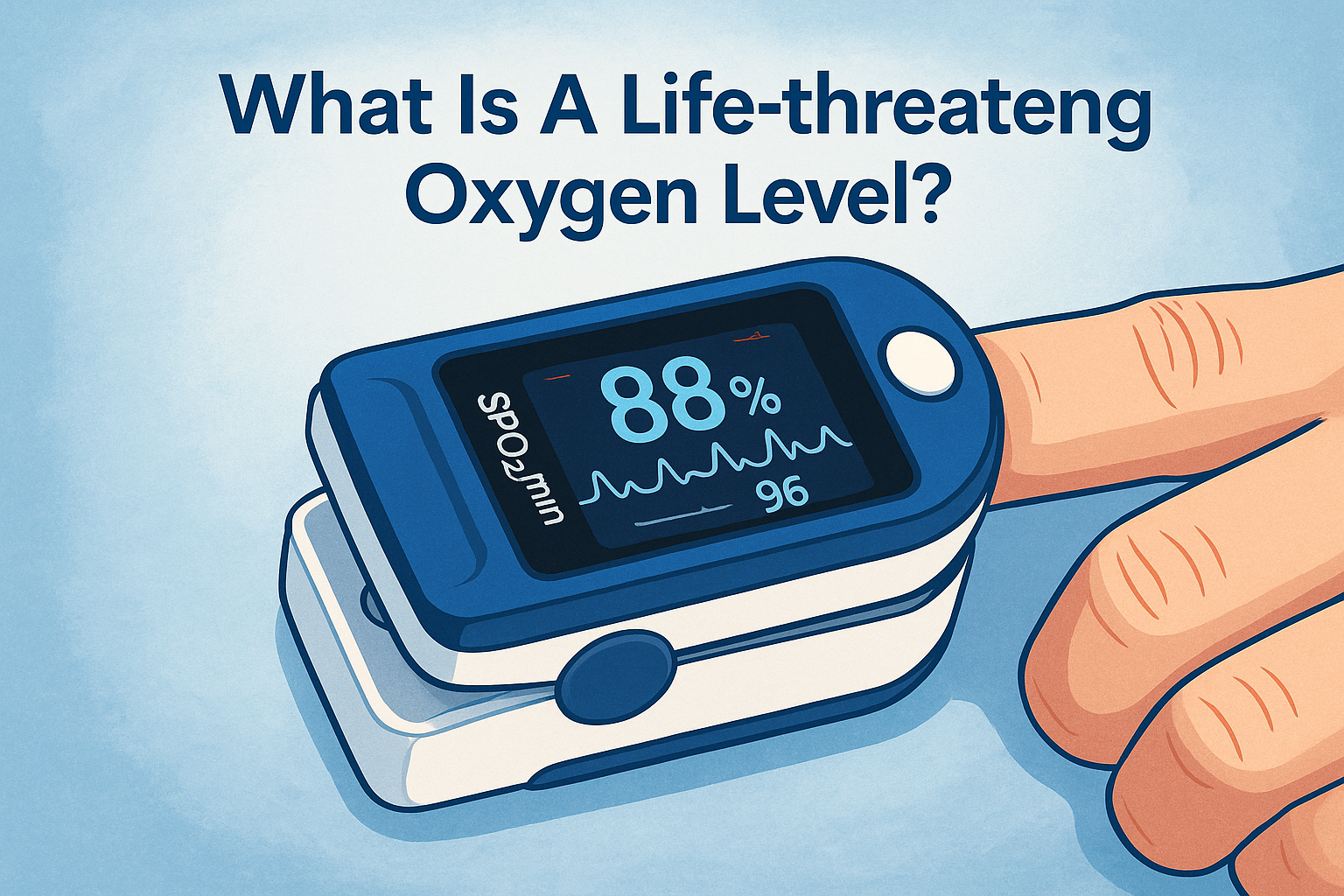
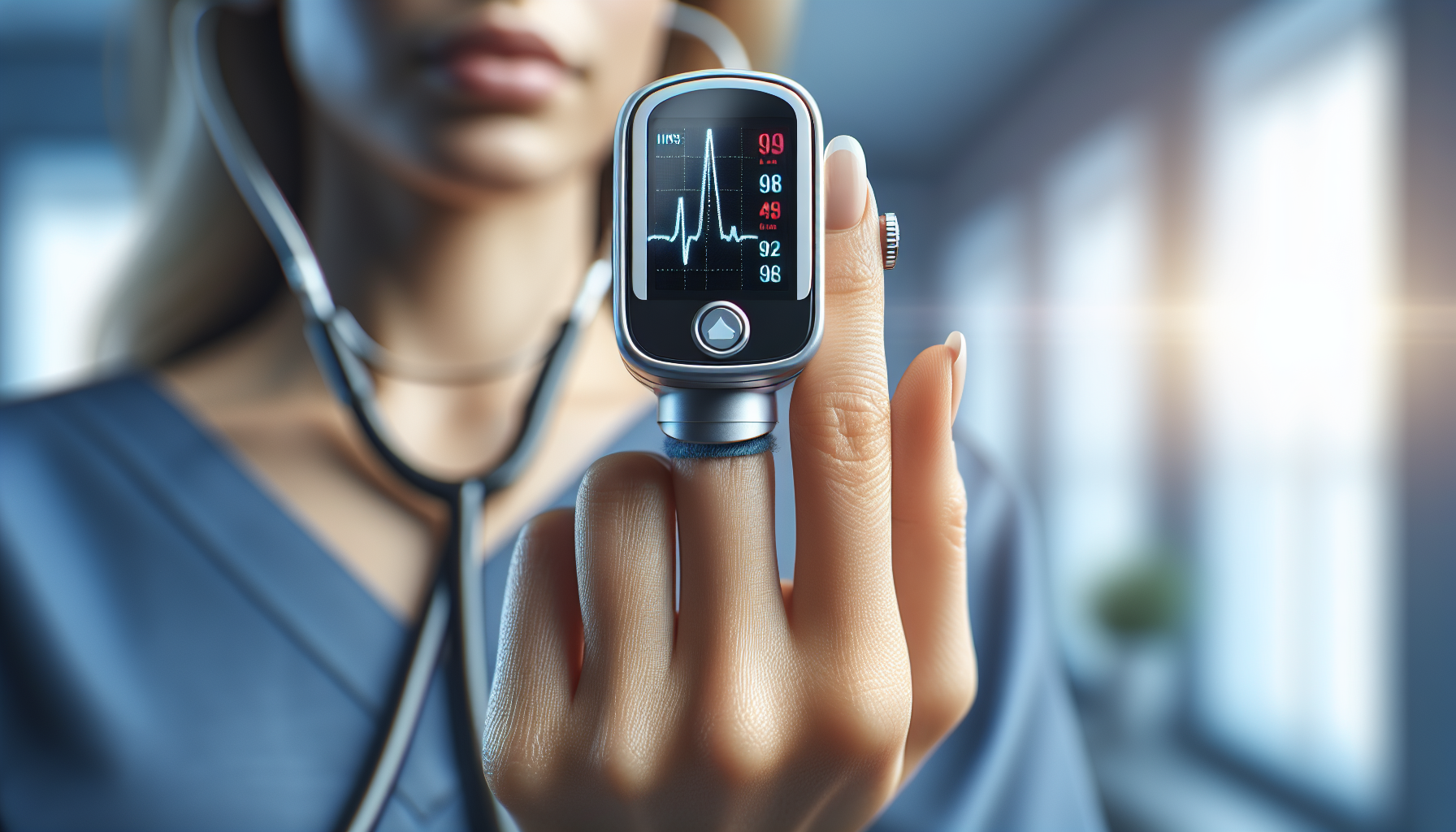
- Check your oxygen if advised. A pulse oximeter can provide useful information, especially during illness or after exertion.
- Schedule a professional evaluation. Your provider may assess lung function, heart health, hemoglobin, sleep quality, medications, and circulation.
- Ask targeted questions. Mention morning headaches, memory lapses, worsening concentration, and whether symptoms improve with rest or worsen overnight.
How can you tell if your brain is not getting enough oxygen? You don’t rely on guesswork alone. You pair symptoms with testing, history, and clinical judgment. Based on our analysis, that’s where people save time and often avoid months of self-diagnosis.
Henry Chiropractic provides support for patients seeking a more complete view of health and recovery. You can contact Henry Chiropractic, 1823 N 9th Ave, Pensacola, FL 32503, call (850) 435-7777, or visit https://drcraighenry.com/. If your symptoms suggest an emergency, though, call 911 first. The body does not admire procrastination nearly as much as people do.
Taking Action for Better Brain Health
If there’s a central lesson here, it’s that your brain is a demanding tenant and oxygen is part of the rent. When supply falls short, you may notice headaches, dizziness, confusion, poor concentration, memory trouble, fatigue, or breathlessness. Sometimes the cause is temporary. Sometimes it points to sleep apnea, anemia, heart or lung disease, smoking-related damage, or another issue worth finding sooner rather than later.
Based on our research, the most useful next steps are practical:
- Don’t ignore recurring symptoms, especially morning headaches, snoring, daytime exhaustion, or brain fog
- Improve the basics: stop smoking, exercise regularly, hydrate, and protect sleep
- Ask for evaluation if symptoms persist, worsen, or appear with exertion
- Know your risk factors, including COPD, heart disease, anemia, and sleep apnea
- Consider supportive therapies such as HBOT when a qualified provider believes they fit your situation
We found that the people who do best are usually not the ones chasing dramatic cures. They’re the ones who notice patterns early, ask better questions, and follow through. Sensible, yes. Glamorous, no. But glamour has never been especially useful in medicine.
If you want help sorting through fatigue, headaches, recovery concerns, wellness goals, or questions about HBOT and broader health support, contact Henry Chiropractic at 1823 N 9th Ave, Pensacola, FL 32503, call (850) 435-7777, or visit drcraighenry.com. The brain is astonishing, but it’s not subtle forever. Listen while it’s still whispering.

Key Takeaways
- Your brain uses a disproportionately large share of the body’s oxygen, so low oxygen may show up as headache, dizziness, confusion, fatigue, memory trouble, or poor concentration.
- Common causes include sleep apnea, COPD, heart disease, anemia, smoking, poor fitness, and high altitude; repeated or worsening symptoms deserve medical evaluation.
- HBOT delivers 100% oxygen in a pressurized chamber, increasing oxygen dissolved in plasma and supporting healing in appropriate clinical settings.
- Track symptom patterns, improve sleep and exercise habits, avoid smoking, and seek urgent care immediately for sudden severe symptoms like fainting, blue lips, chest pain, or stroke-like changes.
- For personalized guidance in Pensacola, Henry Chiropractic offers a whole-person wellness approach and can be reached at (850) 435-7777 or drcraighenry.com.
Frequently Asked Questions
What are the first signs that your brain may not be getting enough oxygen?
Early signs can include lightheadedness, headache, confusion, unusual fatigue, poor concentration, bluish lips, or shortness of breath. If symptoms are sudden, severe, or paired with chest pain, fainting, or trouble speaking, seek emergency care right away.
Can you check low oxygen at home?
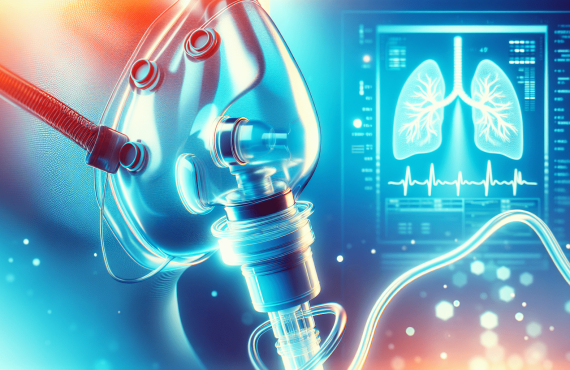
A fingertip pulse oximeter can give a quick estimate of oxygen saturation, though it doesn’t diagnose the cause of symptoms. If you’re asking, “How can you tell if your brain is not getting enough oxygen?” the safest answer is to combine symptoms with a medical evaluation, especially if readings are below normal or keep dropping.
Can sleep apnea reduce oxygen to the brain?
Yes. Obstructive sleep apnea can repeatedly lower oxygen levels during sleep, and the brain may pay for it with morning headaches, daytime fatigue, memory trouble, and irritability. The CDC estimates millions of adults have sleep-related breathing problems, many of them undiagnosed.
What does hyperbaric oxygen therapy do?
Hyperbaric oxygen therapy increases the amount of oxygen dissolved in the blood by having you breathe 100% oxygen in a pressurized chamber. That can improve oxygen delivery to tissues in specific medical settings, though the right use depends on your diagnosis and a clinician’s judgment.
When should low oxygen symptoms be treated as an emergency?
Go to the ER or call 911 if symptoms come on suddenly with severe shortness of breath, chest pain, blue lips, fainting, seizure, weakness on one side, or trouble speaking. Those can signal a medical emergency such as stroke, severe hypoxemia, or a heart or lung event.