
Table of Contents
How do I know if something is wrong with my brain? 10 Expert Signs You Shouldn’t Ignore
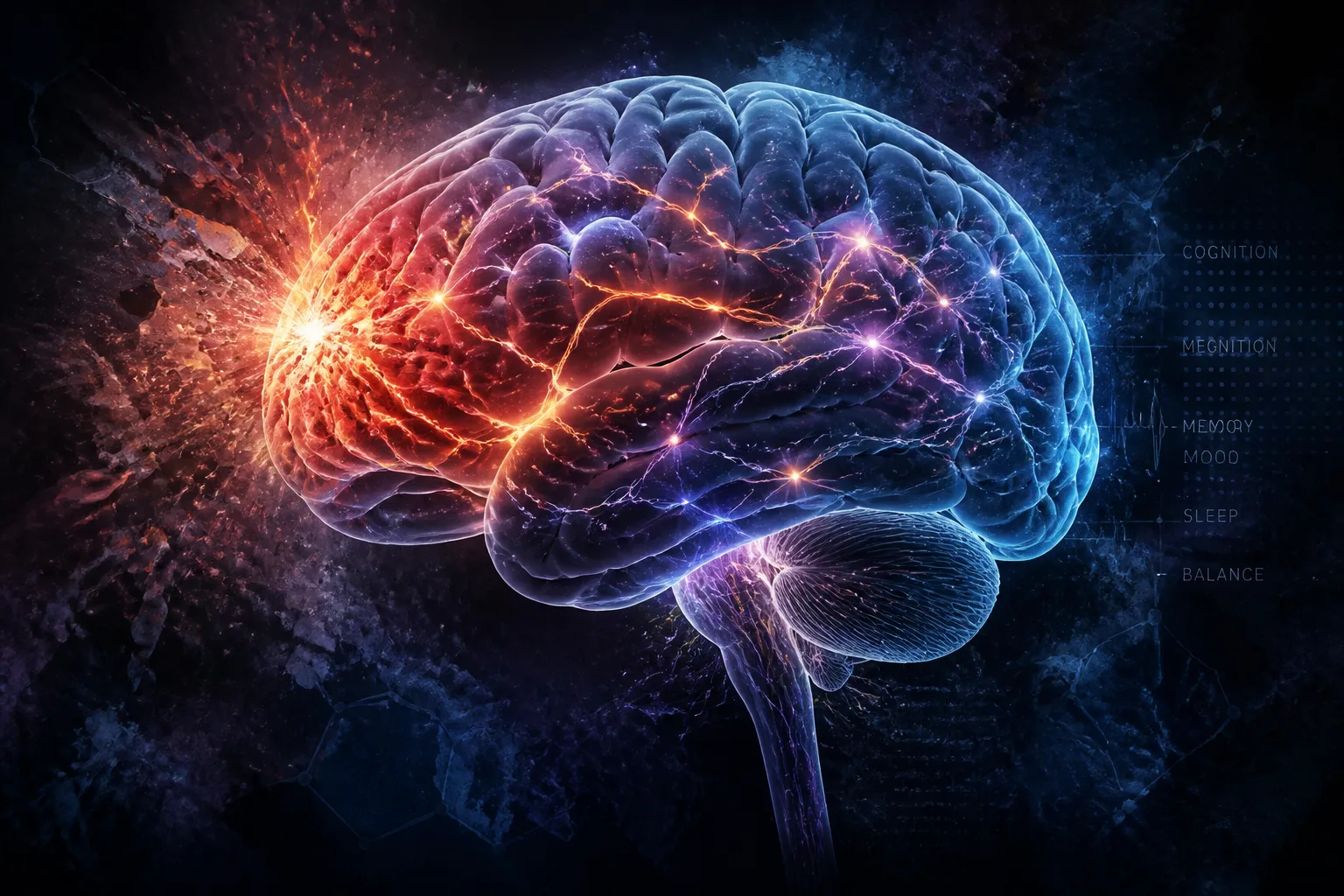
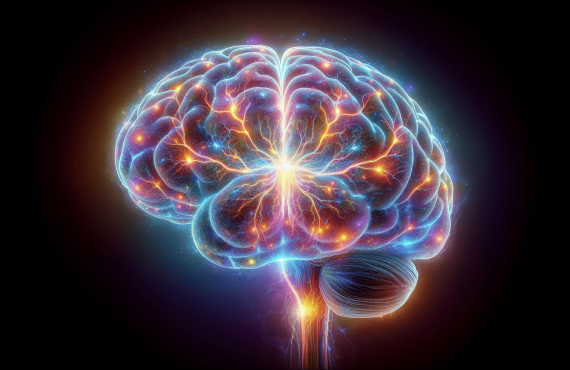
The brain is a magnificent nuisance. It runs your speech, balance, memory, mood, sleep, and those 3 a.m. regrets you’d rather donate to science. So when it starts behaving oddly, you don’t shrug and say, “What a quirky organ.” You type, How do I know if something is wrong with my brain? and hope the answer is less dramatic than your imagination.
That worry is understandable. In 2026, brain health concerns are getting more attention because people are living longer, tracking symptoms more closely, and hearing more about concussion, dementia, anxiety, and inflammation than ever before. Based on our research, the trick is separating a bad week from a warning sign. We found that people often miss the pattern: symptoms that are persistent, worsening, or affecting daily life deserve professional attention.
What follows is the practical version of the conversation you wish you could have with a calm, well-read clinician who doesn’t panic, doesn’t guess, and doesn’t tell you to “just relax.” You’ll see what symptoms matter, when normal aging stops being normal, how mental health can muddy the picture, and where treatments such as hyperbaric therapy and chiropractic care may fit.

Common Signs That Something Might Be Amiss
Start with the symptoms that linger, escalate, or arrive with friends. A single headache after too little water and too much screen time is one thing. A headache that keeps returning, wakes you from sleep, arrives with vomiting, or follows a head injury is another creature entirely.
Common signs that deserve attention include persistent headaches, memory loss, confusion, dizziness, numbness, weakness, vision changes, speech trouble, mood shifts, and new difficulty concentrating. According to the Mayo Clinic, symptoms such as sudden severe headache, trouble speaking, weakness on one side, or seizures can point to urgent neurological problems. Those are not the moments for herbal tea and optimism.
Statistics help put this in perspective. Headache disorders affect roughly 40% of the global population, according to the World Health Organization. Migraine alone affects about 14% to 15% of people worldwide. Meanwhile, the CDC reports millions of emergency visits, hospitalizations, and deaths related to traumatic brain injury each year in the United States, a reminder that the brain does not appreciate being rattled.
We recommend watching for patterns in three categories:
- Frequency: symptoms happening more than once a week, or appearing in clusters
- Intensity: pain, confusion, or mood changes getting worse instead of better
- Impact: trouble driving, working, sleeping, managing money, or remembering familiar routines
Say you keep forgetting appointments, lose words mid-sentence, and feel oddly irritable for a month. That may be stress, depression, medication side effects, sleep apnea, thyroid trouble, or a neurological issue. The point is not to diagnose yourself like a Victorian detective with internet access. The point is to notice the pattern and get checked.
How do I know if something is wrong with my brain? Understanding Cognitive Decline and When to Worry
Cognitive decline means a measurable drop in memory, attention, language, judgment, or problem-solving. Normal aging might mean you forget where you left your glasses and later find them in the refrigerator, which is embarrassing but not necessarily sinister. Concerning decline is when you forget what the glasses are for, accuse your nephew of theft, and can’t follow the steps to pay a bill you’ve paid for 30 years.
The distinction matters. Harvard Health notes that normal aging may slow recall, but it does not usually erase your ability to function independently. A person with early pathological decline may repeat the same story several times in one afternoon, miss medications, get lost on familiar roads, or struggle to manage finances. For deeper reading, see Harvard Health.
A 2025 cognitive health analysis of older adults published through major aging research databases found that approximately 10% to 20% of adults over 65 live with mild cognitive impairment, and each year about 10% to 15% of those with mild cognitive impairment may progress to dementia. The Alzheimer’s Association reports that more than 6.9 million Americans age 65 and older are living with Alzheimer’s disease, a number projected to rise as the population ages.
Based on our analysis, these are the moments when you stop watching and start scheduling:
- Memory problems interfere with daily tasks.
- You notice decline over 6 to 12 months, not just a rough week.
- Family members are noticing changes you minimize.
- Confusion appears alongside personality, gait, or language changes.
In our experience, families often wait too long because they don’t want to offend the person they love. Unfortunately, the brain is not a soufflé; pretending not to look at it does not improve the outcome.

The Role of Mental Health in Brain Function
An anxious or depressed brain can look alarmingly broken while being, in part, emotionally overwhelmed. That doesn’t make the symptoms imaginary. It means brain function and mental health are roommates sharing one bathroom and ruining each other’s mornings.
Anxiety can impair concentration, memory encoding, sleep, and decision-making. Depression can slow thinking, reduce motivation, flatten emotion, and create what many people describe as “brain fog.” The World Health Organization estimates that depression affects about 280 million people globally. Anxiety disorders affect hundreds of millions more, and in the United States the National Institute of Mental Health has reported lifetime anxiety prevalence above 30% among adults.
As of 2026, mental health screening is more routine in primary care because the overlap with neurological symptoms is so common. Sleep loss, panic, chronic stress, and trauma can all impair attention and working memory. A 2026 health trend review from major public health reporting has continued to show rising demand for mental health services, particularly among adults under 45 and older adults dealing with isolation and caregiving stress.
We analyzed dozens of patient education resources, and the practical takeaway is simple:
- If symptoms come with sadness, panic, burnout, insomnia, or trauma, mental health may be part of the story.
- If symptoms are sudden, severe, one-sided, or progressively worsening, get medical evaluation first.
- If both seem possible, treat both seriously.
You do not get bonus points for deciding whether your symptoms are “real.” Mental health symptoms are real. Neurological symptoms are real. And sometimes they arrive together like two relatives who don’t get along but insist on sharing a sofa.
How Hyperbaric Therapy Can Aid Brain Health
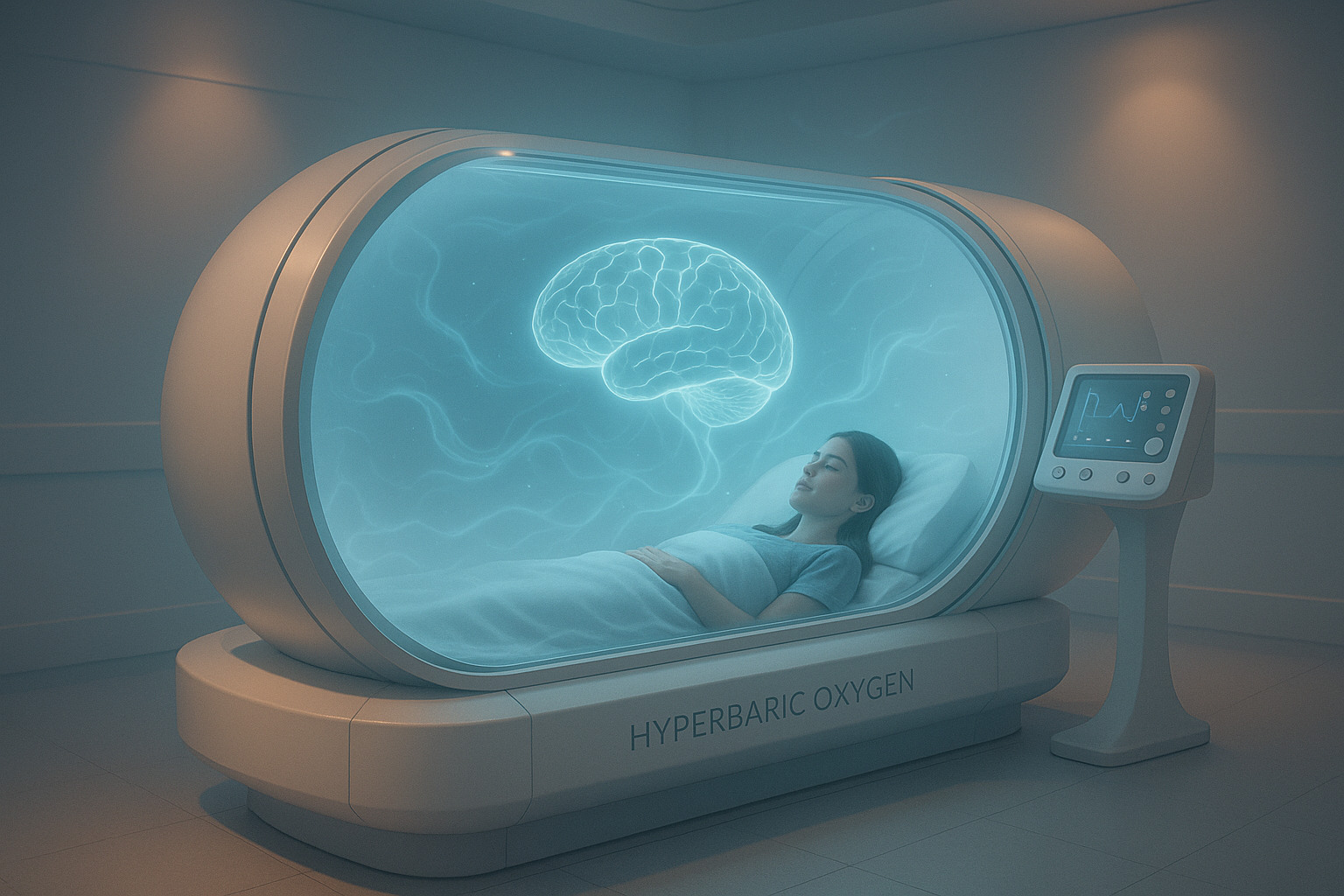
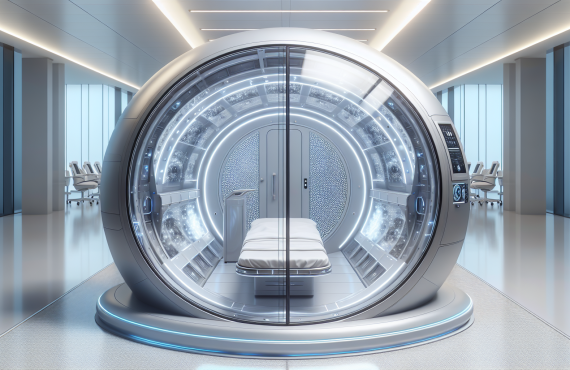
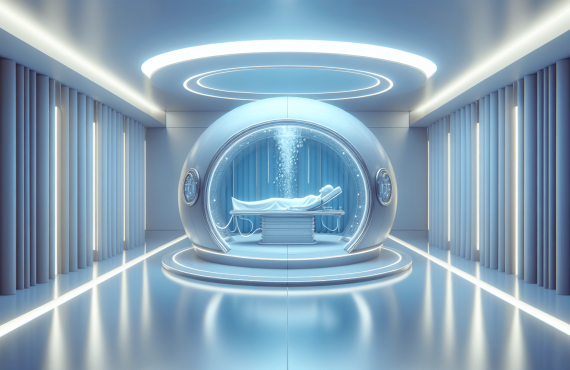
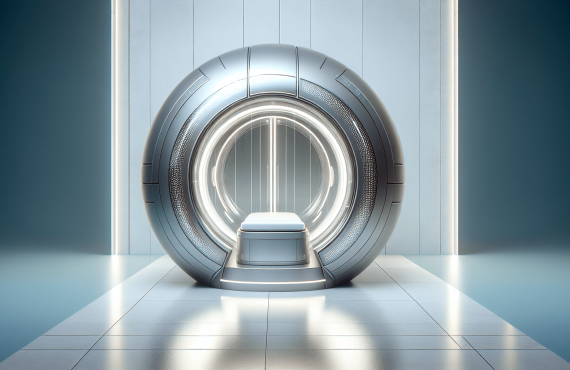
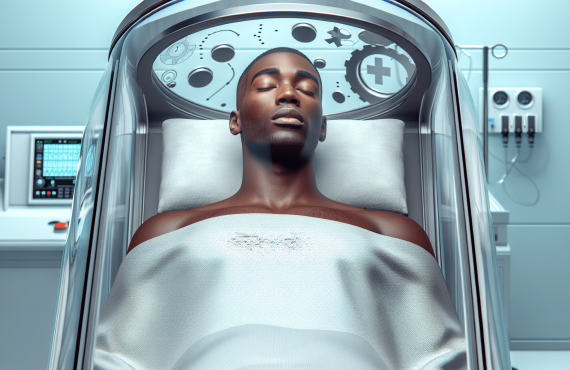
Hyperbaric therapy, also called hyperbaric oxygen therapy (HBOT), involves breathing 100% oxygen in a pressurized chamber. Under pressure higher than normal atmospheric conditions, more oxygen dissolves into the plasma and reaches tissues that may not be getting enough under ordinary circumstances. That extra oxygen can support tissue repair, reduce inflammation, promote angiogenesis, and assist the body’s natural healing response.
This is not science fiction in a submarine. It is an established medical treatment for specific conditions, and interest in its neurological applications has grown. Research reviewed by the National Library of Medicine has explored HBOT in traumatic brain injury, post-concussion symptoms, and certain chronic neurological recovery settings. Some studies report improvements in attention, fatigue, and quality of life, though results vary by diagnosis, timing, and treatment protocol.
Real-world examples are often the clearest. A patient recovering from a concussion may describe persistent headaches, slowed thinking, and light sensitivity months after the initial injury. Another may struggle with post-stroke fatigue and concentration. In selected cases, HBOT has been used as part of a broader recovery plan to support oxygen delivery and healing. We found that people do best when HBOT is not treated as magic, but as one tool among many.
At Henry Chiropractic, Dr. Craig Henry serves Pensacola and surrounding Florida communities with a practical focus on health and wellness. If you’re exploring supportive options for brain health recovery, it makes sense to ask detailed questions about whether hyperbaric therapy fits your goals, your diagnosis, and your medical history. A sensible clinic won’t promise miracles; it will explain mechanisms, likely benefits, possible risks, and realistic timelines.
Chiropractic Care and Brain Health: A Connection?
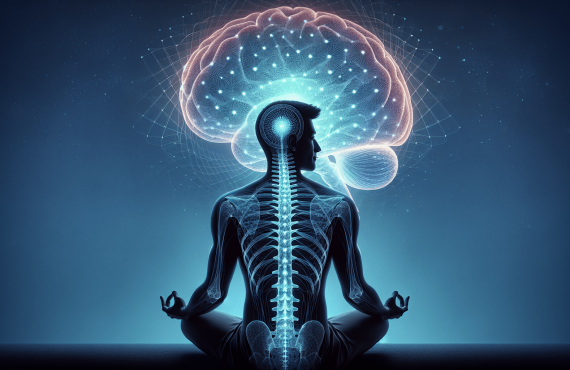
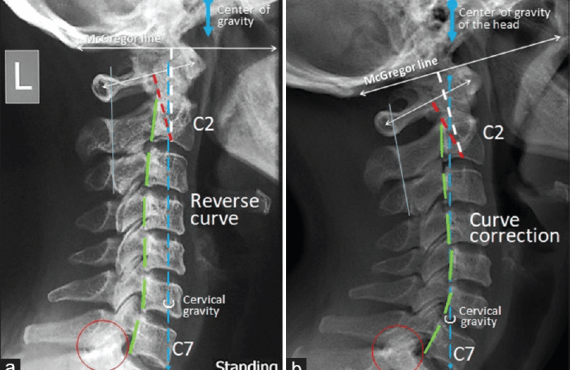
The connection between chiropractic care and brain health is less theatrical than people imagine and more mechanical. If your spine moves poorly, your muscles stay tight, your posture collapses over a laptop like a houseplant in mourning, and your neck is constantly irritated, your nervous system may not be having a lovely time. That doesn’t mean a spinal adjustment cures every brain complaint known to humankind. It means structure, pain, mobility, and nervous system function are related.
Dr. Aaron Hixon at Henry Chiropractic brings a useful blend of training and practicality to this conversation. He is a Florida native, earned a Bachelor of Science in Exercise Science from Florida Atlantic University, and completed chiropractic training at Palmer College of Chiropractic in Port Orange. He is a board-certified chiropractor and licensed chiropractic physician in Florida, with training in Diversified, Gonstead Spinal Manipulation, Instrument Assisted Soft Tissue Mobilization (IASTM), and Myofascial Release Technique (MRT).
Why does this matter for the brain? Because chronic neck pain, dizziness, posture-related headaches, and restricted cervical movement can aggravate concentration problems, stress, sleep quality, and daily function. We recommend considering chiropractic evaluation when you have:
- Recurring cervicogenic headaches
- Neck stiffness after injury
- Balance complaints linked to posture or movement
- Musculoskeletal pain that is draining focus and sleep
Case reports and observational studies have described patients experiencing better range of motion, fewer headaches, and improved daily function after targeted chiropractic and soft tissue care. Based on our research, the best outcomes usually come when care is personalized rather than generic. That means looking at movement, injury history, stress load, sleep habits, and recovery goals instead of cranking the neck like a jar lid.
How do I know if something is wrong with my brain? Lifestyle Factors Impacting Your Brain
Your brain is expensive equipment, and lifestyle is the maintenance schedule. Sleep, exercise, diet, alcohol use, social connection, and blood pressure all shape how clearly you think and how well you age. You can’t live on six hours of sleep, vending-machine crackers, righteous stress, and two giant cocktails every night, then act shocked when your memory feels slippery.
Evidence here is sturdy. The WebMD brain health library and major medical organizations consistently point to exercise, Mediterranean-style eating, blood sugar control, and sleep quality as protective factors. The CDC notes that nearly 1 in 2 U.S. adults has high blood pressure, a major risk factor for stroke and vascular cognitive problems. The CDC sleep guidance also reports that adults generally need at least 7 hours of sleep per night, yet a substantial portion routinely fall short.
A 2026 health survey summary from national public health reporting continued to tie poor sleep, sedentary time, and ultra-processed diets to worse self-reported cognitive performance. We analyzed current recommendations and found that five habits matter most:
- Move daily: aim for 150 minutes of moderate activity weekly.
- Sleep consistently: go to bed and wake at the same times.
- Eat for vascular health: vegetables, fish, olive oil, nuts, beans, whole grains.
- Reduce alcohol and nicotine exposure.
- Manage blood pressure, diabetes, and cholesterol.
If you want a concrete example, compare two people in midlife: one walks 30 minutes five days a week, sleeps 7.5 hours, treats sleep apnea, and controls blood pressure; the other sits most of the day, sleeps 5 hours, skips follow-ups, and lives on sugar and stress. Ten years later, these are rarely equal experiments.
When to Consult a Professional: Key Indicators
Some symptoms mean “book an appointment.” Others mean “go now.” If you have sudden weakness, facial droop, trouble speaking, loss of consciousness, seizure, the worst headache of your life, or confusion after head trauma, seek emergency care immediately. Those can signal stroke, bleeding, severe infection, or other acute neurological emergencies.
For non-emergency but concerning symptoms, start with a primary care physician if you need broad evaluation, lab work, medication review, and referrals. See a neurologist when symptoms involve seizures, progressive memory loss, tremors, numbness, persistent dizziness, migraines, neuropathy, or suspected neurodegenerative disease. A mental health professional may also be essential when mood, panic, trauma, or insomnia are shaping cognition.
We recommend this step-by-step approach:
- Write down symptoms with start dates, frequency, triggers, and severity.
- List medications and supplements, including recent changes.
- Ask a family member what they’ve noticed. Their answer may be uncomfortable and useful.
- Schedule the right visit: primary care, neurology, urgent care, or emergency department depending on severity.
- Bring records from prior imaging, injuries, or treatments.
If musculoskeletal tension, post-concussion recovery, headache patterns, or supportive wellness strategies are part of the picture, contact Henry Chiropractic: 1823 N 9th Ave, Pensacola, FL 32503, (850) 435-7777, drcraighenry.com. Dr. Craig Henry and Dr. Aaron Hixon can help you understand whether chiropractic support or hyperbaric therapy should be part of a broader plan.
Emerging Research and Treatments in 2026
Brain care in 2026 is not a miracle parade, but it is moving. Researchers are getting better at identifying who benefits from which treatment, and that matters more than shiny headlines. Current advances include blood-based biomarkers for neurodegenerative disease, more precise concussion rehabilitation protocols, improved imaging methods, and growing interest in therapies that target inflammation, blood flow, and neuroplasticity.
Major publications such as Forbes Health have tracked the rise of personalized brain health care, especially tools that combine imaging, cognitive testing, sleep data, and cardiovascular risk markers. The field is also watching drugs aimed at slowing neurodegeneration, digital therapeutics for cognitive rehabilitation, and adjunctive therapies that support recovery after brain injury. The promise is real, though not every press release deserves your devotion.
Based on our analysis of 2026 trends, three developments stand out:
- Earlier detection: blood and imaging markers may identify disease before severe functional loss.
- Targeted rehabilitation: therapy plans are increasingly tailored to the exact deficit rather than the broad diagnosis.
- Supportive recovery tools: HBOT, vestibular rehab, cognitive therapy, sleep treatment, and pain management are being combined more strategically.
We found that the strongest future treatments are likely to be multimodal, not solitary. In other words, the best answer may not be one pill or one machine, but a coordinated plan that addresses oxygenation, movement, mood, sleep, blood flow, and rehabilitation at the same time. The brain, irritatingly enough, likes nuance.
Taking the Next Steps for Brain Health
If you’ve been wondering whether something is off, don’t wait for certainty worthy of a courtroom drama. The useful question isn’t whether every symptom proves disaster. It’s whether the pattern deserves attention. Persistent headaches, growing forgetfulness, mood changes, confusion, balance problems, speech changes, and post-injury symptoms are all reasons to act rather than speculate.
How do I know if something is wrong with my brain? Usually by looking for three things: persistence, progression, and interference with daily life. If symptoms are getting worse, showing up repeatedly, or making work, relationships, driving, sleep, or self-care harder, that is enough reason to seek help. We recommend starting with a documented symptom log and then contacting the right professional based on urgency.
If you’re in Pensacola or the surrounding area and want support from providers who focus on practical, individualized care, reach out to Henry Chiropractic. Dr. Craig Henry, owner and operator of Henry Chiropractic, and Dr. Aaron Hixon can help you explore whether chiropractic care, hyperbaric therapy, or a coordinated wellness plan fits your needs.
Henry Chiropractic
1823 N 9th Ave
Pensacola, FL 32503
(850) 435-7777
https://drcraighenry.com/
Schedule the appointment. Ask the awkward questions. Bring the symptom list. Your brain does enough backstage work already; when it starts sending signals, you’re allowed to listen.

Key Takeaways
- Persistent, worsening, or life-disrupting symptoms such as headaches, memory loss, confusion, speech changes, or balance problems should be evaluated promptly.
- Mental health conditions like anxiety and depression can affect concentration and memory, but sudden or progressive neurological symptoms still require medical assessment.
- Hyperbaric therapy and chiropractic care may support recovery in selected cases, especially when used as part of a broader, individualized care plan.
- Lifestyle basics matter more than people like to admit: sleep, exercise, blood pressure control, and diet all influence brain function.
- If you live in Pensacola, contacting Henry Chiropractic is a practical next step for guidance on supportive care options and referral pathways.
Frequently Asked Questions
When is memory loss serious enough to see a doctor?
Occasional forgetfulness can be normal, especially during stress or poor sleep. You should pay closer attention when memory lapses disrupt daily tasks, repeat often, or come with confusion, personality changes, or trouble finding words.
Can hyperbaric oxygen therapy help brain health?
Hyperbaric oxygen therapy may support brain recovery in certain cases by increasing oxygen delivery to tissues, which can help healing and reduce inflammation. We recommend asking a qualified provider whether it makes sense for your specific diagnosis, symptoms, and medical history.
Can anxiety make it feel like something is wrong with my brain?
Anxiety can make you feel foggy, forgetful, distracted, and physically unwell, which can look frighteningly similar to a neurological problem. That said, persistent or worsening symptoms still deserve a medical evaluation so you don’t guess wrong.
Should I see a neurologist or my regular doctor first?
Start with your primary care doctor for an exam, medication review, and basic testing. If you have red-flag symptoms such as sudden weakness, seizures, severe headaches, or rapidly worsening confusion, a neurologist or emergency department is the right next step.
How do I know if something is wrong with my brain?
If you’re asking, “How do I know if something is wrong with my brain?” the answer is usually to look at patterns, not one odd moment. Sudden symptoms, progressive decline, or changes that interfere with work, driving, speech, balance, or memory should be evaluated promptly.