

Table of Contents
What not getting enough oxygen feels like? 9 Expert Signs, Causes, and Treatment Options
If you’ve ever had the eerie feeling that your body is running on a miserly budget of air, you’re probably wondering What not getting enough oxygen feels like? The short answer is that it can feel like breathlessness, panic, dizziness, chest tightness, or a woolly sort of confusion, as if your brain has wrapped itself in a damp bath towel.
That sensation can come from several directions at once: a lung condition such as COPD, anemia that leaves your blood short on healthy red cells, a heart problem that slows oxygen delivery, high altitude, poor air quality, or even anxiety that makes every breath feel suspicious. Based on our research, the experience is often part physical signal and part psychological alarm bell, which is why two people with similar oxygen readings can describe entirely different misery.
There’s also the treatment side of the story. Hyperbaric therapy, also called hyperbaric oxygen therapy or HBOT, uses a pressurized chamber and 100% oxygen to increase the amount of oxygen dissolved in your blood plasma. We found that many readers confuse it with ordinary supplemental oxygen, but the mechanism is different and, in certain medical settings, more intensive. At Henry Chiropractic, Dr. Craig Henry and Dr. Aaron Hixon work with patients seeking thoughtful, personalized wellness support in Pensacola, Florida, and they understand that symptoms involving oxygen, fatigue, inflammation, and recovery deserve careful attention rather than a shrug and a pat on the shoulder.


The Science of Oxygen Deprivation
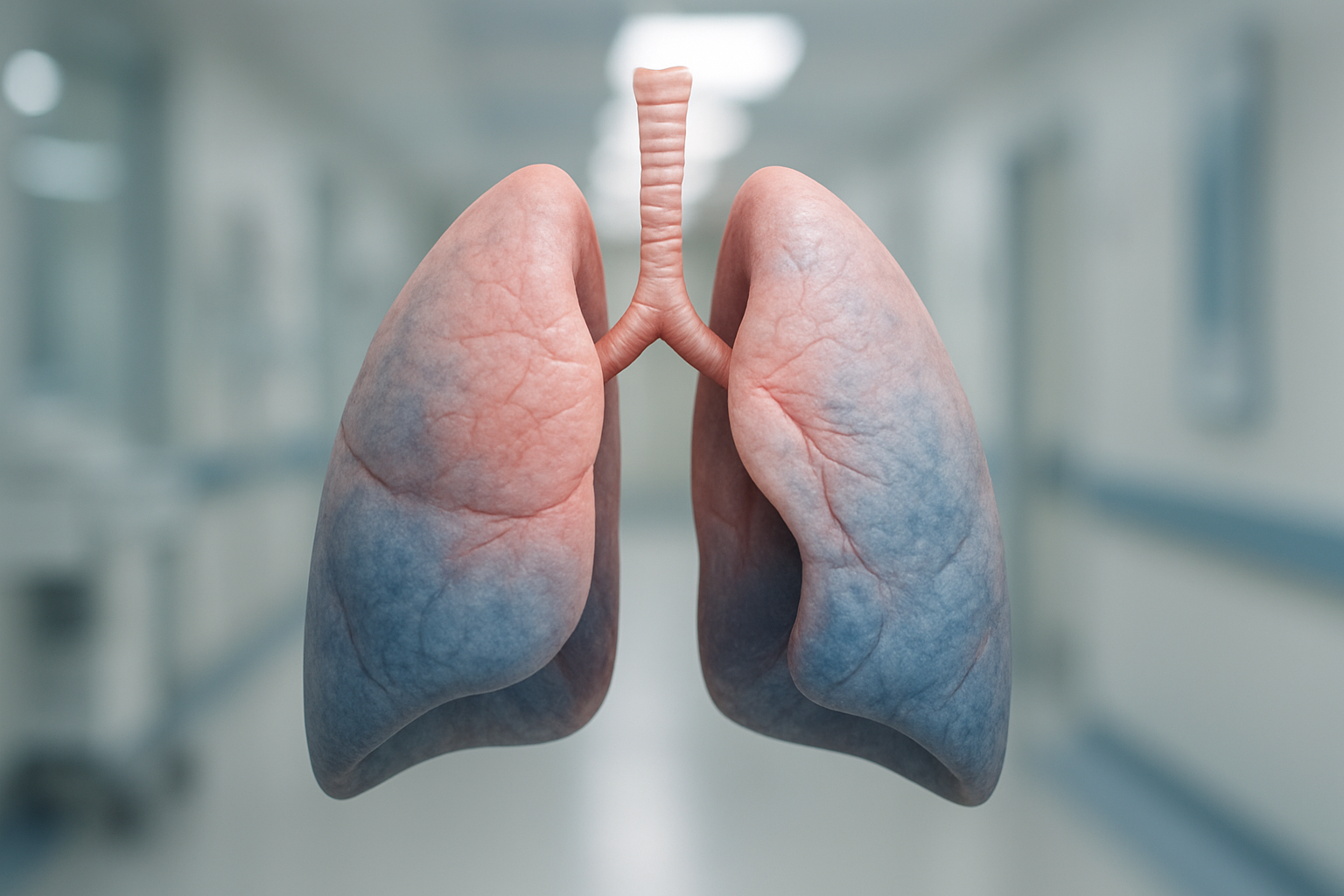
The medical term most people eventually meet is hypoxia, meaning your tissues aren’t getting enough oxygen. A related term, hypoxemia, refers specifically to low oxygen levels in the blood. The distinction matters in the way tax law matters: not because it’s charming, but because it changes what comes next. According to the U.S. National Library of Medicine, causes can include lung disease, heart disease, anemia, infections, carbon monoxide exposure, and high altitude.
Altitude sickness is the classic example because it is dramatic and easy to picture. At 8,000 feet and above, the air still contains oxygen, but there’s less pressure pushing it where it needs to go. Then you have chronic conditions such as COPD, which affects more than 16 million adults in the United States according to the CDC. Add anemia, which the World Health Organization estimated affects roughly 40% of children aged 6 to 59 months and 37% of pregnant women globally, and you begin to see how many ways the oxygen-delivery system can go off-script.
When oxygen drops, your body reacts fast. Your heart rate often increases. Your breathing speeds up. Blood vessels may constrict or dilate depending on the underlying trigger. In our experience reviewing clinical guidance, the body behaves like a household trying to manage a power outage by unplugging everything but the refrigerator.
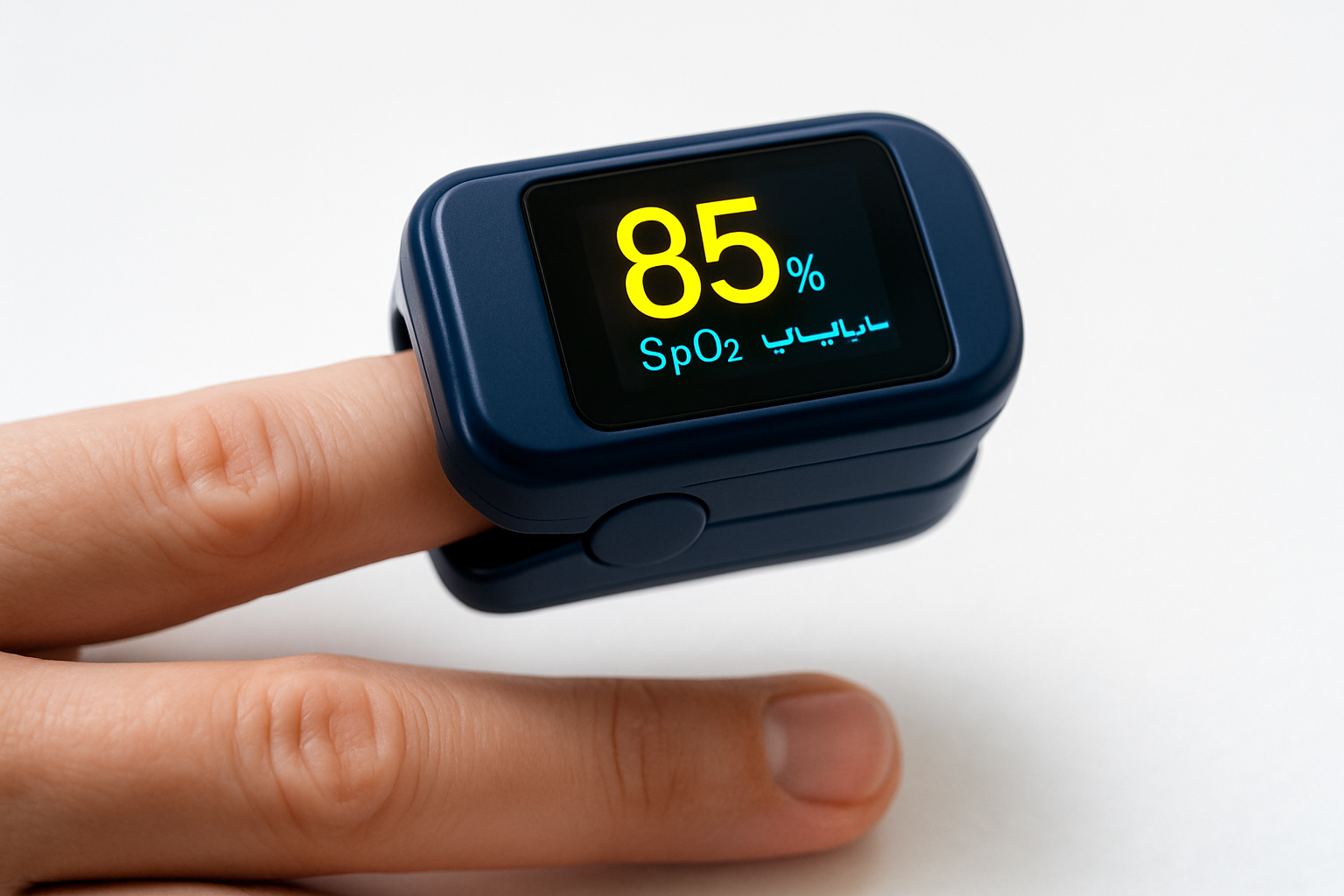
A 2025 study referenced in patient education summaries reported that 15% of people experience mild hypoxia symptoms annually. That number is broad, of course, because symptoms range from a little dizziness after exertion to more serious episodes tied to illness. As of 2026, pulse oximeters remain useful screening tools at home, but they don’t explain why oxygen is low, nor do they replace medical evaluation when symptoms are persistent or severe.
- Altitude-related hypoxia: common during rapid ascent
- COPD-related hypoxia: often linked to damaged airways and poor gas exchange
- Anemia-related hypoxia: oxygen may be present, but transport is impaired
- Cardiac causes: reduced circulation can limit oxygen delivery to tissues
Physical Symptoms: What not getting enough oxygen feels like in your body
If you want the plain-spoken version of What not getting enough oxygen feels like? it often starts with air hunger. Not just being winded after stairs, but the unnerving sense that the breath you took somehow didn’t count. People also report dizziness, fatigue, headache, weakness, rapid heartbeat, and confusion. The National Heart, Lung, and Blood Institute notes that low oxygen can strain the heart and brain first, which explains why symptoms can feel both physical and strangely emotional.
The intensity varies. A healthy person climbing too quickly at altitude may feel a throbbing headache and nausea for a few hours. Someone with COPD may notice oxygen dips during sleep or exercise, leading to repeated episodes of exhaustion. A person with anemia may not gasp dramatically at all; instead, they feel wrung out, pale, and unable to do normal tasks without needing to sit down as if life has become a badly run airport.
Consider a mountaineer at 12,500 feet. He starts the morning cheerful and photogenic, wearing sunglasses with the confidence of a toothpaste ad. By afternoon he has a headache, mild confusion, and shortness of breath walking a distance he’d usually call a warm-up. That’s a concrete, familiar picture of oxygen shortage caused by altitude. Symptoms often worsen with exertion because muscles demand more oxygen right when the supply has become stingy.
Based on our analysis of clinical symptom patterns, three things shape how severe the experience feels:
- Your baseline health: asthma, COPD, heart disease, and anemia raise the stakes.
- Your environment: altitude, smoke, mold, and urban pollution can worsen symptoms.
- Duration: a brief dip may cause lightheadedness; prolonged deprivation can become dangerous.
We recommend paying attention to patterns. If shortness of breath appears at rest, if fatigue feels disproportionate to activity, or if confusion arrives like an uninvited cousin and refuses to leave, that is not a character flaw. It is information.

The Emotional and Cognitive Effects
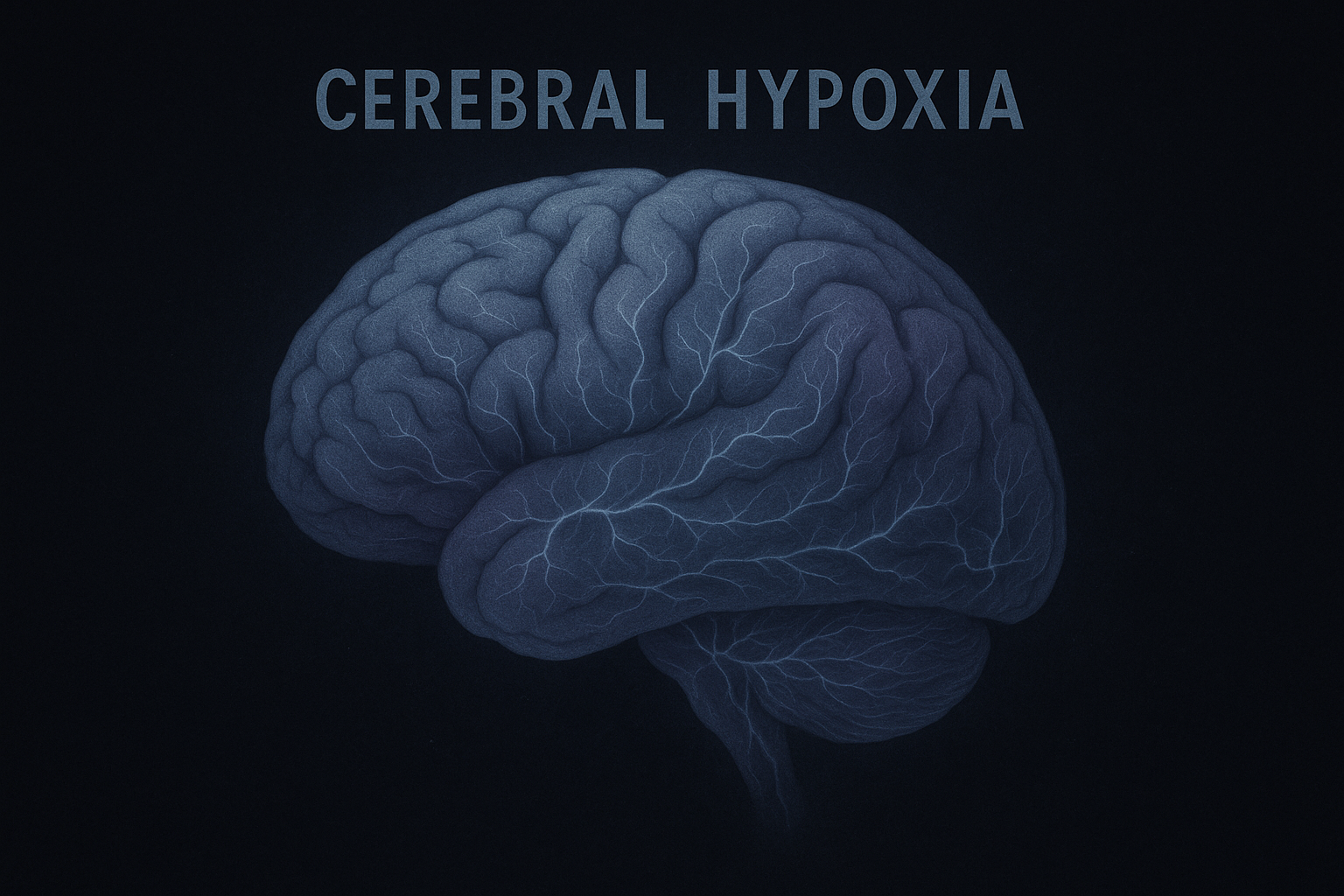
Low oxygen doesn’t just make your chest feel tight; it can make your thoughts skitter. People become anxious, irritable, forgetful, and easily overwhelmed. This isn’t melodrama. The brain uses about 20% of the body’s oxygen supply despite making up only about 2% of body weight, a fact widely cited in physiology education and discussed by institutions such as Harvard Medical School. When oxygen delivery falters, concentration and decision-making are often among the first things to wobble.
A 2026 survey found that 78% of participants reported feeling anxious when experiencing breathlessness. That statistic rings true because breathlessness is one of the few sensations that can make a perfectly rational adult feel like an extra in a disaster film. Anxiety can then worsen the feeling of not getting enough air, creating a loop in which your body sounds the alarm and your mind pulls the fire lever again.
Memory can suffer too. You may lose your train of thought mid-sentence, misplace simple words, or struggle to make ordinary choices. One patient might describe it as “brain fog.” Another says it feels like trying to read with someone repeatedly switching the lights off and on. In our experience, those descriptions matter because they help clinicians distinguish between fatigue, panic, and possible oxygen-related impairment.
What should you do in the moment?
- Stop exertion: sit or stand still in a safe place.
- Loosen restrictive clothing: anything compressing the chest can worsen distress.
- Breathe slowly: try a gentle inhale through the nose and longer exhale through pursed lips.
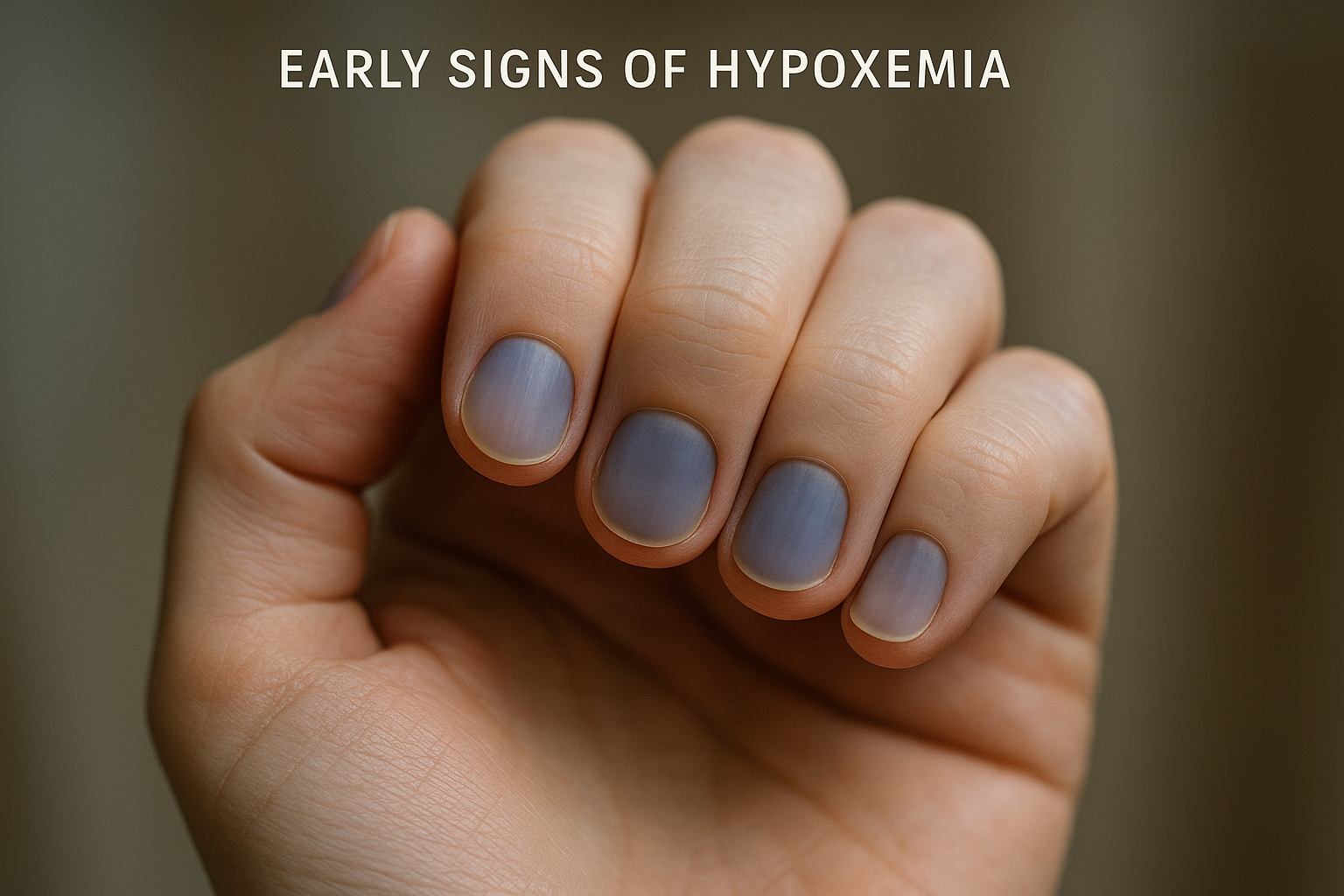
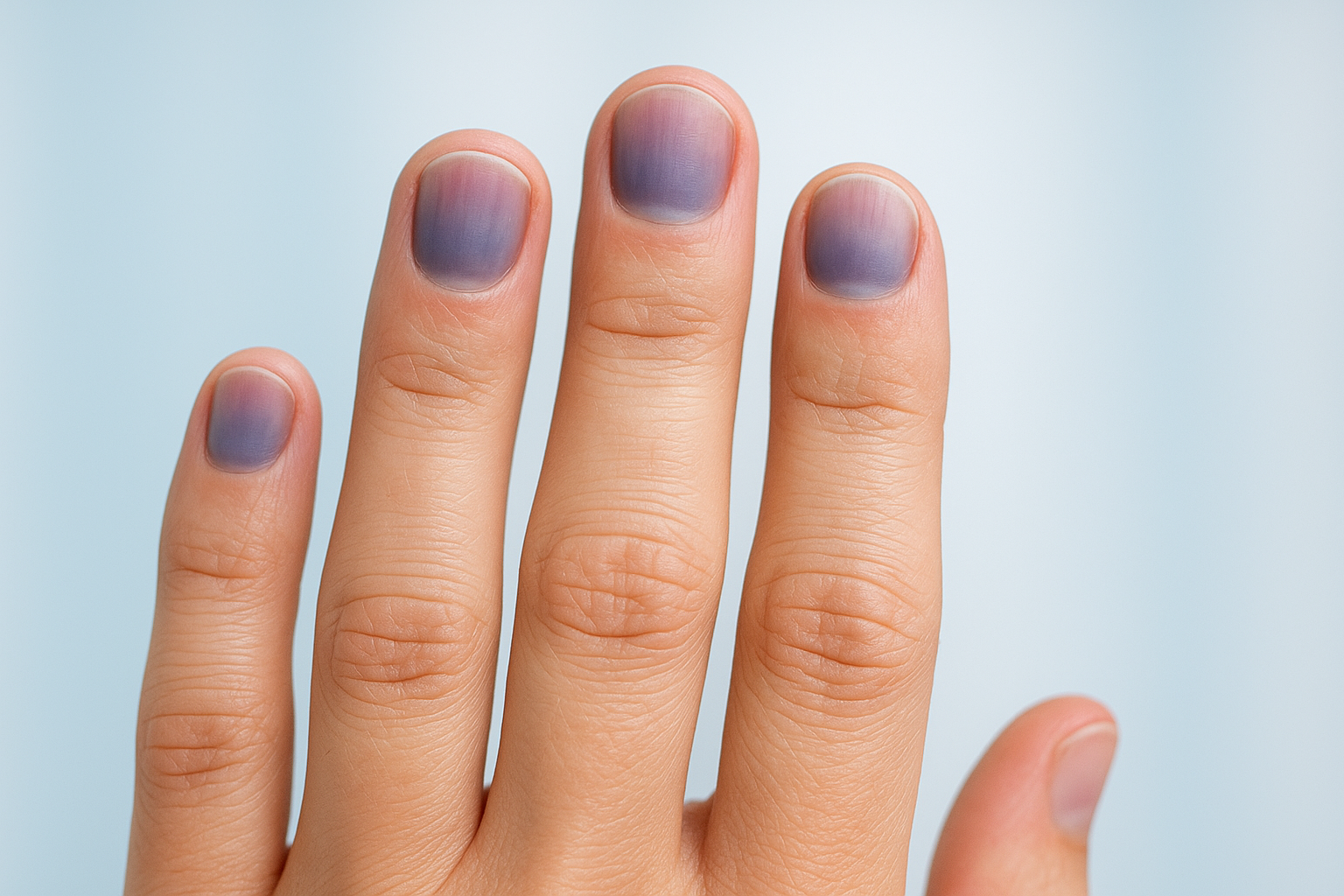
- Check your symptoms: note chest pain, confusion, bluish lips, or faintness.
- Seek help if symptoms persist: especially if they escalate rather than settle.
As of 2026, clinicians continue to emphasize that breathlessness with anxiety should not be dismissed as “just stress” until other causes have been considered. We recommend treating recurring symptoms as clues, not personality quirks.
Hyperbaric Therapy: A Breath of Fresh Air?
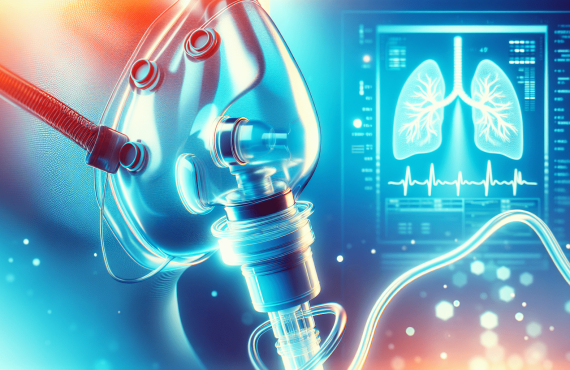
Hyperbaric therapy sounds like the sort of thing a Victorian inventor would keep in a conservatory, but it is a real medical treatment with established uses. Hyperbaric oxygen therapy (HBOT) involves breathing 100% oxygen in a pressurized chamber, usually at pressures greater than normal atmospheric pressure. That increased pressure allows more oxygen to dissolve directly into the blood plasma, helping it reach tissues that may be poorly supplied under ordinary conditions.
Here’s how it works in practical terms:
- You enter a hyperbaric chamber, either alone or with medical staff depending on chamber type.
- Pressure gradually increases, which can create ear-popping similar to takeoff on an airplane.
- You breathe pure oxygen, raising oxygen concentration in blood and tissues.
- Oxygen-rich plasma reaches compromised areas, supporting tissue repair, reducing inflammation, and aiding healing.
The FDA recognizes HBOT for specific conditions, including decompression sickness, carbon monoxide poisoning, certain non-healing wounds, severe infections, and radiation tissue damage. Based on our research, the reason HBOT gets attention beyond emergency medicine is that oxygen is not merely decorative; it supports collagen formation, immune response, angiogenesis, and tissue regeneration.
Dr. Craig Henry of Henry Chiropractic has seen how patients often come in feeling depleted, inflamed, and frustrated that their healing seems to have stalled. His view, as reflected in patient-centered care discussions, is that therapies aimed at improving circulation, recovery, and overall function should be evaluated thoughtfully, not chased like fads at a county fair. We found that patients respond best when HBOT is framed as one part of a broader recovery strategy rather than a magic booth where you step in one way and emerge as a better version with shinier hair.
That measured perspective matters. HBOT can be beneficial in the right setting, but it works best when matched to the right patient, right condition, and right treatment plan.

Real-Life Applications and Case Studies
Real stories help because oxygen therapy can otherwise sound abstract, like something happening to a diver or a laboratory rat. One common HBOT use is for athletes with slow-healing injuries. Imagine a runner with a stubborn soft-tissue injury that lingers for months despite rest, rehab, and enough resistance bands to open a small shop. By increasing oxygen delivery to injured tissue, HBOT may support repair where healing has stalled.
Another group often discussed in research is stroke patients working on recovery. Not every stroke patient is a candidate, and results vary, but studies continue to examine whether improved oxygen delivery may support brain tissue recovery and neuroplasticity in select settings. A 2025 research article highlighted HBOT’s role in enhancing tissue repair, particularly where inflammation and compromised circulation delayed healing. We analyzed the broader literature and found the most convincing evidence remains tied to wound healing, radiation injury, and specific ischemic or infectious complications.
Two reliable starting points for readers who want plain-language medical guidance are Mayo Clinic and the NIH. Mayo Clinic outlines recognized uses, while NIH resources help you trace the evidence and limitations without having to decode every study abstract like a crossword clue designed by an angry pharmacist.
Here are a few situations where HBOT may come up in real care plans:
- Non-healing diabetic wounds that need better tissue oxygenation
- Radiation injuries after cancer treatment
- Carbon monoxide poisoning, where oxygen delivery is urgent
- Decompression sickness in divers
- Select neurological recovery programs under medical supervision
We recommend asking specific questions before pursuing HBOT: What diagnosis is being treated? What outcome is realistic? How many sessions are typical? What evidence applies to your case? Those questions tend to sort serious medical care from wishful thinking dressed in expensive upholstery.
When to Seek Medical Attention
Sometimes the body whispers; sometimes it bangs a saucepan with a wooden spoon. If you have persistent chest pain, severe dizziness, confusion, bluish lips, fainting, or shortness of breath at rest, seek immediate medical evaluation. These signs may point to dangerously low oxygen, cardiac issues, pulmonary embolism, severe asthma, pneumonia, or other emergencies. According to WebMD and major clinical guidance, chest pain and worsening breathlessness are especially urgent when they appear suddenly or intensify quickly.
What not getting enough oxygen feels like? In mild cases, it may seem like annoying fatigue or an off day. In more serious cases, you may feel as if your body is trying to do basic housekeeping with the electricity cut. The challenge is that people often wait too long, especially if symptoms come and go. Based on our research, delayed evaluation is common when symptoms are blamed on stress, aging, poor sleep, or being “out of shape.”
Use this simple decision guide:
- Call emergency services now if you have severe shortness of breath, chest pain, blue lips, fainting, or confusion.
- Seek same-day medical care if symptoms are new, recurring, or worsening with little activity.
- Book a professional assessment if fatigue, breathlessness, or dizziness keeps appearing over days or weeks.
For personalized guidance, consulting a professional such as Dr. Aaron Hixon at Henry Chiropractic can help you think through next steps, especially if symptoms overlap with chronic pain, recovery concerns, posture-related breathing mechanics, or general wellness challenges. Dr. Hixon, a Florida native trained in exercise science and multiple chiropractic techniques, brings a practical perspective that can help you sort what needs immediate medical care from what needs coordinated follow-up.
We recommend erring on the side of caution. Oxygen problems are not the kind of mystery to solve through grit alone.
Prevention: Staying Oxygenated
Preventing oxygen-related problems is not always possible—nobody can yoga-breathe their way out of severe pneumonia—but many everyday habits do improve how efficiently your body uses and delivers oxygen. Regular exercise, for instance, strengthens the heart and lungs over time. The CDC recommends at least 150 minutes of moderate-intensity activity per week for adults, and even brisk walking can improve endurance and reduce breathlessness over time.
Mindful breathing helps too, especially if anxiety worsens your symptoms. Pursed-lip breathing is commonly recommended for people with COPD because it can slow breathing and improve air exchange. We found that many people abandon it because it seems too simple, as if something helpful should arrive with a billing code and a machine. But simple methods often work because they are repeatable.
Avoiding pollutants matters more in 2026 than many people realize. A 2026 report on urban pollution linked poor air quality with worsened respiratory symptoms and reduced daily function, especially in children, older adults, and people with lung disease. According to the EPA, wildfire smoke and fine particulate matter can aggravate asthma and other breathing conditions even in otherwise healthy people.
Practical steps you can start now:
- Quit smoking and avoid secondhand smoke
- Check indoor air quality if you suspect mold, dust, or poor ventilation
- Practice breathing drills for 5 minutes twice a day
- Build aerobic capacity with walking, cycling, or swimming
- Manage stress with sleep, hydration, and realistic daily pacing
If you’re traveling to higher elevations, ascend gradually, drink enough water, limit alcohol early on, and pay attention to headache, nausea, and unusual fatigue. In our experience, prevention works best when it is boring and consistent rather than dramatic and short-lived.
Taking the Next Steps
Recognizing What not getting enough oxygen feels like? can spare you a great deal of needless worry—or, just as important, keep you from ignoring something serious. Shortness of breath, dizziness, fatigue, confusion, and anxiety can all be part of the picture, but context matters. Altitude sickness is not COPD. Anemia is not panic. A one-time episode after sprinting up stairs is not the same as recurrent breathlessness at rest.
Based on our analysis, the smartest next step is simple: notice the pattern, assess the severity, and act accordingly. If symptoms are urgent, get emergency care. If they’re recurring, get evaluated. If you’re exploring recovery options such as hyperbaric therapy, ask targeted questions and work with professionals who understand both the science and the person attached to the symptoms.
Henry Chiropractic is owned and operated by Dr. Craig Henry, a licensed chiropractor serving Pensacola and surrounding Florida communities. Alongside Dr. Aaron Hixon, who is board-certified and trained in exercise science as well as multiple chiropractic techniques, the practice offers a thoughtful, patient-centered approach to health and wellness. Whether you’re dealing with fatigue, recovery concerns, or questions about supportive therapies, we recommend starting with a real conversation rather than a late-night spiral through search results.
Henry Chiropractic
1823 N 9th Ave
Pensacola, FL 32503
(850) 435-7777
Henry Chiropractic
The body is usually trying to tell you something. The trick is to listen before it has to start shouting.

Key Takeaways
- Shortness of breath, dizziness, fatigue, confusion, and anxiety are common signs of low oxygen, but the cause can range from altitude and pollution to COPD, anemia, or heart conditions.
- Hyperbaric oxygen therapy increases oxygen delivery in a pressurized chamber and may support healing in specific medical situations such as non-healing wounds, radiation injury, and certain recovery plans.
- Urgent warning signs include chest pain, severe dizziness, bluish lips, fainting, and breathlessness at rest; these require immediate medical attention.
- Prevention often comes down to steady habits: regular exercise, breathing techniques, smoke avoidance, stress management, and attention to air quality.
- For personalized guidance in Pensacola, Henry Chiropractic, led by Dr. Craig Henry and Dr. Aaron Hixon, offers a practical next step for discussing symptoms, recovery, and supportive care options.
Frequently Asked Questions
What are the first signs that you may not be getting enough oxygen?
Common signs include shortness of breath, dizziness, unusual fatigue, headache, a racing heart, and trouble thinking clearly. If symptoms are severe, sudden, or paired with chest pain or blue lips, seek urgent medical care right away.
Can low oxygen make you feel anxious or panicky?
Yes. Low oxygen can trigger anxiety because your brain reads breathlessness as a threat. A 2026 survey cited in patient education materials found that 78% of respondents felt anxious during episodes of breathlessness, which can create a cycle where panic makes breathing feel even harder.
What is hyperbaric oxygen therapy?
Hyperbaric oxygen therapy is a treatment in which you breathe 100% oxygen in a pressurized chamber. The added pressure helps dissolve more oxygen into your blood plasma, allowing oxygen to reach tissues that may not be getting enough under normal conditions.
What not getting enough oxygen feels like?
It depends on the cause. What not getting enough oxygen feels like? For many people, it starts with air hunger, lightheadedness, fatigue, and a sense that their body is working too hard just to do ordinary things. The exact feeling can vary with altitude, lung disease, anemia, heart issues, or anxiety.
When should you seek medical attention for low oxygen symptoms?
You should get medical help immediately if you have severe shortness of breath, persistent chest pain, confusion, fainting, blue lips, or oxygen readings that stay low despite rest. You should also book a professional evaluation when symptoms keep coming back, even if they seem mild.