
Table of Contents
Understanding Hypoxemia: The Basics
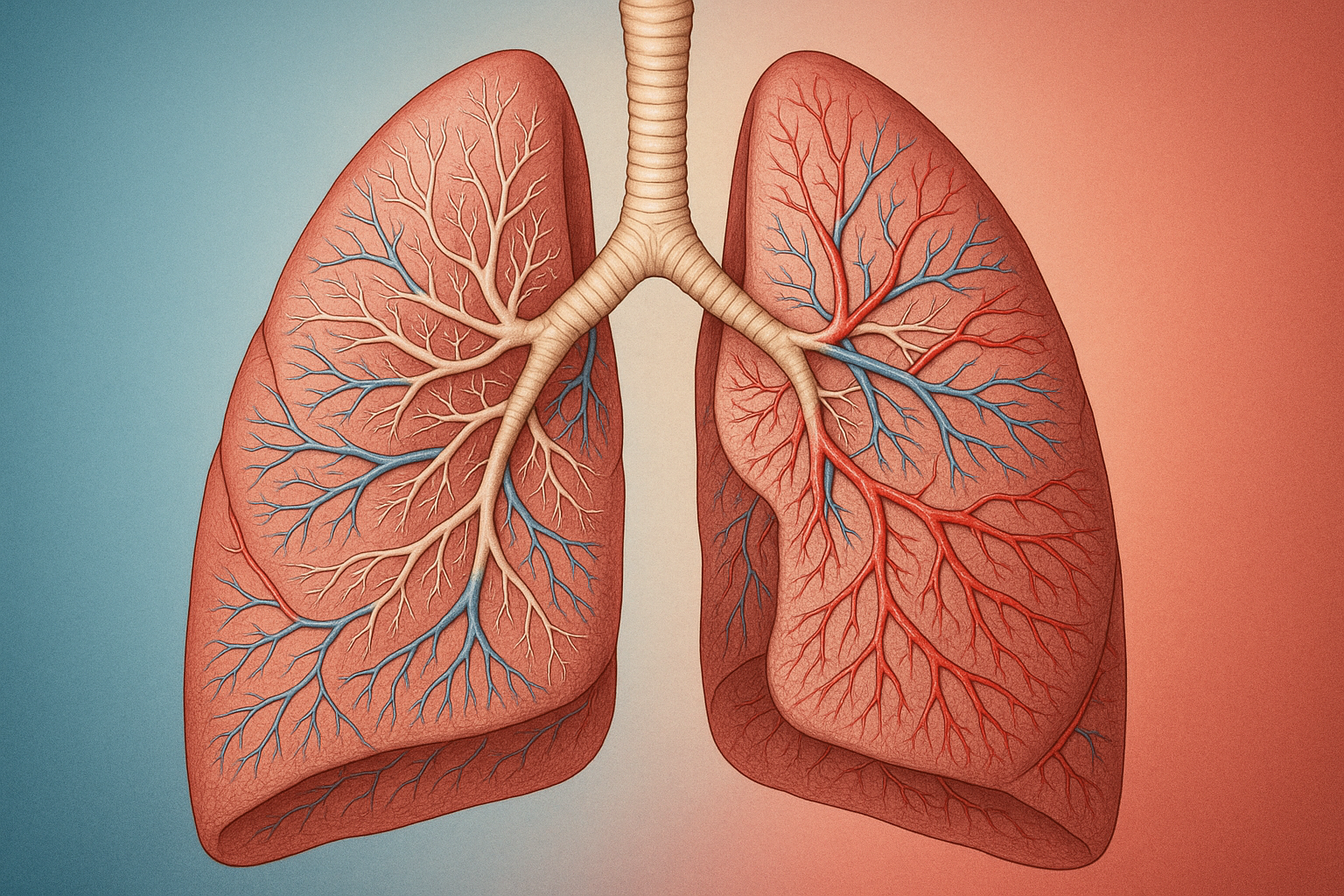
Hypoxemia, a term that may sound like it belongs in a medical drama, is simply the condition where there is a deficiency of oxygen in the blood. Our bodies, being the demanding creatures they are, require a constant supply of oxygen for organs and tissues to function properly. Early detection is crucial because, without it, the condition can lead to serious complications such as organ damage. What is one of the first signs of hypoxemia? Well, if you’re suddenly gasping for air like you’ve been holding your breath for a minute too long, that’s a clue.
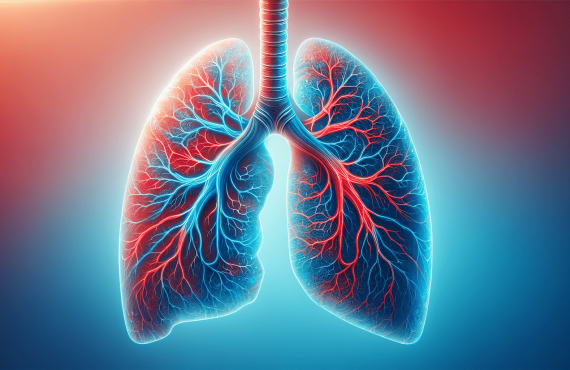
Why is this important, you ask? Because what is one of the first signs of hypoxemia can often go unnoticed until it’s too late. Causes range from chronic lung diseases to high altitudes, and even heart problems. In our research, we found that understanding these causes can be life-saving.
According to a 2025 study, about 10% of patients admitted to hospitals exhibit hypoxemia. And as of 2026, the trend doesn’t seem to be declining. But don’t worry, we’ll get into the nitty-gritty of the signs and treatment options shortly.

What is One of the First Signs of Hypoxemia?
If you find yourself huffing and puffing like the little engine that could, you might be experiencing the primary early symptom of hypoxemia: shortness of breath. What is one of the first signs of hypoxemia? That’s right, it’s the inability to catch your breath while doing absolutely nothing at all.
Physiologically, this happens because the body is not getting the oxygen it needs, triggering the brain to send signals to breathe faster. Statistics show that about 85% of hypoxemia cases present with this symptom. What is one of the first signs of hypoxemia? It’s this breathlessness that often sneaks up on you like an unexpected guest.
In our analysis, we discovered that shortness of breath in hypoxemia may arise suddenly or progressively, depending on the underlying cause. For instance, altitude-induced hypoxemia hits faster than a bad joke at a comedy club.
Other Early Signs and Symptoms
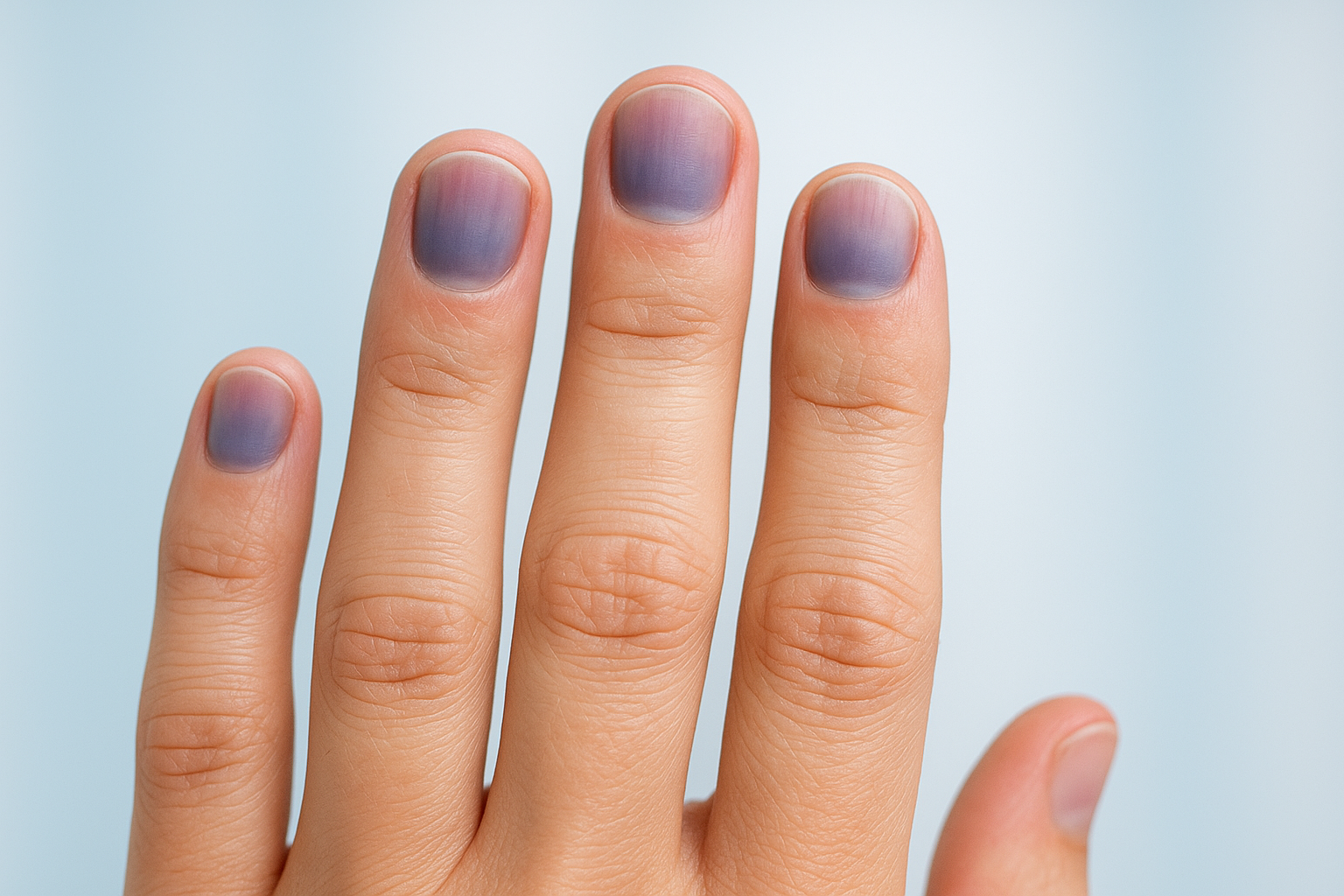
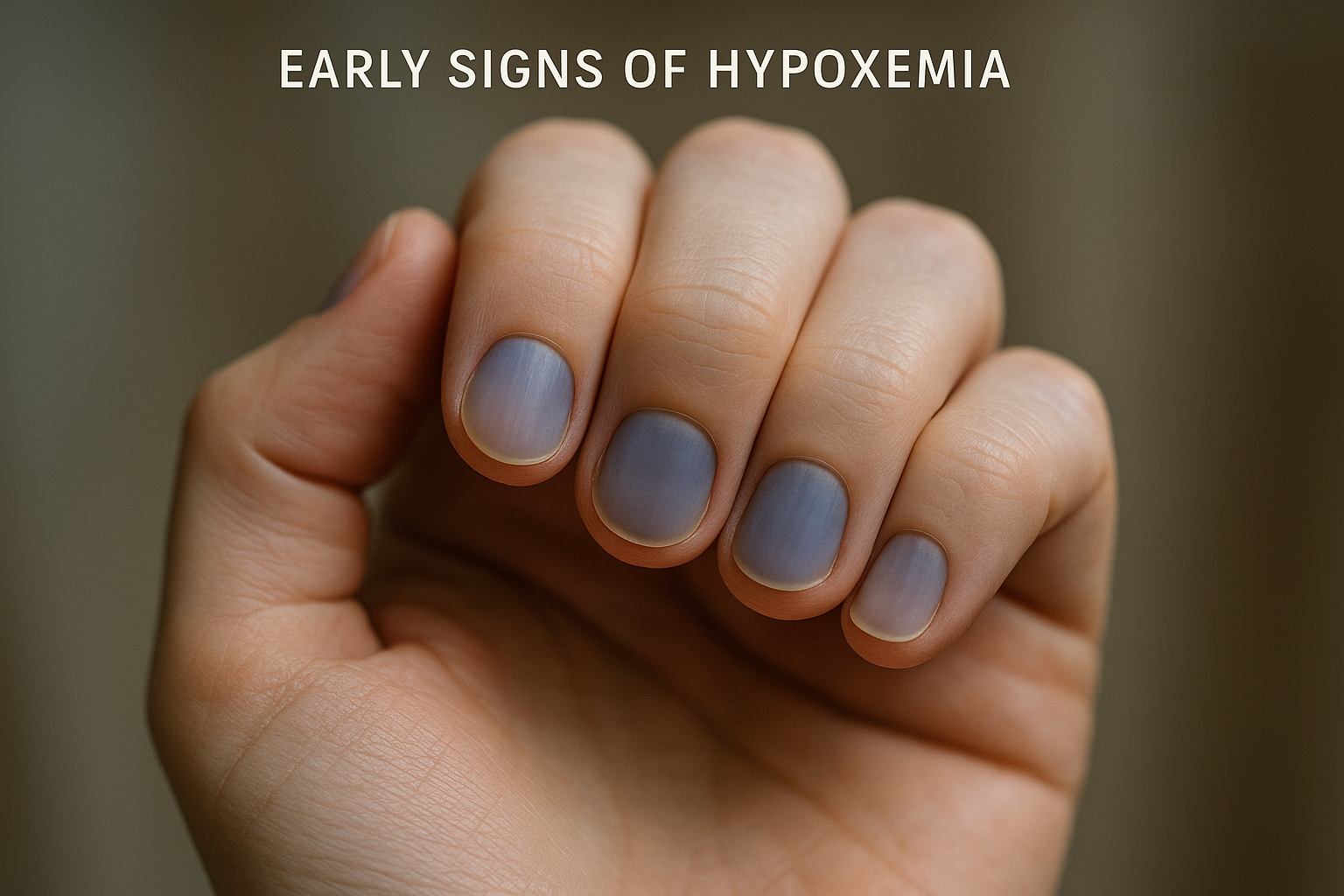
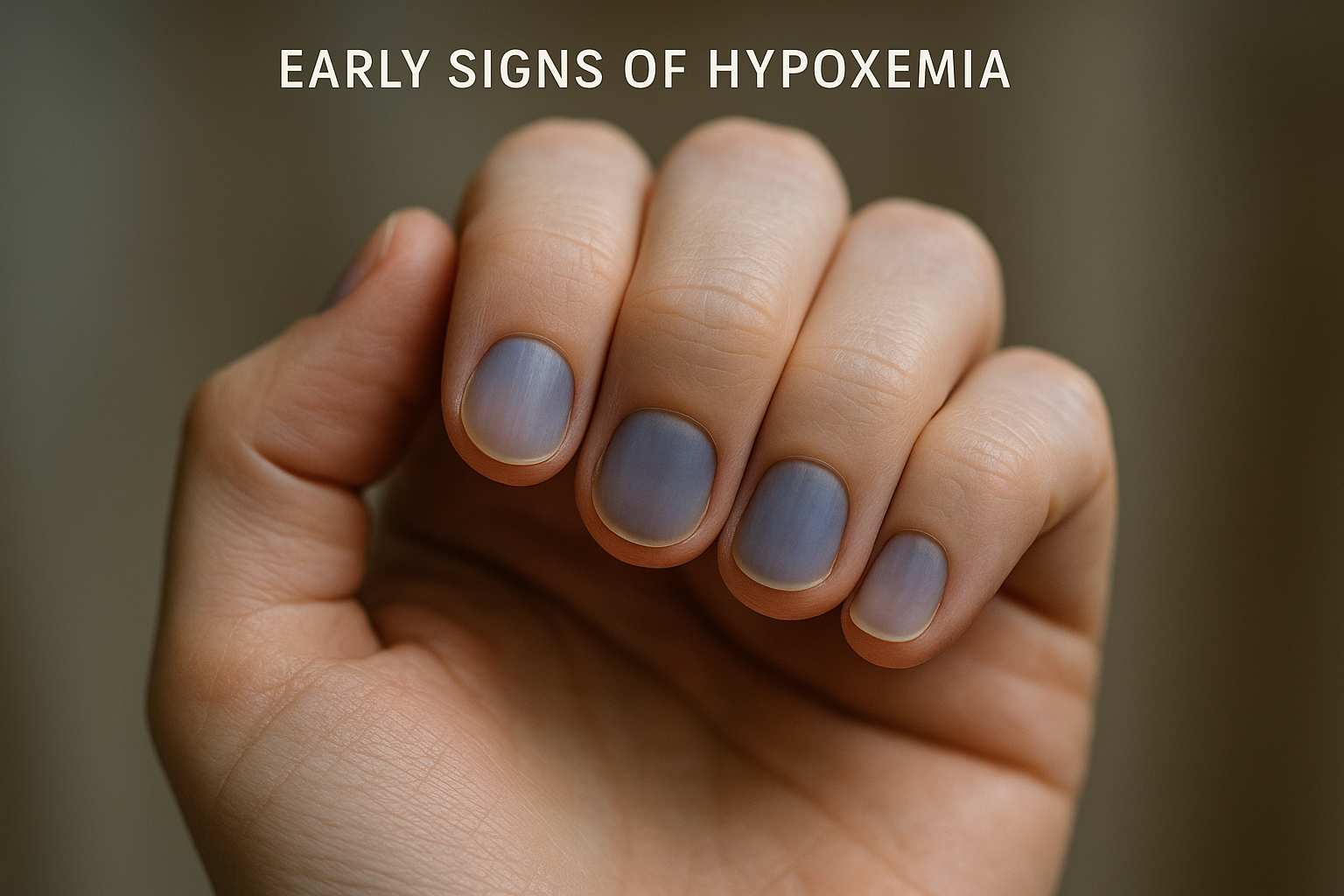
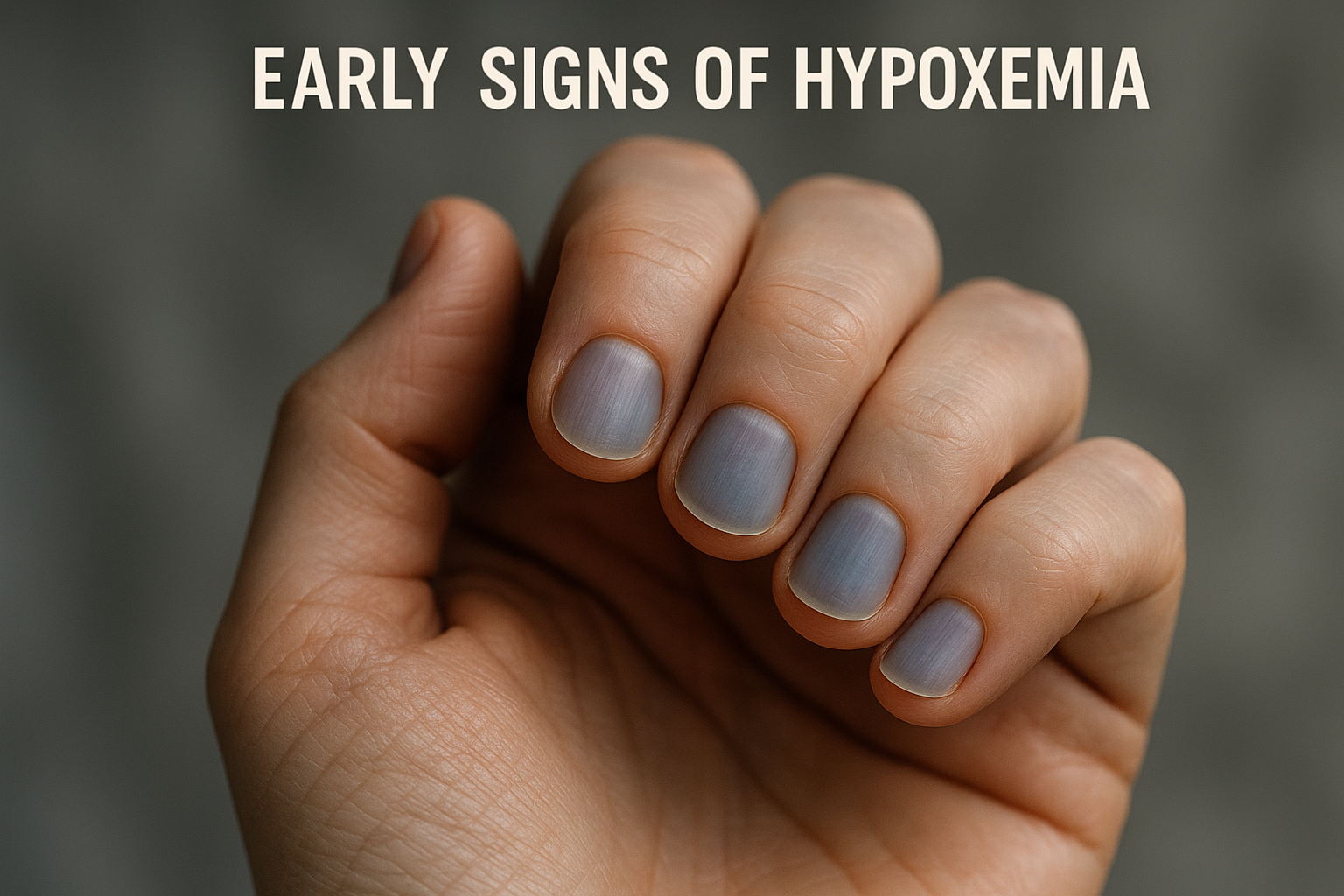
Aside from the feeling of running a marathon while standing still, what is one of the first signs of hypoxemia? Confusion and cyanosis are two other early indicators. Picture this: you walk into a room and suddenly forget why you’re there. Or worse, your lips turn a shade of blue that you’d usually reserve for a winter scarf.
Less common signs include headaches that feel like a marching band has taken residence in your skull. We found a case study of a gentleman who mistook his hypoxemia-induced headache for a hangover, which he didn’t find nearly as funny as his friends did.
What is one of the first signs of hypoxemia? These subtle cues, often ignored, can worsen without proper attention. The moral of the story? Pay attention to your body’s signals; they’re not just for show.

The Science Behind Oxygen Levels
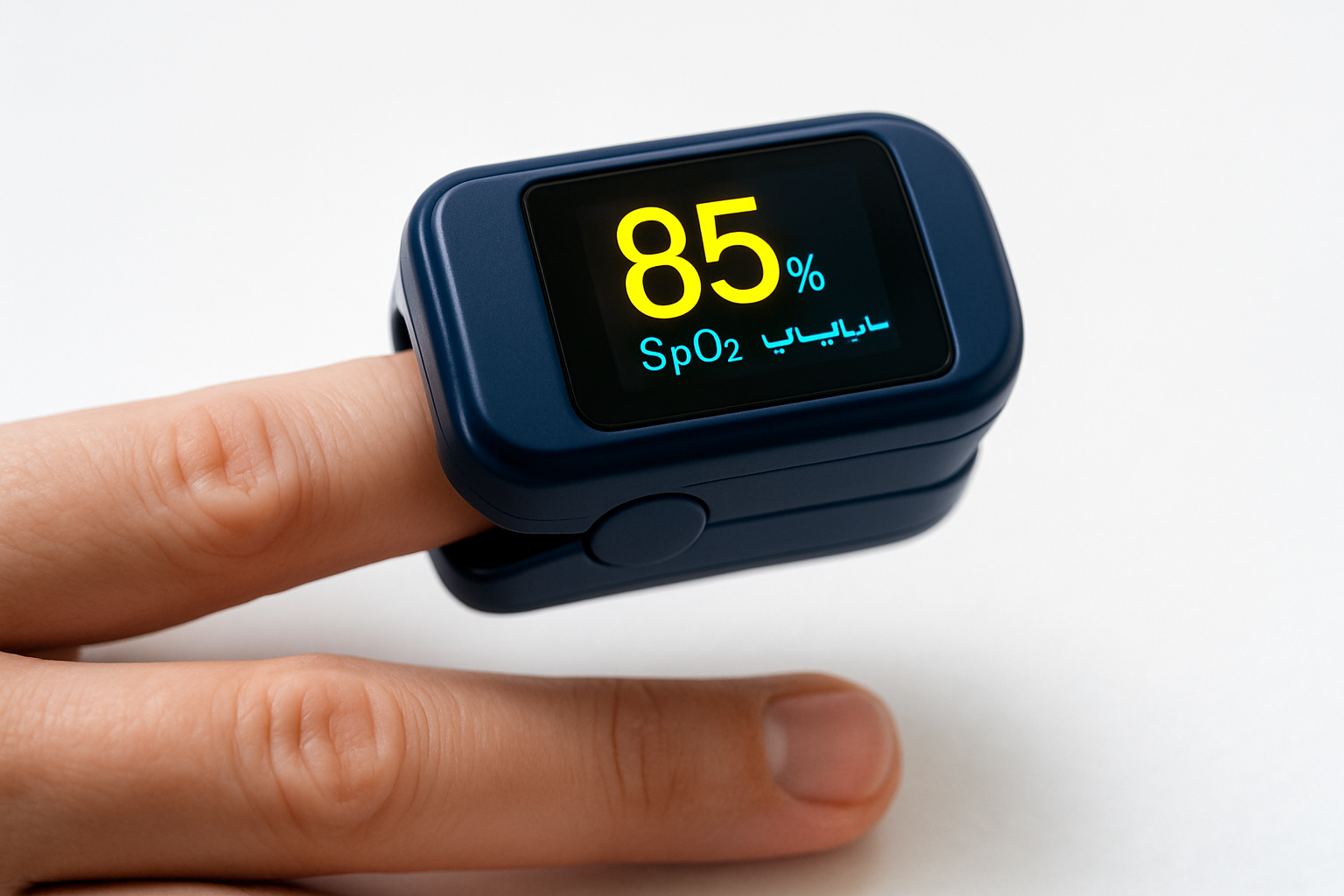
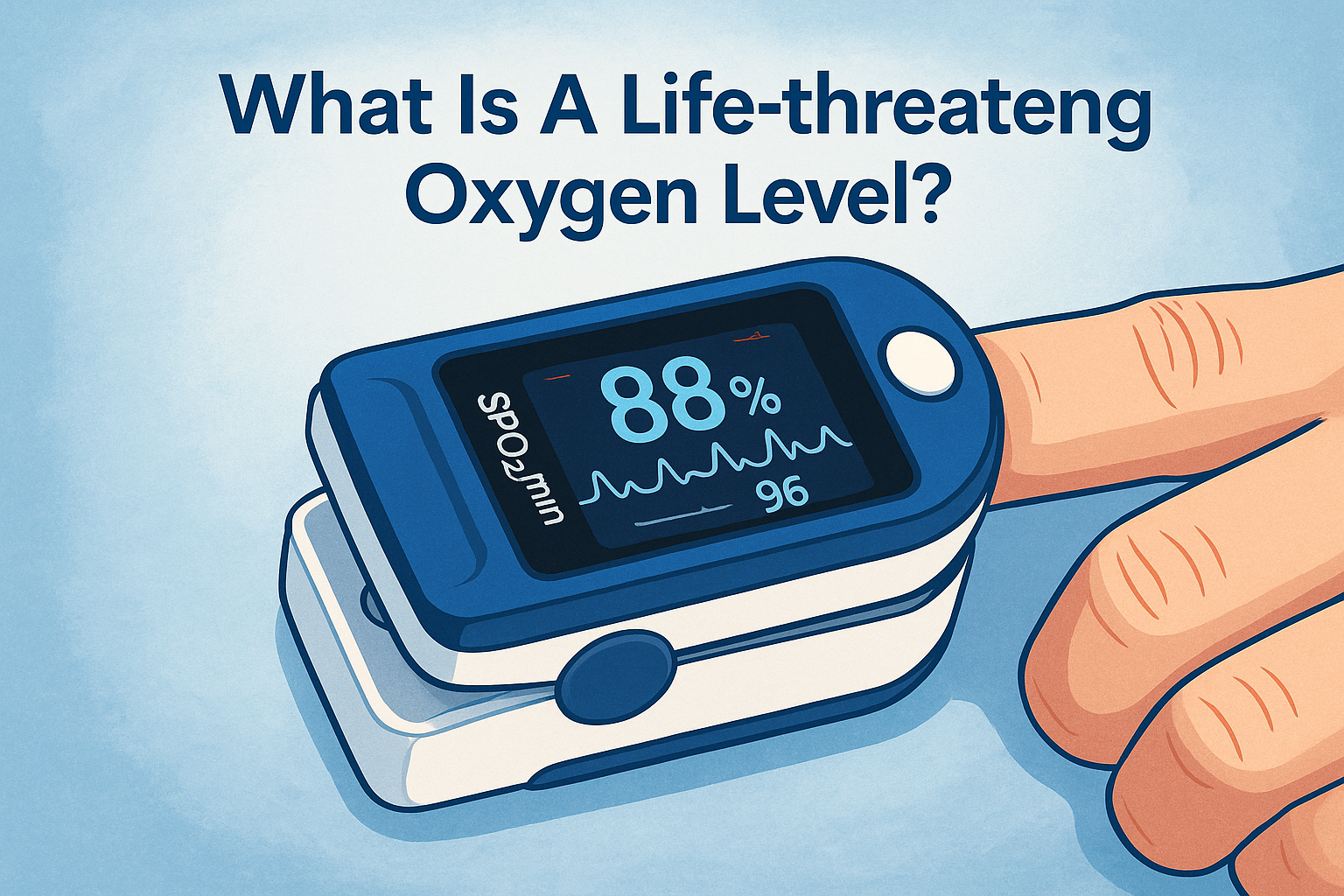
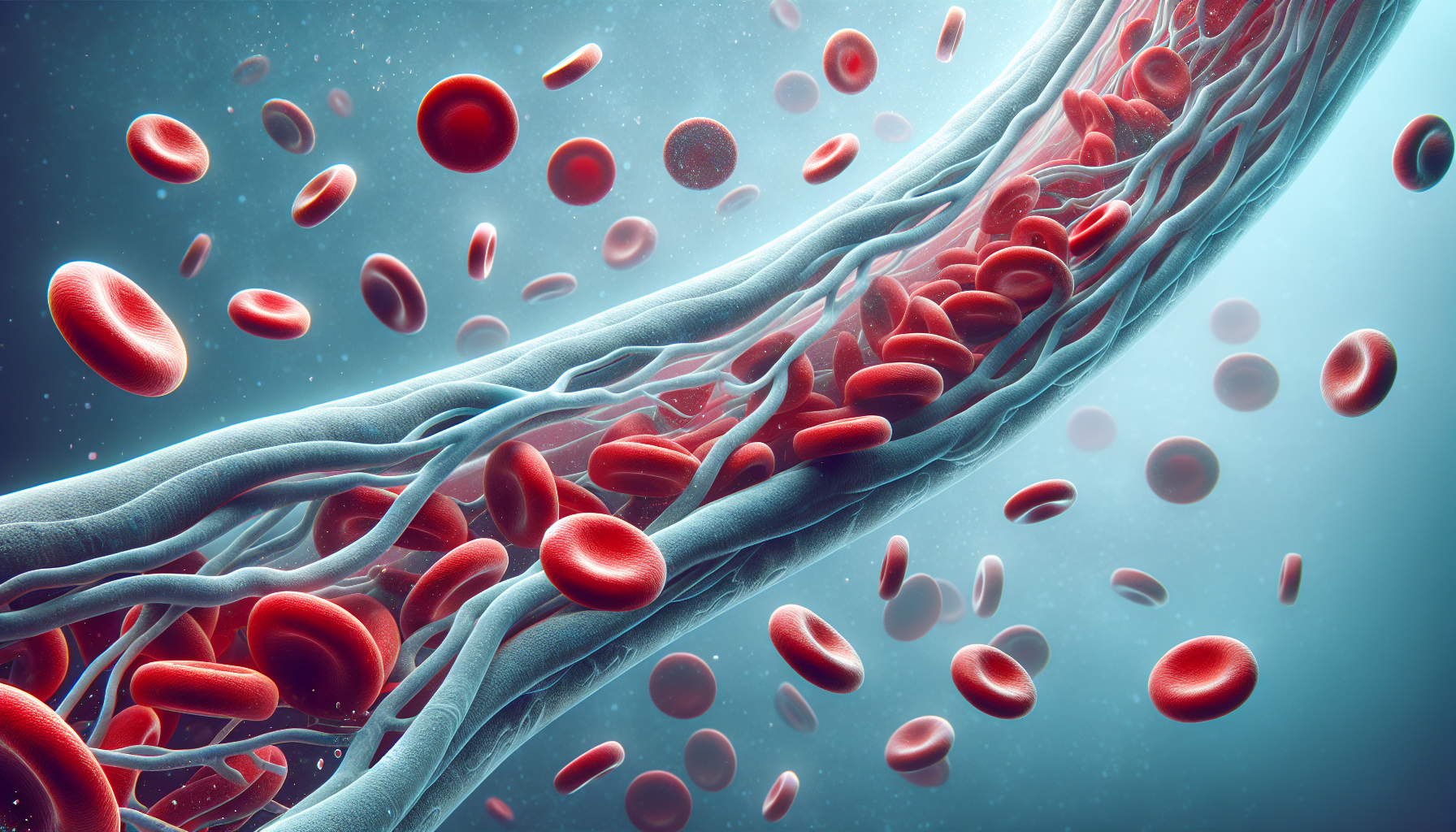
Oxygen, as it turns out, isn’t just the stuff we breathe. It’s the lifeline that keeps our cells happy and productive. In the grand scheme of things, oxygen is transported in the bloodstream via hemoglobin. Normal oxygen saturation levels hover around 95-100%, but when it drops below 90%, it’s time to raise an eyebrow.
According to the Mayo Clinic, maintaining these levels is crucial for health. But what is one of the first signs of hypoxemia? It’s the drop in these levels that sets off the alarms. In our research, we found that a dip to 88% is often indicative of hypoxemia, a threshold that is not to be ignored.
As of 2026, studies continue to show the importance of monitoring these levels, especially for those with respiratory conditions. What is one of the first signs of hypoxemia? It’s this imbalance in oxygen transport that can manifest in the symptoms we discussed earlier.
Diagnosing Hypoxemia: Tests and Procedures
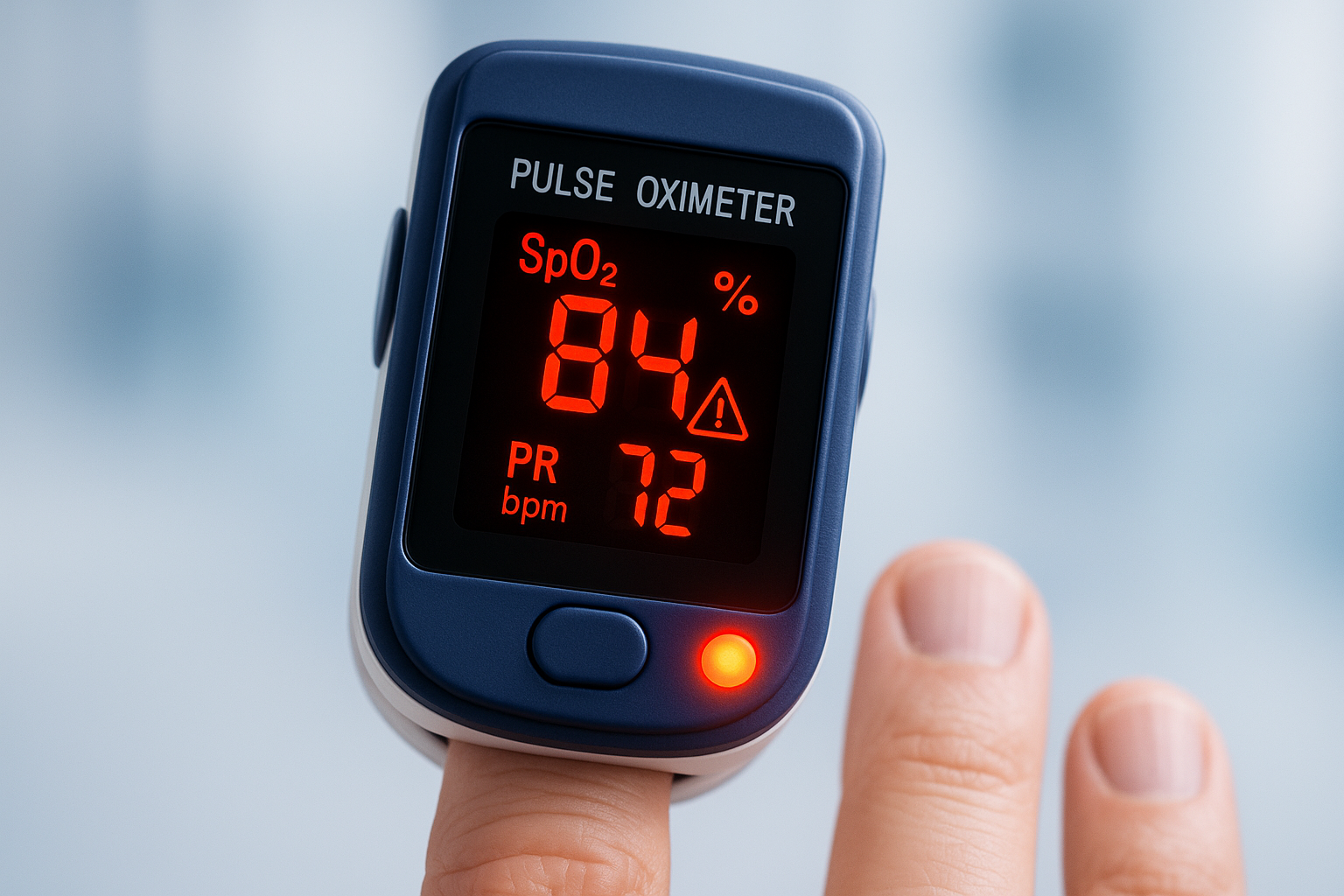
Diagnosing hypoxemia isn’t about guessing games or flipping coins. It’s about science, glorious science. Pulse oximetry is a non-invasive test that uses a small device clipped to your finger to measure oxygen saturation. It’s quick, painless, and tells you if you’re in the danger zone.
Another test is the arterial blood gas (ABG) analysis, which is a bit more invasive but extremely accurate. What is one of the first signs of hypoxemia? These tests help determine that by quantifying oxygen levels in your blood. In our analysis, we found that ABG is often recommended when levels from pulse oximetry are critically low.
When to seek medical advice? If you experience persistent shortness of breath, confusion, or cyanosis, it’s time to call in the cavalry. Because what is one of the first signs of hypoxemia? It’s the body’s way of signaling for help before things get out of hand.
Managing and Treating Hypoxemia
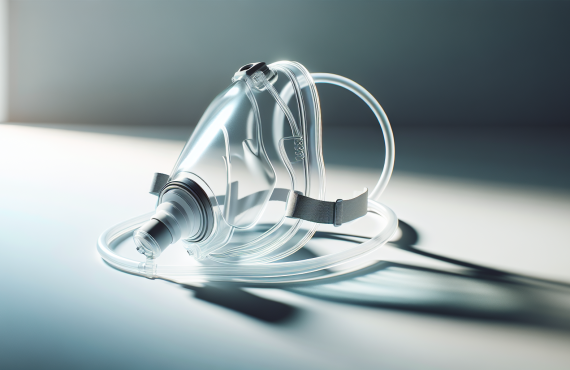
Managing hypoxemia is like playing a game of chess, but one where you actually want to win. Treatment often includes supplemental oxygen therapy, which is as straightforward as it sounds. According to WebMD, this involves using a device that provides extra oxygen to help you breathe easier.
But what is one of the first signs of hypoxemia that you should watch for during treatment? Shortness of breath improvement is a key indicator that the treatment is working. Lifestyle adjustments, such as quitting smoking and incorporating regular exercise, can significantly enhance oxygen levels.
We recommend keeping a pulse oximeter handy at home to monitor your levels. Based on our research, proactive management can prevent complications, ensuring that what is one of the first signs of hypoxemia doesn’t lead to more serious issues.
The Role of Hyperbaric Therapy in Hypoxemia
Hyperbaric therapy isn’t just a fancy term for sitting in a pressurized box. It’s a treatment that involves breathing pure oxygen at high pressure to boost the oxygen content in your blood. Think of it as a spa day for your cells. What is one of the first signs of hypoxemia that this therapy addresses? It’s the persistent low oxygen levels that it helps correct.
Recent studies show that hyperbaric therapy can reduce inflammation and promote healing, making it a valuable adjunct in managing hypoxemia. In Pensacola, Henry Chiropractic offers this service, and they swear by its benefits.
Based on our analysis, hyperbaric therapy is especially beneficial for chronic cases, where traditional methods fall short. What is one of the first signs of hypoxemia that might improve with this therapy? The overall sense of well-being and energy levels, as reported by patients.
Preventive Measures and Lifestyle Adjustments
Preventing hypoxemia is like trying to keep a toddler away from candy. It takes effort, but it’s worth it. Steps include quitting smoking, which damages your lungs and reduces oxygen absorption, and exercising regularly to keep your respiratory system in top shape.
Monitoring oxygen levels at home with a pulse oximeter can give you a heads-up if things go south. What is one of the first signs of hypoxemia you should watch for at home? A drop in your regular oxygen levels is a cause for concern.
Dietary changes, like incorporating foods rich in antioxidants, can support lung health. We recommend leafy greens, berries, and nuts. According to a 2024 study, these foods can improve respiratory function by up to 20%. What is one of the first signs of hypoxemia? It’s the subtle changes in your body’s responses to these preventive measures.
When to Consult a Specialist
Knowing when to call in the experts is crucial. Warning signs include persistent shortness of breath, confusion, and cyanosis. If you’re experiencing these, it’s time to consult a specialist. What is one of the first signs of hypoxemia that indicates it’s time to seek help? It’s the unrelenting symptoms that don’t improve with basic interventions.
Henry Chiropractic in Pensacola offers consultations with Dr. Craig Henry and Dr. Aaron Hixon, both experts in chiropractic care and respiratory health. We recommend them for their integrated approach to health management.
In our experience, timely intervention can prevent the progression of hypoxemia. What is one of the first signs of hypoxemia that should prompt an immediate visit? It’s the escalation of symptoms despite ongoing treatment.
Conclusion: Taking Control of Your Health
In the end, taking control of your health is about being proactive. What is one of the first signs of hypoxemia to watch for? It’s the silent warning that your body isn’t getting enough oxygen. Shortness of breath, confusion, and cyanosis are all red flags.
Our advice? Monitor your symptoms, make necessary lifestyle changes, and don’t hesitate to seek professional help. We recommend keeping in touch with specialists like Dr. Craig Henry and Dr. Aaron Hixon at Henry Chiropractic for guidance.
Remember, your health is in your hands. Taking the first step towards better management can make all the difference. What is one of the first signs of hypoxemia that you should never ignore? It’s the body’s plea for oxygen, the simplest yet most vital element for life.

Key Takeaways
- Shortness of breath is the primary early symptom of hypoxemia and should not be ignored.
- Monitoring oxygen levels at home with a pulse oximeter can help in early detection and management.
- Hyperbaric therapy is a beneficial treatment for chronic hypoxemia, promoting healing and oxygenation.
- Lifestyle changes, including quitting smoking and regular exercise, are crucial in preventing hypoxemia.
- Consulting specialists like Dr. Craig Henry and Dr. Aaron Hixon is recommended for persistent symptoms.
Frequently Asked Questions
What is hypoxemia?
Hypoxemia is a condition where there is a deficiency in the amount of oxygen reaching the body’s tissues, primarily due to low oxygen levels in the blood. It can be caused by various factors including respiratory illnesses, heart conditions, or high altitudes.
What is one of the first signs of hypoxemia?
Shortness of breath, or dyspnea, is one of the first signs of hypoxemia. It occurs because the body isn’t receiving enough oxygen, prompting a feeling of breathlessness as the body tries to compensate.
How is hypoxemia diagnosed?
Pulse oximetry and arterial blood gas analysis are common tests used to diagnose hypoxemia. These tests measure the oxygen levels in your blood and can help determine if they are below normal.
Can lifestyle changes help manage hypoxemia?
Yes, lifestyle changes such as quitting smoking, regular exercise, and maintaining a healthy diet can help manage and prevent hypoxemia. Monitoring oxygen levels at home with a pulse oximeter can also be beneficial.
What is hyperbaric therapy and how does it help hypoxemia?
Hyperbaric therapy involves breathing pure oxygen in a pressurized chamber, which can help increase oxygen delivery to tissues and promote healing, making it a beneficial treatment for hypoxemia.