
Table of Contents
What is the lowest oxygen level you can live with? 9 Expert Facts About Survival, Symptoms, and Treatment
Meta description: Discover what the lowest oxygen level for survival is in this ultimate guide. Learn symptoms, causes, and treatments like hyperbaric therapy and chiropractic care.

Introduction: The Oxygen Conundrum
You usually ask, What is the lowest oxygen level you can live with?, at the precise moment your body has begun acting like a tenant filing complaints. You feel winded walking to the mailbox. You wake at 3 a.m. certain your lungs have turned into two damp washcloths. Or maybe you watch a pulse oximeter flash a number that looks less like medicine and more like a test score you don’t want to bring home.
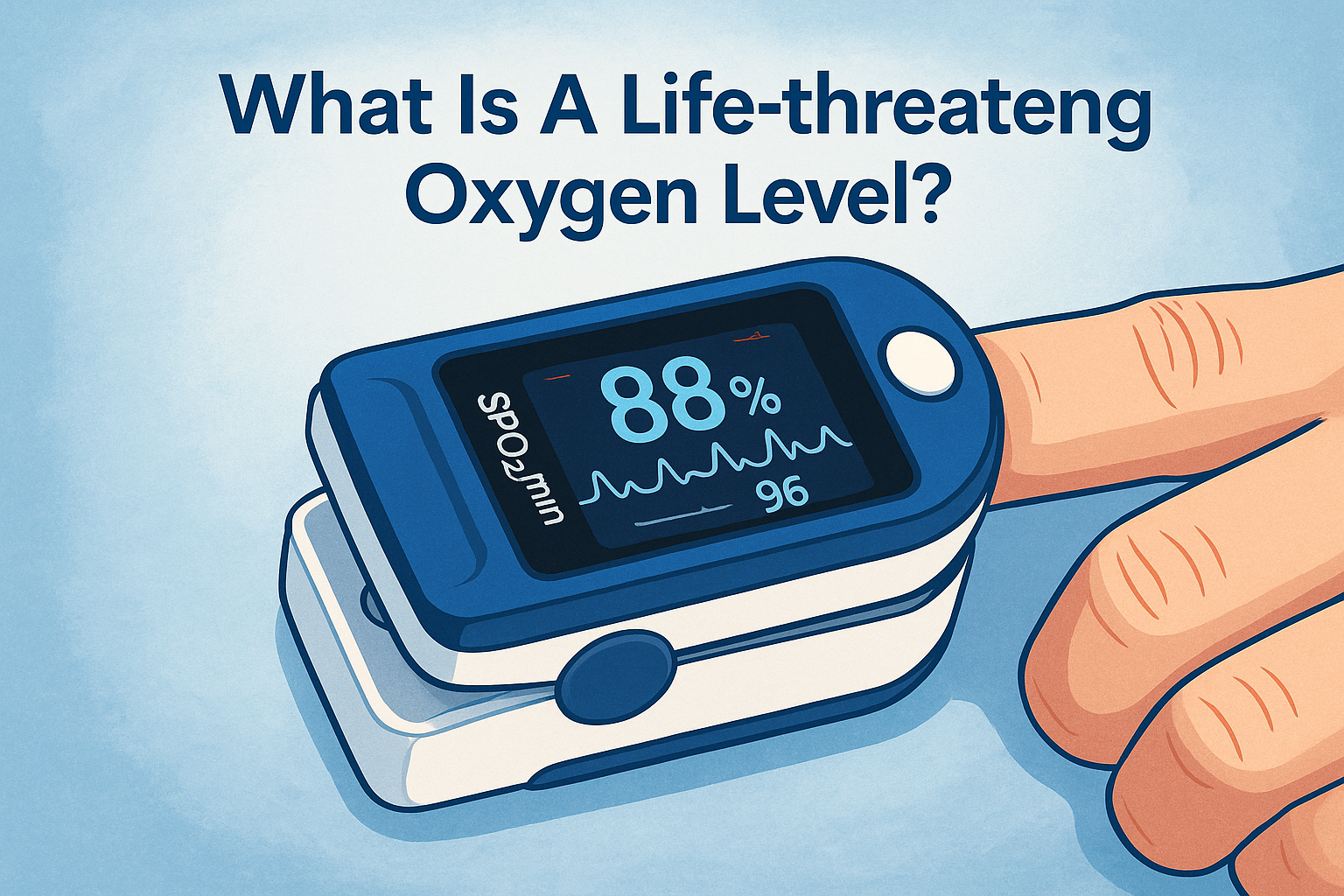
The question matters because oxygen saturation, usually written as SpO2, tells you how much oxygen your red blood cells are carrying. For most healthy adults, normal blood oxygen saturation falls between 95% and 100%. Below 90%, clinicians typically consider the level low enough to deserve attention. Below that, things can move from mildly concerning to deeply unpleasant with surprising speed.
Based on our research, people don’t really want a philosophical answer here. You want to know what number means “watch it,” what number means “call your doctor,” and what number means “go now.” We found that context matters just as much as the number itself. A person with COPD at 89% may be managed very differently from someone with pneumonia who suddenly drops there.
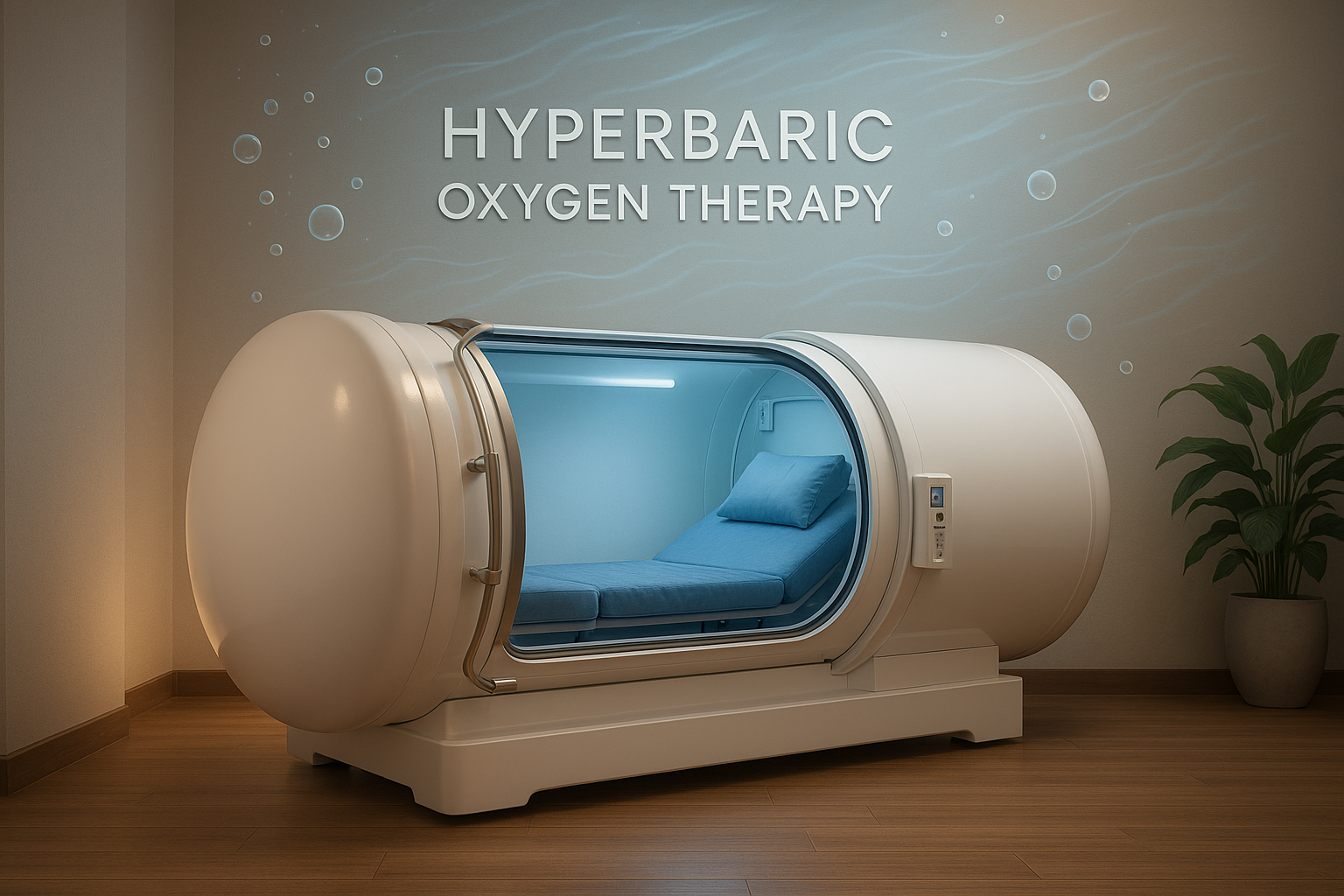
Treatment also matters. One option you may hear about is Hyperbaric Therapy, also called hyperbaric oxygen therapy or HBOT, which involves breathing 100% oxygen in a pressurized chamber. It sounds theatrical, and in a way it is, but the physiology is straightforward: higher pressure allows more oxygen to dissolve into the blood plasma and reach tissues that need help. That can support healing, reduce inflammation, and improve oxygen delivery in selected conditions.
As of 2026, home pulse oximeters remain common, but they are only the start of the story. We analyzed current guidance, survival thresholds, symptoms, causes, and treatment options so you can understand what low oxygen means and what to do next if your body starts sending smoke signals.
Understanding Oxygen Saturation Levels
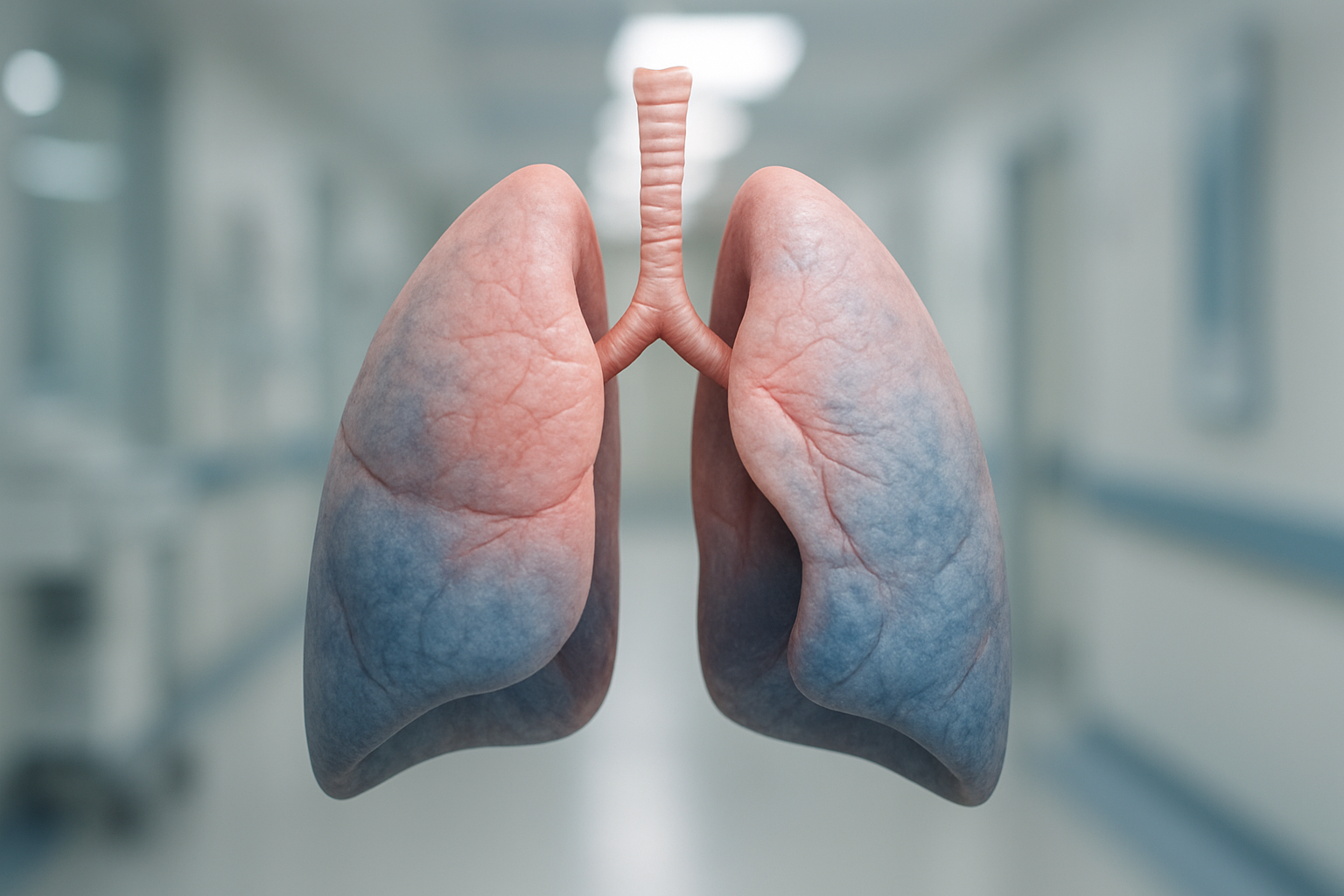
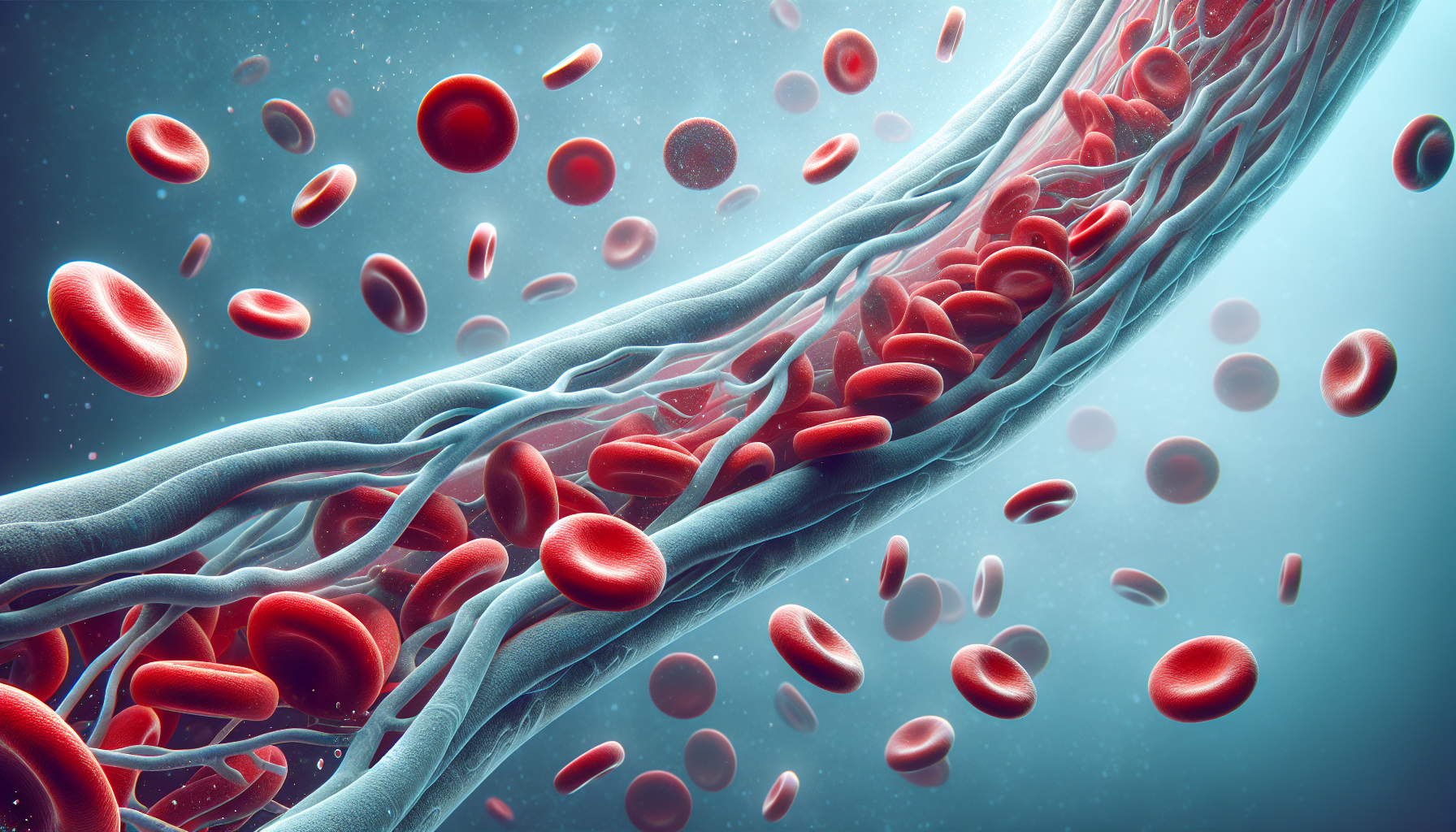
To understand what is the lowest oxygen level you can live with?, you first need to know what oxygen saturation actually measures. SpO2 is the percentage of hemoglobin in your blood that is carrying oxygen. Think of hemoglobin as a fleet of tiny delivery vans. At 98%, most vans are full. At 88%, too many have left the warehouse half-empty, and your organs are the ones waiting on the curb.
Your body relies on oxygen for almost everything that keeps you recognizably alive: making energy in cells, maintaining brain function, keeping heart tissue supplied, and supporting muscles during movement. According to the U.S. National Library of Medicine via MedlinePlus, a normal pulse oximeter reading is often 95% to 100%, while lower readings can point to conditions affecting the lungs, heart, or circulation.
Here’s the practical breakdown:
- 95%–100%: generally considered normal for most healthy adults
- 91%–94%: borderline or mildly low; context matters
- 90% or below: low oxygen, often called hypoxemia
- Below 80%: severe oxygen deprivation with higher risk of organ stress
We found that readers often confuse temporary variation with true danger. A single odd reading after cold exposure, moving your hand, or using a low-quality device may not mean much. But sustained low readings, especially paired with shortness of breath or confusion, deserve prompt attention. The American Heart Association notes that pulse oximeter results can be affected by poor circulation, skin temperature, and movement, which is one reason doctors don’t rely on the number alone.
In our experience, the best approach is simple: know your usual baseline, compare readings over time, and pay attention to symptoms. Numbers tell a story, but your body writes the first draft.

What is the Lowest Oxygen Level You Can Live With?
What is the lowest oxygen level you can live with? The honest answer is maddening: there is no single universal number that guarantees survival or death. Some people remain conscious at oxygen saturations in the low 80s for a short period, while others become critically ill faster because of age, infection, heart disease, or chronic lung disease. Survival depends on how low the oxygen is, how long it stays there, and why it dropped in the first place.
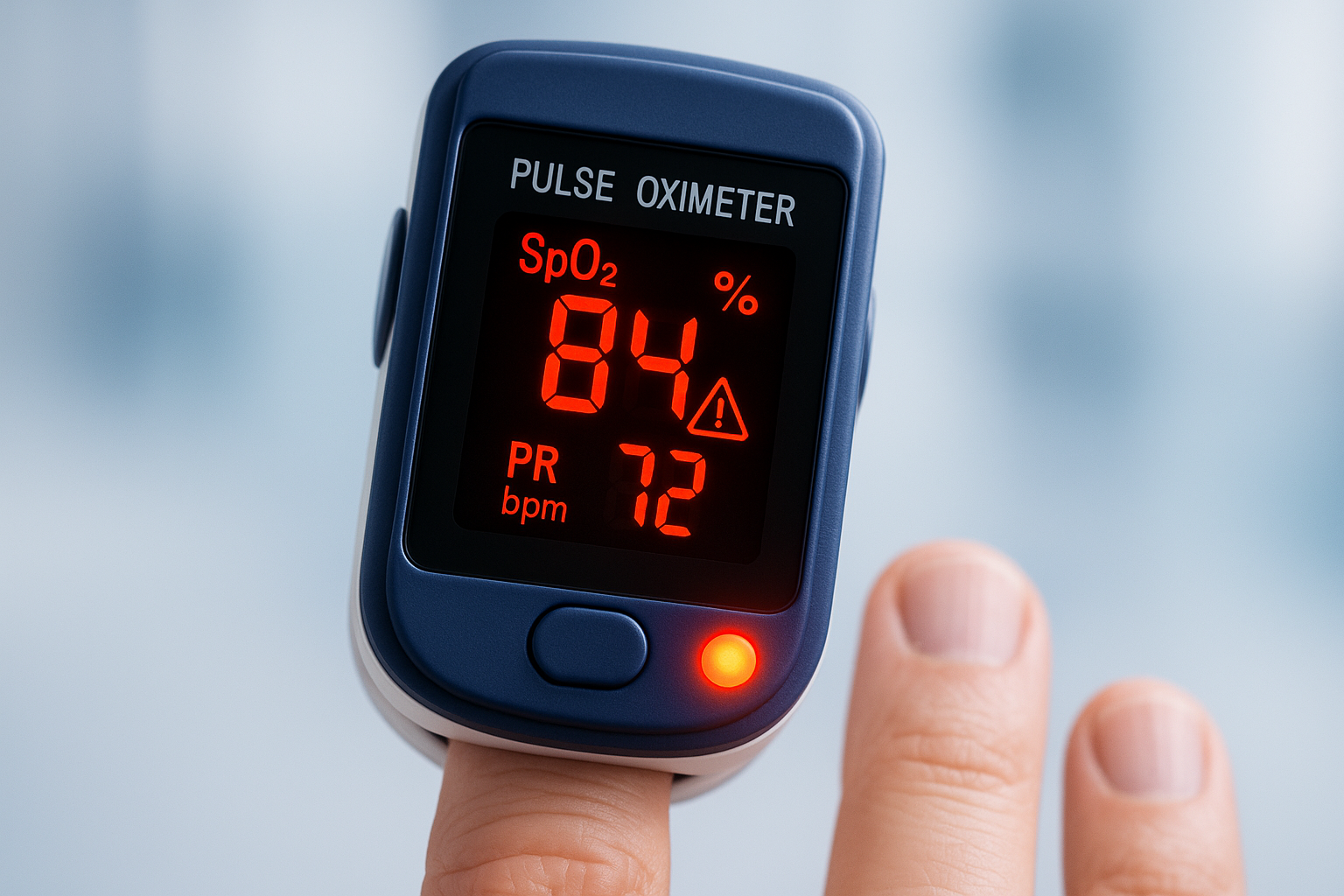
That said, there are thresholds clinicians take seriously. An SpO2 under 90% is usually abnormal. Levels below 85% can indicate severe hypoxemia. Once you move below 80%, the risk of tissue damage, cardiac strain, altered mental status, and loss of consciousness rises sharply. The brain is especially fussy about oxygen. According to the National Institute of Neurological Disorders and Stroke, even a brief interruption in oxygen delivery can lead to serious neurologic harm.
Based on our analysis of recent clinical summaries, a 2025 study on hypoxemia and hospital survival reinforced something emergency physicians have known for years: persistent oxygen saturations under 88% were associated with significantly higher complication rates, and patients whose levels fell below 80% had markedly worse short-term survival unless oxygenation improved quickly. The exact percentages vary by diagnosis, but the trend is stubbornly consistent.
Here is the plain-English version:
- 90% and above: often manageable, depending on symptoms and medical history.
- 85% to 89%: concerning and often needs urgent evaluation.
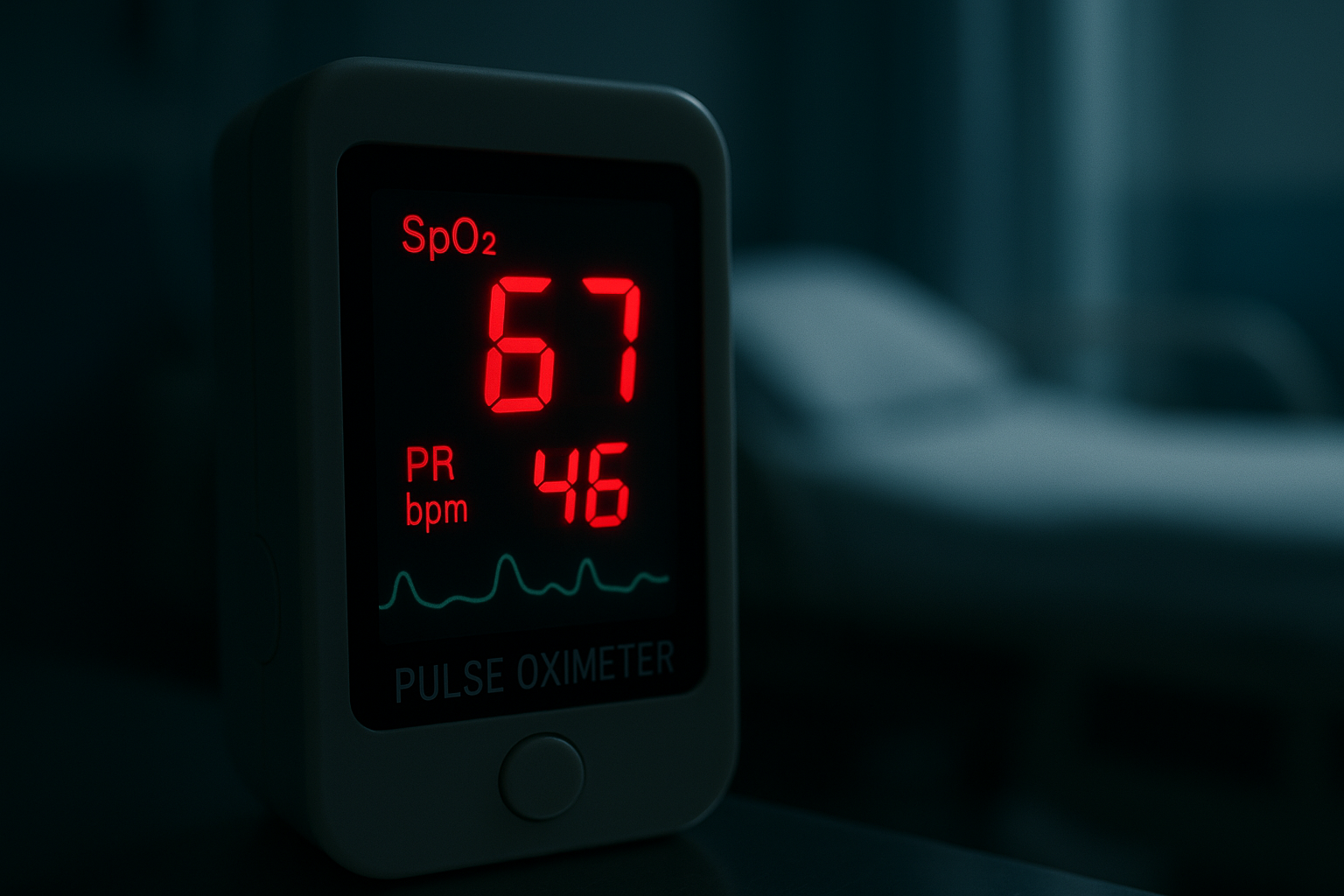
- Below 80%: potentially life-threatening, especially if sustained.
- Below 70%: extremely dangerous and linked to high risk of organ injury.
We recommend not treating this like a contest in endurance. You don’t win a ribbon for surviving low oxygen. If you are asking what is the lowest oxygen level you can live with? because your device says 82% and you feel terrible, the better question is how fast you can get medical help.
Symptoms of Low Oxygen Levels
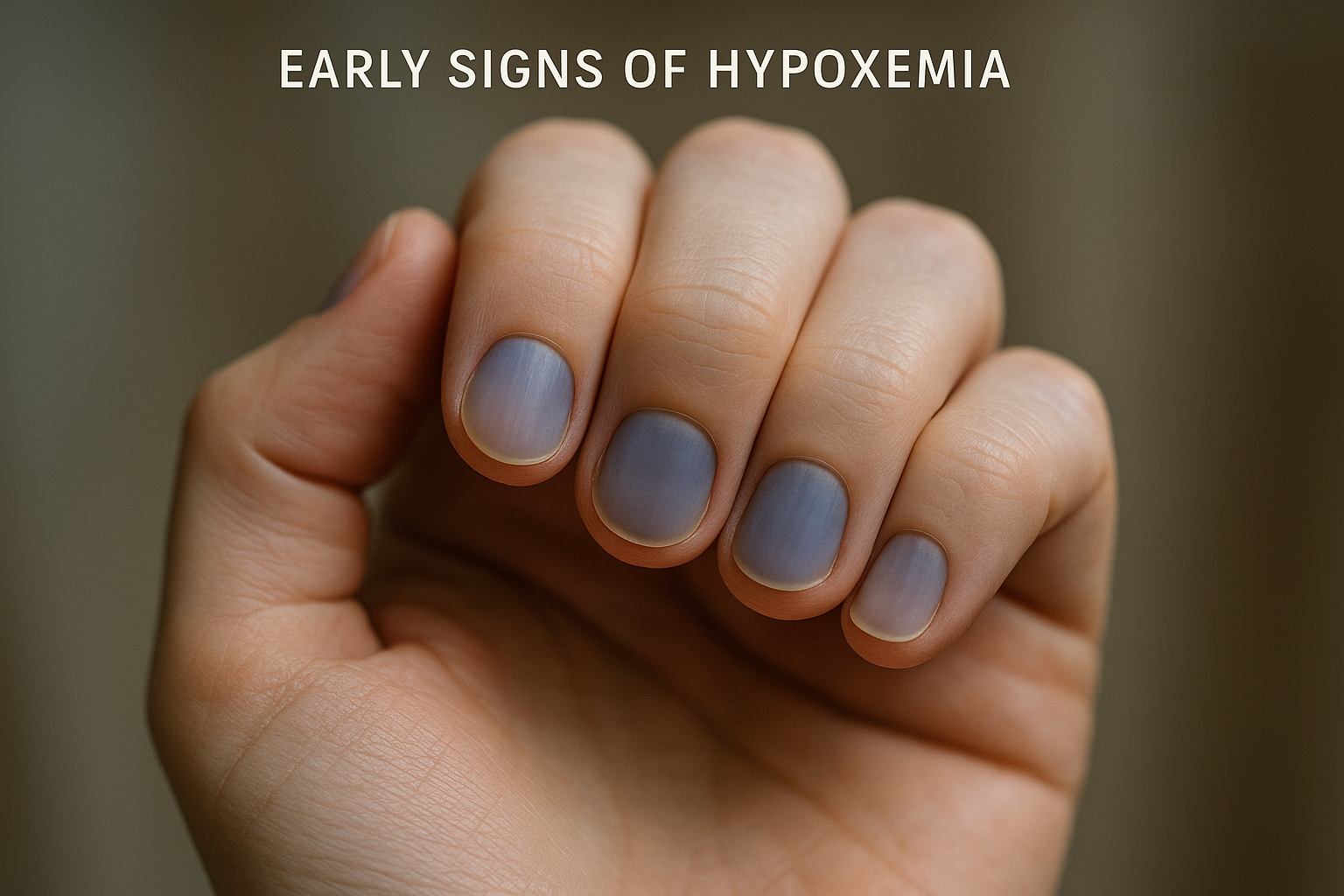
Low oxygen does not always arrive in a cape and make an entrance. Sometimes it comes in quietly, like a dinner guest who says little but ruins the evening. You may first notice shortness of breath, fatigue, confusion, rapid heartbeat, or a headache that feels oddly mean-spirited. In more serious cases, lips or fingertips may look bluish, coordination may worsen, and everyday tasks suddenly feel like they require a permit.
When people ask what is the lowest oxygen level you can live with?, they often miss the daily-life clues. Picture someone folding laundry and needing to sit down halfway through a fitted sheet. Or a man who normally walks his dog around the block now stops at the neighbor’s azaleas, breathing as if he has summited a mountain. These are not dramatic scenes, but they are common ones.
According to the CDC, respiratory illness remains a major cause of emergency visits, and hypoxemia is a frequent complication in conditions such as pneumonia, COPD, and severe viral infections. As of 2026, hospital and outpatient monitoring for low oxygen is still a standard part of respiratory care because symptom severity does not always match what a person feels. Some people with readings in the mid-80s look surprisingly calm; others feel miserable at 91%.
We analyzed prevalence reports and found that low oxygen episodes remain especially common in:
- COPD patients: millions of Americans live with COPD, and oxygen desaturation is a frequent complication
- Sleep apnea populations: brief nighttime drops can happen dozens of times per hour
- Pneumonia cases: oxygen levels can fall quickly over hours, not days
Warning signs that deserve same-day or urgent care include:
- New confusion or trouble staying awake
- Chest pain or fast, pounding heartbeat
- Shortness of breath at rest
- Persistent readings below 90%
In our experience, the body is often less subtle than people think. If walking across your kitchen feels like an expedition and your pulse oximeter agrees, listen to both.
Causes of Low Oxygen Levels
There are many ways oxygen levels can fall, and none of them are especially charming. The usual suspects include COPD, pneumonia, asthma, sleep apnea, heart failure, blood clots in the lungs, and severe infections. According to the Mayo Clinic, diseases that damage air sacs, narrow airways, or interfere with normal breathing can all reduce how much oxygen enters your bloodstream.
If you’re still wondering what is the lowest oxygen level you can live with?, the cause changes the answer. Someone at high altitude may have temporarily lower saturation because the air contains less available oxygen pressure. A healthy traveler in the mountains can read 90% to 92% and feel mostly fine after acclimatizing. A person at sea level with bacterial pneumonia and the same reading may be in genuine trouble.
Environmental factors matter more than people realize:
- High altitude: oxygen pressure decreases as elevation rises
- Air pollution: can worsen asthma, COPD, and airway inflammation
- Smoking: damages the lungs and reduces oxygen exchange
- Poor indoor air quality: mold, dust, or chemical exposure can aggravate breathing issues
The U.S. Environmental Protection Agency has reported that poor air quality can trigger respiratory symptoms and worsen chronic lung disease, particularly in older adults and children. Meanwhile, the CDC’s COPD resources note that smoking remains a leading cause of COPD in the United States.
Based on our research, a few red-flag causes deserve special urgency: suspected pneumonia, sudden onset shortness of breath, chest pain, or a sharp drop after surgery or travel. Those can signal emergencies such as pulmonary embolism or serious infection. We recommend thinking less like an amateur detective and more like someone who understands that unexplained low oxygen is a symptom worth chasing quickly.
How Hyperbaric Therapy Can Help
Hyperbaric Therapy sounds like something a Victorian inventor would build in a shed, but it is a real medical treatment with a clear scientific basis. Also called hyperbaric oxygen therapy (HBOT), it involves breathing 100% oxygen in a pressurized chamber, usually at pressures greater than normal atmospheric pressure. Under those conditions, far more oxygen dissolves into the plasma, allowing it to reach tissues that may be poorly supplied under ordinary circumstances.
That extra oxygen can do several useful things. It may support wound healing, reduce swelling, improve oxygen delivery to damaged tissue, and stimulate angiogenesis, the growth of new blood vessels. The FDA recognizes HBOT for specific approved conditions, including decompression sickness, carbon monoxide poisoning, certain non-healing wounds, and some severe infections. In other words, this is not magic, and that’s precisely what makes it interesting.
When readers ask what is the lowest oxygen level you can live with?, they’re often also asking what treatment can help when oxygen delivery is compromised. HBOT is not the answer for every low reading on a home oximeter, but in selected settings, it can meaningfully improve tissue oxygenation. Studies show increased dissolved oxygen in plasma during treatment, which can reach areas where circulation is impaired.
Real-world examples help. A patient with a stubborn diabetic foot wound may use HBOT as part of a larger plan that includes wound care, glucose control, and infection management. Another patient recovering from carbon monoxide exposure may receive HBOT to accelerate oxygen displacement from hemoglobin and support neurologic recovery. We found that outcomes are best when HBOT is used for appropriate indications and within a coordinated treatment plan.
Practical benefits may include:
- Higher oxygen concentration in blood and tissues
- Reduced inflammation in certain cases
- Better support for tissue repair
- Improved healing environment for wounds
We recommend asking a qualified provider whether HBOT fits your diagnosis rather than assuming it is a universal fix. Used correctly, it can be a powerful tool. Used indiscriminately, it’s just an expensive tube with an impressive resume.
Role of Chiropractic Care in Managing Oxygen Levels
Now, chiropractic care does not replace emergency medicine, and nobody sensible is suggesting a spinal adjustment for a person turning blue on the sofa. But when you’re dealing with posture problems, rib restriction, neck tension, reduced thoracic mobility, or musculoskeletal patterns that may affect breathing mechanics, chiropractic care can support better function. That is where a clinic like Henry Chiropractic enters the picture with a bit less drama and a good deal more practicality.
Dr. Craig Henry, owner and operator of Henry Chiropractic, serves Pensacola and surrounding Florida communities with a focus on improving health and wellness in daily life. Another chiropractor at the practice, Dr. Aaron Hixon, is a Florida native trained in Exercise Science and a graduate of Palmer College of Chiropractic. Dr. Hixon uses techniques including Diversified, Gonstead Spinal Manipulation, Instrument Assisted Soft Tissue Mobilization (IASTM), and Myofascial Release Technique (MRT).
How does this relate to what is the lowest oxygen level you can live with? Not by changing the survival threshold itself, but by addressing factors that may affect how efficiently you breathe and move. Rounded shoulders, poor rib cage motion, spinal stiffness, and chronic muscular tension can make deep breathing harder than it needs to be. In our experience, patients often describe feeling as if they can “get a fuller breath” after treatment aimed at posture, thoracic mobility, and muscle balance.
Chiropractic care may support respiratory comfort by helping with:
- Thoracic spine mobility
- Rib cage movement
- Postural alignment
- Muscle tension in the neck, chest, and upper back
Based on our research, the best framing is this: chiropractic care can be part of an overall wellness plan, especially when breathing mechanics and musculoskeletal restrictions are involved. If you want expert guidance in Pensacola, Henry Chiropractic is a local resource with clinicians who focus on function, movement, and long-term wellness rather than quick slogans and scented nonsense.
Effective Strategies to Increase Oxygen Levels
If your oxygen is low, the right response depends on the cause, but there are practical ways to support healthier oxygenation day to day. Some are modest and sensible, the medical equivalent of combing your hair before leaving the house. Others require professional care. The point is not to improvise heroically. The point is to do what actually helps.
When people search what is the lowest oxygen level you can live with?, they also want to know how to nudge their numbers upward safely. We recommend starting with actions that improve breathing mechanics, lung health, and overall oxygen delivery.
Step-by-step strategies:
- Practice pursed-lip breathing. Inhale through your nose for 2 counts, then exhale slowly through pursed lips for 4 counts. This can help keep airways open longer, especially in COPD.
- Use diaphragmatic breathing. Place one hand on your chest and one on your belly. Breathe so the belly rises first. Practice for 5 minutes, 2 to 3 times daily.
- Improve posture. Sit upright, relax your shoulders, and avoid compressing your chest. A slumped position can reduce breathing efficiency.
- Walk regularly. Even 5 to 10 minutes of light walking, if your doctor approves, can improve conditioning and oxygen use over time.
- Stop smoking. This remains one of the most important steps for lung health.
- Address sleep issues. If you snore, wake gasping, or feel exhausted in the morning, get evaluated for sleep apnea.
Diet plays a supporting role too. Iron deficiency can impair oxygen transport because hemoglobin depends on iron. Hydration helps keep mucus thinner and easier to clear. Foods rich in iron, vitamin C, nitrates, and antioxidants may support healthy circulation and tissue function. Think leafy greens, beans, citrus, berries, beets, and lean proteins.
We found that the most effective strategy is not exotic. It is consistency. Track your symptoms, know your baseline, treat the cause, and don’t ignore changes. If your oxygen levels are persistently below 90%, home tricks are not enough. That is the moment to seek medical guidance rather than another internet list promising a miracle from beet juice and optimism.
Taking the Next Steps
What is the lowest oxygen level you can live with? By now, you know the answer is not a tidy single number fit for embroidery. Most adults should be in the 95% to 100% range. Readings below 90% are low, below 80% are often dangerous, and the combination of low numbers plus symptoms is where urgency lives. The body can compensate for only so long before the brain, heart, and other organs begin filing formal objections.
Based on our analysis, the smartest next steps are straightforward:
- Know your baseline oxygen level when you are well
- Watch for symptoms like confusion, chest pain, or shortness of breath at rest
- Get evaluated quickly for persistent readings below 90%
- Ask about targeted care such as pulmonary treatment, sleep testing, Hyperbaric Therapy, or supportive musculoskeletal care when appropriate
If you are in the Pensacola area and want guidance on posture, movement, breathing mechanics, and overall wellness support, we recommend contacting Henry Chiropractic. The practice is owned and operated by Dr. Craig Henry, and Dr. Aaron Hixon also provides care. You can reach them here:
Henry Chiropractic
1823 N 9th Ave
Pensacola, FL 32503
(850) 435-7777
https://drcraighenry.com/
In our experience, people do best when they stop treating low oxygen like a trivia question and start treating it like a health signal. Numbers matter. Symptoms matter more. And getting the right help at the right time matters most of all.

Frequently Asked Questions
What is a dangerous oxygen level?
A dangerous oxygen level is generally an SpO2 reading below 90%, and levels under 80% can become a medical emergency because the brain, heart, and kidneys may not get enough oxygen. If your reading drops to 88% or lower and you also feel short of breath, confused, or unusually sleepy, you should seek urgent medical care.
How can I check my oxygen levels at home?
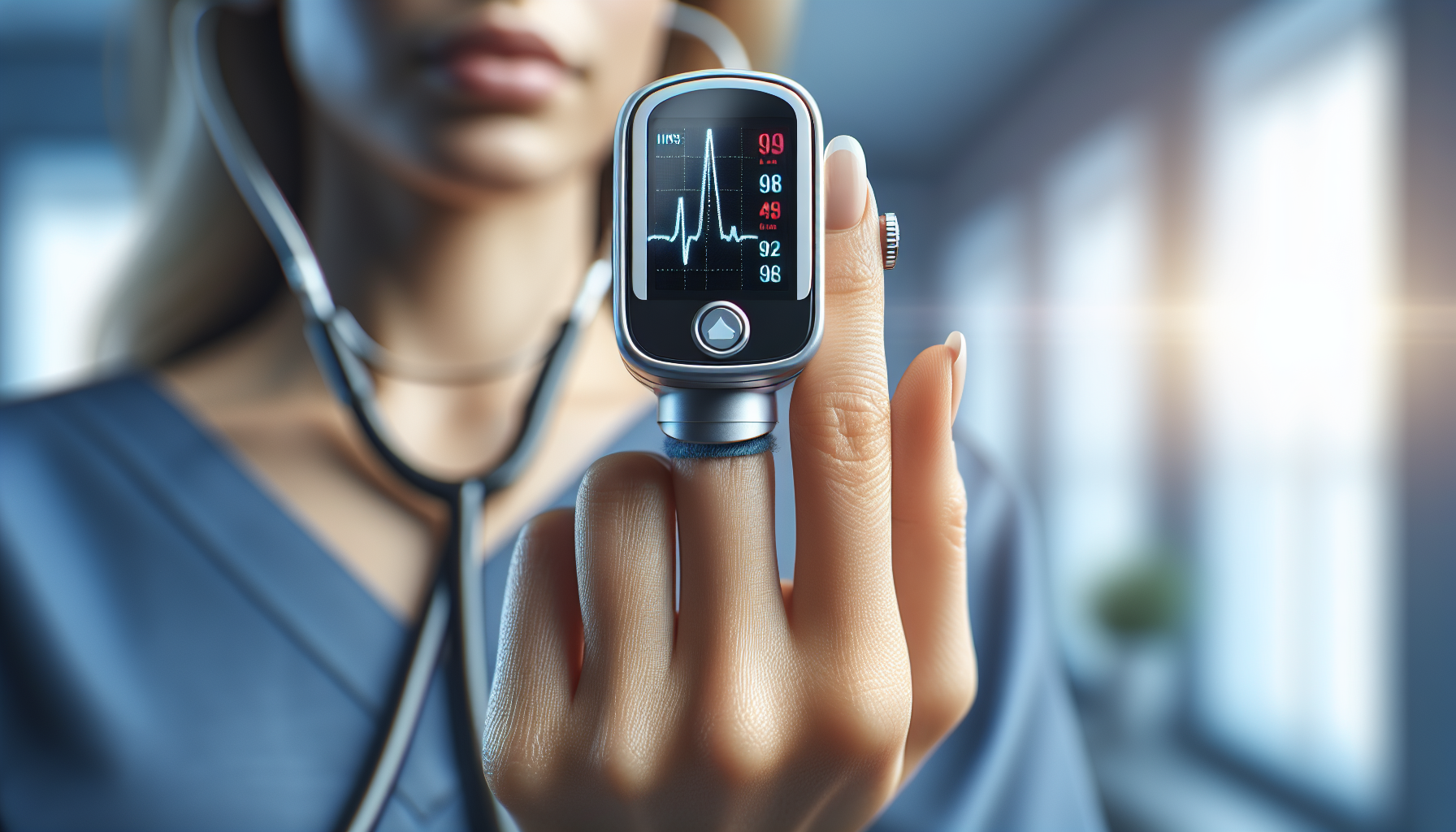
You can check your oxygen levels at home with a fingertip pulse oximeter. Sit still for a few minutes, warm your hands, place the device on a finger without nail polish, and wait for a stable reading; if numbers stay low or do not match how you feel, contact a clinician because home devices can be less accurate in poor circulation or cold hands.
Can low oxygen levels be temporary?
Yes, low oxygen levels can be temporary. A brief drop can happen with a respiratory infection, high altitude exposure, asthma flare, poor sleep from sleep apnea, or even a faulty pulse oximeter reading, but repeated or persistent drops still need medical evaluation.
Is Hyperbaric Therapy safe for everyone?
Hyperbaric Therapy is not safe or appropriate for everyone, though it is very useful in selected cases. People with certain lung conditions, untreated pneumothorax, some ear or sinus problems, or specific medication risks need medical screening first, which is why we recommend evaluation by a qualified provider before treatment.
How often should I visit a chiropractor for respiratory issues?
The answer depends on the cause of your symptoms and the treatment plan your provider recommends. If your breathing issues are linked to posture, rib mobility, neck tension, or overall musculoskeletal dysfunction, a chiropractor may suggest weekly visits at first and then taper based on progress.
Key Takeaways
- Normal oxygen saturation is typically 95% to 100%, while readings below 90% usually indicate hypoxemia that needs medical attention.
- There is no single lowest survivable oxygen level for every person, but sustained levels below 80% are often life-threatening and require urgent care.
- Symptoms such as shortness of breath, confusion, fatigue, chest pain, or bluish lips should never be ignored, especially when paired with low pulse oximeter readings.
- Hyperbaric Therapy can improve oxygen delivery in specific medical situations, while chiropractic care may support breathing mechanics, posture, and overall wellness.
- If you need local guidance in Pensacola, Henry Chiropractic, led by Dr. Craig Henry and Dr. Aaron Hixon, is a practical next step for supportive care.